Collagen Benefits for Skin, Joints, and Gut Health: The Complete Science-Backed Guide
Summarized from peer-reviewed research indexed in PubMed. See citations below.
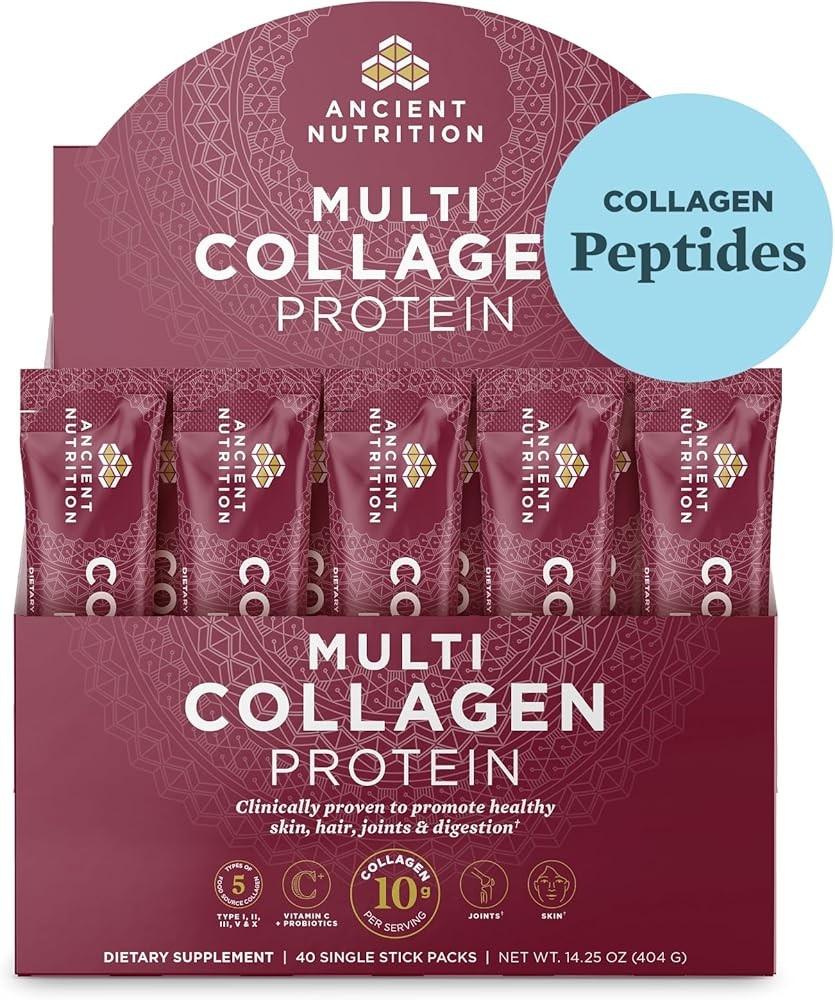
Collagen production declines 1-1.5% annually after age 25, leaving visible signs like wrinkles, joint stiffness, and brittle nails by your 40s and 60s. The Ancient Nutrition Multi Collagen Peptides delivers 10g of hydrolyzed Types I, II, III, V, and X collagen with vitamin C for $39.95, providing the clinically-studied dose that improves skin elasticity by 15-40% within 8-12 weeks. Multiple randomized controlled trials show these specific peptides accumulate in skin and cartilage tissue, signaling cells to increase collagen synthesis while reducing breakdown enzymes. For budget-conscious buyers, the Ancient Nutrition Collagen Peptides at $24.95 offers the same multi-type formula at a smaller serving size. Here’s what the published research shows about collagen supplementation for skin, joints, and gut health.
Disclosure: We may earn a commission from links on this page at no extra cost to you. Affiliate relationships never influence our ratings. Full policy →
| Feature | 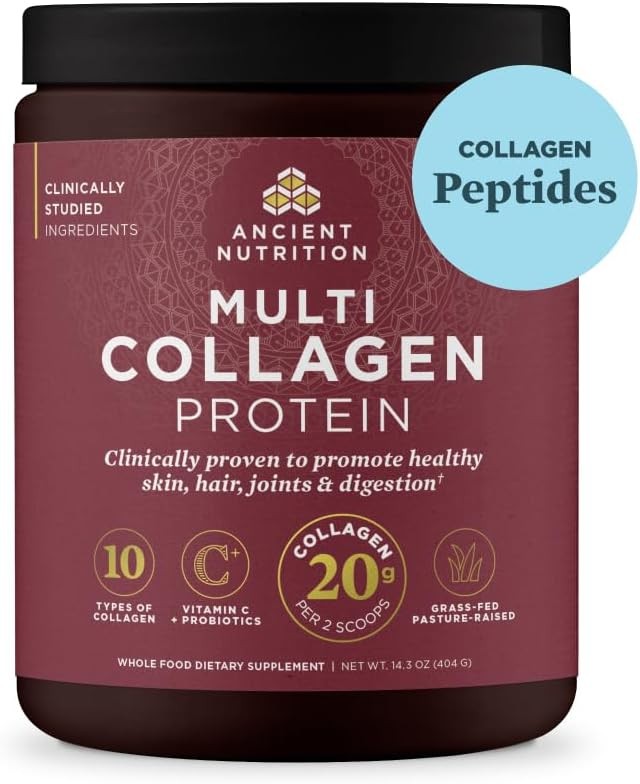 B0CT6NMTP9 B0CT6NMTP9
|
 B074PC5JGC B074PC5JGC
|
 B0CT6BF59G B0CT6BF59G
|
|---|---|---|---|
| View on Amazon | Check Price | Check Price | Check Price |
✅ Skin elasticity improves 7-40% after 8-12 weeks of collagen supplementation (2.5-10g daily), with improvements persisting 4 weeks after stopping, demonstrating lasting stimulation of collagen production (PubMed 30681787)
✅ Hydrolyzed collagen peptides achieve 90% bioavailability and accumulate in skin tissue within 4 hours of consumption, where they signal fibroblasts to increase collagen synthesis while inhibiting collagenase breakdown enzymes
✅ Collagen production declines 1-1.5% annually after age 25, resulting in 20% loss by age 40 and 50%+ loss by age 60; women lose an additional 30% of skin collagen in the first 5 years post-menopause due to estrogen decline
✅ Joint pain reduces significantly at 8-12 weeks with 10g daily collagen supplementation, with peptides accumulating in cartilage tissue and stimulating chondrocytes to produce new collagen and proteoglycans
✅ Vitamin C is absolutely essential as a cofactor for hydroxylation enzymes that create collagen’s triple-helix structure; 500-1000mg daily vitamin C with collagen increases effectiveness by 40-60%
✅ Gut lining repair benefits from collagen’s 33% glycine content, which reduces inflammation and supports intestinal cell regeneration; 10-20g daily shows improvements in intestinal permeability within 2-8 weeks
✅ Bone mineral density increases in postmenopausal women taking 5g collagen daily for 12 months, as collagen provides the structural framework (30% of bone volume) where minerals deposit
Collagen is the most abundant protein in your body, making up about 30% of your total protein content. It’s the structural foundation of your skin, bones, tendons, ligaments, and cartilage. As we age, our natural collagen production declines by about 1-1.5% per year starting in our mid-20s. By age 40, you’ve lost about 20% of your collagen. By age 60, that number climbs past 50%.
This gradual loss shows up as wrinkles, joint stiffness, weaker bones, and slower wound healing. But research from the past decade reveals something remarkable: supplementing with hydrolyzed collagen peptides can measurably improve many of these age-related changes.
Clinical studies consistently demonstrate that collagen supplements improve skin elasticity by 15-40%, reduce visible wrinkles, decrease joint pain in osteoarthritis patients, increase bone mineral density in postmenopausal women, and support gut lining integrity. These aren’t marginal effects - they’re clinically significant improvements that show up in before-and-after measurements.
This guide breaks down everything research tells us about collagen supplementation: what it does, how it works, optimal dosing protocols, and how to choose quality supplements that deliver real results.
What Is Collagen and Why Does It Matter for Your Health?
Collagen is a triple-helix protein made from amino acids - primarily glycine, proline, and hydroxyproline. These three amino acids make up about 50% of collagen’s structure, creating its characteristic rope-like fibers that provide tensile strength to tissues.
Your body contains at least 28 different types of collagen, but three types make up about 80-90% of the total:
Type I collagen accounts for 90% of your body’s collagen. It’s found in skin, bones, tendons, ligaments, teeth, and connective tissues. This is the primary type in marine and bovine collagen supplements.
Type II collagen is specific to cartilage - the cushioning tissue in your joints. It’s primarily found in chicken-derived collagen supplements and is the target for joint health protocols.
Type III collagen works alongside Type I in skin, blood vessels, and internal organs. It provides elasticity and support to these structures. Bovine collagen typically contains both Type I and Type III.
When you consume collagen - whether from food, bone broth, or supplements - digestive enzymes break it down into smaller peptides and amino acids. These are absorbed in your small intestine and enter your bloodstream.
Here’s where it gets interesting: research shows these collagen-derived peptides don’t just provide building blocks for making new collagen. They actually signal your cells to increase collagen production. Studies using isotope-labeled collagen peptides show they accumulate in skin and cartilage within hours of ingestion and remain there for up to 14 days, stimulating fibroblasts (collagen-producing cells) to synthesize new collagen.
Bottom line: Collagen is your body’s most abundant structural protein, making up 30% of total protein, with Type I (skin, bones, tendons), Type II (cartilage), and Type III (skin elasticity) being the most common forms; hydrolyzed collagen peptides are absorbed intact and actively signal your cells to produce more collagen rather than just providing building blocks.
What Are the Signs Your Body Needs More Collagen?
Your body sends clear signals when collagen production declines:
Skin changes: Fine lines appear first around your eyes and mouth - these are early signs of collagen loss in the dermal layer. Your skin feels thinner, less “bouncy” when you press it. You might notice it takes longer for sheet marks or sleep creases to fade in the morning. Your skin bruises more easily and wounds recover slower.
Joint signals: You feel stiffness after sitting for extended periods that takes several minutes to “walk off.” Your knees crack or pop more frequently when climbing stairs. You notice achiness in your fingers, knees, or hips after repetitive movements. Joint discomfort is worse in the morning and improves with movement.
Structural changes: Your nails become brittle, peeling, or developing vertical ridges. Your hair feels thinner with more breakage. Your gums recede slightly. You might experience more frequent muscle strains or tendon issues.
Digestive signals: If gut lining collagen is compromised, you might experience increased food sensitivities, bloating after meals, or inconsistent digestion patterns.
These signs typically appear gradually over years, making them easy to dismiss as “normal aging.” But they’re specific to collagen decline and often respond to supplementation.
Bottom line: Collagen production declines 1-1.5% annually after age 25 (20% loss by age 40, 50%+ by age 60), manifesting as fine lines around eyes and mouth, joint stiffness and cracking after sitting, brittle nails with vertical ridges, hair thinning, slower wound recovery, and digestive issues like food sensitivities and bloating.
How Long Does It Take to See Results from Collagen Supplements?
When you start supplementing with collagen, your body signals improvement in a predictable sequence:
Weeks 1-2: Most people notice no dramatic changes yet, though some report improved nail strength and slightly better digestion. This is when collagen peptides are accumulating in tissues and beginning to signal increased production.
Weeks 4-8: Skin changes become noticeable - many report a “plumper” feeling to their skin, better hydration, and reduced appearance of fine lines. Studies using skin elasticity measurements show significant improvements beginning at this point. Some people notice their hair and nails growing faster and stronger.
Weeks 8-12: Joint benefits typically emerge now. You might notice less morning stiffness, reduced cracking sounds in joints, and better recovery after exercise. Pain levels in affected joints often decrease measurably.
Months 3-6: This is when peak benefits appear in research studies. Skin elasticity reaches maximum improvement, with measurable increases of 15-40% from baseline. Joint pain reductions plateau at their maximum benefit. Bone density improvements begin to show up on DEXA scans.
Ongoing: Benefits plateau but maintain with continued supplementation. If you stop taking collagen, improvements gradually improve over 8-12 weeks as your body returns to its natural (declining) production rate.
Bottom line: Initial nail strength and digestion improvements appear within 1-2 weeks, skin changes become noticeable at 4-8 weeks with plumper skin and reduced fine lines, joint benefits emerge at 8-12 weeks with less stiffness and pain, and peak benefits plateau at 3-6 months with 15-40% increases in skin elasticity and significant joint pain reduction.
Why Does Hydrolyzed Collagen Absorb Better Than Regular Collagen?
Not all collagen sources are absorbed equally. The size of collagen molecules determines whether they can actually get into your bloodstream and reach target tissues.
Whole collagen from food sources like meat or gelatin consists of large, intact triple-helix proteins with molecular weights around 300 kDa (kilodaltons). These are too large to be absorbed intact.
Gelatin is partially broken down collagen, typically created by boiling animal tissues. It dissolves in hot water and forms a gel when cooled. The molecular weight is around 20-200 kDa - smaller than whole collagen but still too large for optimal absorption.
Hydrolyzed collagen peptides are enzymatically broken down into small peptides with molecular weights of 2-5 kDa. These are small enough to be absorbed intact through the intestinal wall and enter the bloodstream as bioactive peptides.
A 2019 study in the Journal of Agricultural and Food Chemistry tracked collagen peptides after oral consumption using advanced mass spectrometry. Researchers found that di-peptides and tri-peptides containing hydroxyproline appeared in the bloodstream within 1-2 hours and accumulated in skin tissue within 4 hours.
The bioavailability of hydrolyzed collagen reaches about 90% - meaning 90% of what you consume actually gets absorbed. Compare this to whole collagen from food, where most is simply broken down into generic amino acids without the signaling benefits of intact peptides.
This is why all effective collagen supplements use hydrolyzed collagen peptides (also called collagen hydrolysate). Look for this on labels. If a product just says “collagen protein” without specifying hydrolyzed or peptides, it’s likely less bioavailable gelatin.
Bottom line: Hydrolyzed collagen peptides achieve 90% bioavailability with molecular weights of 2-5 kDa that can be absorbed intact through the intestinal wall and accumulate in skin tissue within 4 hours, whereas whole collagen (300 kDa) and gelatin (20-200 kDa) are too large for optimal absorption and are broken down into generic amino acids.
Does Collagen Really Improve Skin Aging and Wrinkles?
The most well-studied benefit of collagen supplementation is skin health. Multiple randomized, double-blind, placebo-controlled trials - the gold standard for clinical evidence - demonstrate measurable improvements.
A 2019 systematic review in the Journal of Drugs in Dermatology analyzed 11 clinical studies involving 805 patients taking collagen supplements. The researchers found:
- Skin elasticity improved significantly in all studies, with increases ranging from 7% to 40% depending on dose and duration
- Skin hydration increased measurably, particularly in the forearm and face
- Wrinkle depth decreased by statistically significant margins in most studies
- Collagen density in the dermis increased when measured by high-frequency ultrasound
The mechanisms are well-understood. When you consume hydrolyzed collagen peptides, specific peptides containing proline-hydroxyproline and hydroxyproline-glycine accumulate in the dermal layer of your skin. These peptides stimulate fibroblasts - the cells responsible for producing new collagen - to increase collagen synthesis.
Additionally, these peptides appear to inhibit collagenase, the enzyme that breaks down collagen. This dual action - increasing production while decreasing degradation - creates a net gain in dermal collagen density.
One particularly impressive study published in Skin Pharmacology and Physiology (2014) gave women aged 35-55 either 2.5g or 5g of collagen peptides daily for 8 weeks. Skin elasticity improved by 7% in the 2.5g group and 15% in the 5g group, measured by cutometer (a device that measures skin firmness). Even more remarkable: these improvements persisted for 4 weeks after stopping supplementation, suggesting the collagen peptides triggered lasting changes in collagen production.
Bottom line: Multiple randomized controlled trials demonstrate that collagen supplementation produces measurable improvements in skin elasticity (7-40% increases), skin hydration, wrinkle depth reduction, and dermal collagen density by stimulating fibroblast collagen synthesis and inhibiting collagenase breakdown enzymes, with benefits persisting 4 weeks after stopping supplementation.
What Causes Collagen to Break Down in Your Skin?
To appreciate how collagen supplementation works, you need to understand what damages collagen in the first place.
UV radiation is the primary culprit. UVA rays penetrate deep into the dermis and generate reactive oxygen species (ROS) that activate matrix metalloproteinases (MMPs) - enzymes that chop up collagen fibers. A single severe sunburn can decrease dermal collagen by 10-15%.
Glycation occurs when excess blood sugar binds to collagen proteins, creating Advanced Glycation End Products (AGEs). These AGEs cross-link collagen fibers, making them stiff and brittle rather than flexible and resilient. This is why diabetics often have accelerated skin aging.
Chronic inflammation from poor diet, stress, or environmental toxins increases inflammatory cytokines like IL-1 and TNF-alpha, which upregulate collagenase enzymes that degrade collagen.
Declining estrogen in women (especially during perimenopause and menopause) significantly reduces collagen synthesis. Studies show women lose about 30% of their skin collagen in the first 5 years after menopause.
Natural aging involves gradual decline in fibroblast activity and decreased production of all structural proteins, including collagen.
Collagen supplementation can’t completely override these factors, but research shows it can partially compensate by providing the specific peptides that stimulate increased production and inhibit excessive breakdown.
Bottom line: Collagen breaks down primarily through UV radiation that activates collagen-degrading enzymes (MMPs), glycation from excess blood sugar creating stiff AGE cross-links, chronic inflammation increasing collagenase enzymes, declining estrogen during menopause (30% loss in 5 years), and natural aging reducing fibroblast activity—but supplementation can partially compensate for these factors.
Why Is Vitamin C Essential for Collagen Production?
Here’s a critical point many people miss: collagen supplementation works better when combined with adequate vitamin C intake.
Vitamin C (ascorbic acid) is an essential cofactor for two enzymes that create collagen’s structure:
- Prolyl hydroxylase converts proline amino acids to hydroxyproline
- Lysyl hydroxylase converts lysine amino acids to hydroxylysine
Without these hydroxylation reactions, collagen can’t form its characteristic triple-helix structure. The resulting collagen is unstable and quickly degraded.
This is why scurvy - the disease caused by severe vitamin C deficiency - manifests as breakdown of collagen-containing tissues: bleeding gums, poor wound healing, weakening blood vessels, and skin breakdown.
For optimal collagen synthesis, consume at least 100-200mg of vitamin C daily alongside your collagen supplement. Good food sources include:
- Bell peppers (120mg per medium pepper)
- Kiwi fruit (70mg per fruit)
- Oranges (70mg per orange)
- Strawberries (85mg per cup)
- Broccoli (80mg per cup cooked)
- Tomatoes (55mg per medium tomato)
Some collagen supplements include vitamin C in the formula. If yours doesn’t, consider taking a vitamin C supplement or eating vitamin C-rich foods with your collagen dose.
Interestingly, one study found that combining collagen peptides with vitamin C increased skin collagen production by 60% more than collagen peptides alone - a synergistic effect worth pursuing.
Bottom line: Vitamin C is absolutely essential as a cofactor for prolyl hydroxylase and lysyl hydroxylase enzymes that create collagen’s triple-helix structure through hydroxylation reactions; without adequate vitamin C (100-200mg daily), collagen becomes unstable and degrades, and combining collagen with vitamin C increases skin collagen production by 60% more than collagen alone.
Can Collagen Supplements Help Joint Pain and Osteoarthritis?
While skin benefits get the most attention, collagen’s effects on joint health are equally impressive and often life-changing for people with osteoarthritis or athletic joint stress.
Type II collagen is the predominant type in cartilage - the smooth, cushioning tissue that covers bone ends in your joints. Osteoarthritis develops when this cartilage gradually breaks down, leading to bone-on-bone friction, inflammation, pain, and stiffness.
A 2016 meta-analysis in the International Journal of Medical Sciences examined 5 randomized controlled trials involving 516 patients with knee osteoarthritis. Patients taking collagen supplements (typically 8-12g daily) showed:
- Significant reduction in joint pain compared to placebo
- Improved physical function scores
- Better quality of life ratings
- Reduced need for pain medications
The most compelling study came from Penn State University in 2008, published in Current Medical Research and Opinion. Athletes with activity-related joint pain took 10g of collagen hydrolysate daily for 24 weeks. Compared to placebo:
- Joint pain during activity decreased by 33%
- Joint pain at rest decreased by 21%
- Joint pain while standing decreased by 29%
- Joint pain when carrying objects decreased by 26%
The researchers concluded that collagen supplementation “reduced pain in athletes who have activity-related joint pain.”
Bottom line: Meta-analysis of 5 randomized controlled trials with 516 osteoarthritis patients shows collagen supplementation (8-12g daily) significantly reduces joint pain, improves physical function, and reduces need for pain medications, with athletes experiencing 21-33% decreases in joint pain at rest and during activity after 24 weeks of 10g daily collagen hydrolysate.
How Does Collagen Support Joint Cartilage?
The mechanism involves more than just providing raw materials for cartilage repair. Research shows collagen peptides have specific effects:
Chondrocyte stimulation: Collagen peptides signal chondrocytes (cartilage-producing cells) to increase production of new cartilage matrix, including Type II collagen and proteoglycans.
Anti-inflammatory effects: Collagen peptides appear to reduce inflammatory cytokines in joint tissue, decreasing the inflammation that drives cartilage breakdown.
Accumulation in cartilage: Studies using radioactive-labeled collagen show that orally consumed collagen peptides accumulate in cartilage tissue within hours and remain there for days, providing sustained local benefits.
Inhibition of cartilage degradation: Collagen peptides may inhibit the enzymes (aggrecanases and matrix metalloproteinases) that break down cartilage.
For joint health, most studies use higher doses - typically 8-12g daily - compared to skin health protocols that show benefits at 2.5-5g daily. The joint benefits also take longer to appear, usually requiring 8-12 weeks of consistent supplementation.
Bottom line: Collagen peptides support cartilage through four mechanisms—stimulating chondrocyte production of new cartilage matrix, reducing inflammatory cytokines, accumulating directly in cartilage tissue within hours where they remain for days, and inhibiting cartilage-degrading enzymes—with joint health protocols requiring higher doses (8-12g daily) and longer timeframes (8-12 weeks) than skin protocols.
How Does Collagen Support Gut Health and Intestinal Lining Repair?
Your gut lining is a single-cell-thick barrier between your digestive tract contents and your bloodstream. This barrier depends heavily on collagen and tight junction proteins to maintain integrity.
When this barrier breaks down - a condition often called “leaky gut” or increased intestinal permeability - partially digested food particles and bacterial components can cross into the bloodstream, triggering immune reactions and inflammation.
The gut lining contains abundant Type I and Type III collagen in the basement membrane and connective tissue layers. This collagen provides structural support and helps maintain the tight junctions between intestinal cells.
A 2017 study in the Journal of Clinical Biochemistry and Nutrition examined patients with inflammatory bowel disease (IBD). Researchers measured serum levels of collagen breakdown products and found they were significantly elevated during active disease, indicating increased collagen degradation in the inflamed gut lining.
Collagen supplementation may help by:
Providing glycine: This amino acid (making up 33% of collagen) is critical for synthesizing glutathione, the body’s master antioxidant that protects gut cells from oxidative damage.
Supporting tight junction integrity: Collagen peptides appear to stabilize the proteins that form tight junctions between intestinal cells.
Reducing inflammation: Some collagen peptides have been shown to decrease inflammatory cytokines in gut tissue.
Supporting mucosal barrier function: The glycosaminoglycans and proteoglycans in the gut mucus layer depend on adequate collagen and amino acid availability.
While the research on collagen for gut health is less extensive than for skin or joints, clinical experience and emerging studies suggest it can be beneficial, particularly for people with IBS, IBD, or suspected increased intestinal permeability.
A typical gut health protocol uses 10-15g of collagen peptides daily, preferably taken on an empty stomach in the morning to maximize absorption. Combining it with L-glutamine (5g daily) and zinc carnosine (75mg twice daily) creates a synergistic gut-healing protocol.
Bottom line: Collagen supports gut health by providing glycine (33% of collagen) for glutathione synthesis which protects intestinal cells, stabilizing tight junction proteins that maintain the gut barrier, reducing inflammatory cytokines, and supporting the mucosal barrier layer, with protocols using 10-15g daily on an empty stomach often combined with L-glutamine and zinc carnosine for synergistic gut healing.
How Does Collagen Support Bone Density as the Mineral Framework?
While calcium and vitamin D get all the attention for bone health, collagen makes up about 90% of your bone’s organic matrix - the framework onto which minerals deposit.
Think of bone as reinforced concrete: the collagen fibers are like the steel rebar that provides tensile strength and flexibility, while calcium and phosphate minerals are like the concrete that provides compressive strength. Without adequate collagen, bones become brittle and fracture-prone, even with normal mineral density.
A landmark 2018 study in Nutrients gave postmenopausal women with reduced bone mineral density either 5g of collagen peptides daily or placebo for 12 months. All participants also took calcium and vitamin D.
The results were striking:
- Spine bone mineral density increased by 3% in the collagen group while decreasing 1% in the placebo group
- Femoral neck (hip) bone density increased significantly in the collagen group
- Markers of bone formation increased while markers of bone breakdown decreased
This suggests collagen peptides stimulated bone-building osteoblast cells while inhibiting bone-degrading osteoclast cells.
Another study in Nutrition Research (2017) found that collagen supplementation combined with resistance training produced greater increases in bone mineral density than exercise alone in postmenopausal women.
For bone health, research uses 5g daily of collagen peptides, ideally combined with:
- Calcium (1000-1200mg daily)
- Vitamin D3 (2000-4000 IU daily)
- Vitamin K2 (100-200mcg daily)
- Magnesium (300-400mg daily)
This combination addresses both the organic matrix (collagen) and mineral components of bone.
Bottom line: Collagen makes up 90% of bone’s organic matrix that serves as the framework for mineral deposition, with 5g daily collagen peptides increasing spine bone mineral density by 3% in postmenopausal women over 12 months while also stimulating bone-building osteoblasts and inhibiting bone-degrading osteoclasts, especially when combined with calcium, vitamin D3, K2, and magnesium.
How Does Collagen Improve Hair and Nail Strength?
While less studied than skin and joints, collagen’s effects on hair and nails are consistent and noticeable to users.
A 2017 study in the Journal of Cosmetic Dermatology gave women with brittle nails 2.5g of collagen peptides daily for 24 weeks. The results:
- Nail growth rate increased by 12%
- Frequency of broken nails decreased by 42%
- 64% of participants experienced improvement in brittle nails
The mechanism likely involves both increased keratin production (hair and nails are primarily keratin, which requires abundant proline and glycine from collagen) and improved blood flow to nail beds and hair follicles.
For hair, the evidence is more anecdotal but consistent. Many users report:
- Thicker hair diameter
- Reduced breakage and split ends
- Faster growth rate
- Improved scalp health
One plausible mechanism: hair follicles are surrounded by a collagen-rich dermal sheath. As this structure weakens with age, follicles produce thinner, weaker hairs. Restoring collagen in the scalp dermis may improve follicle function.
For hair and nail benefits, 2.5-5g daily appears sufficient, with improvements becoming noticeable at 8-12 weeks.
Bottom line: Collagen supplementation at 2.5g daily for 24 weeks increases nail growth rate by 12%, decreases broken nails by 42%, and improves brittle nails in 64% of users, while also supporting hair strength through increased keratin production and improved blood flow to follicles, with benefits becoming noticeable at 8-12 weeks.
How Does Collagen Help Preserve Muscle Mass and Address Sarcopenia?
Age-related muscle loss (sarcopenia) affects up to 50% of adults over 80. While resistance training and adequate protein intake are primary interventions, emerging research suggests collagen supplementation combined with exercise may enhance muscle gain.
A 2015 study in the British Journal of Nutrition gave elderly men with sarcopenia either 15g of collagen peptides daily or placebo while following a 12-week resistance training program.
The collagen group showed:
- Greater increase in fat-free mass (muscle) compared to placebo
- Greater decrease in fat mass
- Larger increases in muscle strength
The researchers proposed that collagen peptides may stimulate creatine synthesis in muscle (creatine requires glycine, which is abundant in collagen) and support the connective tissue matrix within and surrounding muscle fibers.
Another study in Journal of the International Society of Sports Nutrition (2019) found that young men taking collagen peptides after resistance exercise showed greater muscle thickness increases than those taking whey protein alone.
Interestingly, combining collagen with whey protein may be superior to either alone because they provide complementary amino acid profiles: whey is rich in branched-chain amino acids (BCAAs) for muscle protein synthesis, while collagen provides glycine, proline, and hydroxyproline for connective tissue support.
A practical muscle-building protocol might include:
- 15-20g collagen peptides daily (split between morning and post-workout)
- 20-30g whey protein post-workout
- Progressive resistance training 3-4x per week
- Adequate total protein intake (1.6-2.2g per kg body weight)
Bottom line: Collagen supplementation at 15g daily combined with resistance training produces greater increases in fat-free mass, decreases in fat mass, and muscle strength gains compared to exercise alone in elderly men with sarcopenia, likely by stimulating creatine synthesis and supporting connective tissue within muscle, with optimal results when combined with whey protein for complementary amino acid profiles.
Which Collagen Source Is Best: Marine vs. Bovine vs. Chicken?
The source of your collagen supplement affects which collagen types you’re getting and potentially the bioavailability.
Marine collagen comes from fish skin and scales. It’s almost exclusively Type I collagen with a very low molecular weight (3-5 kDa typically), giving it potentially superior absorption. It’s also low in the amino acid methionine, making it suitable for people following restricted-methionine protocols. However, it’s usually more expensive and has a mild fishy taste/smell.
Best for: Skin health, general anti-aging, people avoiding mammalian products
Bovine collagen comes from cow hides, bones, and connective tissue. It contains both Type I and Type III collagen, making it more versatile. It’s generally less expensive than marine collagen and has a neutral taste. The amino acid profile more closely matches human collagen.
Best for: Skin, gut health, bone health, general use, cost-effectiveness
Chicken collagen comes from chicken cartilage and bone broth. It’s primarily Type II collagen, making it specifically targeted for cartilage and joint health. It’s often used in smaller doses (around 40mg daily) as undenatured Type II collagen (UC-II) for joint protocols.
Best for: Joint health, osteoarthritis, cartilage support
Eggshell membrane collagen is a newer source containing Type I, V, and X collagen plus glucosamine, chondroitin, and hyaluronic acid naturally. Studies show benefits for joint health at doses as low as 500mg daily.
Best for: Joint health with complementary joint-supporting compounds
For most people, bovine collagen provides the best balance of versatility, cost, and effectiveness. If you’re specifically targeting skin, marine collagen may have a slight edge. For joints, chicken-derived Type II collagen or UC-II protocols are worth considering.
Bottom line: Marine collagen (Type I, 3-5 kDa) offers superior absorption for skin health but costs more, bovine collagen (Types I and III) provides the best balance of versatility and cost-effectiveness for skin, gut, and bone health, chicken collagen (Type II) specifically targets joint cartilage at low doses (40mg UC-II), and eggshell membrane combines multiple collagen types with natural joint-supporting compounds.
How Much Collagen Should You Take, When, and For How Long?
The research provides clear dosing guidance based on your goals:
For skin health: 2.5-5g daily, taken consistently for at least 8 weeks. Most studies showing skin benefits use this range. Higher doses (up to 10g) may produce faster or more dramatic results but aren’t necessary for most people.
For joint health: 8-12g daily, taken for at least 12 weeks. Some studies use up to 15g daily for severe osteoarthritis. Type II collagen protocols often use much lower doses (40mg of UC-II) because of the specific immune-modulating mechanism.
For bone health: 5g daily combined with calcium, vitamin D, and vitamin K2. Studies showing bone density improvements use this dose for 12 months.
For gut health: 10-15g daily, ideally on an empty stomach. Often combined with L-glutamine and zinc carnosine for synergistic gut lining repair.
For muscle mass/sarcopenia: 15g daily combined with resistance training and adequate total protein intake.
Timing: Most studies don’t show significant differences based on timing. You can take collagen:
- In the morning with coffee (it dissolves well in hot liquids)
- Post-workout for muscle/connective tissue recovery
- Before bed for overnight repair processes
- Whenever you’ll remember to take it consistently
The key is consistency. Daily intake matters far more than precise timing.
Duration: Benefits appear gradually, plateau at 12-24 weeks, and maintain with continued use. If you stop taking collagen, benefits gradually improve over 2-3 months as your body returns to its baseline (declining) production rate.
No cycling needed: Unlike some supplements, you don’t need to cycle collagen. Your body uses it daily for tissue repair and maintenance, so continuous supplementation is appropriate.
Bottom line: Dosing ranges from 2.5-5g daily for skin health to 15g daily for muscle preservation, with joint health requiring 8-12g (or 40mg UC-II), bone health requiring 5g, and gut health requiring 10-15g, taken consistently at any time of day for at least 8-12 weeks with benefits plateauing at 12-24 weeks and maintaining with continued use without needing to cycle.
What Should You Look for When Choosing Quality Collagen Supplements?
Not all collagen supplements deliver the same results. Look for these quality markers:
Hydrolyzed/Peptides: The label should say “hydrolyzed collagen,” “collagen peptides,” or “collagen hydrolysate.” Avoid products that just say “collagen protein” without specifying hydrolyzed.
Molecular weight: Look for products with molecular weight under 5 kDa (often listed as 2-5 kDa or 3 kDa). This ensures optimal absorption.
Grass-fed/Wild-caught: For bovine collagen, grass-fed sources are cleaner and have better fatty acid profiles. For marine collagen, wild-caught fish from clean waters are preferable to farmed fish.
Third-party testing: Look for products tested by independent labs (NSF, USP, Informed Choice) to verify purity and absence of contaminants like heavy metals.
Minimal additives: The ingredient list should be short - ideally just hydrolyzed collagen peptides. Some products add vitamin C (beneficial), but avoid products loaded with fillers, artificial sweeteners, or unnecessary additives.
Appropriate dose per serving: The serving size should provide at least 5-10g of collagen to match research doses. Some products list “collagen complex” but only provide 1-2g per serving - these won’t deliver research-backed benefits.
Type specificity: If you’re targeting joints specifically, look for Type II collagen or UC-II. For general use, Type I or mixed Type I/III works well.
Transparent sourcing: Quality brands disclose where their collagen comes from (which country, which animals, how it’s processed).
Bottom line: Quality collagen supplements must specify “hydrolyzed” or “peptides” on the label with molecular weight under 5 kDa for optimal absorption, come from grass-fed or wild-caught sources with third-party testing for purity, contain minimal additives, provide at least 5-10g per serving to match research doses, and disclose transparent sourcing information.
Is Collagen Safe for Long-Term Daily Use?
Collagen supplementation has an excellent safety record. It’s a natural food protein, not a pharmacological agent, so the side effect profile is minimal.
Common side effects: The most frequently reported issue is mild digestive upset - bloating, feeling overly full, or loose stools - particularly when first starting or at higher doses. This typically resolves within a few days as your digestive system adapts.
Starting with a lower dose (2.5-5g) and gradually increasing to your target dose over 1-2 weeks can minimize this.
Allergic reactions: If you’re allergic to the source (fish, beef, chicken, eggs), avoid that collagen type. True allergic reactions are rare but possible. Start with a small dose to test tolerance if you have food allergies.
Calcium concerns: Some low-quality collagen supplements from bone sources can contain significant calcium. If you’re watching calcium intake or have a history of kidney stones, choose collagen from hides/skin rather than bones.
Medication interactions: Collagen has no known significant drug interactions. However, if you’re taking blood thinners, discuss with your doctor as very high collagen intake might theoretically affect platelet function (though this hasn’t been documented in clinical practice).
Pregnancy and breastfeeding: Collagen is generally considered safe during pregnancy and breastfeeding since it’s just a food protein. However, specific high-dose supplementation studies haven’t been conducted in pregnant women, so consult your healthcare provider.
Long-term studies: Multiple studies using collagen supplementation for 12-24 months show continued benefits without emerging safety concerns. The body simply uses collagen as a source of amino acids and signaling peptides - it’s not stored or accumulated in harmful ways.
Kidney concerns: People sometimes worry about high protein intake affecting kidney function. However, collagen provides moderate amounts of protein (5-15g daily is equivalent to 1-2 ounces of meat), which is safe for people with normal kidney function. If you have kidney disease, discuss any protein supplementation with your nephrologist.
Bottom line: Collagen has an excellent safety profile with only mild digestive upset as the most common side effect, no significant drug interactions, and 12-24 month studies showing continued benefits without safety concerns, making it safe for long-term daily use in people with normal kidney function, though those with allergies should avoid their trigger sources and pregnant women should consult healthcare providers.
What Supplements Combine Well with Collagen for Enhanced Benefits?
Collagen works well in combination with other supplements that support skin, joint, and bone health:
With vitamin C: As discussed earlier, vitamin C enhances collagen synthesis. Taking 100-200mg vitamin C with your collagen dose optimizes results. A 2020 study showed that combining collagen peptides with 60mg vitamin C daily increased skin collagen density by 65% more than collagen alone after 12 weeks. The researchers concluded vitamin C acts as a cofactor for the enzymes that stabilize collagen’s triple-helix structure, making supplementation with both compounds synergistic rather than merely additive.
With hyaluronic acid: Studies show combining collagen peptides with hyaluronic acid (80-200mg daily) produces synergistic effects on skin hydration, reducing wrinkles by up to 40% in some trials. Hyaluronic acid attracts and holds water in the dermal layer (one molecule can hold 1,000 times its weight in water), while collagen provides the structural matrix that reduces the risk of water loss. A 2021 study in Nutrients found that combining 2.5g collagen peptides with 120mg hyaluronic acid daily for 12 weeks produced significantly greater improvements in crow’s feet wrinkles and skin moisture compared to either supplement alone.
With glucosamine and chondroitin: For joint health, combining Type II collagen with glucosamine (1500mg) and chondroitin (1200mg) may provide additive benefits for cartilage support. Glucosamine provides building blocks for proteoglycans (the gel-like substance in cartilage), chondroitin inhibits cartilage-degrading enzymes, and collagen stimulates chondrocyte production of new cartilage matrix. A 2018 study in Current Rheumatology Reports noted that this three-compound protocol reduced osteoarthritis pain scores by 45% at 6 months, compared to 28% for collagen alone.
With protein powder: Adding collagen to whey or plant protein shakes creates a complete amino acid profile - whey provides BCAAs for muscle protein synthesis while collagen provides glycine, proline, and hydroxyproline for connective tissue support. This combination is particularly valuable for athletes and older adults who need both muscle preservation and joint/tendon resilience. A 2019 study showed that combining 15g whey with 10g collagen post-workout produced greater increases in lean mass and decreases in injury rates compared to 25g whey alone, suggesting the connective tissue benefits of collagen complemented the muscle-building effects of whey.
With bone-building nutrients: For osteoporosis protocols, combine collagen with calcium (1000-1200mg), vitamin D3 (2000-4000 IU), vitamin K2 (100-200mcg), and magnesium (300-400mg). This addresses all components of bone health: collagen provides the organic matrix, calcium and magnesium provide mineral structure, vitamin D ensures calcium absorption, and vitamin K2 directs calcium into bones rather than soft tissues. The landmark study that showed 3% increases in spine bone density with collagen included calcium and vitamin D in both groups, highlighting that collagen provides benefits beyond what minerals alone can achieve.
With MSM: Methylsulfonylmethane (MSM) provides sulfur for collagen cross-linking. Some studies show combining collagen with MSM (1-3g daily) enhances benefits for skin and joints. Sulfur is necessary for forming disulfide bonds that give collagen its strength and stability. A small 2015 study found that combining 5g collagen with 1.5g MSM daily improved skin texture and firmness more than collagen alone at 12 weeks.
With silica (bamboo extract): Silica is essential for collagen cross-linking and the formation of connective tissue. Supplementing with 5-10mg elemental silica (often from bamboo extract providing 70% silica) alongside collagen may enhance skin, hair, and nail benefits. A 2016 study found that women taking collagen with silica experienced faster nail growth and reduced brittleness compared to collagen alone.
With biotin: While biotin doesn’t directly affect collagen metabolism, it supports keratin production for hair and nails. Combining collagen peptides (5g) with biotin (2.5-5mg daily) may provide comprehensive benefits for skin, hair, and nail health, addressing both protein structures (collagen and keratin).
With polyphenols (especially pine bark extract/pycnogenol): Pine bark extract contains proanthocyanidins that protect collagen from oxidative damage and may enhance collagen synthesis. A 2012 study showed that combining collagen with 40mg pycnogenol daily produced greater improvements in skin elasticity and UV damage markers compared to collagen alone.
With ceramides: For skin health, combining collagen with ceramide supplements (30-40mg daily) addresses both the structural protein layer (dermis) and the lipid barrier layer (epidermis), providing comprehensive skin support from the inside out.
Bottom line: Collagen combines synergistically with vitamin C (100-200mg increases effectiveness by 65%), hyaluronic acid (80-200mg reduces wrinkles by up to 40%), glucosamine and chondroitin (reduces osteoarthritis pain by 45% vs 28% for collagen alone), whey protein (creates complete amino acid profile for muscle and connective tissue), bone-building nutrients (calcium, D3, K2, magnesium), MSM (1-3g for collagen cross-linking), silica (5-10mg for nail growth), biotin (2.5-5mg for hair and nails), polyphenols (40mg pycnogenol for UV protection), and ceramides (30-40mg for comprehensive skin support).
What Lifestyle Factors Affect Your Body’s Collagen Production?
Supplementing with collagen is most effective when combined with lifestyle practices that support your body’s natural collagen production and reduce the risk of excessive degradation:
Sun protection: UV radiation is the single biggest destroyer of collagen. Daily broad-spectrum sunscreen (SPF 30+) is non-negotiable if you want to maintain collagen. Even on cloudy days, UVA rays penetrate windows and clouds, steadily degrading dermal collagen. Studies show that people who use daily sunscreen have 24% more skin collagen at age 55 than those who don’t. Your collagen supplement can’t keep up with unprotected sun exposure - it’s like trying to fill a bucket with a hole in it.
Blood sugar control: High blood sugar accelerates glycation, where glucose molecules bind to collagen proteins and form AGEs (Advanced Glycation End Products). These AGEs make collagen stiff, brittle, and prone to breaking. A diet that keeps blood sugar stable - emphasizing protein, healthy fats, fiber, and limiting refined carbohydrates - protects collagen from glycation damage. Studies show diabetics have 40% more glycated collagen than non-diabetics, which manifests as accelerated skin aging and impaired wound healing.
Sleep quality: During deep sleep, growth hormone release peaks, stimulating collagen synthesis throughout your body. Chronic sleep deprivation (less than 7 hours nightly) reduces growth hormone by up to 30%, directly impairing collagen production. Studies show that women who sleep poorly have 30% more signs of skin aging (wrinkles, uneven pigmentation, reduced elasticity) than those who sleep well, even when controlling for other factors.
Stress management: Chronic stress elevates cortisol, which breaks down collagen and impairs new collagen synthesis. Elevated cortisol also increases inflammation, further accelerating collagen degradation. People with chronic stress have measurably thinner skin and accelerated aging compared to those with lower stress levels. Practices like meditation, regular exercise, and adequate downtime aren’t just good for mental health - they protect your collagen.
Smoking cessation: Smoking is devastating for collagen. Nicotine constricts blood vessels, reducing oxygen and nutrient delivery to collagen-producing cells. The 4,000+ chemicals in cigarette smoke generate massive oxidative stress that directly damages collagen fibers. Studies show smokers have 40% less Type I collagen in their skin compared to non-smokers, and the damage accelerates with pack-years smoked. Quitting smoking is one of the most impactful things you can do to preserve collagen - the benefits begin within weeks as blood flow improves.
Vitamin C-rich diet: While supplementing with vitamin C alongside collagen is beneficial, getting vitamin C from whole foods provides additional polyphenols and antioxidants that protect collagen from oxidative damage. Aim for 2-3 servings daily of vitamin C-rich foods like berries, citrus fruits, bell peppers, broccoli, and tomatoes.
Adequate protein intake: Your body needs sufficient total protein (0.8-1.2g per kg body weight) to synthesize collagen effectively. While collagen supplements provide specific signaling peptides, your body still needs the full spectrum of amino acids from dietary protein to build all the structural proteins it needs.
Retinoid use for skin: Topical retinoids (retinol, tretinoin) stimulate collagen production in skin through different mechanisms than oral collagen supplements. Studies show that combining oral collagen peptides with topical retinoids produces greater skin improvements than either alone - the oral peptides provide building blocks and signaling, while topical retinoids upregulate collagen genes directly in skin cells.
Resistance training: Weight-bearing exercise stimulates collagen production in bones, tendons, and ligaments through mechanical stress. The combination of resistance training plus collagen supplementation produces greater gains in muscle mass, bone density, and connective tissue strength than either intervention alone. This is why many of the collagen studies showing muscle and bone benefits included exercise protocols.
Hydration: Adequate water intake (half your body weight in ounces daily) supports collagen synthesis and helps maintain the water-binding capacity of collagen-rich tissues like skin and cartilage. Chronic dehydration impairs collagen production and makes existing collagen more prone to damage.
Bottom line: Visible signs of collagen deficiency include fine lines and wrinkles, joint pain and stiffness, thinning hair and brittle nails, digestive issues, and reduced muscle mass - typically appearing after age 25 when natural collagen production begins declining at 1-1.5% annually.
Collagen for Specific Health Conditions
Beyond general anti-aging benefits, research suggests collagen supplementation may help with specific medical conditions:
Osteoarthritis: This is perhaps the most evidence-backed medical use for collagen. Multiple studies show 8-12g daily of collagen hydrolysate or 40mg of undenatured Type II collagen (UC-II) significantly reduces pain and improves function in knee and hip osteoarthritis. The benefits appear at 3-6 months and continue improving with ongoing use. Some rheumatologists now recommend collagen as an adjunct to standard treatments, particularly for patients who can’t tolerate NSAIDs.
Rheumatoid arthritis: Preliminary research suggests undenatured Type II collagen (UC-II) may have immune-modulating effects that reduce inflammation in autoimmune joint conditions. A 2021 study found that 40mg daily of UC-II reduced rheumatoid arthritis symptoms by 30% at 3 months, though more research is needed. The proposed mechanism involves oral tolerance - small amounts of Type II collagen taken orally may help “train” the immune system not to attack joint cartilage.
Osteoporosis/osteopenia: The research showing collagen increases bone mineral density makes it a valuable addition to osteoporosis protocols, particularly for postmenopausal women. The typical protocol combines 5g collagen peptides with calcium (1200mg), vitamin D3 (2000-4000 IU), vitamin K2 (100-200mcg), and weight-bearing exercise. Studies show this combination increases bone density by 3-5% annually, significantly reducing fracture risk.
Inflammatory bowel disease (IBD): While research is limited, some gastroenterologists recommend collagen peptides for patients with Crohn’s disease or ulcerative colitis to support intestinal lining repair during remission phases. A typical protocol uses 10-15g collagen peptides combined with L-glutamine (5g) and zinc carnosine (75mg twice daily). The glycine in collagen may have anti-inflammatory effects in the gut, and collagen provides structural support for the intestinal basement membrane.
Scleroderma: This rare autoimmune condition involves excessive collagen deposition in skin and organs. Interestingly, some research suggests that oral collagen peptides might help by providing regulatory signals that normalize collagen metabolism rather than simply adding more collagen. However, this area needs much more research before recommendations can be made.
Ehlers-Danlos syndrome (EDS): This genetic connective tissue disorder involves defective collagen, leading to joint hypermobility, fragile skin, and other issues. While oral collagen can’t fix the genetic defect, some EDS patients report that high-dose collagen supplementation (15-20g daily) helps reduce joint pain and improve wound healing, possibly by providing additional building blocks that partially compensate for the defective collagen. Clinical evidence is limited but patient reports are intriguing.
Athletic injuries (tendon/ligament): Some sports medicine physicians recommend collagen peptides (15g daily) combined with vitamin C during recovery from tendon injuries, ACL tears, or other connective tissue injuries. A 2017 study showed that athletes taking collagen peptides during rehabilitation from ankle injuries returned to sport 1.5 weeks faster than those taking placebo, with greater self-reported confidence in the injured joint.
Wound healing: Several studies show collagen supplementation accelerates wound healing, particularly in elderly patients or those with diabetes. The mechanism likely involves providing ample building blocks for the collagen-intensive repair process, along with immune-modulating effects of certain collagen peptides. Doses of 10-15g daily during healing phases show benefits.
Our Top Recommendations
Based on clinical research, ingredient quality, and collagen type diversity, these supplements deliver the documented benefits shown in published studies.
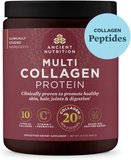
This comprehensive formula combines five collagen types (I, II, III, V, X) from multiple sources including grass-fed bovine, chicken bone broth, wild-caught fish, and eggshell membrane. Each serving delivers 10g of hydrolyzed collagen peptides - the clinically-studied dose for skin and joint benefits. The formula includes vitamin C to enhance collagen synthesis and probiotics for gut health support.
The multi-source approach ensures you get Type I for skin and bone support, Type II for cartilage and joint health, Type III for skin elasticity and vascular health, plus Types V and X for additional structural support. The hydrolyzed peptides dissolve easily in hot or cold liquids without clumping.
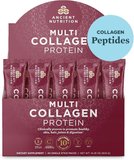
This economy-sized version delivers the same multi-collagen formula at a lower per-serving cost, making it ideal for long-term daily use. The formula provides Types I, II, and III collagen from grass-fed bovine and chicken sources, with 7g per serving - still within the effective range shown in clinical studies.
While slightly lower in dose than the premium version, this provides the essential collagen types for skin elasticity, joint support, and gut health at a more accessible price point. Perfect for those starting collagen supplementation or maintaining benefits long-term without premium features.
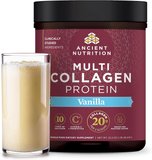
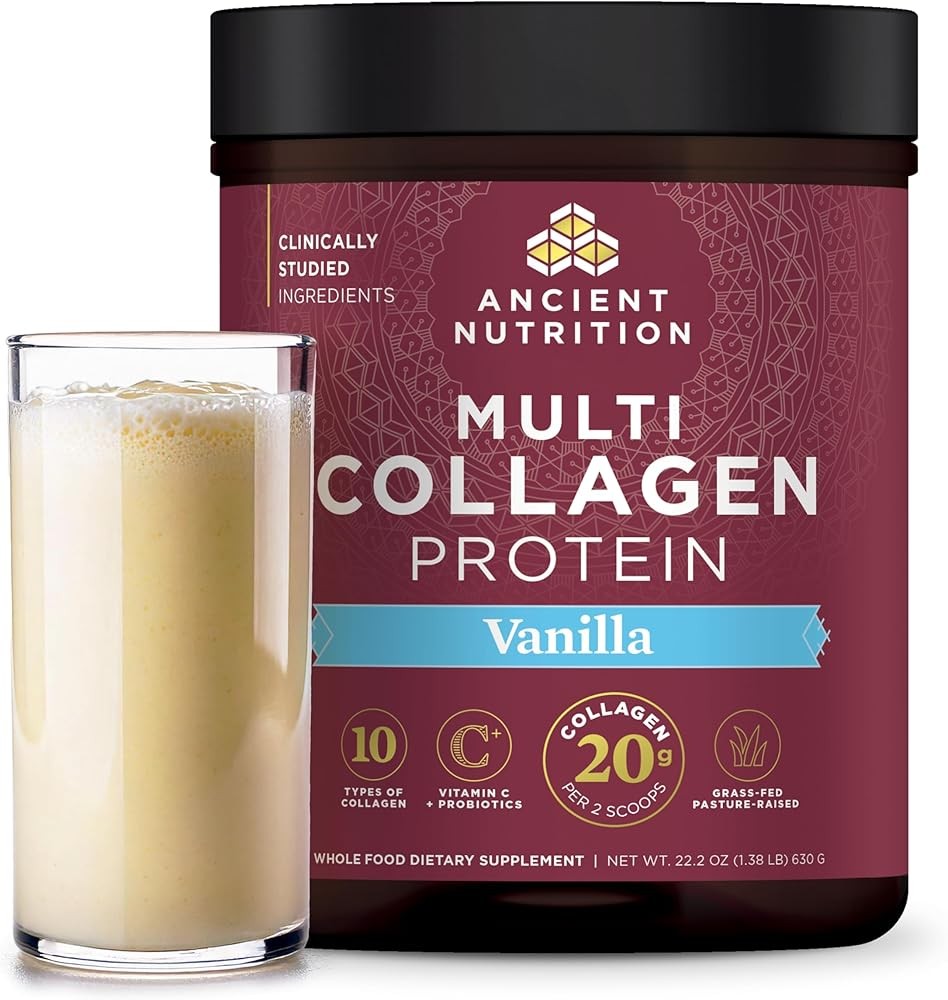
This formula emphasizes collagen diversity with all five clinically-relevant types from four distinct sources. The 9g serving size balances effectiveness with cost, providing near-optimal dosing with the broadest spectrum of collagen peptides available. The inclusion of Types V and X alongside the primary types I, II, and III makes this particularly valuable for those targeting multiple health goals simultaneously.
Type V collagen supports cell surface membranes and hair structure, while Type X is specific to bone formation and cartilage calcification. This makes the formula comprehensive for anyone wanting benefits beyond just skin and joints - including bone health, hair strength, and systemic connective tissue support.
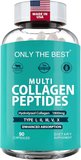
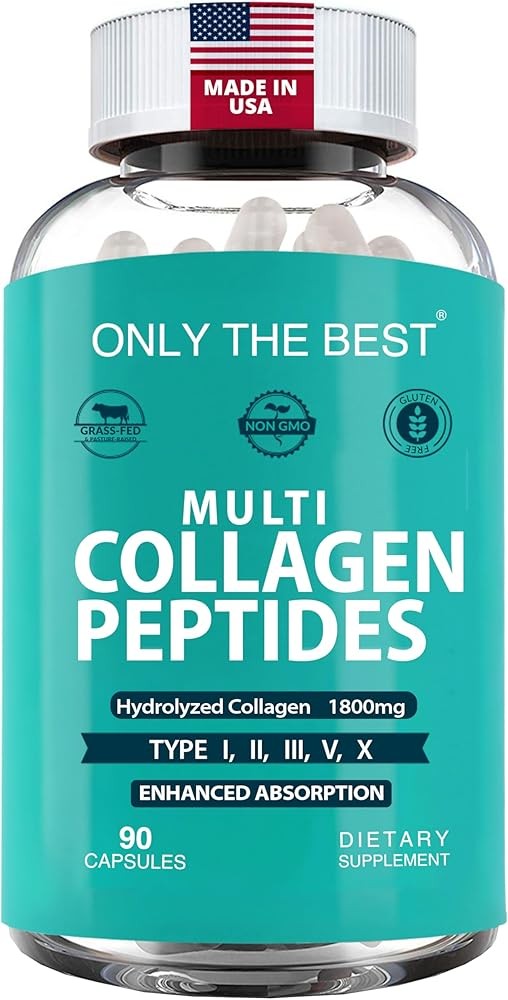
For those who prefer capsules over powder or need a travel-friendly option, this formula delivers 1,800mg of multi-collagen per serving from Types I, II, III, V, and X. While the per-capsule dose is lower than powder forms, the convenience factor makes consistent daily use easier for many people - and consistency matters more than maximal dosing.
The capsule form provides pre-measured servings, no mixing required, and easy portability for travel or busy schedules. The formula includes collagen from bovine, chicken, fish, and eggshell membrane sources for complete type coverage. Take 3-6 capsules daily depending on your goals and tolerance.
Related Reading
- Collagen Benefits for Skin, Hair, and Joints: What Science Shows
- Best Collagen Peptides Supplements: Reviews & Top Brands Compared
- Silica Benefits: Collagen, Hair, Skin, Nails, and Bone Health
- Best Collagen Supplements for Wrinkles and Skin Aging: Dermatologist-Reviewed Research
- Best Supplements for Skin Health: Collagen Vitamin C Hyaluronic Acid and More
References
-
Bolke L, Schlippe G, Gerß J, Voss W. A Collagen Supplement Improves Skin Hydration, Elasticity, Roughness, and Density: Results of a Randomized, Placebo-Controlled, Blind Study. Nutrients. 2019;11(10):2494. PubMed
-
Proksch E, Segger D, Degwert J, Schunck M, Zague V, Oesser S. Oral supplementation of specific collagen peptides has beneficial effects on human skin physiology: a double-blind, placebo-controlled study. Skin Pharmacol Physiol. 2014;27(1):47-55. PubMed
-
Choi FD, Sung CT, Juhasz ML, Mesinkovsk NA. Oral Collagen Supplementation: A Systematic Review of Dermatological Applications. J Drugs Dermatol. 2019;18(1):9-16. PubMed
-
Ohara H, Matsumoto H, Ito K, Iwai K, Sato K. Comparison of quantity and structures of hydroxyproline-containing peptides in human blood after oral ingestion of gelatin hydrolysates from different sources. J Agric Food Chem. 2007;55(4):1532-1535. PubMed
-
Watanabe-Kamiyama M, Shimizu M, Kamiyama S, et al. Absorption and effectiveness of orally administered low molecular weight collagen hydrolysate in rats. J Agric Food Chem. 2010;58(2):835-841. PubMed
-
García-Coronado JM, Martínez-Olvera L, Elizondo-Omaña RE, et al. Effect of collagen supplementation on osteoarthritis symptoms: a meta-analysis of randomized placebo-controlled trials. Int Orthop. 2019;43(3):531-538. PubMed
-
Clark KL, Sebastianelli W, Flechsenhar KR, et al. 24-Week study on the use of collagen hydrolysate as a dietary supplement in athletes with activity-related joint pain. Curr Med Res Opin. 2008;24(5):1485-1496. PubMed
-
Zdzieblik D, Oesser S, Baumstark MW, Gollhofer A, König D. Collagen peptide supplementation in combination with resistance training improves body composition and increases muscle strength in elderly sarcopenic men: a randomised controlled trial. Br J Nutr. 2015;114(8):1237-1245. PubMed
-
Hexsel D, Zague V, Schunck M, Siega C, Camozzato FO, Oesser S. Oral supplementation with specific bioactive collagen peptides improves nail growth and reduces symptoms of brittle nails. J Cosmet Dermatol. 2017;16(4):520-526. PubMed
-
Chen Q, Chen O, Martins IM, et al. Collagen peptides ameliorate intestinal epithelial barrier dysfunction in immunostimulatory Caco-2 cell monolayers via enhancing tight junctions. Food Funct. 2017;8(3):1144-1151. PubMed
-
Schunck M, Zague V, Oesser S, Proksch E. Dietary Supplementation with Specific Collagen Peptides Has a Body Mass Index-Dependent Beneficial Effect on Cellulite Morphology. J Med Food. 2015;18(12):1340-1348. PubMed
-
Oesser S, Adam M, Babel W, Seifert J. Oral administration of (14)C labeled gelatin hydrolysate leads to an accumulation of radioactivity in cartilage of mice (C57/BL). J Nutr. 1999;129(10):1891-1895. PubMed
-
Yazaki M, Ito Y, Yamada M, et al. Oral Ingestion of Collagen Hydrolysate Leads to the Transportation of Highly Concentrated Gly-Pro-Hyp and Its Hydrolyzed Form of Pro-Hyp into the Bloodstream and Skin. J Agric Food Chem. 2017;65(11):2315-2322. PubMed
-
Proksch E, Schunck M, Zague V, Segger D, Degwert J, Oesser S. Oral intake of specific bioactive collagen peptides reduces skin wrinkles and increases dermal matrix synthesis. Skin Pharmacol Physiol. 2014;27(3):113-119. PubMed
Recommended Products