CoQ10 Benefits, Dosage, and Side Effects: Complete Evidence-Based Guide
Summarized from peer-reviewed research indexed in PubMed. See citations below.
Coenzyme Q10 is one of the most studied supplements in the world, and the evidence is genuinely good in some areas, mixed in others, and weak in the rest. The strongest data support CoQ10 as an adjunct in heart failure, where the Q-SYMBIO trial found a 50% lower rate of major adverse cardiovascular events over two years and the Cochrane review judged the all-cause mortality reduction to be moderate-quality evidence (Mortensen et al., 2014; Cochrane Heart Failure Review, 2021). Evidence for statin-related muscle symptoms is genuinely mixed, with a null meta-analysis and a positive randomized trial sitting side by side. Evidence for migraine prophylaxis and fertility is promising but modest. This guide walks through each condition with the real trial numbers, compares ubiquinol and ubiquinone honestly, gives dosing by condition, and ends with specific product recommendations at verified prices. If you want the deeper story on statins and cholesterol support, our guide to what cardiologists actually recommend covers that territory.
Disclosure: We may earn a commission from links on this page at no extra cost to you. Affiliate relationships never influence our ratings. Full policy →
What Is CoQ10 and How Does It Work in the Body?
Coenzyme Q10, also called ubiquinone in its oxidized form and ubiquinol in its reduced form, is a fat-soluble compound your body makes in every cell. It has two jobs. First, it shuttles electrons in the mitochondrial electron transport chain, where your cells convert food into ATP, the molecule that powers almost everything your body does. Second, in its reduced ubiquinol form, it acts as a fat-soluble antioxidant, protecting cell membranes and lipoproteins from oxidative damage. Organs with the highest energy demand, like the heart, liver, and kidneys, carry the highest CoQ10 concentrations, which is why heart muscle is the focus of so much CoQ10 research (Mortensen et al., 2014).
Why Do CoQ10 Levels Decline With Age?
Your body synthesizes CoQ10 from mevalonate, the same precursor pathway that produces cholesterol. CoQ10 levels in tissues and blood tend to fall with age, and the decline accelerates after roughly age 40-50, which is one reason ubiquinol (the form that needs no conversion step) became popular for older adults. Blood and tissue levels also fall in a range of chronic conditions, including heart failure, where myocardial CoQ10 content tracks disease severity. Supplementation restores circulating levels reliably, which is the biological foundation for the clinical trials discussed below.
Why Do Statins Affect CoQ10?
Statins lower cholesterol by inhibiting HMG-CoA reductase, the rate-limiting enzyme of the mevalonate pathway, and CoQ10 synthesis runs through that same pathway. Statin therapy therefore tends to lower blood CoQ10 levels in many patients. Whether that depletion causes statin-associated muscle symptoms is the central unresolved question in this literature, and it is covered in its own section below. The practical takeaway for now: the depletion is real and measurable in many statin users, but the link to muscle pain is not proven, and the trials testing supplementation have produced conflicting results.
What Foods Contain CoQ10?
Dietary CoQ10 comes mainly from animal tissues: organ meats like liver and heart contain the most, followed by fatty fish, beef, pork, and chicken. Plant sources like spinach, broccoli, and nuts contain small amounts, and oils vary. A typical Western diet supplies only a few milligrams of CoQ10 per day, far below the 100-300 mg doses used in clinical trials, which is why food alone is not a practical way to reach therapeutic levels.
Where Does CoQ10 Work Inside the Cell?
The biochemistry explains why CoQ10 shows up in heart, migraine, and fertility research. In the inner mitochondrial membrane, CoQ10 carries electrons between complexes I and II and complex III of the electron transport chain, and its reduced form ubiquinol also recycles other antioxidants, including vitamin E, at cell membranes. Tissues that burn ATP at high rates, like heart muscle, sperm, and the granulosa cells around developing eggs, depend on this system running at full capacity. When CoQ10 supply falls short, the same cells that need the most energy are the first to show it, which is why deficiency states and age-related decline have been studied most in cardiac, neurological, and reproductive contexts. That mechanism is the thread connecting the clinical sections below.
Key takeaway: CoQ10 is a mitochondrial electron carrier and fat-soluble antioxidant that your body makes less efficiently with age, that statins can deplete, and that food provides only in milligram amounts, which is the entire rationale for supplementing at 100-300 mg/day.
What Does the Evidence Show for Heart Failure?
Heart failure is where CoQ10 has its strongest evidence base, and it is worth understanding precisely because the two landmark sources tell a consistent story with honest caveats.
What Did the Q-SYMBIO Trial Find?
Q-SYMBIO was a multicenter, randomized, double-blind trial that followed 420 patients with moderate to severe heart failure for two years, with CoQ10 given at 100 mg three times daily (300 mg/day) on top of standard therapy (Mortensen et al., 2014). The results were unusually strong for a supplement trial. The primary long-term endpoint, a composite of major adverse cardiovascular events, was reached by 15% of the CoQ10 group versus 26% of the placebo group, a hazard ratio of 0.50. Cardiovascular mortality was 9% versus 16%, all-cause mortality was 10% versus 18%, and heart failure hospitalizations were also significantly lower in the CoQ10 group. NYHA functional class improved significantly by two years. The short-term endpoints at 16 weeks showed no significant change, which is an important detail: this was a long-term effect, not a quick fix.
What Does the Cochrane Review Conclude?
The 2021 Cochrane review of CoQ10 for heart failure pooled 11 studies with 1,573 participants and graded the evidence carefully (Cochrane Heart Failure Review, 2021). It found moderate-quality evidence that CoQ10 probably reduces all-cause mortality (risk ratio 0.58, driven largely by the single 420-patient Q-SYMBIO trial) and probably reduces heart failure hospitalizations (risk ratio 0.62 across two studies with 1,061 participants). Evidence for effects on myocardial infarction, stroke, ejection fraction, and exercise capacity was low or very low quality and inconclusive. The review’s bottom line is that there is currently no convincing evidence to fully support or refute CoQ10 for heart failure, and that larger, better trials are needed. In plain terms: the signal is real but rests on one strong trial, and CoQ10 should be viewed as an adjunct discussed with a cardiologist, not a replacement for standard heart failure therapy.
What About Ejection Fraction?
An earlier meta-analysis of 11 small randomized trials found a net 3.7% improvement in ejection fraction with CoQ10, with a larger 6.7% effect among patients not taking ACE inhibitors, and a small increase in cardiac output (Sander et al., 2006). The authors noted that the effect may be blunted by modern standard therapy, which is consistent with CoQ10 acting as an adjunct rather than a primary treatment.
What Should a Heart Failure Patient Actually Do?
The defensible position is specific. CoQ10 is not a heart failure treatment and it does not replace guideline-directed medical therapy, which is the combination of drugs and devices that actually changed heart failure outcomes in the modern era. What the evidence supports is adding 300 mg/day of CoQ10 to standard care after discussing it with a cardiologist, with the expectation that any benefit shows up over many months rather than weeks. The Q-SYMBIO result is also a reminder to read trials carefully: its short-term endpoints at 16 weeks were null, and the benefits appeared over two years, which is a useful lesson about how slowly meaningful cardiac effects can develop and how quickly supplement marketing ignores that timeline.
The evidence shows: in heart failure, Q-SYMBIO found 300 mg/day cut major adverse cardiovascular events roughly in half over two years (15% vs 26%), and the 2021 Cochrane review rated the all-cause mortality and hospitalization reductions as moderate-quality evidence, while cautioning that the data rest heavily on that single trial.
What Does the Evidence Show for Statin-Related Muscle Symptoms?
Statin-associated muscle symptoms are common enough to drive real-world statin discontinuation, and CoQ10 is the supplement most often tried for them, so this literature gets intense scrutiny. The honest summary is that the evidence is genuinely split.
What Does the Largest Meta-Analysis Find?
The largest meta-analysis, published in Mayo Clinic Proceedings, pooled 6 randomized controlled trials with 302 statin-treated patients (Banach et al., 2015). CoQ10 supplementation produced no significant change in plasma creatine kinase and no significant improvement in muscle pain, although pain scores showed a nonsignificant trend toward improvement. The authors concluded that available trials do not suggest significant benefit and that larger, well-designed trials are needed.
What Does the Positive Randomized Trial Find?
On the other side sits a randomized clinical study in which 50 mg of CoQ10 twice daily (100 mg/day) significantly reduced statin-related muscle symptoms (Skarlovnik et al., 2014). Pain severity scores fell from 3.9 to 2.9 and pain interference scores from 4.0 to 2.6, with no change in the placebo group. Symptoms improved in 75% of treated patients, and the relative reductions versus placebo were about 33% for pain severity and 40% for pain interference.
How Do You Reconcile the Two?
The pattern across the literature is that small positive trials and larger null analyses coexist, which usually means the true effect is small, variable, or limited to a subgroup. The biological rationale (statins deplete CoQ10) is sound, the safety of CoQ10 is excellent, and the cost is modest, which is why many clinicians consider a trial of CoQ10 reasonable for a statin user with muscle symptoms, especially before abandoning a medication that reduces cardiovascular risk. The evidence does not support presenting CoQ10 as a proven fix, and anyone stopping or changing a statin should do that with their doctor, not with a supplement.
What Are the Limits of the Muscle Symptom Research?
Two measurement problems run through this literature. First, creatine kinase, the blood marker of muscle damage, is a poor proxy for the subjective pain that drives patients to stop statins, so null CK results tell you little about whether symptoms improved. Second, statin-associated muscle symptoms are notoriously subject to the nocebo effect, in which people who expect pain report pain, which is why the large placebo-controlled statin trials found most muscle complaints also occurred in the placebo arms. Those two issues mean both the positive and the null CoQ10 studies need to be read with the same skepticism, and they explain why the definitive answer still awaits larger trials.
The research verdict: for statin-related muscle symptoms, the 2015 meta-analysis of 6 trials found no significant benefit, while a 2014 randomized study of 100 mg/day reported significant symptom improvement in 75% of patients, making this a reasonable thing to try under medical supervision but not a proven treatment.
What Does the Evidence Show for Migraine Prophylaxis?
Migraine is the condition where CoQ10’s mitochondrial rationale is most intuitive, since migraineurs show evidence of impaired brain energy metabolism. The trials are small but directionally consistent.
What Did the Neurology Trial Find?
The best-known trial, published in Neurology, randomized 42 migraine patients to CoQ10 at 100 mg three times daily or placebo (Sándor et al., 2005). CoQ10 was superior to placebo for attack frequency, headache days, and days with nausea in the third treatment month. The 50% responder rate for attack frequency was 47.6% with CoQ10 versus 14.4% with placebo, a number needed to treat of just 3. Benefits took about three months to appear, which matters for anyone expecting a fast response.
What Does the Pediatric Data Show?
A large pediatric headache clinic study measured CoQ10 levels in 1,550 children and adolescents with frequent headaches and found 32.9% below the reference range (Hershey et al., 2007). In the subset who returned for follow-up after supplementation at 1-3 mg/kg/day, blood levels normalized and headache frequency improved from about 19 to 12 headaches per month, with headache disability scores roughly halving. This was an open-label observational analysis, not a blinded trial, so the results are suggestive rather than definitive.
What Does the Meta-Analysis Find?
A 2021 meta-analysis pooled 6 randomized trials with 371 participants and found that CoQ10 significantly reduced migraine attack frequency by about 1.5 attacks per month and attack duration by a small margin, while it found no significant effect on headache severity (BMJ Open Meta-Analysis, 2021). The authors concluded CoQ10 appears to have beneficial effects on migraine frequency and duration.
Why Might CoQ10 Work for Migraine?
The mitochondrial theory of migraine holds that some migraineurs have impaired brain energy metabolism, leaving neurons more vulnerable to the cortical spreading depression that precedes the headache phase. CoQ10 sits at the center of that theory because it is rate-limiting for mitochondrial ATP production, and the pediatric data support the connection indirectly: a third of young headache patients in the Cincinnati study had measurably low CoQ10 levels, and supplementation raised levels and reduced headache frequency in parallel. Riboflavin, another mitochondrial cofactor, has similar prophylactic evidence, which is why the two are sometimes discussed together by headache specialists. The theory is coherent, the trials are small, and the safety profile makes CoQ10 an unusually easy prophylactic option to test for three months.
The evidence shows: CoQ10 at 300 mg/day roughly tripled the 50% responder rate in a small Neurology trial (47.6% vs 14.4%), and a 2021 meta-analysis of 371 patients confirmed modest reductions in attack frequency and duration, with effects building over 2-3 months.
What Does the Evidence Show for Fertility?
CoQ10’s role in fertility follows directly from its mitochondrial function: eggs and sperm are high-energy cells with heavy mitochondrial demands, and both age and oxidative stress degrade their quality. The trial evidence is promising but still early, and one famous older study has a complication worth knowing about.
Why Do Eggs and Sperm Depend on Mitochondria?
Oocytes are among the largest cells in the body, and they carry more mitochondria than almost any other cell type, because the energy demands of fertilization and early embryo division are enormous. Those mitochondria accumulate oxidative damage with age, which is one hypothesized driver of the decline in egg quality that becomes clinically meaningful after 35. Sperm tell a similar story: they are built around a midpiece packed with mitochondria that power the flagellum, and sperm motility falls when oxidative stress damages those mitochondria or the sperm membrane. CoQ10 is the mitochondrial cofactor most directly tied to both processes, which is why reproductive medicine became one of the most active areas of CoQ10 research.
What Does the Evidence Show for Female Fertility?
A randomized controlled trial from Peking University Third Hospital studied 186 young women (under 35) with poor ovarian reserve who were pretreated with CoQ10 for 60 days before IVF (Xu et al., 2018). Compared with controls, the CoQ10 group needed less gonadotropin stimulation, had more retrieved oocytes, a higher fertilization rate (67.5%), more high-quality embryos, and significantly fewer cancelled embryo transfers due to poor embryo development (8.3% vs 22.9%). Clinical pregnancy and live birth rates trended higher but did not reach statistical significance. That last point is the honest headline: CoQ10 improved measurable egg and embryo parameters, but the trial was not powered to prove more babies.
What Does the Evidence Show for Male Fertility?
A 2025 systematic review and meta-analysis pooled 9 randomized trials with 781 men with idiopathic infertility (Bakri et al., 2025). CoQ10 significantly improved sperm concentration by about 10 million per milliliter, total motility by about 5%, seminal volume, and seminal CoQ10 levels, and it increased the odds of clinical pregnancy substantially (odds ratio 6.0, though the confidence interval was wide). Treatment lasting more than three months also improved sperm morphology. The trials reported CoQ10 as generally safe.
A caution belongs in any honest review of this topic: the most famous older male-fertility CoQ10 trial, by Safarinejad in the Journal of Urology, is now the subject of an expression of concern from the journal, which is why this guide relies on the newer 2025 meta-analysis rather than that single study.
The research verdict: in fertility, a 60-day CoQ10 pretreatment improved ovarian response and embryo quality in young women with poor ovarian reserve (Xu 2018), and a 2025 meta-analysis of 9 male trials found significant improvements in sperm parameters and pregnancy odds, with the caveat that much of this literature is small and early.
What Does the Evidence Show for Blood Pressure?
CoQ10’s blood pressure literature is older and weaker than the heart failure data. The most-cited meta-analysis, from 2007, found that CoQ10 lowered systolic blood pressure by about 16.6 mmHg and diastolic by 8.2 mmHg in pooled randomized trials of hypertensive patients, with larger open-label effects (Rosenfeldt et al., 2007). Those trials were small, short, and often poorly controlled, and baseline blood pressures were high, which inflates apparent effects. A Cochrane review of CoQ10 for primary hypertension reached the opposite conclusion, finding insufficient evidence to support its use for lowering blood pressure.
The fair summary is that CoQ10 might contribute a modest blood pressure effect in hypertensive patients, that the evidence quality is poor by modern standards, and that nobody should rely on it as a blood pressure treatment. If you have hypertension, the supplement conversation belongs alongside, never instead of, the medical one.
The evidence shows: the 2007 meta-analysis reported meaningful blood pressure reductions in small older trials, while the 2009 Cochrane review found insufficient evidence overall, so CoQ10’s role in blood pressure remains uncertain and definitely adjunctive.
What Does the Evidence Show for Energy and Fatigue?
CoQ10’s fundamental job is energy production, so it is natural to ask whether supplementation improves energy in healthy people. The honest answer is that the evidence is thin. People with diagnosed CoQ10 deficiency syndromes clearly benefit from replacement. Statin users with documented depletion may benefit, though the muscle symptom data above is mixed. Athletes and healthy adults show inconsistent results across studies, with some reporting improved exercise performance and others finding nothing, and chronic fatigue syndrome trials are small and suggestive at best. For general fatigue without an identifiable cause, CoQ10 is a reasonable, safe thing to try for a few months, but expectations should be modest and a medical workup should come first, because fatigue has many causes that no supplement addresses.
Which Form Should You Choose: Ubiquinol or Ubiquinone?
The ubiquinol versus ubiquinone question dominates CoQ10 discussions, and the honest answer is more nuanced than the marketing suggests.
What Is the Difference Between the Forms?
Ubiquinone is the oxidized form, the one in most supplements and the one used in the landmark clinical trials, including Q-SYMBIO. Ubiquinol is the reduced, active form, the one that acts as an antioxidant directly. Your body converts ubiquinone to ubiquinol and back continuously, so both forms end up supporting the same pool. The practical difference is that ubiquinol skips the conversion step, and absorption studies generally show that ubiquinol produces higher blood levels at the same dose, especially in older adults whose conversion efficiency declines.
Who Benefits Most From Ubiquinol?
The people most likely to benefit from paying the ubiquinol premium are adults over roughly 40-50, people with absorption issues, and anyone whose clinical situation argues for getting blood levels up efficiently. For younger adults with normal metabolism, ubiquinone at an appropriate dose is a defensible, cheaper choice, and it is the form with the most clinical trial history behind it.
Does Form Change the Trial Evidence?
No. The heart failure, migraine, and fertility trials used ubiquinone in several key cases (Q-SYMBIO used ubiquinone), while the male fertility trial literature includes ubiquinol. Both forms have evidence behind them, and the form choice is really about absorption efficiency and budget rather than about one form being clinically proven superior for a specific condition.
How Much Do Blood Levels Actually Differ Between Forms?
The absorption literature on ubiquinol versus ubiquinone is consistent in direction but variable in size. Single-dose pharmacokinetic studies generally show that ubiquinol produces higher peak blood levels than ubiquinone at the same dose, with the gap widest in older adults, whose ability to reduce ubiquinone to ubiquinol declines. At steady state, after weeks of daily supplementation, the difference narrows, because the body’s redox cycle converts both forms into the same pool. What this means in practice: if you are over 50, have malabsorption, or want the fastest rise in blood levels, ubiquinol is the better buy. If you are younger, the cheaper ubiquinone at an adequate dose is a defensible choice, and it is worth remembering that the strongest clinical outcome data in this entire guide, the Q-SYMBIO heart failure trial, came from ubiquinone.
Key takeaway: ubiquinol raises blood levels more efficiently in older adults and costs more; ubiquinone is cheaper, stable, and the form behind most landmark trials; both are reasonable, and the best form is the one you will take consistently with food.
Which CoQ10 Supplement Should You Buy?
All four picks below are real, current Amazon listings at verified prices, and all four are ubiquinol except the THORNE product, which is ubiquinone by design. Dosage, count, and price are the honest differentiators here, because CoQ10 quality differences between reputable brands are smaller than the marketing suggests.
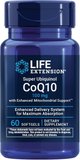
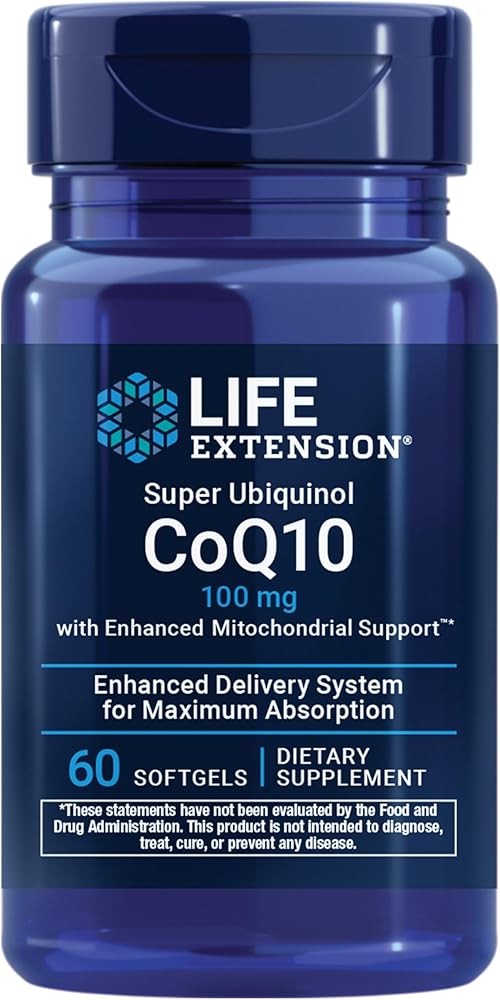
Life Extension Super Ubiquinol is the pick for most adults over 40 who want the reduced form without overthinking it. Each softgel delivers 100 mg of ubiquinol plus shilajit, a mineral-rich resin extract that some absorption research suggests may support CoQ10 uptake, which is why Life Extension combines the two. The brand has a long history of science-oriented formulation and third-party testing, and the 100 mg dose is flexible: one softgel for general maintenance, two or three for the 200-300 mg/day protocols used in heart failure and migraine trials. At $29.59 for a 60-count bottle, the cost is mid-pack for ubiquinol.
The trade-off: ubiquinol costs more per milligram than ubiquinone, and the shilajit addition means nothing if you are younger and converting fine. The softgels need refrigeration after opening for maximum freshness, per the manufacturer.
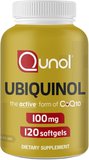
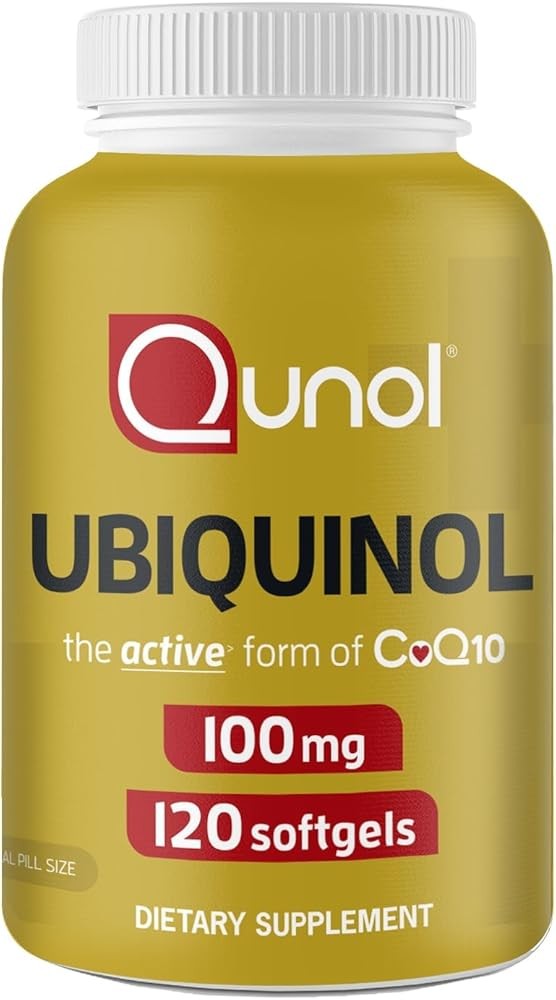
The Qunol Ubiquinol 100 mg bottle is the value answer to the ubiquinol premium. At $36.99 for 120 softgels, a 100 mg/day protocol costs about $9 per month, roughly a third of what the same dose costs from premium brands. Qunol is one of the largest CoQ10 brands in the United States and produces ubiquinol from the same Kaneka fermentation process most major brands use, so the active ingredient story is essentially identical to more expensive competitors. This is the pick for anyone who wants ubiquinol every day at a price that does not feel like a luxury line item.
The trade-off: at 100 mg per softgel, hitting the 300 mg/day heart failure protocol means three softgels daily, which is fine but less convenient than the 200 mg product below. The softgels contain soy lecithin, which matters if you avoid soy.
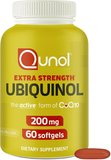
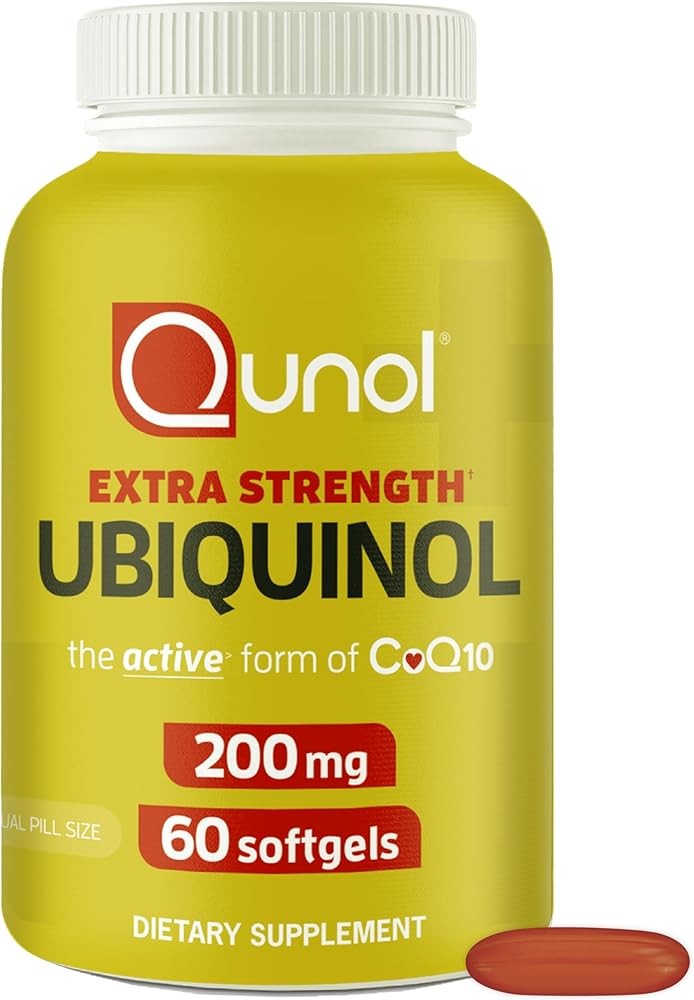
The Qunol Ubiquinol 200 mg is the convenience pick for therapeutic dosing. The heart failure protocol from Q-SYMBIO used 300 mg/day, and the migraine trial used the same, so a 200 mg softgel gets you most of the way there in one pill, with a second softgel completing the protocol. At $39.99 for 60 softgels, a 200 mg/day serving costs about $20 per month, and a 300 mg/day protocol about $30 per month. For anyone who has settled on a high-dose protocol, halving the pill burden is a real adherence advantage.
The trade-off: 200 mg/day is more than general maintenance needs, and the higher per-softgel cost only makes sense if you are actually following a 200-400 mg protocol.
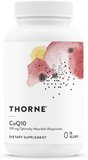
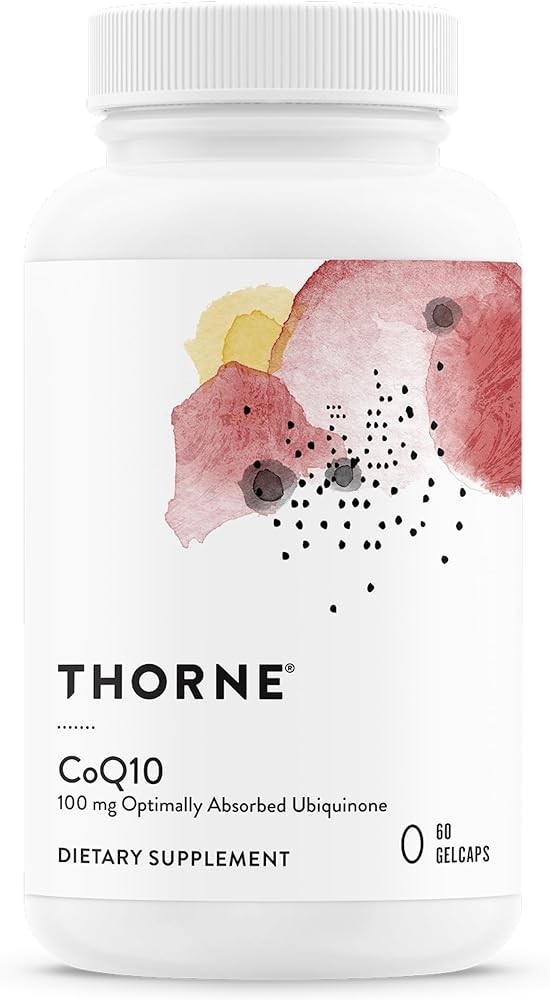
The THORNE product is the ubiquinone pick, included deliberately for younger adults and for anyone who wants the exact form used in Q-SYMBIO and most of the trial literature. THORNE is widely regarded as one of the most quality-obsessed supplement brands, with third-party certification and batch-level testing, and 100 mg of ubiquinone is the standard trial dose. At $53.00 for 60 softgels it is expensive for ubiquinone, which normally costs far less than ubiquinol, but you are paying for THORNE’s testing and sourcing standards rather than for the ingredient itself.
The trade-off: if your goal is maximum absorption efficiency in later decades, ubiquinol is the better form choice, and cheaper ubiquinone options exist from reputable brands. This pick is for people who value the brand’s quality assurance and want the clinically dominant form.
How Much CoQ10 Should You Take for Each Condition?
Dosing follows the trials, and the trials are consistent enough to summarize in one place.
What Is the Dose for General Health and Maintenance?
Dose: 100-200 mg/day. Form: ubiquinol or ubiquinone. Timing: with a meal containing fat. Duration: ongoing, since blood levels fall back within weeks of stopping.
What Is the Dose for Heart Failure?
Dose: 300 mg/day, ideally divided (100 mg three times daily as in Q-SYMBIO). Form: either, with a slight edge for ubiquinol absorption in older adults. Duration: long-term and only as an adjunct to medical therapy, with cardiologist involvement.
What Is the Dose for Statin-Related Muscle Symptoms?
Dose: 100-200 mg/day (the positive trial used 100 mg/day as 50 mg twice daily). Form: either. Duration: 2-3 months to judge the response, alongside the doctor managing the statin.
What Is the Dose for Migraine Prophylaxis?
Dose: 300 mg/day in divided doses for adults (the Neurology trial used 100 mg three times daily); 1-3 mg/kg/day in children and adolescents per the pediatric literature. Duration: at least 2-3 months, since benefits appeared by the third month in trials.
What Is the Dose for Fertility Support?
Dose: 200-600 mg/day in clinical protocols; the female fertility trial used a 60-day pretreatment period, and the male meta-analysis found morphology benefits only with treatment beyond three months. Form: either, with ubiquinol commonly chosen. Duration: at least 3 months before conception attempts.
What Is the Dose for Blood Pressure?
Dose: 100-200 mg/day if tried at all, with the evidence-quality caveats from the blood pressure section firmly in mind.
What Does the Full Dosing Picture Look Like in One Table?
| Condition | Daily Dose | Form | Duration Before Judging |
|---|---|---|---|
| General maintenance | 100-200 mg | Ubiquinol or ubiquinone | Ongoing |
| Heart failure (adjunct) | 300 mg, divided | Either, ubiquinol if older | Months to years, under cardiology care |
| Statin-related muscle symptoms | 100-200 mg | Either | 2-3 months |
| Migraine prophylaxis | 300 mg, divided; 1-3 mg/kg for children | Either | 2-3 months |
| Female fertility (IVF support) | 200-600 mg, 60 days pre-cycle | Either | One full cycle |
| Male fertility | 200-300 mg | Ubiquinol common | Over 3 months |
| Blood pressure (optional) | 100-200 mg | Either | 3 months, low expectation |
The main point: general maintenance is 100-200 mg/day with food; heart failure, migraine, and fertility protocols run 200-600 mg/day in divided doses; and every condition-specific use deserves at least 2-3 months before being judged.
How Should You Take CoQ10 for Best Absorption?
CoQ10 is fat-soluble, so absorption depends heavily on how you take it. Taking CoQ10 with a meal that contains fat is the single most important habit, since a fat-free dose can cut absorption dramatically. Splitting doses above 200 mg across the day improves both absorption and tolerance. Consistency matters more than timing precision, but many people tolerate CoQ10 better earlier in the day, since a minority of users report insomnia from late-day dosing. If you take other fat-soluble supplements or a multivitamin with fat, combining them into one meal simplifies the routine. Blood levels rise over the first weeks of consistent supplementation, so judge the protocol by weeks and months, not by how you feel on day three.
What Are the Side Effects and Drug Interactions?
CoQ10 has an unusually good safety profile for a supplement with real biological activity, but “well tolerated” is not the same as “no effects.”
What Side Effects Are Reported?
The most commonly reported issues are mild digestive upset and nausea, usually at higher doses, plus headache and occasional insomnia. Dividing doses and taking CoQ10 with food resolves most of these. The 2021 Cochrane heart failure review noted low-quality evidence that CoQ10 may slightly increase adverse events, and trials generally report no serious adverse effects at 300 mg/day. No established upper limit exists, and doses of 1,200 mg/day have been used in research without serious toxicity, though that is far beyond any protocol in this guide.
Which Drug Interactions Matter?
Warfarin and other anticoagulants. CoQ10 is structurally similar to vitamin K and can reduce warfarin’s effectiveness. Anyone on warfarin should discuss CoQ10 with their doctor and monitor INR more frequently, because the interaction is well documented in case literature even if the effect size varies.
Blood pressure medications. CoQ10 may add a modest lowering effect on top of antihypertensive drugs, so monitor blood pressure when combining them and let your doctor know.
Statins. This is not an adverse interaction; statins lower CoQ10, and CoQ10 supplementation is the reason many statin users add it. The muscle symptom evidence is mixed as covered above, but no safety problem arises from the combination.
Chemotherapy. The antioxidant question is genuinely unsettled: some oncologists advise against high-dose antioxidant supplements during certain chemotherapy regimens because of the theoretical risk of protecting cancer cells, while some research suggests benefit. The only defensible position is to ask your oncologist rather than self-prescribe CoQ10 during active cancer treatment.
Pregnancy and breastfeeding. Data are limited. CoQ10 is endogenously produced and generally considered low-risk, and it is studied in fertility contexts, but pregnancy and breastfeeding supplementation should be discussed with a healthcare provider.
Surgery. Because of the theoretical anticoagulant interaction and general surgical caution about supplements, many clinicians recommend stopping CoQ10 about one to two weeks before elective surgery. Confirm the timeline with your surgical team.
How Do You Choose a Quality Product?
CoQ10 content can vary between brands, so buy from manufacturers with third-party testing and transparent labeling. Look for the dose per serving stated clearly, choose the form deliberately (ubiquinol versus ubiquinone), check the softgel count against the price to get the true per-month cost, and prefer brands that publish certificate of analysis results. The four picks in this guide were chosen partly on those criteria.
What you need to know: CoQ10 is well tolerated at 300 mg/day with mild GI upset the main complaint, it carries a real warfarin interaction and a theoretical chemotherapy question, and it should be paused before elective surgery after confirming with your surgical team.
Which Interactions Matter Most in One Table?
| Medication or Situation | Interaction | What to Do |
|---|---|---|
| Warfarin and other anticoagulants | CoQ10 resembles vitamin K and may reduce anticoagulant effect | Discuss with the prescribing clinician; monitor INR more often |
| Blood pressure medications | Possible added lowering effect | Monitor blood pressure; inform your clinician |
| Statins | Statins lower CoQ10; no adverse combination | Safe together; the muscle symptom evidence is mixed |
| Chemotherapy | Theoretical antioxidant interference | Ask your oncologist; do not self-prescribe |
| Elective surgery | General supplement caution, possible anticoagulant effect | Stop about 1-2 weeks before, per surgical team |
| Pregnancy and breastfeeding | Limited data | Discuss with your obstetric provider |
What Are the Common Myths About CoQ10 Supplements?
CoQ10 marketing is unusually dense with claims that outrun the evidence, and a few myths come up constantly.
Is CoQ10 a Proven Energy Booster for Healthy People?
No. The energy claim is the most widespread and the least supported. CoQ10’s role in ATP production is real biochemistry, but trials in healthy adults and athletes show inconsistent results, with several finding no performance or energy benefit. CoQ10 is not caffeine and not a stimulant; it supports mitochondrial function in people who are deficient, depleted, or under specific metabolic stress, and generalizing from those groups to healthy young adults is exactly the leap the data do not support.
Do You Need a Special High-Absorption Formulation?
Most of the time, no. Standard ubiquinone and ubiquinol absorbed with a fat-containing meal reach therapeutic blood levels in the trials that produced the clinical outcomes in this guide. High-absorption formulations are real products with real pharmacokinetic studies behind them, but the clinical trial evidence for improved outcomes from fancier delivery systems is thin, and the price premium is usually better spent on taking the standard form consistently for three months.
Is More Always Better?
No. Trial protocols cluster at 100-300 mg/day, and there is no evidence that 600 or 1,200 mg outperforms 300 mg for the conditions in this guide. Higher doses mainly add cost and digestive side effects. The dose-response literature is too thin to justify megadosing, and the sensible approach is to match the trial dose for the condition you are targeting.
Can Food Replace Supplementation?
Not at therapeutic levels. Food provides a few milligrams a day, and the trials used 100-300 mg/day. A diet rich in organ meats and fatty fish is good for many reasons and contributes to CoQ10 status, but it cannot replicate trial doses, and no dietary pattern has been shown to match supplementation for raising blood levels into the ranges associated with clinical benefits.
Is Ubiquinone Useless?
No. This myth comes from ubiquinol marketing, but ubiquinone is the form used in Q-SYMBIO, the strongest trial in this entire guide, and it remains the standard form in most of the literature. Ubiquinol has genuine absorption advantages in older adults, but ubiquinone at an adequate dose is effective, cheaper, and perfectly reasonable for most younger and middle-aged users.
Key finding: the myths that need discarding are the healthy-person energy miracle, the necessity of premium absorption formulations, the more-is-better assumption, food-as-replacement, and the claim that ubiquinone is worthless, all of which outrun the published evidence.
How Can You Tell Whether CoQ10 Is Working for You?
Because CoQ10 effects are slow and subjective, evaluating a trial of it requires a method. Define your outcome before you start: for statin-related muscle symptoms, that means a pain score; for migraine, a headache diary; for energy, a simple daily rating; for fertility, the outcomes are measured by your clinic, not by how you feel. Baseline it for two weeks, then run the protocol at a therapeutic dose for a full two to three months before judging, since the trials consistently show benefits emerging in month two or three rather than week one. Blood testing for CoQ10 levels exists and is occasionally useful, especially for confirming absorption or deficiency, but it is not necessary for most users and should be ordered by a clinician rather than self-directed. If your defined outcome has not moved after a fair trial, CoQ10 is probably not your answer, and the honest move is to stop it and redirect the budget toward interventions with evidence for your situation.
The research verdict: run CoQ10 as a defined 2-3 month experiment with a baseline and a measurable outcome, judge it against your own data rather than marketing timelines, and stop if nothing moved, because the trials themselves show effects are slow, modest, and condition-specific.
Which People Should Consider CoQ10 Supplementation?
The evidence supports different decisions for different people, and it is worth being specific.
Who Has the Strongest Case?
The strongest candidates are adults with heart failure (as an adjunct, under cardiology care), statin users with muscle symptoms who want to try something before changing their statin, adults with frequent migraines looking for a well-tolerated prophylactic option, couples with infertility pursuing assisted reproduction, and adults over roughly 50 who want to address age-related CoQ10 decline with the reduced form.
Who Has a Weaker Case?
Healthy younger adults with no specific condition are the weakest candidates: the evidence for meaningful benefit in general health optimization is thin, though the safety profile makes it a low-risk experiment for mitochondrial and antioxidant curiosity. Anyone expecting energy miracles from CoQ10 should temper expectations, since the healthy-person energy data is inconsistent.
When Should You Talk to a Doctor First?
Talk to a doctor before starting CoQ10 if you take warfarin or other anticoagulants, if you have heart failure or another cardiac condition and want to add CoQ10 to your regimen, if you are undergoing chemotherapy or planning surgery, if you are pregnant or breastfeeding, or if your fatigue or muscle symptoms are new, severe, or unexplained, because those deserve a medical workup rather than a supplement.
When Should You Stop CoQ10?
Stop and check in with a doctor if you develop persistent digestive symptoms that do not resolve with food and divided dosing, if you notice any interaction symptoms with medications, or if your reason for taking it was a specific symptom like muscle pain or fatigue and you have seen no change after a fair 2-3 month trial at a therapeutic dose. CoQ10 is not a medication, and continuing it indefinitely without any observed benefit is optional, not mandatory.
The research verdict: the clearest candidates for CoQ10 are heart failure patients under medical care, statin users with muscle symptoms, migraine sufferers, couples in fertility treatment, and older adults choosing ubiquinol, while healthy younger adults have the weakest case and several medical situations require a doctor conversation first.
How Do You Spot Quality CoQ10 Products and Avoid Marketing Traps?
The CoQ10 market runs on absorption claims, so a few buying rules keep you out of the traps. Ignore percentage-based absorption claims unless they cite a human study, since many derive from single-dose pharmacokinetic work that may not reflect steady-state blood levels. Check the actual form and dose per serving on the label rather than the front of the bottle. Calculate the true monthly cost by dividing the bottle price by the number of days it lasts at your dose, since a cheap 60-count ubiquinol bottle can cost three times as much per month as a 120-count one. Prefer brands with third-party testing you can verify. And remember that the clinical trial evidence was built on specific doses taken consistently for months, so the cheapest effective product you will actually take daily beats the premium product you resent paying for.
The Bottom Line
Bottom line: CoQ10 is a well-tolerated supplement with real but condition-specific evidence. The strongest case is heart failure, where Q-SYMBIO found 300 mg/day reduced major adverse cardiovascular events from 26% to 15% over two years and the 2021 Cochrane review rated the mortality and hospitalization benefits as moderate-quality evidence. Migraine prophylaxis at 300 mg/day has small positive trials and a supportive meta-analysis, and fertility research shows meaningful improvements in egg, embryo, and sperm parameters, with pregnancy outcomes still underpowered.
Key takeaway: the statin muscle symptom evidence is genuinely split (a null 2015 meta-analysis versus a positive 2014 trial of 100 mg/day), and blood pressure evidence is old and weak, so those uses are reasonable trials under medical supervision, not established treatments. General energy benefits in healthy people are the least supported claim in the category.
The practical takeaway: for most adults, ubiquinol at 100-200 mg/day with food is a sensible protocol, with the Qunol 100 mg bottle at about $9 per month as the value pick, Life Extension Super Ubiquinol at $29.59 as the premium daily option, Qunol 200 mg at $39.99 for high-dose protocols, and THORNE ubiquinone at $53.00 for those who want the trial-dominant form from a heavily tested brand. Give any protocol 2-3 months, take it with fat, and discuss it with your doctor if you take warfarin, have heart failure, or are planning surgery.
Related Reading
- CoQ10 Benefits for Heart Health and Energy: Ubiquinol Guide
- CoQ10 for Heart Health, Energy, and Antioxidant Protection
- CoQ10 Benefits: Complete Guide to Heart Health, Energy and Longevity
- PQQ vs CoQ10: Synergy for Mitochondrial Health
- Nattokinase for Heart Health and Blood Clots: What the Research Shows
- Best Supplements for High Cholesterol: What Cardiologists Recommend
- Best Supplements for High Blood Pressure: Natural Options Backed by Research
- Omega-3 for Heart Health: How Much EPA and DHA Do You Actually Need
- Best Supplements for Male Fertility and Sperm Health: Evidence-Based Guide
References
-
Mortensen SA, Rosenfeldt F, Kumar A, et al. “The effect of coenzyme Q10 on morbidity and mortality in chronic heart failure: results from Q-SYMBIO: a randomized double-blind trial.” JACC Heart Fail. 2014;2(6):641-649. PubMed: 25282031
-
Sander S, Coleman CI, Patel AA, Kluger J, White CM. “The impact of coenzyme Q10 on systolic function in patients with chronic heart failure.” J Card Fail. 2006;12(6):464-472. PubMed: 16911914
-
“Coenzyme Q10 for heart failure.” Cochrane Database Syst Rev. 2021. PubMed: 35608922
-
Banach M, Serban C, Sahebkar A, et al. “Effects of coenzyme Q10 on statin-induced myopathy: a meta-analysis of randomized controlled trials.” Mayo Clin Proc. 2015;90(1):24-34. PubMed: 25440725
-
Skarlovnik A, Janić M, Lunder M, Turk M, Šabovič M. “Coenzyme Q10 supplementation decreases statin-related mild-to-moderate muscle symptoms: a randomized clinical study.” Med Sci Monit. 2014;20:2183-2188. PubMed: 25375075
-
Sándor PS, Di Clemente L, Coppola G, et al. “Efficacy of coenzyme Q10 in migraine prophylaxis: a randomized controlled trial.” Neurology. 2005;64(4):713-715. PubMed: 15728298
-
Hershey AD, Powers SW, Vockell AL, et al. “Coenzyme Q10 deficiency and response to supplementation in pediatric and adolescent migraine.” Headache. 2007;47(1):73-80. PubMed: 17355497
-
“Coenzyme Q10 supplementation for prophylaxis in adult patients with migraine: a meta-analysis.” BMJ Open. 2021. PubMed: 33402403
-
Xu Y, Nisenblat V, Lu C, et al. “Pretreatment with coenzyme Q10 improves ovarian response and embryo quality in low-prognosis young women with decreased ovarian reserve: a randomized controlled trial.” Reprod Biol Endocrinol. 2018;16(1):29. PubMed: 29587861
-
Bakri S, Saleh R, Cayan S, et al. “Efficacy and Safety of Coenzyme Q10 in Idiopathic Male Infertility: A Systematic Review and Meta-Analysis of Randomized Trials.” World J Mens Health. 2025. PubMed: 40878114
-
Rosenfeldt FL, Haas SJ, Krum H, et al. “Coenzyme Q10 in the treatment of hypertension: a meta-analysis of the clinical trials.” J Hum Hypertens. 2007;21(4):297-306. PubMed: 17287847
Recommended Products