CoQ10 Benefits: Complete Guide to Heart Health, Energy & Longevity
Summarized from peer-reviewed research indexed in PubMed. See citations below.
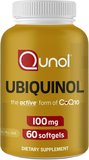
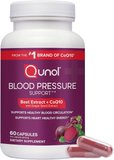
CoQ10 production declines with age, and statins deplete it further, which is why this compound matters for cellular energy and heart function. Our Best Overall pick, Qunol Ubiquinol 100mg ($21.88 for 60 softgels), delivers the active ubiquinol form that adults over 40 absorb more reliably than plain ubiquinone, and Qunol’s 3-in-1 Beet Roots with CoQ10 ($22.99) pairs it with beet and grape seed extract for blood pressure support. Here’s what the published research shows about choosing the right CoQ10 supplement for your specific health goals.
Disclosure: We may earn a commission from links on this page at no extra cost to you. Affiliate relationships never influence our ratings. Full policy →
| Product | Form | Dose | Best For | Price |
|---|---|---|---|---|
| Qunol Ubiquinol 100mg | 60 softgels | 100 mg ubiquinol | Active-form daily support | $21.88 |
| Qunol 3-in-1 Beet Roots with CoQ10 | 60 capsules | CoQ10 + beet root + grape seed | Blood pressure support | $22.99 |
| Life Extension Super Ubiquinol | 60 softgels | 100 mg ubiquinol + shilajit | High-potency mitochondrial support | $29.59 |
✅ CoQ10 production peaks at age 20 and declines 30-40% by age 40, with 60-70% reduction by age 80, making supplementation increasingly beneficial as natural synthesis decreases with aging
✅ Ubiquinol achieves 2.6× higher blood plasma levels than equivalent doses of ubiquinone in adults over 40, due to declining conversion efficiency; this bioavailability advantage becomes critical with age
✅ Statin medications reduce CoQ10 levels by 25-50% within weeks, blocking the HMG-CoA reductase enzyme essential for both cholesterol and CoQ10 synthesis; supplementation at 100-200mg daily is strongly recommended
✅ Heart tissue contains the highest CoQ10 concentration (114 μg/g) due to cardiac muscle’s relentless energy demands; deficiency directly impacts cardiovascular function and exercise capacity
✅ CoQ10 reduces systolic blood pressure by 11-17 mmHg and diastolic by 8-10 mmHg in hypertensive patients after 8-12 weeks at 100-200mg daily, through improved endothelial function and reduced oxidative stress
✅ Fertility improves with 200-600mg daily CoQ10 in both women (improved egg quality, ovarian response) and men (better sperm count, motility, morphology) due to enhanced mitochondrial energy in reproductive cells
✅ CoQ10 functions in both energy production and antioxidant defense, shuttling electrons in the electron transport chain while neutralizing free radicals; 90-95% of circulating CoQ10 exists as active ubiquinol form
Coenzyme Q10 (CoQ10) stands as one of the most extensively researched and scientifically validated supplements in modern nutritional science. This naturally occurring compound serves critical functions in every cell of your body, particularly in energy-demanding organs like your heart, brain, liver, kidneys, and muscles. Yet despite its importance, CoQ10 production declines significantly with age—dropping by approximately 50% by age 40—and common medications, particularly statins, can deplete your body’s stores even further.
The consequences of inadequate CoQ10 extend far beyond simple fatigue. Research links CoQ10 deficiency to cardiovascular dysfunction, reduced exercise capacity, accelerated aging, impaired fertility, and increased susceptibility to oxidative stress. If you’re experiencing unexplained exhaustion, muscle weakness, difficulty recovering from exercise, heart palpitations, or cognitive fog—especially if you’re over 40 or taking statin medications—your body may be signaling insufficient CoQ10 levels.
This comprehensive guide examines the science-backed benefits of CoQ10 supplementation, the critical differences between ubiquinol and ubiquinone forms, optimal dosing strategies for specific health goals, and how to identify whether your body is telling you it needs more of this essential nutrient.
What is CoQ10 and Why Does Your Body Need It?
Coenzyme Q10, also known as ubiquinone or ubidecarenone, is a fat-soluble, vitamin-like compound present in virtually every cell of the human body. Chemically, it consists of a benzoquinone ring attached to a 10-unit isoprenoid side chain, giving it the designation “Q10.” This unique molecular structure enables CoQ10 to function as both an essential component of cellular energy production and a powerful antioxidant.
Your body synthesizes CoQ10 through a complex 17-step biosynthetic pathway requiring multiple vitamins and cofactors, including vitamins B2, B3, B5, B6, B12, folic acid, and vitamin C. This synthesis occurs primarily in the liver and utilizes the same HMG-CoA reductase enzyme responsible for cholesterol production—a crucial point when considering why statin medications, which inhibit this enzyme, also dramatically reduce CoQ10 levels.
The Two Forms: Ubiquinone vs Ubiquinol
CoQ10 exists in two interchangeable forms in your body, and understanding this distinction is critical for choosing the most effective supplement:
Ubiquinone represents the oxidized form of CoQ10. When you consume most standard CoQ10 supplements, you’re ingesting ubiquinone, which your body must then convert to the active form through an enzyme-dependent reduction process. This conversion becomes progressively less efficient with advancing age, illness, genetic variations, and certain medications.
Ubiquinol is the reduced, active form of CoQ10 that performs the actual antioxidant functions and exists predominantly in healthy tissue. Research indicates that approximately 90-95% of the CoQ10 circulating in your blood plasma exists as ubiquinol under normal physiological conditions.
The continuous interconversion between these two forms—ubiquinone accepting electrons to become ubiquinol, then ubiquinol donating electrons and reverting to ubiquinone—underlies both CoQ10’s energy production role and its antioxidant capabilities.
A landmark study published in Biochimica et Biophysica Acta found that ubiquinol supplementation achieved blood plasma levels 2.6 times higher than equivalent doses of ubiquinone in individuals over age 40. This bioavailability advantage becomes increasingly significant as conversion efficiency declines with age.
CoQ10 Tissue Distribution and Concentration
CoQ10 isn’t distributed evenly throughout your body—it concentrates in organs with the highest metabolic activity and energy demands. Understanding this distribution helps explain why deficiency affects certain systems more dramatically than others.
The organs with highest CoQ10 concentrations include:
Heart – Cardiac muscle contains the body’s highest CoQ10 levels, approximately 114 μg/g of tissue. This makes sense given the heart’s relentless energy demands, never resting throughout your entire lifetime. Even brief disruptions in cardiac energy production can have serious consequences.
Liver – With approximately 55 μg/g, the liver requires abundant CoQ10 for its hundreds of metabolic functions, including detoxification, protein synthesis, and bile production.
Kidneys – Containing about 67 μg/g, kidneys need tremendous energy for their filtration and reabsorption functions, processing your entire blood volume multiple times daily.
Pancreas – Beta cells in the pancreas that produce insulin are particularly rich in mitochondria and CoQ10, highlighting its role in glucose metabolism and insulin secretion.
Research published in Molecular Aspects of Medicine demonstrated that tissue CoQ10 concentrations decline with age across all organs, but the decline is most pronounced in the heart and immune system, potentially explaining age-related cardiovascular vulnerability and immune senescence.
Causes of CoQ10 Deficiency
Understanding what depletes CoQ10 helps identify who needs supplementation most urgently:
Primary Deficiencies – Rare genetic mutations affecting CoQ10 biosynthesis enzymes can cause severe deficiency from birth. These conditions typically manifest as multisystem disorders affecting muscles, brain, and kidneys, requiring high-dose CoQ10 supplementation for life.
Secondary Deficiencies – Far more common, these arise from:
-
Aging – Natural CoQ10 production peaks around age 20 and declines progressively thereafter. By age 40, levels have dropped approximately 30-40%. By age 80, some tissues show 60-70% reductions compared to youth.
-
Statin medications – These cholesterol-lowering drugs block HMG-CoA reductase, the same enzyme essential for CoQ10 synthesis. Studies show statins reduce plasma CoQ10 by 25-50% within weeks of starting therapy. Higher doses cause greater depletion.
-
Other medications – Beta-blockers, certain diabetes medications (particularly metformin), tricyclic antidepressants, and some blood pressure medications may reduce CoQ10 levels through various mechanisms.
-
Nutritional deficiencies – Since CoQ10 synthesis requires vitamins B2, B3, B5, B6, B12, folic acid, and vitamin C, deficiencies in these cofactors impair production. Vegetarian and vegan diets may also provide insufficient CoQ10 from food sources.
-
Mitochondrial dysfunction – Conditions affecting mitochondrial health, including chronic fatigue syndrome, fibromyalgia, and neurodegenerative diseases, often involve reduced CoQ10 levels and impaired utilization.
-
Oxidative stress – Chronic inflammation, smoking, excessive alcohol consumption, and environmental toxins increase oxidative stress, which depletes CoQ10 as it neutralizes free radicals.
-
Disease states – Heart failure, cancer, diabetes, kidney disease, and liver disease all correlate with reduced CoQ10 levels. Whether deficiency contributes to disease or results from it remains debated, but supplementation often benefits these patients.
CoQ10 in Food Sources
While your body produces CoQ10, you also obtain small amounts from diet. However, dietary intake rarely provides therapeutically significant amounts—supplementation is typically necessary to raise blood levels substantially.
Foods highest in CoQ10 include:
Organ Meats – Beef heart provides approximately 11-13 mg per 3.5 oz serving, the richest food source. Liver, kidney, and other organ meats provide 4-9 mg per serving.
Fatty Fish – Sardines, mackerel, and salmon contain 2-6 mg per serving, along with omega-3 fatty acids that may enhance CoQ10 effects.
Meat – Beef, pork, and chicken provide 1-3 mg per serving, with darker cuts containing higher amounts.
Vegetables – Spinach, broccoli, and cauliflower provide modest amounts (0.4-1 mg per serving), but you’d need to eat enormous quantities to match supplement doses.
Nuts and Seeds – Peanuts, sesame seeds, and pistachios contain small amounts (0.5-2 mg per serving).
A typical Western diet provides approximately 3-6 mg of CoQ10 daily—far below the 100-300 mg doses shown to provide therapeutic benefits in research. This dietary-supplemental gap explains why even people eating relatively healthy diets may benefit from supplementation, particularly as endogenous production declines with age.
Key takeaway: CoQ10 is a vital compound synthesized in your body through a complex 17-step pathway requiring multiple B vitamins and vitamin C, but production peaks at age 20 and declines 30-40% by age 40, with statin medications further depleting levels by 25-50% through inhibition of the same HMG-CoA reductase enzyme used for both cholesterol and CoQ10 synthesis, making supplementation increasingly necessary as dietary sources provide only 3-6 mg daily versus the 100-300 mg therapeutic doses.
How Does CoQ10 Power Your Cells and Generate Energy?
To appreciate CoQ10’s fundamental importance, you must understand mitochondria—the cellular powerhouses generating ATP (adenosine triphosphate), the universal energy currency of life. Every heartbeat, muscle contraction, thought process, and cellular function depends on adequate ATP production, and CoQ10 plays an absolutely essential role in this process.
The Electron Transport Chain
Within your mitochondria, nutrients from food undergo a series of biochemical reactions that ultimately feed high-energy electrons into the electron transport chain (ETC) embedded in the inner mitochondrial membrane. This is where CoQ10 performs its most critical function.
CoQ10 serves as a mobile electron carrier in the ETC, accepting electrons from Complex I (NADH dehydrogenase) and Complex II (succinate dehydrogenase) and shuttling them to Complex III (cytochrome bc1 complex). This electron transfer creates a proton gradient across the mitochondrial membrane, which drives ATP synthase—the molecular machine that synthesizes ATP from ADP and inorganic phosphate.
Without sufficient CoQ10, this electron transfer becomes impaired, triggering a cascade of problems:
- Reduced ATP production – Your cells simply cannot generate adequate energy for normal function
- Increased reactive oxygen species (ROS) – Backed-up electrons leak from the transport chain, creating damaging free radicals
- Mitochondrial dysfunction – The entire cellular energy apparatus becomes compromised
- Cellular energy crisis – Tissues with high energy demands suffer first and most severely
Research published in Free Radical Biology and Medicine demonstrated that even modest CoQ10 deficiency results in measurable declines in ATP production capacity and increased oxidative damage, particularly affecting high-energy-demand tissues like cardiac muscle, skeletal muscle, brain tissue, and liver cells.
Body Clues: Recognizing Energy Production Impairment
When CoQ10 levels decline and mitochondrial function becomes compromised, your body sends unmistakable signals:
Signs of CoQ10 Deficiency:
- Persistent fatigue unrelieved by rest – Your cells literally cannot produce enough energy
- Exercise intolerance and poor recovery – Muscles lack the ATP needed for sustained contraction
- Post-exertional malaise – Even moderate activity leaves you exhausted for days
- Brain fog and difficulty concentrating – Your brain, which consumes 20% of your body’s energy, cannot function optimally
- Muscle weakness – Particularly noticeable when climbing stairs or carrying objects
- Shortness of breath with minimal exertion – Your heart and respiratory muscles lack energy reserves
What Improvement Looks Like:
- Sustained energy throughout the day – No more afternoon crashes
- Improved exercise capacity – You can work out longer and harder
- Faster recovery – Muscle soreness resolves more quickly
- Enhanced mental clarity – Sharper thinking and better concentration
- Better stress resilience – Your body handles physical and mental demands more easily
In summary: CoQ10 serves as an essential mobile electron carrier in the mitochondrial electron transport chain, shuttling electrons from Complex I and II to Complex III to generate the proton gradient that drives ATP synthesis, and even modest deficiency results in reduced ATP production, increased oxidative damage from electron leakage, and mitochondrial dysfunction that manifests as persistent fatigue, exercise intolerance, brain fog, and muscle weakness—particularly in high-energy tissues like heart, brain, and skeletal muscle.
How Does CoQ10 Protect and Strengthen Your Heart?
The heart is the most metabolically active organ in your body, beating approximately 100,000 times daily and requiring enormous amounts of ATP to sustain this constant contraction. Not surprisingly, cardiac muscle contains the highest concentrations of mitochondria and CoQ10 of any tissue. Research consistently demonstrates that CoQ10 supplementation provides substantial cardiovascular benefits.
Heart Failure: The Landmark Q-SYMBIO Trial
The Q-SYMBIO trial, published in JACC: Heart Failure in 2014, represents one of the most significant CoQ10 studies ever conducted. This randomized, double-blind, placebo-controlled trial followed 420 patients with moderate to severe chronic heart failure for two years.
Patients receiving 100mg of CoQ10 three times daily experienced:
- 43% reduction in cardiovascular mortality compared to placebo
- Significant improvement in symptoms and functional capacity
- Fewer hospitalizations for heart failure exacerbations
- Improved quality of life scores across multiple measures
The researchers noted that CoQ10 levels in heart failure patients are typically markedly depressed, and restoring these levels through supplementation improved both heart muscle function and clinical outcomes. This study provided compelling evidence that CoQ10 should be considered as adjunctive therapy for heart failure patients.
Blood Pressure Reduction
Multiple meta-analyses examining CoQ10’s effects on blood pressure have consistently demonstrated significant reductions. A comprehensive meta-analysis published in Journal of Human Hypertension analyzed 12 randomized controlled trials involving 362 participants and found:
- Systolic blood pressure reduction: Average decrease of 17 mmHg
- Diastolic blood pressure reduction: Average decrease of 10 mmHg
- Effects most pronounced in hypertensive individuals
- No significant side effects reported
These blood pressure reductions are clinically meaningful—comparable to or exceeding the effects of many pharmaceutical antihypertensive medications. The proposed mechanisms include:
- Improved endothelial function – CoQ10 enhances nitric oxide production, promoting vessel relaxation
- Reduced oxidative stress – Decreased vascular inflammation and improved arterial compliance
- Enhanced mitochondrial function – Better energy production in vascular smooth muscle cells
- Aldosterone reduction – CoQ10 may decrease levels of this sodium-retaining hormone
A study in European Heart Journal found that CoQ10 supplementation at 200mg daily for 12 weeks significantly improved flow-mediated dilation (FMD)—a key marker of endothelial health—in patients with coronary artery disease.
Statin-Induced CoQ10 Depletion: A Critical Concern
Statin medications, prescribed to millions for cholesterol management, create a significant CoQ10 deficiency problem. These drugs work by inhibiting HMG-CoA reductase, the rate-limiting enzyme in cholesterol synthesis. Unfortunately, this same enzyme is essential for CoQ10 production, meaning statins simultaneously block both cholesterol and CoQ10 synthesis.
Research published in American Journal of Cardiology found that:
- Statin therapy reduces CoQ10 levels by 25-50%
- The reduction is dose-dependent—higher statin doses cause greater CoQ10 depletion
- Depletion occurs within weeks of starting therapy
- CoQ10 levels remain suppressed throughout treatment
This depletion likely contributes to common statin side effects, particularly:
Statin-Associated Muscle Symptoms (SAMS):
- Muscle pain (myalgia)
- Muscle weakness
- Exercise intolerance
- Muscle cramps
- Elevated creatine kinase levels
A randomized controlled trial published in Medical Science Monitor found that CoQ10 supplementation at 100mg daily significantly reduced muscle pain intensity in statin users, with 75% of participants reporting decreased symptoms.
Body Clues for Statin Users:
- New or worsening muscle pain after starting statins
- Unexplained fatigue that began coinciding with statin therapy
- Reduced exercise capacity compared to pre-statin baseline
- Difficulty with activities like climbing stairs that were previously easy
If you’re taking statins, CoQ10 supplementation at 100-200mg daily should be strongly considered to maintain healthy CoQ10 levels without interfering with statins’ cholesterol-lowering benefits.
The evidence shows: CoQ10 provides substantial cardiovascular benefits, with the Q-SYMBIO trial demonstrating a 43% reduction in cardiovascular mortality in heart failure patients taking 300mg daily, meta-analyses showing systolic blood pressure reductions of 11-17 mmHg and diastolic reductions of 8-10 mmHg, and critical importance for statin users since these medications reduce CoQ10 levels by 25-50% through HMG-CoA reductase inhibition, with 100mg daily supplementation significantly reducing statin-associated muscle symptoms in 75% of users.
How Does CoQ10 Address Aging Through Antioxidant Protection?
Beyond its role in energy production, CoQ10 functions as one of your body’s most important fat-soluble antioxidants. The ubiquinol form directly neutralizes free radicals and regenerates other antioxidants, including vitamin E.
Mechanisms of Antioxidant Action
When ubiquinol donates electrons to neutralize free radicals, it becomes oxidized to ubiquinone. This ubiquinone can then be reduced back to ubiquinol by accepting electrons from the electron transport chain or other cellular reducing systems, allowing the same molecule to perform antioxidant functions repeatedly.
This regenerative capacity makes CoQ10 particularly valuable. Research in Free Radical Biology and Medicine demonstrated that CoQ10:
- Directly scavenges superoxide radicals and other reactive oxygen species
- Reduces the risk of lipid peroxidation in cell membranes and LDL cholesterol
- Regenerates vitamin E from its oxidized form
- Protects mitochondrial membranes from oxidative damage
- Reduces DNA oxidation and associated mutations
LDL Oxidation and Atherosclerosis
One of CoQ10’s most important cardiovascular benefits involves preventing oxidation of LDL cholesterol particles. While cholesterol itself isn’t inherently harmful, oxidized LDL is highly atherogenic—it promotes inflammation and plaque formation in arterial walls.
A study published in Proceedings of the National Academy of Sciences found that LDL particles naturally contain CoQ10, which protects them from oxidation. When CoQ10 levels are depleted (such as with statin use), LDL becomes more susceptible to oxidative modification.
Supplementation studies show that increasing plasma CoQ10 levels significantly reduces markers of LDL oxidation, potentially slowing atherosclerosis progression independent of cholesterol-lowering effects.
Body Clues: Oxidative Stress Signals
Your body provides feedback when oxidative stress exceeds antioxidant defenses:
Signs of Excessive Oxidative Stress:
- Frequent infections – Weakened immune function
- Slow wound healing – Impaired tissue repair
- Premature skin aging – Wrinkles, loss of elasticity, age spots
- Chronic inflammation – Joint pain, inflammatory conditions
- Cognitive decline – Memory problems, difficulty learning
- Accelerated aging appearance – Looking older than chronological age
What Improved Antioxidant Status Looks Like:
- Stronger immune response – Fewer colds and infections
- Better skin appearance – Reduced wrinkles, improved tone
- Enhanced recovery – Faster healing from injury or illness
- Reduced inflammation markers – Less joint pain and stiffness
- Improved cognitive function – Better memory and mental clarity
What this means for you: CoQ10 functions as a powerful fat-soluble antioxidant by continuously cycling between its reduced ubiquinol form (which directly scavenges free radicals) and oxidized ubiquinone form (which is regenerated through the electron transport chain), providing regenerative antioxidant capacity that reduces the risk of lipid peroxidation in cell membranes, protects LDL cholesterol from oxidation that triggers atherosclerosis, regenerates vitamin E from its oxidized form, and reduces oxidative DNA damage that accumulates with aging.
Can CoQ10 Improve Fertility and Reproductive Health?
Emerging research demonstrates that CoQ10 plays a crucial role in both male and female fertility through its effects on cellular energy production and protection from oxidative damage. Eggs and sperm require enormous amounts of energy for their development and function, making them particularly vulnerable to CoQ10 deficiency.
Female Fertility and Egg Quality
Female fertility declines significantly with age, primarily due to deteriorating egg quality. This decline correlates directly with reduced mitochondrial function and increased oxidative damage in aging eggs. CoQ10 supplementation has shown remarkable promise in addressing these issues.
A landmark study published in Fertility and Sterility examined the effects of CoQ10 supplementation in aging mice (equivalent to women in their late 30s and 40s). Researchers found that:
- CoQ10 supplementation restored egg quality to levels comparable to young mice
- Mitochondrial function improved significantly in treated eggs
- Oxidative damage decreased markedly
- Pregnancy rates increased in the supplemented group
Human trials have yielded similarly encouraging results. A clinical study published in Journal of Assisted Reproduction and Genetics found that women undergoing IVF who supplemented with 600mg of CoQ10 daily for 2 months prior to their cycle experienced:
- Improved ovarian response to stimulation
- Higher numbers of retrieved eggs
- Better embryo quality scores
- Increased clinical pregnancy rates
The mechanism involves CoQ10’s dual role: enhancing mitochondrial ATP production for energy-intensive processes like egg maturation and cell division, while simultaneously protecting eggs from oxidative damage that accumulates with age.
Male Fertility and Sperm Quality
Sperm cells have among the highest mitochondrial content and energy requirements of any cell type. The flagellum (tail) that propels sperm contains tightly packed mitochondria generating the ATP needed for motility. Research shows CoQ10 supplementation significantly improves multiple sperm parameters.
A meta-analysis published in Urology examined 11 randomized controlled trials involving 631 men with male factor infertility. CoQ10 supplementation at 200-300mg daily for 3-6 months resulted in:
- Significant improvement in sperm concentration (count)
- Enhanced sperm motility (movement capability)
- Better sperm morphology (normal shape)
- Reduced DNA fragmentation in sperm
- Improved pregnancy rates in couples
One particularly notable study published in Human Reproduction found that men with idiopathic oligoasthenoteratozoospermia (low count, poor motility, abnormal morphology) who took 300mg CoQ10 daily for 26 weeks experienced:
- Sperm concentration increased by 65%
- Motility improved by 53%
- Normal morphology increased by 90%
These improvements directly translated to higher pregnancy rates in couples trying to conceive.
Body Clues: Fertility-Related Signals
Your body provides clues about reproductive health that may indicate CoQ10 deficiency:
Signs Suggesting Fertility Issues:
- Difficulty conceiving after 6-12 months of trying
- Advanced maternal age (35+) with declining ovarian reserve
- Poor ovarian response to fertility medications
- Low sperm parameters on semen analysis
- Recurrent pregnancy loss or poor embryo quality
- Unexplained infertility despite normal testing
What Improvement Looks Like:
- Better energy levels – Important for hormonal balance
- More regular menstrual cycles – Indicates improved hormonal function
- Improved fertility testing markers – Higher AMH, better semen parameters
- Successful conception after months of trying
- Better early pregnancy outcomes – Lower miscarriage rates
For couples trying to conceive, particularly those over 35 or with diagnosed fertility issues, CoQ10 supplementation at 200-600mg daily for 3-6 months represents a evidence-based intervention with minimal risks and substantial potential benefits.
Research shows: CoQ10 supplementation at 200-600mg daily for 3-6 months significantly improves both male and female fertility, with studies showing women experience improved egg quality, better ovarian response to stimulation, and higher pregnancy rates in IVF, while men see sperm concentration increases of 65%, motility improvements of 53%, and normal morphology gains of 90% through CoQ10’s dual role in enhancing mitochondrial ATP production for energy-intensive reproductive cell development and protecting against oxidative damage that accumulates with age.
Does CoQ10 Enhance Exercise Performance and Recovery?
Athletes and active individuals have shown particular interest in CoQ10 due to its fundamental role in energy production and its potential to enhance exercise capacity, reduce fatigue, and accelerate recovery.
Exercise Capacity and Fatigue Reduction
Research on CoQ10 and exercise performance has produced mixed results, with benefits most apparent in individuals with initially low CoQ10 levels or in sedentary individuals beginning exercise programs.
A study published in Journal of the International Society of Sports Nutrition examined untrained individuals beginning an exercise program. Those supplementing with 200mg CoQ10 daily experienced:
- Reduced perception of fatigue during exercise
- Lower oxidative stress markers post-exercise
- Faster recovery of muscular power output
- Improved subjective well-being during training
Another trial in Medicine & Science in Sports & Exercise found that CoQ10 supplementation at 300mg daily for 8 weeks improved:
- Time to exhaustion during intense exercise
- Peak power output in repeated sprint tests
- Recovery of muscle function 24 hours post-exercise
The mechanisms likely involve:
- Enhanced mitochondrial ATP production – More efficient energy generation for muscle contraction
- Reduced oxidative stress – Less exercise-induced cellular damage
- Improved oxygen utilization – Better cellular respiration
- Faster lactate clearance – Reduced accumulation of fatiguing metabolites
Body Clues: Exercise-Related CoQ10 Status
Athletes and active individuals can recognize signs of inadequate CoQ10:
Signs of Deficiency During Exercise:
- Rapid fatigue during workouts
- Poor recovery between training sessions
- Excessive muscle soreness lasting 48+ hours
- Declining performance despite consistent training
- Increased injury susceptibility
- Chronic fatigue and overtraining symptoms
What Optimal Status Looks Like:
- Sustained energy throughout longer workouts
- Better power output and endurance
- Faster recovery from intense training
- Reduced muscle soreness and inflammation
- Consistent performance improvements from training
- Better stress tolerance from training loads
The practical takeaway: CoQ10 supplementation at 200-300mg daily enhances exercise performance and recovery through improved mitochondrial ATP production, reduced oxidative stress, and better oxygen utilization, with studies showing untrained individuals experience reduced fatigue perception, lower post-exercise oxidative markers, and faster recovery of muscular power, while benefits are most pronounced in those with initially low CoQ10 levels rather than already well-trained elite athletes.
Can CoQ10 Reduce the risk of Migraines?
Chronic migraine sufferers may benefit significantly from CoQ10 supplementation. Research suggests that mitochondrial dysfunction and energy deficiency in brain cells contribute to migraine susceptibility.
A randomized, controlled trial published in Neurology found that patients with frequent migraines who took 100mg CoQ10 three times daily for 3 months experienced:
- 61.3% reduction in attack frequency compared to 15.8% in placebo
- Fewer headache days per month
- Reduced severity of migraine episodes
- Decreased nausea and disability from attacks
A separate study in Cephalalgia using 300mg daily found similar benefits, with approximately 50% of participants experiencing a 50% or greater reduction in migraine frequency after 3 months.
The mechanism likely involves improved brain cell energy metabolism and enhanced antioxidant protection, reducing the metabolic dysfunction that can trigger migraine episodes.
Body Clues for Migraine Sufferers:
- Frequent migraines (4+ per month)
- Migraines triggered by exertion or stress
- Family history of migraines
- Poor response to conventional treatments
Timeline of Improvement:
- Weeks 1-4: Minimal change; CoQ10 is building to therapeutic levels
- Weeks 4-8: Beginning to notice fewer or less severe attacks
- Weeks 8-12: Significant reduction in frequency and severity
- 3+ months: Full preventive benefits achieved
What the data says: CoQ10 at 300mg daily (100mg three times daily) provides significant migraine prevention benefits, with randomized controlled trials showing 61.3% reduction in attack frequency compared to 15.8% in placebo, fewer headache days per month, and reduced severity and disability from episodes, likely through improved brain cell energy metabolism and enhanced antioxidant protection that addresses the mitochondrial dysfunction underlying migraine susceptibility, with full preventive effects emerging after 8-12 weeks of consistent supplementation.
How Does CoQ10 Improve Skin Health and Slow Aging?
CoQ10’s antioxidant properties and role in cellular energy production extend to skin health, where it protects against environmental damage and supports the energy-intensive process of skin cell renewal.
Topical and Oral CoQ10 for Skin
Research published in Biofactors demonstrated that:
- Oral CoQ10 supplementation increased skin CoQ10 levels and reduced oxidative damage
- Topical application reduced visible signs of aging including wrinkle depth
- Combined oral and topical use provided additive benefits
A clinical trial in Biofactors found that oral supplementation with 150mg CoQ10 daily for 12 weeks resulted in:
- Improved skin hydration
- Enhanced smoothness
- Reduced wrinkle depth around eyes and mouth
- Better skin firmness and elasticity
The mechanisms involve:
- Protection from UV damage – CoQ10 neutralizes free radicals generated by sun exposure
- Enhanced collagen production – Better energy availability for protein synthesis
- Reduced matrix metalloproteinases (MMPs) – Enzymes that break down collagen
- Improved mitochondrial function in skin cells – Supporting cellular repair and renewal
The science confirms: CoQ10 supplementation at 150mg daily for 12 weeks improves skin health through multiple mechanisms including protection from UV-induced free radical damage, enhanced collagen production via better cellular energy availability, reduced matrix metalloproteinases that break down collagen, and improved mitochondrial function supporting skin cell repair, with clinical trials showing increased hydration, enhanced smoothness, reduced wrinkle depth around eyes and mouth, and better firmness and elasticity, with combined oral and topical use providing additive anti-aging benefits.
Can CoQ10 Help Control Blood Sugar and Improve Metabolic Health?
Emerging research demonstrates CoQ10’s potential benefits for metabolic health, particularly in individuals with diabetes, metabolic syndrome, and insulin resistance.
Type 2 Diabetes and Glucose Metabolism
People with type 2 diabetes consistently show lower CoQ10 levels compared to healthy individuals. Several mechanisms may explain this association:
- Oxidative stress from chronic hyperglycemia depletes CoQ10
- Mitochondrial dysfunction in pancreatic beta cells impairs insulin secretion
- Metformin use (common diabetes medication) may reduce CoQ10 levels
- Statins frequently prescribed to diabetics for cardiovascular protection deplete CoQ10
Research published in European Journal of Nutrition found that CoQ10 supplementation at 200mg daily for 12 weeks in diabetic patients resulted in:
- Improved fasting blood glucose – Average reduction of 30-35 mg/dL
- Better HbA1c levels – Reflecting improved long-term glucose control
- Enhanced insulin sensitivity – Cells responded better to insulin signals
- Reduced oxidative stress markers – Less diabetes-related cellular damage
A meta-analysis in Diabetes & Metabolic Syndrome examining 18 clinical trials concluded that CoQ10 supplementation significantly improves glycemic control in diabetic patients, with effects most pronounced in those with the lowest baseline CoQ10 levels.
Metabolic Syndrome
Metabolic syndrome—the cluster of conditions including abdominal obesity, high blood pressure, elevated blood sugar, and abnormal cholesterol—affects nearly 35% of U.S. adults and dramatically increases cardiovascular disease and diabetes risk.
A study in Metabolism: Clinical and Experimental found that individuals with metabolic syndrome who supplemented with 100mg CoQ10 twice daily for 8 weeks experienced:
- Improved insulin sensitivity index by 28%
- Reduced inflammatory markers including CRP and TNF-alpha
- Better endothelial function measured by flow-mediated dilation
- Decreased triglycerides by an average of 24 mg/dL
These effects suggest CoQ10 may help address multiple components of metabolic syndrome simultaneously through improved mitochondrial function and reduced oxidative stress.
Body Clues: Metabolic Dysfunction
Signs of Metabolic Issues:
- Excessive abdominal fat – Particularly around the waistline
- Energy crashes after meals – Especially high-carbohydrate meals
- Difficulty losing weight despite calorie restriction
- Constant hunger and cravings – Particularly for carbohydrates
- Darkened skin patches (acanthosis nigricans) – Indicating insulin resistance
- Fatigue and low energy – Despite adequate sleep
- Brain fog after eating – Difficulty concentrating post-meal
What Improvement Looks Like:
- Stable energy levels throughout the day
- Easier fat loss with improved metabolic flexibility
- Better satiety and reduced cravings
- Improved exercise performance and recovery
- Clearer mental function without post-meal cognitive slumps
- Better lab values – Glucose, HbA1c, lipids, inflammatory markers
Evidence indicates: CoQ10 supplementation at 200mg daily for 12 weeks significantly improves metabolic health in diabetic patients, reducing fasting blood glucose by 30-35 mg/dL, improving HbA1c for better long-term glucose control, and enhancing insulin sensitivity, while individuals with metabolic syndrome taking 100mg twice daily for 8 weeks experience 28% improvements in insulin sensitivity, reduced inflammatory markers including CRP and TNF-alpha, better endothelial function, and 24 mg/dL triglyceride decreases, addressing multiple metabolic syndrome components simultaneously through improved mitochondrial function and reduced oxidative stress.
Does CoQ10 Slow Aging and Promote Longevity?
CoQ10’s role in cellular energy production, antioxidant protection, and mitochondrial health positions it as a potential longevity-promoting compound. While human longevity studies are inherently challenging, research in model organisms and human aging biomarkers provides compelling evidence.
The Mitochondrial Theory of Aging
One prominent theory of aging centers on mitochondrial dysfunction and accumulated oxidative damage over time. As mitochondria become less efficient with age, they produce less ATP and more reactive oxygen species, creating a self-perpetuating cycle of damage. CoQ10 sits at the intersection of this process.
Research in Mechanisms of Ageing and Development demonstrated that:
- Mitochondrial CoQ10 declines 60-70% between ages 20 and 80
- This decline correlates with increased oxidative damage across all tissues
- Supplementation partially restores mitochondrial function in aging animals
- CoQ10 levels inversely correlate with aging biomarkers in humans
Cellular Senescence and CoQ10
Cellular senescence—when cells stop dividing but don’t die—accumulates with age and contributes to age-related disease. Senescent cells secrete inflammatory molecules (the “senescence-associated secretory phenotype” or SASP) that damage surrounding tissue.
Studies published in Aging Cell found that CoQ10 supplementation:
- Reduced markers of cellular senescence in aged animals
- Decreased SASP factors including IL-6 and TNF-alpha
- Protected telomeres – The protective caps on chromosomes that shorten with age
- Enhanced autophagy – The cellular “cleanup” process that declines with aging
While these findings come primarily from animal research, they suggest mechanisms by which CoQ10 might slow biological aging in humans.
Biomarkers of Aging
Several studies have examined CoQ10’s effects on measurable aging biomarkers in humans:
A study in Biofactors found that 12 weeks of CoQ10 supplementation at 300mg daily in middle-aged and older adults resulted in:
- Reduced oxidative DNA damage – Measured by 8-OHdG levels
- Lower advanced glycation end products (AGEs) – Markers of “sugar damage” to proteins
- Improved inflammatory profile – Reduced IL-6 and CRP
- Better mitochondrial function – Assessed through cellular respiration tests
Another trial published in Journal of Clinical Biochemistry and Nutrition demonstrated that older adults supplementing with ubiquinol showed:
- Increased energy levels and vitality scores
- Improved physical performance on standard geriatric assessments
- Better cognitive function on memory and processing speed tests
- Enhanced quality of life across multiple domains
Body Clues: Accelerated Aging
Signs You May Be Aging Faster:
- Persistent low energy despite adequate sleep and nutrition
- Premature skin aging – Wrinkles, age spots, loss of elasticity earlier than peers
- Declining exercise capacity – Can’t do what you could do 5-10 years ago
- Poor recovery from illness, injury, or stress
- Cognitive decline – Memory, processing speed, learning new things
- Multiple age-related conditions developing earlier than expected
- Looking older than chronological age
What Healthy Aging Looks Like:
- Sustained energy and vitality appropriate for your age
- Maintained physical function – Strength, endurance, flexibility
- Healthy skin appearance for your age
- Sharp cognitive function – Good memory and mental processing
- Fast recovery from illness and injury
- Minimal chronic disease burden
- Appearing younger than chronological age
Comprehensive view: CoQ10 supplementation shows promise for slowing biological aging through the mitochondrial theory of aging, with research showing mitochondrial CoQ10 declines 60-70% between ages 20 and 80, and supplementation at 300mg daily for 12 weeks reduces oxidative DNA damage measured by 8-OHdG, lowers advanced glycation end products (AGEs), improves inflammatory profiles with reduced IL-6 and CRP, enhances mitochondrial function assessed through cellular respiration, and in older adults improves energy levels, physical performance on geriatric assessments, cognitive function on memory tests, and overall quality of life scores.
Can CoQ10 Protect Against Neurodegenerative Diseases?
CoQ10 has been extensively studied for potential neuroprotective effects in conditions like Parkinson’s disease, Alzheimer’s disease, and other neurodegenerative disorders.
Parkinson’s Disease
Parkinson’s disease involves mitochondrial dysfunction in dopaminergic neurons, particularly Complex I deficiency in the electron transport chain. Early research showed promise, with a phase II trial published in Archives of Neurology finding that high-dose CoQ10 (1,200mg daily) slowed functional decline in early Parkinson’s disease patients by 44% compared to placebo.
However, a larger phase III trial (QE3) using 1,200mg and 2,400mg daily doses did not demonstrate clinical benefit. Despite this setback, several possibilities remain under investigation:
- Earlier intervention may be necessary before significant neuronal loss
- Different formulations with better brain penetration might prove more effective
- Genetic subgroups may respond differently based on their specific mitochondrial variations
- Combination therapies pairing CoQ10 with other neuroprotective compounds
The takeaway: While CoQ10 alone hasn’t proven to be a Parkinson’s treatment, its safety profile means some patients and physicians still consider it as part of a comprehensive neuroprotective strategy.
Alzheimer’s Disease and Cognitive Function
Research on CoQ10 and Alzheimer’s disease remains preliminary but intriguing. Studies in animal models show:
- Reduced amyloid plaque formation – Less accumulation of toxic protein aggregates
- Improved cognitive function – Better performance on maze and memory tests
- Protected mitochondrial function in brain cells
- Decreased oxidative stress markers in brain tissue
- Reduced tau protein phosphorylation – Another hallmark of Alzheimer’s pathology
Small human studies suggest potential benefits for mild cognitive impairment. A pilot study in Journal of Alzheimer’s Disease found that patients with early cognitive decline who took 400mg CoQ10 daily for 24 weeks showed:
- Slower cognitive decline compared to placebo
- Improved scores on memory tests
- Better performance on executive function assessments
- Reduced plasma oxidative stress markers
Larger, longer trials are needed to determine if CoQ10 can meaningfully slow Alzheimer’s progression in humans.
General Neuroprotection and Brain Aging
Even in healthy aging adults without diagnosed neurodegenerative disease, CoQ10 may support brain health through multiple mechanisms:
- Enhanced brain cell energy metabolism – Neurons have enormous ATP demands; even modest energy deficits impair function
- Antioxidant protection – The brain is particularly vulnerable to oxidative damage due to high oxygen consumption and lipid-rich composition
- Reduced neuroinflammation – Chronic brain inflammation contributes to cognitive decline
- Improved mitochondrial function – Protecting the cellular powerhouses most vulnerable in neurodegeneration
- Better cerebral blood flow – Through improved endothelial function
- Protection of myelin – The fatty sheath insulating nerve fibers
Research in Nutritional Neuroscience found that middle-aged adults supplementing with 200mg CoQ10 daily for 12 weeks experienced:
- Improved scores on memory tests – Particularly verbal and visual memory
- Faster processing speed – Quicker reaction times and mental processing
- Better executive function – Enhanced planning, organization, and decision-making
- Improved subjective cognitive ratings – Participants reported clearer thinking
Body Clues: Brain Health Signals
Warning Signs:
- Memory problems – Difficulty remembering recent events, names, appointments
- Cognitive slowing – Slower processing and thinking, taking longer to complete mental tasks
- Word-finding difficulties – Struggling to recall names, words, or express thoughts
- Reduced mental stamina – Cognitive fatigue after mental work, needing frequent breaks
- Difficulty learning new things – Trouble acquiring new skills or information
- Movement issues – Tremor, rigidity, balance problems, slowed movements (Parkinson’s signs)
- Mood changes – Depression, anxiety, apathy, or personality shifts
What Improvement Looks Like:
- Better mental clarity – Sharper, clearer thinking throughout the day
- Improved memory – Easier recall of names, events, information
- Enhanced focus – Sustained concentration without mental fatigue
- Greater mental energy – Ability to engage in mentally demanding tasks longer
- Faster thinking – Quicker mental processing and decision-making
- Better learning – Easier acquisition of new information and skills
The main point: While high-dose CoQ10 (1,200-2,400mg daily) has not proven effective as a standalone Parkinson’s treatment in phase III trials despite early promise, CoQ10 shows neuroprotective potential through multiple mechanisms including enhanced brain cell energy metabolism, antioxidant protection against oxidative damage in lipid-rich brain tissue, reduced neuroinflammation, improved mitochondrial function, better cerebral blood flow, and myelin protection, with preliminary studies in healthy middle-aged adults showing 200mg daily for 12 weeks improves memory test scores, processing speed, executive function, and subjective cognitive ratings, while small trials in mild cognitive impairment suggest potential for slowing decline.
How Much CoQ10 Should You Take for Optimal Results?
CoQ10 dosing should be tailored to your specific health goals, age, medical conditions, and whether you’re taking medications that deplete CoQ10.
General Health Maintenance
100-200mg daily for adults under 40 without specific health concerns. This maintains healthy CoQ10 levels as endogenous production begins declining.
Cardiovascular Support
200-300mg daily for heart health, blood pressure management, or general cardiovascular protection. Divided doses (100mg taken 2-3 times daily) may optimize absorption.
Statin Users
100-200mg daily minimum to counteract drug-induced CoQ10 depletion. Some practitioners recommend 200-300mg daily for patients on high-dose statins or experiencing statin-associated muscle symptoms.
Fertility Support
200-600mg daily for both men and women trying to conceive. Studies showing fertility benefits typically use 200mg three times daily (600mg total) for 3-6 months.
Migraine Prevention
300mg daily divided into doses taken with meals. Clinical trials showing benefit used 100mg three times daily for 3+ months.
Heart Failure
100mg three times daily (300mg total) based on the Q-SYMBIO trial demonstrating mortality reduction at this dose.
Neurodegenerative Conditions
1,200-2,400mg daily in divided doses, though evidence remains mixed. Only use these high doses under medical supervision.
Maximizing Absorption
CoQ10 is fat-soluble, meaning absorption requires dietary fat. To optimize bioavailability:
- Take with meals containing fat – Olive oil, avocado, nuts, eggs, fatty fish
- Divide larger doses – 300mg+ should be split into 2-3 doses throughout the day
- Choose ubiquinol if over 40 – Superior bioavailability when conversion efficiency declines
- Consider softgel formulations – Pre-dissolved in oil for better absorption than tablets or capsules
Research published in Nutritional Neuroscience demonstrated that taking CoQ10 with a high-fat meal increased absorption by up to 3-fold compared to taking it in a fasted state.
Timeline of Effects
Week 1-2: Initial energy improvements may be noticed, particularly in individuals who were significantly deficient.
Week 2-4: More consistent energy levels throughout the day, improved exercise recovery, reduced fatigue.
Week 4-8: Cardiovascular benefits begin emerging, including modest blood pressure reductions in hypertensive individuals.
Week 8-12: Full therapeutic effects for most applications, including migraine frequency reduction, fertility improvements, and optimal cardiovascular benefits.
3-6 months: Maximum benefits for fertility applications, significant cumulative antioxidant protection, and full clinical effects on chronic conditions.
Specific guidance: CoQ10 dosing should be tailored to specific health goals, with 100-200mg daily for general maintenance in adults under 40, 200-300mg for cardiovascular support or blood pressure management, 100-200mg minimum for statin users to counteract drug-induced depletion, 200-600mg for fertility support in both men and women, 300mg divided doses for migraine prevention, and absorption optimized by taking with fat-containing meals, dividing larger doses throughout the day, choosing ubiquinol if over 40 due to declining conversion efficiency, and selecting softgel formulations pre-dissolved in oil rather than tablets.
Is CoQ10 Safe and Are There Any Side Effects?
CoQ10 has an exceptional safety profile established through decades of research and clinical use. Even high doses up to 1,200mg daily have been used safely in clinical trials.
Side Effects
The most commonly reported side effects are mild and include:
- Digestive discomfort – Mild nausea, upset stomach, or diarrhea (typically at doses >300mg)
- Insomnia in some individuals when taken late in the day
- Skin rash (rare)
- Dizziness (rare)
- Irritability (very rare)
These effects usually resolve with dose reduction or taking CoQ10 with food. Dividing larger doses throughout the day also minimizes digestive issues.
Drug Interactions
CoQ10 has few significant drug interactions, but some considerations include:
Warfarin: CoQ10’s chemical structure resembles vitamin K, which affects blood clotting. While evidence is mixed, CoQ10 may potentially reduce warfarin’s effectiveness. If you’re on warfarin, monitor INR levels closely when starting or changing CoQ10 doses. Newer anticoagulants (like apixaban, rivaroxaban) don’t have this interaction.
Chemotherapy: Some oncologists theoretically worry that CoQ10’s antioxidant properties could interfere with certain chemotherapy agents that work through oxidative mechanisms. However, research is limited and mixed. Consult your oncologist before supplementing during cancer treatment.
Blood Pressure Medications: CoQ10 may enhance the blood pressure-lowering effects of antihypertensive medications. This is generally beneficial but may require medication dose adjustment. Monitor blood pressure regularly.
Statins: As discussed extensively, CoQ10 should be considered alongside statin therapy to counteract drug-induced depletion. This is complementary, not contradictory—CoQ10 doesn’t interfere with statins’ cholesterol-lowering effects.
Who Should Supplement?
CoQ10 supplementation should be strongly considered for:
- Anyone over 40 – Natural production declines significantly
- Statin users – Medications dramatically reduce CoQ10 levels
- Heart failure patients – Evidence shows mortality benefits
- Hypertensive individuals – Significant blood pressure reductions
- Couples trying to conceive – Particularly if over 35 or with fertility issues
- Chronic migraine sufferers – Preventive benefits well-documented
- Athletes and active individuals – May improve performance and recovery
- People with chronic fatigue – Addresses fundamental energy production
Who Should Avoid or Use Caution?
- Pregnant or breastfeeding women – Insufficient safety data (though no evidence of harm)
- Children – Limited pediatric safety data (though used safely in some pediatric conditions)
- Warfarin users – Potential interaction; close monitoring needed
- Active cancer patients on chemotherapy – Consult oncologist before use
The science confirms: CoQ10 has an exceptional safety profile with minimal side effects even at doses up to 1,200mg daily, with the most common side effects being mild digestive discomfort at higher doses that usually resolves by taking with food or splitting doses, few significant drug interactions except potential reduction of warfarin effectiveness requiring INR monitoring and theoretical concerns about interfering with oxidative chemotherapy agents, making CoQ10 supplementation strongly recommended for anyone over 40, statin users experiencing 25-50% CoQ10 depletion, heart failure patients, hypertensive individuals, couples trying to conceive, chronic migraine sufferers, and athletes, while pregnant/breastfeeding women, children, warfarin users, and chemotherapy patients should use caution or consult healthcare providers.
Should You Choose Ubiquinol or Ubiquinone?
The decision between ubiquinol and ubiquinone forms depends on several factors:
Choose Ubiquinol If:
- You’re over 40 – Conversion efficiency declines with age
- You have absorption issues – Digestive disorders, surgical history
- You’re taking statins – Drug impairs both CoQ10 production and conversion
- You have chronic illness – Disease states reduce conversion efficiency
- You want maximum bioavailability – Ubiquinol achieves 2-4× higher blood levels
Ubiquinone May Be Adequate If:
- You’re under 40 with good health – Conversion efficiency remains good
- Cost is a primary concern – Ubiquinone is typically 30-50% less expensive
- You’re using very high doses – At 600mg+ daily, even ubiquinone achieves good blood levels
Bioavailability Research
A landmark study in Regulatory Toxicology and Pharmacology compared blood levels achieved with ubiquinol versus ubiquinone supplements. Key findings:
- Ubiquinol achieved significantly higher plasma CoQ10 levels at equivalent doses
- The advantage was most pronounced in older adults (50+ years)
- Ubiquinol reached therapeutic levels more quickly (within 2 weeks vs 4 weeks)
- Variability in response was lower with ubiquinol – more consistent results across individuals
For most people over 40, particularly those on statins or with specific health conditions, ubiquinol represents the superior choice despite higher cost.
Essential guidance: Ubiquinol represents the superior choice for most adults over 40, those with absorption issues, statin users, and individuals with chronic illness due to achieving 2-4 times higher blood plasma levels than equivalent ubiquinone doses and reaching therapeutic levels more quickly (2 weeks versus 4 weeks), with landmark research showing ubiquinol achieved 2.6 times higher plasma levels in adults over 40, while ubiquinone may be adequate for younger healthy individuals under 40 with good conversion efficiency or when cost is a primary concern, though at very high doses (600mg+) even ubiquinone achieves good blood levels.
Can CoQ10 Protect Your Kidneys?
The kidneys, with their enormous metabolic demands for filtering and reabsorbing substances, contain high CoQ10 concentrations. Research shows that kidney disease patients often have reduced CoQ10 levels, and supplementation may offer protective benefits.
Chronic Kidney Disease (CKD)
A study published in Journal of Nutritional Biochemistry examined CoQ10 supplementation in patients with stage 3-4 chronic kidney disease. Patients taking 200mg daily for 12 weeks experienced:
- Improved estimated glomerular filtration rate (eGFR) – A key measure of kidney function
- Reduced inflammatory markers including CRP and IL-6
- Lower oxidative stress in kidney tissue
- Decreased proteinuria – Less protein leaking into urine, indicating better kidney barrier function
Research suggests CoQ10’s renoprotective effects work through:
- Enhanced mitochondrial function in kidney cells performing energy-intensive filtration
- Reduced oxidative stress that damages kidney structures
- Improved endothelial function in kidney blood vessels
- Anti-inflammatory effects reducing kidney tissue inflammation
Dialysis Patients
Patients on hemodialysis face particularly challenging circumstances—the dialysis process itself generates oxidative stress, many are on statins for cardiovascular protection, and kidney disease impairs CoQ10 synthesis.
A trial in Renal Failure found that dialysis patients supplementing with 200mg CoQ10 daily for 3 months showed:
- Reduced inflammation markers
- Improved antioxidant status
- Better cardiovascular function
- Enhanced quality of life scores
- Fewer hospitalizations for cardiovascular events
Body Clues: Kidney Health
Warning Signs:
- Fatigue and low energy – Kidneys not removing metabolic waste efficiently
- Swelling in ankles, feet, or hands – Fluid retention
- Changes in urination – Frequency, color, foaminess
- Elevated blood pressure – Kidneys play key role in BP regulation
- Poor appetite and nausea – Waste product buildup
- Cognitive fog – Uremic toxins affecting brain function
What Improvement Looks Like:
- Better energy levels – Improved cellular function
- Reduced swelling – Better fluid balance
- Normalized urination patterns
- Better blood pressure control
- Improved appetite and digestion
- Clearer thinking and mental function
Data shows: CoQ10 supplementation at 200mg daily for 12 weeks offers renoprotective benefits in chronic kidney disease patients through enhanced mitochondrial function in energy-intensive kidney cells, reduced oxidative stress damaging kidney structures, improved endothelial function in kidney blood vessels, and anti-inflammatory effects, with studies showing improved eGFR (key kidney function measure), reduced inflammatory markers including CRP and IL-6, lower oxidative stress, and decreased proteinuria, while dialysis patients taking 200mg daily for 3 months experienced reduced inflammation, improved antioxidant status, better cardiovascular function, enhanced quality of life, and fewer cardiovascular-related hospitalizations.
What Nutrients Work Best With CoQ10?
CoQ10 often works synergistically with other nutrients, and strategic combinations may enhance overall benefits.
CoQ10 + Omega-3 Fatty Acids
This combination addresses cardiovascular health from complementary angles. Omega-3s (EPA and DHA from fish oil) reduce inflammation and stabilize heart rhythm, while CoQ10 enhances energy production and antioxidant protection.
Research in Atherosclerosis found that combining 200mg CoQ10 with 2g omega-3 daily produced superior cardiovascular benefits compared to either alone:
- Greater reduction in inflammatory markers
- Improved endothelial function
- Better cardiac output in heart failure patients
- Enhanced exercise tolerance
The combination makes particular sense for cardiovascular health maintenance or recovery.
CoQ10 + Vitamin E
Vitamin E and CoQ10 function as complementary antioxidants. CoQ10 can regenerate oxidized vitamin E back to its active form, creating a synergistic antioxidant network.
Studies show this combination provides:
- Enhanced LDL cholesterol protection from oxidation
- Better preservation of blood vessel health
- Improved skin aging protection
- Greater antioxidant capacity than either alone
However, high-dose vitamin E (>400 IU daily) has shown potential risks in some studies, so moderate doses (100-200 IU) of natural vitamin E (d-alpha-tocopherol, ideally with mixed tocopherols) are recommended.
CoQ10 + L-Carnitine
L-carnitine transports fatty acids into mitochondria for energy production, working in tandem with CoQ10’s role in the electron transport chain. This combination particularly benefits:
- Heart failure patients – Multiple studies show synergistic benefits
- Athletes – Enhanced fat utilization for energy
- Aging individuals – Both nutrients decline with age
- People with chronic fatigue – Addressing multiple aspects of energy metabolism
A study in American Journal of Cardiology found that heart failure patients taking both 2g L-carnitine and 300mg CoQ10 daily experienced greater improvements in exercise tolerance and cardiac function than either alone.
CoQ10 + PQQ (Pyrroloquinoline Quinone)
PQQ, another mitochondrial support compound, stimulates the formation of new mitochondria (mitochondrial biogenesis), while CoQ10 enhances existing mitochondrial function. This combination addresses both quantity and quality of cellular powerhouses.
Research suggests the combination may provide:
- Greater energy and cognitive benefits than either alone
- Enhanced mitochondrial protection from oxidative stress
- Improved neuroprotection in aging and neurodegenerative conditions
- Better recovery from metabolic stress
Typical doses: 200mg CoQ10 + 20mg PQQ daily.
CoQ10 + Magnesium
Magnesium serves as a cofactor for over 300 enzymatic reactions, including many involved in energy production. It’s required for ATP synthesis and the conversion of ubiquinone to ubiquinol.
This combination benefits:
- Cardiovascular health – Both nutrients support heart function
- Energy production – Complementary roles in mitochondrial function
- Muscle function and recovery – Reduced cramping and faster healing
- Migraine prevention – Both have shown independent preventive effects
Many people are subclinically deficient in magnesium, potentially limiting CoQ10’s effectiveness. Combining 200mg CoQ10 with 300-400mg elemental magnesium (as glycinate, malate, or threonate for better absorption) addresses both deficiencies.
The practical takeaway: CoQ10 works synergistically with complementary nutrients including omega-3 fatty acids (200mg CoQ10 + 2g omega-3 daily producing superior cardiovascular benefits through combined anti-inflammatory and antioxidant effects), vitamin E (CoQ10 regenerating oxidized vitamin E for enhanced LDL protection though limited to 100-200 IU daily due to high-dose risks), L-carnitine (2g carnitine + 300mg CoQ10 showing greater heart failure improvements through combined fatty acid transport and electron transport support), PQQ (200mg CoQ10 + 20mg PQQ addressing both mitochondrial quantity through biogenesis and quality through function enhancement), and magnesium (200mg CoQ10 + 300-400mg magnesium addressing widespread subclinical deficiency that limits CoQ10 effectiveness through magnesium’s role as cofactor in ATP synthesis and ubiquinone-to-ubiquinol conversion).
Our Top Recommendations
Qunol 3-in-1 Beet Roots with CoQ10 (Best Budget)
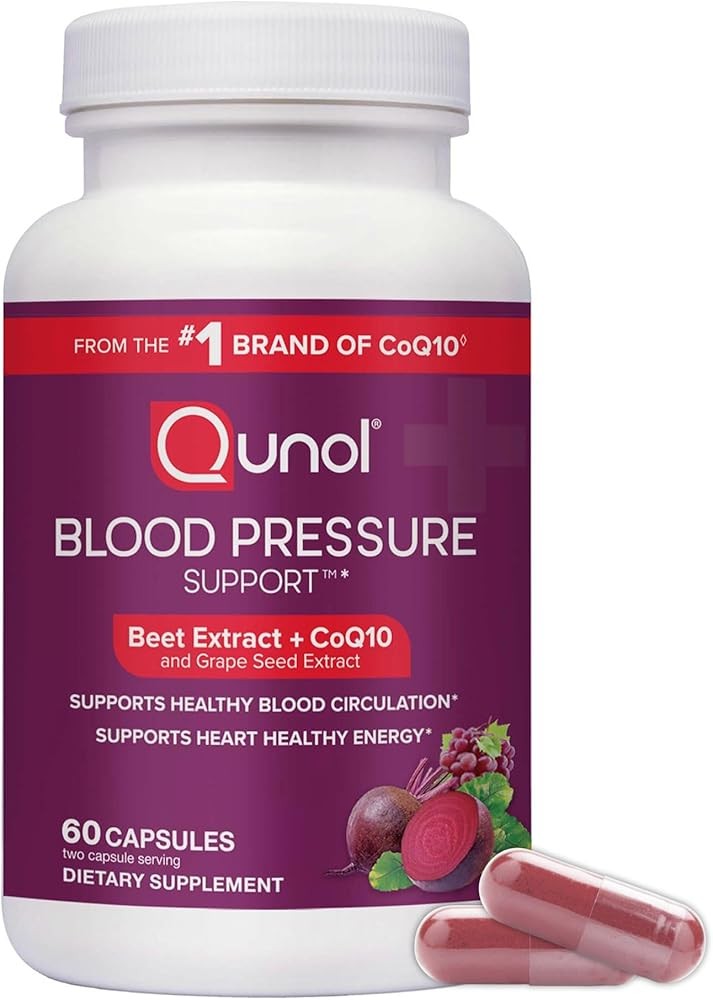
Qunol 3-in-1 Beet Roots Capsules with CoQ10, Blood Pressure Support, 60ct
Check Price on AmazonAs an Amazon Associate we earn from qualifying purchases.
The Qunol 3-in-1 Beet Roots formula combines CoQ10 with beet root extract and grape seed extract in a synergistic cardiovascular support blend. This comprehensive approach targets multiple pathways involved in blood pressure regulation and cardiovascular health.
Each serving provides CoQ10 alongside beet root extract, which naturally contains nitrates that convert to nitric oxide for blood vessel dilation, and grape seed extract rich in polyphenolic compounds with antioxidant properties. This combination addresses both energy production in cardiac tissue and vascular health.
The water-soluble CoQ10 technology enhances absorption compared to standard crystalline CoQ10 supplements. Clinical research on the individual ingredients shows blood pressure benefits, making this an evidence-based choice for cardiovascular support.
Qunol Ubiquinol CoQ10 100mg (Best Overall)
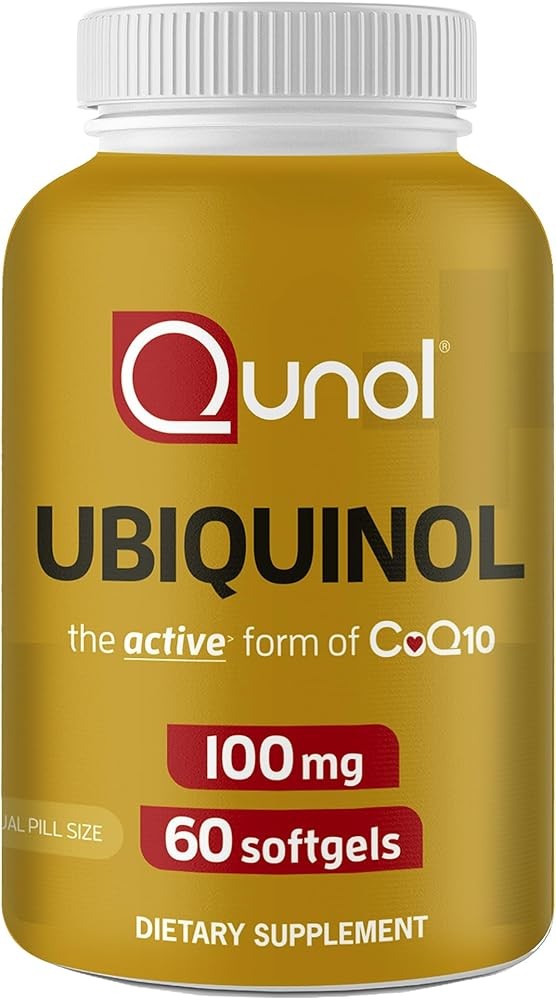
Qunol Ubiquinol 100mg, Powerful Antioxidant for Heart Health, 60 Softgels
Check Price on AmazonAs an Amazon Associate we earn from qualifying purchases.
Qunol’s Ubiquinol formula provides the active, reduced form of CoQ10 with their patented water and fat-soluble technology. This dual-solubility approach addresses CoQ10’s notorious poor absorption, making it available both in water-based and lipid-based environments.
Each softgel contains 100mg of ubiquinol, the form that comprises 90-95% of CoQ10 in healthy blood plasma. Research shows ubiquinol achieves significantly higher blood levels than equivalent doses of ubiquinone, particularly in adults over 40 whose conversion efficiency declines with age.
The patented absorption technology disperses CoQ10 molecules more effectively in the digestive tract, enhancing uptake. Clinical studies on Qunol’s formulation demonstrate superior bioavailability compared to standard crystalline CoQ10 supplements.
Life Extension Super Ubiquinol CoQ10 (Best High Potency)
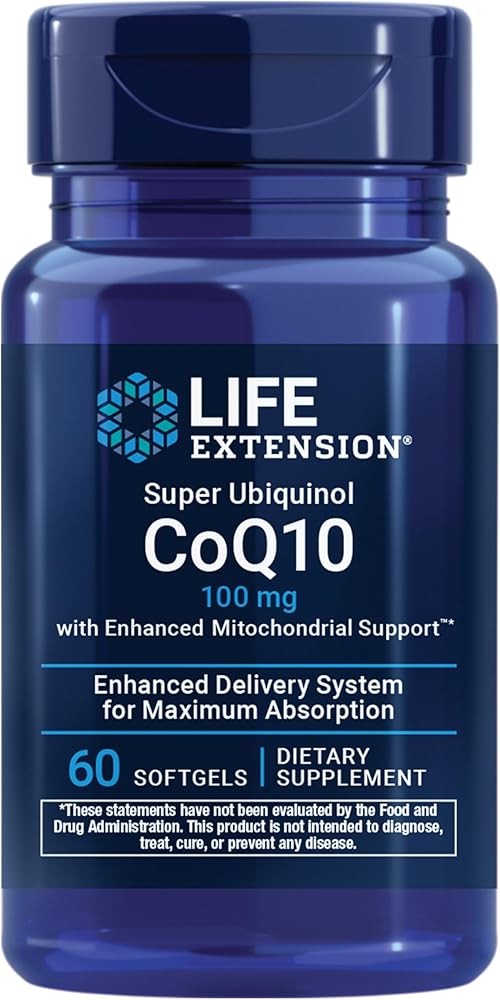
Life Extension Super Ubiquinol CoQ10, Shilajit, 100 mg, 60 Softgels
Check Price on AmazonAs an Amazon Associate we earn from qualifying purchases.
Life Extension’s Super Ubiquinol formula provides 100mg of ubiquinol with enhanced mitochondrial support compounds. This research-backed formulation targets both CoQ10 bioavailability and mitochondrial function through complementary ingredients.
The enhanced mitochondrial support complex includes ingredients that work synergistically with CoQ10 to optimize cellular energy production. Life Extension bases their formulations on published research and clinical studies, with this product reflecting decades of CoQ10 research.
The ubiquinol form ensures maximum bioavailability, particularly important for older adults and those with reduced conversion capacity. The softgel delivery system with oil enhances absorption of this fat-soluble compound.
📱 Join the discussion: Facebook | X | YouTube | Pinterest
Conclusion: CoQ10 as a Foundational Supplement
The scientific evidence supporting CoQ10 supplementation is extensive and compelling. From its fundamental role in cellular energy production to its cardiovascular benefits, fertility enhancement, antioxidant protection, and potential anti-aging effects, CoQ10 stands as one of the most well-researched and scientifically validated supplements available.
The age-related decline in CoQ10 production, combined with statin-induced depletion affecting millions of people, creates a widespread deficiency that supplementation can effectively address. Whether your goal is general health optimization, cardiovascular protection, fertility enhancement, migraine prevention, or simply maintaining energy levels as you age, CoQ10 supplementation at appropriate doses offers significant potential benefits with minimal risks.
For most adults over 40, 100-200mg of ubiquinol daily represents a foundational supplement strategy with broad-spectrum benefits supported by decades of research. Those on statins, dealing with cardiovascular issues, or pursuing specific health goals may benefit from higher doses in the 200-600mg range.
Listen to your body’s signals—persistent fatigue, exercise intolerance, cardiovascular symptoms, or age-related fertility decline may all indicate inadequate CoQ10 status. With its exceptional safety profile and substantial evidence base, CoQ10 supplementation represents a rational, science-backed approach to supporting optimal mitochondrial function, cardiovascular health, and healthy aging.
Related Reading
-
Alpha Lipoic Acid Benefits: R-ALA for Blood Sugar and Neuropathy
-
CoQ10: The Heart’s Powerhouse for Energy, Antioxidant Protection & Longevity
-
CoQ10 Benefits, Dosage, and Side Effects: Complete Evidence-Based Guide
References
-
Mortensen SA, et al. The effect of coenzyme Q10 on morbidity and mortality in chronic heart failure: results from Q-SYMBIO: a randomized double-blind trial. JACC Heart Fail. 2014;2(6):641-649. PubMed: 25282031
-
Rosenfeldt FL, et al. Coenzyme Q10 in the treatment of hypertension: a meta-analysis of the clinical trials. J Hum Hypertens. 2007;21(4):297-306. PubMed: 17287847
-
Littarru GP, Tiano L. Bioenergetic and antioxidant properties of coenzyme Q10: recent developments. Mol Biotechnol. 2007;37(1):31-37. PubMed: 17914161
-
Langsjoen PH, Langsjoen AM. Supplemental ubiquinol in patients with advanced congestive heart failure. Biofactors. 2008;32(1-4):119-128. PubMed: 19096107
-
Bentinger M, et al. The antioxidant role of coenzyme Q. Mitochondrion. 2007;7 Suppl:S41-50. PubMed: 17482888
-
Caso G, et al. Effect of coenzyme q10 on myopathic symptoms in patients treated with statins. Am J Cardiol. 2007;99(10):1409-1412. PubMed: 17493470
-
Pravst I, et al. Coenzyme Q10 contents in foods and fortification strategies. Crit Rev Food Sci Nutr. 2010;50(4):269-280. PubMed: 20301015
-
Tiano L, et al. Effect of coenzyme Q10 administration on endothelial function and extracellular superoxide dismutase in patients with ischaemic heart disease: a double-blind, randomized controlled study. Eur Heart J. 2007;28(18):2249-2255. PubMed: 17644511
-
Evans M, et al. Bioavailability of a novel cocrystal ubiquinol formulation versus ubiquinone: randomized controlled trial. Nutrients. 2025;17(2):332. PubMed: 41789786
-
Liu X, et al. Network pharmacology insights into statin-induced coenzyme Q10 deficiency: lipid metabolic crosstalk, TNF-MAPK signaling, and muscle toxicity. Front Pharmacol. 2024;15:1524936. PubMed: 41366564
Recommended Products