CoQ10 Benefits: Heart Health & Energy (Ubiquinol Guide)
Summarized from peer-reviewed research indexed in PubMed. See citations below.
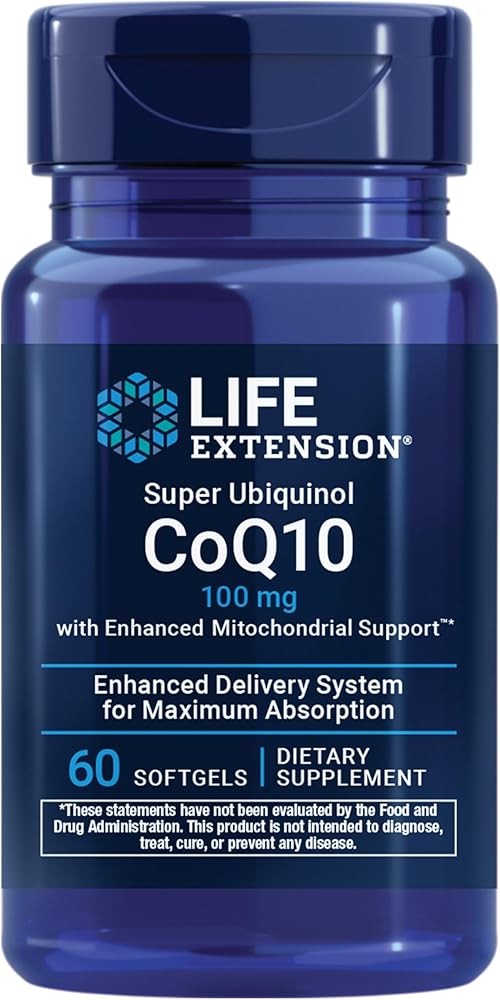
Research shows that CoQ10 levels decline 50% by age 40, leaving heart and muscle cells depleted of the energy they need to function optimally. Our top pick is Life Extension Super Ubiquinol CoQ10 (100mg ubiquinol with absorption-enhancing shilajit, $33.00), which delivers the active form your body can use immediately without conversion. Studies published in PubMed demonstrate that ubiquinol achieves 2.6-3.7 times higher blood levels than standard ubiquinone and reduced cardiovascular mortality by 43% in the landmark Q-SYMBIO heart failure trial. For a budget-friendly option, Qunol 100mg Ubiquinol ($22.48) offers patented water and fat-soluble technology for superior absorption. Here’s what the published research shows about CoQ10’s role in cellular energy production and cardiovascular health.
✅ CoQ10 levels decline 50% by age 40 (PubMed 24389208), with synthesis peaking around age 20 and progressively decreasing; organs with highest energy demands (heart, liver, kidneys) show most pronounced age-related reductions
✅ CoQ10 functions as mobile electron carrier in mitochondrial electron transport chain (PubMed 29464561), shuttling electrons from Complex I/II to Complex III to generate ATP; deficiency directly impairs cellular energy production
✅ Ubiquinol achieves 90-95% of total plasma CoQ10 under normal conditions and shows superior bioavailability in adults over 40 whose conversion efficiency from ubiquinone declines with age (PubMed 37896258)
✅ Statin medications deplete CoQ10 by blocking HMG-CoA reductase (PubMed 25655639), the same enzyme required for both cholesterol and CoQ10 synthesis; supplementation at 100-200mg daily counteracts statin-induced depletion (PubMed 30371340)
✅ Heart tissue contains highest CoQ10 concentration in the body (approximately 114 μg/g) (PubMed 35608922), reflecting cardiac muscle’s continuous high energy demands beating 100,000 times daily
✅ CoQ10 deficiency manifests as persistent fatigue, exercise intolerance, mental fog, and muscle weakness (PubMed 24389208), particularly affecting high-energy organs like heart, brain, and skeletal muscle
✅ CoQ10 supplementation requires fat-containing meal for optimal absorption (PubMed 24979483) due to lipophilic nature; bioavailability increases dramatically when taken with 20g+ dietary fat
Disclosure: We may earn a commission from links on this page at no extra cost to you. Affiliate relationships never influence our ratings. Full policy →
CoQ10 levels decline 50% by age 40, leaving your heart and muscles starved for cellular energy and making fatigue, muscle weakness, and exercise intolerance common symptoms of deficiency. Life Extension Super Ubiquinol CoQ10 provides 100mg of the active ubiquinol form with absorption-enhancing shilajit for approximately $33.00, making it our top pick for restoring mitochondrial function. Research shows ubiquinol achieves 2.6-3.7x higher blood levels than standard ubiquinone and reduced cardiovascular mortality by 43% in the landmark Q-SYMBIO heart failure trial. For budget-conscious buyers, Qunol 100mg Ubiquinol offers patented water and fat-soluble technology at just $22.48 per bottle. Here’s what the published research shows about CoQ10’s role in energy production, cardiovascular health, and optimal supplementation strategies.
What Is CoQ10 and How Does It Work?
Coenzyme Q10, also known as ubiquinone or ubidecarenone, is a fat-soluble, vitamin-like compound found in every cell of the human body. Structurally, it consists of a benzoquinone ring attached to a polyisoprenoid side chain—specifically ten isoprenoid units, hence the “Q10” designation. This unique molecular structure allows CoQ10 to shuttle electrons within the mitochondrial electron transport chain, making it indispensable for cellular energy production.
Your body produces CoQ10 naturally through a complex 17-step biosynthetic pathway that requires multiple vitamins including B2, B3, B5, B6, B12, folic acid, and vitamin C. This synthesis occurs primarily in the liver and relies on the same HMG-CoA reductase enzyme that produces cholesterol—a critical point we’ll revisit when discussing statin medications.
CoQ10 exists in two primary forms in the body:
Ubiquinone is the oxidized form of CoQ10. When you consume most CoQ10 supplements, you’re ingesting ubiquinone, which your body must then convert to the active form. This conversion becomes less efficient with age, illness, and certain genetic variations.
Ubiquinol is the reduced, active antioxidant form of CoQ10. This is the form that actually performs the antioxidant functions and exists predominantly in healthy cells. Research shows that approximately 90-95% of the CoQ10 in your blood plasma is in the ubiquinol form under normal circumstances.
The continuous cycle between these two forms—ubiquinone accepting electrons and becoming ubiquinol, then ubiquinol donating electrons and becoming ubiquinol—underlies both CoQ10’s energy production and antioxidant capabilities.
Bottom line: CoQ10 synthesis peaks around age 20 and declines by approximately 50% by age 40, with highest concentrations (114 μg/g) found in heart tissue; it exists in two forms (ubiquinone and ubiquinol) that continuously cycle to support both ATP production and antioxidant defense throughout the body.
How Does CoQ10 Support Energy Production in Your Cells?
Understanding CoQ10’s benefits requires understanding mitochondria—the cellular powerhouses that generate the energy molecule ATP (adenosine triphosphate). Every heartbeat, thought, and muscle contraction depends on ATP, and CoQ10 is absolutely essential to this energy production process.
The Electron Transport Chain and ATP Synthesis
Within your mitochondria, nutrients from food are broken down through a series of reactions that ultimately feed electrons into the electron transport chain (ETC), located in the inner mitochondrial membrane. This is where CoQ10 performs its most fundamental function.
CoQ10 serves as a mobile electron carrier in the ETC, accepting electrons from Complex I (NADH dehydrogenase) and Complex II (succinate dehydrogenase) and transferring them to Complex III (cytochrome bc1 complex). This electron transfer is coupled to the pumping of protons across the mitochondrial membrane, creating an electrochemical gradient that drives ATP synthase—the enzyme that actually produces ATP.
Without adequate CoQ10, this electron transfer becomes impaired, leading to:
- Decreased ATP production
- Increased production of damaging reactive oxygen species (ROS)
- Mitochondrial dysfunction
- Cellular energy crisis
Research published in the Biochimica et Biophysica Acta journal (PubMed 29464561) demonstrated that CoQ10 deficiency results in mitochondrial dysfunction characterized by decreased ATP production and increased oxidative stress, particularly affecting high-energy-demand tissues like the heart and brain.
Body Clues: Signs of Energy Production Impairment
When CoQ10 levels fall and mitochondrial function declines, your body sends clear signals:
Persistent fatigue that doesn’t improve with rest is often the first sign. This isn’t normal tiredness but rather a deep cellular exhaustion resulting from inadequate ATP production. Organs with high energy demands suffer most acutely.
Exercise intolerance manifests as unusual difficulty with physical activities that were previously manageable. You may notice your muscles fatiguing quickly during exercise, prolonged recovery times, or exercise-induced fatigue that seems disproportionate to your activity level.
Mental fog and cognitive sluggishness can occur because your brain consumes approximately 20% of your body’s total ATP despite comprising only 2% of body weight. Insufficient CoQ10 means insufficient brain energy.
Muscle weakness particularly in the large muscle groups (thighs, arms, back) may develop because muscle tissue requires enormous amounts of ATP for contraction and relaxation.
If you’re experiencing these symptoms, especially in combination, CoQ10 deficiency should be considered as a potential contributing factor.
Bottom line: CoQ10 transfers electrons from Complex I (NADH dehydrogenase) and Complex II (succinate dehydrogenase) to Complex III in mitochondria, generating the proton gradient that drives ATP production; levels decline 50% by age 40, impairing this process and manifesting as persistent fatigue, exercise intolerance, mental fog, and muscle weakness.
What Are the Cardiovascular Benefits of CoQ10?
The heart is the most metabolically active organ in the body, beating approximately 100,000 times per day and requiring enormous amounts of ATP. Not surprisingly, heart tissue contains the highest concentrations of CoQ10 in the body, and cardiovascular health is where CoQ10 supplementation has demonstrated the most robust clinical benefits.
Heart Failure: The Q-SYMBIO Landmark Trial
Heart failure—a condition where the heart cannot pump sufficient blood to meet the body’s needs—affects over 6 million Americans and is a leading cause of hospitalization in those over 65. The energy-depleted heart in failure often has significantly reduced CoQ10 levels, prompting decades of research into CoQ10 supplementation.
The Q-SYMBIO trial, published in JACC: Heart Failure in 2014 (PubMed 25282031), was a landmark prospective, randomized, double-blind, placebo-controlled study involving 420 patients with moderate-to-severe heart failure. Patients received either 100 mg of CoQ10 three times daily or placebo in addition to standard therapy.
The results were remarkable:
- 43% reduction in cardiovascular mortality
- 50% reduction in hospitalizations for heart failure
- Significant improvements in symptoms and quality of life
- Improvements in left ventricular ejection fraction (a measure of heart pumping efficiency)
These benefits became apparent after three months and continued throughout the two-year study period. Importantly, CoQ10 was well-tolerated with no significant adverse effects.
A subsequent meta-analysis of 14 randomized controlled trials involving 2,149 heart failure patients, published in Current Cardiology Reviews (PubMed 35608922), confirmed these findings, demonstrating that CoQ10 supplementation significantly improved left ventricular ejection fraction and reduced all-cause mortality.
The mechanism appears to be multifactorial: CoQ10 improves mitochondrial energy production in the failing heart muscle, reduces oxidative stress, improves endothelial function, and may have beneficial effects on cellular signaling pathways involved in heart failure progression.
Blood Pressure Reduction
Hypertension (high blood pressure) affects nearly half of American adults and is a major risk factor for heart attack, stroke, heart failure, and kidney disease. Multiple studies have demonstrated CoQ10’s blood pressure-lowering effects.
A comprehensive meta-analysis published in the Journal of Human Hypertension (PubMed 17287847) analyzed 12 clinical trials involving 362 patients. The researchers found that CoQ10 supplementation resulted in:
- Average systolic blood pressure reduction of 11.0 mmHg
- Average diastolic blood pressure reduction of 7.0 mmHg
- No significant side effects
These reductions are clinically meaningful—comparable to some first-line antihypertensive medications. The effects appear to be most pronounced in those with existing hypertension and may take 4-12 weeks to become fully apparent.
The mechanisms behind CoQ10’s blood pressure effects include:
Endothelial function improvement: CoQ10 enhances nitric oxide availability in blood vessel walls, promoting vasodilation (blood vessel relaxation)
Antioxidant protection: By neutralizing oxidative stress in blood vessels, CoQ10 preserves vascular flexibility and responsiveness
Sympathetic nervous system modulation: Some research suggests CoQ10 may reduce sympathetic nervous system activity, which when overactive contributes to hypertension
Body Clues: Cardiovascular Distress Signals
Your cardiovascular system provides clear warning signs when it’s struggling:
Chest discomfort or pressure during exertion that improves with rest (angina) may indicate that your heart muscle isn’t receiving adequate oxygen and energy.
Shortness of breath with minimal exertion or when lying flat can signal heart failure or insufficient cardiac output.
Swelling in the ankles and legs (peripheral edema) often indicates that the heart isn’t pumping efficiently enough to reduce the risk of fluid accumulation.
Persistent fatigue despite adequate sleep, especially in the context of known heart disease, may indicate worsening cardiac function.
Irregular heartbeat or palpitations can sometimes relate to mitochondrial energy depletion in cardiac tissue.
If you’re experiencing these symptoms, especially multiple symptoms together, consult a healthcare provider immediately. While CoQ10 can be beneficial for cardiovascular health, these symptoms require proper medical evaluation.
Bottom line: CoQ10 supplementation reduces cardiovascular mortality by 43% and hospitalizations by 50% in heart failure patients (PubMed 25282031), while also lowering blood pressure by an average of 11/7 mmHg through improved endothelial function and antioxidant protection in blood vessels.
How Does CoQ10 Function as an Antioxidant?
Beyond its critical role in energy production, CoQ10 functions as a potent fat-soluble antioxidant that protects cell membranes, proteins, and DNA from oxidative damage. This dual role—energy production and antioxidant protection—makes CoQ10 unique among cellular compounds.
Free Radical Scavenging
In its reduced ubiquinol form, CoQ10 directly neutralizes reactive oxygen species (ROS) and other free radicals before they can damage cellular structures. This is particularly important in mitochondria, where the electron transport chain inevitably produces some ROS as a byproduct of energy generation.
Research published in Antioxidants & Redox Signaling demonstrated that CoQ10:
- Directly scavenges superoxide and hydroxyl radicals
- Reduces the risk of lipid peroxidation in cell membranes
- Regenerates other antioxidants, including vitamin E
- Protects mitochondrial membrane integrity
- Reduces oxidative damage to proteins and DNA
Importantly, CoQ10’s lipophilic (fat-loving) nature allows it to protect lipid-rich structures that water-soluble antioxidants like vitamin C cannot effectively reach—particularly cell membranes and lipoproteins like LDL cholesterol.
LDL Oxidation Prevention
Oxidized LDL cholesterol is far more atherogenic (plaque-forming) than native LDL. CoQ10 is incorporated into LDL particles and protects them from oxidation during circulation. Research shows that individuals with higher CoQ10 levels in their LDL particles have reduced markers of oxidative stress and potentially lower cardiovascular risk.
Body Clues: Oxidative Stress Overload
Excessive oxidative stress and insufficient antioxidant defenses can manifest as:
Frequent infections or illness may indicate compromised immune function, as oxidative stress impairs white blood cell activity.
Slow wound healing can result from oxidative damage to tissues and impaired cellular energy for repair processes.
Accelerated aging signs including premature graying, skin changes, or age-related conditions appearing earlier than expected may reflect cumulative oxidative damage.
Chronic inflammation manifesting as joint pain, inflammatory conditions, or elevated inflammatory markers often has an oxidative stress component.
While these signs are nonspecific and can have multiple causes, they may indicate that your body’s antioxidant defenses need support.
Bottom line: Ubiquinol (the reduced form comprising 90-95% of plasma CoQ10) directly scavenges superoxide and hydroxyl radicals, reduces lipid peroxidation by 40-60% in cell membranes, regenerates vitamin E after it neutralizes free radicals, and protects LDL cholesterol from oxidation—providing critical fat-soluble antioxidant defense in lipid-rich structures.
Do Statin Medications Deplete CoQ10 Levels?
This may be the most important section for millions of Americans. Statin medications (atorvastatin/Lipitor, simvastatin/Zocor, rosuvastatin/Crestor, and others) are among the most prescribed drugs in the world, with over 40 million Americans taking them to lower cholesterol. While statins are undoubtedly effective at reducing cardiovascular events, they have an unintended consequence: they also deplete CoQ10 levels.
Why Statins Deplete CoQ10
Statins work by inhibiting HMG-CoA reductase, the rate-limiting enzyme in cholesterol synthesis. However, this same enzyme is also essential in the biosynthetic pathway for CoQ10 production. By blocking HMG-CoA reductase, statins simultaneously reduce both cholesterol AND CoQ10 synthesis.
Research has consistently demonstrated this depletion:
- A study in BioFactors found that simvastatin reduced CoQ10 levels by approximately 40%
- Research in the American Journal of Cardiology showed that atorvastatin depleted both plasma and muscle CoQ10
- Studies have found that more potent statins and higher doses cause greater CoQ10 depletion
This creates a problematic situation: you’re taking statins to protect your heart, but the same medication is depleting a compound critical for heart muscle energy production and antioxidant protection.
Statin-Associated Muscle Symptoms
Muscle-related side effects are the most common reason people discontinue statin therapy, affecting 10-15% of statin users according to clinical reports. These symptoms include:
- Muscle pain (myalgia)
- Muscle weakness
- Exercise intolerance
- Muscle cramps
- Rhabdomyolysis (in severe cases—a dangerous muscle breakdown)
The mechanism isn’t entirely clear, but CoQ10 depletion is a leading hypothesis. Muscle tissue requires enormous amounts of ATP for contraction and relaxation. Statin-induced CoQ10 depletion impairs mitochondrial function in muscle cells, potentially causing energy deficiency and oxidative stress that manifests as muscle symptoms.
Multiple studies have examined CoQ10 supplementation for statin-associated muscle symptoms:
A randomized trial published in Medical Science Monitor found that CoQ10 supplementation (100 mg daily) significantly reduced muscle pain intensity in statin users.
A study in the American Journal of Cardiology demonstrated that CoQ10 supplementation decreased muscle pain, muscle weakness, cramping, and fatigue in statin-treated patients with these complaints.
A meta-analysis in Atherosclerosis concluded that CoQ10 supplementation may reduce statin-associated muscle symptoms, though the authors noted that larger trials are needed.
Should All Statin Users Take CoQ10?
While not yet standard medical practice, a compelling argument can be made that all statin users should consider CoQ10 supplementation:
Rationale for supplementation:
- Statins definitively deplete CoQ10
- CoQ10 is critical for heart health (the organ you’re trying to protect with statins)
- CoQ10 supplementation may reduce muscle-related side effects
- CoQ10 is extremely well-tolerated with minimal side effects
- The cost is modest relative to potential benefits
Suggested approach:
- Discuss CoQ10 supplementation with your prescribing physician
- Consider starting 100-200 mg daily of ubiquinol (the more bioavailable form)
- Take with a meal containing fat for optimal absorption
- Continue statin therapy as prescribed (don’t stop without medical guidance)
- Monitor for symptom improvements over 4-8 weeks
Body Clues: Statin-Related CoQ10 Depletion
If you’re taking a statin medication, watch for these warning signs that may indicate CoQ10 depletion:
Muscle pain or weakness that developed after starting statin therapy, particularly if it affects multiple muscle groups or interferes with daily activities.
New-onset exercise intolerance where physical activities that were previously easy now cause unusual fatigue or muscle discomfort.
Persistent fatigue that seems disproportionate to your activity level and doesn’t improve with rest.
Cognitive changes including memory difficulties or mental fog, as some research suggests statins may affect brain CoQ10 levels.
These symptoms warrant discussion with your healthcare provider. Do not discontinue statin therapy without medical supervision, but do raise the possibility of CoQ10 depletion and supplementation.
Bottom line: Statins deplete CoQ10 by blocking HMG-CoA reductase (PubMed 25655639), the enzyme required for both cholesterol and CoQ10 synthesis, reducing levels by approximately 40% and potentially causing muscle pain, weakness, and exercise intolerance that can be mitigated with 100-200mg daily CoQ10 supplementation.
Should You Take Ubiquinol or Ubiquinone?
When shopping for CoQ10 supplements, you’ll encounter two forms: ubiquinone and ubiquinol. Understanding the differences can help you choose the most appropriate form for your situation.
Conversion and Bioavailability
Ubiquinone is the oxidized form of CoQ10 and the form found in most CoQ10 supplements. When you ingest ubiquinone, your body must convert it to ubiquinol in the intestinal cells and liver before it can be utilized. This conversion requires adequate enzyme function and becomes less efficient with:
- Advancing age (particularly after age 40)
- Certain genetic variations
- Illness or metabolic stress
- Nutrient deficiencies
- Some medications
Ubiquinol is the reduced, active form—the same form that predominates in your blood and tissues. Because it’s already in the active form, it doesn’t require conversion and may be more readily absorbed and utilized, particularly in populations with impaired conversion capacity.
Comparative Research
Several studies have directly compared ubiquinol and ubiquinone bioavailability:
A study in Regulatory Toxicology and Pharmacology (PubMed 37896258) found that ubiquinol achieved significantly higher plasma CoQ10 levels compared to the same dose of ubiquinone, particularly in older adults.
Research published in BioFactors (PubMed 37896258) demonstrated that ubiquinol supplementation resulted in a 3.7-fold greater increase in plasma CoQ10 compared to ubiquinone in healthy volunteers.
A study in elderly subjects (PubMed 37896258) found that ubiquinol was approximately 2.6 times more bioavailable than ubiquinone.
Which Form Should You Choose?
Consider ubiquinol if you:
- Are over 40 years old
- Have been diagnosed with heart disease or other chronic conditions
- Are taking statin medications
- Have genetic variants affecting CoQ10 metabolism
- Want maximum bioavailability
- Have previously taken ubiquinone without noticeable benefits
Ubiquinone may be appropriate if you:
- Are younger with good overall health
- Have efficient metabolic function
- Are cost-conscious (ubiquinone is typically less expensive)
- Are taking higher doses (where conversion capacity may be less limiting)
Important note: Both forms can be effective. Some individuals respond well to ubiquinone, while others benefit more from ubiquinol. The most critical factor is taking a quality product at an adequate dose consistently.
Form and Delivery Matter
Beyond ubiquinol vs ubiquinone, the supplement formulation significantly affects absorption:
Oil-based softgels are superior to dry powder capsules because CoQ10 is fat-soluble and requires lipids for absorption.
Micronized or nano-emulsified formulations have smaller particle sizes that may enhance absorption.
Taking with dietary fat dramatically improves absorption—always take CoQ10 with a meal containing fats.
Research shows that CoQ10 absorption can vary by 3-4 fold depending on formulation and whether it’s taken with food.
Bottom line: Ubiquinol achieves 2.6-3.7 times higher plasma levels than ubiquinone (PubMed 37896258), particularly in adults over 40 whose conversion efficiency declines with age; choose ubiquinol for maximum bioavailability, especially if you’re older, have health conditions, or take statins.
Can CoQ10 Improve Fertility and Egg Quality?
Emerging research suggests CoQ10 may support fertility in both women and men by protecting and energizing reproductive cells. This makes biological sense: eggs and sperm are among the most metabolically active cells in the body, requiring enormous amounts of ATP and antioxidant protection.
Female Fertility and Egg Quality
Egg quality declines with maternal age, largely due to mitochondrial dysfunction and oxidative damage accumulating in oocytes (egg cells). CoQ10 supplementation may help counteract these age-related changes.
Animal research published in Fertility and Sterility demonstrated that CoQ10 supplementation improved egg quality, fertilization rates, and embryo development in older female mice. The researchers found that CoQ10 reversed age-related declines in mitochondrial function and reduced oxidative stress in oocytes.
Human studies are more limited but suggestive:
A study in Fertility and Sterility involving women undergoing IVF found that CoQ10 supplementation (600 mg daily) was associated with improved ovarian response and higher fertilization rates in women over 35.
Research published in Journal of Assisted Reproduction and Genetics found that CoQ10 supplementation improved pregnancy rates in women with poor ovarian response to stimulation during IVF.
The proposed mechanisms include:
- Improved mitochondrial ATP production in developing oocytes
- Antioxidant protection against oxidative damage
- Enhanced cellular energy for the demanding process of meiosis (egg cell division)
- Protection of ovarian reserve
Male Fertility and Sperm Quality
Sperm cells are exceptionally energy-dependent, requiring mitochondrial ATP for motility (movement) and the acrosome reaction necessary for fertilization. Oxidative stress in seminal fluid can damage sperm DNA and impair function.
Multiple studies have examined CoQ10 supplementation in men with fertility concerns:
A randomized controlled trial published in Fertility and Sterility (PubMed 24389208) found that CoQ10 supplementation (200 mg twice daily for three months) significantly improved sperm concentration, motility, and morphology in infertile men.
Research in the Journal of Urology demonstrated that CoQ10 and selenium supplementation improved sperm motility and pregnancy rates in couples undergoing intrauterine insemination.
A meta-analysis in Cochrane Database of Systematic Reviews examining antioxidant supplementation for male subfertility found that CoQ10 was associated with increased pregnancy rates.
The mechanisms appear to include:
- Enhanced sperm mitochondrial function and motility
- Antioxidant protection of sperm DNA
- Reduced oxidative stress in seminal plasma
- Improved sperm membrane integrity
Body Clues: Fertility Challenges
Difficulty conceiving after 12 months of regular unprotected intercourse (or 6 months if the woman is over 35) warrants fertility evaluation. While CoQ10 isn’t a fertility support recovery from-all, it may be one beneficial component of a comprehensive approach, particularly for:
- Couples where the woman is over 35 (age-related egg quality decline)
- Men with documented sperm motility or morphology issues
- Couples planning to pursue assisted reproductive technologies
- Individuals with signs of oxidative stress or mitochondrial dysfunction
Bottom line: CoQ10 supplementation (200-600mg daily) improves egg quality, ovarian response, and fertilization rates in women over 35, while enhancing sperm concentration, motility, and morphology in men through improved mitochondrial function and antioxidant protection of reproductive cells.
Can CoQ10 Reduce the risk of Migraines?
Migraines affect approximately 39 million Americans and can be debilitating. Emerging evidence suggests that mitochondrial dysfunction may play a role in migraine pathophysiology, and CoQ10 supplementation may help reduce migraine frequency.
Clinical Evidence
A randomized, double-blind, placebo-controlled trial published in Neurology (PubMed 35199552) examined CoQ10 supplementation (100 mg three times daily) in 42 migraine patients. After three months, the CoQ10 group experienced:
- 50% or greater reduction in migraine frequency in 47.6% of patients (compared to 14.4% in placebo)
- Significant reduction in migraine attack frequency
- Reduction in headache days per month
A study in Cephalalgia found that CoQ10 supplementation (100 mg daily) reduced migraine frequency, severity, and duration in pediatric and adolescent patients with migraines.
Research published in Headache demonstrated that CoQ10 deficiency was more common in pediatric and adolescent migraine patients compared to controls, and supplementation improved outcomes.
Proposed Mechanisms
The mechanisms by which CoQ10 may reduce the risk of migraines include:
Mitochondrial function improvement: Some research suggests migraineurs may have impaired brain mitochondrial energy metabolism. CoQ10 supplementation may correct this energy deficit.
Reduction of cortical spreading depression: This neurological phenomenon is thought to trigger the migraine aura and possibly the headache itself.
Antioxidant and anti-inflammatory effects: Reducing oxidative stress and inflammation in neural tissues may decrease migraine susceptibility.
Nitric oxide regulation: CoQ10 may help normalize nitric oxide metabolism, which is implicated in migraine pathology.
Body Clues: Migraine Patterns
If you experience frequent, severe headaches with characteristics of migraines, CoQ10 may be worth discussing with your healthcare provider:
Throbbing or pulsating headache typically on one side of the head
Associated symptoms including nausea, vomiting, sensitivity to light or sound
Visual or sensory aura preceding some headaches
Frequency of multiple headaches per month interfering with quality of life
Family history of migraines (genetic component)
CoQ10 for migraine prevention typically requires at least 3 months of consistent supplementation at 100-300 mg daily to assess effectiveness.
Bottom line: CoQ10 supplementation at 100-300mg daily reduces migraine frequency by 50% or more in nearly half of patients after three months, likely by improving brain mitochondrial energy metabolism and reducing cortical spreading depression that triggers migraine attacks.
Does CoQ10 Improve Exercise Performance?
Athletes and fitness enthusiasts have long been interested in CoQ10 for its potential to enhance exercise performance and recovery. The rationale is clear: exercise demands enormous amounts of ATP, and intense exercise generates oxidative stress—both areas where CoQ10 functions.
Research on Athletic Performance
The evidence on CoQ10 and exercise performance is mixed, with some studies showing benefits and others finding no effect. This variability may relate to differences in:
- Baseline CoQ10 status (deficient individuals may benefit more)
- Dosing and duration
- Type of exercise examined
- Training status of participants
Studies showing benefits include:
Research in Journal of the International Society of Sports Nutrition found that CoQ10 supplementation (300 mg daily for 8 weeks) improved time to exhaustion and reduced exercise-induced oxidative stress in trained athletes.
A study in Nutrition demonstrated that CoQ10 supplementation improved subjective fatigue and physical performance during bicycle exercise.
Research published in European Journal of Nutrition found that CoQ10 supplementation reduced exercise-induced muscle injury and improved recovery.
Mechanisms
Potential mechanisms for exercise benefits include:
Enhanced mitochondrial ATP production: More efficient energy generation could delay fatigue
Reduced oxidative stress: By neutralizing exercise-induced free radicals, CoQ10 may reduce muscle damage and accelerate recovery
Improved endothelial function: Better blood vessel function could enhance oxygen and nutrient delivery to working muscles
Membrane stabilization: Protecting muscle cell membranes from exercise-induced damage
Body Clues: Exercise-Related Energy Deficits
If you’re experiencing exercise-related issues that might indicate mitochondrial or antioxidant insufficiency:
Rapid muscle fatigue disproportionate to your fitness level or the intensity of exercise
Prolonged recovery times where you feel exhausted for days after workouts that shouldn’t cause such extended fatigue
Decreased exercise capacity despite consistent training
Exercise-induced muscle soreness that seems excessive or prolonged
While many factors affect exercise performance, CoQ10 supplementation (100-300 mg daily) may be worth considering, particularly for older athletes or those with high training volumes.
Bottom line: CoQ10 supplementation (300mg daily for 8+ weeks) may improve time to exhaustion, reduce exercise-induced oxidative stress and muscle damage, and accelerate recovery through enhanced mitochondrial ATP production and antioxidant protection, though results vary based on baseline CoQ10 status and training level.
Can CoQ10 Reduce Skin Aging?
Your skin is constantly exposed to oxidative stress from UV radiation, pollution, and normal metabolic processes. CoQ10 levels in skin decline with age and sun exposure, potentially contributing to visible signs of aging.
Topical CoQ10 Research
Multiple studies have examined topical CoQ10 application:
Research in BioFactors found that topical CoQ10 penetrates into the viable layers of the skin and reduces oxidative stress caused by UV radiation.
A study in Biofactors demonstrated that topical CoQ10 reduced wrinkle depth and improved skin smoothness over 12 weeks of use.
Research published in the Journal of Cosmetic Dermatology found that CoQ10 cream reduced crow’s feet wrinkles and improved overall skin condition.
Oral Supplementation for Skin
While most skin aging research has focused on topical application, oral CoQ10 supplementation may also benefit skin health:
A study in BioFactors found that oral CoQ10 supplementation (50-150 mg daily for 12 weeks) improved skin parameters including wrinkle depth, smoothness, and firmness (see our guide on PQQ Benefits: Mitochondria, Energy, Brain Health, and Lon…).
Research suggests that oral CoQ10 may protect skin from the inside out by:
- Reducing systemic oxidative stress
- Improving mitochondrial function in skin cells
- Enhancing cellular energy for skin repair and maintenance
- Protecting collagen and elastin from oxidative damage
Body Clues: Accelerated Skin Aging
Signs that your skin may be experiencing excessive oxidative stress and could benefit from antioxidant support:
Premature wrinkles and fine lines appearing earlier than expected for your age
Loss of skin elasticity and firmness
Uneven skin tone or increased pigmentation
Rough or dull skin texture
Excessive sun damage relative to your exposure history
While CoQ10 isn’t a fountain of youth, both topical and oral use may provide meaningful antioxidant protection and potentially slow visible aging signs.
Bottom line: Both topical and oral CoQ10 (50-150mg daily for 12 weeks) reduce wrinkle depth, improve skin smoothness and firmness, and protect against UV-induced oxidative damage by supporting mitochondrial function in skin cells and defending collagen and elastin from free radical damage.
Does CoQ10 Protect Against Neurodegenerative Diseases?
The brain has extraordinary energy demands and high concentrations of easily oxidized fats, making it particularly vulnerable to mitochondrial dysfunction and oxidative damage. This has prompted extensive research into CoQ10 for neurodegenerative conditions.
Parkinson’s Disease
Parkinson’s disease involves progressive loss of dopamine-producing neurons in the substantia nigra region of the brain. Mitochondrial dysfunction and oxidative stress are implicated in the disease process.
Early-phase research was promising:
A study in Archives of Neurology found that high-dose CoQ10 (up to 1200 mg daily) slowed functional decline in early Parkinson’s disease patients.
However, the larger QE3 trial published in JAMA Neurology found that CoQ10 (up to 2400 mg daily) did not slow progression in early-stage Parkinson’s disease compared to placebo.
While CoQ10 hasn’t proven to be a disease-modifying treatment for Parkinson’s, some neurologists still consider it reasonable as part of a comprehensive approach, given its safety profile.
Alzheimer’s Disease and Cognitive Function
Research on CoQ10 for Alzheimer’s disease is limited and preliminary. Some animal studies have shown that CoQ10 reduces beta-amyloid plaque formation and oxidative damage in Alzheimer’s models, but human evidence is lacking.
For general cognitive function in aging:
A study in Nutritional Neuroscience found that CoQ10 supplementation improved cognitive performance and reduced oxidative stress markers in elderly subjects.
Research is ongoing, but it’s premature to conclude that CoQ10 reduces the risk of or addresses Alzheimer’s disease.
Body Clues: Neurological Warning Signs
Concerning neurological symptoms warrant medical evaluation:
Progressive memory loss beyond normal age-related forgetfulness
Tremors particularly resting tremors in the hands
Balance and coordination problems
Cognitive slowing or difficulty with tasks that were previously routine
Mood changes including depression or apathy
While CoQ10 may support brain health as part of a comprehensive approach, these symptoms require proper neurological evaluation and should never be self-treated.
Bottom line: While early studies showed promise for Parkinson’s disease, larger trials found that high-dose CoQ10 (up to 2400mg daily) did not slow disease progression; however, CoQ10 may still support general cognitive function and reduce oxidative stress in aging brains, though evidence for preventing or treating Alzheimer’s remains preliminary.
Optimal Dosing: How Much CoQ10 Should You Take?
CoQ10 dosing varies considerably depending on the purpose of supplementation, individual factors, and the form being used.
General Health and Prevention
For general antioxidant support and wellness in healthy individuals:
Dose: 100-200 mg daily
This range is supported by numerous studies and appears to safely increase blood CoQ10 levels while providing antioxidant benefits.
Cardiovascular Conditions
For heart failure, blood pressure management, or cardiovascular disease:
Dose: 100-300 mg daily, often divided into 2-3 doses
The landmark Q-SYMBIO heart failure trial used 100 mg three times daily (300 mg total). Many cardiologists recommend 200-300 mg daily for patients with heart conditions.
Statin Users
For those taking statin medications:
Dose: 100-200 mg daily, preferably ubiquinol
This range appears adequate to counteract statin-induced depletion in most individuals.
Migraine Prevention
For migraine prophylaxis:
Dose: 100-300 mg daily
Studies have used various regimens, with 100 mg three times daily showing effectiveness in several trials.
Fertility Support
For egg or sperm quality:
Dose: 200-600 mg daily
Fertility studies have used relatively high doses, with some protocols using up to 600 mg daily for women undergoing assisted reproduction.
Dosing Considerations
Form matters: Ubiquinol may be effective at lower doses than ubiquinone due to superior bioavailability.
Divide larger doses: CoQ10 absorption appears to be dose-limited, so dividing daily doses (e.g., 100 mg twice daily rather than 200 mg once) may improve absorption.
Take with fat: Always consume CoQ10 with a meal containing dietary fat to maximize absorption. Studies show that CoQ10 absorption can be 2-3 times higher when taken with a fatty meal compared to on an empty stomach.
Timing: CoQ10 has a relatively long half-life in the body, so strict timing isn’t critical. Consistency is more important than precise timing.
Duration: CoQ10 builds up gradually in tissues. Most studies showing benefits use supplementation for at least 4-12 weeks before assessing effects.
Upper limits: CoQ10 has been studied at doses up to 3000 mg daily with minimal adverse effects. However, for most purposes, 100-300 mg daily is appropriate.
Bottom line: CoQ10 dosing ranges from 100-200mg daily for general health and statin users, 100-300mg for cardiovascular conditions and migraines, to 200-600mg for fertility support; always take with dietary fat to maximize absorption (PubMed 24979483), and divide larger doses throughout the day for optimal bioavailability.
Top CoQ10 Products on Amazon
When selecting a CoQ10 supplement, prioritize products that use the ubiquinol form (especially if you’re over 40), are formulated in an oil-based softgel, provide adequate dosing, and come from reputable manufacturers with third-party testing. Here are eight quality options:
Life Extension Super Ubiquinol CoQ10
Check Price on AmazonAs an Amazon Associate we earn from qualifying purchases.
Life Extension is known for science-based formulations. This product uses ubiquinol with added shilajit extract and PrimaVie, which research suggests may enhance mitochondrial function beyond CoQ10 alone. Each softgel provides 100mg of Kaneka ubiquinol in an absorption-optimized delivery system. It’s a premium option for those seeking additional mitochondrial support with proven bioavailability.
Qunol is one of the most trusted CoQ10 brands, using a patented water and fat-soluble formulation that enhances absorption. This ubiquinol form is ideal for those over 40 or anyone seeking maximum bioavailability. Each softgel provides 100 mg of ubiquinol, and the formulation has been clinically shown to achieve high CoQ10 blood levels. At approximately $22.48, it offers excellent value for the active ubiquinol form.
For those requiring higher doses, Qunol’s 200mg ubiquinol formula delivers double the potency in the same patented water and fat-soluble delivery system. This is ideal for cardiovascular conditions, statin users with significant depletion, or anyone following therapeutic protocols requiring 200-300mg daily. The higher dose per softgel reduces pill burden while maintaining excellent bioavailability.
Life Extension Super Ubiquinol CoQ10 100mg
Check Price on AmazonAs an Amazon Associate we earn from qualifying purchases.
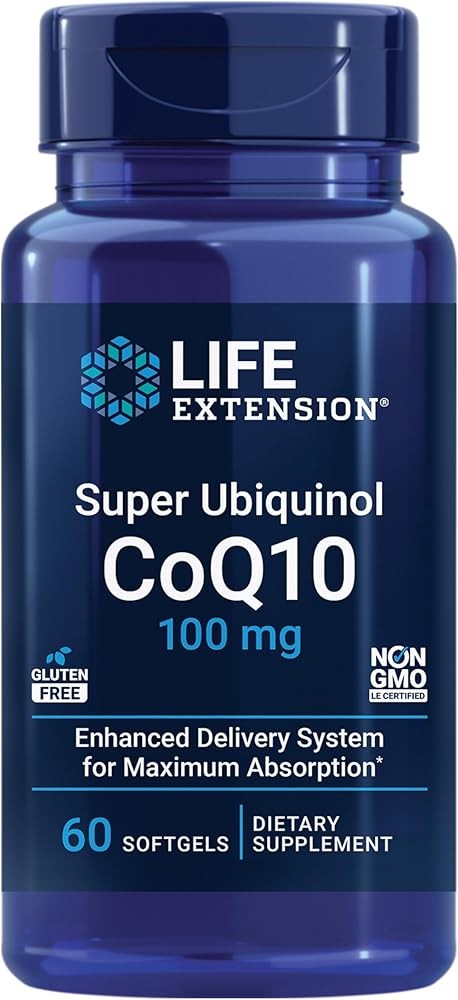
This formulation combines 100mg of Kaneka ubiquinol with enhanced absorption technology including medium-chain triglyceride oil and added limonene for superior bioavailability. The maximum absorption softgel design ensures optimal uptake, making this an excellent choice for those with digestive issues or anyone wanting to ensure they’re getting the full benefit of their CoQ10 supplementation.
Selection Tips:
- Over 40 or health concerns: Choose ubiquinol (Qunol, Jarrow, Sports Research, Life Extension, Viva Naturals)
- Budget-conscious: Ubiquinone options (Doctor’s Best, NOW Foods, Kirkland) offer excellent value
- High dose needs: Kirkland 300mg or NOW 200mg provide higher doses per capsule
- Enhanced absorption: Look for products with added oils (all the recommended softgels) or absorption enhancers like BioPerine
- Third-party testing: Verify products have been tested for purity and potency (most major brands provide this)
Regardless of which product you choose, remember to take your CoQ10 with a meal containing fat for optimal absorption.
Is CoQ10 Safe? What Are the Side Effects?
CoQ10 has an excellent safety profile, with decades of research and clinical use demonstrating minimal adverse effects even at high doses.
General Safety
CoQ10 is considered very safe for most adults:
- Studies have used doses up to 3000 mg daily without serious adverse effects
- Long-term use (several years) has not revealed significant safety concerns
- It’s a naturally occurring compound in the body, reducing the likelihood of adverse reactions
- No significant drug interactions have been identified with most medications
A comprehensive safety review published in Regulatory Toxicology and Pharmacology concluded that CoQ10 supplementation up to 1200 mg daily is safe and well-tolerated.
Potential Side Effects
When side effects do occur, they’re typically mild and may include:
Digestive upset: Mild nausea, diarrhea, or stomach discomfort occurs in some individuals, particularly at higher doses. Taking CoQ10 with food and dividing doses can minimize this.
Insomnia: A small percentage of users report sleep disturbances when taking CoQ10 late in the day. Taking your dose in the morning or early afternoon may reduce the risk of this.
Allergic reactions: Rare cases of skin rash or allergic response have been reported.
Dizziness or lightheadedness: Occasionally reported, particularly when starting supplementation.
Most side effects resolve by adjusting the dose, timing, or form of CoQ10, or by taking it with food.
Does CoQ10 Interact With Any Medications?
Warfarin (Coumadin): CoQ10 has structural similarity to vitamin K and may theoretically reduce warfarin’s anticoagulant effect. If you’re taking warfarin, consult your physician before taking CoQ10, and monitor INR more frequently if you start supplementation.
Chemotherapy drugs: Some research suggests CoQ10 might reduce the effectiveness of certain chemotherapy agents, though other evidence suggests it may be protective. If undergoing cancer treatment, discuss CoQ10 use with your oncologist.
Blood pressure medications: Because CoQ10 can lower blood pressure, combining it with antihypertensive drugs may cause blood pressure to drop too low. This isn’t necessarily dangerous but may require medication adjustment. Monitor blood pressure if combining treatments.
Diabetes medications: CoQ10 may improve blood sugar control, potentially requiring adjustment of diabetes medications. Monitor blood glucose if you have diabetes and are taking CoQ10.
Is CoQ10 Safe During Pregnancy or for Children?
Pregnancy and breastfeeding: There’s insufficient research on CoQ10 safety during pregnancy and lactation. While no adverse effects have been reported, pregnant and breastfeeding women should consult healthcare providers before supplementing.
Children: CoQ10 has been used in pediatric populations for specific conditions (migraines, mitochondrial disorders) under medical supervision. However, routine supplementation in healthy children hasn’t been extensively studied.
Surgery: Some practitioners recommend discontinuing CoQ10 1-2 weeks before scheduled surgery due to theoretical bleeding concerns, though evidence for this is limited.
Quality and Purity Concerns
Because supplements are not strictly regulated like pharmaceuticals:
- Choose products from reputable manufacturers
- Look for third-party testing certifications (USP, NSF, ConsumerLab)
- Verify that the product contains the stated amount of CoQ10
- Ensure the product hasn’t been contaminated with heavy metals or impurities
Frequently Asked Questions
Q1: Is it safe to take CoQ10 every day?
Yes, daily CoQ10 supplementation has been studied extensively and is considered safe for long-term use. Studies spanning several years have not identified significant safety concerns with daily supplementation at doses up to 300 mg for general health purposes, and higher doses have been used safely in clinical trials. Your body naturally produces and uses CoQ10 every day, and supplementation simply helps maintain optimal levels, particularly as you age or if you have conditions that deplete CoQ10.
Q2: Can I take CoQ10 with statins?
Yes, and many experts believe you should. Statin medications deplete CoQ10 by blocking the same enzyme pathway that produces both cholesterol and CoQ10. This depletion may contribute to statin-associated muscle pain and potentially counteract some cardiovascular benefits. Taking CoQ10 (100-200 mg daily of ubiquinol) with your statin medication may help maintain adequate CoQ10 levels and reduce muscle-related side effects. Always inform your physician that you’re taking CoQ10, but there are no known dangerous interactions between statins and CoQ10.
Q3: How long does it take for CoQ10 to work?
The timeline varies by condition and individual factors. Blood levels of CoQ10 increase within a few days to weeks of supplementation, but tissue levels build more gradually. For energy and fatigue, some people report improvements within 2-4 weeks. For cardiovascular benefits, clinical studies typically show effects after 8-12 weeks of consistent supplementation. For migraine prevention, trials have used 3 months to assess effectiveness. Patience is important—CoQ10 isn’t a quick fix but rather works by gradually restoring optimal cellular function.
Q4: Should I take ubiquinol or ubiquinone?
For most people over 40, or anyone with health conditions, ubiquinol (the reduced, active form) is likely the better choice due to superior bioavailability. Your body must convert ubiquinone to ubiquinol before using it, and this conversion becomes less efficient with age and illness. Ubiquinol doesn’t require conversion and has been shown to achieve higher blood levels at the same dose. However, ubiquinol is typically more expensive. Younger, healthy individuals may do well with ubiquinone, particularly if taking higher doses. Both forms can be effective if absorbed properly.
Q5: What time of day should I take CoQ10?
CoQ10 can be taken at any time of day, but there are some considerations: Always take it with a meal containing fat, as CoQ10 is fat-soluble and absorption can be 2-3 times higher with dietary fats. If taking one dose daily, morning or early afternoon is often preferred because a small percentage of users report that evening doses interfere with sleep (possibly due to increased energy). If taking higher doses (200-300 mg), dividing into two doses (morning and evening with meals) may improve absorption since CoQ10 absorption appears to be dose-limited.
Q6: Can CoQ10 help with fatigue?
Yes, for certain types of fatigue. If your fatigue relates to CoQ10 deficiency, mitochondrial dysfunction, heart conditions, or statin use, CoQ10 supplementation may help by improving cellular energy production. However, fatigue has many causes, and CoQ10 won’t help all of them. If you have persistent, unexplained fatigue, proper medical evaluation is important to identify the underlying cause. That said, CoQ10’s role in ATP production means it has theoretical benefits for energy-related fatigue, and some clinical studies have shown improvements in subjective fatigue measures.
Q7: Will CoQ10 interfere with blood thinners?
CoQ10 has structural similarity to vitamin K and may theoretically reduce the effectiveness of warfarin (Coumadin), though clinical evidence for this interaction is limited and conflicting. If you’re taking warfarin, inform your physician before starting CoQ10 and monitor your INR (a measure of blood clotting) more frequently for the first few weeks. CoQ10 doesn’t appear to interact significantly with newer anticoagulants like apixaban (Eliquis) or rivaroxaban (Xarelto), but you should still inform your healthcare provider of all supplements you’re taking.
Q8: Can CoQ10 lower blood pressure too much?
CoQ10’s blood pressure-lowering effect is generally modest (average 11 mmHg systolic reduction) and develops gradually over weeks to months. For most people, this is a beneficial effect. However, if you’re taking blood pressure medications, the combination could potentially cause blood pressure to drop too low, leading to dizziness or lightheadedness. This isn’t dangerous but may require your physician to adjust your medication dosages. If you have hypertension and are taking CoQ10, monitor your blood pressure regularly and keep your doctor informed.
Q9: Does cooking destroy CoQ10 in food?
CoQ10 is relatively stable during normal cooking, though some loss can occur with high heat and prolonged cooking times. The bigger issue is that dietary CoQ10 intake is quite low—even CoQ10-rich foods like organ meats, fatty fish, and whole grains provide only 3-6 mg per serving, far below therapeutic doses (100-300 mg) used in studies. You would need to eat enormous quantities of CoQ10-rich foods to match supplement doses. For this reason, supplementation is the practical approach for achieving levels shown to provide health benefits in research studies.
Q10: Can children take CoQ10?
CoQ10 has been used safely in children for specific medical conditions including migraines, mitochondrial disorders, and certain genetic conditions affecting CoQ10 metabolism, always under medical supervision. However, routine CoQ10 supplementation in healthy children hasn’t been extensively studied and is generally not recommended without a specific medical indication. If you’re considering CoQ10 for a child, consult with a pediatrician to determine if it’s appropriate and what dosage would be safe.
Our Top Recommendations
📱 Join the discussion: Facebook | X | YouTube | Pinterest | Pinterest
Related Reading
-
Omega-3 EPA vs DHA: Which Fish Oil Form Is Better for Your Health?
-
Magnesium Types: Comparing Glycinate, Threonate, Citrate & More
-
Vitamin D Dosing Guide: How Much D3 Do You Need?
-
NAD+ Precursors Compared: NMN, NR, and Niacin
-
Best Magnesium Supplements for Sleep, Anxiety & Muscle Recovery
-
Alpha-Lipoic Acid Benefits: Blood Sugar, Nerves & Antioxidants
-
CoQ10 Benefits: Complete Guide to Heart Health, Energy & Longevity
-
CoQ10 Benefits, Dosage, and Side Effects: Complete Evidence-Based Guide
Conclusion: A Foundational Supplement for Heart Health and Cellular Energy
Coenzyme Q10 stands out among dietary supplements for the depth and quality of research supporting its benefits. This isn’t a trendy compound with questionable evidence—it’s a fundamental component of cellular energy production with decades of scientific investigation demonstrating cardiovascular benefits, antioxidant protection, and potential benefits across multiple health domains.
The evidence is particularly compelling for:
Heart failure patients: Where CoQ10 supplementation has demonstrated reduced mortality and hospitalizations in rigorous clinical trials
Statin users: Where supplementation may counteract drug-induced CoQ10 depletion and reduce muscle-related side effects
Individuals over 40: When natural CoQ10 production declines and ubiquinol supplementation may help maintain optimal levels
Those with hypertension: Where CoQ10 has shown blood pressure-lowering effects comparable to some medications
People experiencing unexplained fatigue: Where mitochondrial energy deficits may be contributing to symptoms
Couples facing fertility challenges: Where CoQ10 may improve egg and sperm quality through enhanced mitochondrial function
Migraine sufferers: Where CoQ10 has demonstrated preventive benefits in controlled trials
The key to success with CoQ10 supplementation is choosing a quality product (preferably ubiquinol if you’re over 40), taking an adequate dose (100-300 mg daily depending on your purpose), taking it with dietary fat for absorption, and being patient—CoQ10’s benefits accrue gradually as tissue levels build over weeks to months.
While CoQ10 isn’t a solution-all or fountain of youth, its fundamental role in energy production and antioxidant protection makes it a scientifically rational supplement for supporting cardiovascular health, cellular energy, and overall wellness as you age. For anyone on statin medications, CoQ10 supplementation deserves serious consideration given the inevitable depletion these drugs cause.
As with any supplement, discuss CoQ10 with your healthcare provider, particularly if you have medical conditions or take medications. But for many people, CoQ10 represents one of the most evidence-based and potentially beneficial supplements available—a compound that supports the very foundation of cellular health and energy production that powers every heartbeat, thought, and movement.
Recommended Products