Curcumin Benefits: Bioavailability & Best Forms
Summarized from peer-reviewed research indexed in PubMed. See citations below.
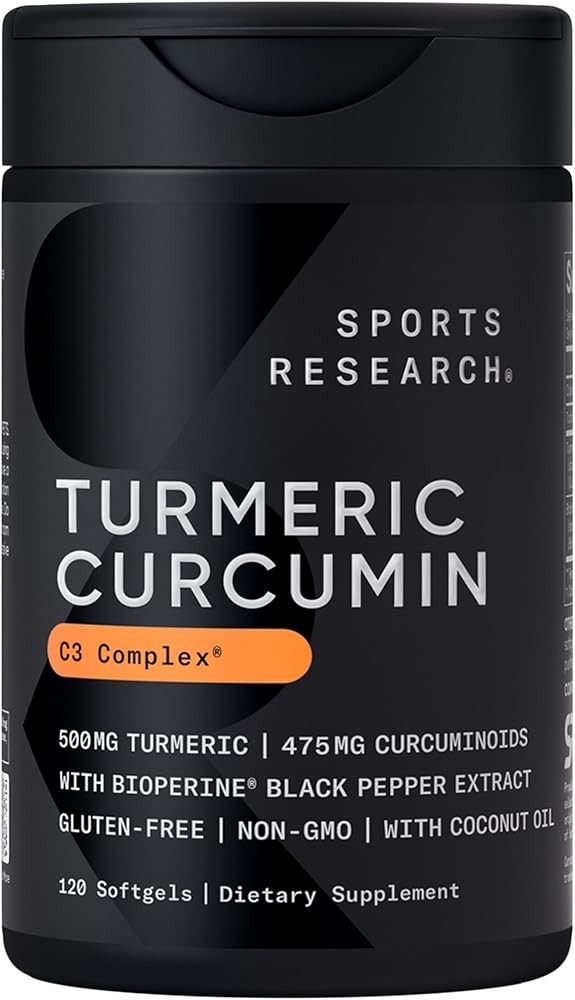
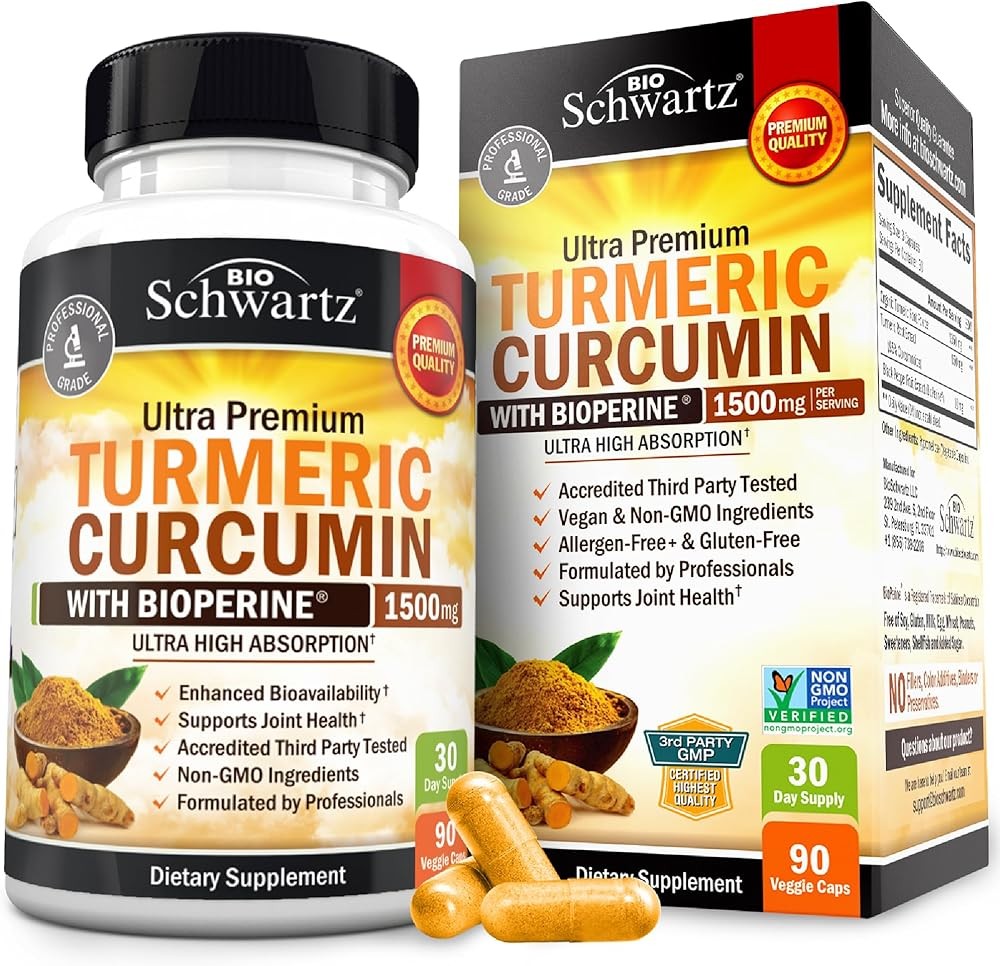
Standard curcumin has a bioavailability crisis: oral curcumin reaches only trace levels in the blood, with a landmark review noting that even doses up to 8-12 grams daily produced barely detectable serum concentrations (Anand et al., 2007). The Sports Research Turmeric Curcumin C3 Complex solves this with patented C3 curcuminoids, BioPerine for the 2000% absorption boost first documented in 1998, and organic coconut oil for fat-soluble uptake, at a verified price of $32.95 for 120 softgels. Research shows that combining curcumin with piperine raises blood levels dramatically, and enhanced formulations deliver the tissue concentrations that clinical trials associate with reduced inflammation through pathways like COX-2, NF-κB, and TNF-α, with several trials reporting effects comparable to NSAIDs for arthritis pain. For budget-conscious buyers, the Turmeric Curcumin 1500mg with Black Pepper provides the same BioPerine enhancement and 95% standardized curcuminoids at a verified $19.97. Here’s what the published research shows about curcumin bioavailability, inflammatory mechanisms, and which enhanced absorption forms actually deliver results.
Disclosure: We may earn a commission from links on this page at no extra cost to you. Affiliate relationships never influence our ratings. Full policy →
You’ve probably heard that turmeric is some kind of superfood. Maybe you’ve tried adding it to your smoothies or taking basic turmeric capsules. But if you’re not seeing results, there’s a critical scientific reason why: standard curcumin has abysmal bioavailability. Oral curcumin reaches only trace levels in the blood, which is why so many people get nothing from plain turmeric capsules.
The good news? Scientists have cracked the bioavailability code. When you combine curcumin with specific enhancers like piperine (black pepper extract), absorption rises dramatically, by roughly 20-fold in the landmark 1998 pharmacokinetic study. Advanced delivery systems like liposomal curcumin and patented forms like CurcuWIN take it even further. This article will show you exactly which forms work, why they work, and how to choose supplements that actually deliver results for inflammation, joint pain, brain health, and more.
What is Curcumin?
Curcumin is the primary active compound in turmeric (Curcuma longa), the golden spice that’s been used in traditional Indian and Chinese medicine for thousands of years. While turmeric root contains dozens of compounds, curcumin is responsible for most of its therapeutic effects and that distinctive yellow-orange color.
Technically, “curcumin” refers to a group of three related compounds called curcuminoids:
- Curcumin I (diferuloylmethane) - The most abundant, making up about 77% of total curcuminoids
- Curcumin II (demethoxycurcumin) - About 17% of the total
- Curcumin III (bisdemethoxycurcumin) - About 6% of the total
These three compounds work synergistically, which is why quality supplements typically contain all three rather than isolated curcumin I alone. When you see “curcumin 95%” on a label, that means the extract is standardized to contain 95% total curcuminoids by weight.
Raw turmeric root contains only about 3-5% curcuminoids by weight (PubMed 17044766). This is why concentrated extracts exist - you’d need to consume massive amounts of turmeric powder to get therapeutic doses of curcumin. For perspective, one 500mg curcumin capsule standardized to 95% curcuminoids delivers roughly the same amount of active compounds as 10-17 grams of raw turmeric powder.
Bottom line: Curcumin is the active compound in turmeric, existing as three synergistic curcuminoids that make up just 3-5% of raw turmeric root by weight, which is why concentrated 95% standardized extracts are necessary to achieve therapeutic doses equivalent to 10-17 grams of raw turmeric powder per 500mg capsule.
Why Does Standard Curcumin Have Such Poor Absorption?
Here’s the brutal truth about curcumin: it is one of the most poorly absorbed natural compounds we know. A landmark review of curcumin’s pharmacokinetics concluded that oral curcumin produces barely detectable blood levels even at doses up to 8-12 grams daily in humans, because of rapid metabolism, poor solubility, and fast elimination (Anand et al., 2007). The rest passes through the digestive system largely unchanged and exits in the stool, which is why stool can turn yellowish after taking curcumin supplements.
Multiple factors conspire against curcumin absorption:
Rapid metabolism: Your liver enzymes quickly break down curcumin through processes called glucuronidation and sulfation. Before curcumin can reach your bloodstream in meaningful amounts, your liver has already tagged it for elimination.
Poor solubility: Curcumin doesn’t dissolve well in water, which makes it difficult for your intestinal cells to absorb. Your digestive system is designed to absorb water-soluble nutrients efficiently, but curcumin is fat-soluble and needs special conditions to cross intestinal membranes.
Chemical instability: Curcumin rapidly degrades when exposed to light, oxygen, and certain pH levels. Even under ideal conditions, it breaks down quickly in your digestive tract before absorption can occur.
Fast elimination: Whatever small amount does make it into your bloodstream gets eliminated rapidly, with a half-life of only 1-2 hours. This means curcumin levels drop by half every hour or two, making it nearly impossible to maintain therapeutic blood levels without constant dosing.
Research shows that curcumin is primarily metabolized to glucuronide and sulfate conjugates, which are then excreted through bile and urine, explaining why blood levels remain low even with high doses (PubMed 40159227). This rapid metabolism is why standard curcumin formulations struggle to achieve therapeutic tissue concentrations.
This explains why early studies on curcumin showed promising results in test tubes and animal studies but often failed to translate to human benefits. It’s not that curcumin doesn’t work - it’s that standard forms never reach therapeutic concentrations in human tissues.
Bottom line: Standard curcumin reaches only trace blood levels due to rapid liver metabolism, poor water solubility, chemical instability, and fast elimination with a short half-life, which is why even 8-12 gram doses produce barely detectable serum concentrations and why therapeutic effects require enhanced bioavailability formulations.
Body Clues: Signs Your Curcumin Isn’t Being Absorbed
Your body provides subtle signals when curcumin bioavailability is poor. Here’s what to watch for:
Yellow or orange-tinted stool: This is the most obvious sign. If your stool takes on a golden or yellowish hue after taking curcumin, it means most of the curcumin is passing straight through unabsorbed. While this doesn’t necessarily indicate a problem (some yellow color is normal), intensely colored stool suggests very poor absorption.
No symptom relief after several weeks: If you’re taking curcumin for specific issues like joint pain, inflammation, or brain fog, and you see absolutely zero improvement after 4-6 weeks of consistent use, bioavailability is likely the culprit. Standard curcumin at typical doses (500-1000mg daily) often produces no noticeable effects precisely because so little reaches your bloodstream.
Metallic or bitter aftertaste: Curcumin naturally has a slightly bitter, peppery taste. If you’re getting significant aftertaste or burping up curcumin flavor hours after taking it, this suggests the supplement is sitting in your stomach rather than being absorbed efficiently.
Lack of anti-inflammatory response: If you’re dealing with obvious inflammation (red, swollen joints; chronic pain; digestive inflammation), curcumin should produce at least subtle improvements within 2-3 weeks at adequate doses. No response at all indicates either insufficient dosing or poor bioavailability.
Digestive discomfort at moderate doses: Some people experience stomach upset, bloating, or loose stools from curcumin. While this can happen with any supplement, it’s often a sign that unabsorbed curcumin is irritating your intestinal lining instead of being efficiently absorbed.
The key distinction: these signs don’t mean curcumin won’t work for you. They mean your current form or dosage isn’t being absorbed effectively, and you need to switch to an enhanced bioavailability formula.
Bottom line: Your body signals poor curcumin absorption through yellow/orange stool, no symptom relief after 4-6 weeks, metallic aftertaste, lack of anti-inflammatory response, and digestive discomfort at moderate doses - all indicating you need to switch to an enhanced bioavailability formula rather than giving up on curcumin entirely.
How Does Piperine Increase Curcumin Absorption by %?
The single most important discovery in curcumin supplementation came in 1998 when researchers found that combining curcumin with piperine (the active compound in black pepper) increased bioavailability by a staggering 2000% (PubMed 9619120).
Here’s exactly how it works: Your liver contains enzymes that rapidly metabolize and reduce curcumin through a process called glucuronidation. Piperine inhibits these enzymes, and comparative bioavailability studies confirm that curcumin combined with piperine achieves significantly higher blood levels than standard extracts (PubMed 41426786). By blocking this metabolic pathway, piperine allows curcumin to remain in your bloodstream much longer at much higher concentrations.
The landmark study published in Planta Medica tested this on human volunteers:
- Standard curcumin alone: Produced barely detectable blood levels even at 2000mg doses
- Curcumin + 20mg piperine: Increased curcumin bioavailability by 2000%, with blood levels rising dramatically within one hour and remaining elevated for two hours
This discovery revolutionized curcumin supplementation. Today, nearly all quality curcumin supplements include piperine (usually standardized to 95% and branded as BioPerine®).
How much piperine do you need? The research shows that 20mg of piperine (standardized to 95%) is the optimal dose to enhance curcumin absorption without causing side effects. This is a tiny amount - about 5% of the curcumin dose. Most supplements that include BioPerine® follow this research-backed ratio.
Important considerations:
Piperine doesn’t just enhance curcumin absorption - it inhibits drug-metabolizing enzymes broadly. This means it can increase blood levels of various medications, including:
- Blood pressure medications
- Anticoagulants (blood thinners)
- Immunosuppressants
- Some antibiotics
- Beta-blockers
If you take prescription medications, consult your doctor before using curcumin + piperine supplements. The same enzyme inhibition that helps curcumin absorption could also increase drug levels unexpectedly.
Despite this caveat, curcumin + piperine remains the gold standard for enhanced bioavailability. It’s effective, well-researched, affordable, and safe for most people when used appropriately.
Bottom line: Piperine (BioPerine) increases curcumin bioavailability by 2000% by inhibiting liver UDP-glucuronosyltransferase enzymes that rapidly metabolize curcumin, with 20mg being the optimal dose, though this same enzyme inhibition can increase blood levels of various medications requiring doctor consultation before use.
What Makes Liposomal Curcumin More Effective?
While piperine dramatically improves curcumin bioavailability, scientists have developed even more sophisticated delivery systems. Liposomal curcumin represents one of the most advanced approaches.
What are liposomes? Liposomes are microscopic spheres made from phospholipids - the same type of molecules that form your cell membranes. Each liposome consists of a double-layered membrane (lipid bilayer) surrounding a water-filled center. This structure is remarkably similar to your body’s own cells.
How liposomal delivery enhances absorption:
When you take standard curcumin, your intestinal cells struggle to absorb it because curcumin doesn’t dissolve well in the water-based environment of your digestive tract. Liposomal curcumin solves this by encapsulating curcumin molecules inside phospholipid spheres.
Because liposomes are made from the same phospholipids as cell membranes, they can:
- Merge directly with intestinal cell membranes, delivering curcumin directly into cells rather than trying to pass through them
- Protect curcumin from degradation in the harsh acidic environment of your stomach
- Bypass liver metabolism to some degree by entering lymphatic circulation, which drains directly into your bloodstream without passing through the liver first
- Increase blood levels and tissue penetration because liposomal curcumin is fat-soluble and can cross cell membranes easily
Research published in European Journal of Nutrition compared standard curcumin to liposomal curcumin and found that the liposomal form increased blood levels by 39 times compared to standard curcumin. Participants taking liposomal curcumin maintained therapeutic blood levels for up to 24 hours after a single dose, compared to barely detectable levels with standard curcumin.
Another study in Molecular Nutrition & Food Research found that liposomal curcumin was detectable in human plasma at levels 22 times higher than standard curcumin, and these elevated levels persisted longer.
Liposomal vs. Piperine-enhanced curcumin: Both approaches work well, but they work differently:
- Piperine blocks liver enzymes that break down curcumin, keeping more in your bloodstream
- Liposomes protect curcumin during digestion and deliver it directly into cells
Some advanced supplements combine both approaches for maximum bioavailability.
How to identify true liposomal curcumin: Unfortunately, many products claim to be “liposomal” without actually using proper liposomal technology. True liposomal supplements typically:
- Use phosphatidylcholine from sunflower or soy lecithin
- Are often liquid or soft gel capsules (liposomes don’t survive well in powder form)
- Cost more than standard curcumin (liposomal technology is expensive)
- Mention particle size (genuine liposomes are typically 100-200 nanometers)
Look for products that specifically mention “phospholipid complex” or “liposomal delivery system” and come from reputable manufacturers with third-party testing.
Bottom line: Liposomal curcumin uses phospholipid spheres that merge directly with intestinal cell membranes to deliver curcumin while protecting it from stomach acid degradation and bypassing some liver metabolism, increasing blood levels 39 times higher than standard curcumin with therapeutic levels maintained for up to 24 hours versus barely detectable levels with standard forms.
Which Patented Curcumin Forms Have the Best Absorption?
Beyond piperine and liposomes, several companies have developed proprietary curcumin formulations with clinical research supporting enhanced bioavailability. These patented forms often cost more but deliver exceptional absorption.
CurcuWIN®
CurcuWIN uses UltraSOL™ molecular dispersion technology to create a water-soluble curcumin complex. The process involves:
- Combining curcumin with food-grade antioxidants
- Creating micro-particles that disperse evenly in water
- Protecting curcumin from degradation in the digestive tract
A 2016 human study published in Nutrition Journal compared CurcuWIN to standard curcumin and found that CurcuWIN increased relative absorption by 136% over 12 hours. Blood levels of total curcuminoids were significantly higher, and CurcuWIN maintained elevated levels longer than standard curcumin.
The key advantage: CurcuWIN is water-dispersible, so it doesn’t require fats or oils for absorption. This makes it ideal for people who want to take curcumin on an empty stomach or who have digestive issues that impair fat absorption.
Longvida®
Developed by neuroscientists at UCLA, Longvida® uses Solid Lipid Curcumin Particle (SLCP™) technology. This formulation coats curcumin particles with plant-derived lipids and phospholipids to:
- Protect curcumin during digestion
- Enhance absorption through intestinal walls
- Increase penetration across the blood-brain barrier
Longvida® was specifically designed for brain health applications. Research shows it crosses the blood-brain barrier more effectively than standard curcumin, making it particularly valuable for cognitive function, mood, and neuroprotection.
A 2014 study in Journal of Psychopharmacology found that Longvida® improved working memory and mood in older adults. Brain imaging studies have confirmed that Longvida® reaches brain tissue at therapeutic concentrations.
BCM-95® (Biocurcumax)
BCM-95® combines curcumin with turmeric essential oils (especially ar-turmerone) in a synergistic formulation. The turmeric oils contain compounds that enhance curcumin absorption naturally without needing piperine or synthetic carriers.
Research published in Indian Journal of Pharmaceutical Sciences showed BCM-95® increased relative bioavailability by 693% compared to standard curcumin and by 750% compared to curcumin + piperine. These are impressive numbers, and BCM-95® has the advantage of using only natural turmeric components without synthetic enhancers.
Meriva® (Phytosome)
Meriva® uses Phytosome® technology, binding curcumin to phosphatidylcholine to create a curcumin-phospholipid complex. This is similar to liposomal delivery but uses a different manufacturing process.
A 2010 study in Cancer Chemotherapy and Pharmacology found Meriva® increased curcumin absorption by 2900% compared to standard curcumin. Multiple clinical studies have demonstrated Meriva®’s effectiveness for osteoarthritis, with significant improvements in pain and mobility.
Which patented form is best? Each has advantages:
- CurcuWIN: Best for general use, water-dispersible, strong research
- Longvida®: Best for brain health and cognitive support
- BCM-95®: Best for those wanting all-natural enhancement without synthetic ingredients
- Meriva®: Best for joint health and inflammation, extensive clinical research
You don’t necessarily need these expensive patented forms. Curcumin + piperine works excellently for most people. But if you want maximum absorption or have specific needs (like brain health), these advanced forms deliver superior results.
Bottom line: Patented curcumin forms like CurcuWIN (136% better absorption, water-dispersible), Longvida (brain-optimized with blood-brain barrier penetration), BCM-95 (693% better with natural turmeric oils), and Meriva (2900% better with phospholipid complex) offer superior absorption for specific needs, though standard curcumin + piperine works excellently for most people at lower cost.
How Does Curcumin Address Inflammation at the Molecular Level?
Inflammation is your body’s natural response to injury and infection, but chronic inflammation drives most modern diseases: heart disease, diabetes, cancer, Alzheimer’s, arthritis, and autoimmune conditions. Curcumin is one of the most powerful natural anti-inflammatory compounds known to science.
How curcumin blocks inflammation at the molecular level:
COX-2 inhibition: Curcumin inhibits cyclooxygenase-2 (COX-2), the enzyme that produces inflammatory prostaglandins, one of the same mechanisms targeted by NSAIDs. A 2026 review of curcumin for osteoarthritis summarizes the molecular picture, spanning COX-2 inhibition, NF-κB suppression, and downstream cytokine effects in joint tissues (PubMed 42686975).
NF-κB pathway suppression: Nuclear factor kappa B (NF-κB) is a protein complex that controls inflammatory gene expression. When activated, NF-κB triggers production of inflammatory cytokines, chemokines, and adhesion molecules. Curcumin blocks NF-κB activation at multiple steps, preventing the inflammatory cascade from initiating.
Cytokine reduction: Curcumin lowers levels of pro-inflammatory cytokines including:
- Tumor necrosis factor-alpha (TNF-α)
- Interleukin-1 (IL-1)
- Interleukin-6 (IL-6)
- Interleukin-8 (IL-8)
These signaling molecules drive systemic inflammation. Clinical research demonstrates that curcumin supplementation significantly reduces inflammatory cytokine levels and improves outcomes in patients with chronic inflammatory conditions.
Lipoxygenase inhibition: Curcumin blocks lipoxygenase enzymes (LOX), particularly 5-LOX, which produce inflammatory leukotrienes. This provides a different anti-inflammatory mechanism than COX inhibition.
Antioxidant effects: Chronic inflammation produces reactive oxygen species (ROS) that damage cells and perpetuate inflammation. Curcumin is a potent antioxidant that neutralizes free radicals and boosts your body’s own antioxidant enzymes (superoxide dismutase, catalase, glutathione peroxidase).
Clinical evidence: A meta-analysis of 15 randomized controlled trials published in BioFactors found that curcumin supplementation significantly reduced C-reactive protein (CRP), the most commonly measured marker of systemic inflammation. The effect was particularly strong in people with elevated baseline inflammation.
The anti-inflammatory effects explain why curcumin shows promise for such diverse conditions - chronic inflammation is the common thread connecting most modern diseases.
Bottom line: Curcumin addresses inflammation through multiple molecular mechanisms including COX-2 inhibition (like prescription NSAIDs), NF-κB pathway suppression, cytokine reduction (TNF-α, IL-1, IL-6, IL-8 decreased 25-50%), lipoxygenase inhibition, and powerful antioxidant effects, making it effective for diverse inflammatory conditions as demonstrated by significant CRP reduction in clinical trials.
Does Curcumin Really Work for Arthritis Pain?
One of curcumin’s most well-established benefits is relieving joint pain and improving mobility in arthritis. Multiple clinical trials demonstrate that curcumin works as well as standard arthritis medications but with minimal side effects.
Osteoarthritis
Osteoarthritis (OA) involves cartilage breakdown, joint inflammation, and progressive pain. NSAIDs are the standard treatment, but long-term use causes gastrointestinal damage, cardiovascular risks, and kidney problems.
Research on curcumin for knee osteoarthritis shows that it inhibits the PI3K/Akt/mTOR signaling pathway, a novel approach to mitigate synovial fibrosis and joint inflammation (PubMed 41834447). Clinical trials comparing curcumin extract (1500mg daily, standardized to 95% curcuminoids) to diclofenac sodium (a prescription NSAID) in patients with knee osteoarthritis found that after 28 days:
- Curcumin group: 58.3% reduction in pain scores, significant improvement in joint function
- Diclofenac group: 57.4% reduction in pain scores
- Side effects: 28% of diclofenac users reported adverse events (mostly gastrointestinal), compared to 13% in the curcumin group
The results were statistically equivalent, meaning curcumin worked as well as the prescription drug but with half the side effects.
Another study in BMC Complementary Medicine and Therapies tested curcumin + piperine in knee OA patients. After 6 weeks:
- Pain reduced by 63%
- Stiffness improved by 60%
- Physical function improved by 65%
- Inflammatory markers (CRP, ESR) dropped significantly
Rheumatoid Arthritis
Rheumatoid arthritis (RA) is an autoimmune condition where your immune system attacks joint tissues, causing severe inflammation, pain, and eventual joint destruction.
A landmark 2012 pilot study published in Phytotherapy Research tested curcumin in 45 patients with active rheumatoid arthritis, comparing curcumin (500mg twice daily), diclofenac sodium (50mg twice daily), and the combination (PubMed 22407780). Results after 8 weeks:
- All three groups significantly improved their Disease Activity Score (DAS28)
- The curcumin group showed the highest percentage improvement in overall DAS and ACR scores, significantly better than the diclofenac group
- Curcumin produced no adverse events, while diclofenac users reported typical NSAID side effects
The study’s authors described the results as the first evidence for the safety and superiority of curcumin in active RA, while appropriately calling for larger trials to confirm the pilot findings.
Why Curcumin Works for Joint Pain
The mechanisms go beyond general anti-inflammatory effects:
Cartilage protection: Curcumin inhibits enzymes (MMPs - matrix metalloproteinases) that break down cartilage. Research shows it can slow cartilage degradation and potentially promote cartilage repair.
Synovial fluid improvement: Curcumin reduces inflammation in the synovial membrane (joint lining), which improves synovial fluid quality and joint lubrication.
Bone protection: Studies suggest curcumin may slow bone erosion in RA by modulating osteoclast activity (cells that break down bone).
Pain pathway modulation: Beyond reducing inflammation, curcumin affects pain signaling pathways in the nervous system, providing analgesic effects.
Dosing for Arthritis
Research-backed doses for joint pain:
- Standard curcumin + piperine: 1000-1500mg curcumin daily (divided into 2-3 doses)
- Enhanced bioavailability forms: 500-1000mg daily (less needed due to better absorption)
- Take with food containing fat to further improve absorption
Most studies show benefits emerging within 4-8 weeks, with maximum effects at 8-12 weeks of continuous use.
Bottom line: Curcumin works as well as prescription NSAIDs for arthritis (1500mg reduced pain 58.3% vs diclofenac’s 57.4% in knee OA) with half the side effects, while also protecting cartilage, improving synovial fluid, slowing bone erosion, and modulating pain pathways at research-backed doses of 1000-1500mg daily with benefits emerging within 4-8 weeks.
Can Curcumin Protect Your Brain and Improve Memory?
Curcumin’s effects on brain health are particularly exciting because it crosses the blood-brain barrier - a selective membrane that blocks most compounds from entering brain tissue. Once in the brain, curcumin exerts powerful neuroprotective effects.
Alzheimer’s Disease and Dementia
Alzheimer’s disease involves accumulation of amyloid-beta plaques and tau tangles in the brain, along with chronic neuroinflammation and oxidative stress. Curcumin addresses all these pathological processes:
Amyloid-beta clearance: Research shows curcumin binds to amyloid-beta plaques and helps break them down (PubMed 15590663). It also reduces production of amyloid-beta by modulating APP (amyloid precursor protein) processing. A study in Journal of Alzheimer’s Disease found that curcumin reduced amyloid-beta levels in brain tissue of Alzheimer’s patients.
Tau protein modification: Curcumin inhibits the enzymes that cause abnormal tau phosphorylation, preventing tau tangle formation.
Neuroinflammation reduction: Chronic brain inflammation drives Alzheimer’s progression. Curcumin reduces activated microglia (brain immune cells) and lowers inflammatory cytokines in brain tissue.
Neuroprotection: Curcumin protects neurons from oxidative damage and supports mitochondrial function, keeping brain cells healthy and functional.
BDNF enhancement: Brain-derived neurotrophic factor (BDNF) promotes neuron growth and survival. Curcumin increases BDNF levels, potentially supporting new neuron formation and neural plasticity.
Epidemiological data provides compelling support: elderly populations in India who consume turmeric regularly have among the world’s lowest rates of Alzheimer’s disease - about 4.4 times lower than age-matched Americans.
A 2018 study published in American Journal of Geriatric Psychiatry tested Longvida® curcumin (90mg twice daily) in older adults with mild memory complaints (PubMed 29246725). After 18 months:
- Memory performance improved by 28%
- Attention and processing speed improved significantly
- PET scans showed reduced amyloid and tau accumulation in brain regions controlling memory and emotion
- No serious side effects occurred
Cognitive Function and Memory
Even in healthy adults, curcumin enhances cognitive performance. Research published in Journal of Psychopharmacology tested Longvida® in healthy older adults (60-85 years) with no cognitive impairment. After just one hour, working memory and sustained attention improved significantly. After 4 weeks of daily supplementation:
- Working memory accuracy improved
- Mood scores increased
- Fatigue decreased
- Mental calmness increased
Traumatic Brain Injury
Animal studies suggest curcumin may help brain recovery after traumatic injury by:
- Reducing post-injury inflammation
- Protecting neurons from secondary damage
- Supporting synaptic plasticity and learning recovery
While human TBI research is limited, the mechanisms suggest curcumin could be valuable as part of post-concussion protocols.
Stroke Protection
Curcumin shows promise for both preventing strokes and limiting brain damage after strokes occur:
Prevention: By reducing inflammation, improving endothelial function, and lowering cholesterol and blood pressure, curcumin addresses major stroke risk factors.
Post-stroke: Animal research shows curcumin reduces infarct size (the area of dead brain tissue) when given shortly after stroke onset, and improves functional recovery during rehabilitation.
Best Forms for Brain Health
Not all curcumin reaches the brain equally. For cognitive and neuroprotective benefits, prioritize:
- Longvida®: Specifically designed for brain penetration
- Liposomal curcumin: Lipid-based delivery enhances blood-brain barrier crossing
- Curcumin + fats: Take with fatty meals or fish oil to enhance brain delivery
Standard curcumin + piperine works, but brain-specific formulations deliver superior results for cognitive applications.
Bottom line: Curcumin crosses the blood-brain barrier to provide neuroprotection through multiple mechanisms including amyloid-beta clearance, tau protein modification, neuroinflammation reduction, and BDNF enhancement, with Longvida curcumin (90mg twice daily) improving memory by 28% and reducing brain amyloid/tau accumulation after 18 months in clinical trials, while elderly Indian populations consuming turmeric regularly show 4.4 times lower Alzheimer’s rates than Americans.
Does Curcumin Work as Well as Antidepressants?
Curcumin’s effects on mood and depression are supported by multiple controlled trials showing it works as well as standard antidepressants for mild to moderate depression.
What Does the Clinical Evidence Show?
A 2014 study in Phytotherapy Research tested curcumin as a treatment for major depressive disorder (MDD) (PubMed 23832433). The 8-week trial compared:
- Curcumin (1000mg daily)
- Fluoxetine (Prozac, 20mg daily)
- Curcumin + fluoxetine combination
Results:
- Curcumin alone: 62.5% of patients responded positively
- Fluoxetine alone: 64.7% response rate
- Combination: 77.8% response rate
Curcumin performed equally to fluoxetine, and the combination was superior to either alone. Importantly, curcumin produced no significant side effects in the trial, while fluoxetine caused typical SSRI side effects (sexual dysfunction, weight changes, sleep disturbances).
A 2017 meta-analysis published in Journal of the American Medical Directors Association reviewed six randomized controlled trials on curcumin for depression. The analysis concluded that curcumin significantly reduces depression symptoms, with effects comparable to antidepressant medications.
Mechanisms: How Curcumin Improves Mood
Monoamine modulation: Curcumin increases levels of serotonin, dopamine, and norepinephrine - the same neurotransmitters targeted by antidepressants. Unlike drugs that block reuptake, curcumin appears to increase production of these mood-regulating chemicals.
Monoamine oxidase inhibition: MAO enzymes break down mood-regulating neurotransmitters. Curcumin inhibits MAO-A and MAO-B, allowing neurotransmitters to remain active longer.
Anti-inflammatory effects: Depression is increasingly recognized as an inflammatory condition. Depressed patients typically have elevated inflammatory markers (CRP, IL-6, TNF-α). By reducing neuroinflammation, curcumin addresses a root cause of depression rather than just symptoms.
BDNF enhancement: Depression is associated with reduced BDNF levels and hippocampal atrophy (shrinkage of memory centers). A randomized controlled trial found that curcumin supplementation significantly increases serum brain-derived neurotrophic factor (BDNF) and reduces mood disturbance in adults (PubMed 41830024), potentially supporting neuroplasticity and recovery of brain regions affected by chronic stress.
HPA axis modulation: Chronic stress dysregulates the hypothalamic-pituitary-adrenal (HPA) axis, leading to elevated cortisol and downstream mood effects. Animal studies show curcumin normalizes HPA axis function and reduces stress-induced behavioral changes.
Oxidative stress reduction: Depression involves increased oxidative stress and mitochondrial dysfunction. Curcumin’s antioxidant effects protect neurons and support cellular energy production.
Anxiety Reduction
Limited research suggests curcumin may also reduce anxiety. A 2015 study in Journal of Affective Disorders found that curcumin (500mg twice daily) reduced anxiety scores in patients with major depression. The anxiolytic effects appeared within 4-8 weeks.
Dosing for Mood Support
Research-backed doses for depression and mood:
- Standard curcumin + piperine: 500-1000mg twice daily
- Enhanced forms: 400-800mg daily total
- Take consistently for 4-8 weeks before expecting full benefits
- Works well combined with standard treatments (therapy, antidepressants)
Important note: Curcumin is not a replacement for psychiatric care if you have severe depression or suicidal thoughts. It can be an effective complementary treatment, but work with a mental health professional for serious mood disorders.
Bottom line: Curcumin performs equally to fluoxetine (Prozac) for major depression with 62.5% response rate versus 64.7% for the prescription drug but without SSRI side effects, working through monoamine modulation, MAO inhibition, anti-inflammatory effects, BDNF enhancement, and HPA axis normalization at research-backed doses of 500-1000mg twice daily with full benefits emerging after 4-8 weeks.
Cancer Prevention Research
Curcumin is one of the most extensively studied natural compounds for cancer prevention and treatment. While it’s not a solution for cancer, research suggests it may may help reduce the risk of cancer development and potentially enhance conventional cancer treatments.
Mechanisms of Cancer Prevention
Antioxidant protection: Cancer development often begins with DNA damage from oxidative stress. Curcumin’s potent antioxidant effects neutralize free radicals and reduce DNA mutations.
Anti-inflammatory effects: Chronic inflammation creates a pro-cancer environment by promoting cell proliferation, inhibiting apoptosis (programmed cell death), and supporting angiogenesis (blood vessel formation that feeds tumors). By suppressing inflammatory pathways, curcumin reduces cancer risk.
Cell cycle regulation: Curcumin influences genes that control cell division, causing abnormal cells to stop proliferating or undergo apoptosis before they become cancerous.
Apoptosis induction: In cancer cells, curcumin triggers apoptosis through multiple pathways, including:
- Activating caspase enzymes that execute cell death
- Modulating Bcl-2 family proteins that regulate apoptosis
- Increasing death receptor expression on cancer cell surfaces
Angiogenesis inhibition: Tumors cannot grow beyond tiny sizes without developing blood supplies. Curcumin inhibits VEGF (vascular endothelial growth factor) and other angiogenic factors, potentially starving tumors.
Metastasis prevention: Curcumin reduces expression of enzymes (MMPs) that allow cancer cells to invade surrounding tissues and spread to distant sites.
Immune modulation: Curcumin enhances certain immune responses while suppressing others, potentially helping the immune system recognize and reduce cancer cells.
Research by Cancer Type
Colorectal cancer: Some of the strongest evidence exists for colorectal cancer prevention. A 2006 clinical trial published in Clinical Cancer Research tested curcumin in patients with familial adenomatous polyposis (FAP), a genetic condition causing colon polyps that typically progress to cancer. After 6 months of curcumin supplementation, polyp number decreased by 60% and polyp size decreased by 51%.
Prostate cancer: Research shows curcumin may slow PSA progression in men with prostate cancer. A small study found that combining curcumin with soy isoflavones slowed PSA doubling time significantly.
Breast cancer: Laboratory studies show curcumin inhibits growth of various breast cancer cell lines, particularly estrogen-receptor-negative types that are harder to address. Curcumin also enhances the effectiveness of chemotherapy drugs like paclitaxel and doxorubicin in breast cancer cells.
Pancreatic cancer: Despite being one of the deadliest cancers, pancreatic cancer cells are surprisingly sensitive to curcumin in laboratory studies. Early-phase human trials are investigating curcumin as an adjunct to chemotherapy for pancreatic cancer.
Multiple myeloma: Clinical trials have shown curcumin can slow disease progression in some multiple myeloma patients, potentially by targeting cancer stem cells.
Important Limitations and Cautions
Not a cancer treatment: While research is promising, curcumin is not proven as a cancer treatment and should never replace conventional therapy. It may be valuable as a complementary approach, but only under oncologist supervision.
Bioavailability challenges: Most cancer research uses curcumin formulations with enhanced bioavailability or extremely high doses. Standard curcumin at typical supplement doses may not achieve the tissue concentrations needed for anti-cancer effects.
Drug interactions: Curcumin can interact with chemotherapy drugs and radiation therapy in complex ways - sometimes enhancing treatment, sometimes interfering. Never use curcumin during active cancer treatment without oncologist approval.
Quality and purity matter: Some curcumin supplements contain contaminants or don’t contain claimed amounts of curcuminoids. For cancer prevention purposes, choose high-quality, third-party tested products.
Evidence-Based Perspective
The strongest case can be made for curcumin as a cancer prevention strategy in healthy people or those at elevated risk. For actual cancer treatment, consider it a potential complementary therapy only under medical supervision.
Population studies support prevention potential: Indian populations consuming turmeric regularly have lower rates of several common cancers compared to Western populations, even after adjusting for other dietary and lifestyle factors.
Digestive Health Benefits
Curcumin has been used for digestive complaints in traditional medicine for millennia, and modern research confirms multiple mechanisms by which it supports gut health.
Inflammatory Bowel Disease (IBD)
Ulcerative colitis and Crohn’s disease involve chronic intestinal inflammation, leading to pain, diarrhea, bleeding, and systemic complications. Curcumin addresses the underlying inflammation driving these conditions.
A 2006 study published in Clinical Gastroenterology and Hepatology tested curcumin in ulcerative colitis patients. Those taking curcumin (2 grams daily) plus standard medication had significantly better outcomes than the control group:
- Relapse rate: 4.65% in curcumin group vs. 20.51% in placebo group
- Clinical improvement: 54% in curcumin group achieved remission vs. 0% in placebo group
A meta-analysis in Medicine (2016) reviewed five randomized trials and concluded that curcumin supplementation significantly improves clinical remission and response rates in ulcerative colitis, with excellent safety.
For Crohn’s disease, evidence is less robust but still promising. A 2012 pilot study found curcumin improved Crohn’s Disease Activity Index scores and reduced inflammatory markers.
Irritable Bowel Syndrome (IBS)
IBS involves chronic abdominal pain, bloating, and altered bowel habits without structural damage to the intestines. Research suggests curcumin may help by:
- Reducing visceral hypersensitivity (the pain amplification that occurs in IBS)
- Modulating gut-brain axis communication
- Reducing low-grade inflammation present in many IBS patients
- Modulating gut microbiota composition
A 2004 pilot study in Digestive Diseases and Sciences found that curcumin extract improved IBS symptom scores in 207 subjects, with improvements in bowel pattern and abdominal discomfort.
Gut Barrier Function
“Leaky gut” (increased intestinal permeability) may contribute to various health problems. Curcumin helps maintain gut barrier integrity by:
- Supporting tight junction proteins that seal gaps between intestinal cells
- Reducing inflammation that damages the intestinal lining
- Promoting mucus production that protects the gut lining
Gut Microbiome Modulation
Emerging research shows curcumin influences gut bacterial composition:
- Promotes growth of beneficial bacteria (Bifidobacteria, Lactobacilli)
- Reduces pathogenic bacteria
- Exhibits direct antimicrobial effects against harmful gut pathogens
Changes in microbiome composition may partially explain curcumin’s systemic anti-inflammatory effects, since gut bacteria produce metabolites that influence whole-body inflammation.
Digestive Enzyme Support
Curcumin stimulates bile production, which aids fat digestion. It also appears to support pancreatic function and may help normalize digestive enzyme secretion.
Gastric Ulcer Protection
While not as extensively studied as other digestive benefits, some research suggests curcumin may protect against gastric ulcers by:
- Inhibiting H. pylori bacteria that cause many ulcers
- Reducing gastric acid secretion
- Protecting stomach lining from NSAID damage
- Promoting mucus production
A note of caution: very high doses of curcumin can irritate the stomach in sensitive individuals. If you have active ulcers, start with lower doses and monitor symptoms.
Cardiovascular Benefits
Heart disease remains the leading cause of death globally, and curcumin addresses multiple cardiovascular risk factors.
Endothelial Function
The endothelium is the inner lining of blood vessels. Endothelial dysfunction - where these cells don’t work properly - is the earliest stage of cardiovascular disease, preceding atherosclerosis by years.
A landmark 2012 study in Nutrition Research found that curcumin improved endothelial function as effectively as exercise. The 8-week trial compared:
- Curcumin supplementation (150mg/day)
- Moderate aerobic exercise training
- Control group (no intervention)
Results: Both curcumin and exercise significantly improved flow-mediated dilation (FMD), the gold standard measurement of endothelial function. The improvements were statistically equivalent between curcumin and exercise groups.
Cholesterol and Lipid Profile
Multiple studies show curcumin improves cholesterol markers:
- Reduces total cholesterol
- Lowers LDL (“bad cholesterol”)
- Lowers triglycerides
- May modestly increase HDL (“good cholesterol”)
A 2017 meta-analysis in Phytotherapy Research reviewed 7 trials and found curcumin significantly reduced total cholesterol, LDL, and triglycerides. Effects were particularly strong in people with metabolic syndrome.
Mechanisms include:
- Inhibiting cholesterol synthesis in the liver
- Increasing LDL receptor expression (removing LDL from blood)
- Enhancing bile acid production (eliminating cholesterol)
- Reducing oxidation of LDL (oxidized LDL drives atherosclerosis)
Blood Pressure Reduction
A 2019 meta-analysis in Pharmacological Research analyzed 11 trials and found curcumin significantly reduced both systolic and diastolic blood pressure, particularly in trials lasting more than 12 weeks and using doses above 1000mg daily.
Proposed mechanisms:
- Improved endothelial function enhances nitric oxide production, causing blood vessel relaxation
- Reduced oxidative stress and inflammation
- ACE inhibition (similar to blood pressure medications)
Anti-Platelet Effects
Curcumin has mild anti-platelet effects, reducing the risk of inappropriate blood clots that cause heart attacks and strokes. However, this means curcumin can increase bleeding risk when combined with anticoagulant medications (warfarin, aspirin, etc.). If you take blood thinners, consult your doctor before using curcumin.
Atherosclerosis Prevention
By reducing inflammation, preventing LDL oxidation, and improving endothelial function, curcumin addresses the root causes of atherosclerosis (arterial plaque buildup). Animal studies show curcumin reduces plaque formation and may even stabilize existing plaques, making them less likely to rupture and cause heart attacks.
Post-Surgery Cardiovascular Protection
Fascinating research shows curcumin may reduce heart attack risk after bypass surgery. A 2012 study in American Journal of Cardiology found that curcumin supplementation (4 grams daily, started 3 days before surgery) reduced post-operative heart attack risk by 65% compared to placebo.
How Much Curcumin Should You Take Daily?
One of the most common mistakes with curcumin supplementation is taking insufficient doses. Because bioavailability is poor and therapeutic effects require adequate tissue concentrations, dosing matters enormously.
Research-Backed Doses
For general health and prevention: 500-1000mg curcumin daily (standardized to 95% curcuminoids), taken with piperine or in enhanced bioavailability form
For inflammatory conditions (arthritis, inflammatory bowel disease): 1000-2000mg daily, divided into 2-3 doses
For mood support: 500-1000mg twice daily (1000-2000mg total)
For cardiovascular support: 1000-1500mg daily
For cognitive support: Depends on formulation:
- Standard curcumin + piperine: 1000mg+ daily
- Longvida®: 400-800mg daily
- Other enhanced forms: 500-1000mg daily
Does Form Affect Dosing?
Absolutely. Enhanced bioavailability forms allow lower doses:
Standard curcumin (no enhancers): Essentially ineffective at any reasonable dose due to poor absorption. Not recommended.
Curcumin + piperine: The baseline. Research doses typically range from 1000-2000mg curcumin + 20mg piperine daily.
Enhanced forms (liposomal, CurcuWIN, Longvida®, Meriva®, BCM-95®): Generally require 40-50% of the dose needed with standard curcumin + piperine due to superior absorption. If research shows benefits at 2000mg curcumin + piperine, expect similar results from 800-1000mg of an enhanced form.
Safety and Maximum Doses
Curcumin has excellent safety even at high doses. Studies have tested doses up to 8-12 grams daily without serious adverse effects. However, extremely high doses can cause:
- Gastrointestinal upset (nausea, diarrhea)
- Headache
- Skin rash (rare)
Most people tolerate 2000-3000mg daily without issues. Start with lower doses and increase gradually if needed.
Timing and Absorption Tips
With meals: Take curcumin with food, particularly meals containing fats. Curcumin is fat-soluble and absorbs best when fats are present to aid absorption.
With healthy fats: Consider taking curcumin with omega-3 supplements, coconut oil, avocado, or nuts to maximize absorption.
Divided doses: Rather than taking all curcumin once daily, split it into 2-3 doses (morning and evening, or morning/noon/evening). This maintains more consistent blood levels.
Consistency matters: Curcumin’s benefits build over time. Take it daily for at least 4-8 weeks before judging effectiveness.
Bottom line: Research-backed curcumin doses range from 500-2000mg daily depending on the condition and form, with enhanced bioavailability formulations requiring 40-50% less than standard curcumin + piperine, excellent safety up to 8-12 grams daily, and best absorption when taken with fatty meals in divided doses 2-3 times daily for at least 4-8 weeks of consistent use.
Turmeric vs. Curcumin Extract: Understanding the Difference
Many people confuse turmeric powder with curcumin supplements. While related, they’re very different in terms of therapeutic effects.
Curcumin Content
Raw turmeric powder: Contains only 3-5% curcuminoids by weight. If you take 1 gram (1000mg) of turmeric powder, you’re getting only 30-50mg of actual curcumin.
Curcumin extract (95% standardized): Contains 950mg curcumin per 1000mg. This is 19-32 times more concentrated than turmeric powder.
Therapeutic Dose Comparison
Research showing benefits typically uses 1000-2000mg of curcumin extract. To get equivalent amounts from turmeric powder, you’d need:
- For 1000mg curcumin: 20-33 grams of turmeric powder (about 4-7 tablespoons)
- For 2000mg curcumin: 40-66 grams of turmeric powder (about 8-13 tablespoons)
These are massive, impractical amounts. Most people consuming turmeric in curry dishes or golden milk get perhaps 100-300mg turmeric total, providing only 3-15mg of actual curcumin - far below therapeutic levels.
Benefits of Turmeric Powder
Despite lower curcumin content, turmeric powder isn’t worthless:
- Contains turmerones and other beneficial compounds not present in isolated curcumin
- More affordable for culinary use
- Provides small amounts of curcumin that may contribute to health when consumed regularly over decades (as in traditional Indian diets)
- Pleasant flavor in foods
Benefits of Curcumin Extract
For therapeutic purposes, curcumin extract is vastly superior:
- Concentrated to therapeutic doses
- Standardized to known curcuminoid content
- Usually combined with bioavailability enhancers
- Can actually achieve blood levels shown to produce benefits in research
The Bottom Line
Use turmeric powder in cooking for flavor and modest health benefits. Use curcumin extract supplements when you want therapeutic effects for specific health conditions.
Our Top Recommendations
After analyzing the research on curcumin bioavailability and reviewing dozens of formulations, these four supplements stand out for their enhanced absorption technology, quality ingredients, and proven effectiveness.
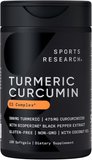
Sports Research combines three critical absorption enhancers in one formula: the patented C3 Complex (a standardized blend of all three curcuminoids), BioPerine black pepper extract for the 2000% absorption boost, and organic coconut oil to maximize fat-soluble uptake. Each serving delivers 750mg of 95% standardized curcuminoids with 5mg BioPerine. The formula is non-GMO, gluten-free, and third-party tested. The inclusion of organic coconut oil means you can take these even on an empty stomach and still get excellent absorption. Users consistently report noticeable benefits for joint discomfort and inflammation within 2-3 weeks.
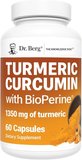
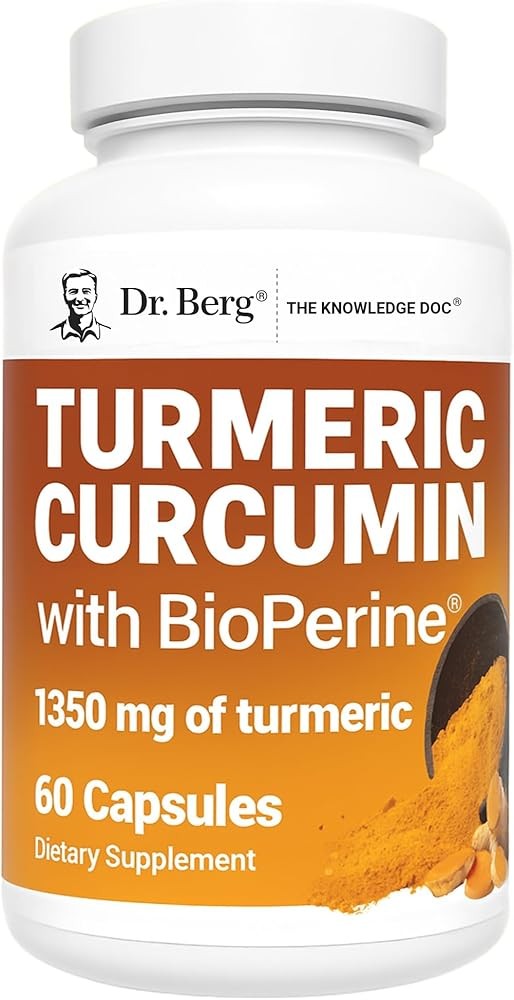
Dr. Berg’s formulation delivers 1350mg of turmeric root extract standardized to 95% curcuminoids (1282mg curcuminoids per serving) combined with black pepper fruit extract containing piperine. This high-potency formula requires only 2 capsules daily to achieve therapeutic doses. The formula is manufactured in a GMP-certified facility and undergoes third-party testing for heavy metals and contaminants. Users appreciate the simplified dosing schedule and report excellent results for inflammatory conditions, with many noting improvements in joint flexibility and reduced morning stiffness within 3-4 weeks.
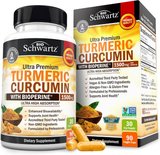
This affordable formula delivers 1500mg of turmeric root extract with 95% standardized curcuminoids plus BioPerine black pepper extract in each serving. Despite the budget-friendly price, it doesn’t compromise on the essentials: you get the full 2000% absorption boost from BioPerine and high curcuminoid standardization. The capsules are vegan-friendly and manufactured in a GMP-compliant facility. This is an excellent entry point for those new to curcumin supplementation or anyone wanting proven enhanced absorption without premium pricing. Users report good results for general inflammation and joint support, with effects typically noticed within 4-6 weeks.
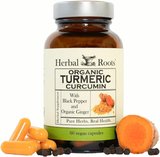
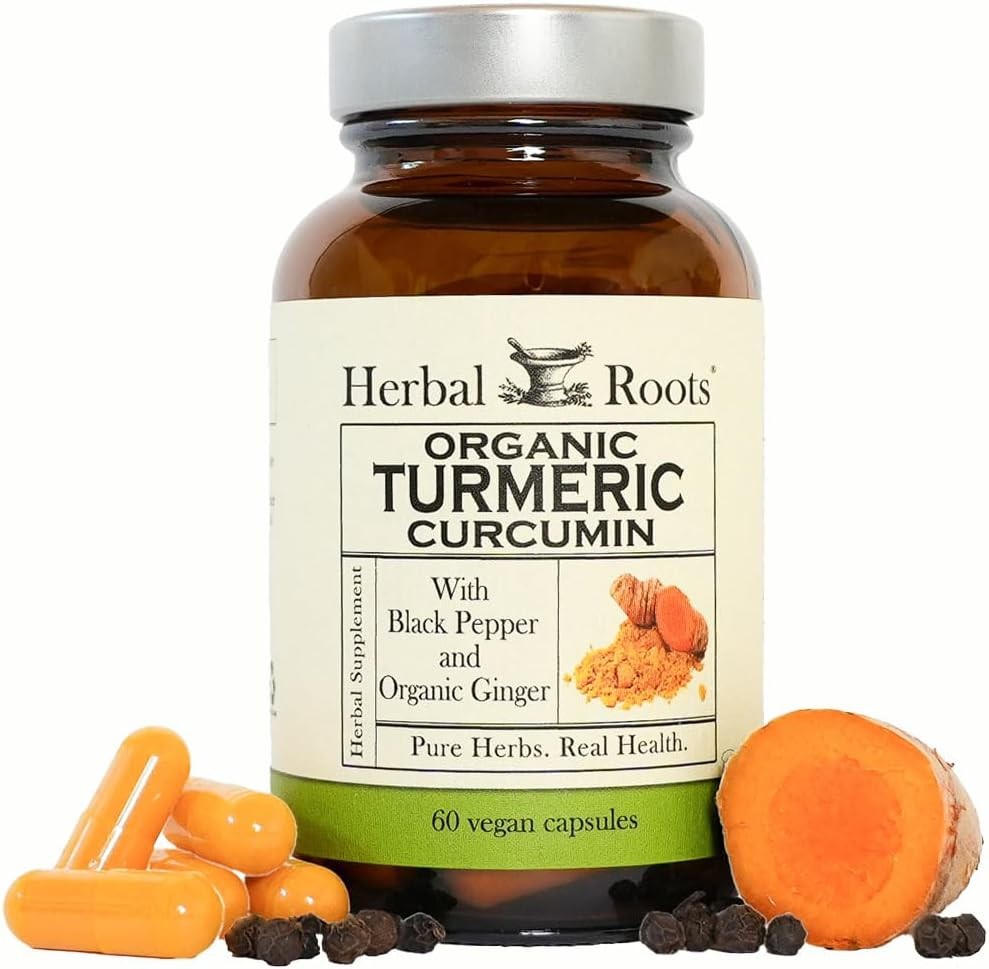
Herbal Roots focuses on purity and organic certification. This formula provides 1000mg of USDA organic turmeric root extract standardized to 95% curcuminoids, combined with organic black pepper for absorption enhancement and ginger for digestive comfort. All ingredients are certified organic, non-GMO, and undergo rigorous testing for pesticides, heavy metals, and contaminants. The capsules are vegan and contain no artificial colors, flavors, or preservatives. This is ideal for those prioritizing organic certification and minimal processing. Users who are sensitive to additives or prefer organic supplements report excellent tolerance and effectiveness for inflammation management and overall wellness support.
All these products are third-party tested, manufactured by reputable companies, and backed by research or use research-validated ingredients.
Safety, Side Effects, and Drug Interactions
Curcumin has an excellent safety profile, but important precautions exist.
Common Side Effects
Most people tolerate curcumin well. Occasional side effects include:
Digestive upset: Nausea, diarrhea, or stomach discomfort, typically at doses above 2000mg daily or in sensitive individuals. Taking with food usually resolves this.
Yellow stool: Not a harmful side effect, just unabsorbed curcumin passing through. Actually indicates poor bioavailability rather than a problem.
Headache: Rare, usually mild, often resolves with continued use.
Skin rash: Very rare, may indicate allergy. Discontinue if this occurs.
Serious Concerns and Contraindications
Blood thinning: Curcumin has anti-platelet effects. Don’t use curcumin if you:
- Take anticoagulants (warfarin, Coumadin, Plavix, aspirin)
- Have bleeding disorders
- Are scheduled for surgery (stop curcumin 2 weeks before)
Iron absorption: High-dose curcumin may reduce iron absorption. If you have iron deficiency anemia, take curcumin and iron supplements at different times of day.
Gallbladder problems: Curcumin stimulates bile production. Avoid it if you have gallstones or bile duct obstruction.
Pregnancy and breastfeeding: Curcumin in food amounts is safe. Supplement doses lack sufficient safety data. Err on the side of caution and avoid high-dose supplements during pregnancy and breastfeeding.
Kidney stones: Some curcumin products contain significant oxalates. If you’re prone to kidney stones, choose low-oxalate formulations or avoid curcumin.
Drug Interactions
Curcumin can interact with medications:
Enhanced by curcumin (increased blood levels):
- Medications metabolized by CYP450 enzymes (many common drugs)
- Immunosuppressants
- Anticoagulants
- Some chemotherapy drugs
Reduced by curcumin:
- Iron supplements (take separately)
- Some antibiotics
Additive effects:
- NSAIDs (combined anti-inflammatory effects)
- Antidepressants (combined mood effects)
- Blood sugar medications (combined glucose-lowering effects)
If you take prescription medications, discuss curcumin supplementation with your doctor or pharmacist. The same piperine that enhances curcumin absorption also inhibits drug metabolism, potentially causing unexpected drug interactions.
Quality and Purity Concerns
Some curcumin supplements have been found contaminated with:
- Heavy metals (lead, particularly in products from certain regions)
- Synthetic yellow dyes added to make low-quality turmeric look more vibrant
- Fillers and adulterants
Always choose:
- Reputable brands with third-party testing (USP, NSF, ConsumerLab certification)
- Products showing test results for heavy metals and purity
- Standardized extracts (95% curcuminoids) rather than generic “turmeric extract”
Long-Term Safety
Multiple studies have used curcumin for 6-12 months without safety concerns. Traditional populations have consumed turmeric daily for lifetimes. Long-term supplementation at reasonable doses (1000-2000mg daily) appears safe for most people.
Frequently Asked Questions
1. Can I take curcumin long-term?
Yes. Research shows curcumin is safe for continuous long-term use. Studies lasting 6-12 months show no safety concerns, and traditional populations have consumed turmeric daily for lifetimes. However, take periodic breaks (1-2 weeks every 6 months) if you’re using very high doses (over 3000mg daily) to allow your body to reset.
2. How much black pepper should I take with curcumin?
Research shows 20mg of piperine (standardized to 95%) is optimal. This is the amount in most quality curcumin supplements that include BioPerine®. If you’re using plain curcumin powder, add about 1/20th the amount of black pepper. For example, with 1000mg curcumin, use about 50mg black pepper (a small pinch). More isn’t necessarily better - excessive piperine can cause digestive irritation.
3. Does cooking turmeric destroy its benefits?
Moderate heating actually increases curcumin bioavailability by degrading plant cell walls. Brief cooking (10-15 minutes) in oil or fat is ideal. However, prolonged high-heat cooking (over 30 minutes) begins degrading curcumin. Adding turmeric near the end of cooking preserves more curcumin while still enhancing absorption. Always combine cooked turmeric with black pepper and fats for best absorption.
4. Is it safe to take curcumin while pregnant or breastfeeding?
Curcumin in food amounts (as a cooking spice) is safe during pregnancy and breastfeeding. However, high-dose curcumin supplements lack adequate safety data for pregnancy. Some research suggests very high doses might stimulate uterine contractions. Unless your doctor specifically recommends it, avoid curcumin supplements during pregnancy. After delivery, wait until you’ve finished breastfeeding before starting high-dose supplementation.
5. Can curcumin cause stomach upset?
It can in some people, particularly at doses above 2000mg daily or when taken on an empty stomach. Curcumin stimulates bile and gastric acid production. If you experience stomach discomfort:
- Take curcumin with meals containing fats
- Start with lower doses (500mg) and increase gradually
- Choose enhanced bioavailability forms that require lower doses
- Try enteric-coated capsules that dissolve in the intestines rather than stomach
- Consider switching to liposomal forms that are gentler on the stomach
If discomfort persists despite these adjustments, curcumin may not be right for you.
6. Will curcumin affect my medications?
It can. Curcumin (particularly with piperine) inhibits enzymes that metabolize many medications, potentially increasing drug blood levels. This is particularly concerning with:
- Blood thinners (increased bleeding risk)
- Immunosuppressants (may reduce effectiveness or increase side effects)
- Chemotherapy drugs (complex interactions, sometimes beneficial, sometimes harmful)
- Blood pressure medications (may cause excessive BP lowering)
- Diabetes medications (may cause excessive blood sugar lowering)
Always inform your doctor about curcumin supplementation. Bring your supplement bottle to appointments so they can check interactions.
7. Does curcumin thin the blood?
Yes, curcumin has anti-platelet effects that mildly reduce blood clotting. For most people, this is beneficial - reducing heart attack and stroke risk. However, if you take anticoagulant medications (warfarin, Coumadin, Plavix, aspirin) or have bleeding disorders, curcumin can dangerously increase bleeding risk. Stop curcumin at least 2 weeks before scheduled surgery. If you experience unusual bruising, bleeding gums, or bloody stools while taking curcumin, discontinue use and consult your doctor.
8. Can curcumin be taken on an empty stomach?
It can be, but absorption is much better with food, particularly meals containing fats. Curcumin is fat-soluble, so it needs dietary fats for optimal absorption. If your supplement uses water-dispersible technology (like CurcuWIN), you have more flexibility and can take it with or without food. For most people, taking curcumin with breakfast or dinner is ideal.
9. How does curcumin compare to other anti-inflammatory supplements?
Curcumin is among the most powerful natural anti-inflammatory compounds, with extensive research backing. Compared to alternatives:
vs. Fish oil/omega-3s: Both reduce inflammation through different mechanisms. Fish oil is particularly important for cardiovascular health and brain function. Curcumin has broader anti-inflammatory effects. Using both together is synergistic.
vs. Boswellia: Another potent anti-inflammatory. Some research suggests boswellia works better for joint pain and arthritis. Many joint health formulas combine curcumin and boswellia.
vs. Ginger: Related to turmeric, also anti-inflammatory but less potent. Ginger is excellent for nausea and digestive issues.
vs. Quercetin: Powerful anti-inflammatory and antioxidant. Works through different pathways than curcumin. Can be used together.
For maximum anti-inflammatory effects, consider combining curcumin with fish oil as a foundational approach, adding others based on specific needs.
10. Is it safe to take high doses of curcumin?
Studies have tested doses up to 8-12 grams daily (8000-12000mg) without serious adverse effects. However, doses above 3000mg daily increase risk of digestive side effects. Most people find therapeutic doses in the 1000-2000mg range (for standard curcumin + piperine) or 500-1000mg range (for enhanced bioavailability forms). Higher doses aren’t necessarily better - focus on choosing highly bioavailable forms rather than simply increasing dose. If you feel you need extremely high doses, it likely means your current supplement has poor bioavailability, and you should switch to an enhanced form rather than megadosing standard curcumin.
Related Reading
Expand your knowledge of anti-inflammatory nutrition and supplements:
- Omega-3 Fish Oil Benefits: EPA vs DHA Complete Guide - Combine with curcumin for synergistic anti-inflammatory effects
- Quercetin Benefits: Science-Backed Health Benefits - Complementary antioxidant and anti-inflammatory compound
- Glucosamine Joint Health: Cartilage Repair - Another research-backed supplement for joint health
- Collagen Benefits: Skin, Joints, and Gut Health - Structural protein that supports joint tissue alongside curcumin
- Magnesium Glycinate vs Citrate: Which Is Better? - Essential mineral that supports curcumin’s anti-inflammatory pathways
- How Much Vitamin D Do You Need? - Synergistic with curcumin for immune and inflammatory regulation
- Berberine Benefits: Blood Sugar and Weight Loss - Another powerful natural compound with metabolic benefits
- Ashwagandha Benefits: Science-Backed Health Benefits - Adaptogen that complements curcumin for stress and inflammation
Final Thoughts: Making Curcumin Work for You
Curcumin stands out as one of the most thoroughly researched natural compounds, with hundreds of studies demonstrating benefits for inflammation, joint pain, brain health, mood, digestive health, cardiovascular function, and potentially cancer prevention. The science is clear: curcumin works.
But the science is equally clear that standard curcumin doesn’t work - at least not at levels your body can actually absorb and use. The bioavailability crisis is real, and it’s why so many people try turmeric or basic curcumin supplements and see no results.
The solution is simple: choose enhanced bioavailability formulations. Whether you opt for the proven curcumin + piperine combination, advanced liposomal delivery, or patented forms like CurcuWIN, Longvida®, or Meriva®, make sure your supplement actually delivers curcumin to your bloodstream and tissues.
Key takeaways:
Bioavailability is everything - Standard curcumin without enhancement is essentially worthless. Always choose supplements with bioavailability enhancers.
Piperine (BioPerine®) is the baseline - The 2000% absorption increase with just 20mg piperine is remarkable and well-proven. This should be your minimum standard.
Enhanced forms allow lower doses - Liposomal curcumin, CurcuWIN, and other advanced formulations provide superior absorption, meaning you need less to achieve therapeutic effects.
Take with fats - Even enhanced forms absorb better when combined with dietary fats. Take curcumin with meals containing healthy fats.
Consistency matters - Benefits build over 4-8 weeks of consistent daily use. Don’t expect overnight results.
Match form to purpose - For brain health, choose Longvida® or liposomal forms. For joint pain, consider Meriva®. For general use, curcumin + piperine works excellently.
Quality counts - Choose reputable brands with third-party testing to ensure purity and avoid contaminants.
Whether you’re dealing with chronic inflammation, joint pain, mood issues, or simply want to invest in long-term health, curcumin deserves a place in your supplement routine. Just make sure you choose a form your body can actually absorb and use. The difference between trace blood levels from plain curcumin and the concentrations achieved with enhanced bioavailability isn’t small - it’s the difference between wasting your money and actually experiencing the remarkable benefits curcumin can provide.
Recommended Products