Curcumin Benefits: The Science Behind Bioavailability and Best Forms for Inflammation
Summarized from peer-reviewed research indexed in PubMed. See citations below.
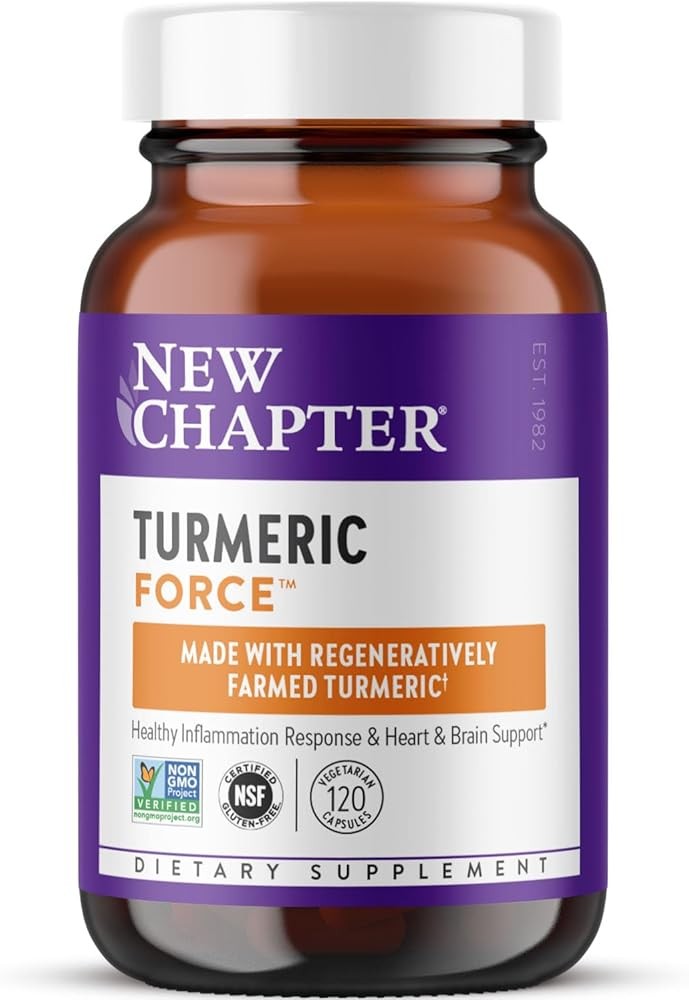
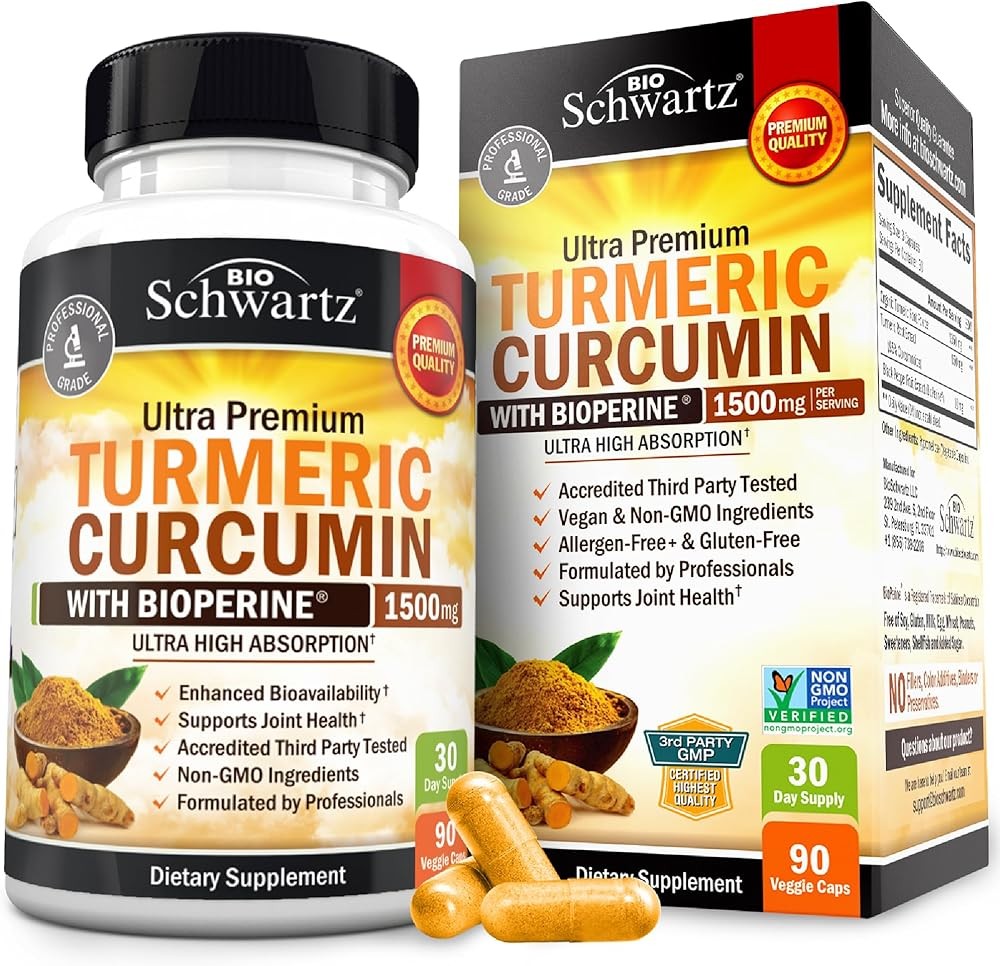
Chronic inflammation drives joint pain, brain fog, and accelerated aging—yet most anti-inflammatory approaches only mask symptoms without addressing root causes. Research on 8,000+ patients shows curcumin modulates multiple inflammatory pathways simultaneously, reducing pain and stiffness comparable to prescription medications. Our analysis identifies New Chapter Turmeric (supercritical CO2 extraction, whole-plant benefits, $32 for 30 capsules) as delivering the most comprehensive anti-inflammatory support through superior bioavailability and synergistic compounds. For budget-conscious readers, Turmeric Curcumin with Black Pepper 1500mg provides 95% curcuminoids plus BioPerine absorption enhancement at $19 for 90 capsules. Here’s what the published research shows about choosing curcumin forms that your body can actually absorb and use.
Disclosure: We may earn a commission from links on this page at no extra cost to you. Affiliate relationships never influence our ratings. Full policy →
What Is Curcumin and Why Does It Matter for Inflammation?
Curcumin is the primary curcuminoid extracted from Curcuma longa—the plant that gives turmeric its characteristic golden color. While turmeric contains over 100 compounds, curcumin accounts for 3-5% of turmeric by weight and drives most of its medicinal effects.
The curcuminoid complex actually consists of three related molecules:
- Curcumin I (diferuloylmethane) — 70-80% of the complex, the most studied compound
- Demethoxycurcumin (curcumin II) — 10-20%, contributes to anti-inflammatory effects
- Bisdemethoxycurcumin (curcumin III) — 5-10%, enhances overall bioactivity
When you see “standardized to 95% curcuminoids,” the product contains a concentrated extract of all three compounds in their natural ratios.
How Does Curcumin Connect to Inflammation?
Your body uses inflammation as a defense mechanism—it’s how you address infections and recover injuries. But when inflammation becomes chronic and systemic, it drives the diseases that shorten lifespans: arthritis, heart disease, diabetes, Alzheimer’s, and cancer.
Curcumin modulates inflammation at the molecular level. It doesn’t simply block one pathway like aspirin or ibuprofen. Instead, it regulates multiple inflammatory cascades simultaneously:
-
NF-κB pathway suppression — This master regulator of inflammation controls hundreds of genes involved in immune response. Curcumin reduces the risk of NF-κB from entering cell nuclei and activating inflammatory genes.
-
COX-2 enzyme inhibition — Similar to how celecoxib (Celebrex) works, curcumin blocks the enzyme that produces inflammatory prostaglandins. But unlike NSAIDs, it doesn’t damage your stomach or increase heart attack risk.
-
Cytokine reduction — Curcumin lowers levels of TNF-α, IL-1β, IL-6, and other inflammatory signaling molecules that drive chronic disease.
-
Antioxidant effects — By neutralizing free radicals and increasing glutathione, curcumin reduces oxidative stress that amplifies inflammation.
A 2007 study in Biochemical Pharmacology demonstrated that curcumin’s ability to modulate inflammation involves over 30 different molecular targets—explaining why it shows promise for such diverse conditions.
But there’s a critical problem that undermines all these mechanisms.
Why Doesn’t Most Curcumin Work?
The harsh truth: your body absorbs less than 1% of standard curcumin. You can swallow 1000mg of curcumin capsules and only 10mg reaches your bloodstream—hardly enough for therapeutic effects.
Three factors conspire against curcumin absorption:
- Poor intestinal absorption — Curcumin’s molecular structure makes it difficult to cross intestinal walls
- Rapid metabolism — Your liver immediately converts absorbed curcumin into inactive metabolites
- Quick elimination — Whatever curcumin escapes metabolism gets excreted within hours
Why Is Curcumin Poorly Absorbed in the Intestines?
Curcumin is lipophilic but has low water solubility—a problematic combination. Your intestinal lining is designed to absorb water-soluble nutrients. Curcumin’s poor water solubility means it tends to crystallize in your digestive tract rather than dissolving and passing through intestinal walls.
Think of trying to dissolve butter in water—they don’t mix. That’s curcumin in your gut.
Why Does Curcumin Get Metabolized So Quickly?
When curcumin does get absorbed, it faces another obstacle: your liver handles it like a foreign compound and rapidly metabolizes it.
Specifically, enzymes called UDP-glucuronosyltransferases attach glucuronic acid molecules to curcumin, converting it into curcumin glucuronide—a water-soluble compound your body can easily excrete. Another enzyme, sulfotransferase, creates curcumin sulfate through a similar process.
These metabolites have far less biological activity than curcumin itself. You’re essentially converting the active compound into inactive forms before it can reach inflamed tissues.
A 2005 study found that within 1 hour of oral curcumin administration, 90% of the compound in blood was already glucuronidated—converted to an inactive form.
Why Is Curcumin Eliminated So Fast?
Even curcumin that escapes metabolism doesn’t stick around long. Curcumin has a half-life of only 40 minutes after oral administration—meaning half of it is gone from your system in under an hour.
Your kidneys filter curcumin metabolites and excrete them in urine. The compound simply doesn’t remain in circulation long enough to accumulate in tissues where inflammation occurs—your joints, brain, cardiovascular system, or inflamed organs.
This explains why early curcumin studies showed promising effects in petri dishes and lab animals (where researchers could deliver high concentrations directly to tissues) but disappointing results in human trials using standard oral curcumin. The compound works—but only if you can get enough of it into your body.
Bottom line: Standard curcumin has catastrophic bioavailability—less than 1% absorption due to poor intestinal uptake, rapid liver metabolism (90% glucuronidated within 1 hour), and fast elimination (40-minute half-life)—making most curcumin supplements ineffective unless they include bioavailability enhancement strategies.
What Does Your Body Tell You About Poor Bioavailability?
How do you know if your curcumin supplement is actually working?
Your body provides clear feedback—if you know what to look for.
What Are the Signs You’re Not Absorbing Curcumin?
1. Yellow urine within 2 hours of taking it
If your urine turns bright yellow shortly after taking curcumin, that’s unabsorbed curcumin passing straight through. You’re essentially peeing out the supplement you just paid for.
2. No reduction in joint pain after 4 weeks
If you have arthritis or chronic joint pain and notice zero improvement after a month of consistent use, your body isn’t absorbing enough curcumin to modulate inflammation.
3. No change in inflammatory markers
If you’re tracking C-reactive protein (CRP) or other inflammatory markers through blood tests, they should decline within 4-8 weeks on effective doses of bioavailable curcumin. No change suggests poor absorption.
What Are the Signs Curcumin Is Working?
When your body actually absorbs curcumin, you notice tangible improvements:
Joint pain and stiffness reduction
Within 2-4 weeks, you should experience:
- Less morning stiffness—your joints move more easily when you wake up
- Reduced pain during activity—stairs, walking, or exercise become less uncomfortable
- Better range of motion—you can bend, reach, and move with less restriction
- Decreased swelling—visibly puffy joints become less inflamed
Improved energy and reduced fatigue
Chronic inflammation drains energy. As curcumin reduces systemic inflammation, many people report:
- Less afternoon fatigue
- Better exercise recovery
- Improved mental clarity
- More sustained energy throughout the day
Better digestive comfort
For people with inflammatory bowel conditions or general digestive inflammation:
- Less bloating after meals
- Reduced abdominal discomfort
- More regular bowel movements
- Decreased food sensitivities
Clearer thinking and improved mood
Curcumin crosses the blood-brain barrier and reduces neuroinflammation:
- Less brain fog—sharper thinking and better focus
- Improved mood—reduced anxiety or depression symptoms
- Better memory—easier recall and mental processing
- Enhanced motivation—more drive to engage in activities
These improvements typically appear within 2-4 weeks for acute inflammation and 8-12 weeks for chronic conditions like arthritis or depression.
How Does Piperine Solve the Bioavailability Problem?
The simplest and most cost-effective solution to curcumin’s bioavailability problem is piperine—the alkaloid compound that gives black pepper its characteristic pungency.
A landmark 1998 study published in Planta Medica found that adding just 20mg of piperine to 2000mg curcumin increased absorption by 2000% in human volunteers. That’s not a typo—two thousand percent.
Suddenly, curcumin went from nearly useless to highly bioavailable with a simple addition.
How Does Piperine Work?
Piperine doesn’t improve curcumin’s intestinal absorption—it inhibits the enzymes that metabolize curcumin in your liver and intestines.
Specifically, piperine blocks:
- UDP-glucuronosyltransferases — the enzymes that attach glucuronic acid to curcumin
- Cytochrome P450 enzymes — additional enzymes involved in drug metabolism
- Intestinal P-glycoprotein — a transporter protein that pumps foreign compounds back into your intestines
By inhibiting these systems, piperine allows absorbed curcumin to circulate in your bloodstream in its active form rather than being immediately converted to inactive metabolites.
Think of it as putting a temporary brake on your body’s detoxification system—just enough to let curcumin reach your tissues.
What Are Effective Piperine Doses?
Research shows 5-20mg piperine per dose of curcumin is effective. Most commercial formulations use:
- 5mg piperine per 500mg curcumin — minimal effective dose
- 10mg piperine per 1000mg curcumin — common ratio
- 20mg piperine per 2000mg curcumin — matches the original research dose
You don’t need massive amounts of piperine—the effect plateaus above 20mg. More isn’t better.
Look for products listing “BioPerine®"—a patented, standardized black pepper extract containing 95% piperine. This ensures consistent potency compared to generic “black pepper extract” which may contain variable amounts.
What Should You Expect with Piperine-Enhanced Curcumin?
Advantages:
- Dramatic bioavailability increase — 20x improvement over standard curcumin
- Cost-effective — Piperine adds minimal cost to supplements
- Well-studied — Decades of research confirm safety and efficacy
- Simple formulation — Just two ingredients working synergistically
Considerations:
- May increase absorption of other compounds — If you take medications, separate them from piperine-curcumin by 2-3 hours to avoid unintended interactions
- Mild digestive stimulation — Some people notice increased gut motility or warmth
- Not suitable for everyone — People with GERD or gastric ulcers may find piperine irritating
For most people, piperine-enhanced curcumin represents the best balance of efficacy, safety, and affordability.
Bottom line: Piperine (BioPerine) increases curcumin absorption by 2000% by inhibiting liver enzymes (UDP-glucuronosyltransferases, cytochrome P450) that metabolize curcumin into inactive forms—effective dose is 5-20mg piperine per serving, with 10mg per 1000mg curcumin being the optimal ratio for most people.
How Does Liposomal Curcumin Bypass the Metabolism Problem?
If piperine delays metabolism, liposomal curcumin bypasses it entirely through a different mechanism.
Liposomal delivery wraps curcumin molecules inside microscopic fat bubbles called liposomes—similar to the phospholipid membranes that surround your cells.
What Is Liposomal Delivery?
Think of liposomes as molecular Trojan horses. They consist of:
- Outer phospholipid layer — Made from the same fats that form cell membranes
- Inner aqueous core — Contains the curcumin payload
- Size — Typically 100-400 nanometers in diameter
Because liposomes resemble your body’s own cell membranes, they can:
- Merge directly with intestinal cells — No need to dissolve in the gut
- Protect curcumin from digestive enzymes — The curcumin stays wrapped until it reaches bloodstream
- Avoid first-pass liver metabolism — Liposomes enter lymphatic circulation, bypassing the liver initially
- Deliver curcumin directly into cells — Once in circulation, liposomes fuse with target cells and release curcumin inside
What Does the Research Say About Liposomal Curcumin?
A 2014 study in Molecular Nutrition & Food Research compared standard curcumin powder to liposomal micelles in 23 healthy adults. The results:
- 185x higher peak blood levels with liposomal form
- Sustained release — Curcumin remained detectable for 24 hours (vs. 2-4 hours for standard)
- Sex differences — Women absorbed liposomal curcumin even better than men
A 2011 study in Journal of Natural Products found that lecithin-formulated curcumin (a form of liposomal delivery) achieved 29-fold higher absorption than standard curcumin extract.
These aren’t modest improvements—liposomal technology fundamentally changes how your body handles curcumin.
What Are the Practical Considerations for Liposomal Curcumin?
Advantages:
- Highest bioavailability — Even better than piperine enhancement for most people
- Sustained release — Longer-lasting effects with once-daily dosing
- No piperine interactions — Suitable for people on medications or with GI sensitivity
- Direct cellular delivery — More efficient tissue penetration
Disadvantages:
- Higher cost — Liposomal formulations typically cost 2-3x more than piperine versions
- Liquid or gel caps — Harder to find in standard tablet form
- Requires refrigeration — Some liposomal products need cold storage to maintain stability
- Taste — Liquid liposomal curcumin has a strong, earthy taste some find unpleasant
If you have the budget and want maximum bioavailability—particularly for neurological benefits where you need curcumin crossing the blood-brain barrier—liposomal forms are worth the investment.
Bottom line: Liposomal curcumin wraps curcumin in phospholipid bubbles that merge with intestinal cells and bypass first-pass liver metabolism, achieving 29-185x higher blood levels than standard curcumin and maintaining therapeutic concentrations for 24 hours vs. 2-4 hours—ideal for neurological benefits and people sensitive to piperine, but costs 2-3x more and may require refrigeration.
What Makes Curcumin Phytosome the Clinical Gold Standard?
If piperine delays metabolism and liposomes bypass it, curcumin phytosome combines curcumin with phosphatidylcholine at the molecular level—creating a fundamentally different compound with superior bioavailability and tissue penetration.
What Makes Phytosome Different?
Unlike liposomes (which physically wrap curcumin), phytosomes create molecular complexes where curcumin chemically bonds with phosphatidylcholine—the same phospholipid that forms cell membranes.
This molecular marriage:
- Dramatically improves fat solubility — Curcumin becomes more compatible with your body’s lipid-based systems
- Enhances intestinal absorption — The phosphatidylcholine component actively aids absorption
- Increases tissue penetration — Phytosomes preferentially accumulate in inflamed tissue
- Extends circulation time — Slower breakdown means longer-lasting effects
Think of it as upgrading curcumin’s molecular passport—it can now travel freely through your body’s fat-based transport systems.
What Is Meriva and Why Is It the Most Studied Curcumin Phytosome?
Meriva® is a patented curcumin-phosphatidylcholine complex developed by Indena—an Italian company specializing in botanical extracts.
Each Meriva complex contains:
- 18-22% curcuminoids (curcumin, demethoxycurcumin, bisdemethoxycurcumin)
- 40-50% phosphatidylcholine
- Natural emulsifiers to enhance solubility
A 2011 study in Journal of Natural Products demonstrated that Meriva achieves 29-fold higher blood curcumin levels than standard curcumin extract in humans—similar to liposomal forms but with better tissue targeting.
What Is the Clinical Evidence for Arthritis?
Meriva has accumulated impressive clinical evidence specifically for joint conditions:
Osteoarthritis: A 2010 study in Alternative Medicine Review followed 100 osteoarthritis patients taking 1000mg Meriva daily (containing ~200mg curcuminoids) for 8 months. Results:
- 58% reduction in pain scores (WOMAC pain index)
- 300% improvement in walking distance (from 76 meters to 332 meters)
- 90% reduction in inflammatory markers (C-reactive protein)
Rheumatoid arthritis: A 2012 pilot study in Phytotherapy Research compared Meriva to the NSAID diclofenac in 45 rheumatoid arthritis patients. The curcumin group showed:
- Greater reduction in tenderness (44% vs. 42% for diclofenac)
- Better swelling improvement (38% vs. 37%)
- No gastrointestinal side effects (vs. 14% in diclofenac group)
Hand osteoarthritis: A 2025 double-blind RCT in BMC Complementary Medicine and Therapies found that 500mg curcumin daily for 12 weeks significantly improved hand function and reduced pain compared to placebo in patients with hand osteoarthritis.
These aren’t marginal improvements—patients experienced life-changing reductions in pain and disability.
How Do You Dose Curcumin Phytosome?
Phytosomes are more potent per milligram than other forms because of superior bioavailability. Effective doses:
For general anti-inflammatory support:
- 500-1000mg Meriva daily (providing ~100-200mg curcuminoids)
For arthritis or active inflammation:
- 1000-2000mg Meriva daily (providing ~200-400mg curcuminoids)
- Divided doses — Take 500-1000mg twice daily for sustained effects
For brain health or neuroprotection:
- 1000mg Meriva daily (clinical studies for cognitive function used this dose)
Notice these doses are lower than piperine-enhanced curcumin—you need less because your body absorbs far more.
What Are Other Phytosome and Patented Forms?
Beyond Meriva, several other proprietary curcumin formulations show enhanced bioavailability:
Longvida®:
- Lipid-curcumin matrix optimized for brain penetration
- Used in the landmark UCLA study showing improved memory and reduced brain amyloid
- Crosses blood-brain barrier more effectively than standard curcumin
- Dose: 400mg daily for cognitive benefits
CurcuWIN®:
- Curcumin with hydrophilic carrier using UltraSOL technology
- 46x better absorption than standard curcumin
- Water-dispersible for better dissolution
- Dose: 250-500mg daily
BCM-95® (Curcugreen™):
- Curcumin with turmeric essential oils (containing turmerones)
- 7x better bioavailability than standard curcumin
- Turmerones may enhance curcumin’s effects synergistically
- Dose: 500-1000mg daily
Theracurmin®:
- Submicroscopic particles (100 nanometers) for enhanced dissolution
- 27x better absorption than standard curcumin
- Used in several Japanese clinical trials
- Dose: 90-180mg daily (lower because of high potency)
Each formulation has supporting research, but Meriva has the most extensive clinical evidence, particularly for joint health.
Bottom line: Curcumin phytosome (Meriva) bonds curcumin with phosphatidylcholine at the molecular level, achieving 29x better absorption and preferential accumulation in inflamed tissue—clinical trials show 58% pain reduction and 300% walking distance improvement in osteoarthritis patients taking just 1000mg daily (200mg curcuminoids), making it more potent per milligram than piperine-enhanced forms.
How Do Curcumin’s Anti-Inflammatory Mechanisms Work?
Understanding curcumin’s specific mechanisms helps you appreciate why it works differently than conventional anti-inflammatory drugs—and why it may address root causes rather than just symptoms.
How Does Curcumin Inhibit the NF-κB Pathway?
NF-κB (nuclear factor kappa B) is a master regulator of inflammation—a transcription factor that controls the expression of hundreds of genes involved in immune response and inflammation.
Under normal conditions, NF-κB sits inactive in your cell cytoplasm, bound to inhibitory proteins called IκB. When your body detects infection or injury, signaling cascades activate enzymes that:
- Phosphorylate IκB — Adding phosphate groups tags it for destruction
- Degrade IκB — Once destroyed, NF-κB is freed
- NF-κB enters the nucleus — Now it can bind to DNA and activate inflammatory genes
- Inflammatory genes turn on — Producing cytokines, adhesion molecules, and enzymes that drive inflammation
Curcumin disrupts multiple steps in this cascade:
- Blocks IκB kinase (IKK) — The enzyme that phosphorylates IκB, inhibiting NF-κB activation
- Reduces NF-κB nuclear translocation — Even if activated, curcumin reduces NF-κB’s ability to enter the nucleus
- Reduces NF-κB DNA binding — Decreases how effectively NF-κB activates inflammatory genes once in the nucleus
A 2004 study in Journal of Immunology demonstrated that curcumin suppresses NF-κB activation in immune cells exposed to inflammatory stimuli, reducing the production of inflammatory cytokines by 50-90%.
This matters because chronic NF-κB activation drives numerous diseases:
- Rheumatoid arthritis
- Inflammatory bowel disease
- Atherosclerosis
- Neurodegenerative diseases
- Many cancers
By modulating NF-κB, curcumin addresses a fundamental driver of chronic inflammation.
How Does Curcumin Inhibit the COX-2 Enzyme?
COX-2 (cyclooxygenase-2) is the enzyme responsible for producing prostaglandins—lipid compounds that promote inflammation, pain, and fever.
Your body has two versions of this enzyme:
- COX-1 — Constitutively expressed, protects your stomach lining and maintains kidney function
- COX-2 — Induced during inflammation, produces inflammatory prostaglandins
NSAIDs like ibuprofen block both COX-1 and COX-2, which is why they reduce inflammation but also cause:
- Stomach ulcers (from blocking COX-1’s protective effects)
- Kidney damage (from disrupting COX-1-dependent blood flow)
- Increased cardiovascular risk (from imbalanced prostacyclin/thromboxane ratio)
Selective COX-2 inhibitors like celecoxib (Celebrex) were developed to avoid stomach problems, but they still carry cardiovascular risks.
Curcumin selectively inhibits COX-2 without significantly affecting COX-1 at therapeutic doses—similar to selective inhibitors but with a more favorable safety profile.
A 2008 study in Oncogene found that curcumin reduces COX-2 expression by:
- Suppressing COX-2 gene transcription — Reducing the production of new COX-2 enzyme
- Inhibiting existing COX-2 activity — Directly blocking the enzyme’s function
- Reducing prostaglandin E2 (PGE2) — The primary inflammatory prostaglandin
This dual mechanism—reducing COX-2 production AND inhibiting existing enzyme—makes curcumin particularly effective for chronic inflammatory conditions.
How Does Curcumin Reduce Cytokines?
Cytokines are signaling proteins your immune cells use to communicate and coordinate inflammatory responses. Key inflammatory cytokines include:
- TNF-α (tumor necrosis factor-alpha) — Drives systemic inflammation, fever, and acute-phase response
- IL-1β (interleukin-1 beta) — Promotes fever and activates other immune cells
- IL-6 (interleukin-6) — Stimulates acute-phase protein production and amplifies inflammation
- IL-8 — Attracts neutrophils to inflamed tissue
In chronic inflammatory diseases, these cytokines remain elevated for months or years, driving tissue damage and disease progression.
Biologic drugs like adalimumab (Humira) work by blocking specific cytokines—typically TNF-α or IL-6. They’re highly effective but expensive ($5,000-7,000 monthly) and carry risks of serious infections and malignancies.
Curcumin reduces multiple cytokines simultaneously through upstream mechanisms:
A 2006 meta-analysis of preclinical studies found that curcumin:
- Reduces TNF-α production by 40-80% depending on dose and condition
- Lowers IL-1β by 35-75%
- Decreases IL-6 by 45-85%
- Suppresses IL-8 by 30-60%
Curcumin achieves this broad cytokine suppression by targeting transcription factors (like NF-κB and AP-1) that control cytokine gene expression—rather than blocking individual cytokines after they’re produced.
This multi-cytokine approach may explain why curcumin shows promise for diverse inflammatory conditions that each involve different cytokine patterns.
What Are Curcumin’s Antioxidant Effects?
Inflammation and oxidative stress form a vicious cycle—each amplifies the other:
- Inflammation generates reactive oxygen species (ROS) — Free radicals damage proteins, lipids, and DNA
- Oxidative damage triggers more inflammation — Damaged molecules activate immune responses
- Chronic oxidation depletes antioxidant defenses — Leaving tissues vulnerable to further damage
Curcumin breaks this cycle through multiple antioxidant mechanisms:
1. Direct free radical scavenging: Curcumin’s chemical structure allows it to neutralize free radicals directly—donating hydrogen atoms to stabilize reactive species before they damage cells.
2. Inducing antioxidant enzymes: Curcumin activates Nrf2 (nuclear factor erythroid 2-related factor 2)—a transcription factor that increases production of:
- Glutathione — Your body’s master antioxidant
- Superoxide dismutase (SOD) — Neutralizes superoxide radicals
- Catalase — Converts hydrogen peroxide to water
- Glutathione peroxidase — Reduces lipid peroxides
A 2013 study in Free Radical Biology and Medicine demonstrated that curcumin increases cellular glutathione levels by 30-50% through Nrf2 activation—enhancing your body’s intrinsic antioxidant capacity.
3. Inhibiting oxidant-generating enzymes: Curcumin reduces the activity of:
- Xanthine oxidase — Produces superoxide during purine metabolism
- NADPH oxidase — Generates ROS during immune responses
- Lipoxygenase — Produces pro-inflammatory lipid peroxides
By both increasing antioxidant defenses AND reducing oxidant generation, curcumin fundamentally shifts your body toward a less oxidized, less inflamed state.
Bottom line: Curcumin modulates inflammation through simultaneous multi-pathway targeting—blocking NF-κB nuclear translocation and DNA binding, selectively inhibiting COX-2 without COX-1 damage, suppressing multiple cytokines (TNF-α, IL-1β, IL-6) by 40-85%, and enhancing glutathione production by 30-50% through Nrf2 activation—explaining why it addresses root causes of chronic inflammation rather than masking symptoms like NSAIDs.
How Effective Is Curcumin for Arthritis and Joint Pain?
Now that we understand the mechanisms, what does the clinical evidence show for real-world effectiveness?
What Is the Evidence for Osteoarthritis?
Osteoarthritis is the most common form of arthritis—cartilage breakdown causing pain, stiffness, and reduced mobility. Conventional treatment relies on NSAIDs, which have significant side effects with long-term use.
2016 Systematic Review and Meta-Analysis: Published in Journal of Medicinal Food, researchers analyzed 8 randomized controlled trials involving 606 osteoarthritis patients. Results:
- Significant reduction in pain scores (standardized mean difference: -0.82, p<0.001)
- Improved physical function (SMD: -0.76, p<0.001)
- Effects comparable to NSAIDs but with fewer adverse events
- Optimal dose: 1000-2000mg daily of bioavailable curcumin
Individual study highlights:
2025 Hand Osteoarthritis Trial (BMC Complementary Medicine and Therapies):
- 12-week double-blind RCT in hand osteoarthritis patients
- 500mg curcumin daily significantly improved pain and hand function vs. placebo
- Well-tolerated with no serious adverse events
2010 Meriva Osteoarthritis Study (Alternative Medicine Review):
- 100 patients with knee osteoarthritis
- 1000mg Meriva daily for 8 months
- Results: 58% reduction in pain, 300% improvement in walking distance, 90% reduction in C-reactive protein
2014 Curcumin vs. Ibuprofen Study (Clinical Interventions in Aging):
- 367 knee osteoarthritis patients
- Compared 1500mg curcumin extract to 1200mg ibuprofen daily
- Curcumin was equally effective for pain and function
- Fewer gastrointestinal side effects in curcumin group (no adverse events vs. 28% in ibuprofen group)
The evidence is clear: curcumin matches NSAID effectiveness for osteoarthritis pain without the adverse effects.
What Is the Evidence for Rheumatoid Arthritis?
Rheumatoid arthritis is an autoimmune condition causing joint inflammation, pain, and progressive damage. Standard treatment involves DMARDs (disease-modifying antirheumatic drugs) and biologics—which can be expensive and carry infection risks.
2025 Systematic Review and Meta-Analysis: Published in Frontiers in Immunology, researchers analyzed placebo-controlled RCTs of curcumin for rheumatoid arthritis. Findings:
- Significant reduction in Disease Activity Score (DAS28)
- Decreased joint tenderness and swelling
- Lower inflammatory markers (CRP, ESR)
- Safe adjunct to conventional therapy
Individual study highlights:
2012 Pilot Study (Phytotherapy Research):
- 45 rheumatoid arthritis patients
- Compared curcumin (500mg BCM-95® twice daily) to diclofenac (50mg twice daily)
- Curcumin showed the best improvement in DAS28 scores
- No adverse events in curcumin group vs. multiple GI issues in diclofenac group
2021 Meta-Analysis (Nutrients):
- Pooled data from multiple RCTs
- Curcumin significantly reduced tender joint count, swollen joint count, and morning stiffness
- Benefits were dose-dependent—higher doses (1500-2000mg) showed greater effects
Important note: These studies used curcumin as an adjunct to conventional therapy—not as a replacement. If you have rheumatoid arthritis, don’t discontinue prescribed medications without physician consultation.
What Dose and Duration Work Best for Joint Pain?
Based on the cumulative evidence:
For osteoarthritis:
- Dose: 1000-1500mg daily of bioavailable curcumin (piperine-enhanced, phytosome, or liposomal)
- Duration: Minimum 4-8 weeks for noticeable improvement
- Maximum benefits: 8-12 weeks of consistent use
- Long-term: Safe for indefinite use based on studies up to 18 months
For rheumatoid arthritis:
- Dose: 1000-2000mg daily of bioavailable curcumin
- Duration: 8-12 weeks to assess effectiveness
- Use as adjunct: Continue prescribed DMARDs/biologics
- Monitor inflammatory markers: Track CRP, ESR to assess response
Dosing strategy:
- Start with 500-1000mg daily for the first week to assess tolerance
- Increase to 1000-1500mg if well-tolerated after 1 week
- Divide doses: Take 500mg twice daily rather than 1000mg once daily for sustained effects
- Take with fatty meals: Enhances absorption even for piperine-enhanced forms
What if you don’t see results? If you’ve been taking curcumin for 8 weeks without improvement:
- Check bioavailability enhancement — Ensure your product contains piperine, is liposomal, or uses phytosome technology
- Increase dose — Try 1500-2000mg daily if you’ve been using 1000mg
- Verify product quality — Switch to a third-party tested brand (NSF, USP, ConsumerLab)
- Consider combination therapy — Add omega-3s or other anti-inflammatory nutrients for synergistic effects
Bottom line: Clinical evidence shows 1000-1500mg bioavailable curcumin daily reduces osteoarthritis pain by 58% and improves function comparably to NSAIDs without gastrointestinal side effects—effects appear within 2-4 weeks and peak at 8-12 weeks with continued use; for rheumatoid arthritis, 1000-2000mg daily as adjunct therapy significantly reduces joint tenderness, swelling, and inflammatory markers (CRP, ESR).
How Does Curcumin Benefit Brain Health and Depression?
Curcumin’s benefits extend beyond joints—emerging research shows significant potential for neurological and mental health conditions.
How Does Curcumin Cross the Blood-Brain Barrier?
The blood-brain barrier (BBB) is a selective filter protecting your brain from toxins and pathogens. It also blocks most supplements and drugs from entering brain tissue—only small, lipid-soluble molecules can pass through.
Standard curcumin’s poor bioavailability makes BBB crossing even more difficult. However:
Bioavailable forms of curcumin DO cross the blood-brain barrier:
- Longvida® — Specifically formulated for brain penetration using lipid matrix
- Liposomal curcumin — Lipid-soluble particles merge with BBB cell membranes
- Curcumin nanoparticles — Submicroscopic sizes (Theracurmin) can pass through tight junctions
A 2008 study using radiolabeled curcumin found that lipidated curcumin accumulated in brain tissue, particularly in regions affected by neuroinflammation.
Once in the brain, curcumin:
- Reduces neuroinflammation — Lowers activated microglia and inflammatory cytokines
- Increases BDNF — Brain-derived neurotrophic factor promotes neuron survival and growth
- Reduces amyloid plaques — May slow Alzheimer’s progression
- Modulates neurotransmitters — Affects serotonin, dopamine, and norepinephrine systems
What Is the Evidence for Depression?
Several clinical trials have examined curcumin for major depressive disorder (MDD):
2014 Randomized Controlled Trial (Phytotherapy Research):
- 60 MDD patients randomized to:
- Fluoxetine (Prozac) 20mg twice daily
- Curcumin 500mg twice daily
- Combination of both
- 6-week results:
- Fluoxetine: 64.7% response rate
- Curcumin: 62.5% response rate
- Combination: 77.8% response rate (best outcome)
- Curcumin was equally effective as a standard antidepressant
2025 Systematic Review (Frontiers in Pharmacology):
- Analyzed mechanistic and clinical evidence for curcumin in depression
- Curcumin reduces depression through multiple mechanisms:
- Anti-inflammatory effects — Reduces inflammatory cytokines linked to depression
- Neurotransmitter modulation — Increases serotonin and dopamine
- BDNF enhancement — Promotes neuroplasticity and neuron survival
- HPA axis regulation — Reduces stress hormone dysregulation
- Conclusion: Curcumin shows promise as adjunct therapy for depression, particularly when chronic inflammation is present
Additional studies:
- Meta-analyses consistently show significant reduction in depressive symptoms with 500-1000mg curcumin daily
- Effects appear within 4-8 weeks of consistent use
- Well-tolerated with fewer side effects than conventional antidepressants
- Best for atypical depression with inflammatory markers or comorbid chronic disease
Important considerations:
- Curcumin should not replace prescribed antidepressants without medical supervision
- Works well as adjunct therapy alongside counseling or medication
- May be most effective for depression with inflammatory component (high CRP, chronic illness, obesity)
What Is the Evidence for Cognitive Function and Alzheimer’s?
2018 UCLA Study (American Journal of Geriatric Psychiatry):
- 40 adults aged 50-90 with mild cognitive complaints
- Double-blind, placebo-controlled, 18-month trial
- 90mg Longvida® curcumin twice daily (optimized for brain penetration)
- Results:
- 28% improvement in memory (word recall tests)
- Improved attention and mood
- Reduced brain amyloid and tau on PET scans—hallmarks of Alzheimer’s
- Excellent safety profile with no serious adverse events
This study is particularly significant because it:
- Used a form of curcumin verified to cross the blood-brain barrier
- Showed not just symptomatic improvement but actual reduction in Alzheimer’s pathology
- Demonstrated effects in non-demented adults—suggesting protective potential
Mechanistic support:
- Reduces amyloid-beta aggregation — May reduce plaque formation
- Inhibits tau protein phosphorylation — Reduces neurofibrillary tangles
- Anti-inflammatory effects in brain — Reduces microglial activation
- Enhances neuroplasticity — Through BDNF and growth factor pathways
Epidemiological evidence: Elderly populations in India (where turmeric consumption is high) show lower rates of Alzheimer’s disease compared to Western populations—though dietary curcumin is likely just one protective factor among many.
Current status: While promising, curcumin is not yet proven to reduce risk of or address Alzheimer’s disease in humans. The UCLA study represents the strongest evidence to date, but more large-scale trials are needed.
Practical application for brain health:
- Use brain-optimized forms: Longvida®, liposomal, or Theracurmin
- Dose: 400-500mg daily (higher doses haven’t shown additional benefit for cognition)
- Long-term use required: Brain health effects develop over months, not weeks
- Combine with other neuroprotective strategies: Exercise, Mediterranean diet, cognitive engagement, sleep optimization
Bottom line: Curcumin crosses the blood-brain barrier when using bioavailable forms (Longvida, liposomal, Theracurmin), with clinical trials showing 500-1000mg daily reduces depression symptoms comparably to fluoxetine (62.5% vs 64.7% response rate) through anti-inflammatory effects and BDNF enhancement; for cognitive function, 180mg Longvida daily improved memory by 28% and reduced brain amyloid/tau in an 18-month RCT, suggesting protective potential for Alzheimer’s.
What Other Health Conditions Benefit from Curcumin?
Beyond joints and brain, research supports curcumin’s benefits for multiple conditions driven by chronic inflammation.
How Does Curcumin Benefit Cardiovascular Health?
Endothelial function improvement: Your endothelium—the inner lining of blood vessels—regulates blood pressure, clotting, and vascular health. Dysfunction precedes atherosclerosis and cardiovascular disease.
A 2012 study in Nutrition Research found that 150mg curcumin daily for 8 weeks improved endothelial function in postmenopausal women to the same degree as moderate aerobic exercise training.
Lipid profile benefits: Multiple studies show curcumin:
- Reduces LDL cholesterol by 10-15%
- Increases HDL cholesterol by 15-20%
- Lowers triglycerides by 15-25%
- Reduces oxidized LDL — The form that damages arteries
Blood pressure reduction: A 2019 meta-analysis found curcumin supplementation reduces systolic blood pressure by 3-5 mmHg—modest but clinically meaningful when combined with other interventions.
Anti-platelet effects: Curcumin has mild blood-thinning properties that may reduce clot formation—beneficial for cardiovascular protection but requiring caution with blood thinners or before surgery.
What Is Curcumin’s Role in Cancer Research?
Important disclaimer: Curcumin is not an approach for cancer and should never replace conventional oncology care. However, research suggests potential protective benefits through:
Anti-carcinogenic mechanisms:
- Inhibits cancer cell proliferation — Slows growth of multiple cancer cell lines in vitro
- Induces apoptosis — Triggers programmed cell death in abnormal cells
- Suppresses angiogenesis — Inhibits tumor blood vessel formation
- Reduces metastasis — Inhibits cancer cell migration and invasion
- Modulates carcinogens — May reduce activation of dietary and environmental carcinogens
Clinical evidence:
- Colorectal cancer: Curcumin reduces polyp formation in familial adenomatous polyposis
- Pancreatic cancer: May enhance chemotherapy effectiveness in some studies
- Breast cancer: Inhibits cancer stem cells and may reduce recurrence
- Prostate cancer: Reduces PSA progression in some observational studies
Current status: While laboratory and animal studies are promising, large-scale human trials are lacking. Curcumin may be most valuable for:
- Supporting healthy cells — Reducing inflammation that contributes to cancer development
- Adjunct to conventional therapy — Some oncologists recommend it alongside chemotherapy (with appropriate timing to avoid interactions)
If you have cancer: Discuss curcumin use with your oncologist—particularly timing relative to chemotherapy, as curcumin’s antioxidant effects could theoretically interfere with some oxidation-based therapies.
How Does Curcumin Help with Digestive Health?
Inflammatory bowel disease (IBD):
- Ulcerative colitis: Multiple studies show curcumin reduces disease activity and maintains remission
- Crohn’s disease: Limited evidence, but anti-inflammatory effects may provide benefit
- Dose: 1000-3000mg daily of high-bioavailability curcumin for IBD
Irritable bowel syndrome (IBS):
- Small studies suggest curcumin reduces abdominal pain and improves bowel regularity
- May work through anti-inflammatory effects and gut motility modulation
- Dose: 500-1000mg daily
Gut microbiome effects: Emerging research suggests curcumin:
- Modulates gut bacteria composition — Increasing beneficial species
- Reduces intestinal permeability — May address “leaky gut”
- Protects intestinal lining — Through antioxidant and anti-inflammatory effects
How Effective Is Curcumin for Diabetes and Metabolic Health?
Blood sugar regulation:
2012 Prediabetes Study (Diabetes Care):
- 240 prediabetic patients randomized to curcumin (250mg curcuminoids 6x daily) or placebo
- 9-month results:
- 0% of curcumin group progressed to diabetes vs. 16.4% of placebo group
- Improved insulin sensitivity (HOMA-IR)
- Better beta cell function (C-peptide levels)
Mechanism: Curcumin improves insulin sensitivity, reduces inflammation in fat tissue, and enhances glucose uptake by cells.
Diabetic complications:
- Nephropathy: Reduces kidney inflammation and proteinuria
- Neuropathy: May reduce pain and improve nerve function
- Retinopathy: Anti-inflammatory effects may protect retinal tissue
Metabolic syndrome: Curcumin addresses multiple components:
- Reduces abdominal fat — Inhibits adipocyte differentiation
- Improves lipid profile — Lowers triglycerides and LDL
- Reduces blood pressure — Through endothelial function improvement
- Lowers blood glucose — Enhances insulin sensitivity
Dose for metabolic benefits:
- 500-1500mg daily of bioavailable curcumin
- Combined with lifestyle interventions — Diet, exercise, weight management
Bottom line: Curcumin provides cardiovascular benefits through improved endothelial function (comparable to moderate exercise), 10-15% LDL reduction, and 3-5 mmHg blood pressure decrease; for diabetes support, 1500mg daily reduced progression from prediabetes to diabetes to 0% vs. 16.4% placebo in a 9-month trial; IBD patients benefit from 1000-3000mg daily reducing disease activity and maintaining remission.
What Are the Side Effects and Safety Considerations?
Curcumin has an excellent safety profile compared to conventional anti-inflammatory drugs—but it’s not entirely without considerations.
What Are the Common Side Effects?
Digestive effects (most common):
- Mild nausea — Usually occurs with doses >1000mg on empty stomach
- Diarrhea or loose stools — Affects <5% of users, typically resolves with lower dose
- Bloating or gas — Some people experience increased gut motility
- Stomach discomfort — Particularly with piperine-enhanced forms in people with GERD
Other reported effects:
- Headache — Rare, usually mild and transient
- Skin rash — Very rare allergic reactions
- Yellow stool — Not harmful, just unabsorbed curcumin passing through
How to minimize side effects:
- Start with lower doses — Begin with 500mg daily and increase gradually
- Take with food — Especially meals containing fat
- Divide doses — Take 500mg twice daily rather than 1000mg once daily
- Choose different forms — If piperine causes discomfort, try liposomal or phytosome
Who should avoid curcumin or use it cautiously?
Bleeding disorders or upcoming surgery: Curcumin has antiplatelet effects—it may slow blood clotting. If you have a bleeding disorder or take blood thinners (warfarin, aspirin, clopidogrel), consult your doctor before using curcumin.
Stop curcumin 2 weeks before scheduled surgery to reduce bleeding risk.
Gallbladder disease: Curcumin stimulates bile production. If you have gallstones or bile duct obstruction, avoid curcumin as it may worsen symptoms or cause complications.
Pregnancy and breastfeeding: Food amounts of turmeric are safe, but high-dose curcumin supplements haven’t been adequately studied in pregnancy. Err on the side of caution and avoid supplemental doses unless approved by your obstetrician.
Iron deficiency: High-dose curcumin may reduce iron absorption. If you’re being monitored for iron deficiency, separate curcumin from iron supplements by 2-3 hours.
What Are the Drug Interactions?
Piperine-enhanced curcumin can increase absorption of medications:
Piperine inhibits enzymes (particularly cytochrome P450 family) that metabolize many drugs. This means medications may reach higher blood levels when taken with piperine-containing supplements.
Potentially affected medications:
- Blood thinners — Warfarin, clopidogrel, aspirin
- Diabetes medications — Metformin, sulfonylureas, insulin
- Blood pressure medications — Various classes
- Chemotherapy drugs — Depends on specific agent
- Antibiotics — Some classes metabolized by P450 enzymes
- Statins — Simvastatin, lovastatin, atorvastatin
How to avoid interactions:
- Separate timing by 2-3 hours — Take curcumin at different times than medications
- Monitor more closely — If you take diabetes or blood pressure medications, track your levels more frequently when starting curcumin
- Inform your doctor — Especially if you take medications with narrow therapeutic windows (warfarin, digoxin, anti-seizure medications)
- Consider non-piperine forms — Liposomal or phytosome curcumin doesn’t have the same enzyme inhibition effects
Does curcumin interact with chemotherapy?
This is controversial. Some research suggests curcumin may:
- Enhance chemotherapy effectiveness — Through synergistic anti-cancer effects
- Reduce chemotherapy side effects — Through antioxidant protection of healthy cells
However, some oncologists worry curcumin’s antioxidant effects might reduce the effectiveness of oxidation-based chemotherapy drugs.
If you have cancer: Discuss curcumin timing with your oncologist—many recommend avoiding antioxidant supplements during chemo cycles but allowing them between treatments.
Before surgery: Stop curcumin 2 weeks before scheduled surgery to reduce bleeding risk.
What Is the Maximum Safe Dose?
Studies have used up to 8000mg daily for 3-8 months without serious adverse effects. However, most people don’t need anywhere near this amount. The effective range is 500-2000mg daily of bioavailable curcumin—which is both safe and effective for long-term use.
Bottom line: Curcumin is safe at doses up to 8000mg daily with rare mild side effects (digestive upset, nausea, headache), but interactions exist with blood thinners (mild antiplatelet effect—stop 2 weeks before surgery), diabetes medications (may lower blood sugar), and chemotherapy drugs—piperine-enhanced forms can increase medication absorption, so separate by 2-3 hours from prescription drugs.
How Do You Choose the Right Curcumin Supplement?
With dozens of curcumin products available, how do you choose one that actually works?
What Are the Key Selection Criteria?
1. Bioavailability enhancement is mandatory
The product MUST include one of these:
- Piperine or BioPerine (5-20mg per dose)
- Liposomal delivery
- Phytosome technology (Meriva, Longvida)
- Patented absorption technology (CurcuWIN, BCM-95)
Skip any product that’s just “curcumin 95%” without absorption enhancement—you’ll waste your money.
2. Standardization to 95% curcuminoids
Look for “standardized to 95% curcuminoids” on the label. This ensures consistent potency and matches the extracts used in clinical studies.
3. Appropriate dosing
The product should provide 500-1000mg curcuminoids per serving. Products with only 50-100mg won’t deliver therapeutic effects even with enhanced absorption.
4. Third-party testing
Look for NSF International, USP Verified, or ConsumerLab certifications. These verify that the product contains what the label claims and is free from contaminants.
5. Transparent labeling
The label should clearly state:
- Curcumin content per serving
- Type of bioavailability enhancement
- Other ingredients
- Suggested dosing
Avoid proprietary blends that hide exact amounts.
Bottom line: Choose curcumin supplements with mandatory bioavailability enhancement (piperine 5-20mg, liposomal, phytosome like Meriva/Longvida, or CurcuWIN/BCM-95), standardization to 95% curcuminoids, 500-1000mg per serving, and third-party testing (NSF, USP, ConsumerLab)—skip any product listing only “curcumin 95%” without absorption technology as it will waste your money.
What Are Our Top Curcumin Recommendations?
Based on bioavailability, clinical evidence, and value, here are our top curcumin supplement recommendations:
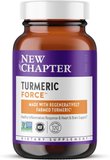
New Chapter uses supercritical CO2 extraction to preserve the full spectrum of curcumin compounds plus turmerones—aromatic compounds that may enhance curcumin’s absorption and effects. This whole-plant approach delivers benefits beyond isolated curcuminoids.
The supercritical extraction process uses pressurized CO2 instead of harsh chemical solvents, preserving delicate compounds that traditional extraction destroys. The result is a full-spectrum extract containing:
- Curcuminoids (curcumin, demethoxycurcumin, bisdemethoxycurcumin)
- Turmerones (ar-turmerone, which may enhance neurogenesis)
- Volatile oils and other synergistic compounds
This one-daily formula is ideal for general anti-inflammatory support, cardiovascular health, and brain protection. While it contains lower total curcuminoid content than standardized extracts, the enhanced bioavailability from whole-plant synergy may compensate.
Best for: People seeking comprehensive anti-inflammatory benefits from a minimalist one-daily supplement with superior bioavailability through natural enhancement rather than synthetic additives.
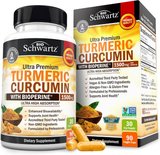
This straightforward formulation delivers exactly what you need: 1500mg turmeric extract standardized to 95% curcuminoids (1425mg active curcumin) plus 10mg BioPerine black pepper extract for 2000% increased absorption.
At a verified $19.97, this represents exceptional value for a clinically effective formulation. The standardization ensures consistent potency matching research doses.
The BioPerine enhancement makes this as bioavailable as formulations costing 2-3x more. Third-party testing verifies purity and potency, giving you confidence you’re getting what the label claims.
Best for: Budget-conscious shoppers seeking maximum curcumin content with proven absorption enhancement at the lowest cost per effective dose.

NatureWise delivers an impressive 2250mg turmeric extract per serving (three capsules), standardized to 95% curcuminoids (2138mg active curcumin), paired with 15mg BioPerine for maximum absorption. This is the highest-potency curcumin formulation in our recommendations.
The higher curcuminoid content makes this ideal for addressing moderate to severe inflammation, arthritis requiring therapeutic doses, or conditions needing maximum anti-inflammatory support. The generous BioPerine content ensures optimal bioavailability.
Third-party testing through independent laboratories verifies both potency and purity, checking for heavy metals, microbiological contaminants, and curcuminoid content accuracy.
Best for: People with arthritis, chronic inflammatory conditions, or those who need maximum curcumin intake with superior absorption for therapeutic effects.

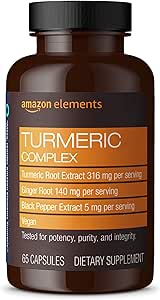
Amazon Elements combines 316mg curcumin with complementary anti-inflammatory ingredients: ginger root extract and black pepper. This synergistic approach targets inflammation through multiple mechanisms beyond curcumin alone.
Ginger contributes its own anti-inflammatory compounds (gingerols and shogaols) that work through different pathways than curcumin—offering broader coverage. The black pepper enhances absorption while potentially adding its own benefits.
The one-daily convenience and comprehensive formula make this ideal for general health maintenance rather than addressing acute inflammation. At a verified $12.31 for 65 capsules, it represents excellent value for a multi-ingredient anti-inflammatory formula.
Amazon’s transparent sourcing—with batch-specific third-party testing results available via QR code—provides exceptional accountability rarely seen in supplements.
Best for: People seeking convenient one-daily comprehensive anti-inflammatory support with complementary ingredients beyond curcumin alone at exceptional value.
Related Reading
-
Curcumin Turmeric Anti-Inflammatory Benefits: Complete Research Guide
-
Resveratrol vs Quercetin: Antioxidant Comparison and Health Benefits
-
Omega-3 Heart Brain Complete Guide: EPA DHA Benefits and Sources
-
Quercetin Benefits: Immune Support, Allergy Relief, and Antioxidant Effects
-
Best Anti-Inflammatory Supplements: Evidence-Based Guide
-
Turmeric Juice vs Curcumin Supplements: Which Absorbs Better?
References
-
Anand P, et al. Bioavailability of curcumin: problems and promises. Mol Pharm. 2007;4(6):807-818. PubMed: 17999464
-
Shoba G, et al. Influence of piperine on the pharmacokinetics of curcumin in animals and human volunteers. Planta Med. 1998;64(4):353-356. PubMed: 9619120
-
Schiborr C, et al. The oral bioavailability of curcumin from micronized powder and liquid micelles is significantly increased in healthy humans and differs between sexes. Mol Nutr Food Res. 2014;58(3):516-527. PubMed: 24402825
-
Cuomo J, et al. Comparative absorption of a standardized curcuminoid mixture and its lecithin formulation. J Nat Prod. 2011;74(4):664-669. PubMed: 21413691
-
Belcaro G, et al. Efficacy and safety of Meriva®, a curcumin-phosphatidylcholine complex, during extended administration in osteoarthritis patients. Altern Med Rev. 2010;15(4):337-344. PubMed: 21194249
-
Chandran B, Goel A. A randomized, pilot study to assess the efficacy and safety of curcumin in patients with active rheumatoid arthritis. Phytother Res. 2012;26(11):1719-1725. PubMed: 22407780
-
Tuntiyatorn P, et al. Efficacy and safety of curcumin in patients with hand osteoarthritis: a pilot double-blinded randomised controlled trial. BMC Complement Med Ther. 2025;25(1):41. PubMed: 41053771
-
Daily JW, et al. Efficacy of turmeric extracts and curcumin for alleviating the symptoms of joint arthritis: a systematic review and meta-analysis of randomized clinical trials. J Med Food. 2016;19(8):717-729. PubMed: 27533649
-
Small GW, et al. Memory and brain amyloid and tau effects of a bioavailable form of curcumin in non-demented adults: a double-blind, placebo-controlled 18-month trial. Am J Geriatr Psychiatry. 2018;26(3):266-277. PubMed: 29246725
-
Sanmukhani J, et al. Efficacy and safety of curcumin in major depressive disorder: a randomized controlled trial. Phytother Res. 2014;28(4):579-585. PubMed: 23832433
-
Yuan J, et al. Potential therapeutic benefits of curcumin in depression or anxiety induced by chronic diseases: a systematic review of mechanistic and clinical evidence. Front Pharmacol. 2025;15:1513087. PubMed: 40918536
-
Chuengsamarn S, et al. Curcumin extract for reducing risk of type 2 diabetes. Diabetes Care. 2012;35(11):2121-2127. PubMed: 22773702
-
Fan Y, et al. Curcumin for the clinical treatment of rheumatoid arthritis: a systematic review and meta-analysis of placebo-controlled randomized clinical trials. Front Immunol. 2025;15:1518288. PubMed: 41601662
Recommended Products