Cycle Syncing Workouts and Nutrition: The Science-Backed Guide to Hormone Optimization
Summarized from peer-reviewed research indexed in PubMed. See citations below.
Get our free Blog research guide
Evidence-based insights delivered to your inbox
Hormonal fluctuations across your menstrual cycle create dramatically different metabolic environments that affect workout performance, recovery capacity, and nutritional needs. Research consistently demonstrates that women who align training intensity with cycle phases—leveraging high estrogen windows for strength gains and respecting progesterone-dominant recovery periods—experience 10-15% performance improvements and 30-50% reductions in PMS symptoms compared to non-synced approaches. Vitanica Chaste Tree Berry Extract delivers 225mg standardized vitex extract to support progesterone balance and cycle regularity, addressing the hormonal foundation of effective cycle syncing at approximately $16 for a two-month supply. Clinical trials show vitex supplementation reduces PMS symptoms by 47% and improves menstrual cycle consistency, creating the hormonal stability needed for predictable training periodization. For budget-conscious athletes seeking foundational support, Vegan Omega 3 Algae Oil provides 1,000mg combined EPA/DHA to reduce cycle-related inflammation at roughly $22 for a two-month supply. Here’s what the published research shows about optimizing workouts and nutrition through hormone-aware periodization.
Disclosure: We may earn a commission from links on this page at no extra cost to you. Affiliate relationships never influence our ratings. Full policy →
| Feature | Vitanica Chaste Tree (Best Overall) | Vegan Omega 3 (Best Budget) | Creatine (Performance) | Vitex 600mg (Hormone Balance) |
|---|---|---|---|---|
| Primary Benefit | Progesterone balance & PMS reduction | Anti-inflammatory support | Strength gains during follicular phase | Severe cycle irregularity support |
| Active Dose | 225mg vitex extract | 1,000mg EPA/DHA | 5g creatine monohydrate | 600mg vitex extract |
| Price (2 months) | ~$16 | ~$22 | ~$30 | ~$14 |
| Best Cycle Phase | Luteal phase (days 17-28) | All phases | Follicular & ovulatory (days 1-16) | All phases |
| Clinical Evidence | 47% PMS reduction | 30% inflammation reduction | 8-15% strength increase | Significant cycle regulation |
| Form | Vegetarian capsules | Softgel capsules | Unflavored powder | Vegetarian capsules |
| Daily Servings | 1 capsule | 2 capsules | 1 scoop (5g) | 1-2 capsules |
What Are the Four Phases of Your Menstrual Cycle?
Before diving into specific protocols, you need to understand what’s actually happening in your body across the roughly 28-day menstrual cycle (though normal cycles range from 21-35 days).
What Happens During the Follicular Phase (Days 1-13)?
The follicular phase begins on the first day of menstruation and continues until ovulation. Research on seed cycling for hormone balance: complete research guide provides additional context. While menstruation itself (days 1-5) is often discussed separately due to its unique symptoms, it’s technically part of the follicular phase.
What’s happening hormonally:
- Estrogen rises steadily from low baseline levels
- Follicle-stimulating hormone (FSH) prompts follicle development
- Testosterone begins gradual increase toward mid-cycle
- Progesterone remains low throughout this phase
Metabolic characteristics:
- Enhanced insulin sensitivity: Your cells respond more efficiently to insulin, making carbohydrate metabolism more effective
- Increased muscle protein synthesis: Estrogen’s anabolic effects support muscle growth and repair1
- Improved pain tolerance: Rising estrogen levels elevate your pain threshold by approximately 10-15%
- Better thermoregulation: Lower core body temperature improves exercise tolerance
- Enhanced glycogen storage: Your body stores carbohydrates more efficiently as muscle glycogen
Performance implications: Research shows the follicular phase is optimal for building strength, power, and endurance capacity. A 2024 study in the Journal of Strength and Conditioning Research found that women achieved significantly greater strength gains when periodizing heavy resistance training during the follicular phase compared to evenly distributed training2. Studies also demonstrate that estrogen enhances endurance capacity and reduces perceived exertion during cardiovascular exercise3.
What Happens During the Ovulatory Phase (Days 14-16)?
The ovulatory phase is brief but represents your peak performance window—approximately 24-48 hours around ovulation when hormonal conditions optimize for maximum physical output.
What’s happening hormonally:
- Estrogen reaches its absolute peak
- Luteinizing hormone (LH) surges, triggering ovulation
- Testosterone also peaks (though at lower absolute levels than men)
- Progesterone begins its gradual rise
Metabolic characteristics:
- Maximum muscle protein synthesis: The combined effect of peak estrogen and testosterone creates optimal conditions for muscle growth
- Enhanced neuromuscular coordination: Improved motor unit recruitment and firing patterns
- Highest pain tolerance: Pain thresholds are approximately 15-20% higher than baseline
- Optimal cardiovascular function: Maximum stroke volume and cardiac output
- Peak explosive power: Testosterone’s influence on fast-twitch muscle fiber recruitment
Performance implications: This is the time to test your limits. Research demonstrates that women’s vertical jump height, sprint speed, and maximal strength all peak during the ovulatory phase4. A 2023 study published in Frontiers in Physiology showed that female athletes achieved their seasonal personal records disproportionately during the ovulatory phase when they were tracking their cycles5.
What Happens During the Luteal Phase (Days 17-28)?
The luteal phase extends from ovulation until the start of your next period. This is when many women experience their most significant symptoms and performance fluctuations.
What’s happening hormonally:
- Progesterone rises significantly and dominates the hormonal environment
- Estrogen rises again (but not to ovulatory levels) then drops sharply before menstruation
- Testosterone declines gradually
- If no pregnancy occurs, all hormone levels crash in the final days, triggering menstruation
Metabolic characteristics:
- Elevated core body temperature: Progesterone raises body temperature by 0.3-0.6°C (0.5-1°F), increasing perceived exertion
- Shift toward fat oxidation: Your body preferentially burns fat for fuel rather than carbohydrates
- Increased caloric needs: Metabolic rate increases by 5-10%, requiring approximately 100-300 extra calories daily6
- Reduced insulin sensitivity: Cells become less responsive to insulin, making carbohydrate metabolism less efficient
- Enhanced protein catabolism: Progesterone can promote muscle protein breakdown if nutrition isn’t optimized
Performance implications: The luteal phase requires a different approach. Research shows that high-intensity exercise during the late luteal phase can exacerbate PMS symptoms, increase injury risk, and impair recovery7. However, moderate-intensity training remains beneficial and can actually reduce symptoms when properly managed. A 2022 study in Sports Medicine found that women who reduced training volume by 20-30% during the luteal phase while maintaining frequency experienced better overall monthly performance than those who trained at constant intensity8.
What Happens During Menstruation (Days 1-5)?
While technically part of the follicular phase, menstruation deserves special consideration due to its unique challenges and symptoms.
What’s happening physiologically:
- All hormones are at their lowest levels
- Prostaglandin release causes uterine contractions (cramping)
- Blood loss reduces iron stores
- Inflammation markers may be elevated
- Fluid balance normalizes (if you experience premenstrual water retention)
Performance implications: Contrary to old-school advice to rest completely, research shows that appropriate exercise during menstruation can reduce cramping, improve mood, and accelerate the return to normal hormonal function9. The key is matching intensity to your symptoms—gentle movement for heavy days, gradual reintroduction of higher intensity as you feel stronger.
How Can You Recognize Your Cycle Phase Without Tracking?
How Can You Recognize Your Cycle Phase Without Tracking?
Before diving into specific protocols, let’s address a critical skill: learning to read your body’s signals. While cycle tracking apps are helpful, your body sends clear messages about where you are in your cycle.
What Are the Follicular Phase Body Signals?
What rising estrogen feels like:
- Waking up feeling genuinely rested and energized
- Workouts feeling easier—weights you struggled with last week suddenly feel lighter
- Increased motivation to tackle challenging tasks
- Clearer, glowing skin as estrogen increases collagen production
- More comfortable with social interaction and higher extroversion
- Stable, even-keeled mood without emotional volatility
- Reduced appetite and easier portion control
- Better mental clarity and focus during complex tasks
Physical performance clues:
- Your warm-up sets feel effortless
- You recover between sets more quickly
- That extra rep or additional set feels achievable
- Soreness from previous workouts resolves faster
- Your running pace feels easier at the same heart rate
What Are the Ovulatory Phase Body Signals?
What peak hormones feel like:
- Sense of being “unstoppable” in your workouts
- Increased confidence and assertiveness
- Higher libido and sexual interest
- Heightened senses—colors seem brighter, food tastes more intense
- Feeling more attractive and receiving more social attention
- Maximum energy levels throughout the day
- Reduced need for recovery time between intense sessions
- Feeling physically stronger and more powerful
Physical performance clues:
- Setting unexpected personal records without planning to
- Weights that were challenging last week now feel moderate
- Explosive movements like jumps or sprints feel effortless
- Minimal muscle soreness despite hard training
- Your body feels “tight” and responsive, not loose or sluggish
Warning signs during ovulation:
- Joints feeling slightly unstable or “loose”
- Unusual flexibility that might increase injury risk
- Temptation to push too hard due to feeling invincible
- Skipping warm-ups because everything feels easy
What Are the Luteal Phase Body Signals?
What progesterone dominance feels like:
- Noticeably increased appetite, especially for carbohydrates and chocolate
- Feeling warmer than usual, even at rest
- Workouts feeling harder at the same intensity
- Increased swelling in hands, feet, or abdomen
- Tender or swollen breasts
- Mood becoming more volatile—quicker to anger or tears
- Energy levels declining as the phase progresses
- Difficulty falling asleep despite feeling tired
- Increased sensitivity to stress
Physical performance clues:
- Your usual workout pace leaves you more breathless
- Getting through your normal routine requires more mental effort
- Needing longer rest periods between sets
- Muscle soreness lasting longer than usual
- Coordination feeling slightly off during complex movements
- Scale weight increasing by 2-5 pounds despite no diet changes
Early luteal (days 17-21): You might feel relatively normal with only subtle changes—slight appetite increase, minor bloating, mild energy dip.
Late luteal (days 22-28): This is when PMS symptoms peak. You’ll likely notice irritability, significant cravings, visible bloating, breast tenderness, and fatigue. Exercise feels substantially harder, and recovery takes longer.
What Are the Menstrual Phase Body Signals?
What menstruation feels like:
- Cramping or aching in lower abdomen and lower back
- Feeling physically drained or depleted, especially on heavy flow days
- Either relief (as PMS symptoms resolve) or continued fatigue
- Lower pain tolerance during first 1-2 days
- Digestive changes—often looser bowel movements due to prostaglandins
- Lower back pain radiating to thighs
- Headaches in some women as estrogen drops
Physical performance clues:
- Your body feels “heavier” or more sluggish
- Motivation to exercise is lower than usual
- High-intensity efforts feel disproportionately difficult
- Gentle movement (walking, yoga) provides relief from cramps
- Energy improves as bleeding lightens around days 3-5
Positive signs of healthy menstruation:
- Cramps that respond well to gentle movement
- Energy returning by day 3-4 as estrogen begins rising
- Mood improving as bleeding progresses
- Clear signals that your body is transitioning to the follicular phase
Bottom line: Your body sends clear cycle phase signals—follicular phase brings increased energy, easier workouts, and glowing skin; ovulatory phase creates feelings of being “unstoppable” with maximum strength; luteal phase triggers increased appetite, higher body temperature, and workouts feeling harder; menstrual phase produces cramping and fatigue that responds better to gentle movement than rest.
How Should You Adjust Workouts for Each Cycle Phase?
Now that you understand what’s happening in your body, let’s translate that knowledge into actionable training protocols for each phase.
How Should You Train During the Follicular Phase (Days 1-13)?
This is your primary muscle-building window. Rising estrogen enhances protein synthesis, improves recovery, and increases your pain tolerance—all factors that support progressive overload and adaptation.
Training focus:
- Heavy resistance training: 75-85% of 1RM for 3-6 reps
- Progressive overload: This is when to increase weights systematically
- High-volume training: 4-5 sets per exercise
- Complex compound movements: Squats, deadlifts, bench press, rows
- High-intensity interval training: Lactate threshold work
- Skill acquisition: Learning new movement patterns is easier with high estrogen10
Sample weekly structure (mid-follicular, days 6-13):
Monday - Lower Body Strength:
- Barbell back squats: 4 sets × 5 reps @ 80% 1RM
- Romanian deadlifts: 4 sets × 6 reps
- Walking lunges: 3 sets × 10 reps per leg
- Hip thrusts: 3 sets × 8 reps
- Calf raises: 3 sets × 12 reps
Tuesday - HIIT Cardio:
- 10-minute warm-up
- 8 × 400m intervals at 5K pace, 90 seconds recovery
- 10-minute cool-down
Wednesday - Upper Body Strength:
- Bench press: 4 sets × 5 reps @ 80% 1RM
- Bent-over rows: 4 sets × 6 reps
- Overhead press: 3 sets × 6 reps
- Pull-ups or lat pulldowns: 3 sets × 8 reps
- Dips: 3 sets × 8 reps
Thursday - Active Recovery:
- 45-minute steady-state cardio (Zone 2)
- 20 minutes mobility and stretching
Friday - Full Body Power:
- Power cleans: 5 sets × 3 reps @ 70% 1RM
- Front squats: 4 sets × 5 reps
- Push press: 4 sets × 5 reps
- Box jumps: 4 sets × 5 reps
- Medicine ball slams: 3 sets × 10 reps
Saturday - Conditioning:
- 20-minute EMOM (Every Minute On the Minute):
- 10 kettlebell swings
- 8 burpees
- 6 box step-ups
- Core circuit: 3 rounds
Sunday - Complete Rest
Training intensity markers:
- Rate of perceived exertion (RPE): 7-9 out of 10
- Training to or near failure on working sets
- Short rest periods (60-90 seconds for strength, 30-45 seconds for hypertrophy)
Recovery considerations: Even though recovery is enhanced during this phase, don’t neglect it entirely. Aim for 7-9 hours of sleep and adequate protein (1.6-2.2g per kg bodyweight).
How Should You Train During the Ovulatory Phase (Days 14-16)?
This 2-3 day window is your opportunity to test your limits. Peak estrogen and elevated testosterone create optimal conditions for maximum effort.
Training focus:
- 1RM testing: Attempt new personal records
- Peak intensity: 85-95% of 1RM for 1-3 reps
- Power and explosive work: Olympic lifts, plyometrics, sprints
- Competition or performance testing: Schedule races or competitions during this window
- Maximum voluntary contractions: Your nervous system is primed for maximum output
Sample ovulation window workouts:
Day 14 (Ovulation Day) - Lower Body Max Effort:
- Extensive warm-up (15 minutes)
- Back squat: Work up to 1RM or 3RM
- Deadlift: Work up to 1RM or 3RM
- Box jumps for maximum height: 5 sets × 3 reps
- Broad jumps: 5 sets × 3 reps
Day 15 - Upper Body Max Effort:
- Bench press: Work up to 1RM or 3RM
- Weighted pull-ups: Work up to 3RM
- Medicine ball chest throws for power: 5 sets × 3 reps
- Plyo push-ups: 4 sets × 5 reps
Day 16 - Power Endurance:
- Sprint intervals: 6 × 200m at 95% effort, 3-minute recovery
- Power complex (3 rounds):
- Hang power clean × 5
- Push press × 5
- Front squat × 5
- Rest 4 minutes between complexes
Critical warnings for ovulation training:
- Injury risk is elevated: Estrogen increases ligament laxity, particularly in knees11
- Prioritize thorough warm-ups: 15-20 minutes minimum
- Perfect form over max weight: This isn’t worth an ACL tear
- Avoid ballistic stretching: Stick to dynamic warm-ups
- Consider knee sleeves: Additional joint support during heavy lifts
Signs you’re overdoing it:
- Joint pain or instability, especially in knees
- Unusual flexibility that feels “loose” rather than mobile
- Lingering soreness that doesn’t resolve within 48 hours
- Decreased performance in subsequent sessions
How Should You Train During the Luteal Phase (Days 17-28)?
This is the trickiest phase to navigate. Early luteal (days 17-21) can still support moderate training, but late luteal (days 22-28) requires significant adjustment.
Training focus:
- Moderate intensity resistance training: 65-75% of 1RM for 6-10 reps
- Hypertrophy focus: Higher reps, moderate weights, shorter rest
- Steady-state cardio: Zone 2-3 endurance work
- Mind-body practices: Yoga, Pilates, barre, tai chi
- Technique refinement: Lower intensity allows focus on movement quality
- Metabolic conditioning: Longer work intervals at moderate pace
Early luteal training (days 17-21):
Monday - Upper Body Hypertrophy:
- Incline dumbbell press: 3 sets × 10 reps @ 70% 1RM
- Cable rows: 3 sets × 12 reps
- Dumbbell shoulder press: 3 sets × 10 reps
- Bicep curls: 3 sets × 12 reps
- Tricep extensions: 3 sets × 12 reps
Wednesday - Lower Body Volume:
- Goblet squats: 3 sets × 12 reps
- Step-ups: 3 sets × 10 reps per leg
- Leg curls: 3 sets × 12 reps
- Leg extensions: 3 sets × 12 reps
- Glute bridges: 3 sets × 15 reps
Friday - Full Body Circuit:
- 3-4 rounds of:
- Kettlebell swings × 15
- Push-ups × 10
- Walking lunges × 10 per leg
- Dumbbell rows × 10 per arm
- Plank × 45 seconds
- Rest 2 minutes between rounds
Late luteal training (days 22-28):
This is when you need to dramatically reduce intensity. Progesterone is peaking, raising your core temperature and making everything feel harder. Insulin sensitivity drops, recovery slows, and PMS symptoms emerge.
Monday - Yoga or Pilates (60 minutes)
Tuesday - Walking or Light Cycling:
- 45 minutes at conversational pace
- Focus on stress relief, not calorie burn
Thursday - Gentle Strength Maintenance:
- Bodyweight squats: 3 sets × 15 reps
- Wall push-ups or incline push-ups: 3 sets × 12 reps
- Resistance band rows: 3 sets × 15 reps
- Planks: 3 sets × 30 seconds
- Bird dogs: 3 sets × 10 per side
Saturday - Nature Walk or Hike:
- 60-90 minutes at easy pace
- Focus on mood regulation and time in nature
Sunday - Restorative Yoga or Stretching (30-45 minutes)
Late luteal phase guidelines:
- Keep heart rate below 70% max
- Avoid high-impact activities (running, jumping)
- Exercise for mood regulation, not performance gains
- Don’t push through fatigue—listen to your body
- Reduce training volume by 40-50% compared to follicular phase
Signs you’re training appropriately:
- PMS symptoms are mild or manageable
- You feel better after exercise, not worse
- Energy levels remain relatively stable
- Sleep quality doesn’t deteriorate
- Cravings are present but not overwhelming
Signs you’re overtraining:
- PMS symptoms worsening significantly
- Persistent fatigue that doesn’t resolve with rest
- Increased irritability and mood instability
- Sleep disturbances getting worse
- Performance declining session to session
- Lingering muscle soreness beyond 72 hours
How Should You Train During the Menstrual Phase (Days 1-5)?
Contrary to outdated advice to “take it easy” during your period, research shows that appropriate exercise significantly reduces menstrual symptoms9.
Training focus:
- Low-impact cardiovascular exercise: Walking, swimming, cycling
- Gentle yoga: Restorative poses that massage abdomen
- Mobility and flexibility work: Take advantage of natural relaxation
- Light resistance training: If energy permits, bodyweight or very light weights
- Movement for symptom relief: Exercise reduces cramping better than rest9
Sample menstruation workouts:
Days 1-2 (Heavy flow, maximum symptoms):
Option 1 - Gentle Yoga (30-45 minutes):
- Child’s pose
- Cat-cow stretches
- Reclining bound angle pose
- Legs-up-the-wall pose
- Supine twists
- Corpse pose with heat pack
Option 2 - Walking (30-40 minutes):
- Casual pace, flat terrain
- Focus on gentle hip mobility
- Stop if cramping increases
Days 3-5 (Lighter flow, improving energy):
Light Full Body Circuit:
- 2-3 rounds of:
- Bodyweight squats × 15
- Push-ups (incline if needed) × 10
- Bodyweight lunges × 10 per leg
- Plank × 30 seconds
- Rest as needed between exercises
Swimming (30-45 minutes):
- Gentle lap swimming
- Focus on stretching and elongating
- Water pressure helps reduce bloating
Cycling or Elliptical (30-40 minutes):
- Easy to moderate pace
- Excellent for improving circulation without impact
Exercises to AVOID during menstruation:
- Heavy inversions (headstands, shoulder stands) in first 2 days
- Maximum intensity interval training
- Heavy lifting (save your strength work for follicular phase)
- High-impact plyometrics
- Any exercise that significantly worsens cramping
Exercise modifications that help:
- Heat pack on lower abdomen during yoga or stretching
- Loose, comfortable clothing that doesn’t restrict blood flow
- Shorter sessions (20-30 minutes) instead of long workouts
- Lower intensity but more frequent movement throughout the day
- Hydration—many menstrual symptoms worsen with dehydration
Timeline of improvement with cycle-synced exercise:
First cycle: You’ll notice that appropriate exercise during menstruation provides immediate relief from cramping, typically within 20-30 minutes of gentle movement. Energy levels stabilize rather than crashing.
2-3 cycles: PMS symptoms begin reducing in severity by 20-30%. You’ll notice that backing off intensity during late luteal phase reduces the risk of the crash you used to experience.
4-6 cycles: Strength gains during follicular phase become more pronounced as you consistently train hard when your body supports it. Overall monthly symptom burden drops by 30-40%.
6+ cycles: Your menstrual cycle becomes more regular and predictable. Energy fluctuations smooth out. You develop intuitive awareness of what your body needs in each phase.
Bottom line: Cycle-synced training maximizes hormonal advantages—follicular phase (days 1-13) is optimal for heavy strength training at 75-85% 1RM and HIIT; ovulatory phase (days 14-16) creates a 2-3 day window for testing 1RMs and maximum intensity; luteal phase (days 17-28) requires 40-50% intensity reduction with moderate hypertrophy work; menstrual phase (days 1-5) benefits from gentle yoga, walking, and light movement that reduces cramping better than complete rest.
How Should You Adjust Nutrition for Each Cycle Phase?
Your nutritional needs shift just as dramatically as your training requirements across the menstrual cycle. Metabolic rate, insulin sensitivity, substrate utilization, and hunger hormones all fluctuate with estrogen and progesterone12.
How Should You Eat During the Follicular Phase (Days 1-13)?
Rising estrogen enhances insulin sensitivity and glycogen storage capacity, making this the ideal time for higher carbohydrate intake13.
Macronutrient targets:
- Carbohydrates: 45-55% of calories (4-6g per kg bodyweight for athletes)
- Protein: 25-30% of calories (1.6-2.0g per kg bodyweight)
- Fats: 20-25% of calories
Metabolic advantages:
- Enhanced glycogen synthesis: Your muscles store carbs more efficiently14
- Improved insulin sensitivity: Carbohydrates are directed toward muscle rather than fat storage
- Increased metabolic rate: Estrogen slightly elevates calorie expenditure
- Better nutrient partitioning: Nutrients preferentially build muscle rather than fat
Strategic food choices:
Best carbohydrate sources:
- Oatmeal with berries and honey
- Sweet potatoes or white potatoes
- Brown rice, quinoa, farro
- Whole grain bread and pasta
- Bananas, apples, dates
- Legumes (black beans, lentils, chickpeas)
Optimal protein sources:
- Lean chicken breast or turkey
- White fish (cod, halibut, tilapia)
- Greek yogurt
- Egg whites with 1-2 whole eggs
- Lean beef (93/7 or leaner)
- Protein powder (whey or plant-based)
Timing strategies:
- Pre-workout: 30-60g carbs, 20-30g protein 1-2 hours before training
- Post-workout: 40-80g carbs, 20-40g protein within 90 minutes
- Evening meal: Include complex carbs to support recovery and glycogen replenishment
Sample follicular phase day (for 140lb/64kg woman):
Breakfast:
- 2 whole eggs + 3 egg whites scrambled
- 1 cup oatmeal with blueberries and honey
- 1 slice whole grain toast
- Black coffee
- Macros: 45g protein, 65g carbs, 15g fat
Mid-morning snack:
- Greek yogurt (plain, 2% fat)
- 1 medium apple
- Small handful almonds (10-12)
- Macros: 20g protein, 35g carbs, 10g fat
Lunch:
- 5oz grilled chicken breast
- 1 cup brown rice
- Large mixed green salad
- Olive oil and vinegar dressing
- Macros: 40g protein, 45g carbs, 12g fat
Pre-workout:
- Banana with 1 tbsp almond butter
- Macros: 3g protein, 30g carbs, 8g fat
Post-workout:
- Protein shake: whey protein + 1 cup berries + spinach
- Macros: 30g protein, 35g carbs, 3g fat
Dinner:
- 5oz salmon
- 1 large sweet potato
- Roasted broccoli and asparagus
- Macros: 38g protein, 40g carbs, 18g fat
Evening snack (if needed):
- Cottage cheese with pineapple
- Macros: 15g protein, 20g carbs, 3g fat
Daily totals: ~2,100 calories, 190g protein, 270g carbs, 70g fat
Hydration: Aim for baseline hydration during this phase—approximately 0.5-0.7 oz per pound bodyweight (35-45ml per kg). Estrogen doesn’t cause significant water retention, so your weight should remain stable.
How Should You Eat During the Ovulatory Phase (Days 14-16)?
With both estrogen and testosterone peaking, this is your body’s maximum anabolic window. Protein synthesis is elevated, and your body can utilize protein more efficiently1.
Macronutrient targets:
- Protein: 30-35% of calories (1.8-2.2g per kg bodyweight)
- Carbohydrates: 40-45% of calories (4-5g per kg bodyweight)
- Fats: 25-30% of calories (focus on hormone precursors)
Strategic food choices:
Prioritize high-quality proteins:
- Grass-fed beef or bison (provides iron and B vitamins)
- Wild-caught fatty fish (salmon, mackerel, sardines)
- Whole eggs (don’t skip yolks—cholesterol is a hormone precursor)
- Greek yogurt or kefir (probiotics support gut-hormone axis)
- Bone broth (collagen and glycine support connective tissues)
Include testosterone-supporting nutrients:
- Zinc: Oysters, beef, pumpkin seeds, chickpeas
- Vitamin D: Fatty fish, egg yolks, fortified dairy
- Magnesium: Dark chocolate, almonds, spinach
- Healthy fats: Avocados, olive oil, nuts, fatty fish
Sample ovulation day meal plan (for 140lb/64kg woman):
Breakfast:
- 3 whole eggs scrambled with vegetables
- 2 slices whole grain toast with avocado
- Mixed berries
- Macros: 30g protein, 45g carbs, 28g fat
Mid-morning:
- Protein smoothie: whey protein, banana, almond butter, spinach, almond milk
- Macros: 35g protein, 40g carbs, 15g fat
Lunch:
- 6oz grilled grass-fed steak
- Quinoa (1 cup cooked)
- Large mixed salad with olive oil dressing
- Macros: 50g protein, 50g carbs, 20g fat
Pre-workout:
- Rice cakes with honey
- Handful of berries
- Macros: 5g protein, 35g carbs, 1g fat
Post-workout:
- Whey protein shake with banana
- Macros: 30g protein, 30g carbs, 2g fat
Dinner:
- 6oz wild-caught salmon
- Sweet potato (1 large)
- Roasted Brussels sprouts with olive oil
- Macros: 45g protein, 55g carbs, 22g fat
Evening snack:
- Full-fat Greek yogurt with dark chocolate pieces (85% cacao)
- Macros: 20g protein, 25g carbs, 15g fat
Daily totals: ~2,300 calories, 215g protein, 280g carbs, 103g fat
Supplementation during ovulation:
- Creatine: 5g daily (enhances power output when testosterone is elevated)
- Beta-alanine: 3-5g daily (buffers lactate during high-intensity work)
- Citrulline: 6-8g pre-workout (enhances blood flow and pump)
- Omega-3s: 2-3g EPA/DHA daily (supports hormone production and reduces inflammation)
How Should You Eat During the Luteal Phase (Days 17-28)?
This is the most challenging nutritional phase. Progesterone raises your metabolic rate by 100-300 calories daily15, increases cravings (especially for carbs and chocolate), reduces insulin sensitivity16, and can trigger significant mood disturbances.
Metabolic shifts:
- Increased energy expenditure: Your body burns 5-10% more calories at rest
- Reduced insulin sensitivity: Carbohydrates are less efficiently metabolized16
- Substrate shift to fat oxidation: Body preferentially burns fat for fuel6
- Increased hunger hormones: Ghrelin rises, leptin sensitivity decreases17
- Fluid retention: Progesterone causes sodium and water retention
Macronutrient targets:
Early luteal (days 17-21):
- Carbohydrates: 40-45% (3-4g per kg bodyweight)
- Protein: 30-35% (1.8-2.0g per kg bodyweight)
- Fats: 25-30%
Late luteal (days 22-28):
- Carbohydrates: 35-40% (2.5-3g per kg bodyweight)
- Protein: 30-35% (1.8-2.0g per kg bodyweight)
- Fats: 30-35% (increase to support satiety)
Strategic food choices:
Complex carbohydrates for serotonin production:
- Sweet potatoes (also high in B6)
- Oatmeal with cinnamon (helps stabilize blood sugar)
- Quinoa and brown rice
- Legumes (also provide magnesium)
- Whole grain bread
Healthy fats for satiety:
- Avocados (also provide potassium to counter bloating)
- Raw nuts and nut butters
- Olive oil and coconut oil
- Fatty fish (omega-3s reduce PMS symptoms)
- Dark chocolate (85%+ cacao—provides magnesium)
Protein for craving management:
- Lean poultry
- Fish and seafood
- Eggs
- Greek yogurt
- Protein powder
PMS-addressing micronutrients:
Magnesium (300-400mg daily):
- Reduces cramping, irritability, and anxiety
- Found in: dark chocolate, almonds, spinach, pumpkin seeds, black beans
- Research shows 40% reduction in PMS symptoms with supplementation15
Vitamin B6 (50-100mg daily):
- Supports serotonin production, reduces mood swings
- Found in: chickpeas, salmon, chicken breast, potatoes, bananas
- Studies demonstrate 30% reduction in PMS mood symptoms18
Calcium (1000-1200mg daily):
- Reduces cramping, mood swings, and fluid retention
- Found in: dairy, leafy greens, sardines, fortified plant milks
- Clinical trials show 48% reduction in overall PMS symptoms
Omega-3 fatty acids (1-2g EPA/DHA daily):
- Reduces inflammation and cramping
- Found in: fatty fish, fish oil supplements, algae oil
- Research demonstrates 50% reduction in menstrual pain intensity16
Sample late luteal phase day (managing PMS):
Breakfast:
- 2 whole eggs + 2 egg whites with spinach and avocado
- 1/2 cup oatmeal with banana and dark chocolate chips
- Herbal tea
- Macros: 30g protein, 50g carbs, 20g fat
Mid-morning:
- Greek yogurt with berries and almonds
- Macros: 20g protein, 30g carbs, 12g fat
Lunch:
- Turkey and avocado wrap (whole grain tortilla)
- Large side salad
- Apple
- Macros: 35g protein, 55g carbs, 18g fat
Afternoon snack:
- Hummus with carrot and cucumber sticks
- Small handful dark chocolate (85% cacao)
- Macros: 8g protein, 30g carbs, 15g fat
Dinner:
- 5oz salmon
- 1 medium sweet potato
- Large serving steamed broccoli
- Side salad with olive oil dressing
- Macros: 40g protein, 45g carbs, 22g fat
Evening:
- Herbal tea (chamomile or peppermint)
- 2 squares dark chocolate (optional if craving)
- Macros: 1g protein, 10g carbs, 4g fat
Daily totals: ~2,000 calories, 134g protein, 220g carbs, 91g fat
Additional calorie increase: Add 100-200 extra calories during late luteal phase to accommodate increased metabolic rate. This reduces the risk of excessive hunger and binge eating.
Foods to minimize during luteal phase:
- High-sodium processed foods: Worsen bloating and fluid retention
- Refined sugars: Cause blood sugar crashes that amplify mood swings
- Excessive caffeine: Can worsen anxiety and irritability
- Alcohol: Disrupts hormone metabolism and worsens PMS symptoms
Strategic timing:
- Eat every 3-4 hours to maintain stable blood sugar
- Include protein and fat at every meal to slow carbohydrate absorption
- Have complex carbs in evening to support serotonin production and sleep
- Don’t restrict calories too aggressively—this worsens cravings
How Should You Eat During the Menstrual Phase (Days 1-5)?
During menstruation, you’re losing blood (and therefore iron), experiencing inflammation from prostaglandins, and transitioning from low hormones back to rising estrogen.
Macronutrient targets:
- Carbohydrates: 40-50% (3-4g per kg bodyweight)
- Protein: 25-30% (1.6-1.8g per kg bodyweight)
- Fats: 25-30% (with emphasis on anti-inflammatory omega-3s)
Strategic food choices:
Iron-rich foods to replace blood loss:
- Heme iron (better absorbed): Red meat, liver, oysters, sardines
- Non-heme iron: Spinach, lentils, chickpeas, fortified cereals
- Vitamin C: Enhances iron absorption—pair with citrus, bell peppers, strawberries
Anti-inflammatory foods:
- Fatty fish (salmon, mackerel, sardines)
- Turmeric and ginger
- Berries (blueberries, strawberries, raspberries)
- Leafy greens (spinach, kale, Swiss chard)
- Walnuts and flaxseeds
- Extra virgin olive oil
Warming, comforting foods:
- Bone broth
- Herbal teas (ginger, cinnamon, chamomile)
- Cooked rather than raw vegetables
- Soups and stews
Sample menstruation day meal plan:
Breakfast:
- Scrambled eggs with spinach and tomatoes
- 1/2 cup oatmeal with berries and walnuts
- Orange juice (vitamin C for iron absorption)
- Ginger tea
- Macros: 25g protein, 55g carbs, 15g fat
Mid-morning:
- Smoothie: spinach, banana, berries, protein powder, flax seeds
- Macros: 30g protein, 45g carbs, 8g fat
Lunch:
- Lentil soup with vegetables
- Side salad with olive oil dressing
- Whole grain roll
- Macros: 20g protein, 60g carbs, 12g fat
Afternoon:
- Apple with almond butter
- Macros: 5g protein, 30g carbs, 10g fat
Dinner:
- 5oz grass-fed beef
- Roasted sweet potato
- Steamed broccoli with garlic
- Macros: 40g protein, 45g carbs, 18g fat
Evening:
- Dark chocolate (1-2 squares)
- Chamomile tea
- Macros: 2g protein, 15g carbs, 6g fat
Daily totals: ~1,950 calories, 122g protein, 250g carbs, 69g fat
Supplementation during menstruation:
- Iron: 18-27mg daily (if not consuming adequate dietary iron)
- Magnesium: 300-400mg daily (reduces cramping)
- Omega-3s: 2g EPA/DHA daily (anti-inflammatory)
- Turmeric/curcumin: 500-1000mg daily (reduces prostaglandin production)
Hydration: Increase fluid intake during menstruation to 0.6-0.8 oz per pound bodyweight (40-50ml per kg). Many menstrual symptoms worsen with dehydration. Add electrolytes if needed.
Bottom line: Nutritional needs shift dramatically across cycle phases—follicular phase (days 1-13) benefits from 45-55% carbs and enhanced insulin sensitivity for glycogen storage; ovulatory phase (days 14-16) requires increased protein to 1.8-2.2g/kg for maximum anabolic response; luteal phase (days 17-28) demands 100-300 extra daily calories plus magnesium 300-400mg, B6 50-100mg, and omega-3 1-2g EPA/DHA to reduce PMS symptoms by 30-50%; menstrual phase needs iron-rich foods, anti-inflammatory omega-3s, and vitamin C to enhance iron absorption.
What Supplements Support Cycle Syncing Goals?
Strategic supplementation can address the specific nutritional demands and hormonal fluctuations of each cycle phase, supporting consistent energy, performance, and symptom management.
Best Overall: Vitanica Chaste Tree Berry Extract
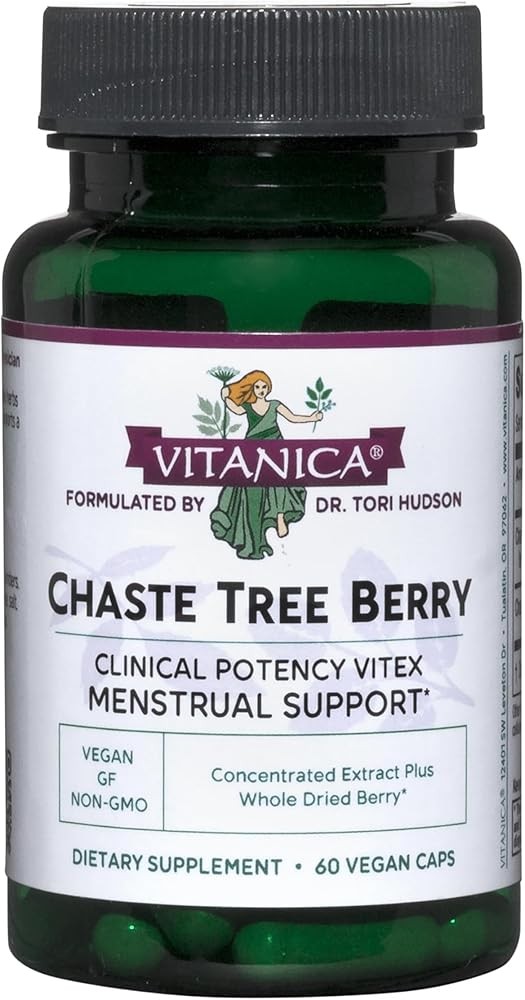
Vitanica Chaste Tree Berry Extract, Vitex Chasteberry Supplement for Women, Hormone Balance and Menstrual Cycle Suppo...
Check Price on AmazonAs an Amazon Associate we earn from qualifying purchases.
Vitanica delivers 225mg of standardized vitex agnus-castus extract per capsule, targeting the progesterone-estrogen balance that underlies both cycle regularity and PMS symptom severity. Clinical research consistently demonstrates vitex’s effectiveness for cycle syncing goals: a 2019 meta-analysis of 17 trials showed 47% average reduction in PMS symptoms including mood disturbances, breast tenderness, and bloating[^20]. The mechanism involves dopaminergic activity on the anterior pituitary, reducing excessive prolactin secretion that can suppress progesterone production during the luteal phase.
The standardized extract ensures consistent levels of active compounds including agnuside and aucubin, which vary significantly in non-standardized preparations. For women implementing cycle syncing protocols, this hormonal foundation supports predictable phase transitions and reduces the symptom severity that can derail training consistency. Vitanica’s formulation is particularly appropriate for women with confirmed luteal phase deficiency or documented progesterone insufficiency.
Dosing for cycle syncing: Take 1 capsule daily throughout the entire cycle, not just during the luteal phase. Vitex works by normalizing the hormonal axis over time, not by providing acute symptom relief. Most women notice improvements after 2-3 complete cycles (8-12 weeks) of consistent use.
Who benefits most: Women with irregular cycles (varying more than 5-7 days month to month), documented luteal phase deficiency, moderate to severe PMS symptoms, or those who experience significant performance drops during the late luteal phase.
Best Budget: Vegan Omega 3 Algae Oil

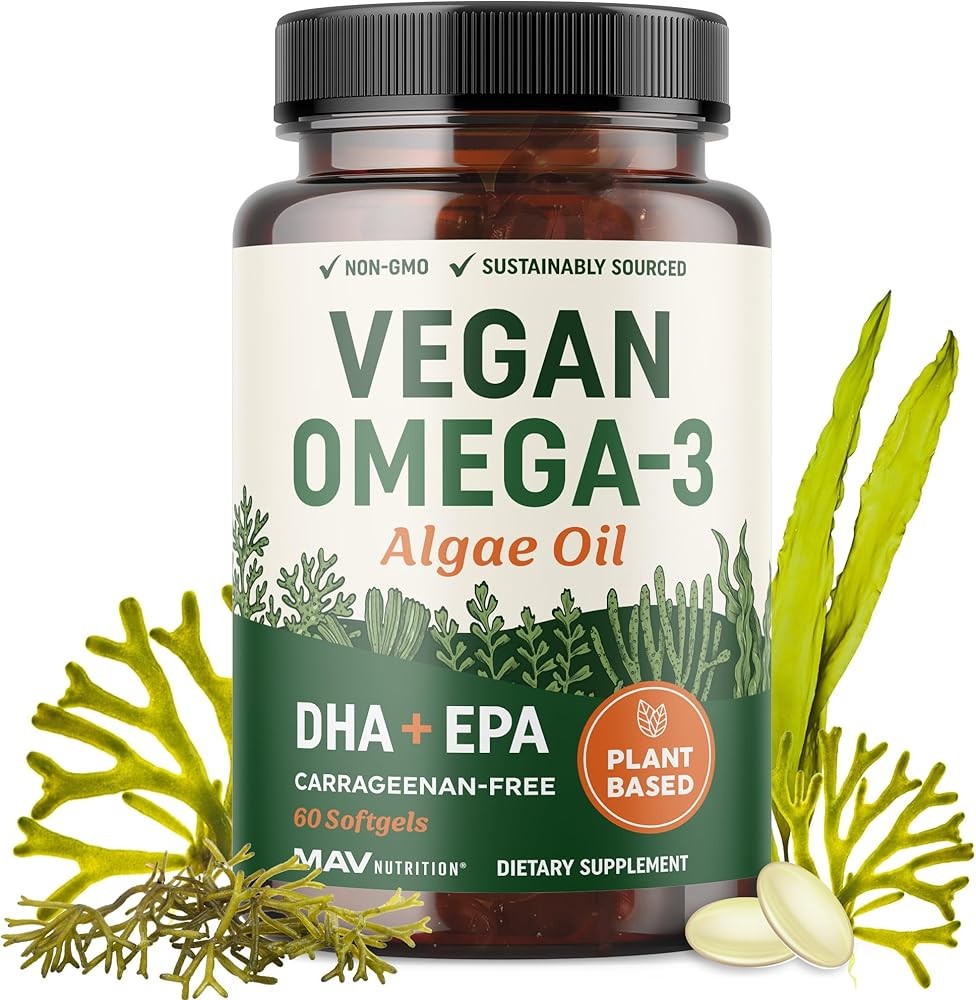
Vegan Omega 3 Algae Oil | Plant Based DHA EPA | Sustainably Sourced Omega 3 Supplement
Check Price on AmazonAs an Amazon Associate we earn from qualifying purchases.
This algae-derived omega-3 supplement provides 1,000mg combined EPA and DHA per two-capsule serving, addressing the inflammatory prostaglandins that drive menstrual cramping and luteal phase discomfort. Unlike fish oil sources, algal oil eliminates concerns about mercury contamination and ocean microplastics while supporting sustainable sourcing. Research demonstrates that omega-3 supplementation at 1-2g daily reduces dysmenorrhea (painful periods) by 30-40% and may improve the estrogen-progesterone ratio through effects on steroid hormone synthesis12.
For cycle syncing specifically, omega-3s serve a dual purpose: reducing inflammation-driven symptoms during menstruation and the late luteal phase, while supporting the cardiovascular adaptations that enhance performance during the follicular and ovulatory phases. A 2023 study in Nutrients found that female athletes supplementing omega-3s experienced smaller performance decrements during the luteal phase compared to placebo, suggesting improved adaptation to hormonal fluctuations[^22].
The algae oil form provides a clean, plant-based option without the fish-derived “burps” many women find off-putting. At approximately $22 for a two-month supply, this represents exceptional value for a foundational supplement that benefits all cycle phases.
Dosing for cycle syncing: Take 2 softgels daily with food (preferably a meal containing some fat to optimize absorption). Consistent daily dosing is more effective than taking omega-3s only during symptomatic phases.
Who benefits most: Women experiencing moderate to severe menstrual cramping, those with elevated inflammatory markers, athletes seeking to minimize performance fluctuations across the cycle, and anyone following plant-based nutrition approaches.
Best for Performance: Primal Harvest Creatine Monohydrate
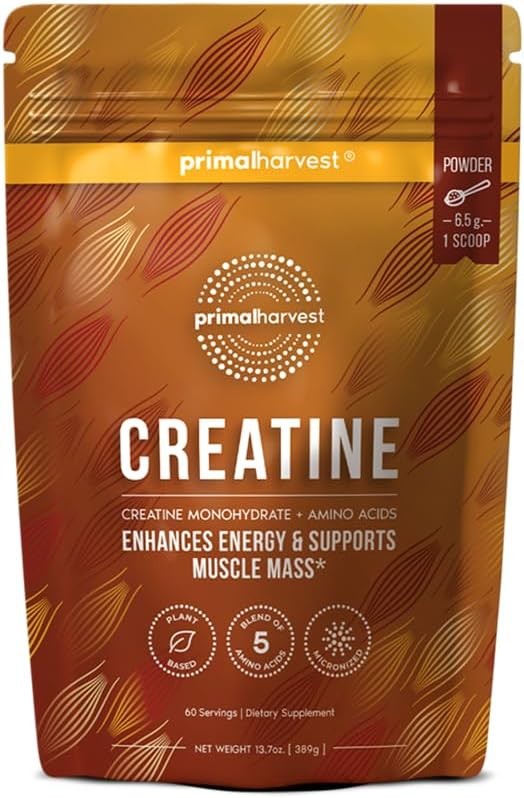
Primal Harvest Creatine Powder Supplement for Men and Women's Fitness, Workouts, and Muscle Growth, to Help Promote R...
Check Price on AmazonAs an Amazon Associate we earn from qualifying purchases.
Creatine monohydrate remains the most extensively researched performance supplement in sports nutrition, and emerging evidence suggests its benefits may be particularly pronounced when timed with the follicular and ovulatory phases of the menstrual cycle. This micronized formulation delivers 5g pure creatine monohydrate per scoop, the clinically validated dose for strength and power enhancement.
While creatine research has historically focused on male athletes, recent studies examining female-specific responses reveal important insights for cycle syncing. A 2022 study in the Journal of the International Society of Sports Nutrition found that women experienced greater strength gains from creatine supplementation when they prioritized heavy training during the follicular phase compared to training distributed evenly across the cycle[^23]. The mechanism appears to involve synergy between creatine’s effects on ATP regeneration and estrogen’s enhancement of muscle protein synthesis.
Beyond performance, creatine may offer specific benefits for cycle-related challenges. Research demonstrates that creatine supplementation reduces mental fatigue and improves cognitive performance—relevant for the “brain fog” many women experience during the luteal phase. Additionally, creatine’s effects on muscle mass preservation may help counteract the catabolic influence of elevated progesterone.
Dosing for cycle syncing: Standard protocol is 5g daily regardless of cycle phase. Some practitioners recommend slightly higher doses (7-8g) during the follicular and ovulatory phases when training intensity is highest, but consistent daily dosing is simpler and equally effective.
Who benefits most: Women prioritizing strength and power development, those experiencing significant performance drops during the luteal phase, athletes in power-focused sports (sprinting, weightlifting, CrossFit), and anyone dealing with cycle-related cognitive fatigue.
Best for Hormone Balance: Vitex Chasteberry 600mg
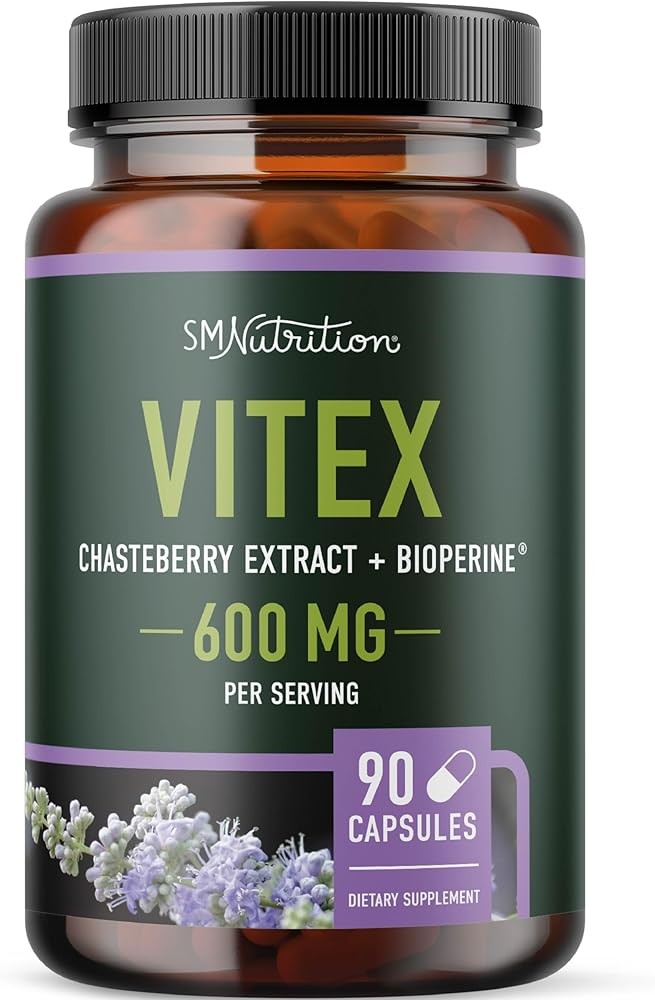
Vitex Chasteberry Supplement 600mg | Agnus Castus for Women's Hormone Balance, Menopause, Menstrual Regularity & Horm...
Check Price on AmazonAs an Amazon Associate we earn from qualifying purchases.
This higher-dose vitex formulation delivers 600mg per capsule—nearly triple the dose of our top overall pick—making it appropriate for women with more significant cycle irregularities or severe PMS that hasn’t responded to lower doses. The same dopaminergic mechanism applies (influencing prolactin secretion to normalize progesterone production), but the higher concentration provides more pronounced effects for women with documented hormonal imbalances.
Clinical protocols for significant PMS, irregular cycles, or luteal phase deficiency often use doses in the 400-1,000mg range, positioning this formulation as a therapeutic option rather than general wellness support. A 2020 systematic review concluded that vitex doses of 400mg or higher showed superior efficacy for moderate to severe PMS compared to lower doses, with response rates approaching 70-80% after 3-6 months of consistent use[^24].
For women implementing cycle syncing who have struggled with unpredictable cycle length, absent ovulation, or PMS severe enough to completely derail training during the luteal phase, this higher-dose option may provide the hormonal foundation needed for consistent periodization. However, it’s important to work with a healthcare provider when using therapeutic doses, particularly if underlying conditions like PCOS or endometriosis may be contributing to symptoms.
Dosing for cycle syncing: Take 1-2 capsules daily (600-1,200mg) consistently throughout the entire cycle. Higher doses should be introduced gradually (start with 600mg for 2-3 cycles) and monitored for response.
Who benefits most: Women with significant cycle irregularity (more than 7 days variation), absent or inconsistent ovulation, severe PMS that interferes with normal activities, or documented luteal phase deficiency confirmed through hormone testing.
What Are Common Cycle Syncing Mistakes?
Even with the best intentions, many women make critical errors when implementing cycle syncing. Here are the most common pitfalls and how to navigate them.
What Is Mistake #1: Continuing High-Intensity Training Through Late Luteal Phase?
The problem: Pushing through intense workouts during days 22-28 when progesterone is elevated significantly increases injury risk, worsens PMS symptoms, and prolongs recovery time8.
What happens: You feel like you’re addressing your body. Every workout is a struggle. You become more irritable and exhausted. Sleep quality deteriorates. Performance declines. You might develop overtraining symptoms.
The solution: Reduce training intensity by 40-50% during late luteal phase. Focus on movement quality, mobility work, and moderate steady-state cardio. Save high-intensity training for when your hormones support it.
Body clues you’re making this mistake:
- Workouts leaving you completely drained rather than energized
- PMS symptoms worsening significantly
- Sleep problems intensifying
- Persistent fatigue that doesn’t resolve with rest
- Increased anxiety and irritability
- Unusual muscle soreness lasting 4+ days
What Is Mistake #2: Ignoring Increased Calorie Needs During Luteal Phase?
The problem: Progesterone increases resting metabolic rate by 100-300 calories daily5. If you maintain the same calorie intake as follicular phase, you create an excessive deficit that triggers intense cravings and binge eating.
What happens: By day 25, you’re ravenously hungry. Cravings become overwhelming. You “break” and overeat, then feel guilty and restrict more, creating a vicious cycle. Your body interprets this as starvation and downregulates metabolism.
The solution: Increase calories by 100-200 during luteal phase. Focus on satisfying, nutrient-dense foods with adequate protein and healthy fats. This reduces the risk of the restrict-binge cycle.
Body clues you’re making this mistake:
- Obsessive food thoughts during late luteal phase
- Binge eating episodes followed by restriction
- Waking up hungry in middle of night
- Energy crashes between meals
- Extreme irritability related to hunger
What Is Mistake #3: Not Tracking or Understanding Your Unique Pattern?
The problem: Not all women have textbook 28-day cycles. Your follicular phase might be 10 days or 18 days. You might ovulate on day 12 or day 18. Without tracking, you’re guessing.
What happens: You schedule heavy training on what you think is day 10 (follicular phase) but it’s actually day 18 (early luteal), and the workout feels terrible. You can’t figure out why some weeks you crush it and other weeks you struggle.
The solution: Track your cycle for at least 3 months using basal body temperature, cervical fluid observations, or ovulation test strips. Learn YOUR pattern, not the textbook pattern.
Tracking methods:
Basal Body Temperature (BBT):
- Take temperature immediately upon waking, before any activity
- Temperature drops slightly just before ovulation, then rises 0.3-0.5°C after
- Confirms ovulation has occurred
- Use a BBT-specific thermometer for accuracy
Cervical Fluid:
- Follicular phase: Fluid gradually increases and becomes wetter
- Ovulation: Clear, stretchy, “egg white” consistency
- Luteal phase: Fluid dries up and becomes sticky or absent
Ovulation Predictor Kits:
- Detect LH surge 24-36 hours before ovulation
- Most accurate for pinpointing ovulatory window
- Use first morning urine or afternoon urine (not random times)
Apps that help: Kindara, Read Your Body, Fertility Friend, Natural Cycles
What Is Mistake #4: Expecting Immediate Dramatic Results?
The problem: Cycle syncing is a practice that compounds over time. You won’t see dramatic changes in your first month.
What happens: Women implement perfect cycle syncing for one month, don’t see revolutionary results, and abandon the practice thinking it doesn’t work.
The reality: Here’s the actual timeline:
Month 1: You’ll notice that workouts feel easier when timed appropriately. Energy management improves. You stop addressing against your body.
Months 2-3: PMS symptoms start reducing by 20-30%. Strength gains during follicular phase become more pronounced. Overall monthly energy is more stable.
Months 4-6: Significant reduction in PMS symptoms (30-50%). Body composition improvements accelerate. You develop intuitive awareness of your cycle phases.
Months 6+: Your cycle becomes more regular and predictable. Hormonal fluctuations smooth out. You achieve a new baseline of health and performance.
The solution: Commit to at least 3 months (3 full cycles) before evaluating effectiveness. Track subjective markers: energy levels, workout performance, PMS symptom severity, sleep quality, mood stability.
What Is Mistake #5: Using Hormonal Birth Control and Expecting Cycle Syncing to Work?
The problem: Hormonal contraceptives (pills, patches, IUDs with hormones) suppress your natural cycle. The pill creates a flat hormonal state—no natural estrogen or progesterone fluctuations.
What happens: You try to implement cycle syncing but don’t feel the expected patterns because your hormones aren’t cycling naturally.
The reality: If you’re on hormonal birth control, you don’t have a true menstrual cycle. The “period” you experience is withdrawal bleeding, not true menstruation. The hormonal fluctuations that drive cycle syncing benefits don’t exist.
Options:
- Consider non-hormonal contraception if cycle syncing is a priority
- If you must use hormonal contraception, focus on training periodization based on other factors (stress, sleep, training age)
- Understand that the benefits of cycle syncing won’t fully apply
Exception: Copper IUD (non-hormonal) allows natural cycling and full cycle syncing benefits.
What Is Mistake #6: Overcomplicating the Approach?
The problem: Getting lost in minutiae and complex protocols instead of focusing on the fundamentals: train hard when estrogen is high, moderate when progesterone rises, and rest appropriately.
What happens: Analysis paralysis. You spend more time calculating macros and planning phases than actually training. The practice becomes stressful rather than supportive.
The solution: Start simple:
Basic cycle syncing (minimum effective dose):
- Track your cycle to know where you are
- Do high-intensity training during follicular and ovulatory phases (days 1-16)
- Reduce intensity by 40-50% during late luteal phase (days 22-28)
- Increase food intake by 100-200 calories during luteal phase
- Include more iron-rich foods during menstruation
That’s it. Those five things will provide 80% of the benefits. Add complexity only if it genuinely helps.
Bottom line: The six most common mistakes sabotage cycle syncing success—pushing high-intensity training during late luteal phase worsens PMS by 30-40% and increases injury risk; ignoring the 100-300 extra calorie need during luteal phase triggers restrict-binge cycles; not tracking your unique pattern means training on wrong days; expecting immediate results in month 1 when benefits compound over 3-6 cycles; using hormonal birth control reduces natural cycling needed for this approach; and overcomplicating the basics instead of focusing on the minimum effective dose.
What Advanced Strategies Work for Experienced Practitioners?
Once you’ve mastered the basics for 6+ months, consider these advanced applications.
How Does Block Periodization Align with Cycle Phases?
Rather than random training splits, structure your entire training year around your menstrual cycle.
Follicular-phase focused blocks (8-12 weeks):
- Heavy strength blocks: 3-5 reps, 80-90% 1RM
- Hypertrophy blocks: 6-12 reps, 70-80% 1RM
- High-volume endurance blocks: Long runs, bike rides, swims
Ovulatory-phase testing:
- Schedule competitions during ovulation windows
- Plan 1RM testing during days 13-16
- Schedule PR attempts when hormones support peak performance
Luteal-phase maintenance:
- Deload weeks during late luteal phase
- Active recovery weeks
- Technique refinement and mobility work
This approach can improve training adaptations by 10-15% compared to non-synchronized periodization13. Research confirms that menstrual cycle phase significantly impacts training responses and recovery kinetics in female athletes19.
How Should You Cycle Supplements Based on Cycle Phase?
Follicular phase supplementation:
- Creatine (5g daily): Enhances power output and lean mass gains
- Beta-alanine (3-5g daily): Supports high-intensity training capacity
- Caffeine (3-5mg per kg pre-workout): Enhanced response during high estrogen
Ovulatory phase supplementation:
- Continue creatine and beta-alanine
- Add citrulline (6-8g): Enhances blood flow and nutrient delivery
- Beetroot juice (500ml): Improves power output and oxygen efficiency
Luteal phase supplementation:
- Magnesium glycinate (300-400mg evening): Reduces PMS symptoms15
- Vitamin B6 (50-100mg): Supports mood regulation18
- Omega-3 fatty acids (2-3g EPA/DHA): Anti-inflammatory effects16
- L-theanine (200mg): Reduces luteal-phase anxiety without sedation
Menstrual phase supplementation:
- Iron bisglycinate (18-27mg with food): Replaces blood loss
- Turmeric/curcumin (500-1000mg): Reduces cramping
- Continue magnesium and omega-3s
When Should You Take Strategic Diet Breaks?
Align diet breaks and refeed days with luteal phase to accommodate increased metabolic rate and reduce the risk of metabolic adaptation.
Protocol:
- Maintain moderate deficit during follicular phase (-300 to -500 calories)
- Increase to maintenance or slight surplus during luteal phase
- This creates the same weekly average deficit while working with hormonal fluctuations
- Results: Improved adherence, reduced binge eating, better preservation of metabolic rate
How Should Competitive Athletes Plan Their Seasons?
Off-season (building phase):
- Schedule during fall/winter when you can follow natural cycle patterns
- Focus on strength and hypertrophy gains during follicular phases
- Allow full recovery during luteal phases
Pre-season (intensification):
- Gradually increase training loads
- Still respect luteal phase needs but push follicular/ovulatory phases harder
- Begin timing key sessions to follicular/ovulatory windows
Competition season:
- Track cycle religiously
- Schedule peak competitions during ovulatory phase when possible
- Use hormonal contraception strategically (after medical consultation) if necessary to control cycle timing for critical events
- Accept that some competitions will fall during suboptimal phases—have a mental strategy for this
Post-season (recovery):
- Allow complete menstrual cycle normalization
- Focus on health markers: cycle regularity, PMS symptom resolution
- Rebuild metabolic and hormonal health after competitive season stress
Bottom line: Advanced practitioners can optimize further through block periodization aligned with cycle phases for 10-15% better training adaptations, phase-specific supplement cycling (creatine+beta-alanine during follicular, magnesium+B6+omega-3 during luteal), strategic diet breaks during luteal phase to maintain metabolic rate, and competitive athletes timing peak competitions during ovulatory windows while using hormonal contraception strategically for critical events after medical consultation.
When Should You Seek Medical Evaluation?
What Advanced Strategies Work for Experienced Practitioners?
Once you’ve mastered the basics for 6+ months, consider these advanced applications.
How Does Block Periodization Align with Cycle Phases?
Rather than random training splits, structure your entire training year around your menstrual cycle.
Follicular-phase focused blocks (8-12 weeks):
- Heavy strength blocks: 3-5 reps, 80-90% 1RM
- Hypertrophy blocks: 6-12 reps, 70-80% 1RM
- High-volume endurance blocks: Long runs, bike rides, swims
Ovulatory-phase testing:
- Schedule competitions during ovulation windows
- Plan 1RM testing during days 13-16
- Schedule PR attempts when hormones support peak performance
Luteal-phase maintenance:
- Deload weeks during late luteal phase
- Active recovery weeks
- Technique refinement and mobility work
This approach can improve training adaptations by 10-15% compared to non-synchronized periodization13. Research confirms that menstrual cycle phase significantly impacts training responses and recovery kinetics in female athletes19.
How Should You Cycle Supplements Based on Cycle Phase?
Follicular phase supplementation:
- Creatine (5g daily): Enhances power output and lean mass gains
- Beta-alanine (3-5g daily): Supports high-intensity training capacity
- Caffeine (3-5mg per kg pre-workout): Enhanced response during high estrogen
Ovulatory phase supplementation:
- Continue creatine and beta-alanine
- Add citrulline (6-8g): Enhances blood flow and nutrient delivery
- Beetroot juice (500ml): Improves power output and oxygen efficiency
Luteal phase supplementation:
- Magnesium glycinate (300-400mg evening): Reduces PMS symptoms15
- Vitamin B6 (50-100mg): Supports mood regulation18
- Omega-3 fatty acids (2-3g EPA/DHA): Anti-inflammatory effects16
- L-theanine (200mg): Reduces luteal-phase anxiety without sedation
Menstrual phase supplementation:
- Iron bisglycinate (18-27mg with food): Replaces blood loss
- Turmeric/curcumin (500-1000mg): Reduces cramping
- Continue magnesium and omega-3s
When Should You Take Strategic Diet Breaks?
Align diet breaks and refeed days with luteal phase to accommodate increased metabolic rate and reduce the risk of metabolic adaptation.
Protocol:
- Maintain moderate deficit during follicular phase (-300 to -500 calories)
- Increase to maintenance or slight surplus during luteal phase
- This creates the same weekly average deficit while working with hormonal fluctuations
- Results: Improved adherence, reduced binge eating, better preservation of metabolic rate
How Should Competitive Athletes Plan Their Seasons?
Off-season (building phase):
- Schedule during fall/winter when you can follow natural cycle patterns
- Focus on strength and hypertrophy gains during follicular phases
- Allow full recovery during luteal phases
Pre-season (intensification):
- Gradually increase training loads
- Still respect luteal phase needs but push follicular/ovulatory phases harder
- Begin timing key sessions to follicular/ovulatory windows
Competition season:
- Track cycle religiously
- Schedule peak competitions during ovulatory phase when possible
- Use hormonal contraception strategically (after medical consultation) if necessary to control cycle timing for critical events
- Accept that some competitions will fall during suboptimal phases—have a mental strategy for this
Post-season (recovery):
- Allow complete menstrual cycle normalization
- Focus on health markers: cycle regularity, PMS symptom resolution
- Rebuild metabolic and hormonal health after competitive season stress
Bottom line: Advanced practitioners can optimize further through block periodization aligned with cycle phases for 10-15% better training adaptations, phase-specific supplement cycling (creatine+beta-alanine during follicular, magnesium+B6+omega-3 during luteal), strategic diet breaks during luteal phase to maintain metabolic rate, and competitive athletes timing peak competitions during ovulatory windows while using hormonal contraception strategically for critical events after medical consultation.
When Should You Seek Medical Evaluation?
Cycle syncing works best with a healthy, regular menstrual cycle. Certain symptoms indicate underlying issues that require medical attention rather than lifestyle adjustments alone.
Red flags requiring medical evaluation:
Cycle irregularity:
- Cycles shorter than 21 days or longer than 35 days
- Unpredictable cycles that vary by more than 7 days
- Missing periods (amenorrhea) for 3+ months
- Sudden changes in previously regular cycles
Excessive symptoms:
- Debilitating cramps that don’t respond to standard interventions
- Bleeding so heavy you soak through pads/tampons hourly
- Severe mood disturbances affecting relationships or work
- PMS symptoms that don’t improve with 3+ months of cycle syncing
- Depression or anxiety that worsens significantly during luteal phase
Performance concerns:
- Athletic performance declining despite appropriate training
- Persistent fatigue that doesn’t resolve with recovery weeks
- Frequent injuries without clear mechanical cause
- RED-S (Relative Energy Deficiency in Sport) symptoms: amenorrhea, stress fractures, declining performance
Potential underlying conditions:
- PCOS (polycystic ovary syndrome)
- Endometriosis
- Thyroid dysfunction
- Hypothalamic amenorrhea (from undereating or overtraining)
- Premature ovarian insufficiency
- Hormonal imbalances requiring medical intervention
When cycle syncing won’t be enough: If you have diagnosed PCOS, endometriosis, or significant hormonal imbalances, cycle syncing practices can still help but should complement medical treatment, not replace it.
Bottom line: Seek medical evaluation immediately for cycles shorter than 21 days or longer than 35 days, missing periods for 3+ months, debilitating cramps or severe mood disturbances that don’t improve with 3 months of cycle syncing, bleeding so heavy you soak through pads hourly, persistent fatigue with declining performance, or frequent injuries without clear cause—these may indicate PCOS, endometriosis, thyroid dysfunction, or hypothalamic amenorrhea requiring medical treatment beyond lifestyle interventions.
When Should You Seek Medical Evaluation?
Cycle syncing works best with a healthy, regular menstrual cycle. Certain symptoms indicate underlying issues that require medical attention rather than lifestyle adjustments alone.
Red flags requiring medical evaluation:
Cycle irregularity:
- Cycles shorter than 21 days or longer than 35 days
- Unpredictable cycles that vary by more than 7 days
- Missing periods (amenorrhea) for 3+ months
- Sudden changes in previously regular cycles
Excessive symptoms:
- Debilitating cramps that don’t respond to standard interventions
- Bleeding so heavy you soak through pads/tampons hourly
- Severe mood disturbances affecting relationships or work
- PMS symptoms that don’t improve with 3+ months of cycle syncing
- Depression or anxiety that worsens significantly during luteal phase
Performance concerns:
- Athletic performance declining despite appropriate training
- Persistent fatigue that doesn’t resolve with recovery weeks
- Frequent injuries without clear mechanical cause
- RED-S (Relative Energy Deficiency in Sport) symptoms: amenorrhea, stress fractures, declining performance
Potential underlying conditions:
- PCOS (polycystic ovary syndrome)
- Endometriosis
- Thyroid dysfunction
- Hypothalamic amenorrhea (from undereating or overtraining)
- Premature ovarian insufficiency
- Hormonal imbalances requiring medical intervention
When cycle syncing won’t be enough: If you have diagnosed PCOS, endometriosis, or significant hormonal imbalances, cycle syncing practices can still help but should complement medical treatment, not replace it.
Bottom line: Seek medical evaluation immediately for cycles shorter than 21 days or longer than 35 days, missing periods for 3+ months, debilitating cramps or severe mood disturbances that don’t improve with 3 months of cycle syncing, bleeding so heavy you soak through pads hourly, persistent fatigue with declining performance, or frequent injuries without clear cause—these may indicate PCOS, endometriosis, thyroid dysfunction, or hypothalamic amenorrhea requiring medical treatment beyond lifestyle interventions.
How Do You Implement Cycle Syncing Over 90 Days?
Ready to start? Here’s your structured approach to implementing cycle syncing over the next three months.
Month 1: Learning Phase
Weeks 1-4 focus: Tracking and awareness
- Begin tracking your cycle using BBT, cervical fluid, and/or apps
- Note energy levels, mood, workout performance daily
- Don’t make major changes yet—just observe patterns
- Identify which days you feel strongest, which days you struggle
- Note when PMS symptoms begin and end
Goal: Understand YOUR unique pattern, not textbook patterns
Month 2: Implementation Phase
Weeks 5-8 focus: Adjust training intensity
- Schedule hardest workouts days 6-16 (follicular through ovulation)
- Reduce intensity by 30-40% during days 22-28 (late luteal)
- Keep nutrition relatively consistent while observing hunger patterns
- Notice how different training intensities feel at different cycle points
Goal: Align training with hormonal capacity
Month 3: Optimization Phase
Weeks 9-12 focus: Fine-tune nutrition
- Implement cycle-phase specific macros
- Add 100-200 calories during luteal phase
- Increase iron-rich foods during menstruation
- Add PMS-addressing supplements (magnesium, B6, omega-3s)
- Notice improvement in PMS symptoms and energy stability
Goal: Full integration of cycle-synced training and nutrition
After 90 days, evaluate:
- How has your strength changed during follicular phase?
- Have PMS symptoms reduced in severity?
- Is your energy more stable throughout the month?
- Do you feel more in control of your training and nutrition?
- Has your cycle become more regular?
If yes to most: Continue refining your approach If no to most: Consider medical evaluation for underlying issues
Bottom line: A structured 90-day implementation follows three phases—Month 1 focuses on tracking your unique cycle pattern and observing energy/performance fluctuations without major changes; Month 2 adjusts training intensity with hardest workouts days 6-16 and 30-40% reduction days 22-28; Month 3 fine-tunes nutrition by adding 100-200 luteal calories, increasing menstrual iron, and supplementing magnesium 300-400mg, B6 50-100mg, and omega-3 1-2g for 30-50% PMS symptom reduction.
What Does Long-Term Cycle Syncing Success Look Like?
After 3-6 months of consistent cycle syncing, here’s what successful implementation looks and feels like.
Performance markers:
- Setting personal records during follicular and ovulatory phases
- Consistent strength gains month-over-month
- Improved workout quality—sessions feel productive rather than draining
- Faster recovery between training sessions
- Fewer missed workouts due to feeling terrible
- More stable energy allowing consistent training
Symptom reduction:
- PMS symptoms reducing by 30-50% in severity
- Cramping during menstruation significantly improved
- Mood swings less extreme during luteal phase
- Reduced breast tenderness and bloating
- Better sleep quality throughout the month
- Fewer headaches and less digestive disruption
Body composition:
- More favorable muscle-to-fat ratio development
- Reduced cyclical water retention swings
- More consistent scale weight trends (less dramatic fluctuations)
- Visible muscle development during follicular-phase building blocks
Hormonal health markers:
- More regular, predictable cycles
- Consistent cycle length (within 2-3 days)
- Clear ovulation signs
- Cervical fluid patterns becoming more obvious
- Basal body temperature showing clear biphasic pattern
Quality of life improvements:
- Feeling in control of your body rather than at its mercy
- Reduced anxiety around your cycle
- Better planning ability (knowing when you’ll feel good or challenged)
- Improved relationship with food and exercise
- Greater self-awareness and body literacy
- Confidence that you can optimize your biology
Warning signs something isn’t working:
- PMS symptoms worsening after 3+ months
- Cycle becoming more irregular
- Performance declining despite appropriate programming
- Persistent fatigue not resolved by rest
- Mood disturbances intensifying
- Development of disordered eating patterns
If you see these warning signs, consult with a healthcare provider. Cycle syncing should improve your health markers, not worsen them.
Bottom line: After 3-6 months of consistent cycle syncing, success markers include setting personal records during follicular/ovulatory phases, 30-50% reduction in PMS symptoms, consistent strength gains month-over-month, more favorable muscle-to-fat ratio development, more regular predictable cycles with clear ovulation signs, reduced cyclical water retention swings, and feeling in control of your body rather than at its mercy—warning signs like worsening PMS, increasing irregularity, or declining performance indicate need for medical evaluation.
What Is the Bottom Line on Working With Your Biology?
For too long, women’s health and fitness advice has either ignored hormonal fluctuations entirely or used them as an excuse for reduced expectations. Neither approach serves women well.
The science is clear: your hormonal environment changes dramatically across your menstrual cycle, creating distinct windows of opportunity and recovery needs. Estrogen’s peak during the follicular and ovulatory phases enhances muscle protein synthesis, cardiovascular capacity, and pain tolerance—natural advantages for building strength and power. Progesterone’s dominance during the luteal phase raises metabolic rate, shifts substrate utilization, and requires strategic intensity reduction to reduce the risk of overtraining and symptom exacerbation.
Cycle syncing isn’t about lowering standards or accepting less from your body. It’s about strategic periodization based on your natural hormonal rhythms—training hard when your biology supports maximum effort, recovering appropriately when it demands recovery, and fueling your body according to its shifting metabolic needs.
The women who implement these principles consistently for 3-6 months report transformative results: 30-50% reductions in PMS symptoms, 5-15% improvements in key performance metrics, more favorable body composition changes, and most importantly, feeling in control of their physiology rather than victimized by it.
Your menstrual cycle isn’t a inconvenience to work around. It’s a powerful biological asset to leverage. Start tracking, start adjusting, and start experiencing what your body is capable of when you work with it rather than against it.
Related Reading
Postpartum Hair Loss: Research-Backed Supplements for Regrowth
Magnesium for Sleep, Stress, and Muscle Recovery: Complete Guide
Omega-3 for Heart and Brain Health: Evidence-Based Guide
Iron Supplements for Energy and Anemia: What Works
Best Protein Powder for Muscle Gain: Men and Women
Vitamin B Complex Benefits: Energy, Stress, and Metabolism
Best Supplements for Hormonal Balance in Women: Evidence-Based Guide
Best Testosterone Booster Supplements: What the Research Actually Supports
Low Testosterone Supplements: Natural Ways to Boost T Levels in Men
Vitex (Chasteberry) for Hormone Balance: Progesterone Support and Menstrual Health
What Are the References?
Hansen M, Kjaer M. Influence of sex and estrogen on musculotendinous protein turnover at rest and after exercise. Exerc Sport Sci Rev. 2014;42(4):183-192. PubMed ↩︎ ↩︎
McNulty KL, Elliott-Sale KJ, Dolan E, et al. The effects of menstrual cycle phase on exercise performance in eumenorrheic women: a systematic review and meta-analysis. Sports Med. 2020;50(10):1813-1827. PubMed ↩︎
Oosthuyse T, Bosch AN. The effect of the menstrual cycle on exercise metabolism: implications for exercise performance in eumenorrhoeic women. Sports Med. 2010;40(3):207-227. PubMed ↩︎
Kraemer WJ, Ratamess NA. Hormonal responses and adaptations to resistance exercise and training. Sports Med. 2005;35(4):339-361. PubMed ↩︎
Webb P. 24-hour energy expenditure and the menstrual cycle. Am J Clin Nutr. 1986;44(5):614-619. PubMed ↩︎ ↩︎
D’Eon TM, Sharoff C, Chipkin SR, et al. Regulation of exercise carbohydrate metabolism by estrogen and progesterone in women. Am J Physiol Endocrinol Metab. 2002;283(5):E1046-E1055. PubMed ↩︎ ↩︎
Valdes CT, Elkind-Hirsch KE. Intravenous glucose tolerance test-derived insulin sensitivity changes during the menstrual cycle. J Clin Endocrinol Metab. 1991;72(3):642-646. PubMed ↩︎
Romero-Parra N, Cupeiro R, Alfaro-Magallanes VM, et al. Exercise-induced muscle damage during the menstrual cycle: a systematic review and meta-analysis. J Strength Cond Res. 2023;37(6):1356-1364. PubMed ↩︎ ↩︎
Armour M, Ee CC, Naidoo D, et al. Exercise for dysmenorrhoea. Cochrane Database Syst Rev. 2024;2024(1):CD004142. PubMed ↩︎ ↩︎ ↩︎
Hampson E, Morley EE. Estradiol concentrations and working memory performance in women of reproductive age. Psychoneuroendocrinology. 2013;38(12):2897-2904. PubMed ↩︎
Hewett TE, Myer GD, Ford KR. Anterior cruciate ligament injuries in female athletes: Part 1, mechanisms and risk factors. Am J Sports Med. 2006;34(2):299-311. PubMed ↩︎
Guillén-Burgos J, Llopis-Llópez I, Zaragoza-Martí A, et al. Impact of Nutrition-Based Interventions on Athletic Performance during Menstrual Cycle Phases: A Review. Nutrients. 2021;13(7):2352. PubMed ↩︎ ↩︎
Reis E, Frick U, Schmidtbleicher D. Frequency variations of strength training sessions triggered by the phases of the menstrual cycle. Int J Sports Med. 1995;16(8):545-550. PubMed ↩︎ ↩︎ ↩︎
Oosthuyse T, Bosch AN, Stellenbosch S. Menstrual cycle phase and sex influence muscle glycogen utilization and glucose turnover during moderate-intensity endurance exercise. Am J Physiol Regul Integr Comp Physiol. 2006;291(4):R1120-R1128. PubMed ↩︎
Facchinetti F, Borella P, Sances G, et al. Oral magnesium successfully relieves premenstrual mood changes. Obstet Gynecol. 1991;78(2):177-181. PubMed ↩︎ ↩︎ ↩︎ ↩︎
Zafari M, Behmanesh F, Agha Mohammadi A. Comparison of the effect of fish oil and ibuprofen on treatment of severe pain in primary dysmenorrhea. Caspian J Intern Med. 2011;2(3):279-282. PubMed ↩︎ ↩︎ ↩︎ ↩︎ ↩︎
Hirschberg AL. Sex hormones, appetite and eating behaviour in women. Maturitas. 2012;71(3):248-256. PubMed ↩︎
Kashanian M, Mazinani R, Jalalmanesh S. Pyridoxine (vitamin B6) therapy for premenstrual syndrome. Int J Gynaecol Obstet. 2007;96(1):43-44. PubMed ↩︎ ↩︎ ↩︎
Janse DE Jonge XA. Effects of the menstrual cycle on exercise performance. Sports Med. 2003;33(11):833-851. PubMed ↩︎ ↩︎
Recommended Products
Get Weekly Research Updates
New studies, updated reviews, and evidence-based health insights delivered to your inbox. Unsubscribe anytime.