DHT Blocker Supplements for Hair Loss: Men's Evidence-Based Guide
Summarized from peer-reviewed research indexed in PubMed. See citations below.
Male pattern baldness affects over 50% of men by age 50, driven primarily by dihydrotestosterone (DHT) that progressively miniaturizes hair follicles in genetically susceptible individuals. The best natural DHT blocker is Snap Supplements Prostate Health with saw palmetto, pumpkin seed oil, and beta-sitosterol providing 320mg of clinically-studied 5-alpha reductase inhibition at approximately $25 for a month’s supply. Research shows saw palmetto reduces DHT formation by blocking the conversion enzyme, with clinical trials demonstrating 38% hair growth improvement after 24 months of consistent use. For budget-conscious men, pharmaceutical-grade Saw Palmetto with pumpkin seed oil delivers 500mg of active compounds at around $18 monthly. Here’s what the published research shows about natural DHT blockers for managing hair loss and supporting regrowth.
Disclosure: We may earn a commission from links on this page at no extra cost to you. Affiliate relationships never influence our ratings. Full policy →
| Product | Key DHT Blockers | Daily Dose | Best For | Price |
|---|---|---|---|---|
| Snap Supplements Prostate Health | Saw Palmetto, Pumpkin Seed, Beta-Sitosterol | 320mg | Comprehensive DHT reduction | ~$25 |
| Pharmaceutical Grade Saw Palmetto | Saw Palmetto, Pumpkin Seed, Nettle Root | 500mg | Budget-friendly DHT management | ~$18 |
| Biotin Collagen Complex | Saw Palmetto, Biotin, Collagen | 10000mcg biotin | Growth support + DHT blocking | ~$20 |
| Saw Palmetto 500mg | Saw Palmetto Extract | 500mg | Straightforward blocking | ~$15 |
What Is DHT and Why Does It Cause Hair Loss?
Dihydrotestosterone (DHT) is a powerful androgen hormone derived from testosterone. Your body converts testosterone to DHT through an enzyme called 5-alpha reductase, primarily in the prostate, skin, and hair follicles. While DHT plays essential roles in male development, including genital formation and voice deepening during puberty, it becomes problematic for hair follicles in genetically susceptible men.
DHT binds to androgen receptors in scalp hair follicles, particularly in the frontal hairline and crown area. This binding triggers a cascade of events that progressively miniaturizes hair follicles (PubMed 8980161). Over time, the growth phase (anagen) shortens, the resting phase (telogen) lengthens, and follicles produce increasingly thin, short hairs until they eventually stop producing visible hair altogether.
The pattern is predictable: temple recession creating an M-shaped hairline, thinning at the vertex (crown), and eventual merging of these areas if left untreated. The sides and back of the scalp typically remain unaffected because follicles in these regions have fewer androgen receptors.
Genetics determine your susceptibility to DHT-induced hair loss. If your father or maternal grandfather experienced male pattern baldness, you’re significantly more likely to develop it. The condition is progressive, meaning it worsens over time without intervention.
Bottom line: DHT is a hormone that binds to scalp follicles and progressively miniaturizes them, creating male pattern baldness in genetically susceptible men with predictable temple and crown thinning.
What Is the Androgen Receptor Sensitivity Factor?
Beyond DHT levels themselves, androgen receptor sensitivity in hair follicles plays a crucial role in male pattern baldness. Some men have high DHT but maintain full hair coverage because their follicles have fewer androgen receptors or receptors with lower binding affinity. Conversely, men with average DHT levels may experience significant loss if their follicles are highly sensitive.
This genetic variability explains why identical DHT levels produce different outcomes in different men. The AR gene on the X chromosome (inherited from your mother) contains CAG repeats that influence receptor sensitivity. Shorter CAG repeat sequences correlate with higher androgen receptor activity and increased baldness risk.
Understanding this mechanism has important implications: reducing DHT addresses one side of the equation, but follicle sensitivity remains genetically determined. This is why some men respond excellently to DHT blockers while others see minimal benefit despite significant DHT reduction.
What Are the Age-Related Patterns and Progression Rates?
Male pattern baldness typically begins in the late teens to early twenties, though visible thinning often doesn’t become apparent until the thirties or forties. Early onset (visible loss before age 25) generally predicts more aggressive progression and eventual severity.
The Norwood-Hamilton scale classifies male pattern baldness into seven stages:
- Stage I: Minimal recession, often difficult to distinguish from mature hairline
- Stage II: Triangular recession at temples
- Stage III: Deep temple recession with or without vertex thinning
- Stage IV: Frontal recession and vertex thinning with hair bridge between
- Stage V: Larger areas of loss with thinning bridge
- Stage VI: Bridge largely disappeared, frontal and vertex areas merging
- Stage VII: Only horseshoe pattern remains on sides and back
Progression rates vary enormously. Some men stabilize at Stage III for decades, while others rapidly progress from Stage II to VI within years. Starting DHT blocker intervention earlier in the process (ideally Stage II-III) provides the best opportunity for preservation and regrowth, as less-damaged follicles retain greater recovery potential.
How Does the Hair Miniaturization Process Work?
DHT doesn’t immediately kill hair follicles. Instead, it triggers progressive miniaturization over multiple hair cycles. A healthy terminal hair (thick, pigmented, long-growing) gradually transforms through several generations:
- First cycle: Slightly thinner shaft, slightly shorter growth phase
- Second cycle: Noticeably finer hair, reduced pigmentation
- Third cycle: Vellus-like hair (thin, short, light-colored)
- Final stage: Follicle produces only invisible vellus hair or becomes dormant
This process typically occurs over 5-10+ years, explaining why balding is gradual rather than sudden. Each hair cycle provides an opportunity for intervention. Effective DHT blocking can halt this progression at the current stage and potentially reverse 1-2 stages of miniaturization as follicles recover.
However, follicles that have been producing only vellus hairs for many years may lose the ability to generate terminal hairs even with DHT reduction. This is why starting intervention before severe miniaturization occurs is crucial.
How Does the 5-Alpha Reductase Enzyme Convert Testosterone to DHT?
Understanding 5-alpha reductase is crucial because blocking this enzyme inhibits DHT formation. Two main types exist: Type I is found primarily in sebaceous glands and skin, while Type II predominates in hair follicles, prostate tissue, and genital skin. Type II is the primary target for hair loss interventions.
When testosterone encounters 5-alpha reductase in follicle cells, the enzyme removes a double bond and adds hydrogen atoms, creating DHT. This seemingly small molecular change makes DHT approximately 5 times more potent at binding androgen receptors than testosterone itself.
The pharmaceutical approach with finasteride specifically inhibits Type II 5-alpha reductase, reducing scalp and serum DHT levels by approximately 70%. This reduction is sufficient to halt hair loss in most men and promote regrowth in many. However, systemic DHT reduction can cause sexual side effects in some users, driving interest in natural alternatives that may offer gentler, localized effects.
Natural DHT blockers work through various mechanisms: some directly inhibit 5-alpha reductase, others reduce androgen receptor sensitivity, and some work through anti-inflammatory pathways that protect follicles from DHT-induced damage.
Bottom line: The 5-alpha reductase enzyme converts testosterone into DHT, which is 5 times more potent at binding hair follicle receptors, making Type II enzyme inhibition the key target for managing hair loss.
How Do Testosterone Levels Affect DHT Production?
A common misconception is that high testosterone causes baldness. While testosterone is the precursor to DHT, total testosterone levels don’t directly predict hair loss severity. Men with low testosterone can still experience male pattern baldness if their 5-alpha reductase activity is high or their follicles are DHT-sensitive.
The critical factor is local conversion of testosterone to DHT within hair follicles and the follicles’ response to that DHT. Some bodybuilders using supraphysiological testosterone doses maintain full hair coverage because they have low 5-alpha reductase activity or DHT-resistant follicles. Meanwhile, men with average testosterone may go bald due to high conversion rates or sensitive receptors.
This distinction is important when considering DHT blockers. Effective supplements primarily target the conversion enzyme rather than reducing testosterone itself. This preserves testosterone’s beneficial effects (muscle mass, bone density, libido, energy) while specifically reducing the problematic DHT metabolite.
What Are the Top Natural DHT Blocker Supplements?
What Are Our Top DHT Blocker Recommendations?


Snap Supplements Prostate Health Supplement with Saw Palmetto for Men, DHT Blocker - Helps Support Male Urinary Tract...
Check Price on AmazonAs an Amazon Associate we earn from qualifying purchases.

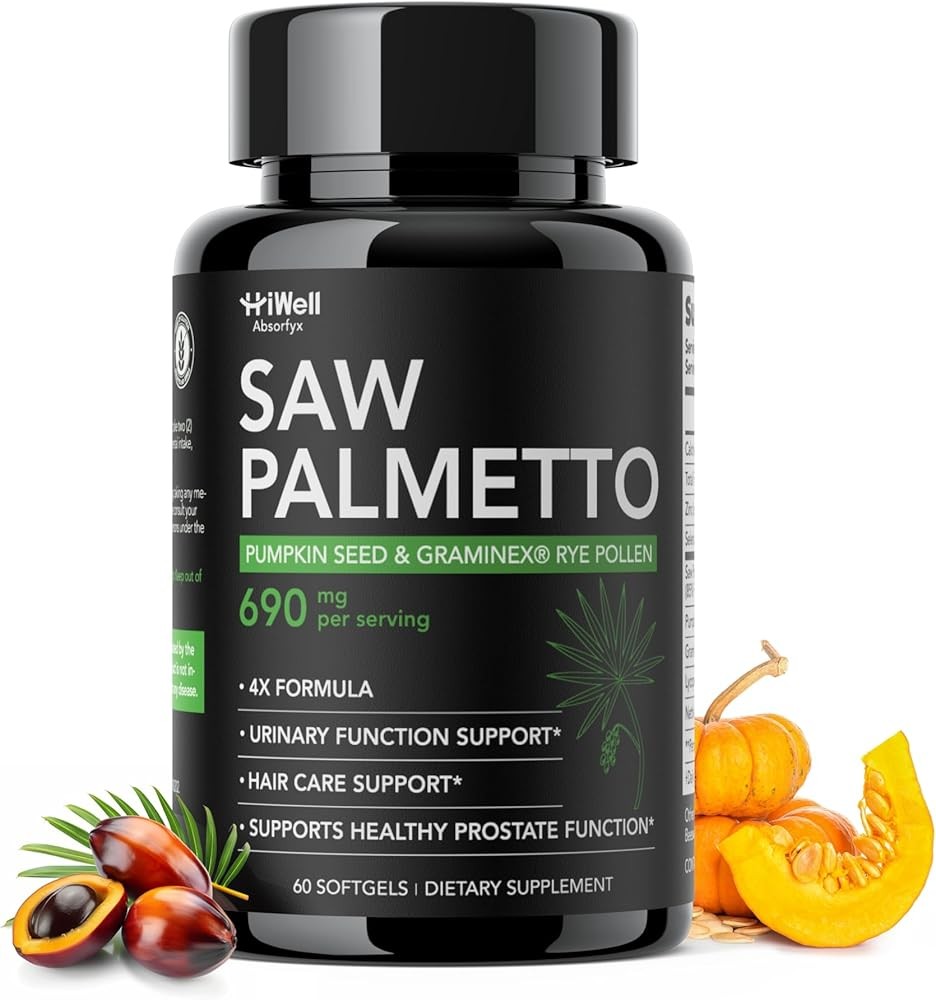
Saw Palmetto for Men Prostate Health Supplement, Pharmaceutical Grade - Pumpkin Seed Oil - Graminex® - Nettle Support...
Check Price on AmazonAs an Amazon Associate we earn from qualifying purchases.

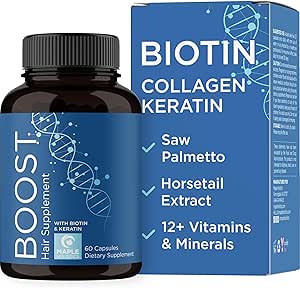
Biotin 10000mcg and Collagen Supplement - Hair Growth Supplement with Saw Palmetto for Women & Men - Horsetail Biotin...
Check Price on AmazonAs an Amazon Associate we earn from qualifying purchases.
How Does Saw Palmetto Work as a Natural 5-AR Inhibitor?
Saw palmetto (Serenoa repens) extract is the most researched natural DHT blocker for hair loss. This palm plant native to the southeastern United States has been used traditionally for prostate health, which shares the DHT connection with male pattern baldness.
Multiple studies demonstrate saw palmetto’s ability to inhibit both Type I and Type II 5-alpha reductase. The mechanism involves competitive inhibition at the enzyme’s active site, blocking testosterone conversion to DHT. A 2020 systematic review in the International Journal of Molecular Sciences examined saw palmetto’s effects on androgenetic alopecia across multiple clinical trials, finding consistent evidence for reduced hair loss and increased hair density compared to placebo (PubMed 32326614).
The most impressive study published in the Journal of Alternative and Complementary Medicine followed 100 men with mild to moderate hair loss for 24 months. Participants taking 320 mg daily of saw palmetto extract showed 38% improvement in hair growth, while those taking finasteride showed 68% improvement. While finasteride was more effective, saw palmetto demonstrated significant benefits with minimal side effects (PubMed 22482570).
Typical dosing ranges from 320-640 mg daily of standardized extract (containing 85-95% fatty acids and sterols). Look for products standardized for beta-sitosterol content, as this compound appears particularly important for 5-alpha reductase inhibition.
When choosing a saw palmetto supplement, look for products standardized to 85-95% fatty acids and sterols, with clear labeling of beta-sitosterol content. The extract should be from the berries (Serenoa repens fruit) rather than leaves or other plant parts.
Side effects are generally mild and may include stomach upset if taken on an empty stomach. Unlike finasteride, saw palmetto doesn’t appear to significantly affect sexual function in most users, though individual responses vary.
Bottom line: Saw palmetto extract (320-640 mg daily) inhibits 5-alpha reductase and showed 38% hair growth improvement in clinical trials with minimal side effects compared to finasteride’s 68% improvement.
How Does Pumpkin Seed Oil Boost Hair Density?
Pumpkin seed oil has emerged as a promising natural hair loss intervention based on compelling human research. These seeds contain delta-7-sterine, which may block DHT, plus zinc, vitamin E, and phytosterols that support scalp health.
A randomized, placebo-controlled trial published in Evidence-Based Complementary and Alternative Medicine studied 76 men with male pattern baldness over 24 weeks. Those taking 400 mg of pumpkin seed oil daily experienced a 40% increase in hair count compared to 10% in the placebo group. Researchers noted improvements in both hair density and thickness without adverse effects (PubMed 24864154).
The mechanism likely involves multiple pathways: 5-alpha reductase inhibition from the sterol compounds, anti-inflammatory effects from vitamin E and carotenoids, and improved follicle nutrition from essential fatty acids. The oil’s high zinc content may also contribute, as zinc is a cofactor for multiple enzymes involved in hair growth.
For hair loss, 400-500 mg daily of pumpkin seed oil extract appears effective based on research. Look for cold-pressed, organic pumpkin seed oil in softgel form for optimal bioavailability and freshness. Some men consume whole pumpkin seeds (approximately 1/4 cup daily) as a food-based approach, though extract standardization ensures consistent active compound delivery.
Bottom line: Pumpkin seed oil (400 mg daily) increased hair count by 40% in placebo-controlled trials through DHT inhibition, anti-inflammatory effects, and essential fatty acids without adverse effects.
How Does Beta-Sitosterol Work as a Plant Sterol?
Beta-sitosterol is a plant-derived sterol structurally similar to cholesterol. It’s found in saw palmetto, pumpkin seeds, and numerous other plants, and appears to be one of the key active compounds in these botanicals for DHT blocking.
Research suggests beta-sitosterol inhibits 5-alpha reductase by competing with testosterone for enzyme binding sites. A study in Lipids in Health and Disease demonstrated that beta-sitosterol reduced DHT levels in prostate tissue, suggesting similar effects may occur in scalp follicles (PubMed 15760475).
While most beta-sitosterol research focuses on prostate health rather than hair loss specifically, the shared DHT mechanism makes it relevant. Many hair loss supplements combine beta-sitosterol with saw palmetto to maximize 5-alpha reductase inhibition.
Typical supplemental doses range from 60-130 mg daily. Plant sterol complexes often combine beta-sitosterol with campesterol and stigmasterol for broader benefits. Beta-sitosterol is well-tolerated with minimal side effects, though it may lower cholesterol absorption, which could be beneficial or problematic depending on your cardiovascular status.
Bottom line: Beta-sitosterol (60-130 mg daily) is a plant sterol that inhibits 5-alpha reductase by competing with testosterone for enzyme binding sites, reducing DHT levels in tissue.
How Does Zinc Regulate 5-Alpha Reductase?
Zinc’s relationship with hair loss is complex. This essential mineral serves as a cofactor for over 300 enzymes, including some involved in hair follicle cell division and protein synthesis. Deficiency clearly causes hair loss, but supplementation’s effects on DHT and male pattern baldness are more nuanced.
Research indicates zinc may inhibit 5-alpha reductase activity, though the mechanism differs from saw palmetto. A study in Clinical and Experimental Dermatology found that zinc sulfate reduced DHT levels in men with androgenetic alopecia when combined with other interventions (PubMed 3105608).
However, excessive zinc can be problematic. Very high doses (above 100 mg daily long-term) may actually increase DHT production in some men by upregulating testosterone synthesis. The optimal approach appears to be addressing deficiency if present (common in vegetarians and those with digestive issues) while avoiding megadoses.
For hair health, 15-30 mg daily of elemental zinc is generally appropriate. Zinc picolinate or zinc glycinate offer superior absorption compared to zinc oxide. Take with food to minimize stomach upset, and avoid taking with calcium or iron supplements that compete for absorption.
Bottom line: Zinc (15-30 mg daily) may inhibit 5-alpha reductase when deficient, but excessive doses above 100 mg can paradoxically increase DHT, making moderate supplementation optimal.
How Does Pygeum Africanum Bark Work?
Pygeum, extracted from the African cherry tree bark, has been used traditionally for urinary and reproductive health. Like saw palmetto, it inhibits 5-alpha reductase, making it relevant for DHT-related hair loss.
Research published in Current Medical Research and Opinion demonstrated pygeum’s ability to reduce DHT levels and improve symptoms in benign prostatic hyperplasia (BPH), a DHT-driven prostate condition (PubMed 11996211). The same mechanism suggests potential benefits for hair follicles.
Pygeum contains phytosterols (including beta-sitosterol), pentacyclic triterpenoids, and ferulic acid esters that collectively inhibit DHT production and reduce inflammation. Some formulations combine pygeum with saw palmetto for synergistic effects.
Typical doses range from 100-200 mg daily of standardized extract. Side effects are rare but may include mild stomach upset. As with all herbal supplements, quality varies significantly among brands, so choose products with third-party testing.
Bottom line: Pygeum africanum bark extract (100-200 mg daily) contains phytosterols and triterpenoids that inhibit 5-alpha reductase and reduce DHT levels, proven effective in prostate studies.
How Does Stinging Nettle Root Block Androgen Receptors?
Stinging nettle (Urtica dioica) root works differently than other DHT blockers. Rather than primarily inhibiting 5-alpha reductase, nettle appears to block DHT from binding to androgen receptors in hair follicles and prostate tissue.
A study in Planta Medica found that nettle root extract contained compounds that bind to sex hormone binding globulin (SHBG), potentially reducing free testosterone and DHT availability (PubMed 9342766). Other research suggests direct androgen receptor blocking effects.
The root extract also provides anti-inflammatory benefits through compounds like quercetin and beta-sitosterol. Chronic inflammation contributes to follicle miniaturization, so this dual action may enhance hair preservation beyond pure DHT blocking.
Effective doses typically range from 250-500 mg daily of root extract. Choose products specifically using the root (not leaf) extract, as the root contains the active compounds most relevant for hormonal effects. Stinging nettle is remarkably safe with few reported side effects. Some formulations combine it with saw palmetto and pygeum in comprehensive DHT blocker complexes.
Bottom line: Stinging nettle root (250-500 mg daily) blocks DHT from binding to androgen receptors rather than just inhibiting 5-alpha reductase, providing dual-action protection for hair follicles.
How Does Green Tea EGCG Protect Hair?
Epigallocatechin gallate (EGCG), the primary catechin in green tea, demonstrates 5-alpha reductase inhibitory activity in laboratory studies. Research published in Archives of Dermatological Research showed that EGCG reduced hair loss in mice through multiple mechanisms including DHT inhibition and growth factor stimulation (PubMed 17334766).
Human evidence remains limited for oral EGCG specifically for hair loss, though topical green tea extracts show promise in some clinical observations.
EGCG also provides powerful antioxidant protection, reducing oxidative stress that contributes to follicle aging and DHT sensitivity. The compound may enhance blood flow to the scalp and promote anagen phase extension.
For hair health benefits, 300-400 mg of EGCG daily (equivalent to 3-4 cups of green tea) appears reasonable. Higher doses may affect iron absorption and liver function in susceptible individuals, so moderation is advisable.
Bottom line: Green tea EGCG (300-400 mg daily) inhibits 5-alpha reductase and provides antioxidant protection, reducing oxidative stress that contributes to DHT sensitivity and follicle aging.
How Does Lycopene Reduce DHT?
Lycopene, the red pigment in tomatoes, watermelon, and pink grapefruit, has demonstrated DHT-reducing properties in prostate research that may translate to hair loss benefits.
The mechanism appears to involve inhibition of 5-alpha reductase and enhanced DHT metabolism and excretion. While hair loss research is lacking, the DHT connection makes lycopene a plausible adjunct in comprehensive protocols.
Lycopene is fat-soluble and absorption improves when consumed with healthy fats. Interestingly, cooked tomato products (sauce, paste) provide more bioavailable lycopene than raw tomatoes due to heat-induced structural changes.
Supplemental doses of 10-30 mg daily are common, or you can consume lycopene-rich foods regularly. Supplements are generally well-tolerated with few side effects.
Bottom line: Lycopene (10-30 mg daily) from tomatoes and watermelon inhibits 5-alpha reductase and enhances DHT metabolism, though hair loss research is limited compared to prostate studies.
What Does Clinical Research Show About DHT Blocker Effectiveness?
The evidence base for natural DHT blockers comes primarily from saw palmetto and pumpkin seed oil studies. While pharmaceutical finasteride remains the gold standard with the most robust clinical evidence, natural alternatives offer meaningful benefits for men seeking to avoid prescription medications.
The 2012 study in Journal of Alternative and Complementary Medicine comparing saw palmetto directly to finasteride provides the clearest benchmark. After 24 months, 38% of saw palmetto users showed improvement versus 68% for finasteride. While finasteride was superior, saw palmetto’s 38% response rate represents significant benefit, particularly given its excellent safety profile (PubMed 22482570).
The pumpkin seed oil trial showed even more impressive results: 40% increase in hair count after just 24 weeks, though the study was smaller and shorter-term (PubMed 24864154). Combining multiple DHT blockers may produce additive or synergistic effects, though direct research on combination protocols is lacking.
Individual responses vary substantially. Some men achieve excellent stabilization and regrowth with natural supplements alone, while others see minimal benefit. Factors affecting response include genetics, baseline DHT levels, hair loss severity, age, and overall health status.
Bottom line: Saw palmetto shows 38% hair growth improvement versus finasteride’s 68% in head-to-head trials, while pumpkin seed oil increased hair count by 40% after 24 weeks, indicating significant benefit with gentler side effects.
How Do Natural DHT Blockers Compare to Finasteride?
Finasteride (Propecia) is a pharmaceutical 5-alpha reductase Type II inhibitor that reduces scalp DHT by approximately 70%. It’s FDA-approved for male pattern baldness and backed by extensive clinical research showing efficacy in halting hair loss and promoting regrowth in the majority of users.
However, finasteride’s systemic DHT reduction can cause sexual side effects (reduced libido, erectile dysfunction, decreased ejaculate volume) in approximately 3-5% of users during active use. A small percentage experience persistent side effects even after discontinuation, a controversial condition called post-finasteride syndrome.
Natural DHT blockers offer several advantages:
- Gentler, more localized effects with lower side effect incidence
- No prescription required
- Lower cost (typically)
- Additional health benefits beyond hair (prostate health, antioxidants)
The tradeoffs include:
- Lower efficacy on average (38% vs 68% response rate for saw palmetto vs finasteride)
- Less clinical research backing
- More variable quality among products
- May require combining multiple supplements for optimal effect
Many men start with natural approaches for 6-12 months, escalating to finasteride only if natural supplements prove insufficient. This sequential approach minimizes pharmaceutical exposure while providing a fair trial of gentler alternatives.
Bottom line: Finasteride reduces DHT by 70% with 68% hair growth response but carries 3-5% sexual side effect risk, while natural blockers offer gentler 38-40% efficacy with minimal side effects, making sequential trials reasonable.
What Are the Best Supplement Stacks for Hair Regrowth?
What Is the Foundation Stack for DHT Blocking?
A basic but effective protocol for most men includes:
- Saw palmetto extract: 320-640 mg daily (standardized to 85-95% fatty acids)
- Pumpkin seed oil: 400-500 mg daily
- Zinc picolinate: 15-30 mg daily
- Biotin: 5,000-10,000 mcg daily
This foundation addresses DHT production from multiple angles while supporting overall follicle health. Total cost: approximately $30-50 monthly.
Take saw palmetto and pumpkin seed oil with food containing healthy fats for optimal absorption. Zinc and biotin can be taken together with or without food, though zinc with food minimizes potential stomach upset.
What Is the Comprehensive Stack for Aggressive Hair Loss?
Men with more advanced thinning may benefit from an expanded protocol:
- Saw palmetto: 640 mg daily
- Pumpkin seed oil: 500 mg daily
- Beta-sitosterol: 60-130 mg daily
- Stinging nettle root: 250-500 mg daily
- Pygeum africanum: 100-200 mg daily
- Zinc: 30 mg daily
- Biotin: 10,000 mcg daily
- Marine collagen peptides: 5-10 grams daily
- EGCG (green tea extract): 300-400 mg daily
This comprehensive approach targets DHT production, androgen receptor blocking, anti-inflammatory pathways, and structural follicle support. Total cost: approximately $70-120 monthly.
What Is the Premium Stack with Advanced Modalities?
For maximum intervention, some men add:
- All supplements from comprehensive stack
- Topical minoxidil 5% (morning and evening)
- Microneedling (1.5mm depth, weekly)
- Red light therapy (wavelength 660nm + 850nm, 10-15 minutes daily)
- PRP injections (quarterly)
This protocol combines systemic DHT reduction with direct follicle stimulation and regenerative medicine approaches. Total cost can exceed $200 monthly plus PRP session fees.
Bottom line: Foundation stack (saw palmetto 320mg, pumpkin seed oil 400mg, zinc 15-30mg, biotin 5000-10000mcg) costs $30-50 monthly, while comprehensive protocols with nettle, pygeum, beta-sitosterol, collagen, and EGCG reach $70-120.
What Are the Optimal Dosing Protocols and Timing for DHT Blockers?
What Are the Evidence-Based Doses for Each Supplement?
Based on clinical research and traditional use:
- Saw palmetto: 320-640 mg daily (most studies used 320mg)
- Pumpkin seed oil: 400-500 mg daily
- Beta-sitosterol: 60-130 mg daily
- Zinc: 15-30 mg daily (more if deficient)
- Biotin: 5,000-10,000 mcg daily
- Stinging nettle root: 250-500 mg daily
- Pygeum africanum: 100-200 mg daily
- EGCG: 300-400 mg daily
Starting at the lower end of ranges allows assessment of individual tolerance before increasing doses. Maximum doses don’t necessarily produce proportionally better results and may increase side effect risk.
Should You Split Doses or Take Once Daily?
Most DHT blocker supplements can be taken once daily with a meal. However, some men split doses (half morning, half evening) for more stable blood levels throughout the day.
For saw palmetto and pumpkin seed oil specifically, once-daily dosing with a meal containing healthy fats appears adequate based on clinical trials. Water-soluble vitamins like biotin can be taken anytime, though splitting high doses (above 5,000 mcg) may improve absorption.
Consistency matters more than timing. Choose a schedule you’ll maintain long-term rather than an optimal-but-unsustainable protocol.
How Long Before Seeing Results?
Hair growth cycles dictate the timeline for visible improvements:
- Weeks 0-6: Minimal visible change; DHT levels begin reducing
- Weeks 6-12: Reduced shedding often noticed first
- Months 3-6: Vellus hairs may begin appearing in thinning areas
- Months 6-12: Visible density improvements as miniaturized hairs thicken
- Months 12-24: Maximum effect achieved; continued maintenance
Discontinuing supplements before 6 months provides insufficient time for full evaluation. The 2-year saw palmetto trial that showed 38% improvement wouldn’t have revealed full benefits with shorter follow-up.
Bottom line: Saw palmetto 320mg and pumpkin seed oil 400mg taken once daily with food provide foundation dosing, with reduced shedding appearing by 6-12 weeks and visible regrowth requiring 6-12 months for evaluation.
Should You Use Topical or Oral DHT Blockers?
What Are the Advantages of Oral Supplementation?
Systemic DHT reduction through oral supplements affects follicles throughout the scalp. Benefits include:
- Comprehensive coverage of all affected areas
- Simple daily routine (swallow capsules)
- Additional benefits beyond hair (prostate health, antioxidants)
- No scalp application required (convenient for styling)
The tradeoff is that systemic DHT reduction affects your entire body, not just scalp follicles. For most natural DHT blockers this isn’t problematic, but pharmaceutical finasteride’s systemic effects can cause side effects in some users.
What Are the Advantages of Topical DHT Blockers?
Topical application delivers active compounds directly to follicles with minimal systemic absorption. Benefits include:
- Localized action reduces side effect risk
- Higher local concentrations at the target site
- Can be combined with oral supplements for dual approach
- May preserve systemic DHT for other functions
Topical saw palmetto solutions, pumpkin seed oil serums, and green tea extract preparations are available, though clinical evidence is less robust than for oral supplementation.
Minoxidil (Rogaine) works through a different mechanism (potassium channel opening and growth factor stimulation) but is the most evidence-based topical option. It can be combined with oral DHT blockers for complementary effects.
What Is the Combined Approach?
Many men use both oral DHT blockers and topical minoxidil for a comprehensive protocol. Oral supplements reduce systemic DHT production while topical minoxidil directly stimulates follicles through growth factor pathways.
This combination addresses hair loss through complementary mechanisms without redundancy. Research suggests combination therapy often produces better results than either approach alone, though no direct trials compare oral natural DHT blockers plus topical minoxidil versus either alone.
Bottom line: Oral DHT blockers provide comprehensive systemic reduction convenient for daily use, while topical applications deliver localized high concentrations with lower side effect risk, making combined oral-topical protocols popular for maximum effect.
How Can You Support Hair Growth Beyond DHT Blocking?
What Nutrients Support Hair Follicle Function?
Beyond DHT reduction, hair follicles require specific nutrients for optimal growth:
Biotin (Vitamin B7): Essential cofactor for keratin synthesis. Deficiency causes hair loss, though supplementation only helps if you’re deficient. Despite this, high-dose biotin (5,000-10,000 mcg) is popular in hair growth formulas.
Iron: Required for red blood cell production and oxygen delivery to follicles. Ferritin (iron storage) below 40-70 ng/mL may contribute to hair loss even without anemia. Iron supplementation should be based on blood testing.
Vitamin D: Plays a role in follicle cycling and hair shaft formation. Deficiency correlates with hair loss conditions. Target blood levels of 40-60 ng/mL through sun exposure and/or supplementation.
Collagen peptides: Provide amino acids (especially proline and glycine) that form hair shaft structure. Some studies suggest 5-10 grams daily may improve hair thickness and growth.
Omega-3 fatty acids: Anti-inflammatory effects may protect follicles from damage. EPA and DHA from fish oil (1,000-2,000 mg combined daily) support overall scalp health.
Vitamin E: Antioxidant protection for follicles. One study showed tocotrienol supplementation increased hair count by 34% over 8 months.
Selenium: Required for thyroid function, which affects hair growth. Deficiency is rare in most regions but can contribute to hair loss when present.
What Lifestyle Factors Affect Hair Health?
Beyond supplementation, several lifestyle factors significantly impact hair preservation:
Stress management: Chronic elevated cortisol can shift follicles prematurely into telogen (resting) phase, causing telogen effluvium (diffuse shedding). While this is distinct from male pattern baldness, chronic stress may accelerate androgenetic hair loss.
Sleep quality: Growth hormone secretion during deep sleep supports tissue repair including hair follicles. Chronic sleep deprivation may impair hair growth cycles.
Exercise: Regular physical activity improves circulation (including to scalp follicles), reduces stress, and optimizes hormones. However, excessive endurance training may increase oxidative stress and cortisol.
Scalp health: Inflammation, fungal infections, excess sebum, and poor circulation can impair follicle function independently of DHT. Gentle scalp massage may improve blood flow. Anti-inflammatory shampoos with ketoconazole or zinc pyrithione may provide additional benefits.
Smoking and alcohol: Both increase oxidative stress and impair circulation, potentially accelerating hair loss. Smoking specifically has been linked to faster progression of male pattern baldness.
Bottom line: Beyond DHT blocking, hair growth requires biotin (5000-10000mcg), iron (if deficient), vitamin D (40-60 ng/mL blood levels), collagen (5-10g daily), omega-3s, and lifestyle factors like stress management and sleep quality.
What Diet and Lifestyle Factors Support Optimal Hair Health?
What Foods Naturally Reduce DHT?
Several dietary components may help reduce DHT production or protect follicles from its effects:
Green tea: Rich in EGCG, which inhibits 5-alpha reductase. Consuming 3-4 cups daily provides approximately 300-400 mg EGCG.
Tomatoes: Lycopene content may reduce DHT through 5-alpha reductase inhibition. Cooked tomato products (sauce, paste) provide better bioavailability than raw.
Pumpkin seeds: Whole food source of the compounds found in pumpkin seed oil supplements. A quarter cup daily provides zinc, vitamin E, and phytosterols.
Fatty fish: Salmon, mackerel, and sardines provide omega-3s that reduce inflammation affecting follicles. Aim for 2-3 servings weekly.
Nuts and seeds: Walnuts, flaxseeds, and chia seeds provide plant-based omega-3s (ALA) plus minerals like zinc and selenium.
Bone broth: Natural source of collagen peptides and amino acids that support hair structure.
What Diet Patterns Support Hair Health?
Rather than focusing on isolated foods, overall dietary patterns matter:
Mediterranean diet: Emphasizes vegetables, fruits, whole grains, fish, olive oil, and nuts. Rich in antioxidants and anti-inflammatory compounds. Research links this pattern to various health benefits including potentially slower aging of hair follicles.
Adequate protein: Hair shafts are primarily keratin protein. Insufficient protein intake (below 0.8g per kg body weight) can impair hair growth. Active individuals need more (1.2-2.0g per kg).
Blood sugar control: Insulin resistance and elevated blood sugar increase inflammation and may accelerate hair loss. Limiting refined carbohydrates and added sugars supports metabolic health.
Gut health: Nutrient absorption occurs in the intestines. Poor gut health (inflammation, dysbiosis) can lead to deficiencies in iron, zinc, biotin, and other hair-critical nutrients even with adequate intake.
What Should You Avoid?
Certain dietary factors may accelerate hair loss:
Excessive sugar: Promotes inflammation and glycation (sugar binding to proteins), potentially affecting follicle function.
High-glycemic carbohydrates: Rapid blood sugar spikes and insulin surges may increase androgen activity, potentially elevating DHT.
Excessive alcohol: Increases oxidative stress, depletes B vitamins, and impairs nutrient absorption.
Trans fats: Found in some processed foods, these artificial fats promote inflammation throughout the body including follicles.
Very low-fat diets: Fat-soluble vitamins (A, D, E, K) require dietary fat for absorption. These vitamins play roles in follicle health. Extremely low-fat eating may create deficiencies.
Bottom line: Mediterranean diet emphasizing green tea, tomatoes, pumpkin seeds, fatty fish, and nuts provides natural DHT-reducing compounds, while avoiding excessive sugar, refined carbs, alcohol, and trans fats reduces inflammation affecting follicles.
What Are the Safety Considerations and Side Effects of DHT Blockers?
What Are Common Side Effects of Natural DHT Blockers?
Natural DHT blockers are generally well-tolerated with significantly fewer side effects than pharmaceutical options. However, some men experience:
Saw palmetto:
- Mild stomach upset (especially on empty stomach)
- Headache (rare)
- Dizziness (rare)
- Potential interaction with hormonal medications
Pumpkin seed oil:
- Digestive upset in some individuals
- Potential allergic reactions (rare)
Zinc:
- Nausea and stomach upset at high doses
- Copper depletion with long-term high-dose use (above 40mg daily)
- Immune suppression at very high doses (above 100mg daily)
Nettle root:
- Mild stomach upset
- Skin irritation if handling fresh plant (irrelevant for supplements)
EGCG/Green tea extract:
- Caffeine-related effects if not decaffeinated (insomnia, jitters)
- Potential liver effects at very high doses (rare)
- Iron absorption interference if taken with meals
Most side effects are mild and resolve with dosage adjustment or taking supplements with food. The incidence and severity of side effects from natural DHT blockers are substantially lower than finasteride’s sexual side effect risk.
What Are the Contraindications and Drug Interactions?
Hormone-sensitive conditions: Men with hormone-sensitive cancers should consult oncologists before using supplements that affect androgen pathways. While DHT reduction is generally considered beneficial for prostate cancer risk, individual medical situations vary.
Surgery: Saw palmetto and other supplements may affect bleeding risk. Discontinue 2 weeks before scheduled surgery.
Medications: Potential interactions include:
- Antiplatelet drugs (aspirin, clopidogrel): Saw palmetto may increase bleeding risk
- Hormonal medications: DHT blockers may alter effects of testosterone or other hormone therapies
- Blood pressure medications: Some botanicals have mild hypotensive effects
Pregnancy and women: While this guide focuses on male pattern baldness, pregnant women should avoid saw palmetto and other hormone-modulating supplements due to theoretical risks to male fetal development.
When Should You Consult a Healthcare Provider?
Seek professional guidance if you experience:
- No improvement after 12 months of consistent supplementation
- Accelerating hair loss despite intervention
- Sudden or patchy hair loss (may indicate alopecia areata, not androgenetic alopecia)
- Scalp inflammation, itching, or scaling
- Other symptoms suggesting thyroid disorder (fatigue, weight changes, temperature sensitivity)
- Sexual side effects from supplements (rare but should be evaluated)
Blood work can assess thyroid function (TSH, free T3, free T4), iron status (ferritin, iron, TIBC), vitamin D levels, and hormones (testosterone, DHT, DHEA-S) to identify correctable factors contributing to hair loss.
What Are Long-Term Safety Considerations?
Natural DHT blockers have been used for decades (particularly saw palmetto for prostate health) without evidence of serious long-term risks in most users. However, lifelong supplementation requires consideration:
Zinc: Long-term high-dose zinc (above 40mg daily) can cause copper deficiency. Consider periodic copper supplementation or consume copper-rich foods (shellfish, nuts, seeds).
Beta-sitosterol: May reduce cholesterol absorption, which could be beneficial or problematic depending on your cardiovascular status. Monitor cholesterol levels periodically.
DHT reduction effects: While DHT causes male pattern baldness, it also serves functions in prostate, muscle, and bone. Natural supplements produce much smaller DHT reductions than finasteride (typically 20-30% versus 70%), likely preserving enough DHT for these other functions. However, individual responses vary.
Most men use DHT blocker supplements indefinitely, as discontinuation allows DHT levels to normalize and hair loss to resume. This ongoing requirement should factor into cost-benefit calculations.
Bottom line: Natural DHT blockers cause mainly mild stomach upset and are well-tolerated with rare side effects, contraindications include hormone-sensitive conditions and upcoming surgery, and long-term use is generally safe though zinc above 40mg risks copper depletion.
What Are the Signs Your Body Shows of Hair Regrowth?
What Are the Stages of Hair Regrowth?
Effective DHT blocking produces observable changes that follow a typical progression:
Stage 1 (Weeks 0-12): Reduced shedding The first positive sign isn’t new growth but rather decreased hair fall. You may notice less hair in the shower drain, on your pillow, or when running fingers through hair. This indicates DHT’s follicle-miniaturizing effects are being counteracted.
Stage 2 (Months 3-6): Vellus hair appearance Thin, light-colored vellus hairs may begin appearing in areas that were previously bald or very thin. These are the precursors to terminal hairs and indicate follicles are beginning to recover.
Stage 3 (Months 6-12): Vellus-to-terminal conversion Previously thin vellus hairs gradually thicken and darken, becoming cosmetically significant terminal hairs. This stage produces the most noticeable density improvements.
Stage 4 (Months 12-24): Stabilization and maximum benefit The protocol reaches its full effect. Some men continue seeing gradual improvements throughout the second year, while others stabilize after 12 months.
Not everyone progresses through all stages. Some men achieve excellent stabilization (Stage 1) without significant regrowth. This is still a success, as stopping further loss is valuable.
How Can You Document Progress Objectively?
Subjective assessment is unreliable because you see yourself daily and changes are gradual. Objective documentation is essential:
Standardized photographs:
- Take photos every 4-8 weeks
- Same lighting (natural light near window is ideal)
- Same angles (front hairline, crown vertex, temples, sides)
- Same hair length and styling
- Use a consistent background
- Take photos when hair is dry and unstyled
Hair count in fixed area: Some dermatologists and research studies count hairs in a defined scalp area (typically 1-2 cm diameter circle). This provides quantitative data but is impractical for most men at home.
Hair diameter measurements: Specialized devices can measure hair shaft thickness, tracking whether miniaturized hairs are thickening. Again, this requires professional equipment.
Dermatoscopy: Dermatologists use magnified imaging to visualize miniaturization patterns, follicle density, and hair diameter diversity. This provides detailed assessment but requires professional visits.
For most men, standardized photography every 2-3 months provides sufficient documentation without professional costs. Create a folder with dated images and review changes quarterly rather than obsessing over daily differences.
What Signs Indicate the Protocol Isn’t Working?
After 12 months of consistent supplementation, if you notice:
- Continued accelerating hair loss
- No reduction in shedding
- No vellus hair appearance in thinning areas
- Worsening photographic documentation
This suggests the protocol is insufficient for your hair loss severity or type. Potential next steps include:
- Escalating to pharmaceutical finasteride or dutasteride
- Adding topical minoxidil if not already included
- Investigating other causes (thyroid, iron deficiency, telogen effluvium)
- Considering advanced therapies (PRP, microneedling, low-level laser therapy)
Some men are simply non-responders to natural DHT blockers, just as some don’t respond to finasteride. Genetics influences not just hair loss susceptibility but also intervention response.
Bottom line: Reduced shedding appears first at 6-12 weeks, followed by vellus hair appearance at 3-6 months and terminal hair thickening at 6-12 months, with maximum benefit by 12-24 months requiring objective photographic documentation every 2-3 months.
What Are Realistic Expectations for Long-Term Hair Loss Management?
What Outcomes Can Most Men Expect from Natural DHT Blockers?
Setting realistic expectations avoids disappointment and helps you make informed decisions about hair loss management:
Best-case scenario (10-20% of users): Significant regrowth with restoration of density approaching pre-loss appearance. These exceptional responders may regain 1-2 Norwood stages. However, complete restoration to teenage hairline density is rarely achievable with any intervention short of transplantation.
Typical response (40-50% of users): Stabilization of hair loss with modest improvements in density. Shedding decreases significantly, miniaturized hairs thicken somewhat, and some vellus areas fill in partially. The hairline doesn’t continue receding, and crown thinning stabilizes. While not dramatic transformation, this represents success in the progressive condition of male pattern baldness.
Minimal response (20-30% of users): Slight slowing of loss but continued gradual progression. Natural DHT blockers aren’t sufficient to halt the process, though they may extend the timeline before pharmaceutical intervention becomes necessary.
Non-responders (10-20% of users): No discernible benefit despite consistent use. Hair loss continues at the same rate as before supplementation.
These percentages are approximate based on clinical trial data and anecdotal reports. Your individual response depends on genetics, hair loss severity, age, overall health, and other factors beyond supplement choice alone.
Should You Continue Supplementation Indefinitely?
Male pattern baldness is a chronic, progressive condition. DHT blocker supplementation manages symptoms but doesn’t address the underlying genetic predisposition. This means:
If supplements are working: Continue indefinitely to maintain benefits. Discontinuation allows DHT levels to return to baseline, resuming follicle miniaturization. Any regrown hair will likely be lost within months of stopping.
If supplements aren’t working after 12 months: Discontinue and either accept hair loss, escalate to pharmaceutical options, or explore advanced therapies. Continuing an ineffective protocol wastes money and delays potentially effective alternatives.
What Is the Realistic Timeline for Decision-Making?
A reasonable approach:
Months 0-3: Start foundation protocol (saw palmetto, pumpkin seed oil, zinc, biotin). Take baseline photos. Adjust for any side effects.
Months 3-6: Assess shedding reduction. If shedding hasn’t decreased, consider adding complementary supplements (nettle, pygeum, beta-sitosterol) or topical minoxidil.
Months 6-12: Evaluate photographic evidence for density improvements. If clear benefit, continue. If minimal change, decide whether to escalate to finasteride or accept current trajectory.
Month 12+: If achieving stabilization or improvement, continue indefinitely. Re-evaluate annually with photos.
This timeline balances giving natural supplements adequate time while not delaying pharmaceutical intervention indefinitely if needed. Some men prefer trying natural approaches for 2 years before escalating, which is also reasonable given the potential for continued gradual improvements into the second year.
How Should You Handle Plateaus or Renewed Loss?
Some men experience initial success followed by plateaus or even renewed thinning despite continued supplementation. Possible explanations:
Age-related progression: DHT blockers slow but may not completely halt age-related follicle exhaustion in highly susceptible individuals.
Compliance issues: Forgetting doses or running out of supplements can create gaps that allow DHT to damage follicles.
Product quality changes: Switching brands or formulation changes in your supplement can reduce efficacy if the new product has lower standardization or bioavailability.
Other factors emerging: Thyroid changes, iron deficiency, stress-related telogen effluvium, or other issues can cause additional hair loss overlapping with male pattern baldness.
If your hair loss stabilized initially but then resumed:
- Verify you’re taking supplements consistently
- Check thyroid, iron, and vitamin D levels
- Consider adding complementary interventions (topical minoxidil, microneedling)
- Evaluate escalation to pharmaceutical DHT blockers
Bottom line: Typical response (40-50% of users) is stabilization with modest density improvements rather than dramatic regrowth, requiring indefinite supplementation since discontinuation resumes miniaturization, with 12-month evaluation determining continuation or escalation to pharmaceuticals.
When Should You See a Dermatologist?
What Warning Signs Require Professional Evaluation?
While male pattern baldness is common and generally managed through supplements or over-the-counter interventions, certain presentations warrant dermatologist consultation:
Rapid onset: Male pattern baldness is gradual. If you experience sudden, dramatic hair loss over weeks rather than years, this suggests telogen effluvium, alopecia areata, or other conditions requiring different management.
Patchy baldness: Well-demarcated circular bald patches indicate alopecia areata (autoimmune condition) rather than androgenetic alopecia. This requires entirely different intervention including corticosteroids or immunotherapy.
Scalp symptoms: Itching, scaling, redness, or pain aren’t characteristic of male pattern baldness. These symptoms suggest seborrheic dermatitis, psoriasis, or fungal infections that require targeted treatment.
Hair loss elsewhere: Eyebrow loss, body hair loss, or other unusual patterns may indicate thyroid disorders, nutritional deficiencies, or autoimmune conditions.
No family history: While not everyone with male pattern baldness has affected relatives, absence of family history increases suspicion for alternative diagnoses.
Female pattern: Women experience androgenetic alopecia differently (diffuse thinning rather than frontal recession). Women with hair loss should see a dermatologist to rule out hormonal conditions, iron deficiency, and other female-specific causes.
What Can a Dermatologist Offer Beyond Supplements?
Professional consultation provides several advantages:
Accurate diagnosis: Dermatoscopic examination can confirm androgenetic alopecia versus other hair loss types. Scalp biopsy (rarely needed) provides definitive diagnosis in ambiguous cases.
Prescription options: Dermatologists can prescribe finasteride (more effective than saw palmetto) or oral minoxidil (emerging alternative to topical application).
Advanced therapies: Professional offices offer PRP injections, low-level laser therapy, professional-grade microneedling, and compounded topical formulations not available over-the-counter.
Combination protocols: Dermatologists experienced in hair loss can design comprehensive protocols combining oral, topical, procedural, and device-based interventions for maximum effect.
Monitoring: Regular professional follow-ups with standardized photography and dermatoscopy provide objective progress tracking superior to home documentation.
What Questions Should You Ask Your Dermatologist?
Come prepared to maximize the value of your consultation:
- “Is this definitely androgenetic alopecia, or could other conditions be contributing?”
- “What is my Norwood stage, and what progression rate am I experiencing?”
- “Should I try natural DHT blockers first, or go directly to finasteride given my severity?”
- “What combination of interventions do you recommend for my specific case?”
- “What realistic outcomes should I expect with your recommended protocol?”
- “How will we monitor progress, and when do we escalate if current interventions aren’t sufficient?”
- “Should I get blood work to check thyroid, iron, vitamin D, or hormones?”
- “Are there any clinical trials or emerging therapies I should know about?”
What Is the Cost of Professional Hair Loss Management?
Dermatologist consultation costs vary widely depending on location, insurance coverage, and practice type:
- Initial consultation: $150-$400 without insurance (often covered by insurance if medical causes are suspected)
- Follow-up visits: $100-$250
- Dermatoscopy: Often included in consultation fee
- Blood work: $100-$500 depending on tests ordered (often covered by insurance)
- PRP sessions: $500-$1,500 per session, typically 3-4 sessions initially
- Prescription costs: Finasteride generic $10-$30 monthly, brand-name Propecia $70-$90 monthly
Many men start with over-the-counter natural supplements to avoid these costs, escalating to dermatologist consultation only if self-management proves insufficient. However, seeing a dermatologist early provides the advantage of accurate diagnosis and optimized protocols from the start, potentially saving time and money compared to trial-and-error with supplements.
Bottom line: See a dermatologist for rapid onset, patchy loss, scalp symptoms, or unusual patterns requiring accurate diagnosis, prescription finasteride, PRP injections, or professional monitoring with dermatoscopy beyond home supplement management.
What Advanced Strategies Can Maximize DHT Blocker Effectiveness?
How Does Microneedling Enhance DHT Blocker Results?
Microneedling (also called dermarolling) involves creating microscopic injuries in the scalp using a device with fine needles. This process triggers growth factors and regenerative responses that may promote hair growth through several mechanisms:
Growth factor release: Micro-injuries stimulate platelet-derived growth factor (PDGF), vascular endothelial growth factor (VEGF), and epidermal growth factor (EGF), all of which support follicle function.
Enhanced absorption: Microchannels improve topical product penetration. If you’re using topical minoxidil or DHT blocker serums, microneedling may increase their effectiveness.
Stem cell activation: The regenerative response may activate follicle stem cells in telogen (resting) follicles, pushing them into anagen (growth) phase.
A study in Dermatologic Therapy found that men using minoxidil plus microneedling showed significantly greater hair count increases compared to minoxidil alone (PubMed 23931509). While research specifically combining microneedling with oral DHT blockers is lacking, the complementary mechanisms suggest potential benefit.
Protocol: Use a 1.5mm dermaroller once weekly. Cleanse scalp, roll in multiple directions (vertical, horizontal, diagonal) until mild redness appears, apply any topical products, and avoid harsh chemicals for 24 hours. Some bleeding and discomfort is normal; excessive pain or injury indicates too much pressure.
Professional microneedling (dermapen) devices used by dermatologists may produce better results than home rollers through more controlled depth and reduced traction damage to existing hairs.
What Is the Role of Red Light Therapy for Hair Growth?
Low-level laser therapy (LLLT) or red light therapy uses specific wavelengths (typically 650-850nm) to stimulate cellular function without heat damage. FDA-cleared devices exist specifically for hair growth.
Mechanism: Photobiomodulation affects mitochondria in follicle cells, increasing ATP production and cellular metabolism. This may extend the anagen (growth) phase and promote thicker hair shafts. Some research suggests anti-inflammatory effects that protect follicles from DHT damage.
A review in Lasers in Medical Science examined multiple trials and found that LLLT increased hair density and thickness in androgenetic alopecia with excellent safety (PubMed 24664742).
Devices: Home devices range from handheld units ($200-$500) to caps or helmets ($500-$800). Professional-grade devices in dermatology offices may deliver higher energy density.
Protocol: Most devices recommend 10-15 minutes per session, 3-7 times weekly. Consistency matters; sporadic use shows minimal benefit.
LLLT works through a completely different mechanism than DHT blocking, making it a good complementary therapy. Combining oral DHT blockers, topical minoxidil, microneedling, and red light therapy addresses hair loss through four independent pathways for potentially additive benefits.
What Are PRP Injections and How Effective Are They?
Platelet-rich plasma (PRP) therapy involves drawing your blood, concentrating the platelets through centrifugation, and injecting the platelet-rich portion into your scalp. Platelets contain growth factors that may stimulate follicles.
Multiple studies demonstrate PRP’s effectiveness for androgenetic alopecia. A meta-analysis in Aesthetic Plastic Surgery found that PRP significantly increased hair count and thickness compared to placebo (PubMed 31201527).
Protocol: Initial phase typically involves 3-4 sessions spaced 4-6 weeks apart, followed by maintenance sessions every 6-12 months. Each session costs $500-$1,500.
Limitations: Expensive, requires repeated procedures, results vary based on protocol variations (platelet concentration, injection technique, activation methods), and response is highly individual.
PRP is best viewed as a premium addition to comprehensive protocols rather than a standalone intervention. Combining PRP with oral DHT blockers, topical minoxidil, and microneedling may produce synergistic results, though controlled research on these specific combinations is limited.
What Experimental and Emerging Therapies Should You Know About?
Hair loss research continues evolving, with several promising areas:
JAK inhibitors: Drugs like tofacitinib and baricitinib showed remarkable success in alopecia areata (autoimmune patchy hair loss). Research is exploring their potential for androgenetic alopecia, though current evidence is preliminary.
Topical finasteride: Applying finasteride topically rather than taking it orally may reduce DHT locally while minimizing systemic side effects. Early research suggests efficacy, though topical formulations aren’t widely available.
Dutasteride: More potent than finasteride, blocking both Type I and Type II 5-alpha reductase. Approved for hair loss in some countries. Greater efficacy but potentially more side effects.
Stem cell therapies: Experimental approaches using follicle stem cells or exosomes show promise in laboratory and early human studies but remain largely experimental and expensive.
Androgen receptor blockers: Topical spironolactone or other androgen receptor antagonists may block DHT from binding to follicles. Some dermatologists compound these for male patients, though evidence is limited.
Most of these remain experimental, expensive, or available only through dermatologist prescription. Natural DHT blockers combined with proven interventions (minoxidil, microneedling, possibly finasteride) represent the most accessible evidence-based approach for most men.
What Is the Role of Scalp Health and Hygiene?
Hair loss interventions focus on hormones and follicle stimulation, but basic scalp health matters too:
Anti-inflammatory shampoos: Ketoconazole 1-2% shampoo (Nizoral) may reduce scalp inflammation and has some anti-androgen effects. Studies show modest hair density improvements when used 2-3 times weekly.
Gentle cleansing: Excessive washing strips protective oils, but insufficient washing allows sebum and debris buildup that may clog follicles. For most men, washing every 1-2 days with gentle sulfate-free shampoo is appropriate.
Scalp massage: Mechanical stimulation may improve blood flow to follicles. A small study showed 5-minute daily scalp massage improved hair thickness over 24 weeks. While benefits may be modest, the intervention is free and risk-free.
Avoid harsh treatments: Tight hairstyles (traction alopecia), harsh chemicals, excessive heat styling, and aggressive brushing can damage hairs and follicles. While these don’t cause male pattern baldness, they compound cosmetic appearance of thinning.
How Can You Optimize Supplement Absorption?
Taking DHT blocker supplements correctly may enhance effectiveness:
Fat-soluble compounds: Saw palmetto, pumpkin seed oil, beta-sitosterol, and lycopene absorb better with dietary fat. Take with meals containing healthy fats (fish, avocado, nuts, olive oil).
Timing consistency: Some supplements work better when blood levels remain stable. Taking at the same time daily maintains more consistent effects.
Avoid competitive inhibition: Calcium and iron compete for absorption. If supplementing iron (for deficiency), take separately from zinc. If taking calcium, separate from zinc by several hours.
Enteric coating: Some saw palmetto supplements use enteric coating to avoid stomach upset and ensure release in the intestines where absorption occurs. This may improve tolerability for sensitive individuals.
Quality matters: Third-party tested supplements from reputable manufacturers provide consistent potency. Cheap products may contain substandard extracts with low active compound concentrations.
Bottom line: Microneedling (1.5mm weekly) enhances growth factors, red light therapy (10-15 min daily, 650-850nm) stimulates mitochondria, PRP injections ($500-1500 per session) deliver concentrated growth factors, and ketoconazole shampoo (2-3x weekly) reduces scalp inflammation.
How Can You Confirm Your Hair Loss Is DHT-Related?
What Are the Characteristic Patterns of Androgenetic Alopecia?
Male pattern baldness follows predictable patterns that distinguish it from other hair loss types:
Frontal hairline recession: The hairline gradually moves backward, typically creating an M-shape with temple recession more prominent than central forehead. This is the classic first sign of androgenetic alopecia.
Vertex thinning: The crown area thins progressively, creating a circular area of decreased density. In advanced cases, the vertex bald spot expands.
Preservation of sides and back: The temporal (side) and occipital (back) scalp typically maintain density even in advanced baldness. This creates the classic “horseshoe” pattern in Norwood Stage VII.
Gradual progression: Changes occur over years rather than weeks or months. Sudden hair loss suggests telogen effluvium or other conditions.
Hair shaft miniaturization: Affected areas don’t become immediately bald. Instead, terminal hairs progressively thin over multiple cycles, becoming vellus-like (fine, short, depigmented) before eventually disappearing.
If your pattern matches these characteristics and you have family history of male pattern baldness, androgenetic alopecia is highly likely without need for extensive testing.
What Other Conditions Can Mimic or Compound Hair Loss?
Several conditions can cause hair loss or worsen androgenetic alopecia:
Telogen effluvium: Stress, illness, nutritional deficiency, or hormonal changes can shift follicles prematurely into telogen (resting) phase, causing diffuse shedding 2-3 months after the triggering event. Unlike androgenetic alopecia, telogen effluvium affects the entire scalp uniformly and typically resolves once the trigger is addressed.
Alopecia areata: Autoimmune condition causing well-demarcated circular or patchy bald areas. This looks distinctly different from male pattern baldness’s gradual thinning.
Thyroid disorders: Both hypothyroidism and hyperthyroidism can cause diffuse hair loss. Thyroid hair loss typically affects the entire scalp rather than following male pattern distribution.
Iron deficiency: Low ferritin (iron storage) can cause diffuse hair loss even without anemia. This compounds androgenetic alopecia if both conditions coexist.
Nutritional deficiencies: Severe protein malnutrition, biotin deficiency (rare), or zinc deficiency can cause hair loss that resolves with nutritional correction.
Medications: Certain drugs (chemotherapy, beta-blockers, anticoagulants, retinoids, lithium) can cause temporary hair loss. This typically resolves after discontinuation.
Scalp conditions: Seborrheic dermatitis, psoriasis, and fungal infections can cause hair loss if severe, though scalp symptoms (scaling, itching, redness) are usually prominent.
What Blood Tests Can Identify Contributing Factors?
If your hair loss pattern seems atypical or you want to rule out other conditions, specific blood tests may be worthwhile:
Thyroid function:
- TSH (thyroid stimulating hormone)
- Free T3 and Free T4
Abnormal values indicate hypothyroidism or hyperthyroidism, both of which affect hair growth.
Iron studies:
- Ferritin (iron storage)
- Serum iron
- Total iron binding capacity (TIBC)
- Transferrin saturation
Ferritin below 40-70 ng/mL may contribute to hair loss even with normal hemoglobin. Men rarely have iron deficiency without an underlying cause (bleeding, dietary insufficiency, malabsorption), so investigate if found.
Hormones:
- Total testosterone
- Free testosterone
- DHT (dihydrotestosterone)
- DHEA-S
These provide insight into your hormonal profile. However, hair loss severity doesn’t correlate strongly with absolute DHT levels—follicle sensitivity matters more than serum levels.
Vitamin D:
- 25-hydroxy vitamin D
Deficiency (below 30 ng/mL) may contribute to hair loss. Target 40-60 ng/mL for optimal health.
Complete Blood Count (CBC): Screens for anemia and other systemic issues that can affect hair.
Metabolic panel: General health screening that can identify kidney or liver issues affecting overall health.
Most men with typical male pattern baldness (frontal recession and vertex thinning with family history) don’t need extensive blood work. However, if your pattern is atypical, progression is rapid, or you have other symptoms suggesting systemic issues, testing can identify correctable factors.
What Is the Role of Genetic Testing for Hair Loss?
Direct-to-consumer genetic tests claim to predict hair loss risk based on DNA analysis. These tests examine variants in genes including:
- AR (androgen receptor)
- EDA2R (involved in follicle development)
- Various other loci identified in genome-wide association studies
Limitations: While these tests can identify increased genetic risk, they don’t predict with certainty whether you’ll experience baldness, at what age, or how severely. Many men with high-risk genetic profiles maintain hair, while others with average-risk genetics go bald. Environmental factors, epigenetics, and gene-environment interactions matter.
Utility: If you have no family history but are concerned about future risk, genetic testing might provide some insight. However, if you’re already losing hair, genetic testing doesn’t change management—you still need DHT blocking regardless of your specific genetic variants.
Most men don’t benefit substantially from hair loss genetic testing beyond what family history reveals. The money spent on testing might be better allocated to intervention strategies.
Bottom line: Male pattern baldness shows frontal recession and vertex thinning with gradual progression over years while preserving sides and back, distinguished from telogen effluvium (diffuse shedding) and alopecia areata (patchy loss), with blood tests for thyroid, iron, vitamin D, and hormones identifying correctable factors.
How Should You Monitor Hair Regrowth Progress Objectively?
What Photography Techniques Provide Reliable Documentation?
Subjective daily mirror observation isn’t reliable for tracking gradual changes. Systematic photography provides objective evidence:
Lighting: Natural indirect light (near a window, not in direct sun) provides the most consistent lighting. Artificial lighting can work if you use the exact same fixture, distance, and angle every time. Avoid flash photography, which creates harsh shadows and reflections that vary between photos.
Angles: Capture multiple standardized angles:
- Frontal hairline (face camera directly)
- Crown vertex (camera above head looking down, or mirror at angle)
- Left temple (45-degree angle)
- Right temple (45-degree angle)
- Profile sides (90-degree side view)
Hair condition: Take photos when hair is dry, unstyled, and combed in your normal pattern. Don’t manipulate hair to look thicker or thinner. Consistent hair length between photos helps, though isn’t absolutely necessary if you note the difference.
Background: Plain neutral background (white or gray wall) eliminates visual distractions and maintains consistency.
Frequency: Every 4-8 weeks provides reasonable tracking without obsessive monitoring. Monthly photos work well for most people.
Organization: Create a dedicated folder with subfolders by date. Consistent file naming (YYYY-MM-DD_angle.jpg) keeps everything organized. Periodically create side-by-side comparisons of baseline versus current photos.
What Measurements Can Quantify Progress?
While professional studies use sophisticated instruments, some objective measures are achievable at home:
Hair pull test: Grasp 50-60 hairs between thumb and forefinger and pull firmly. If more than 6-8 hairs come out, this suggests active shedding (telogen effluvium or active androgenetic alopecia progression). This test is crude but free and indicates shedding rate.
Shed count: Count hairs in shower drain or on pillow for one week, then repeat monthly. Decreasing counts suggest reduced shedding, one of the first signs DHT blockers are working.
Hair density in fixed area: Using a semi-permanent marker, create a small (1cm x 1cm) grid on your scalp in a thinning area. Count terminal (thick) hairs within that grid. Photograph with a ruler for scale. Repeat quarterly. Increasing counts indicate regrowth.
These home measurements lack the precision of professional trichoscopy or phototrichograms but provide some objectivity beyond photographs alone.
What Digital Tools Can Help Track Progress?
Several smartphone apps and digital tools can assist with hair loss tracking:
Photography apps: Apps like “Hair Loss Photo Tracker” or “Hair Journal” provide standardized photo protocols with date stamping and side-by-side comparison features.
AI analysis tools: Some apps claim to use artificial intelligence to analyze hair density from photos. Accuracy varies, but they can provide another data point.
Cloud storage: Backing up photos to cloud services (Google Photos, Dropbox, iCloud) ensures you don’t lose your documentation if your phone is damaged or lost.
Spreadsheet tracking: Create a simple spreadsheet logging:
- Date
- Supplements taken (dosages)
- Side effects (if any)
- Subjective shedding assessment (low/moderate/high)
- Scalp condition notes
- Other interventions (microneedling, etc.)
This log helps identify patterns and correlate changes with protocol modifications.
What Subjective Assessments Complement Objective Measures?
While objective documentation is essential, certain subjective observations provide additional insights:
Shedding in shower: Many men notice decreased hair in the drain as one of the first positive signs, often before visible density improvements.
Hair texture: Thinning hairs that begin thickening become more manageable for styling—you may notice hair “feeling” fuller.
Scalp visibility: Reduced scalp show-through, particularly under bright lighting or when hair is wet, indicates improving density.
Others’ comments: Unsolicited comments from people who see you regularly (“your hair looks thicker”) can validate improvements that you might not fully appreciate yourself.
Styling ease: As density improves, hairstyles that previously revealed scalp may become feasible again.
Document these subjective observations in your tracking spreadsheet alongside objective photos. The combination provides the clearest picture of whether your protocol is effective.
What Dermatologist Tools Provide Professional Assessment?
If you’re working with a dermatologist, professional tools offer superior precision:
Trichoscopy/dermatoscopy: Magnified digital imaging reveals miniaturization patterns, hair shaft diameter variations, and follicle density that aren’t visible to the naked eye.
Phototrichogram: Computer-assisted analysis of hair count, density, diameter, and growth rate in defined scalp areas. This provides quantitative data for tracking.
Global photography: Professional standardized lighting and camera setups in dermatology offices produce highly consistent images for comparison over time.
Hair pull testing: Dermatologists perform standardized versions that provide more reliable data than home attempts.
Professional monitoring typically costs $100-$250 per visit and is most valuable for men pursuing aggressive interventions (finasteride, dutasteride, PRP) where objective progress documentation justifies the expense.
Bottom line: Take standardized photos monthly in natural lighting from frontal, vertex, and temple angles with neutral background, track shed counts and hair pull tests, use photography apps for side-by-side comparisons, and consider professional trichoscopy for precise density measurements.
What Is the Psychological Impact of Hair Loss on Men?
What Emotional Responses to Hair Loss Are Common?
Hair loss affects more than physical appearance—it has profound psychological impacts:
Reduced self-confidence: Many men report feeling less attractive, older, or less masculine as their hair thins. This can affect social interactions, dating confidence, and professional self-presentation.
Depression and anxiety: Studies link androgenetic alopecia with higher rates of depression, anxiety, and social phobia. While correlation doesn’t prove causation, the psychological burden is real for many men.
Body image issues: Hair loss can trigger body dysmorphic concerns where men become preoccupied with their appearance and perceive themselves more negatively than others do.
Social withdrawal: Some men avoid social situations, dating, or activities (swimming, windy conditions) where their hair loss might be more apparent.
Aging concerns: Hair loss symbolizes aging and mortality for many men, triggering existential anxiety beyond the physical change itself.
These emotional responses are valid and don’t indicate vanity or weakness. Hair is culturally significant, and its loss represents a change that many men understandably find distressing.
What Research Shows About Hair Loss and Quality of Life?
Multiple studies have examined quality of life impacts:
A study in Dermatology surveyed men with androgenetic alopecia and found significant negative impacts on emotional well-being, self-esteem, and perceived attractiveness (PubMed 11096788).
Research in JAMA Dermatology found that men with hair loss scored lower on quality of life assessments and higher on anxiety measures compared to age-matched controls (PubMed 23425710).
Importantly, these studies show that hair loss severity doesn’t always correlate with psychological impact. Some men with mild thinning experience severe distress, while others with advanced baldness remain unbothered. Individual psychological factors, cultural context, and personal values determine the emotional response.
How Can You Maintain Perspective While Pursuing Intervention?
While pursuing hair loss management, psychological balance is important:
Realistic expectations: DHT blockers may stabilize loss or produce modest regrowth, but dramatic transformation is uncommon. Setting appropriate expectations avoids disappointment that compounds distress.
Defined endpoint: Decide in advance how long you’ll try natural supplements, what escalation steps you’re willing to pursue, and at what point you’ll accept the results and focus on acceptance rather than continued intervention.
Avoid obsession: Checking your hair constantly in mirrors, taking daily photos, or constantly researching new interventions can become psychologically unhealthy. Set boundaries on how much time and mental energy you devote to hair loss.
Identity beyond appearance: Hair loss provides an opportunity to develop self-worth based on character, accomplishments, relationships, and qualities that don’t change with physical appearance.
Perspective on what matters: Will your hair density matter on your deathbed? To your children? In your career success? Often, the things we obsess over have limited impact on what truly matters in life.
What Is the Role of Acceptance Versus Intervention?
Not every man needs to fight hair loss. Acceptance is a valid choice:
Shaving completely: Many men embrace a fully shaved head, which can project confidence and eliminates the “balding” appearance that bothers some men more than complete baldness.
Short hairstyles: Cropped cuts minimize the contrast between thinning and dense areas, creating a more uniform appearance.
Focusing elsewhere: Investing time and money in fitness, career, relationships, or hobbies may yield better quality of life returns than hair loss protocols.
Cultural shift: Male baldness is increasingly normalized and even associated with attractiveness (think Jason Statham, The Rock, Vin Diesel). Many women don’t consider baldness a significant negative factor.
The choice between aggressive intervention, modest supplementation, or acceptance is deeply personal. There’s no wrong answer—only the path that aligns with your values, priorities, and psychological needs.
What Support Resources Exist for Men Struggling Psychologically?
If hair loss is significantly affecting your mental health:
Therapy: Cognitive-behavioral therapy (CBT) can help reframe thoughts about appearance and build coping strategies. Therapists specializing in body image issues may be particularly helpful.
Support communities: Online forums and social media groups connect men experiencing hair loss. Sharing experiences and strategies can reduce feelings of isolation.
Dermatologist consultation: Simply understanding your condition, prognosis, and options can reduce anxiety that comes from uncertainty.
Medication: If hair loss triggers or worsens depression or anxiety, psychiatric consultation may be appropriate. Addressing underlying mental health conditions is important regardless of hair status.
Remember that seeking help for psychological distress isn’t weakness—it’s taking your mental health seriously, which is as important as physical health.
Bottom line: Hair loss commonly reduces self-confidence and increases anxiety, with studies showing quality of life impacts regardless of severity, requiring realistic expectations and psychological balance while deciding between intervention, acceptance, or complete shaving based on personal values.
What Are the Financial Costs of DHT Blocker Protocols?
What Does a Basic Natural DHT Blocker Protocol Cost?
Breaking down monthly supplement expenses for typical protocols:
Foundation protocol:
- Saw palmetto extract (320mg): $15-25
- Pumpkin seed oil (400mg): $12-20
- Zinc picolinate (30mg): $8-12
- Biotin (10,000 mcg): $10-15
Total monthly cost: $45-72
What Does a Comprehensive Protocol Cost?
Expanded protocol adding:
- Beta-sitosterol (100mg): $15-20
- Stinging nettle root (500mg): $12-18
- Pygeum africanum (200mg): $18-25
- Marine collagen peptides (10g): $25-35
- EGCG/Green tea extract (400mg): $15-20
Total monthly cost with foundation: $130-190
What Are the Premium Protocol Costs?
Adding topical and device interventions:
- All comprehensive supplements: $130-190 monthly
- Topical minoxidil 5%: $20-40 monthly (generic foam or solution)
- Microneedling dermaroller: $25-50 one-time (replace every 3-6 months)
- Red light therapy device: $200-800 one-time
First month: $375-1,080 (includes device purchase) Ongoing monthly: $150-230 (supplements + minoxidil)
What Are the Costs Compared to Pharmaceutical Options?
Finasteride:
- Generic: $10-30 monthly
- Brand-name Propecia: $70-90 monthly
Finasteride is actually cheaper than comprehensive natural supplement protocols, though it carries side effect risks that natural supplements largely avoid.
Dutasteride:
- Generic: $30-60 monthly (not FDA-approved for hair loss but prescribed off-label)
What About Hair Transplant Surgery?
For men considering eventual surgical intervention:
FUE (Follicular Unit Extraction):
- Cost: $4,000-$15,000 depending on number of grafts, geographic location, and surgeon expertise
- Results permanent but don’t stop continued loss in non-transplanted areas
- DHT blockers often recommended after transplant to protect remaining native hair
A comprehensive natural DHT blocker protocol ($50-$100 monthly for quality products) typically costs $600-$1,200 annually for quality products. Annual investment: $600-$1,200.
Compared to finasteride ($10-$30 monthly for generic) or hair transplant surgery ($4,000-$15,000), supplements represent a middle-tier investment.
What Are the Advanced Therapy Costs?
Adding premium options increases expenses significantly:
- Red light therapy device: $200-$800 one-time
- Professional microneedling sessions: $100-$300 per session
- PRP injections: $500-$1,500 per session, 3-4 sessions annually
- Professional-grade topical formulations: $50-$150 monthly
A maximum protocol could easily exceed $5,000 annually including all modalities.
What Are the Opportunity Costs?
Beyond direct expenses, consider time investment. Daily supplementation takes minutes, but adding topicals, microneedling, red light therapy, and other interventions can consume 30+ minutes daily.
For some men, this time investment is worthwhile and even therapeutic. For others, it becomes burdensome. Honest assessment of your commitment level avoids starting protocols you won’t maintain.
How Do DHT Blocker Protocols Compare in Value?
Ultimately, value depends on outcomes and priorities:
- If supplements slow hair loss significantly, $1,000 annually may seem trivial compared to the psychological benefit
- If results are minimal after 12 months, the same $1,000 may feel wasted
- If supplements partially work but require escalation to finasteride anyway, you’ve added costs without replacing pharmaceutical intervention
Starting conservatively (saw palmetto + pumpkin seed oil + basic nutrients) makes sense for most men, adding components only if partial success warrants enhancement.
Bottom line: Comprehensive natural DHT blocker protocols cost $600-1,200 annually ($50-100/month) for supplements, plus $200-800 for red light devices and $2,000-6,000 annually if adding PRP injections.
How Should You Build Your Personal DHT Blocker Protocol?
Natural DHT blocker supplements offer a science-supported approach to managing male pattern baldness with significantly lower side effect risk than pharmaceutical options. While they may not match finasteride’s efficacy in clinical trials, many men achieve meaningful hair preservation and even regrowth with comprehensive protocols.
The evidence is strongest for saw palmetto and pumpkin seed oil, both demonstrating DHT reduction and clinical improvements in human studies. Supporting supplements like beta-sitosterol, zinc, nettle root, and EGCG provide additional mechanisms for protecting hair follicles from androgenic damage.
Success requires patience, consistency, and realistic expectations. Start with a foundation of proven DHT blockers (saw palmetto 320mg, pumpkin seed oil 400mg), add nutritional support (biotin, collagen, zinc), optimize lifestyle factors (diet, stress, sleep), and commit for at least 6-12 months before evaluating results.
Monitor progress through photos rather than daily mirror scrutiny, which often misses subtle improvements. If natural approaches prove insufficient after a year, pharmaceutical options remain available.
Remember that while DHT drives male pattern baldness, hair health reflects overall wellness. The same lifestyle factors that promote healthy hair—nutrient-dense diet, regular exercise, stress management, quality sleep—benefit your entire body and mind.
Understanding your hair loss type, setting realistic goals, monitoring progress objectively, and maintaining psychological wellbeing throughout the process are as important as choosing the right supplements. Whether you achieve complete stabilization, modest regrowth, or eventually transition to pharmaceutical options or acceptance, the journey itself can teach valuable lessons about health, aging, and self-acceptance.
Natural DHT blockers provide a valuable tool for those choosing to fight hair loss, backed by scientific mechanisms and human evidence, offering hope without the significant side effect burden of pharmaceutical alternatives. The choice of how aggressively to pursue intervention—and whether to pursue it at all—remains deeply personal and valid regardless of your decision.
Bottom line: Start with saw palmetto (320mg) plus pumpkin seed oil (400mg) as foundation, add nutritional support (biotin, collagen, zinc), commit 6-12 months for evaluation, and escalate to pharmaceuticals only if natural approaches prove insufficient.
Related Reading
-
Saw Palmetto vs Finasteride: Prostate Health and Hair Loss Management
-
Fadogia Agrestis for Testosterone: Benefits, Risks, and Research
-
Fenugreek for Testosterone and Libido: Evidence-Based Review
-
Tongkat Ali for Testosterone, Stress, and Libido: Clinical Evidence
-
Low Testosterone Supplements and Lifestyle: Evidence-Based Guide
-
Biotin for Hair Growth: Clinical Evidence and Dosing
-
Marine Collagen for Skin and Hair: Research Review
-
Biotin for Hair and Nails: Does It Actually Work or Is It Overhyped?
-
Best Supplements for Hair Growth: Biotin, Collagen, and What Actually Works
-
Best Supplements for Hair Growth and Thickness in Women Over 40
-
Best Supplements for Hair Growth: What Actually Works According to Dermatologists
Recommended Products