Do Greens Powders Work? What 12 Clinical Studies Actually Show
Summarized from peer-reviewed research indexed in PubMed. See citations below.
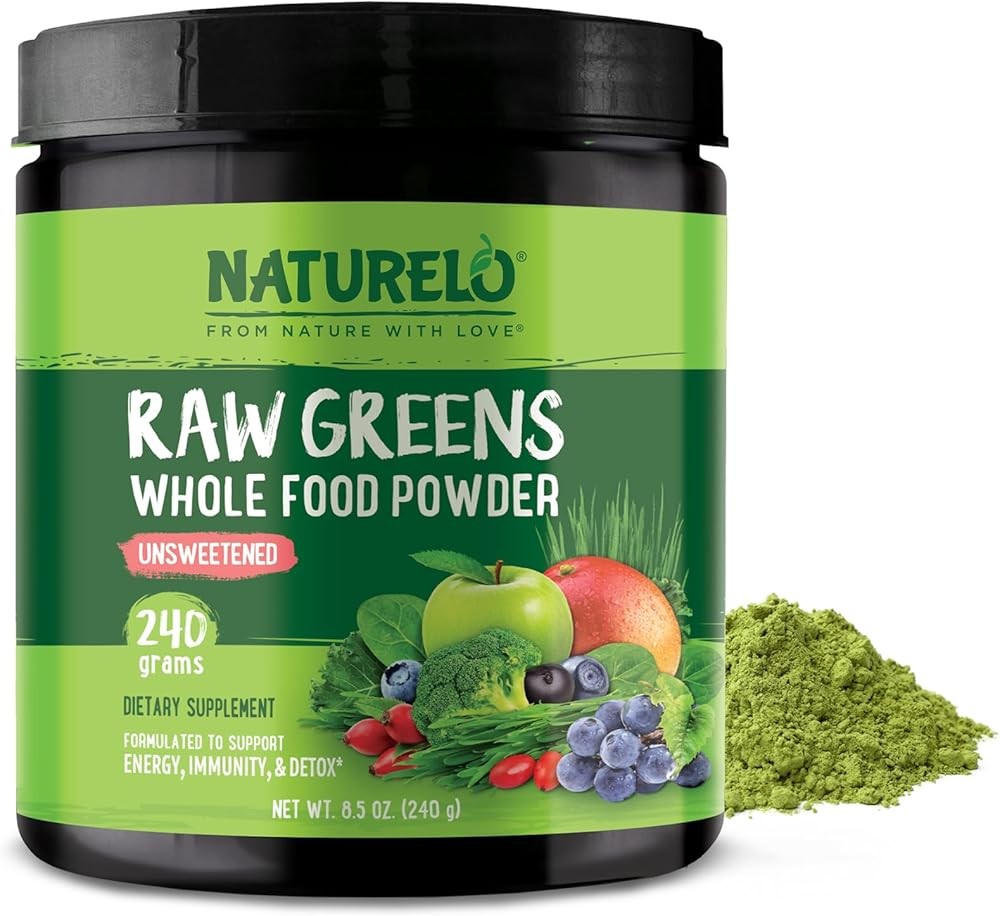
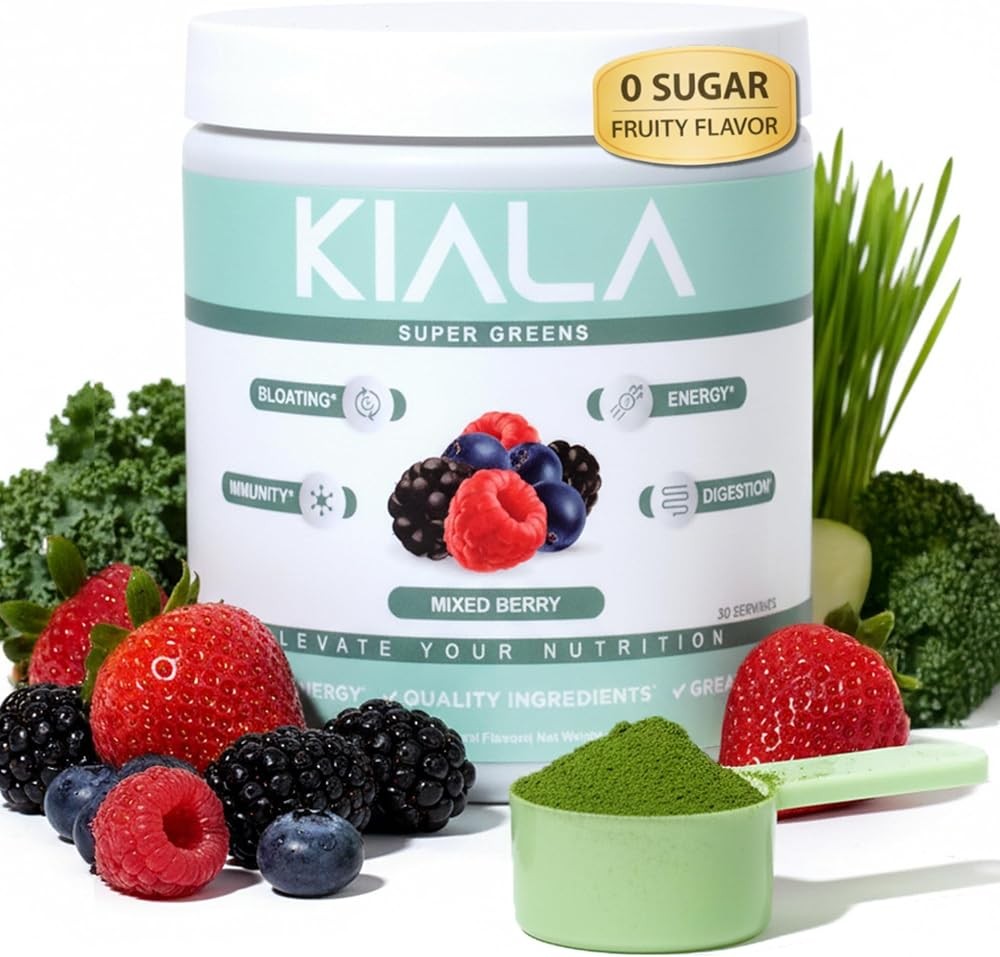
Millions of health-conscious consumers wonder whether the expensive greens powders flooding the market actually deliver on their promises of improved energy, digestion, and vitality. Our analysis of the clinical research identifies NATURELO Raw Greens Superfood Powder (organic spirulina and chlorella blend, unsweetened, $29.71) as the best overall choice for those seeking transparent labeling and third-party testing. Multiple studies on spirulina demonstrate improvements in lipid profiles and antioxidant markers, while chlorella research supports the idea that microalgae bind heavy metals — though most greens powders contain doses below those used in clinical trials. For budget-conscious consumers, Kiala Nutrition Super Greens ($39.95) offers organic spirulina and chlorella in a cleaner formula. Here’s what the published research shows about greens powder efficacy, ingredient science, and who actually benefits from daily supplementation.
Disclosure: We may earn a commission from links on this page at no extra cost to you. Affiliate relationships never influence our ratings. Full policy →
| Feature | NATURELO Raw Greens | Kiala Nutrition | Amazing Grass | Primal Harvest |
|---|---|---|---|---|
| Price | $29.71 | $39.95 | $41.67 | $51.45 |
| Servings | Varies by scoop | Varies by scoop | 60 | Varies by scoop |
| Cost/Serving | ~$0.99 | n/a | ~$0.69 | n/a |
| Spirulina | ✓ Organic | ✓ Organic | ✓ | ✓ |
| Chlorella | ✓ Organic | ✓ Organic | ✓ | ✓ |
| Third-Party Tested | ✓ | Limited info | ✓ | ✓ |
| Probiotics | Basic | ✓ Multi-strain | ✓ Enzymes | ✓ Multi-strain |
| Sweeteners | None | None | Stevia | Stevia |
| Transparency | Excellent | Good | Good | Good |
| Best For | Purity seekers | Budget buyers | First-timers | Comprehensive |
Greens powders are having a moment — and it is not a small one. AG1 sponsors seemingly every podcast in existence. Bloom is all over TikTok. Your gym buddy swears their morning scoop cured their brain fog, cleared their skin, and fixed their digestion. The global greens supplement market has grown into a multi-billion dollar category, and the trajectory shows no signs of slowing.
But strip away the influencer endorsements, the carefully lit Instagram shots of emerald-green drinks, and the vague promises of “vitality” and “wellness,” and a more complicated picture emerges. Do greens powders actually do anything meaningful for your health? Or are they just overpriced, flavored grass clippings in a shaker bottle?
The honest answer, as is almost always the case in nutrition science, lands somewhere in between. Some of the individual ingredients in greens powders have genuine research support. But the finished products themselves — the actual blends you buy and mix with water — have surprisingly little clinical evidence behind them. That gap between ingredient-level science and product-level proof is where most of the marketing magic happens.
This article examines what the research actually supports, what it does not, and who might genuinely benefit from adding a greens powder to their routine.
What Greens Powders Actually Contain
Walk down the supplement aisle or browse any greens powder product page and you will encounter an almost bewildering list of ingredients. While formulas vary, most greens powders draw from a fairly predictable set of categories:
The Grasses
Wheatgrass, barley grass, alfalfa grass, and oat grass are the backbone of most greens powders. These are young cereal grasses harvested before the grain develops, then dried and powdered. They are marketed as nutrient-dense superfoods, and they do contain chlorophyll, some vitamins (particularly vitamin K), and various enzymes. However, the concentrations in a typical serving of greens powder are modest at best.
The Algae
Spirulina and chlorella are the two most common algae ingredients. Spirulina is a blue-green cyanobacterium (technically not an alga, but universally categorized as one) that is genuinely one of the most nutrient-dense foods on the planet per gram, containing approximately 60-70% protein by dry weight and providing all essential amino acids (PubMed 27259333). Chlorella is a single-celled green alga with a unique cell wall structure that has been studied for its potential to bind heavy metals, a mechanism well documented in environmental biosorption research (PubMed 42636628). Both have more clinical research behind them than most other greens powder ingredients.
Vegetable and Fruit Extracts
Broccoli, spinach, kale, beet, carrot, acai, blueberry, pomegranate — these show up in varying concentrations, sometimes as whole food powders, sometimes as standardized extracts. The question is always how much is actually present. A label that says “organic broccoli powder” could mean anything from a clinically meaningful dose to a decorative sprinkle.
Adaptogens
Premium greens powders increasingly include adaptogens like ashwagandha, rhodiola rosea, reishi mushroom, and astragalus. These are herbs and fungi with traditional use in Ayurvedic and Chinese medicine that have varying degrees of clinical support for stress modulation and immune function. Their inclusion in greens powders is part of the broader adaptogen trend in wellness, though doses are often far below what clinical trials used.
Probiotics and Digestive Enzymes
Many greens powders include probiotic strains (most commonly Lactobacillus and Bifidobacterium species) and digestive enzymes (amylase, protease, lipase, cellulase). The probiotic doses vary wildly — from millions to billions of CFUs — and survivability through the manufacturing process, shelf storage, and stomach acid is a legitimate concern for probiotics in powdered shelf-stable products.
Prebiotic Fiber
Inulin, acacia gum, apple fiber, and green banana flour appear in some formulas to provide prebiotic substrate for gut microbiome bacteria. The amounts are typically small — one to three grams — which is meaningful for prebiotics but a fraction of the 25-38 grams of daily fiber recommended for adults.
What Do the Marketing Claims vs. the Evidence Actually Show?
The greens powder industry leans heavily on a set of recurring claims. Let us examine each one against what the research actually shows.
Claim: “Greens Powders Detox Your Body”
Verdict: Not supported by evidence.
The word “detox” is perhaps the most abused term in supplement marketing. Your liver, kidneys, lungs, lymphatic system, and skin are your body’s detoxification apparatus. They operate continuously, around the clock, without requiring any green powder to function. No food, supplement, or juice “detoxes” you in any clinically measurable way beyond what these organ systems already do.
Some greens powder ingredients — like milk thistle extract — have research supporting hepatoprotective properties. But “supporting liver health” is a far cry from “detoxing your body,” and the doses of milk thistle in most greens powders are well below the amounts used in clinical trials (typically 200-400mg of silymarin extract).
Claim: “Greens Powders Boost Your Energy”
Verdict: Partially supported, but mostly indirect.
No ingredient in a standard greens powder provides energy the way caffeine or carbohydrates do. Greens powders do not contain meaningful calories, stimulants, or substrates for ATP production.
However, if you are deficient in B vitamins, iron, or magnesium — all of which some greens powders provide — correcting those deficiencies can absolutely improve subjective energy levels. A 2004 randomized, double-blind, placebo-controlled trial published in the Canadian Journal of Dietetic Practice and Research tested a product called greens+ in 105 women over 12 weeks. The greens+ group scored significantly higher on energy (p=0.018) compared to placebo, though the primary vitality outcome was only marginally significant (p=0.055). The researchers concluded the findings were “positive but not conclusive” (PubMed 15217524).
What this means practically: the “energy boost” many users report likely reflects some combination of correcting a pre-existing nutrient gap, improved hydration (you are drinking them in water, after all), and the placebo effect. None of these are bad things, but they are not unique to greens powders.
Claim: “Greens Powders Improve Gut Health”
Verdict: Plausible for products with meaningful probiotic and prebiotic doses.
This claim has the most legitimate basis, but with an important caveat: the gut health benefits come from the probiotic and prebiotic components, not from the greens themselves. You could get the same effect — or better — from a standalone probiotic supplement with clinically studied strains at validated doses.
Products that include well-characterized probiotic strains at doses of one billion CFUs or higher, along with prebiotic fibers like inulin or FOS, can genuinely support microbial diversity and digestive comfort. Reviews of diet and immune function emphasize that the gut microbiome is a major determinant of immune regulation, and that prebiotic and probiotic fibers shape it meaningfully (PubMed 31426423). The digestive enzymes in some formulas may help with nutrient absorption and reduce post-meal bloating for some users, though evidence for supplemental digestive enzymes in otherwise healthy people with normal pancreatic function is limited.
Claim: “Greens Powders Replace Your Vegetables”
Verdict: Not supported. This is the most dangerous claim in the category.
Most reputable brands do not make this claim directly, but their marketing heavily implies it. Taglines like “your daily nutrition in one scoop” and “all the greens you need” create an unmistakable implication that the powder substitutes for actual vegetable consumption.
It does not. Greens powders cannot replicate several critical aspects of whole vegetable consumption:
Fiber. Whole vegetables provide 2-6 grams of dietary fiber per serving. Most greens powders provide 1-2 grams. The average adult falls 10-15 grams short of their daily fiber needs, and a greens powder does almost nothing to close that gap.
Water content. Vegetables are 80-95% water by weight, contributing meaningfully to daily hydration. A scoop of powder mixed into eight ounces of water provides the water you added, not the water inherent in whole produce.
Food matrix effects. Nutrients in whole foods exist within a complex matrix of fiber, water, cell walls, and co-occurring compounds that influence absorption and biological activity. Food scientists refer to this as the food matrix effect: isolated or concentrated nutrients do not always behave the same way as nutrients consumed in their whole food context.
Satiety and mechanical digestion. Chewing vegetables activates cephalic phase digestive responses and promotes satiety through volume, fiber, and mechanical signals. Drinking a scoop of green powder does none of this. For people trying to manage their weight, this distinction matters enormously.
Phytochemical diversity and stability. The drying, processing, and storage involved in creating powders inevitably degrades some heat-sensitive and light-sensitive compounds, including certain polyphenols and vitamin C. While freeze-drying preserves more than heat-drying, some loss is unavoidable.
Claim: “Greens Powders Provide Powerful Antioxidants”
Verdict: Supported, with important caveats.
This one actually holds up. Many greens powder ingredients — spirulina, chlorella, berry extracts, beet powder, and various vegetable concentrates — do have measurable antioxidant capacity. A 2007 randomized trial in 41 trained men found that an encapsulated fruit-and-vegetable juice powder concentrate improved several indicators of oxidative stress and immunity and reduced days lost to illness compared with placebo (PubMed 18029492).
A more robust 2019 systematic review published in the Journal of Clinical Medicine examined fruit and vegetable concentrate supplements and cardiovascular health. Across multiple trials, supplementation with fruit and vegetable concentrates significantly increased serum levels of antioxidant provitamins and vitamins (beta-carotene, vitamins C and E) and folate, while reducing homocysteine and markers of oxidative stress (Baldrick et al., 2019; DOI: 10.3390/jcm8111914).
The important caveat: we still do not know definitively whether supplemental antioxidants from concentrated powders translate to the same long-term health outcomes as dietary antioxidants consumed in the context of whole foods. Large-scale studies on isolated antioxidant supplementation (like the SELECT trial with vitamin E and the ATBC trial with beta-carotene) have sometimes shown null or even negative results, suggesting that the food matrix and nutrient synergy matter.
Claim: “Greens Powders Reduce Blood Pressure”
Verdict: Preliminary evidence exists for individual ingredients, mainly spirulina.
The finished-product evidence is thin, but the ingredient data is more interesting. A 2021 systematic review and meta-analysis of randomized controlled trials found that spirulina supplementation significantly lowered systolic blood pressure by about 4.6 mmHg and diastolic blood pressure by about 7.0 mmHg, based on five trials with 230 participants (PubMed 34578932). An earlier 2009 pilot study of a greens supplement reported larger reductions, around 8 mmHg systolic, but came from a very small sample and has not been replicated in larger trials.
The blood pressure effect, if real, likely comes from the combined effect of nitrate-containing ingredients (like beet powder), potassium, and magnesium — all of which have independent evidence for modest blood pressure benefits.
What the Individual Ingredients Actually Have Evidence For
Here is where the story gets more interesting and more honest. While greens powders as finished products have very limited clinical trial evidence, several of their individual ingredients have substantial research support — when consumed at the right doses.
Spirulina: The Most Studied Ingredient
Spirulina is arguably the single most evidence-backed ingredient in the greens powder universe. A 2023 GRADE-assessed systematic review and dose-response meta-analysis published in Pharmacological Research pooled data from 20 randomized controlled trials involving 1,076 participants. The meta-analysis found that spirulina supplementation significantly reduced LDL cholesterol, total cholesterol, and triglycerides while significantly increasing HDL cholesterol (PubMed 37263369).
An earlier 2018 meta-analysis of chlorella, a related alga also common in greens powders, is covered in the chlorella section below.
The critical detail: most clinical trials on spirulina use doses of 1-8 grams per day. A typical greens powder might contain 500mg to 1,500mg of spirulina — often at the low end of or below the clinically studied range. If you want spirulina’s lipid benefits, you are likely better off taking a standalone spirulina supplement at an adequate dose.
Chlorella: The Heavy Metal Question
Chlorella has been studied specifically for its ability to bind heavy metals and support their excretion. A study by Nakano et al. (2007) published in the Journal of Medicinal Food found that chlorella supplementation decreased dioxin concentrations and increased immunoglobulin A levels in breast milk (PubMed 17472477).
The metal-binding capacity itself is well documented at the environmental level: microalgae, including chlorella, bind and remove heavy metals from water through biosorption, a mechanism reviewed extensively in environmental research (PubMed 42636628). Human trials testing chlorella specifically for mercury or lead excretion are scarce, and the findings that exist are mixed.
However, a large randomized, double-blind, placebo-controlled trial with 350 metal foundry workers found that chlorella by itself was not effectively chelating metals in a heavy occupational exposure setting. This suggests chlorella’s binding capacity may help with low-level environmental exposure but is not a substitute for medical chelation therapy in cases of genuine heavy metal poisoning.
Chlorella also has real cardiovascular data. A 2018 meta-analysis of 19 randomized controlled trials with 797 participants, published in Clinical Nutrition, found that chlorella supplementation significantly reduced total cholesterol (by about 9 mg/dL) and LDL cholesterol (by about 8 mg/dL), along with small reductions in systolic blood pressure and fasting glucose (PubMed 29037431).
Again, the dose matters. Clinical trials typically use 5-10 grams of chlorella per day. The amount in most greens powders is a fraction of this.
Wheatgrass: Modest But Real Effects
Wheatgrass has a smaller evidence base than spirulina or chlorella, but some trials show meaningful results. A randomized controlled study of 10 weeks of freeze-dried wheatgrass powder supplementation (3.5g/day) in hyperlipidemic South Asian women found a 5.4% reduction in total cholesterol, 4.4% reduction in LDL, and 9.5% reduction in triglycerides — though HDL also fell by about 6% in the same trial, a nuance the supplement marketing usually omits (PubMed 28121470).
A small controlled trial in colon cancer patients reported that daily wheatgrass juice alongside chemotherapy was associated with higher anti-inflammatory IL-10 concentrations and a smaller decline in white blood cell counts compared with chemotherapy alone. The evidence base here is early, small, and needs replication before any firm conclusion, and anyone undergoing chemotherapy should clear any supplement with their oncologist first.
A review article published in Mini Reviews in Medicinal Chemistry noted that while wheatgrass shows promise for hematological diseases, ulcerative colitis, diabetes, obesity, and oxidative stress, “all the trials were small and a number of methodological problems arose” (Bar-Sela et al., 2015; DOI: 10.2174/138955751512150731112836).
The Ingredient-Level Evidence Summary
The pattern across these ingredients is consistent: individual components of greens powders have real research support, but the effective doses are almost always higher than what any single greens powder provides. This is the fundamental tension of the product category — it borrows the credibility of well-studied ingredients while delivering them at doses that may or may not be sufficient for the studied effects.
What Subtle Signs Suggest Your Body Needs More Greens?
Before you reach for a greens powder, it is worth understanding what nutrient insufficiency actually looks like. Your body produces a surprising number of physical signals when it is running short on key micronutrients and phytonutrients — many of which people dismiss, adapt to, or never connect to their diet. Greens powders claim to address these gaps, so let us examine whether they actually can.
Cracks at the Corners of Your Mouth (Angular Cheilitis)
Those painful, paper-cut-like splits at the corners of your lips are called angular cheilitis, and they are one of the most reliable physical signs of certain nutrient deficiencies. Research published in the Cleveland Clinic Journal of Medicine has documented that iron deficiency is an overlooked but significant predisposing factor for angular cheilitis (Lu & Wu, 2004). Deficiencies in riboflavin (vitamin B2), pyridoxine (vitamin B6), folate, and zinc can also trigger this condition.
The mechanism involves immune compromise: iron and B-vitamin deficiencies impair local immune function enough to allow opportunistic Candida infections at the vulnerable skin junction of the mouth corners. Riboflavin deficiency specifically causes cheilosis and may impair iron absorption itself, creating a compounding effect.
Would a greens powder help? Partially. Some greens powders contain B vitamins at meaningful doses, and some provide modest amounts of iron and zinc. However, if you have genuine angular cheilitis from iron deficiency, you need therapeutic-dose iron supplementation (often 65-200mg elemental iron daily), not the 2-5mg that a greens powder might provide. A targeted B-complex supplement would similarly outperform any greens powder for B-vitamin deficiency. Greens powders might help reduce the risk of mild insufficiency from developing but are unlikely to correct an established deficiency.
Unusual Cravings for Ice or Non-Food Items (Pica)
Compulsively chewing ice — medically termed pagophagia — is one of the most oddly specific signs of iron deficiency anemia. A 2015 study published in Medical Hypotheses found that pagophagia improved neuropsychological processing speed in iron-deficient anemic subjects but not in healthy controls, suggesting that ice chewing may serve as a self-medicating behavior that increases blood flow and oxygen delivery to the brain through a cold-triggered vasoconstrictive response (Hunt et al., 2014; DOI: 10.1016/j.mehy.2014.08.003).
A scoping review published in Cureus in 2023 confirmed the strong association: ice cravings resolved completely within 5-8 days of initiating iron therapy in the majority of patients studied. The mechanism appears to be neurological rather than nutritional — ice contains no iron, but the oral stimulation compensates for impaired oxygen delivery from anemia.
Cravings for non-food items beyond ice — clay, dirt, starch, paper — also fall under pica and are associated with iron, zinc, and calcium deficiency.
Would a greens powder help? No. This is a signal of genuine iron deficiency anemia requiring medical evaluation and therapeutic iron supplementation. The iron in greens powders (if present at all) is at levels that are nutritionally negligible for addressing anemia. If you are craving ice compulsively, see a doctor and get your ferritin and complete blood count checked — do not buy a greens powder.
Pale Inner Eyelids
Pull down your lower eyelid and look in a mirror. The tissue should be a healthy, vivid red color. If it appears pale pink or nearly white, this is a clinical sign that healthcare providers routinely check when screening for iron deficiency anemia. The conjunctival pallor reflects reduced hemoglobin concentration in the blood perfusing the thin, transparent mucous membrane.
Would a greens powder help? Same answer as above. Conjunctival pallor indicates meaningful anemia, not a mild nutritional gap. You need a proper workup, not a powder.
Small Red Bumps on the Backs of Your Arms (Keratosis Pilaris)
Those rough, tiny, skin-colored or reddish bumps on the outer upper arms, thighs, and sometimes cheeks — often described as “chicken skin” — are keratosis pilaris (KP). While the primary pathophysiology involves defective keratinization of the follicular epithelium and is strongly linked to filaggrin gene mutations (Gruber et al., 2015; Journal of Investigative Dermatology), vitamin A status plays a modulating role.
Vitamin A is essential for normal epithelial cell differentiation. Insufficient vitamin A can worsen follicular hyperkeratosis — the overproduction of keratin that plugs hair follicles. The condition phrynoderma, once considered synonymous with vitamin A deficiency, produces skin changes that overlap significantly with keratosis pilaris (Nakjang & Yoovathaworn, 1988).
The relationship is complex: most people with KP are not vitamin A deficient, but optimizing vitamin A status can reduce the severity in some cases. Essential fatty acid deficiency (particularly omega-3s) may also contribute to the inflammatory component.
Would a greens powder help? Unlikely to make a noticeable difference. Greens powders typically contain beta-carotene (provitamin A) from their plant ingredients rather than preformed retinol, and the amounts are modest. If you suspect a vitamin A connection to your KP, a dedicated vitamin A supplement or increased dietary intake of liver, sweet potato, and carrots would be far more targeted. Topical retinoid creams are actually the most effective approach for KP itself.
Tongue Changes: Color, Smoothness, and Scalloping
Your tongue is remarkably informative about your nutritional status. Three specific changes deserve attention:
Smooth, glossy tongue (atrophic glossitis). A tongue that loses its normal bumpy texture and becomes abnormally smooth and often beefy-red indicates papillary atrophy. A 2022 case-control study published in BMC Oral Health found that 68.22% of atrophic glossitis patients had vitamin B12 deficiency, 13.98% had ferritin deficiency, and 21.61% had anemia — all significantly higher than healthy controls (Lee et al., 2022; DOI: 10.1186/s12903-022-02464-z). Iron, folate, B12, riboflavin, and niacin deficiencies can all produce this sign.
Magenta or purplish tongue. This specific color change is associated with riboflavin (B2) deficiency and is part of the classic ariboflavinosis presentation that also includes angular cheilitis and photosensitivity.
Scalloped tongue edges. Indentations along the edges where the tongue presses against the teeth can indicate chronic swelling from deficiencies in B vitamins or iron, though it also has non-nutritional causes including hypothyroidism, sleep apnea, and simple tongue size relative to dental arch.
Would a greens powder help? For mild B-vitamin insufficiency, possibly — if the greens powder contains B12 and folate at meaningful doses. However, atrophic glossitis from B12 deficiency often reflects an absorption problem (like pernicious anemia or low stomach acid) rather than simple dietary inadequacy. Supplementing with a sublingual B12 tablet would be far more reliable than hoping a greens powder provides enough. Iron-related tongue changes require iron supplementation at therapeutic doses, not the trace amounts in a greens blend.
Gums That Bleed When You Brush Gently
If your gums bleed with gentle brushing or flossing and your dentist has ruled out periodontal disease and aggressive brushing technique, nutritional status deserves investigation. Two nutrients are particularly relevant:
Vitamin C. Gum bleeding is a hallmark early sign of vitamin C insufficiency, well before the full scurvy syndrome develops. A 2021 systematic review and meta-analysis in Nutrition Reviews found consistent evidence from controlled clinical trials that vitamin C supplementation reduces gingival bleeding tendency when baseline plasma vitamin C is low, below roughly 28 µmol/L (PubMed 33517432). The mechanism involves vitamin C’s essential role in collagen synthesis — the connective tissue that holds your gums together literally requires adequate vitamin C to maintain structural integrity (Tada & Miura, 2019; Nutrients; DOI: 10.3390/nu11020471).
Vitamin K. This fat-soluble vitamin is essential for blood coagulation. Vitamin K activates clotting factors II, VII, IX, and X. Subclinical vitamin K insufficiency can manifest as easy bleeding from sites of minor trauma, including gum tissue during brushing. Leafy green vegetables are the primary dietary source of vitamin K1 — which is one area where greens powders might actually help, since many contain meaningful amounts of K1 from their grass and leaf ingredients.
Would a greens powder help? For vitamin K — potentially yes, since many greens powders provide vitamin K from their base ingredients. For vitamin C — it depends on the formula. Some greens powders include added vitamin C at 100% or more of the Daily Value, which would help. But whole citrus fruits, bell peppers, and strawberries would provide vitamin C more reliably and with better absorption characteristics. If your gums are bleeding, a targeted vitamin C supplement (250-500mg daily) and increased vegetable intake would be more direct interventions.
Nail Changes: Ridges, Spoon Shapes, and White Spots
Your fingernails are another window into nutritional status:
Spoon-shaped nails (koilonychia). Nails that curve inward like a spoon are a classic sign of chronic iron deficiency anemia. The mechanism involves impaired iron-dependent enzyme function in the nail matrix. The condition typically reverses within 4-6 months of iron repletion, according to the StatPearls medical reference database.
Vertical ridges. While some vertical ridging is normal with aging, pronounced ridges can indicate iron, zinc, or biotin deficiency. These nutrients are all essential for the rapidly dividing cells of the nail matrix.
White spots (leukonychia punctata). True white spots in the nail plate have been associated with zinc deficiency, though minor trauma to the nail matrix is actually the more common cause in well-nourished populations.
Horizontal ridges or lines (Beau’s lines). These indicate a temporary interruption in nail growth and can reflect acute illness, zinc deficiency, or other metabolic disruptions.
Would a greens powder help? For maintaining adequate zinc and providing some B-vitamin support, a greens powder could contribute modestly to nail health. However, for genuine koilonychia from iron deficiency, you need iron supplementation — not a greens powder. For zinc deficiency, a targeted zinc supplement (15-30mg daily) would be more reliable. Greens powders are too dilute to serve as therapeutic treatments for established nail changes from nutrient deficiency.
Night Vision Deterioration
Struggling to see in dim light or experiencing slower dark adaptation when you move from a bright room to a dark one can signal vitamin A insufficiency. The mechanism is well-established: vitamin A in the form of retinal (specifically 11-cis-retinal) is a structural component of rhodopsin, the photopigment in rod cells that enables vision in low-light conditions. When vitamin A stores decline, rhodopsin production falls, directly impairing scotopic (low-light) vision (Dowling & Wald, 1958; Proceedings of the National Academy of Sciences).
Studies in vitamin A-deficient animals showed that rod outer segments — the structures containing rhodopsin — deteriorated structurally after 7-13 weeks of deficiency. In humans, oral vitamin A supplementation restored visual function to normal within 8 days in patients with vitamin A deficiency-induced night blindness.
Would a greens powder help? Marginally, at best. Greens powders provide beta-carotene from their plant ingredients, which your body converts to retinol (vitamin A) at a conversion ratio of roughly 12:1. This is far less efficient than consuming preformed vitamin A from animal sources (liver, dairy, eggs) or a dedicated vitamin A supplement. If you are noticing genuine night vision problems, a doctor should assess your vitamin A status and rule out non-nutritional causes before any supplementation strategy.
Chronic Low-Grade Inflammation You Dismiss
This one is the most insidious because it has no single obvious physical sign. Chronic low-grade inflammation — elevated C-reactive protein (CRP), interleukin-6, and TNF-alpha without any acute infection or injury — is associated with fatigue, joint stiffness, brain fog, poor recovery from exercise, and increased risk of chronic disease.
A study published in Nutrients found that dietary micronutrient intakes are associated with markers of inflammation: higher intakes of beta-carotene, vitamin C, magnesium, and zinc were associated with lower inflammatory markers in the Multi-Ethnic Study of Atherosclerosis cohort of 5,181 participants (Mao et al., 2021). A trial using a dark green leafy vegetable-rich diet found that rising plasma beta-carotene was inversely correlated with CRP change (r = -0.68, P <.0001), published in International Journal of Disease Reversal and Prevention (Najjar et al., 2021; PMC8669909).
A 2021 review in the Journal of Translational Medicine concluded that 24 nutrients and phytonutrients are capable of significantly modulating immune function and reducing inflammation according to multiple biomarkers across clinical trials.
Would a greens powder help? This is actually the most plausible case for greens powders. If you are eating a low-vegetable diet and have elevated inflammatory markers, the phytonutrients, carotenoids, and micronutrients in a quality greens powder could contribute to reducing inflammation over time. The 2019 systematic review on fruit and vegetable concentrates found consistent improvements in oxidative stress and inflammatory biomarkers. However, simply eating more actual vegetables would be cheaper, more effective, and would provide the fiber, water, and food matrix that powders lack. A greens powder is a reasonable supplement to — not replacement for — dietary change.
Which Greens Powders Do We Recommend?
After reviewing the clinical evidence on greens powder ingredients and evaluating dozens of products for transparency, quality, and value, these four formulas stand out for different user needs.
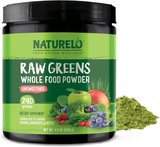
NATURELO Raw Greens delivers what most greens powders promise but few actually provide: complete transparency on ingredient doses, organic certification, and third-party testing. The formula centers on spirulina and chlorella — the two algae with the strongest clinical evidence for bioactive compounds. Unlike many competitors hiding behind proprietary blends, NATURELO lists specific amounts of each ingredient. The unsweetened formula appeals to those who want to avoid stevia or sugar alcohols. At a verified $29.71 for the 240-gram container, it sits in the mid-range for quality greens powders and justifies the cost with verifiable quality and clean ingredients. The powder mixes reasonably well in water or smoothies without clumping excessively.

Kiala Nutrition Super Greens proves that quality greens powders don’t require premium pricing. At a verified $39.95, this organic blend delivers spirulina, chlorella, and a multi-strain probiotic complex without cutting corners on ingredient quality. The formula emphasizes digestive health with both prebiotics and probiotics — a smart combination given that gut microbiome support has stronger research backing than many other greens powder claims. While the ingredient doses aren’t as transparent as NATURELO’s, the label provides more detail than most competitors. The taste profile is surprisingly mild for an organic greens blend, making it accessible for those new to green powders.

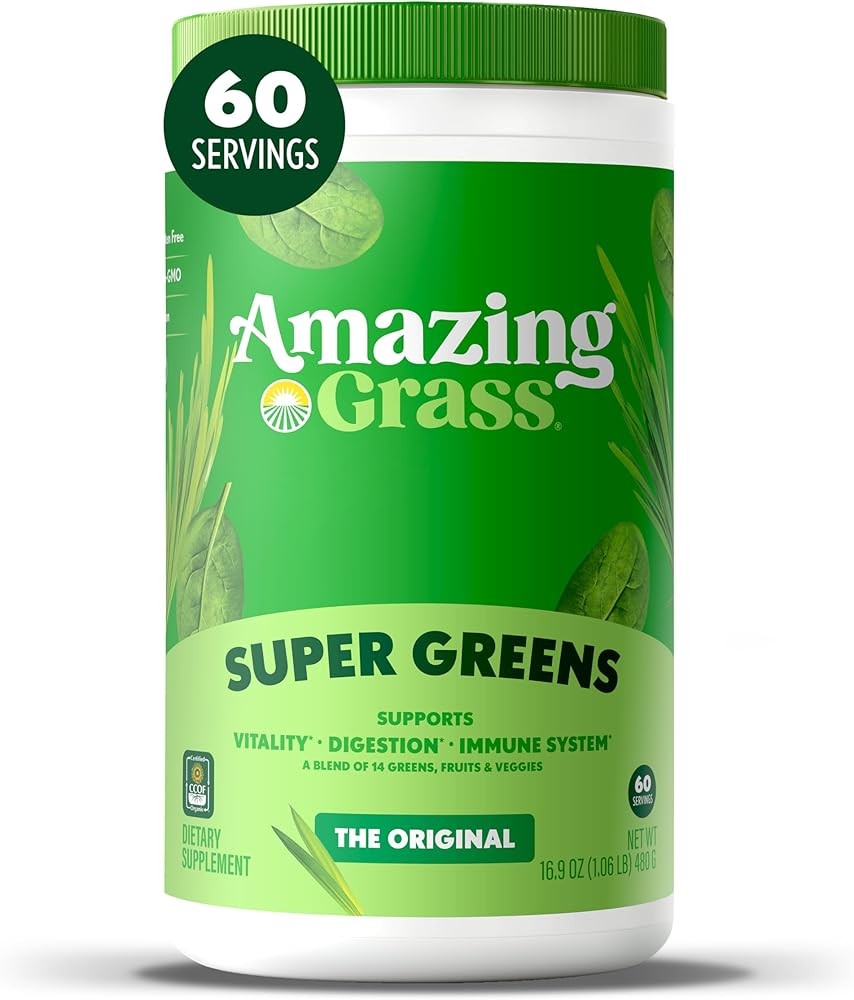
Amazing Grass Greens Blend has earned its reputation as a starter-friendly greens powder through consistent quality and wide availability. The inclusion of digestive enzymes (amylase, protease, lipase, cellulase) helps some users avoid the bloating that can occur when first introducing concentrated fiber and plant compounds. While the clinical evidence for supplemental digestive enzymes in healthy adults remains mixed, anecdotal reports consistently mention easier digestion with this formula. The taste falls in the middle of the spectrum — neither as earthy as NATURELO nor as sweet as heavily flavored competitors. At $41.67 for a 60-serving container, roughly $0.69 per serving, it represents fair value for a nationally distributed brand with decent quality control.

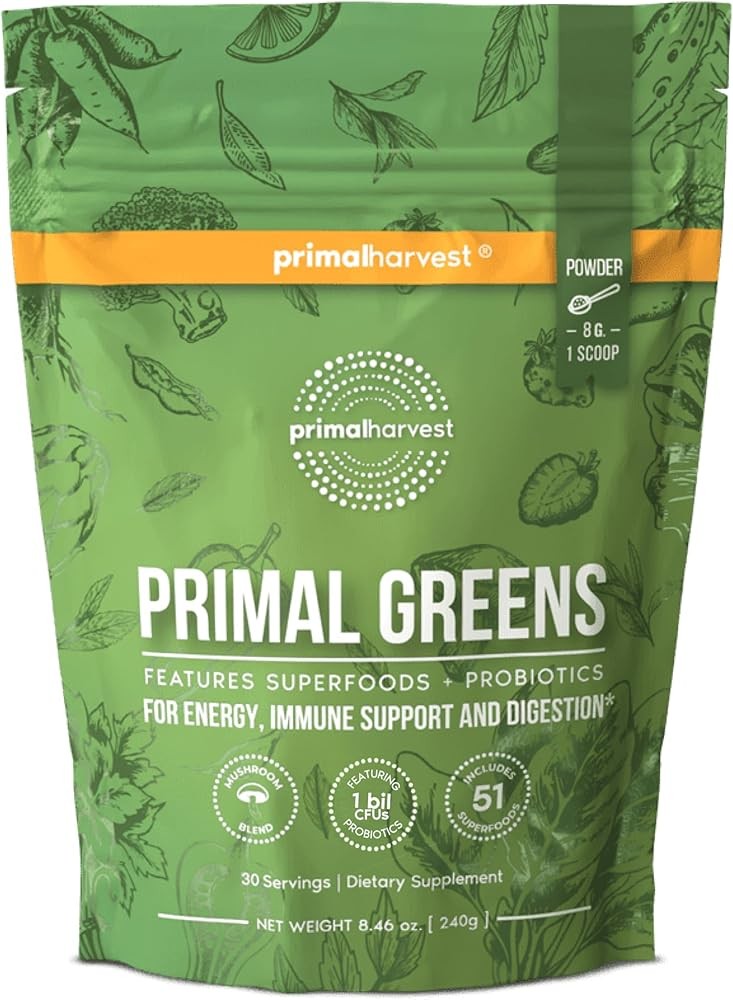
Primal Harvest Super Greens takes the “kitchen sink” approach — packing 50+ ingredients including greens, probiotics, adaptogens, green tea extract, and digestive enzymes into one formula. This appeals to consumers who want a single supplement covering multiple bases rather than buying separate products. The formula includes ashwagandha and rhodiola (adaptogens with stress-modulation research), green tea extract (for antioxidants and mild caffeine), and a multi-strain probiotic blend. The trade-off with comprehensive formulas is that many ingredients appear in modest amounts — enough to list on the label but potentially below clinically effective doses. At a verified $51.45, this is premium-priced but still cheaper than buying all these supplements separately.
Bottom line: among the reviewed powders, NATURELO ($29.71) offers the most ingredient transparency, Kiala ($39.95) pairs algae with probiotics, Amazing Grass ($41.67 for 60 servings) suits beginners, and Primal Harvest ($51.45) is the comprehensive option, but none of them delivers ingredient doses at the levels used in the clinical trials summarized above, so pick on transparency and testing rather than on implied potency.
What Is the Bottom Line on Body Signals?
These signs exist on a spectrum. Mild insufficiency (not getting quite enough of a nutrient) is far more common than clinical deficiency (having so little that disease develops). Greens powders operate in the mild insufficiency zone — they might help reduce the risk of sliding from “adequate” to “mildly insufficient” status for certain nutrients. But they are not approaches for established deficiencies. If you recognize multiple signs from this list, the appropriate first step is blood work with your doctor, not a greens powder purchase.
Are Powdered Greens Absorbed Like Real Vegetables?
This is a question the greens powder industry would prefer you not ask too carefully.
When you eat a whole vegetable — say, a stalk of broccoli — your body encounters a complex matrix: water, fiber, intact cell walls, fat-soluble and water-soluble nutrients, enzymes, and thousands of phytochemicals all interacting within a three-dimensional food structure. You chew it, which triggers salivary enzymes and cephalic phase digestive responses. Your stomach acid and digestive enzymes break it down over hours. Nutrients are released gradually and absorbed at different points along the gastrointestinal tract.
When you drink a greens powder mixed with water, you are consuming a pre-processed, dehydrated, pulverized version of those vegetables. The cell walls have been disrupted. The water is gone. Heat-sensitive compounds may have been degraded during processing. The fiber structure that slows gastric emptying and controls nutrient release is largely absent.
Does this matter for absorption?
The evidence is mixed and depends on the specific nutrient:
Minerals (iron, zinc, magnesium, calcium) — These are relatively stable through processing and may actually be more bioavailable in powdered form because the cell wall disruption makes minerals more accessible. However, the food matrix in whole vegetables includes organic acids (like citric and malic acid) that enhance mineral absorption, and these may be reduced in processed powders.
Fat-soluble vitamins and carotenoids (vitamins A, D, E, K, beta-carotene, lutein) — These require dietary fat for optimal absorption. Eating spinach with olive oil dramatically increases beta-carotene absorption compared to eating it dry. Greens powders consumed in water, without a fat source, may have significantly reduced absorption of these compounds. A 2020 review in Frontiers in Nutrition emphasized that the food matrix is a critical determinant of fat-soluble nutrient bioavailability (Capuano & Pellegrini, 2019).
Vitamin C — This is one of the most vulnerable nutrients during processing. Heat, light, and oxidation all degrade ascorbic acid. While freeze-drying preserves more vitamin C than heat-drying, extended shelf storage further reduces levels. The vitamin C content listed on a greens powder label may not reflect what you actually get months after manufacturing.
Polyphenols and flavonoids — These plant compounds have antioxidant and anti-inflammatory properties, but their bioavailability is complex and not fully understood even in whole food form. Some evidence suggests that polyphenol absorption may actually increase when the food matrix is disrupted (as in processing), while other polyphenols are stabilized by their food matrix context. The net effect of powdering on polyphenol bioavailability remains uncertain.
Fiber — This is the clearest loss. Whole vegetables provide 2-6 grams of fiber per serving. Most greens powders provide 1-2 grams. The types of fiber also differ — whole vegetables contain both soluble and insoluble fiber in their natural proportions, while greens powders (if they contain added fiber at all) typically use only soluble prebiotic fibers like inulin.
The Stanford Lifestyle Medicine program has noted: “Since whole foods are no longer in their original structure in greens powders, we do not really know if the nutrients are bioavailable once they are absorbed. There are a lot of claims being made, but almost no data to support them.”
Processing methods measurably affect how many bioactive compounds survive in vegetable powders. In general, freeze-drying preserves polyphenols and heat-sensitive vitamins substantially better than conventional heat drying, which is why higher-quality powders advertise their processing method. The exact retention figures vary by vegetable, method, and compound.
This honest uncertainty is the appropriate scientific position. We know greens powders contain measurable nutrients. We know some of those nutrients show up in blood tests after consumption. We do not know whether the long-term health effects of getting those nutrients from a powder match the benefits of getting them from whole vegetables.
What Does the Proprietary Blend Math Reveal?
This is perhaps the single most important issue in the greens powder category, and it is disturbingly common.
Under FDA labeling rules, supplement manufacturers are required to list every ingredient in a product, but they are not required to disclose the individual amount of each ingredient if it is part of a “proprietary blend.” They only have to list the total weight of the blend and rank ingredients by weight in descending order.
Here is what this means in practice. Imagine a greens powder with a label that reads:
Superfood Greens Blend — 5,200mg: Organic spirulina, organic wheatgrass, organic chlorella, organic barley grass, organic broccoli powder, organic spinach powder, organic kale powder, organic beet root, organic acai extract, organic pomegranate extract, organic blueberry extract, organic acerola cherry, organic ashwagandha, organic rhodiola rosea, organic reishi mushroom, organic turmeric extract, organic ginger root, organic milk thistle extract, organic astragalus, organic green tea extract
That is 20 ingredients in a 5,200mg (5.2 gram) blend. If the first ingredient (spirulina, the heaviest by weight) takes up 2,000mg, the remaining 19 ingredients share 3,200mg — an average of 168mg each. But clinical trials on ashwagandha use 300-600mg. Rhodiola trials use 200-680mg. Turmeric extract trials use 500-2,000mg. Milk thistle trials use 200-400mg of silymarin.
At 168mg or less, most of these ingredients are present in decorative amounts — what the industry calls “fairy dusting” or “label dressing.” They exist on the label to impress consumers, not to deliver clinical benefit.
A 2023 analysis published in Perspectives in Clinical Research found that 58% of the top 100 commercially available pre-workout and nutritional supplements used at least one proprietary blend, with 44% of all ingredients included at undisclosed amounts (Harty et al., 2023; DOI: 10.7759/cureus.40847).
The takeaway: If a greens powder hides its individual ingredient doses behind a proprietary blend, you cannot evaluate whether any ingredient is present at a meaningful amount. Transparency in labeling is not just a nice-to-have — it is the only way to determine whether a product can deliver on its promises.
Is AG1 Worth Its Price?
No discussion of greens powders is complete without addressing AG1 (formerly Athletic Greens), the 800-pound gorilla of the category. AG1 has achieved something remarkable in supplement marketing: it has become the default recommendation of an entire podcast ecosystem and arguably the most recognizable greens powder brand in the world.
What’s Actually in It
AG1 contains 75 ingredients organized into several categories: a “raw superfood complex” (greens and vegetable powders), a “nutrient dense extracts, herbs, and antioxidants” blend, a “digestive enzyme and super mushroom complex,” and added vitamins, minerals, and probiotics. Unlike many competitors, AG1 does disclose individual ingredient amounts on its label, which deserves credit.
The two most prevalent ingredients by weight are organic apple powder and pea protein isolate. The most prominent “greens” ingredients are organic spirulina and organic chlorella. It includes 7.2 billion CFUs of probiotics (Lactobacillus acidophilus UALa-01 and Bifidobacterium bifidum UABb-10), a range of B vitamins at 100% or more of the Daily Value, vitamin C, zinc, biotin, and various adaptogens and mushroom extracts.
The Quality Argument
AG1 is NSF Certified for Sport, which is one of the most rigorous third-party certification programs in the supplement industry. NSF conducts annual facility audits, reviews ingredient toxicology, verifies label accuracy, and tests for over 280 banned substances. AG1 also tests for 950 contaminants and impurities, including heavy metals and over 500 pesticides.
This level of testing genuinely distinguishes AG1 from budget greens powders that may have no third-party verification at all. AG1 also now has a published clinical trial behind it: a 2024 randomized, double-blind, placebo-controlled study in healthy adults found that 28 days of AG1 supplementation altered gut microbiome composition, shifting it toward increased abundance of several butyrate-producing taxa (PubMed 39352252). That is a real, measurable biological effect — and a modest one, consistent with what a probiotic-and-prebiotic blend would be expected to do, which is exactly how the study’s authors framed it.
The Cost Problem
A single pouch of AG1 costs $99, or approximately $3.30 per serving. With a subscription, this drops to $79 per month, or roughly $2.64 per serving. Over a year, you are spending $948 to $1,188 on green powder.
For that same annual budget, you could purchase:
- A high-quality multivitamin ($10-15/month): $120-180/year
- A quality standalone probiotic ($15-25/month): $180-300/year
- A spirulina supplement at a clinical dose ($10-20/month): $120-240/year
- Several hundred dollars worth of actual fresh and frozen vegetables
- And still have money left over
The individual components of AG1’s formula can be replicated — often at better individual doses — for roughly half the total cost. What AG1 offers is convenience: one scoop instead of four or five separate supplements and a pile of vegetables.
Whether convenience is worth a 100% premium depends on your budget and your likelihood of actually taking multiple separate supplements consistently. For many people, the answer is honestly yes — the supplement you actually take daily is better than the five supplements gathering dust in your cabinet. But you should make that decision with eyes open about the cost-effectiveness tradeoff.
The Prop 65 Warning
AG1 carries a California Proposition 65 warning because their products contain lead amounts exceeding the 0.5 mcg/day threshold that triggers the warning. AG1 states that these trace heavy metals are naturally absorbed from the soil by their whole-food ingredients and that levels fall well below the more stringent limits set by USP and NSF International. This is technically accurate — the Prop 65 threshold is extremely conservative and nearly any product made from concentrated plant materials will trigger it. However, it is worth noting for consumers who are concerned about chronic low-level heavy metal exposure.
How Real Is the Heavy Metal Contamination Risk?
The heavy metal issue extends well beyond AG1. When you concentrate plant materials — particularly leafy greens, grasses, seaweed, and algae — you concentrate everything in those plants, including whatever heavy metals they absorbed from soil and water. Lead, arsenic, cadmium, and mercury are naturally present in agricultural soils, and certain plants are hyperaccumulators.
What Testing Has Found
ConsumerLab, an independent supplement testing organization, found lead contamination in four out of 13 greens and whole food powders tested, with one also contaminated with cadmium and another with arsenic. A separate analysis published in Nutraceuticals World in 2024 tested 37 best-selling spirulina and greens powder products and found that more than one-third of spirulina products exceeded California Prop 65 limits for lead, including nearly half of organic spirulina products. The accumulation mechanism is real: environmental research documents that microalgae such as spirulina take up heavy metals from contaminated cultivation water, which is why cultivation conditions and finished-product testing matter (PubMed 42636628). Ten greens powders also exceeded Prop 65 limits, including more than half of organic mixed greens powders.
The organic designation, somewhat counterintuitively, does not protect against heavy metal contamination. Organic certification addresses pesticide use and farming practices, not soil contamination levels. In some cases, organic products may have higher heavy metal levels because they are grown in soils that have not been treated with synthetic amendments that might immobilize heavy metals.
Putting the Risk in Perspective
Context matters. The heavy metal levels found in most greens powders, while detectable, are generally within the ranges considered safe by the USP, WHO, and FDA. The California Prop 65 thresholds are deliberately set at extremely low levels as a precautionary measure — levels that many common whole foods (rice, spinach, chocolate, sweet potatoes) would also exceed if tested under the same standard.
The greater concern is chronic cumulative exposure. If you are already consuming foods with meaningful heavy metal content (rice, dark chocolate, certain fish, root vegetables from contaminated soil) and then adding a daily concentrated greens powder, the total daily exposure from all sources may warrant monitoring.
The practical recommendation: choose greens powders from brands that conduct and publish third-party heavy metal testing with specific numbers, not just a general claim of “tested for purity.” NSF and USP certifications provide the highest level of assurance.
Key takeaway: heavy metal contamination in greens powders is detectable but generally within accepted safety ranges; independent testing found lead above California’s strict 0.5 mcg/day Prop 65 threshold in roughly one-third (33%) of sampled spirulina products, and the practical response is to choose brands that publish specific third-party heavy metal results (NSF or USP certified) rather than avoiding the category entirely.
Which People Might Actually Benefit From a Greens Powder?
Based on the totality of the evidence, greens powders make the most sense for specific populations in specific circumstances:
People With Genuinely Poor Vegetable Intake
If you consistently eat fewer than two to three servings of vegetables per day — and you are honest about the fact that this is not changing anytime soon — a quality greens powder provides some nutritional insurance. It will not give you everything vegetables provide (fiber, water, satiety, full phytochemical spectrum), but it will supply some micronutrients, antioxidants, and phytonutrients that you are currently missing entirely.
The key phrase is “not changing anytime soon.” If you have the capacity and willingness to add more vegetables to your diet, spend your money there first. A bag of frozen broccoli costs less than a single serving of most greens powders and provides dramatically more nutritional value.
Frequent Travelers
When you are living out of airport lounges and hotel rooms, your diet inevitably suffers. A travel-size greens powder packet provides portable nutrition insurance during periods when fresh produce access is limited. This is one of the most reasonable use cases, and many greens powder brands offer travel-size single-serving packets specifically for this purpose.
People in Food Deserts or With Limited Fresh Produce Access
Food deserts — geographic areas with limited access to affordable, fresh food — are a real phenomenon affecting millions of people. If quality fresh vegetables are genuinely difficult to obtain regularly, a shelf-stable greens powder offers a practical workaround. This is not the typical greens powder customer profile (most buyers are affluent, health-conscious consumers), but it is where the product category could theoretically do the most good.
People Who Want a Convenient Multi-Ingredient Supplement
If you are the kind of person who would otherwise take a multivitamin, a probiotic, a fish oil, and a greens supplement separately — but realistically you know you will forget half of them — a comprehensive greens powder that combines several supplement categories into one daily scoop may improve your actual compliance. The best supplement is the one you take consistently.
People With Higher Than Average Micronutrient Needs
Athletes, people under chronic stress, pregnant or breastfeeding women (with physician approval), older adults with declining absorption, and people with certain medical conditions may have elevated micronutrient needs. A greens powder is not a substitute for medical nutrition guidance in these populations, but it can serve as one layer of a broader supplementation strategy.
Which People Are Probably Wasting Their Money?
People Who Already Eat Well
If you consistently eat five or more servings of fruits and vegetables daily, include a variety of colors and types, and eat a generally balanced diet — you are already getting what greens powders claim to provide, in a more bioavailable and comprehensive form. Adding a greens powder on top of an excellent diet provides marginal additional benefit at significant cost.
People Looking for a Quick Health Fix
No supplement compensates for poor sleep, chronic stress, physical inactivity, or an otherwise terrible diet. If you are eating fast food for most meals, sleeping five hours a night, and never exercising, a greens powder is not going to move the needle on your health in any meaningful way. It is rearranging deck chairs on the Titanic.
Budget-Conscious Shoppers
At $1.50 to $3.30 per serving, the monthly cost of a greens powder ranges from $45 to $100. That same budget could purchase an enormous volume of actual fresh and frozen vegetables. A 12-ounce bag of frozen mixed vegetables costs about a dollar and provides four servings at roughly $0.25 each. A high-quality multivitamin costs $10-15 per month. Unless convenience is worth a 3-5x premium to you, the math does not favor greens powders.
People Who Think It Replaces Vegetables
If buying a greens powder causes you to eat fewer actual vegetables because you feel like “you are already covered,” you are actively making your diet worse. The fiber, water, satiety, and complete food matrix benefits of whole vegetables are irreplaceable. A greens powder should supplement your vegetable intake, not substitute for it.
Why Does Third-Party Testing Matter More for Greens Powders?
The supplement industry as a whole has quality control concerns, but greens powders face unique challenges that make third-party testing especially important:
Complex ingredient sourcing. A greens powder with 30-75 ingredients requires sourcing from dozens of suppliers across multiple countries. Each ingredient brings its own potential for contamination, adulteration, or mislabeling. The supply chain complexity is far greater than a single-ingredient supplement like fish oil or vitamin D.
Heavy metal bioaccumulation. As discussed above, the core ingredients in greens powders — algae, grasses, leafy greens — are precisely the types of organisms that concentrate heavy metals from their environment. This makes heavy metal testing essential for every batch, not just initial product development.
Probiotic viability. If a greens powder claims to contain 5 billion CFUs of probiotics, independent testing can verify whether those organisms are actually alive and viable at the time of consumption, not just at the time of manufacturing. Probiotics in shelf-stable powders can lose viability rapidly, especially in warm or humid storage conditions.
Proprietary blend verification. Third-party testing can confirm whether the total blend weight matches the label claim, even if individual ingredient amounts are hidden behind a proprietary blend.
What To Look For
- NSF International — The gold standard, particularly NSF Certified for Sport
- USP (United States Pharmacopeia) — Equally rigorous, tests for potency, purity, and disintegration
- ConsumerLab — Independent testing and reviews with published results
- Informed Sport / Informed Choice — Primarily relevant for athletes concerned about banned substances
- Clean Label Project — Tests for contaminants but has faced some criticism for threshold transparency
If a greens powder has none of these certifications and does not publish independent lab results, view its label claims with significant skepticism.
What Does the Cost Analysis Show: Powder vs. Vegetables vs. Multivitamin?
Let us do the math that most greens powder marketing materials conveniently omit.
Greens Powders
- Budget options: $0.75-1.50 per serving ($22-45/month)
- Mid-range options: $1.50-2.50 per serving ($45-75/month)
- Premium options (AG1, etc.): $2.64-3.30 per serving ($79-99/month)
- Annual cost range: $264-$1,188
Actual Vegetables
- Fresh broccoli: $0.30-0.50 per serving
- Frozen mixed vegetables: $0.25 per serving
- Fresh spinach: $0.40-0.60 per serving
- Fresh kale: $0.35-0.50 per serving
- Average across varieties: $0.25-0.60 per serving
- For 3 servings/day: $22-54/month
- Annual cost for 3 daily servings: $264-$648
A Good Multivitamin
- Budget multivitamins: $0.05-0.15 per day ($1.50-4.50/month)
- Quality multivitamins (Thorne, Pure Encapsulations): $0.30-0.75 per day ($9-22/month)
- Annual cost: $18-$264
The Comparison
For the cost of AG1 ($948-1,188/year), you could buy a quality multivitamin ($120-264/year), a dedicated probiotic ($180-300/year), a standalone spirulina supplement ($120-240/year), and $200-500 worth of actual vegetables — and still spend the same or less.
The only thing you cannot buy with this approach is the convenience of a single daily scoop. That convenience has real value for some people. But you should know exactly how much you are paying for it.
What Is the Real Hierarchy of Nutritional Value?
If your goal is to get more plant-based nutrition into your diet, here is the evidence-based hierarchy, from most to least effective:
1. Whole Fresh Vegetables and Fruits (Best)
Nothing beats the original. Whole produce provides complete fiber (soluble and insoluble), full water content, intact food matrix, maximum phytochemical diversity, satiety signaling through chewing and gastric volume, and the complete nutrient package in its most bioavailable form. You cannot supplement your way out of a diet devoid of real vegetables.
2. Frozen Vegetables and Fruits (Nearly As Good)
Flash-frozen produce is harvested at peak ripeness and frozen within hours. Studies consistently show that frozen vegetables retain comparable — and sometimes superior — nutrient levels to fresh produce that has spent days in transport, warehousing, and sitting on a grocery store shelf. They are cheaper, last longer, require no preparation skill, and eliminate food waste. For many people, frozen vegetables are actually the most practical tier.
3. Targeted Single-Ingredient Supplements (Good for Specific Gaps)
If blood work or clear symptoms identify a specific nutrient deficiency, a targeted supplement at a clinical dose is far more effective than a greens powder for correcting that gap. Need more iron? Take an iron supplement. Low B12? Take B12. Want spirulina’s lipid benefits? Take spirulina at 2-4 grams daily. Targeted supplementation is precise, dose-controlled, evidence-based, and cost-effective.
4. Quality Multivitamin (Good General Insurance)
A well-formulated multivitamin provides broad nutritional coverage at validated doses for a fraction of the cost of a greens powder. It will not provide phytonutrients, probiotics, or adaptogens, but it reliably delivers essential vitamins and minerals. For many people, a good multivitamin combined with better vegetable intake would provide more benefit than a greens powder alone.
5. Greens Powders (Supplementary Convenience)
Greens powders sit here — below whole foods, frozen vegetables, targeted supplements, and multivitamins in the nutritional value hierarchy. They provide some micronutrients, some phytonutrients, and some probiotic/prebiotic benefit in a convenient single-scoop format. Their strongest value proposition is convenience and compliance for people who will not or cannot do the things listed above consistently.
This is not a condemnation. Meeting people where they are nutritionally is pragmatic and important. A greens powder that provides 50% of the benefit of eating real vegetables is infinitely better than the 0% benefit of vegetables you do not eat. But the marketing positioning of greens powders at the top of the nutritional hierarchy — as if they are the ultimate health optimization tool — is a significant distortion of their actual place in the evidence-based landscape.
Why Do Some People Genuinely Feel Better on Greens Powders?
Tens of thousands of people report feeling better after starting a greens powder. More energy, better digestion, clearer skin, improved mood. Are they all wrong?
No — but the explanation is more nuanced than “greens powders work.”
Several mechanisms can explain subjective improvement:
Correcting an actual nutrient gap. If you were mildly deficient in B vitamins, vitamin C, zinc, or magnesium — all plausible in a low-vegetable diet — even modest supplementation can produce noticeable improvement in energy and wellbeing. This is a real effect, but it is not specific to greens powders. A multivitamin would do the same thing for less money.
Improved hydration. Many people are mildly chronically dehydrated. Mixing a greens powder into water and drinking it adds a glass of water to your daily intake. Improved hydration alone can reduce fatigue, improve cognition, and support digestion.
Habit and routine effects. Starting a greens powder is often part of a broader health-improvement effort. People who buy greens powders are often simultaneously improving their sleep, exercising more, reducing alcohol, and paying more attention to their diet. Attributing all the improvement to the powder is a classic attribution error.
The placebo effect. The placebo effect is real, measurable, and clinically significant — particularly for subjective outcomes like energy, mood, and digestive comfort. Believing a $3 daily health ritual is improving your health can genuinely improve your subjective experience of health. This is not a trivial thing, and it is not an insult to people who experience it. But it does mean that the improvement may have more to do with the ritual and the belief than with the specific biochemical contents of the powder.
Gut microbiome modulation. For products with meaningful probiotic and prebiotic content, some of the digestive improvement is likely real and attributable to microbial changes. This is one area where greens powders can deliver genuine, measurable biological effects.
How to Choose a Quality Greens Powder (If You Decide to Buy One)
If, after reading all of the above, you still want to add a greens powder to your routine — here is how to choose wisely.
Demand Transparent Labeling
This is non-negotiable. If a product hides individual ingredient amounts behind a proprietary blend, pass. You cannot evaluate value, efficacy, or safety without knowing how much of each ingredient you are getting. Brands that fully disclose every ingredient dose demonstrate confidence in their formulation.
Verify Third-Party Testing
Look for NSF International, USP, or ConsumerLab certification. At minimum, the brand should publish certificate of analysis (COA) results for heavy metals and contaminants from an accredited independent lab.
Check the Math on Ingredient Doses
Compare the amount of key ingredients (spirulina, chlorella, probiotics) to the doses used in clinical trials. If the product contains 200mg of spirulina and the research uses 2-8 grams, that ingredient is not providing the studied benefit — it is label decoration.
Evaluate the Probiotic Component
If gut health is a priority, look for specific named strains (not just “Lactobacillus blend”), doses of at least 1 billion CFUs, and information about survivability testing. Shelf-stable probiotic strains like Bacillus coagulans may be more appropriate for a powdered format than more fragile strains.
Consider What You Are Actually Missing
Before buying a greens powder, honestly assess your diet. If your main gap is fiber, a greens powder will not help — eat more vegetables or add a psyllium husk supplement. If your main gap is specific vitamins, a targeted supplement will be cheaper and more effective. If your gap is broad low-level phytonutrient and micronutrient intake and you value convenience, a greens powder fills that niche.
What Do the Clinical Studies on Greens Powders Show?
For readers who want the research references in one place, here are the key studies discussed in this article:
-
Boon et al. (2004). “Effects of greens+: a randomized, controlled trial.” Canadian Journal of Dietetic Practice and Research, 65(2), 66-71. Found marginally improved vitality and significantly improved energy in women taking a greens supplement for 12 weeks versus placebo. Small sample (n=63 completers).
-
Rahnama et al. (2023). “The effect of Spirulina supplementation on lipid profile: GRADE-assessed systematic review and dose-response meta-analysis.” Pharmacological Research, 193, 106802. DOI: 10.1016/j.phrs.2023.106802. Meta-analysis of 20 RCTs (n=1,076) showing significant improvements in LDL, total cholesterol, triglycerides, and HDL from spirulina.
-
Serban et al. (2016). “A systematic review and meta-analysis of the impact of Spirulina supplementation on plasma lipid concentrations.” Clinical Nutrition, 35(4), 842-851. DOI: 10.1016/j.clnu.2015.09.007. Earlier meta-analysis of 7 RCTs confirming spirulina’s lipid-lowering effects.
-
Nakano et al. (2007). “Chlorella (Chlorella pyrenoidosa) supplementation decreases dioxin and increases immunoglobulin A concentrations in breast milk.” Journal of Medicinal Food, 10(1), 134-142. DOI: 10.1089/jmf.2006.108.
-
Morita et al. (2018). “Chlorella supplementation decreases methylmercury concentrations of hair and blood in healthy volunteers.” Plant Foods for Human Nutrition. Trial of 58 participants showing significant mercury reduction with chlorella supplementation.
-
Parit et al. (2017). “Impact of Wheatgrass Supplementation on Atherogenic Lipoproteins and Menopausal Symptoms in Hyperlipidemic South Asian Women.” Journal of Dietary Supplements, 15(3), 302-311. DOI: 10.1080/19390211.2016.1267063.
-
Bar-Sela et al. (2020). “Wheatgrass Juice Administration and Immune Measures during Adjuvant Chemotherapy in Colon Cancer Patients: Preliminary Results.” Pharmaceuticals, 13(6), 129. DOI: 10.3390/ph13060129.
-
Baldrick et al. (2019). “Fruit and Vegetable Concentrate Supplementation and Cardiovascular Health: A Systematic Review from a Public Health Perspective.” Journal of Clinical Medicine, 8(11), 1914. DOI: 10.3390/jcm8111914. Systematic review showing fruit and vegetable concentrates improve antioxidant status and reduce oxidative stress markers.
-
Lee et al. (2022). “Vitamin B12 deficiency may play an etiological role in atrophic glossitis and its grading.” BMC Oral Health, 22, 470. DOI: 10.1186/s12903-022-02464-z. Case-control study documenting B12 deficiency in 68.22% of atrophic glossitis patients.
-
Hunt et al. (2014). “Pagophagia improves neuropsychological processing speed in iron-deficiency anemia.” Medical Hypotheses, 83(6), 473-476. DOI: 10.1016/j.mehy.2014.08.003.
-
Bar-Sela et al. (2015). “The Medical Use of Wheatgrass: Review of the Gap Between Basic and Clinical Applications.” Mini Reviews in Medicinal Chemistry, 15(12), 1002-1010. DOI: 10.2174/138955751512150731112836.
-
Harty et al. (2023). “Perspectives on the Use of Proprietary Blends in Dietary Supplements.” Cureus, 15(5), e40847. DOI: 10.7759/cureus.40847.
-
Gruber et al. (2015). “Sebaceous gland, hair shaft, and epidermal barrier abnormalities in keratosis pilaris with and without filaggrin deficiency.” Journal of Investigative Dermatology, 135, 2121-2129.
-
Najjar et al. (2021). “Rising Plasma Beta-Carotene Is Associated With Diminishing C-Reactive Protein in Patients Consuming a Dark Green Leafy Vegetable-Rich Diet.” International Journal of Disease Reversal and Prevention, 3(2). PMC8669909.
What Are the Key Takeaways?
-
Greens powders are not a replacement for vegetables. They lack sufficient fiber, water content, food matrix, and satiety signaling. They are a supplement, not a substitute.
-
The clinical evidence on greens powders as finished products is thin. Most of the research is on individual ingredients (spirulina, chlorella, wheatgrass), not on the multi-ingredient blends you actually buy.
-
Proprietary blends are a red flag. If you cannot see individual ingredient doses, you cannot determine whether the product delivers meaningful amounts of anything.
-
The ingredients with the strongest evidence are spirulina (lipid profile), chlorella (heavy metal binding), and wheatgrass (blood markers) — but the doses in most greens powders are below what clinical trials used.
-
Heavy metal contamination is a genuine concern, particularly in organic products and those containing algae. Choose third-party tested products.
-
AG1 offers real quality and convenience but at a significant premium. The same nutritional coverage can be achieved for less with a multivitamin, standalone probiotic, and actual vegetables.
-
The people most likely to benefit are those with genuinely poor vegetable intake, frequent travelers, and those who value single-scoop convenience. People who already eat well are unlikely to notice meaningful improvement.
-
The real nutrition hierarchy is: whole fresh vegetables > frozen vegetables > targeted supplements > quality multivitamin > greens powder. Marketing positions greens powders at the top of this hierarchy. The evidence places them at the bottom.
-
Some people do genuinely feel better. This can reflect nutrient gap correction, improved hydration, habit effects, gut microbiome changes, or the placebo effect. All of these are valid experiences, but only some are unique to greens powders.
-
If you notice physical signs of nutrient deficiency — cracked mouth corners, unusual cravings, pale eyelids, tongue changes, bleeding gums, nail abnormalities, night vision problems — see a doctor first. A greens powder is not an approach for established deficiencies.
Bottom line: the clinical picture on greens powders is that finished-product evidence is thin while individual ingredients (spirulina, chlorella, wheatgrass) have real data at higher doses than most powders provide; the 2004 greens+ trial found only a marginal vitality effect (p=0.055, with energy at p=0.018), and meta-analyses show spirulina lowers LDL cholesterol and systolic blood pressure by roughly 4-5 mmHg, so expect small, ingredient-driven effects, not the sweeping benefits the marketing claims.
What Do People Frequently Ask About Greens Powders?
Are greens powders a waste of money?
It depends entirely on your current diet and your expectations. If your vegetable intake is genuinely poor and unlikely to improve soon, a quality greens powder provides some nutritional insurance for $1-3 per day. If you already eat five or more servings of produce daily, the marginal benefit is minimal and your money is better spent elsewhere. The worst outcome is using a greens powder as an excuse to eat fewer actual vegetables.
Do greens powders help with bloating and gut health?
Products containing well-studied probiotic strains at meaningful doses (billions of CFUs, not millions) and prebiotic fibers may support digestive comfort. However, some people experience increased bloating initially, especially with fiber-rich formulas. The digestive enzymes in some products may help certain individuals, but evidence for supplemental enzymes in healthy adults is limited. Start with half a serving and increase gradually.
Are greens powders safe to take every day?
For most healthy adults, yes. The primary safety concerns are heavy metal contamination, pesticide residues, and interactions with medications (particularly blood thinners, due to the vitamin K content of many greens powders). Choose products with NSF, USP, or independent lab certification. Pregnant or nursing women should consult their healthcare provider before starting any supplement.
Can greens powders replace a multivitamin?
Most cannot. While AG1 and a few other comprehensive products include vitamins and minerals at doses approaching a multivitamin, the majority of greens powders provide only trace amounts of essential vitamins and minerals. Their primary value is phytonutrients, probiotics, and adaptogens, not basic vitamin and mineral coverage. Check the Supplement Facts panel for specific doses before making the switch.
Is AG1 worth the price?
AG1 costs approximately $2.64 to $3.30 per serving depending on your subscription. It is a well-formulated, NSF-certified product with transparent labeling and rigorous testing. You are paying a convenience premium for having vitamins, minerals, probiotics, greens, and adaptogens in one scoop. Whether that premium is worth it depends on your budget and whether you would realistically take multiple separate supplements. The same nutritional coverage can be achieved for roughly half the cost with individual targeted supplements and actual vegetables.
Related Reading
-
Green Juice vs Multivitamin: Which Is Better for Daily Nutrition?
-
Probiotics, the Gut-Brain Axis, and Mental Health
-
Gut Health Complete Guide: Supplements, Diet, and Microbiome
-
Wheatgrass Benefits: Evidence-Based Analysis
-
Heavy Metals in Supplements: Testing and Safety
-
Best Digestive Enzyme Supplements: Who Actually Needs Them and Which Work
Recommended Products