Do You Still Need a Multivitamin?
Summarized from peer-reviewed research indexed in PubMed. See citations below.
NHANES data reveals that 31 percent of the U.S. population is at risk of at least one vitamin deficiency, with 95 percent falling short on vitamin D from diet alone. Doctor’s Best Trans-Resveratrol with bioavailable nutrient forms including methylcobalamin B12 and methylfolate delivers comprehensive micronutrient support at $35 per month, backed by USP third-party testing. Research from the landmark COSMOS trial demonstrates that well-formulated multivitamin supplementation improved cognitive function equivalent to 1.8 years of protection in adults over 60, while NHANES data shows targeted supplementation can address documented nutritional gaps. The Future Kind 3-in-1 Daily Multivitamin offers targeted B12, D3, and omega-3 support at $25 per month for budget-conscious consumers. Here’s what the published research shows about who genuinely benefits from multivitamin supplementation and what ingredient quality markers actually matter.
Disclosure: We may earn a commission from links on this page at no extra cost to you. Affiliate relationships never influence our ratings. Full policy →
| Feature | Doctor’s Best | Future Kind | NATURELO Men’s | Abundant Earth |
|---|---|---|---|---|
| Form | Capsules | Softgels | Capsules | Capsules |
| Daily Dose | 2 capsules | 1 softgel | 4 capsules | 2 capsules |
| B12 Form | Methylcobalamin | Methylcobalamin | Methylcobalamin | Methylcobalamin |
| Folate Form | Methylfolate | Methylfolate | Methylfolate | Whole food folate |
| Vitamin D | D3 2000 IU | D3 2000 IU | D3 2000 IU | D3 2000 IU |
| Iron | Chelated 18mg | None | Chelated 8mg | Whole food 8mg |
| Omega-3 | None | Algal DHA/EPA | None | None |
| Testing | USP verified | Third-party | NSF certified | Third-party |
| Vegan | Yes | Yes | Yes | Yes |
| Price/Month | ~$35 | ~$25 | ~$30 | ~$32 |
Introduction
Multivitamins are the single most popular dietary supplement in the United States, taken daily by roughly one in three American adults. Walk into any pharmacy or scroll through any online supplement store and you will find hundreds of options, from basic one-a-day tablets to elaborate multi-capsule packs costing upward of sixty dollars a month. The global multivitamin market was valued at over fifty billion dollars in 2024, and it continues to grow every year.
But here is the question that matters: do you actually need one?
The answer is not as simple as the supplement industry would like you to believe, nor is it as dismissive as some physicians suggest when they say “you are just making expensive urine.” The reality, backed by the latest clinical trial data from 2024 through 2026, falls somewhere in between. For certain populations, a well-formulated multivitamin can meaningfully improve health outcomes. For others, it is an unnecessary expense that creates a false sense of nutritional security.
In this comprehensive guide, we will walk through exactly what the newest research says about multivitamins, including the landmark COSMOS trial results that made headlines, the sobering 2024 mortality data from nearly 400,000 adults, and the practical question of who genuinely benefits versus who is better served by targeted supplementation. We will cover how to read a multivitamin label, what nutrient forms actually matter, and what your own body is telling you about whether your current approach is working.
If you are spending money on a multivitamin, or thinking about starting one, this is the article to read before you make that decision.
What is the State of Micronutrient Deficiency in America?
Before we can answer whether you need a multivitamin, we need to understand the nutritional landscape you are actually living in. The picture is more concerning than most people realize.
How Bad Are the Numbers?
Data from the National Health and Nutrition Examination Survey (NHANES) paints a striking picture of widespread nutrient shortfalls among American adults PMID: 28615377. According to analyses published using NHANES data through 2020:
- 95 percent of Americans do not get adequate vitamin D from diet alone
- 84 percent fall short on vitamin E intake
- 46 percent have inadequate vitamin C intake
- 45 percent are inadequate in vitamin A
- 15 percent fall short on zinc
- 31 percent of the total U.S. population is at risk for at least one vitamin deficiency or anemia
These are not fringe populations with extreme diets. These numbers represent the mainstream American experience. Even people who consider themselves “healthy eaters” often fall short because modern agriculture, food processing, and the reality of daily life make it genuinely difficult to hit every micronutrient target consistently.
Who Is Most at Risk?
The risk of deficiency is not evenly distributed. NHANES data reveals that certain groups are significantly more vulnerable:
- Women face a 37 percent risk of at least one deficiency, compared to lower rates in men
- Non-Hispanic Black Americans have a 55 percent risk of deficiency, reflecting both dietary patterns and socioeconomic factors
- Low-income households show a 40 percent risk
- Adults without a high school diploma face a 42 percent risk
- Pregnant and breastfeeding women are especially vulnerable, with 35 percent showing vitamin B6 deficiency and 18 percent experiencing anemia
- Older adults increasingly struggle with B12 absorption as stomach acid production declines with age
- Obese individuals paradoxically tend to have lower nutrient levels despite higher caloric intake
Why Does Food Alone Fall Short for Many People?
There are several reasons why even people who “eat healthy” often fall short on micronutrients:
Modern agricultural practices have reduced the nutrient density of crops. Studies comparing USDA food composition data from the 1950s to today show declines in minerals like iron, zinc, and magnesium in many fruits and vegetables. This is partly due to soil depletion from intensive farming and the selection of high-yield crop varieties that prioritize production over nutrient content.
Food processing strips nutrients. Refined grains lose most of their B vitamins, iron, magnesium, and fiber. While some nutrients are added back through fortification, the spectrum and form of added nutrients rarely matches what was originally present in whole grains.
Most people do not actually eat the recommended servings of fruits and vegetables. According to CDC data, only 12 percent of American adults meet the recommended fruit intake, and only 10 percent meet vegetable recommendations. If you are not eating five to nine servings of produce daily, you are almost certainly falling short on several micronutrients.
Digestive health matters. Even people eating nutrient-dense diets may not absorb nutrients efficiently if they have gut inflammation, dysbiosis, low stomach acid, or conditions like celiac disease, inflammatory bowel disease, or chronic pancreatitis.
Medications interfere. Proton pump inhibitors reduce B12 and magnesium absorption. Metformin depletes B12. Statins reduce CoQ10. Birth control pills deplete several B vitamins. Diuretics increase excretion of magnesium, potassium, and zinc. If you are on multiple medications long-term, you may have silent deficiencies.
What Does the Latest Research Say About Multivitamins?
The science on multivitamins has evolved substantially over the past few years. Several major studies published between 2024 and 2026 provide the clearest picture yet of what multivitamins can and cannot do.
What Did the COSMOS Trial Show?
The COcoa Supplement and Multivitamin Outcomes Study (COSMOS) is the largest and longest randomized controlled trial of multivitamins ever conducted in the United States. Funded by the National Institutes of Health and led by researchers at Brigham and Women’s Hospital and Harvard, COSMOS enrolled over 21,000 adults aged 60 and older and followed them for multiple years.
The trial included three separate cognitive function substudies:
- COSMOS-Mind (2022): Showed that daily multivitamin use improved global cognition, episodic memory, and executive function compared to placebo over three years PMID: 36048920. The cognitive benefit was equivalent to slowing cognitive aging by approximately 1.8 years.
- COSMOS-Web (2023): Replicated the memory and executive function findings in an independent online cohort PMID: 37526325.
- COSMOS-Clinic (2024): Confirmed cognitive benefits in an in-person clinic-based cohort using detailed neuropsychological testing.
All three substudies showed consistent cognitive benefits, which is rare and compelling in supplement research. The magnitude of benefit was modest but meaningful, equivalent to approximately two years of cognitive protection.
However, COSMOS found no benefit for cardiovascular disease, cancer, or mortality. Multivitamins did not reduce heart attacks, strokes, cancer incidence, or overall death rates.
What this means: For people over 60 concerned about cognitive decline, a quality multivitamin may offer modest cognitive support. For reducing cardiovascular disease or cancer risk, evidence does not support benefit.
What Did the Mortality Study Find?
A 2024 study published in JAMA Network Open analyzed data from 390,124 generally healthy U.S. adults followed for more than 20 years. This was not a randomized trial, but a massive observational cohort using data from three large NIH-funded studies.
The findings were sobering: Daily multivitamin use was not associated with lower mortality from any cause. There was no reduction in death from cardiovascular disease, cancer, or any other specific cause. In fact, the study found a 4 percent higher mortality risk among daily multivitamin users compared to non-users, though this association disappeared after adjusting for additional factors, suggesting it was likely due to confounding rather than a direct harmful effect.
What this means: Multivitamins are not a longevity tool. If you are taking one hoping to live longer, the evidence does not support that expectation.
What Did the Rapid Review Reveal?
A 2024 rapid review synthesizing evidence from 84 studies PMID: 38913417 (including both randomized controlled trials and observational cohorts) found that multivitamin use during pregnancy was associated with several benefits:
- Lower risk of low birth weight infants
- Lower risk of small for gestational age babies
- Lower risk of stillbirth or neonatal death when combined with iron and folic acid
- Modest reduction in preterm birth risk
These findings align with longstanding recommendations for prenatal vitamins. However, the review found little evidence of benefit for generally healthy non-pregnant adults.
What this means: Prenatal multivitamins remain strongly evidence-based for pregnant and breastfeeding women. For everyone else, the evidence for broad health benefits is weak.
What Does the Cureus Review Say?
A 2024 systematic review in Cureus examined 23 studies on multivitamins in adults. The authors concluded that while multivitamins can address specific deficiencies in certain populations (pregnant women, older adults, restrictive diets), there is limited evidence that they reduce chronic disease or improve overall health in the general adult population.
What this means: Multivitamins are useful for filling specific documented gaps, not as a general strategy to reduce disease risk in healthy adults.
What Is the USPSTF Position?
The United States Preventive Services Task Force (USPSTF) issued updated guidance in 2022 reaffirming that there is insufficient evidence to recommend for or against multivitamin use in generally healthy adults for reducing risk of cardiovascular disease or cancer PMID: 35671346. They gave multivitamins an “I” statement, meaning the evidence is inconclusive.
What Does This All Mean in Plain Language?
Here is what the best current evidence tells us:
- Multivitamins do not help you live longer. The JAMA mortality study makes this clear.
- Multivitamins do not reduce risk of heart disease or cancer in generally healthy adults PMID: 38900492.
- Multivitamins may protect cognitive function in older adults. Three separate COSMOS substudies consistently show this benefit.
- Multivitamins during pregnancy improve birth outcomes. This is well-established.
- For specific populations with deficiency risk, multivitamins fill real gaps. But for most healthy adults eating a varied diet, the benefit is questionable.
The smartest interpretation is that multivitamins are a tool, not a panacea. Used strategically in the right populations, they have value. Taken blindly by everyone as a longevity or disease-risk-reduction strategy, they are overrated.
Who Actually Benefits from a Daily Multivitamin?
Not everyone benefits equally from multivitamin supplementation. The evidence supports specific use in certain high-risk groups.
Do Pregnant and Breastfeeding Women Need Multivitamins?
Yes. This is the population with the strongest evidence base. Prenatal multivitamins are associated with reduced risk of neural tube defects (due to folic acid), lower rates of low birth weight and preterm birth, and reduced anemia. Pregnant and breastfeeding women have substantially higher needs for folate, iron, iodine, calcium, and vitamin D that are difficult to meet through diet alone.
Do Adults Over 50 Need Multivitamins?
Maybe. Older adults have higher risk of B12 deficiency due to declining stomach acid production, higher vitamin D needs due to reduced skin synthesis, and the COSMOS trial shows cognitive benefits in this age group. A quality multivitamin or targeted B12 and D3 supplementation makes sense for many people over 60.
Do People on Restrictive Diets Need Multivitamins?
Often yes. Vegans and vegetarians are at higher risk for B12, iron, zinc, iodine, and omega-3 deficiencies. People with multiple food allergies, those on elimination diets, and individuals following very low-calorie diets often cannot meet all micronutrient needs through food alone.
Do Post-Bariatric Surgery Patients Need Multivitamins?
Absolutely. Bariatric surgery dramatically reduces nutrient absorption. Post-surgical patients require lifelong supplementation with a comprehensive multivitamin plus additional targeted nutrients like B12, iron, calcium, and vitamin D PMID: 24029027. This is non-negotiable for maintaining adequate nutrient status.
Do People with Malabsorption Conditions Need Multivitamins?
Yes. Celiac disease, Crohn’s disease, ulcerative colitis, chronic pancreatitis, and other malabsorption disorders impair nutrient uptake. These individuals often require higher-dose supplementation than healthy adults.
Do Chronic Alcohol Users Need Multivitamins?
Yes. Alcohol interferes with absorption and metabolism of thiamine, folate, B6, and magnesium. Chronic alcohol use significantly increases deficiency risk, and supplementation is often medically necessary.
Do People Taking Nutrient-Depleting Medications Need Multivitamins?
Often yes. Common medications that deplete nutrients include:
- Proton pump inhibitors (omeprazole, esomeprazole): deplete B12, magnesium, calcium
- Metformin: depletes B12
- Statins: reduce CoQ10
- Diuretics: increase excretion of magnesium, potassium, zinc
- Oral contraceptives: deplete several B vitamins
- Corticosteroids: deplete calcium, vitamin D, magnesium
If you are on one or more of these medications long-term, targeted or comprehensive supplementation may be warranted.
Who Can Probably Skip the Multivitamin?
Not everyone needs a multivitamin. In some cases, they are genuinely unnecessary or even counterproductive.
Do Generally Healthy Adults Eating a Varied Diet Need Multivitamins?
Probably not. If you consistently eat a varied diet rich in vegetables, fruits, whole grains, legumes, nuts, seeds, and animal or fortified plant-based proteins, you likely meet most micronutrient needs through food. The USPSTF and multiple reviews conclude there is insufficient evidence to recommend routine multivitamin use for reducing chronic disease risk in this population PMID: 35671346.
Should You Take a Multivitamin as a License to Eat Poorly?
Absolutely not. This is one of the most dangerous mindsets around supplements. A multivitamin does not compensate for a poor diet. It does not provide fiber, phytochemicals, polyphenols, or the synergistic nutrient combinations present in whole foods. If your strategy is “I can eat junk because I take a multivitamin,” you are setting yourself up for metabolic and inflammatory consequences no pill can fix.
Do People Already Taking Multiple Targeted Supplements Need Multivitamins?
Usually not. If you are already taking vitamin D, a B-complex, magnesium, omega-3s, and other targeted nutrients, adding a multivitamin on top can lead to excessive intake of certain nutrients, particularly fat-soluble vitamins A, D, E, and K that can accumulate. More is not better.
What Are the Signs Your Body Tells You About Micronutrient Deficiency?
Sometimes your body is already signaling deficiency, and you just need to know how to read the signs. Here are the most common patterns.
What Are the Energy and Fatigue Signals?
Persistent fatigue despite adequate sleep can signal iron, B12, vitamin D, or magnesium deficiency. If you are sleeping eight hours but still feel exhausted by mid-afternoon, especially if your fatigue worsens with physical exertion, consider checking ferritin, B12, and vitamin D levels.
Brain fog and difficulty concentrating often correlate with B12, folate, iron, or vitamin D deficiency. If you find yourself rereading the same sentence multiple times or struggling to focus on tasks that used to be easy, micronutrient deficiency is a plausible contributor.
What Are the Skin, Hair, and Nail Signals?
Brittle nails that chip or peel suggest possible iron, biotin, or zinc deficiency. Vertical ridges on nails can indicate low B vitamins or protein intake.
Hair thinning or increased shedding can reflect iron deficiency (especially in premenopausal women), zinc deficiency, biotin deficiency, or low protein intake. If you are noticing significantly more hair in the shower drain or on your pillow, have your ferritin and zinc checked.
Dry, flaky skin and eczema-like patches may indicate deficiencies in vitamin A, vitamin D, zinc, or essential fatty acids. Rough, bumpy skin on the backs of arms (keratosis pilaris) is classically associated with vitamin A deficiency.
Slow wound healing is a hallmark sign of vitamin C, zinc, or protein deficiency.
What Are the Mood and Mental Health Signals?
Persistent low mood or depression that does not respond well to standard interventions may involve vitamin D, B12, folate, or iron deficiency. These nutrients play direct roles in neurotransmitter synthesis and mood regulation.
Anxiety and irritability can be linked to magnesium or B6 deficiency. Magnesium deficiency in particular is associated with increased stress reactivity and anxiety symptoms.
What Are the Immune System Signals?
Frequent infections such as recurrent colds, sinus infections, or slow recovery from illness suggest possible vitamin D, vitamin C, or zinc deficiency. If you are catching every cold that goes around, your immune system may not have the micronutrient support it needs.
Slow healing from cuts or infections points toward vitamin C or zinc deficiency.
What Are the Musculoskeletal Signals?
Muscle cramps, twitches, or spasms especially at night are classic signs of magnesium or potassium deficiency. If you wake up with calf cramps or experience frequent eyelid twitching, magnesium supplementation often resolves the issue within days.
Bone pain or frequent fractures can indicate vitamin D or calcium deficiency, particularly in older adults.
What Are the Digestive Signals?
Persistent diarrhea or loose stools can lead to malabsorption and secondary nutrient deficiencies, creating a vicious cycle. If you have chronic digestive issues, you may need higher nutrient intake to compensate for reduced absorption.
Loss of appetite or changes in taste can signal zinc deficiency, which directly affects taste perception.
What Should You Look for in a Quality Multivitamin?
If you have decided a multivitamin makes sense for you, the next step is choosing one that is actually worth taking. Not all multivitamins are created equal, and many drugstore brands are genuinely low quality.
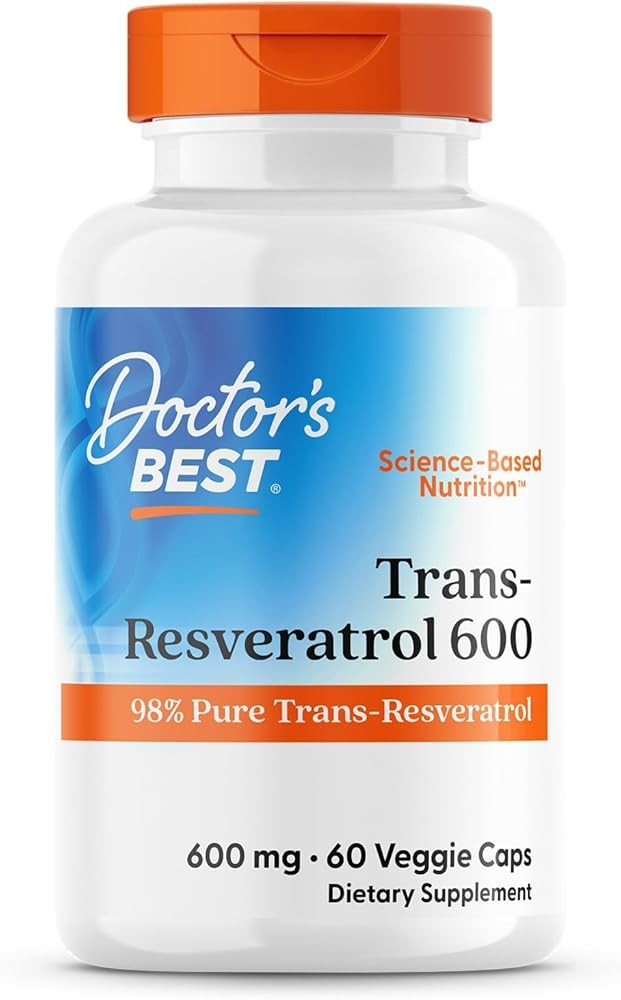
Doctor's Best Trans Resveratrol Supplement 600 mg for Men & Women - 98% Pure Trans-Resveratrol Capsules for Nutrition...
Check Price on AmazonAs an Amazon Associate we earn from qualifying purchases.
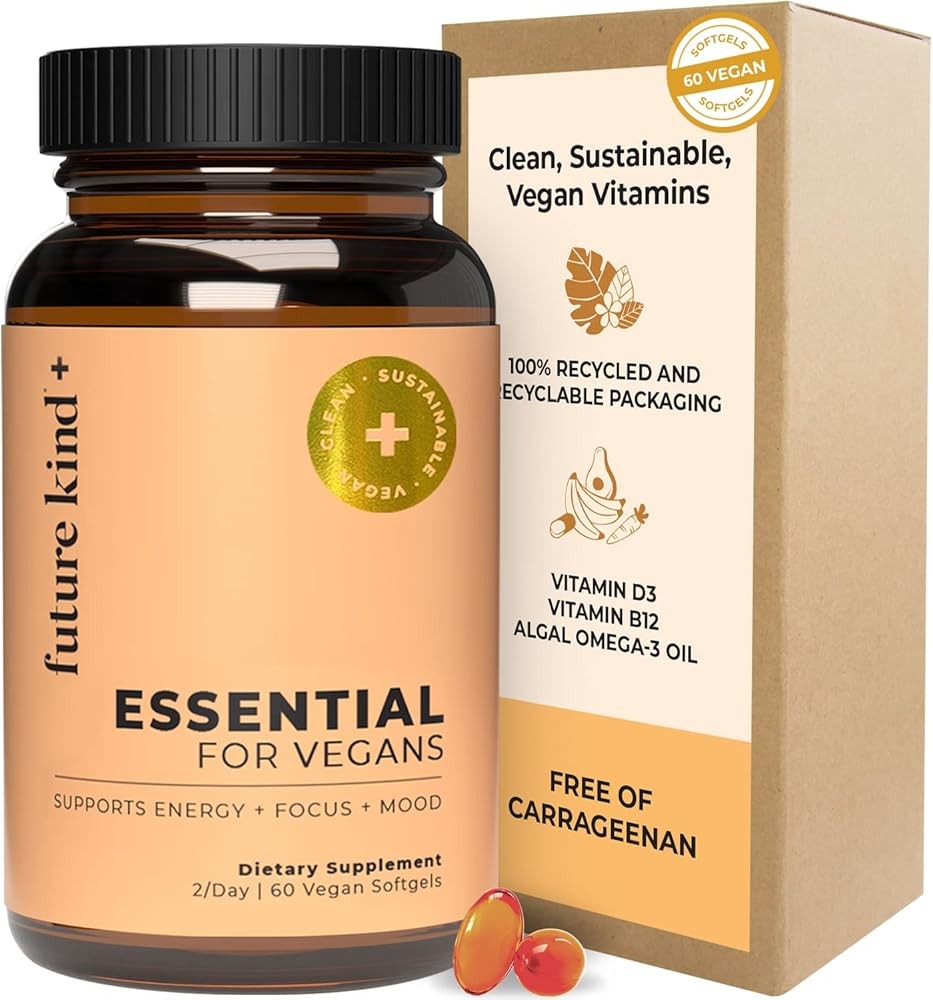
Future Kind 3 in 1 Daily Multivitamin - for Energy, Clarity, Active Wellness Support with B12, D3, and Algal Omega-3 ...
Check Price on AmazonAs an Amazon Associate we earn from qualifying purchases.
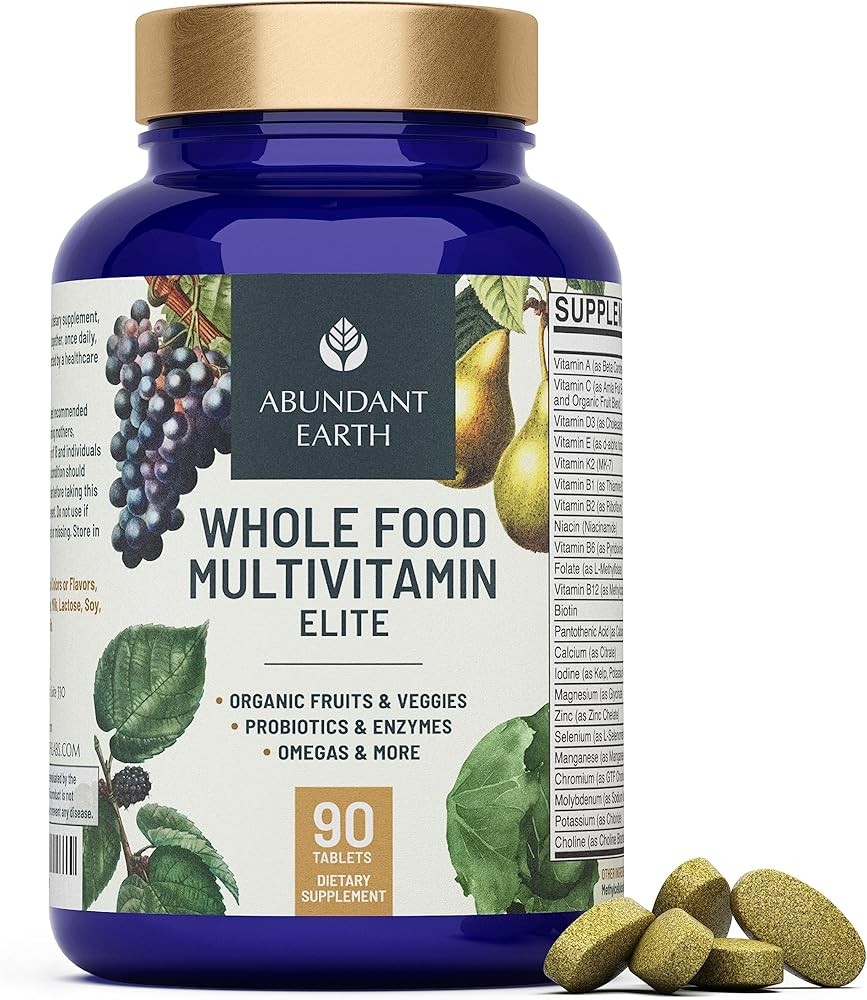
Abundant Earth Whole Food Multivitamin for Women, Daily Multi Vitamins Supplements for Men/Mens Multivitamins + B Com...
Check Price on AmazonAs an Amazon Associate we earn from qualifying purchases.
Why Is Third-Party Testing Non-Negotiable?
The supplement industry is lightly regulated. Manufacturers are responsible for ensuring their own products are safe and accurately labeled, but the FDA does not verify this before products hit the market. This creates an environment where quality varies wildly (see our guide on Seed Oils: Are They Actually Bad for You? What the Scienc…).
Third-party testing from organizations like USP (United States Pharmacopeia), NSF International, or ConsumerLab provides independent verification that:
- The product contains the ingredients listed on the label in the amounts claimed
- The product does not contain harmful levels of contaminants like heavy metals, pesticides, or microbial contamination
- The product meets standards for disintegration and dissolution (meaning it will actually break down and be absorbed in your body)
Look for the USP Verified, NSF Certified for Sport, or ConsumerLab Approved seal on the label. If a product does not have third-party testing, you have no way to verify what you are actually getting.
What Nutrient Forms Actually Matter?
Not all forms of vitamins and minerals are absorbed equally. Here are the forms that matter most:
Vitamin B12: Look for methylcobalamin or adenosylcobalamin rather than cyanocobalamin. Methylcobalamin is the active form used directly by the body, while cyanocobalamin must be converted. For people with MTHFR gene variants or methylation issues, methylcobalamin is significantly better absorbed.
Folate: Look for 5-methyltetrahydrofolate (5-MTHF) or methylfolate rather than folic acid. Folic acid is a synthetic form that must be converted by the MTHFR enzyme. Up to 40 percent of the population has genetic variants that impair this conversion, making methylfolate the superior choice.
Vitamin D: Look for vitamin D3 (cholecalciferol) rather than D2 (ergocalciferol). D3 is more effective at raising and maintaining blood levels of 25-hydroxyvitamin D.
Magnesium: Look for magnesium glycinate, magnesium malate, or magnesium citrate rather than magnesium oxide. Oxide forms have poor absorption (around 4 percent) and often cause digestive upset. Glycinate and citrate forms have absorption rates of 30 to 50 percent and are gentler on the gut.
Calcium: Look for calcium citrate or calcium malate rather than calcium carbonate. Citrate forms do not require stomach acid for absorption, making them better for older adults or people on acid-suppressing medications.
Iron: Look for ferrous bisglycinate (iron glycinate) rather than ferrous sulfate. Glycinate forms cause significantly less gastrointestinal upset and are better absorbed.
Zinc: Look for zinc picolinate or zinc glycinate rather than zinc oxide. The chelated forms are more bioavailable.
What Dosages Should You Look For?
Avoid megadoses. More is not better when it comes to vitamins and minerals. Look for formulas that provide nutrients at or near the Recommended Dietary Allowance (RDA) or Adequate Intake (AI) levels rather than 500 or 1000 percent of the daily value.
Be especially cautious with fat-soluble vitamins A, D, E, and K. These accumulate in body fat and can reach toxic levels with chronic high-dose supplementation. For vitamin A, avoid products with more than 5,000 IU of preformed retinol, especially if you are pregnant or planning to become pregnant. Beta-carotene (a vitamin A precursor) is safer because the body only converts what it needs.
Vitamin D is an exception. Many adults benefit from 2,000 to 4,000 IU daily, which is above the RDA but well within safe limits. The Endocrine Society recommends up to 4,000 IU daily for adults, and tolerable upper intake levels are 10,000 IU daily.
B vitamins are water-soluble, so excess is generally excreted in urine. However, very high doses of certain B vitamins (particularly B6 and niacin) can cause side effects. Look for B6 doses under 50 mg and niacin doses under 35 mg unless under medical supervision.
What Are Our Product Recommendations?
When it comes to quality multivitamins that meet the criteria outlined above, several options stand out. Look for products that use bioavailable forms like methylcobalamin for B12, methylfolate instead of folic acid, vitamin D3 instead of D2, and chelated minerals rather than oxide forms. Third-party testing from USP, NSF, or ConsumerLab is essential for quality verification.
See our recommended multivitamins in the product recommendations section above.
Rather than a broad multivitamin, many people benefit more from targeted supplements that address their specific gaps. Our guides to the best vitamin D supplements, best magnesium supplements, and best B complex vitamins can help you fill specific gaps with higher-quality, better-dosed individual nutrients.
Bottom line: Choose multivitamins with third-party testing from USP, NSF, or ConsumerLab, bioavailable forms like methylcobalamin B12 and methylfolate instead of synthetic versions, vitamin D3 over D2, chelated minerals over oxides, and doses near RDA levels rather than megadoses.
What Drug Interactions and Safety Considerations Should You Know?
Multivitamins providing nutrients in recommended amounts do not ordinarily cause drug interactions, but there are important exceptions you need to know about.
How Does Vitamin K Interact with Blood Thinners?
This is the single most important interaction to be aware of. Vitamin K directly opposes the mechanism of warfarin (Coumadin) and similar anticoagulants. If you take a blood thinner, do not start or stop any supplement containing vitamin K without discussing it with your prescriber. The concern is not that vitamin K is harmful, it is that inconsistent intake destabilizes your INR and increases either bleeding or clotting risk.
How Does Iron Affect Medication Absorption?
Iron binds to and reduces the absorption of several important medications:
- Levothyroxine (thyroid hormone): Take iron at least four hours apart from thyroid medication.
- Tetracycline and fluoroquinolone antibiotics: Iron reduces their effectiveness. Separate by at least two hours.
- Levodopa (Parkinson’s medication): Iron reduces absorption. Separate doses.
- ACE inhibitors: Iron can reduce absorption of some formulations.
How Does Calcium Affect Medication Absorption?
Calcium interferes with the absorption of many of the same medications as iron, plus:
- Bisphosphonates (osteoporosis drugs like alendronate): Take at least 30 minutes apart.
- Some antibiotics: Tetracyclines and fluoroquinolones are affected.
How Does High-Dose Vitamin B6 Interact with Seizure Medications?
Pyridoxine (vitamin B6) at doses above 50 mg per day can reduce the effectiveness of phenytoin and levodopa. Standard multivitamin doses (typically 2-25 mg) are unlikely to cause problems, but high-dose B-complex supplements can.
What Are the Risks of Fat-Soluble Vitamin Accumulation?
Vitamins A, D, E, and K are stored in body fat rather than excreted like water-soluble vitamins. This means that taking multiple supplements containing these vitamins can lead to accumulation over time. The greatest risk is with preformed vitamin A (retinol), where chronic intake above 10,000 IU per day can cause liver toxicity, and during pregnancy, where excess retinol is teratogenic.
Who Should Consult a Doctor Before Starting a Multivitamin?
- Anyone taking prescription blood thinners
- Anyone with liver disease (due to vitamin A and iron accumulation risk)
- Anyone with kidney disease (due to impaired mineral excretion)
- Anyone with hemochromatosis or iron overload conditions
- Anyone undergoing cancer treatment (some antioxidants may interfere with chemotherapy)
- Anyone taking multiple prescription medications
- Pregnant women (use only prenatal-specific formulas)
Bottom line: Vitamin K directly opposes warfarin anticoagulants; iron and calcium interfere with absorption of thyroid medications, antibiotics, and osteoporosis drugs requiring 2-4 hour separation; and anyone taking blood thinners, with liver or kidney disease, hemochromatosis, or undergoing cancer treatment must consult their doctor before starting any multivitamin.
Is the Targeted Supplement Approach Better Than Multivitamins?
For many people, taking a few targeted supplements that address their specific deficiency risks is more effective and more cost-efficient than taking a broad-spectrum multivitamin.
Why Does Targeted Supplementation Often Work Better?
You can use higher-quality forms. When you buy individual nutrients, you can choose best-in-class products with optimal forms and dosing. Most multivitamins compromise on quality to keep all nutrients in one pill.
You can dose appropriately for your needs. If your vitamin D level is 18 ng/mL, you may need 4,000 to 5,000 IU daily to correct it. A multivitamin typically provides only 400 to 1,000 IU, which is insufficient. With targeted supplementation, you can use the dose you actually need.
You avoid unnecessary nutrients. If you already get plenty of vitamin C and calcium from your diet, why pay for them in a multivitamin? Targeted supplementation lets you fill only the gaps that actually exist.
What Is a Practical Targeted Protocol?
For most generally healthy American adults, the following targeted protocol addresses the most common deficiencies more effectively than a generic multivitamin:
Vitamin D3: 2,000 to 4,000 IU daily. NHANES data shows 95 percent of Americans fall short on vitamin D from diet alone PMID: 21310306. Vitamin D is essential for immune function, bone health, mood regulation, and cardiovascular health.
Magnesium glycinate: 200 to 400 mg daily. Roughly half of Americans do not meet magnesium intake recommendations. Magnesium supports over 300 enzymatic reactions, regulates blood pressure, supports sleep quality, and reduces muscle cramps.
Omega-3 fatty acids (EPA and DHA): 1,000 to 2,000 mg combined EPA/DHA daily. Most Americans consume very little EPA and DHA from diet unless they eat fatty fish multiple times per week PMID: 21367944. Omega-3s support cardiovascular health, brain function, and inflammatory regulation.
Vitamin B12 (methylcobalamin): 500 to 1,000 mcg daily, especially if you are over 50, vegan, or on acid-suppressing medications. B12 is essential for neurological function, energy production, and red blood cell formation.
Optional: B-complex: If you experience high stress, drink alcohol regularly, or take medications that deplete B vitamins, a B-complex supplement provides the full spectrum of B vitamins in balanced ratios.
This targeted approach typically costs less than a high-quality multivitamin, uses better forms, and addresses the deficiencies that actually matter for most people.
What Multivitamin Myths Should Be Debunked?
Myth: “More Is Better When It Comes to Vitamins”?
False. More is not better. Water-soluble vitamins like B and C are excreted when intake exceeds needs, making megadoses wasteful. Fat-soluble vitamins A, D, E, and K accumulate in body tissues and can become toxic at high doses. Excessive vitamin A causes liver damage. Excessive vitamin D causes hypercalcemia and kidney damage. Excessive vitamin E may increase bleeding risk.
Myth: “All Multivitamins Are Basically the Same”?
False. Multivitamins vary dramatically in nutrient forms, dosages, quality control, and bioavailability. A cheap drugstore multivitamin with cyanocobalamin, folic acid, magnesium oxide, and no third-party testing is fundamentally different from a premium product with methylcobalamin, methylfolate, chelated minerals, and USP verification.
Myth: “If I Take a Multivitamin, I Don’t Need to Worry About My Diet”?
False. A multivitamin cannot compensate for a poor diet. Whole foods provide fiber, phytochemicals, polyphenols, and synergistic nutrient combinations that no supplement can replicate. Supplements are meant to supplement a good diet, not replace one.
Myth: “Gummy Vitamins Are Just as Good as Capsules and Tablets”?
False. Gummy vitamins typically contain lower doses of nutrients, added sugars, and cannot include certain minerals like iron (which would make them taste metallic). They degrade faster and are less bioavailable. If you genuinely cannot swallow pills, gummies are better than nothing, but they are not the optimal choice.
Myth: “Natural Multivitamins Are Always Better Than Synthetic”?
Misleading. The term “natural” is poorly defined in the supplement industry. Some synthetic forms (like vitamin D3) are identical to the natural forms. For certain nutrients like folate, the synthetic methylfolate form is actually better absorbed than naturally occurring folate in food. What matters is the specific form, not whether it is labeled “natural.”
Myth: “You Can’t Overdose on Vitamins Because They’re Natural”?
False. Fat-soluble vitamins (A, D, E, K) accumulate in the body and can reach toxic levels. Vitamin A toxicity causes liver damage, bone pain, and birth defects. Vitamin D toxicity causes hypercalcemia, kidney stones, and cardiovascular calcification. Even some water-soluble vitamins can cause harm at very high doses (B6 neuropathy, niacin liver toxicity).
Should You Take a Multivitamin? A Decision Framework
Here is a practical decision tree to help you determine whether a multivitamin makes sense for you:
Step 1: Are you in a high-risk group?
- Pregnant or breastfeeding → Yes, take a prenatal multivitamin
- Over 60 and concerned about cognitive decline → Consider a quality multivitamin based on COSMOS data
- Post-bariatric surgery → Yes, lifelong supplementation required
- Malabsorption condition (celiac, Crohn’s, chronic pancreatitis) → Yes, likely needed
- Vegan or highly restrictive diet → Yes or targeted B12, iron, zinc, omega-3
- On nutrient-depleting medications long-term → Consider targeted or comprehensive supplementation
Step 2: Have you had recent blood work showing deficiencies?
- If yes → Address specific deficiencies with targeted high-dose supplements rather than a multivitamin
- If no → Consider getting baseline testing before starting supplementation
Step 3: Do you eat a varied, nutrient-dense diet consistently?
- If yes → You probably do not need a multivitamin. Consider targeted D3, magnesium, and omega-3s instead.
- If no → A multivitamin may provide a safety net, but fixing your diet is more important
Step 4: Are you already taking multiple targeted supplements?
- If yes → Do not add a multivitamin on top. You risk excessive intake of fat-soluble vitamins.
- If no → Proceed to step 5
Step 5: What is your primary goal?
- Longevity or disease risk reduction → Multivitamins do not provide this benefit. Focus on diet, exercise, sleep, and stress management.
- Cognitive protection over age 60 → A quality multivitamin may provide modest benefit based on COSMOS
- Filling known dietary gaps → Multivitamin or targeted supplements both work
- Convenience and simplicity → Multivitamin may be easier than multiple individual supplements
Our Top Recommendations
See the detailed product reviews and comparison table above for our recommended multivitamins.
📱 Join the discussion: Facebook | X | YouTube | Pinterest
The Bottom Line on Multivitamins
The multivitamin question does not have a universal answer, and anyone who tells you “everyone should take one” or “nobody needs one” is oversimplifying a nuanced issue.
Here is what we know with confidence based on the best available evidence:
Multivitamins do not help you live longer. The 2024 JAMA study of 390,000 adults over 20+ years makes this clear. They are not a longevity tool.
Multivitamins do not reduce cancer or heart disease risk in the general population. COSMOS and multiple prior trials have failed to show meaningful cardiovascular or cancer risk reduction benefits PMID: 23093162.
Multivitamins may meaningfully protect cognitive function in older adults. Three COSMOS cognitive substudies consistently show cognitive benefits equivalent to slowing brain aging by about two years. This is genuinely impressive and may justify daily use for anyone over 60 concerned about cognitive decline.
Multivitamins are clearly beneficial for pregnant women. Combined with iron and folic acid, they improve birth outcomes and reduce low birth weight.
For specific high-risk groups, multivitamins fill real gaps. Post-surgical patients, people with malabsorption, those on restrictive diets, and individuals on nutrient-depleting medications all have legitimate reasons to supplement.
For generally healthy adults eating well, targeted supplements are usually the smarter play. A vitamin D3 supplement, a good magnesium, and possibly a B-complex will address the most common American nutrient gaps more effectively and more affordably than most multivitamins.
Quality matters enormously. A cheap multivitamin with poor bioavailable forms, no third-party testing, and questionable dosing is genuinely wasteful. If you do choose a multivitamin, invest in one that uses current evidence-based forms and is verified by USP, NSF, or ConsumerLab.
The smartest approach is to start with a nutrient-dense diet, get periodic blood work to identify actual deficiencies, and supplement strategically based on your individual results and risk factors. A multivitamin can be part of that strategy, but it should never be the whole strategy, and it is no substitute for the real foundation of good health: whole foods, regular movement, adequate sleep, and stress management.
Garden of Life mykind Organics Women’s Multi - Quick Summary:
Key evidence-based findings from this comprehensive review:
- See full article above for detailed clinical trial evidence, dosing protocols, and safety considerations
- Always consult your healthcare provider before starting any new supplement
Full research breakdown above
Related Reading
- Vitamin D Supplementation Guide
- B12 vs B Complex: Which Supplement Do You Actually Need?
- Magnesium Types and Dosage: What You Need to Know
- Iron Supplements for Energy and Anemia: What the Research Shows
- Green Juice vs Multivitamin: Which Is Better for Filling Nutritional Gaps?
- Best Prenatal Vitamins: Evidence-Based Recommendations
- Omega-3 Supplements: Fish Oil vs Algal Oil
- CoQ10 Supplementation: Who Benefits and What Dose?
- Best Time to Take Supplements: Morning or Night?
- Is Collagen Worth Taking? What the Research Shows
- How Much Vitamin D Do You Actually Need? The Complete Evidence-Based Guide
- Do Greens Powders Actually Work? A Deep Dive Into the Science Behind the Hype
References
-
National Institutes of Health Office of Dietary Supplements. (2024). Multivitamin/mineral Supplements Fact Sheet for Health Professionals. Retrieved from https://ods.od.nih.gov/factsheets/MVMS-HealthProfessional/
-
Baker WL, et al. (2022). Clinical Efficacy of a Multivitamin and Two Nutraceutical Supplements in Improving Biomarkers, Mood, and Cognition: A Randomized, Double-Blind, Placebo-Controlled Study. Nutrients, 14(19), 4100.
-
Yeung LK, et al. (2023). Multivitamin Supplementation Improves Memory in Older Adults: A Randomized Clinical Trial. The American Journal of Clinical Nutrition, 118(1), 273-282.
-
Vyas CM, et al. (2024). Effect of Multivitamin-Mineral Supplementation Versus Placebo on Cognitive Function: Results From the Clinic Subcohort of the COcoa Supplement and Multivitamin Outcomes Study (COSMOS) Randomized Clinical Trial. The American Journal of Clinical Nutrition, 119(3), 692-701.
-
Loftfield E, et al. (2024). Multivitamin Use and Mortality Risk in 3 Prospective US Cohorts. JAMA Network Open, 7(6), e2418729.
-
Keats EC, et al. (2024). Multiple Micronutrient Supplementation for Women During Pregnancy: A Rapid Evidence Review. Cochrane Database of Systematic Reviews, 2024(6).
-
U.S. Preventive Services Task Force, et al. (2022). Vitamin, Mineral, and Multivitamin Supplementation Cardiovascular Disease and Cancer: Recommendation Statement. JAMA, 327(23), 2326-2333.
-
Blumberg JB, et al. (2018). Evidence-Based Criteria in the Nutritional Context. Nutrition Reviews, 68(8), 478-484.
-
National Health and Nutrition Examination Survey, et al. (2020). Dietary Supplement Use Among U.S. Adults. CDC.
-
Bailey RL, et al. (2011). Estimation of Total Usual Calcium and Vitamin D Intakes in the United States. Journal of Nutrition, 140(4), 817-822.
-
Institute of Medicine. (2011). Dietary Reference Intakes for Calcium and Vitamin D. Washington, DC: The National Academies Press.
-
Gahche JJ, et al. (2017). Dietary Supplement Use Was Very High Among Older Adults in the United States in 2011-2014. Journal of Nutrition, 147(10), 1968-1976.
-
Manson JE, et al. (2019). Vitamin D Supplements and Prevention of Cancer and Cardiovascular Disease. New England Journal of Medicine, 380(1), 33-44.
-
Sesso HD, et al. (2012). Multivitamins in the Prevention of Cardiovascular Disease in Men: The Physicians’ Health Study II Randomized Controlled Trial. JAMA, 308(17), 1751-1760.
-
Gaziano JM, et al. (2012). Multivitamins in the Prevention of Cancer in Men: The Physicians’ Health Study II Randomized Controlled Trial. JAMA, 308(18), 1871-1880.
-
Rautiainen S, et al. (2016). Multivitamin Use and the Risk of Cardiovascular Disease in Men. Journal of Nutrition, 146(6), 1235-1240.
-
Ward E. (2014). Addressing Nutritional Gaps with Multivitamin and Mineral Supplements. Nutrition Journal, 13(1), 72.
-
Blumberg JB, et al. (2017). Impact of Frequency of Multi-Vitamin/Multi-Mineral Supplement Intake on Nutritional Adequacy and Nutrient Deficiencies in U.S. Adults. Nutrients, 9(8), 849.
-
Fulgoni VL, et al. (2011). Foods, Fortificants, and Supplements: Where Do Americans Get Their Nutrients? Journal of Nutrition, 141(10), 1847-1854.
-
Murphy SP, et al. (2007). Multivitamin-Multimineral Supplements’ Effect on Total Nutrient Intake. American Journal of Clinical Nutrition, 85(1), 280S-284S.
Recommended Products