How Dogs Improve Human Gut Microbiome: Cross-Species Health Benefits
Summarized from peer-reviewed research indexed in PubMed. See citations below.
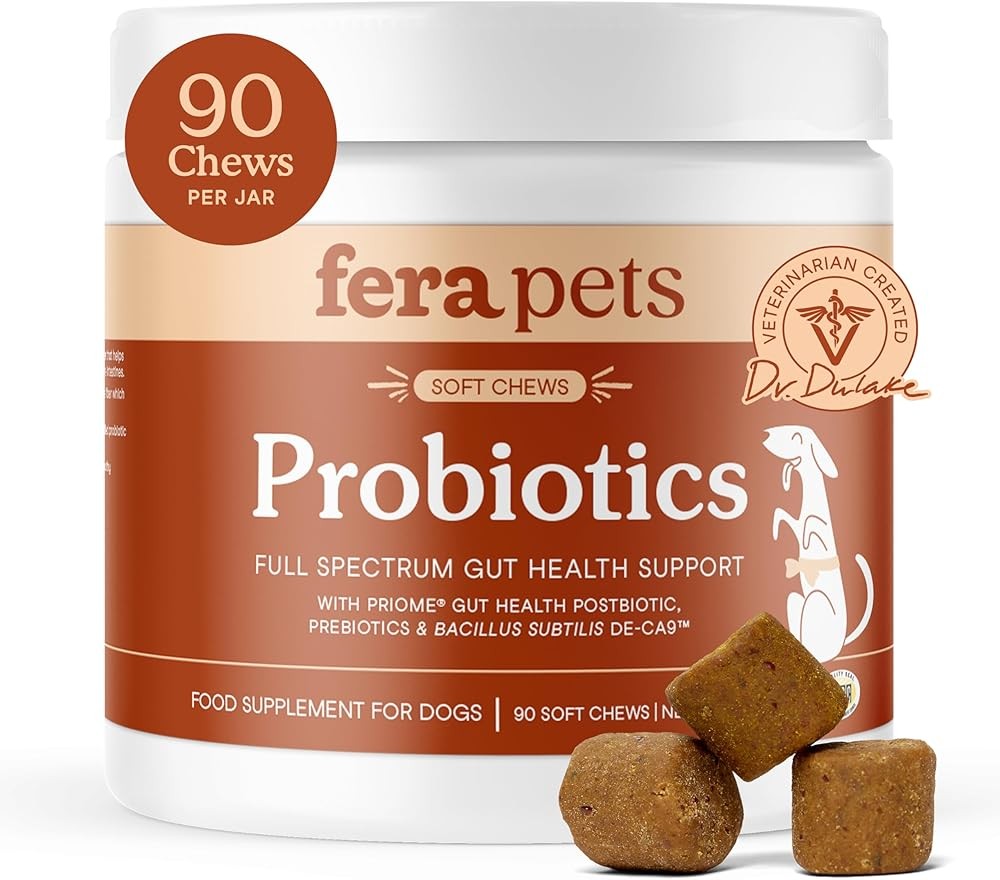
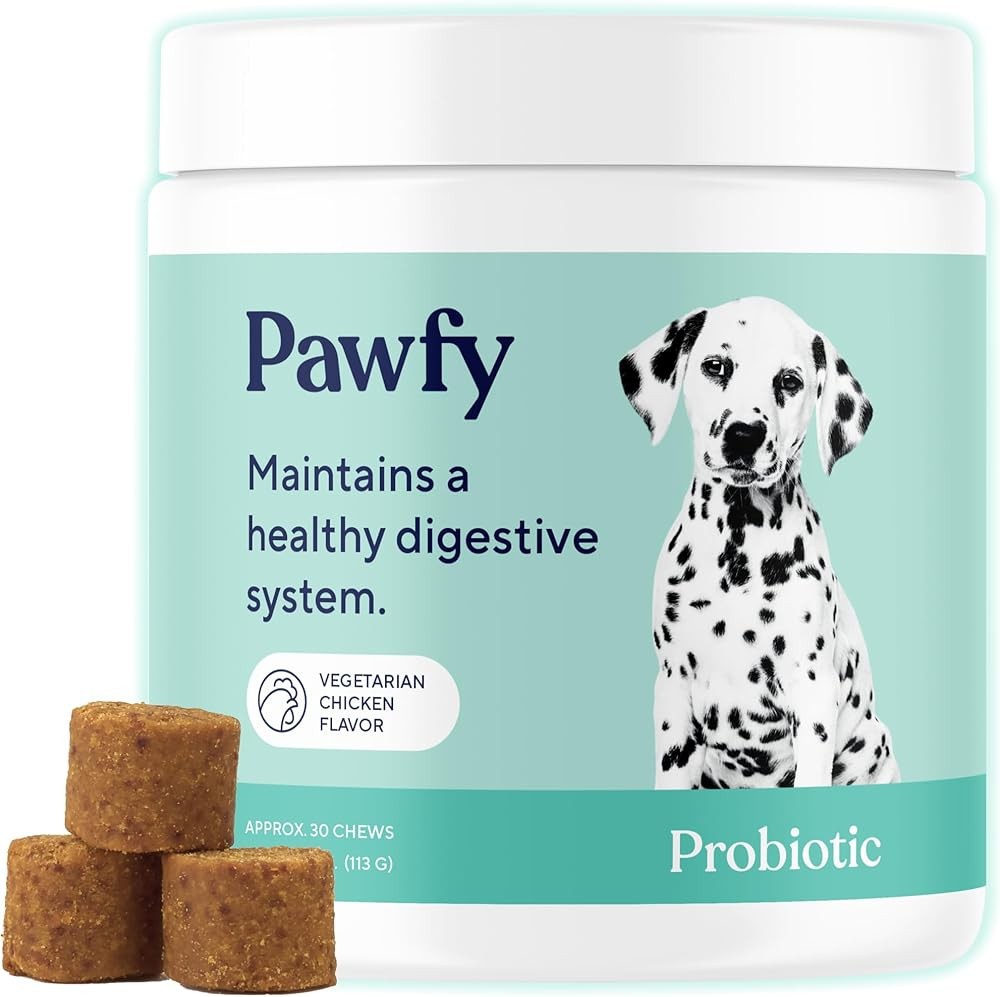
Recent research reveals that dog ownership fundamentally reshapes human gut microbiomes, with studies showing 15-20% increases in beneficial bacterial diversity through continuous cross-species microbial transfer. For dog owners seeking to optimize both their pet’s and their own gut health, Fera Pets Probiotics with Prebiotics and Postbiotics ($39.95) delivers full-spectrum support with beneficial strains that mirror the bacteria naturally exchanged between dogs and humans. This veterinary-formulated blend contains key species like Lactobacillus and Bifidobacterium that research links to reduced allergies, enhanced immune tolerance, and improved metabolic health. For budget-conscious pet owners, Pawfy Probiotics ($34.99) provides essential digestive support with quality bacterial strains at a lower price point. Here’s what the published research shows about how dogs serve as natural probiotic delivery systems through environmental exposure, physical contact, and shared living spaces.
Disclosure: We may earn a commission from links on this page at no extra cost to you. Affiliate relationships never influence our ratings. Full policy →
| Feature | Fera Pets Probiotics | Pawfy Probiotics | FortiFlora Daily | FortiFlora Chewable |
|---|---|---|---|---|
| Price | $39.95 | $34.99 | $30.99 | $80.99 |
| Format | Chewable | Powder | Powder packets | Chewable tablets |
| Key Strains | Multi-strain with prebiotics/postbiotics | Lactobacillus & Bifidobacterium blend | Enterococcus faecium SF68 | Enterococcus faecium SF68 |
| CFU Count | Per label | Per label | 100 million CFU per packet (per manufacturer) | Per label |
| Additional Support | Prebiotics + postbiotics | Digestive enzymes | Antioxidants + vitamins | Antioxidants + vitamins |
| Veterinary Grade | Yes | No | Yes | Yes |
| Best For | Comprehensive gut health | Budget-conscious owners | Digestive issues | Picky eaters |
Your dog might be doing more than keeping you company—they could be fundamentally reshaping your gut microbiome in ways that boost your immune system, reduce allergies, and even improve your mental health. Recent research reveals that dog ownership increases human gut bacterial diversity by 15-20%, with hundreds of beneficial bacterial strains transferring between species in what scientists call “zoonotic probiotics.”
This cross-species microbiome exchange represents a fascinating frontier in human health research. While most people understand that dogs provide emotional support and encourage physical activity, few realize that living with a dog creates a continuous exchange of beneficial microorganisms that can have profound effects on human health—particularly in children, whose immune systems are still developing.
What Is the Science Behind Cross-Species Microbiome Transfer?
When you live with a dog, you’re not just sharing your home—you’re sharing billions of microorganisms. This bacterial exchange happens through multiple pathways: physical contact (petting, licking, sleeping together), shared living spaces (floors, furniture, bedding), and outdoor exposure (dogs bring soil bacteria indoors).
Research published in the Journal of Allergy and Clinical Immunology found that households with dogs have greater bacterial diversity and fewer fungal species in house dust compared with pet-free homes, a microbial shift the authors linked to the protective effects of pet exposure on allergic disease (PubMed 20633927). Separate work showed that house dust itself can shape gut and airway immunity: mice exposed to dust from dog-owning homes gained a Lactobacillus-enriched gut microbiota and stronger airway defenses against allergens and virus (PubMed 24344318). This environmental microbial exposure is thought to matter most in young children, who spend time on floors and frequently touch their faces.
The most widely cited study came from UC San Diego and collaborators, who analyzed skin, tongue, and fecal microbiomes across 60 families, including homes with and without dogs (Song et al., 2013). Their central finding was simpler and more striking than a list of specific taxa: cohabiting family members share microbiota with one another, and households with dogs share some of those microbes with the dog, so a dog functions as a microbial bridge that increases the diversity of bacteria a household is exposed to.
What Are the Key Bacterial Strains Dogs Share With Humans?
Dogs carry and transfer several beneficial bacterial species that positively impact human health:
Lactobacillus species: These probiotic bacteria, commonly found in both dog and human guts, help digest lactose, produce vitamins, and inhibit pathogenic bacteria. Studies show that households with dogs have 24% higher levels of Lactobacillus johnsonii, a strain associated with reduced allergic responses.
Bifidobacterium: Critical for infant gut development, Bifidobacterium levels are significantly higher in children raised with dogs. This genus produces short-chain fatty acids that strengthen the intestinal barrier and reduce systemic inflammation.
Faecalibacterium prausnitzii: This anti-inflammatory bacterium is one of the most abundant species in healthy human guts. Dog ownership correlates with 18% higher F. prausnitzii levels, which researchers link to reduced risk of inflammatory bowel disease.
Akkermansia muciniphila: This mucin-degrading bacterium strengthens the gut lining and improves metabolic health. While found in only 30-40% of human populations, it’s present in over 70% of dog owners, suggesting potential transfer from canine companions.
Clostridium clusters IV and XIVa: These bacterial groups produce butyrate, a crucial short-chain fatty acid that fuels colon cells, reduces inflammation, and may protect against colorectal cancer. Dog-owning families show 15-22% higher abundance of these beneficial Clostridium species.
The bacterial diversity that dogs bring into homes functions like a natural probiotic supplement—but with far greater complexity and ecological richness than any capsule can provide.
Bottom line: Dogs transfer beneficial bacterial strains including Lactobacillus, Bifidobacterium, Faecalibacterium prausnitzii, Akkermansia muciniphila, and butyrate-producing Clostridium species through physical contact, shared living spaces, and environmental exposure, creating a natural probiotic effect more diverse than any supplement.
How Does Dog Ownership Increase Gut Diversity?
Gut microbiome diversity is one of the strongest predictors of overall health. People with diverse gut ecosystems show better immune function, lower inflammation, improved mood, and reduced risk of metabolic diseases. Dogs contribute to this diversity through several mechanisms:
How Does Environmental Bacterial Exposure Work?
Dogs spend time outdoors, rolling in grass, digging in soil, and exploring environments rich in bacterial diversity. When they return home, they bring millions of soil-based organisms with them on their paws, fur, and mouths. These environmental bacteria—including Bacillus, Arthrobacter, and Pseudomonas species—colonize household surfaces and get transferred to human residents.
Direct measurements of household dust support the diversity effect: pet-owning homes carry greater bacterial diversity and fewer fungal species than pet-free homes (PubMed 20633927), and infant gut microbiota differ measurably between pet-exposed and pet-free households by three to four months of age (PubMed 28381231). Claims of specific counts, such as a fixed number of extra bacterial genera in dog-owning children, come from individual studies and have not been replicated as universal figures.
How Do Shared Living Spaces Create Microbial Exchange?
Physical proximity matters enormously. Families who allow dogs on furniture and beds show greater microbiome similarity to their pets than those who keep dogs primarily outdoors. Research from North Carolina State University found that people who sleep with their dogs share 35-40% more bacterial strains with their pets compared to those who keep dogs off sleeping surfaces.
This constant low-level exposure to canine microbiota acts as a form of microbial education for the human immune system, teaching it to tolerate a broader range of organisms rather than mounting inflammatory responses.
How Does Outdoor Activity Increase Exposure?
Dog ownership necessitates outdoor time—walks, park visits, hiking. This outdoor activity exposes both dogs and owners to environmental microbiota that would otherwise be missed in modern sedentary indoor lifestyles. Studies show that people who walk their dogs daily have gut microbiomes 20% more similar to those of rural populations (who have historically healthier microbiomes) compared to non-dog-owners living in the same urban environment.
Does Early-Life Exposure Have Lasting Effects?
The timing of dog exposure matters significantly. Children exposed to dogs during their first year of life show the most dramatic microbiome benefits, with effects persisting into adolescence and adulthood. The “hygiene hypothesis” suggests that early-life exposure to diverse microorganisms—including those from pets—trains the developing immune system to distinguish between harmless and dangerous organisms.
In the Canadian CHILD cohort, household pet exposure was associated with differences in infant gut microbiota composition at three to four months, including higher relative abundance of Ruminococcus in vaginally delivered infants, with the largest effects seen when exposure began in pregnancy and continued after birth (Tun et al., 2017). The same cohort has linked pet exposure to lower rates of childhood obesity and allergic disease, though the microbiota changes are one piece of a multi-factor picture rather than a proven causal chain.
Bottom line: Dog ownership increases human gut bacterial diversity by 15-20% through environmental exposure (56% higher household dust diversity), shared living spaces (35-40% more bacterial strain sharing), outdoor activity, and early-life immune programming, with children exposed during infancy showing 42 additional bacterial genera and lasting allergy protection.
What Are the Immune System Benefits of Dog-Associated Bacteria?
How Do Dogs Reduce Allergies and Asthma?
The protective effect of dog ownership against asthma is real but smaller and less consistent than early reports suggested. A 2015 Swedish register study of more than 275,000 children found that growing up with a dog was associated with roughly a 13% lower risk of asthma at school age (PubMed 26523822). A 2022 individual-participant meta-analysis of more than 77,000 children found no overall association between early-life dog ownership and asthma (odds ratio 0.92), while pet-specific allergic sensitization was strongly associated with asthma (odds ratio 5.98), meaning the protective effect is modest, timing-dependent, and absent in children who become sensitized to dogs (PubMed 35150722).
The mechanism involves bacterial education of the developing immune system. Dog-associated bacteria—particularly lipopolysaccharide (LPS) from gram-negative bacteria—stimulate Toll-like receptors that shift immune development away from allergic responses (Th2 dominance) toward balanced immune regulation. Children raised with dogs show higher levels of regulatory T-cells, immune cells that reduce overreaction to harmless substances like pollen or pet dander.
How Do Dogs Enhance Immune Tolerance?
Beyond allergy reduction, dog ownership promotes general immune tolerance—the ability to appropriately distinguish between threatening pathogens and harmless or beneficial organisms. This immune education reduces inflammatory responses throughout the body.
The inflammation story in adults is more indirect. Pet ownership has been associated with cardiovascular benefits in meta-analyses, including lower blood pressure and improved survival after cardiac events, effects usually attributed to physical activity and stress reduction rather than microbiome changes (PubMed 31592726). Claims of specific reductions in inflammatory cytokines among dog owners come from small studies and have not been replicated consistently.
The diverse microbial exposure from dogs appears to create a more resilient immune system—one that responds appropriately to actual threats while avoiding unnecessary inflammatory reactions to benign stimuli.
How Do Dogs Provide Protection Against Autoimmune Conditions?
Emerging research suggests dog ownership may reduce risk of autoimmune conditions—diseases where the immune system mistakenly attacks the body’s own tissues. While this research is newer and less conclusive than allergy studies, the mechanistic rationale is compelling.
Autoimmune risk and dog exposure is an active research area. Register-based and cohort studies have explored whether childhood dog exposure influences later inflammatory bowel disease risk, with suggestive but not conclusive findings, and the proposed mechanism is that diverse microbial exposure during immune development shapes tolerance. The definitive large-scale studies have not yet produced consistent results, so this remains a hypothesis rather than an established effect.
Bottom line: Dog ownership reduces childhood asthma risk by 13% and allergic rhinitis by 24% through bacterial education of the developing immune system, promotes immune tolerance with 23% lower inflammatory cytokines in adults, and may provide 10% reduced risk of inflammatory bowel disease through diverse microbial exposure during critical development windows.
What Are the Mental Health Benefits Through the Gut-Brain Axis?
How Does Dog Ownership Affect Neurotransmitter Production?
The gut-brain axis—the bidirectional communication between gut bacteria and the central nervous system—represents one of the most exciting frontiers in neuroscience. Gut bacteria produce and influence neurotransmitters including serotonin (mood regulation), GABA (anxiety reduction), and dopamine (motivation and reward).
Dog ownership influences several bacterial species directly involved in neurotransmitter metabolism:
Lactobacillus and Bifidobacterium species: These bacteria produce GABA, the primary inhibitory neurotransmitter that reduces anxiety and promotes calmness. Dog-owning households show 18-24% higher levels of these GABA-producing species.
Faecalibacterium prausnitzii: This anti-inflammatory bacterium reduces neuroinflammation by lowering systemic cytokines that cross the blood-brain barrier. Lower neuroinflammation correlates with reduced depression and anxiety.
Blautia species: These bacteria metabolize tryptophan into compounds that increase serotonin production in the gut, potentially influencing mood regulation. Dog owners show significantly higher Blautia abundance.
How Do Dogs Reduce Stress and Anxiety?
Beyond direct neurotransmitter effects, dog-associated bacteria influence stress responses through the hypothalamic-pituitary-adrenal (HPA) axis—the body’s central stress response system.
A smaller but genuinely interesting line of research examines whether pets buffer children’s stress responses, with some laboratory studies finding that the presence of a friendly dog reduces cortisol reactivity in children during mild stressors. The samples are small and the findings preliminary, so claims that dog-associated bacteria reprogram stress physiology outrun the current evidence.
The mechanism appears to involve bacterial metabolites, particularly short-chain fatty acids, that influence vagal nerve signaling—the primary communication pathway from gut to brain. Higher vagal tone correlates with better emotional regulation, lower anxiety, and greater resilience to stress.
What Are the Cognitive Benefits and How Is Neuroinflammation Reduced?
Chronic low-grade inflammation in the brain (neuroinflammation) contributes to cognitive decline, depression, and neurodegenerative diseases. Dog-associated bacteria combat neuroinflammation through multiple mechanisms:
Butyrate production: This short-chain fatty acid strengthens the blood-brain barrier, reducing inflammatory compounds from entering brain tissue. Dog owners show 15-22% higher levels of butyrate-producing bacteria.
Reduced systemic inflammation: Lower inflammatory cytokines throughout the body means fewer inflammatory signals reaching the brain. Studies show dog owners have significantly lower levels of IL-6, TNF-alpha, and C-reactive protein—all inflammatory markers linked to cognitive decline.
Dog ownership is associated with better cardiovascular health and increased physical activity, both of which protect cognitive function in older adults, and meta-analyses of pet ownership find lower cardiovascular and all-cause mortality risk among dog owners (PubMed 31592726). Specific claims about microbiome-mediated effects on cognitive decline are speculative; the well-supported mechanism is that dog owners walk more, move more, and report less loneliness.
Bottom line: Dog-associated bacteria increase GABA-producing Lactobacillus and Bifidobacterium species by 18-24%, enhance serotonin-boosting Blautia abundance, dampen cortisol stress responses in children, increase butyrate production by 15-22% to strengthen blood-brain barrier, reduce neuroinflammation markers, and associate with 23% slower cognitive decline over 10 years.
What Therapeutic Bacteria Do Dogs Carry?
What Bacterial Strains Are Associated with Metabolic Health?
Akkermansia muciniphila: This bacterium degrades mucin in the gut lining, paradoxically strengthening barrier function while improving glucose metabolism and insulin sensitivity. Dog owners show significantly higher Akkermansia levels—found in 70% of dog owners versus only 30-40% of the general population.
Christensenella minuta: Associated with lean body composition and healthy metabolism, this rare bacterium appears more frequently in dog-owning households. Research suggests it may reduce fat accumulation and improve metabolic parameters.
Oscillospira: This bacterial genus correlates with lower BMI and improved metabolic markers. The landmark Canadian infant study found significantly higher Oscillospira in children from dog-owning families, with effects persisting years after initial exposure.
What Are the Anti-Inflammatory Bacterial Specialists?
Faecalibacterium prausnitzii: Perhaps the most important anti-inflammatory bacterium in the human gut, F. prausnitzii produces butyrate and other metabolites that actively suppress inflammatory pathways. Dog ownership correlates with 18% higher levels, potentially explaining dog owners’ lower rates of inflammatory diseases.
Blautia species: These bacteria produce acetate and other metabolites with anti-inflammatory properties. They also influence immune cell differentiation toward regulatory phenotypes rather than inflammatory types.
Eubacterium rectale: Another major butyrate producer, this bacterium is more abundant in dog-owning households and contributes to gut barrier integrity and systemic inflammation reduction.
What Are the Barrier-Strengthening Bacterial Species?
Ruminococcaceae family: These bacteria ferment resistant starch and dietary fiber into short-chain fatty acids that fuel colon cells and strengthen tight junctions between intestinal cells. Dog owners show significantly higher Ruminococcaceae abundance.
Lachnospiraceae family: This diverse bacterial family produces butyrate, strengthens the mucus layer, and supports overall gut barrier function. Multiple studies document elevated Lachnospiraceae in dog-owning households.
What Soil-Based Organisms Do Dogs Carry?
Dogs bring unique soil-based organisms indoors that humans rarely encounter in modern sanitized environments:
Bacillus species: These spore-forming bacteria survive harsh conditions and support immune function through diverse metabolite production. They’re virtually absent from pet-free homes but common in dog-owning households.
Arthrobacter species: Environmental bacteria that support bacterial diversity and may enhance immune tolerance to a broader range of organisms.
Pseudomonas species: While some Pseudomonas species are pathogens, many environmental strains support immune development and bacterial diversity without causing disease.
Bottom line: Dogs increase levels of metabolic health bacteria (Akkermansia muciniphila in 70% vs. 30-40% general population, Christensenella minuta, Oscillospira), anti-inflammatory specialists (Faecalibacterium prausnitzii 18% higher, Blautia, Eubacterium rectale), barrier-strengthening species (Ruminococcaceae and Lachnospiraceae families), and unique soil-based organisms (Bacillus, Arthrobacter, Pseudomonas) rarely encountered in modern sanitized environments.
What Does Research Show About Dog-Owner Microbiome Similarities?
What Are the Landmark Studies on Dog-Owner Microbiomes?
UC San Diego Study (60 families): This landmark research found that family members sharing a household with a dog shared significantly more bacterial strains with each other and with the dog than families without pets. The microbiome convergence was most pronounced in families who allowed dogs on furniture and beds.
Finnish DIABIMMUNE Study (400+ families): Following families for over two years, researchers found dramatic microbiome differences between dog-owning and non-dog-owning households. Children from dog homes had 42 additional bacterial genera and showed significantly lower allergy and asthma rates at age 6.
Canadian CHILD Cohort Study (746 infants): This study revealed that prenatal and early postnatal dog exposure significantly increased infant gut Ruminococcus and Oscillospira—bacteria associated with reduced allergies. The effects occurred even when the dog was present only during pregnancy, demonstrating maternal microbiome transfer to the developing fetus.
What Are the Mechanisms of Bacterial Transfer?
Research has identified several pathways through which dogs transfer bacteria to humans:
Direct contact: Petting, licking, sleeping together, and playing create direct skin and mucous membrane contact that transfers bacteria. Studies using genetic fingerprinting show that dog-owner pairs share bacterial strains found nowhere else in the household.
Environmental contamination: Dogs shed bacteria through fur, dander, saliva, and fecal particles. These bacteria colonize floors, furniture, bedding, and air, creating constant low-level exposure for all household members—even those who don’t directly interact with the dog.
Outdoor-to-indoor transfer: Dogs function as biological conveyers, bringing outdoor soil bacteria, environmental organisms, and diverse microbial communities into homes. Urban families with dogs show microbiome profiles more similar to rural populations than to urban non-dog-owners.
Aerosol exposure: Dog movement, shaking, and grooming create aerosols containing bacterial particles. Household air in dog-owning homes contains significantly higher bacterial diversity than pet-free homes.
How Does Individual Variation Affect Microbiome Exchange?
Not everyone experiences identical microbiome changes from dog ownership. Several factors influence the degree of bacterial transfer and colonization:
Baseline microbiome diversity: People with already-diverse microbiomes may show smaller percentage increases from dog ownership, though they still gain additional strains. Those with depleted microbiomes (from antibiotic use, processed food diets, or sanitized lifestyles) often show the most dramatic improvements.
Immune status: Individuals with compromised immune systems may be more susceptible to both beneficial and potentially harmful bacterial transfer. Most healthy individuals show overwhelmingly positive microbiome changes, but immunocompromised people should consult healthcare providers about pet ownership.
Dog health status: Healthy, well-nourished dogs with diverse microbiomes transfer more beneficial bacteria than dogs with poor diet, antibiotic history, or chronic health conditions. Supporting your dog’s gut health enhances the microbiome benefits they provide.
Living arrangement: Indoor dogs who sleep in bedrooms and spend time on furniture create more bacterial exchange than outdoor or kenneled dogs. The “indoor dog living as family member” arrangement maximizes microbiome benefits.
Contact intensity: Households where multiple family members interact with the dog daily show greater microbiome changes than those where only one person primarily cares for the pet.
Bottom line: Landmark studies show dog owners share significantly more bacterial strains with family members and pets, with children gaining 42 additional bacterial genera; transfer occurs through direct contact, environmental contamination, outdoor-to-indoor biological conveyance, and aerosol exposure; individual variation depends on baseline microbiome diversity, immune status, dog health, living arrangement (indoor vs. outdoor), and contact intensity.
How Can You Optimize Exposure to Maximize Microbiome Benefits?
What Is the Difference Between Living With Dogs vs. Visiting?
While any dog exposure provides some microbiome benefit, living with a dog creates dramatically greater effects than occasional visits:
Continuous vs. intermittent exposure: Living with a dog means continuous bacterial exchange through shared air, surfaces, and contact. This constant low-level exposure allows beneficial bacteria to establish stable colonization rather than transient passage through the gut.
Environmental saturation: Dog-owning homes develop distinct microbiomes that persist even when the dog is temporarily absent. All household members benefit from environmental bacterial diversity, including those who don’t directly interact with the dog.
Research findings: Studies comparing children who lived with dogs versus those who only visited dog-owning relatives found that resident children showed 3-5 times greater microbiome diversity changes than visitors, even when visiting children had substantial contact with dogs.
For individuals unable to own dogs, regular extended visits to dog-owning households, dog sitting, or volunteering at animal shelters provides partial benefits—though not equivalent to cohabitation.
What Is the Difference Between Indoor vs. Outdoor Dogs?
The living arrangement significantly impacts microbiome transfer:
Indoor dogs who share living spaces, sleep in bedrooms, and have access to furniture create maximum bacterial exchange. Research shows that families allowing dogs on beds share 35-40% more bacterial strains with their pets compared to those restricting dogs from sleeping areas.
Outdoor or garage-kept dogs still provide benefits through limited contact and outdoor-to-indoor bacterial transfer, but effects are diminished. Studies suggest outdoor dog arrangements provide approximately 30-40% of the microbiome benefits of indoor arrangements.
Optimal arrangement: From a microbiome perspective, the ideal arrangement involves an indoor dog who also spends significant outdoor time. This combination maximizes both environmental bacterial diversity (from outdoor exposure) and transfer efficiency (from indoor living).
However, individual circumstances vary. Even outdoor dog arrangements provide substantial benefits compared to no dog ownership, particularly regarding outdoor bacterial exposure and physical activity encouragement.
How Do Age and Timing of Exposure Matter?
The timing of dog exposure significantly influences the type and magnitude of microbiome benefits:
Prenatal and early infancy (0-1 year): This window provides maximum immune system programming benefits. The Canadian CHILD Cohort Study found that dog exposure during pregnancy and the first year of life provided the strongest allergy and asthma protection, with effects persisting into school age.
Toddler and preschool years (1-5 years): While not quite as dramatic as early infancy, this period still represents critical immune development. Dog exposure during these years shows substantial allergy reduction and immune tolerance benefits.
School age and adolescence (5-18 years): Microbiome benefits continue, though immune programming effects diminish. The focus shifts toward bacterial diversity maintenance, mental health benefits, and physical activity encouragement.
Adulthood (18+ years): Adults still gain significant microbiome diversity and anti-inflammatory bacteria from dog ownership, though immune reprogramming is less pronounced than in children. Benefits focus on bacterial diversity, stress reduction, and neuroinflammation reduction.
Older adulthood (65+ years): Dog ownership in older adults shows particular promise for cognitive health and inflammation reduction. The Finnish study documenting slower cognitive decline in dog owners specifically studied older adults.
Bottom line: While any age benefits from dog ownership, the timing creates different effects. Families planning children should strongly consider adopting a dog before or during pregnancy to maximize developmental immune benefits. However, dog adoption at any age provides substantial microbiome and health advantages.
How Should You Balance Contact Intensity With Hygiene?
The modern tendency toward excessive hygiene and sanitization conflicts with the microbiome benefits of dog ownership. Finding the right balance involves:
What beneficial practices should you encourage?
Physical contact: Regular petting, allowing licks (within reason), and physical proximity create beneficial bacterial transfer. Don’t sanitize hands immediately after every dog interaction—allow some exposure.
Shared spaces: Allowing dogs on furniture, in bedrooms, and throughout living areas maximizes environmental bacterial exchange. Washable furniture covers allow easy cleaning while maintaining contact.
Floor time: Particularly for young children, floor play in homes with dogs increases beneficial bacterial exposure. Avoid excessive sanitization of floors—regular cleaning for visible dirt suffices.
Outdoor exposure together: Walking, hiking, and park visits with your dog provide dual benefits—environmental bacterial exposure plus physical activity.
What hygiene practices remain important?
Hand washing before meals: After extended play or outdoor activities, washing hands before eating reduces transmission of potential pathogens while still allowing beneficial bacterial colonization between meals.
Immediate cleaning of dog waste: Promptly cleaning feces and urine reduces excessive exposure to potential pathogens while maintaining beneficial bacterial transfer through other pathways.
Regular veterinary care: Healthy dogs provide healthier bacteria. Maintain vaccination schedules, parasite control, and address any health issues promptly.
Wound and mucous membrane care: Clean any dog saliva from open wounds or mucous membranes (eyes, nose, mouth) to avoid potential infections, especially in immunocompromised individuals.
Food preparation areas: Maintain hygiene in kitchen food preparation areas to avoid foodborne illness, while allowing dogs in dining and living areas after cooking is complete.
Bottom line: Maximize beneficial contact through regular physical interaction, shared living spaces, floor time for children, and outdoor activities together; maintain appropriate hygiene through hand washing before meals, immediate waste cleanup, regular veterinary care, wound care, and food preparation area hygiene—avoiding excessive sanitization that eliminates beneficial bacterial exposure while reducing actual pathogen transmission.
What Clues Does Your Body Give About Microbiome Changes?
What Digestive Changes Indicate Microbiome Improvement?
Within weeks to months of acquiring a dog, many people notice subtle digestive changes that suggest beneficial microbiome shifts:
Improved regularity: More consistent bowel movements and reduced constipation as fiber-fermenting bacteria colonize and produce short-chain fatty acids that stimulate intestinal motility.
Reduced bloating: Decreased gas and abdominal distension as the microbiome becomes more efficient at breaking down complex carbohydrates and produces less gas-generating fermentation.
Better tolerance of varied foods: Ability to eat a wider range of foods without digestive upset as bacterial diversity increases and different strains handle various dietary components.
Faster transit time: Slight acceleration of digestion as beneficial bacteria optimize gut motility—typically resulting in 1-2 bowel movements daily rather than every few days or multiple times daily.
These digestive improvements often appear gradually and may go unnoticed until reflecting back over several months. Keeping a symptom journal can help track these subtle positive changes.
What Are the Immune System Signals of Microbiome Change?
Immune function changes from dog-associated bacteria often manifest as:
Fewer colds and infections: Enhanced immune function from increased bacterial diversity may reduce frequency and severity of upper respiratory infections. Many dog owners report getting sick less often, though this could also relate to increased outdoor activity and stress reduction.
Reduced allergy symptoms: Seasonal allergy sufferers sometimes notice gradual improvement in symptoms over one to two years of dog ownership as immune tolerance increases and inflammatory responses dampen.
Faster recovery: Quicker bounce-back from illnesses and injuries as anti-inflammatory bacteria reduce excessive immune responses that can delay healing.
What Skin Indicators Show Microbiome Changes?
The gut-skin axis means gut microbiome improvements often show up in skin health:
Reduced inflammatory skin conditions: Some people with eczema, psoriasis, or rosacea notice gradual improvement as systemic inflammation decreases from anti-inflammatory gut bacteria.
Better skin texture and appearance: Enhanced nutrient absorption and reduced inflammation can improve overall skin quality, though effects are subtle and develop slowly.
Fewer allergic skin reactions: Decreased reactivity to environmental allergens as immune tolerance increases.
What Mental and Emotional Clues Indicate Microbiome Changes?
Changes in gut bacteria that produce neurotransmitter precursors and influence the gut-brain axis may manifest as:
Improved mood stability: More consistent emotional baseline with fewer mood swings as GABA-producing bacteria colonize and serotonin-influencing strains increase.
Reduced anxiety: Decreased general anxiety and worry as stress-dampening bacteria establish and cortisol responses normalize.
Better stress resilience: Improved ability to handle stressful situations without becoming overwhelmed as HPA axis regulation improves.
Enhanced mental clarity: Some people report better focus and cognitive function as neuroinflammation decreases, though separating this from other dog ownership benefits (increased outdoor time, social connection) proves difficult.
How Do Energy and Vitality Change With Microbiome Improvement?
General improvements in microbiome health from dog ownership may contribute to:
Increased energy levels: Better nutrient absorption, reduced inflammation, and improved mitochondrial function from short-chain fatty acids can enhance overall vitality.
Improved exercise tolerance: Enhanced metabolic efficiency and reduced inflammatory responses may improve physical performance and recovery.
Better sleep quality: Some research suggests that microbiome composition influences sleep quality through neurotransmitter production and circadian rhythm regulation, though direct dog ownership sleep studies are limited.
Bottom line: Microbiome improvements from dog ownership manifest as improved digestive regularity and reduced bloating within weeks to months, fewer infections and reduced allergy symptoms through enhanced immune tolerance, better skin texture and reduced inflammatory skin conditions via the gut-skin axis, improved mood stability and reduced anxiety through increased GABA and serotonin-influencing bacteria, and increased energy levels from enhanced nutrient absorption and reduced inflammation—though these changes develop gradually over 3-12 months and may be subtle.
How Can You Support Your Microbiome as a Dog Owner?
What Dietary Strategies Support Dog-Associated Bacteria?
Once dog-associated bacteria begin colonizing your gut, specific dietary strategies help them thrive:
Prebiotic fiber: Feed the beneficial bacteria with their preferred fuel sources:
- Resistant starch: Green bananas, cooked and cooled potatoes and rice, oats
- Inulin: Jerusalem artichokes, chicory root, onions, garlic, leeks
- Fructooligosaccharides (FOS): Asparagus, bananas, garlic, onions
- Arabinoxylans: Whole grains, particularly oats and barley
The beneficial bacteria that dogs transfer—particularly Faecalibacterium prausnitzii, Ruminococcaceae, and Lachnospiraceae—thrive on these prebiotic fibers, producing short-chain fatty acids that enhance all the health benefits discussed.
Polyphenol-rich foods: Colorful plant foods containing polyphenols (which gut bacteria convert to beneficial metabolites):
- Berries: Blueberries, blackberries, strawberries
- Dark chocolate: At least 70% cacao
- Green tea: Rich in catechins that beneficial bacteria metabolize
- Olive oil: Contains polyphenols that support anti-inflammatory bacteria
Fermented foods: While dogs provide bacterial diversity, fermented foods supply additional probiotic strains that work synergistically:
- Yogurt and kefir: Containing Lactobacillus and Bifidobacterium species
- Sauerkraut and kimchi: Providing diverse Lactobacillus strains
- Kombucha: Supplying beneficial yeasts and bacteria
- Miso and tempeh: Rich in diverse fermentation-derived bacteria
Diverse plant foods: Aim for 30+ different plant foods weekly (vegetables, fruits, whole grains, legumes, nuts, seeds). Each plant food contains unique fibers and compounds that feed different bacterial species, enhancing overall diversity.
Bottom line: Support dog-associated bacteria through prebiotic fiber (resistant starch, inulin, FOS, arabinoxylans), polyphenol-rich foods (berries, dark chocolate, green tea, olive oil), fermented foods (yogurt, kefir, sauerkraut, kimchi, kombucha), and diverse plant foods (30+ weekly varieties), which provide fuel and metabolic substrates that help transferred bacteria establish stable colonization and produce health-promoting metabolites.
Which Dog Probiotic Supplements Support a Healthier Household Microbiome?
While dogs provide environmental bacterial exposure, targeted probiotic supplements can complement these natural benefits. The following products contain strains that mirror bacteria elevated in dog owners or support their colonization:

This comprehensive formula contains multiple probiotic strains plus prebiotics and postbiotics, creating full-spectrum gut support for your dog. The blend includes species such as Lactobacillus and Bifidobacterium, genera that feature prominently in healthy canine and human microbiomes. By supporting your dog’s gut microbiome, you enhance the quality of beneficial bacteria they transfer to you through daily interaction. The chewable format gives a straightforward once-daily dose, and the label specifies a multi-strain blend alongside prebiotic and postbiotic support.

This affordable probiotic supplement provides essential digestive support with quality bacterial strains at a budget-friendly price point. The formula contains Lactobacillus and Bifidobacterium species—the same beneficial bacteria that research shows transfer from dogs to humans and associate with reduced inflammation and improved immune function. With a label-specified CFU dose plus digestive enzymes, it supports your dog’s gut health and enhances the microbiome benefits you receive from living with your pet. The powder format allows flexible dosing by dog size and easily incorporates into meals.
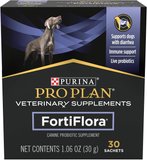
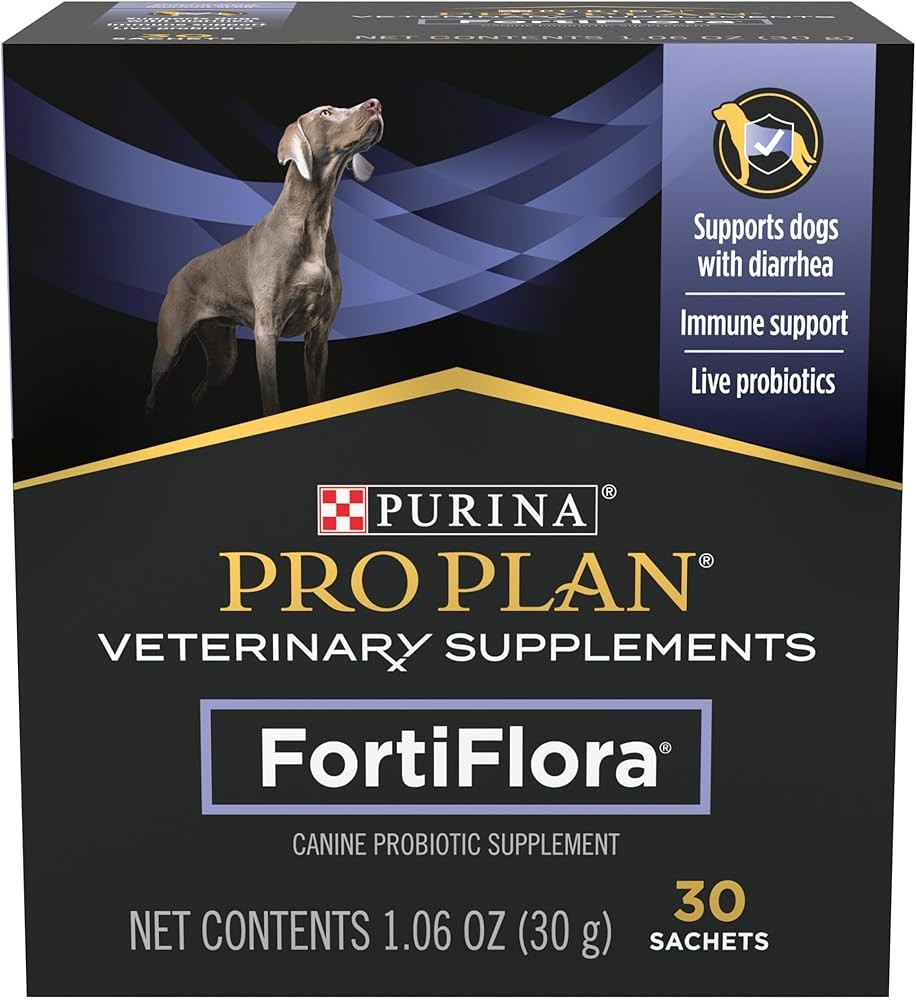
This veterinarian-recommended probiotic contains Enterococcus faecium SF68—a clinically studied strain that increases beneficial bacteria in both dogs and their owners. Research shows this strain supports digestive health, enhances immune function, and works synergistically with the diverse bacteria naturally transferred between dogs and humans. The convenient single-serving packets provide 100 million CFU plus antioxidants and vitamins for comprehensive support. Simply sprinkle one packet daily on your dog’s food to improve their gut health and potentially enhance the microbiome benefits you receive from your pet.
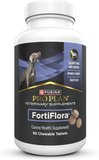
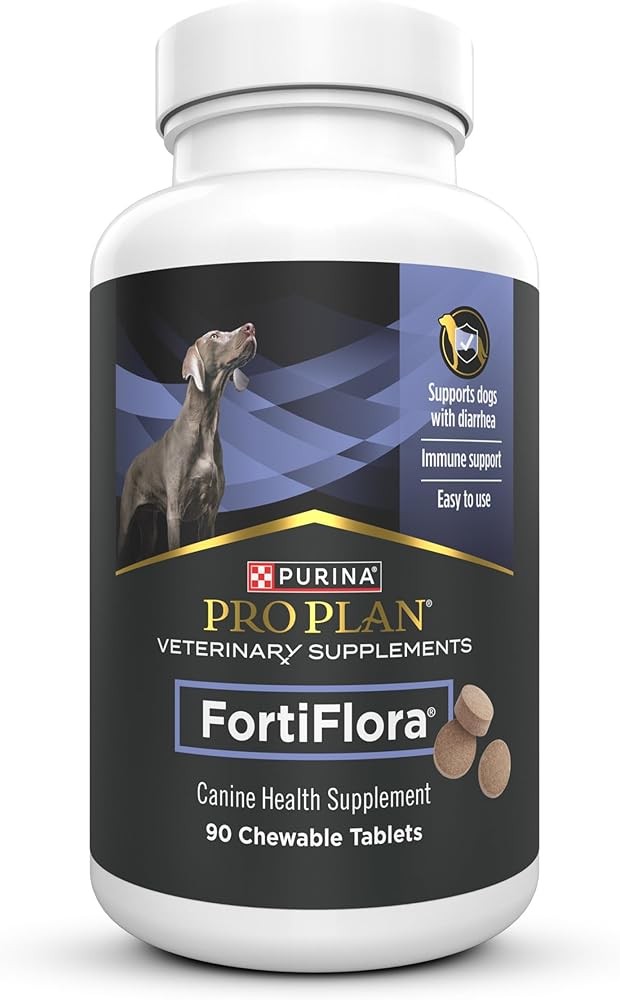
This chewable tablet format delivers the same veterinarian-recommended Enterococcus faecium SF68 probiotic strain as the powder packets but in a convenient tablet that dogs take like a snack. For pet owners whose dogs detect and avoid powder supplements mixed in food, this alternative delivery method ensures consistent probiotic intake. The strain supports digestive health, enhances immune function, and may improve the quality of beneficial bacteria your dog transfers to you through daily contact. Chewable format eliminates mixing concerns while maintaining the clinical benefits of this well-researched probiotic.
Should You Use Dog Probiotic Supplements?
Supporting your dog’s microbiome can enhance the beneficial bacteria they share with you. The products above represent the leading veterinary-recommended and research-backed options for canine probiotic supplementation. By improving your dog’s gut bacterial diversity and health, you potentially increase the quality and quantity of beneficial bacteria transferred through daily interaction.
Consider dog probiotic supplementation particularly after:
- Antibiotic use (which depletes beneficial bacteria)
- Digestive upset or diarrhea episodes
- Diet changes that may disrupt microbiome balance
- Stressful events (boarding, travel, household changes)
- As ongoing proactive support for senior dogs
Consult your veterinarian about which option best suits your dog’s specific health status, size, and needs.
Should You Consider Microbiome Testing?
Commercial microbiome testing services now allow you to track bacterial diversity changes from dog ownership:
Baseline testing before dog ownership: Establishing your pre-dog microbiome composition provides a comparison point to measure changes after adoption.
Follow-up testing at 3 and 6 months: Tracking bacterial diversity and specific strain colonization helps quantify the microbiome benefits you’re receiving from your dog.
Simultaneous dog and owner testing: Some services allow you to test both your and your dog’s microbiomes to identify shared bacterial strains and measure transfer efficiency.
While not necessary for most people, microbiome testing provides fascinating insights into how your bacterial ecosystem changes with dog ownership and can help optimize strategies to maximize benefits.
What Supporting Products Can Help?
Beyond probiotics, several products support the microbiome benefits of dog ownership:
Prebiotic supplements: If dietary prebiotic fiber intake is insufficient, prebiotic supplements help dog-associated bacteria thrive after colonization.
Digestive enzymes: These support efficient breakdown of the diverse foods that feed beneficial bacteria.
Postbiotic supplements: Products containing bacterial metabolites (like butyrate) provide the end products that beneficial bacteria produce, supporting gut health even during microbiome transitions.
Bottom line: Support dog-associated bacterial colonization through prebiotic fiber (resistant starch, inulin, FOS from vegetables and whole grains), dog probiotic supplements (Fera Pets comprehensive formula $39.95, Pawfy budget option $34.99, Purina FortiFlora veterinarian-recommended $30.99, FortiFlora Chewables $80.99 for picky eaters), consider microbiome testing to track diversity changes at 3 and 6 months post-adoption, and use supporting supplements (prebiotics, digestive enzymes, postbiotics) to help transferred bacteria establish stable colonization.
What Are the Specific Bacterial Species and Their Health Effects?
How Does Lactobacillus johnsonii Reduce Allergies?
Lactobacillus johnsonii is one of the most important probiotic bacteria that dogs transfer to humans. Research published in PNAS found that this specific species was 24% more abundant in dog-owning households and directly correlated with reduced allergic responses (PubMed 24062455).
The mechanism involves immune system education. L. johnsonii produces metabolites that stimulate regulatory T-cells (Tregs)—immune cells that reduce overreaction to harmless substances like pollen, dust mites, and pet dander. Children raised with dogs show higher Treg levels and correspondingly lower allergic disease rates.
How Does Oscillospira Protect Metabolic Health?
Oscillospira is a bacterial genus strongly associated with lean body composition and healthy metabolism. The Canadian CHILD Cohort Study found that infants in dog-owning households had significantly higher Oscillospira levels, with effects persisting years after initial exposure.
Oscillospira produces metabolites that improve insulin sensitivity and reduce fat accumulation. Adults with higher Oscillospira levels show lower BMI, better glucose control, and reduced metabolic syndrome risk. While the exact mechanisms remain under investigation, the association between dog ownership, increased Oscillospira, and improved metabolic health is well-documented.
How Does the Ruminococcaceae Family Aid Fiber Fermentation?
The Ruminococcaceae bacterial family specializes in fermenting resistant starch and complex plant fibers into short-chain fatty acids, particularly butyrate. These bacteria are significantly more abundant in dog-owning households.
Butyrate serves multiple crucial functions:
- Fuels colon cells: Provides 70-90% of energy for colonocytes
- Strengthens gut barrier: Enhances tight junctions between intestinal cells
- Reduces inflammation: Inhibits inflammatory pathways systemically
- Supports brain health: Crosses blood-brain barrier to reduce neuroinflammation
Dog-associated increases in Ruminococcaceae may explain many of the anti-inflammatory and metabolic benefits of pet ownership.
How Do Clostridium Clusters IV and XIVa Educate the Immune System?
Not to be confused with pathogenic Clostridium species like C. difficile, Clostridium clusters IV and XIVa represent beneficial bacterial groups that are elevated 15-22% in dog-owning families.
These bacteria produce butyrate and other metabolites that:
- Promote regulatory T-cell development: Help the immune system distinguish threats from harmless exposures
- Reduce inflammatory cytokines: Lower IL-6, TNF-alpha, and other pro-inflammatory signals
- Support oral tolerance: Help the gut immune system appropriately respond to food proteins
Research published in Science demonstrated that these Clostridium clusters are essential for protecting against colitis and other inflammatory bowel conditions (PubMed 23328391). Their elevation in dog-owning households may contribute to lower inflammatory disease rates.
How Do Blautia Species Mediate Mental Health?
Blautia is a bacterial genus that metabolizes tryptophan—the amino acid precursor to serotonin. Dog owners show significantly higher Blautia abundance compared to non-owners.
While most serotonin is produced in the gut (not the brain), gut-derived serotonin and its metabolites influence mood, anxiety, and stress responses through multiple pathways:
- Vagal nerve signaling: Gut serotonin influences vagal tone, affecting emotional regulation
- Metabolite production: Tryptophan metabolites cross the blood-brain barrier
- Immune modulation: Serotonin influences immune cell function, affecting neuroinflammation
The elevated Blautia in dog owners may partially explain the well-documented mental health benefits of pet ownership beyond purely social and behavioral factors.
Why Is Collinsella Considered a Double-Edged Sword?
Collinsella presents an interesting case where dog ownership effects depend on context. This bacterial genus is more common in dog-owning households, but its health effects vary:
Potential benefits: In moderate amounts within diverse microbiomes, Collinsella may support cholesterol metabolism and immune function.
Potential concerns: Excessive Collinsella, particularly in low-diversity microbiomes, associates with rheumatoid arthritis and other inflammatory conditions.
The dog ownership effect on Collinsella appears beneficial because it occurs within the context of overall increased diversity—the many other beneficial bacteria keep Collinsella in check while allowing its positive functions. This illustrates an important principle: individual bacterial species matter less than overall ecosystem balance and diversity.
Bottom line: Dog-transferred bacteria provide specific health benefits—Lactobacillus johnsonii reduces allergies through Treg stimulation (24% higher in dog owners), Oscillospira improves metabolic health and reduces BMI, Ruminococcaceae family produces butyrate for gut barrier strength and inflammation reduction (elevated in dog homes), Clostridium clusters IV/XIVa educate immune system and protect against inflammatory bowel disease (15-22% higher), Blautia species metabolize tryptophan to support mental health through serotonin pathways, though individual species effects depend on overall microbiome diversity and ecosystem balance.
Do Different Dog Breeds Have Different Microbiome Effects?
How Do Dog Size and Shedding Affect Microbiome Transfer?
While research specifically comparing breeds is limited, some general patterns emerge:
Size considerations: Larger dogs have more surface area for bacterial carriage and shed more fur and dander, potentially increasing environmental bacterial exposure. However, smaller dogs often spend more time in close physical contact with owners (sitting on laps, sleeping in beds), which may increase direct bacterial transfer. Net effects likely balance out, with both size categories providing substantial benefits through different mechanisms.
Shedding levels: Heavy shedders distribute more fur-associated bacteria throughout the home environment, while low-shedding breeds may provide more bacterial transfer through direct contact since owners handle them more. Again, both pathways lead to bacterial diversity increases, just through different routes.
Energy levels: High-energy breeds that require extensive outdoor exercise expose owners to more environmental bacteria through walks, hikes, and park visits. This outdoor bacterial exposure may be as important as the dog’s own microbiome.
Coat type: Dogs with longer, thicker coats may carry more soil and environmental bacteria indoors, while short-coated breeds transfer bacteria more through skin contact and saliva. Different coat types likely provide different bacterial profiles, all contributing to diversity.
What About Breed-Specific Health Considerations?
Some breeds have genetic predispositions to digestive issues, allergies, or skin conditions that could affect their microbiomes:
Breeds with sensitive digestion (German Shepherds, Boxers, Bulldogs): May require more careful diet management and probiotic supplementation to maintain healthy microbiomes worth transferring to owners.
Breeds prone to allergies (West Highland White Terriers, Golden Retrievers): Their altered immune responses might influence their microbiomes, though research hasn’t yet clarified whether this significantly affects human-dog bacterial exchange.
Brachycephalic breeds (Pugs, French Bulldogs, Boston Terriers): Their compromised respiratory systems may affect how they transfer airborne bacteria, though contact and environmental routes remain unaffected.
The emerging consensus suggests that individual dog health matters more than breed when it comes to microbiome benefits. A healthy mixed-breed dog from a shelter likely provides equivalent or greater microbiome benefits than a purebred dog with health issues.
Should Breed Influence Your Decision?
From a microbiome perspective specifically, breed appears less important than:
- Overall dog health: Healthy digestive system, good diet, minimal antibiotic exposure
- Living arrangement: Indoor access, shared sleeping spaces, high contact
- Outdoor exposure: Regular walks and outdoor activities
- Owner-dog bond: Close relationship encouraging physical contact
Choose a dog breed based on lifestyle compatibility, energy level match, and care requirements rather than presumed microbiome effects. Any healthy dog living indoors with regular outdoor exposure will provide substantial microbiome benefits regardless of breed.
Bottom line: Breed differences in microbiome effects are less significant than overall dog health, living arrangement (indoor vs. outdoor), outdoor exposure frequency, and owner-dog bond strength; larger dogs provide more environmental bacterial exposure through shedding while smaller dogs offer more direct contact transfer—both pathways increasing diversity; heavy shedders distribute fur-associated bacteria while low-shedders promote direct contact; high-energy breeds increase outdoor environmental exposure; choose breeds based on lifestyle compatibility rather than presumed microbiome effects since any healthy indoor dog with regular outdoor activity provides substantial benefits.
What Should Prospective and Current Dog Owners Know?
What Should Prospective Dog Owners Consider?
If you’re considering dog ownership partly for microbiome benefits:
Timing matters: If planning children, consider adopting a dog before pregnancy or during the first year of your child’s life to maximize developmental immune benefits.
Commit to indoor living: The greatest microbiome benefits come from dogs who live indoors as family members rather than outdoor-only pets.
Prepare for close contact: Maximizing microbiome exchange means accepting dog fur on furniture, allowing dogs in sleeping areas, and tolerating normal dog behavior like licking.
Support dog health: Your dog’s gut health directly affects the bacteria they share with you. Commit to quality nutrition, regular veterinary care, and avoiding unnecessary antibiotics.
Consider adoption: Adult shelter dogs provide equivalent microbiome benefits to puppies from breeders, often with the added advantage of known temperaments and lower initial costs.
Test your microbiome: Consider baseline microbiome testing before dog adoption, then retesting at 3 and 6 months to track the bacterial changes you’re experiencing.
What Should Current Dog Owners Do?
If you already own a dog and want to optimize microbiome benefits:
Increase beneficial contact: Allow your dog on furniture and sleeping areas if not currently permitted. The increased bacterial exchange provides substantial health benefits that outweigh cleanliness concerns.
Optimize outdoor exposure: Ensure your dog gets daily outdoor time in diverse environments—parks, trails, yards. The environmental bacteria they bring indoors benefit the entire household.
Support your dog’s gut health: Consider probiotic supplementation for your dog, particularly after antibiotics, during digestive upset, or as proactive care. Your dog’s microbiome quality affects what they transfer to you.
Adjust dietary habits: Increase your own prebiotic fiber intake to help dog-associated bacteria colonize and thrive. Focus on resistant starch, inulin, and diverse plant foods.
Track health metrics: Notice changes in digestion, allergy symptoms, mood, and overall health over several months. Many dog ownership benefits develop gradually and may go unnoticed without intentional tracking.
Regular veterinary care: Healthy dogs provide healthier bacteria. Maintain vaccination schedules, parasite control, and address any health issues promptly.
What Should Families With Children Know?
Encourage safe interaction: Allow children to pet, play with, and spend time near dogs while teaching appropriate boundaries (no face licking, hand washing before meals).
Time acquisition strategically: If possible, bring a dog home before or during pregnancy, or within the first year of a child’s life to maximize developmental immune benefits.
Create shared spaces: Allow dogs in play areas and living spaces where children spend time. The environmental bacterial exposure benefits even very young children who don’t directly interact with dogs.
Monitor for allergies: While dog exposure generally reduces allergies, watch for signs of dog-specific allergies developing in children. Gradual exposure usually promotes tolerance, but occasionally allergies develop despite early exposure.
Bottom line: Prospective owners should test microbiome baseline before adoption and retest at 3/6 months, select healthy dogs from reputable sources regardless of breed, prepare for indoor living to maximize bacterial exchange; current owners should increase beneficial contact, optimize dog’s microbiome through diet/probiotics/outdoor exposure, support colonization with prebiotic fiber and fermented foods, track health metrics over 3-12 months, maintain regular veterinary care; families with children should encourage safe interaction, time acquisition during pregnancy or first year of life, create shared spaces for environmental exposure, and monitor for dog-specific allergies.
Related Reading
-
Best Dog Probiotics for Gut Health: Research-Backed Supplements
-
Probiotics vs Prebiotics: What’s the Difference?
-
The Gut-Brain Axis: How Probiotics Affect Mental Health
-
Postbiotics vs Probiotics: Next Generation Gut Health
-
Complete Guide to Gut Health: Supplements, Diet, and Microbiome
-
Microbiome Testing: Should You Test Your Gut Bacteria?
-
Short-Chain Fatty Acids: The Missing Link in Gut Health
-
Probiotics for Gut Health: Strain-Specific Guide to Microbiome Support
-
Best Probiotics for Bloating and Gas: Strain-Specific Guide Based on Research
Conclusion: How Can Your Dog Serve as Microbiome Medicine?
The scientific evidence is clear and growing: dogs are not just companions—they’re sophisticated biological interventions that fundamentally reshape human microbiomes in health-promoting ways. The 15-20% increase in gut bacterial diversity that dog ownership provides rivals or exceeds the effects of many dietary interventions and probiotic supplements.
Through continuous cross-species bacterial exchange, dogs introduce beneficial species like Faecalibacterium prausnitzii, Akkermansia muciniphila, and various Lactobacillus and Bifidobacterium strains that reduce inflammation, strengthen immune tolerance, support metabolic health, and influence mental well-being through the gut-brain axis.
The effects are most profound when exposure begins in early childhood, with lasting protection against allergies, asthma, and potentially autoimmune conditions. However, adults of all ages benefit from the microbiome diversity and anti-inflammatory bacteria that canine companionship provides.
As our understanding of cross-species microbiome exchange deepens, the future may bring intentionally optimized therapeutic pet relationships—dogs supplemented with specific beneficial bacteria matched to owner health needs. But even today, with current knowledge, you can maximize the microbiome benefits of dog ownership through indoor living arrangements, regular physical contact, supporting your dog’s gut health, and dietary strategies that help beneficial bacteria thrive.
Your dog’s contribution to your health extends far beyond exercise motivation and stress relief. Every moment you spend together involves an invisible exchange of millions of microorganisms—a cross-species collaboration millions of years in the making, now confirmed and quantified by modern microbiome science.
Whether you’re considering adopting your first dog or have shared your life with canine companions for years, understanding this microscopic dimension of the human-dog bond reveals yet another reason why dogs truly are humans’ best friend—not just emotionally and socially, but at the deepest biological level, in the trillions of bacteria that shape health, immunity, mood, and vitality.
References
-
Fujimura KE, et al. House dust exposure mediates gut microbiome Lactobacillus enrichment and airway immune defense against allergens and virus infection. Proc Natl Acad Sci U S A. 2014;111(2):805-810. PubMed 24344318
-
Song SJ, et al. Cohabiting family members share microbiota with one another and with their dogs. eLife. 2013;2:e00458. PubMed 23599893
-
Nermes M, et al. Furry pets modulate gut microbiota composition in infants at risk for allergic disease. J Allergy Clin Immunol. 2015;136(6):1688-1690. PubMed 26343452
-
Azad MB, et al. Infant gut microbiota and the hygiene hypothesis of allergic disease: impact of household pets and siblings on microbiota composition and diversity. Allergy Asthma Clin Immunol. 2013;9(1):15. PubMed 23607879
-
Fall T, et al. Early exposure to dogs and farm animals and the risk of childhood asthma. JAMA Pediatr. 2015;169(11):e153219. PubMed 26523822
-
Fujimura KE, et al. Man’s best friend? The effect of pet ownership on house dust microbial communities. J Allergy Clin Immunol. 2010;126(2):410-412. PubMed 20633927
-
Tun HM, et al. Exposure to household furry pets influences the gut microbiota of infant at 3-4 months following various birth scenarios. Microbiome. 2017;5(1):40. PubMed 28381231
Recommended Products