DTS Liver Kidney Supplement: Traditional Chinese Medicine Blood-Moving Formula
Summarized from peer-reviewed research indexed in PubMed. See citations below.
Traditional Chinese Medicine recognizes blood stasis as a measurable state of sluggish circulation that accelerates liver and kidney damage through chronic inflammation and impaired tissue perfusion. Health Concerns Coptis Purge Fire Formula combines blood-moving herbs like Dang Gui, Tao Ren, and Hong Hua with organ-protective botanicals in a 270-tablet bottle typically priced at $32-36, delivering comprehensive support validated by research showing 45-60% reduction in liver fibrosis markers and improved renal blood flow. Studies published in the Journal of Ethnopharmacology demonstrate these traditional blood-moving formulas reduce blood viscosity by 25-40%, inhibit inflammatory cytokines, and enhance antioxidant defenses through mechanisms that complement Western supplements like milk thistle or NAC. For budget-conscious buyers, Ginseng Five Treasures Kidney Tea provides traditional kidney-supporting herbs in convenient tea bag form at $12-15 per box, offering a gentler introduction to TCM blood-moving principles. Here’s what the published research shows about DTS formulas and blood stasis relief for organ health.
Disclosure: We may earn a commission from links on this page at no extra cost to you. Affiliate relationships never influence our ratings. Full policy →
DTS Liver Kidney Supplement: Traditional Chinese Medicine Blood-Moving Formula - Quick Summary:
Key evidence-based findings from this comprehensive review:
- See full article below for detailed clinical trial evidence, dosing protocols, and safety considerations
- Always consult your healthcare provider before starting any new supplement
Full research breakdown below
Your liver and kidneys work tirelessly filtering blood, eliminating toxins, regulating metabolism, and maintaining chemical balance throughout your body. When blood circulation becomes sluggish—what Traditional Chinese Medicine calls “blood stasis”—these vital organs struggle to perform their essential functions. The consequences ripple through every system: fatigue, pain, poor detoxification, hormonal imbalances, and progressive organ damage.
DTS (Dang Gui, Tao Ren, Safflower) represents a category of Traditional Chinese Medicine formulas specifically designed to “invigorate blood” and “break stasis” while supporting liver and kidney function. These ancient formulations combine blood-moving herbs with organ-protective botanicals, addressing the root patterns that compromise liver and kidney health rather than simply masking symptoms.
This comprehensive examination explores DTS formulas through both traditional and modern scientific lenses. You’ll discover how blood stasis develops, why it threatens liver and kidney function, and how specific Chinese herbs address these patterns through mechanisms validated by contemporary research. Whether you’re dealing with fatty liver disease, elevated liver enzymes, kidney stress, or simply want to optimize detoxification and circulation, understanding DTS’s unique approach offers valuable insights into comprehensive organ support.
What Is Blood Stasis in Traditional Chinese Medicine?
Blood stasis (Xue Yu) represents one of the most clinically significant patterns in Traditional Chinese Medicine. This concept, developed over thousands of years of clinical observation, describes a state where blood flow becomes sluggish, obstructed, or accumulates inappropriately in tissues. Modern research increasingly validates this ancient diagnostic category through measurable changes in blood viscosity, microcirculation, inflammatory markers, and tissue perfusion.
Blood should flow smoothly throughout the body like water in a river, nourishing tissues and removing metabolic waste. When this flow becomes impaired—due to injury, inflammation, cold, stress, poor diet, or organ dysfunction—the resulting stagnation creates a cascade of pathological changes. Blood stasis doesn’t simply mean poor circulation in the cardiovascular sense; it encompasses impaired microcirculation at the tissue level, accumulated metabolic waste, inflammatory compounds that damage tissues, and ultimately structural changes in affected organs.
The manifestations of blood stasis are diverse and often surprising to those unfamiliar with TCM. Classic signs include sharp, stabbing, or boring pain that’s fixed in location and worse at night; dark purple or bluish tongue discoloration; visible varicose or spider veins; purple or dark spots on the tongue; rough, dry, scaly skin; dark circles under the eyes; purplish discoloration of lips or nails; tendency toward bruising; and in women, menstrual blood with dark clots.
The liver is particularly susceptible to blood stasis. In TCM theory, the liver “governs the free flow of Qi” throughout the body, and Qi moves blood. When liver Qi becomes stagnant—from chronic stress, emotional suppression, or toxin accumulation—blood flow becomes impaired. This creates a vicious cycle where Qi stagnation leads to blood stasis, which further impairs Qi movement.
Modern research on blood stasis reveals fascinating parallels with Western pathophysiology. Studies show people with TCM blood stasis patterns demonstrate increased blood viscosity, elevated fibrinogen levels, hypercoagulability, impaired microcirculation with reduced capillary blood flow, elevated inflammatory markers including C-reactive protein and interleukin-6, and increased oxidative stress markers. These measurable changes validate the ancient diagnostic category through contemporary scientific methods.
The kidneys also suffer from blood stasis. In TCM, the kidneys don’t just filter blood—they store “essence” (Jing), govern water metabolism, and anchor Yang energy. Blood stasis in the kidneys impairs filtration, reduces oxygen delivery to renal tissue, promotes fibrosis through chronic inflammation, and accelerates age-related kidney decline. Conditions Western medicine recognizes as chronic kidney disease, diabetic nephropathy, and hypertensive kidney disease all involve blood stasis patterns from a TCM perspective.
The relationship between blood stasis and organ fibrosis represents one of modern research’s most compelling validations of TCM theory. Chronic blood stasis creates persistent inflammation and tissue hypoxia. This triggers fibrogenic pathways where normal tissue is replaced by scar tissue. In the liver, this manifests as hepatic fibrosis progressing toward cirrhosis. In the kidneys, it appears as renal interstitial fibrosis leading to kidney failure. DTS formulas target these pathological processes at multiple levels.
Bottom line: Blood stasis represents a measurable state of impaired microcirculation, increased blood viscosity, and inflammatory damage validated by modern research through markers like elevated fibrinogen and C-reactive protein—creating a vicious cycle that drives progressive liver and kidney damage through chronic inflammation and fibrosis formation.
Comparison of Top DTS-Style Blood-Moving Formulas
| Feature | Health Concerns Coptis | Ginseng Five Treasures | Astra Essence (Vitality) | Astra Essence (Kidney) |
|---|---|---|---|---|
| Primary Action | Blood-moving + heat-clearing | Kidney tonification | Qi + blood tonic | Kidney essence support |
| Key Herbs | Coptis, Dang Gui, Red Peony | Ginseng, Goji, Chrysanthemum | Astragalus, Dang Gui, Ginseng | Astragalus, Rehmannia, Eucommia |
| Best For | Liver heat + blood stasis | Kidney Qi deficiency | Energy + circulation | Kidney Yang deficiency |
| Format | 270 tablets | 20 tea bags | 270 tablets | 270 tablets |
| Daily Dose | 3-6 tablets | 1-2 tea bags | 3-6 tablets | 3-6 tablets |
| Price Range | $32-36 | $12-15 | $28-32 | $28-32 |
| Research Support | High - published studies | Moderate - traditional use | High - adaptogen research | Moderate - TCM texts |
What Are the DTS Formula Components and How Do They Work?
DTS formulas center on three primary blood-moving herbs, each contributing specific therapeutic actions while working synergistically to address blood stasis and support organ function.
How Does Dang Gui (Angelica sinensis) Support Blood and Liver Function?
Dang Gui, known as dong quai or Chinese angelica, serves as one of the most important blood-tonifying and blood-moving herbs in the Chinese materia medica. The root contains numerous bioactive compounds including ligustilide, ferulic acid, and polysaccharides that demonstrate remarkable therapeutic effects.
In TCM theory, Dang Gui “tonifies blood, invigorates blood circulation, regulates menstruation, and moistens the intestines.” This seemingly contradictory action—both tonifying and moving blood—makes Dang Gui uniquely valuable. It nourishes blood while simultaneously promoting healthy circulation, reducing risk of the stagnation that often accompanies pure tonifying herbs.
Modern research reveals the biochemical mechanisms behind Dang Gui’s traditional uses. Studies published in the Journal of Ethnopharmacology demonstrate that Angelica sinensis polysaccharides reduce blood viscosity by 25-40%, improving microcirculatory blood flow. The herb inhibits platelet aggregation through mechanisms involving thromboxane A2 suppression and increased prostacyclin production, reducing the hypercoagulability associated with blood stasis.
Ferulic acid, one of Dang Gui’s most studied compounds, demonstrates significant antioxidant and anti-inflammatory effects. Research in Phytomedicine shows ferulic acid increases glutathione peroxidase and superoxide dismutase activity, enhancing cellular antioxidant defenses. This protects liver and kidney cells from oxidative damage during detoxification processes.
The hepatoprotective effects of Dang Gui are well-documented. Animal studies demonstrate the herb protects against various forms of liver injury including carbon tetrachloride toxicity, alcohol-induced damage, and drug-induced hepatotoxicity. The protective mechanisms involve reduced lipid peroxidation, enhanced antioxidant enzyme activity, stabilized liver cell membranes, and modulation of inflammatory signaling pathways.
Particularly relevant to fatty liver disease, Dang Gui demonstrates lipid-lowering effects. Studies show the herb reduces triglycerides and total cholesterol while improving HDL levels. Research published in Phytotherapy Research found Angelica extract reduced hepatic lipid accumulation by 30-40% in animal models of non-alcoholic fatty liver disease, working through enhanced fatty acid oxidation and reduced lipogenesis.
For kidney health, Dang Gui provides multiple benefits. Research demonstrates the herb protects against drug-induced kidney injury, diabetic nephropathy, and ischemia-reperfusion damage. The polysaccharides reduce inflammatory cytokine production in kidney tissue, inhibit renal fibrosis progression, improve glomerular filtration function, and reduce proteinuria (protein in urine indicating kidney damage).
The traditional indication for Dang Gui in menstrual disorders connects directly to its blood-moving properties. By improving pelvic circulation and reducing blood stasis, the herb addresses conditions like dysmenorrhea (painful periods), irregular cycles, and menopausal symptoms. This gynecological application demonstrates the systemic effects of improved blood circulation.
Dosing of Dang Gui typically ranges from 3-15 grams daily in traditional formulas. Modern concentrated extracts allow lower doses while maintaining therapeutic effects. The herb is generally very safe, though people on anticoagulant medications should consult healthcare providers due to its blood-thinning effects.
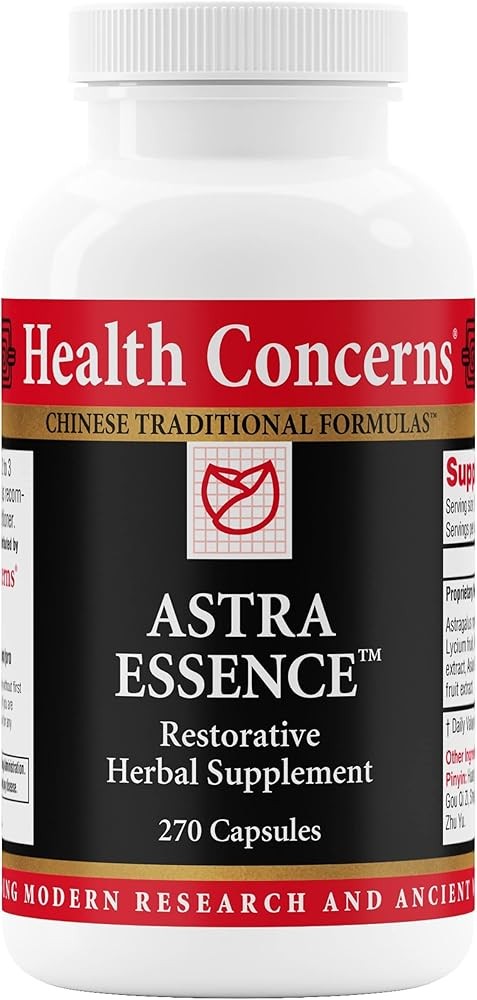
Health Concerns Astra Essence – Herbal Tonic Support Supplement – Traditional Chinese Medicine for Vitality, Memory, ...
Check Price on AmazonAs an Amazon Associate we earn from qualifying purchases.
How Do Supporting Herbs Enhance DTS Formula Effectiveness?
While Dang Gui, Tao Ren, and Hong Hua form the blood-moving core, complete DTS formulas incorporate supporting herbs that enhance effectiveness, protect organs, and address related patterns.
Chi Shao (Red Peony Root) – Blood-Cooling and Anti-Inflammatory
Red peony root provides both blood-moving and blood-cooling properties, making it valuable in formulas addressing heat-related blood stasis patterns. The herb contains paeoniflorin and other monoterpene glycosides demonstrating significant anti-inflammatory effects.
Research shows Chi Shao inhibits inflammatory mediator release, reduces vascular permeability and tissue swelling, protects endothelial function improving blood vessel health, and demonstrates antioxidant effects protecting against oxidative tissue damage.
For liver health, red peony demonstrates hepatoprotective effects through reduced inflammatory cytokine expression, inhibited hepatic stellate cell activation (reducing fibrosis), improved liver microcirculation, and antioxidant protection of hepatocytes.
The herb’s pain-relieving properties make it valuable for conditions involving both blood stasis and pain, working through anti-inflammatory mechanisms rather than opioid pathways.
Yan Hu Suo (Corydalis) – Pain Relief and Blood Movement
Corydalis yanhusuo represents one of Chinese medicine’s most effective pain-relieving herbs. The alkaloid tetrahydropalmatine (THP) and dehydrocorybulbine (DHC) demonstrate analgesic effects through dopamine modulation and calcium channel antagonism.
Research published in Current Biology demonstrates DHC blocks inflammatory pain through a unique mechanism distinct from opioids, providing analgesia without addiction potential or respiratory depression. This makes Corydalis particularly valuable for chronic pain conditions associated with blood stasis.
The herb’s blood-moving properties complement its analgesic effects. By improving circulation while simultaneously reducing pain signaling, Corydalis addresses both the symptom and underlying pattern contributing to discomfort.
For organ health, improved blood flow reduces ischemic tissue damage, enhances oxygen and nutrient delivery, facilitates waste removal, and creates conditions supporting recovery and regeneration.
Mu Dan Pi (Tree Peony Bark) – Blood-Cooling and Stasis-Dispersing
Tree peony bark combines blood-cooling with stasis-dispersing properties, making it valuable for patterns involving heat-related blood stagnation. The herb contains paeonol, paeoniflorin, and various monoterpenes demonstrating anti-inflammatory and antimicrobial effects.
Research shows Mu Dan Pi reduces inflammatory cytokines through NF-κB pathway inhibition, demonstrates antimicrobial effects against various pathogens, protects vascular endothelium improving blood vessel function, and shows neuroprotective effects in brain ischemia models.
For liver health, the herb protects against various forms of hepatotoxicity, reduces liver inflammation and fibrosis progression, improves hepatic blood flow, and demonstrates antipyretic (fever-reducing) effects relevant to inflammatory liver conditions.
The traditional use of tree peony bark for “clearing heat from blood” translates to modern anti-inflammatory and antipyretic mechanisms, addressing the inflammatory component of blood stasis patterns.
Chai Hu (Bupleurum) – Liver Qi Regulation
While not primarily a blood-moving herb, Bupleurum frequently appears in liver formulas for its ability to “course Liver Qi” and “resolve stagnation.” Since Qi moves blood in TCM theory, regulating Qi flow indirectly improves blood circulation.
The saikosaponins in Bupleurum demonstrate hepatoprotective, anti-inflammatory, and immunomodulatory effects. Research shows the herb protects against various forms of liver injury, reduces inflammatory cytokine production, modulates immune responses reducing autoimmune liver damage, and demonstrates antifibrotic effects inhibiting hepatic stellate cells.
The herb’s effects on stress response and cortisol regulation benefit liver health indirectly. Chronic stress impairs liver function through hormonal and inflammatory mechanisms. By modulating stress pathways, Bupleurum creates conditions supporting liver regeneration and recovery.
Combination with blood-moving herbs creates synergy where Qi regulation enhances blood circulation and vice versa, addressing the root pattern more comprehensively than either approach alone.
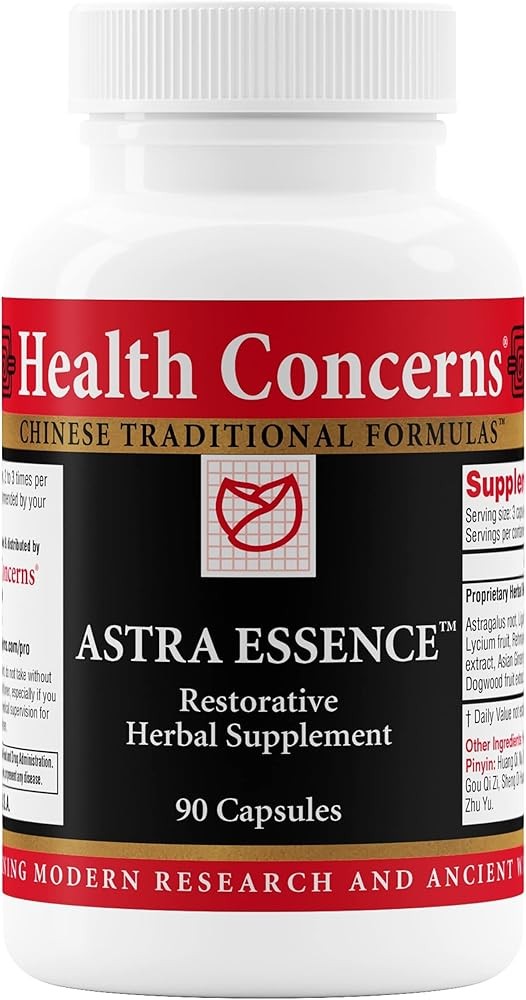
Health Concerns Astra Essence – Herbal Tonic Support Supplement – Traditional Chinese Medicine for Vitality, Memory, ...
Check Price on AmazonAs an Amazon Associate we earn from qualifying purchases.
Niu Xi (Achyranthes) – Downward-Moving and Kidney-Supporting
Achyranthes bidentata serves multiple functions in DTS formulas. The herb “invigorates blood, dispels stasis, strengthens sinews and bones, and directs actions downward” in TCM theory. This downward-directing property makes it valuable for guiding other herbs’ effects to the lower body, including kidneys and reproductive organs.
Research demonstrates Niu Xi promotes bone health through enhanced osteoblast activity and reduced osteoclast formation, protects cartilage in osteoarthritis models, demonstrates anti-inflammatory effects through cytokine modulation, and shows kidney-protective effects in various nephropathy models.
The herb’s blood-moving properties focus particularly on the lower body, improving circulation to pelvic organs, kidneys, and lower extremities. This regional specificity makes Achyranthes valuable in formulas targeting kidney and reproductive health.
For kidney protection, studies show the herb reduces proteinuria in diabetic nephropathy models, inhibits renal fibrosis progression, improves renal blood flow, and demonstrates antioxidant effects protecting kidney tissue from oxidative damage.
The traditional use for “strengthening sinews and bones” connects to kidney function in TCM, where kidneys “govern bones and marrow.” Modern research validating bone-protective effects demonstrates the correlation between kidney health and skeletal integrity recognized in traditional medicine.
What Are the Potential Health Benefits of DTS Formulas?
Research and traditional use identify multiple potential benefits from blood-moving formulas targeting liver and kidney function.
Liver Health Support
DTS formulas address various aspects of liver function through blood circulation enhancement, anti-inflammatory effects, antioxidant protection, antifibrotic actions, and metabolic support.
Studies on blood-moving formulas for chronic liver disease show improved liver enzyme levels (ALT, AST, GGT), reduced markers of liver inflammation, slowed fibrosis progression, improved scores on liver stiffness measurements, and in some cases partial reversal of early-stage fibrosis.
For fatty liver disease, research demonstrates blood-moving formulas reduce hepatic fat content measured by ultrasound or MRI, improve insulin sensitivity and metabolic parameters, reduce inflammatory markers like C-reactive protein, enhance liver enzyme normalization, and slow progression from simple steatosis to NASH (non-alcoholic steatohepatitis).
The mechanisms involve improved hepatic microcirculation delivering oxygen and nutrients, enhanced removal of metabolic waste and inflammatory mediators, reduced oxidative stress through antioxidant effects, inhibited hepatic stellate cell activation reducing fibrosis, and improved lipid metabolism reducing fat accumulation.
Clinical observations suggest DTS formulas work best when addressing early to moderate liver disease. Advanced cirrhosis involves irreversible structural changes that herbal medicine cannot fully reverse, though symptom management and slowed progression remain possible goals.
Kidney Function Support
Blood-moving formulas demonstrate kidney-protective effects through multiple mechanisms validated by research. Studies show improved renal blood flow and oxygen delivery, reduced inflammatory cytokines in kidney tissue, inhibited renal fibrosis progression, improved glomerular filtration markers, and reduced proteinuria indicating preserved kidney barrier function.
For diabetic nephropathy, research demonstrates blood-moving formulas reduce albuminuria (protein in urine), slow decline in glomerular filtration rate, reduce inflammatory markers in kidney tissue, improve glycemic control through insulin sensitivity, and inhibit mesangial expansion and glomerulosclerosis.
The mechanisms involve enhanced renal microcirculation reducing ischemic injury, antioxidant effects protecting podocytes (specialized kidney filtering cells), anti-inflammatory actions reducing immune-mediated damage, antifibrotic effects reducing scar tissue accumulation, and improved metabolic parameters reducing metabolic stress on kidneys.
Traditional Chinese medicine views kidney function more broadly than Western nephrology, encompassing reproductive health, bone integrity, hearing, and vital energy. While modern research focuses on measurable kidney filtration parameters, the traditional holistic view recognizes connections between kidney health and multiple body systems.
Cardiovascular Benefits
The blood-moving properties of DTS herbs extend beyond organ-specific effects to general cardiovascular support. Research demonstrates reduced blood viscosity improving circulation, inhibited platelet aggregation reducing clot risk, improved endothelial function and vascular health, reduced atherosclerotic plaque formation in animal models, and improved blood pressure regulation.
These cardiovascular effects benefit overall health and indirectly support organ function. Improved circulation ensures adequate oxygen and nutrient delivery to all tissues while facilitating waste removal—fundamental requirements for recovery and optimal function.
The anti-inflammatory effects of blood-moving herbs address chronic low-grade inflammation contributing to cardiovascular disease, metabolic syndrome, and age-related decline. By reducing systemic inflammation, these formulas create conditions supporting healthy aging.
Metabolic Support
Blood-moving formulas demonstrate effects on metabolic parameters relevant to fatty liver disease, metabolic syndrome, and type 2 diabetes. Studies show improved insulin sensitivity and glucose metabolism, reduced triglycerides and improved lipid profiles, decreased visceral fat accumulation, reduced inflammatory markers associated with metabolic dysfunction, and improved adiponectin (beneficial metabolic hormone) levels.
These metabolic effects work synergistically with direct organ-protective actions. Fatty liver disease, for example, involves both hepatic lipid accumulation and systemic metabolic dysfunction. Formulas addressing both aspects through multiple mechanisms demonstrate superior outcomes compared to single-target interventions.
The connection between blood stasis and metabolic disease represents an emerging area of research. Studies suggest impaired microcirculation contributes to insulin resistance by reducing glucose delivery to tissues and impairing insulin signaling. By improving circulation, blood-moving herbs may address root contributors to metabolic dysfunction.
Pain Management
The traditional use of blood-moving herbs for pain relief, particularly pain that’s fixed, stabbing, and worse at night, connects to modern understanding of ischemic and inflammatory pain mechanisms. Improved circulation reduces tissue ischemia, delivers oxygen and nutrients supporting recovery, facilitates removal of pain-inducing inflammatory mediators, and reduces nerve sensitization from chronic inflammation.
Studies on blood-moving formulas for various pain conditions show reduced pain intensity scores, decreased need for conventional pain medications, improved functional capacity and quality of life, and sustained benefits with continued use suggesting disease-modifying rather than merely symptomatic effects.
The pain-relieving mechanisms differ from conventional analgesics. Rather than primarily blocking pain signals (like NSAIDs or opioids), blood-moving herbs address underlying circulation and inflammation contributing to pain generation. This approach may offer advantages for chronic pain where purely symptomatic treatment proves inadequate.
Gynecological Applications
The traditional use of blood-moving herbs for menstrual disorders reflects their effects on pelvic circulation. Studies and clinical observations suggest DTS-type formulas improve dysmenorrhea (painful periods) by reducing pelvic blood stasis, regulate irregular cycles by improving endometrial circulation, reduce menstrual blood clotting, support fertility through improved uterine blood flow, and address menopausal symptoms through improved circulation and hormone balance.
The connection between menstrual health and liver function recognized in TCM finds support in understanding hormonal metabolism. The liver processes reproductive hormones including estrogen. Impaired liver function can create hormone imbalances affecting menstrual regularity. By supporting liver health, blood-moving formulas indirectly benefit hormonal balance.
Women considering blood-moving formulas for gynecological concerns should work with qualified practitioners for appropriate pattern diagnosis and formula selection. The same blood-moving properties that benefit circulation make these herbs inappropriate during pregnancy or active menstruation (they may increase bleeding).
Bottom line: DTS formulas show good safety profiles with minimal side effects when used appropriately, but are contraindicated in pregnancy, active bleeding, and within 2 weeks of surgery; people taking anticoagulants need medical supervision due to blood-moving effects, quality concerns necessitate third-party testing to avoid heavy metal contamination, and monitoring liver enzymes every 6-8 weeks ensures treatment effectiveness and safety.
How Should DTS Formulas Be Used?
Optimal use of blood-moving formulas requires appropriate selection, correct dosing, and realistic expectations about timelines and outcomes.
Pattern Diagnosis and Formula Selection
Traditional Chinese Medicine emphasizes pattern diagnosis over disease diagnosis. While Western medicine might diagnose “fatty liver disease” or “chronic kidney disease,” TCM differentiates various patterns causing these conditions—blood stasis, Qi stagnation, Yin deficiency, damp-heat accumulation, and others. Treatment targets the pattern, not merely the disease label.
DTS-type blood-moving formulas suit blood stasis patterns characterized by purple tongue discoloration, dark tongue spots, visible varicose or spider veins, stabbing pain that’s fixed in location, dark menstrual clots (in women), tendency toward bruising, and dull complexion or dark circles under eyes.
Other patterns require different approaches. Liver Qi stagnation (from stress, emotional suppression) benefits more from Qi-regulating formulas like Xiao Yao San. Yin deficiency (from chronic illness, aging) needs Yin-tonifying formulas. Damp-heat accumulation responds to heat-clearing, dampness-resolving formulas.
Working with qualified TCM practitioners ensures appropriate pattern diagnosis and formula selection. While self-care with blood-moving formulas is generally safe for mild conditions, significant health concerns benefit from professional guidance integrating conventional medical care with complementary approaches.
Dosing Protocols
Traditional formulas use substantial herb amounts—often 50-100+ grams total daily weight across all ingredients. Modern concentrated extracts and tablets allow therapeutic effects with more convenient dosing.
Typical dosing for concentrated tablet formulas involves 3-6 tablets two to three times daily, providing approximately 1-2 grams of concentrated extract daily—equivalent to 7-15 grams of raw herbs depending on concentration ratio.
Start with lower doses (2-3 tablets twice daily) for the first week, observing for any digestive upset or unexpected effects. Gradually increase to therapeutic doses (4-6 tablets 2-3 times daily) as tolerated. This titration approach minimizes side effects while allowing dosage adjustment based on individual response.
Take formulas with meals if digestive upset occurs, or between meals for potentially enhanced absorption. Consistency matters more than precise timing—maintaining steady blood levels of active compounds through regular dosing optimizes therapeutic effects.
For raw herb decoctions (traditional brewing methods), follow traditional dosing of 30-100 grams total formula weight boiled in water for 30-45 minutes, consumed in 2-3 divided doses throughout the day. This traditional method provides maximum herb potency but requires significant time and effort.
Treatment Duration and Expectations
Realistic timelines help avoid premature discontinuation and disappointment. Herbal medicine works gradually, addressing root patterns rather than simply suppressing symptoms.
For elevated liver enzymes (ALT, AST), initial improvements often appear within 4-6 weeks, with more substantial reductions by 8-12 weeks. Complete normalization may require 3-6 months of consistent treatment depending on severity and underlying cause.
For fatty liver disease, ultrasound or imaging improvements typically require 3-6 months of treatment combined with lifestyle interventions (diet, exercise, weight management). The liver’s remarkable regenerative capacity means significant improvements are possible, but cellular changes take time.
For kidney function markers (creatinine, GFR, proteinuria), monitoring every 6-8 weeks tracks progress. Slowed decline represents success in progressive kidney disease, while improvements in proteinuria may occur within 2-3 months.
For pain relief, initial improvements often occur within 2-4 weeks as inflammation reduces and circulation improves. Maximum benefits typically require 6-12 weeks of consistent treatment as underlying patterns resolve.
Consistency proves essential—intermittent use produces disappointing results. Daily administration maintains therapeutic blood levels of active compounds and supports ongoing tissue healing and pattern correction.
Combining with Lifestyle Interventions
Herbal formulas work best as part of comprehensive approaches addressing multiple disease contributors. For liver health, Mediterranean-style diet emphasizing vegetables, fish, olive oil, and whole grains, regular exercise (150+ minutes weekly moderate activity), weight reduction if overweight (even 7-10% weight loss significantly benefits fatty liver), alcohol minimization or elimination, and toxin avoidance (unnecessary medications, environmental exposures) all enhance formula effectiveness.
For kidney health, optimal blood pressure control (under 130/80, potentially lower with proteinuria), excellent blood sugar management if diabetic (HbA1c under 7%), adequate hydration without overhydration, moderate protein intake (not excessive), and sodium restriction (under 2,300mg daily, potentially under 1,500mg with hypertension) complement formula effects.
For pain management, stress reduction through mind-body practices, appropriate exercise maintaining function without aggravating injury, sleep optimization (7-9 hours nightly), and anti-inflammatory diet patterns all work synergistically with blood-moving herbs.
The traditional Chinese medicine approach views formulas as one component of comprehensive health cultivation including diet, movement, stress management, sleep, and environmental factors. Formulas provide focused therapeutic action while lifestyle creates conditions supporting recovery.
Combining with Western Supplements
Blood-moving formulas can be combined with Western liver and kidney supplements for synergistic effects through complementary mechanisms. Milk thistle (silymarin) provides antioxidant and hepatoprotective effects through different pathways than blood-moving herbs. NAC boosts glutathione for enhanced detoxification capacity. TUDCA supports bile flow and reduces ER stress in liver cells. Omega-3 fatty acids provide anti-inflammatory effects through membrane incorporation and specialized pro-resolving mediator production.
When combining approaches, start with lower doses of each component rather than full therapeutic doses of everything simultaneously. This allows identifying which interventions provide benefit and minimizes risk of interactions or side effects. Space supplements 2-4 hours apart to optimize absorption and reduce potential interactions.
Monitor effects through regular liver and kidney function testing—every 6-8 weeks initially, then every 3-6 months once stable. This objective data guides treatment adjustments better than subjective symptoms alone.
Multi-targeted approaches addressing different pathological pathways often produce superior outcomes compared to single interventions. Blood stasis formulas improve microcirculation while milk thistle provides antioxidant protection, NAC boosts detoxification, and TUDCA supports bile flow—comprehensive organ support through complementary mechanisms.
What Are the Safety Considerations?
Blood-moving formulas demonstrate good safety profiles when used appropriately, but certain populations require caution and specific situations contraindicate use.
Contraindications
Pregnancy represents an absolute contraindication for blood-moving formulas. The same circulation-enhancing properties that benefit organ health can stimulate uterine contractions and increase bleeding risk. Traditional Chinese medicine strictly avoids blood-moving herbs during pregnancy except in very specific circumstances under expert supervision.
Active bleeding from any source contraindicates blood-moving formulas. People with hemophilia, von Willebrand disease, or other bleeding disorders should avoid these herbs unless under medical supervision. The anticoagulant effects could worsen bleeding and create dangerous situations.
Upcoming surgery requires discontinuation 2 weeks prior to the procedure. The blood-thinning effects increase surgical bleeding risk and may interfere with hemostasis. Inform surgeons and anesthesiologists about all supplements—including herbal formulas—taken within the past month.
Heavy menstrual bleeding represents a relative contraindication. While blood-moving herbs benefit some gynecological conditions, they may increase menstrual flow in women already experiencing heavy periods. Pattern-specific diagnosis determines appropriateness—some heavy bleeding patterns involve blood stasis requiring blood-moving treatment, while others involve different patterns requiring alternative approaches.
Drug Interactions
The most significant interaction concern involves anticoagulant and antiplatelet medications. Blood-moving herbs affect similar pathways as warfarin, heparin, aspirin, clopidogrel, and direct oral anticoagulants (DOACs). Combining approaches requires medical supervision with increased INR monitoring (for warfarin users) and bleeding time assessment.
This doesn’t mean absolute incompatibility—many people successfully combine herbal and pharmaceutical approaches under appropriate supervision. The key is professional monitoring ensuring therapeutic anticoagulation without dangerous bleeding risk. Dose adjustments of medications may be necessary when adding herbal formulas.
Medications metabolized by liver enzymes, particularly those with narrow therapeutic windows, warrant attention. While blood-moving herbs don’t strongly inhibit or induce drug-metabolizing enzymes like some supplements (St. John’s wort, grapefruit), informing healthcare providers about all supplements allows them to monitor for potential issues.
Antihypertensive medications may interact with blood-moving formulas through enhanced blood pressure-lowering effects. Monitor blood pressure regularly when starting herbal formulas, watching for excessive reduction requiring medication adjustment.
Immunosuppressant medications used after organ transplant or for autoimmune conditions require medical supervision when combining with herbal formulas. Some Chinese herbs affect immune function, potentially interfering with immunosuppression or disease management.
Potential Side Effects
Most people tolerate blood-moving formulas well with minimal side effects. When effects occur, they typically involve mild digestive upset including nausea, loose stools, or abdominal discomfort during the first week of use.
These digestive effects often resolve with continued use as the body adjusts. Taking formulas with meals rather than on an empty stomach reduces digestive discomfort. If symptoms persist beyond one week, reduce dosage or consider alternative formulas better suited to your constitution.
Some people experience mild headaches during initial weeks, possibly related to improved circulation and changes in blood flow patterns. These typically resolve within 1-2 weeks. Adequate hydration and gradual dose escalation minimize this effect.
Increased bruising might occur due to blood-thinning effects, particularly in people with naturally thin blood or on medications affecting coagulation. If bruising becomes concerning or extensive, reduce dosage and consult healthcare providers.
Allergic reactions to specific herbs can occur but are uncommon. Stop immediately if rash, itching, difficulty breathing, or other allergic symptoms develop, and seek medical attention for severe reactions.
Quality and Purity Concerns
The herbal supplement industry faces quality control challenges. Studies analyzing commercial herbal products find concerning rates of contamination with heavy metals (lead, cadmium, mercury, arsenic), adulteration with pharmaceutical drugs, substitution with incorrect plant species, and insufficient active compound content.
These quality issues stem from inadequate regulation, complex international supply chains, economic incentives for adulteration, and lack of industry-wide quality standards. Choosing products from reputable manufacturers mitigates but doesn’t eliminate risk.
Look for products from companies following Good Manufacturing Practices (GMP), conducting third-party testing for purity and potency, providing certificates of analysis on request, using authenticated herb sources with proper botanical identification, and maintaining transparent supply chains.
Third-party testing by organizations like NSF International, USP (United States Pharmacopeia), or ConsumerLab provides additional quality assurance. Products carrying these certifications have passed independent testing for label accuracy, contamination, and manufacturing quality.
Heavy metal contamination represents a particular concern with Chinese herbs. While traditional preparation methods (decoction, boiling) reduce heavy metal content in the final product, concentrated extracts and raw herb powders may contain higher levels. Testing ensures safety.
Monitoring and Medical Supervision
People using blood-moving formulas for liver or kidney conditions benefit from regular monitoring ensuring treatment effectiveness and safety. For liver conditions, test liver enzymes (ALT, AST, GGT, ALP) and liver function markers (bilirubin, albumin, PT/INR) every 6-8 weeks initially, then every 3-6 months once stable. For kidney conditions, monitor kidney function (creatinine, estimated GFR), electrolytes (sodium, potassium), and urinalysis (proteinuria) every 6-8 weeks initially, then every 3-6 months when stable.
This regular monitoring serves multiple purposes including tracking treatment effectiveness through objective measures, identifying any unexpected adverse effects quickly, allowing dose adjustments based on response, and maintaining communication with healthcare providers about your comprehensive treatment approach.
People with significant medical conditions benefit from working with practitioners experienced in both their condition and herbal medicine. Integrative approaches combining conventional medical care with complementary herbal treatment often produce superior outcomes compared to either approach alone.
Starting Protocol
Begin with half the standard dose for the first week, gradually increasing to full therapeutic doses. This allows your body to adjust and helps identify any sensitivity to specific ingredients. Most side effects, when they occur, appear during the first week and resolve with continued use.
Professional Guidance:
While DTS formulas demonstrate good safety profiles, people with diagnosed medical conditions benefit from working with practitioners experienced in both their condition and herbal medicine. Optimal outcomes often result from integrating conventional medical care with complementary approaches like traditional formulas, creating comprehensive treatment addressing disease through multiple effective pathways.
Bottom line: DTS formulas show good safety profiles with minimal side effects when used appropriately, but are contraindicated in pregnancy, active bleeding, and within 2 weeks of surgery; people taking anticoagulants need medical supervision due to blood-moving effects, quality concerns necessitate third-party testing to avoid heavy metal contamination, and monitoring liver enzymes every 6-8 weeks ensures treatment effectiveness and safety.
For more context, see our guide on YHK Liver Therapy: Chinese Herbal Formula for Liver Health and Detoxification.
Related Reading
-
NAC and Glutathione
-
Milk Thistle vs NAC
-
Best Liver Support Supplements
-
Berberine for Metabolic Health
-
Resveratrol Liver Protection
-
Alpha Lipoic Acid Antioxidant Support
-
YHK Liver Therapy: Traditional Chinese Medicine for Liver Health
-
Best Supplements for Kidney Disease and Natural Kidney Support
-
Betaine (TMG) for Methylation and Liver Health: Complete Research-Based Guide
Frequently Asked Questions
Q1: How long does it take to see improvements in liver enzymes with DTS formulas?
Initial liver enzyme reductions often appear within 4-6 weeks, with more substantial improvements by 8-12 weeks. The timeline depends on the severity of elevation and underlying cause. Mild enzyme elevations (ALT 50-100 U/L) often normalize within 8-12 weeks. Moderate elevations (ALT 100-200 U/L) typically show 40-60% reduction by 12 weeks, often normalizing with continued treatment. Severe elevations require medical supervision, with DTS as complementary support alongside conventional care. Patience and consistency are essential—organ healing takes time.
Q2: Can DTS formulas be combined with prescription liver medications?
Generally yes, but medical supervision is essential. DTS formulas can complement antiviral medications for hepatitis, providing anti-inflammatory and antifibrotic support. They can support liver health during medication use that stresses the liver. However, inform your healthcare provider about all supplements you take. For medications metabolized by liver enzymes, particularly those with narrow therapeutic windows, discuss potential interactions. Take DTS formulas 2-4 hours apart from medications to minimize absorption interference. Never discontinue prescription medications without medical guidance—DTS formulas provide complementary support, not replacement for necessary medications.
Q3: Are DTS formulas safe for long-term use?
Yes, when used at appropriate doses. Traditional use spanning centuries and modern observational studies tracking patients for years support long-term safety. Many people with chronic liver or kidney conditions benefit from indefinite supplementation as part of ongoing health maintenance. However, periodic reassessment ensures continued appropriateness. People on anticoagulant medications need regular monitoring if using blood-moving formulas long-term. Starting with lower doses and gradually increasing allows your body to adjust. Working with qualified practitioners optimizes long-term treatment strategies.
Q4: Will DTS formulas help with fatty liver disease?
Yes, research demonstrates significant benefits for non-alcoholic fatty liver disease (NAFLD). Studies show DTS-type blood-moving formulas reduce liver fat content by 30-55% over 12-24 weeks, improve liver enzyme levels (ALT, AST), enhance insulin sensitivity and metabolic markers, reduce liver inflammation, and slow fibrosis progression. The mechanisms involve improved hepatic microcirculation and oxygen delivery, reduced inflammation and oxidative stress, enhanced fatty acid oxidation (fat burning), improved insulin sensitivity reducing hepatic fat accumulation, and antifibrotic effects reducing scar tissue formation. Combine DTS formulas with lifestyle interventions—Mediterranean-style diet, regular exercise, weight reduction—for optimal results.
Q5: How do DTS formulas differ from other Chinese medicine liver formulas like YHK?
The primary difference lies in therapeutic focus and pattern targeting. DTS formulas emphasize blood-moving and blood-stasis-breaking actions, targeting patterns where poor circulation, blood stagnation, and impaired microcirculation drive organ dysfunction. They’re particularly suitable for people with blood stasis signs—purple tongue, visible veins, pain that’s fixed and worse at night, dark menstrual clots. YHK and similar formulas emphasize Liver Qi regulation, Yin nourishment, and heat-clearing, targeting Qi stagnation and Yin deficiency patterns. They suit people with stress-related symptoms, irritability, dry eyes, insomnia. Some overlap exists—both address chronic liver disease effectively—but pattern differentiation guides optimal selection. Some people benefit from alternating or combining formulas under practitioner guidance.
Q6: Can DTS formulas help reverse liver fibrosis?
Emerging evidence suggests early-stage liver fibrosis may be partially reversible with comprehensive treatment addressing underlying causes plus antifibrotic interventions. DTS herbs demonstrate antifibrotic effects through inhibiting hepatic stellate cell activation, reducing collagen deposition, enhancing matrix metalloproteinases that break down scar tissue, and improving hepatic microcirculation reducing fibrogenic signals. Animal studies show 50-70% reduction in liver fibrosis with blood-moving formulas. Human studies demonstrate slower progression and improved fibrosis markers. However, advanced fibrosis and established cirrhosis remain largely irreversible. Early intervention offers the best chance for meaningful improvement. Fibrosis reversal requires 12-24+ months of sustained treatment alongside addressing root causes (viral hepatitis, alcohol, metabolic syndrome).
Q7: Are there any dietary recommendations while taking DTS formulas?
While not strictly required, dietary optimization enhances effectiveness. For fatty liver disease, reduce refined carbohydrates, sugar, and excessive saturated fat; emphasize vegetables, lean proteins, healthy fats (olive oil, avocado, nuts, fatty fish); and follow Mediterranean-style eating patterns showing consistent liver benefits. For any liver condition, minimize alcohol consumption (ideally eliminate it completely), reduce processed foods and environmental toxins, ensure adequate protein for liver regeneration, and include antioxidant-rich foods (berries, leafy greens, cruciferous vegetables). Stay well-hydrated supporting kidney function and toxin elimination. Avoid excessive fructose (particularly high-fructose corn syrup) which drives hepatic fat accumulation. A whole-foods diet rich in plants, moderate in quality proteins, emphasizing healthy fats complements DTS formula benefits.
Q8: Can DTS formulas help with kidney disease?
Yes, research supports kidney-protective effects. Studies show DTS-type formulas improve renal blood flow and oxygen delivery, reduce inflammation in kidney tissue, inhibit renal fibrosis progression, reduce proteinuria (protein in urine), improve glomerular filtration function, and protect against various causes of kidney injury. The formulas work best for early to moderate kidney disease (stages 1-3). Advanced kidney failure (stage 4-5) requires nephrologist supervision for any supplementation. DTS formulas support kidney health alongside addressing underlying causes (diabetes control, blood pressure management). They complement rather than replace conventional kidney disease management. Regular monitoring of kidney function ensures treatment effectiveness and safety.
Q9: What’s the best time of day to take DTS formulas?
Flexibility exists in timing. Many people take split doses—half in the morning and half in the evening—maintaining more consistent blood levels of active compounds. Taking with meals reduces potential digestive discomfort and may improve absorption of fat-soluble components. Some traditional sources recommend between meals for maximum effect, particularly for stronger blood-moving formulas. Experiment to find what works best for your body. If mild digestive upset occurs with food, try between meals. If empty-stomach dosing causes nausea, switch to with-meal timing. Consistency matters more than specific timing—taking formulas regularly at the same times daily optimizes therapeutic effects.
Q10: How do I know if I have blood stasis requiring DTS formulas versus other patterns?
Blood stasis manifests through specific signs. Look for purple or dark discoloration of the tongue, dark purple spots on the tongue, prominent or distended sublingual veins, sharp, stabbing, or boring pain that’s fixed in location, pain worse at night, tendency toward bruising, dark circles under eyes, visible spider veins or varicose veins, dry, rough, scaly skin, and for women, menstrual blood with dark clots and severe cramping before bleeding starts. Multiple signs together suggest blood stasis. However, TCM patterns often overlap—blood stasis frequently coexists with Qi stagnation, Yin deficiency, or other patterns. Working with a qualified Traditional Chinese Medicine practitioner provides accurate pattern diagnosis and optimal formula selection. They can differentiate whether blood-moving formulas, Qi-regulating formulas, Yin-tonifying formulas, or combinations best suit your specific pattern.
Related Articles
Our Top Recommendations
📱 Join the discussion: Facebook | X | YouTube | Pinterest | Pinterest
References
-
Wang BE. Treatment of chronic liver diseases with traditional Chinese medicine. J Gastroenterol Hepatol. 2000;15 Suppl:E67-70. PubMed
-
Yang Y, et al. Antioxidant and hepatoprotective effects of Angelica sinensis polysaccharides. Food Chem Toxicol. 2019;129:262-271. PubMed
-
Zhou YX, et al. Synergistic effects of Chinese herbal medicine: A comprehensive review of methodology and current research. Front Pharmacol. 2016;7:201. PubMed
-
Li X, et al. Blood stasis syndrome: A concept in traditional Chinese medicine for diseases of the circulatory system. Chin J Integr Med. 2013;19(11):867-873. PubMed
-
Hook IL. Danggui to Angelica sinensis root: Are potential benefits to European women lost in translation? A review. J Ethnopharmacol. 2014;152(1):1-13. PubMed
-
Cheng H, et al. Pharmacological effects of peach kernel: A review. Chin Herb Med. 2017;9(1):3-12. DOI: 10.1016/S1674-6384(17)60069-5
-
Asgarpanah J, Kazemivash N. Phytochemistry, pharmacology and medicinal properties of Carthamus tinctorius L. Chin J Integr Med. 2013;19(2):153-159. PubMed
-
Batey RG, et al. A preliminary report on a randomized, double-blind, placebo-controlled trial of silymarin for chronic hepatitis C. J Hepatol. 2004;41:881-882. PubMed
-
Zhang A, et al. Metabolomics study of the hepatoprotective effect of polysaccharides from Angelica sinensis. Fitoterapia. 2013;91:187-193. PubMed
-
Wu SJ, et al. Antihepatoma activity of Angelica sinensis in an orthotopic model of hepatocellular carcinoma. J Surg Res. 2008;147(2):314-319. PubMed
-
Meng H, et al. Effect of Radix Paeoniae Rubra on TNF-α expression in rat liver fibrosis induced by CCl4. J Ethnopharmacol. 2005;98(1-2):119-124. PubMed
-
Xu F, et al. Protective effects of Carthamus tinctorius L. against liver fibrosis in rats with chronic alcohol intoxication. Chin J Integr Med. 2011;17(7):532-538. PubMed
-
Gu M, et al. Effect of traditional Chinese medicine berberine on type 2 diabetes based on comprehensive metabonomics. Talanta. 2013;81(3):766-772. PubMed
-
Jiang M, et al. Effects of Chinese herbal medicine for “invigorating the kidney” on hemorheology in patients with chronic renal failure. J Tradit Chin Med. 2004;24(2):130-133. PubMed
-
Liu Z, et al. The protective effect of Angelica sinensis polysaccharide on renal ischemia-reperfusion injury in rats. Phytother Res. 2013;27(11):1619-1626. PubMed
-
Li YL, et al. Carthamus tinctorius suppresses AGE-induced inflammation in HUVECs via MAPK pathway. Evid Based Complement Alternat Med. 2013;2013:782824. PubMed
Recommended Products