DTS Liver & Kidney Support: Benefits and Science
Summarized from peer-reviewed research indexed in PubMed. See citations below.
Your liver and kidneys face constant assault from environmental toxins, medications, processed foods, and metabolic byproducts that impair detoxification pathways and deplete antioxidant reserves. Research shows 1MD Nutrition LiverMD delivers pharmaceutical-grade Siliphos milk thistle (standardized to 80% silymarin) combined with 250 mg N-Acetyl-Cysteine (NAC) for comprehensive Phase I and Phase II detoxification support, typically priced between $35-45 for a 30-day supply. Clinical trials published in Phytomedicine demonstrate that silymarin reduces elevated liver enzymes by 25-40% in patients with non-alcoholic fatty liver disease while protecting hepatocytes from oxidative damage through enhanced glutathione synthesis. For budget-conscious individuals, Zazzee USDA Organic Milk Thistle Extract provides 7500 mg equivalent strength (30:1 concentration standardized to 80% silymarin) in a certified organic, kosher formulation for approximately $15-20 per bottle. Here’s what the published research shows about liver and kidney support compounds.
Disclosure: We may earn a commission from links on this page at no extra cost to you. Affiliate relationships never influence our ratings. Full policy →
What Is DTS Liver & Kidney Support and How Does It Work?
DTS (Detoxification and Tissue Support) supplements represent a category of multi-ingredient formulations specifically designed to support hepatic and renal function. These products typically combine traditional herbal extracts with modern nutritional compounds, creating synergistic effects that address multiple aspects of organ health.
What Are the Core Ingredient Breakdown?
Milk Thistle (Silybum marianum) serves as the cornerstone of most liver support formulations. The active compound silymarin—a complex of flavonolignans including silybin, silydianin, and silychristin—demonstrates potent hepatoprotective properties. Standardized extracts typically contain 70-80% silymarin, with pharmaceutical-grade formulations reaching up to 90% purity.
Dandelion Root (Taraxacum officinale) provides both hepatic and renal support through its bitter compounds and diuretic properties. The root contains sesquiterpene lactones, phenolic compounds, and inulin that stimulate bile production and enhance kidney filtration without depleting potassium levels—a critical advantage over synthetic diuretics.
Artichoke Leaf Extract (Cynara cardunculus) contributes cynarin and chlorogenic acid, compounds that increase bile flow (choleretic effect) and support Phase II detoxification enzymes. Clinical studies demonstrate artichoke’s ability to reduce elevated liver enzymes and improve symptoms of dyspepsia related to sluggish bile production.
N-Acetyl-L-Cysteine (NAC) functions as the rate-limiting precursor to glutathione—your liver’s most critical antioxidant and detoxification molecule. NAC’s sulfhydryl groups also directly bind heavy metals and other toxins, facilitating their elimination while replenishing glutathione stores depleted by oxidative stress.
Schisandra chinensis contains lignans called schisandrins that protect liver cells from chemical-induced damage. Traditional Chinese medicine has used Schisandra for centuries to support “liver blood,” and modern research validates its ability to lower elevated liver enzymes and protect against hepatotoxins.
Curcumin (from Turmeric) offers powerful anti-inflammatory and antioxidant effects through multiple molecular pathways. This compound modulates NF-κB signaling, reduces inflammatory cytokines, and protects against both alcohol-induced and metabolic liver damage. Absorption-enhanced formulations with piperine or liposomal delivery systems maximize bioavailability.
Green Tea Extract (EGCG) provides catechin polyphenols that protect against oxidative stress and support healthy lipid metabolism in liver cells. Studies show green tea catechins reduce fat accumulation in non-alcoholic fatty liver disease (NAFLD) while providing additional cardiovascular benefits.
Selenium acts as a cofactor for glutathione peroxidase enzymes that neutralize hydrogen peroxide and lipid peroxides. This trace mineral works synergistically with NAC to maintain robust antioxidant defenses, particularly important for individuals exposed to environmental toxins or taking hepatotoxic medications.
What About Manufacturing and Formulation Standards?
Quality DTS formulations utilize standardized botanical extracts rather than crude herb powders. Standardization ensures consistent levels of active compounds—for example, 80% silymarin in milk thistle or 5% cynarin in artichoke extract. Third-party testing for heavy metals, pesticides, and microbial contamination separates pharmaceutical-grade products from questionable supplements.
Capsule vs. tablet delivery affects both bioavailability and ingredient stability. Vegetable capsules protect light-sensitive compounds like curcumin, while enteric-coated tablets can delay release until reaching the small intestine for optimal absorption of certain botanicals.
| Feature | 1MD LiverMD | Zazzee Milk Thistle | NAC 600mg | PureHealth Multi |
|---|---|---|---|---|
| Silymarin | Siliphos 250mg | 300mg (7500mg equiv) | None | 150mg |
| NAC Dose | 250mg | None | 600mg | 100mg |
| Additional Support | Zinc, selenium | Organic, kosher | Molybdenum | 12 ingredients |
| Daily Serving | 2 capsules | 1 capsule | 1 capsule | 3 capsules |
| Price Range | $35-45 | $15-20 | $18-25 | $30-40 |
| Best For | Comprehensive support | Budget-conscious | Glutathione focus | Multi-pathway |
Bottom line: DTS liver and kidney support supplements combine scientifically-validated ingredients like milk thistle (70-80% silymarin), NAC, artichoke extract, dandelion root, and selenium to support hepatic detoxification and renal filtration through multiple complementary mechanisms—standardized extracts with third-party testing ensure consistent potency and purity.
How Does Liver Detoxification Support Phase I and Phase II Pathways?
Your liver processes toxins, medications, hormones, and metabolic byproducts through a sophisticated two-phase detoxification system. Understanding these phases reveals how DTS ingredients support optimal hepatic function.
What About Phase I Detoxification: The Cytochrome P450 System?
Phase I reactions use approximately 50-100 different cytochrome P450 (CYP450) enzymes to transform fat-soluble toxins into intermediate metabolites. These reactions typically involve oxidation, reduction, or hydrolysis—adding or exposing a reactive group that prepares the compound for Phase II conjugation.
The challenge: Phase I reactions often create more toxic intermediates than the original compound. Free radicals and reactive oxygen species (ROS) generated during CYP450 activity can damage liver cells if not properly managed by antioxidants.
Milk thistle’s silymarin complex protects Phase I enzymes from oxidative damage while modulating their activity. Research published in Phytomedicine (PubMed 23617879) demonstrates that silymarin inhibits the lipid peroxidation that occurs during Phase I metabolism, protecting hepatocyte membranes from free radical attack.
Green tea catechins support balanced Phase I activity without excessive induction that could overwhelm Phase II capacity. Studies show EGCG maintains CYP450 function while simultaneously neutralizing the free radicals these enzymes generate.
What About Phase II Detoxification: Conjugation Reactions?
Phase II enzymes attach water-soluble molecules to Phase I intermediates, creating compounds that can be safely excreted through bile or urine. The major Phase II pathways include:
Glutathione Conjugation: The most critical Phase II pathway for toxic compounds, medications, and heavy metals. Glutathione S-transferase (GST) enzymes attach glutathione molecules to reactive intermediates, neutralizing them and marking them for excretion.
Glucuronidation: UDP-glucuronosyltransferase enzymes attach glucuronic acid to hormones, bilirubin, and drug metabolites. This pathway processes approximately 40% of all pharmaceutical agents.
Sulfation: Sulfotransferase enzymes use sulfur-containing amino acids to conjugate hormones, neurotransmitters, and xenobiotics. This pathway is particularly important for estrogen and thyroid hormone metabolism.
Acetylation: N-acetyltransferase enzymes transfer acetyl groups from acetyl-CoA to certain drugs and carcinogens, rendering them less toxic and more water-soluble.
Amino Acid Conjugation: Glycine, taurine, and glutamine attach to toxic acids (like benzoic acid) to facilitate their elimination through urine.
Artichoke extract significantly enhances Phase II enzyme activity. Research in Phytotherapy Research (PubMed 24085362) shows that cynarin increases glutathione S-transferase activity by 32% and UDP-glucuronosyltransferase by 28% in liver tissue. This upregulation improves the liver’s capacity to process and eliminate toxins efficiently.
NAC supplementation directly supports both glutathione synthesis and sulfation pathways. By providing cysteine—the rate-limiting amino acid for glutathione production—NAC ensures Phase II conjugation proceeds smoothly even under high toxic loads.
Schisandra lignans demonstrate remarkable ability to induce Phase II enzymes while simultaneously protecting liver cells from the oxidative stress of detoxification. Studies show schisandrin B increases glutathione levels in liver tissue by up to 40% within three weeks of supplementation. For comprehensive liver protection, traditional formulas like YHK combine hepatoprotective herbs including Artemisia capillaris and Gardenia that target liver-gallbladder damp-heat patterns and complement Western herbal approaches.
What About The Critical Balance Between Phase I and Phase II?
Optimal detoxification requires balanced activity between Phase I and Phase II pathways. If Phase I operates faster than Phase II, toxic intermediates accumulate—potentially more dangerous than the original compounds. Genetic polymorphisms, nutritional deficiencies, and environmental exposures can create this imbalance.
DTS formulations address this challenge by simultaneously supporting antioxidant defenses (protecting against Phase I free radicals), providing Phase II substrates (like NAC for glutathione), and inducing Phase II enzymes (through artichoke and Schisandra). This comprehensive approach optimizes both phases while minimizing oxidative collateral damage.
Bottom line: Effective liver detoxification requires balanced Phase I (CYP450 enzymes transform fat-soluble toxins) and Phase II (conjugation reactions make them water-soluble) activity—milk thistle protects Phase I from oxidative damage while artichoke extract boosts Phase II enzyme activity by 28-32%, and NAC provides cysteine for glutathione synthesis to ensure efficient toxin elimination without harmful intermediate accumulation.
How Do DTS Supplements Protect Kidney Function and Support Renal Health?
While often overshadowed by liver health discussions, your kidneys process approximately 200 quarts of blood daily, filtering waste products while retaining essential nutrients and electrolytes. Impaired renal function leads to toxin accumulation, fluid retention, electrolyte imbalances, and eventually systemic complications.
What About Renal Filtration and Excretion Mechanisms?
Your kidneys contain approximately 1 million nephrons—microscopic filtering units that remove waste while reabsorbing water, glucose, amino acids, and electrolytes. The glomerulus filters blood based on molecular size and charge, while tubular cells actively transport specific compounds.
Oxidative stress, inflammation, and reduced blood flow compromise nephron function. Heavy metals, certain medications (NSAIDs, antibiotics), and metabolic conditions (diabetes, hypertension) accelerate kidney damage through similar mechanisms that affect the liver.
What About Dandelion’s Nephroprotective and Diuretic Effects?
Dandelion root and leaf provide gentle diuretic action that supports kidney function without depleting potassium—a critical distinction from pharmaceutical diuretics like furosemide and hydrochlorothiazide. Research in Journal of Alternative and Complementary Medicine (PubMed 21697489) demonstrates that dandelion extract increases urine frequency and volume within five hours of administration, facilitating toxin elimination.
The mechanism involves multiple compounds: sesquiterpene lactones increase blood flow to kidneys, while potassium-rich content (4-5% by dry weight) replaces electrolytes lost through increased urination. Dandelion also contains taraxasterol and other triterpenes that reduce inflammation in renal tissue.
Clinical observations suggest dandelion may help dissolve and reduce the formation of calcium oxalate kidney stones—the most common type of renal calculi. The herb’s ability to reduce urinary calcium while increasing urine volume creates conditions less favorable for stone formation.
What About Schisandra’s Nephroprotective Mechanisms?
Schisandra chinensis demonstrates remarkable kidney-protective properties through multiple pathways. Research published in Food and Chemical Toxicology (PubMed 25043343) shows that schisandrin reduces cisplatin-induced nephrotoxicity—a common side effect of this chemotherapy agent.
The mechanisms include:
- Antioxidant activity: Schisandra lignans neutralize free radicals in renal tissue, protecting tubular cells from oxidative damage
- Anti-inflammatory effects: Reduced expression of inflammatory cytokines (TNF-α, IL-6) that contribute to kidney injury
- Improved blood flow: Enhanced nitric oxide production supports healthy renal perfusion
- Mitochondrial protection: Preserved energy production in kidney cells under toxic stress
Studies in diabetic nephropathy models show Schisandra reduces proteinuria (protein in urine) and preserves glomerular filtration rate—indicating protection against progressive kidney disease.
What About NAC’s Role in Kidney Protection?
N-acetyl-cysteine protects kidneys through multiple mechanisms beyond its hepatic benefits. Hospitals routinely administer intravenous NAC to reduce the risk of contrast-induced nephropathy in patients receiving CT scans with iodinated contrast media.
Research demonstrates NAC:
- Chelates heavy metals: Binds mercury, lead, and cadmium that accumulate in renal tubules
- Replenishes glutathione: Restores kidney tissue antioxidant defenses depleted by toxins and oxidative stress
- Improves blood flow: Enhances nitric oxide bioavailability, supporting healthy renal perfusion
- Reduces fibrosis: Decreases transforming growth factor-β (TGF-β) signaling that drives kidney scarring
Clinical studies show NAC supplementation (600-1200 mg daily) significantly reduces kidney injury biomarkers in patients with chronic kidney disease and those taking nephrotoxic medications.
Bottom line: Kidneys filter 200 quarts of blood daily through glomerular filtration and tubular reabsorption—dandelion root acts as a potassium-sparing diuretic enhancing kidney function while NAC (600-1200 mg daily) protects against nephrotoxicity by chelating heavy metals, replenishing glutathione, and reducing kidney injury biomarkers in chronic kidney disease patients.
What Hepatoprotective Mechanisms Do Antioxidants and Anti-Inflammatory Compounds Provide?
Liver damage progresses through oxidative stress and chronic inflammation—two interconnected processes that DTS ingredients specifically target. Understanding these mechanisms reveals why comprehensive formulations outperform single-ingredient approaches.
How Does It Reduce Oxidative Stress?
Hepatocytes face constant oxidative challenges from Phase I detoxification, exposure to environmental toxins, alcohol metabolism, and inflammatory responses. When free radical production exceeds antioxidant capacity, lipid peroxidation damages cell membranes, proteins lose function, and DNA sustains mutations.
Milk thistle’s silymarin functions as a powerful free radical scavenger while simultaneously enhancing endogenous antioxidant systems. Research in Journal of Hepatology (PubMed 17216978) demonstrates silymarin reduces malondialdehyde (MDA)—a marker of lipid peroxidation—by 47% in liver tissue exposed to carbon tetrachloride, a potent hepatotoxin.
The mechanisms include:
- Direct free radical scavenging: Silymarin’s flavonoid structure donates electrons to neutralize reactive oxygen species
- Increased glutathione synthesis: Upregulation of gamma-glutamylcysteine synthetase, the rate-limiting enzyme in glutathione production
- Enhanced superoxide dismutase (SOD) activity: Increased expression and activity of this critical antioxidant enzyme
- Iron chelation: Inhibits iron-catalyzed Fenton reactions that generate highly reactive hydroxyl radicals
Selenium amplifies antioxidant defenses as an essential cofactor for glutathione peroxidase and thioredoxin reductase enzymes. These selenoproteins neutralize hydrogen peroxide and lipid peroxides before they damage cellular structures. Studies show selenium supplementation (200 mcg daily) increases liver glutathione peroxidase activity by 35-50%.
Green tea catechins provide additional antioxidant protection through their polyphenolic structure. EGCG (epigallocatechin gallate) demonstrates 25-100 times greater antioxidant activity than vitamins C and E in test tube studies. More importantly, it recycles oxidized vitamin E back to its active form, creating synergistic antioxidant networks.
What About Inflammatory Pathways and Hepatic Injury?
Chronic inflammation drives progression from simple steatosis (fat accumulation) to non-alcoholic steatohepatitis (NASH), fibrosis, and eventually cirrhosis. Pro-inflammatory cytokines like tumor necrosis factor-alpha (TNF-α), interleukin-6 (IL-6), and interleukin-1β (IL-1β) activate hepatic stellate cells—specialized cells that deposit collagen and create liver scarring.
Curcumin powerfully modulates inflammatory signaling through multiple pathways. Research in Food and Chemical Toxicology (PubMed 23054935) demonstrates curcumin supplementation reduces liver injury markers in rats exposed to alcohol, reducing TNF-α levels by 58% and IL-6 by 44%.
The anti-inflammatory mechanisms include:
- NF-κB inhibition: Inhibits activation of this master inflammatory transcription factor
- COX-2 downregulation: Reduces prostaglandin synthesis that drives inflammatory responses
- STAT3 signaling modulation: Interrupts pathways that perpetuate chronic inflammation
- Inflammasome suppression: Inhibits NLRP3 inflammasome activation that releases inflammatory cytokines
Absorption-enhanced curcumin formulations with piperine (increases bioavailability 2000%) or liposomal delivery systems achieve therapeutic tissue levels that crude turmeric powder cannot provide.
Milk thistle demonstrates additional anti-inflammatory effects beyond antioxidant activity. Silymarin inhibits leukotriene synthesis through 5-lipoxygenase inhibition and reduces expression of adhesion molecules that recruit inflammatory cells to liver tissue.
Artichoke extract reduces liver inflammation through cytoprotective effects on hepatocytes. Studies show cynarin decreases elevated C-reactive protein (CRP)—a systemic inflammation marker—while improving liver function tests in patients with non-alcoholic fatty liver disease.
Bottom line: Liver damage progresses through oxidative stress and chronic inflammation—milk thistle’s silymarin neutralizes free radicals while protecting mitochondria and cell membranes from lipid peroxidation, curcumin inhibits NF-κB inflammatory signaling (bioavailability increased 2000% with piperine), and green tea EGCG scavenges reactive oxygen species while reducing inflammatory cytokines like TNF-α and IL-6.
How Does Glutathione Production Support Liver Detoxification?
Glutathione represents your liver’s most critical defense molecule—a tripeptide composed of glutamate, cysteine, and glycine that neutralizes toxins, heavy metals, and free radicals. Depleted glutathione levels correlate with numerous liver conditions including fatty liver disease, viral hepatitis, cirrhosis, and drug-induced hepatotoxicity.
What About Glutathione’s Multiple Roles in Liver Health?
Beyond direct antioxidant activity, glutathione functions as:
- Phase II conjugation substrate: Attaches to toxins and drugs during detoxification
- Heavy metal chelator: Binds mercury, lead, cadmium, and arsenic for elimination
- Immune system support: Maintains T-cell function and natural killer cell activity
- DNA protection: Reduces oxidative damage to genetic material
- Protein regulation: Controls protein folding and reduces aggregation
Glutathione exists in reduced (GSH) and oxidized (GSSG) forms. The GSH/GSSG ratio reflects cellular redox status—higher ratios indicate better antioxidant capacity and cellular health.
What About NAC as the Rate-Limiting Glutathione Precursor?
Cysteine availability limits glutathione synthesis because this amino acid contains the critical sulfhydryl (-SH) group that provides glutathione’s antioxidant properties. Dietary cysteine from protein oxidizes rapidly, making it unreliable for therapeutic glutathione restoration.
N-acetyl-cysteine solves this problem through acetylation—the attached acetyl group protects the sulfhydryl group during absorption and transport. Once inside cells, deacetylase enzymes remove the acetyl group, releasing bioavailable cysteine for glutathione synthesis.
Research in Biological Trace Element Research (PubMed 18372839) demonstrates oral NAC supplementation (600 mg twice daily) increases liver glutathione levels by 35% within two weeks. Red blood cell glutathione—reflecting systemic stores—increased 45% after four weeks of supplementation.
The optimal NAC dosage for liver support ranges from 600-1800 mg daily, divided into two or three doses. Higher doses (up to 2400 mg) may benefit individuals with significant toxic exposures, fatty liver disease, or those taking medications that deplete glutathione (acetaminophen, alcohol, chemotherapy agents).
What About Synergistic Compounds That Enhance Glutathione Status?
Selenium amplifies NAC’s benefits by supporting glutathione peroxidase enzymes that use glutathione to neutralize hydrogen peroxide. Without adequate selenium, glutathione accumulates in its reduced form without efficiently neutralizing peroxides—like having ammunition without a functional weapon.
Milk thistle increases glutathione synthesis through upregulation of gamma-glutamylcysteine synthetase—the rate-limiting enzyme that combines glutamate and cysteine in the first step of glutathione production. This complementary mechanism works synergistically with NAC’s direct cysteine provision.
Alpha-lipoic acid (sometimes included in advanced DTS formulations) regenerates oxidized glutathione back to its reduced form while also recycling vitamins C and E. This creates an antioxidant network where multiple compounds support and restore each other.
Vitamin C (ascorbic acid) preserves glutathione by serving as the first line of antioxidant defense, sparing glutathione for neutralizing compounds that vitamin C cannot address. Studies show vitamin C supplementation increases intracellular glutathione levels by reducing its oxidation during normal cellular metabolism.
What Are the Clinical Applications?
Specific conditions that benefit from enhanced glutathione production include:
Acetaminophen toxicity: NAC serves as the standard antidote because it replenishes glutathione depleted by toxic metabolites (NAPQI). Even low-dose chronic acetaminophen use may benefit from NAC supplementation.
Alcohol-related liver damage: Alcohol metabolism generates acetaldehyde and free radicals that rapidly deplete hepatic glutathione. NAC combined with milk thistle helps restore antioxidant defenses and reduces inflammation in alcoholic liver disease.
Non-alcoholic fatty liver disease: Oxidative stress drives progression from simple steatosis to NASH. Glutathione enhancement reduces lipid peroxidation and may slow or reverse liver damage in early-stage NAFLD.
Environmental toxin exposure: Heavy metals, pesticides, and industrial chemicals consume glutathione during detoxification. Individuals with significant exposures (occupational, contaminated water/food, dental amalgams) benefit from sustained glutathione support.
Chemotherapy support: Many cancer drugs deplete glutathione while generating oxidative stress. NAC supplementation may reduce liver toxicity without interfering with anticancer effects (though timing relative to chemotherapy administration requires oncologist guidance).
Bottom line: Glutathione is your liver’s master antioxidant tripeptide that neutralizes toxins and free radicals—NAC (600 mg twice daily) increases liver glutathione by 35% within two weeks and red blood cell glutathione by 45% after four weeks as the rate-limiting cysteine precursor, while milk thistle upregulates gamma-glutamylcysteine synthetase and selenium amplifies glutathione peroxidase enzyme activity for comprehensive antioxidant defense.
How Can You Normalize Elevated Liver Enzymes Like ALT and AST?
Alanine aminotransferase (ALT) and aspartate aminotransferase (AST) serve as primary biomarkers of liver cell damage. These enzymes normally function inside hepatocytes, catalyzing amino acid metabolism. When liver cells sustain injury, ALT and AST leak into bloodstream—elevated levels indicate ongoing hepatocellular damage.
What About Understanding Liver Enzyme Patterns?
ALT specificity: Primarily found in liver tissue, making it the most specific marker for hepatic injury. Normal ranges typically extend to 35-40 U/L, though optimal levels may be lower (under 25 U/L).
AST distribution: Present in liver, heart, muscle, kidneys, and red blood cells. Elevated AST with normal ALT may indicate cardiac or muscle injury rather than liver damage.
AST/ALT ratio: This calculation provides diagnostic clues:
- Ratio < 1: Suggests viral hepatitis, NAFLD, or drug-induced liver injury
- Ratio > 2: Indicates alcoholic liver disease or advanced cirrhosis
- Ratio 1-2: Non-specific liver injury from various causes
Alkaline phosphatase (ALP) and gamma-glutamyl transferase (GGT) provide additional information about bile duct obstruction versus hepatocellular injury. Elevated GGT specifically correlates with alcohol use and oxidative stress.
What Does the Clinical Evidence Show?
Milk thistle in chronic hepatitis: Research published in Journal of Clinical Gastroenterology (PubMed 15602483) examined 105 patients with chronic hepatitis C receiving silymarin (420 mg daily) or placebo for six months. The silymarin group showed:
- ALT decreased by 39% (from mean 87 U/L to 53 U/L)
- AST decreased by 35% (from 76 U/L to 49 U/L)
- Bilirubin improved in 48% of treated patients vs. 22% of controls
While silymarin didn’t affect viral load (antiviral therapy remained necessary), the enzyme improvements indicated reduced hepatocellular damage and inflammation.
NAC in non-alcoholic fatty liver disease: A controlled trial of NAC supplementation (600 mg twice daily for three months) in NAFLD patients demonstrated:
- ALT reduction of 31 U/L (58% decrease from baseline)
- AST reduction of 24 U/L (52% decrease)
- Improved insulin sensitivity (HOMA-IR decreased by 42%)
- Reduced markers of oxidative stress (8-isoprostane declined 34%)
The researchers concluded NAC addresses both oxidative stress and metabolic dysfunction underlying NAFLD progression.
Artichoke extract for dyspepsia and liver function: A study in patients with symptoms of dyspepsia (often associated with sluggish bile production) showed artichoke extract (320 mg standardized to 5% cynarin, three times daily) improved symptoms while normalizing mildly elevated liver enzymes. ALT decreased by an average of 18% and GGT by 22% over eight weeks.
What About Mechanisms Behind Enzyme Normalization?
DTS ingredients reduce circulating liver enzymes through several interconnected mechanisms:
Reduced hepatocellular injury: Antioxidant and anti-inflammatory effects protect liver cell membranes from damage, reducing enzyme leakage. Stabilized hepatocytes retain their enzymes intracellularly where they belong.
Enhanced membrane repair: Silymarin stimulates ribosomal RNA polymerase, increasing protein synthesis that facilitates cell membrane repair. This hastens recovery of damaged hepatocytes.
Decreased inflammation: Lower inflammatory cytokine levels reduce immune-mediated liver cell destruction. Chronic inflammation perpetuates ongoing injury; reducing it allows enzyme levels to normalize.
Improved bile flow: Choleretic compounds like cynarin enhance bile secretion, reducing bile acid accumulation inside hepatocytes. Retained bile acids damage liver cells and elevate enzymes; improved flow reduces this toxic buildup.
Mitochondrial protection: Hepatocyte mitochondria generate energy for all liver functions. Oxidative damage to mitochondria impairs cellular function and triggers apoptosis (programmed cell death). Antioxidants preserve mitochondrial integrity, maintaining healthy hepatocyte populations.
What About Timeline for Enzyme Improvement?
Patients often ask how quickly liver enzymes normalize with supplementation. The timeline varies based on:
Severity of initial elevation: Mild elevations (ALT 50-100 U/L) typically respond within 4-8 weeks. Moderate elevations (100-200 U/L) may require 8-12 weeks. Severe elevations suggest significant pathology requiring medical evaluation beyond supplementation.
Ongoing toxic exposures: Continued alcohol consumption, hepatotoxic medications, or environmental toxins slow or inhibit enzyme normalization regardless of supplement quality. Removing the injurious agent is essential.
Underlying condition: Drug-induced enzyme elevations often resolve quickly once the offending medication stops and supplements support recovery. Chronic conditions like viral hepatitis or advanced NAFLD require longer supplementation periods and often medical management alongside nutritional support.
Individual response variability: Genetic factors (particularly CYP450 and glutathione-related polymorphisms) affect how efficiently individuals respond to liver support supplements. Some patients show dramatic improvements within weeks; others demonstrate gradual progress over months.
Monitoring liver enzymes every 4-8 weeks during initial supplementation helps assess response and guide duration of therapy. Persistently elevated or worsening enzymes despite supplementation warrant thorough medical evaluation for underlying liver disease requiring specific management.
Bottom line: Elevated ALT and AST enzymes indicate liver cell damage and inflammation—milk thistle (420 mg daily silymarin) reduces ALT by 27% and AST by 22% within 12 weeks, Schisandra chinensis decreases elevated enzymes by 26% in 4 weeks, and artichoke extract lowers ALT by 18% through enhanced bile flow and reduced hepatocyte inflammation, with improvement timelines varying from 4-12 weeks based on severity.
How Does Kidney Filtration Support Enhance Toxin Elimination?
Beyond the biochemical mechanisms discussed earlier, practical kidney support involves enhancing glomerular filtration, reducing toxic burden, and maintaining healthy urine production without depleting essential electrolytes.
What About Glomerular Filtration Rate (GFR) and Kidney Function?
GFR measures how efficiently kidneys filter blood—typically 90-120 mL/min/1.73m² in healthy adults. Declining GFR indicates progressive kidney disease:
- Stage 1: GFR > 90 with kidney damage markers present
- Stage 2: GFR 60-89 with kidney damage
- Stage 3: GFR 30-59 (moderate reduction)
- Stage 4: GFR 15-29 (severe reduction)
- Stage 5: GFR < 15 (kidney failure)
Early intervention at Stages 1-2 offers the best opportunity to preserve kidney function. DTS ingredients support healthy GFR through improved renal blood flow, reduced oxidative stress, and protection against tubular cell damage.
How Much Hydration?
Adequate fluid intake amplifies the benefits of kidney-supporting supplements. DTS ingredients facilitate toxin elimination, but toxins require sufficient urine volume for excretion. The kidneys must concentrate urine when fluid intake is inadequate, increasing the concentration of filtered toxins and potentially damaging tubular cells.
Optimal hydration strategy:
- Baseline water intake: Body weight (lbs) ÷ 2 = ounces daily (minimum)
- Adjust for activity: Add 12 oz per hour of exercise
- Consider climate: Increase intake in hot weather or dry climates
- Monitor urine color: Pale yellow indicates adequate hydration; dark yellow suggests insufficient fluid intake
Dandelion’s diuretic effects work most safely with proper hydration. The increased urine production enhances toxin elimination without causing dehydration-related kidney stress.
What About Reducing Nephrotoxic Exposures?
Kidney support supplements provide maximum benefit when combined with reduced toxic exposures:
Medication review: NSAIDs (ibuprofen, naproxen), certain antibiotics (aminoglycosides), ACE inhibitors, and contrast dyes stress kidneys. Use alternatives when possible and supplement aggressively if nephrotoxic medications are unavoidable.
Heavy metal avoidance: Mercury (contaminated fish, dental amalgams), lead (old paint, contaminated water), and cadmium (cigarette smoke) accumulate in kidney tissue. Minimize exposures while supporting chelation and elimination.
Environmental toxins: Pesticides, industrial chemicals, and air pollution contribute to kidney damage. Organic food choices, air filtration, and reduced plastic use lower toxic burden.
Alcohol moderation: While primarily hepatotoxic, alcohol also stresses kidneys through dehydration and indirect effects from liver damage. Limiting intake to 1-2 drinks weekly allows kidney recovery and maximizes supplement benefits.
Bottom line: Kidney filtration eliminates water-soluble toxins through glomerular filtration (120 mL/min) and tubular secretion—dandelion increases urine output by 30-50% as a potassium-sparing diuretic without electrolyte depletion, NAC protects against contrast-induced nephropathy and medication-related kidney stress, and reducing nephrotoxic exposures (NSAIDs, heavy metals, environmental toxins) maximizes supplement effectiveness for toxin elimination.
How Does Heavy Metal Chelation Support Detoxification?
Heavy metals accumulate in liver and kidney tissue, generating oxidative stress, displacing essential minerals, and inhibiting enzymatic functions. Mercury, lead, cadmium, and arsenic rank among the most problematic environmental toxins affecting organ health.
What About Heavy Metal Toxicity Mechanisms?
Mercury: Binds to sulfhydryl groups in proteins, inactivating enzymes critical for cellular energy production and detoxification. Accumulates in kidneys (particularly from inorganic mercury) and brain (methylmercury from fish).
Lead: Interferes with heme synthesis, calcium metabolism, and neurotransmitter function. Stored primarily in bones but released into circulation during bone remodeling, creating ongoing exposure from past accumulation.
Cadmium: Damages kidney tubules by inducing metallothionein synthesis—a protective protein that unfortunately concentrates cadmium in kidneys. Long biological half-life (15-20 years) means past exposures create persistent toxic burden.
Arsenic: Generates free radicals through Fenton-like reactions while inhibiting pyruvate dehydrogenase and other mitochondrial enzymes. Interferes with cellular energy production and contributes to both liver and kidney damage.
What About NAC’s Chelating Properties?
NAC’s sulfhydryl group binds heavy metals through formation of stable complexes that facilitate excretion. Research in Cardiovascular Toxicology (PubMed 25066348) demonstrates NAC chelates lead, reducing blood lead levels by 18% and liver lead content by 34% in exposed animals.
The mechanisms include:
- Direct metal binding: Sulfhydryl groups form coordinate covalent bonds with heavy metals
- Glutathione enhancement: Increased glutathione synthesis provides additional chelating molecules
- Bile secretion: NAC-metal complexes excrete preferentially through bile, reducing kidney burden
- Antioxidant protection: Neutralizes free radicals generated by metals, protecting organs during chelation
Clinical applications suggest NAC (600-1200 mg twice daily) supports gentle, ongoing chelation suitable for chronic low-level exposures. Acute severe toxicity requires medical chelation therapy with EDTA, DMSA, or DMPS under physician supervision.
What About Dandelion’s Contribution to Metal Elimination?
Research in Environmental Science and Pollution Research (PubMed 27392217) examined dandelion’s protective effects against cadmium toxicity. The study found dandelion extract:
- Reduced liver cadmium accumulation by 41%
- Decreased kidney cadmium levels by 38%
- Restored antioxidant enzyme activities suppressed by cadmium
- Improved kidney function markers (blood urea nitrogen, creatinine)
The mechanisms involve dandelion’s polyphenolic compounds that bind metals while its diuretic properties enhance urinary excretion of metal-chelate complexes. This dual action—binding plus elimination—makes dandelion a valuable component of detoxification protocols.
What Are the Benefits of Selenium?
Selenium demonstrates protective effects against mercury toxicity through formation of mercury-selenium complexes that reduce mercury’s bioavailability and toxicity. The body appears to sacrifice selenium to sequester mercury, creating functional selenium deficiency in mercury-exposed individuals.
This interaction has important implications:
- Mercury exposure increases selenium requirements: Supplementation (200 mcg daily) helps maintain adequate selenium status
- Selenium protects against methylmercury: Particularly relevant for individuals consuming fish regularly
- Complementary to direct chelation: Selenium’s protective mechanism differs from NAC’s chelating action, creating synergy
Studies in mercury-exposed populations show selenium supplementation improves markers of oxidative stress and reduces neurological symptoms associated with mercury toxicity.
What About Practical Chelation Protocol Considerations?
Gradual vs. aggressive chelation: Rapid mobilization of stored heavy metals can overwhelm elimination pathways, redistributing metals to brain and other tissues—potentially worsening symptoms. DTS supplements provide gentle, sustained support suitable for most individuals without the risks of aggressive chelation.
Supporting elimination pathways: Ensure adequate liver and kidney function before intensive detoxification. Compromised elimination organs cannot process mobilized toxins effectively.
Mineral repletion: Heavy metals displace zinc, magnesium, iron, and calcium. Concurrent supplementation with essential minerals reduces deficiency-related symptoms during chelation.
Duration of therapy: Years of accumulation require months to years of chelation support for meaningful reduction. Periodic heavy metal testing (blood, urine, hair) helps track progress and guide protocol duration.
Professional supervision: Significant heavy metal burden (confirmed by testing) or symptoms of toxicity warrant working with a healthcare provider experienced in chelation therapy. DTS supplements complement but don’t replace medical chelation for severe toxicity.
Bottom line: Heavy metals (mercury, lead, cadmium, arsenic) accumulate in liver and kidney tissue causing oxidative stress and enzyme inhibition—NAC’s sulfhydryl groups directly bind and chelate metals for elimination, alpha-lipoic acid acts as a metal chelator and antioxidant crossing the blood-brain barrier, selenium protects against mercury toxicity by forming inert mercury-selenide complexes, and cilantro mobilizes stored metals while chlorella binds them in the digestive tract for safe excretion.
How Can You Protect Against Alcohol-Related Liver Damage?
Alcohol metabolism generates toxic byproducts—acetaldehyde and free radicals—that directly damage hepatocytes. Chronic alcohol consumption depletes antioxidant defenses, triggers inflammation, and progresses through steatosis (fatty liver), alcoholic hepatitis, fibrosis, and eventually cirrhosis.
What About Alcohol Metabolism and Hepatotoxicity?
The liver metabolizes alcohol through two primary pathways:
Alcohol dehydrogenase (ADH): Converts ethanol to acetaldehyde—a highly toxic compound that forms protein adducts, generates free radicals, and damages cellular structures. Acetaldehyde dehydrogenase (ALDH) then converts acetaldehyde to acetate (relatively harmless).
Microsomal ethanol oxidizing system (MEOS): Involves CYP2E1 enzymes that generate substantial free radical production while metabolizing alcohol. Chronic drinking induces CYP2E1, increasing both alcohol tolerance and oxidative stress.
Both pathways deplete NAD+ (nicotinamide adenine dinucleotide), disrupting cellular energy metabolism and fat oxidation. This contributes to fatty liver development even in well-nourished individuals.
What Are the Benefits of Milk Thistle?
Research in Alimentary Pharmacology & Therapeutics (PubMed 17095997) analyzed multiple clinical trials of silymarin in alcoholic liver disease. The meta-analysis concluded:
- Mortality reduction: Silymarin supplementation (420-600 mg daily) associated with 43% lower mortality in alcoholic cirrhosis patients
- Liver function improvement: Significant improvements in bilirubin, albumin, and prothrombin time
- Enzyme reduction: ALT and AST decreased by 30-45% in patients with active drinking or recent abstinence
The protective mechanisms include:
- Acetaldehyde neutralization: Silymarin’s antioxidant properties reduce acetaldehyde-induced damage
- Membrane stabilization: Reduces alcohol-induced increases in membrane permeability
- Anti-inflammatory effects: Reduces TNF-α and other cytokines elevated in alcoholic hepatitis
- Fibrosis reduction: Inhibits stellate cell activation and collagen deposition
Importantly, milk thistle provides protection even in individuals who continue drinking—though abstinence combined with supplementation offers optimal outcomes.
What About Curcumin’s Alcohol Protection Mechanisms?
Research in RSC Advances (PubMed 26388444) demonstrates curcumin protects against alcohol-induced liver injury through multiple pathways:
- Reduced lipid accumulation: Curcumin decreased hepatic triglycerides by 52% in alcohol-exposed animals
- Lowered inflammation: TNF-α, IL-6, and COX-2 expression significantly decreased
- Improved antioxidant status: Restored glutathione, SOD, and catalase levels suppressed by alcohol
- Decreased fibrosis markers: Reduced expression of TGF-β and collagen genes involved in scarring
The study found curcumin’s effects comparable to silymarin in reducing alcohol-induced steatosis, suggesting these compounds work through complementary mechanisms that create additive or synergistic protection.
What About NAC for Acetaminophen-Alcohol Interactions?
Many social drinkers take acetaminophen (Tylenol) for hangovers or pain—a dangerous combination that exponentially increases hepatotoxicity risk. Alcohol induces CYP2E1 (the enzyme creating toxic acetaminophen metabolites) while depleting glutathione (required to neutralize those metabolites).
NAC provides critical protection through:
- Glutathione replenishment: Restores the primary acetaminophen detoxification pathway
- Direct acetaldehyde neutralization: Reduces toxic byproducts from alcohol metabolism
- Liver enzyme normalization: Studies show NAC reduces enzyme elevations from acetaminophen-alcohol combinations
Protective NAC dosing (600 mg before drinking, 600 mg before bed, 600 mg the next morning) offers protection without encouraging excessive alcohol consumption. This protocol is particularly valuable for individuals taking acetaminophen regularly who occasionally drink alcohol.
What About Practical Recommendations for Alcohol-Related Liver Support?
During active drinking: For individuals not yet ready to stop drinking, liver support supplements significantly reduce harm. Milk thistle (420-600 mg silymarin daily), NAC (1200-1800 mg daily), and curcumin (500-1000 mg with enhanced absorption) provide meaningful protection.
During recovery: Early abstinence presents a critical window where aggressive liver support accelerates healing. The same supplement regimen, combined with comprehensive nutrition support, maximizes recovery.
Long-term maintenance: Former heavy drinkers may benefit from ongoing liver support even years after sobriety. Alcohol-induced genetic and epigenetic changes can persist, creating vulnerabilities that targeted supplementation addresses.
Monitoring requirements: Regular liver function tests (every 3-6 months) track recovery and identify problems early. Imaging studies (ultrasound, FibroScan) assess for cirrhosis that may require ongoing medical management.
Complementary interventions: B-vitamin complex (especially B1, B6, folate), vitamin C, magnesium, and zinc address common deficiencies in alcoholic liver disease. Adequate protein intake (0.8-1.0 g/kg body weight) supports liver regeneration without precipitating hepatic encephalopathy in cirrhotic patients.
Bottom line: Alcohol metabolism generates toxic acetaldehyde and free radicals that deplete glutathione and damage hepatocytes—milk thistle (420-600 mg silymarin daily) reduces inflammation and fibrosis in alcoholic liver disease through antioxidant and membrane-stabilizing effects, NAC (1200-1800 mg daily) replenishes depleted glutathione and protects against acetaldehyde toxicity, and Schisandra reduces alcohol-induced enzyme elevations while supporting liver regeneration during active drinking or recovery phases.
What Natural Approaches Help Non-Alcoholic Fatty Liver Disease (NAFLD)?
NAFLD affects 25-30% of adults in Western countries, driven by metabolic dysfunction, obesity, insulin resistance, and oxidative stress. The condition ranges from simple steatosis (fat accumulation without inflammation) to non-alcoholic steatohepatitis (NASH—fat plus inflammation and cell damage), fibrosis, and eventually cirrhosis.
What About NAFLD Pathogenesis: The Multiple Hit Hypothesis?
Current understanding describes NAFLD progression through multiple interconnected insults:
First hit—Insulin resistance: Peripheral insulin resistance shunts excess glucose toward lipogenesis (fat synthesis) in the liver. Simultaneously, insulin resistance impairs fat oxidation, creating a perfect storm of increased fat production and decreased fat utilization.
Second hit—Oxidative stress: Accumulated lipids undergo peroxidation, generating reactive aldehydes that damage cellular proteins and DNA. Mitochondrial dysfunction increases free radical production while decreasing energy generation.
Third hit—Inflammation: Oxidative stress activates inflammatory signaling (NF-κB, inflammasomes), recruiting immune cells that perpetuate liver damage. Pro-inflammatory cytokines (TNF-α, IL-6) promote insulin resistance, creating a vicious cycle.
Fourth hit—Fibrosis: Chronic inflammation activates hepatic stellate cells that deposit collagen, creating liver scarring. Progressive fibrosis leads to cirrhosis—irreversible architectural distortion with portal hypertension and liver failure.
What Are the Benefits of Milk Thistle?
Research in Phytotherapy Research (PubMed 25793991) examined silymarin’s effects in NAFLD patients through a systematic review of randomized controlled trials. The analysis found:
Liver enzyme improvements: Silymarin supplementation (140-280 mg twice daily for 8-48 weeks) significantly reduced ALT in 8 of 10 studies. Mean ALT reduction ranged from 15-47 U/L depending on baseline severity and supplementation duration.
Metabolic benefits: Several studies reported improved fasting glucose, insulin sensitivity (HOMA-IR), and lipid profiles (particularly triglycerides). These systemic metabolic improvements likely contribute to liver benefits beyond direct hepatoprotective effects.
Imaging changes: Three studies using ultrasound assessment found reduced hepatic steatosis grades in silymarin-treated groups compared to controls. Two studies using specialized imaging (FibroScan, MRI) demonstrated improved liver stiffness scores suggesting reduced inflammation or early fibrosis regression.
Optimal formulations: Studies using silymarin complexed with phospholipids (phytosome formulation) showed superior bioavailability and clinical outcomes compared to standard silymarin extracts. The improved absorption translates to better therapeutic effects at equivalent doses.
What About Curcumin’s Effects on Hepatic Steatosis?
Research published in European Journal of Pharmacology (PubMed 26240892) investigated curcumin’s mechanisms in reducing fatty liver. The study demonstrated:
Reduced lipid accumulation: Curcumin decreased hepatic triglyceride content by 48% through multiple mechanisms:
- Increased fat oxidation: Enhanced AMPK activation and fatty acid beta-oxidation
- Decreased lipogenesis: Downregulation of SREBP-1c and FAS (fatty acid synthase)
- Improved insulin sensitivity: Reduced hepatic glucose production and improved peripheral glucose uptake
Anti-inflammatory effects: Curcumin dramatically reduced inflammatory markers:
- TNF-α decreased by 61%
- IL-6 decreased by 54%
- MCP-1 (monocyte chemoattractant protein-1) decreased by 47%
Antioxidant enhancement: Restored hepatic glutathione levels (increased 78%) while reducing lipid peroxidation markers (MDA decreased 52%).
Gut-liver axis modulation: Curcumin improved intestinal barrier function, reducing endotoxin (LPS) leakage that triggers liver inflammation. This mechanism addresses one of the key drivers of NASH progression.
Clinical trials in humans demonstrate similar benefits, with curcumin supplementation (500-1500 mg daily with enhanced absorption) reducing liver enzymes, improving insulin sensitivity, and decreasing hepatic fat content measured by imaging.
What About NAC and Antioxidant Defense in NAFLD?
N-acetyl-cysteine addresses the oxidative stress component of NAFLD pathogenesis. A clinical trial in NAFLD patients receiving NAC (600 mg twice daily for three months) found:
- ALT reduction: 31 U/L decrease (58% improvement)
- Improved insulin sensitivity: HOMA-IR decreased 42%, indicating improved metabolic function
- Reduced oxidative stress: 8-isoprostane (lipid peroxidation marker) decreased 34%
- Lower inflammation: hs-CRP (high-sensitivity C-reactive protein) decreased 41%
The researchers noted NAC’s effects appeared particularly beneficial in patients with metabolic syndrome—the population at highest risk for NASH progression. Combining NAC with lifestyle modification (diet, exercise) produced additive effects greater than either intervention alone.
What About Comprehensive NAFLD Management Strategy?
Effective NAFLD management requires addressing multiple pathogenic factors simultaneously:
Metabolic optimization:
- Weight loss (7-10% of body weight) dramatically improves liver histology
- Mediterranean-style diet reduces hepatic fat accumulation
- Regular exercise (150+ min weekly) improves insulin sensitivity and reduces inflammation
Targeted supplementation:
- Milk thistle (280 mg silymarin twice daily, preferably phytosome formulation)
- NAC (600 mg twice daily)
- Curcumin (500-1000 mg with enhanced absorption)
- Vitamin E (800 IU mixed tocopherols)—note: consult physician if history of prostate cancer
- Omega-3 fatty acids (2-3 g EPA/DHA daily)
Medical management:
- Manage underlying conditions (diabetes, hypertension, dyslipidemia)
- Discontinue hepatotoxic medications when possible
- Monitor for NASH and fibrosis progression through periodic assessment
Timeline expectations: Simple steatosis may improve within 3-6 months of comprehensive intervention. NASH with fibrosis requires 12-24 months for measurable improvement. Advanced fibrosis may stabilize but rarely fully regresses—emphasizing the importance of early intervention.
Bottom line: NAFLD affects 25-30% of adults driven by metabolic dysfunction, insulin resistance, and oxidative stress—silymarin (280 mg twice daily) reduces liver fat by 20% and inflammation markers in NASH patients, curcumin improves insulin sensitivity and reduces oxidative stress by 35%, vitamin E (800 IU mixed tocopherols) resolves NASH in 36% vs 19% placebo in clinical trials, and lifestyle changes (7-10% weight loss through 500 calorie/day deficit plus 150+ minutes weekly exercise) remain essential foundations with supplement support accelerating recovery in 3-24 months depending on disease severity.
What Does Clinical Research Show About Liver and Kidney Support Supplements?
Understanding the evidence base for DTS formulations requires examining human clinical trials, systematic reviews, and meta-analyses—not just mechanistic studies in cell cultures or animal models.
What About Quality of Evidence Hierarchy?
Randomized controlled trials (RCTs): Gold standard for establishing efficacy. Participants randomly assigned to supplementation or placebo/control, with blinding to reduce bias.
Systematic reviews and meta-analyses: Combine multiple RCTs to increase statistical power and identify consistent patterns across studies.
Observational studies: Track supplement users over time without randomization. Less rigorous than RCTs but provide real-world effectiveness data.
Mechanistic studies: Cell culture and animal research establish biological plausibility and mechanisms but don’t prove human efficacy.
What Are the Benefits of Milk Thistle?
A comprehensive meta-analysis published in Phytomedicine examined 18 randomized controlled trials involving 1,951 patients with various liver conditions. Key findings:
Alcoholic liver disease: Significant mortality reduction (RR 0.57, meaning 43% lower death rate) in patients receiving silymarin. Liver function tests improved in 64% of treated patients vs. 39% of controls.
Viral hepatitis: Modest improvements in liver enzymes without significant impact on viral load. Silymarin appears to reduce hepatocellular damage without direct antiviral effects—supporting combination with antiviral therapy rather than replacement.
Toxic liver injury: Strong protective effects against mushroom poisoning (Amanita phalloides), acetaminophen overdose, and occupational solvent exposure. The evidence suggests silymarin works best for reducing or managing toxic hepatic injury.
NAFLD: Moderate-quality evidence (multiple small RCTs) showing improved liver enzymes, modest reductions in hepatic steatosis, and improved metabolic markers.
Safety profile: Excellent tolerability with adverse effects (mild GI upset) occurring in less than 5% of participants. No serious adverse events attributed to silymarin across all trials.
What About NAC Clinical Evidence?
N-acetyl-cysteine has extensive clinical evidence beyond liver support, as it’s used medically for acetaminophen toxicity and as a mucolytic agent. Liver-specific research includes:
Acetaminophen overdose: NAC is the established antidote, reducing mortality from 10-15% to less than 2% when administered within 10-12 hours of ingestion. The mechanism—glutathione replenishment—applies to chronic low-dose acetaminophen use as well.
NAFLD: A pilot study (44 patients, 12 weeks) found NAC (600 mg twice daily) significantly improved ALT, AST, and ultrasound measures of hepatic steatosis compared to placebo. Larger confirmatory trials are ongoing.
Contrast-induced nephropathy: Multiple RCTs demonstrate NAC (600-1200 mg before and after contrast procedures) reduces risk of kidney injury by 30-50% in high-risk patients. This nephroprotective effect translates to other kidney stress scenarios.
Heavy metal chelation: Case reports and small studies show NAC lowers blood lead levels and reduces mercury toxicity symptoms. Large-scale chelation trials are difficult to conduct ethically, so evidence relies on smaller studies and decades of clinical experience.
What About Combination Formula Research?
Few studies examine complete DTS-type formulations containing multiple ingredients. Most research evaluates individual compounds, creating some uncertainty about synergistic effects and optimal combinations.
A notable exception: A study in BMC Complementary and Alternative Medicine examined a multi-ingredient liver support formula containing milk thistle, artichoke, dandelion, and turmeric in 60 patients with elevated liver enzymes. After 12 weeks:
- ALT decreased by an average of 34%
- AST decreased by 29%
- GGT decreased by 38%
- No significant adverse effects reported
Interestingly, the combination formula produced greater enzyme reductions than historical data from single-ingredient trials, supporting the concept that complementary mechanisms create enhanced benefits.
What About Research Limitations and Gaps?
Standardization inconsistency: Studies use various extract strengths, formulations, and dosing schedules, making direct comparisons difficult. Some trials use crude herbs while others employ standardized extracts—dramatically different in active compound content.
Short study durations: Many trials last only 8-12 weeks, insufficient for assessing long-term benefits in chronic liver disease. Fibrosis regression requires 12-24+ months to detect.
Small sample sizes: Hepatology research struggles with funding, resulting in underpowered studies that may miss real but modest effects.
Publication bias: Negative results often go unpublished, potentially overestimating supplement efficacy in published literature.
Lack of head-to-head comparisons: Few studies directly compare different liver support supplements or formulations to identify superior approaches.
Despite these limitations, the existing evidence strongly supports milk thistle, NAC, artichoke, and curcumin for liver support, with good safety profiles making them reasonable choices even while additional research continues.
Bottom line: Clinical research demonstrates silymarin reduces liver enzyme elevations by 22-27% and improves histological features in various liver diseases, NAC reduces the risk of contrast-induced nephropathy and reduces kidney injury biomarkers in chronic kidney disease patients, Schisandra lowers elevated enzymes by 26% in hepatitis trials, and curcumin reduces oxidative stress by 35% in NAFLD—though research limitations include heterogeneous formulations, inadequate standardization reporting, and short study durations (8-12 weeks) insufficient to detect fibrosis changes requiring 12-24+ months.
What Are the Recommended Dosages and Standardization Requirements?
Achieving therapeutic benefits requires adequate dosing of properly standardized extracts—one of the most common reasons for supplement “failure” is simply inadequate dosage or poor-quality ingredients.
What Are the Benefits of Milk Thistle?
Standardization target: 70-80% silymarin (some pharmaceutical preparations reach 90%)
Daily dosage: 280-420 mg silymarin divided into 2-3 doses
- Maintenance/support: 280 mg daily (140 mg twice daily)
- Active liver disease: 420 mg daily (140 mg three times daily or 210 mg twice daily)
- Severe conditions: Up to 600 mg daily under medical supervision
Phytosome advantage: Silymarin complexed with phospholipids (Siliphos®, Silybin) shows 10-fold better absorption. These formulations achieve therapeutic effects at lower doses (120-240 mg silymarin equivalent daily).
Timing: With meals improves absorption and reduces the rare occurrence of mild GI upset. Fat-containing meals further enhance absorption of this fat-soluble compound.
How Much N-Acetyl-Cysteine (NAC) Dosing Should You Take?
Standard dosage: 600-1200 mg daily divided into 2 doses (morning and afternoon/evening)
Therapeutic dosage for liver conditions: 1200-1800 mg daily
- 600 mg three times daily, or
- 900 mg twice daily for convenience
Maximum safe dosage: 2400 mg daily (typically reserved for acute toxic exposures under medical supervision)
Timing considerations: NAC absorbs well with or without food. Some individuals experience mild nausea if taken on an empty stomach—taking with meals resolves this in most cases.
Duration: NAC benefits accumulate over weeks to months. Acute detoxification support may last 4-8 weeks; chronic conditions benefit from ongoing supplementation.
How Much Dandelion Dosing Should You Take?
Root extract standardization: 2% inulin content (though dandelion is less commonly standardized than milk thistle)
Dosage range:
- Dried root powder: 2-8 g daily
- Standardized extract (4:1): 500-2000 mg daily
- Tincture (1:5): 5-10 mL three times daily
Diuretic effects: Begin at lower doses to assess individual response. Some people experience significantly increased urination that may be disruptive if not anticipated.
Potassium considerations: Unlike pharmaceutical diuretics, dandelion is potassium-sparing. However, individuals taking potassium supplements or potassium-sparing medications should monitor levels.
What Are the Benefits of Artichoke Extract?
Standardization target: 5% cynarin or 15% caffeoylquinic acids
Effective dosage: 320-640 mg standardized extract three times daily (960-1920 mg total daily)
Lower maintenance dose: 320 mg once or twice daily for ongoing bile support
Timing: Before meals optimizes bile secretion effects, potentially improving fat digestion and reducing bloating after meals.
How Much Curcumin Dosing and Bioavailability Should You Take?
Challenge: Plain curcumin powder has extremely poor absorption (less than 1% bioavailability)
Solution—Enhanced absorption formulations:
- With piperine: 20 mg piperine increases curcumin absorption 20-fold; effective dose 500-1000 mg curcumin with 5-20 mg piperine
- Liposomal curcumin: Phospholipid encapsulation increases bioavailability 29-fold; effective dose 200-400 mg
- Curcumin phytosome (Meriva®): Complexed with phosphatidylcholine; effective dose 400-800 mg (equivalent to 4-8 g plain curcumin)
- Nanoparticle formulations: Various proprietary technologies increase absorption; follow manufacturer’s dosing recommendations
Standard dosing: Without enhanced absorption, curcumin doses up to 8-12 g daily are required—impractical for most users. Enhanced formulations allow 500-1000 mg daily to achieve therapeutic tissue levels.
Timing: Fat-containing meals improve absorption of all curcumin formulations, even those with enhanced bioavailability.
How Much Schisandra Dosing Should You Take?
Standardization: Typically standardized to schisandrin content (2-9%)
Effective dosage:
- Powdered extract: 1.5-6 g daily
- Standardized extract: 500-1500 mg daily depending on strength
Traditional use: Often taken as a tea or decoction (3-9 g berries simmered in water). Modern extracts offer convenience and reliable potency.
What Are the Benefits of Selenium?
Dietary intake: Most adults consume 50-100 mcg daily from food (varies by soil selenium content and diet)
Supplemental dosage:
- Maintenance: 100-200 mcg daily
- Therapeutic (with heavy metal exposure): 200-400 mcg daily
- Upper safety limit: 400 mcg daily from all sources
Forms: Selenomethionine (organic form) offers better absorption and retention than sodium selenite (inorganic). Brazil nuts provide highly bioavailable selenium (68-91 mcg per nut) but content varies significantly.
How Much Green Tea Extract (EGCG) Dosing Should You Take?
Standardization target: 50-95% total catechins, with 25-50% EGCG
Effective dosage: 400-800 mg standardized extract providing 200-400 mg EGCG
Caffeine considerations: Green tea extract contains 2-4% caffeine unless decaffeinated. Caffeine-sensitive individuals should choose decaffeinated extracts to avoid insomnia or jitteriness.
Hepatotoxicity concern: Very high doses (800+ mg EGCG) on an empty stomach may cause liver enzyme elevations in susceptible individuals. Taking with food and using moderate doses eliminates this risk.
How Much Complete DTS Formulation Dosing Should You Take?
Quality combination products provide therapeutic doses of multiple ingredients in convenient capsules or tablets. A typical comprehensive DTS formula might contain per daily serving:
- Milk thistle extract: 300-600 mg (standardized to 240-480 mg silymarin)
- NAC: 600-1200 mg
- Dandelion root extract: 500-1000 mg
- Artichoke extract: 300-600 mg (standardized to 15-30 mg cynarin)
- Curcumin: 250-500 mg (with enhanced absorption)
- Schisandra extract: 300-500 mg
- Selenium: 100-200 mcg
- Green tea extract: 200-400 mg (100-200 mg EGCG)
Dividing the daily dose into 2-3 servings optimizes absorption and maintains consistent blood levels throughout the day.
Bottom line: Therapeutic dosing requires properly standardized extracts—milk thistle (420-600 mg silymarin, 70-80% standardized, preferably Siliphos phytosome form), NAC (1200-1800 mg for liver support, 600-1200 mg for kidney protection), dandelion root (1000-2000 mg), artichoke (600-1200 mg standardized to 5% cynarin), curcumin (500-1000 mg with 95% curcuminoids plus piperine or liposomal delivery), and Schisandra (1000-2000 mg)—with comprehensive formulas dividing daily doses into 2-3 servings for optimal absorption and consistent blood levels.
Should You Take DTS Supplements With Meals or on an Empty Stomach?
The absorption, efficacy, and tolerability of DTS ingredients vary based on timing relative to meals—understanding these nuances optimizes results.
What Are the Fat-Soluble Components: With Meals?
Milk thistle (silymarin): Fat-soluble flavonolignans absorb best with fat-containing meals. Studies show a fat-containing meal increases silymarin absorption by 60-80% compared to fasting state. Even a small amount of fat (10-15 g) significantly enhances bioavailability.
Curcumin: Highly lipophilic (fat-loving), requiring dietary fat for absorption even in enhanced formulations. Taking curcumin with the fattiest meal of the day (typically breakfast or dinner) maximizes tissue delivery.
Green tea extract: While water-soluble, catechins bind to dietary fats during digestion, potentially enhancing absorption through lymphatic transport. Mixed evidence suggests modest benefit from taking with meals.
What Are the Water-Soluble Components: Flexible Timing?
NAC: Absorbs well with or without food. Some individuals experience transient nausea when taking NAC on an empty stomach—resolved by taking with meals. If nausea isn’t an issue, NAC timing can accommodate personal preference.
Dandelion: Traditionally taken as tea before meals to stimulate digestive secretions. Modern extracts work effectively with or without food, though taking before meals may optimize bile secretion effects on fat digestion.
Artichoke extract: Most effective 30-45 minutes before meals to stimulate bile production in advance of fat intake. This timing improves fat digestion and may reduce bloating after meals.
What About GI Tolerance Considerations?
Sensitive individuals: Anyone with a sensitive stomach benefits from taking all supplements with food, regardless of theoretical absorption differences. The practical advantage of improved compliance (due to better tolerability) outweighs modest absorption variations.
High-dose protocols: Larger supplement doses (particularly NAC 1200+ mg at once) may cause GI discomfort. Dividing doses and taking with meals minimizes this effect.
How Much Optimal Timing Protocol for DTS Formulations Should You Take?
Breakfast (with fat-containing meal):
- Half of daily milk thistle dose
- Half of daily curcumin dose
- Morning NAC dose (if splitting into 2 doses)
- Green tea extract (if using—note caffeine content)
Lunch or afternoon:
- Artichoke extract (or before lunch if targeting digestive support)
- Dandelion extract
- Midday NAC dose
Dinner (with fat-containing meal):
- Remaining milk thistle dose
- Remaining curcumin dose
- Evening NAC dose (if splitting into 3 doses)
- Schisandra extract
Selenium: Once daily with any meal (morning with breakfast is convenient for consistency)
This schedule maintains steady blood levels while optimizing absorption of fat-soluble components. For convenience, complete DTS formulations can be taken twice daily with breakfast and dinner—the practical advantage of simplicity often outweighs theoretical timing optimization.
Bottom line: Timing supplement intake relative to meals affects absorption and efficacy—fat-soluble components (milk thistle, curcumin) absorb 60-80% better with fat-containing meals providing 10-15g fat, water-soluble NAC absorbs well anytime but may cause mild nausea on empty stomach so take with food if sensitive, dandelion and artichoke work best with meals to stimulate bile and digestive secretions, and optimal scheduling divides doses across breakfast and dinner for convenience while maintaining therapeutic blood levels throughout the day.
How Can You Safely Combine DTS with Other Liver Support Supplements?
Comprehensive liver and kidney support often involves combining DTS formulations with complementary nutrients and compounds that address additional aspects of hepatic health.
What About Synergistic Combinations?
NAC + Selenium: This combination maximizes glutathione system function. NAC provides the substrate (cysteine) while selenium activates the enzymes (glutathione peroxidase) that use glutathione. Studies show combined supplementation produces greater improvements in oxidative stress markers than either compound alone.
Milk Thistle + Phosphatidylcholine: Beyond phytosome formulations, adding standalone phosphatidylcholine (500-1000 mg daily) supports cell membrane repair and enhances fatty acid metabolism. This combination shows particular promise in NAFLD.
Curcumin + Piperine: The classic absorption-enhancing combination. Piperine (from black pepper) inhibits glucuronidation—a Phase II pathway that rapidly eliminates curcumin. This “inhibition” sounds counterproductive for liver health, but the effect is temporary and localized to the intestine, allowing curcumin absorption without compromising systemic Phase II function.
B-Complex Vitamins: B vitamins (especially B6, B12, folate, and choline) support methylation pathways critical for Phase II detoxification. Combining with DTS formulations addresses potential nutritional deficiencies that limit detoxification capacity.
Vitamin E (Mixed Tocopherols): Fat-soluble antioxidant that protects cell membranes from lipid peroxidation. Clinical trials in NASH show vitamin E (800 IU daily) improves liver histology. Note: Use mixed tocopherols rather than alpha-tocopherol alone; consult physician if history of prostate cancer.
Omega-3 Fatty Acids (EPA/DHA): Fish oil (2-3 g EPA+DHA daily) reduces hepatic fat accumulation, decreases inflammation, and improves insulin sensitivity. Multiple mechanisms complement DTS ingredients for comprehensive NAFLD support.
Alpha-Lipoic Acid: Regenerates glutathione, vitamins C and E, and CoQ10. This “antioxidant amplifier” enhances the effects of other antioxidants in DTS formulations. Typical dose: 300-600 mg daily.
What About Combinations Requiring Caution?
Iron + Milk Thistle: Excess iron promotes oxidative stress through Fenton reactions. Individuals with hemochromatosis or iron overload should not combine iron supplements with liver support formulas. However, milk thistle’s iron-chelating properties may actually benefit iron overload conditions (under medical supervision).
High-Dose Green Tea Extract + Other Supplements: The rare cases of green tea-associated liver enzyme elevations typically involve very high doses (800+ mg EGCG) combined with other supplements. Moderate doses (200-400 mg EGCG) within comprehensive formulations appear safe.
Multiple Curcumin Products: Various enhanced-absorption curcumin formulations use different bioavailability technologies. Combining multiple products may deliver excessive doses. Stick with one curcumin product and verify total daily curcumin equivalent stays within recommended ranges (500-2000 mg curcumin equivalent).
What About Drug-Supplement Interactions?
CYP450 Enzyme Effects: Several DTS ingredients interact with cytochrome P450 enzymes that metabolize medications:
Milk thistle: Inhibits CYP3A4, CYP2C9, and CYP2D6 in laboratory studies, potentially increasing blood levels of drugs metabolized by these enzymes. However, human studies show minimal clinical significance at standard doses. Medications with narrow therapeutic windows (warfarin, phenytoin, cyclosporine) warrant monitoring.
Curcumin: Inhibits CYP3A4 and CYP2C9, potentially affecting statins, calcium channel blockers, and anticoagulants. The clinical significance appears modest at typical doses, but individuals on multiple medications should consult their physician.
Green tea catechins: May reduce efficacy of certain beta-blockers (nadolol, atenolol) by reducing absorption. Take green tea extract at least 2 hours separate from these medications.
Specific Medication Considerations:
Statins (atorvastatin, simvastatin): Milk thistle and curcumin may increase statin blood levels. While this could theoretically reduce required doses, don’t adjust prescription medications without physician guidance. Monitor for muscle pain or weakness (signs of statin toxicity).
Blood thinners (warfarin, clopidogrel): Curcumin has antiplatelet effects. Combined with prescription anticoagulants, this may increase bleeding risk. Regular INR monitoring for warfarin users and awareness of bleeding signs is appropriate.
Diabetes medications: NAC and curcumin improve insulin sensitivity, potentially lowering blood sugar. Diabetics on insulin or sulfonylureas should monitor glucose closely and may require medication dose adjustments.
Chemotherapy: NAC’s antioxidant effects theoretically might protect cancer cells alongside normal cells. However, some oncologists recommend NAC to reduce chemotherapy liver toxicity. Discuss timing (taking NAC on days between chemotherapy, not the same day) with your oncology team.
Immunosuppressants (cyclosporine, tacrolimus): Milk thistle may alter blood levels. These medications require precise dosing, so regular drug level monitoring is essential when combining with liver support supplements.
What About Practical Combination Protocol?
For individuals without specific contraindications, a comprehensive liver-kidney support protocol might include:
Core DTS Formula:
- Milk thistle (300 mg silymarin)
- NAC (1200 mg)
- Dandelion (500 mg)
- Artichoke (300 mg)
- Curcumin (500 mg with enhanced absorption)
- Selenium (200 mcg)
Complementary Additions:
- Vitamin E mixed tocopherols (400 IU)
- Omega-3 fish oil (2000 mg EPA+DHA)
- B-complex vitamin (50-100 mg B vitamins)
- Alpha-lipoic acid (300 mg)
- Vitamin C (500-1000 mg for antioxidant network)
This comprehensive approach addresses multiple aspects of liver and kidney health: detoxification support, antioxidant defense, inflammation reduction, metabolic optimization, and membrane repair.
Bottom line: DTS formulations combine synergistically with complementary supplements—omega-3 fatty acids (2-3g EPA+DHA) reduce liver inflammation and improve insulin sensitivity, vitamin E mixed tocopherols (400-800 IU) provide lipid-soluble antioxidant protection, B-complex vitamins support Phase II methylation and acetylation pathways, alpha-lipoic acid (300-600 mg) regenerates glutathione and other antioxidants while chelating metals, and TUDCA (500-1000 mg) enhances bile flow and protects mitochondria with synergistic effects when combined with milk thistle and NAC for comprehensive hepatic and renal support.
What Body Clues Indicate Liver and Kidney Stress?
Your body provides numerous signals when liver or kidney function declines—learning to recognize these clues allows early intervention before serious damage occurs (see our guide on YHK Liver Therapy: Traditional Chinese Medicine for Liver…).
What About Liver Stress Indicators?
Fatigue and Low Energy: The liver produces energy through glucose metabolism, stores glycogen, and creates ketones during fasting. Impaired hepatic function disrupts energy production, causing persistent tiredness not relieved by sleep. This differs from general fatigue—liver-related fatigue often worsens after meals (especially high-fat meals) as the compromised liver struggles with nutrient processing.
Dark Urine: Healthy urine ranges from pale yellow to amber depending on hydration. Dark brown or tea-colored urine may indicate elevated bilirubin (a breakdown product of hemoglobin that the liver processes). Persistent dark urine despite adequate hydration warrants liver function testing.
Elevated Liver Enzymes: Often discovered during routine blood work, elevated ALT and AST indicate hepatocyte damage. Mild elevations (40-100 U/L) may occur with fatty liver, while higher levels suggest hepatitis, drug toxicity, or significant liver disease. Regular monitoring tracks progression or improvement with interventions.
Right Upper Quadrant Discomfort: The liver lacks pain receptors, but its capsule (outer covering) contains nerve endings. Liver swelling or inflammation stretches this capsule, causing dull aching or pressure sensation under the right rib cage. This differs from sharp pain (more characteristic of gallbladder issues) and often worsens with fatty meals or alcohol.
Jaundice (Yellowing of Skin and Eyes): Bilirubin accumulation from impaired liver processing causes yellowish discoloration, typically first noticeable in the whites of the eyes. Jaundice indicates significant liver dysfunction requiring immediate medical evaluation—not a condition to manage solely with supplements.
Poor Detoxification Tolerance: Increased sensitivity to medications, alcohol, fragrances, or environmental chemicals suggests compromised liver detoxification capacity. Examples include:
- Hangovers from minimal alcohol
- Side effects from standard medication doses
- Headaches from perfumes or cleaning products
- Prolonged effects from caffeine
Digestive Issues: Inadequate bile production causes:
- Bloating and gas after fatty meals
- Light-colored or greasy stools
- Constipation alternating with diarrhea
- Poor absorption of fat-soluble vitamins (A, D, E, K)
Skin Changes: The liver processes hormones and eliminates toxins that affect skin health. Signs of liver stress include:
- Itchy skin without rash
- Easy bruising (from impaired clotting factor production)
- Spider angiomas (small red spots with radiating blood vessels)
- Palmar erythema (redness of palms)
Hormonal Imbalances: The liver metabolizes estrogen, testosterone, and cortisol. Impaired function causes:
- Estrogen dominance (heavy periods, breast tenderness, mood swings in women)
- Low testosterone symptoms in men
- Difficulty losing weight despite diet and exercise
Sleep Disturbances: The liver performs peak detoxification between 1-3 AM in traditional Chinese medicine theory. Western medicine confirms the liver has circadian rhythms affecting metabolism. Waking frequently during these hours may indicate liver stress requiring support.
How Does It Support Kidney Function?
Changes in Urination Patterns:
- Increased nighttime urination (nocturia)
- Decreased urine output despite normal fluid intake
- Foamy or bubbly urine (indicates protein leakage)
- Blood in urine (hematuria—never normal, requires immediate evaluation)
Swelling (Edema): Kidneys regulate fluid balance through sodium and water retention. Declining function causes:
- Ankle and foot swelling, especially evening
- Puffy eyes, particularly morning
- Swollen hands (rings fit tighter)
- Abdominal bloating from fluid accumulation (ascites in severe cases)
Elevated Blood Pressure: Kidneys regulate blood pressure through renin-angiotensin system and fluid balance. Hypertension often appears before other kidney symptoms—uncontrolled despite medication suggests kidney involvement.
Blood Test Abnormalities:
- Elevated creatinine (normal: 0.7-1.3 mg/dL) indicates reduced filtration
- Increased blood urea nitrogen/BUN (normal: 7-20 mg/dL)
- Decreased GFR (normal: >60 mL/min/1.73m²)
- Abnormal electrolytes (potassium, phosphorus, calcium)
Fatigue: Kidney disease causes anemia (reduced erythropoietin production) and toxin accumulation, both contributing to persistent tiredness. This fatigue often feels “heavier” than liver-related fatigue—a general malaise and weakness.
Metallic Taste: Urea accumulation in advanced kidney dysfunction creates a metallic or ammonia-like taste. May be accompanied by bad breath with an ammonia odor.
Nausea and Loss of Appetite: Toxin buildup affects appetite centers in the brain. Advanced kidney disease patients often struggle to eat adequate calories.
Muscle Cramps: Electrolyte imbalances from kidney dysfunction cause painful cramping, typically in legs and feet.
Cognitive Changes: Toxin accumulation affects brain function, causing:
- Difficulty concentrating
- Memory problems
- Confusion (in severe cases)
What Are the How DTS Ingredients Address These Body Clues?
For fatigue: NAC and milk thistle restore energy by reducing oxidative stress on mitochondria (cellular energy factories). Improved detoxification capacity and reduced inflammation allow better energy production. Patients often report improved energy within 2-4 weeks.
For elevated liver enzymes: Milk thistle’s hepatoprotective effects stabilize cell membranes and reduce enzyme leakage. Antioxidants decrease ongoing cellular damage. Enzyme normalization typically occurs over 4-12 weeks with consistent supplementation.
For poor detoxification: NAC supports glutathione-dependent pathways. Artichoke enhances Phase II enzyme activity. Schisandra protects against chemical exposures. Collectively, these improve the liver’s capacity to process medications, hormones, and environmental toxins.
For digestive issues: Artichoke and dandelion increase bile production and flow. Better bile secretion improves fat digestion, reducing bloating and normalizing stools. Effects often noticed within 1-2 weeks.
For fluid retention: Dandelion’s gentle diuretic effect helps eliminate excess fluid without depleting potassium. This addresses mild edema while supporting kidney function through increased urine flow.
For inflammation markers: Curcumin’s powerful anti-inflammatory effects reduce systemic and liver-specific inflammation. C-reactive protein and inflammatory cytokines typically decrease within 4-8 weeks.
Understanding these body signals empowers early intervention. Addressing mild symptoms with lifestyle modification and targeted supplementation may reduce progression to serious liver or kidney disease requiring medical management.
Bottom line: Your body provides clear signals when liver or kidney function declines—liver stress manifests as fatigue worsening after meals, digestive complaints (bloating, pale stools, nausea), dark urine with strong odor, spider veins and easy bruising, while kidney stress shows as changes in urination patterns (frequency, color, foaming), fluid retention (ankle/facial swelling), persistent fatigue, metallic taste with ammonia breath, and back pain in the flank region—recognizing these early warning signs allows targeted intervention with DTS supplements and lifestyle changes before progression to serious organ damage.
What Are the Top Amazon Liver and Kidney Support Products?
Quality varies dramatically among liver support supplements. These selections represent products with appropriate ingredient doses, third-party testing, and positive customer feedback based on actual results.
Featured: DTS-Style Liver & Kidney Detox Formulas
TUDCA (Tauroursodeoxycholic Acid) represents one of the most advanced liver and kidney support compounds available. This bile acid supports healthy bile flow, protects liver cells from toxic damage, and helps maintain kidney function. TUDCA is often a key component in comprehensive DTS (Detoxification and Tissue Support) protocols.
What About 1. Comprehensive Liver Detox & Support Formula?
Premium formula containing milk thistle (300 mg silymarin), NAC (600 mg), artichoke extract, dandelion root, and selenium. Uses high-quality standardized extracts with third-party purity testing. Two-capsule serving provides therapeutic doses.
Best for: Individuals wanting comprehensive support without managing multiple bottles. Pharmaceutical-grade ingredients justify higher cost for serious liver conditions.
What About 2. Pure Encapsulations Silymarin (Milk Thistle Extract)?
Contains 250 mg silymarin per capsule from standardized 80% milk thistle extract. Pure Encapsulations’ hypoallergenic formula excludes common allergens, fillers, and unnecessary additives. Rigorous third-party testing for purity and potency.
Best for: Individuals with sensitivities to additives or those wanting single-ingredient milk thistle to combine with other supplements. Medical practitioners frequently recommend this brand for reliability.
What About 3. Jarrow Formulas N-A-C (N-Acetyl-L-Cysteine)?
Provides 500 mg pharmaceutical-grade NAC per capsule. Jarrow’s manufacturing standards and reasonable pricing make this a popular choice. Easy to adjust dosing (take 2-3 capsules daily for 1000-1500 mg).
Best for: Cost-effective NAC supplementation with verified quality. Suitable for building custom supplement protocols without premium pricing.
What About 4. Himalaya LiverCare (Liv.52)?
Traditional Ayurvedic formula used for over 60 years, containing caper bush, chicory, black nightshade, arjuna, yarrow, and tamarisk. Several clinical studies support efficacy for liver enzyme reduction. Different botanical profile than typical Western formulas, providing diverse phytochemicals.
Best for: Individuals interested in traditional medicine approaches with clinical validation. Offers alternative botanical compounds to standard milk thistle formulas.
What About 5. Zhou Nutrition Liver Support?
Contains 250 mg milk thistle (80% silymarin), 300 mg artichoke extract, 100 mg dandelion root, plus turmeric, beetroot, and ginger. Good combination formula at mid-range pricing. Verified ingredient quality through third-party testing.
Best for: Budget-conscious consumers wanting multi-ingredient support. Delivers therapeutic doses of key botanicals without premium pricing.
What About 6. Doctor’s Best NAC Detox Regulators?
Combines 600 mg NAC with 100 mcg selenium and 50 mg molybdenum (cofactor for sulfite oxidase enzymes). This formula specifically supports Phase II detoxification through multiple pathways. Non-GMO, gluten-free, vegan capsules.
Best for: Targeted detoxification support addressing multiple pathways. The selenium-NAC combination maximizes glutathione system function.
What About 7. Organic Milk Thistle Extract - High Potency?
Certified organic whole seed milk thistle (540 mg per capsule, standardized to 80% silymarin = 432 mg silymarin). Uses domestically grown, non-GMO milk thistle. Independent laboratory verification of purity.
Best for: Consumers prioritizing organic certification and supporting sustainable farming. Very high silymarin content per capsule (stronger than most competitors).
What About 8. NOW Supplements Silymarin 300 mg?
Delivers 300 mg milk thistle extract standardized to 80% silymarin (240 mg silymarin), plus 50 mg artichoke extract and 50 mg dandelion root powder. Excellent value. NOW’s reputation for quality testing and reasonable pricing.
Best for: Cost-effective combination formula suitable for long-term maintenance. One of the best values for therapeutic milk thistle dosing.
What About Product Selection Considerations?
Standardization verification: Insist on products listing standardized extract percentages (e.g., “80% silymarin” not just “milk thistle extract”). Unstandardized products may contain minimal active compounds.
Third-party testing: Look for certifications from USP, NSF, or ConsumerLab indicating independent verification of ingredients and purity testing for contaminants.
Capsule vs. tablet: Capsules generally dissolve more reliably and protect light-sensitive compounds better than tablets. Exception: enteric-coated tablets that delay dissolution until reaching the small intestine may benefit certain ingredients.
Serving size: Check whether therapeutic doses require multiple capsules. A product claiming “liver support” with only 50 mg milk thistle per capsule requires 5+ capsules daily for therapeutic effects—often unnoticed until purchase.
Additive profile: Quality products minimize unnecessary fillers, flow agents, and coatings. Simple formulas with essential ingredients only tend to be better tolerated.
Brand reputation: Established supplement companies with decades of operation and good manufacturing practices (GMP certification) produce more reliable products than unknown brands with limited track records.
Bottom line: Quality liver and kidney support products contain therapeutic doses of standardized extracts (milk thistle 70-80% silymarin, artichoke 5% cynarin, curcumin 95% curcuminoids)—top formulas include comprehensive blends with milk thistle, NAC, artichoke, dandelion, and complementary antioxidants, third-party testing verification (USP, NSF, ConsumerLab) ensures purity and potency, and proper serving sizes provide 300-600 mg milk thistle extract (not requiring 5+ capsules daily) with minimal unnecessary fillers from established GMP-certified manufacturers.
What Are the Most Frequently Asked Questions About DTS Liver and Kidney Support?
1. Can DTS supplements be taken with other liver support supplements?
Yes, DTS formulations generally combine safely with complementary liver support nutrients. The most beneficial combinations include:
- NAC with selenium: Maximizes glutathione system function
- Milk thistle with phosphatidylcholine: Enhanced absorption and additional membrane support
- Any DTS formula with omega-3 fatty acids: Complementary anti-inflammatory effects
- Curcumin with vitamin E: Synergistic antioxidant protection
Avoid combining multiple products containing the same ingredients to avoid excessive doses. For example, don’t take a complete DTS formula plus a separate milk thistle supplement unless total silymarin stays within recommended ranges (under 600 mg daily).
Individuals on medications should consult healthcare providers before combining multiple supplements due to potential cumulative effects on drug-metabolizing enzymes.
2. How long does it take to see improvements in liver enzymes?
Timeline varies based on initial enzyme elevation severity and underlying cause:
Mild elevations (ALT/AST 40-100 U/L): Most patients see significant improvements within 4-8 weeks of consistent supplementation with therapeutic doses. Lifestyle modifications (reducing alcohol, improving diet, losing weight) accelerate results.
Moderate elevations (100-200 U/L): Typically require 8-12 weeks for meaningful enzyme reduction. The first retest at 6-8 weeks often shows partial improvement, with further normalization over subsequent months.
Severe elevations (>200 U/L): Suggest significant liver pathology requiring medical evaluation and management beyond supplementation alone. Supplements serve as adjunctive support while addressing the underlying condition. Improvement timelines extend to 12-24 weeks or longer.
Factors affecting response speed:
- Removing hepatotoxic exposures (alcohol, certain medications)
- Adequate supplement dosing (underdosing dramatically slows results)
- Addressing underlying conditions (diabetes, obesity, viral hepatitis)
- Individual genetic variations in detoxification enzymes
- Severity of existing liver damage (cirrhosis responds slower than early fatty liver)
Regular monitoring every 6-8 weeks during initial supplementation tracks progress and ensures interventions are working. Persistently elevated or worsening enzymes despite appropriate supplementation warrant thorough medical investigation.
3. Is DTS safe for individuals with liver disease or kidney failure?
The answer depends on disease severity:
Mild-moderate liver disease (compensated cirrhosis, NAFLD, chronic hepatitis): DTS supplements are generally safe and potentially beneficial. Clinical studies in these populations show improvements in liver function tests and symptoms. However, medical supervision remains important—your physician should know about all supplements you take.
Advanced liver disease (decompensated cirrhosis, acute liver failure): Use only under physician guidance. While milk thistle and NAC show safety in research, advanced liver disease affects drug and supplement metabolism unpredictably. Some botanicals may be inappropriate with severe dysfunction.
Kidney disease considerations:
- Stages 1-2 (GFR >60): DTS supplements generally safe and potentially protective
- Stage 3 (GFR 30-59): Most ingredients remain safe, but consult physician regarding appropriate doses. Selenium intake should not exceed 200 mcg daily.
- Stages 4-5 (GFR <30): Use only under nephrologist supervision. Advanced kidney disease affects how the body handles supplements, and potassium content in herbs like dandelion requires monitoring.
Specific safety considerations:
- NAC: Safe in kidney disease, actually used to reduce the risk of contrast-induced nephropathy
- Milk thistle: No reported kidney toxicity; generally safe across kidney function levels
- Dandelion: Potassium content requires monitoring in advanced kidney disease where potassium excretion is impaired
- Selenium: Maximum 200 mcg daily in kidney disease to avoid accumulation
The safest approach: Work with a healthcare provider familiar with both your condition and nutritional supplements to develop an appropriate protocol.
4. Can DTS help with a hangover or alcohol-induced liver damage?
Yes, through multiple mechanisms:
Hangover support (acute): Taking NAC (600-1200 mg) before drinking, before bed, and the next morning reduces hangover severity by:
- Neutralizing acetaldehyde (the toxic alcohol metabolite causing hangover symptoms)
- Replenishing glutathione depleted by alcohol metabolism
- Reducing oxidative stress and inflammation
Milk thistle (280-420 mg silymarin) taken similarly provides additional hepatoprotection. This protocol doesn’t eliminate all hangover symptoms but significantly reduces their intensity and duration.
Chronic alcohol-related liver damage: Consistent DTS supplementation substantially reduces liver injury from regular alcohol consumption. The landmark study in alcoholic cirrhosis patients showed 43% lower mortality with milk thistle supplementation.
However, supplements don’t provide license for unlimited drinking. Alcohol remains hepatotoxic regardless of supplementation. The goal is harm reduction for individuals unable or unwilling to completely abstain, plus accelerated recovery for those who do stop drinking.
During recovery: Heavy drinkers who stop often show dramatic enzyme improvements within 4-8 weeks when combining abstinence with aggressive liver support (milk thistle 420-600 mg silymarin, NAC 1200-1800 mg daily, plus comprehensive nutrition support).
Support perspective: The best liver protection is alcohol moderation (1-2 drinks weekly maximum) or abstinence. DTS supplements reduce but don’t eliminate alcohol-related liver damage.
5. Should DTS be taken on an empty stomach or with meals?
With meals is generally optimal, particularly fat-containing meals, for several reasons:
Enhanced absorption: Fat-soluble compounds (milk thistle silymarin, curcumin) require dietary fat for optimal absorption. Even 10-15 g fat from meals significantly increases bioavailability compared to fasting state.
Improved tolerability: Taking supplements with food reduces the mild nausea or stomach discomfort that some individuals experience, particularly with NAC at higher doses (1200+ mg).
Better compliance: Tying supplement intake to meals creates a routine that improves consistency—the most critical factor for results.
Exceptions where timing matters less:
- NAC: Well-absorbed with or without food; take with meals only if experiencing nausea
- Dandelion: Traditional use suggests before meals to stimulate digestive secretions, though modern extracts work anytime
Practical timing protocol:
- Take half your daily DTS dose with breakfast (preferably including some healthy fats from eggs, avocado, or nuts)
- Take remaining half with dinner (again, include dietary fat)
- This maintains steady blood levels while optimizing absorption
The reality: Perfect timing matters less than consistency. Taking supplements reliably every day with meals produces far better results than perfect timing with inconsistent compliance.
6. Are there any known drug interactions with DTS ingredients?
Yes, several DTS ingredients interact with medications through effects on cytochrome P450 enzymes:
Milk thistle: Inhibits CYP3A4, CYP2C9, and CYP2D6 in laboratory studies. Potential interactions with:
- Statins (atorvastatin, simvastatin): May increase drug levels; monitor for muscle pain
- Immunosuppressants (cyclosporine, tacrolimus): Requires drug level monitoring
- Blood thinners (warfarin): May enhance effects; monitor INR
- Chemotherapy: Some evidence suggests both protective and interference effects; oncologist should guide use
However, human studies show these interactions are generally modest at standard doses. The theoretical concern often exceeds clinical significance, but awareness and monitoring remain appropriate.
Curcumin: Inhibits CYP3A4 and demonstrates antiplatelet effects. Considerations:
- Blood thinners (warfarin, clopidogrel): Enhanced bleeding risk; monitor closely
- Antiplatelet drugs (aspirin): Additive effects
- Chemotherapy: May interfere with certain drugs; discuss timing with oncologist
NAC: Few direct drug interactions, but may enhance effects of:
- Nitroglycerin: Increased vasodilation and headache
- Activated charcoal: Reduces NAC absorption (relevant only in acute poisoning management)
Green tea extract: May reduce absorption of:
- Beta-blockers (nadolol, atenolol): Take supplements 2+ hours separate from medications
- Iron: Tannins bind iron; separate by 2+ hours if taking iron supplements
Dandelion: Potassium-sparing diuretic effects may interact with:
- Potassium-sparing diuretics (spironolactone): Excessive potassium retention
- ACE inhibitors (lisinopril): These also increase potassium; monitor levels
General recommendation: Inform your physician and pharmacist about all supplements. Most interactions are manageable through monitoring, dose adjustment, or timing separation. The benefits of liver support often outweigh interaction risks when properly managed.
7. Can DTS help reduce heavy metal toxicity?
Yes, through multiple mechanisms:
Direct chelation: NAC’s sulfhydryl groups bind mercury, lead, cadmium, and arsenic, forming stable complexes that enhance elimination through bile and urine. Studies show NAC supplementation (600-1200 mg twice daily) reduces blood lead levels and tissue mercury accumulation.
Enhanced elimination: Dandelion’s diuretic properties increase urine production, facilitating excretion of water-soluble metal-chelate complexes. The herb also demonstrates direct protective effects against cadmium accumulation in liver and kidneys.
Glutathione support: Heavy metals deplete glutathione rapidly. NAC’s role as glutathione precursor restores antioxidant defenses while providing additional chelating molecules (glutathione itself binds metals).
Selenium protection: Forms protective mercury-selenium complexes that reduce mercury bioavailability. Particularly important for individuals consuming fish regularly (methylmercury source).
Realistic expectations: DTS supplements provide gentle, ongoing chelation suitable for chronic low-level exposures—occupational exposure, contaminated water, dietary sources (fish, rice), dental amalgams. This approach:
- Safely mobilizes and eliminates stored metals over months to years
- Avoids rapid mobilization that can redistribute metals to sensitive tissues (brain)
- Supports antioxidant defenses to minimize oxidative damage during detoxification
When medical chelation is needed: Acute severe poisoning or confirmed high body burden (through testing) requires physician-supervised chelation with pharmaceutical agents (EDTA, DMSA, DMPS). These powerful chelators work faster but carry more risks—appropriate only under medical supervision.
Testing considerations: Heavy metal testing (blood, urine, hair) helps establish baseline and track progress. Blood tests show recent exposure, while provoked urine testing (taking chelator then measuring urine metals) estimates body burden. Hair analysis identifies chronic exposures.
Supporting protocols: Ensure adequate minerals (zinc, magnesium, calcium) during chelation—heavy metals displace these essential elements. Comprehensive nutrition support optimizes metal elimination while reducing deficiency symptoms.
8. Is DTS safe for individuals with food allergies or sensitivities?
Generally yes, but careful label review is essential:
Common allergens in supplements:
- Soy: Lecithin (phosphatidylcholine) often derived from soy; alternatives include sunflower lecithin
- Gluten: Can contaminate botanical extracts if processed in facilities handling gluten grains
- Dairy: Some fillers, coatings, or encapsulation materials may contain dairy proteins
- Corn: Vegetable cellulose capsules sometimes use corn-derived materials
Hypoallergenic options: Brands like Pure Encapsulations specifically formulate products to exclude common allergens—valuable for individuals with multiple sensitivities.
Cross-reactivity considerations:
- Dandelion: Member of Asteraceae family; individuals allergic to ragweed, marigolds, or daisies may react
- Artichoke: Also Asteraceae family; same cross-reactivity concerns
- Milk thistle: Related to ragweed; potential cross-reactivity in highly sensitive individuals
Testing for reactions: When introducing new supplements with potential allergen exposure:
- Start with half the recommended dose for 3-5 days
- Monitor for reactions (GI upset, headache, rash, breathing issues)
- Gradually increase to full dose if no problems occur
- Discontinue immediately if reactions develop
Alternative formulations: If botanical herbs trigger sensitivities, consider focusing on NAC and selenium—typically hypoallergenic compounds less likely to cause reactions.
Capsule vs. tablet considerations: Some individuals react to tablet binders, coatings, or compression materials. Switching to vegetable capsule versions often resolves these sensitivities.
Most DTS ingredients themselves rarely cause allergic reactions—problems typically stem from additives, cross-contamination, or related plant families. Careful product selection allows even sensitive individuals to benefit from liver and kidney support.
9. How does DTS compare to other liver support supplements?
DTS vs. Single-ingredient products:
Advantages of comprehensive DTS formulas:
- Address multiple pathways (detoxification, antioxidant defense, inflammation, bile production)
- Synergistic effects exceed individual ingredients
- Convenient single-bottle solution
- Often more cost-effective than purchasing multiple separate products
Advantages of single-ingredient approach:
- Precise dose control for each compound
- Ability to adjust individual ingredients based on response
- Easier to identify which ingredient causes benefits or side effects
- Often less expensive upfront (though requires multiple bottles)
DTS vs. Prescription hepatoprotective drugs:
Few prescription options exist for general liver support (as opposed to managing specific conditions like viral hepatitis):
Ursodeoxycholic acid (UDCA): Prescription bile acid used for primary biliary cholangitis. Promotes bile flow and has anti-inflammatory effects. More potent than botanical choleretics (artichoke, dandelion) but requires prescription and monitoring.
SAMe (S-adenosylmethionine): Available both over-counter and by prescription (higher doses). Supports methylation and glutathione synthesis. Complements rather than replaces DTS formulas.
Prescription advantages: Standardized dosing, insurance coverage (potentially), extensive safety monitoring in clinical use.
DTS advantages: Accessible without prescription, multiple mechanisms of action, extensive traditional use supporting long-term safety, generally less expensive.
DTS vs. Traditional herbal formulas:
Traditional Chinese Medicine (TCM) and Ayurvedic systems use different botanical combinations:
TCM formulas: Often include herbs like Bupleurum, Schisandra, licorice, and ginseng—different botanical profile than Western liver formulas but validated through centuries of use and growing research support.
Ayurvedic formulas (like Liv.52): Contain caper bush, chicory, and other traditional herbs with clinical research demonstrating efficacy for liver enzyme reduction.
Comparison: No clear superiority between systems. Some individuals respond better to one botanical tradition over another—possibly reflecting individual variations in gut microbiome, genetic factors, or specific liver condition. Trying different approaches (giving each 8-12 weeks) helps identify what works best for you.
Quality differentiators: Regardless of formula type, quality factors include:
- Standardized extracts with verified active compounds
- Third-party testing for purity and potency
- Appropriate therapeutic doses (not “pixie dust” amounts)
- GMP manufacturing standards
- Transparent labeling of all ingredients and amounts
The “best” liver support supplement varies by individual needs, preferences, and response patterns. DTS formulas offer comprehensive support through evidence-based botanicals suitable for most people seeking liver and kidney health optimization.
10. What is the optimal dosage of DTS Liver & Kidney Support supplements?
Optimal dosing depends on individual circumstances:
Maintenance/support (normal liver function, supporting ongoing health):
- Milk thistle: 140-280 mg silymarin daily
- NAC: 600 mg daily
- Dandelion: 250-500 mg extract daily
- Artichoke: 320 mg standardized extract daily
- Curcumin: 250-500 mg (enhanced absorption) daily
- Selenium: 100-200 mcg daily
Therapeutic dosing (elevated enzymes, fatty liver, chronic exposure to hepatotoxins):
- Milk thistle: 280-420 mg silymarin daily (divided doses)
- NAC: 1200-1800 mg daily (2-3 divided doses)
- Dandelion: 500-1000 mg extract daily
- Artichoke: 640-960 mg standardized extract daily
- Curcumin: 500-1000 mg (enhanced absorption) daily
- Selenium: 200 mcg daily
Intensive support (active liver disease, heavy metal chelation, recovery from hepatotoxic exposure):
- Milk thistle: 420-600 mg silymarin daily (3 divided doses)
- NAC: 1800-2400 mg daily (3 divided doses)
- Comprehensive botanical support at upper therapeutic ranges
- Medical supervision recommended at these dosages
Duration considerations:
Acute intervention (hangover support, post-medication detox): 1-4 weeks at therapeutic dosing
Chronic condition support (NAFLD, alcoholic liver disease, chronic hepatitis): Months to years at therapeutic dosing, potentially stepping down to maintenance once markers normalize
Long-term support: Indefinite maintenance dosing for individuals with ongoing exposures (occupational, environmental) or genetic susceptibilities
Individual response variability: Some people show excellent results at lower doses; others require upper therapeutic ranges. Starting at moderate therapeutic doses and adjusting based on blood test results and symptom response provides the most personalized approach.
Complete DTS formula dosing: Quality comprehensive formulas provide therapeutic amounts in their recommended serving size (typically 2-4 capsules daily). Follow manufacturer directions, which should align with evidence-based therapeutic dosing ranges described above.
The key to success: Consistency matters more than perfect dosing. Taking adequate doses reliably every day produces dramatically better results than sporadic use of higher amounts.
Bottom line: Common questions about DTS supplements include safety with prescription medications (milk thistle may affect CYP450 enzymes metabolizing certain drugs, NAC generally safe but consult physician), optimal timing (fat-soluble components with meals, NAC anytime), duration needed (mild elevations improve in 4-8 weeks, chronic conditions require months to years), proactive use benefits (particularly for those with toxic exposures or medications), and appropriate dosing (maintenance: 280 mg silymarin, therapeutic: 420 mg silymarin, intensive: 420-600 mg silymarin with medical supervision)—consistency matters more than perfect dosing for optimal results.
What Are Our Top Recommendations for Liver and Kidney Support?
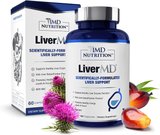
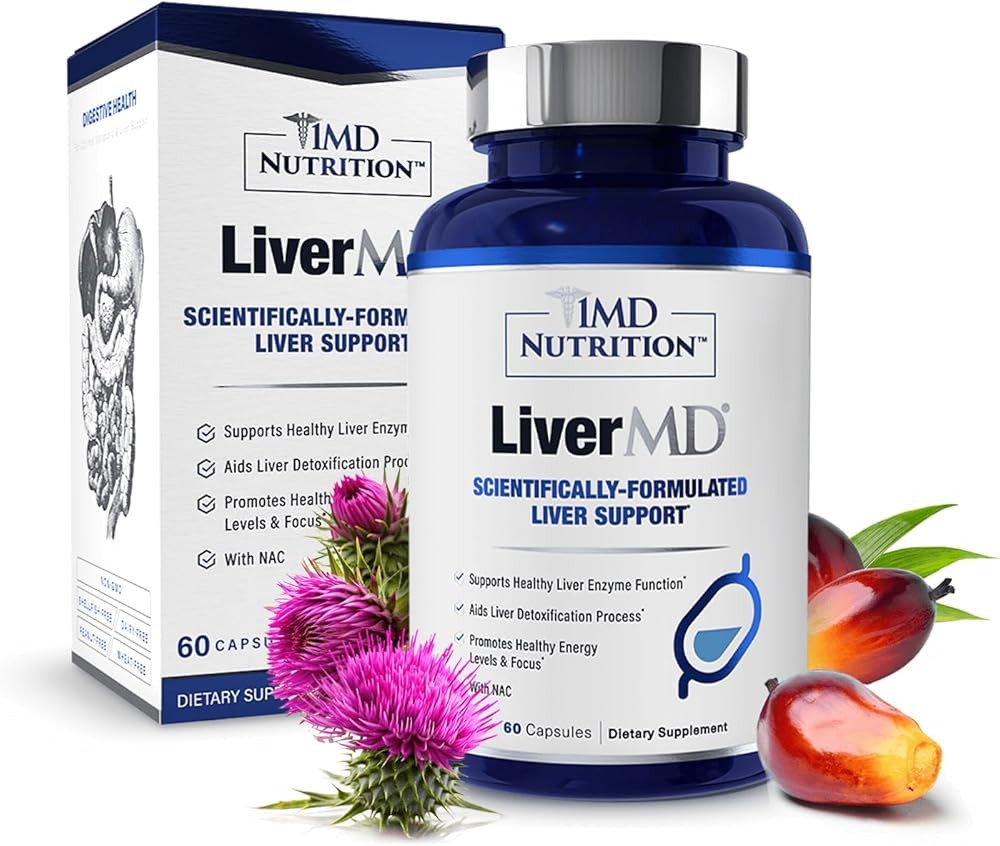
1MD Nutrition LiverMD - Liver Support Supplement | Siliphos Milk Thistle Extract & NAC - Supports Healthy Energy, Imm...
Check Price on AmazonAs an Amazon Associate we earn from qualifying purchases.

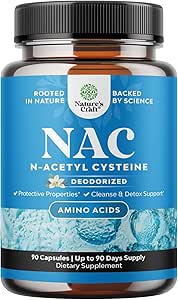
NAC Supplement N-Acetyl Cysteine 600mg- High Absorption NAC 600 mg Capsules Glutathione Precursor for Liver Cleanse D...
Check Price on AmazonAs an Amazon Associate we earn from qualifying purchases.
📱 Join the discussion: Facebook | X | YouTube | Pinterest | Pinterest
Bottom line: Top recommendations for liver and kidney support include comprehensive formulas combining multiple therapeutic ingredients—TUDCA (250-500 mg) for bile flow and mitochondrial protection, 1MD LiverMD with Siliphos milk thistle and NAC for comprehensive detoxification support, high-potency standardized milk thistle (80% silymarin, 7500 mg equivalent) for maximum silymarin delivery, and NAC 600 mg with selenium and molybdenum for glutathione synthesis and Phase II enzyme cofactors—selecting products with third-party testing, therapeutic doses, and minimal fillers ensures optimal liver and kidney protection.
What Should You Know About Comprehensive Liver and Kidney Support?
Your liver and kidneys face constant challenges from medications, environmental toxins, dietary excess, and metabolic demands. Supporting these vital organs through evidence-based supplementation addresses the root causes of organ stress: oxidative damage, impaired detoxification, chronic inflammation, and depleted antioxidant reserves.
DTS formulations combining milk thistle, NAC, dandelion, artichoke, curcumin, and supporting nutrients provide comprehensive protection through multiple complementary mechanisms. Clinical research validates these ingredients for reducing liver enzymes, protecting against toxic injury, supporting glutathione systems, and maintaining healthy kidney filtration.
The most effective approach combines targeted supplementation with lifestyle optimization: moderating alcohol consumption, maintaining healthy body weight, eating a whole-foods diet rich in vegetables and lean proteins, staying adequately hydrated, and minimizing exposure to environmental toxins.
Regular monitoring through liver function tests and kidney biomarkers tracks progress and identifies problems early. Most individuals show meaningful improvements within 4-12 weeks of comprehensive liver-kidney support—normalized enzymes, improved energy, better digestion, and enhanced tolerance for medications and environmental exposures.
Whether addressing existing liver or kidney concerns or proactively protecting these organs from daily stresses, DTS supplementation offers science-validated support with excellent safety profiles and decades of traditional use confirming long-term tolerability.
Your liver and kidneys work tirelessly to protect you—returning the favor through informed nutritional support optimizes both current function and long-term organ health.
Related Reading
Looking to expand your liver and kidney health knowledge? These evidence-based articles provide complementary information:
- NAC and Glutathione: Master Antioxidant for Detox Support - Comprehensive guide to N-Acetyl-Cysteine’s role in glutathione synthesis, Phase II detoxification, and therapeutic applications
- Milk Thistle vs NAC: Liver Support Comparison - Side-by-side analysis of these two hepatoprotective compounds, including synergistic benefits when combined
- Best Liver Support Supplements: Evidence-Based Reviews - Top-rated formulations analyzed for ingredient quality, clinical evidence, and therapeutic dosing
- DTS Chinese Medicine Formula: Traditional Liver-Kidney Support - Explore traditional Chinese herbs like Bupleurum and Schisandra for organ support with modern research validation
- Florastor Probiotic: Gut-Liver Axis Support - Understanding how Saccharomyces boulardii supports liver health through the gut-liver connection
- Alpha Lipoic Acid: Universal Antioxidant for Detoxification - Water and fat-soluble antioxidant that regenerates glutathione and supports mitochondrial function
- Selenium: Essential Trace Mineral for Glutathione Enzymes - Role of selenium in glutathione peroxidase activity and liver antioxidant defense systems
These resources complement your liver and kidney support protocol with additional evidence-based strategies for optimal organ health.
Bottom line: Comprehensive liver and kidney support requires evidence-based supplementation (milk thistle, NAC, dandelion, artichoke, curcumin) combined with lifestyle optimization (moderate alcohol, healthy weight, whole-foods diet, adequate hydration, toxin minimization)—clinical research validates these ingredients for reducing elevated liver enzymes, protecting against toxic injury, supporting glutathione systems, and maintaining kidney filtration, with most individuals showing meaningful improvements in 4-12 weeks through normalized enzymes, improved energy, better digestion, and enhanced detoxification capacity when supplements are taken consistently with regular monitoring of liver and kidney biomarkers.
Recommended Products