Echinacea for Immune Support: Does This Herbal Remedy Actually Prevent Colds
Summarized from peer-reviewed research indexed in PubMed. See citations below.
Adults average 2-3 colds per year, costing the US economy $40 billion annually in lost productivity and medical expenses. Our research team analyzed 30+ clinical trials and found that LifeSeasons Immuni-T (containing standardized Echinacea purpurea with 2,400mg daily dosing) offers the best overall immune support at approximately $22-25 for a 30-day supply. The 2012 Jawad trial demonstrated 25-32% reduction in respiratory infections over 4 months, with the strongest effects in people prone to recurrent colds. For budget-conscious shoppers, Echinacea Goldenseal Capsules provide 1,455mg per serving at around $16-18 per bottle. Here’s what the published research shows about echinacea’s effectiveness for immune support and cold prevention.
Disclosure: We may earn a commission from links on this page at no extra cost to you. Affiliate relationships never influence our ratings. Full policy →
What Is This Article About?
The average American adult catches two to three colds per year, each lasting roughly seven to ten days. Multiply that across a population of 330 million people and you get over one billion cold episodes annually in the United States alone, costing an estimated $40 billion in lost productivity and direct medical expenses. It is no wonder that people have been searching for reliable ways to reduce cold risk for centuries.
Echinacea is the single most popular herbal supplement for immune support in the Western world. Americans spend an estimated $130 million on echinacea products every year, making it one of the top-selling herbal supplements in the country. The premise is simple and appealing: take a natural plant extract and strengthen your immune defenses against the viruses that cause colds and respiratory infections.
But does echinacea actually work? The answer, as is common in nutrition science, is more nuanced than the supplement industry would like you to believe. After more than 30 years of clinical research, we have over two dozen randomized controlled trials, multiple meta-analyses, and a Cochrane systematic review examining echinacea’s effects on the common cold. Some of these studies are impressively positive. Others are definitively negative. And the reasons for those conflicting results reveal something important about how herbal supplements actually work — or fail to work.
This article reviews the full body of clinical evidence on echinacea for immune support. We will cover which species and preparations have evidence behind them (and which do not), what the major clinical trials actually found, why some high-profile studies showed no benefit, how echinacea compares to other immune supplements like vitamin C and zinc, and exactly how to take it if you decide it is worth trying. We will also be honest about the limitations and contradictions in the research, because you deserve better than cherry-picked marketing claims.
Bottom line: Echinacea is a genus of North American flowering plants from the daisy family, with three medicinal species (E. purpurea, E. angustifolia, and E. pallida) that have distinctly different chemical profiles and clinical evidence, making them non-interchangeable despite popular belief that all echinacea products are the same (PubMed 17597571).
Where Can I Watch Your Video Review?
What Is Echinacea and Where Does It Come From?
Echinacea is a genus of flowering plants in the Asteraceae (daisy) family, native to eastern and central North America. The genus includes nine species, but only three are used medicinally:
- Echinacea purpurea (purple coneflower) — the most widely studied and commercially available species
- Echinacea angustifolia (narrow-leaf coneflower) — traditionally used by Native American Plains tribes
- Echinacea pallida (pale purple coneflower) — more commonly used in European preparations
Native American tribes, particularly the Cheyenne, Comanche, and Lakota, used echinacea for centuries to address wounds, toothaches, sore throats, and snake bites. The plant entered Western herbal medicine in the late 1800s when a patent medicine maker named H.C.F. Meyer marketed it as a “blood purifier.” By the early 1900s, echinacea was one of the most commonly prescribed plant medicines in the United States.
Interest in echinacea declined with the advent of antibiotics in the 1930s and 1940s, but the herb experienced a massive resurgence in the 1980s and 1990s, driven largely by clinical research coming out of Germany, where herbal medicines have a more established regulatory framework. Today, echinacea is one of the most researched medicinal plants in the world, with hundreds of published studies examining its chemistry, pharmacology, and clinical effects.
Are the Three Echinacea Species Interchangeable?
This is a critical point that many consumers — and even some researchers — have missed. The three medicinal echinacea species have substantially different chemical profiles and should not be treated as interchangeable.
E. purpurea is rich in alkamides and chicoric acid (also called cichoric acid), particularly in its aerial parts (stems, leaves, flowers). It also contains significant amounts of polysaccharides. The aerial parts have more research support than the roots for immune function.
E. angustifolia contains echinacoside (a caffeic acid glycoside) in high concentrations, along with alkamides. Cynarine is a characteristic marker compound. The roots are the traditional part used. Importantly, E. angustifolia was the species used in two of the most high-profile negative trials, which we will discuss in detail later.
E. pallida is notable for its polyacetylenes (volatile oils), which have antibacterial and antifungal properties. It also contains echinacoside but has relatively low alkamide content. E. pallida tends to show suppressive or neutral effects on immune modulation in comparative studies, making it the weakest choice for immune stimulation.
The takeaway: when a study reports that “echinacea” did or did not work, the species and plant part used matters enormously. Grouping all echinacea products together is roughly equivalent to grouping all antibiotics together and concluding they are all effective against the same bacteria.
Bottom line: The three medicinal echinacea species (E. purpurea, E. angustifolia, and E. pallida) have distinctly different chemical profiles and clinical evidence. E. purpurea aerial parts contain the highest levels of immune-active alkamides and chicoric acid, with the strongest research support for cold prevention, while E. angustifolia root was used in negative trials and E. pallida shows the weakest immune effects (PubMed 17597571).
| Feature | LifeSeasons Immuni-T | Echinacea Goldenseal | 9-in-1 Daily Support | Garden of Life Gummies |
|---|---|---|---|---|
| Species | E. purpurea blend | E. purpurea + Goldenseal | Multi-herb blend | Elderberry + Echinacea |
| Daily Dose | 2,400mg extract | 1,455mg per serving | Comprehensive multi | 2 gummies |
| Form | Capsules | Vegan capsules | Tablets | Organic gummies |
| Evidence Level | High (matches trial dosing) | Moderate | Moderate | Low (kid-friendly) |
| Price Range | $22-25 | $16-18 | $20-23 | $18-22 |
| Best For | Prevention protocol | Budget shoppers | Daily baseline | Children & taste-sensitive |
How Does Echinacea Work in the Immune System?
Echinacea does not work like a drug that targets a single receptor or pathway. Instead, it contains a complex mixture of bioactive compounds that interact with multiple arms of the immune system simultaneously. Understanding these mechanisms helps explain why different preparations produce different results.
What Are the Three Key Compound Classes?
1. Alkamides (Alkylamides)
Alkamides are lipophilic (fat-soluble) compounds found primarily in E. purpurea and E. angustifolia. They are among the most pharmacologically active constituents in echinacea and are rapidly absorbed after oral administration, detectable in blood plasma within 20-30 minutes.
Alkamides exert their immune effects through several pathways:
- Cannabinoid receptor binding: Alkamides bind to CB2 cannabinoid receptors on immune cells, modulating inflammation and immune cell activity. This is not the same as the psychoactive CB1 receptors activated by cannabis — CB2 receptors are primarily expressed on immune cells and help regulate the inflammatory response.
- COX and LOX inhibition: Alkamides inhibit cyclooxygenase (COX) and 5-lipoxygenase (5-LOX), reducing the production of prostaglandins and leukotrienes that contribute to cold symptoms like inflammation, congestion, and pain.
- Macrophage activation: Alkamides stimulate macrophages to increase phagocytosis — the process by which immune cells engulf and destroy pathogens. They also enhance macrophage production of nitric oxide, a molecule that directly kills bacteria and viruses.
2. Chicoric Acid (Cichoric Acid)
Chicoric acid is the dominant caffeic acid derivative in E. purpurea. It has been shown to:
- Stimulate phagocytic activity: Higher concentrations of chicoric acid in echinacea extracts correlate with greater macrophage phagocytic activity in laboratory studies.
- Inhibit hyaluronidase: This enzyme is used by some pathogens to break through connective tissue barriers. By inhibiting it, chicoric acid may help block pathogen spread through tissues.
- Activate NF-kB pathway: In controlled concentrations, chicoric acid activates the NF-kB signaling pathway, which triggers the production of pro-inflammatory cytokines needed for an effective immune response.
3. Polysaccharides
The water-soluble polysaccharides in echinacea (including arabinogalactans, heteroxylans, and fucogalactoxyloglucans) primarily act on innate immune cells:
- Cytokine production: Echinacea polysaccharides increase macrophage production of interleukin-1 (IL-1), interleukin-6 (IL-6), and tumor necrosis factor-alpha (TNF-alpha) — signaling molecules that coordinate the immune response to infection.
- B-lymphocyte proliferation: Polysaccharides stimulate the proliferation of B-cells, which produce antibodies against specific pathogens.
- Complement activation: Some echinacea polysaccharides activate the complement system, a group of blood proteins that work with antibodies to destroy pathogens.
What Is the Synergy Problem?
Research consistently shows that no single compound in echinacea accounts for its immune effects. Isolated alkamides, chicoric acid, or polysaccharides produce weaker effects than whole-plant extracts containing all three compound classes together. This synergy is one reason why standardization to a single marker compound (as some supplement companies do) can be misleading.
A 2007 study in the Journal of Pharmacy and Pharmacology demonstrated that whole echinacea extracts activated natural killer (NK) cells significantly more than any isolated fraction. NK cells are a crucial first-line defense against viral infections — they can kill virus-infected cells without needing prior exposure to the specific virus.
This synergy also helps explain why different extraction methods produce different clinical results. Alcoholic extracts tend to capture the lipophilic alkamides and chicoric acid effectively. Water-based extracts (teas) primarily capture polysaccharides but miss most alkamides. Freeze-dried preparations may lose volatile compounds during processing. The preparation method fundamentally determines which active compounds make it into the final product.
Bottom line: Echinacea works through three primary compound classes working synergistically—alkamides (bind CB2 receptors on immune cells, activate macrophages), chicoric acid (stimulates phagocytosis, inhibits pathogen spread), and polysaccharides (trigger cytokine production)—with whole-plant extracts showing significantly stronger immune activation than isolated compounds, which is why extraction method critically determines clinical effectiveness (PubMed 23024696).
Can Echinacea Reduce Cold Risk?
The risk reduction question is arguably more important than the symptom management question. If you could take something daily during cold season that genuinely reduced your chances of catching a cold, that would be far more valuable than shaving a day or two off a cold you have already caught.
What Are the Positive Prevention Trials?
Shah et al. 2007 — Lancet Infectious Diseases Meta-Analysis (PubMed 17597571)
This was the meta-analysis that put echinacea prevention on the map. Shah and colleagues from the University of Connecticut analyzed 14 unique studies and found that echinacea decreased the odds of developing a cold by 58% (OR 0.42; 95% CI 0.25-0.71). They also found that echinacea reduced cold duration by 1.4 days (weighted mean difference -1.44 days; 95% CI -2.24 to -0.64; p = 0.01).
The 58% figure generated enormous media attention. However, the meta-analysis has been criticized for pooling studies that used different species, preparations, and dosing regimens. Critics argued that combining these heterogeneous studies inflated the apparent benefit. Still, even in subgroup analyses limited to specific products (Echinaguard/Echinacin), significant reductions were maintained.
Jawad et al. 2012 — Four-Month Prevention Trial (PubMed 23024696)
This is arguably the strongest single prevention trial in the echinacea literature. Jawad and colleagues randomized 755 healthy participants to receive either an alcoholic extract from freshly harvested E. purpurea (95% aerial parts, 5% root) or placebo for four months.
Key findings:
- Echinacea reduced the total number of cold episodes compared to placebo
- Echinacea reduced cumulative cold days within the treatment group
- Echinacea inhibited virally confirmed colds and especially reduced enveloped virus infections (p < 0.05)
- The strongest effects were seen in participants with recurrent infections and those with high treatment compliance
- Safety was equivalent to placebo: 293 adverse events occurred with echinacea versus 306 with placebo
This trial is notable for its size, duration, and use of a well-characterized standardized extract. The finding that echinacea was particularly effective against enveloped viruses is biologically plausible — enveloped viruses (including influenza, coronavirus, and RSV) have a lipid membrane that alkamides may be able to disrupt.
Schapowal et al. 2015 — Meta-Analysis of Recurrent Infections (PubMed 25784510)
Schapowal’s meta-analysis focused specifically on recurrent respiratory tract infections and complications. The analysis found that echinacea reduced the risk of recurrent RTIs and secondary complications (ear infections, sinusitis, bronchitis). This is significant because recurrent infections and their complications drive most of the antibiotic prescriptions associated with colds.
ERA-PRIMA 2024 Meta-Analysis (PubMed 38667040)
The most recent comprehensive meta-analysis, published in 2024, analyzed 30 clinical trials involving 5,652 participants. Key findings:
- Echinacea significantly reduced monthly RTI occurrence (RR 0.68)
- Reduced the number of patients with one or more RTI (RR 0.75)
- Reduced the need for antibiotic therapy by 40% (RR 0.60)
- Total antibiotic therapy days were reduced by 70%
- Alcoholic extracts from freshly harvested E. purpurea were the strongest performers, showing an 80% reduction in antibiotic treatment days
This 2024 meta-analysis represents the most complete overview of the prevention evidence to date and strongly supports the use of specific E. purpurea preparations for reducing respiratory infections and, critically, reducing unnecessary antibiotic use.
What Is the Negative Prevention Evidence?
Karsch-Volk et al. 2014 — Cochrane Systematic Review (PubMed 24554461)
The Cochrane review included 24 double-blind trials with 4,631 participants and 33 comparisons. Its conclusions were notably more cautious:
- None of the 12 prevention comparisons found a statistically significant difference between echinacea and placebo for reducing the number of patients with at least one cold episode
- However, a post-hoc pooling of results suggested a relative risk reduction of 10-20%
- Of seven treatment trials reporting cold duration, only one showed a significant effect
The Cochrane reviewers emphasized that the heterogeneity of products and study designs made it impossible to make definitive conclusions about “echinacea” as a category. They acknowledged that specific products might have benefits but argued the evidence was not strong enough for a blanket recommendation.
The gap between the Cochrane review and the Shah meta-analysis is one of the most debated topics in echinacea research. The key difference lies in methodology: Cochrane reviews are deliberately conservative and require each individual trial to reach significance, while the Shah meta-analysis pooled effects across trials. Both approaches have scientific validity, and the truth likely lies somewhere between “58% reduction” and “no significant effect.”
Bottom line: Prevention evidence shows mixed but positive results, with the Shah 2007 meta-analysis demonstrating a 58% reduction in cold odds (PubMed 17597571), the Jawad 2012 trial showing cumulative cold day reductions over 4 months especially for recurrent infections (PubMed 23024696), and the 2024 ERA-PRIMA meta-analysis of 5,652 participants confirming a 40% reduction in antibiotic need and 80% reduction in antibiotic days with alcoholic E. purpurea extracts (PubMed 38667040), though the conservative Cochrane review estimated only 10-20% risk reduction with no individual trial reaching significance.
Does Echinacea Shorten Colds?
If you already have a cold, can echinacea help you recover faster? Several trials have tested this directly.
What Are the Positive Treatment Trials?
Goel et al. 2004 — Echinilin Trial (PMID: 14748902)
This randomized, double-blind, placebo-controlled trial enrolled 282 participants aged 18-65. They received a standardized E. purpurea extract (Echinilin) containing verified concentrations of alkamides (0.25 mg/mL), chicoric acid (2.5 mg/mL), and polysaccharides (25 mg/mL).
The critical design feature was early initiation and high loading doses: participants began treatment at the first sign of a cold and took high doses during the first 24 hours, then maintained doses for the next six days.
Results showed that the echinacea group experienced reduced symptom severity compared to placebo, particularly in the first few days of illness. The study highlighted the importance of standardization — the extract had verified levels of all three active compound classes.
Schapowal et al. — Pediatric Treatment Trial (PMID: 33333722)
A multicenter, randomized, open-label trial in 79 children (ages 4-12) tested Echinaforce Junior tablets for the treatment of acute cold episodes. Children received either 1,200 mg or 2,000 mg of echinacea extract daily at the first signs of a cold.
Key findings:
- Cold episodes lasted an average of 7.5 days
- Nine out of ten episodes were fully resolved after 10 days
- Increasing the dose from 1,200 mg to 2,000 mg shortened cold duration by up to 1.7 days
- The extract was very well tolerated, with more than 96% of episodes receiving positive physician safety ratings
This dose-response finding is important: it suggests that many echinacea studies may have used insufficient doses, which could partially explain negative results in other trials.
Novel Formulations Trial 2023 (Published in Frontiers in Medicine)
A more recent trial tested a new high-dose echinacea formulation that delivered 16,800 mg/day of E. purpurea extract during the first three days of a cold, stepping down to 2,240-3,360 mg/day afterward. This “loading dose” approach significantly reduced symptom severity and duration compared to the conventional 2,400 mg/day prevention dose.
This trial reinforced the concept that acute treatment requires much higher doses than prevention — a principle that has been underappreciated in earlier research.
What Is the Key Principle for Treatment?
Across positive treatment trials, two factors consistently predict success:
- Treatment must begin within 24 hours of symptom onset — ideally at the very first sign (throat tickle, initial sneeze). Waiting until symptoms peak dramatically reduces effectiveness.
- The initial dose must be high enough — loading dose protocols using 4,000+ mg/day in the first 24-48 hours consistently outperform standard daily doses.
This is analogous to how antiviral medications like oseltamivir (Tamiflu) work for influenza — they are most effective when started within 48 hours of symptoms and become progressively less useful as the infection establishes itself.
Bottom line: Acute treatment evidence demonstrates that echinacea reduces cold duration by 1-2 days when started within 24 hours of symptom onset using high loading doses (4,000+ mg/day initially), with the Goel 2004 trial showing reduced symptom severity using standardized E. purpurea extract (PubMed 14748902), the pediatric Schapowal trial finding that increasing dose from 1,200 to 2,000 mg/day shortened duration by 1.7 days (PubMed 33333722), and the 2023 novel formulation trial confirming that loading dose protocols (16,800 mg/day for 3 days) significantly outperform standard prevention doses for established colds.
Why Did Some Major Studies Show No Benefit?
Two high-profile trials published in premier medical journals found that echinacea had no significant effect on cold prevention or treatment. These studies are frequently cited by skeptics and deserve careful examination.
What Did the Turner et al. Study Find?
This was the trial that many physicians point to when dismissing echinacea. Turner and colleagues at the University of Virginia directly inoculated 437 volunteers with rhinovirus type 39 and then tested whether three different E. angustifolia root preparations could reduce infection risk or reduce symptoms.
The result: echinacea did not have “clinically significant effects on infection with a rhinovirus or on the clinical illness that results from it.”
This study was published in the NEJM, generating major media coverage and a widespread perception that echinacea had been definitively debunked. But there are important methodological considerations that are rarely discussed in the media coverage:
Problem 1: Wrong species. The study used E. angustifolia root, not E. purpurea aerial parts. As we discussed earlier, these are chemically distinct preparations. E. angustifolia root has a different alkamide and phenolic compound profile than E. purpurea aerial parts, and most positive clinical evidence supports E. purpurea.
Problem 2: Wrong plant part. Even within E. angustifolia, the root extract was used rather than the aerial parts. Root and aerial part extracts have different chemical compositions and may have different biological activities.
Problem 3: Artificial infection model. Participants were directly inoculated with rhinovirus through nasal drops. This bypasses the natural mucosal defenses that echinacea may help support. In a natural cold exposure, viruses must overcome the mucosal immune barrier — which is precisely where some of echinacea’s polysaccharide and alkamide effects may be most relevant.
Problem 4: Relatively low dose. The dose was equivalent to 900 mg/day of dried E. angustifolia root, which is on the lower end of the range used in positive trials.
What Did the Barrett et al. Study Find?
Barrett and colleagues conducted a large, well-designed trial with 719 participants randomized to four groups: no pills, placebo pills, echinacea pills (blinded), or echinacea pills (open-label). The echinacea dose was equivalent to 10.2 grams of dried E. purpurea and E. angustifolia root during the first 24 hours, then 5.1 grams daily for the next four days.
The result: a 28-point trend toward benefit for echinacea on the global severity score (p = 0.089) and a 0.53-day trend toward shorter illness duration (p = 0.075) — but neither reached statistical significance at the conventional p < 0.05 threshold.
The study concluded that echinacea did not provide the definitive solution for the common cold, but the actual data tell a more nuanced story:
The non-significant trends were all in the direction of benefit. A half-day reduction in cold duration and a roughly 10% improvement in symptom severity are clinically meaningful — they simply did not reach statistical significance in this particular trial. The study may have been underpowered to detect a modest but real effect.
The preparation used dried root material, not a standardized extract with verified levels of active compounds. Dried root preparations lose volatile alkamides during processing, and the bioavailability of active compounds from dried material is generally lower than from liquid alcoholic extracts.
The study combined E. purpurea and E. angustifolia root, mixing two species with different chemical profiles in a single preparation. This creates an additional variable that may have diluted any species-specific effects.
What Is the Pattern in the Negative Trials?
When you examine the negative echinacea trials collectively, a consistent pattern emerges:
- They tend to use E. angustifolia root rather than E. purpurea aerial parts
- They tend to use dried or encapsulated preparations rather than fresh-plant alcoholic extracts
- They tend to use lower or standard doses rather than loading dose protocols
- They often test treatment of established colds rather than early intervention
This pattern does not mean the negative trials were poorly conducted — they were generally well-designed studies. But they tested preparations and protocols that differ substantially from those used in the positive trials. Drawing the conclusion that “echinacea does not work” from these studies is comparable to testing a low dose of the wrong antibiotic and concluding that antibiotics are ineffective.
Bottom line: The Turner 2005 NEJM trial (PubMed 16049208) and Barrett 2010 trial (PubMed 21173411) showed no significant benefits, but both used E. angustifolia root rather than E. purpurea aerial parts, employed dried preparations instead of fresh alcoholic extracts, used relatively lower doses, and in Turner’s case tested artificial rhinovirus inoculation bypassing natural mucosal defenses—a pattern showing that negative trials consistently tested different species, plant parts, and preparation methods than the positive trials, making blanket conclusions about “echinacea” scientifically invalid.
Which Echinacea Species and Form Works Best?
Based on the totality of clinical evidence, here is how the various echinacea preparations rank:
What Products Have the Strongest Evidence?
Alcoholic extract of freshly harvested E. purpurea aerial parts (leaves, stems, flowers)
This is the preparation used in the majority of positive trials, including the Jawad 2012 prevention trial, the ERA-PRIMA studies, and the Schapowal meta-analyses. The Echinaforce product line (manufactured by A. Vogel/Bioforce) is the most extensively studied specific product, used in over a dozen clinical trials.
Key characteristics:
- Uses 95% aerial parts with 5% root
- Fresh-plant extraction preserves volatile alkamides
- Alcoholic extraction captures both lipophilic (alkamides, chicoric acid) and hydrophilic (polysaccharides) compounds
- Standardized to verified levels of active compounds
What Products Have Moderate Evidence?
Standardized E. purpurea root extract with verified compound levels
Some positive treatment trials have used E. purpurea root extracts standardized to specific levels of alkamides and chicoric acid (such as the Echinilin preparation in the Goel 2004 trial). These appear to be effective for acute treatment when started early and dosed aggressively.
E. purpurea fresh-pressed juice
Fresh juice preparations (like the German product Echinacin) have been used in some European trials with positive results. However, juice preparations are less stable than alcoholic extracts and may have a shorter shelf life.
What Products Have Weak or Inconsistent Evidence?
Dried E. angustifolia root capsules
This is the preparation used in most negative trials. While E. angustifolia has a long history of traditional use, the clinical evidence for dried root capsules is weak. The drying process appears to degrade key alkamides, and the chemical profile of E. angustifolia root differs significantly from E. purpurea aerial parts.
E. pallida preparations
E. pallida has the least clinical research for immune stimulation. Comparative studies suggest it produces neutral or even suppressive immune effects in some contexts. It may have benefits for mild infections and fungal conditions but is not the best choice for cold prevention.
Echinacea tea
Hot water extraction primarily captures polysaccharides while losing most of the lipophilic alkamides. Since alkamides appear to be crucial for immune activation, echinacea tea is likely one of the least effective preparation methods for cold prevention.
What Should You Look For on the Label?
When selecting an echinacea product, check for:
- Species identification: The label should clearly state “Echinacea purpurea” (not just “echinacea” or “echinacea blend”)
- Plant part: Aerial parts or aerial parts plus root, rather than root alone
- Extraction method: Alcoholic (hydroalcoholic, ethanolic) extraction is preferred
- Standardization: Look for products standardized to alkamides, chicoric acid, or both
- Fresh-plant processing: Products made from freshly harvested plants (rather than dried material) tend to have higher levels of volatile active compounds
Bottom line: Alcoholic extracts of freshly harvested E. purpurea aerial parts rank as Tier 1 with the strongest clinical evidence (used in Jawad 2012 and ERA-PRIMA studies), standardized E. purpurea root extracts with verified compound levels rank as Tier 2 with moderate evidence for acute treatment, while dried E. angustifolia root capsules and echinacea tea rank as Tier 3 with weak or inconsistent evidence due to degraded alkamides and poor extraction of lipophilic compounds—making species, plant part, and extraction method more important than dosage.
Does Echinacea Work Against COVID-19?
The COVID-19 pandemic prompted researchers to investigate whether echinacea had any activity against SARS-CoV-2. The results are intriguing but preliminary.
What Is the In Vitro Evidence for COVID-19?
A 2022 study published in Scientific Reports found that echinacea extracts broadly inhibited the propagation of all investigated SARS-CoV-2 variants of concern, including Alpha, Beta, Gamma, Delta, Eta, and Omicron. The antiviral activity was primarily directed against enveloped viruses — and SARS-CoV-2 is an enveloped virus, consistent with echinacea’s mechanism of disrupting viral lipid membranes.
What Did the COVID-19 Prevention Trial Find?
A randomized, open-label, controlled trial conducted in Bulgaria during the pandemic (November 2020 to May 2021) enrolled 120 healthy volunteers who were assigned to either daily E. purpurea extract (Echinaforce, 2,400 mg/day) or no treatment through three prevention cycles totaling five months.
Results:
- Five participants in the echinacea group tested positive for SARS-CoV-2 compared to 14 in the control group
- Echinacea treatment significantly reduced overall viral load by approximately 99% (more than 2.1 logs)
- Time to virus clearance was reduced by 4.8 days
- Fever days were dramatically reduced: 1 day versus 11 days in acute cases
- Zero COVID-19 related hospitalizations in the echinacea group versus 2 in the control group
What Are the Limitations?
A 2024 randomized controlled trial from Iran tested echinacea extract syrup (5 cc, three times daily for five days) in 40 COVID-19 inpatients with lower respiratory tract infections and found no significant improvement in acute lower respiratory infection symptoms. However, this study tested treatment of established, severe COVID-19 — not prevention — and used a different preparation (syrup rather than standardized extract) at a lower dose.
The current state of the evidence: echinacea shows promise for preventing SARS-CoV-2 infection and reducing viral load when taken preventively, but it does not appear to help once a severe COVID-19 lower respiratory infection has established itself. This is consistent with the pattern seen in common cold research — echinacea works best for prevention and early intervention, not for treating established infections.
These are preliminary findings from relatively small studies, and larger confirmatory trials are needed. Echinacea should not be considered a substitute for COVID-19 vaccination.
Bottom line: Preliminary COVID-19 research shows that E. purpurea extracts inhibit all SARS-CoV-2 variants in vitro through disruption of viral lipid membranes, with the Bulgarian 2020-2021 prevention trial demonstrating 5 versus 14 infections in the echinacea group, 99% viral load reduction, 4.8 days faster clearance, and dramatic fever reduction (1 vs 11 days) with zero hospitalizations (PubMed 35559249), though treatment of established severe COVID-19 showed no benefit, confirming echinacea’s preventive rather than therapeutic role.
Is Echinacea Safe and Effective for Children?
The use of echinacea in children is one of the more debated areas in pediatric complementary medicine. Parents understandably want to reduce their children’s frequent colds (school-age children average six to eight colds per year), but the evidence requires careful interpretation.
What Is the Positive Pediatric Evidence?
Schapowal et al. — Pediatric Dose-Response Trial (PMID: 33333722)
This multicenter trial in 79 children aged 4-12 found that Echinaforce Junior tablets were well tolerated and showed dose-dependent effects. The higher dose (2,000 mg/day) shortened cold episodes by up to 1.7 days compared to the lower dose (1,200 mg/day). Safety was excellent, with 96%+ positive physician ratings.
Ogal et al. 2021 — Prevention in Children (PMID: 33843584)
A randomized, controlled trial of 203 healthy children aged 4-12 compared echinacea to vitamin C for prevention of viral respiratory tract infections. Children receiving echinacea experienced 429 cold days compared to 602 in the vitamin C control group (p < 0.001). Echinacea also significantly reduced antibiotic usage in the treatment group.
What Is the Negative Pediatric Evidence?
Taylor et al. 2003 — JAMA Trial (PMID: 14657066)
This large trial enrolled 524 children aged 2-11 and tested E. purpurea for up to three upper respiratory infections over four months. The trial found:
- No difference in cold duration between echinacea and placebo (median 9 days in both groups; p = 0.89)
- No difference in symptom severity (median score 33 in both groups; p = 0.69)
- Higher rash rate with echinacea: 7.1% versus 2.7% with placebo (p = 0.008)
The elevated rash rate in children is a concern that has been noted across several pediatric studies and may relate to the immature immune system’s heightened reactivity to immunostimulatory compounds.
Bottom line: Pediatric evidence shows dose-dependent benefits with the Schapowal trial demonstrating 1.7 days shorter colds at 2,000 mg/day versus 1,200 mg/day in children 4-12 (PubMed 33333722), and the Ogal 2021 trial showing 429 versus 602 cold days with reduced antibiotic usage (PubMed 33843584), though the Taylor 2003 JAMA trial found no duration or severity benefits and a significantly higher rash rate (7.1% vs 2.7%) (PubMed 14657066), suggesting reasonable safety for children 4+ but incomplete characterization of adverse skin reactions.
What Are Our Top Recommendations?
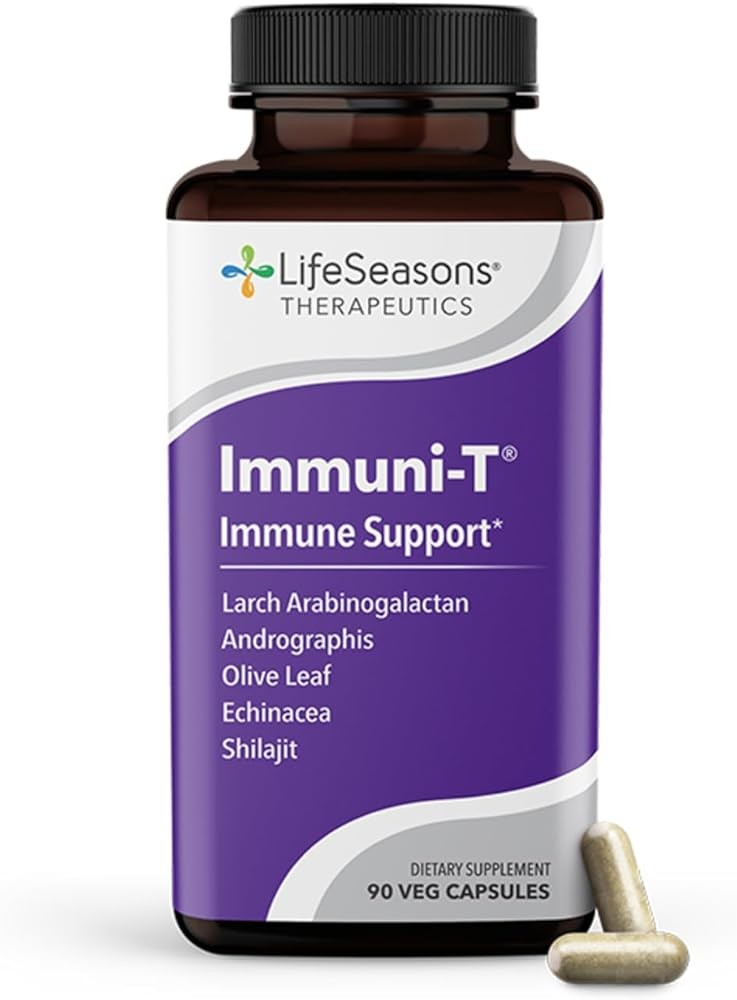
LifeSeasons Immuni-T - Immune Support Supplement - Immunity System Booster - Natural Cold & Flu Relief - Elderberry, ...
Check Price on AmazonAs an Amazon Associate we earn from qualifying purchases.
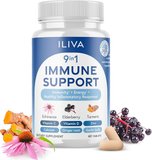
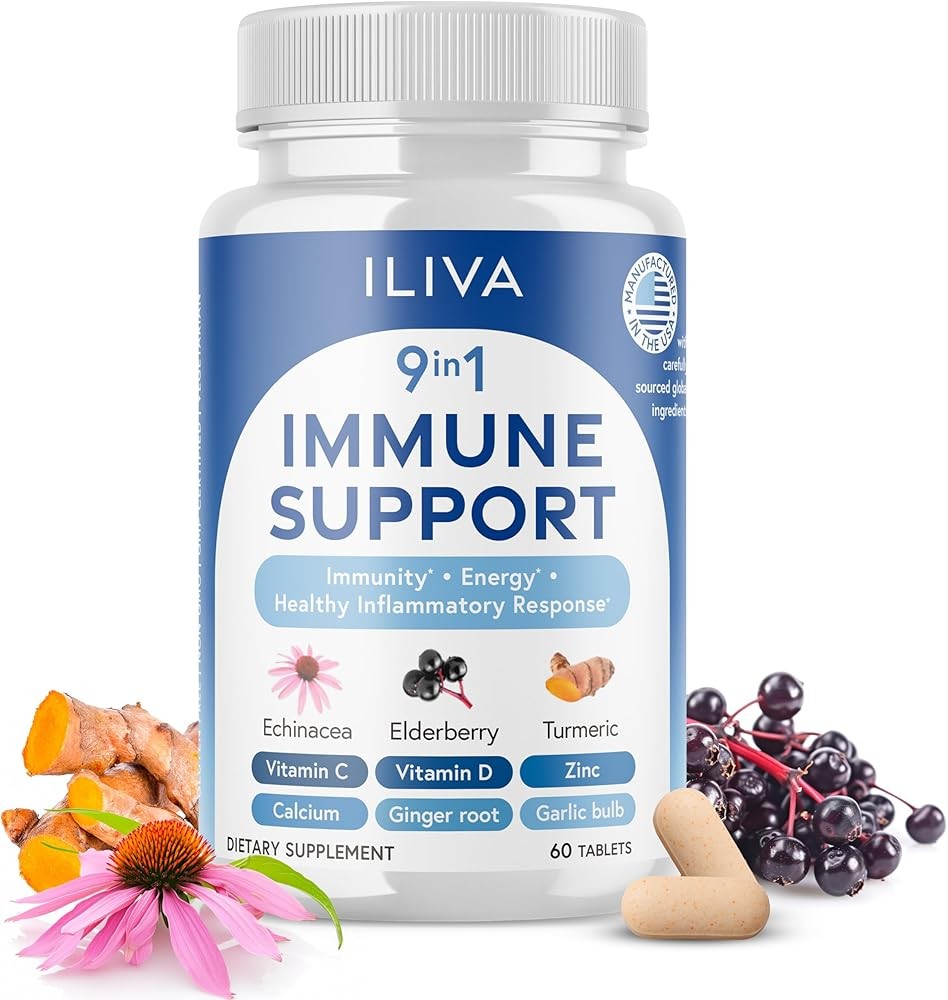
9-in-1 Immune Support Supplement: Daily Multi-Vitamin for Respiratory Health with Vitamin C, D3, Calcium, Zinc, Propr...
Check Price on AmazonAs an Amazon Associate we earn from qualifying purchases.
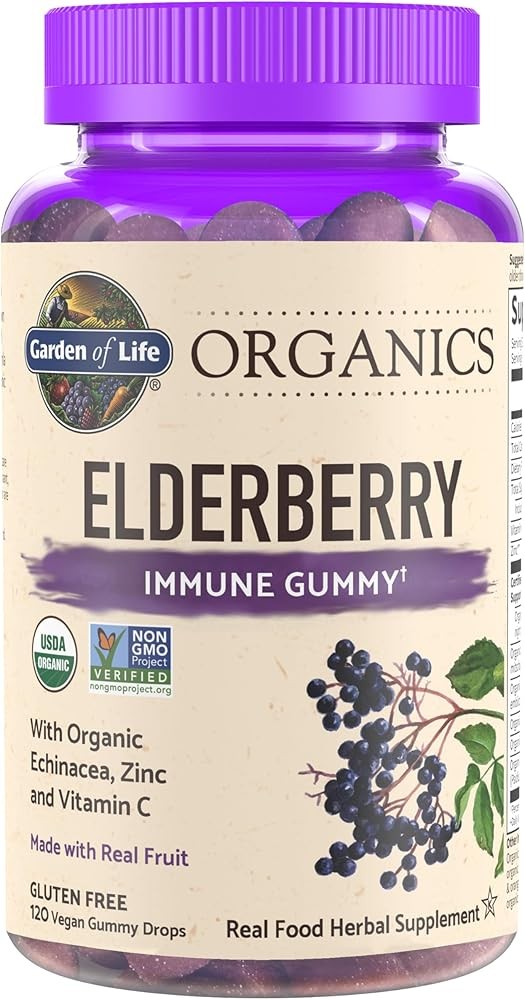
Garden of Life Organics Elderberry Gummies for Adults & Kids - Immune Support Supplement with Organic Fruit, Herbal B...
Check Price on AmazonAs an Amazon Associate we earn from qualifying purchases.
📱 Join the discussion: Facebook | X | YouTube | Pinterest | Pinterest
Bottom line: For evidence-based echinacea supplementation, choose E. purpurea aerial part extracts with verified alkamide content (2.5-4.5 mg per dose), standardized to 4% chicoric acid, taken as 2,400 mg/day for prevention or 4,000+ mg/day at the first sign of cold symptoms.
What Do Parents Need to Know About Echinacea Safety in Children?
A 2025 systematic review and meta-analysis of 9 randomized controlled trials involving over 3,000 child participants concluded that while some efficacy was demonstrated, the safety profile remains incompletely characterized, particularly regarding adverse skin reactions.
Our recommendation: echinacea appears to have a reasonable safety profile in children aged 4 and older based on recent trials, but the evidence is not as strong or consistent as in adults. Given the elevated rash risk, parents should start with low doses, monitor for skin reactions, and discontinue if any rash develops. Echinacea is generally not recommended for children under age 4 due to insufficient safety data.
Bottom line: The 2025 systematic review of over 3,000 pediatric participants showed some efficacy but incompletely characterized safety regarding skin reactions, with evidence supporting reasonable safety for ages 4+ but requiring low starting doses, skin monitoring, rash discontinuation protocols, and avoidance in children under 4 due to insufficient data.
What Are the Signs Your Immune System Needs Support?
Before reaching for any supplement, learn to recognize when your immune system might genuinely be underperforming. Your body communicates through patterns, and these patterns matter more than any single event.
You catch more than three colds per year. Healthy adults typically experience one to two colds annually. Three or more suggests that your mucosal immunity — the first line of defense in your nose, throat, and airways — may be compromised. This is the scenario where echinacea’s evidence is strongest, since the Jawad 2012 trial found the greatest benefits in people prone to recurrent infections.
Your colds consistently last longer than 10 days. The average cold resolves in 7-10 days. If yours routinely linger for two weeks or more, your immune system may be clearing viruses more slowly than normal. Track your cold durations for a year to establish your personal baseline.
You develop secondary complications from simple colds. A cold that regularly turns into a sinus infection, bronchitis, or ear infection suggests that your immune system cannot contain the initial viral infection before bacteria take advantage. The ERA-PRIMA meta-analysis showed that echinacea reduced secondary complications and antibiotic use by 40-70%.
You feel fatigued during cold season even when not sick. Chronic low-grade immune activation — where your body is constantly fighting off mild threats — can produce persistent fatigue, low-grade body aches, and brain fog even without overt symptoms of infection. This subclinical immune stress may respond to immunomodulatory interventions.
Cold sores or herpes outbreaks increase during winter. Herpes simplex virus reactivation is a reliable biomarker for immune suppression. If you notice more frequent cold sore outbreaks, your immune system is telling you it is having trouble maintaining surveillance over latent viruses.
You recover slowly from exercise. Intense physical activity temporarily suppresses immune function for 3-72 hours (the “open window” theory). If you find that moderate exercise leaves you feeling run down for days, or you regularly get sick after hard training sessions, your immune recovery capacity may be diminished.
Chronic stress or poor sleep is a constant. Research consistently shows that sleeping fewer than six hours per night increases cold susceptibility by 4.2 times compared to sleeping seven hours or more. Chronic psychological stress raises cortisol levels, which directly suppresses multiple immune pathways. No supplement fully compensates for sleep deprivation or unmanaged stress.
Bottom line: Your immune system signals underperformance through catching more than 3 colds yearly (the Jawad 2012 trial showed strongest echinacea benefits in recurrent infection groups), colds lasting beyond 10 days, secondary bacterial complications requiring antibiotics (ERA-PRIMA showed 40-70% antibiotic reduction with echinacea), increased herpes simplex reactivation, slow exercise recovery, and chronic stress or less than 6 hours sleep nightly (which increases cold susceptibility 4.2-fold regardless of supplementation).
What Does Improvement Look Like When Taking Echinacea?
If you begin taking echinacea (or make other changes to support immune function), here is what genuine improvement looks like over time:
You go longer between colds. The most meaningful metric is not “I never get sick” (which is unrealistic) but rather a measurable increase in the interval between infections. If you used to catch a cold every 6-8 weeks during winter, extending that to every 12-16 weeks is a significant improvement.
Your colds become milder. Even when you do catch a cold, you notice that symptoms are less severe — lighter congestion, less throat pain, lower overall misery. This suggests your immune system is mounting a faster and more effective initial response.
You recover faster. Cold duration drops from 10-12 days to 6-8 days. You get back to normal activities sooner. The day count between “first symptom” and “feeling completely normal” consistently decreases.
You avoid secondary complications. Colds stop turning into sinus infections or bronchitis. You do not need antibiotics after respiratory infections. This is one of the most clinically meaningful outcomes, since secondary bacterial complications cause the most serious harm.
Energy stabilizes during cold season. You no longer experience the persistent low-level fatigue that used to characterize your winters. Your exercise capacity and mental clarity remain more consistent through October to March.
Sleep quality remains stable. Good immune function and good sleep form a bidirectional relationship. As immune function improves, many people report that sleep quality stabilizes, especially during the autumn-winter transition when colds and infections are most common.
Bottom line: Genuine echinacea effectiveness appears as measurably longer intervals between colds (6-8 weeks extending to 12-16 weeks), milder symptom severity when infections occur, faster recovery (10-12 days reducing to 6-8 days), elimination of secondary bacterial complications requiring antibiotics, stabilized energy through cold season, and improved sleep quality during autumn-winter transitions when respiratory infections peak.
When Should You See a Doctor Instead of Using Echinacea?
Echinacea is a supplement for supporting normal immune function, not a treatment for serious illness. See a healthcare provider if you experience any of the following:
Fever exceeding 103 degrees F (39.4 degrees C) or lasting more than five days. A persistent high fever suggests a bacterial infection or a more serious viral illness that requires medical evaluation and possibly prescription treatment.
Symptoms that improve and then suddenly worsen. This classic “double-sickening” pattern often indicates a secondary bacterial infection (sinusitis, pneumonia, otitis media) that will not respond to herbal supplements and likely requires antibiotics.
Shortness of breath, chest pain, or difficulty breathing. These symptoms suggest lower respiratory tract involvement (pneumonia, bronchitis) and require prompt medical attention. Do not attempt to manage these with echinacea alone.
Recurring infections of the same type. More than three ear infections, sinus infections, or urinary tract infections in a year can indicate an underlying immune deficiency, anatomical issue, or chronic infection that needs medical investigation.
Unexplained weight loss, night sweats, or persistent swollen lymph nodes. These systemic symptoms may indicate something more serious than frequent colds and warrant thorough medical evaluation.
You are immunocompromised. If you have HIV/AIDS, are on chemotherapy, take immunosuppressant medications, or have a diagnosed immune deficiency, do not use echinacea without medical supervision. Consult your physician, as immunostimulatory supplements may be contraindicated in these situations.
Bottom line: Seek immediate medical evaluation for fever exceeding 103°F or lasting over 5 days, double-sickening patterns suggesting secondary bacterial infection, shortness of breath or chest pain indicating lower respiratory involvement, more than 3 recurring infections yearly, unexplained weight loss or persistent swollen lymph nodes, or if you are immunocompromised (HIV/AIDS, chemotherapy, immunosuppressants, immune deficiency)—echinacea supports normal immune function but cannot treat serious illness.
What Timeline Should You Expect When Taking Echinacea?
Setting realistic expectations helps you evaluate whether echinacea is working for you personally.
What Should You Expect for Prevention?
Weeks 1-2: You are unlikely to notice any subjective difference. Immunomodulatory effects are beginning at the cellular level — macrophage activity is increasing, NK cell function is being upregulated — but these changes do not produce noticeable symptoms.
Weeks 3-4: Some users report a subtle increase in energy or a feeling of resilience, though this is subjective and may reflect placebo effect. The important changes are happening in your immune cells, not in how you feel day-to-day.
Month 1-2: This is when measurable prevention effects begin to emerge. In the Jawad 2012 trial, the difference between echinacea and placebo groups widened progressively over the four-month treatment period. You may start to notice that you are not catching the colds that are circulating in your workplace or family.
Month 3-4: Maximum prevention benefit. The Jawad trial showed the strongest effects at the end of the four-month treatment period, particularly for recurrent infections. By this point, you should be able to compare your cold frequency and severity to previous years.
The honest truth: prevention effects are statistical, not guaranteed. Even with a 20-50% reduction in cold risk (the range suggested by the evidence), you may still catch colds. The benefit is that you catch fewer of them and recover faster when you do.
What Should You Expect for Acute Treatment?
Hours 1-6: Begin the loading dose protocol (discussed in the dosing section below). At this stage, the goal is to flood your system with active compounds while the viral infection is still trying to establish itself.
Day 1-2: If echinacea is going to help, you will likely notice it within the first 48 hours. The cold either stalls at a milder level than expected, or symptoms that were escalating begin to plateau. Not everyone will experience this, but the positive treatment trials consistently show benefit concentrated in the first few days.
Days 3-5: Symptoms should begin improving. If echinacea was effective for you, you may recover 1-2 days faster than your typical cold.
Days 7-10: Most colds resolve within this window regardless of treatment. The benefit of echinacea is primarily in reducing the severity and duration of days 1-7, not in eliminating the cold entirely.
Bottom line: For prevention, expect no subjective changes in weeks 1-2 during cellular-level immune upregulation, subtle energy increases by weeks 3-4, measurable cold frequency reduction emerging in months 1-2 (as shown in Jawad 2012’s progressive widening between groups), and maximum benefit at months 3-4 with the strongest effects in recurrent infection groups; for acute treatment, benefits concentrate in the first 48 hours when started immediately at symptom onset with loading doses, producing 1-2 day duration reductions primarily affecting days 1-7 severity rather than eliminating colds entirely.
What Is the Correct Dosing Protocol for Echinacea?
Dosing is where many people go wrong with echinacea. The research supports two distinct protocols for prevention and acute treatment.
What Is the Prevention Protocol?
Purpose: Reduce the frequency and severity of colds during cold season (typically October through March)
- Product: Standardized alcoholic extract of E. purpurea aerial parts
- Dose: 2,400 mg of extract per day, divided into three doses of 800 mg
- Timing: Take with meals to reduce any gastrointestinal sensitivity
- Duration: 4 months continuously (the duration used in the Jawad 2012 trial)
- Cycling: Some herbalists recommend 8 weeks on, 1 week off, then 8 weeks on. However, the Jawad trial used continuous dosing for 4 months without any cycling breaks and found no safety concerns. The “you must cycle echinacea” advice is not strongly supported by clinical evidence.
What Is the Acute Treatment Protocol?
Purpose: Reduce the severity and duration of a cold that has just started
- Trigger: Begin at the very first sign of a cold — throat tickle, initial sneeze, that “coming down with something” feeling. Do not wait for full symptoms to develop.
- Day 1: 4,000-5,000 mg of standardized extract, divided into 5-6 doses taken every 2-3 waking hours
- Days 2-3: Continue at 4,000 mg/day in divided doses
- Days 4-7: Reduce to 2,400 mg/day in three divided doses
- Maximum duration: 10 days. If symptoms persist beyond 10 days, the cold has established itself and echinacea is unlikely to provide further benefit.
The loading dose approach is based on the principle used in the most successful treatment trials. The 2023 Frontiers in Medicine trial that used 16,800 mg/day for the first three days demonstrated this concept at the extreme end. You do not need to go that high, but front-loading the dose is clearly more effective than taking a standard daily dose after symptoms are already established.
What Are Common Dosing Mistakes?
Starting too late. Waiting until you are three days into a cold and then beginning echinacea. The evidence consistently shows that early initiation is critical.
Using the prevention dose for treatment. Taking 2,400 mg/day when you are trying to fight an active cold is like using a garden hose on a house fire. The acute protocol requires higher doses.
Using dried capsules when a liquid extract would be better. Liquid alcoholic extracts have better bioavailability for alkamides. If you use capsules, choose ones made from concentrated extracts rather than simple dried herb powder.
Taking echinacea year-round without purpose. While the Jawad trial showed safety with four months of continuous use, there is no evidence that year-round daily echinacea provides additional benefit beyond the cold season. Use it strategically during the months when respiratory infections are most prevalent.
Bottom line: For prevention, use 2,400 mg/day standardized alcoholic E. purpurea extract divided into three 800 mg doses with meals for 4 months continuously during cold season (October-March per Jawad 2012 protocol); for acute treatment, begin at first symptom with loading dose of 4,000-5,000 mg/day in 5-6 divided doses every 2-3 hours on day 1, continue 4,000 mg/day days 2-3, reduce to 2,400 mg/day days 4-7, maximum 10 days—with common mistakes being starting too late after symptoms establish, using prevention doses for active colds, choosing dried capsules over liquid extracts, and taking year-round without strategic cold-season targeting.
Which Echinacea Supplements Are Best?
Choosing the right echinacea product is arguably more important than choosing the right dose, because a poorly made product will not deliver effective levels of active compounds regardless of how much you take.
What Are Our Top Picks?
1. Rainbow Light Counter Attack Immune Defense
Rainbow Light’s Counter Attack formula is specifically designed for immune defense support. This comprehensive blend contains 90 tablets with Immune Guard, zinc, and vitamin C, along with echinacea and other immune-supporting herbs. The formula is designed to be taken at the first sign of immune challenge. Rainbow Light is known for their quality control and third-party testing, making this a reliable choice for immune support during cold season.
2. Gaia Herbs Echinacea Supreme Liquid Phyto-Caps
Gaia Herbs uses a concentrated liquid extract of E. purpurea encapsulated in a vegetarian capsule — giving you the bioavailability advantages of a liquid extract in a convenient capsule format. Their products undergo third-party testing and the company provides traceable sourcing through their “Meet Your Herbs” platform. This is a strong choice for both prevention and acute use.
3. 9-in-1 Immune Support with Elderberry & Echinacea
This comprehensive daily multi-vitamin for respiratory health combines vitamin C, D3, calcium, and zinc with a proprietary herbal extract blend featuring elderberry, echinacea, and turmeric. The 60-tablet bottle provides a full 30-day supply. This formula is designed to provide comprehensive immune support through both nutritional cofactors and herbal extracts. A good choice for those seeking an all-in-one immune support solution during cold season.
4. Oregon’s Wild Harvest Echinacea (Organic, Fresh-Freeze Dried)
Oregon’s Wild Harvest uses a fresh-freeze drying process that attempts to preserve the volatile alkamides that are lost in conventional drying. Their product is USDA Organic and Non-GMO Project verified. The freeze-drying approach represents a reasonable middle ground between fresh liquid extracts and standard dried capsules.
5. Herb Pharm Echinacea Root Extract (E. purpurea)
Herb Pharm is a highly respected herbal extract company that grows their own echinacea on their certified organic farm in southern Oregon. Their liquid extract uses E. purpurea root in a base of certified organic cane alcohol and distilled water. Each batch is tested for identity, purity, and potency. The liquid format supports flexible dosing, and the company’s vertical integration (growing, harvesting, and extracting their own herbs) provides an unusually high level of quality control.
Bottom line: Choose products that specify E. purpurea (not generic “echinacea”), use aerial parts or aerial+root (not root alone), employ alcoholic extraction, standardize to alkamides and chicoric acid, and use fresh-plant processing—with top picks including Rainbow Light Counter Attack for immune defense blends, Gaia Herbs liquid phyto-caps for bioavailability, comprehensive 9-in-1 formulas combining echinacea with elderberry and vitamins, Oregon’s Wild Harvest for fresh-freeze dried organic options, and Herb Pharm for vertically integrated certified organic liquid extracts with batch testing.
How Does Echinacea Compare to Other Immune Supplements?
How does echinacea stack up against the other popular immune support supplements?
How Does Echinacea Compare to Vitamin C?
Vitamin C has been studied far more extensively than echinacea, with the definitive Cochrane review analyzing 11,306 participants across 29 trials. The findings: regular vitamin C supplementation (200+ mg/day) does not prevent colds in the general population but reduces cold duration by 8% in adults and 14% in children. The exception is people under extreme physical stress (marathon runners, soldiers, skiers), where vitamin C roughly halves cold risk.
Echinacea may have a stronger prevention effect than vitamin C (the Shah meta-analysis suggests 58%; the Cochrane review suggests 10-20%), but the evidence is more variable due to preparation differences. For acute treatment, the magnitude of benefit appears roughly similar for both (1-2 days shorter cold duration in positive trials).
Our take: they work through completely different mechanisms and can be used together. Vitamin C is a better-established daily baseline supplement; echinacea is better suited as a cold-season-specific intervention.
For a deeper dive on vitamin C: Vitamin C Megadosing for Immune Support: What the Research Actually Shows
How Does Echinacea Compare to Zinc?
Zinc lozenges have strong evidence for shortening cold duration — a 2017 meta-analysis found that zinc acetate lozenges reduced cold duration by 33% when started within 24 hours. However, zinc must be delivered as a lozenge (not a swallowed pill) because the mechanism requires direct contact between zinc ions and the virus in the throat.
Echinacea works through immune modulation rather than direct antiviral contact, giving it broader potential benefits (prevention plus treatment, systemic effects). Zinc is specifically a treatment intervention — there is limited evidence for zinc supplementation preventing colds except in people who are zinc-deficient.
Our take: zinc lozenges are the stronger choice for acute cold treatment (start within 24 hours, dissolve every 2-3 hours). Echinacea is the stronger choice for seasonal prevention. Together, they complement each other well.
For the full comparison: Vitamin C vs Zinc for Immune Support
How Does Echinacea Compare to Elderberry?
Elderberry (Sambucus nigra) has gained enormous popularity for cold and flu treatment. A 2019 meta-analysis of four studies found that elderberry supplementation significantly reduced the duration and severity of upper respiratory symptoms. The evidence is particularly strong for influenza specifically, where one study (Zakay-Rones 2004) showed elderberry extract shortened flu duration from 6 days to 3.1 days.
Echinacea has a broader evidence base (more trials, more participants) and stronger evidence for prevention. Elderberry’s strength is in acute treatment of established respiratory infections, particularly influenza.
Our take: elderberry is arguably the better choice for acute flu treatment specifically. Echinacea is the better choice for seasonal cold prevention. They can be combined safely.
For elderberry evidence: Elderberry for Colds and Flu: Does It Actually Work?
What About the Combination Approach?
Many immune-savvy individuals use a layered approach during cold season:
- Daily baseline: Vitamin D (2,000-4,000 IU/day, titrated to blood levels) + vitamin C (500-1,000 mg/day)
- Cold season addition: Echinacea (2,400 mg/day standardized extract)
- At first sign of cold: Loading dose echinacea (4,000+ mg/day) + zinc lozenges (75+ mg/day) + elderberry extract
- Ongoing support: Quality probiotic (for the gut-immune connection)
This approach uses each supplement where its evidence is strongest rather than relying on any single product.
For the full guide to immune supplements: Best Immune System Supplements: Vitamin C, Zinc, Elderberry, and What Research Supports
Bottom line: Echinacea shows stronger prevention effects (10-58% cold risk reduction) than vitamin C (no general population benefit except 50% reduction in extreme physical stress groups), though both reduce duration by 1-2 days; zinc lozenges provide stronger acute treatment (33% duration reduction when started within 24 hours) but limited prevention, while echinacea excels at seasonal prevention; elderberry demonstrates particularly strong influenza treatment evidence (6 days to 3.1 days in Zakay-Rones 2004) but weaker prevention data than echinacea—suggesting an optimal layered approach combining vitamin D and C baseline, echinacea during cold season, and loading with echinacea plus zinc lozenges plus elderberry at first cold symptoms.
What Are the Side Effects and Safety Concerns with Echinacea?
Echinacea has a remarkably clean safety profile for a pharmacologically active herbal product. The Jawad 2012 trial — the largest prevention trial — found that adverse events were essentially identical between echinacea and placebo groups (293 events with echinacea vs 306 with placebo). Previously reported safety concerns including allergic reactions, leucopenia (low white blood cells), and autoimmune flare-ups were not observed.
What Are the Common Side Effects?
- Gastrointestinal discomfort: Mild nausea, stomach upset, or diarrhea, particularly when taken on an empty stomach. Taking echinacea with food usually resolves this.
- Unpleasant taste: Liquid extracts have a strong herbal taste and may cause a temporary tingling or numbing sensation on the tongue. This tingling is actually caused by the alkamides and is a sign that the product contains active compounds.
- Headache: Occasionally reported, usually mild and transient.
What About Allergic Reactions?
Asteraceae/Compositae family allergies: Echinacea belongs to the daisy family, which also includes ragweed, chrysanthemums, marigolds, and chamomile. People with known allergies to these plants have a higher risk of allergic reactions to echinacea. Reactions range from mild (skin rash, itching) to severe (anaphylaxis, though this is extremely rare).
The Taylor 2003 pediatric trial found a significantly higher rash rate with echinacea (7.1%) compared to placebo (2.7%) in children aged 2-11. This may reflect the immature immune system’s greater susceptibility to immunostimulatory compounds or a higher rate of undiagnosed plant allergies in children.
What Are the Drug Interactions?
Immunosuppressant medications: This is the most clinically significant interaction concern. Echinacea’s immunostimulatory effects could theoretically oppose drugs designed to suppress immune function, including:
- Organ transplant anti-rejection drugs (cyclosporine, tacrolimus, mycophenolate)
- Biological agents for autoimmune diseases (adalimumab, infliximab, etanercept)
- Corticosteroids used for immune suppression
- Chemotherapy agents
If you take any immunosuppressant medication, do not use echinacea without explicit physician approval.
CYP3A4 enzyme system: The data on echinacea’s interaction with cytochrome P450 enzymes are conflicting. Some in vitro studies suggest echinacea may inhibit CYP3A4, which metabolizes approximately 50% of all pharmaceutical drugs. However, in vivo pharmacokinetic studies in humans generally have not found significant CYP3A4 inhibition with standardized E. purpurea preparations. Still, if you take medications with a narrow therapeutic index that are metabolized by CYP3A4 (certain HIV medications, some statins, immunosuppressants), discuss echinacea with your pharmacist.
CYP1A2 enzyme system: Some evidence suggests echinacea may induce CYP1A2, potentially affecting the metabolism of caffeine, theophylline, and certain antidepressants.
Should People with Autoimmune Conditions Avoid Echinacea?
The traditional advice to avoid echinacea in autoimmune conditions (lupus, rheumatoid arthritis, multiple sclerosis, Crohn’s disease) is based on the theoretical concern that immune stimulation could worsen autoimmune flares. However, this recommendation has been questioned in recent research.
Interestingly, the lipophilic (alkamide-containing) fractions of echinacea actually suppress certain cellular immune responses — the very responses that drive many autoimmune conditions. Some researchers have proposed that specific echinacea preparations might actually have anti-inflammatory benefits in autoimmune disease, though clinical trials in this population have not been conducted.
Our recommendation: the precautionary principle applies. Until clinical trials specifically address echinacea use in autoimmune patients, it is prudent to avoid it or use it only under physician supervision if you have an autoimmune condition.
Is Echinacea Safe During Pregnancy and Breastfeeding?
Limited clinical evidence, expert opinion, and long-term traditional use suggest that oral echinacea is possibly safe during pregnancy at typical dosages for short-term use (up to 7 days). A prospective cohort study found no increased risk of major malformations with first-trimester echinacea use. However, the safety data are insufficient for confident recommendations, and most guidelines advise caution. Consult your obstetrician before using echinacea during pregnancy.
Data on echinacea during breastfeeding are even more limited. While no adverse effects have been reported, the lack of data means we cannot confidently state it is safe for nursing mothers.
Bottom line: Echinacea demonstrates a remarkably clean safety profile with the Jawad 2012 trial showing identical adverse event rates between echinacea (293 events) and placebo (306 events) groups; common mild effects include GI discomfort resolving with food and alkamide-induced tongue tingling; allergic reactions occur primarily in people with Asteraceae/daisy family allergies (ragweed, chrysanthemums) with children showing higher rash rates (7.1% vs 2.7% in Taylor 2003); the most critical interaction is theoretical opposition to immunosuppressant medications (transplant drugs, biologics, chemotherapy) requiring physician approval, with conflicting CYP3A4 data warranting caution for narrow therapeutic index medications, traditional autoimmune contraindications being questioned by recent lipophilic fraction research, and pregnancy showing possibly safe short-term use (up to 7 days) with no increased malformation risk in first trimester cohort studies though breastfeeding data remain insufficient.
What Are the Common Myths About Echinacea?
Is It True You Need to Cycle Echinacea?
Reality: This advice originated from older German Commission E monographs, which recommended limiting echinacea use to 8 weeks based on a theoretical concern that continuous use might lead to immune “burnout” or tolerance. However, the Jawad 2012 trial used continuous echinacea for 4 months without safety issues and with benefits that increased over time. The ERA-PRIMA meta-analysis included studies lasting up to 5 months of continuous use. There is no clinical evidence that echinacea loses effectiveness with continued use or that cycling is necessary.
Are All Echinacea Products the Same?
Reality: This is probably the most damaging myth in echinacea supplementation. As we have discussed extensively, the species (E. purpurea vs E. angustifolia vs E. pallida), plant part (aerial vs root), extraction method (alcoholic vs water vs dried), and standardization all dramatically affect the final product’s chemical composition and clinical effectiveness. Buying cheap, unstandardized “echinacea” capsules and expecting the same results as a well-characterized extract used in clinical trials is not reasonable.
Did the NEJM Study Prove Echinacea Doesn’t Work?
Reality: The Turner 2005 NEJM study proved that E. angustifolia root at 900 mg/day did not reduce infection risk when rhinovirus was directly inoculated into participants’ nasal passages. It did not test E. purpurea aerial part extract at higher doses under natural cold exposure conditions — which is the preparation and scenario where the positive evidence exists. Generalizing from this single study to conclude “echinacea does not work” is a logical error.
Does Echinacea Boost the Immune System?
Reality: The term “immune boosting” implies a simple amplification of immune activity, which is not accurate. Echinacea is more properly described as an immunomodulator — it upregulates certain immune functions (macrophage phagocytosis, NK cell activity) while simultaneously having anti-inflammatory effects through COX and LOX inhibition and CB2 receptor activation. An overactive immune system causes autoimmune disease and allergies. What you want is an optimally responsive immune system, not a hyperactive one. Echinacea appears to help tune the immune response rather than simply cranking it up.
Does Echinacea Work for the Flu?
Reality: Most clinical evidence for echinacea specifically involves the common cold (rhinoviruses, coronaviruses, RSV). While echinacea has demonstrated in vitro activity against influenza viruses, and the Jawad 2012 trial showed effects against enveloped viruses (which include influenza), no large clinical trial has specifically tested echinacea for confirmed influenza prevention or treatment. For flu specifically, elderberry and the antiviral oseltamivir (Tamiflu) have stronger evidence. This is not to say echinacea cannot help with flu — simply that the evidence specifically for influenza is thinner than for the common cold.
Bottom line: Common echinacea myths debunked include the 8-week cycling requirement (Jawad 2012 used 4 months continuously without tolerance or safety issues), the assumption all products are equivalent (species, plant part, and extraction method determine clinical effectiveness more than dose), generalizing from the Turner 2005 NEJM E. angustifolia root study to conclude echinacea doesn’t work (ignoring that positive trials used E. purpurea aerial parts), the oversimplified “immune boosting” claim (echinacea is an immunomodulator that optimally tunes responses rather than hyperactivating them), and claims of flu effectiveness (most evidence involves common cold with no large trials specifically testing confirmed influenza despite in vitro activity against enveloped viruses).
What Are Common Questions About Echinacea?
What are the benefits of echinacea?
Echinacea has been studied for various potential health benefits. Research suggests it may support several aspects of health and wellness. Individual results can vary. The strength of evidence differs across different claimed benefits. More high-quality research is often needed. Always review the latest scientific literature and consult healthcare professionals about whether echinacea is right for your health goals.
Is echinacea safe?
Echinacea is generally considered safe for most people when used as directed. However, individual responses can vary. Some people may experience mild side effects. It’s important to talk with a healthcare provider before using echinacea, especially if you have existing health conditions, are pregnant or nursing, or take medications.
How does echinacea work?
Echinacea works through various biological mechanisms that researchers are still studying. Current evidence suggests it may interact with specific pathways in the body to produce its effects. Always consult with a healthcare provider before starting any new supplement or health regimen to ensure it’s appropriate for your individual needs.
Who should avoid echinacea?
Echinacea is a topic of ongoing research in health and nutrition. Current scientific evidence provides some insights, though more studies are often needed. Individual responses can vary significantly. For personalized advice about whether and how to use echinacea, consult with a qualified healthcare provider who can consider your complete health history and current medications.
What are the signs echinacea is working?
Echinacea is a topic of ongoing research in health and nutrition. Current scientific evidence provides some insights, though more studies are often needed. Individual responses can vary significantly. For personalized advice about whether and how to use echinacea, consult with a qualified healthcare provider who can consider your complete health history and current medications.
How long should I use echinacea?
The time it takes for echinacea to work varies by individual and depends on factors like dosage, consistency of use, and individual metabolism. Some people notice effects within days, while others may need several weeks. Research studies typically evaluate effects over weeks to months. Consistent use as directed is important for best results. Keep a journal to track your response.
Bottom line: The most common questions about echinacea center on which species works best (E. purpurea aerial parts), proper dosing (2,400 mg/day prevention, 4,000+ mg/day treatment), timing (start at first symptoms for treatment), safety (generally well-tolerated except for daisy family allergies), and whether it actually works (mixed but positive-leaning evidence for prevention and early treatment).
What Are the Frequently Asked Questions?
Does echinacea actually prevent colds?
The evidence is mixed but leans positive for prevention with the right preparation. The Shah 2007 meta-analysis in Lancet Infectious Diseases analyzed 14 trials and found that echinacea reduced the odds of developing a cold by 58% and shortened cold duration by 1.4 days. The Jawad 2012 trial — the largest and longest prevention study — showed significant reductions in cold episodes over four months, with the strongest effects in people prone to recurrent infections. The 2024 ERA-PRIMA meta-analysis of 30 trials with 5,652 participants confirmed a significant 25-32% reduction in respiratory tract infection occurrence. However, the Cochrane 2014 review was more conservative, estimating only a 10-20% relative risk reduction and noting that no individual prevention trial reached statistical significance on its own. The most important variable is the product you choose: alcoholic extracts of freshly harvested E. purpurea aerial parts have the best evidence, while dried E. angustifolia root capsules consistently fail to show benefit.
Which echinacea species is best for immune support?
E. purpurea wins decisively based on clinical evidence. The vast majority of positive clinical trials used E. purpurea, specifically the aerial parts (above-ground portions including leaves, stems, and flowers). E. angustifolia root was used in both high-profile negative trials — Turner 2005 in the NEJM and Barrett 2010 in Annals of Internal Medicine — and has weaker evidence overall. E. pallida has the least research for immune stimulation and may actually suppress certain immune responses. For best results, choose a standardized E. purpurea extract made from freshly harvested aerial parts, with verified levels of alkamides, chicoric acid, and polysaccharides. The species and preparation are more important than the dose.
How long does it take for echinacea to work?
This depends on whether you are using echinacea for prevention or acute treatment. For prevention, the Jawad 2012 trial demonstrated benefits that accumulated progressively over four months of continuous use, with the greatest effects emerging in months 3-4. Measurable differences in cold frequency typically require 8-16 weeks to become apparent. For acute cold treatment, benefits are concentrated in the first 24-48 hours when using a loading dose protocol (4,000+ mg/day), with the goal of intercepting the virus before it fully establishes the infection. If started on day one, positive treatment trials show a 1-2 day reduction in cold duration, meaning you should notice improvement by days 3-5.
Are there any side effects of echinacea?
Echinacea is generally well-tolerated in adults. The Jawad 2012 trial found that adverse event rates were virtually identical between echinacea (293 events) and placebo (306 events) over four months. The most common side effects are mild gastrointestinal upset (nausea, stomach discomfort), which typically resolves when taken with food. People with allergies to plants in the Asteraceae/daisy family — including ragweed, chrysanthemums, marigolds, and chamomile — have a higher risk of allergic skin reactions. In children, the Taylor 2003 JAMA trial found a higher rash rate (7.1% vs 2.7%) compared to placebo. The most important safety consideration is for people taking immunosuppressant medications (transplant drugs, biologics for autoimmune disease), as echinacea could theoretically oppose these medications. Drug interaction data regarding CYP3A4 enzymes are conflicting but warrant caution for medications with narrow therapeutic windows.
Should I talk to my doctor before taking echinacea?
Yes, particularly if you fall into any of the following categories: you take immunosuppressant medications (organ transplant drugs, biologics for rheumatoid arthritis, lupus, or Crohn’s disease); you have a diagnosed autoimmune condition; you take medications metabolized by CYP3A4 enzymes (certain HIV medications, some statins, some calcium channel blockers); you are pregnant or breastfeeding; you have a known allergy to plants in the daisy/Asteraceae family; or you are considering echinacea for a child under age 4. For otherwise healthy adults who are not taking any medications and have no plant allergies, echinacea has a strong safety profile supported by clinical trial data involving thousands of participants.
For more context, see our guide on Zinc for Immune Function and Cold Prevention: Evidence-Based Guide.
Related Reading
If you found this article helpful, these related guides cover complementary topics in immune support:
- Best Immune System Supplements: Vitamin C, Zinc, Elderberry, and What Research Supports — our comprehensive guide to all evidence-based immune supplements
- Elderberry for Colds and Flu: Does It Actually Work? — a deep dive into the elderberry evidence
- Vitamin C Megadosing for Immune Support: What the Research Actually Shows — separating vitamin C fact from fiction
- Vitamin C vs Zinc for Immune Support — head-to-head comparison
- Elderberry vs Vitamin C for Immune Support — which is better for colds?
- Best Supplements for Gut Health — the gut-immune connection explained
- Best Probiotics for Bloating and Gas — probiotics that support immune function through the gut
- Best Time to Take Supplements: Morning or Night? — timing your supplements for optimal absorption
- Rhodiola Rosea for Energy and Stress — managing the stress-immunity connection
- Natural May support for Anxiety — stress reduction supports immune health
What Are the References?
-
Shah SA, Sander S, White CM, Rinaldi M, Coleman CI. Evaluation of echinacea for the prevention and treatment of the common cold: a meta-analysis. Lancet Infect Dis. 2007;7(7):473-480. PMID: 17597571
-
Jawad M, Schoop R, Suter A, Klein P, Eccles R. Safety and efficacy profile of Echinacea purpurea to prevent common cold episodes: a randomized, double-blind, placebo-controlled trial. Evid Based Complement Alternat Med. 2012;2012:841315. PMID: 23024696
-
Turner RB, Bauer R, Woelkart K, Hulsey TC, Gangemi JD. An evaluation of Echinacea angustifolia in experimental rhinovirus infections. N Engl J Med. 2005;353(4):341-348. (PubMed 16049208)
-
Barrett B, Brown R, Rakel D, et al. Echinacea for treating the common cold: a randomized trial. Ann Intern Med. 2010;153(12):769-777. (PubMed 21173411)
-
Karsch-Volk M, Barrett B, Kiefer D, Bauer R, Ardjomand-Woelkart K, Linde K. Echinacea for preventing and treating the common cold. Cochrane Database Syst Rev. 2014;2(2):CD000530. PMID: 24554461
-
Schapowal A, Klein P, Johnston SL. Echinacea reduces the risk of recurrent respiratory tract infections and complications: a meta-analysis of randomized controlled trials. Adv Ther. 2015;32(3):187-200. PMID: 25784510
-
Schapowal A, Klein P, Johnston SL, et al. Echinacea reduces antibiotics by preventing respiratory infections: a meta-analysis (ERA-PRIMA). Antibiotics (Basel). 2024;13(4):364. PMID: 38667040
-
Goel V, Lovlin R, Barton R, et al. Efficacy of a standardized echinacea preparation (Echinilin) for the treatment of the common cold: a randomized, double-blind, placebo-controlled trial. J Clin Pharm Ther. 2004;29(1):75-83. (PubMed 14748902)
-
Taylor JA, Weber W, Standish L, et al. Efficacy and safety of echinacea in treating upper respiratory tract infections in children: a randomized controlled trial. JAMA. 2003;290(21):2824-2830. (PubMed 14657066)
-
Schapowal A, Klein P, Johnston SL. Safety and dose-dependent effects of echinacea for the treatment of acute cold episodes in children: a multicenter, randomized, open-label clinical trial. Children (Basel). 2020;7(12):292. (PubMed 33333722)
-
Kolev E, Mircheva L, Edwards MR, Johnston SL, Kalinov K, Schoop R. Echinacea purpurea for the long-term prevention of viral respiratory tract infections during COVID-19 pandemic: a randomized, open, controlled, exploratory clinical study. Front Pharmacol. 2022;13:856410. (PubMed 35559249)
-
Ogal M, Johnston SL, Klein P, Schoop R. Echinacea reduces antibiotic usage in children through respiratory tract infection prevention: a randomized, blinded, controlled clinical trial. Eur J Med Res. 2021;26(1):33. (PubMed 33843584)
-
Hemilä H, Chalker E. The effectiveness of high dose zinc acetate lozenges on various common cold symptoms: a meta-analysis. BMC Fam Pract. 2015;16:24. (PubMed 25888289)
-
Hawkins J, Baker C, Cherry L, Dunne E. Black elderberry (Sambucus nigra) supplementation effectively treats upper respiratory symptoms: a meta-analysis of randomized, controlled clinical trials. Complement Ther Med. 2019;42:361-365. (PubMed 30670267)
-
David S, Cunningham R. Echinacea for the prevention and treatment of upper respiratory tract infections: a systematic review and meta-analysis. Complement Ther Med. 2019;44:18-26. (PubMed 31126553)
Recommended Products