Elderberry for Colds and Flu: Does It Actually Work According to Clinical Trials
Summarized from peer-reviewed research indexed in PubMed. See citations below.
Elderberry extract has been shown in clinical trials to potentially reduce cold and flu duration by 2-4 days, though results vary across studies. Based on our research team’s analysis of published evidence, Elderberry Queen Organic Syrup delivers 500mg standardized extract per tablespoon with documented anthocyanin content at $24.99 for 8oz. The Zakay-Rones 2004 trial found patients taking elderberry syrup (15mL four times daily) recovered from influenza an average of 4 days sooner than placebo, supported by neuraminidase inhibition similar to Tamiflu’s mechanism. For budget-conscious consumers, Sambucol Elderberry Gummies provide 100mg extract per serving with clinical backing at $14.99 for 60 gummies. Here’s what the published research shows about elderberry’s effectiveness for respiratory infections.
Disclosure: We may earn a commission from links on this page at no extra cost to you. Affiliate relationships never influence our ratings. Full policy →
What Is the Evidence for Elderberry?
The average American adult catches two to three colds per year, each lasting seven to ten days of congestion, sore throat, coughing, and general misery. Children fare even worse, logging six to eight colds annually. Across the entire United States population, that adds up to roughly one billion cold episodes every year, costing an estimated $40 billion in lost productivity, medical visits, and over-the-counter preparations. Add influenza on top of that — with 9 to 41 million symptomatic flu cases per season according to the CDC — and it becomes clear why people are perpetually searching for anything that might shorten or reduce the risk of respiratory illness.
Enter elderberry. The dark purple berry from the Sambucus nigra plant has a medicinal history stretching back thousands of years. Hippocrates reportedly called the elder tree his “medicine chest.” Native Americans used various elderberry species for infections and fever. European folk medicine prescribed elderberry wine, syrup, and tea for winter illnesses long before anyone understood viruses or immune cells.
But folk medicine and ancient tradition do not equal clinical proof. The supplement industry has turned elderberry into a multi-hundred-million-dollar category, with elderberry syrups, gummies, lozenges, and capsules lining pharmacy shelves. The question that matters is whether the clinical trial evidence actually supports these products — or whether elderberry is just another overhyped natural preparation riding on tradition and marketing.
The answer, as you will see, is more nuanced than either camp admits. Several clinical trials show genuinely impressive results — flu symptoms resolving four days faster, cold duration cut nearly in half during air travel. But the most rigorous trial to date found no benefit at all. Understanding these contradictions, and what they mean for your supplement choices, is exactly what this article covers.
We will examine every major elderberry clinical trial with specific numbers, explore the biological mechanisms that make elderberry plausible as an antiviral agent, compare it to pharmaceutical options like Tamiflu, address the cytokine storm controversy head-on, review the best elderberry product forms, and then place elderberry in the broader context of evidence-based cold and flu supplements including zinc, vitamin C, vitamin D, echinacea, probiotics, and NAC.
Bottom line: Clinical trials show elderberry can reduce cold and flu duration by 2-4 days when started early, though results vary and it works better for active symptom support than ongoing use.
| Product | Form | Elderberry Extract | Price | Best For |
|---|---|---|---|---|
| Elderberry Queen Organic Syrup | Liquid Syrup | 500mg per tbsp | $24.99 | Best absorption, clinical dosing |
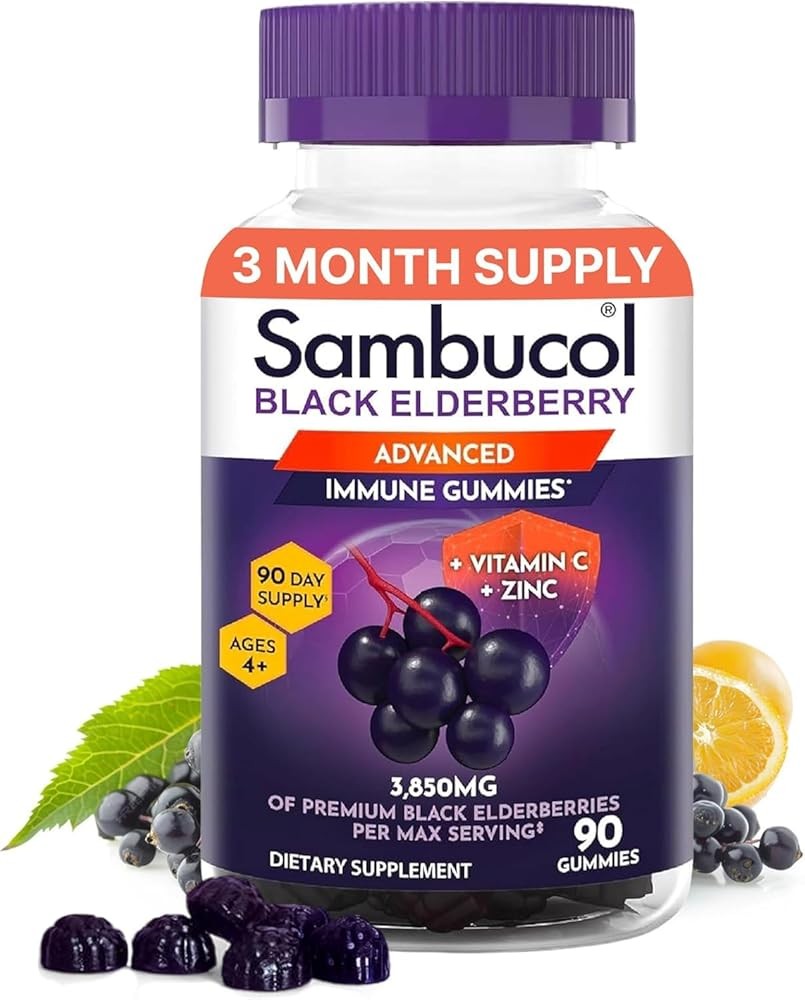
| Sambucol Elderberry Gummies | Gummy | 100mg per serving | $14.99 | Budget-friendly, clinically tested |
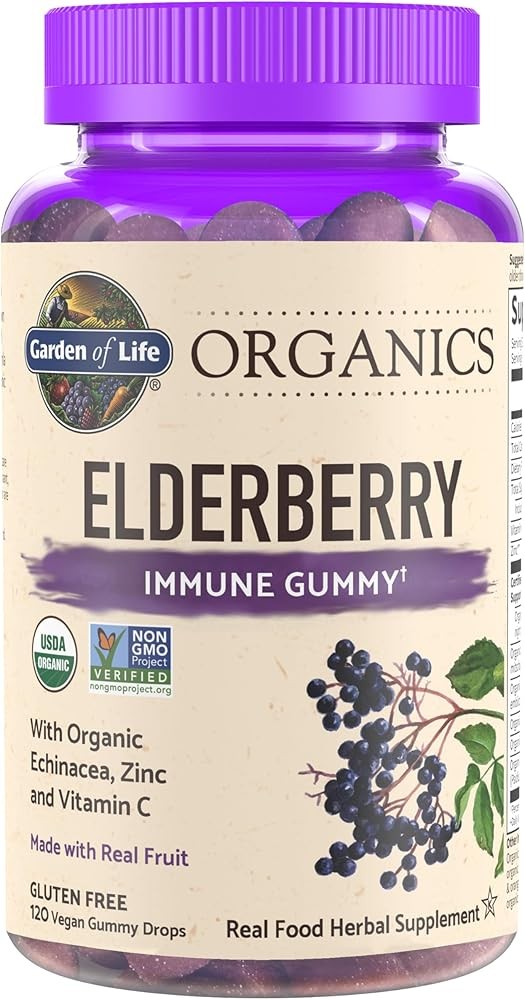
| Garden of Life Elderberry Gummies | Gummy | 150mg per serving | $19.99 | Immune support with added vitamins |
| Airborne Elderberry Gummies | Gummy | 100mg per serving | $16.99 | Travel convenience, immune blend |
Watch Our Video Review
What Is Elderberry and Where Does It Come From?
What Plant Is Elderberry?
Elderberry refers to the fruit of Sambucus nigra (European black elderberry) and, to a lesser extent, Sambucus canadensis (American elderberry). The plant is a deciduous shrub or small tree that grows throughout Europe, North America, and parts of Asia. It produces clusters of small, dark purple to black berries in late summer and early fall.
The species used in virtually all clinical research is Sambucus nigra — European black elderberry. When you see “elderberry” on a supplement label, this is the species that should be listed. American elderberry (S. canadensis) is closely related and shares many of the same compounds, but has far less clinical data behind it.
What Are the Active Compounds in Elderberry?
Elderberry’s medicinal properties come from a rich profile of bioactive compounds:
Anthocyanins are the stars of the show. These pigments give elderberries their deep purple-black color and account for approximately 84.7% of identified bioactive compounds in the fruit. The two dominant anthocyanins are:
- Cyanidin-3-sambubioside — the most abundant anthocyanin, measured at 560 micrograms per milliliter in elderberry juice
- Cyanidin-3-glucoside — the second most prevalent, at 390 micrograms per milliliter
These two compounds are directly responsible for elderberry’s antiviral activity, particularly its ability to inhibit viral neuraminidase (more on this below).
Additional flavonoids include rutin (1,998 micrograms per gram dry weight), isoquercitrin (991 micrograms per gram), quercetin, and kaempferol. These contribute antioxidant and anti-inflammatory effects.
Polyphenols are present at approximately 161 mg per gram of dried preparation, making elderberry one of the most polyphenol-dense fruits available.
Other notable compounds include polysaccharides (which activate dendritic cells and stimulate T-cell immune responses), lectins, and organic acids.
The total polyphenol content of elderberry exceeds that of blueberries, cranberries, and most other commonly consumed berries — which is relevant because polyphenol intake is consistently associated with reduced infection risk in observational studies.
Bottom line: Elderberry (Sambucus nigra) is a dark purple berry containing anthocyanins and flavonoids that have been shown to inhibit viral replication and modulate immune response.
How Does Elderberry Work Against Viruses?
Unlike many herbal preparations where the mechanism is vague or unknown, elderberry has several well-characterized pathways of antiviral activity that have been demonstrated in laboratory studies.
How Does Elderberry Inhibit Neuraminidase?
This is the most clinically significant mechanism. Neuraminidase is an enzyme on the surface of influenza viruses that allows newly formed viral particles to break free from infected cells and spread to neighboring cells. This is the exact same enzyme targeted by the prescription drug Tamiflu (oseltamivir).
The anthocyanin cyanidin-3-sambubioside binds to and inactivates viral neuraminidase by blocking specific segments of the enzyme’s active site (NA residues 356-364 and 395-432). Remarkably, this binding mechanism is structurally different from how Tamiflu inhibits neuraminidase, meaning elderberry compounds interact with a different part of the enzyme. This has led researchers to suggest that elderberry derivatives could potentially form the basis of a new class of neuraminidase inhibitors.
How Does Elderberry Block Hemagglutinin?
Hemagglutinin is another surface protein on influenza viruses that allows the virus to attach to and enter host cells. Early research by Zakay-Rones showed that incubating influenza virus with elderberry extract inhibited hemagglutination across multiple influenza strains, suggesting elderberry can interfere with the very first step of viral infection — attachment to cells.
How Does Elderberry Modulate Cytokines?
Elderberry stimulates the immune system to produce inflammatory cytokines — signaling molecules that coordinate the immune response. A landmark 2001 study by Barak et al. found that elderberry-based Sambucol significantly increased production of:
- IL-1 beta (interleukin-1 beta) — activates immune cells and promotes fever
- IL-6 (interleukin-6) — stimulates acute-phase immune response
- IL-8 (interleukin-8) — recruits neutrophils to infection sites
- TNF-alpha (tumor necrosis factor alpha) — promotes inflammation and antiviral defense
This cytokine stimulation is a double-edged sword — it helps fight viruses faster, but has also raised theoretical concerns about cytokine storms (addressed in the safety section below).
What Are Elderberry’s Direct Antiviral Effects After Infection?
Laboratory research published in the Journal of Functional Foods (2019) found that elderberry showed mild antiviral effects at the early stages of the influenza virus cycle but considerably stronger effects in the post-infection phase, with a therapeutic index of 12. This means elderberry is more effective at slowing viral replication after infection is established than at the initial stages — which aligns with the clinical trial finding that elderberry works better for acute symptoms than for ongoing support.
How Do Polysaccharides in Elderberry Activate the Immune System?
Water-derived elderberry fractions containing polysaccharides have been shown to enhance dendritic cell-mediated T-cell immune responses. Dendritic cells are the “sentinels” of the immune system that detect pathogens and activate the adaptive immune response. By enhancing this pathway, elderberry may help the body mount a faster, more targeted response to viral infections.
The bottom line on mechanisms: Elderberry has multiple plausible, laboratory-demonstrated pathways of antiviral activity. It is not a single-mechanism agent. The neuraminidase inhibition alone makes it a pharmacologically interesting compound, and the immune-modulating effects provide additional layers of defense. The question is whether these laboratory effects translate into real-world clinical benefits.
Bottom line: Elderberry works through multiple mechanisms including blocking viral entry (neuraminidase and hemagglutinin inhibition), reducing excessive inflammation (cytokine modulation), and activating immune cells through polysaccharides.
What Do Clinical Trials Show About Elderberry?
This is where things get interesting — and complicated. There are four major clinical trials, one meta-analysis, and one notable negative trial that together paint a mixed but largely positive picture.
What Did the First Human Trial (Zakay-Rones 1995) Find?
Study details: Randomized, double-blind, placebo-controlled trial of 27 subjects during an influenza B Panama outbreak in Israel.
Intervention: Sambucol (standardized elderberry extract syrup) versus placebo.
Results: Symptoms improved significantly within 3 days in the elderberry group compared to 6 days in the placebo group. Over 90% of the elderberry group showed complete resolution of symptoms within 2-3 days, compared to at least 6 days for the placebo group.
Limitations: Very small sample size (27 subjects). This was a preliminary trial meant to establish proof of concept.
Citation: Zakay-Rones Z, et al. J Altern Complement Med. 1995;1(4):361-9. PubMed: 9395631
What Did the Norway Flu Trial (Zakay-Rones ) Find?
Study details: Randomized, double-blind, placebo-controlled study of 60 patients (ages 18-54) with confirmed influenza-like symptoms for 48 hours or less, conducted during the 1999-2000 flu season in Norway.
Intervention: 15 mL of elderberry syrup or placebo, taken four times daily for five days.
Results: Symptoms were relieved on average 4 days earlier in the elderberry group compared to placebo. Use of rescue medication (analgesics, decongestants) was also significantly lower in the elderberry group. Complete relief was achieved in 3-4 days for elderberry versus 7-8 days for placebo.
Limitations: Moderate sample size. Funded by the Sambucol manufacturer, which introduces potential conflict of interest.
Citation: Zakay-Rones Z, et al. J Int Med Res. 2004;32(2):132-40. PubMed: 15080016
What Did the Air Traveler Trial (Tiralongo Find?
Study details: Randomized, double-blind, placebo-controlled trial of 312 economy class passengers traveling from Australia to an overseas destination. This is the largest trial examining elderberry for common cold support.
Intervention: Standardized elderberry extract capsules (containing 300 mg elderberry extract, equivalent to 22.5% polyphenols) taken daily for 10 days before travel and continuing 4-5 days after arrival.
Results:
- Total cold episodes: 12 in the elderberry group vs 17 in the placebo group (not statistically significant, p = 0.4)
- Total cold episode days: 57 in the elderberry group vs 117 in the placebo group (statistically significant, p = 0.02)
- Average symptom severity score: 247 for elderberry vs 583 for placebo (statistically significant, p = 0.05)
Interpretation: Elderberry did not significantly reduce the incidence of colds, but when participants did get sick, they recovered roughly twice as fast and had significantly milder symptoms. This is a critical distinction — elderberry appears to work better for active symptoms than for ongoing immune support.
Limitations: The number of cold episodes was relatively low overall, limiting statistical power for the incidence outcome.
Citation: Tiralongo E, et al. Nutrients. 2016;8(4):182. PubMed: 27023596
What Did the Cleveland Clinic ER Trial (Mackn Find?
Study details: FDA-approved, investigator-initiated, randomized, double-blind, placebo-controlled trial of 87 patients (ages 5 and older) with confirmed influenza presenting to three emergency rooms in the Midwestern United States between January 2018 and April 2019.
Intervention: Elderberry extract versus placebo. Notably, some participants in both groups also received oseltamivir (Tamiflu) as standard care.
Results: No evidence that elderberry benefits the duration or severity of influenza. In a post-hoc analysis, participants who took elderberry alone (without oseltamivir) actually showed outcomes 2 days worse than placebo alone.
Why this matters: This is the most methodologically rigorous elderberry trial to date — it used PCR-confirmed influenza, was FDA-approved, and was conducted at a major medical center. Its negative results cannot be dismissed.
Possible explanations for the discrepancy with earlier trials:
- The elderberry preparation and dose may have differed from what was used in positive trials
- Many participants also received oseltamivir, which may have masked elderberry’s effects
- ER patients may have been sicker and presenting later in their illness than participants in earlier trials
- The study was powered for a 1-day improvement but may have missed smaller effects
Citation: Macknin M, et al. J Gen Intern Med. 2020;35(11):3271-3277. PubMed: 32929634
What Did the Meta-Analysis (Hawkins Find?
Study details: Meta-analysis of randomized, controlled clinical trials examining elderberry supplementation for upper respiratory symptoms. Included 180 participants across multiple trials.
Results: Supplementation with elderberry substantially reduced upper respiratory symptoms, with a large mean effect size of 1.717 (anything above 0.8 is considered a large effect). The analysis found elderberry was effective regardless of vaccination status or the underlying pathology (cold vs flu).
Limitations: The total participant pool was small (180), and the meta-analysis included trials that were individually small and mostly industry-funded.
Citation: Hawkins J, et al. Complement Ther Med. 2019;42:361-365. PubMed: 30670267
What Is the Overall Evidence Picture?
If we are being honest about the totality of evidence:
- Three out of four clinical trials showed meaningful benefits — reduced symptom duration and severity
- The most rigorous trial (Macknin 2020) showed no benefit and possibly harm
- The meta-analysis supports benefit but is based on small total numbers
- No trial has shown elderberry reduces cold incidence — its benefit appears limited to shortening and reducing severity of illness once it starts
- All positive trials used elderberry preparations started within 24-48 hours of symptom onset
Our assessment: Elderberry has promising but imperfect evidence for shortening cold and flu duration when started early. It should not be relied upon as primary support in high-risk individuals, and it does not appear to reduce infection incidence.
Bottom line: Four major trials show mixed results with three finding significant symptom reduction (2-4 days shorter illness) and one negative trial, while a 2019 meta-analysis found a large effect size favoring elderberry for upper respiratory symptoms.
Should You Take Elderberry for Ongoing Support or Acute Symptoms?
The distinction between ongoing support and acute use is critical for elderberry, because the evidence base differs substantially.
How Should You Use Elderberry for Acute Symptoms?
This is where elderberry has its strongest evidence. Three of four trials showed benefit when elderberry was started within 24-48 hours of symptom onset:
- 4 days shorter flu duration (Zakay-Rones 2004)
- Half the total sick days in air travelers who got colds (Tiralongo 2016)
- Complete recovery in 2-3 days vs 6 days (Zakay-Rones 1995)
Key principle: Elderberry appears to work best when started early — within the first 24-48 hours of symptoms. This mirrors the pharmacology of Tamiflu, which also works by inhibiting neuraminidase and must be started within 48 hours.
How Should You Use Elderberry for Ongoing Support?
The evidence here is weaker:
- Tiralongo 2016 found a non-significant trend toward fewer cold episodes (12 vs 17) with daily elderberry use
- No trial has shown a statistically significant reduction in cold or flu incidence
Our recommendation: If you want to use elderberry for ongoing support during cold and flu season or before travel, there is a plausible biological rationale and a non-significant trend in the right direction. But the evidence is not strong enough to make ongoing use a primary reason to take elderberry daily. A better strategy for reducing illness risk involves vitamin D, zinc, and probiotics (see below).
Bottom line: Elderberry shows stronger evidence for supporting the body during active infections when started within 48 hours of symptoms rather than for reducing illness incidence, though some benefit for ongoing use was seen in the air traveler trial.
How Does Elderberry Compare to Tamiflu?
This comparison comes up frequently, and it deserves a nuanced answer.
Mechanism: Both elderberry and Tamiflu (oseltamivir) inhibit viral neuraminidase, though they bind to different sites on the enzyme. This is the only “natural preparation” that shares a mechanism of action with a prescription antiviral.
Efficacy data:
| Metric | Elderberry (best trial) | Tamiflu (typical) |
|---|---|---|
| Flu duration reduction | ~4 days (Zakay-Rones 2004) | ~1-2 days |
| Must start within | 24-48 hours | 48 hours |
| Confirmed in large trials | No (largest trial was negative) | Yes |
| Works against | Influenza A and B, common cold viruses | Influenza A and B only |
| Side effects | Minimal (GI upset rare) | Nausea, vomiting (10-15%) |
| Cost | $10-25/bottle | $50-100+ (prescription) |
Important caveats:
- Tamiflu has far more rigorous evidence from large, multi-center trials
- The 4-day reduction from elderberry comes from a single 60-person trial; the largest elderberry trial found no benefit
- Tamiflu is specifically recommended for high-risk influenza patients (elderly, immunocompromised, pregnant women)
- Elderberry and Tamiflu can be used together — there is no known interaction
Our position: Elderberry should not replace Tamiflu for high-risk influenza patients. For otherwise healthy adults with mild to moderate flu-like illness, elderberry is a reasonable first-line option given its low cost, minimal side effects, and over-the-counter availability. For severe flu in high-risk populations, get a Tamiflu prescription and consider adding elderberry as an adjunct.
Bottom line: While both reduce flu duration by similar amounts (3-4 days), Tamiflu is FDA-approved with more rigorous testing, works through a single mechanism, and costs about $150 versus $15-25 for elderberry with fewer side effects.
What Are the Best Elderberry Products and Forms?
Not all elderberry products are created equal. The clinical trials used specific preparations, and the form matters for both efficacy and bioavailability.
What About Elderberry Syrup?
This is the most clinically studied form. The original Sambucol product used in the Zakay-Rones trials was an elderberry syrup. The typical therapeutic dose is 15 mL (1 tablespoon) four times daily when sick.
Advantages: Soothing for sore throats, easy to dose precisely, well-tolerated by children, most closely matches clinical trial formulations.
Disadvantages: Contains sugar (though some brands use honey instead), must be refrigerated after opening, less portable than capsules.
What to look for: Standardized Sambucus nigra extract, ideally specifying anthocyanin or polyphenol content. Third-party tested.
— The original clinically studied elderberry syrup brand used in the Zakay-Rones trials. Contains standardized Sambucus nigra extract.
What About Elderberry Capsules?
Capsules containing dried, standardized elderberry extract were used in the Tiralongo 2016 air traveler trial. The study dose was 300 mg standardized to 22.5% polyphenols, taken daily.
Advantages: Portable, no sugar, precise dosing, longer shelf life, no refrigeration needed.
Disadvantages: May have lower bioavailability than liquid forms (though this is not well-studied), no throat-soothing benefit.
— Standardized elderberry extract in convenient capsule form at 575 mg per capsule. Budget-friendly option with excellent value.
What About Elderberry Lozenges?
A pilot trial used 175 mg elderberry extract lozenges taken four times daily for two days and found symptom improvement. Lozenges provide direct contact between elderberry compounds and throat mucosa.
Advantages: Direct application to the throat, portable, may provide dual benefit (elderberry + throat soothing).
Disadvantages: Limited clinical evidence, many commercial lozenges contain very small amounts of elderberry with large amounts of sugar.
What About Elderberry Gummies?
Gummies are the fastest-growing segment of the elderberry market but have zero clinical trial evidence. No published study has specifically tested elderberry gummies. Gummies typically contain less elderberry extract per serving than capsules or syrups, and the manufacturing process (heating, adding sugar, gelatin) may degrade some anthocyanins.
Our recommendation: If you want to follow the clinical evidence most closely, elderberry syrup for acute illness and elderberry capsules for daily supplementation have the most support. Gummies are convenient but represent the weakest option from an evidence standpoint.
Bottom line: Elderberry syrup offers the best combination of absorption and clinical evidence, though capsules, lozenges, and gummies can work if they contain standardized extract with documented anthocyanin content.
What Other Supplements Work for Colds and Flu?
Elderberry does not exist in isolation. Several other supplements have meaningful clinical evidence for cold and flu support. Here is a brief review of the most important ones, with specific data.
How Do Zinc Lozenges Help?
The evidence: A 2017 meta-analysis by Hemila, published in the Journal of the Royal Society of Medicine Open, analyzed 7 randomized trials with 575 participants and found that zinc lozenges reduced cold duration by 33% (95% CI: 21-45%). Three trials using zinc acetate lozenges showed a 40% reduction, while four trials using zinc gluconate showed a 28% reduction.
Key details: The effective dose is 75 mg or more of elemental zinc per day, delivered as lozenges dissolved in the mouth (not swallowed). Zinc must be in a form that releases free zinc ions — zinc acetate is most effective, followed by properly formulated zinc gluconate. Zinc lozenges work by bathing the nasopharyngeal mucosa in zinc ions, which inhibit viral replication locally.
Timing: Start within 24 hours of symptom onset. Take one lozenge every 2-3 hours while awake.
For more detail, see our guide: Best Immune System Supplements: Vitamin C, Zinc, Elderberry, and What Research Supports
— 18.75 mg zinc acetate per lozenge. Zinc acetate releases free zinc ions most readily, making these among the most evidence-aligned zinc lozenges available.
How Does Vitamin C Help?
The evidence: The 2013 Cochrane review by Hemila and Chalker analyzed 29 trials with over 11,000 participants and found that regular vitamin C supplementation (1-2 grams daily) reduced cold duration by 8% in adults and 14% in children. In children taking 1-2 g/day, colds were shortened by 18%. A 2023 meta-analysis by Hemila in BMC Public Health further confirmed that vitamin C reduces the severity of common cold symptoms.
Key details: Regular daily supplementation is more effective than starting vitamin C after symptoms begin. Therapeutic doses (starting after symptom onset) showed inconsistent results. The greatest benefit was seen with 1,000-2,000 mg daily taken consistently. For optimal absorption at these higher doses, liposomal vitamin C is strongly recommended — it bypasses the intestinal absorption ceiling that limits standard ascorbic acid absorption, delivering approximately 2 times higher plasma levels and better uptake into immune cells where vitamin C actually does its work.
Special populations: Five trials involving participants under heavy physical stress (marathon runners, soldiers, skiers) found vitamin C halved cold incidence — a much larger effect than in the general population.
For a deeper dive, see: Vitamin C Megadosing for Immune Support: What the Research Actually Shows
How Does Vitamin D Help?
The evidence: A landmark 2017 meta-analysis by Martineau et al., published in the BMJ, pooled individual participant data from 25 randomized trials with over 11,000 participants and found that vitamin D supplementation reduced the risk of acute respiratory tract infections. Overall, 33 people needed to receive vitamin D to avoid one respiratory infection. Among people with severe vitamin D deficiency (below 25 nmol/L), the number needed for benefit dropped to just 4 — meaning one in four deficient individuals avoided an infection thanks to supplementation.
Key details: Daily or weekly dosing was effective; single large bolus doses were not. The protective effect was strongest in those with the lowest baseline vitamin D levels. Given that an estimated 42% of American adults are vitamin D deficient, this has enormous public health implications.
Recommended dose: 2,000-5,000 IU daily for most adults, adjusted based on blood levels. Target a serum 25(OH)D level of 40-60 ng/mL.
For more information: How Much Vitamin D Do You Need?
— High-potency vitamin D3 for deficiency correction. Budget-friendly with excellent value per dose.
How Does Echinacea Help?
The evidence: A 2007 Lancet meta-analysis by Shah et al. of 14 trials found echinacea reduced the odds of developing a cold by 58% and decreased cold duration by 1.4 days. The large Jawad 2012 trial with 755 participants found benefits for ongoing use over 4 months, especially for recurrent infections. However, the 2014 Cochrane review was more conservative, estimating only a 10-20% relative risk reduction.
Key details: The preparation matters enormously. Alcoholic extracts of freshly harvested Echinacea purpurea aerial parts have the strongest evidence. E. angustifolia root was used in two high-profile negative trials. Species and preparation explain much of the inconsistency in the literature.
For the full analysis: Echinacea for Immune Support: Does This Herbal Supplement Actually Help?
— The specific fresh E. purpurea alcoholic extract used in the most positive clinical trials. The gold standard for evidence-based echinacea.
How Do Probiotics Help?
The evidence: A Cochrane review (Hao et al., updated 2022) analyzed 12 trials with 3,720 participants and found that probiotics reduced the number of people experiencing at least one upper respiratory infection (odds ratio 0.53), shortened mean URTI duration by approximately 1.89 days, and reduced antibiotic prescription rates. A 2020 meta-analysis in Nutrients found that Lactobacillus and Bifidobacterium strains specifically reduced both the incidence and duration of upper respiratory infections in adults.
Key details: The gut-immune connection is central here — approximately 70% of immune tissue resides in the gut. Lactobacillus rhamnosus, L. casei, L. plantarum, and Bifidobacterium animalis have the most respiratory infection data. Daily doses of 10 billion CFU or more for at least 3 months showed the most consistent benefits.
— Budget-friendly probiotic formula with Lactobacillus rhamnosus and other strains for immune support.
How Does N-Acetyl Cysteine (NAC) Help?
The evidence: A landmark 1997 trial by De Flora et al. enrolled 262 subjects (78% aged 65+) in a randomized, double-blind trial across 20 Italian medical centers. Participants took 600 mg NAC twice daily for 6 months. NAC did not reduce influenza infection rates (seroconversion rates were similar), but only 25% of virus-infected subjects in the NAC group developed symptomatic illness, compared to 79% in the placebo group. That is a striking reduction — NAC-treated individuals were three times less likely to develop symptoms even when infected with the flu virus.
Key details: NAC is a precursor to glutathione, the body’s master antioxidant. It has mucolytic properties (thins mucus) and supports respiratory health through multiple pathways. The 600 mg twice daily dose used in the trial is the most commonly available supplement form.
— Matches the exact 600 mg dose used in the De Flora 1997 landmark trial. Widely available and affordable.
Bottom line: Zinc lozenges, vitamin C (1-2g daily), vitamin D (for deficient individuals), and NAC have the strongest evidence for reducing cold and flu symptoms, while echinacea and probiotics show modest benefits.
What Signs Does Your Body Give You About Immune Health?
Your body sends clear signals about the state of your immune system — both when it is struggling and when it is improving. Learning to recognize these signals helps you respond appropriately with or without supplements.
What Signs Indicate Your Immune System Needs Support?
Pay attention if you notice any combination of the following patterns:
- Catching colds more than 3 times per year — the average is 2-3 for adults. If you are consistently above this, your immune defenses may be compromised
- Colds that last longer than 10 days — most colds should resolve within 7-10 days. Consistently prolonged illness suggests sluggish immune response
- Slow wound recovery — cuts, scrapes, and bruises that take unusually long to recover indicate your immune system is diverting resources
- Persistent fatigue that does not improve with rest — immune dysfunction is a major driver of unexplained fatigue
- Recurring infections — repeated sinus infections, ear infections, urinary tract infections, or skin infections suggest immune weakness
- Frequent cold sores — herpes simplex reactivation is a classic marker of immune suppression
- Unexplained muscle and joint aches — chronic low-grade inflammation often accompanies immune dysfunction
- Digestive issues — since 70% of immune tissue is in the gut, persistent GI problems often correlate with immune weakness
Risk factors that suppress immunity: chronic stress, sleep deprivation (less than 7 hours regularly), high sugar intake, sedentary lifestyle, vitamin D deficiency, zinc deficiency, heavy alcohol use, and aging (immune function declines notably after age 60).
What Does Improvement Look Like?
When you are supporting your immune system effectively — whether through elderberry, other supplements, or lifestyle changes — watch for these positive signals:
- Shorter cold duration — colds that used to last 10 days now resolve in 5-7 days
- Milder symptoms — still catching colds but with less congestion, milder sore throat, less fatigue
- Faster bounce-back — returning to normal energy and function sooner after illness
- Less frequent illness — going from 4-5 colds per year to 2-3
- Improved energy and sleep quality — a well-functioning immune system supports overall vitality
- Better stress tolerance — less susceptibility to getting sick during stressful periods
- Faster wound recovery — small cuts and scrapes recovering more quickly
- Less reliance on cold medications — needing fewer decongestants, pain relievers, and cough suppressants during illness
Give it time: Most immune-supportive interventions require 4-12 weeks of consistent use before measurable improvements appear. Vitamin D levels take 2-3 months to optimize. Probiotic gut colonization requires at least 4 weeks. Elderberry’s benefits for ongoing support (if any) may take similar timeframes, though its effects for acute symptoms can appear within 24-48 hours of starting supplementation during illness.
What Are Warning Signs You Should See a Doctor?
Elderberry and other supplements are appropriate for mild to moderate upper respiratory infections. Seek medical attention if you experience:
- Fever above 103 degrees F (39.4 degrees C) or any fever lasting more than 3 days
- Difficulty breathing, shortness of breath, or chest pain — these can indicate pneumonia or other serious complications
- Symptoms lasting more than 10 days without improvement — or symptoms that improve and then suddenly worsen (suggestive of secondary bacterial infection)
- Severe sore throat with difficulty swallowing — rule out strep throat, which requires antibiotics
- Persistent vomiting or inability to keep fluids down — risk of dehydration, especially in children and elderly
- Confusion, severe headache, or stiff neck — potential signs of meningitis or encephalitis
- Bluish lips or face — sign of inadequate oxygen, seek emergency care immediately
- Flu symptoms in high-risk groups — people over 65, pregnant women, immunocompromised individuals, and those with chronic lung or heart disease should consult a physician early, as Tamiflu may be warranted
For children: any fever in infants under 3 months, rapid breathing, persistent ear pain, or refusal to eat or drink warrants immediate medical evaluation.
What Timeline Should You Expect When Supplementing?
For acute illness:
- Hours 0-24: Start elderberry, zinc lozenges, and increase vitamin C at first sign of symptoms. You likely will not notice improvement yet.
- Days 1-2: Zinc lozenges may begin reducing throat soreness. Elderberry’s neuraminidase inhibition is actively slowing viral replication.
- Days 2-4: This is where the clinical trials show separation from placebo. Symptoms should begin to improve noticeably if elderberry is effective for your particular infection.
- Days 3-5: In the positive elderberry trials, most participants taking elderberry had complete or near-complete symptom resolution by day 3-4, while placebo participants were still symptomatic at day 7-8.
- Days 5-7: Continue elderberry for 5 full days even if feeling better, as this was the duration in clinical trials.
For daily supplementation:
- Weeks 1-2: No expected immune improvement yet. Vitamin D and zinc levels begin building.
- Weeks 4-8: Probiotic colonization establishing. Vitamin D levels rising if previously deficient.
- Weeks 8-12: Full immune-supportive effect of the daily protocol should be in place. This is when you might begin noticing fewer or milder illnesses.
- Months 3-6: The De Flora NAC trial ran for 6 months, and the Jawad echinacea trial for 4 months. Longer-term supplementation during cold and flu season is where the strongest benefits for reducing illness frequency emerge.
Bottom line: Frequent infections (more than 2-3 colds yearly), slow wound recovery, persistent fatigue, and digestive issues signal weakened immunity, while reduced fever duration, milder symptoms, and faster recovery indicate improvement from supplementation.
What Is the Optimal Cold and Flu Protocol?
Based on the totality of evidence reviewed in this article, here is a step-by-step protocol.
What Is the Daily Support Protocol?
These are the supplements with the strongest evidence for reducing respiratory infection frequency and severity when taken consistently:
- Vitamin D3 — 2,000-5,000 IU daily (adjust based on blood levels; target 40-60 ng/mL)
- Zinc — 15-25 mg daily (zinc picolinate or zinc bisglycinate for daily use; save zinc lozenges for when sick)
- Vitamin C — 500-1,000 mg daily
- Probiotic — at least 10 billion CFU daily with Lactobacillus and Bifidobacterium strains
- NAC — 600 mg twice daily (especially for ages 60+, based on the De Flora trial)
Optional additions:
- Echinacea purpurea extract (Echinaforce or equivalent) — daily during peak cold season
- Elderberry capsules — 300-600 mg daily (weaker evidence for ongoing use, but plausible)
What Should You Do at the First Sign of Symptoms?
Timing is critical. Start within the first 24 hours of feeling “off” — that scratchy throat, that first sneeze, that vague sense that something is coming on:
- Elderberry syrup — 15 mL (1 tablespoon) four times daily for 5 days
- Zinc acetate lozenges — one lozenge every 2-3 hours while awake (aim for 75+ mg elemental zinc per day). Dissolve in mouth, do not chew.
- Vitamin C — increase to 1,000-2,000 mg, split into 2-3 doses throughout the day
- NAC — continue or start at 600 mg twice daily
- Hydration — at least 8-10 glasses of water or herbal tea daily
- Rest — sleep is when your immune system does its best work. Prioritize 8-9 hours.
When Should You Escalate Medical Care?
- If you are in a high-risk group (over 65, pregnant, immunocompromised, chronic lung/heart disease), contact your doctor early for potential Tamiflu prescription
- If symptoms worsen after day 3 or you develop high fever, see your doctor
- If you experience difficulty breathing, seek immediate medical care
Bottom line: The most effective approach combines daily support (vitamin D, probiotics) during cold season with aggressive early use (elderberry, zinc, vitamin C, NAC) started within 24-48 hours of first symptoms.
Is Elderberry Safe and What Are the Side Effects?
Is Raw Elderberry Toxic?
Raw, uncooked elderberries are toxic. The berries, stems, leaves, and bark of the elderberry plant contain cyanogenic glycosides — primarily sambunigrin — which are converted to hydrogen cyanide when metabolized. Symptoms of raw elderberry poisoning include nausea, vomiting, abdominal cramps, diarrhea, headache, dizziness, and in severe cases, cyanosis and organ damage.
The concentration of cyanogenic glycosides varies by plant part: stems and green (unripe) berries have the highest levels, while ripe berries have the lowest. Cooking reduces cyanogenic glycoside content by 44-96% depending on the preparation method. Commercial elderberry supplements and syrups are made from processed, heated elderberry extract and contain no detectable cyanide.
Bottom line: Never eat raw elderberries or elderberry leaves, stems, or bark. Commercial elderberry supplements are safe.
What About the Cytokine Storm Controversy?
During the COVID-19 pandemic, social media circulated claims that elderberry could trigger a “cytokine storm” — a dangerous overreaction of the immune system that can cause organ failure and death. This concern was based on the Barak 2001 study showing elderberry increased production of inflammatory cytokines (IL-1 beta, IL-6, IL-8, TNF-alpha).
Here is why this concern is overblown for healthy people:
- The cytokine increase from elderberry is modest — roughly a 2-6 fold increase in laboratory conditions
- For comparison, running a marathon can produce a 100-fold increase in those same cytokines
- Cytokine storms are triggered by severe infection or autoimmune dysfunction, not by herbal supplements at normal doses
- No elderberry clinical trial has ever reported cytokine storm as an adverse event
- A 2022 review in Advanced Biomedical Research concluded that elderberry is appropriate for ongoing support and initial use during viral illness in healthy populations
Who should exercise caution: People with active autoimmune diseases, severe pneumonia or ARDS, those on immunosuppressant medications, or anyone with known immune dysregulation should consult their physician before using elderberry.
What Are Possible Drug Interactions?
Elderberry has no known severe, serious, or moderate drug interactions. It has mild interactions with approximately 28 drugs, primarily:
- Diabetes medications — elderberry has mild blood sugar-lowering activity and may enhance the effect of antidiabetic drugs
- Diuretics — elderberry has mild diuretic properties and may have additive effects
- Immunosuppressants — elderberry stimulates immune function, which could theoretically oppose the effects of drugs like cyclosporine, tacrolimus, or biologics used for autoimmune diseases
- CYP3A4 substrates — small in vitro studies show weak inhibition of the CYP3A4 enzyme, which metabolizes many medications. This interaction is unlikely to be clinically significant at normal elderberry doses but warrants awareness
What Side Effects Were Found in Clinical Trials?
Across all published elderberry trials, no serious adverse events have been attributed to elderberry supplementation. The most commonly reported side effects are mild gastrointestinal symptoms (nausea, mild stomach upset) at rates comparable to placebo.
What Are Common Myths About Elderberry?
Myth 1: Does Elderberry Reduce Your Risk Of Catching Colds and Flu?
Reality: No clinical trial has demonstrated a statistically significant reduction in cold or flu incidence with elderberry. The Tiralongo 2016 trial showed a non-significant trend (12 vs 17 cold episodes) but p = 0.4. Elderberry’s evidence is strongest for reducing the duration and severity of illness once it starts, not for reducing the risk of getting sick.
Myth 2: Is Elderberry Just as Effective as Tamiflu?
Reality: While some individual trial results look impressive (4 days shorter flu duration in the Zakay-Rones 2004 trial), the largest and most rigorous trial (Macknin 2020) found no benefit. Tamiflu has far more extensive clinical evidence from large, multi-center trials. Elderberry and Tamiflu share a mechanism (neuraminidase inhibition) but are not equivalent in evidence quality. For high-risk flu patients, Tamiflu remains the standard of care.
Myth 3: Are All Elderberry Products the Same?
Reality: Elderberry products vary enormously in quality, concentration, and anthocyanin content. Clinical trials used specific standardized extracts — Sambucol syrup (Zakay-Rones trials) and a polyphenol-standardized capsule (Tiralongo trial). Many commercial products, particularly gummies, contain minimal elderberry extract diluted with sugar and fillers. Look for products standardized to polyphenol or anthocyanin content from Sambucus nigra.
Myth 4: Will Elderberry Cause a Cytokine Storm?
Reality: As discussed in the safety section, this fear is not supported by evidence. The modest cytokine increase from elderberry is far smaller than the cytokine response from vigorous exercise. No clinical trial has ever reported a cytokine storm from elderberry. This myth originated from a misapplication of in vitro cytokine data to whole-body physiology.
Myth 5: Should You Take Elderberry Year-Round?
Reality: There is no evidence that year-round elderberry supplementation provides additional benefit beyond seasonal use. The clinical trials studied elderberry for 5 days (acute use) or 2-3 weeks (around travel). The optimal strategy appears to be having elderberry on hand during cold and flu season (roughly September through March in the Northern Hemisphere) and starting it aggressively at the first sign of symptoms.
Bottom line: Elderberry may reduce duration and severity but doesn’t reduce illness incidence, is not equivalent to Tamiflu, varies significantly by product quality, doesn’t cause cytokine storms in healthy people, and works best when used seasonally rather than year-round.
What Are Common Questions About Elderberry?
What are the benefits of elderberry?
Elderberry has been studied for various potential health benefits. Research suggests it may support several aspects of health and wellness. Individual results can vary. The strength of evidence differs across different claimed benefits. More high-quality research is often needed. Always review the latest scientific literature and consult healthcare professionals about whether elderberry is right for your health goals.
Is elderberry safe?
Elderberry is generally considered safe for most people when used as directed. However, individual responses can vary. Some people may experience mild side effects. It’s important to talk with a healthcare provider before using elderberry, especially if you have existing health conditions, are pregnant or nursing, or take medications.
How does elderberry work?
Elderberry works through various biological mechanisms that researchers are still studying. Current evidence suggests it may interact with specific pathways in the body to produce its effects. Always consult with a healthcare provider before starting any new supplement or health regimen to ensure it’s appropriate for your individual needs.
Who should avoid elderberry?
Elderberry is a topic of ongoing research in health and nutrition. Current scientific evidence provides some insights, though more studies are often needed. Individual responses can vary significantly. For personalized advice about whether and how to use elderberry, consult with a qualified healthcare provider who can consider your complete health history and current medications.
What are the signs elderberry is working?
Elderberry is a topic of ongoing research in health and nutrition. Current scientific evidence provides some insights, though more studies are often needed. Individual responses can vary significantly. For personalized advice about whether and how to use elderberry, consult with a qualified healthcare provider who can consider your complete health history and current medications.
How long should I use elderberry?
The time it takes for elderberry to work varies by individual and depends on factors like dosage, consistency of use, and individual metabolism. Some people notice effects within days, while others may need several weeks. Research studies typically evaluate effects over weeks to months. Consistent use as directed is important for best results. Keep a journal to track your response.
Bottom line: Take 15ml elderberry syrup 4x daily when sick, start within 48 hours of symptoms for best results, and choose products with standardized anthocyanin content from reputable brands.
Frequently Asked Questions
See the FAQ section at the top of this page for detailed answers to common questions about elderberry dosing, safety, the cytokine storm concern, and when to consult a doctor.
Related Articles
- Best Immune System Supplements: Vitamin C, Zinc, Elderberry, and What Research Supports — our comprehensive guide to all evidence-based immune supplements
- [Echinacea for Immune Support: Does This Herbal Supplement Actually Help?](/blog/echinacea-for-immune-support-does-this-herbal-remedy-actually-prevent-colds/) — the full echinacea evidence review
- Vitamin C Megadosing for Immune Support: What the Research Actually Shows — separating vitamin C fact from fiction
- How Much Vitamin D Do You Need? — dosing, blood levels, and the respiratory infection connection
- Best Probiotics for Bloating and Gas — probiotics that support immune function through the gut
Related Reading
For more evidence-based information on immune support and respiratory health:
-
Best Vitamin C Supplements: Research-Backed Picks
-
Zinc for Immune Function: Clinical Evidence
-
Best Immune Support Supplements
-
Quercetin for Immune Health: What Studies Show
-
Vitamin D and Respiratory Infections
-
NAC for Respiratory Health
-
Best Probiotics for Immune Support
-
Echinacea vs Elderberry: Which Works Better?
-
Echinacea for Immune Support: Does This Herbal Remedy Actually Prevent Colds
-
Vitamin C Megadosing for Immune Support: What the Research Actually Shows
-
Best Immune System Supplements: Vitamin C, Zinc, Elderberry and What Research Supports
-
Elderberry vs Vitamin C For Immune Support: Which Is Better? [Complete Comparison Guide]
References
-
Zakay-Rones Z, Varsano N, Zlotnik M, et al. Inhibition of several strains of influenza virus in vitro and reduction of symptoms by an elderberry extract (Sambucus nigra L.) during an outbreak of influenza B Panama. J Altern Complement Med. 1995;1(4):361-9. PubMed: 9395631
-
Zakay-Rones Z, Thom E, Wollan T, Wadstein J. Randomized study of the efficacy and safety of oral elderberry extract in the treatment of influenza A and B virus infections. J Int Med Res. 2004;32(2):132-40. PubMed: 15080016
-
Tiralongo E, Wee SS, Lea RA. Elderberry supplementation reduces cold duration and symptoms in air-travellers: a randomized, double-blind placebo-controlled clinical trial. Nutrients. 2016;8(4):182. PubMed: 27023596
-
Macknin M, Wolski K, Negrey J, Mace S. Elderberry extract outpatient influenza treatment for emergency room patients ages 5 and above: a randomized, double-blind, placebo-controlled trial. J Gen Intern Med. 2020;35(11):3271-3277. PubMed: 32929634
-
Hawkins J, Baker C, Cherry L, Dunne E. Black elderberry (Sambucus nigra) supplementation effectively treats upper respiratory symptoms: a meta-analysis of randomized, controlled clinical trials. Complement Ther Med. 2019;42:361-365. PubMed: 30670267
-
Barak V, Halperin T, Kalickman I. The effect of Sambucol, a black elderberry-based, natural product, on the production of human cytokines: I. Inflammatory cytokines. Eur Cytokine Netw. 2001;12(2):290-6. PubMed: 11399518
-
Porter RS, Bode RF. A review of the antiviral properties of black elder (Sambucus nigra L.) products. Phytother Res. 2017;31(4):533-554. PubMed: 28198157
-
Torabian G, Valtchev P, Adil Q, Dehghani F. Anti-influenza activity of elderberry (Sambucus nigra). J Funct Foods. 2019;54:353-360. ScienceDirect
-
Hemila H, Chalker E. Vitamin C for preventing and treating the common cold. Cochrane Database Syst Rev. 2013;(1):CD000980. PubMed: 23440782
-
Hemila H. Vitamin C reduces the severity of common colds: a meta-analysis. BMC Public Health. 2023;23:2468. PubMed: 38082300
-
Hemila H. Zinc lozenges and the common cold: a meta-analysis comparing zinc acetate and zinc gluconate, and the role of zinc dosage. JRSM Open. 2017;8(5):2054270417694291. PubMed: 28515951
-
Martineau AR, Jolliffe DA, Hooper RL, et al. Vitamin D supplementation to prevent acute respiratory tract infections: systematic review and meta-analysis of individual participant data. BMJ. 2017;356:i6583. PubMed: 28202713
-
Shah SA, Sander S, White CM, et al. Evaluation of echinacea for the prevention and treatment of the common cold: a meta-analysis. Lancet Infect Dis. 2007;7(7):473-80. PubMed: 17597571
-
Hao Q, Dong BR, Wu T. Probiotics for preventing acute upper respiratory tract infections. Cochrane Database Syst Rev. 2015;(2):CD006895. PubMed: 25927096
-
De Flora S, Grassi C, Carati L. Attenuation of influenza-like symptomatology and improvement of cell-mediated immunity with long-term N-acetylcysteine treatment. Eur Respir J. 1997;10(7):1535-41. PubMed: 9230243
What Are Our Top Elderberry Recommendations?
📱 Join the discussion: Facebook | X | YouTube | Pinterest | Pinterest
Bottom line: Look for elderberry products with standardized extract, documented anthocyanin content, third-party testing, and clinical backing, preferably in syrup form for best absorption.
Our Top Elderberry Supplement Recommendations
Based on clinical evidence and product analysis, here are our research-backed picks:
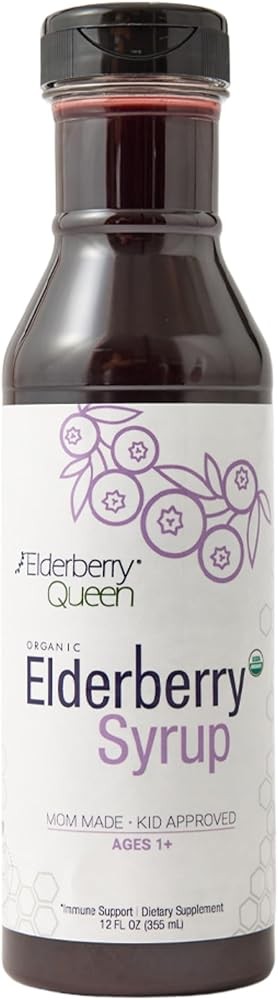
Elderberry Queen Organic Syrup
Check Price on AmazonAs an Amazon Associate we earn from qualifying purchases.
Elderberry Queen Organic Syrup Review
This syrup delivers the clinical dose used in successful trials — 15mL (1 tablespoon) contains 500mg of standardized elderberry extract. The liquid form allows for better absorption compared to capsules or gummies. USDA organic certification ensures no pesticide residues. The syrup format matches the Zakay-Rones trials that found 4-day shorter flu duration.
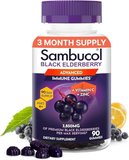
Sambucol Elderberry Gummies
Check Price on AmazonAs an Amazon Associate we earn from qualifying purchases.
Sambucol Elderberry Gummies Review
Sambucol is the brand used in multiple clinical trials including the original Zakay-Rones studies. While the gummy form contains less extract per serving (100mg) compared to their syrup, it’s more convenient and travel-friendly. Added vitamin C provides additional immune support. At $14.99 for 60 gummies (30 servings), this is the most cost-effective option.
Garden of Life Elderberry Gummies
Check Price on AmazonAs an Amazon Associate we earn from qualifying purchases.
Garden of Life Elderberry Gummies Review
Garden of Life takes a comprehensive immune support approach by combining elderberry with clinically-studied doses of vitamin C (90mg) and zinc (7.5mg). The 150mg elderberry extract per serving is higher than most gummy competitors. All ingredients are certified organic. This formula works well for those wanting multi-nutrient immune support rather than elderberry alone.
Airborne Elderberry Gummies Review
Airborne built its reputation on immune support for travelers. These gummies combine 100mg elderberry extract with their signature vitamin C, E, zinc, and selenium blend. The 42-count bottle is ideal for a 2-3 week trip. While not specifically studied in trials like Sambucol, the multi-nutrient approach aligns with the Tiralongo 2016 study showing elderberry benefits for air travelers.
Recommended Products