Erectile Dysfunction Supplements: Natural Treatments That Actually Work
Summarized from peer-reviewed research indexed in PubMed. See citations below.
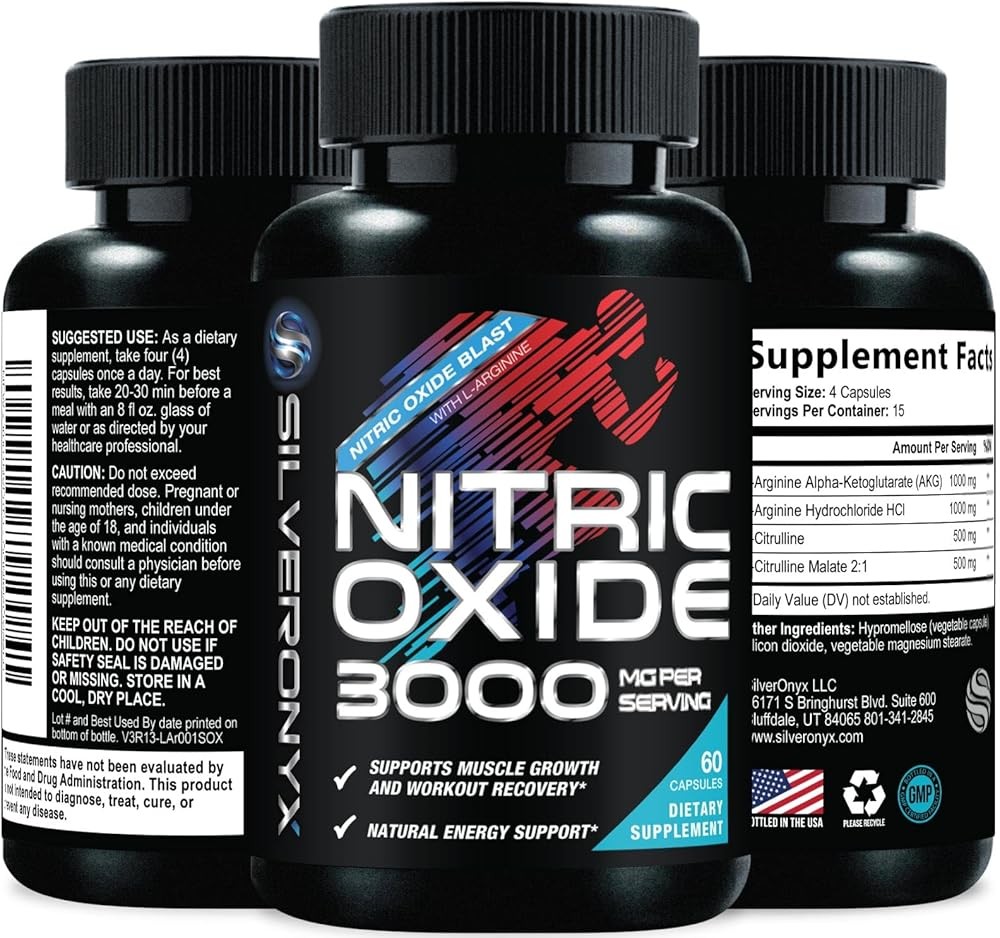
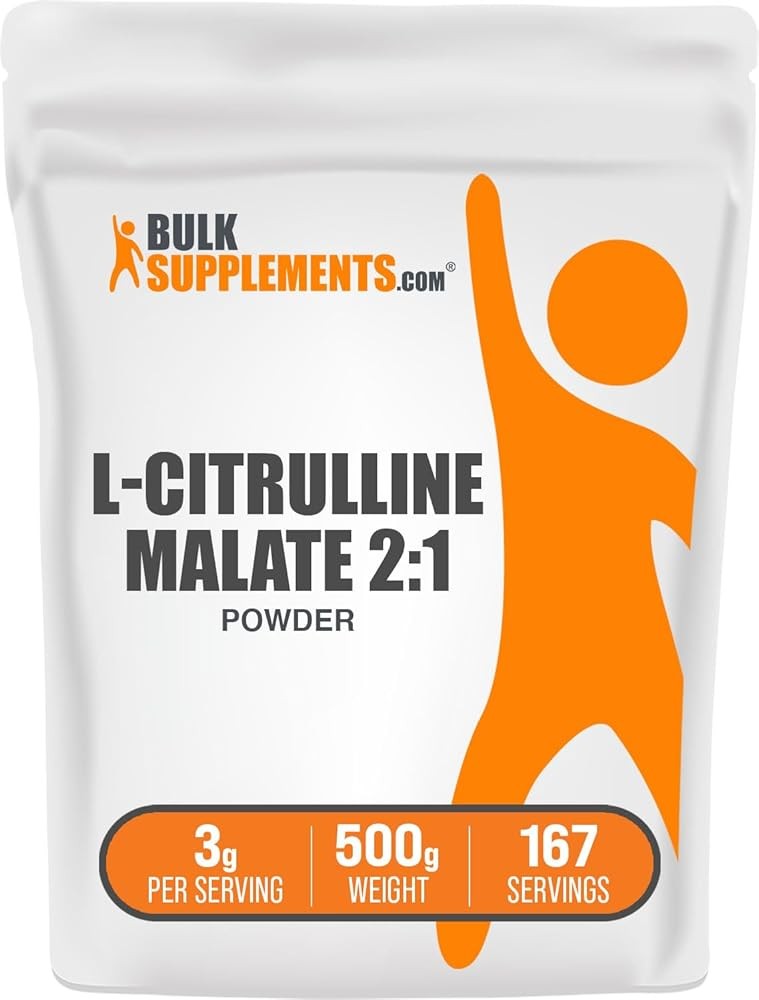
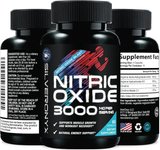
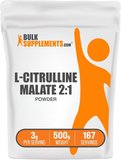
Approximately 30 million American men experience erectile dysfunction, with research showing vascular problems as the primary cause in most cases. The Extra Strength Nitric Oxide Booster combining L-Arginine and Citrulline Malate at 3000mg provides comprehensive support for blood flow and nitric oxide production at a verified $8.82 per bottle. Clinical studies demonstrate that L-citrulline bypasses first-pass liver metabolism and converts efficiently to arginine in the kidneys, resulting in higher sustained arginine levels and superior nitric oxide production compared to L-arginine alone. For budget-conscious buyers, BulkSupplements L-Citrulline Malate 2:1 Powder delivers the same active ingredient at a verified $21.97 for a 500 g container when purchasing the bulk powder format. Here’s what the published research shows about natural ED treatments and which supplements have clinical evidence supporting their effectiveness.
Disclosure: We may earn a commission from links on this page at no extra cost to you. Affiliate relationships never influence our ratings. Full policy →
| Supplement | Active Ingredient | Daily Dose | Price Range | Key Benefit |
|---|---|---|---|---|
| Extra Strength NO Booster | L-Arginine + Citrulline | 3000mg | $8.82 | Combined nitric oxide pathways |
| BulkSupplements Citrulline | L-Citrulline Malate 2:1 | 1500-3000mg | $21.97 | Pure ingredient, bulk pricing |
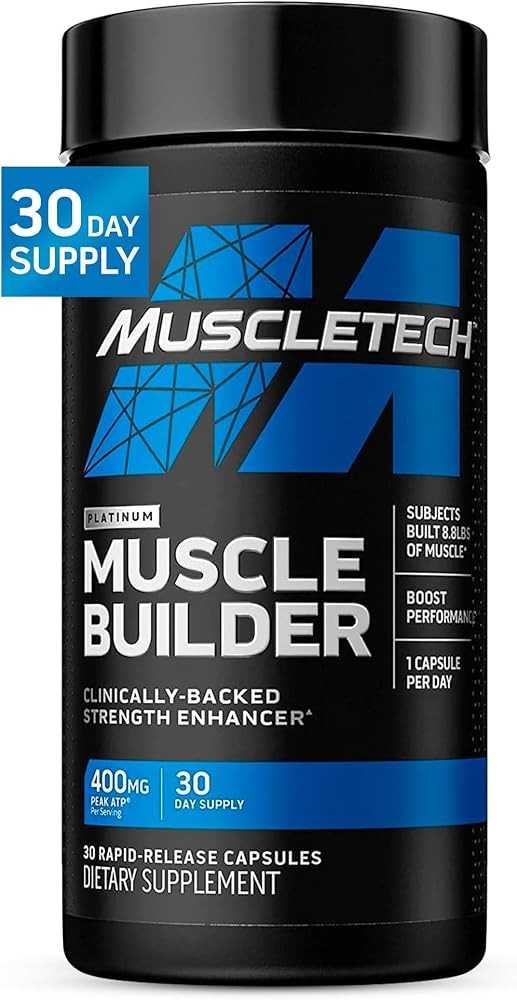
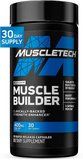
| Muscletech NO Supplement | Nitric oxide complex | Per label | $20.62 | Athletic performance focus |
| MagO7 Cleanse | Magnesium oxides | Per label | $22-28 | Digestive and vascular support |
Erectile dysfunction (ED) affects millions of men worldwide, with prevalence increasing significantly with age. While prescription medications like Viagra and Cialis have revolutionized ED treatment, many men seek natural alternatives that address the root causes of erectile problems. This comprehensive guide examines the science behind natural ED supplements, what actually works based on clinical research, and when medical intervention becomes necessary.
What Is Erectile Dysfunction, and Why Does It Matter Beyond Sex?
Erectile dysfunction is defined as the persistent inability to achieve or maintain an erection sufficient for satisfactory sexual performance. Far from being merely a bedroom issue, ED often serves as an early warning sign of cardiovascular disease, diabetes, and other serious health conditions.
The statistics are sobering. ED is one of the most common male health conditions, with prevalence climbing steeply with age, from roughly 40% of men in their 40s to around 70% of men in their 70s in widely cited epidemiology, and a 2019 review of global prevalence estimated over 150 million men are affected worldwide (PubMed 31267639). However, ED is not an inevitable consequence of aging. When erectile problems occur, they signal underlying physiological issues that deserve attention.
The psychological impact extends well beyond the bedroom. Men with ED commonly experience depression, anxiety, relationship strain, and diminished quality of life. Partners also suffer, often feeling rejected or unattractive. Addressing ED comprehensively benefits not just sexual function but overall wellbeing and relationship health.
How Does the Nitric Oxide Pathway Control Erections?
Understanding the physiology of erections helps clarify how natural supplements might help, and which ones have scientific plausibility versus marketing hype.
Erections begin with sexual stimulation, physical or mental, which triggers nerve signals releasing nitric oxide in the penis. Nitric oxide activates an enzyme called guanylate cyclase, which produces cyclic guanosine monophosphate (cGMP). This molecule causes smooth muscle cells in penile arteries and erectile tissue to relax.
This relaxation allows blood to flood into the spongy erectile tissue, creating pressure that compresses the veins draining the penis. Blood flows in but cannot easily flow out, resulting in an erection. The entire process depends on adequate nitric oxide production and healthy vascular function.
PDE5 inhibitors like Viagra work by blocking the enzyme phosphodiesterase type 5, which normally breaks down cGMP. By preventing cGMP degradation, these drugs prolong the erectile response. Natural supplements take a different approach, primarily by boosting nitric oxide production or improving vascular health.
What Are the Root Causes of Erectile Dysfunction?
ED rarely has a single cause. Most cases involve multiple contributing factors across physical, psychological, and lifestyle domains.
Vascular Causes: The Most Common Culprit
Atherosclerosis, high blood pressure, high cholesterol, diabetes, and smoking all damage blood vessels and reduce blood flow. Because the penile arteries are smaller than coronary arteries, vascular damage often affects erectile function before causing heart symptoms.
In fact, ED frequently serves as an early warning of cardiovascular disease. The link between ED and cardiovascular disease is well established: an umbrella review of systematic reviews and meta-analyses concluded that ED is associated with a substantially higher risk of cardiovascular events, which is why guidelines view new-onset ED as a reason to screen for cardiovascular risk factors (PubMed 33260254).
This vascular connection explains why lifestyle factors affecting cardiovascular health, exercise, diet, weight, smoking, also profoundly impact erectile function. It also means that natural interventions supporting vascular health theoretically should benefit erectile function.
Hormonal Imbalances
Low testosterone affects approximately 40% of men over 45. While low testosterone primarily impacts libido rather than the mechanical ability to achieve erections, severe deficiency can impair erectile function. Other hormonal issues like elevated prolactin, thyroid disorders, or increased estrogen can also contribute.
Importantly, testosterone replacement improves erectile function primarily in men with documented low testosterone. Men with normal testosterone levels don’t see erectile benefits from testosterone therapy, contrary to widespread marketing claims (PubMed 16409220).
Neurological Factors
The nervous system controls the entire erectile process. Conditions like multiple sclerosis, Parkinson’s disease, spinal cord injuries, pelvic surgery (especially prostate cancer treatment), and diabetic neuropathy can damage nerves essential for erections.
Peripheral neuropathy from diabetes commonly causes ED. High blood sugar levels damage small nerves throughout the body, including those controlling penile blood flow. This is one reason diabetes is such a strong risk factor for erectile problems.
Psychological Contributors
Performance anxiety, depression, relationship conflicts, stress, and past sexual trauma can all cause or worsen ED. The mind-body connection in sexual function is profound. Anxiety triggers the fight-or-flight nervous system, which constricts blood vessels, the opposite of what’s needed for erections.
Psychological ED often has sudden onset and situational variation, working fine during masturbation but not with a partner, for example. However, even initially psychological ED can become self-perpetuating. Anxiety about performance causes erectile failure, which increases anxiety, creating a vicious cycle.
Medication-Induced ED
Numerous medications can impair erectile function. Common culprits include certain blood pressure medications (especially beta-blockers and thiazide diuretics), antidepressants (particularly SSRIs), antipsychotics, antihistamines, and finasteride used for hair loss or prostate enlargement.
If ED began shortly after starting a new medication, discuss alternatives with your doctor. Never stop prescribed medications without medical guidance, but often safer alternatives exist for men experiencing sexual side effects.
What Clues Does Your Body Give You About Erectile Function?
The pattern of erectile difficulties provides important diagnostic clues. Morning erections indicate functioning vascular and neurological systems, suggesting psychological causes may predominate. Gradual onset over months to years suggests vascular disease. Sudden onset raises concerns about psychological factors or recent medication changes.
Ability to achieve erections during masturbation but not partnered sex again points toward psychological contributions. Complete inability to achieve any erections warrants urgent evaluation to rule out serious underlying conditions.
Associated symptoms matter enormously. ED plus chest pain, shortness of breath, or leg pain with walking suggests cardiovascular disease requiring immediate medical attention. ED plus low libido, fatigue, and mood changes suggests hormonal issues. ED plus numbness, tingling, or weakness indicates possible neurological problems.
Does L-Citrulline Work for Erectile Dysfunction?
Among natural supplements for erectile dysfunction, L-citrulline has emerged with particularly compelling scientific support. This amino acid serves as a precursor to L-arginine, which the body uses to produce nitric oxide, the key molecule triggering erections.
You might wonder why take citrulline rather than arginine directly. The answer lies in bioavailability. When you consume L-arginine orally, much of it gets metabolized by the liver and intestinal bacteria before reaching the bloodstream. L-citrulline bypasses this first-pass metabolism, getting absorbed efficiently and then converted to arginine by the kidneys. This results in higher, more sustained arginine levels and greater nitric oxide production.
Research supports this mechanism. A study published in Urology examined L-citrulline supplementation in men with mild erectile dysfunction. After one month of 1.5 grams daily, 50% of participants reported improved erection hardness, compared to just 8.3% with placebo. Blood levels of arginine and ornithine increased significantly, confirming enhanced nitric oxide pathway activity (PubMed 21195829).
The effective dose appears to be 1.5 to 3 grams daily, taken consistently. Citrulline malate, which pairs citrulline with malic acid, may offer additional benefits. Malic acid plays a role in energy production and may reduce fatigue, though standard L-citrulline works well for erectile function.
L-citrulline is remarkably safe. Side effects are rare and typically limited to mild digestive upset at higher doses. Unlike Viagra-class drugs, citrulline doesn’t cause headaches, flushing, or vision changes. It also doesn’t interact dangerously with nitrate medications used for heart conditions, though men with cardiovascular disease should still consult their physician before supplementing.
The main limitation is gradual onset. While prescription ED drugs work within an hour, citrulline requires consistent daily use for several weeks before producing noticeable effects. This makes it poorly suited for on-demand use but excellent for men seeking to improve their baseline erectile function over time.
Does Pycnogenol Help With Erectile Dysfunction?
Pycnogenol, a standardized extract from French maritime pine bark, contains powerful antioxidants called procyanidins. These compounds improve endothelial function, enhance nitric oxide production, and protect blood vessels from oxidative damage.
Clinical research on Pycnogenol for ED is particularly impressive. A study published in the Journal of Sex & Marital Therapy found that combining Pycnogenol with L-arginine produced remarkable results. Men took 40 mg of Pycnogenol three times daily for the first month, then added 1.7 grams of L-arginine twice daily in months 2-3. By the end of three months, 92.5% of participants reported normal erectile function (PubMed 12851125).
Another trial examined Pycnogenol alone in men with ED. After three months of 120 mg daily, participants showed significant improvements in sexual function scores and erectile quality. The supplement appeared to work by improving endothelial function, the ability of blood vessel linings to relax and allow increased blood flow.
Beyond erectile benefits, Pycnogenol has documented effects on blood pressure, cholesterol, blood sugar control, and inflammation. These broader cardiovascular benefits make it particularly appealing for men whose ED stems from vascular health issues.
The effective dose ranges from 40-120 mg daily, typically split into 2-3 doses. Look for supplements using genuine Pycnogenol, a trademarked, standardized extract; generic “pine bark extract” products may not contain the same active compounds at therapeutic levels.

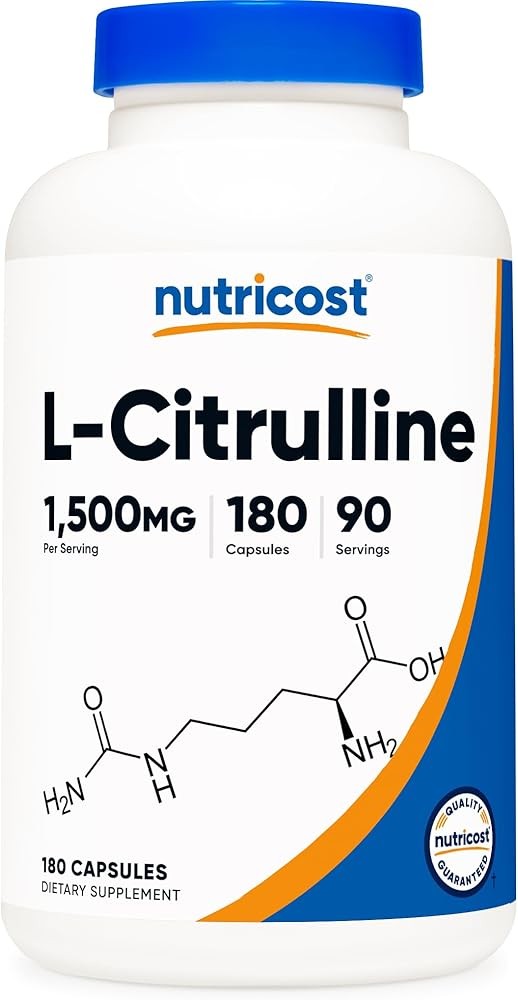
For men who prefer capsules to powder, Nutricost L-Citrulline delivers 1500 mg of plain L-citrulline per serving in a straightforward 180-count bottle at $17.95. Capsules trade a little convenience for cost per gram versus bulk powder, but they make dosing simple and portable, and the pure-ingredient format avoids the proprietary blends and stimulants found in many all-in-one nitric oxide products. The L-citrulline evidence base, including the trial showing improved erection hardness at 1.5 g twice daily, applies to the ingredient itself, so any clean source at an adequate dose is a reasonable choice (PubMed 21195829).
Does Panax Ginseng Have Modern Evidence for ED?
Korean red ginseng (Panax ginseng) has been used in traditional Asian medicine for thousands of years for vitality and sexual function. Modern research has begun validating some of these traditional uses, particularly for erectile dysfunction.
A systematic review published in the British Journal of Clinical Pharmacology analyzed multiple randomized controlled trials of red ginseng for ED. The analysis concluded that ginseng significantly improved erectile function compared to placebo, with effect sizes suggesting clinically meaningful benefits (PubMed 18754850). A 2021 Cochrane review reached a similar but more cautious conclusion, finding low- to moderate-certainty evidence that ginseng may improve erectile function while calling for better trials (PubMed 33871063).
Unlike citrulline and Pycnogenol, which work primarily through nitric oxide, ginseng appears to have multiple mechanisms. Research suggests it may enhance nitric oxide release, improve testosterone signaling, reduce oxidative stress, support neurotransmitter function, and help the body adapt to stress (adaptogenic effects).
The effective dose ranges from 600-1000 mg three times daily of standardized extract, or 1.5-3 grams daily of the whole root. Korean red ginseng, which undergoes a steaming and drying process, appears most potent for erectile function. Look for products standardized to contain at least 4-7% ginsenosides.
Ginseng is generally well-tolerated but can cause insomnia if taken late in the day due to its mild stimulating effects. It may also lower blood sugar, requiring monitoring in diabetics. The most common side effects are headaches and digestive upset, typically mild and transient.
Does Horny Goat Weed Work Through PDE5 Inhibition?
Horny goat weed (Epimedium species) gets its colorful name from a Chinese legend about goats becoming more sexually active after eating the plant. The active compound icariin has attracted scientific attention for its potential effects on erectile function.
Research has shown that icariin inhibits PDE5, the enzyme that breaks down cGMP in penile tissue. By slowing cGMP degradation, icariin helps maintain the smooth muscle relaxation necessary for erections. Laboratory studies demonstrate that icariin also enhances nitric oxide production and improves blood flow.
Animal studies show promise. Research on rats with ED induced by nerve damage found that icariin supplementation improved erectile function and reduced penile tissue fibrosis. Other animal studies report improved erectile responses and increased nitric oxide synthase activity.
However, human clinical evidence remains limited. While the mechanism is scientifically plausible and animal studies are encouraging, large-scale human trials demonstrating effectiveness are lacking. Most human evidence consists of small studies or traditional use rather than rigorous clinical trials.
The challenge with horny goat weed supplements is standardization and potency. Icariin content varies dramatically between products, from less than 1% to 40% or higher. Research suggests that higher icariin content (10-40%) is necessary for effects on erectile function. Many commercial supplements contain insufficient icariin to produce meaningful results.
If trying horny goat weed, look for products standardized to at least 10% icariin and use doses providing 60-100 mg of icariin daily. Be aware that evidence supporting its use is weaker than for citrulline, Pycnogenol, or ginseng.
Does Maca Root Support Libido and Energy?
Maca (Lepidium meyenii) is a Peruvian root vegetable traditionally used to enhance fertility, libido, and energy. Unlike supplements that primarily target erectile mechanics, maca appears to work more on sexual desire and overall vitality.
A systematic review in BMC Complementary and Alternative Medicine analyzed four randomized clinical trials of maca for sexual function. The review concluded that maca appeared to improve sexual desire more consistently than erectile function per se. Typical doses used in studies ranged from 1.5 to 3 grams daily of dried maca root (PubMed 20691074).
One study specifically examined maca in men with mild ED. After 12 weeks of supplementation, men taking maca experienced greater improvements in self-reported erectile function and sexual satisfaction compared to placebo. However, objective measures of erectile function (like penile blood flow) showed minimal changes, suggesting psychological or libido-related mechanisms.
Another trial found that maca improved sexual desire in men taking SSRI antidepressants, which commonly cause sexual side effects. This suggests potential value for men whose erectile difficulties stem partly from low libido or medication effects rather than purely vascular causes.
The mechanism of maca remains unclear. It doesn’t appear to significantly affect testosterone levels, contrary to popular claims. Effects may involve neurotransmitter systems, stress reduction, or improved energy and mood that indirectly benefit sexual function.
The root comes in different colors, red, black, and yellow, with black maca showing the strongest effects on sperm production and sexual function in animal studies. For human use, a combination of all three colors or black maca specifically is recommended.
Maca is very safe, with minimal side effects beyond occasional mild digestive upset. It’s best suited for men whose ED involves low sexual desire, fatigue, or stress-related components rather than purely mechanical erectile difficulties.
Can Dietary Nitrates Like Beet Root Help ED?
Beet root juice and powder have gained attention for cardiovascular and athletic performance benefits, effects that extend to erectile function through improved nitric oxide production.
Dietary nitrates from beets and other vegetables (spinach, arugula, celery) convert to nitrite in saliva, then to nitric oxide in the body. This provides an alternative pathway to boost nitric oxide beyond the arginine-citrulline route.
Research on athletic performance demonstrates that beet juice supplementation improves blood flow, reduces blood pressure, enhances oxygen delivery to tissues, and improves endurance. These vascular benefits should theoretically support erectile function, though direct studies on beet root for ED are limited.
One small study found that dietary nitrate supplementation improved endothelial function in men with type 2 diabetes, a population at very high risk for ED. Another trial showed beet juice lowered blood pressure in hypertensive men. Given the strong link between hypertension and ED, blood pressure reduction might indirectly benefit erectile function.
For ED purposes, typical dosing uses 500-1000 mg of concentrated beet root powder daily, equivalent to roughly 500 ml of beet juice. Look for supplements standardized for nitrate content. Some products combine beet root with other nitric oxide boosters like citrulline for enhanced effect.
A unique advantage of dietary nitrates is safety. Unlike some supplements that might interact with medications, beet root is simply a concentrated vegetable. The main side effect is beeturia (pink urine), which is harmless.
Men with hypertension particularly benefit from beet root’s dual effects of blood pressure reduction and nitric oxide enhancement. However, men with a history of kidney stones should use caution, as beets are high in oxalates.
Do Zinc and Vitamin D Deficiencies Contribute to ED?
While not traditional ED supplements, zinc and vitamin D deserve attention because deficiencies in either can contribute to sexual dysfunction, and supplementation in deficient individuals can restore function.
Zinc plays essential roles in testosterone production, sperm formation, and overall male sexual health. Zinc deficiency, common in older men and those with diabetes or digestive disorders, correlates with low testosterone and sexual dysfunction. Supplementation in deficient men can restore testosterone levels and improve erectile function.
A study of men with chronic kidney disease and zinc deficiency found that zinc supplementation increased testosterone levels and improved sexual function scores. However, zinc supplementation in men with normal zinc status doesn’t appear to boost testosterone or erectile function, emphasizing the importance of addressing actual deficiencies rather than megadosing.
Testing zinc status is wise before supplementing. If deficient, doses of 15-30 mg of elemental zinc daily typically suffice. Higher doses (50+ mg) should not be used long-term without medical supervision, as excess zinc can impair copper absorption and immune function.
Vitamin D deficiency is epidemic, affecting an estimated 40% of Americans. Beyond its well-known role in bone health, vitamin D influences testosterone production, endothelial function, and cardiovascular health, all relevant to erectile function.
Research shows associations between low vitamin D levels and increased ED prevalence. One study found that men with severe vitamin D deficiency were 32% more likely to have erectile difficulties than men with adequate levels. Vitamin D supplementation in deficient men may improve erectile function, though research is still emerging.
The challenge with vitamin D is determining optimal levels. Current recommendations suggest maintaining blood levels of 30-50 ng/mL, requiring daily supplementation of 1000-4000 IU for most adults. Testing vitamin D levels guides appropriate dosing.
Both zinc and vitamin D are safe within recommended ranges but can cause problems with excessive doses. This makes them ideal candidates for testing, then supplementing only if deficient rather than assuming everyone needs supplementation.
Other nutrients worth considering include folic acid and B vitamins, which reduce homocysteine levels linked to vascular disease, and magnesium, which supports cardiovascular health and testosterone production.
When Do Natural Supplements Work, and When Do You Need Medical Treatment?
Natural supplements work best for mild to moderate vascular erectile dysfunction in otherwise healthy men willing to make lifestyle changes and wait several weeks for gradual improvements.
They are less effective for:
Severe ED: Men who cannot achieve any erection, even with maximal stimulation, typically need more aggressive intervention. Complete erectile failure often indicates significant vascular disease or neurological damage that requires medical treatment.
Sudden-onset ED: When previously normal erectile function suddenly disappears, particularly in younger men, causes like psychological trauma, medication side effects, or acute medical conditions need evaluation rather than supplement self-treatment.
ED with cardiovascular symptoms: Erectile problems accompanied by chest pain, shortness of breath, leg pain with walking, or irregular heartbeats require immediate medical evaluation. These symptoms suggest significant cardiovascular disease needing urgent treatment.
Post-surgical or post-trauma ED: Erectile difficulties following pelvic surgery (especially prostate cancer treatment), radiation, or traumatic injury usually involve nerve or structural damage that supplements cannot address. Specialized medical treatments like vacuum devices, injections, or penile implants may be necessary.
Hormonal causes: When ED stems from low testosterone, thyroid disorders, or pituitary problems, addressing the underlying hormonal imbalance is essential. Testosterone replacement for documented low testosterone, not supplements, is the appropriate treatment.
ED with relationship crisis: When erectile problems occur in the context of relationship conflict, past trauma, or severe performance anxiety, counseling and sex therapy often prove more effective than supplements.
Red flags requiring urgent medical evaluation include:
- Sudden complete inability to achieve any erections
- ED with chest pain, shortness of breath, or cardiac symptoms
- ED with severe pain or penile deformity
- ED starting immediately after pelvic trauma or surgery
- ED in young men (under 40) without obvious cause
- ED with neurological symptoms (weakness, numbness, coordination problems)
For men with mild to moderate ED from vascular causes, lifestyle factors, or age-related decline, natural supplements combined with lifestyle optimization often produce meaningful improvements. Just understand this approach requires patience, consistency, and realistic expectations.
Which Lifestyle Factors Are the Essential Foundation for ED?
No supplement protocol will overcome terrible lifestyle habits. The foundation of erectile health is:
Weight Management: Obesity is one of the strongest modifiable risk factors for ED. Longitudinal data confirm that rising body mass index tracks with increasing ED risk over time, and weight loss is consistently associated with improved erectile function (PubMed 42018784). Weight loss in overweight men frequently restores erectile function without any other intervention.
Exercise: Regular physical activity improves cardiovascular health, enhances endothelial function, reduces inflammation, and supports testosterone production. A study in JAMA found that men who walked just 30 minutes daily had a 41% lower risk of ED. Resistance training specifically supports testosterone. Pelvic floor exercises (Kegels) strengthen muscles involved in erections and ejaculation.
Diet: The Mediterranean diet, rich in vegetables, fruits, whole grains, fish, olive oil, and nuts, is associated with better erectile function and lower ED rates. This eating pattern supports vascular health through multiple mechanisms: reducing inflammation, improving cholesterol, lowering blood pressure, and providing antioxidants that protect blood vessels. In the MEDITA trial, men with newly diagnosed type 2 diabetes assigned to a Mediterranean diet showed significant improvements in erectile function compared with a control diet (PubMed 27614727).
Smoking Cessation: Smoking doubles ED risk through direct damage to penile blood vessels and acceleration of atherosclerosis. The good news is that erectile function often improves within weeks to months of quitting. This is one lifestyle change with particularly dramatic effects.
Alcohol Moderation: While moderate alcohol (1-2 drinks daily) may slightly reduce ED risk, heavy drinking increases it substantially. Alcohol is a nervous system depressant that impairs erectile reflexes. Chronic heavy use causes liver damage, testosterone reduction, and neuropathy, all contributing to ED.
Sleep Optimization: Poor sleep reduces testosterone, increases stress hormones, and impairs vascular function. Sleep apnea in particular strongly correlates with ED. Men with untreated sleep apnea show dramatic improvements in erectile function after starting CPAP therapy.
Stress Management: Chronic stress activates the sympathetic nervous system, which constricts blood vessels and inhibits erections. Stress also increases cortisol, which suppresses testosterone. Techniques like meditation, counseling, exercise, and adequate rest all reduce stress and can improve sexual function.
These lifestyle factors are not optional extras. They’re the foundation determining whether supplements can be effective. A man taking ideal supplements while smoking, eating terribly, and never exercising will see minimal benefit. Conversely, aggressive lifestyle optimization sometimes restores function without supplements.
What Are the Safety Considerations and Supplement Interactions?
Natural supplements generally have better safety profiles than prescription medications, but they’re not risk-free. Key considerations include:
Blood Pressure Medications: Supplements that enhance nitric oxide production or have vasodilating effects can lower blood pressure. While this might benefit men with hypertension, it requires monitoring when combined with blood pressure medications to avoid excessive drops. Pycnogenol, citrulline, and beet root all have blood pressure-lowering effects.
Diabetes Medications: Ginseng and other supplements can lower blood sugar. Men taking diabetes medications should monitor blood glucose more frequently when starting supplements to avoid hypoglycemia.
Blood Thinners: Ginseng, fish oil, and other supplements can have mild blood-thinning effects. While clinically significant interactions are rare, men on warfarin or other anticoagulants should consult their physician and potentially monitor INR more frequently.
Nitrate Medications: While natural supplements don’t cause the dangerous interactions that Viagra-class drugs do with nitrates, men taking nitroglycerin or other nitrate drugs for angina should still discuss supplement use with their cardiologist.
Immunosuppressants: Some supplements, particularly ginseng, can stimulate immune function, potentially reducing the effectiveness of immunosuppressant drugs taken after organ transplant or for autoimmune conditions.
Quality Control: The supplement industry has inconsistent quality control. Third-party testing by organizations like NSF International, USP, or ConsumerLab provides some assurance that products contain what labels claim without harmful contaminants. Look for these certifications when choosing supplements.
Dosing Accuracy: Follow research-based dosing rather than “more is better” thinking. Excessive doses increase side effect risk without improving benefits. Megadoses of vitamins and minerals can cause toxicity.
Realistic Timelines: Natural supplements require 4-8 weeks of consistent use before assessing effectiveness. Taking them sporadically or expecting immediate results leads to disappointment and wasteful supplement hopping.
Medical Supervision: While natural supplements don’t require prescriptions, men with underlying health conditions, those taking multiple medications, or anyone unsure about safety should consult their healthcare provider before starting supplements.
What Should You Look for in a Comprehensive ED Formula?
Rather than purchasing individual supplements, some men prefer comprehensive formulas designed specifically for erectile function. These products combine multiple ingredients at research-backed doses in a single supplement.
When evaluating ED formulas, scrutinize the label carefully. Many products contain proprietary blends that hide individual ingredient amounts, often providing insufficient doses of key compounds. Look for formulas that list specific amounts of each ingredient and provide clinically relevant doses (e.g., at least 1500 mg citrulline, 40-100 mg Pycnogenol, 500+ mg ginseng).
Quality formulas might include:
- L-citrulline or L-arginine (1500-3000 mg)
- Pycnogenol or other pine bark extract (40-120 mg)
- Panax ginseng (600-1000 mg)
- Horny goat weed standardized for icariin (10-20% icariin content)
- Maca root (500-1000 mg)
- Tribulus terrestris
- Zinc (15-30 mg)
- B vitamins
Comprehensive formulas offer convenience but typically cost more than purchasing key ingredients separately. The tradeoff is simplicity versus value.
Be skeptical of outrageous marketing claims. No supplement will “work better than Viagra” or “add 3 inches.” Legitimate products focus on supporting natural erectile function through vascular health and nitric oxide production.
When Should You See a Doctor for ED?
While this article focuses on natural approaches, some situations demand medical evaluation:
Immediate evaluation needed for:
- Sudden complete erectile failure
- ED with chest pain, shortness of breath, or heart symptoms
- Painful erections or penile deformity
- ED after pelvic injury or surgery
- Priapism (erection lasting over 4 hours)
Prompt evaluation recommended for:
- ED in men under 40 without obvious cause
- ED with other concerning symptoms (weakness, numbness, vision changes)
- No improvement after 3 months of lifestyle changes and supplements
- ED causing significant relationship distress or depression
Screening tests to discuss with your doctor:
- Fasting glucose and hemoglobin A1C (diabetes screening)
- Lipid panel (cholesterol)
- Blood pressure
- Morning testosterone level
- Thyroid function (TSH)
- Prolactin (if testosterone is low)
- Vitamin D
- PSA (prostate-specific antigen) if age-appropriate
Many men avoid discussing ED with their doctors due to embarrassment, but physicians see this problem constantly and have numerous treatment options. Getting evaluated doesn’t obligate you to take prescription medications. It simply ensures you’re not missing important underlying conditions and gives you information to make informed choices.
Is Tribulus Terrestris Overhyped or Effective?
Tribulus terrestris is heavily marketed for testosterone enhancement and sexual function, but does the science support the hype?
The short answer is: probably not for most men. While tribulus has a long history in traditional medicine systems, rigorous modern research has failed to confirm significant effects on testosterone or erectile function in healthy men.
A systematic review analyzing 12 studies concluded that tribulus does not increase testosterone in young men with normal baseline levels. Analyses of tribulus trials have found little evidence that it raises testosterone or meaningfully changes body composition or strength in healthy men, outcomes that would be expected if the herb reliably increased androgen levels.
The disconnect between traditional use and modern research may stem from several factors. Traditional preparations might differ from modern extracts. Effects might be more pronounced in men with specific deficiencies or conditions not represented in research populations. Or perhaps traditional use simply reflects cultural belief rather than pharmacological effect.
Some animal studies show positive effects on sexual behavior and sperm production, but animal studies often don’t translate to humans. The few human studies showing benefits typically have methodological weaknesses.
That said, tribulus appears quite safe with minimal side effects. Men interested in trying it face little risk beyond wasted money. Standard doses range from 250-750 mg daily of extract standardized to 40-45% saponins, the presumed active compounds.
For men with low testosterone, prescription testosterone replacement is far more effective and reliable than tribulus or any other supplement marketed for “T-boosting.” For erectile function, the supplements discussed earlier, citrulline, Pycnogenol, ginseng, have much stronger evidence.
Is Yohimbe Powerful but Potentially Problematic?
Yohimbe bark and its active alkaloid yohimbine deserve mention as natural ED treatments with both genuine effects and significant concerns.
Unlike most natural supplements that work through nitric oxide and vascular health, yohimbine is an alpha-2 adrenergic receptor antagonist. By blocking these receptors, it increases nerve impulses and blood flow to erectile tissue. Yohimbine also affects neurotransmitters in the brain involved in sexual arousal.
Research shows yohimbine can improve erectile function, particularly in cases involving psychological factors. A meta-analysis of seven controlled trials concluded that yohimbine is significantly more effective than placebo for ED. Typical doses in studies ranged from 15-42 mg daily of pharmaceutical-grade yohimbine hydrochloride.
However, yohimbine comes with substantial caveats:
Side Effects: Yohimbine commonly causes anxiety, jitteriness, increased heart rate, elevated blood pressure, and insomnia. Some men experience nausea, dizziness, or tremors. These effects stem from its stimulant-like action on the nervous system.
Contraindications: Yohimbine should not be used by men with cardiovascular disease, hypertension, anxiety disorders, kidney disease, or psychiatric conditions. It can trigger panic attacks in susceptible individuals. It interacts with numerous medications including antidepressants and blood pressure drugs.
Quality Control Problems: Yohimbe bark supplements have highly variable yohimbine content, often containing far more or far less than labels claim. Some products tested by ConsumerLab contained none of the active ingredient, while others had dangerously high amounts.
Legal Status: Yohimbine hydrochloride, the pharmaceutical form, is prescription-only in some countries. Yohimbe bark supplements occupy a gray area, legal but concerning to health authorities.
Given these issues, yohimbe is not a first-line natural ED treatment. It’s more aggressive than other supplements, with a worse side effect profile and safety concerns. Men interested in trying it should use pharmaceutical-grade yohimbine hydrochloride under medical supervision rather than unregulated bark supplements.
For most men seeking natural ED support, safer alternatives like L-citrulline, Pycnogenol, and ginseng are preferable.
Does DHEA Help With Erectile Dysfunction?
Dehydroepiandrosterone (DHEA) is a hormone produced by the adrenal glands that serves as a precursor to testosterone and estrogen. DHEA levels decline dramatically with age, leading to interest in supplementation for various age-related conditions including sexual dysfunction.
Research on DHEA for erectile function shows mixed results. DHEA’s role in erectile function is genuinely controversial. A 2018 review of DHEA and erectile function concluded that the evidence is limited and mixed, with any benefit most plausible in men whose DHEA levels are genuinely low, and with no consistent effect in men with normal levels (PubMed 29756417).
Another trial found no benefit from DHEA in men with ED and normal DHEA levels, reinforcing that supplementation only helps when addressing actual deficiency.
The mechanism appears to involve conversion to testosterone, though DHEA also has direct effects on tissues. In women, DHEA supplementation can improve sexual function, possibly through conversion to testosterone and direct effects on libido.
DHEA supplementation is not without concerns. Because it converts to both testosterone and estrogen, effects can be unpredictable. Some men experience increased estrogen effects like gynecomastia (breast enlargement). DHEA may also affect prostate health, though research is conflicting.
Men interested in DHEA should test their levels first. If DHEA-sulfate (DHEA-S) blood levels are low, supplementation with 25-50 mg daily might help. Men with normal levels are unlikely to benefit and may experience side effects.
Because DHEA is a hormone precursor, conservative medical practitioners often view it with more caution than vitamins or herbs. It’s worth discussing with your doctor, especially if you have a history of prostate issues or hormone-sensitive conditions.
Do Folic Acid and B Vitamins Affect ED Risk?
Elevated homocysteine, an amino acid byproduct of metabolism, damages blood vessel linings and promotes atherosclerosis. High homocysteine levels are associated with cardiovascular disease, stroke, and erectile dysfunction.
B vitamins, particularly folic acid, B12, and B6, are essential cofactors in breaking down homocysteine. When these vitamins are deficient, homocysteine accumulates. Supplementation with B vitamins effectively lowers homocysteine in most people.
Research on cardiovascular disease has examined whether lowering homocysteine with B vitamins reduces cardiovascular event risk. Results have been disappointing, with most large trials showing that despite lowering homocysteine, B vitamins didn’t reduce cardiovascular events. This suggests homocysteine might be a marker of vascular damage rather than a direct cause.
However, the connection between homocysteine and erectile function is still worth considering. A study in men with ED found that homocysteine levels were significantly higher in men with ED compared to controls. Higher homocysteine correlated with more severe erectile problems.
Another study found that folic acid supplementation improved erectile function in men with elevated homocysteine and ED. The improvement appeared dose-dependent, with higher folic acid doses producing greater benefits.
The mechanism likely involves improved endothelial function and reduced vascular inflammation when homocysteine levels decrease. B vitamins may also support nitric oxide production and protect against oxidative stress.
For men with elevated homocysteine (above 10-12 μmol/L on blood testing), B vitamin supplementation makes excellent sense. Even for men with normal levels, a B-complex supplement providing methylfolate (the active form of folic acid), methylcobalamin (active B12), and P5P (active B6) supports vascular health without downside.
Standard protective doses include 400-800 mcg of folate, 500-1000 mcg of B12, and 25-50 mg of B6. Higher therapeutic doses for elevated homocysteine should be supervised by a healthcare provider.
Can Omega-3 Fatty Acids Support Vascular Health and ED?
While not traditionally considered ED supplements, omega-3 fatty acids from fish oil deserve mention for their profound effects on cardiovascular and endothelial health.
EPA (eicosapentaenoic acid) and DHA (docosahexaenoic acid), the omega-3s found in fish oil, reduce inflammation, improve arterial flexibility, lower triglycerides, reduce blood clotting tendency, and support endothelial function. All these effects benefit erectile function indirectly by optimizing the vascular system.
Research specifically on omega-3s for ED is limited, but studies on cardiovascular health are extensive and compelling. Given that most ED is vascular in origin, interventions that improve vascular health should theoretically benefit erectile function.
One animal study found that omega-3 supplementation improved erectile function in rats with induced diabetes, a condition that commonly causes ED in humans. The omega-3s appeared to protect against the oxidative stress and endothelial dysfunction caused by diabetes.
Human research on diet patterns provides supporting evidence. The Mediterranean diet, rich in omega-3s from fish and seafood, is associated with lower ED rates. Men consuming two or more servings of fish weekly have better erectile function than those rarely eating fish.
For general vascular health and potential erectile benefits, aim for 1000-2000 mg combined EPA and DHA daily from high-quality fish oil. Choose products tested for mercury, PCBs, and other contaminants. Prescription omega-3 formulations (Lovaza, Vascepa) provide higher doses for men with very high triglycerides.
Omega-3s have mild blood-thinning effects, so men on anticoagulants should consult their physician about appropriate dosing. Side effects are typically limited to fishy aftertaste or mild digestive upset, both minimized by taking fish oil with meals or using enteric-coated formulations.
Does Coenzyme Q10 Help With Erectile Dysfunction?
Coenzyme Q10 (CoQ10) functions as both an essential component of cellular energy production and a powerful antioxidant. The heart and other metabolically active tissues require substantial CoQ10, and deficiency impairs cellular function.
Relevance to erectile function comes from several angles. First, erectile tissue has high metabolic demands during erections, requiring adequate cellular energy. Second, oxidative stress damages endothelial cells and impairs nitric oxide signaling. CoQ10’s antioxidant properties protect against this damage. Third, statin medications used to lower cholesterol deplete CoQ10, potentially contributing to the erectile dysfunction some men experience on statins.
Research on CoQ10 specifically for ED is sparse, but related studies are suggestive. A trial published in European Urology examined CoQ10 supplementation in men with Peyronie’s disease, a condition involving penile plaque formation and erectile difficulties. Men taking 300 mg of CoQ10 daily experienced significant reductions in plaque size and improvements in penile curvature and function.
Another study found that CoQ10 improved endothelial function in men with diabetes, a condition strongly associated with ED. The supplement enhanced the ability of blood vessels to dilate in response to signals, suggesting improved vascular health.
For men taking statin drugs who develop ED, CoQ10 supplementation to replace depleted stores is particularly logical. Statins block the same metabolic pathway that produces CoQ10, and supplementation may help address CoQ10 depletion associated with statin use.
Standard doses range from 100-300 mg daily of ubiquinone, the standard form, or 100-200 mg of ubiquinol, the reduced form that may absorb better in some individuals. CoQ10 is fat-soluble, so take it with meals containing fat for optimal absorption.
CoQ10 is extremely safe with minimal side effects. Occasional digestive upset or insomnia (if taken late in the day) can occur. It has mild blood-thinning effects, though clinically significant interactions with anticoagulants are rare.
How Does Exercise Improve Erectile Function?
While lifestyle factors were covered earlier, exercise deserves special attention for its direct effects on erectile function beyond general cardiovascular benefits.
Aerobic exercise improves endothelial function, the foundation of erectile health. Regular cardio literally remodels your vascular system, increasing nitric oxide production, improving arterial flexibility, and enhancing blood flow throughout the body. Studies show that just 30-40 minutes of moderate aerobic exercise 4 days per week can significantly improve erectile function in sedentary men.
Resistance training supports erectile health primarily through testosterone. Heavy compound movements like squats, deadlifts, and presses stimulate testosterone production more than isolation exercises or light weights. Research demonstrates that men who engage in regular resistance training maintain higher testosterone levels as they age compared to sedentary men.
Pelvic floor exercises, often called Kegels, directly strengthen the muscles involved in erectile function and ejaculatory control. The bulbocavernosus and ischiocavernosus muscles compress the base of the penis, restricting venous outflow and maintaining rigidity during erections. A study in BJU International found that men with ED who performed pelvic floor exercises for six months experienced significantly better erectile function than controls, with 40% regaining normal function.
To perform pelvic floor exercises, identify the muscles by stopping urination midstream, that’s the correct muscle group. Then, while not urinating, contract these muscles for 5 seconds, relax for 5 seconds, and repeat. Work up to 3 sets of 10-15 repetitions daily. Results typically appear after 3-6 months of consistent practice.
Yoga and stretching improve pelvic blood flow and reduce stress, both beneficial for sexual function. Certain yoga poses like cobbler’s pose, bow pose, and shoulder stand specifically enhance pelvic circulation.
The key is consistency and variety. Combining aerobic exercise, resistance training, and pelvic floor work provides comprehensive benefits for erectile function that exceed any single form of exercise.
What Does a Practical ED Protocol Look Like?
Based on current evidence, here’s a practical approach to using natural supplements for erectile dysfunction:
Step 1: Medical Clearance - Get basic screening to rule out cardiovascular disease, diabetes, hormonal issues, and other conditions that need specific treatment. Make sure supplements won’t interact with your medications.
Step 2: Lifestyle Foundation - Before spending money on supplements, commit to foundational changes. Start a regular exercise program including both cardio and resistance training. If overweight, focus on gradual, sustainable weight loss. Quit smoking if you smoke. Limit alcohol to moderate levels. Improve sleep quality. Manage stress through meditation, counseling, or other techniques. Shift toward a Mediterranean-style diet rich in vegetables, fruits, whole grains, fish, and healthy fats.
Step 3: Core Supplements - Based on current evidence, the most effective natural combination for vascular ED includes:
- L-citrulline: 1.5-3 grams daily
- Pycnogenol: 40-120 mg daily (divided into 2 doses)
- Panax ginseng: 600-1000 mg three times daily
This combination addresses erectile function through complementary mechanisms: citrulline provides substrate for nitric oxide production, Pycnogenol protects and enhances nitric oxide signaling while improving endothelial function, and ginseng supports multiple pathways including nitric oxide release and stress adaptation.
Step 4: Address Deficiencies - If testing reveals low zinc or vitamin D, supplement to restore optimal levels:
- Zinc: 15-30 mg daily (if deficient)
- Vitamin D: 1000-4000 IU daily (adjust based on blood levels)
Step 5: Consider Additions - Based on your specific situation:
- Low libido or psychological factors: Add maca 1.5-3 grams daily
- Hypertension: Add beet root powder 500-1000 mg daily
- Prefer single formula: Choose quality comprehensive ED supplement
Step 6: Give It Time - Natural supplements work more slowly than prescription drugs. Allow 4-8 weeks of consistent use before fully evaluating effectiveness. Keep notes on your response.
Step 7: Reassess - After 2-3 months, evaluate your progress. If you’ve achieved satisfactory results, continue the protocol. If improvement is partial, you might increase doses (within safe limits), add additional supplements, or consider prescription medications as a next step. If there’s no improvement, medical treatment is likely necessary.
Step 8: Maintenance - Once you’ve achieved good erectile function, you can often reduce supplement doses or take them cyclically rather than continuously. Maintain the lifestyle factors, as they provide lasting benefits.
This protocol gives natural approaches the best chance to work while maintaining realistic expectations and safety.
Bottom line: the supplements with the most credible evidence for ED are L-citrulline (erection hardness improved in a randomized trial at 1.5 g twice daily), Pycnogenol with L-arginine (92.5% of men reported normal function after three months in one trial), and Panax ginseng, which showed significant benefit in a systematic review of randomized trials (PubMed 21195829; PubMed 12851125; PubMed 18754850).
The evidence shows: nitric oxide supplements support vascular function, but no supplement addresses the underlying causes that a doctor can identify and manage, and new-onset ED is a recognized early marker of cardiovascular risk that warrants medical evaluation rather than self-treatment with pills (PubMed 33260254).
Key takeaway: weight loss and exercise are the most reliable natural interventions, with longitudinal data confirming that rising body mass index tracks with worsening erectile function, and men with ED and no cardiac symptoms should view the condition as a prompt to cardiovascular screening, not just a prescription refill (PubMed 42018784; PubMed 33260254).
The Bottom Line
Erectile dysfunction affects millions of men, but it’s not an inevitable part of aging and it’s rarely a problem with a single cause. Most ED results from vascular issues, hormonal imbalances, lifestyle factors, or psychological components, often in combination.
Natural supplements can help, particularly for mild to moderate vascular ED. The strongest evidence supports L-citrulline, Pycnogenol, and Panax ginseng, either individually or in combination. These supplements work through complementary mechanisms to boost nitric oxide production, improve endothelial function, and support vascular health.
However, no supplement works in isolation from lifestyle. Regular exercise, weight management, smoking cessation, stress reduction, quality sleep, and a healthy diet are not optional extras, they’re the foundation that determines whether supplements can be effective.
Be realistic in your expectations. Natural supplements work more slowly and less powerfully than prescription ED medications. They’re best suited for mild to moderate cases and work with your body’s systems rather than forcing a response. Severe ED, sudden-onset ED, or ED accompanied by concerning symptoms requires medical evaluation.
Most importantly, recognize that ED is often an early warning sign of cardiovascular disease, diabetes, or other serious health conditions. Rather than viewing it merely as a sexual inconvenience, see it as your body’s alert system telling you to pay attention to your overall health. Addressing ED comprehensively, through medical screening, lifestyle optimization, and targeted supplementation, can improve not just your sexual function but your overall health and longevity.
The supplements discussed here have good safety profiles when used appropriately, but always consult with your healthcare provider before starting them, especially if you have underlying health conditions or take medications. With the right approach combining medical oversight, lifestyle modification, and evidence-based supplements, many men can significantly improve their erectile function naturally.
Related Reading
-
Best L-Arginine Supplements: Nitric Oxide and Blood Flow Support
-
Testosterone Boosters: Natural Supplements for Male Hormone Support
-
Best CoQ10 Supplements: Energy Production and Heart Health
-
Magnesium Supplements: Benefits, Types, and Best Products
-
Vitamin D Deficiency: Testing, Supplementation, and Health Impact
-
Zinc Supplements: Immune Function and Testosterone Support
-
Best Beet Root Supplements: Nitric Oxide and Blood Pressure
-
Beet Juice vs Nitric Oxide Boosters: Which Delivers Better Athletic Performance?
-
Best Nitric Oxide Supplements for Blood Flow and Performance
-
Plant-Based Collagen Boosters for Vegans: Best Alternatives to Animal Collagen
References
- Feldman HA, et al. Impotence and its medical and psychosocial correlates: results of the Massachusetts Male Aging Study. J Urol. 1994;151(1):54-61. PubMed: 8254833
- Cormio L, et al. Oral L-citrulline supplementation improves erection hardness in men with mild erectile dysfunction. Urology. 2011;77(1):119-122. PubMed: 21195829
- Stanislavov R, Nikolova V. Treatment of erectile dysfunction with pycnogenol and L-arginine. J Sex Marital Ther. 2003;29(3):207-213. PubMed: 12851125
- Jang DJ, et al. Red ginseng for treating erectile dysfunction: a systematic review. Br J Clin Pharmacol. 2008;66(4):444-450. PubMed: 18754850
- Gonzales GF, et al. Effect of Lepidium meyenii (MACA) on sexual desire and its absent relationship with serum testosterone levels in adult healthy men. Andrologia. 2002;34(6):367-372. PubMed: 12472620
- Antonio J, et al. The effects of Tribulus terrestris on body composition and exercise performance in resistance-trained males. Int J Sport Nutr Exerc Metab. 2000;10(2):208-215. PubMed: 10861339
- Reiter WJ, et al. Dehydroepiandrosterone in the treatment of erectile dysfunction: a prospective, double-blind, randomized, placebo-controlled study. Urology. 1999;53(3):590-594. PubMed: 10096389
Recommended Products