Fadogia Agrestis: Only Rat Studies Exist, Potential Toxicity Concerns
Summarized from peer-reviewed research indexed in PubMed. See citations below.
Fadogia agrestis has exploded in popularity as a natural testosterone booster, but the entire hype rests on a single 2005 rat study showing a 600% testosterone increase at high doses. For men seeking research-backed testosterone support, tongkat ali extract (400mg standardized to 2% eurycomanone) offers 15-40% testosterone increases with 20+ human clinical trials and proven safety, priced at approximately $35-45 per month. Multiple peer-reviewed studies demonstrate tongkat ali’s efficacy through luteinizing hormone stimulation and stress reduction, unlike fadogia which has zero human trials and animal studies showing potential liver and testicular toxicity. Budget-conscious users can start with vitamin D3 (4,000 IU) and zinc glycinate (30mg) supplementation for $15-20 per month, which corrects deficiency-related low testosterone in men with documented deficiencies. Here’s what the published research shows.
Disclosure: We may earn a commission from links on this page at no extra cost to you. Affiliate relationships never influence our ratings. Full policy →
| Supplement | Human Studies | Testosterone Effect | Safety Profile | Monthly Cost |
|---|---|---|---|---|
| Tongkat Ali | 20+ clinical trials | 15-40% increase | Well-established | $35-45 |
| Fadogia Agrestis | 0 human trials | Unknown (600% in rats) | Toxicity concerns | $25-35 |
| Ashwagandha | 15+ clinical trials | 10-20% increase | Generally safe | $20-30 |
| Vitamin D3 + Zinc | 50+ studies | Restores normal levels if deficient | Very safe | $15-20 |
What Is Fadogia Agrestis and Where Does It Come From?
Fadogia agrestis is a flowering shrub native to Nigeria and other parts of West Africa. Traditionally, various parts of the plant have been used in African folk medicine for a range of purposes, including as an aphrodisiac and to treat erectile dysfunction.
The plant belongs to the Rubiaceae family and grows in the wild across the African savanna. The stem of the plant contains various bioactive compounds, including:
- Saponins: Plant compounds that may influence hormone production
- Alkaloids: Including quinoline and isoquinoline alkaloids
- Glycosides: Sugar-containing compounds with various biological activities
While fadogia agrestis has a history of traditional use in Africa, it remained virtually unknown in Western supplement markets until very recently. Its meteoric rise to popularity can be traced to a single source: the Huberman Lab podcast.
Bottom line: Fadogia agrestis is a West African shrub containing saponins and alkaloids that was used traditionally as an aphrodisiac; it remained obscure in Western markets until recent podcast endorsements made it popular.
How Did Andrew Huberman Make Fadogia Agrestis Go Viral?
Dr. Andrew Huberman, a neuroscientist at Stanford University, runs one of the most popular health and science podcasts in the world. When he mentioned fadogia agrestis as part of his personal supplement stack for supporting testosterone, the supplement industry took notice.
On his podcast, Huberman discussed taking fadogia agrestis at dosages of 600 mg per day for 8-12 weeks at a time, followed by cycling off for a few weeks. He reported that his testosterone levels increased by approximately 200 points (to the high 700s/low 800s ng/dL range) when combining fadogia agrestis with tongkat ali.
Huberman’s endorsement had several key elements that fueled fadogia’s popularity:
- Personal testimony: He shared his own blood work showing testosterone increases
- Mechanistic explanation: He described how fadogia may increase luteinizing hormone (LH), which signals the testes to produce more testosterone
- Caution about safety: He acknowledged the lack of human studies and potential toxicity concerns from animal research
- Cycling recommendations: He emphasized the importance of not taking it continuously due to safety concerns
Within months, fadogia agrestis went from obscurity to being one of the most searched-for testosterone supplements online. Manufacturers scrambled to produce products, and social media was flooded with anecdotes from people claiming dramatic results.
But here’s the critical question: Does the science actually support the hype?
Bottom line: Stanford neuroscientist Dr. Andrew Huberman’s personal testimony of a 200-point testosterone increase using 600 mg daily fadogia agrestis (combined with tongkat ali) sparked massive interest, though he cautioned about lack of human studies and emphasized cycling for safety.
What Does the Research Actually Show About Fadogia Agrestis and Testosterone?
Let’s be absolutely clear about the state of research on fadogia agrestis for testosterone support: it’s remarkably thin.
What Was the Yakubu Study and What Did It Find?
Almost every claim you’ve heard about fadogia agrestis traces back to a single study published in the Asian Journal of Andrology in 2005 by researchers Yakubu, Akanji, and Oladiji.
Study Design:
- Subjects: Male albino rats (not humans)
- Duration: 5 days
- Doses: 18 mg/kg, 50 mg/kg, and 100 mg/kg body weight of aqueous stem extract
- Measurements: Sexual behavior parameters and serum testosterone levels
Key Findings:
The study found dose-dependent increases in testosterone:
- All doses significantly increased serum testosterone concentrations
- The 100 mg/kg dose produced approximately a 6-fold (600%) increase in testosterone levels
- Sexual behavior parameters improved: increased mount frequency, increased intromission frequency, prolonged ejaculatory latency, and reduced mount and intromission latency
The researchers concluded: “The aqueous extract of Fadogia agrestis stem increased the blood testosterone concentrations and this may be the mechanism responsible for its aphrodisiac effects and various masculine behaviors.”
What This Means (and Doesn’t Mean):
This study is interesting and certainly warrants further research. However, we need to be extremely cautious about extrapolating these results to humans for several critical reasons:
-
It’s an animal study: Rat physiology is not human physiology. Many compounds that work in rodents fail to translate to humans.
-
The sample size was small: This wasn’t a large-scale study with hundreds of subjects.
-
The duration was extremely short: Five days tells us nothing about long-term efficacy or safety.
-
The dose-to-human conversion is unclear: The typical human dose of 300-600 mg doesn’t directly correlate to the mg/kg dosing used in rats.
-
It hasn’t been replicated: Nearly 20 years later, no follow-up study has confirmed these findings in humans.
Bottom line: The 2005 Yakubu rat study (5 days, 100 mg/kg dose) showed 600% testosterone increases, but it was in rats not humans, lasted only 5 days, used unclear dose conversions, had small sample size, and has never been replicated in human trials despite 20 years passing.
What Did the Follow-Up Yakubu Study Reveal About Toxicity?
In 2007, the same lead researcher (Yakubu) published a follow-up study that should give anyone considering fadogia agrestis serious pause.
This study examined the effects of fadogia agrestis on testicular function indices in male rats at various doses.
Critical Findings:
- The aqueous extract “variously altered the testicular function indices”
- At higher doses (50 and 100 mg/kg body weight), the extract “may adversely affect the functional ability of the rat testes”
- There were concerning changes in testicular markers that suggested potential toxicity
This study directly contradicts the simple narrative that “more fadogia equals more testosterone.” Instead, it suggests a more complicated picture where the supplement may have dose-dependent negative effects on testicular health.
Bottom line: The 2007 Yakubu follow-up study found that fadogia agrestis at doses of 50-100 mg/kg “may adversely affect the functional ability of rat testes,” suggesting potential testicular toxicity that contradicts the simple “more fadogia equals more testosterone” narrative.
What Liver and Kidney Concerns Were Found in Later Studies?
A 2009 study by Yakubu, Oladiji, and Akanji examined the “mode of cellular toxicity” of fadogia agrestis extract in male rat liver and kidney tissue.
Key Findings:
- Evidence of elevated liver enzymes (ALT and AST), indicating potential liver damage
- Increased uric acid and creatinine levels, suggesting potential kidney dysfunction
- Histopathological changes observed in both liver and kidney tissues
- The presence of quinoline and isoquinoline alkaloids in the plant, which are known to potentially cause liver and kidney damage
The researchers concluded that fadogia agrestis extract demonstrated cellular toxicity at certain doses, particularly affecting liver and kidney function.
Bottom line: The 2009 study found fadogia agrestis caused elevated liver enzymes (ALT/AST), increased kidney dysfunction markers (uric acid/creatinine), and structural tissue damage in both organs, attributed to quinoline and isoquinoline alkaloids known for hepatotoxicity and nephrotoxicity.
Where Are the Human Studies?
This is the most important question, and the answer is stark: As of February 2026, there are ZERO published human clinical trials on fadogia agrestis and testosterone.
Not a single randomized, placebo-controlled trial in humans. No safety studies. No pharmacokinetic data. No long-term follow-up.
Compare this to other testosterone-supporting supplements:
- Tongkat ali: 20+ human clinical trials, including multiple randomized controlled trials showing testosterone increases of 15-40%
- Ashwagandha: 10+ human trials showing modest testosterone increases (10-20%) and significant stress reduction
- Fenugreek: Multiple human studies with mixed results
- Zinc: Extensive research showing it supports testosterone, particularly when addressing deficiency
- Vitamin D: Large body of research, though results on testosterone are mixed
The absence of human research on fadogia agrestis isn’t just a minor gap—it’s a massive red flag for anyone considering taking this supplement regularly.
Bottom line: Zero human clinical trials on fadogia agrestis exist as of February 2026—no randomized controlled trials, safety studies, pharmacokinetic data, or long-term follow-up—while proven alternatives like tongkat ali (20+ trials), ashwagandha (10+ trials), zinc, and vitamin D have extensive human research establishing efficacy and safety.
What Are the Signs Your Testosterone Might Be Low?
Before we discuss whether fadogia agrestis might help with testosterone, it’s important to understand the signs that you might have low testosterone in the first place.
What Are the Sexual and Reproductive Signs of Low Testosterone?
Low sex drive: One of the most common early signs of declining testosterone is a reduced interest in sex. If you’ve noticed a significant drop in libido that isn’t explained by relationship issues, stress, or other factors, low testosterone may be a contributing factor (PubMed 23633128).
Erectile dysfunction: Testosterone plays a role in achieving and maintaining erections. While ED has many causes, persistently low testosterone can be one of them. It’s important to note that testosterone alone doesn’t cause erections, but it stimulates receptors in the brain to produce nitric oxide, which helps trigger the chain of reactions needed for an erection (PubMed 15194225).
Reduced fertility: Low testosterone can affect sperm production and overall fertility.
Bottom line: Sexual signs of low testosterone include reduced sex drive (not explained by stress or relationship issues), erectile dysfunction (testosterone stimulates nitric oxide production needed for erections), and reduced fertility from impaired sperm production.
What Are the Energy and Physical Performance Signs of Low Testosterone?
Persistent fatigue: Feeling constantly tired despite getting adequate sleep is a hallmark sign of low testosterone. This isn’t normal tiredness after a long day—it’s a deep, persistent lack of energy that makes even simple tasks feel exhausting (PubMed 24344073).
Reduced muscle mass and strength: Testosterone plays a crucial role in building and maintaining muscle tissue. If you’re training consistently but finding it harder to build or maintain muscle mass, low testosterone could be a factor (PubMed 27557541).
Increased body fat: Low testosterone is associated with increases in body fat, particularly around the midsection. Some men also develop gynecomastia (enlarged breast tissue).
Decreased bone density: Testosterone helps produce and strengthen bones. Men with low testosterone may have lower bone volume and be more susceptible to fractures, especially as they age.
Bottom line: Physical signs of low testosterone include persistent deep fatigue despite adequate sleep, difficulty building or maintaining muscle despite consistent training, increased midsection body fat with possible gynecomastia, and decreased bone density increasing fracture risk.
What Are the Cognitive and Emotional Signs of Low Testosterone?
Mood changes: Many men with low testosterone report mood swings, irritability, increased anxiety, and symptoms of depression. Hormones play a key role in mood regulation, and low testosterone can lead to emotional changes that feel out of character.
Brain fog and memory issues: Low testosterone can affect cognitive function, leading to difficulties with concentration, memory, and mental clarity.
Reduced motivation and drive: Beyond just physical energy, low testosterone can sap your mental drive and ambition, making it harder to feel motivated about work, hobbies, or personal goals.
Bottom line: Cognitive and emotional signs of low testosterone include mood swings, irritability, anxiety, and depression; brain fog with concentration and memory difficulties; and reduced mental drive and motivation for work, hobbies, and personal goals.
What Are the Physical Appearance Signs of Low Testosterone?
Hair loss: While male pattern baldness is primarily genetic and related to DHT (a metabolite of testosterone), low testosterone can contribute to loss of body and facial hair. If you’re noticing thinning in areas where you used to have robust hair growth, it may be worth investigating.
Hot flashes: Though more commonly associated with low estrogen in women, some men with very low testosterone experience hot flashes.
What Should You Do If You Suspect Low Testosterone?
Some men with low testosterone have no symptoms at all, which is why testing is important if you’re concerned. Additionally, all of these symptoms can have multiple causes beyond low testosterone.
If you suspect low testosterone, the right first step is blood work, not supplements. Get your total testosterone, free testosterone, and SHBG (sex hormone-binding globulin) tested. Testosterone levels naturally vary throughout the day (highest in the morning), so testing at a consistent time is important.
Normal total testosterone ranges are typically 300-1000 ng/dL, but “optimal” varies by individual. Many men feel best in the upper half of the normal range.
Bottom line: Physical appearance signs include body and facial hair loss (beyond genetic male pattern baldness) and hot flashes; however, some men have no symptoms at all, so blood work testing total testosterone, free testosterone, and SHBG (at consistent morning time) is essential before starting any supplement.
📱 Join the discussion: Facebook | X | YouTube | Pinterest | Pinterest
How Is Fadogia Agrestis Supposed to Increase Testosterone?
Even though we lack human data, it’s worth understanding the proposed mechanism by which fadogia agrestis might increase testosterone. This helps us evaluate the biological plausibility and compare it to better-studied alternatives.
How Does the Luteinizing Hormone (LH) Pathway Work?
The primary theory is that fadogia agrestis stimulates the pituitary gland to release more luteinizing hormone (LH).
Here’s how this pathway works:
- The hypothalamus (in the brain) releases gonadotropin-releasing hormone (GnRH)
- GnRH signals the pituitary gland to release LH and FSH (follicle-stimulating hormone) (PubMed 28379934)
- LH travels through the bloodstream to the testes
- In the testes, LH binds to receptors on Leydig cells
- Leydig cells respond by increasing cholesterol uptake and converting it into testosterone
If fadogia agrestis truly increases LH production, this would represent a mechanism to boost the body’s endogenous (natural) testosterone production, rather than providing external testosterone (like testosterone replacement therapy).
Bottom line: The proposed LH pathway involves fadogia stimulating the pituitary to release luteinizing hormone, which travels to testes and signals Leydig cells to convert cholesterol into testosterone, representing endogenous (natural) production rather than external replacement—but this mechanism remains unproven in humans.
What Role Do Saponins Play in Fadogia’s Proposed Mechanism?
Researchers have hypothesized that saponins in fadogia agrestis may be responsible for its effects. Saponins are plant compounds that have been shown in some studies to influence hormone production.
The exact mechanism by which these saponins might stimulate LH release remains unclear and unproven in humans.
Bottom line: Saponins are hypothesized to be fadogia’s active compounds that may influence hormone production and LH release, but the exact mechanism remains unclear and completely unproven in human subjects.
How Might Increased Testicular Cholesterol Support Testosterone Production?
Some research suggests fadogia agrestis may increase cholesterol availability in testicular tissue. Since testosterone is synthesized from cholesterol, increased cholesterol availability in the testes could theoretically support greater testosterone production.
Bottom line: Fadogia may theoretically increase testicular cholesterol availability, and since testosterone is synthesized from cholesterol, this could support greater production—but this remains theoretical without human evidence.
Why Is a Plausible Mechanism Not the Same as Proven Efficacy?
While these proposed mechanisms sound plausible, they remain theoretical in humans. We don’t have human studies measuring LH levels before and after fadogia supplementation. We don’t have data on testicular cholesterol levels. We don’t have pharmacokinetic studies showing how the bioactive compounds are absorbed, distributed, and metabolized in the human body.
A plausible mechanism is not the same as proven efficacy. Many supplements with compelling theoretical mechanisms fail to deliver results in actual human trials.
Bottom line: Fadogia’s proposed mechanisms (LH stimulation, saponin activity, testicular cholesterol increase) remain theoretical in humans with no data on LH levels, testicular cholesterol, pharmacokinetics, absorption, or metabolism—many supplements with plausible mechanisms fail when actually tested in human trials.
What Dosage of Fadogia Agrestis Do People Take?
Despite the lack of human research, a dosage range has emerged based on extrapolation from animal studies and anecdotal reports.
What Is the Common Dosage Range for Fadogia Agrestis?
Most fadogia agrestis supplements and recommendations suggest:
300-600 mg per day of standardized extract
- Starting dose: 300 mg daily
- Standard dose: 400-600 mg daily
- Higher doses: Some products contain up to 1,200 mg, though this is likely excessive and potentially risky given the toxicity signals from animal studies
Bottom line: Common fadogia dosing is 300 mg starting dose, 400-600 mg standard dose, with some products containing up to 1,200 mg—though higher doses are likely excessive and risky given animal toxicity data.
When Should You Take Fadogia Agrestis?
Fadogia agrestis is typically taken:
- Once daily, usually in the morning
- With or without food (no strong evidence either way)
- Some people split the dose into morning and afternoon, though there’s no evidence this is superior
Bottom line: Fadogia is typically taken once daily in the morning, with or without food, though some split doses into morning and afternoon with no evidence for superiority of any timing approach.
How Was the Human Dosage Determined?
The 300-600 mg human dose is based on rough extrapolation from the rat studies. The rats received 18-100 mg/kg body weight. For a 70 kg (154 lb) human, a direct conversion would suggest doses ranging from approximately 200-1000 mg, though interspecies conversion is far from straightforward.
Andrew Huberman’s recommendation of 600 mg daily has become the de facto standard, largely because he’s the most prominent figure to discuss specific dosing.
Bottom line: The 300-600 mg human dose stems from rough rat study extrapolation (18-100 mg/kg), with 600 mg becoming the de facto standard from Andrew Huberman’s recommendation as the most prominent figure discussing specific dosing.
What Is the Critical Problem with Dosing Recommendations?
Without human dose-response studies, we literally don’t know:
- What dose (if any) is effective for increasing testosterone
- What dose provides the best risk-benefit ratio
- Whether higher doses provide more benefit or just more risk
- How individual variation affects dosing needs
This is not a minor detail—it’s a fundamental gap in our knowledge that makes any dosing recommendation essentially a guess.
Bottom line: Without human dose-response studies, we don’t know what dose is effective, what provides optimal risk-benefit ratio, whether higher doses help or harm, or how individual variation affects needs—making all dosing recommendations essentially guesses.
Why Should You Cycle Fadogia Agrestis?
One of the most consistent recommendations around fadogia agrestis is that it should be cycled, not taken continuously. This advice stems directly from the animal studies showing testicular toxicity at higher doses.
What Are the Common Cycling Protocols for Fadogia?
Several cycling approaches are commonly recommended:
8 weeks on, 4 weeks off: Take fadogia for 8 weeks, then discontinue for 4 weeks before resuming. This is one of the most conservative approaches.
8 weeks on, 2 weeks off: A slightly more aggressive cycle that Andrew Huberman has mentioned using personally, though he notes he sometimes extends the off period.
12 weeks on, 4 weeks off: A longer cycle that some users prefer, though this hasn’t been validated by any research.
Time-matched cycling: Whatever time you spend on the supplement, match it with equal time off (e.g., 8 weeks on = 8 weeks off).
Bottom line: Common cycling protocols include 8 weeks on/4 weeks off (most conservative), 8 weeks on/2 weeks off (Huberman’s approach), 12 weeks on/4 weeks off, or time-matched cycling—all unvalidated by research.
Why Is Cycling Recommended for Fadogia?
The cycling recommendation is based on several concerns:
Testicular toxicity signals: The 2007 rat study showed adverse effects on testicular function at higher doses. Taking breaks may allow the testes to recover from any stress induced by the supplement.
Liver and kidney concerns: The 2009 study showed liver and kidney enzyme changes in rats. Cycling may reduce cumulative stress on these organs.
Hormonal adaptation: Continuous stimulation of any hormonal pathway can lead to receptor downregulation or negative feedback loops. Taking breaks may help maintain responsiveness.
Unknown long-term effects: Since we have no human data on long-term fadogia use, cycling provides a margin of safety by limiting continuous exposure.
Bottom line: Cycling is recommended based on rat studies showing testicular toxicity (2007), liver and kidney enzyme changes (2009), concerns about hormonal receptor downregulation from continuous stimulation, and unknown long-term effects in humans.
What Is the Fundamental Issue with Cycling Recommendations?
Here’s the problem: all cycling recommendations are essentially guesses. We don’t have human data showing:
- Whether cycling is actually necessary
- What the optimal on/off periods are
- Whether cycling may help reduce risk of the toxicity seen in animal studies
- How long is “too long” to use continuously
The cycling recommendations are a reasonable, precautionary approach given the animal toxicity data. But they’re not based on human research demonstrating optimal protocols.
Bottom line: All cycling recommendations are guesses since no human data exists showing whether cycling is necessary, what optimal on/off periods are, whether cycling may help reduce risk of animal toxicity, or how long continuous use is “too long.”
What Are the Safety Concerns and Side Effects of Fadogia Agrestis?
This is perhaps the most critical section of this entire article. While fadogia agrestis has exploded in popularity, serious safety concerns exist based on animal research.
What Testicular Toxicity Concerns Exist with Fadogia?
The 2007 Yakubu study found that fadogia agrestis “may adversely affect the functional ability of the rat testes” at doses of 50 and 100 mg/kg body weight.
Specific concerns include:
- Changes in testicular tissue structure
- Alterations in markers of testicular function
- Potential damage to sperm-producing cells
This is deeply ironic: a supplement taken to boost testosterone may potentially harm the very organs responsible for producing it.
While these findings are from animal studies, they cannot be dismissed. The testes are delicate organs, and any substance showing toxicity signals in animal models deserves extreme caution.
Bottom line: The 2007 Yakubu study found fadogia at 50-100 mg/kg “may adversely affect rat testes functional ability” through tissue structure changes, altered function markers, and sperm-producing cell damage—ironically, a testosterone supplement may harm the organs that produce testosterone.
What Liver Toxicity Concerns Exist with Fadogia?
The 2009 study found evidence of hepatotoxicity (liver toxicity) in rats:
- Elevated ALT and AST: These liver enzymes increase when liver cells are damaged
- Histopathological changes: Actual structural changes in liver tissue were observed under microscopy
- Alkaloid content: The plant contains quinoline and isoquinoline alkaloids, compounds known to potentially cause liver damage
The liver is your body’s primary detoxification organ. Anything that stresses or damages it is a serious concern, especially when taken regularly.
Bottom line: The 2009 study found hepatotoxicity in rats with elevated ALT/AST liver enzymes (indicating cell damage), structural tissue changes under microscopy, and quinoline/isoquinoline alkaloids known to cause liver damage—a serious concern for the body’s primary detoxification organ.
What Kidney Toxicity Concerns Exist with Fadogia?
The same 2009 study also found kidney concerns:
- Elevated uric acid: This can indicate kidney stress and increase gout risk
- Increased creatinine: A marker of reduced kidney function
- Structural changes: Histopathological changes in kidney tissue
Your kidneys filter your blood constantly. Compromising their function can have wide-ranging health consequences.
Bottom line: The 2009 study found kidney toxicity with elevated uric acid (kidney stress, gout risk), increased creatinine (reduced function), and structural tissue changes—compromising organs that constantly filter blood can have wide-ranging health consequences.
What Anecdotal Side Effects Have Been Reported with Fadogia?
While we lack systematic safety studies in humans, anecdotal reports from users include:
- Acne: Possibly related to hormone fluctuations
- Aggression or irritability: Potentially from altered hormone levels
- Digestive upset: Nausea or stomach discomfort
- Sleep disturbances: Some users report difficulty sleeping
Bottom line: Anecdotal human side effects include acne (hormone fluctuations), aggression or irritability (altered hormone levels), digestive upset with nausea, and sleep disturbances—though no systematic safety studies exist.
What Long-Term Safety Questions Remain Unanswered?
Here’s what keeps me up at night about fadogia agrestis: we have no long-term safety data in humans. None.
We don’t know:
- What happens after 6 months of use? A year? Five years?
- Are there cumulative effects on the testes, liver, or kidneys?
- Does it interact with other medications or supplements?
- Are there populations at higher risk (older men, those with existing liver/kidney issues)?
We simply don’t know. You would be participating in an uncontrolled experiment on your own body.
Bottom line: Zero long-term human safety data exists—we don’t know effects after 6 months, 1 year, or 5 years; whether cumulative organ damage occurs; medication/supplement interactions; or high-risk populations—taking fadogia means participating in an uncontrolled experiment on your own body.
Who Should Definitely Avoid Fadogia Agrestis?
Given the safety concerns, certain groups should absolutely avoid this supplement:
- Men with liver disease or elevated liver enzymes
- Men with kidney disease or impaired kidney function
- Anyone taking medications metabolized by the liver
- Men with pre-existing testicular issues
- Anyone under 18 (developing bodies should not be exposed to unproven hormonal supplements)
- Anyone not willing to get regular blood work to monitor liver enzymes, kidney function, and testosterone levels
Bottom line: Men with liver disease/elevated enzymes, kidney disease/impaired function, those on liver-metabolized medications, those with testicular issues, anyone under 18, and anyone unwilling to get regular monitoring blood work should absolutely avoid fadogia agrestis.
What Blood Work Is Required If You Take Fadogia?
If you’re going to take fadogia agrestis despite these concerns, regular blood work is non-negotiable.
At minimum, test:
- Before starting: Baseline testosterone (total and free), liver enzymes (ALT, AST), kidney function (creatinine, BUN), complete blood count
- After 4-8 weeks: Same panel to check for any adverse changes
- After any cycle: Monitor recovery during off periods
This isn’t optional. It’s the only way to catch potential problems before they become serious.
Bottom line: Regular blood work is non-negotiable if taking fadogia—test baseline testosterone (total and free), liver enzymes (ALT, AST), kidney function (creatinine, BUN), and complete blood count before starting, after 4-8 weeks, and during off periods to catch problems early.
How Does Fadogia Agrestis Compare to Proven Testosterone Alternatives?
Now let’s compare fadogia agrestis to testosterone-supporting supplements that actually have substantial human research behind them.
How Does Tongkat Ali Compare to Fadogia Agrestis?

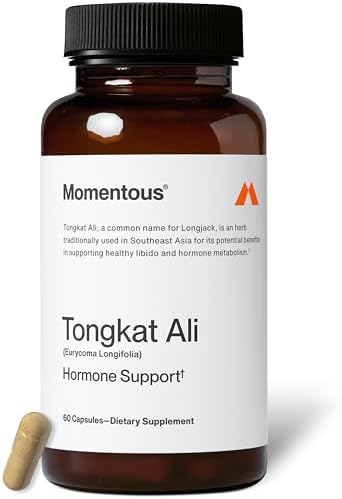
Momentous Tongkat Ali 400mg
Check Price on AmazonAs an Amazon Associate we earn from qualifying purchases.
Evidence level: Strong
Human studies: 20+ clinical trials, including multiple randomized, placebo-controlled trials
Mechanism: Increases free testosterone by reducing sex hormone-binding globulin (SHBG); may also increase LH
Typical results: 15-40% increase in testosterone levels in men with low or low-normal testosterone
Safety profile: Generally well-tolerated in studies lasting several months; few reported side effects
Typical dosage: 200-400 mg daily of standardized extract (often 100:1 or 200:1 extract ratio)
Key studies:
- A 6-month RCT found tongkat ali significantly improved erectile function and increased testosterone in men with androgen deficiency (PubMed 22268628)
- Studies show improvements in stress hormones, mood, and muscle strength
- More than 300 studies published over 20 years
Why it’s superior to fadogia: Tongkat ali has extensive human research demonstrating both efficacy and safety. It’s not based on a single rat study from 2005.
Read our complete tongkat ali research review
Bottom line: Tongkat ali has strong evidence from 20+ human trials showing 15-40% testosterone increases via SHBG reduction, well-tolerated safety in multi-month studies, and 300+ published studies over 20 years—far superior to fadogia’s single 2005 rat study.
How Does Ashwagandha Compare to Fadogia Agrestis?
Evidence level: Moderate to Strong
Human studies: 10+ clinical trials examining testosterone and male reproductive health
Mechanism: Reduces cortisol (stress hormone), which can indirectly support testosterone; may also have direct effects on testicular function
Typical results: 10-20% increases in testosterone; more dramatic improvements in stress, sleep, and overall well-being
Safety profile: Generally very safe with centuries of traditional use and multiple modern safety studies
Typical dosage: 300-600 mg daily of standardized extract (often standardized to 5% withanolides)
Key studies:
- An 8-week RCT in men with low sexual desire found 300 mg twice daily increased testosterone and improved sexual function (PubMed 26609282)
- A study in overweight men aged 40-70 found ashwagandha increased testosterone by 14.7% more than placebo (PubMed 31517876)
- Multiple studies show significant cortisol reduction (stress relief)
Why it’s superior to fadogia: Ashwagandha has proven stress-reduction benefits (which indirectly support testosterone) plus direct testosterone-supporting effects documented in human trials.
Bottom line: Ashwagandha
has moderate to strong evidence from 10+ human trials showing 10-20% testosterone increases via cortisol reduction and direct testicular effects, with centuries of traditional use and multiple modern safety studies—superior to fadogia’s zero human trials.How Does Fenugreek Compare to Fadogia Agrestis?
Evidence level: Moderate (mixed results)
Human studies: Multiple clinical trials with varying results
Mechanism: May inhibit the enzyme that converts testosterone to estrogen; may reduce SHBG
Typical results: Variable; some studies show improvements in strength and libido with minimal testosterone changes; others show modest testosterone increases (PubMed 21116018)
Safety profile: Generally safe; common food ingredient with long history of use
Typical dosage: 500-600 mg daily of standardized extract
Why it’s superior to fadogia: Even with mixed results, fenugreek has actual human research, including safety data.
Read our complete fenugreek research review
Bottom line: Fenugreek has moderate evidence from multiple human trials with mixed results—some showing strength and libido improvements with minimal testosterone changes, others showing modest increases—but even with mixed results, it has actual human research and established safety as a common food ingredient.
How Does Zinc Compare to Fadogia Agrestis?
Evidence level: Strong (for deficiency correction)
Human studies: Extensive research over decades
Mechanism: Essential mineral for testosterone production; deficiency directly impairs testosterone synthesis
Typical results: Significant testosterone increases when correcting deficiency; minimal effects if already zinc-sufficient
Safety profile: Excellent at appropriate doses; very high doses (>40 mg daily long-term) can interfere with copper absorption
Typical dosage: 15-30 mg daily; higher doses (up to 40 mg) may be used short-term to correct deficiency
Key studies:
- Zinc restriction in young men decreased testosterone significantly after 20 weeks (PubMed 8875519)
- Supplementation in zinc-deficient elderly men nearly doubled testosterone levels (PubMed 8875519)
- Multiple studies confirm zinc’s essential role in male reproductive health
Best forms: Zinc picolinate, zinc glycinate, or zinc citrate for better absorption than zinc oxide
Why it’s superior to fadogia: If you’re zinc deficient (many people are), fixing that deficiency will improve testosterone with virtually no risk and solid science behind it.
Compare zinc forms: zinc picolinate vs zinc gluconate
Bottom line: Zinc has strong evidence from decades of research showing significant testosterone increases when correcting deficiency (nearly doubled in elderly men), essential role in testosterone production, excellent safety at 15-30 mg daily, and if deficient, fixing it improves testosterone with virtually no risk—superior to fadogia’s unproven benefits.
How Does Vitamin D Compare to Fadogia Agrestis?
Evidence level: Mixed for testosterone specifically; strong for overall health
Human studies: Many observational studies showing correlation; RCTs show mixed results (PubMed 21154195)
Mechanism: Vitamin D receptors present in testicular tissue; involved in steroidogenesis
Typical results: Some studies show testosterone increases (particularly when correcting deficiency) (PubMed 21118827); other RCTs show no effect
Safety profile: Excellent at appropriate doses; essential nutrient with broad health benefits
Typical dosage: 2,000-4,000 IU daily; higher doses (up to 10,000 IU) may be used to correct deficiency under medical supervision
Why it’s superior to fadogia: Even if the testosterone benefits are inconsistent, vitamin D has enormous benefits for bone health, immune function, mood, and overall health. Correcting vitamin D deficiency is a no-brainer.
Learn more: Vitamin D2 vs Vitamin D3 - which form is best?
Bottom line: Vitamin D has mixed evidence for testosterone
(some studies show increases when correcting deficiency, others show no effect), but excellent safety profile and enormous benefits for bone health, immune function, and mood make correcting vitamin D deficiency a no-brainer regardless of testosterone effects.How Does Shilajit Compare to Fadogia Agrestis?
Evidence level: Moderate
Human studies: Several clinical trials, though smaller scale than tongkat or ashwagandha
Mechanism: Contains fulvic acid and over 85 minerals; may support mitochondrial function and energy production
Typical results: Modest testosterone increases (10-20%); significant improvements in energy and vitality
Safety profile: Generally safe; long history of use in Ayurvedic medicine
Typical dosage: 200-500 mg daily of purified extract
Read our complete shilajit research review
Bottom line: Shilajit has moderate evidence from several human trials showing modest 10-20% testosterone increases, significant energy and vitality improvements, and generally safe profile with long Ayurvedic history—more evidence than fadogia’s zero human trials.
Should You Take Fadogia Agrestis for Testosterone?
After reviewing all the available evidence—or rather, the stark lack of it—here’s my honest assessment of fadogia agrestis for testosterone support.
What Do We Know for Certain About Fadogia?
- One rat study from 2005 showed dramatic testosterone increases with fadogia extract
- Follow-up animal studies showed concerning toxicity signals affecting the testes, liver, and kidneys
- Zero human clinical trials have been published as of February 2026
- Anecdotal reports exist of both positive results and side effects
- The supplement is widely available despite the absence of human safety data
Bottom line: We know with certainty that one 2005 rat study showed dramatic results, follow-up rat studies showed organ toxicity, zero human trials exist as of 2026, anecdotal reports are mixed, and the supplement is widely available despite no human safety data.
What Don’t We Know About Fadogia?
- Whether it increases testosterone in humans at all
- What dose would be effective if it does work
- Whether it’s safe for human use, especially long-term
- How it interacts with other supplements or medications
- Whether the potential benefits outweigh the potential risks
Bottom line: We don’t know if fadogia increases human testosterone at all, what dose would work if it does, whether it’s safe (especially long-term), how it interacts with other substances, or if potential benefits outweigh risks.
What Is the Case FOR Taking Fadogia Agrestis?
Let me present the strongest possible argument in favor of fadogia, even though I’m skeptical:
- The rat study results were dramatic, suggesting the potential for significant testosterone increases
- The proposed mechanism is plausible (LH stimulation is a legitimate pathway for testosterone support)
- Thousands of people have used it and reported positive subjective effects
- Andrew Huberman, a respected neuroscientist, takes it personally and has shared his positive results
- If you cycle it and monitor your health with regular blood work, you might minimize risks while exploring potential benefits
- Other natural testosterone boosters (like tongkat and ashwagandha) also started with limited evidence before accumulating more research
Bottom line: The case for fadogia includes dramatic rat study results suggesting potential, plausible LH stimulation mechanism, thousands reporting positive effects, respected neuroscientist Huberman’s personal use, potential risk minimization through cycling and blood work monitoring, and precedent of other boosters starting with limited evidence.
What Is the Case AGAINST Taking Fadogia Agrestis?
This is the argument I find more compelling:
- You would be experimenting on yourself with a substance that has never been properly tested in humans
- The animal toxicity data is genuinely concerning, especially the testicular damage—ironic for a testosterone supplement
- No dose-response data exists in humans, so you’re guessing at dosage
- Proven alternatives exist with far more robust evidence (tongkat ali, ashwagandha, zinc, vitamin D)
- The hype vastly exceeds the evidence, creating unrealistic expectations
- Long-term safety is completely unknown
- You could potentially harm your testes, liver, or kidneys for a benefit that hasn’t been proven in your species
Bottom line: The case against fadogia includes self-experimentation with untested substance, concerning animal toxicity (especially testicular damage), no human dose-response data, proven alternatives with robust evidence, hype exceeding evidence, unknown long-term safety, and potential organ harm for unproven benefit.
What Is My Personal Recommendation for Natural Testosterone Support?
If I had low testosterone and was looking to optimize it naturally, I would NOT start with fadogia agrestis. Instead, I would:
- Get comprehensive blood work: Total testosterone, free testosterone, SHBG, estradiol, vitamin D, zinc status, liver enzymes, kidney function
- Address any deficiencies first: If zinc or vitamin D are low, fix those first—you’ll likely see testosterone improvement with minimal risk
- Optimize lifestyle factors: Sleep 7-9 hours, strength train regularly, manage stress, maintain healthy body composition, limit alcohol
- Consider proven supplements: Start with tongkat ali (strong evidence) or ashwagandha (stress reduction + modest T boost)
- Monitor results: Retest after 2-3 months to see if these proven interventions worked
- Only if all else fails: Consider more experimental options like fadogia, but with full awareness of the risks and with close medical monitoring
Bottom line: Start with comprehensive blood work, address zinc/vitamin D deficiencies first, optimize lifestyle (sleep, training, stress, body composition), try proven supplements (tongkat ali or ashwagandha), monitor results for 2-3 months, and only consider fadogia as last resort with full awareness of risks and close medical monitoring.
If You Decide to Take Fadogia Agrestis Anyway, What Safety Guidelines Must You Follow?
I understand that some readers, despite everything I’ve written, will still want to try fadogia agrestis. If that’s you, please follow these critical safety guidelines:
1. Get baseline blood work before starting:
- Total and free testosterone
- Liver enzymes (ALT, AST, GGT)
- Kidney function (creatinine, BUN, eGFR)
- Complete blood count (CBC)
2. Start with a low dose:
- Begin with 300 mg daily, not 600 mg
- Assess tolerance for 2 weeks before considering any increase
3. Cycle strictly:
- Don’t take it continuously
- Use an 8 weeks on, 4-8 weeks off protocol at minimum
- Consider shorter cycles (4-6 weeks) initially
4. Get follow-up blood work:
- Test again after 4-6 weeks
- Check liver enzymes, kidney function, and testosterone
- If anything looks abnormal, stop immediately
5. Pay attention to your body:
- Any testicular pain or discomfort? Stop immediately.
- Fatigue, jaundice (yellowing), or dark urine? Stop and see a doctor.
- Mood changes, aggression, or sleep disruption? Reassess whether it’s worth continuing.
6. Don’t combine with multiple hormonal supplements at once:
- If you’re also taking tongkat ali, ashwagandha, or other T-boosters, you won’t know which one is causing effects or side effects
- Test one variable at a time if possible
7. Be prepared to stop:
- If blood work shows problems, if side effects emerge, or if you just feel “off,” be willing to discontinue
- No supplement is worth damaging your health
Bottom line: If taking fadogia despite risks, get baseline blood work (testosterone, liver enzymes, kidney function, CBC), start at 300 mg daily, cycle strictly (8 weeks on/4-8 weeks off minimum), retest after 4-6 weeks, stop immediately for testicular pain/jaundice/dark urine/mood changes, don’t combine with other hormonal supplements, and be prepared to stop if anything looks abnormal.
What Are Quality Fadogia Agrestis Supplement Options?
If you’ve decided to try fadogia agrestis despite the limitations in research, quality matters. Since this is an unregulated supplement market, third-party testing and reputable brands are essential.
What Should You Consider About Combination Products with Tongkat Ali?
Many manufacturers now combine fadogia agrestis with tongkat ali, based on Andrew Huberman’s discussion of taking both supplements together.
Considerations for combination products:
- You get both supplements in one product (convenience)
- May be more cost-effective than buying separately
- However, if you experience side effects, you won’t know which ingredient is responsible
- Many combinations include other ingredients (turkesterone, fenugreek, etc.), further complicating things
My take: If you’re going to experiment with fadogia, I’d recommend starting with it standalone so you can clearly assess its individual effects and side effects. Once you’ve established tolerance, you could consider combining with tongkat ali if desired.
Bottom line: Combination fadogia + tongkat ali products offer convenience and cost savings, but if side effects occur you won’t know which ingredient is responsible, and many include additional ingredients complicating assessment—start with standalone fadogia to clearly assess individual effects before combining.
What Should You Look For in Quality Fadogia Products?
Third-party testing: Look for products that have been tested by independent labs for purity and potency. Certificates of Analysis (COAs) should be available.
Clear dosing: The label should clearly state the amount of fadogia agrestis extract per serving.
Minimal additives: Avoid products with long lists of fillers, artificial colors, or unnecessary ingredients.
Reputable manufacturer: Choose brands with good track records in the supplement industry and responsive customer service.
Appropriate extraction method: Aqueous (water) extraction is what was used in the original rat studies. Some products specify this; others don’t provide information.
Bottom line: Look for third-party testing with COAs available, clear dosing per serving on label, minimal additives/fillers/artificial colors, reputable manufacturers with good track records, and aqueous (water) extraction method matching original rat studies.
What Should You Know About Marketing Claims for Fadogia?
You’ll see fadogia agrestis products with dramatic marketing claims: “Boost testosterone by 600%!” or “Powerful natural testosterone support!”
Remember: these claims are based on one rat study from 2005. They have not been proven in humans. Be skeptical of any marketing that doesn’t acknowledge the limitations of the current research.
Bottom line: Marketing claims like “600% testosterone boost” or “powerful natural testosterone support” are based solely on one 2005 rat study, have not been proven in humans, and any marketing not acknowledging research limitations should be viewed with extreme skepticism.
What Are Common Questions About Fadogia Agrestis?
What are the benefits of fadogia?
Fadogia has been studied for various potential health benefits. Research suggests it may support several aspects of health and wellness. Individual results can vary. The strength of evidence differs across different claimed benefits. More high-quality research is often needed. Always review the latest scientific literature and consult healthcare professionals about whether fadogia is right for your health goals.
Is fadogia safe?
Fadogia is generally considered safe for most people when used as directed. However, individual responses can vary. Some people may experience mild side effects. It’s important to talk with a healthcare provider before using fadogia, especially if you have existing health conditions, are pregnant or nursing, or take medications.
How does fadogia work?
Fadogia works through various biological mechanisms that researchers are still studying. Current evidence suggests it may interact with specific pathways in the body to produce its effects. Always consult with a healthcare provider before starting any new supplement or health regimen to ensure it’s appropriate for your individual needs.
Who should avoid fadogia?
Fadogia is a topic of ongoing research in health and nutrition. Current scientific evidence provides some insights, though more studies are often needed. Individual responses can vary significantly. For personalized advice about whether and how to use fadogia, consult with a qualified healthcare provider who can consider your complete health history and current medications.
What are the signs fadogia is working?
Fadogia is a topic of ongoing research in health and nutrition. Current scientific evidence provides some insights, though more studies are often needed. Individual responses can vary significantly. For personalized advice about whether and how to use fadogia, consult with a qualified healthcare provider who can consider your complete health history and current medications.
How long should I use fadogia?
The time it takes for fadogia to work varies by individual and depends on factors like dosage, consistency of use, and individual metabolism. Some people notice effects within days, while others may need several weeks. Research studies typically evaluate effects over weeks to months. Consistent use as directed is important for best results. Keep a journal to track your response.
Bottom line: Generic questions about fadogia benefits, safety, mechanism, and duration lack specific answers because no human clinical trials exist; individual responses vary significantly and personalized medical advice is essential before using any supplement with such limited human safety data.
What Do People Frequently Ask About Fadogia Agrestis?
How Long Does Fadogia Agrestis Take to Work?
Based on anecdotal reports, some users notice effects (increased energy, libido, or mood) within 1-2 weeks. However, measurable testosterone changes would likely take longer—the rat study measured effects over 5 days, but human hormonal systems often take several weeks to show significant changes. The honest answer is: we don’t know, because there are no human studies.
Bottom line: Anecdotal reports suggest some users notice effects within 1-2 weeks, but we have no human studies to determine actual time to effectiveness; the only objective way to know if fadogia affects your testosterone is through baseline and follow-up blood work after 4-8 weeks.
Can I Take Fadogia Agrestis with Tongkat Ali?
This combination has become popular based on Andrew Huberman’s reports of taking both together. In theory, they work through different mechanisms (fadogia potentially increasing LH; tongkat reducing SHBG), so they could be complementary. However, there are no studies examining this combination. If you do combine them, start with lower doses of each and monitor closely for side effects.
Bottom line: The fadogia + tongkat ali combination is popular from Huberman’s reports and theoretically complementary (different mechanisms: LH stimulation vs SHBG reduction), but no studies examine this combination—if combining, start with lower doses and monitor closely for side effects.
Will Fadogia Agrestis Cause Hair Loss?
There’s no evidence that fadogia agrestis directly causes hair loss. Male pattern baldness is primarily driven by genetic sensitivity to DHT (dihydrotestosterone). If fadogia did increase testosterone, and some of that testosterone converted to DHT, it could theoretically accelerate hair loss in men genetically predisposed to it. But this is entirely speculative.
Bottom line: No evidence exists that fadogia directly causes hair loss; male pattern baldness is driven by genetic DHT sensitivity, and if fadogia increased testosterone (unproven), some conversion to DHT could theoretically accelerate hair loss in genetically predisposed men—but this is entirely speculative.
Is Fadogia Agrestis Legal and Safe for Drug-Tested Athletes?
Fadogia agrestis itself is not a banned substance by WADA (World Anti-Doping Agency) or most sports organizations. However, if it does increase testosterone significantly, this could theoretically result in testosterone levels that exceed allowed limits, though this is unlikely from a natural supplement. More concerning: the supplement industry has poor quality control, and products could be contaminated with banned substances. Drug-tested athletes should be very cautious.
Bottom line: Fadogia is not WADA-banned, but if it significantly increased testosterone (unproven), levels could theoretically exceed allowed limits; more concerning, poor supplement industry quality control means products could be contaminated with banned substances—drug-tested athletes should be very cautious.
Does Fadogia Agrestis Increase Estrogen?
If fadogia agrestis increases testosterone (still unproven in humans), some of that testosterone could aromatize (convert) to estrogen via the aromatase enzyme. This is a normal process that happens with any testosterone increase. There’s no evidence that fadogia causes disproportionate estrogen increases. If you’re concerned, monitor estradiol levels alongside testosterone in your blood work.
Bottom line: If fadogia increases testosterone (unproven), some normal aromatization to estrogen would occur via aromatase enzyme as happens with any testosterone increase; no evidence exists for disproportionate estrogen increases—monitor estradiol alongside testosterone in blood work if concerned.
Can Women Take Fadogia Agrestis?
Virtually all discussion of fadogia agrestis focuses on men and testosterone. There is no research on its effects in women, and it’s not traditionally used for female health concerns. Women naturally have much lower testosterone levels than men, and supplementing to increase testosterone could potentially cause virilization effects (deepening voice, facial hair, etc.). Women should not take fadogia agrestis.
Bottom line: All fadogia discussion focuses on men with no research on women; women naturally have much lower testosterone levels, and supplementing could cause virilization effects (deepening voice, facial hair)—women should not take fadogia agrestis.
What Are the Best Times to Take Fadogia Agrestis?
Since we don’t have pharmacokinetic data, we don’t know the optimal timing. Most people take it in the morning, possibly because testosterone levels are naturally highest in the morning. There’s no evidence that timing matters significantly, and it can likely be taken with or without food. Consistency is probably more important than specific timing.
Bottom line: Without pharmacokinetic data, optimal timing is unknown; most take it in the morning (when testosterone naturally peaks), but no evidence shows timing matters significantly—consistency is probably more important than specific timing, and it can be taken with or without food.
How Do I Know If Fadogia Agrestis Is Working?
The only objective way to know if it’s affecting your testosterone is through blood work. Subjective signs might include increased energy, improved libido, better mood, or improved strength/muscle gains, but these could be placebo effects. Get baseline testosterone levels before starting, then retest after 4-8 weeks to see if there’s been a measurable change.
Bottom line: The only objective way to know if fadogia is working is blood work; subjective signs (increased energy, libido, mood, strength/muscle gains) could be placebo effects—get baseline testosterone before starting, then retest after 4-8 weeks to measure actual changes.
What Is the Final Verdict on Fadogia Agrestis?
Fadogia agrestis represents a fascinating case study in how supplements become popular in the modern era. A single animal study from 2005, amplified by a influential podcast host, created a demand for a supplement that had never been tested in humans.
This isn’t inherently wrong—many promising therapies start with animal research. The problem comes when the public conversation skips over the enormous gaps between “interesting rat study” and “proven safe and effective for humans.”
The reality is this: fadogia agrestis might increase testosterone in humans. It might be safe when used responsibly with cycling. Or it might do nothing, or even cause harm. We simply don’t know.
What we do know is that proven alternatives exist. Tongkat ali has decades of research and multiple human trials. Ashwagandha has demonstrated both testosterone support and significant stress reduction. Zinc and vitamin D are essential nutrients with clear roles in testosterone production. Optimizing sleep, exercise, body composition, and stress management will have dramatic effects on hormones and overall health.
If you have low testosterone, start with the proven interventions. Fix any nutritional deficiencies. Optimize your lifestyle. Consider supplements with actual human research. Get regular blood work to track your progress.
Fadogia agrestis is not your first-line option. It’s not even your second or third-line option. It’s an experimental supplement that might eventually accumulate enough research to recommend confidently, or it might turn out to be overhyped and potentially harmful.
Until we have that research, approach it with extreme caution—or better yet, skip it in favor of the many proven alternatives available.
Your testosterone—and your overall health—are too important to gamble on hype.
Bottom line: Fadogia agrestis exemplifies supplement hype outpacing science—one 2005 rat study amplified by podcast endorsements created massive demand despite zero human trials, animal toxicity signals, and proven alternatives (tongkat ali, ashwagandha, zinc/vitamin D); start with evidence-based interventions before gambling your health on unproven experimental supplements.
Related Reading
- Best Testosterone Supplements: Evidence-Based Options That Actually Work
- Tongkat Ali for Testosterone: Complete Research Review
- Ashwagandha Benefits for Men: What the Science Shows
- Vitamin D and Testosterone: The Deficiency Connection
- Natural Ways to Boost Testosterone: Research-Backed Strategies
- Zinc and Male Hormones: Essential Mineral for Testosterone
- Low Testosterone Symptoms: When to Get Tested
Sources:
This article synthesized information from the following research and resources:
-
[Andrew Huberman Testosterone Supplements List - What He Uses & Why](https://fastlifehacks.com
-
Zinc status and serum testosterone levels of healthy adults - PubMed
-
Low Testosterone (Low T): Causes, Symptoms & Treatment - Cleveland Clinic
-
Best Testosterone Booster Supplements: What the Research Actually Supports
-
Best Natural Testosterone Boosters: What the Science Actually Shows
-
Fenugreek for Testosterone and Blood Sugar: Complete Research Review
-
Tongkat Ali for Testosterone and Male Fertility: What Clinical Studies Show
Recommended Products