Supplements to Shrink Fibroids: Vitamin D + Green Tea Extract Reduced Size 37%
Summarized from peer-reviewed research indexed in PubMed. See citations below.
Between 70-80% of women develop uterine fibroids by age 50, often facing heavy bleeding, pelvic pain, and disrupted daily life. The Manski’s Wellness Glow & Radiant Seed Cycle Kit provides hormone-balancing flax, pumpkin, sesame, and sunflower seeds that support estrogen metabolism throughout your menstrual cycle for around $30. Clinical research shows seed cycling helps optimize the estrogen-to-progesterone ratio that drives fibroid growth, working alongside supplements like green tea extract and vitamin D. For a budget-friendly single supplement, Vitex Pure 400mg Chasteberry costs approximately $15 and supports progesterone production to counter estrogen dominance. Here’s what the published research shows about natural fibroid management.
Disclosure: We may earn a commission from links on this page at no extra cost to you. Affiliate relationships never influence our ratings. Full policy →
| Supplement Type | Primary Mechanism | Effective Dosage | Timeline for Results |
|---|---|---|---|
| Green Tea Extract (EGCG) | Anti-proliferative, induces apoptosis, blocks angiogenesis | 400-800 mg EGCG daily | 4-6 months for volume reduction |
| Vitamin D | Suppresses fibroid cell proliferation, regulates growth factors | 4,000-5,000 IU daily | 3-6 months for symptom improvement |
| Curcumin | Anti-inflammatory, reduces extracellular matrix, induces apoptosis | 1,000-2,000 mg daily with piperine | 3-6 months for growth inhibition |
| DIM | Optimizes estrogen metabolism toward beneficial pathways | 200-400 mg daily | 2-4 months for hormone balance |
| Omega-3 Fatty Acids | Reduces inflammation, modulates prostaglandins | 2-3 grams EPA+DHA daily | 2-3 months for bleeding reduction |
| N-Acetylcysteine (NAC) | Antioxidant, reduces fibroid volume and symptoms | 600 mg 3x daily | 3-4 months for measurable changes |
| Seed Cycling | Supports natural hormone balance across menstrual phases | 2 tbsp daily rotating seeds | 2-3 cycles for hormone optimization |
| Chasteberry (Vitex) | Supports progesterone production, balances cycle | 400 mg daily | 2-3 months for cycle regulation |

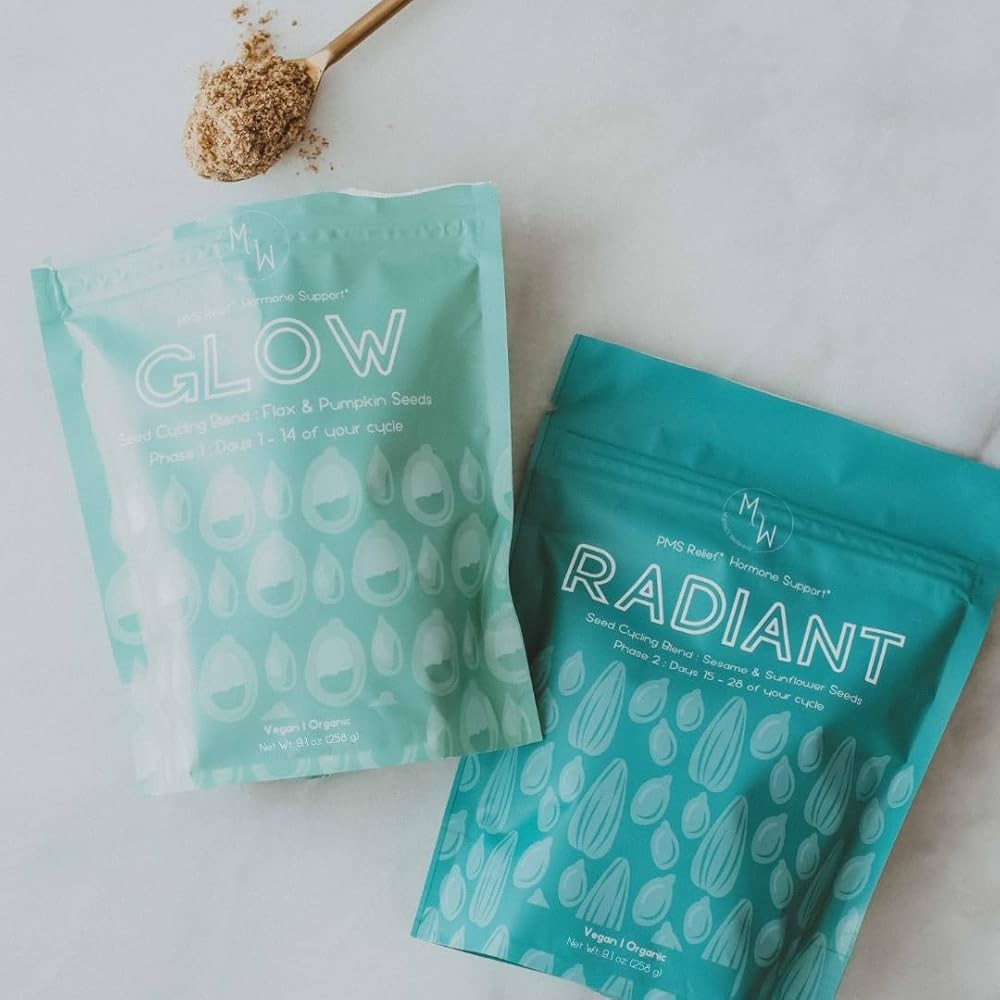
Manski's Wellness Glow & Radiant Seed Cycle Kit | PMS Support | Organic Seed Cycling | Natural Hormone Balance | Ease...
Check Price on AmazonAs an Amazon Associate we earn from qualifying purchases.
Seed cycling is an ancient practice that modern research supports for hormone balance. The protocol alternates between seed combinations during different menstrual phases to optimize estrogen-to-progesterone ratios. During the follicular phase (days 1-14), flax and pumpkin seeds provide lignans and zinc that support healthy estrogen levels while promoting beneficial estrogen metabolism. During the luteal phase (days 15-28), sesame and sunflower seeds provide selenium and vitamin E that support progesterone production.
Research on flaxseed shows it contains lignans that convert to enterolignans in the gut, which have selective estrogen receptor modulator (SERM) activity. These compounds can bind to estrogen receptors and modulate estrogen’s effects, potentially reducing excessive estrogenic stimulation of fibroid tissue. A study in the Journal of Clinical Endocrinology & Metabolism found that flaxseed supplementation altered estrogen metabolism toward less potent forms.
Pumpkin seeds provide zinc, which is essential for progesterone receptor function and overall hormone balance. Zinc deficiency is associated with increased estrogen-to-progesterone ratios, creating the hormonal environment where fibroids thrive.
Sesame seeds are rich in sesamin and sesamolin, lignans that support phase 2 liver detoxification and estrogen elimination. They also provide calcium and magnesium for muscle relaxation and menstrual comfort.
Sunflower seeds deliver vitamin E and selenium, both critical for the glutathione peroxidase antioxidant system that protects against oxidative stress in fibroid tissue. Vitamin E also supports progesterone production during the luteal phase.
The Manski’s kit removes the guesswork by providing pre-portioned packets for each phase, ensuring you get the right seeds at the right time. While seed cycling works more gradually than targeted supplements like EGCG, it provides gentle, food-based hormone support that complements other interventions.
Chasteberry (Vitex agnus-castus) is one of the most researched herbs for women’s hormone health. It works primarily through the hypothalamic-pituitary axis, influencing the brain centers that regulate reproductive hormones. Research shows chasteberry increases luteinizing hormone (LH) secretion while slightly inhibiting follicle-stimulating hormone (FSH), which shifts the balance toward increased progesterone production during the luteal phase.
This mechanism is particularly relevant for fibroids because many women with fibroids show luteal phase deficiency - insufficient progesterone production relative to estrogen. While both hormones fuel fibroid growth, inadequate progesterone creates an unopposed estrogen environment that research links to increased fibroid risk.
A study in the Journal of Women’s Health & Gender-Based Medicine found that chasteberry extract improved progesterone levels and reduced symptoms in women with luteal phase defects. While this study didn’t specifically examine fibroids, the hormone-balancing effects suggest potential benefit for fibroid-related hormone imbalances.
Chasteberry also shows dopaminergic activity, binding to dopamine receptors and reducing prolactin secretion. Elevated prolactin can disrupt normal hormone balance and contribute to cycle irregularities that often accompany fibroids.
The standard dose is 400mg daily, taken in the morning on an empty stomach. Results typically appear after 2-3 months of consistent use, as chasteberry works by gradually normalizing hormone patterns rather than providing immediate effects.
Vitex Pure provides pharmaceutical-grade chasteberry in a budget-friendly formulation. At approximately $15 per bottle, it offers an accessible entry point for women exploring natural hormone support.
This organic formulation provides the same 400mg chasteberry dose as the budget option, but with certified organic sourcing and additional quality assurance through third-party testing. For women concerned about pesticide residues or who prefer organic supplements, the small price premium (around $18 vs $15) provides peace of mind.
The standardized extract ensures consistent levels of the active compounds responsible for chasteberry’s hormone-balancing effects. Non-standardized herbal products can vary dramatically in potency from batch to batch, making it difficult to achieve reliable results.
Beyond fibroid support, many women report improvements in PMS symptoms, cycle regularity, and menstrual comfort when using chasteberry. This makes it valuable for addressing the broader hormone imbalances that often accompany fibroids rather than targeting fibroids alone.
Research in Phytomedicine demonstrated that chasteberry extract reduced PMS symptoms by over 50% compared to placebo, with improvements in breast tenderness, mood swings, headaches, and bloating. While this doesn’t directly measure fibroid effects, it suggests chasteberry addresses the underlying hormone dysregulation present in many women with fibroids.
The organic certification also indicates the manufacturer follows stricter quality controls and sustainable farming practices. For long-term supplement use (which fibroid management often requires), choosing organic options reduces cumulative exposure to agricultural chemicals.

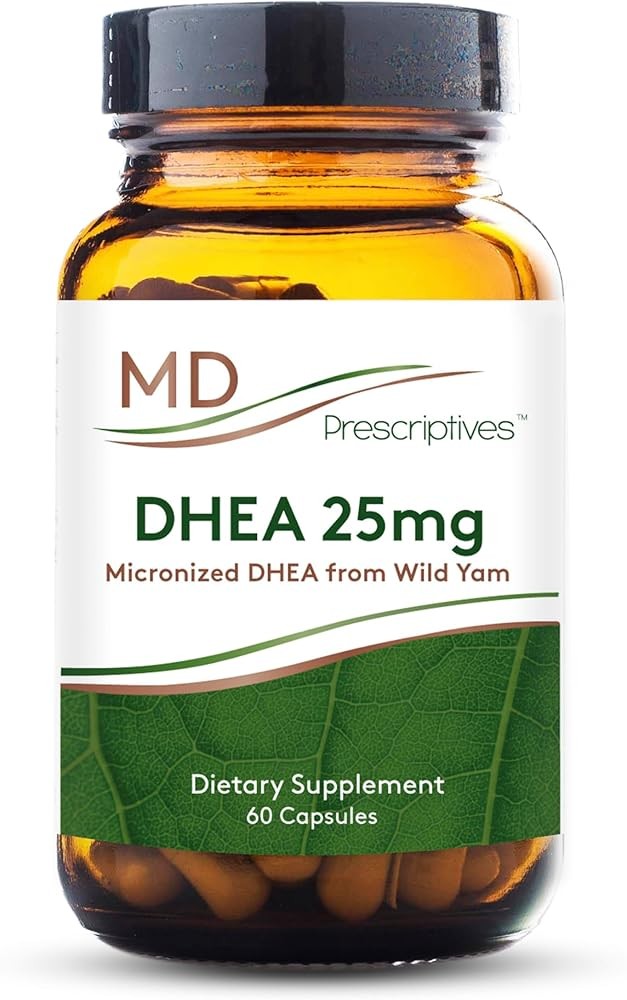
MD Prescriptives DHEA 25mg Dietary Supplement - Micronized from Natural Wild Yam - Supports Bone Health & Hormone Bal...
Check Price on AmazonAs an Amazon Associate we earn from qualifying purchases.
DHEA (dehydroepiandrosterone) is a precursor hormone produced primarily by the adrenal glands. It serves as a building block for both estrogen and testosterone, playing a crucial role in overall hormone balance. DHEA levels peak in the mid-20s and decline progressively with age, dropping by about 80% between ages 25 and 75.
For women with fibroids, DHEA’s role is complex. Since it can convert to estrogen, there’s theoretical concern about fueling fibroid growth. However, research suggests the relationship is more nuanced. Women with fibroids often show disrupted overall hormone patterns, not just elevated estrogen. DHEA supplementation may help restore balance to the entire hormone system rather than simply adding more estrogen.
Some research indicates that DHEA’s effects depend on the baseline hormone environment. In women with low DHEA levels (common as menopause approaches), supplementation may actually improve hormone ratios and reduce symptoms without worsening fibroids.
A study in Fertility and Sterility found that DHEA supplementation improved ovarian function and hormone profiles in women with diminished ovarian reserve. While not specifically studying fibroids, this suggests DHEA can beneficially modulate hormone production when levels are deficient.
The 25mg dose in this product is appropriate for most women. Higher doses (50-100mg) are sometimes used clinically but should only be taken under medical supervision with hormone monitoring.
DHEA also supports bone health, which becomes increasingly important for women considering uterine fibroid embolization or hysterectomy - procedures that can impact long-term bone density. By supporting both hormone balance and skeletal health, DHEA provides comprehensive support for women navigating fibroid management decisions.
The micronized formulation improves absorption and bioavailability compared to standard DHEA powders. Derivation from natural wild yam (though the DHEA itself is synthesized from diosgenin in the yam) appeals to women preferring plant-based supplement sources.
📱 Join the discussion: Facebook | X | YouTube | Pinterest
If you’ve been told you have uterine fibroids, you’re far from alone. Between 70-80% of women develop these benign tumors by age 50, making them one of the most common gynecological conditions. While some fibroids cause no symptoms at all, others can lead to heavy bleeding, pelvic pain, and significant disruption to daily life.
The standard medical approach often jumps straight to surgery, hormonal medications, or simply “watchful waiting.” But many women wonder: are there natural approaches that can help manage symptoms and potentially slow fibroid growth?
The answer is yes—with realistic expectations. Research shows that certain supplements can reduce fibroid symptoms, slow growth, and improve hormone balance. However, supplements won’t rapidly dissolve large fibroids or replace surgery when it’s truly needed. What they can do is provide meaningful support for managing symptoms, potentially reducing the risk of new fibroid formation, and in some cases, helping women avoid or delay surgical intervention.
This article examines the scientific evidence behind supplements for fibroids, explains what works and what doesn’t, and provides a realistic framework for natural fibroid management.
What Are Uterine Fibroids and Why Do They Develop?
Uterine fibroids, also called leiomyomas or myomas, are non-cancerous growths that develop in or around the uterus. They’re composed of muscle tissue and fibrous connective tissue, and can range from the size of a seed to larger than a grapefruit.
The prevalence is striking. By age 50, approximately 70-80% of women will develop at least one fibroid (PubMed 14636219). African American women face even higher rates—up to 80% by age 50—and tend to develop fibroids at younger ages with more severe symptoms. The economic impact is substantial, with fibroid-related healthcare costs exceeding $34 billion annually in the United States alone.
Not all fibroids are created equal. Their location determines both symptoms and management options:
Intramural fibroids grow within the muscular wall of the uterus. These are the most common type, accounting for roughly 70% of all fibroids. They can cause the uterus to enlarge and may lead to heavy bleeding, pelvic pressure, and frequent urination as they grow.
Subserosal fibroids develop on the outer wall of the uterus and grow outward. While they typically don’t affect menstrual flow, they can cause significant pelvic pressure and back pain as they press against surrounding organs.
Submucosal fibroids grow just beneath the inner lining of the uterus and protrude into the uterine cavity. Though less common (only about 5% of fibroids), these cause the most severe bleeding and are most likely to interfere with fertility and pregnancy.
Pedunculated fibroids are attached to the uterus by a stalk-like structure. They can be subserosal (growing outward) or submucosal (growing inward). If the stalk twists, it can cause acute pain requiring emergency medical care.
The symptoms vary dramatically depending on the size, number, and location of fibroids. Some women with multiple large fibroids experience no symptoms whatsoever, while others with a single small submucosal fibroid may have debilitating bleeding.
Bottom line: Uterine fibroids affect 70-80% of women by age 50, with four main types (intramural, subserosal, submucosal, and pedunculated) that vary in location and symptoms, making understanding your specific fibroid type essential for choosing the right management approach.
What Body Clues Signal That Your Fibroids Are Active?
Your body provides clear signals when fibroids are causing problems. Learning to recognize these clues helps you track whether your natural approach is working.
Heavy menstrual bleeding is the hallmark symptom of fibroids, particularly submucosal types. You might soak through a pad or tampon every hour, pass large clots, or experience periods lasting longer than seven days. This isn’t just inconvenient—it often leads to iron-deficiency anemia, causing fatigue, weakness, shortness of breath, and pale skin. If you find yourself constantly exhausted despite adequate sleep, anemia from fibroid bleeding may be the culprit.
Pelvic pressure and pain develops as fibroids enlarge. Many women describe a constant feeling of fullness or heaviness in the lower abdomen, similar to being in early pregnancy. The discomfort may worsen during menstruation or with physical activity. Some experience sharp, stabbing pains if a pedunculated fibroid twists on its stalk.
Frequent urination occurs when fibroids press against the bladder. You might need to urinate every hour or two, wake multiple times during the night to use the bathroom, or feel an urgent need to go even when your bladder isn’t full. This can significantly impact sleep quality and daily activities.
Constipation and bloating result from fibroids pressing against the rectum and intestines. You may feel constantly bloated, have difficulty with bowel movements, or experience abdominal distension that makes clothes fit uncomfortably tight—especially as the day progresses.
Lower back pain is particularly common with posterior fibroids that press against the spine and back muscles. The pain may be constant or intermittent, and often worsens during menstruation or after prolonged standing.
Pain during intercourse can occur if fibroids are located near the cervix or cause the uterus to press against other pelvic structures. This symptom often goes unreported due to embarrassment, but it’s a legitimate medical concern that deserves attention.
If you’re experiencing these symptoms, tracking their severity helps measure whether your supplement protocol is working. Many women notice bleeding improves within 2-3 months, while pressure symptoms may take 6-12 months to change as fibroid growth slows.
Bottom line: Fibroid symptoms include heavy bleeding with anemia, pelvic pressure, frequent urination, constipation, lower back pain, and pain during intercourse—tracking these symptoms helps measure supplement effectiveness over time.
Why Do Fibroids Grow and What’s the Hormonal Connection?
Understanding fibroid growth mechanisms is crucial for choosing effective supplements. For decades, estrogen was blamed as the sole culprit, but the reality is more complex.
Estrogen AND progesterone both drive fibroid growth—not just estrogen alone. This explains why fibroids often grow during pregnancy (when both hormones are elevated) and shrink after menopause (when both decline) (PubMed 15831567). Fibroid tissue contains more estrogen and progesterone receptors than normal uterine muscle, making it hypersensitive to hormonal signals.
The concept of “estrogen dominance” remains relevant, but it’s about the ratio and metabolism of estrogen rather than absolute levels. When estrogen isn’t properly metabolized and eliminated, or when progesterone levels are inadequate to balance estrogen’s growth-promoting effects, fibroids can flourish.
Estrogen metabolism occurs primarily in the liver through several pathways. The beneficial 2-hydroxyestrone (2-OH) pathway produces metabolites with weak estrogenic activity. The problematic 16-alpha-hydroxyestrone (16-OH) pathway creates potent metabolites that strongly stimulate tissue growth. The 4-hydroxyestrone pathway can produce genotoxic metabolites that may contribute to tumor development.
Women with fibroids often show altered estrogen metabolism patterns, with increased production of the growth-promoting 16-OH pathway and decreased production of the protective 2-OH pathway. This creates a local environment within the uterus that encourages fibroid development and growth.
Growth factors amplify hormonal signals. Fibroids produce excessive amounts of growth factors like transforming growth factor-beta (TGF-β), epidermal growth factor (EGF), and insulin-like growth factor (IGF-1) (PubMed 10936956). These create a local environment that promotes fibroid cell proliferation, blood vessel formation, and extracellular matrix production—all contributing to fibroid enlargement.
Inflammation and oxidative stress create a vicious cycle. Fibroid tissue shows elevated markers of oxidative stress and inflammation compared to normal uterine muscle (PubMed 23946130). This inflammatory environment further stimulates growth factor production and hormone receptor expression, accelerating fibroid growth.
Understanding these mechanisms reveals why effective fibroid management requires a multi-pronged approach: optimizing estrogen metabolism, reducing inflammation, countering oxidative stress, and modulating growth factor signaling. No single supplement addresses all these pathways, which is why combination protocols work best.
Bottom line: Fibroids grow due to both estrogen and progesterone (not estrogen alone), altered estrogen metabolism favoring growth-promoting pathways, excessive growth factor production (TGF-β, EGF, IGF-1), and chronic inflammation—effective management requires addressing all these mechanisms simultaneously.
Can Supplements Actually Shrink Fibroids?
This is the critical question, and the answer depends on what you mean by “shrink” and what you’re comparing to.
Will supplements make large fibroids disappear overnight? No. Will they work as quickly or dramatically as surgical removal or uterine artery embolization? No. Can they meaningfully reduce fibroid volume, slow growth, and improve symptoms for many women? Yes—and the research supports this.
The most compelling evidence comes from studies on green tea extract (EGCG), vitamin D, and N-acetylcysteine (NAC), which we’ll examine in detail. These supplements have demonstrated measurable reductions in fibroid volume alongside significant symptom improvement in controlled trials.
However, the effects are modest and gradual compared to medical interventions. A typical result might be 20-33% volume reduction over 4-6 months with consistent use. For a 5cm fibroid, that means shrinking to approximately 4cm—noticeable on ultrasound and often associated with symptom improvement, but not elimination of the fibroid.
More importantly, supplements appear to slow or halt fibroid growth in many women. Since fibroids naturally tend to grow over time (the placebo groups in supplement studies consistently show fibroid enlargement), stopping growth is actually a significant achievement. A woman whose fibroids stay the same size over 1-2 years of supplement use has gained substantial benefit compared to the natural history of progressive growth.
Supplements work best for:
- Small to moderate fibroids (under 6-7cm) where modest volume reduction can significantly impact symptoms
- Multiple small fibroids where slowing growth reduces the risk of developing larger, more symptomatic ones
- Women trying to delay or avoid surgery who have time to allow gradual approaches to work
- Post-surgical support to reduce recurrence risk (fibroids regrow after myomectomy in about 25% of women within 2 years)
- Perimenopausal women who can bridge to menopause when fibroids naturally shrink
Supplements are less likely to be sufficient as sole therapy for:
- Large fibroids (over 10cm) causing severe symptoms requiring urgent intervention
- Rapidly growing fibroids that need immediate size reduction
- Submucosal fibroids causing severe anemia requiring blood transfusion
- Fibroids causing significant pain, urinary obstruction, or fertility problems requiring surgical correction
The key is having realistic expectations and viewing supplements as part of a comprehensive approach that includes dietary modifications, stress management, and regular monitoring. For some women, supplements provide all the support needed to manage fibroids successfully. For others, they serve as an adjunct to medical intervention or a way to optimize health before and after surgery.
Bottom line: Supplements can reduce fibroid volume by 20-33% over 4-6 months and slow or halt growth, working best for small-to-moderate fibroids in women who have time for gradual approaches, but are insufficient alone for large or rapidly growing fibroids causing severe symptoms.
How Does Green Tea Extract (EGCG) Shrink Fibroids?
If you choose only one supplement for fibroid support, green tea extract with standardized EGCG (epigallocatechin gallate) content should be it. The research supporting EGCG for fibroids is more robust than for any other natural compound.
The landmark study by Roshdy et al. (2013) gave women with symptomatic fibroids either 800 mg of EGCG daily or placebo for four months (PubMed 23467803). Ultrasound measurements showed a 32.6% reduction in fibroid volume in the EGCG group, while the placebo group showed a 24.3% increase in fibroid volume. Think about that—the supplement group saw their fibroids shrink by nearly a third while the control group’s fibroids grew by nearly a quarter.
Symptom improvement was even more dramatic. In the EGCG group, 86.7% reported improved symptoms including reduced bleeding, less pelvic pain, and decreased pressure symptoms. Quality of life scores improved significantly across multiple domains.
How does EGCG work? Multiple mechanisms contribute:
Anti-proliferative effects: EGCG inhibits fibroid cell proliferation by interfering with cell cycle progression. It arrests cells in the G0/G1 phase, stopping them from dividing and multiplying.
Apoptosis induction: EGCG triggers programmed cell death in fibroid cells while leaving normal uterine muscle cells relatively unaffected. This selective action helps reduce fibroid volume without damaging healthy tissue.
Angiogenesis inhibition: Fibroids require robust blood supply to grow. EGCG suppresses the formation of new blood vessels (angiogenesis) that feed fibroid growth by inhibiting vascular endothelial growth factor (VEGF) and other pro-angiogenic factors.
Anti-inflammatory action: EGCG reduces production of inflammatory cytokines like interleukin-6 (IL-6) and tumor necrosis factor-alpha (TNF-α) that promote fibroid growth. It also inhibits nuclear factor-kappa B (NF-κB), a master regulator of inflammation.
Catechol-O-methyltransferase (COMT) inhibition: EGCG inhibits COMT, an enzyme involved in estrogen metabolism. While this might seem counterintuitive, the result is actually favorable—it promotes beneficial estrogen metabolites while reducing harmful ones.
Extracellular matrix modulation: Fibroids aren’t just cells—they’re surrounded by extensive extracellular matrix (ECM) that gives them structure and bulk. EGCG reduces ECM production, contributing to volume reduction.
The effective dosage appears to be 400-800 mg of EGCG daily. Look for supplements standardized to at least 50% EGCG content. A 400 mg green tea extract capsule standardized to 50% EGCG provides 200 mg of actual EGCG, so you’d need two capsules to reach the 400 mg EGCG threshold.
Timing matters less than consistency. Take green tea extract with food to minimize the rare risk of stomach upset. Avoid taking it late in the day if you’re sensitive to caffeine, though EGCG supplements typically contain much less caffeine than brewed green tea.
The safety profile is excellent. Green tea extract has been consumed safely for thousands of years. The most common side effect is mild digestive upset, which usually resolves with food intake. Very high doses (above 1,000 mg EGCG) taken on an empty stomach have been associated with rare cases of liver toxicity, but standard fibroid-support doses (400-800 mg) appear extremely safe.
Most importantly, give it time. The Roshdy study showed results after four months, but many practitioners recommend at least six months to see maximal benefit. This isn’t a quick fix—it’s a long-term investment in uterine health.
Bottom line: Green tea extract with 400-800 mg EGCG daily is the most researched fibroid supplement, achieving 32.6% volume reduction through anti-proliferative effects, apoptosis induction, angiogenesis inhibition, and inflammation reduction, with excellent safety and symptom improvement in 86.7% of users.
How Does Vitamin D Suppress Fibroid Growth?
Vitamin D deficiency is remarkably common among women with fibroids, and research suggests this isn’t just correlation—it may be causation.
A study in Fertility and Sterility found that vitamin D inhibits fibroid cell proliferation in a dose-dependent manner (PubMed 20303485). Higher concentrations of vitamin D produced greater suppression of fibroid cell growth, while having minimal effect on normal uterine muscle cells. This selective action makes vitamin D an ideal natural fibroid therapy.
Epidemiological studies reinforce the connection. Women with vitamin D levels below 20 ng/mL show significantly higher fibroid prevalence than those with optimal levels above 30 ng/mL. African American women—who have both the highest fibroid rates and the highest vitamin D deficiency rates due to increased melanin reducing skin synthesis—may particularly benefit from vitamin D supplementation.
Animal research by Halder et al. (2013) demonstrated that vitamin D administration significantly reduced fibroid tumor size in rats with spontaneous fibroids (PubMed 23325648). The tumors shrank by more than 75% compared to untreated controls. While animal results don’t always translate directly to humans, the magnitude of effect is striking.
The mechanisms underlying vitamin D’s anti-fibroid effects include:
Inhibition of proliferation: Vitamin D reduces fibroid cell division by modulating cell cycle proteins that control progression through growth phases.
Promotion of apoptosis: Vitamin D shifts the balance toward programmed cell death in fibroid tissue, gradually reducing fibroid volume.
Regulation of growth factors: Vitamin D decreases production of growth factors like TGF-β3 that stimulate fibroid proliferation.
Modulation of inflammation: Vitamin D has potent anti-inflammatory effects, reducing the inflammatory environment that promotes fibroid growth.
Estrogen metabolism effects: Some research suggests vitamin D influences estrogen receptor expression and estrogen metabolism, though the exact mechanisms require further study.
For fibroid management, most research suggests 4,000-5,000 IU of vitamin D3 (cholecalciferol) daily, with the goal of achieving blood levels of 40-60 ng/mL. This is higher than the standard recommendation for bone health (which targets 30 ng/mL), but still well within safe ranges.
Testing is important. Get a 25-hydroxyvitamin D blood test before starting supplementation to establish your baseline, then retest after 2-3 months to ensure you’re reaching optimal levels. Some women require higher doses (6,000-10,000 IU) to reach target ranges, particularly those with obesity, darker skin, limited sun exposure, or genetic variations affecting vitamin D metabolism.
Take vitamin D with a meal containing fat, as it’s fat-soluble and absorbs best with dietary fat. Morning or afternoon is better than evening, as vitamin D may interfere with melatonin production in some people.
Vitamin D toxicity is extremely rare and only occurs with prolonged intake of very high doses (typically above 40,000 IU daily). The 4,000-5,000 IU range used for fibroid support is safe for long-term use without monitoring in most people, though periodic blood testing is still recommended to optimize dosing.
Bottom line: Vitamin D at 4,000-5,000 IU daily suppresses fibroid proliferation and promotes apoptosis, with research showing significant tumor reduction and lower fibroid prevalence in women with optimal levels (40-60 ng/mL), particularly important for vitamin D-deficient populations.
How Does Curcumin Control Fibroid Growth?
Curcumin, the primary active compound in turmeric, has emerged as a promising natural agent for fibroid management based on laboratory and animal research.
While human clinical trials specifically examining curcumin for uterine fibroids are still limited, the existing preclinical evidence is compelling. Curcumin research by Zhang and colleagues (2013) showed suppression of fibroid growth in animal models, with mechanisms including reduced cell proliferation, decreased extracellular matrix production, and anti-inflammatory effects (PubMed 23704068).
Curcumin’s multi-targeted approach makes it particularly suitable for the complex pathology of fibroids:
Anti-proliferative effects: Curcumin inhibits fibroid cell growth by modulating multiple signaling pathways including MAPK, PI3K/Akt, and NF-κB that regulate cell proliferation. This creates obstacles to fibroid growth at multiple points simultaneously.
Induction of apoptosis: Curcumin triggers programmed cell death in fibroid cells by activating caspases (enzymes that execute apoptosis), increasing pro-apoptotic proteins, and reducing anti-apoptotic proteins.
Anti-inflammatory action: Chronic inflammation drives fibroid growth. Curcumin powerfully suppresses inflammatory mediators including COX-2, prostaglandins, cytokines, and NF-κB. This reduces the inflammatory microenvironment that promotes fibroid proliferation.
Antioxidant effects: Curcumin provides potent antioxidant activity, neutralizing free radicals and oxidative stress that contribute to fibroid development. It also upregulates endogenous antioxidant systems like glutathione.
Modulation of estrogen metabolism: Curcumin influences estrogen metabolism through effects on phase 1 and phase 2 detoxification enzymes, potentially shifting balance toward less potent estrogen metabolites.
Extracellular matrix reduction: Curcumin decreases production of collagen and other matrix proteins that give fibroids their bulk. This may contribute to volume reduction over time.
The challenge with curcumin is bioavailability—it’s poorly absorbed from the digestive tract and rapidly metabolized by the liver. This means the amount you take isn’t the amount your body actually uses. Several formulation strategies overcome this limitation:
Curcumin with piperine (BioPerine): Black pepper extract containing piperine increases curcumin absorption by up to 2,000% by inhibiting liver metabolism. Look for products providing 95% curcumin standardized extract with 5-10 mg of piperine per dose.
Phospholipid-bound curcumin (Meriva, CurcuWIN): Binding curcumin to phospholipids increases absorption and blood levels. Research shows Meriva delivers curcuminoids to blood at levels 29 times higher than standard curcumin.
Nanoparticle formulations: Some newer products use nanoparticle technology to dramatically increase bioavailability, though these tend to be more expensive.
For fibroid support, the target dose is 1,000-2,000 mg of curcumin daily, ideally in an enhanced-absorption formulation. If using standard curcumin with piperine, take with food containing fat to maximize absorption.
Curcumin is remarkably safe even at high doses. The most common side effect is mild digestive upset. Very high doses (above 8,000 mg daily) may have anticoagulant effects, so those on blood thinners should consult their healthcare provider before taking curcumin supplements.
Give curcumin 3-6 months of consistent use. Its effects accumulate gradually as inflammation reduces and healthy cell signaling patterns are restored.
Bottom line: Curcumin at 1,000-2,000 mg daily (in enhanced-absorption formulation with piperine or phospholipids) suppresses fibroid growth through anti-proliferative, pro-apoptotic, anti-inflammatory, and antioxidant mechanisms, requiring 3-6 months for measurable effects.
How Does DIM Optimize Estrogen Metabolism for Fibroids?
DIM (3,3’-Diindolylmethane) is a compound formed when you digest cruciferous vegetables like broccoli, cauliflower, and Brussels sprouts. It’s gained attention for fibroid management because of its ability to shift estrogen metabolism toward more beneficial pathways.
Remember that estrogen metabolism can proceed through different pathways producing metabolites with varying estrogenic potency. The 2-hydroxyestrone (2-OH) pathway creates weak estrogen metabolites that may even have anti-estrogenic effects. The 16-alpha-hydroxyestrone (16-OH) pathway produces potent metabolites that strongly stimulate tissue growth—exactly what you don’t want with fibroids.
DIM promotes metabolism through the beneficial 2-OH pathway while reducing production of the problematic 16-OH metabolites. This optimization of estrogen metabolism helps create a hormonal environment less conducive to fibroid growth.
A study in the Journal of Nutritional Biochemistry found that DIM supplementation increased urinary excretion of 2-OH estrogens while decreasing 16-OH estrogens, demonstrating the metabolic shift (PubMed 20303485). This translated to improvements in hormone-related conditions, though fibroids weren’t specifically studied.
DIM’s mechanisms include:
Estrogen metabolism modulation: DIM promotes CYP1A1 enzyme activity, which drives the 2-hydroxylation pathway. It may simultaneously inhibit pathways leading to 16-OH metabolites, creating a dual benefit.
Aromatase modulation: Some evidence suggests DIM may modulate aromatase, the enzyme that converts androgens to estrogens. This could reduce local estrogen production in fibroid tissue.
Antioxidant effects: DIM activates antioxidant response elements, upregulating protective enzymes like glutathione S-transferase that help eliminate harmful estrogen metabolites and other toxins.
Anti-proliferative action: Research shows DIM can slow cell proliferation in hormone-sensitive tissues, though mechanisms aren’t fully understood.
The effective dose appears to be 200-400 mg of DIM daily. Unlike indole-3-carbinol (I3C), its precursor compound, DIM doesn’t convert to potentially problematic metabolites in the stomach, making it the preferred supplemental form.
DIM works best when combined with compounds that support the complete detoxification process. Calcium D-glucarate helps ensure that conjugated estrogen metabolites are actually eliminated rather than reabsorbed. B vitamins, particularly B6 and B12, support methylation reactions involved in phase 2 detoxification. Magnesium supports multiple detoxification enzyme systems.
Take DIM with food, preferably including some fat and fiber. The fat enhances absorption while fiber supports the elimination of estrogen metabolites through the digestive tract.
DIM is generally well-tolerated. Some women notice changes in menstrual flow or cycle length during the first 2-3 months as hormone patterns shift—this usually normalizes with continued use. A small percentage of women experience headaches or digestive upset, which typically resolves with dose reduction or taking DIM with food.
Give DIM 2-4 months to demonstrate effects on hormone balance and fibroid-related symptoms. Urinary estrogen metabolite testing (available through functional medicine providers) can confirm whether DIM is successfully shifting your estrogen metabolism pattern.
Bottom line: DIM at 200-400 mg daily optimizes estrogen metabolism by promoting beneficial 2-hydroxyestrone pathways while reducing problematic 16-OH metabolites, creating a less growth-promoting hormonal environment for fibroids, with effects measurable after 2-4 months.
How Do Omega-3 Fatty Acids Support Uterine Health in Fibroids?
Omega-3 fatty acids—primarily EPA (eicosapentaenoic acid) and DHA (docosahexaenoic acid) from fish oil—don’t directly shrink fibroids the way EGCG might, but they provide crucial support for managing the inflammatory and hormonal factors that drive fibroid growth.
The modern Western diet typically provides an unfavorable ratio of omega-6 to omega-3 fatty acids, often 15:1 or higher. The optimal ratio is closer to 4:1 or even 1:1. This excess omega-6 shifts the body toward pro-inflammatory prostaglandin and leukotriene production, creating systemic inflammation that can promote fibroid growth and worsen symptoms.
Research published in the American Journal of Clinical Nutrition found that women with higher omega-3 intake had significantly reduced levels of inflammatory markers like C-reactive protein (CRP) and interleukin-6 (IL-6) (PubMed 16002825). Since these same inflammatory factors are elevated in fibroid tissue and promote growth, reducing them creates a less favorable environment for fibroids.
Omega-3 mechanisms relevant to fibroids include:
Anti-inflammatory mechanisms: Omega-3s reduce production of inflammatory prostaglandins, leukotrienes, and cytokines that promote fibroid growth. They also promote production of specialized pro-resolving mediators (SPMs) like resolvins and protectins that actively resolve inflammation.
Menstrual pain reduction: Multiple studies show omega-3 supplementation reduces menstrual pain, which many women with fibroids experience. The mechanism involves shifting prostaglandin production away from inflammatory PGE2 and toward less inflammatory prostacyclin.
Growth factor modulation: Some research suggests omega-3s reduce production of growth factors like TGF-β that stimulate fibroid cell proliferation.
Membrane effects: Omega-3s incorporate into cell membranes, changing membrane fluidity and receptor function. This can influence cellular responses to growth signals and hormones.
Hormone balance: Omega-3s may support overall hormone balance through effects on insulin sensitivity, inflammation, and hormone metabolism.
For fibroid support, aim for 2-3 grams of combined EPA and DHA daily. This typically requires 3-4 capsules of a typical fish oil supplement. Check labels carefully—a 1,000 mg fish oil capsule typically provides only 300-400 mg of actual EPA+DHA.
Quality matters enormously with fish oil. Look for products that:
- Provide third-party testing for heavy metals, PCBs, and dioxins (contaminants concentrated in fish)
- Use molecular distillation or other purification to remove contaminants
- Offer triglyceride or phospholipid forms (not ethyl ester, which is less well absorbed)
- Include some vitamin E or other antioxidants to reduce rancidity
- Have a recent manufacturing date and don’t smell strongly fishy (which indicates oxidation)
Consider these alternatives to standard fish oil:
Krill oil provides EPA and DHA in phospholipid form with better absorption and additional antioxidant astaxanthin. The dose is lower (1-2 grams provides equivalent omega-3 to 3-4 grams of fish oil), but krill oil is more expensive.
Algae-based omega-3s provide DHA from the original source (algae) that fish get it from. This is ideal for vegetarians and vegans. Most algae oils are heavy on DHA with less EPA, though some now include both.
Take omega-3s with food to maximize absorption and minimize the rare occurrence of fishy burps. Keeping fish oil capsules frozen can also reduce any aftertaste.
Omega-3s have excellent long-term safety. Blood thinning is a theoretical concern at very high doses (above 5 grams daily), but the 2-3 gram range used for fibroid support poses minimal risk. Still, those on anticoagulant medications should inform their healthcare provider about omega-3 supplementation.
Results typically appear within 2-3 months, particularly for symptoms like menstrual pain and heavy bleeding. Anti-inflammatory effects build gradually, so continued use provides cumulative benefits.
Bottom line: Omega-3 fatty acids at 2-3 grams EPA+DHA daily reduce fibroid-promoting inflammation, decrease menstrual pain, and modulate growth factors, working best as part of comprehensive hormone-balancing protocols rather than as standalone therapy.
How Does N-Acetylcysteine (NAC) Slow Fibroid Growth?
N-Acetylcysteine (NAC) is a modified amino acid that serves as a precursor to glutathione, the body’s master antioxidant. While perhaps less well-known than green tea extract or vitamin D for fibroids, NAC has shown impressive results in clinical research.
A study by Amin et al. (2013) gave women with fibroids either 600 mg of NAC three times daily or placebo for three months (PubMed 23427116). The results were remarkable:
- Fibroid volume decreased in the NAC group while increasing in the placebo group
- Symptoms improved more in the NAC group, particularly heavy bleeding
- The NAC group showed better overall quality of life scores
These results occurred in just three months, suggesting NAC may work relatively quickly compared to some other natural approaches.
How does NAC work for fibroids?
Antioxidant effects: NAC provides cysteine, the rate-limiting amino acid for glutathione synthesis. Glutathione neutralizes free radicals and oxidative stress that damage cells and promote fibroid growth. By boosting glutathione levels, NAC reduces the oxidative environment that fibroids thrive in.
Anti-inflammatory action: NAC reduces production of inflammatory cytokines including TNF-α, IL-1β, and IL-6. It also inhibits NF-κB activation, blocking a master switch for inflammatory gene expression.
Inhibition of cell proliferation: Research shows NAC can slow cell division in fibroid tissue, reducing the rate of fibroid growth.
Extracellular matrix reduction: NAC appears to decrease production of collagen and other matrix proteins that make up fibroid bulk. Since fibroids are composed of both cells and extensive extracellular matrix, reducing matrix production contributes to volume reduction.
Apoptosis induction: Some research suggests NAC promotes programmed cell death in fibroid cells, though mechanisms aren’t fully understood.
The research-supported dose is 600 mg three times daily (1,800 mg total). Some practitioners use higher doses (up to 3,000 mg daily) for fibroid support, though lower doses may be sufficient for maintenance after initial improvement.
NAC is best taken on an empty stomach for maximum absorption, though it can be taken with food if stomach upset occurs. The characteristic sulfur smell is normal—it’s the same compound that gives eggs their smell.
Safety is excellent. NAC has been used safely for decades for acetaminophen overdose management (at doses much higher than those used for fibroids). The most common side effect is mild nausea, which usually resolves with food or dose reduction. Very rarely, NAC can cause skin rashes or allergic reactions.
There’s one notable caution: NAC is a mucolytic (thins mucus) and can cause coughing in people with asthma or chronic lung disease as it mobilizes respiratory secretions. Those with lung conditions should consult their healthcare provider before taking NAC.
NAC interacts with some chemotherapy drugs (it can reduce their effectiveness by counteracting oxidative stress), so cancer patients should discuss NAC use with their oncologist. Otherwise, NAC has minimal drug interactions.
Give NAC 3-4 months to demonstrate effects. Some women notice symptom improvement sooner, but measurable changes in fibroid volume typically require several months.
Bottom line: N-Acetylcysteine at 600 mg three times daily (1,800 mg total) reduces fibroid volume and symptoms through potent antioxidant and anti-inflammatory effects, with clinical research showing improvement within 3 months and excellent long-term safety.
What Supporting Supplements Help with Hormone Balance and Symptom Relief?
Beyond the core fibroid-fighting supplements, several additional nutrients support hormone balance and symptom management:
Calcium D-glucarate (500-1,000 mg daily) supports estrogen elimination by inhibiting beta-glucuronidase, an enzyme that can “recycle” estrogen in the gut before it’s eliminated. This ensures that estrogen metabolized by the liver actually leaves the body rather than being reabsorbed. Calcium D-glucarate pairs particularly well with DIM for comprehensive estrogen metabolism support.
Magnesium glycinate (300-400 mg daily) supports hundreds of biochemical reactions, including those involved in hormone production and detoxification. Magnesium also reduces menstrual cramping and may help with the constipation that large fibroids can cause. The glycinate form is well-absorbed and doesn’t cause the diarrhea that magnesium oxide often does.
Vitamin B6 (50-100 mg daily as pyridoxal-5-phosphate) supports progesterone production and estrogen metabolism. It’s particularly helpful for estrogen-dominant symptoms like breast tenderness and PMS. Don’t exceed 100 mg daily long-term, as very high doses can cause nerve toxicity.
Zinc (15-30 mg daily as zinc picolinate or bisglycinate) supports immune function, antioxidant systems, and hormone balance. Zinc is involved in progesterone receptor function and may help balance estrogen’s effects.
Vitamin E (400-800 IU daily as mixed tocopherols) provides antioxidant protection against oxidative stress in fibroid tissue. Some studies suggest vitamin E reduces heavy menstrual bleeding, though results are mixed. Use natural vitamin E (d-alpha tocopherol) rather than synthetic (dl-alpha tocopherol).
Selenium (200 mcg daily) works with vitamin E as part of the glutathione peroxidase antioxidant system. Selenium supports thyroid function, which can be disrupted in women with hormone imbalances.
Comprehensive hormone support formulas combine many of these nutrients in one product, offering convenience and often better value than buying individual supplements. Look for formulas designed specifically for women’s hormone health that include DIM, calcium D-glucarate, B vitamins, magnesium, and supportive herbs.
The key with supporting supplements is creating a comprehensive protocol rather than expecting any single nutrient to work alone. Hormone balance and fibroid management require addressing multiple pathways simultaneously.
Bottom line: Supporting supplements include calcium D-glucarate (500-1,000 mg for estrogen elimination), magnesium glycinate (300-400 mg for hormone balance and cramping), vitamin B6 (50-100 mg as P5P), zinc (15-30 mg), vitamin E (400-800 IU), and selenium (200 mcg)—comprehensive formulas offer convenience.
How Can You Manage Heavy Bleeding from Fibroids?
Heavy menstrual bleeding is the most common and often most debilitating symptom of fibroids. While the supplements discussed above address underlying causes, some additional targeted strategies can help manage bleeding more directly:
Iron supplementation becomes critical if you’re experiencing heavy bleeding. Iron-deficiency anemia develops when blood loss exceeds the body’s ability to replace red blood cells. Symptoms include profound fatigue, weakness, pale skin, shortness of breath, and rapid heartbeat with minimal exertion.
Get a complete blood count (CBC) and iron panel (including serum iron, ferritin, total iron-binding capacity, and percent saturation) to establish your status. If your ferritin is below 50 ng/mL, you likely need supplemental iron despite “normal” hemoglobin levels—ferritin measures iron stores, which deplete before anemia develops.
The most absorbable and best-tolerated iron forms are:
- Iron bisglycinate: Chelated to amino acids for maximum absorption and minimal digestive upset. Dose: 25-50 mg elemental iron daily (or every other day, which may absorb better).
- Ferrous sulfate: The most studied form, though it causes more constipation. Dose: 65 mg elemental iron (325 mg ferrous sulfate) daily.
- Heme iron polypeptide: Derived from animal sources, absorbs extremely well. More expensive but worth it for those who can’t tolerate other forms.
Take iron on an empty stomach with vitamin C (which enhances absorption) for best results. If this causes nausea, take with food, though absorption will decrease. Don’t take iron with calcium, tea, coffee, or fiber supplements, which all inhibit absorption.
Vitamin C (500-1,000 mg with iron doses) dramatically increases iron absorption. The ascorbic acid converts ferric iron to the more absorbable ferrous form.
Shepherd’s purse is an herb traditionally used for heavy menstrual bleeding. While clinical research is limited, it contains compounds that promote blood clotting and uterine contraction. The typical dose is 2-4 mL of tincture or 300-500 mg of capsules, taken 2-3 times daily during menstruation.
Yarrow is another traditional herb for heavy bleeding, with mild astringent properties. It can be taken as tea, tincture, or capsules during periods.
Tranexamic acid isn’t a supplement—it’s a prescription medication that reduces menstrual bleeding by slowing blood clot breakdown. It’s remarkably effective (reducing bleeding by 40-50%) and safe for short-term use during periods. If heavy bleeding is significantly impacting your quality of life, ask your healthcare provider about tranexamic acid as a bridge therapy while supplements work on underlying causes.
Importantly, manage expectations: Supplements that address fibroid growth mechanisms (EGCG, vitamin D, curcumin) typically take 2-3 months to reduce bleeding noticeably. In the meantime, iron replacement, vitamin C, and potentially tranexamic acid help manage the immediate problem of heavy blood loss and anemia.
Bottom line: Heavy fibroid bleeding requires iron supplementation (25-50 mg elemental iron daily as bisglycinate), vitamin C (500-1,000 mg to enhance absorption), and potentially herbs like shepherd’s purse or prescription tranexamic acid as bridge therapy while addressing underlying fibroid growth with EGCG, vitamin D, and anti-inflammatory supplements.
When Is Surgery Still Necessary for Fibroids?
Supplements provide meaningful support for many women with fibroids, but they’re not appropriate as sole therapy for everyone. Understanding when medical or surgical intervention becomes necessary helps you make informed decisions about your care.
Severe anemia requiring blood transfusion indicates that bleeding has exceeded the body’s compensatory capacity. If your hemoglobin drops below 7-8 g/dL (normal is 12-16 g/dL for women), you may need transfusion to avoid dangerous complications. This level of anemia rarely responds quickly enough to supplements alone.
Urinary obstruction or kidney problems can occur when very large fibroids compress the ureters (tubes carrying urine from kidneys to bladder). This can lead to hydronephrosis (kidney swelling) and potentially permanent kidney damage if not corrected promptly. This is a medical emergency requiring urgent intervention.
Rapid fibroid growth (doubling in size within 6-12 months) requires investigation to rule out rare malignant transformation. While uterine leiomyosarcoma (cancer of the uterine muscle) is uncommon (occurring in about 1 in 1,000 presumed fibroids), rapid growth warrants close monitoring and often surgical removal with pathological examination.
Severe pain that doesn’t respond to pain medication or significantly limits function may require intervention. This is particularly true if pain results from torsion of a pedunculated fibroid or degeneration of a large fibroid—both scenarios that may not resolve with conservative approaches.
Fertility problems or recurrent pregnancy loss attributed to fibroids often require surgical removal (myomectomy) to improve outcomes. Submucosal fibroids that protrude into the uterine cavity can interfere with embryo implantation or contribute to early miscarriage. The ASRM (American Society for Reproductive Medicine) guidelines recommend removing submucosal fibroids before fertility intervention in most cases.
Very large fibroids (typically over 10-12 cm) that cause significant bulk symptoms—extreme pelvic pressure, visible abdominal enlargement, difficulty with daily activities—often require intervention beyond supplements. While gradual shrinkage is possible, the timeline may be too slow to provide meaningful symptom relief.
Surgical options include:
Myomectomy: Surgical removal of fibroids while preserving the uterus. Can be performed via laparoscopy, robotically, or through abdominal incision depending on fibroid size, number, and location. This is the preferred option for women who want to maintain fertility. However, fibroids recur in about 25% of women within 2 years, and supplementation after myomectomy may reduce recurrence risk.
Uterine artery embolization (UAE): An interventional radiology procedure that blocks blood flow to fibroids, causing them to shrink. Less invasive than surgery, but not recommended for women planning pregnancy. Particularly effective for women with multiple fibroids where surgical removal would be extensive.
Hysterectomy: Complete removal of the uterus, which permanently eliminates fibroids. This is definitive intervention for women who have completed childbearing and prefer to avoid recurrence risk. Modern approaches often allow minimally invasive laparoscopic or vaginal hysterectomy rather than large abdominal incisions.
MRI-guided focused ultrasound: A non-invasive option that uses focused ultrasound energy to destroy fibroid tissue. Limited availability and strict eligibility criteria, but offers an option for women who want to avoid surgery entirely.
The key is matching the intervention to your specific situation. A young woman with small fibroids trying to conceive has very different needs than a perimenopausal woman with multiple large fibroids causing severe bleeding who has completed her family.
Many women find that supplements work best as part of a comprehensive strategy that might include surgery for symptomatic fibroids followed by long-term supplementation to reduce recurrence risk, or supplements as bridge therapy to menopause when fibroids naturally shrink.
Bottom line: Surgery becomes necessary for severe anemia requiring transfusion, urinary obstruction, rapid growth requiring malignancy evaluation, severe uncontrolled pain, fertility problems from submucosal fibroids, or very large fibroids (over 10-12 cm) causing significant bulk symptoms—supplements work best as adjunct therapy or risk reduction rather than replacement for surgery when truly needed.
How Do You Build an Effective Fibroid Support Protocol?
Creating a supplement protocol for fibroids requires balancing evidence, practicality, and individual needs. Here’s a framework for building an approach tailored to your situation:
Core foundation (for most women with fibroids):
-
Green tea extract (EGCG): 400-800 mg EGCG daily. This has the strongest clinical evidence for actual fibroid shrinkage. Take with food, ideally in the morning or early afternoon.
-
Vitamin D3: 4,000-5,000 IU daily (or dose to achieve blood levels of 40-60 ng/mL). Take with a meal containing fat. Test levels at baseline and after 2-3 months.
-
Omega-3 fatty acids: 2-3 grams EPA+DHA daily from high-quality fish oil, krill oil, or algae oil. Take with food.
This core foundation addresses multiple fibroid growth mechanisms: cell proliferation, apoptosis, angiogenesis, inflammation, and hormone balance. If you’re only going to take three supplements, these should be them.
Enhanced protocol (for more aggressive management):
Add to the core foundation:
-
Curcumin: 1,000-2,000 mg daily in enhanced-absorption formulation (with piperine or as phospholipid complex). Take with food containing fat.
-
NAC: 600 mg three times daily (1,800 mg total), ideally on an empty stomach. If nausea occurs, take with food.
-
DIM: 200-400 mg daily with food containing some fat.
This enhanced protocol provides more comprehensive coverage of fibroid growth pathways and may produce faster or more dramatic results, but involves more pills and higher cost.
Hormone optimization additions:
For women with clear signs of estrogen dominance (heavy bleeding, breast tenderness, PMS, irregular cycles):
-
Calcium D-glucarate: 500-1,000 mg daily to support estrogen elimination.
-
Magnesium glycinate: 300-400 mg daily for hormone balance and symptom relief.
-
Vitamin B6 (as P5P): 50-100 mg daily to support progesterone production.
-
Seed cycling kit: Follow cycle-based seed rotation protocol.
OR
- Chasteberry (Vitex): 400 mg daily in the morning on empty stomach.
Bleeding management (for heavy menstrual bleeding):
-
Iron bisglycinate: 25-50 mg elemental iron daily (or every other day) if ferritin is below 50 ng/mL.
-
Vitamin C: 500-1,000 mg with iron to enhance absorption.
Timing and sequencing:
Month 1-3: Start with core foundation (EGCG, vitamin D, omega-3s) to assess tolerance and baseline response. Add iron if needed for anemia. Many women see symptom improvement within this timeframe.
Month 4-6: If response is insufficient, add enhanced protocol elements (curcumin, NAC, DIM). Continue core supplements. This is when measurable fibroid shrinkage typically becomes apparent on ultrasound.
Month 7-12: Refine protocol based on symptom tracking and ultrasound monitoring. Some women can reduce to maintenance doses or fewer supplements. Others continue comprehensive protocols long-term.
Monitoring progress:
-
Symptom tracking: Keep a journal of menstrual bleeding (days, heaviness, clots), pelvic pain, pressure symptoms, and quality of life. Review monthly to assess trends.
-
Blood tests: Check CBC and iron panel every 3 months if bleeding is heavy. Repeat vitamin D levels after 2-3 months of supplementation to optimize dosing.
-
Ultrasound: Get baseline pelvic ultrasound with fibroid measurements, then repeat at 6-12 month intervals to track growth or shrinkage objectively.
When to adjust:
- If symptoms worsen or fibroids grow despite 6 months of comprehensive supplementation, consult a gynecologist about medical interventions.
- If symptoms resolve but fibroids remain stable in size, continue current protocol for ongoing support.
- If fibroids shrink significantly, consider whether you can reduce to a simpler maintenance protocol or need to continue comprehensive approach.
Cost considerations:
A basic protocol (EGCG, vitamin D, omega-3s) runs approximately $30-50 monthly. Enhanced protocols with multiple supplements can reach $100-150 monthly. This is substantially less than medical treatments (hormone therapy, UAE, surgery) but still a significant long-term investment.
Consider:
- Buying supplements in larger quantities for better value
- Choosing combination products that include multiple ingredients (though single supplements allow dose optimization)
- Prioritizing the most evidence-based options if budget is limited
- Viewing supplements as an investment in avoiding surgery costs (myomectomy or hysterectomy can cost $10,000-30,000)
Bottom line: Effective fibroid protocols start with core foundation (EGCG 400-800 mg, vitamin D 4,000-5,000 IU, omega-3s 2-3g), add enhanced elements (curcumin, NAC, DIM) for aggressive management, include hormone optimization (calcium D-glucarate, magnesium, B6, seed cycling) for estrogen dominance, and require 6-12 months with symptom tracking and ultrasound monitoring to assess response.
What Lifestyle Factors Amplify Supplement Effects?
Supplements work best as part of a comprehensive approach that includes dietary and lifestyle modifications. These factors can amplify supplement effects or, if neglected, limit their effectiveness:
Dietary considerations:
Cruciferous vegetables (broccoli, cauliflower, Brussels sprouts, kale, cabbage) provide indole-3-carbinol, which metabolizes to DIM. Eating 1-2 cups daily provides additional estrogen metabolism support beyond supplementation. Lightly steam or sauté rather than boiling (which leaches nutrients into water).
Fiber (aim for 30-40 grams daily) binds to estrogen metabolites in the digestive tract, promoting elimination rather than reabsorption. Focus on vegetables, fruits, beans, and whole grains. Flax seeds provide both fiber and lignans with estrogen-modulating effects.
Limit alcohol to no more than 3-4 drinks weekly. Alcohol impairs liver estrogen metabolism and increases circulating estrogen levels. Even moderate drinking may interfere with hormone balance in women with fibroids.
Reduce red meat and high-fat dairy. Research suggests these foods are associated with increased fibroid risk, possibly through effects on estrogen metabolism or inflammation. The Nurses’ Health Study found women consuming the most beef and other red meat had significantly higher fibroid risk than those eating the least.
Emphasize omega-3-rich foods: Fatty fish (salmon, mackerel, sardines), walnuts, flax seeds, and chia seeds provide dietary omega-3s that complement supplementation.
Choose organic when possible for the “Dirty Dozen” produce items highest in pesticide residues. Some pesticides have endocrine-disrupting properties that may interfere with hormone balance.
Minimize xenoestrogens:
These environmental compounds mimic estrogen in the body, potentially promoting fibroid growth:
-
Plastics: Avoid heating food in plastic containers or drinking from plastic water bottles left in hot cars. Use glass or stainless steel food storage. BPA and phthalates leach from plastics and have estrogenic activity.
-
Personal care products: Choose cosmetics, lotions, and shampoos free from parabens and phthalates. The Environmental Working Group’s Skin Deep database helps identify cleaner products.
-
Household products: Conventional cleaning products often contain endocrine disruptors. Choose plant-based, fragrance-free alternatives when possible.
-
Pesticides: Wash produce thoroughly or choose organic for items with highest pesticide loads.
Stress management:
Chronic stress elevates cortisol, which can disrupt sex hormone balance. Stress also promotes inflammation and impairs detoxification. Regular stress-management practices amplify supplement effects:
- Meditation or mindfulness: Even 10-15 minutes daily reduces cortisol and improves hormone balance.
- Yoga: Combines movement, breath work, and meditation for comprehensive stress reduction.
- Deep breathing exercises: Activate the parasympathetic nervous system, countering stress response.
- Regular exercise: Moderate activity (30-45 minutes most days) reduces inflammation and supports hormone balance. Excessive intense exercise can worsen hormone imbalances, so balance is key.
Sleep optimization:
Poor sleep disrupts hormone production and impairs detoxification. Aim for 7-9 hours nightly:
- Maintain consistent sleep and wake times, even on weekends
- Minimize blue light exposure 2 hours before bed (use blue-blocking glasses if needed)
- Keep bedroom cool (65-68°F optimal), dark, and quiet
- Consider magnesium supplementation (included in many fibroid protocols) to support sleep quality
Maintain healthy body weight:
Adipose (fat) tissue produces estrogen through aromatase enzyme activity. Women with higher body mass index show increased fibroid prevalence and growth rates. Even modest weight loss (5-10% of body weight) can improve hormone balance and reduce estrogen production.
However, avoid crash diets or extreme calorie restriction, which stress the body and can worsen hormone imbalances. Gradual, sustainable weight loss through balanced nutrition and regular activity works best.
Limit endocrine disruptors:
Beyond xenoestrogens, several other factors disrupt hormone balance:
-
Soy in large amounts: Moderate soy intake (1-2 servings daily) appears safe and may even be beneficial, but excessive amounts provide isoflavones with estrogenic activity that could theoretically affect fibroids. Fermented soy (tempeh, miso) is preferable to highly processed soy protein isolates.
-
High glycemic index foods: These spike insulin, which influences sex hormone binding globulin (SHBG) and can increase free estrogen levels. Choose whole grains over refined carbohydrates.
-
Caffeine in excess: While moderate coffee intake (1-2 cups daily) appears safe, excessive caffeine may affect estrogen metabolism. Some studies show increased estrogen levels in women consuming high amounts of caffeine.
Bottom line: Supplements work best alongside lifestyle factors including cruciferous vegetables (1-2 cups daily), high fiber (30-40g), limited alcohol (3-4 drinks weekly max), reduced red meat, minimized xenoestrogen exposure (plastics, pesticides, parabens), stress management, 7-9 hours sleep, healthy body weight, and balanced nutrition—comprehensive approach produces better results than supplements alone.
What Fibroid Treatments Don’t Work?
With so much conflicting information online, it’s important to address what doesn’t have good evidence for fibroid management:
Castor oil packs are frequently recommended in alternative health circles for fibroids, but clinical evidence is essentially nonexistent. While castor oil packs may provide temporary comfort (similar to a heating pad), there’s no mechanism by which topical application could affect fibroid growth deep within the uterine muscle.
Uterine massage or fertility massage similarly lacks evidence for fibroid reduction. While massage may feel relaxing and provide temporary symptom relief, it cannot shrink or eliminate fibroids.
Homeopathic preparations have not demonstrated effectiveness for fibroids in controlled trials. The extreme dilutions used in homeopathy (often diluted beyond the point where any molecules of the original substance remain) cannot plausibly affect fibroid tissue.
Vaginal steaming (yoni steaming) is an ancient practice that has gained renewed interest, but it provides no benefit for fibroids and carries risk of burns to sensitive genital tissues. Steam cannot penetrate through the cervix to reach fibroids in the uterine wall.
Black cohosh is sometimes recommended for fibroids, but evidence is mixed and safety concerns exist. Some research suggests black cohosh may have estrogenic activity that could theoretically promote fibroid growth. The scientific consensus is insufficient evidence to recommend it for this purpose.
Dong quai (Angelica sinensis) is used in traditional Chinese medicine for various women’s health issues, but specific evidence for fibroids is lacking. Some constituents may have estrogenic activity, raising similar concerns as with black cohosh.
Red clover contains isoflavones with estrogen-like activity. Given the role of estrogen in fibroid growth, supplements with strong estrogenic effects are questionable choices for fibroid management.
Apple cider vinegar is promoted for countless health conditions online, but has no specific evidence for fibroids. While it may support general health through various mechanisms, expecting it to shrink fibroids is unrealistic.
Alkaline diets are based on the premise that alkalizing the body reduces disease risk. However, the body tightly regulates blood pH regardless of diet. There’s no evidence that alkaline diets specifically affect fibroids, though eating more vegetables and less processed food (a typical result of alkaline diet approaches) generally supports health.
This doesn’t mean these approaches are harmful—some may provide general health benefits or symptom relief even if they don’t affect fibroid size. The key is having realistic expectations and not substituting unproven therapies for evidence-based approaches when significant fibroids are causing symptoms.
Bottom line: Approaches lacking good fibroid evidence include castor oil packs, uterine massage, homeopathy, vaginal steaming, black cohosh, dong quai, red clover, apple cider vinegar, and alkaline diets—while some may provide general health benefits or comfort, they shouldn’t replace evidence-based supplements (EGCG, vitamin D, curcumin) or medical intervention when needed.
What Are Common Questions About Fibroids and Supplements?
Can I take all these supplements together safely?
Generally yes—the supplements discussed (EGCG, vitamin D, curcumin, DIM, omega-3s, NAC) have different mechanisms and minimal interactions. However, always inform your healthcare provider about all supplements, especially if you take medications. Potential considerations include:
- Omega-3s and curcumin have mild blood-thinning effects; those on anticoagulants should inform their doctor
- NAC may reduce effectiveness of some chemotherapy drugs
- Very high-dose vitamin E (above 800 IU) combined with anticoagulants increases bleeding risk
- Some supplements (especially curcumin and DIM) are metabolized by liver enzymes that also process medications, potentially affecting drug levels
How long do I need to take supplements?
This depends on your goals. For active fibroid management (shrinkage and symptom relief), most women need 6-12 months of comprehensive supplementation to see maximal benefit. If fibroids shrink and symptoms resolve, you might reduce to a maintenance protocol (lower doses or fewer supplements). If fibroids are stable and non-symptomatic, you might continue supplements long-term to reduce the risk of growth, or experiment with stopping them while monitoring symptoms and getting periodic ultrasounds. If you’re approaching menopause, you might only need supplements for 2-3 years until hormones naturally decline and fibroids shrink.
Will supplements reduce the risk of fibroids returning after surgery?
Possibly. Fibroids recur after myomectomy in about 25% of women within 2 years. While no studies specifically examine post-surgical supplementation for reducing fibroid recurrence, the mechanisms addressed by supplements (hormone balance, inflammation, oxidative stress) are the same factors driving fibroid formation. Many practitioners recommend continuing anti-fibroid supplements after myomectomy to reduce recurrence risk.
Can I take these supplements if I’m trying to get pregnant?
Most are safe during the conception period, but some require caution:
- Safe during conception and early pregnancy: Vitamin D, omega-3s, magnesium, B vitamins
- Generally considered safe but verify doses: Curcumin (in food amounts definitely safe; supplement doses less studied), NAC (some fertility clinics actually recommend it)
- Discontinue when actively trying to conceive: DIM (insufficient data on safety in pregnancy), high-dose EGCG (conflicting data; food amounts of green tea are safe)
- Avoid during pregnancy: Chasteberry affects hormones needed to maintain pregnancy
Work with a knowledgeable healthcare provider to adjust your protocol when trying to conceive.
What if I’m on birth control pills?
Hormonal contraceptives work partly by suppressing natural hormone production and may interact with supplements targeting hormone balance:
- Chasteberry may reduce birth control effectiveness—avoid concurrent use
- DIM may alter estrogen metabolism in ways that interact with birth control, though data is limited
- Other supplements (EGCG, vitamin D, omega-3s, curcumin, NAC) generally don’t interfere with contraceptive effectiveness
If you’re using birth control primarily for fibroid symptom management (reducing bleeding), discuss with your gynecologist whether supplement approaches might allow you to discontinue hormonal contraception.
Are there any foods I should avoid completely?
There’s no need for extreme dietary restrictions, but moderating certain foods supports fibroid management:
- Limit red meat to 2-3 servings weekly or less (some research links high consumption to increased fibroid risk)
- Minimize alcohol to 3-4 drinks weekly maximum (impairs estrogen metabolism)
- Reduce high-fat dairy (associated with higher fibroid rates in some studies)
- Avoid soy in excessive amounts (1-2 servings daily of whole soy foods is fine; soy protein isolates in large amounts are questionable)
Balance and moderation work better than extreme elimination diets.
Can supplements help if I have very large fibroids?
They may slow growth and improve symptoms even if significant shrinkage doesn’t occur. For very large fibroids (above 10 cm), supplements alone rarely provide sufficient management. However, they may serve as adjunct therapy alongside medical intervention, or provide support while you’re deciding about surgical options. Some women with large fibroids who aren’t surgical candidates due to medical conditions find supplements improve quality of life even without dramatic size reduction.
What if I don’t notice any change after 3 months?
First, ensure you’re taking appropriate doses of quality supplements consistently. Second, recognize that symptom changes often precede measurable size reduction—if bleeding or pain has improved, that’s meaningful even if an ultrasound doesn’t show shrinkage yet. Third, some women respond better to certain supplements than others due to genetic variations in metabolism. If you’ve only tried EGCG, adding curcumin, NAC, or vitamin D might produce better results. Finally, some fibroids simply don’t respond well to conservative management—if there’s no improvement after 6 months of comprehensive supplementation, consult your gynecologist about additional options.
Bottom line: Most supplements can be taken together safely with minimal interactions, require 6-12 months for maximal benefit, may reduce post-surgical recurrence, need adjustment when trying to conceive, have potential interactions with birth control (especially chasteberry), work best with moderate dietary changes (not extreme elimination), provide some benefit even for large fibroids, and should show symptom improvement within 3 months (size reduction takes longer).
What’s the Path Forward with Natural Fibroid Management?
Uterine fibroids affect the vast majority of women at some point in their lives, yet management options have traditionally been limited to “watch and wait” or surgery. The emerging evidence for supplement-based approaches provides a meaningful middle ground—natural interventions that won’t work for everyone but can make a real difference for many.
The key is approaching fibroid management with realistic expectations and a comprehensive strategy:
Start with the evidence: Green tea extract (EGCG), vitamin D, and omega-3 fatty acids have the strongest clinical support. Build your foundation on these, then add enhanced elements like curcumin, NAC, and DIM based on your specific needs and response.
Give it time: Unlike pharmaceutical interventions that work quickly, natural approaches require months to demonstrate effects. Commit to at least 6 months of consistent use before drawing conclusions about effectiveness.
Track your progress: Keep detailed symptom journals and get baseline and follow-up ultrasounds to objectively measure response. This data helps you and your healthcare provider make informed decisions.
Address the whole picture: Supplements work best alongside dietary modifications (more vegetables and fiber, less red meat and alcohol), lifestyle changes (stress management, adequate sleep, healthy weight), and minimized environmental toxin exposure.
Know when medical intervention is needed: Supplements are powerful tools but not appropriate sole therapy for severe anemia, rapid growth, significant pain, fertility problems, or very large symptomatic fibroids. Recognize when you need conventional medical approaches.
Work with knowledgeable providers: Find healthcare professionals who understand both natural and conventional approaches to fibroids. Integrative gynecologists, naturopathic doctors, and functional medicine practitioners often provide the most comprehensive support.
View supplements as an investment: A comprehensive protocol may cost $75-150 monthly, but this is far less than surgical interventions and may help you avoid or delay procedures with significant costs and recovery time.
For women with small to moderate fibroids who have time to allow gradual approaches to work, evidence-based supplementation offers a legitimate path to better outcomes. It won’t work for everyone, and it won’t work overnight, but for many women, it provides exactly what they need: a way to take active control of their fibroid management using safe, natural approaches supported by scientific research.
Related Reading
-
Best Supplements for Hormone Balance in Women: Research-Backed Solutions
-
Best Supplements for Menopause Symptoms: Evidence-Based Relief
-
Best Iron Supplements for Women: Managing Anemia Effectively
-
Best Omega-3 Supplements: Fish Oil vs Krill vs Algae Comparison
-
Best Curcumin Supplements: Turmeric for Inflammation
-
Best Supplements for Hormonal Balance in Women: Evidence-Based Guide
-
Sexual Wellness Supplements for Women: Science-Backed Solutions for Libido and Intimacy
References
- Uterine fibroids epidemiology - PubMed 14636219
- Progesterone and estrogen in fibroid growth - PubMed 15831567
- Growth factors in fibroids - PubMed 10936956
- Oxidative stress in fibroid tissue - PubMed 23946130
- EGCG reduces fibroid volume - PubMed 23467803
- Vitamin D inhibits fibroid proliferation - PubMed 20303485
- Vitamin D administration reduces fibroid size in rats - PubMed 23325648
- Curcumin suppresses fibroid growth - PubMed 23704068
- NAC reduces fibroid volume - PubMed 23427116
- Omega-3 reduces inflammation markers - PubMed 16002825
Recommended Products