Garcinia Cambogia for Weight Loss: What 20 Years of Research Actually Shows
Summarized from peer-reviewed research indexed in PubMed. See citations below.
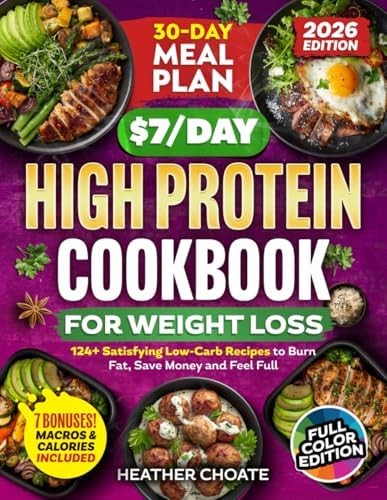
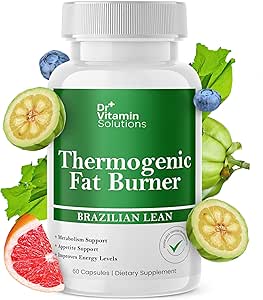
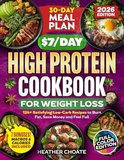
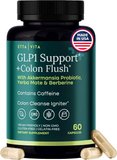
Garcinia cambogia promised effortless weight loss but 20 years of research reveals a supplement with effects so small they’re clinically meaningless and documented cases of liver failure requiring transplants. For evidence-based weight management, The $7/Day High Protein Cookbook for Weight Loss provides 124 easy low-carb recipes with a 30-day meal plan focused on protein intake at 1.2-1.6 g/kg body weight (price varies by print or ebook format). Meta-analyses show high protein diets produce 1.6 kg additional weight loss with better muscle preservation compared to garcinia cambogia’s negligible 0.88 kg effect that disappears in high-quality trials. For budget-conscious shoppers, Thermogenic Fat Burner Brazilian Lean contains green tea extract and caffeine with more consistent research support than garcinia for modest metabolic effects at $24.99. Here’s what the published research shows.
Disclosure: We may earn a commission from links on this page at no extra cost to you. Affiliate relationships never influence our ratings. Full policy →
Why Did One of the Best-Selling Weight Loss Supplements Have Almost No Evidence Behind It?
Garcinia cambogia may be the single greatest success story in supplement marketing history and one of the most spectacular failures in supplement science. Over the past two decades, this tropical fruit extract has generated billions of dollars in sales worldwide, fueled by television endorsements, aggressive online marketing, and promises of effortless fat loss. At one point, it was the most searched weight loss supplement on the internet.
The problem is that the clinical evidence does not support any of it.
When you actually read the randomized controlled trials, the systematic reviews, and the meta-analyses published in peer-reviewed journals, what emerges is a supplement with effects so small they are clinically meaningless, a safety profile that includes documented cases of liver failure and death, and a marketing machine that exploited desperate consumers for profit.
This is not a nuanced story where the truth lies somewhere in the middle. Garcinia cambogia is a supplement that was oversold by orders of magnitude. The gap between what the marketing claimed and what the science showed is not a matter of degree. It is a chasm.
In this article, we will walk through the full body of evidence on garcinia cambogia. We analyzed the meta-analyses, the individual randomized controlled trials, the case reports on liver toxicity, the FDA warnings, and the regulatory actions in multiple countries. We will explain how hydroxycitric acid (HCA) is supposed to work and why the mechanism that looked promising in rodents never translated to meaningful results in humans. We will cover the Dr. Oz endorsement that sent sales into the stratosphere, the subsequent Senate hearing and legal settlements, and the supplement quality problems that mean many garcinia products do not even contain what the label claims.
And we will close by telling you what actually works for weight loss based on strong clinical evidence, because that is ultimately what matters.
| Intervention | Average Weight Loss | Evidence Quality | Safety Profile |
|---|---|---|---|
| Garcinia cambogia (HCA) | 0.88 - 1.34 kg over 8-12 weeks | Low (effect disappears in high-quality trials) | 200+ liver injury cases, 1 death, 9 transplants |
| Placebo in weight loss trials | 1.3 kg | N/A | Excellent |
| Caloric restriction (500 kcal/day deficit) | 5-8 kg over 12 weeks | Very high (multiple RCTs) | Excellent with proper nutrition |
| High protein diet (1.2-1.6 g/kg) | 1.6 kg additional loss | High (meta-analysis) | Excellent |
| Green tea extract (EGCG) | 0.65-1.3 kg | Moderate (consistent across trials) | Good (rare hepatotoxicity at high doses) |
| Semaglutide 2.4 mg (Wegovy) | 12.4 kg over 68 weeks | Very high (multiple phase 3 trials) | Moderate (GI side effects common) |
Where Can You Watch Our Garcinia Cambogia Video Review?
What Are 10 Signs Your Weight Management Approach Needs Rethinking?
Before we dissect garcinia cambogia specifically, it is worth stepping back to examine why so many people end up reaching for supplements like this one in the first place. The weight loss supplement industry thrives because conventional approaches fail most people, but a large part of that failure comes from following the wrong signals.
Here are ten signs that your current approach to weight management is based more on marketing than on physiology:
1. You are looking for a single supplement to solve a multifactorial problem. Body weight is regulated by dozens of hormonal, neurological, and behavioral systems. No single compound addresses all of them.
2. You are cycling through “miracle” ingredients every few months. Garcinia cambogia, raspberry ketones, green coffee bean extract, apple cider vinegar. If you have tried them all, the pattern itself is the signal.
3. You have never tracked what you actually eat for even one week. Most people underestimate their caloric intake by 30-50%. No supplement can overcome a caloric surplus you do not know you have.
4. You are losing and regaining the same 10-15 pounds repeatedly. This weight cycling pattern indicates an approach that is unsustainable, not an approach that needs a supplement added to it.
5. You are exercising intensely but ignoring dietary protein. Without adequate protein (1.2-1.6 g/kg body weight per day), intense exercise can lead to muscle loss alongside fat loss, which lowers metabolic rate over time.
6. You equate hunger with failure. Some hunger during a caloric deficit is normal physiology. Trying to eliminate all hunger through appetite-suppressing supplements sets an unrealistic expectation.
7. You are relying on the scale as your only metric. Body weight fluctuates by 1-3 kg daily based on water retention, glycogen stores, and gut contents. Waist circumference, how your clothes fit, and body composition measurements provide more useful data.
8. You are sleeping less than 7 hours consistently. Sleep deprivation increases ghrelin (hunger hormone), decreases leptin (satiety hormone), and impairs insulin sensitivity. No supplement counteracts chronic sleep debt.
9. You distrust any approach that sounds too simple. Eating slightly less, moving slightly more, eating adequate protein, and being consistent for months is unglamorous. It is also what works.
10. You spend more money on supplements than on food quality. If your grocery budget for whole foods is smaller than your monthly supplement spend, the priorities are inverted.
If several of these resonate, the good news is that the most effective weight management tools are behavioral and dietary, not supplemental. We will return to those in the final section. But first, let us examine why garcinia cambogia became the world’s most popular weight loss supplement despite having almost nothing to offer.
How Did Garcinia Cambogia Rise From an Obscure Fruit to a Billion-Dollar Supplement?
Is Garcinia Cambogia a Traditional Weight Loss Ingredient?
Garcinia cambogia, also known as Garcinia gummi-gutta or Malabar tamarind, is a small, pumpkin-shaped fruit native to Southeast Asia and parts of India. For centuries, it has been used in regional cooking, primarily as a souring agent in curries and fish preparations. The dried rind is a traditional condiment, not historically associated with weight management. There is no meaningful tradition of using this fruit for body weight management in any culture.
The weight loss connection began in the 1960s when researchers identified hydroxycitric acid (HCA) in the fruit rind and discovered it could inhibit the enzyme ATP citrate lyase in laboratory settings. Animal studies in the 1970s and 1980s, primarily conducted in rats, showed that HCA could reduce food intake and body weight gain. These rodent studies were genuinely interesting from a biochemistry perspective, but as we will see, they did not translate to humans.
How Did Dr. Oz’s Endorsement Impact Garcinia Cambogia Sales?
Garcinia cambogia existed as a niche supplement for years before a single television segment changed everything. In late 2012, Dr. Mehmet Oz featured garcinia cambogia on his television show, calling it “the most exciting breakthrough in natural weight loss to date” and describing it as a “revolutionary fat buster.” In a 2013 episode, he referred to it as “the simple solution you’ve been looking for to bust your body fat for good.”
The impact was immediate and extraordinary. Google searches for “garcinia cambogia” exploded. Sales surged. New garcinia cambogia products appeared on shelves and online by the hundreds, many of them referencing the Oz endorsement directly in their advertising. The supplement went from relative obscurity to one of the best-selling weight loss products in the world within months.
The problem was that no rigorous clinical evidence supported the claims being made. The “miracle” framing was not backed by a single large, well-designed trial showing clinically meaningful weight loss.
What Happened at the Senate Hearing and Legal Actions?
In June 2014, Senator Claire McCaskill, chairwoman of the Senate Subcommittee on Consumer Protection, Product Safety and Insurance, hauled Dr. Oz before Congress to answer for his promotion of weight loss supplements with unsubstantiated claims.
“The scientific community is almost unanimous in saying that there’s no such thing as a miracle pill for weight loss,” McCaskill told Oz during the hearing. “I get that you do a lot of good on your show, but I don’t get why you need to say this stuff because you know it’s not true.”
Oz’s response included acknowledging that his language had been “flowery” and that the products he promoted did not pass “scientific muster.”
Separately, the Federal Trade Commission (FTC) sued companies that had used Oz’s endorsement to market green coffee bean extract and garcinia cambogia products, alleging deceptive advertising. Oz was not named as a defendant in the FTC action, but his promotion was central to the case.
A class action lawsuit filed in February 2016 alleged that Dr. Oz and related corporate entities promoted products such as Labrada Garcinia Cambogia Dual Action Fat Buster with claims of being a “magic weight-loss solution” when no scientific evidence supported the claims. That lawsuit was settled for $5.25 million (1).
Why Does the Marketing Machine Keep Running Despite the Evidence?
Despite the Senate hearing, the FTC actions, and the legal settlement, garcinia cambogia remained a massive seller. The global garcinia cambogia market was valued at approximately $260 million in 2023 and continues to grow, with some projections estimating it will reach $1 billion by 2032. Online sales account for nearly half of all revenue, with platforms like Amazon and iHerb driving purchases through influencer marketing and algorithmic recommendations.
The persistence of sales despite damning evidence tells us something important about the weight loss supplement market: consumer demand for easy solutions is so powerful that neither scientific evidence nor regulatory action can significantly dent it.
How Is HCA Supposed to Work, and Why Didn’t It Translate to Humans?
How Does the Citrate Lyase Inhibition Pathway Work?
The proposed mechanism of action for garcinia cambogia centers on its active compound, hydroxycitric acid (HCA), which is a competitive inhibitor of the enzyme ATP citrate lyase (ACL). This enzyme sits at a critical junction in cellular metabolism (2).
Here is how the pathway is supposed to work:
When you consume carbohydrates beyond your immediate energy needs, glucose is metabolized in the mitochondria through the citric acid cycle, producing citrate. Some of this citrate is exported from the mitochondria into the cytoplasm. There, ATP citrate lyase cleaves citrate into oxaloacetate and acetyl-CoA. Acetyl-CoA is the fundamental building block for de novo lipogenesis, the process by which your body converts excess carbohydrates into stored fat.
By inhibiting ATP citrate lyase, HCA theoretically reduces the supply of acetyl-CoA available for fat synthesis. Less acetyl-CoA means less malonyl-CoA (the next step in the pathway), which means less new fat being manufactured from carbohydrates. Additionally, reduced malonyl-CoA levels remove the inhibition on carnitine palmitoyltransferase-1 (CPT-1), which should increase the transport of fatty acids into mitochondria for oxidation. In other words, HCA should simultaneously reduce fat production and increase fat burning.
How Does HCA Affect Serotonin and Appetite?
A secondary proposed mechanism involves serotonin. When HCA inhibits citrate lyase and diverts carbon away from fat synthesis toward glycogen storage in the liver, this metabolic shift is theorized to signal the brain through increased serotonin availability. Higher serotonin levels are associated with reduced appetite and improved mood, both of which could support weight loss efforts.
Animal studies have indeed shown elevated brain serotonin levels following HCA administration. A human pilot study by Preuss et al. found increased serum serotonin levels in subjects taking a calcium-potassium bound form of HCA (3).
Why Does HCA Work in Rats but Not Humans?
The animal data for HCA is reasonably compelling. Rats given HCA consistently eat less and gain less weight. The problem is a fundamental difference in metabolic physiology between rodents and humans.
Rats have highly active hepatic de novo lipogenesis. Their livers readily convert excess carbohydrates into fat. In this metabolic context, inhibiting citrate lyase has a meaningful impact because a substantial portion of fat storage comes through this pathway.
Humans are different. De novo lipogenesis in humans consuming typical Western diets is a minor pathway for fat storage. Most dietary fat is stored directly as adipose tissue without going through the citrate lyase pathway at all. Studies using isotopic tracers have shown that in humans eating mixed diets, de novo lipogenesis accounts for only a small fraction of total fat storage (4).
This means that even if HCA completely shut down citrate lyase in humans, the practical impact on total fat accumulation would be minimal because the pathway it targets is not the primary route by which humans store fat. This is the fundamental reason why a mechanism that works dramatically in rodents produces negligible effects in people.
What Do the Meta-Analyses Actually Show About Garcinia Cambogia’s Effectiveness?
What Did the Onakpoya Systematic Review Find?
The most frequently cited analysis of garcinia cambogia is the 2011 systematic review and meta-analysis by Onakpoya, Hung, Perry, Wider, and Ernst, published in the Journal of Obesity. This is the study that proponents and critics alike reference, and its findings are unambiguous (5).
The researchers identified 23 eligible randomized controlled trials. Twelve met the inclusion criteria for their analysis, and nine provided data suitable for statistical pooling in the meta-analysis.
The headline result: HCA supplementation produced an average weight loss of 0.88 kg (approximately 1.9 pounds) more than placebo. The 95% confidence interval was -1.75 to -0.00, meaning the effect barely achieved statistical significance. The lower bound of the confidence interval nearly touched zero.
But it gets worse. When the authors restricted the analysis to only the more rigorous trials, those with adequate randomization, proper blinding, and ITT analysis, the effect was no longer statistically significant. In other words, the tiny effect seen in the overall analysis was driven by lower-quality studies. The better the study design, the smaller the effect.
The authors’ conclusion was blunt: “The evidence from RCTs suggests that Garcinia extracts/HCA generate weight loss on the short term. However, the magnitude of this effect is small, is no longer statistically significant when only rigorous RCTs are considered, and its clinical relevance seems questionable.”
To contextualize this: losing less than 1 kg over the course of a typical 8-12 week supplement trial is indistinguishable from normal weight fluctuation. Your body weight can shift by 1-2 kg in a single day based on hydration, food volume, and bowel contents. A supplement that produces, at best, less than 1 kg of additional weight loss over three months is functionally doing nothing.
What Did the Golzarand Dose-Response Meta-Analysis Show?
A more recent meta-analysis by Golzarand et al. (2020) offered a slightly more optimistic picture, but one that still falls far short of clinical relevance. This analysis included eight trials with 530 total subjects and employed dose-response modeling (6).
The pooled results showed that garcinia cambogia supplementation reduced body weight by 1.34 kg, BMI by 0.99 kg/m2, percentage of fat mass by 0.42%, and waist circumference by 4.16 cm compared to placebo.
The waist circumference reduction of 4.16 cm looks more impressive at first glance, but this finding was driven largely by a single Japanese study (Hayamizu et al.) that used CT scanning to measure visceral fat in subjects who already had high visceral fat accumulation. When that study’s outsized influence is considered, the waist circumference finding becomes less reliable.
The dose-response analysis revealed something interesting: there was a nonlinear relationship between dosage and effects. Weight and BMI changes peaked at moderate doses and then plateaued or reversed at higher doses, which is not the pattern you would expect from a compound with a genuine, dose-dependent pharmacological effect.
More importantly, even taking this meta-analysis at face value, a 1.34 kg weight loss over 8-12 weeks is still clinically irrelevant. The FDA generally considers a weight loss drug clinically meaningful if it produces at least 5% body weight loss. For an 80 kg person, that would be 4 kg. Garcinia cambogia does not come close.
What Was the Scoping Review Verdict on Garcinia Cambogia?
A scoping review that examined 14 studies on garcinia cambogia for weight loss reached the clearest conclusion of all: every single included study failed to demonstrate clinically significant decreases in weight or BMI. The review concluded that there is insufficient evidence to support claims made by weight loss products containing garcinia cambogia (7).
The evidence shows: Across the major meta-analyses, garcinia cambogia produces at most 0.88-1.34 kg of weight loss over 8-12 weeks, and the effect loses statistical significance when only rigorous trials are pooled.

What Are the Safety Concerns With Garcinia Cambogia?
How Common Is Liver Toxicity with Garcinia Cambogia?
If garcinia cambogia merely did nothing, it would be a harmless waste of money. But the safety data tells a more concerning story.
A comprehensive review identified over 200 adverse events of liver injury linked to garcinia cambogia consumption. Of those cases that were studied in detail, 34 case reports documented serious hepatotoxicity, including one death and nine liver transplants (8, 9).
The types of liver injury reported range from transient, moderate elevations of liver enzymes to symptomatic acute hepatitis to acute liver failure requiring emergency transplantation. The pattern of injury is consistent with idiosyncratic hepatotoxicity, meaning it occurs unpredictably in susceptible individuals regardless of dose, which makes it impossible to identify who is at risk before exposure.
The NCBI LiverTox database, maintained by the National Institutes of Health, documents the hepatotoxic potential of garcinia cambogia in detail. According to this resource, the severity of liver injury ranges widely, and while most cases resolve within 1-3 months of discontinuing the product, fulminant hepatitis cases can be fatal or require transplantation (9).
What Happened with the Hydroxycut Recall?
The highest-profile safety incident involving garcinia cambogia was the 2009 FDA recall of Hydroxycut products. Hydroxycut, which contained garcinia cambogia extract among other ingredients, was one of the best-selling weight loss supplements in the United States, with over nine million units sold in 2008.
In May 2009, the FDA issued a consumer warning and requested the recall of 14 Hydroxycut-branded products after receiving 23 reports of liver damage linked to the products, including one death and one case requiring liver transplantation (10).
The manufacturer, Iovate Health Sciences, reformulated Hydroxycut to remove garcinia cambogia and replaced it with other ingredients including caffeine, green coffee bean extract, and botanical extracts. The brand remains on the market today in its reformulated version.
An important caveat: Hydroxycut contained multiple ingredients, making it difficult to attribute the liver damage solely to garcinia cambogia. Some researchers have argued that the hepatotoxicity may have resulted from interactions between multiple compounds, contaminants, or other ingredients entirely. However, subsequent standalone garcinia cambogia products have also been associated with liver injury, strengthening the case against the extract itself.
What Do Individual Case Reports Show About Garcinia Safety?
The medical literature documents numerous cases of garcinia cambogia-associated liver injury in patients taking products that list garcinia cambogia as the primary active ingredient:
A 2016 case report published in World Journal of Gastroenterology described a patient who developed acute liver failure after taking a garcinia cambogia supplement, ultimately requiring liver transplantation (11).
A 2019 case report from Mexico described acute liver failure in a patient who had been taking garcinia cambogia extract, with no other identifiable cause of liver injury (12).
A 2020 case report described acute severe liver injury related to long-term garcinia cambogia intake in a previously healthy adult (13).
Multiple case reports describe a consistent pattern: a previously healthy individual begins taking a garcinia cambogia supplement, develops symptoms including jaundice, abdominal pain, and fatigue weeks to months later, and is found to have severely elevated liver enzymes. In most cases, the injury resolves after discontinuation, but in the worst cases, the liver damage is irreversible.
What Did France Do About Garcinia Cambogia Safety?
In February 2025, France’s food safety agency ANSES issued an urgent warning advising consumers not to consume food supplements containing garcinia cambogia. This followed a fatal case of fulminant hepatitis in a patient who had consumed garcinia cambogia supplements. France implemented a one-year ban on the marketing of garcinia cambogia products while further safety investigations are conducted (14).
This represents one of the strongest regulatory actions taken against garcinia cambogia by any developed nation and reflects growing concern about the hepatotoxic potential of the supplement.
What Does the NCCIH Say About Garcinia Safety?
The National Center for Complementary and Integrative Health (NCCIH), part of the National Institutes of Health, states in its garcinia cambogia fact sheet: “Garcinia cambogia may be unsafe to consume. Several cases of liver damage have been reported. The liver damage is severe, and in some cases, irreversible” (15).
This is unusually strong language from a federal health agency. Most supplement safety warnings are hedged with qualifiers. The NCCIH’s blunt statement that garcinia “may be unsafe to consume” is a clear red flag.
Key takeaway: The safety record includes more than 200 reported liver injuries, one death, nine liver transplants, the 2009 Hydroxycut recall, and a 2025 French ban following a fatal case; for an effect of roughly 1 kg over 8-12 weeks, that risk profile is indefensible.
What Do the Individual Clinical Trials Show?
While the meta-analyses provide the big picture, examining individual trials reveals why the overall effect is so weak and inconsistent.
What Did the Heymsfield JAMA Trial Find?
The largest and highest-quality single trial of garcinia cambogia was published in JAMA in 1998 by Heymsfield et al. This was a randomized, double-blind, placebo-controlled trial conducted at three academic medical centers, involving 135 overweight men and women (16).
Participants were randomized to receive either 1500 mg HCA three times daily (4500 mg total) or placebo, along with a high-fiber, low-calorie diet. The trial lasted 12 weeks.
The results: There was no significant difference in weight loss between the HCA and placebo groups. Both groups lost approximately 4 kg, but the HCA group did not lose more than placebo. There was also no difference in fat mass, percentage of body fat, or energy expenditure.
The authors concluded: “Garcinia cambogia failed to produce significant weight loss and fat mass loss beyond that observed with placebo.”
This trial is important because it was well-designed, adequately powered, and conducted at reputable institutions. It represents the best evidence available for garcinia cambogia in humans, and the result was decisively negative.
What Did the Mattes Appetite Study Show?
A 2000 study by Mattes and Bormann examined whether HCA affects appetite, satiety, or food intake. Eighty-nine overweight women were randomized to receive either 1200 mg HCA daily or placebo for 12 weeks (17).
The results: There were no significant differences between groups in hunger ratings, satiety, food intake, or body weight. HCA did not suppress appetite or reduce caloric intake compared to placebo.
This finding undermines one of the proposed mechanisms for garcinia cambogia, the serotonin-mediated appetite suppression. If HCA increases serotonin and serotonin reduces appetite, we should see reduced hunger and food intake in people taking HCA. This study found neither.
What Did the Kim Korean Trial Find?
A 2011 randomized controlled trial from South Korea compared garcinia cambogia to Glycine max leaves in 86 overweight subjects over 10 weeks. The garcinia group received 500 mg HCA three times daily (18) (see our guide on Best Supplements for Ozempic Side Effects and Nutrient De…).
The results: The garcinia group lost 1.4 kg on average, compared to 0.4 kg in the placebo group. This 1 kg difference was statistically significant but falls below the threshold for clinical significance. More importantly, waist circumference, hip circumference, and body fat percentage did not differ significantly between groups.
What Did the Hayamizu Japanese Trial Show?
The Hayamizu study is frequently cited by garcinia proponents because it showed a reduction in visceral fat on CT scans. This was a double-blind, placebo-controlled trial in 44 subjects with visceral fat accumulation who received 1000 mg HCA daily for 12 weeks (19).
The results: The HCA group showed a significant reduction in visceral fat area (VFA) measured by CT scan, from 121.0 cm² to 106.2 cm² (a 14.8 cm² reduction), compared to essentially no change in the placebo group.
This sounds impressive, but context matters. The subjects were specifically selected for having high visceral fat at baseline. Visceral fat is metabolically distinct from subcutaneous fat and may respond differently to interventions. The study has not been replicated in broader populations, and the same research group has financial ties to the garcinia industry.
Most importantly, even in this positive trial, total body weight loss was only 1.3 kg more than placebo over 12 weeks. The visceral fat reduction, while statistically significant, did not translate to meaningful changes in body composition or weight.
What Actually Works for Weight Loss Based on Strong Evidence?
After dismantling garcinia cambogia’s claims, it is only fair to tell you what does work. The good news is that the most effective approaches are also the most accessible and the least expensive.
How Effective Is a Moderate Caloric Deficit?
The foundation of all weight loss is energy balance. To lose fat, you must consume fewer calories than you expend. A moderate caloric deficit of 500-750 kcal per day typically produces 0.5-1 kg weight loss per week, or 5-8 kg over 12 weeks.
This is 6 to 9 times more weight loss than garcinia cambogia produces in the best-case scenario, and it costs nothing. The primary challenge is adherence, not efficacy. Practical tools that improve adherence, such as weekly meal prep, food logging for the first few weeks, and weighing yourself on a consistent schedule rather than daily, have more evidence behind them than any weight loss supplement on the market.
How Does Higher Protein Intake Support Weight Loss?
Increasing dietary protein to 1.2-1.6 g/kg of body weight per day is one of the most robustly supported nutritional strategies for weight management. A systematic review and meta-analysis found that participants consuming higher protein diets lost an additional 1.6 kg compared to controls, with better preservation of lean body mass (20).
Protein assists weight loss through multiple mechanisms: it has the highest thermic effect of any macronutrient (20-30% of protein calories are burned during digestion), it improves satiety, and it preserves metabolically active muscle tissue during caloric restriction.
How Does Adequate Fiber Intake Help with Weight Loss?
Dietary fiber intake predicts weight loss success. The POUNDS Lost study found that every 4 g increase in daily fiber intake was associated with an additional 1.4 kg of weight loss over 6 months, independent of macronutrient composition (21).
Fiber promotes satiety by slowing gastric emptying, adding bulk to meals, and modulating gut hormones. The recommended intake is 25-30 g per day, but most adults consume less than 15 g. Increasing fiber through whole foods (vegetables, legumes, whole grains) is ideal, but supplemental fiber like glucomannan or psyllium husk can help close the gap.
How Effective Is Green Tea Extract (EGCG) for Weight Loss?
If you insist on taking a weight loss supplement, green tea extract has a stronger evidence base than garcinia cambogia, though the effects are still modest. Meta-analyses show it reduces body weight by approximately 0.65-1.3 kg and modestly increases fat oxidation, particularly when combined with caffeine and exercise. The effects are small but at least consistent across higher-quality trials, and the safety profile is substantially better than garcinia cambogia, though hepatotoxicity has been reported with very high doses of concentrated extracts (22).
How Do Cardio and Resistance Training Support Weight Loss?
Exercise alone produces modest weight loss (typically 2-3 kg without dietary changes), but its role in weight maintenance is critical. More importantly, resistance training preserves lean body mass during caloric restriction, which maintains metabolic rate and improves body composition independent of scale weight.
The practical takeaway: A 500-750 kcal daily deficit produces roughly 5-8 kg of loss over 12 weeks, high-protein diets add about 1.6 kg more than standard protein, and each additional 4 g of daily fiber is linked to about 1.4 kg more loss over six months, all with better satiety and muscle retention than any supplement.
The combination of a moderate caloric deficit, adequate protein intake, and regular resistance training is, by a large margin, the most effective evidence-based approach to improving body composition. No supplement, including garcinia cambogia, comes close to this combination, because these three levers address the actual drivers of fat loss, energy balance, satiety, and muscle retention, whereas HCA targets a fat-synthesis pathway that contributes little to human fat storage.
What Are the Drug Interactions and Safety Warnings for Garcinia Cambogia?
Even if you still choose to take garcinia cambogia after reading this article, you need to be aware of documented drug interactions that pose serious risks.
How Does Garcinia Interact with SSRI Antidepressants?
Because HCA may increase serotonin levels, combining garcinia cambogia with SSRI antidepressants (fluoxetine, sertraline, paroxetine, escitalopram, and others) poses a risk of serotonin toxicity. A published case report documented serotonin syndrome symptoms in a patient who added garcinia cambogia to an existing SSRI regimen (23).
Serotonin syndrome can be life-threatening, with symptoms including agitation, confusion, rapid heart rate, elevated blood pressure, dilated pupils, muscle rigidity, and hyperthermia. Anyone taking an SSRI, SNRI, MAO inhibitor, or any other serotonergic medication should not take garcinia cambogia.
How Does Garcinia Interact with Statin Medications?
There is a case report of rhabdomyolysis (severe muscle breakdown that can cause kidney failure) associated with garcinia cambogia use in a patient taking a statin medication. Muscle pain, weakness, and breakdown are known statin side effects, and the addition of garcinia cambogia may amplify this risk. Patients on statins (atorvastatin, rosuvastatin, simvastatin, etc.) should exercise caution (24).
How Does Garcinia Interact with Diabetes Medications?
Garcinia cambogia may have mild hypoglycemic effects. Combining it with insulin, metformin, sulfonylureas, or other blood-sugar-lowering medications could theoretically increase the risk of hypoglycemia. Blood glucose should be monitored closely if garcinia cambogia is used alongside any diabetes medication.
How Does Garcinia Interact with Psychiatric Medications?
Case reports have documented manic episodes in patients taking garcinia cambogia, raising concern for interactions with mood stabilizers, antipsychotics, and other psychiatric medications (25).
Is Garcinia Safe During Pregnancy and Breastfeeding?
There is no safety data on garcinia cambogia use during pregnancy or breastfeeding. The NCCIH explicitly notes that “little is known about whether it’s safe to use garcinia cambogia during pregnancy or while breastfeeding.” It should be avoided entirely in these populations.
What Are the Supplement Quality Problems with Garcinia Products?
Beyond drug interactions, there is the fundamental issue of product quality. Laboratory testing of commercial garcinia cambogia supplements has found that 21 of 29 top-selling products contained substantially less HCA than their labels claimed. Discrepancies between declared and actual HCA content were detected in 33% of supplements tested. Some products also contained undeclared additives that were not present in the natural source material (26).
This means that even the limited clinical trial data, derived from pharmaceutical-grade extracts, may not apply to the products consumers actually purchase. You could be taking a capsule that contains a fraction of the labeled dose, unknown contaminants, or both.
What Is Our Evidence-Based Recommendation on Garcinia Cambogia?
Based on 20 years of research reviewed in this article, we do not recommend garcinia cambogia for weight loss. The evidence shows no clinically meaningful benefit, with potential liver safety concerns.
For evidence-based weight management support, focus on adequate protein intake (1.6-2.2g per kg body weight), sufficient fiber (25-30g daily from whole foods), regular resistance training and cardiovascular exercise, consistent sleep (7-9 hours nightly), and stress management and behavior modification.
What Is the Bottom Line on Garcinia Cambogia for Weight Loss?
After reviewing two decades of clinical research, the conclusion on garcinia cambogia for weight loss is clear and unequivocal.
It does not work. The best available meta-analyses show a weight loss effect so small (less than 1 kg in the highest quality trials) that it is clinically meaningless and statistically fragile. The effect disappears entirely when only rigorous studies are analyzed.
It is not safe for everyone. Over 200 adverse liver events, at least one death, nine liver transplants, a major product recall, and a nationwide ban in France document a safety profile that is unacceptable for a supplement that provides no meaningful benefit.
The marketing was fraudulent. The claims that drove billions of dollars in sales, that garcinia cambogia was a “miracle,” a “revolutionary fat buster,” a way to “lose weight without diet or exercise,” were never supported by the science. The person who popularized those claims was hauled before Congress and paid millions in legal settlements.
The supplement quality is unreliable. A third of products tested do not contain what the label says. Some contain undeclared substances.
If you are currently taking garcinia cambogia, there is no evidence-based reason to continue. If you are considering starting it, there are far better uses for your money and far better approaches to weight management.
The unsexy truth about weight loss is that it requires sustained behavioral changes: eating in a modest caloric deficit, consuming adequate protein and fiber, exercising regularly, sleeping enough, and maintaining these habits consistently for months and years. There are no shortcuts, and garcinia cambogia is certainly not one.
Save your money. Focus on the fundamentals. They work far better than any capsule ever will.
A Realistic Supplement Budget Check
To put the numbers in perspective: a typical garcinia cambogia product costs $20-40 per month, which adds up to $240-480 per year for an effect that the best meta-analyses put below one kilogram and that vanishes when only rigorous trials are pooled. The same money buys roughly 100-150 additional grams of protein per week (eggs, canned fish, Greek yogurt, or legumes) or several kilograms of high-fiber vegetables, both of which have far stronger evidence for supporting weight management than any capsule containing HCA.
The comparison that matters is not garcinia versus placebo on paper, but garcinia versus what else your dollars could do. A meta-analysis of energy-restricted high-protein diets found roughly 1.6 kg of additional weight loss over standard-protein diets, and the POUNDS Lost trial linked every 4 g of added daily fiber to about 1.4 kg more loss over six months. Those effects come with better satiety and muscle preservation, not liver-injury warnings.
None of this requires a miracle supplement. It requires a modest, consistent calorie deficit, protein at 1.2-1.6 g per kg of body weight, 25-30 g of fiber, resistance training, and seven-plus hours of sleep. If a product promises to replace those fundamentals, the evidence says it is either garcinia cambogia or its marketing cousin.
Related Reading
- CLA for Weight Loss: Does Conjugated Linoleic Acid Actually Work?
- Best Thermogenic Supplements for Fat Loss: Complete Research Review
- Berberine for Blood Sugar and Weight Loss: Complete Research Review
- Berberine for Blood Sugar and Weight Loss: Complete Research Review
- Do Sauna Blankets Help with Weight Loss? What the Research Shows
References
-
$5.25 Million Settlement Reached in Dr. Oz-Promoted “Miracle” Diet Supplement. Counsel Financial. 2016. Available at: https://counselfinancial.com/litigation-counsellor/5.25-million-settlement-reached-in-dr.-oz-promoted-miracle-diet-supplement
-
Lowenstein JM. Effect of (-)-hydroxycitrate on fatty acid synthesis by rat liver in vivo. Journal of Biological Chemistry. 1971;246(3):629-632. PMID: 5542676
-
Preuss HG, Bagchi D, Bagchi M, et al. Efficacy of a novel, natural extract of (-)-hydroxycitric acid (HCA-SX) and a combination of HCA-SX, niacin-bound chromium and Gymnema sylvestre extract in weight management in human volunteers: a pilot study. Nutrition Research. 2004;24(1):45-58.
-
Hellerstein MK. De novo lipogenesis in humans: metabolic and regulatory aspects. European Journal of Clinical Nutrition. 1999;53 Suppl 1:S53-65. PMID: 10365981
-
Onakpoya I, Hung SK, Perry R, Wider B, Ernst E. The use of Garcinia extract (hydroxycitric acid) as a weight loss supplement: a systematic review and meta-analysis of randomised clinical trials. Journal of Obesity. 2011;2011:509038. PMID: 21197150
-
Golzarand M, Toolabi K, Farid R. Effect of Garcinia cambogia supplement on obesity indices: a systematic review and dose-response meta-analysis. Complementary Therapies in Medicine. 2020;53:102539. PMID: 32951714
-
Efficacy of Garcinia Cambogia (HCA) in Reducing Body Weight in Overweight and Obese Adults: A Scoping Review. Auctores Journal of Nutrition and Food Science. 2023.
-
Hepatotoxicity of dietary supplements containing Garcinia gummi-gutta (L.) N. Robson. Pharmaceutical Biology. 2025;63(1). doi:10.1080/13880209.2025.2591467
-
Garcinia Cambogia. LiverTox: Clinical and Research Information on Drug-Induced Liver Injury. National Institute of Diabetes and Digestive and Kidney Diseases. Updated 2020. Available at: https://www.ncbi.nlm.nih.gov/books/NBK548087/
-
FDA warns consumers to stop using Hydroxycut products. U.S. Food and Drug Administration. May 1, 2009.
-
Lunsford KE, Bodzin AS, Reino DC, Wang HL, Busuttil RW. Dangerous dietary supplements: Garcinia cambogia-associated hepatic failure requiring transplantation. World Journal of Gastroenterology. 2016;22(45):10071-10076. PMID: 28018115
-
Corey R, Werner KT, Singer A, et al. Acute liver failure associated with Garcinia cambogia use. Annals of Hepatology. 2016;15(1):123-126. PMID: 26626648
-
Sharma A, Akagi E, Njie A, et al. Acute severe liver injury related to long-term Garcinia cambogia intake. ACG Case Reports Journal. 2020;7(8):e00441.
-
ANSES. Do not consume food supplements containing Garcinia cambogia. Agence nationale de securite sanitaire de l’alimentation, de l’environnement et du travail. February 2025. Available at: https://www.anses.fr/en/content/do-not-consume-food-supplements-containing-garcinia-cambogia
-
National Center for Complementary and Integrative Health (NCCIH). Garcinia Cambogia. Updated 2023. Available at: https://www.nccih.nih.gov/health/garcinia-cambogia
-
Heymsfield SB, Allison DB, Vasselli JR, Pietrobelli A, Greenfield D, Nunez C. Garcinia cambogia (hydroxycitric acid) as a potential antiobesity agent: a randomized controlled trial. JAMA. 1998;280(18):1596-1600. PMID: 9820262
-
Mattes RD, Bormann L. Effects of (-)-hydroxycitric acid on appetitive variables. Physiology & Behavior. 2000;71(1-2):87-94. PMID: 11134690
-
Kim JE, Jeon SM, Park KH, et al. Does Glycine max leaves or Garcinia cambogia promote weight-loss or lower plasma cholesterol in overweight individuals: a randomized control trial. Nutrition Journal. 2011;10:94. PMID: 21936892
-
Hayamizu K, Ishii Y, Kaneko I, et al. Effects of garcinia cambogia (hydroxycitric acid) on visceral fat accumulation: a double-blind, randomized, placebo-controlled trial. Current Therapeutic Research. 2003;64(8):551-567. PMID: 24944404
-
Wycherley TP, Moran LJ, Clifton PM, Noakes M, Brinkworth GD. Effects of energy-restricted high-protein, low-fat compared with standard-protein, low-fat diets: a meta-analysis of randomized controlled trials. American Journal of Clinical Nutrition. 2012;96(6):1281-1298. PMID: 23097268
-
Miketinas DC, Bray GA, Beyl RA, Ryan DH, Sacks FM, Champagne CM. Fiber intake predicts weight loss and dietary adherence in adults consuming calorie-restricted diets: the POUNDS Lost (Preventing Overweight Using Novel Dietary Strategies) study. Journal of Nutrition. 2019;149(10):1742-1748. PMID: 31174214
-
Hursel R, Viechtbauer W, Westerterp-Plantenga MS. The effects of green tea on weight loss and weight maintenance: a meta-analysis. International Journal of Obesity. 2009;33(9):956-961. PMID: 19597519
-
Lopez AM, Kornegay J, Hendrickson RG. Serotonin toxicity associated with Garcinia cambogia over-the-counter supplement. Journal of Medical Toxicology. 2014;10(4):399-401. PMID: 24699886
-
Dietary Supplements for Weight Loss and Drug Interactions. Nutrients. 2024;16(24). PMC: 11678256
-
Nguyen DC, Timmer TK, Davison BC, McGrane IR. Mania induced by Garcinia cambogia: a case series. Primary Care Companion for CNS Disorders. 2019;21(4):19l02458.
-
Rios-Hoyo A, Gutierrez-Salmean G. Quality evaluation of dietary supplements for weight loss based on Garcinia cambogia. Nutrients. 2022;14(15):3077.
Recommended Products