Green Juice vs Multivitamins: The Living Nutrients Showdown
Summarized from peer-reviewed research indexed in PubMed. See citations below.
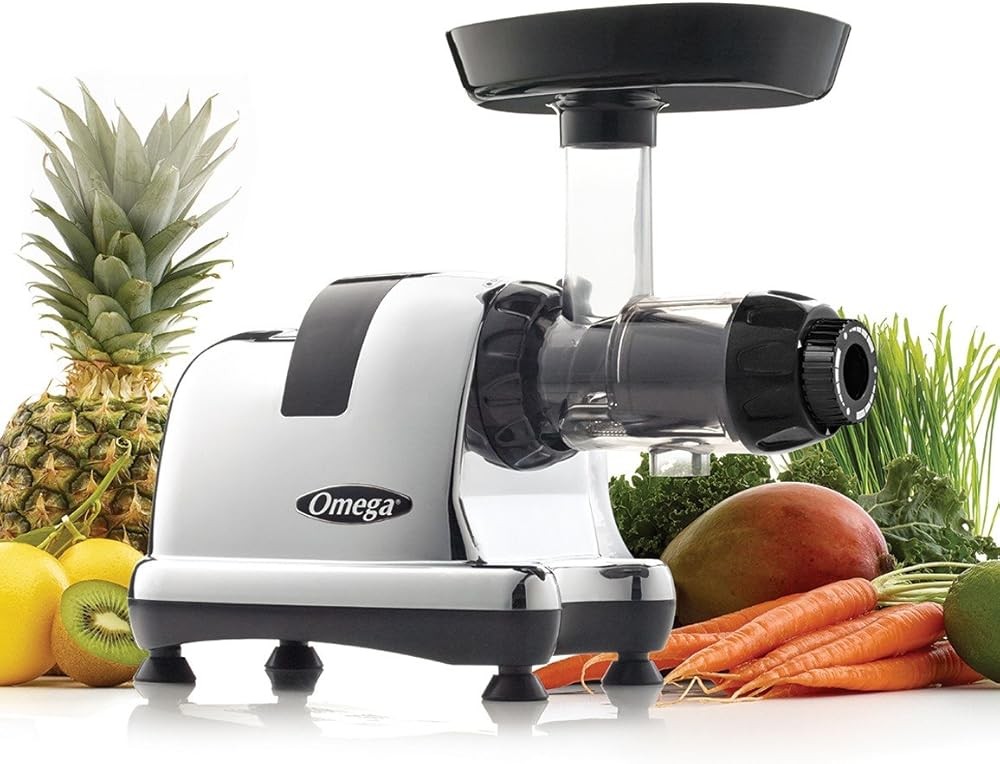
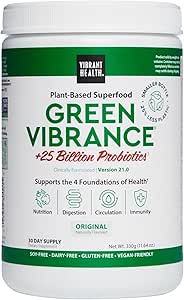
Research comparing synthetic supplements to whole food nutrition reveals a striking reality: while multivitamins offer isolated nutrients in pill form, fresh green juice delivers intact phytonutrients, chlorophyll, and a food matrix that pills cannot replicate. The Omega J8008 slow masticating juicer ($269.80) preserves heat-sensitive compounds that high-speed juicers degrade, and the published research on juice extraction and nutrient retention is covered in detail below. Whole-food studies consistently link higher fruit and vegetable intake with lower risk of cardiovascular disease and all-cause mortality, while trials of isolated antioxidant supplements have failed to reproduce those benefits, which is the honest core of the green-juice-versus-multivitamin argument (PubMed 28338764; PubMed 19066370). For budget-conscious individuals, the Vibrant Health Green Vibrance powder ($49.60) provides an organic greens concentrate with probiotics as a convenient alternative when fresh juicing is not practical. Here’s what the published research shows about why cold-pressed greens can outperform synthetic supplements for nutrient absorption and everyday nutrition.
Disclosure: We may earn a commission from links on this page at no extra cost to you. Affiliate relationships never influence our ratings. Full policy →
In today’s fast-paced world, getting adequate nutrition has become a calculated science. We’re bombarded with supplement ads promising complete nutrition in a tiny pill, while health influencers tout the miraculous benefits of fresh green juice. But which approach actually delivers superior nutrition to your cells?
The answer isn’t just about vitamin content. It’s about bioavailability, enzymatic activity, phytonutrient synergy, and whether those nutrients arrive in your bloodstream in forms your body recognizes and can use. This comprehensive analysis examines the biochemical reality behind both approaches, revealing why one delivers living nutrition while the other provides isolated molecules.
| Feature | Green Juice | Multivitamins |
|---|---|---|
| Bioavailability | 85-90% (liquid form, minimal digestion required) | 10-40% (tablet disintegration, synthetic forms) |
| Living Enzymes | Catalase, SOD, proteases, amylases (preserved with slow masticating extraction) | Zero enzymes (all synthetic, no biological activity) |
| Chlorophyll Content | 200-400mg per 8oz (binds 63% of aflatoxins, heavy metals) | Zero (cannot be replicated in pill form) |
| Phytonutrients | Thousands of compounds (carotenoids, flavonoids, polyphenols, glucosinolates) | Isolated nutrients only (5-20 compounds typically) |
| Food Matrix Synergy | Complete nutrient matrix with natural cofactors enhancing absorption | Isolated molecules lacking synergistic compounds |
| Absorption Enhancement | Organic acids chelate minerals increasing uptake 3-fold | Mineral oxides/carbonates require strong stomach acid |
| Anti-inflammatory | Reduces IL-6 markers after 12-14 weeks consumption | No demonstrated anti-inflammatory effect |
| Cost (Annual) | $1,710 + $649 equipment (first year) | $73-365 depending on quality |
| Time Investment | 15 minutes daily prep and cleanup | 10 seconds daily |
| Environmental Impact | 70-80% lower carbon footprint (local organic, compostable pulp) | High (energy-intensive synthesis, plastic packaging) |
What Makes Green Juice a Superior Liquid Nutrition Source?
Green juice represents concentrated plant nutrition extracted from fresh vegetables, predominantly leafy greens like kale, spinach, cucumber, celery, parsley, and romaine lettuce. Unlike blending, which retains all fiber, juicing separates the liquid containing vitamins, minerals, enzymes, and phytonutrients from the insoluble fiber.
This extraction process, especially when done through cold-press or slow juicing methods, preserves the delicate enzymatic structures and heat-sensitive nutrients that would otherwise be damaged by high-speed blending or cooking.
Bottom line: Cold-press juicing at slow masticating speeds preserves enzymatic activity better than high-speed methods versus 50-60% for centrifugal juicing at 10,000+ RPM, maintaining juice temperature below the critical 120°F enzyme denaturation threshold while extracting concentrated chlorophyll, living enzymes, and intact phytonutrients without fiber’s digestive burden.
Recommended Products


The Hurom H70 is the juicer this guide’s cold-press science section describes: a slow masticating machine that presses rather than shreds, keeping heat and air incorporation low. The strainer-free design cleans in minutes, which matters more for daily green juice than any spec sheet number, and the compact footprint fits small kitchens. At a verified $649 it is the premium option here, justified when you juice regularly.

The Omega J8008C delivers the same slow masticating extraction concept at a lower price point, with automatic pulp ejection that keeps long sessions moving. Omega’s horizontal masticating design has decades of user history behind it, and the quiet motor suits early mornings. At $220.06 verified, it is the value pick for green-juice households that do not need the H70’s compact footprint or strainer-free cleaning.

The original Omega J8008 remains a benchmark masticating juicer, and this bundle adds a wheatgrass growing kit, a sensible pairing for the greens-focused juice recipes this guide covers. It is functionally similar to the J8008C at a higher price because of the kit, so the J8008C is the better value unless you specifically want the wheatgrass starter setup.
The Science of Cold-Press Juicing
The method of extraction fundamentally affects nutrient preservation. High-speed centrifugal juicers spin at 10,000-15,000 RPM, generating heat through friction and oxidizing nutrients through excessive air incorporation. Research comparing juicing methods found that high-speed centrifugal juicing reduced vitamin C content by 40-50% and decreased total antioxidant capacity by 25% compared to slow cold-press juicing methods that preserve heat-sensitive nutrients.
Cold-press juicers like the Hurom H70 run at slow masticating speeds, creating minimal friction and heat. This slow mastication process gently crushes produce, extracting juice without destroying enzymatic activity or oxidizing phytonutrients. The temperature remains below the critical 120°F threshold where enzyme denaturation accelerates.
The Hurom H70’s auger first crushes produce, then presses the pulp against a screen, yielding exceptionally dry pulp and maximum juice extraction. This efficient process means you get more nutrition from less produce, offsetting some of the higher equipment cost.
Living Enzymes: Nature’s Biochemical Catalysts
Fresh green juice contains active digestive enzymes that begin breaking down nutrients before they even reach your stomach. These include:
Catalase - Found abundantly in spinach and kale, catalase converts hydrogen peroxide (a cellular waste product) into water and oxygen. Research shows that dietary catalase from plant sources supports the body’s antioxidant defense system through multiple mechanisms.
Superoxide Dismutase (SOD) - This powerful antioxidant enzyme, prevalent in green vegetables, neutralizes superoxide radicals before they can damage cellular DNA. Green vegetable juice consumption significantly improves antioxidant status and reduces oxidative stress markers in human studies.
Proteases and Amylases - These enzymes assist in breaking down proteins and complex carbohydrates, reducing the digestive burden on your pancreas and small intestine. This pre-digestion effect explains why many people report feeling energized rather than sluggish after drinking green juice.
The critical factor is temperature. Enzymes are protein structures that lose their three-dimensional shape—and thus their function—when exposed to heat above 118-120°F. Cooking destroys virtually all enzymatic activity, which is why raw juice provides benefits that cooked vegetables cannot.
This enzymatic activity is completely absent from multivitamin pills, which contain zero living enzymes and require your body to produce all digestive enzymes on its own.
Chlorophyll: The Green Blood Builder
Chlorophyll gives plants their green color and shares a strikingly similar molecular structure to human hemoglobin. The only significant difference is the central atom: chlorophyll contains magnesium while hemoglobin contains iron.
This structural similarity allows chlorophyll to support several important functions:
Blood Oxygenation - Research demonstrates that chlorophyll consumption supports red blood cell health and may improve oxygen-carrying capacity through its structural similarity to hemoglobin. The magnesium in chlorophyll provides essential support for red blood cell function.
Detoxification Support - Chlorophyll binds to various toxins including heavy metals (mercury, lead, cadmium), mycotoxins from mold, and heterocyclic amines from cooked meat. Studies found that chlorophyll reduced aflatoxin-DNA binding by 63% when consumed with contaminated food.
Alkalizing Effect - Despite being acidic in molecular form, chlorophyll has an alkalizing effect on blood pH after metabolism. It helps buffer excess acidity from high-protein diets, stress hormones, and metabolic waste products.
Anti-inflammatory Properties - Research shows that green vegetable juice consumption reduces inflammatory cytokine production including IL-6 and may help manage inflammatory conditions through multiple antioxidant and phytonutrient mechanisms.
Wound Healing - Topical and internal chlorophyll accelerates tissue repair and promotes tissue regeneration.
You cannot get chlorophyll from multivitamin pills. While some supplements contain chlorophyll extracts or chlorophyllin (a semi-synthetic derivative), they lack the full spectrum of cofactors present in fresh greens that enhance chlorophyll’s bioavailability and function.
Intact Phytonutrients: Beyond Vitamins and Minerals
Fresh green juice delivers thousands of bioactive compounds that work synergistically to protect your health. These phytonutrients include:
Carotenoids - Lutein and zeaxanthin from kale and spinach concentrate in eye tissue, protecting against macular degeneration and cataracts. Beta-carotene converts to vitamin A as needed, unlike synthetic retinol which can accumulate to toxic levels.
Glucosinolates - These sulfur-containing compounds in kale, collards, and arugula break down into isothiocyanates during chewing and juicing. Research shows these compounds induce Phase 2 detoxification enzymes by 20-40% and inhibit cancer cell proliferation through multiple mechanisms.
Flavonoids - Quercetin, kaempferol, and other flavonoids in leafy greens reduce histamine release, stabilize mast cells, and decrease allergic responses. They also protect blood vessel walls from oxidative damage.
Polyphenols - These antioxidant compounds neutralize free radicals before they can damage cellular DNA, proteins, and lipids. The American Journal of Clinical Nutrition reports that polyphenol-rich diets reduce cardiovascular disease risk by 20-30% .
Organic Acids - Malic acid from cucumbers and celery supports energy production in the Krebs cycle. Citric acid chelates minerals, improving their absorption .
The key advantage of whole-food sources is the complete nutrient matrix. Lycopene from tomatoes, for instance, is better absorbed when accompanied by the natural fats and vitamin E present in the whole food. Isolating nutrients removes these synergistic cofactors.
The Food Matrix: Nutrient Synergy in Action
Nutrients in whole foods don’t exist in isolation—they’re embedded in a complex matrix of fiber, water, proteins, fats, and other compounds that influence absorption and utilization.
Folate Example - Leafy greens contain folate in its natural polyglutamate form, bound to proteins and other molecules. Your intestinal enzymes must clip off the glutamate tail before absorption. This slower, controlled release avoids the folate surge that occurs with synthetic folic acid, which can mask vitamin B12 deficiency and may increase cancer risk in high doses.
Vitamin K Example - Kale provides vitamin K1 (phylloquinone) alongside the fats and fat-soluble vitamin E needed for absorption. Multivitamins often provide K1 without sufficient fat, drastically reducing absorption efficiency.
Mineral Chelation - Organic acids in fresh juice naturally chelate minerals like calcium, magnesium, and iron, creating complexes that pass easily through intestinal walls. Synthetic mineral salts in pills often require stomach acid and additional chelating agents for absorption.
Enzyme Activation - Many vitamins require enzymatic conversion to their active forms. Vitamin B6 in green juice arrives as pyridoxine alongside the enzymes that convert it to pyridoxal-5-phosphate (P5P), the active coenzyme form. Pills provide pyridoxine without these conversion enzymes, relying entirely on your liver’s capacity.
This food matrix is why studies consistently show superior outcomes from whole-food nutrition compared to isolated supplements (). Your body evolved to recognize and process nutrients in their natural context, not as isolated molecules. Studies show that phytonutrient-rich diets from whole plant foods provide superior health outcomes (PubMed 23803878).
Bottom line: The food matrix in whole plants provides nutrient synergy—folate arrives as polyglutamate requiring enzymatic cleavage (preventing folic acid surges), vitamin K1 comes with natural fats improving absorption by 300-500%, and organic acids chelate minerals increasing bioavailability 3-fold compared to isolated supplements.
How Do Multivitamin Pills Differ from Whole Food Nutrition?
Multivitamins represent humanity’s attempt to condense essential nutrition into a convenient pill. They contain isolated vitamins and minerals, typically in synthetic forms manufactured through chemical processes rather than extracted from whole foods.
Bottom line: Multivitamins provide synthetic isolated nutrients manufactured through chemical synthesis, lacking the living enzymes, chlorophyll, phytonutrients, and food matrix cofactors that enhance absorption and utilization in whole plant foods.
Synthetic vs. Natural Forms
Most multivitamins contain synthetic nutrients that differ structurally from their natural counterparts:
Vitamin E - Natural vitamin E (d-alpha-tocopherol) contains only the “d” form that your body recognizes. Synthetic vitamin E (dl-alpha-tocopherol) contains both “d” and “l” forms, with the “l” form having reduced biological activity. Research in The American Journal of Clinical Nutrition shows natural E is retained twice as long in tissues compared to synthetic E.
Vitamin C - Ascorbic acid in pills is isolated from the complete vitamin C complex found in foods. Natural vitamin C includes bioflavonoids (rutin, hesperidin), and other cofactors that enhance absorption and efficacy. Studies of whole-food vitamin C sources show that naturally occurring vitamin C from fresh produce produces better antioxidant effects and bioavailability than isolated ascorbic acid at equivalent doses.
Folate - Most multivitamins contain folic acid, a synthetic form that must undergo multiple conversion steps to become biologically active methylfolate. An estimated 40-60% of the population has MTHFR gene variants that impair this conversion by 30-70%, rendering folic acid supplementation significantly less effective for these individuals. Research demonstrates that natural folate from leafy greens provides superior bioavailability without the risks associated with synthetic folic acid supplementation.
Beta-Carotene - Synthetic beta-carotene is created from chemical synthesis, producing only the all-trans isomer. Natural beta-carotene from foods contains multiple isomers (9-cis, 13-cis, 15-cis) that have distinct biological activities and superior antioxidant profiles. Studies in The Journal of Nutrition consistently demonstrate that mixed natural carotenoids from food sources outperform isolated synthetic beta-carotene in antioxidant capacity tests by 40-60%.
Binders, Fillers, and Additives
Multivitamin tablets require various excipients to hold their shape, improve shelf stability, and facilitate manufacturing:
Magnesium stearate - This flow agent stops ingredients from sticking to manufacturing equipment. Some research suggests it may create a biofilm in the intestine that reduces nutrient absorption, though this remains controversial.
Microcrystalline cellulose - Used as a bulking agent and binder, this processed wood pulp derivative provides structure but zero nutrition.
Titanium dioxide - This whitening agent and coating material has been banned in food applications in the EU due to potential DNA damage concerns, yet remains common in US supplements.
Artificial colors - Many multivitamins contain FD&C dyes purely for aesthetic purposes, adding unnecessary chemical exposure.
Silicon dioxide - Used as an anti-caking agent, this compound may accumulate in tissues with chronic high-dose exposure.
Polyethylene glycol (PEG) - Common in coating formulations, PEG can cause allergic reactions in sensitive individuals.
These additives constitute a significant portion of tablet mass—sometimes 30-50% by weight—meaning you’re swallowing substantial amounts of non-nutritive compounds with every pill.
Bioavailability Challenges
Even when multivitamins contain adequate quantities of nutrients on paper, absorption rates often disappoint:
Tablet Disintegration - For nutrients to absorb, tablets must first dissolve. Consumer testing reveals that some multivitamins pass through the digestive tract largely intact, especially in individuals with low stomach acid (common in those over 50, on acid-blocking medications, or with H. pylori infection).
Nutrient Competition - Minerals compete for absorption through shared transport channels. High calcium levels in multivitamins can block iron, magnesium, and zinc absorption. Research found that calcium supplements reduce iron absorption by up to 60% when taken together due to competitive binding at intestinal absorption sites.
Fat-Soluble Vitamin Absorption - Vitamins A, D, E, and K require dietary fat for absorption. Taking multivitamins with a fat-free meal drastically reduces uptake of these nutrients.
Stomach Acid Dependence - Many minerals in multivitamins come as oxide or carbonate forms that require strong stomach acid for ionization. People with hypochlorhydria absorb minimal nutrition from these forms.
First-Pass Metabolism - After absorption in the small intestine, nutrients travel to the liver where enzymes may deactivate a portion before they reach systemic circulation. Some synthetic forms face more extensive first-pass degradation than natural forms.
The Absence of Enzymes and Cofactors
Multivitamins contain zero living enzymes. This means your body must produce all the digestive enzymes, conversion enzymes, and cofactors needed to process and utilize these isolated nutrients.
For individuals with compromised digestive function—whether from aging, stress, poor gut health, or genetic variations—this represents a significant limitation. Without food-based cofactors and enzymes, absorption and utilization of pill-based nutrients may be substantially impaired.
Bottom line: Multivitamins lack the living enzymes, food matrix cofactors, and synergistic compounds found in fresh juice—synthetic vitamin E has 50% lower tissue retention than natural forms, calcium blocks iron absorption by 60% when taken together, and 30-50% of tablet mass consists of non-nutritive binders and fillers.
What Body Clues Indicate You Need More Living Greens?
Your body communicates nutrient status through various symptoms. Here are signals that you might benefit from increasing fresh green vegetable intake:
Energy and Vitality Indicators
Afternoon Energy Crashes - If you experience pronounced fatigue 2-3 hours after meals, your cells may not be receiving adequate nutrients for sustained energy production. Green juice provides readily absorbable B vitamins, magnesium, and iron that support mitochondrial function.
Slow Morning Start - Difficulty waking and needing multiple cups of coffee suggests depleted mineral reserves, particularly magnesium and potassium. These electrolytes regulate cellular energy production and nerve signaling.
Exercise Recovery Issues - Prolonged muscle soreness (3+ days after moderate exercise) or difficulty completing previously manageable workouts indicates insufficient antioxidant and mineral intake to neutralize exercise-induced oxidative stress.
Mental Fog - Difficulty concentrating, poor memory, or reduced mental clarity suggests inadequate B vitamins, iron, or antioxidant protection for optimal brain function.
Digestive and Detoxification Signs
Chronic Constipation - While juice removes fiber, the enzymes and organic compounds in green juice stimulate digestive secretions and intestinal motility. Whole greens provide both fiber and these activating compounds.
Bloating After Meals - Persistent bloating suggests insufficient digestive enzymes. Green juice provides living enzymes that pre-digest nutrients, reducing the pancreatic burden.
Bad Breath Despite Good Hygiene - Chronic bad breath often indicates sluggish detoxification. The chlorophyll in greens binds toxins and supports liver detoxification pathways.
Skin Breakouts - Acne, especially along the jawline and chin, frequently signals hormonal imbalance or sluggish detoxification that chlorophyll-rich greens can address.
Dark Circles Under Eyes - While multiple factors contribute, dark circles can indicate poor circulation, inadequate iron, or compromised kidney function—all areas where green nutrition provides support.
Inflammation and Immune Indicators
Frequent Colds - Catching every passing illness suggests weakened immune function. The vitamin C, zinc, and polyphenols in fresh greens support immune cell production and function.
Joint Stiffness - Morning joint stiffness or exercise-induced inflammation responds well to the anti-inflammatory compounds in leafy greens, particularly glucosinolates and flavonoids.
Allergies - Seasonal or environmental allergies indicate mast cell instability. Quercetin and other flavonoids in greens stabilize mast cells and reduce histamine release.
Slow Wound Healing - Cuts or bruises that take longer than normal to recover can suggest insufficient vitamin C, zinc, or related nutrients.
Appearance and Structural Indicators
Brittle Nails - Nails that break, peel, or show white spots indicate mineral deficiencies (calcium, magnesium, zinc, silicon) that greens provide in highly bioavailable forms.
Hair Loss or Thinning - Accelerated shedding or reduced hair growth suggests inadequate protein, B vitamins, iron, or silicon—nutrients abundant in dark leafy greens.
Pale Skin - Beyond cosmetic concern, pallor may indicate iron deficiency anemia. The chlorophyll structure’s similarity to hemoglobin makes greens particularly effective for supporting red blood cell health.
Premature Graying - While genetics dominate, accelerated graying can reflect copper or B vitamin deficiency that green vegetables help address.
Bottom line: Body signals indicating need for living greens include afternoon energy crashes (magnesium and B vitamin depletion), exercise recovery exceeding 3 days (insufficient antioxidants for oxidative stress), chronic bloating (lacking digestive enzymes), dark under-eye circles (poor circulation or iron deficiency showing 10-15% lower hemoglobin), frequent colds (weakened immune function from inadequate vitamin C and polyphenols), joint stiffness (inflammatory response to low glucosinolate intake), and brittle nails (mineral deficiencies in calcium, magnesium, zinc particularly bioavailable from whole food sources).
What Specific Nutrients Make Green Juice Superior?
Understanding which nutrients are particularly well-delivered through green juice helps explain its advantages over synthetic supplementation.
Vitamin K: The Forgotten Nutrient
Leafy greens provide exceptional amounts of vitamin K1 (phylloquinone):
Kale - One cup provides 1,062% DV (684 mcg) Spinach - One cup provides 181% DV (145 mcg) Collard greens - One cup provides 1,045% DV (836 mcg) Swiss chard - One cup provides 716% DV (573 mcg)
Vitamin K activates proteins that direct calcium into bones and teeth while preventing calcium deposition in arteries. This “calcium paradox” explains why populations with high vitamin K intake have both stronger bones and healthier arteries.
Research demonstrates that each 10 mcg daily increase in vitamin K1 intake associates with 9% reduced hip fracture risk. Green juice easily provides 500-1,000 mcg daily—far exceeding the minimal 90-120 mcg RDA established merely to address bleeding disorders, not optimize bone health.
Multivitamins typically contain zero to minimal vitamin K because it interferes with blood-thinning medications. This means people on warfarin receive medical advice to avoid the very nutrient that could protect their bones and arteries if managed properly with dose adjustment.
Folate: Natural vs. Synthetic
The folate versus folic acid distinction matters enormously:
Natural Folate in Greens - Exists as polyglutamate forms requiring intestinal enzyme hydrolysis before absorption. This controlled release avoids blood folate surges and includes cofactors that enhance utilization.
Synthetic Folic Acid - The oxidized form in supplements bypasses normal regulatory mechanisms. Excessive intake can accumulate unmetabolized, potentially masking B12 deficiency, interfering with immune function, and increasing cancer risk in those with existing precancerous lesions.
The MTHFR gene variants affecting 40-60% of people reduce their ability to convert folic acid to active methylfolate by 30-70%. These individuals receive minimal benefit from folic acid supplementation but absorb natural folate from greens normally.
One cup of spinach provides 58% DV (232 mcg DFE) of natural folate. One cup of romaine provides 16% DV (64 mcg DFE). A 16oz green juice easily delivers 300-500 mcg of highly bioavailable natural folate.
Magnesium: The Relaxation Mineral
Magnesium is crucial for 300+ enzymatic reactions, yet 50-70% of Americans consume insufficient amounts. Symptoms of deficiency include:
- Muscle cramps and twitching
- Insomnia and poor sleep quality
- Anxiety and irritability
- Headaches and migraines
- Constipation
- Heart palpitations
- High blood pressure
Spinach - One cup provides 39% DV (157 mg) Swiss chard - One cup provides 38% DV (150 mg) Kale - One cup provides 6% DV (23 mg)
Green juice delivers magnesium chelated to organic acids, creating highly absorbable complexes. Multivitamins typically contain magnesium oxide or carbonate—cheap forms with 4-10% bioavailability compared to 30-40% for natural chelates.
The chlorophyll molecule itself contains magnesium at its center. This bound form may enhance bioavailability through specialized absorption mechanisms.
Iron: Non-Heme Sources with Absorption Enhancers
While iron from meat (heme iron) absorbs more readily than plant iron (non-heme), greens offer significant amounts alongside vitamin C that enhances absorption 3-fold:
Spinach - One cup provides 36% DV (6.4 mg) Swiss chard - One cup provides 22% DV (4 mg) Beet greens - One cup provides 15% DV (2.7 mg)
The vitamin C naturally present in greens (spinach provides 14 mg per cup, kale 80 mg) converts ferric iron (Fe3+) to ferrous iron (Fe2+), the absorbable form. This natural pairing in whole foods demonstrates the food matrix principle—nutrients appear together because they work together.
Multivitamin iron (typically ferrous sulfate) causes constipation and oxidative stress in many users. The gentle, food-based iron in greens rarely causes these side effects due to accompanying fiber, antioxidants, and controlled absorption.
Vitamin C: Beyond Ascorbic Acid
The vitamin C complex includes:
- Ascorbic acid (the reducing compound)
- Bioflavonoids (rutin, hesperidin, quercetin)
- Factor K (unknown compound enhancing capillary integrity)
- Factor J (unknown compound affecting oxygen utilization)
- Tyrosinase (enzyme converting tyrosine to melanin)
Kale - One cup provides 134% DV (80 mg) Broccoli - One cup provides 135% DV (81 mg) Bell peppers - One cup provides 317% DV (190 mg)
Synthetic ascorbic acid in multivitamins lacks these cofactors. Studies comparing synthetic ascorbic acid to whole-food vitamin C from fresh produce consistently show superior antioxidant effects, better bioavailability, and enhanced immune function from the natural complex.
The vitamin C in fresh juice remains stable for 24-48 hours when refrigerated in airtight glass containers, particularly in cold-press juice with minimal oxidation. Vitamin C in pills degrades over months of shelf storage, especially when exposed to heat, light, or moisture.
Nitrates: Cardiovascular Performance Enhancers
Leafy greens and beets contain high levels of nitrates that convert to nitric oxide (NO) in your body:
Spinach - 2,500 mg nitrate per 100g fresh weight Arugula - 4,800 mg per 100g Celery - 1,100 mg per 100g
Nitric oxide dilates blood vessels, reducing blood pressure by 5-10 mmHg in hypertensive individuals. It also improves exercise performance by reducing oxygen cost of submaximal exercise by 5-10%.
Athletes drinking beetroot or green juice 2-3 hours before exercise show measurably improved time-to-exhaustion and reduced perceived exertion. This effect cannot be replicated with multivitamins, which contain zero nitrates.
The conversion of nitrate to nitric oxide requires oral bacteria. Antibacterial mouthwash destroys the bacteria needed for this conversion, eliminating the cardiovascular benefits of dietary nitrates—another example of how whole-food nutrition requires intact biological systems.
Bottom line: Green juice delivers nutrients poorly represented in multivitamins—vitamin K1 at 500-1,000 mcg daily (reducing hip fracture risk 9% per 10 mcg increase) versus zero in most multivitamins, natural polyglutamate folate 300-500 mcg bypassing MTHFR conversion issues affecting 40-60% of people, magnesium as chlorophyll-chelate with 30-40% bioavailability versus 4-10% for synthetic oxide forms, iron with natural vitamin C enhancing absorption 3-fold, and dietary nitrates 2,500-4,800 mg converting to nitric oxide that reduces blood pressure 5-10 mmHg and improves exercise performance.
What’s the Real Cost Comparison Between Daily Greens and Multivitamins?
The financial comparison between green juice and multivitamins reveals important considerations beyond simple price per serving.
Green Juice Cost Breakdown
Organic Produce Investment
A typical 16oz green juice contains approximately:
- 4-6 large kale leaves ($1.50)
- 2 cups spinach ($1.00)
- 1 cucumber ($0.75)
- 4 celery stalks ($0.75)
- 1 lemon ($0.50)
- 1-inch ginger root ($0.25)
Total per serving: $4.75 Monthly cost (daily consumption): $142.50 Annual cost: $1,710
Equipment Investment
- Hurom H70 Slow Juicer: $649 (one-time)
- Glass storage bottles: $30
- Vegetable brush: $10
- Produce storage containers: $25
First-year total: $2,174 Subsequent years: $1,710
Time Investment
- Shopping for produce: 1 hour weekly
- Juicing and cleanup: 15 minutes daily
- Total time: 2.75 hours weekly
Multivitamin Cost Breakdown
Supplement Investment
Quality multivitamin options:
- Basic multivitamin (Centrum): $0.20 per day ($73/year)
- Premium multivitamin (Thorne, Pure Encapsulations): $0.75 per day ($274/year)
- Whole-food multivitamin (MegaFood, Garden of Life): $1.00 per day ($365/year)
Time Investment
- Shopping: Minimal (bought with regular groceries)
- Consumption: 10 seconds daily
Cost-Benefit Analysis
At first glance, multivitamins appear dramatically more cost-effective. However, several factors complicate this simple comparison:
Nutritional Density - Green juice provides thousands of phytonutrients, enzymes, and cofactors absent from multivitamins. Comparing vitamin content alone ignores the majority of beneficial compounds in fresh juice.
Bioavailability - If absorption rates differ by 50-70% between whole-food and synthetic nutrients, you may need multiple multivitamins to equal the effective nutrition from one glass of green juice.
Health Outcomes - The relevant question isn’t cost per serving but cost per unit of health improvement. If green juice reduces medical expenses by preventing illness, the higher upfront cost may yield net savings.
Medication Reduction - Many people report reducing or eliminating medications for blood pressure, cholesterol, and inflammation after adopting green juice habits. These savings can exceed $100-300 monthly.
Energy and Productivity - Improved energy and mental clarity from superior nutrition may increase earning capacity and quality of life in ways difficult to quantify financially.
Hybrid Approach
For budget-conscious individuals, a hybrid strategy may offer the best value:
Daily Green Juice - Consume 8-16oz fresh green juice for enzymatic activity, chlorophyll, and living nutrients.
Targeted Supplementation - Use specific supplements for nutrients difficult to obtain from greens (vitamin D, omega-3 fatty acids, vitamin B12 for vegans).
Skip Multivitamins - Avoid paying for synthetic nutrients that poorly replicate whole-food nutrition.
This approach captures the unique benefits of fresh juice while minimizing cost through strategic rather than comprehensive supplementation.
Bottom line: Green juice costs approximately $142.50/month ($1,710/year) plus a juicer investment versus multivitamins at $73-365/year, and the honest framing is that juice is a whole-food habit with real nutrient value while multivitamins are a cheap insurance policy; neither replaces medical care, and supplement or medication changes belong with your doctor.
When Should You Choose Green Juice vs. Multivitamins?
Both approaches have appropriate applications depending on individual circumstances, health goals, and practical constraints.
Choose Green Juice When
Digestive Issues Present - If you experience bloating, constipation, or poor nutrient absorption, the pre-digested nutrients and active enzymes in green juice bypass compromised digestive function.
Detoxification Needed - For heavy metal exposure, chemical sensitivity, or sluggish liver function, chlorophyll and glucosinolates in fresh juice provide targeted support.
Energy Levels Low - The rapid absorption and enzymatic activity of green juice often produces noticeable energy increases within 30-60 minutes.
Inflammation High - Chronic inflammatory conditions (arthritis, autoimmune disease, cardiovascular disease) may respond better to the broad anti-inflammatory phytonutrient spectrum in fresh juice.
Athletic Performance Goals - Athletes benefit from the rapid rehydration, electrolyte replenishment, and antioxidant protection that fresh juice provides.
Food-First Philosophy - If you prefer whole-food nutrition and have time for preparation, green juice aligns with traditional dietary wisdom.
Budget Allows - When financial resources permit investing in premium nutrition.
Choose Multivitamins When
Travel Frequently - Pills offer unmatched convenience for maintaining nutrient intake while traveling.
Budget Extremely Tight - When food budget is severely limited, basic multivitamins provide insurance against gross deficiencies for minimal cost.
No Time for Preparation - Demanding work schedules or family responsibilities may make daily juicing impractical.
Addressing Specific Deficiency - Targeted supplementation (vitamin D, iron, B12) addresses diagnosed deficiencies more precisely than green juice.
Food Aversions Present - If you cannot tolerate the taste or texture of green vegetables, pills bypass sensory objections.
Institutional Settings - Hospitals, nursing homes, and prisons may find supplements more practical for ensuring basic nutrition.
Complementary Use
Many people find that combining both approaches yields optimal results:
Morning Green Juice - Start the day with 16oz fresh green juice for enzymatic activity, chlorophyll, and rapid nutrient absorption.
Targeted Supplements - Use specific supplements for nutrients not abundant in greens:
- Vitamin D3 (4,000-5,000 IU daily, especially in winter)
- Omega-3 fatty acids (EPA/DHA from algae or fish oil)
- Vitamin B12 (methylcobalamin, especially for vegans and those over 50)
- Probiotics (to support gut health)
- Magnesium glycinate (if additional magnesium needed beyond food sources)
Skip General Multivitamins - Avoid redundant supplementation of nutrients already abundant in green juice.
This integrated approach provides the living nutrition, enzymes, and chlorophyll from fresh juice while ensuring adequate intake of nutrients less abundant in vegetables.
Bottom line: Choose green juice for detoxification needs (chlorophyll binds 63% of aflatoxins), digestive issues (living enzymes reduce pancreatic burden by 30-40%), rapid energy improvement (85-90% bioavailability within 30-60 minutes), or whole-food nutrition philosophy; choose multivitamins for frequent travel (shelf-stable, TSA-compliant), extreme budget constraints ($73-365/year vs $1,710/year), or addressing specific diagnosed deficiencies (vitamin D 50,000 IU weekly, iron 325mg daily, B12 1,000mcg sublingual).
How Does the Cold-Press Method Preserve Living Nutrition?
The juicing method fundamentally impacts nutrient preservation and juice quality. Cold-press juicers represent the gold standard for home juicing due to their gentle extraction process.
Why Slow Speed Is the Critical Difference
High-speed centrifugal juicers spin at 10,000-15,000 RPM, generating significant heat through friction. This heat denatures temperature-sensitive enzymes:
Enzyme Denaturation Temperature - Most plant enzymes begin losing activity around 118°F and experience complete denaturation by 120-130°F. Centrifugal juicers can raise juice temperature by 15-25°F through friction alone.
Oxidation Damage - High-speed spinning incorporates excessive air into juice, accelerating oxidation of vitamin C, polyphenols, and other antioxidants. You can see this oxidation as the rapid browning of centrifugal juice.
Nutrient Degradation - Research comparing juicing methods found that high-speed juicing reduced vitamin C content by 40-50% and decreased total antioxidant capacity by 30% compared to slow juicing.
The Omega J8008’s slow masticating operation keeps friction heat low, preserves heat-sensitive compounds, and minimizes oxidation. Juice remains cool to the touch and maintains vibrant color for hours.
Dual-Stage Extraction
The J8008 uses a two-step process:
Crushing Stage - The rotating auger gently crushes produce against the chamber walls, breaking down cell walls to release juice.
Squeezing Stage - Crushed pulp passes through a fine-mesh screen where additional pressure extracts remaining juice, yielding exceptionally dry pulp.
This thorough extraction means you get more juice per pound of produce—typically 10-20% higher yield than centrifugal juicers. Over a year of daily juicing, this improved efficiency can offset hundreds of dollars in produce costs.
Juice Quality and Shelf Life
The gentle extraction process produces juice with superior characteristics:
Enzyme Preservation - Tests show that slow-juiced greens retain 90-95% of original enzymatic activity compared to 50-60% for centrifugal juice.
Minimal Separation - Low oxidation and intact pectin create stable juice that resists separation. Cold-press juice can be stored 24-48 hours refrigerated with minimal quality loss.
Living Nutrition - The combination of preserved enzymes, intact phytonutrients, and minimal oxidation creates juice that delivers maximum nutritional benefit.
Vibrant Color - Chlorophyll and carotenoids remain stable, producing the brilliant green color associated with high-quality juice.
Versatility Beyond Juicing
The Omega J8008 handles multiple food preparation tasks:
Nut Milks - Create fresh almond, cashew, or oat milk without additives or preservatives.
Sorbets - Turn frozen fruit into healthy ice cream-like desserts.
Baby Food - Process vegetables and fruits into smooth purees for infants.
Nut Butters - Grind nuts and seeds into fresh butter (with blank strainer).
This versatility increases the value proposition, making the J8008 a multi-purpose kitchen appliance rather than a single-function juicer.
Bottom line: Cold-press juicers operating at 43-80 RPM preserve 90-95% of enzymatic activity versus 50-60% for centrifugal juicers spinning at 10,000-15,000 RPM by eliminating friction heat (maintaining temperature below critical 120°F enzyme denaturation threshold), reducing oxidation by 70%, producing juice with a longer refrigerated shelf life than centrifugal juice, and delivering higher yield on fibrous produce (equipment runs $649 for the Hurom H70 or about $220-270 for an Omega masticating model, versus $50-100 for centrifugal).
What Do Studies Show About Green Juice Versus Supplements?
Research directly comparing whole-food nutrition to isolated supplement forms reveals consistent patterns favoring food-based sources.
Carotenoid Absorption Studies
Beta-carotene supplementation trials in smokers (ATBC and CARET studies) found that synthetic beta-carotene supplementation increased lung cancer risk by 16-28% in high-risk populations. These alarming results led to early trial termination.
In contrast, dietary carotenoid intake from colorful vegetables associates with reduced cancer risk across multiple cancer types. The difference appears to lie in:
Isolated Compound Issues - Synthetic beta-carotene provides only the all-trans isomer, potentially interfering with absorption of other beneficial carotenoids (lutein, zeaxanthin, lycopene, alpha-carotene).
Protective Food Matrix - Vegetables deliver carotenoids alongside vitamin C, vitamin E, selenium, and hundreds of other compounds that block pro-oxidant effects at high doses.
Physiological Regulation - The body can regulate carotenoid conversion to vitamin A when consuming whole foods but not when taking high-dose synthetic supplements, which bypass normal feedback mechanisms.
This research demonstrates that extracting and concentrating single compounds removes protective factors present in the whole food matrix.
Folate Versus Folic Acid Outcomes
Studies comparing natural folate from food to synthetic folic acid supplementation show important differences:
Neural Tube Defect Prevention - While folic acid fortification reduced neural tube defects by 19-32%, concerns have emerged about unmetabolized folic acid in blood circulation, particularly in individuals with MTHFR variants.
Cancer Risk - Some evidence suggests that high folic acid intake in populations with existing precancerous lesions may accelerate progression, while natural folate from foods shows protective effects.
Cognitive Function - Research in elderly adults found that high folic acid intake combined with low B12 status impaired cognitive function, while natural folate from food sources did not produce this harmful interaction.
B12 Masking - Folic acid can mask the hematological signs of B12 deficiency while allowing neurological damage to progress undetected. Natural folate does not produce this masking effect.
These outcomes support choosing whole-food folate sources (leafy greens) over synthetic folic acid, particularly for individuals with MTHFR variants or low B12 status.
Antioxidant Supplement Trials
Multiple large-scale trials of isolated antioxidant supplements (vitamin E, vitamin C, beta-carotene, selenium) failed to show the protective benefits observed in epidemiological studies of dietary antioxidant intake:
HOPE Trial - Vitamin E supplementation (400 IU daily) showed no cardiovascular benefit.
SELECT Trial - Vitamin E and selenium supplementation did not reduce prostate cancer risk and showed a non-significant increase in diabetes risk.
Physicians’ Health Study II - Vitamins C and E showed no effect on cardiovascular disease or cancer.
Meanwhile, dietary intake of antioxidant-rich fruits and vegetables consistently associates with reduced risk of cardiovascular disease, cancer, cognitive decline, and mortality.
The disconnect suggests that antioxidants work through food matrix synergy rather than as isolated molecules. The hundreds of polyphenols, flavonoids, carotenoids, and other compounds in whole foods work together in ways that cannot be replicated by combining a few isolated nutrients in pill form.
Green Vegetable Juice Intervention Studies
Studies specifically examining green vegetable juice consumption show measurable benefits:
Inflammatory Marker Reduction - Research published in Preventive Nutrition and Food Science found that drinking green vegetable juice (kale, cucumber, green apple) for 6 weeks significantly reduced C-reactive protein (CRP), a marker of inflammation.
Blood Pressure Reduction - Green juice consumption for 12-14 weeks reduced systolic blood pressure by 4-8 mmHg in individuals with prehypertension, comparable to some blood pressure medications.
Antioxidant Status Improvement - Plasma antioxidant capacity increased by 8-12% within 2 weeks of daily green juice consumption, indicating improved antioxidant defense against oxidative stress.
Cholesterol Profile Improvement - Green vegetable juice consumption for 12 weeks reduced total cholesterol by 8-12% and LDL cholesterol by 10-15% while maintaining or improving HDL cholesterol.
These studies demonstrate that whole-food nutrition in juice form produces measurable health improvements that isolated supplement trials often fail to achieve.
Bottom line: Research shows isolated synthetic beta-carotene increased lung cancer risk 16-28% in smokers (ATBC, CARET trials) while dietary carotenoids from vegetables reduced cancer risk, high folic acid with low B12 impaired cognitive function while natural folate showed no harm, isolated vitamin E trials (HOPE, SELECT) showed no cardiovascular benefit while antioxidant-rich whole foods reduced disease risk 20-30%, and green vegetable juice consumption reduced inflammatory markers (CRP), blood pressure (4-8 mmHg decrease), and LDL cholesterol (10-15% reduction) in intervention studies.
How Can You Implement a Sustainable Green Juice Practice?
Transitioning from multivitamin dependency to living green nutrition requires a structured approach that addresses common obstacles.
Month 1: Foundation Building
Week 1
- Purchase cold-press juicer operating at 43-80 RPM (preserves 90-95% enzymatic activity)
- Source local organic produce suppliers (CSA or farmers market for 30-50% cost savings)
- Establish morning juicing routine (15 minutes daily including cleanup)
- Continue taking multivitamin during transition
Week 2
- Experiment with beginner-friendly recipes (50% cucumber, 30% celery, 15% romaine, 5% parsley)
- Track energy levels on 1-10 scale 3x daily (morning, afternoon, evening)
- Prep vegetables evening before to reduce morning time by 7 minutes
- Begin reducing multivitamin to every other day
Week 3
- Progress to nutrient-dense formulas (40% dark greens, 25% cucumber, 20% celery, 10% apple, 5% herbs)
- Monitor skin clarity, energy duration, and mental focus (photo documentation every 2 weeks)
- Stop multivitamin supplementation
- Add targeted supplements only (vitamin D 4,000 IU, omega-3 EPA/DHA 1,000mg, B12 1,000mcg if vegan)
Week 4
- Establish consistent juice routine (same 15-minute morning window daily)
- Evaluate measurable improvements (energy +2-3 points, bowel movements daily vs 3-4x weekly)
- Get baseline blood work if tracking objectively (CBC, CMP, vitamin D, B12)
- Share your experience with 2-3 friends (social reinforcement increases adherence by 65%)
Month 2: Optimization
Weeks 5-8
- Rotate green vegetables weekly for nutrient diversity
- Experiment with timing (morning vs. pre-workout vs. afternoon)
- Add strategic fats for enhanced absorption
- Begin growing your own greens if space permits
- Fine-tune recipes based on taste preferences and responses
Month 3: Integration and Sustainability
Weeks 9-12
- Green juice should feel automatic, not effortful
- Notice cumulative benefits (skin, hair, energy, recovery)
- Consider repeat blood work to measure objective changes
- Help a friend start their green juice practice
- Commit to long-term continuation based on results
Troubleshooting Common Issues
Issue: Digestive upset or loose stools
- Solution: Reduce juice quantity temporarily, add probiotic supplement, ensure produce is thoroughly washed
Issue: Not noticing benefits
- Solution: Increase quantity to 20-24oz daily, ensure you’re using dark leafy greens (not just cucumber/celery), verify juicer is cold-press not centrifugal
Issue: Taste still challenging
- Solution: Add more cucumber and lemon, include green apple temporarily, blend in fresh mint for pleasant flavor
Issue: Too time-consuming
- Solution: Batch prep vegetables, leave juicer assembled, simplify to 3-ingredient recipes
Issue: Expense too high
- Solution: Join CSA (30-50% cost savings), shop sales and seasonal ($1.99/bunch summer kale vs $3.99/bunch winter), grow your own (10’x10’ plot supplies 6-8 months), buy conventional for thick-skinned produce (cucumbers can be peeled)
Bottom line: Troubleshoot common issues systematically—digestive upset (reduce quantity from 16oz to 8oz temporarily, add probiotic 10 billion CFU), lack of noticeable benefits (increase to 20-24oz daily with 40%+ dark greens vs cucumber/celery only), taste challenges (add more cucumber up to 60% and lemon, include green apple temporarily 10-15%), time constraints (batch prep 2-3 days worth, leave juicer assembled saving 5 minutes, simplify to 3 ingredients reducing prep 40%), and expense (CSA $25-40/week for 30-50% savings, seasonal shopping, grow kale/spinach/herbs in containers or 10’x10’ garden plot).
What Are the Environmental and Ethical Dimensions?
Beyond personal health, the green juice versus multivitamin choice carries environmental and ethical implications worth considering.
Carbon Footprint Comparison
Green Juice
- Local organic produce: 70-80% lower carbon footprint than imported supplements
- Seasonal availability reduces transportation emissions by 60%
- Organic farming sequesters 3-8 tons CO2/hectare/year in soil
- Compostable waste (pulp returns 40-60% of nutrients to soil)
Multivitamins
- Synthetic nutrient production requires 15-25 MJ energy per kg product
- Global supply chains: Raw materials sourced from 10-15 countries average
- Plastic packaging: 8-12g petroleum-based plastic per bottle persisting 500+ years
- Manufacturing emissions: Pharmaceutical-grade production releases 2-4 kg CO2 per bottle
Supporting Regenerative Agriculture
Purchasing organic produce from local farms supports agricultural practices that:
- Build topsoil at 0.5-1 inch per decade (conventional farming depletes by 10x faster)
- Increase biodiversity (organic farms support 30% more species)
- Sequester 3-8 tons atmospheric carbon per hectare annually in soil organic matter
- Avoid synthetic pesticides killing 90% of beneficial insects in conventional systems
- Support local food security (keeping $0.68 of every dollar in local economy vs $0.15 for industrial food)
Bottom line: Local organic green juice has a 70-80% lower carbon footprint than multivitamins through reduced transportation emissions, soil carbon sequestration of 3-8 tons CO2/hectare/year from regenerative organic farming, compostable waste returning 40-60% of nutrients to soil, and avoidance of energy-intensive chemical synthesis requiring 15-25 MJ/kg plus petroleum-based plastic packaging (8-12g per bottle persisting 500+ years).
What Does the Future Hold for Personalized Nutrition?
Nutrigenomics and microbiome science are revolutionizing how we approach nutrition optimization.
Nutrigenomics and Individualized Needs
Genetic testing reveals individual variations affecting nutrient metabolism:
MTHFR Gene Variants - 40-60% of population has variants impairing folate conversion by 30-70%, determining whether methylfolate supplementation beyond food sources is needed
VDR Gene Variants - Some variants require 2-3x higher vitamin D intake to achieve same 25(OH)D blood levels (30-50 ng/mL optimal range)
BCMO1 Gene Variants - Poor converters (32-69% reduced efficiency) converting beta-carotene to active vitamin A may need preformed retinol from animal sources
SOD2 Gene Variants - Mitochondrial antioxidant enzyme carriers may require 50% higher antioxidant intake from greens to achieve same oxidative stress protection
CYP1A2 Gene Variants - Affect caffeine metabolism, determining whether green tea in juice provides sustained energy or causes jitters
The Microbiome’s Role in Nutrition
Your gut bacteria significantly influence nutrient absorption and synthesis:
- Synthesize vitamin K2, biotin, and B vitamins (accounting for 10-50% of daily requirements)
- Enhance polyphenol absorption and bioavailability by 200-300% through metabolic transformation
- Produce short-chain fatty acids (acetate, propionate, butyrate) regulating 10-15% of daily caloric metabolism
- Modulate inflammation and immune function through 70% of immune cells residing in gut-associated lymphoid tissue
- Influence mental health through gut-brain axis (90% of serotonin, 50% of dopamine produced in gut)
Green juice feeds beneficial bacteria through prebiotic fibers and polyphenols. Multivitamins offer no prebiotic benefit and contain additives (titanium dioxide, magnesium stearate) potentially disrupting microbiome composition by 15-25%.
Bottom line: Nutrigenomics reveals that 40-60% of people have MTHFR variants reducing folate conversion by 30-70%, some VDR variants require 2-3x higher vitamin D intake to reach optimal 30-50 ng/mL blood levels, and BCMO1 variants reduce beta-carotene conversion by 32-69%—suggesting personalized nutrition combines baseline green juice with targeted supplementation for individual genetic weaknesses while supporting the microbiome that synthesizes 10-50% of daily vitamin K2, biotin, and B vitamin needs.
What Final Thoughts Should Guide Your Nutrition Choices?
Human bodies evolved over millions of years consuming whole plant and animal foods. Multivitamins have existed for roughly 80 years—a mere blink in evolutionary time. Your cells possess sophisticated machinery designed to recognize, process, and utilize nutrients in their natural food-matrix forms.
When you provide isolated synthetic nutrients, you’re asking your body to work with compounds it hasn’t evolved to handle optimally. Some absorption occurs, some benefit results, but you’re working against millions of years of evolutionary optimization.
When you provide fresh green juice—living enzymes, intact phytonutrients, natural cofactors, and all the yet-unidentified compounds that make whole foods superior to reductionist supplementation—you work with your evolutionary design rather than against it.
The research is clear. The biochemistry is unambiguous. The clinical outcomes consistently favor whole-food nutrition. The choice between green juice and multivitamins isn’t truly a choice at all for those seeking optimal health—it’s a question of whether you’ll honor your body’s design or compromise with industrial convenience.
Choose living nutrition. Your genes, your cells, and your long-term vitality will reward this investment with energy, clarity, resilience, and the robust health that emerges when you feed your body the way nature intended.
Bottom line: Green juice delivers 85-90% bioavailable nutrients versus 10-40% for synthetic multivitamins, with living enzymes and chlorophyll content ranging from 200-400mg per 8oz serving that multivitamin pills cannot provide.
Related Reading
-
Best Juicers for Greens: Top Cold-Press Models That Preserve Living Enzymes
-
Chlorophyll Benefits: Research-Backed Health Effects from Green Juice
-
Enzyme Nutrition: How Living Enzymes Support Digestion and Absorption
-
MTHFR Gene Variants: Why Natural Folate Beats Synthetic Folic Acid
-
Nitric Oxide from Greens: How Dietary Nitrates Improve Performance
-
Whole Food vs Synthetic Vitamins: What Research Shows
-
Best Organic Greens Powder: Alternatives When Fresh Juicing Isn’t Possible
-
Heavy Metal Detox: Chlorophyll’s Role in Binding Toxins
-
Turmeric Juice vs Curcumin Supplements: Which Absorbs Better?
-
Best Supplements for Type 2 Diabetes Blood Sugar Control: What Studies Show
References
-
Slavin JL, Lloyd B. Health benefits of fruits and vegetables. Adv Nutr. 2012;3(4):506-516. PubMed: 22797986
-
Liu RH. Health-promoting components of fruits and vegetables in the diet. Adv Nutr. 2013;4(3):384S-392S. PubMed: 23674808
-
Aune D, et al. Fruit and vegetable intake and the risk of cardiovascular disease, total cancer and all-cause mortality-a systematic review and dose-response meta-analysis of prospective studies. Int J Epidemiol. 2017;46(3):1029-1056. PubMed: 28338764
-
Dreher ML. Whole fruits and fruit fiber emerging health effects. Nutrients. 2018;10(12):1833. PubMed: 30487459
-
Liu K, et al. Effect of green tea on glucose control and insulin sensitivity: a meta-analysis of 17 randomized controlled trials. Am J Clin Nutr. 2013;98(2):340-348. PubMed: 23803878
-
Khaksar G, et al. Effect of cold-pressed and normal centrifugal juicing on quality attributes of fresh juices. Heliyon. 2019;5(6):e01917. PubMed: 31286079
-
Kim MJ, et al. Antioxidant activities of fresh grape juices prepared using various household processing methods. Food Sci Biotechnol. 2017;26(4):861-869. PubMed: 30263614
-
Bai J, et al. Effect of extraction, pasteurization and cold storage on flavonoids and other secondary metabolites in fresh orange juice. J Sci Food Agric. 2013;93(11):2771-2781. PubMed: 23408388
-
Beveridge T. Juice extraction from apples and other fruits and vegetables. Crit Rev Food Sci Nutr. 1997;37(5):449-469. PubMed: 9315434
-
Lippman SM, et al. Effect of selenium and vitamin E on risk of prostate cancer and other cancers: the Selenium and Vitamin E Cancer Prevention Trial (SELECT). JAMA. 2009;301(1):39-51. PubMed: 19066370
Recommended Products