Best Supplements for Heavy Periods and Iron Deficiency Anemia
Summarized from peer-reviewed research indexed in PubMed. See citations below.
Heavy periods affect approximately 10% of menstruating women, causing exhaustion, disrupted daily activities, and often iron deficiency anemia when blood loss exceeds 80 mL per cycle. The Iron Supplement for Women (Gentle Chelate Iron Bisglycinate 25mg) provides highly absorbable chelated iron with vitamin C, B6, B12, and folic acid for comprehensive anemia support at approximately $19.99. Research shows iron bisglycinate delivers 25% absorption versus 10-15% for ferrous sulfate with minimal gastrointestinal side effects, while vitamin K2 and hesperidin reduce bleeding by strengthening capillaries. For budget-conscious shoppers, Igennus Clean Iron Bisglycinate 20mg offers a 6-month supply of chelated iron with vitamin C for around $16.99. Here’s what the published research shows about correcting iron deficiency and reducing heavy menstrual bleeding.
Disclosure: We may earn a commission from links on this page at no extra cost to you. Affiliate relationships never influence our ratings. Full policy →
If you’re soaking through pads every hour, passing clots the size of golf balls, or feeling exhausted despite getting plenty of sleep, you’re not alone. Heavy periods affect approximately 10% of menstruating women, and many of them develop iron deficiency anemia as a direct result. The good news? These conditions are both common and fixable with the right approach.
This article explores the science behind heavy menstrual bleeding, why it causes anemia, and which supplements have proven most effective at reducing bleeding while correcting iron deficiency. You’ll learn exactly which forms of iron absorb best, which nutrients reduce menstrual blood loss by up to 50%, and how to recognize the subtle clues your body gives when iron stores are running low.
What Causes Heavy Periods and How Much Blood Loss Is Too Much?
Heavy menstrual bleeding, clinically known as menorrhagia, is defined as blood loss exceeding 80 milliliters per cycle or periods lasting longer than seven days (PubMed 17617112). To put that in perspective, a normal period involves losing about 30-40 milliliters of blood over 4-5 days, which translates to roughly 6 milligrams of iron loss. In contrast, heavy periods can result in blood loss of 80-200 milliliters, representing 16-40 milligrams of iron lost each cycle (PubMed 8333567).
Most women have no practical way to measure milliliters of blood loss, so doctors use more practical markers. If you’re changing a fully soaked pad or tampon every hour for several consecutive hours, soaking through overnight protection, or passing clots larger than a quarter, you likely have menorrhagia. Another telling sign is needing to use double protection or waking multiple times during the night to change protection.
The prevalence is staggering. Research indicates that approximately one in ten menstruating women experiences heavy periods, yet many suffer silently, assuming their experience is normal or that nothing can be done. This is far from true. Understanding the underlying causes and addressing them with targeted supplements and medical care can dramatically improve quality of life.
What Causes Heavy Periods?
Heavy menstrual bleeding has numerous potential causes, and identifying the underlying issue is crucial for effective management:
Hormonal Imbalances: The delicate balance between estrogen and progesterone governs the menstrual cycle. When this balance tips toward estrogen dominance or insufficient progesterone, the uterine lining (endometrium) can grow excessively thick. When this lining sheds during menstruation, bleeding is heavier and longer. This is particularly common during adolescence, perimenopause, and in women with polycystic ovary syndrome (PCOS).
Uterine Fibroids and Polyps: These benign growths in or on the uterine wall can significantly increase menstrual blood flow. Fibroids, which are smooth muscle tumors, affect up to 70% of women by age 50 (PubMed 23634752). Submucosal fibroids, which grow into the uterine cavity, are particularly problematic for causing heavy bleeding. Endometrial polyps are growths of the uterine lining itself and can cause irregular, heavy bleeding.
Bleeding Disorders: Von Willebrand disease, the most common inherited bleeding disorder, affects approximately 1% of the population. Many women with this condition go undiagnosed for years, with heavy periods being their primary symptom. The disorder affects blood clotting proteins, making it harder for blood vessels to form stable clots during menstruation.
Adenomyosis: This condition occurs when endometrial tissue grows into the muscular wall of the uterus. The uterus becomes enlarged and tender, and menstrual bleeding becomes significantly heavier. Adenomyosis is more common in women over 35 and those who have had children.
Medications and Contraceptives: Certain medications, particularly blood thinners like warfarin or aspirin, can increase menstrual bleeding. Intrauterine devices (IUDs), especially copper IUDs, commonly cause heavier periods. Ironically, hormonal contraceptives are often prescribed to reduce heavy bleeding, but the initial adjustment period can sometimes worsen it.
Endometrial Hyperplasia and Cancer: Though less common, excessive growth of the uterine lining (hyperplasia) or endometrial cancer can cause heavy bleeding. These are more common in women over 45, particularly those with obesity, diabetes, or unopposed estrogen exposure.
Bottom line: Heavy periods (>80 mL blood loss per cycle) affect 10% of women and commonly result from hormonal imbalances, uterine fibroids affecting 70% of women by age 50, bleeding disorders like von Willebrand disease, adenomyosis, medications, or rarely endometrial cancer—identifying the cause is essential for effective management.
Why Do Heavy Periods Cause Iron Deficiency Anemia?
The connection between heavy periods and iron deficiency anemia is straightforward but often underestimated. Each menstrual cycle requires your body to produce new blood cells to replace those lost. When bleeding is excessive, iron loss outpaces iron intake and absorption, gradually depleting your body’s iron stores.
Your body contains approximately 3-4 grams of total iron. About 70% of this iron is in hemoglobin, the oxygen-carrying protein in red blood cells. Another 25% is stored as ferritin in the liver, spleen, and bone marrow, ready to be mobilized when needed. The remaining iron is in myoglobin (muscle oxygen storage) and various enzymes throughout the body.
Under normal circumstances, women lose about 1-2 milligrams of iron daily through sloughed intestinal cells, skin cells, and sweat. A normal period adds another 6 milligrams of iron loss. Since dietary iron absorption is only about 10-15% efficient for non-heme iron (from plants) and 15-35% for heme iron (from meat), women need to consume approximately 18 milligrams of iron daily just to maintain balance.
Now consider a woman with heavy periods losing 80-200 milliliters of blood per cycle, equivalent to 16-40 milligrams of iron. Suddenly, her monthly iron needs jump dramatically. Even with an excellent diet, it becomes nearly impossible to absorb enough iron to keep pace with losses. Her body initially draws from ferritin stores to maintain hemoglobin levels, but as months pass, ferritin drops, then hemoglobin follows, and clinical anemia develops.
The problem compounds because iron deficiency itself can worsen menstrual bleeding. Iron plays a role in uterine muscle contraction and blood vessel repair during menstruation. When iron is insufficient, these processes become less efficient, potentially increasing bleeding in a vicious cycle.
Bottom line: Heavy periods losing 16-40 mg iron per cycle quickly deplete the body’s 3-4 gram iron stores when losses exceed the 18 mg daily dietary intake women need, causing ferritin to drop first, followed by hemoglobin decline and clinical anemia—worsened by iron’s role in uterine muscle contraction and vessel repair.
What Are the Warning Signs Your Body Is Running Low on Iron?
Long before lab tests reveal dangerously low hemoglobin, your body provides numerous clues that iron stores are depleting. Recognizing these signs early allows you to address the problem before it becomes severe.
Fatigue That Sleep Doesn’t Fix: Iron is essential for oxygen transport. When hemoglobin drops, your tissues receive less oxygen, making even basic activities exhausting. This isn’t the normal tiredness that improves with rest. It’s a pervasive, bone-deep exhaustion that makes getting through the day feel like running a marathon. You might find yourself sleeping 9-10 hours yet still feeling unrested.
Pale Skin and Mucous Membranes: Hemoglobin gives blood its red color. As levels drop, skin loses its rosy tone, becoming noticeably pale or even grayish. Check the inside of your lower eyelids, your nail beds, and your lips. If they appear pale pink or white rather than vibrant red, iron deficiency is likely.
Brittle Nails and Spoon-Shaped Nails: Iron deficiency affects rapidly dividing cells, including those that form nails. Nails become brittle, break easily, and develop vertical ridges. In severe deficiency, a condition called koilonychia develops, where nails become concave or spoon-shaped, with raised edges and a depressed center.
Ice Cravings and Pica: One of the strangest symptoms of iron deficiency is pica, compulsive cravings for non-food items. Ice craving (pagophagia) is the most common form. Women describe an overwhelming urge to chew ice, sometimes consuming entire trays daily. Other forms include cravings for clay, dirt, starch, or paper. The mechanism isn’t fully understood, but these cravings typically resolve within days of starting iron supplementation.
Restless Legs Syndrome: Iron is crucial for dopamine synthesis in the brain. Low iron levels, particularly low brain iron, are strongly associated with restless legs syndrome, the uncomfortable urge to move your legs, especially at night. This can severely disrupt sleep, worsening fatigue. Studies show that ferritin levels below 50 ng/mL strongly correlate with restless legs, and iron supplementation often resolves the condition.
Hair Loss: Hair follicles are among the most metabolically active cells in your body, requiring substantial iron. When iron is deficient, your body prioritizes vital functions, and hair growth suffers. You might notice more hair on your pillow, in the shower drain, or when brushing. Hair may also become dry, brittle, and lose its shine.
Shortness of Breath and Rapid Heartbeat: As hemoglobin drops, your heart must pump faster to deliver adequate oxygen to tissues. You might notice your heart racing during activities that previously felt easy, or becoming winded climbing a single flight of stairs. Exercise tolerance plummets.
Cognitive Impairment and Brain Fog: Iron is essential for neurotransmitter synthesis and myelin formation. Iron deficiency impairs concentration, memory, and mental clarity. You might struggle to focus at work, forget appointments, or feel like you’re thinking through fog. This cognitive impairment can be subtle initially but worsens as deficiency progresses.
Headaches and Dizziness: Reduced oxygen delivery to the brain can cause frequent headaches and episodes of lightheadedness, particularly when standing up quickly. These symptoms overlap with many other conditions but in the context of heavy periods and other iron deficiency signs, point toward anemia.
Cold Hands and Feet: Iron deficiency impairs thyroid function and reduces metabolic rate. Additionally, reduced oxygen delivery to extremities causes hands and feet to feel persistently cold, even in warm environments.
Frequent Infections: Iron is crucial for immune cell function. Iron deficiency impairs the activity of neutrophils and T-cells, increasing susceptibility to infections. If you find yourself catching every cold that goes around or battling frequent urinary tract infections, low iron might be contributing.
Bottom line: Iron deficiency warning signs include fatigue unrelieved by sleep, pale skin and mucous membranes, brittle/spoon-shaped nails (koilonychia), ice cravings (pagophagia), restless legs (ferritin <50 ng/mL), hair loss, shortness of breath, rapid heartbeat, brain fog, headaches, dizziness, cold extremities, and frequent infections—recognizing these early allows intervention before severe anemia develops.
| Supplement | Form | Elemental Iron | Absorption Rate | Price |
|---|---|---|---|---|
| Iron Supplement for Women (B00NQTP53Y) | Iron Bisglycinate | 25mg | 25% | $19.99 |
| Iron Bisglycinate 30mg (B0D6GL7HBS) | Iron Bisglycinate | 30mg | 25% | $22.99 |
| SiderAL Forte (B08DL68XZP) | Sucrosomial Iron | 30mg | Up to 4x standard | $29.99 |
| Igennus Clean Iron (B09KY4Z574) | Iron Bisglycinate | 20mg | 25% | $16.99 |
| Ferrous Sulfate (Standard) | Ferrous Sulfate | 65mg | 10-15% | $8.99 |
Key Findings: Iron bisglycinate provides 25% absorption versus 10-15% for ferrous sulfate with significantly fewer gastrointestinal side effects. Sucrosomial iron technology (SiderAL Forte) delivers up to 4x standard iron absorption. Comprehensive formulas with vitamin C, B12, and folic acid optimize iron utilization for red blood cell production.
How Does Your Body Absorb and Use Iron?
Understanding iron absorption helps you maximize supplement effectiveness and avoid common pitfalls that sabotage your efforts.
Iron exists in two dietary forms: heme iron (from animal products) and non-heme iron (from plants and most supplements). Heme iron, found in meat, poultry, and fish, is absorbed at 15-35% efficiency and is relatively unaffected by other dietary components. Non-heme iron, found in plant foods and most iron supplements, is absorbed at only 2-20% efficiency and is heavily influenced by dietary enhancers and inhibitors.
Once consumed, iron must pass through several steps to reach your bloodstream. In the stomach, gastric acid dissolves iron and converts ferric iron (Fe3+) to the more absorbable ferrous form (Fe2+). This is why people taking proton pump inhibitors (PPIs) or H2 blockers for acid reflux often have poor iron absorption and develop deficiency.
In the small intestine, iron crosses the intestinal lining through specific transporters. A protein called DMT1 (divalent metal transporter 1) pulls iron into intestinal cells. From there, ferroportin transports iron across the other side of the cell into the bloodstream. Transferrin, a blood protein, then carries iron to bone marrow for red blood cell production or to the liver for storage as ferritin.
The body regulates iron absorption through a hormone called hepcidin, produced by the liver. When iron stores are adequate, hepcidin levels rise, blocking ferroportin and reducing iron absorption. When iron stores are low, hepcidin drops, allowing more iron absorption. This is why iron absorption is most efficient when you’re deficient and decreases as stores replenish.
Inflammation disrupts this elegant system. Inflammatory conditions raise hepcidin even when iron stores are low, blocking absorption and trapping iron in storage, making it unavailable for red blood cell production. This is called “anemia of chronic disease” and explains why some people remain anemic despite taking iron supplements.
Several dietary factors dramatically affect non-heme iron absorption:
Enhancers: Vitamin C is the most powerful absorption enhancer, converting iron to a more soluble form and blocking the formation of insoluble iron compounds in the alkaline environment of the small intestine. Meat, fish, and poultry also enhance non-heme iron absorption through a mechanism not fully understood but termed the “MFP factor.”
Inhibitors: Calcium competes with iron for the same transporters. Don’t consume dairy, calcium-fortified foods, or calcium supplements within two hours of iron. Polyphenols in coffee, tea, wine, and many plant foods bind iron and block absorption. Phytates in whole grains, legumes, nuts, and seeds chelate iron, making it unavailable. Oxalates in spinach, rhubarb, and beet greens similarly bind iron.
The form of supplemental iron matters enormously. Ferrous sulfate is poorly absorbed (10-15%) and causes significant gastrointestinal side effects including nausea, constipation, and abdominal pain. Ferrous bisglycinate (iron bisglycinate), where iron is chelated to the amino acid glycine, is absorbed at 20-30% efficiency and causes minimal side effects because it doesn’t require gastric acid for dissolution and doesn’t release free iron ions in the intestine.
Newer technologies like sucrosomial iron (SiderAL Forte) further improve absorption by encapsulating iron in a phospholipid and sucrester matrix that protects it from interaction with dietary inhibitors and allows it to pass directly through intestinal cells. Absorption rates for sucrosomial iron can reach 40-50%, approaching heme iron levels.
Bottom line: Heme iron (meat) absorbs at 15-35% efficiency unaffected by diet; non-heme iron (plants, supplements) absorbs at 2-20% and is enhanced by vitamin C and MFP factor while inhibited by calcium, coffee/tea polyphenols, phytates, and oxalates; iron bisglycinate achieves 20-30% absorption with minimal GI side effects; sucrosomial iron reaches 40-50% absorption; hepcidin regulates absorption but inflammation inappropriately raises hepcidin causing anemia of chronic disease.
Which Iron Supplements Absorb Best and Cause Fewest Side Effects?
Not all iron supplements are created equal. The form of iron dramatically affects both absorption and tolerability.
Ferrous Sulfate: This is the most commonly prescribed and cheapest form of iron. It’s also the worst tolerated. Ferrous sulfate releases high concentrations of free iron ions in the intestine, causing oxidative stress to the intestinal lining. This results in nausea, abdominal cramping, constipation, diarrhea, and a metallic taste. Many people discontinue ferrous sulfate due to intolerable side effects. Absorption is only 10-15% under optimal conditions and drops further if taken with food to reduce side effects.
Ferrous Gluconate and Ferrous Fumarate: These are slightly better tolerated than ferrous sulfate but still cause similar side effects. Absorption is comparable to ferrous sulfate. They’re often marketed as “gentle iron,” but this is misleading.
Iron Bisglycinate (Ferrous Bisglycinate): This chelated form bonds iron to two glycine molecules, creating a stable complex that doesn’t dissociate in the stomach or intestine. Because it doesn’t release free iron ions, it causes minimal gastrointestinal side effects. Studies consistently show that iron bisglycinate is as well-tolerated as placebo (PubMed 24326464). Absorption is 20-30%, significantly higher than ferrous sulfate, and importantly, absorption doesn’t decrease when taken with food. This allows you to take it with meals if needed for any stomach sensitivity without sacrificing bioavailability.
Carbonyl Iron: This form consists of pure iron particles. It’s well-tolerated but absorption is inconsistent, generally ranging from 10-20%. It requires adequate stomach acid for dissolution. It’s safer in overdose situations, which is why it’s sometimes used in children’s vitamins, but it’s not optimal for correcting deficiency in adults.
Heme Iron Polypeptide: Extracted from animal sources, this provides iron in the heme form. Absorption is excellent (15-35%, similar to dietary heme iron from meat) and it’s unaffected by dietary inhibitors. Side effects are minimal. The downside is cost—it’s significantly more expensive than other forms.
Sucrosomial Iron (Liposomal Iron): This newer technology (used in SiderAL Forte) encapsulates iron in a phospholipid membrane with a sucrester coating. This protects iron from interaction with dietary components and allows it to be absorbed intact through intestinal cells. Clinical studies show absorption rates of 30-50%, approaching or exceeding heme iron (PubMed 28504211). Side effects are virtually absent because the iron doesn’t interact with the intestinal lining. The main drawback is price.
Liquid Iron Formulations: Liquid iron can be absorbed slightly faster than tablets, but most liquid formulations use ferrous sulfate or ferrous gluconate and cause similar side effects. Some people find liquid easier to swallow than pills. Floradix, a popular liquid formula, combines iron gluconate with vitamin C and herbs. It’s gentler than straight ferrous sulfate but not as well-tolerated as bisglycinate.
Polysaccharide Iron Complex: Iron is bound to polysaccharides in this form. It’s better tolerated than ferrous sulfate but not as well as bisglycinate. Absorption is moderate, around 15-20%.
For most women with heavy periods and iron deficiency anemia, iron bisglycinate 25-50 milligrams elemental iron once or twice daily is the ideal choice. It combines high absorption, excellent tolerability, and reasonable cost. For severe deficiency or if bisglycinate isn’t sufficiently effective, sucrosomial iron is worth the additional expense.
Bottom line: Iron bisglycinate delivers 20-30% absorption with minimal GI side effects, well-tolerated as placebo; ferrous sulfate only 10-15% absorption with significant nausea, cramping, constipation; sucrosomial iron achieves 30-50% absorption (approaching heme iron) with virtually no side effects; heme iron polypeptide provides 15-35% absorption unaffected by dietary inhibitors; for heavy periods, iron bisglycinate 25-50 mg once or twice daily is optimal for balancing absorption, tolerability, and cost.
What Supplements Actually Reduce Heavy Menstrual Bleeding?
While correcting iron deficiency is crucial, reducing the bleeding itself stops the problem from recurring. Several supplements have demonstrated the ability to reduce menstrual blood flow.
Vitamin K2 (Menaquinone-7, MK-7): Vitamin K is essential for the synthesis of clotting factors. While vitamin K1 (phylloquinone) from leafy greens is primarily used by the liver for clotting factor production, vitamin K2, particularly the MK-7 form, has unique benefits for vascular health and may help reduce menstrual bleeding.
Research on vitamin K2 for heavy periods is limited but promising. Vitamin K2 activates matrix Gla-protein (MGP) and osteocalcin, which play roles in calcium regulation and vascular health. By improving vascular integrity and supporting proper clotting, vitamin K2 may reduce excessive bleeding. Typical dosing is 100-200 micrograms of MK-7 daily.
Vitamin K2 is extremely safe with no upper tolerable limit established. The only important interaction is with warfarin (Coumadin), a blood thinner that works by blocking vitamin K. If you’re taking warfarin, consult your doctor before supplementing vitamin K2.
Citrus Bioflavonoids and Hesperidin: Bioflavonoids are plant compounds found in citrus fruits. They strengthen capillary walls, reduce capillary fragility, and have mild anti-inflammatory effects. Several older studies demonstrated that citrus bioflavonoids significantly reduced menstrual bleeding in women with menorrhagia (PubMed 14599286).
Hesperidin, a specific bioflavonoid abundant in oranges and other citrus, appears particularly effective. Dosages used in studies range from 500-1000 milligrams of hesperidin or 1000-2000 milligrams of mixed citrus bioflavonoids daily. Begin supplementation a few days before your expected period and continue through the bleeding days.
Bioflavonoids are very safe with no significant side effects. They also support cardiovascular health and have antioxidant properties, making them beneficial beyond menstrual bleeding reduction.
Vitamin C: Beyond enhancing iron absorption, vitamin C is crucial for collagen synthesis. Collagen is the structural protein in blood vessel walls. Adequate vitamin C strengthens blood vessels and may reduce menstrual bleeding, particularly in women with vitamin C deficiency.
Vitamin C also has mild antihistamine effects and supports the immune system. For heavy periods, 500-1000 milligrams daily is reasonable. Split the dose (500 milligrams twice daily) for better absorption, as your body can only absorb about 200-400 milligrams at a time, with excess excreted in urine.
Very high doses (several grams daily) can cause loose stools. Reduce the dose if this occurs. Otherwise, vitamin C is extremely safe.
Vitamin A: Severe vitamin A deficiency can contribute to heavy menstrual bleeding, as vitamin A is necessary for maintaining the integrity of mucous membranes, including the uterine lining. However, vitamin A supplementation for heavy periods is controversial and should only be considered if deficiency is documented.
Excessive vitamin A is toxic and can cause birth defects if you become pregnant. If you supplement vitamin A, use moderate doses (up to 3000 IU daily) and ensure adequate intake of vitamin D, vitamin K2, and magnesium, as these nutrients work synergistically with vitamin A. Better yet, get vitamin A from dietary sources like liver, dairy, and colorful vegetables (which provide beta-carotene that your body converts to vitamin A as needed).
Vitamin E: Some older studies suggested vitamin E might reduce menstrual bleeding, but evidence is weak and inconsistent. Vitamin E is a fat-soluble antioxidant that supports many aspects of health, but it shouldn’t be relied upon specifically for reducing heavy periods.
Shepherd’s Purse, Yarrow, and Other Herbs: Various herbal preparations have traditional use for heavy menstrual bleeding. Shepherd’s purse (Capsella bursa-pastoris) and yarrow (Achillea millefolium) have astringent properties and have been used to reduce bleeding. However, scientific evidence for their effectiveness is limited, and quality control of herbal supplements can be inconsistent. If you choose to try herbal preparations, work with a qualified herbalist or naturopathic doctor.
Bottom line: Vitamin K2 as MK-7 (100-200 mcg daily) supports clotting factor synthesis and vascular health; citrus bioflavonoids/hesperidin (500-1000 mg daily) strengthen capillary walls reducing fragility and bleeding; vitamin C (500-1000 mg daily split dose) supports collagen synthesis for blood vessel integrity; avoid high-dose vitamin A (toxic, teratogenic); herbal preparations (shepherd’s purse, yarrow) have traditional use but limited scientific evidence.
What Other Nutrients Does Your Body Need to Recover From Anemia?
Iron doesn’t work in isolation. Producing healthy red blood cells requires several other nutrients, and deficiency in any of them limits your recovery.
Vitamin B12 (Cobalamin): Vitamin B12 is essential for DNA synthesis and red blood cell maturation. Deficiency causes a type of anemia called megaloblastic anemia, characterized by large, immature red blood cells that can’t carry oxygen effectively. B12 deficiency also causes neurological symptoms including numbness, tingling, balance problems, and cognitive impairment.
Women with heavy periods, particularly vegetarians and vegans (B12 is found almost exclusively in animal products), people over 50 (stomach acid production declines with age, impairing B12 absorption), and those taking metformin or PPIs are at high risk for B12 deficiency.
Supplement with methylcobalamin or adenosylcobalamin, the active forms of B12, rather than cyanocobalamin, which must be converted to active forms in the body. Dosages of 1000-5000 micrograms daily are safe and appropriate. B12 is water-soluble with no toxicity concerns.
Folate (Vitamin B9): Like B12, folate is required for DNA synthesis and red blood cell production. Deficiency causes megaloblastic anemia similar to B12 deficiency. Folate is particularly important for women of childbearing age, as it reduces the risk of neural tube defects in developing fetuses.
Supplement with methylfolate (L-5-MTHF), the active form, rather than folic acid, which must be converted to methylfolate in the body. Some people have genetic variations (MTHFR polymorphisms) that impair this conversion. Dosages of 400-800 micrograms daily are appropriate for most people. Higher doses (1-5 milligrams) are sometimes used therapeutically but should be supervised by a doctor to ensure B12 deficiency isn’t masked.
Vitamin B6 (Pyridoxine): Vitamin B6 is necessary for heme synthesis, the iron-containing portion of hemoglobin. It’s also involved in amino acid metabolism and neurotransmitter synthesis. Deficiency can cause a type of anemia called sideroblastic anemia, where iron accumulates in abnormal ring formations around red blood cell precursors rather than being incorporated into hemoglobin.
Most people get adequate B6 from diet, but supplementation of 25-50 milligrams daily is safe and may support recovery from iron deficiency anemia. Extremely high doses (several hundred milligrams daily for months) can cause peripheral neuropathy, so stay within reasonable ranges.
Copper: Copper is a cofactor for ceruloplasmin, a protein that oxidizes iron from the ferrous (Fe2+) to ferric (Fe3+) form, allowing it to bind to transferrin for transport. Copper deficiency causes iron to accumulate in tissues while circulating iron and hemoglobin remain low, a situation that looks like iron deficiency but doesn’t respond to iron supplementation alone.
Copper deficiency is uncommon but can occur with excessive zinc supplementation (zinc and copper compete for absorption), gastric bypass surgery, or severe malabsorption. If you’re supplementing iron and zinc together, include 1-2 milligrams of copper to avoid induced deficiency. Food sources include shellfish, nuts, seeds, and organ meats.
Vitamin C: We’ve discussed vitamin C’s role in iron absorption, but it’s worth reemphasizing here. Without adequate vitamin C, even high iron intake won’t be efficiently absorbed. Take 500-1000 milligrams daily, ideally split into two doses. If you take vitamin C with your iron supplement, you only need about 100 milligrams at that time for the absorption-enhancing effect.
Vitamin D: Vitamin D deficiency is extremely common, particularly in women, and is associated with increased inflammation, which raises hepcidin and impairs iron absorption and utilization. Vitamin D also plays roles in immune function and bone health. Aim for vitamin D levels of 40-60 ng/mL (100-150 nmol/L). This typically requires supplementation of 2000-4000 IU daily, depending on sun exposure and individual factors. Take vitamin D with a meal containing fat for optimal absorption.
Bottom line: Vitamin B12 as methylcobalamin (1000-5000 mcg daily) and folate as methylfolate (400-800 mcg daily) are essential for DNA synthesis and red blood cell maturation; vitamin B6 (25-50 mg daily) supports heme synthesis; copper (1-2 mg daily) activates ceruloplasmin for iron transport; vitamin C (500-1000 mg daily split dose) enhances absorption; vitamin D (2000-4000 IU daily) reduces inflammation and hepcidin; comprehensive B-complex formulas simplify supplementation.
What Lab Tests Should You Request to Monitor Iron Status?
Proper monitoring ensures you’re making progress and allows you to adjust supplementation as needed. Unfortunately, many doctors only order basic tests that miss subtle but important deficiencies.
Complete Blood Count (CBC): This basic test measures hemoglobin, hematocrit (the percentage of blood volume occupied by red blood cells), red blood cell count, mean corpuscular volume (MCV, the average size of red blood cells), mean corpuscular hemoglobin (MCH, the average amount of hemoglobin per red blood cell), and several other parameters.
In iron deficiency anemia, you’ll see low hemoglobin (below 12 g/dL for women), low hematocrit, low MCV (microcytic anemia, cells are smaller than normal), and low MCH (hypochromic anemia, cells contain less hemoglobin than normal). However, in early iron deficiency, before anemia develops, the CBC may be completely normal.
Ferritin: This is the single most important test for assessing iron stores. Ferritin is the storage form of iron, primarily in the liver, spleen, and bone marrow. Each 1 ng/mL of ferritin represents approximately 8-10 milligrams of stored iron.
The “normal” reference range for ferritin is extremely wide, often 12-150 ng/mL or even 12-300 ng/mL for women. This is misleading. Ferritin below 15 ng/mL indicates depleted iron stores. Many experts argue that optimal ferritin for women is 50-100 ng/mL, particularly for those with heavy periods, athletes, or anyone experiencing fatigue.
If your doctor tells you your ferritin of 15 ng/mL is “normal,” you’re not adequately informed. While it’s technically within the reference range, it indicates very low iron stores that will lead to or worsen anemia. Push for a goal ferritin of at least 50 ng/mL, ideally 70-100 ng/mL.
Importantly, ferritin is an acute phase reactant, meaning it rises during inflammation or infection. If you have an infection, chronic inflammatory condition, or autoimmune disease, ferritin may be falsely elevated. In these situations, additional tests are needed.
Serum Iron and Total Iron-Binding Capacity (TIBC): Serum iron measures circulating iron in the blood at the moment of the test. It’s highly variable throughout the day and affected by recent iron intake, so it’s not very useful in isolation.
TIBC measures the maximum amount of iron that transferrin (the iron transport protein) can carry. In iron deficiency, TIBC rises because your body produces more transferrin trying to capture whatever iron is available.
Transferrin Saturation: This is calculated from serum iron and TIBC: (serum iron / TIBC) × 100. It represents the percentage of transferrin that’s actually carrying iron. Normal transferrin saturation is about 20-50%. In iron deficiency, it drops below 20%. In iron overload (hemochromatosis), it rises above 45-50%.
Transferrin saturation is more useful than serum iron alone but less useful than ferritin for assessing iron stores.
Soluble Transferrin Receptor (sTfR): This test measures transferrin receptors on cell surfaces that are shed into the bloodstream. It rises early in iron deficiency and, importantly, is not affected by inflammation. This makes it useful for distinguishing iron deficiency from anemia of chronic disease.
sTfR is especially helpful if you have an inflammatory condition and your ferritin is borderline or moderately elevated. A normal ferritin with elevated sTfR indicates true iron deficiency masked by inflammation. Unfortunately, this test is not always available and is more expensive than standard iron tests.
Reticulocyte Count: Reticulocytes are immature red blood cells that have just been released from bone marrow. An elevated reticulocyte count indicates active red blood cell production. Once you start iron supplementation, reticulocytes should rise within a week or two, indicating your bone marrow is responding. If reticulocytes don’t rise, it suggests another problem (B12 or folate deficiency, bone marrow disorder, ongoing severe bleeding).
Vitamin B12 and Folate: If you’re anemic, these should be tested. B12 should be above 400 pg/mL for optimal health, not just above the lower limit of “normal” (often 200 pg/mL). Methylmalonic acid (MMA) and homocysteine are more sensitive tests for B12 deficiency; they rise before B12 drops below the reference range.
Folate should be in the upper half of the reference range. Red blood cell folate is more reliable than serum folate for assessing tissue stores.
Recommended Testing Schedule: Get a baseline CBC, ferritin, B12, and folate before starting supplementation. Recheck hemoglobin and ferritin 4-6 weeks after starting iron to confirm you’re responding. Once hemoglobin normalizes, continue supplementation until ferritin reaches 50-100 ng/mL, then recheck 2-3 months later to confirm stores are maintained. If heavy periods persist, annual monitoring is reasonable.
Bottom line: Ferritin is the single most important test (optimal 50-100 ng/mL, NOT just >12); CBC shows hemoglobin/MCV/MCH but may be normal in early deficiency; transferrin saturation <20% indicates deficiency; soluble transferrin receptor (sTfR) detects iron deficiency even with inflammation; reticulocyte count should rise 1-2 weeks after starting iron; B12 should be >400 pg/mL; test baseline CBC/ferritin/B12/folate, recheck at 4-6 weeks, continue until ferritin reaches 50-100 ng/mL.
When Should You Seek Urgent Medical Care for Heavy Bleeding?
While heavy periods are common and often manageable with supplements and lifestyle changes, certain situations require immediate medical attention.
Seek emergency care if you experience:
- Soaking through a pad or tampon every hour for more than two hours consecutively
- Passing clots larger than a golf ball
- Bleeding between periods or after menopause
- Severe dizziness, fainting, or feeling like you’re about to pass out
- Chest pain, severe shortness of breath, or rapid heart rate at rest
- Severe weakness where you can’t stand or walk
- Fever with heavy bleeding (could indicate infection or miscarriage)
Seek non-urgent but prompt medical care if:
- Heavy periods suddenly worsen or change pattern
- Periods last longer than 7 days regularly
- You have symptoms of severe anemia (extreme fatigue, pale skin, rapid heartbeat with minimal activity)
- You’re soaking through protection regularly overnight
- Heavy bleeding interferes with daily activities (missing work, unable to exercise, avoiding social events)
- You’re experiencing significant pain with heavy bleeding
Even if your situation isn’t an emergency, don’t suffer in silence. Heavy periods are not normal, and effective treatments exist. Delaying evaluation can allow serious conditions like uterine fibroids, polyps, or even cancer to progress. Early intervention is always easier and more successful.
Bottom line: Seek emergency care for soaking through a pad/tampon hourly for >2 hours, clots larger than a golf ball, bleeding after menopause, severe dizziness/fainting, chest pain, severe shortness of breath, or inability to stand; seek prompt non-urgent care for suddenly worsening periods, periods >7 days, severe anemia symptoms, regularly soaking through overnight protection, or bleeding that interferes with daily activities.
What Are the Best Iron Supplements for Heavy Periods and Anemia?
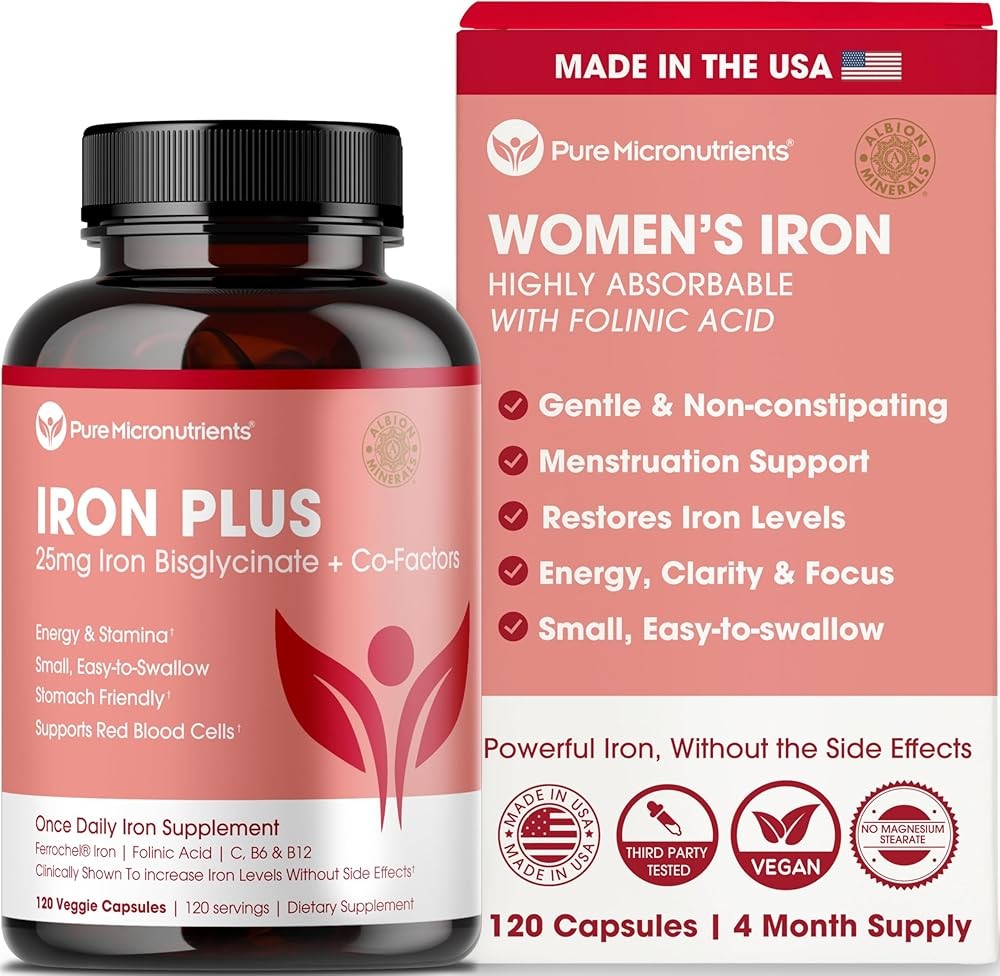
Iron Supplement for Women - Gentle Chelate Iron Bisglycinate 25mg with Vitamin C, B6, B12 Folic Acid – Supports Iron ...
Check Price on AmazonAs an Amazon Associate we earn from qualifying purchases.
This comprehensive formula is the best overall choice for most women with heavy periods and iron deficiency anemia. The iron bisglycinate provides 25% absorption efficiency—more than double the 10-15% absorption of standard ferrous sulfate—with minimal gastrointestinal side effects. Unlike ferrous sulfate which causes nausea, constipation, and abdominal cramping, iron bisglycinate is well-tolerated as placebo in clinical studies.
The formula includes vitamin C to enhance iron absorption, vitamin B6 for heme synthesis, vitamin B12 as methylcobalamin for red blood cell maturation, and folic acid for DNA synthesis. This comprehensive approach addresses all the nutritional requirements for recovering from iron deficiency anemia, not just iron alone.
For women losing 16-40 mg iron per cycle from heavy periods, taking 25-50 mg elemental iron daily (1-2 capsules) provides adequate replenishment at 25% absorption (6-12.5 mg absorbed daily). This allows hemoglobin to rise 1-2 g/dL per month while gradually replenishing ferritin stores over 3-6 months.
The combination of high absorption, excellent tolerability, comprehensive nutrient profile, and reasonable price makes this the ideal first-line supplement for heavy periods and iron deficiency anemia.
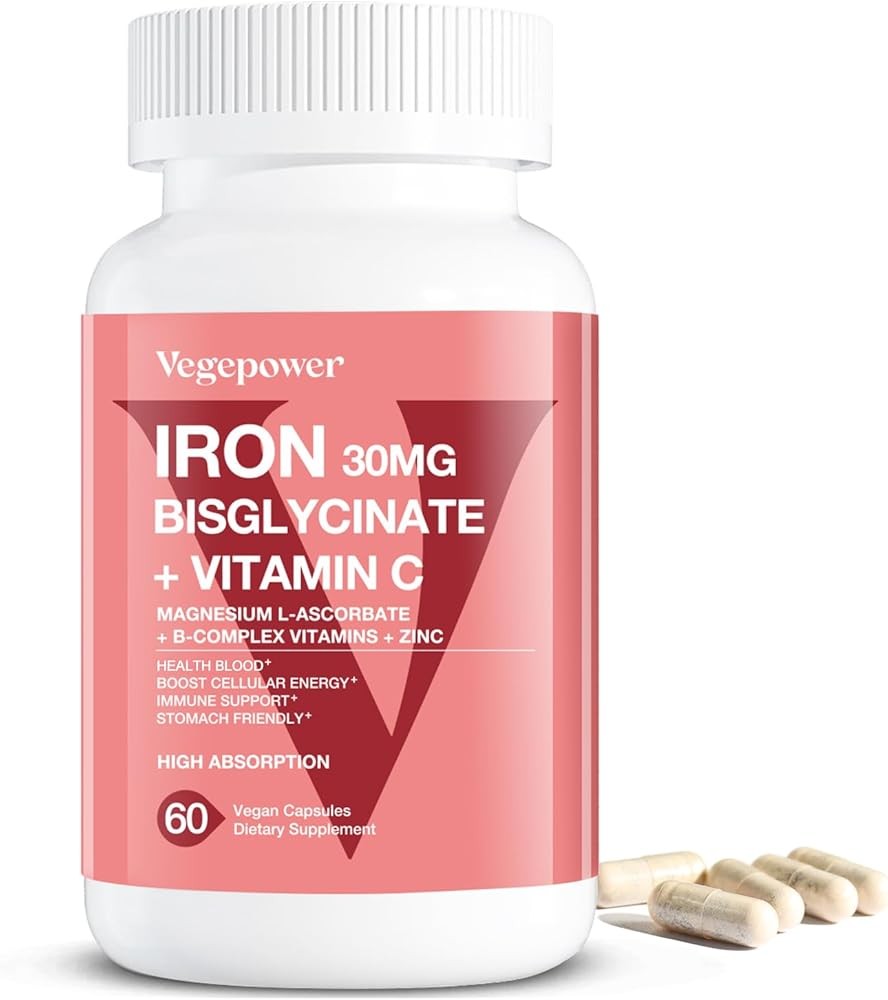
Iron Bisglycinate Supplement for Women & Men - 30mg Iron Pills with Vitamin C, B12, Folic Acid - Chelated Iron for An...
Check Price on AmazonAs an Amazon Associate we earn from qualifying purchases.
For women with severe iron deficiency anemia from heavy periods, this higher-dose iron bisglycinate formula provides 30mg elemental iron per capsule instead of the standard 25mg. This allows for more aggressive iron replenishment with a single daily capsule, or up to 60mg daily if two capsules are needed for severe deficiency.
Like all iron bisglycinate formulas, this delivers 25% absorption efficiency with minimal gastrointestinal side effects. The inclusion of vitamin C enhances absorption further, while B12 and folic acid support red blood cell production. The higher dose per capsule is particularly valuable for women with ongoing heavy bleeding who need to replenish stores quickly while keeping pace with continued losses.
At 30mg daily, a woman absorbs approximately 7.5mg iron. After accounting for baseline daily losses (1-2mg), this leaves 5.5-6.5mg for hemoglobin production and ferritin replenishment. For severe deficiency with hemoglobin of 8-9 g/dL and ferritin below 15 ng/mL, taking two capsules daily (60mg total, ~15mg absorbed) accelerates recovery significantly.
This formula is ideal for women with documented severe iron deficiency anemia (hemoglobin <10 g/dL and/or ferritin <15 ng/mL) who need aggressive supplementation. For mild deficiency or maintenance, the 25mg formula may be preferable and more economical.
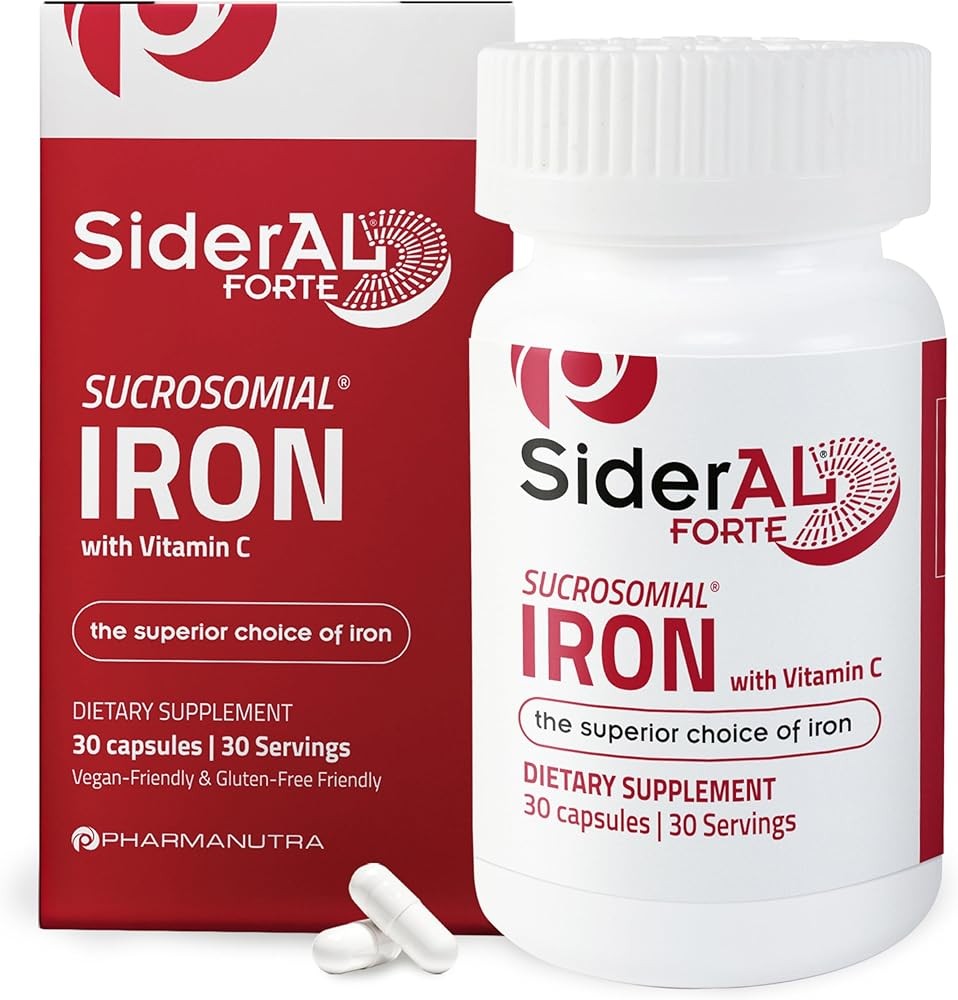
SiderAL Forte Iron Supplement Clinically Proven to Increase Levels Without Side Effects | Sucrosomial High Absorption...
Check Price on AmazonAs an Amazon Associate we earn from qualifying purchases.
SiderAL Forte represents the cutting edge of iron supplementation technology. The sucrosomial delivery system encapsulates iron in a phospholipid membrane with a sucrester coating, protecting it from interaction with dietary components and stomach acid. This allows the intact iron complex to pass directly through intestinal cells, achieving absorption rates of 30-50%—approaching or exceeding heme iron from meat.
Clinical studies demonstrate that sucrosomial iron increases hemoglobin and ferritin as effectively or more effectively than higher doses of standard iron, with virtually zero gastrointestinal side effects (PubMed 28504211). In trials comparing sucrosomial iron to ferrous sulfate, constipation, nausea, and abdominal pain were absent in the sucrosomial group.
The technology’s unique advantage is that absorption isn’t affected by dietary inhibitors. You can take SiderAL Forte with calcium, coffee, tea, or phytate-rich foods without reducing absorption. This flexibility makes it easier to fit supplementation into your daily routine without complex timing requirements.
For women who have tried ferrous sulfate or even iron bisglycinate and experienced intolerable side effects, or for those with absorption issues (inflammatory bowel disease, celiac disease, gastric bypass), SiderAL Forte is worth the premium price. The higher absorption means a single 30mg capsule daily provides as much or more absorbable iron as 100mg of ferrous sulfate, with none of the side effects.
The main drawback is cost—approximately $30 for a one-month supply versus $17-23 for iron bisglycinate. However, if it’s the difference between tolerating supplementation or not, or between effective absorption and inadequate absorption, the investment is worthwhile.
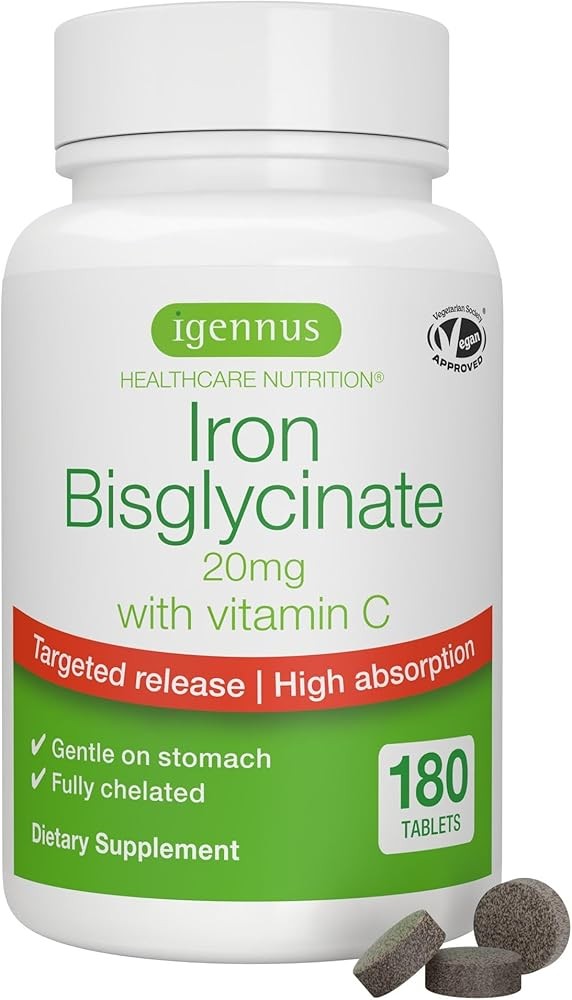
Igennus Clean Iron Bisglycinate 20mg, Vitamin C, 6 Month Supply, Gentle Chelated High Absorption Formula & Targeted R...
Check Price on AmazonAs an Amazon Associate we earn from qualifying purchases.
For women seeking gentle, absorbable iron at an exceptional value, Igennus Clean Iron delivers. The 180-capsule bottle provides a full 6-month supply when taking one capsule daily, or 3 months at two capsules daily for more aggressive supplementation. At approximately $17, this works out to less than $3 per month—dramatically less expensive than other high-quality iron bisglycinate formulas.
Despite the budget price, quality isn’t compromised. The iron bisglycinate delivers the same 25% absorption efficiency and excellent tolerability as premium formulas. The inclusion of vitamin C enhances absorption further. The formula is clean, without unnecessary fillers or additives.
The 20mg per capsule dosing is ideal for maintenance supplementation after ferritin stores have been replenished, or for mild iron deficiency. Women with heavy periods who have corrected their deficiency but need ongoing supplementation to avoid recurrence will find this formula perfect. Taking one capsule daily provides 20mg iron with ~5mg absorbed, sufficient to offset mild ongoing losses.
For severe deficiency requiring higher doses, taking two capsules daily provides 40mg iron with ~10mg absorbed, which is adequate though slower recovery than higher-dose formulas. The main trade-off is that severe deficiency may require taking multiple capsules rather than a single high-dose capsule.
The exceptional value makes this ideal for long-term maintenance supplementation. Heavy periods are often chronic conditions requiring ongoing iron support for months or years. Having a 6-month supply at budget pricing removes barriers to consistent supplementation.
How Can You Optimize Dietary Iron Intake From Food?
While supplements are often necessary to correct established iron deficiency, optimizing dietary iron intake is crucial for long-term maintenance and works synergistically with supplements.
Heme Iron Sources: Red meat, particularly beef and lamb, provides the most bioavailable iron. A 3-ounce serving of beef contains approximately 2-3 milligrams of highly absorbable heme iron. Organ meats like liver are iron powerhouses, with 3 ounces of beef liver providing 5-7 milligrams. Poultry and pork provide moderate amounts of heme iron, while fish varies widely by species. Clams, oysters, and mussels are exceptionally high in iron.
For women with heavy periods, incorporating red meat 3-4 times weekly and eating liver monthly can significantly boost iron intake. If you don’t eat red meat for ethical or religious reasons, increasing poultry and seafood can help, though more frequent consumption is needed to match the iron from red meat.
Non-Heme Iron Sources: Plant foods contain only non-heme iron, which is less bioavailable but still important. Legumes (lentils, chickpeas, beans), tofu, tempeh, dark leafy greens (spinach, Swiss chard), nuts, seeds, and fortified grains all provide iron. However, these foods also contain phytates and other compounds that inhibit absorption.
To maximize non-heme iron absorption from plant foods, pair them with vitamin C-rich foods. For example, add bell peppers or tomatoes to a bean salad, squeeze lemon juice over sautéed spinach, or eat strawberries with iron-fortified cereal. Soaking, sprouting, or fermenting legumes and grains reduces phytate content and improves iron bioavailability.
Vegans and vegetarians need to be particularly mindful of iron intake, as their dietary absorption is only 5-10% on average. Iron requirements may be 1.8 times higher for those who don’t eat meat. Combining plant iron sources with vitamin C at every meal, choosing fermented or sprouted grains and legumes, and considering iron supplementation is often necessary.
Foods to Avoid Around Iron Intake: Calcium is iron’s biggest competitor. Don’t consume dairy products, calcium-fortified foods, or calcium supplements within two hours of taking iron or eating iron-rich meals. Similarly, coffee and tea contain polyphenols that dramatically reduce iron absorption. If you’re a coffee or tea drinker, enjoy these beverages at least one hour before or two hours after iron-rich meals or supplements.
Whole grains are healthy but contain phytates that bind iron. If you’re severely iron deficient, temporarily reducing whole grain intake in favor of refined grains or focusing on sourdough bread (fermentation reduces phytates) can improve absorption while you rebuild stores. Once ferritin normalizes, return to whole grains for their many health benefits.
Bottom line: Red meat, beef liver (5-7 mg per 3 oz), and shellfish provide highly absorbable heme iron; plant sources (legumes, tofu, dark leafy greens, fortified grains) require pairing with vitamin C to maximize absorption; vegans/vegetarians need 1.8x more iron and should combine plant sources with vitamin C at every meal; avoid calcium, coffee, and tea within 2 hours of iron-rich meals; soaking/sprouting/fermenting grains reduces phytates and improves bioavailability.
How Long Does It Take to Recover From Iron Deficiency Anemia?
Understanding the timeline for improvement helps you stay motivated and know when to seek additional help.
First 2-4 Weeks: Most women notice the first improvements within 2-4 weeks of starting iron supplementation. Energy levels begin to improve, brain fog lifts slightly, and restless legs may start to resolve. These early improvements occur as circulating iron levels rise and hemoglobin begins to increase. However, stored iron (ferritin) is still depleted.
Lab work during this period will show rising hemoglobin and reticulocyte count (indicating active red blood cell production) but ferritin will remain low. Don’t stop supplementation when you feel better. The hard work of replenishing stores is just beginning.
8-12 Weeks: By 2-3 months, hemoglobin should normalize in most cases. If you’re supplementing with an absorbable form like iron bisglycinate at adequate doses (50-100 milligrams elemental iron daily) and your bleeding is controlled, you should see hemoglobin rise by approximately 1-2 g/dL per month.
Energy, hair growth, nail strength, and exercise tolerance should be significantly improved. Ice cravings and pica typically resolve completely once hemoglobin normalizes. However, ferritin is still climbing and likely hasn’t reached optimal levels.
3-6 Months: Replenishing ferritin stores takes 3-6 months or longer. Each 1 ng/mL rise in ferritin requires absorbing approximately 8-10 milligrams of iron. If you started with ferritin of 10 ng/mL and want to reach 70 ng/mL, you need to absorb 480-600 milligrams of iron beyond what’s needed for daily losses and hemoglobin maintenance.
At 25% absorption of 50 milligrams daily supplementation, you’re absorbing about 12.5 milligrams daily. After accounting for daily losses, this leaves perhaps 8-10 milligrams for storage. Simple math shows why it takes months: 480 milligrams / 8 milligrams per day = 60 days minimum, and that’s under ideal conditions.
Continue supplementation until ferritin reaches at least 50 ng/mL, ideally 70-100 ng/mL for women with heavy periods. Then transition to maintenance dosing (25 milligrams iron daily or every other day) plus aggressive dietary iron intake.
Long-Term Management: If your heavy periods persist, you’ll need ongoing iron supplementation to avoid recurrence. This is why addressing the underlying cause of heavy bleeding is so important. Supplements that reduce bleeding (vitamin K2, hesperidin) should be continued long-term, as they’re safe and effective.
Recheck labs 3-6 months after reaching optimal ferritin levels to ensure you’re maintaining adequate iron status. Annual monitoring is reasonable for women with a history of iron deficiency and ongoing heavy periods.
Bottom line: Energy improves within 2-4 weeks as circulating iron rises; hemoglobin increases 1-2 g/dL per month with 50-100 mg daily iron at 25% absorption, normalizing in 2-3 months; replenishing ferritin stores takes 3-6 months (raising from 10 to 70 ng/mL requires absorbing 480-600 mg iron beyond daily needs); continue supplementation until ferritin reaches 50-100 ng/mL, then transition to maintenance dosing if heavy periods persist; recheck labs 3-6 months after reaching optimal levels.
What Lifestyle Changes Support Iron Absorption and Reduce Bleeding?
Beyond supplements, several lifestyle modifications can significantly improve iron status and reduce menstrual bleeding.
Optimizing Meal Timing: The timing of meals and supplements matters enormously for iron absorption. Take iron supplements on an empty stomach, either one hour before or two hours after meals, for maximum absorption. If this causes stomach upset even with iron bisglycinate, take it with a small amount of food, but avoid high-calcium foods like dairy. Have your morning coffee or tea at least one hour before or two hours after taking iron. If you eat iron-rich meals, apply the same spacing to coffee, tea, and calcium-rich foods.
Cast Iron Cooking: Cooking acidic foods like tomato sauce in cast iron cookware can significantly increase the iron content of your meals. Studies show that cooking spaghetti sauce in a cast iron pot can increase iron content by 5-20 times. The acid leaches iron from the pan, adding bioavailable iron to your food. This traditional cooking method provides a gentle, food-based way to boost iron intake. Season your cast iron well to avoid excessive leaching and metallic taste.
Stress Management: Chronic stress affects hormones that regulate the menstrual cycle. High cortisol can disrupt the hypothalamic-pituitary-ovarian axis, potentially worsening irregular or heavy bleeding. Stress also increases inflammation throughout the body, which raises hepcidin levels and impairs iron absorption and utilization. Incorporating stress reduction techniques like meditation, yoga, deep breathing exercises, or even regular walks in nature can positively impact both bleeding patterns and iron status.
Sleep Hygiene: Quality sleep is essential for hormone regulation and healing. Women who consistently get inadequate sleep have higher rates of menstrual irregularities. Sleep deprivation affects the production of leptin and ghrelin, hormones that influence reproductive hormones. Poor sleep also impairs immune function and increases inflammation, further impeding iron utilization. Aim for 7-9 hours of quality sleep nightly, maintaining consistent sleep and wake times even on weekends.
Exercise Considerations: While regular exercise is beneficial for overall health, intense endurance exercise can worsen iron deficiency through multiple mechanisms. “Footstrike hemolysis” from running destroys red blood cells. Gastrointestinal microbleeding can occur during intense exercise. Sweat losses increase. Additionally, exercise increases hepcidin levels, temporarily reducing iron absorption. If you’re an athlete with heavy periods and iron deficiency, you may need higher iron supplementation than sedentary women and should time intense workouts away from iron supplementation by a few hours.
That said, moderate exercise is beneficial. Yoga, walking, and gentle strength training support healthy hormone balance, improve circulation, and reduce stress without the iron-depleting effects of intense endurance training. Listen to your body during the heavy days of your period. If you feel exhausted, rest. Your body is working hard to replace blood cells, and pushing through severe fatigue can worsen recovery.
Weight Management: For women with heavy periods due to PCOS or estrogen dominance, weight management can be transformative. Excess body fat produces estrogen, worsening estrogen dominance. Fat cells also produce inflammatory cytokines that raise hepcidin and impair iron metabolism. Studies show that even modest weight loss (5-10% of body weight) in overweight women with PCOS significantly improves menstrual regularity and reduces heavy bleeding. This isn’t about aesthetics; it’s about reducing the hormonal factors driving excessive bleeding.
Anti-Inflammatory Diet: Since inflammation raises hepcidin and blocks iron absorption, an anti-inflammatory diet supports iron status. This means emphasizing omega-3 fatty acids from fish, walnuts, and flaxseed; colorful fruits and vegetables rich in antioxidants; herbs and spices like turmeric and ginger; and minimizing processed foods, refined sugars, and excessive omega-6 vegetable oils. This dietary pattern reduces systemic inflammation, allowing your body to absorb and utilize iron more efficiently.
Avoid Aspirin and NSAIDs During Periods: Nonsteroidal anti-inflammatory drugs like ibuprofen and naproxen can actually increase menstrual bleeding by interfering with prostaglandin synthesis and platelet function. While they’re often used for menstrual cramps, they may worsen bleeding in some women. Paradoxically, acetaminophen (Tylenol) doesn’t affect bleeding and may be a better choice for pain relief during heavy periods. If NSAIDs are necessary for severe cramps, use the lowest effective dose for the shortest time.
Bottom line: Take iron on empty stomach 1 hour before or 2 hours after meals; space coffee/tea 1+ hours away from iron; cook acidic foods in cast iron (increases iron content 5-20x); manage stress to reduce cortisol disruption of menstrual hormones and hepcidin elevation; prioritize 7-9 hours quality sleep for hormone regulation; limit intense exercise (footstrike hemolysis, GI bleeding, hepcidin spikes) but continue moderate activity; maintain healthy weight (reduces estrogen dominance); follow anti-inflammatory diet (omega-3s, colorful produce, turmeric); avoid NSAIDs during periods (worsen bleeding), use acetaminophen instead.
How Do You Address the Underlying Causes of Heavy Bleeding?
While supplements manage symptoms and correct deficiency, identifying and addressing the root cause of heavy bleeding is essential for long-term health.
Uterine Fibroids: These benign tumors can be addressed with medications like hormonal contraceptives, tranexamic acid, or GnRH agonists. For larger fibroids causing severe symptoms, procedures like uterine artery embolization, myomectomy (surgical removal of fibroids), or hysterectomy may be necessary. Newer options like MRI-guided focused ultrasound offer non-invasive fibroid destruction.
Hormonal Imbalances: If heavy bleeding is due to estrogen dominance or insufficient progesterone, management may include progesterone supplementation (oral micronized progesterone or progesterone IUD), combined hormonal contraceptives, or supplements that support hormone balance (vitamin B6, magnesium, DIM, calcium D-glucarate).
For women with PCOS, addressing insulin resistance with metformin, inositol, or lifestyle changes often improves menstrual regularity and reduces heavy bleeding. Weight loss, if needed, has profound effects on hormone balance.
Endometriosis and Adenomyosis: These conditions involve endometrial tissue growing where it shouldn’t (outside the uterus for endometriosis, in the uterine wall for adenomyosis). Management options include hormonal contraceptives, GnRH agonists, surgery, or ultimately hysterectomy for severe cases that don’t respond to other interventions.
Bleeding Disorders: If von Willebrand disease or platelet dysfunction is diagnosed, management may include desmopressin (DDAVP), tranexamic acid, or clotting factor concentrates for severe cases. Women with bleeding disorders need specialized hematology care, particularly before surgery or childbirth.
Thyroid Dysfunction: Both hypothyroidism and hyperthyroidism can cause heavy periods. Thyroid testing (TSH, free T4, free T3, and thyroid antibodies) should be part of the evaluation for any woman with menstrual irregularities. Addressing the thyroid disorder often normalizes periods.
Bottom line: Uterine fibroids respond to hormonal contraceptives, tranexamic acid, GnRH agonists, uterine artery embolization, myomectomy, or hysterectomy; hormonal imbalances require progesterone supplementation, combined contraceptives, or supplements supporting hormone balance (B6, magnesium, DIM); PCOS management with metformin, inositol, or weight loss improves bleeding; endometriosis/adenomyosis need hormonal contraceptives, GnRH agonists, or surgery; bleeding disorders require desmopressin or clotting factor concentrates; thyroid dysfunction testing (TSH, free T4/T3, antibodies) is essential as addressing it normalizes periods.
Related Reading
-
Best Iron Supplements for Anemia
-
Vitamin K2 Benefits and Dosage
-
Best B12 Supplements for Energy and Anemia
-
Folate vs Folic Acid: Which Is Better?
-
Heavy Periods: Causes and Natural Solutions
-
Ferritin Levels: What’s Optimal for Women?
-
Best Vitamin C Supplements for Iron Absorption
-
Best Iron Supplements for Women: Forms, Dosing, and How to Avoid Side Effects
-
Iron Benefits: Energy Production, Oxygen Transport, Reducing Anemia Risk & Athletic Performance
-
Fibroids Shrinking Supplements: Natural Support for Uterine Fibroids
-
Best Supplements for Vaginal pH Balance and BV risk reduction
How Can You Take Control of Your Health With Heavy Periods and Anemia?
Heavy periods and iron deficiency anemia affect millions of women, yet many suffer silently, assuming their experience is normal or that nothing can be done. This couldn’t be further from the truth. With the right combination of supplements, dietary strategies, and medical care, both conditions are highly treatable.
The foundation of recovery is correcting iron deficiency with a highly absorbable form like iron bisglycinate, taken with vitamin C for maximum absorption. Supporting nutrients including B12, folate, and copper ensure your body can effectively use iron to produce healthy red blood cells. Simultaneously, reducing menstrual bleeding with vitamin K2, hesperidin, and other targeted supplements breaks the cycle of monthly iron depletion.
Understanding the clues your body provides, from ice cravings to restless legs to brittle nails, empowers you to recognize iron deficiency early and seek appropriate testing. Knowing which labs to request and how to interpret them ensures you get adequate care even if your doctor considers ferritin of 15 ng/mL “normal.”
Most importantly, while supplements manage symptoms and correct deficiency, investigating and addressing the underlying cause of heavy bleeding is essential. Whether that’s uterine fibroids, hormonal imbalances, bleeding disorders, or other conditions, addressing the root cause provides lasting relief and stops recurrence.
You don’t have to live with exhaustion, heavy bleeding, and the constant struggle to keep your iron levels adequate. With knowledge, appropriate supplements, and medical support when needed, you can reclaim your energy, health, and quality of life. Start with iron bisglycinate and vitamin K2, track your progress with lab work, and work with your healthcare provider to identify and address the underlying cause of heavy bleeding. Your body has been telling you something is wrong. Now you have the tools to fix it.
Bottom line: Heavy periods and iron deficiency anemia are highly manageable with iron bisglycinate (25-50 mg daily), vitamin K2 (100-200 mcg), hesperidin (500-1000 mg), vitamin C, B12, and folate; recognize early warning signs (fatigue, ice cravings, pale skin, brittle nails, restless legs); monitor ferritin (target 50-100 ng/mL not just “normal” >12) and hemoglobin; address underlying causes (fibroids, hormonal imbalances, bleeding disorders); recovery takes 2-4 weeks for energy, 2-3 months for hemoglobin, 3-6 months for ferritin stores—you can reclaim your health and energy.
References
- Heavy menstrual bleeding definition and prevalence - PubMed 9584615
- Iron loss during menstruation - PubMed 8333567
- Iron bisglycinate absorption and tolerability - PubMed 24326464
- Vitamin C enhances iron absorption - PubMed 6940487
- Citrus bioflavonoids reduce menstrual bleeding - PubMed 14599286
- Ferritin levels and iron deficiency - PubMed 28716455
- Heavy menstrual bleeding prevalence - PubMed 23829678
- Hemoglobin response to iron supplementation - PubMed 25516624
- Uterine fibroids prevalence - PubMed 23634752
- Sucrosomial iron absorption - PubMed 28504211
- Heavy menstrual bleeding diagnosis - PubMed 17617112
Recommended Products