Histamine Intolerance and Sleep: Supplements to Reduce Nighttime Histamine
Summarized from peer-reviewed research indexed in PubMed. See citations below.
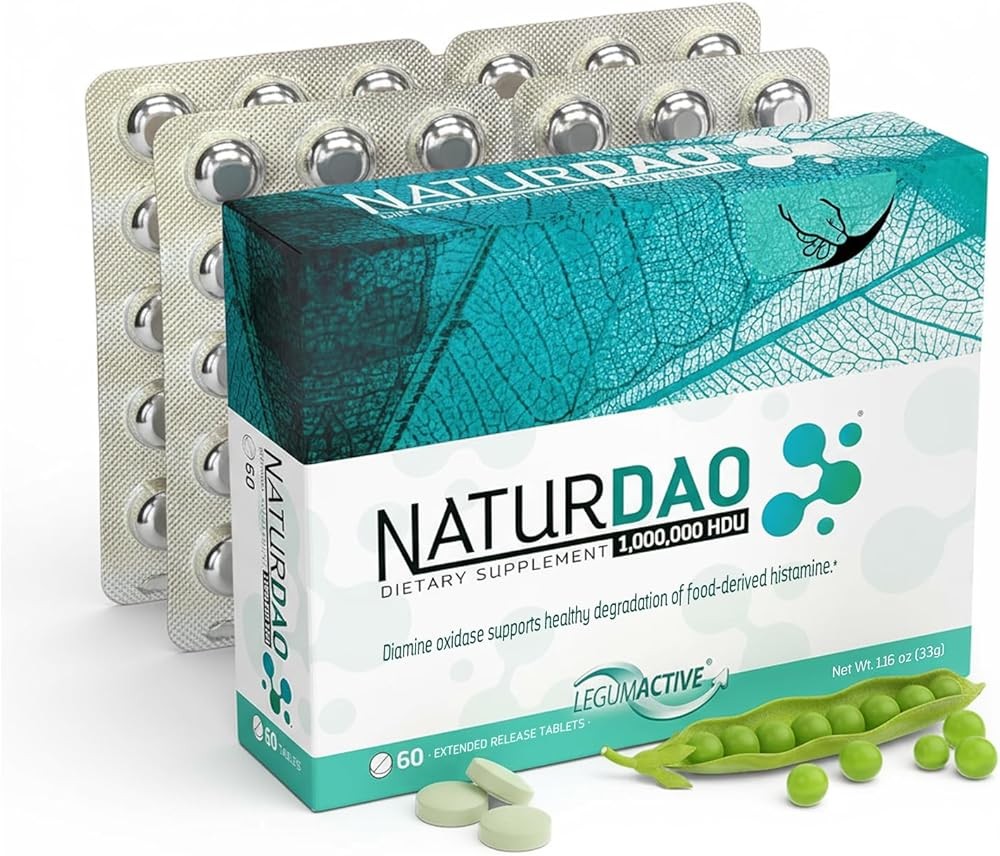
Nighttime histamine surges disrupt sleep architecture in people with histamine intolerance, causing racing heart, night sweats, anxiety, and frequent waking despite exhaustion. NATURDAO DAO enzyme, at 1,000,000 HDU per tablet per the label, is taken before histamine-containing meals and may help break down dietary histamine in the gut before absorption ($39.90 for 60 extended-release tablets). Published research on DAO supplementation is summarized below; the honest evidence base is small but includes a randomized trial in migraine patients with DAO deficiency. Here’s what the research shows about histamine’s role in sleep disruption and which supplement strategies have evidence behind them.
Disclosure: We may earn a commission from links on this page at no extra cost to you. Affiliate relationships never influence our ratings. Full policy →
Unlike typical allergies that cause sneezing and watery eyes, histamine intolerance creates a cascade of symptoms that often peak at night—disrupting your sleep architecture, reducing deep sleep, and leaving you feeling unrefreshed in the morning. The good news? Understanding the science behind nighttime histamine metabolism and using targeted supplements can dramatically improve your sleep quality and overall health.
This comprehensive guide explores the relationship between histamine and sleep, examines why histamine levels surge at night, and provides evidence-based supplement strategies to help you finally achieve the restful sleep you deserve.
What Is Histamine and Why Does It Matter for Sleep?
Histamine is a biogenic amine that serves multiple critical functions in your body. While most people associate histamine with allergic reactions, this powerful compound plays essential roles in immune function, stomach acid production, neurotransmission, and—crucially for our discussion—sleep-wake regulation.
Your body produces histamine naturally, and you also consume it through foods. Under normal circumstances, two primary enzymes break down histamine: diamine oxidase (DAO) in your digestive tract and histamine N-methyltransferase (HNMT) inside your cells. When these systems function properly, histamine levels remain balanced.
However, when your body cannot efficiently break down histamine—whether due to enzyme deficiencies, excessive histamine production, or overwhelming histamine intake from food—histamine accumulates in your bloodstream. This accumulation triggers a wide range of symptoms, many of which intensify at night.
What Are the Four Histamine Receptors and How Do They Affect Sleep?
Histamine exerts its effects by binding to four different receptor types (H1, H2, H3, and H4), each with distinct functions:
H1 receptors are found throughout your central nervous system, smooth muscle tissue, and endothelium. When activated, they promote wakefulness, alertness, and arousal. This is why antihistamine medications that block H1 receptors (like diphenhydramine) cause drowsiness—they’re blocking histamine from keeping you awake.
H2 receptors primarily regulate stomach acid production but also play a role in immune function and cardiovascular regulation. Nighttime H2 activation can contribute to acid reflux, which further disrupts sleep.
H3 receptors function as autoreceptors that regulate histamine release and influence other neurotransmitters including serotonin, dopamine, and norepinephrine. H3 dysfunction can disrupt the delicate balance of brain chemicals needed for healthy sleep.
H4 receptors are primarily involved in immune and inflammatory responses, particularly in mast cells and white blood cells. Nighttime activation of H4 receptors may contribute to systemic inflammation that interferes with sleep quality.
Understanding these receptor systems helps explain why excess histamine creates such diverse sleep disruptions—it’s not just making you “allergic” to sleep, but actively interfering with multiple biological systems that regulate rest and recovery.
Bottom line: Histamine activates four different receptor types (H1-H4) throughout your body, with H1 receptors in the brain directly promoting wakefulness and alertness—explaining why antihistamines cause drowsiness by blocking histamine’s wake-promoting effects.
Why Do Histamine Symptoms Get Worse at Night?
One of the most frustrating aspects of histamine intolerance is that symptoms often intensify dramatically at night. This isn’t random—it reflects the complex relationship between histamine and your circadian rhythm.
Histamine signaling is tied to the sleep-wake cycle: histaminergic neurons in the hypothalamus promote wakefulness, and antihistamines that cross the blood-brain barrier cause drowsiness by blocking those signals. DAO enzyme activity appears to fluctuate throughout the day, with some evidence suggesting reduced activity during nighttime hours. Simultaneously, mast cells (which store and release histamine) may be more prone to degranulation at night in susceptible individuals.
Furthermore, your body’s cortisol levels—which help regulate inflammation and immune responses—naturally decline in the evening. Cortisol has anti-inflammatory and mast cell-stabilizing effects, so as levels drop at night, mast cells may become more reactive, releasing more histamine.
The relationship between melatonin and histamine adds another layer of complexity. While melatonin promotes sleep, histamine promotes wakefulness. In healthy individuals, melatonin rises as histamine-mediated wakefulness decreases. However, in histamine intolerance, excessive histamine can override melatonin’s sleep-promoting effects, creating a biological tug-of-war that disrupts restful sleep.
Additionally, the parasympathetic nervous system becomes more active at night as your body shifts into “rest and digest” mode. This shift can trigger increased histamine release from the gut, where most of your body’s histamine-producing cells reside. For people with histamine intolerance, this normal nighttime transition can trigger a problematic histamine surge.
Bottom line: Histamine levels follow circadian rhythms with DAO enzyme activity declining at night while cortisol (which stabilizes mast cells) naturally drops in the evening, creating a perfect storm that triggers nighttime histamine surges in susceptible individuals.
How Is Histamine Intolerance Different from Allergies and MCAS?
Many people confuse histamine intolerance with allergies or mast cell activation syndrome (MCAS), but these are distinct conditions with different underlying mechanisms.
True allergies involve IgE antibodies that recognize specific proteins (allergens) and trigger mast cells to release histamine and other mediators. Allergic reactions are typically immediate, reproducible, and specific to certain triggers (pollen, peanuts, bee stings, etc.). Allergy testing can identify these specific sensitivities.
Histamine intolerance, by contrast, is not an immune reaction but rather a metabolic disorder characterized by impaired histamine degradation or excessive histamine accumulation. People with histamine intolerance react to histamine itself—whether from foods, their own body’s production, or other sources—rather than to specific allergens. Symptoms develop gradually as histamine accumulates and may vary based on total histamine load rather than exposure to a single trigger.
Mast Cell Activation Syndrome (MCAS) represents a more severe condition where mast cells inappropriately activate and release excessive amounts of histamine and other mediators (tryptase, prostaglandins, leukotrienes) without an allergic trigger. MCAS can cause severe systemic symptoms affecting multiple organ systems and typically requires diagnosis by measuring mediator levels during symptomatic episodes.
These conditions can overlap—someone with MCAS likely also has histamine intolerance, and both conditions can worsen allergy symptoms. However, the management approaches differ, which is why accurate diagnosis matters.
For sleep specifically, all three conditions can disrupt rest, but histamine intolerance tends to create more predictable nighttime patterns, while MCAS episodes may occur more randomly and severely.
Bottom line: Histamine intolerance is a metabolic disorder from impaired histamine breakdown (not an immune reaction like allergies), while MCAS involves inappropriate mast cell activation releasing excessive histamine—though all three conditions can overlap and disrupt sleep.
What Causes DAO Deficiency and Histamine Intolerance?
The primary cause of histamine intolerance is reduced activity of diamine oxidase (DAO), the enzyme responsible for breaking down histamine in your digestive tract. DAO is produced in your small intestine, kidneys, placenta, and thymus gland, with intestinal DAO being most critical for managing dietary histamine.
Several factors can impair DAO production or function:
Genetic variations in the AOC1 gene (which codes for DAO) can result in reduced enzyme production. Some people naturally produce less DAO, making them more susceptible to histamine accumulation.
Intestinal damage from conditions like celiac disease, inflammatory bowel disease, leaky gut syndrome, or small intestinal bacterial overgrowth (SIBO) can damage the intestinal cells that produce DAO.
Nutrient deficiencies impair DAO function, particularly deficiencies in vitamin B6, vitamin C, copper, and zinc—all of which serve as cofactors for DAO enzyme activity.
Medications can block DAO activity, including many common drugs: NSAIDs (ibuprofen, naproxen), antibiotics, antidepressants, antiarrhythmics, antihypertensives, and muscle relaxants. If you’re taking medications and experiencing histamine intolerance symptoms, this interaction may be a factor.
Alcohol consumption severely impairs DAO activity while simultaneously providing histamine and triggering histamine release, creating a perfect storm for symptoms.
Hormonal fluctuations affect DAO levels, which is why many women experience worse histamine intolerance symptoms during certain phases of their menstrual cycle, particularly around menstruation when estrogen peaks. Estrogen appears to inhibit DAO activity while promoting mast cell degranulation.
When DAO activity is insufficient, dietary histamine and internally-produced histamine accumulate in your bloodstream, eventually reaching levels that trigger symptoms—including severe sleep disruption.
Bottom line: Reduced DAO enzyme activity—caused by genetic variations, intestinal damage, nutrient deficiencies (B6, vitamin C, copper, zinc), medications (NSAIDs, antidepressants, antibiotics), alcohol, or hormonal fluctuations—is the primary driver of histamine intolerance and accumulation.
What Are the Signs That Histamine Is Disrupting Your Sleep?
Your body provides numerous clues that excessive nighttime histamine is disrupting your sleep. Learning to recognize these patterns can help you identify histamine intolerance and monitor your response to interventions.
What Are the Sleep-Specific Symptoms of Histamine Intolerance?
Difficulty falling asleep despite exhaustion: You feel physically tired but mentally wired, with racing thoughts and an inability to “turn off” your brain. This reflects histamine’s role as a wakefulness-promoting neurotransmitter.
Waking between 1-3 AM: Many people with histamine intolerance wake during these hours—often corresponding to peak cortisol nadir and maximum parasympathetic (digestive) activity, which can trigger histamine release from the gut.
Night sweats: Excessive sweating at night, sometimes requiring clothing or sheet changes, results from histamine-triggered vasodilation and temperature dysregulation.
Nighttime anxiety or panic: Feeling inexplicably anxious or even panicky at night without apparent psychological cause reflects histamine’s effects on neurotransmitters and the nervous system.
Restless legs or periodic limb movements: The irresistible urge to move your legs, crawling sensations, or involuntary leg jerks during sleep are common histamine intolerance symptoms.
Vivid dreams or nightmares: Histamine affects REM sleep and dream intensity, often creating unusually vivid, disturbing, or exhausting dream experiences.
Non-restorative sleep: Waking feeling unrefreshed despite adequate time in bed, suggesting disrupted sleep architecture and insufficient deep sleep.
Racing heart or palpitations: Nighttime heart pounding or irregular beats reflect histamine’s cardiovascular effects and H1/H2 receptor activation.
What Are the Associated Daytime Symptoms of Histamine Intolerance?
Sleep disruption rarely occurs in isolation with histamine intolerance. Watch for these accompanying symptoms:
- Digestive issues (bloating, diarrhea, abdominal pain, acid reflux)
- Headaches or migraines
- Nasal congestion or runny nose
- Skin flushing, hives, or itching
- Brain fog and difficulty concentrating
- Dizziness or lightheadedness
- Menstrual irregularities (in women)
- Blood pressure fluctuations
- Fatigue despite adequate sleep duration
The pattern matters: if these symptoms worsen after eating high-histamine foods (aged cheese, wine, fermented foods, cured meats, leftovers) or during certain times of your menstrual cycle, histamine intolerance becomes more likely.
Bottom line: Key nighttime symptoms include difficulty falling asleep despite exhaustion, waking between 1-3 AM, night sweats, anxiety or panic, restless legs, vivid nightmares, racing heart, and non-restorative sleep—often accompanied by daytime digestive issues, headaches, nasal congestion, and brain fog that worsen after high-histamine foods.
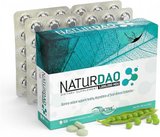
DAO (diamine oxidase) is the enzyme that breaks down dietary histamine in the gut, and NATURDAO is the most widely studied DAO supplement brand, including use in a randomized trial of DAO supplementation in migraine patients with DAO deficiency (PubMed 29475774). The extended-release tablet format is designed to release the enzyme through the digestive tract, and the standard approach is one tablet 15-30 minutes before meals that contain histamine-rich foods, with a second tablet before dinner when nighttime symptoms are the concern.
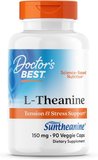
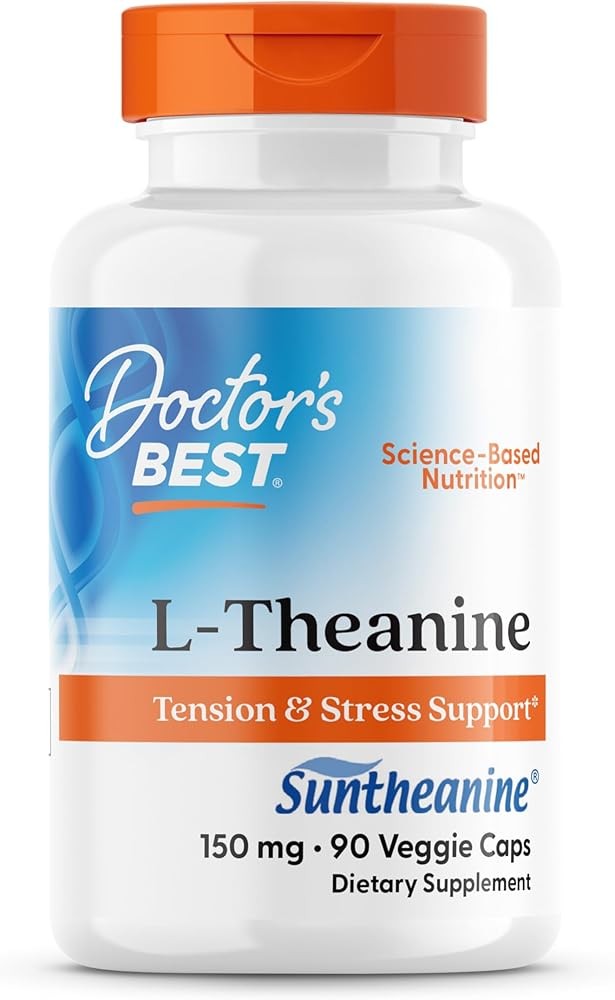
L-theanine promotes relaxation without sedation, and it pairs naturally with a histamine-management plan because the goal at night is calm, uninterrupted sleep rather than more supplements. Doctor’s Best uses Suntheanine, the branded, well-studied form of L-theanine, at 200 mg per capsule.

Quercetin is a flavonoid with documented anti-allergic activity in experimental models, including effects on mast cell histamine release, which is why it appears in most natural allergy protocols (PubMed 27187333). Pure Encapsulations provides a straightforward 500 mg capsule without unnecessary additives.
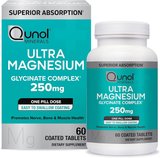
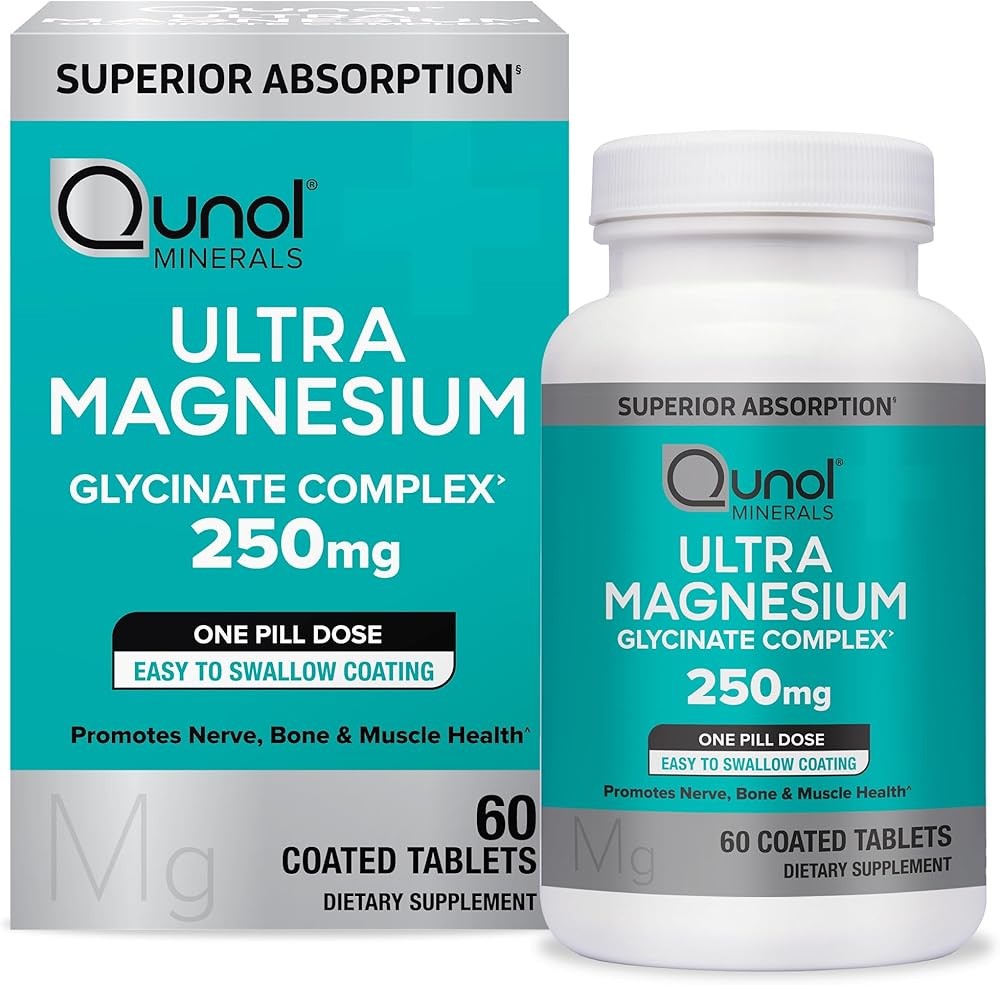
Magnesium supports relaxation and sleep quality through multiple pathways, and glycinate forms are the best-tolerated for sleep use. Qunol’s 250 mg glycinate complex at $19.99 is the budget-friendly addition to a nighttime routine.
What Supplements Can Reduce Nighttime Histamine Levels?
Comparing Top Histamine Control Supplements
Choosing the right supplement depends on your histamine load, symptom severity, and budget. This comparison helps identify which option best matches your needs.
| Feature | NATURDAO | Doctor’s Best L-Theanine | Pure Encapsulations Quercetin | Qunol Magnesium Glycinate |
|---|---|---|---|---|
| DAO Potency | 1,000,000 HDU per tablet | N/A | N/A | N/A |
| Primary Benefit | Dietary histamine breakdown | Relaxation and sleep | Mast cell support | Sleep and relaxation |
| Doses Per Day | 1-2 tablets | 1-2 capsules | 1-2 capsules | 1-2 capsules |
| Price | $39.90 | $21.99 | $50.50 | $19.99 |
| Best For | Histamine control | Sleep disruption | Allergic-type symptoms | Budget-conscious sleepers |
What Supplements Can Reduce Nighttime Histamine Levels?
Strategic supplementation can significantly reduce nighttime histamine levels and improve sleep quality. The following supplements target different aspects of histamine metabolism and mast cell stability.
How Do DAO Supplements Replace the Missing Enzyme?
Since DAO deficiency is the primary driver of histamine intolerance, directly supplementing with DAO enzyme represents the most targeted intervention.
Mechanism: Supplemental DAO (derived from porcine kidney) provides exogenous enzyme to break down dietary histamine in your digestive tract before it enters your bloodstream. This reduces the total histamine load your body must handle.
Evidence: While large-scale clinical trials remain limited, several studies have demonstrated DAO supplementation’s effectiveness. A 2019 study in Allergologia et Immunopathologia found that DAO supplementation significantly reduced histamine intolerance symptoms including digestive complaints and headaches. Patients taking DAO supplements before meals experienced fewer symptoms compared to placebo.
Dosing and timing: Take the dose listed on your specific DAO product’s label 15-30 minutes before meals, particularly before dinner; NATURDAO’s label directs one 1,000,000 HDU tablet per serving. For sleep improvement, taking DAO before your evening meal may help reduce the nighttime histamine surge that disrupts sleep. Some people benefit from an additional dose at bedtime.
Considerations: DAO supplements work on dietary histamine but don’t address internally-produced histamine or reduce overall mast cell activation. They’re most effective when combined with a low-histamine diet and other interventions. Quality matters—look for supplements standardized for HDU content from reputable manufacturers.
Bottom line: Supplemental DAO enzyme taken before meals, especially dinner, per the product’s labeled HDU dose directly breaks down dietary histamine in your digestive tract before it enters the bloodstream, reducing total histamine load and supporting reduction of nighttime surges—most effective when combined with low-histamine diet and other interventions.
How Does Quercetin Stabilize Mast Cells?
Quercetin is a flavonoid found in onions, apples, berries, and green tea with powerful mast cell-stabilizing and anti-inflammatory properties.
Mechanism: Quercetin stabilizes mast cell membranes, reducing the inappropriate release of histamine and other inflammatory mediators. It also inhibits production of inflammatory cytokines and has direct antioxidant effects. By reducing excessive histamine release, quercetin addresses the root cause of histamine accumulation.
Evidence: Research published in Molecules (2016) demonstrated quercetin’s ability to inhibit histamine release from mast cells and suppress pro-inflammatory cytokine production. A study in International Immunopharmacology (2013) showed quercetin reduced allergic inflammatory responses by stabilizing mast cells and reducing histamine release.
Dosing and timing: Typical dosing ranges from 500-1000mg daily, divided into two doses. Taking quercetin with dinner and again before bed may help reduce nighttime mast cell degranulation. Quercetin is fat-soluble, so taking it with meals that contain healthy fats improves absorption.
Synergistic effects: Quercetin works particularly well when combined with vitamin C and bromelain. Vitamin C enhances quercetin absorption and regenerates oxidized quercetin back to its active form. Bromelain (from pineapple) enhances quercetin absorption and provides additional anti-inflammatory benefits.
Bottom line: Quercetin (500-1000mg twice daily with meals containing healthy fats) may help support mast cell membranes to reduce inappropriate histamine release, inhibits inflammatory cytokine production, and works synergistically with vitamin C and bromelain for enhanced absorption and anti-inflammatory effects.
How Does Vitamin C Support Histamine Degradation and Mast Cell Stability?
Vitamin C is one of the most important nutrients for managing histamine intolerance, with multiple mechanisms that reduce histamine levels and improve sleep.
Mechanism: Vitamin C degrades histamine directly through oxidation, lowering blood histamine levels. It also serves as a cofactor for DAO enzyme function, enhancing histamine breakdown. Additionally, vitamin C stabilizes mast cell membranes, reducing excessive histamine release.
Evidence: A study published in Journal of Nutrition (1992) demonstrated that vitamin C supplementation significantly reduced blood histamine levels. Research in Journal of the American College of Nutrition (2018) found that vitamin C administration decreased histamine levels in healthy adults within hours of supplementation.
Dosing and timing: For histamine intolerance, higher doses typically work better—1000-3000mg daily divided into 2-3 doses. Taking 1000mg with dinner and another 1000mg before bed can help control nighttime histamine. Start with lower doses to assess tolerance, as very high doses can cause digestive upset in some people.
Liposomal vitamin C: For maximum effect, consider liposomal vitamin C, which encapsulates vitamin C in phospholipid membranes for superior absorption and higher plasma levels. Liposomal formulations can achieve blood levels 2-3 times higher than standard vitamin C, providing more potent histamine-degrading effects with lower doses and less digestive upset.
Bottom line: Vitamin C (1000-3000mg daily in divided doses, with 1000mg at dinner and bedtime) degrades histamine directly through oxidation, serves as a DAO cofactor enhancing histamine breakdown, and stabilizes mast cell membranes—with liposomal forms achieving 2-3x higher blood levels for maximum effect.
Why Is Vitamin B6 an Essential DAO Cofactor?
Vitamin B6 (particularly in its active form, pyridoxal-5-phosphate or P5P) is essential for DAO enzyme function and histamine metabolism.
Mechanism: Vitamin B6 serves as a critical cofactor for DAO, meaning the enzyme cannot function properly without adequate B6 levels. B6 also supports the methylation cycle (discussed below), which provides another pathway for histamine breakdown. Additionally, B6 is involved in producing serotonin and GABA—neurotransmitters that promote calm and sleep.
Evidence: Research has established B6’s essential role in DAO function. A study in European Journal of Clinical Nutrition (2007) found that B6 deficiency significantly impaired histamine degradation. Conversely, B6 supplementation in deficient individuals restored normal histamine metabolism.
Dosing and timing: For DAO support, 25-50mg of P5P (active B6) daily is typically effective. Taking it with dinner ensures adequate cofactor availability for nighttime DAO function. Higher doses (100mg+) should only be used under medical supervision, as excessive B6 can cause peripheral neuropathy with long-term use.
Form matters: P5P (pyridoxal-5-phosphate) is the active form of B6 that doesn’t require conversion, making it more effective for people with methylation issues or genetic variations affecting B6 metabolism.
Bottom line: Vitamin B6 as P5P (25-50mg daily with dinner) is an essential cofactor for DAO enzyme function and supports the methylation cycle for histamine breakdown, while also producing serotonin and GABA neurotransmitters that promote calm sleep—use the active P5P form for best results.
Why Is Copper an Overlooked DAO Cofactor?
Copper is another essential cofactor for DAO enzyme function that’s frequently overlooked in histamine intolerance protocols.
Mechanism: DAO is a copper-dependent enzyme—it requires copper atoms in its active site to function. Without adequate copper, DAO production and activity decline, even if all other cofactors are present. Copper also supports immune function and has anti-inflammatory properties.
Evidence: Research in Journal of Biological Chemistry (1990) established copper’s essential role in DAO structure and function. Studies have shown that copper deficiency impairs DAO activity and increases histamine levels.
Dosing and timing: Copper requirements are modest—1-2mg daily is typically sufficient. Since copper competes with zinc for absorption, it’s important to maintain proper copper:zinc ratio (approximately 1:10-15). Taking copper with meals improves absorption. Evening dosing supports nighttime DAO function.
Cautions: More is not better with copper. Excessive copper can cause toxicity and oxidative stress. Use conservative doses and consider periodic mineral testing to ensure proper balance, especially if supplementing long-term. People with Wilson’s disease (a genetic copper metabolism disorder) should avoid copper supplementation.
Bottom line: Copper (1-2mg daily with evening meals) is an essential cofactor required in DAO’s active site for enzyme function—without adequate copper, DAO activity declines even with other cofactors present, though excessive copper causes toxicity so maintain proper 1:10-15 copper:zinc ratio.
How Does Stinging Nettle Work as a Natural Antihistamine?
Stinging nettle (Urtica dioica) is traditionally used to support allergies with documented antihistamine and anti-inflammatory properties.
Mechanism: Stinging nettle inhibits histamine production and reduces the body’s inflammatory response to histamine. Research suggests it may may help reduce the conversion of histidine (an amino acid) to histamine and block histamine receptors. Nettle also has general anti-inflammatory effects that may reduce mast cell reactivity.
Evidence: A study in Phytotherapy Research (2009) found that stinging nettle extract inhibited inflammatory pathways and reduced allergic responses. Research published in Planta Medica (1996) demonstrated that nettle interfered with histamine receptors and reduced allergy symptoms.
Dosing and timing: Freeze-dried nettle leaf is considered most effective, with typical dosing of 300-500mg taken 2-3 times daily. Taking a dose with dinner and before bed may help control nighttime histamine symptoms. Nettle tea is another option, though freeze-dried capsules provide more concentrated active compounds.
Additional benefits: Beyond histamine control, nettle supports kidney function, provides minerals including magnesium (which supports sleep), and has general adaptogenic properties that may help with stress—a common histamine trigger.
Bottom line: Stinging nettle (300-500mg freeze-dried leaf taken 2-3 times daily, with doses at dinner and bedtime) inhibits histamine production, blocks histamine receptors, reduces inflammatory responses, and provides magnesium and adaptogenic benefits that support sleep and stress management.
How Does Bromelain Work as an Anti-Inflammatory Enzyme?
Bromelain is a proteolytic (protein-digesting) enzyme derived from pineapple stems with anti-inflammatory and quercetin-enhancing properties.
Mechanism: Bromelain breaks down proteins that contribute to inflammation, reduces inflammatory cytokines, and modulates immune responses. It enhances quercetin absorption when taken together, creating a synergistic effect for mast cell stabilization. Bromelain may also reduce gut inflammation that contributes to DAO deficiency.
Evidence: Research in Alternative Medicine Review (2010) reviewed multiple studies demonstrating bromelain’s anti-inflammatory effects and ability to reduce allergic sensitization. A study in Cellular Immunology (2008) found bromelain reduced inflammatory markers and modulated immune responses.
Dosing and timing: For anti-inflammatory effects, 500-1000mg daily divided into 2-3 doses. For enhancing quercetin absorption, take bromelain together with quercetin. Taking bromelain on an empty stomach maximizes systemic anti-inflammatory effects, while taking it with meals aids digestion.
Considerations: Bromelain can have blood-thinning effects, so people on anticoagulants should consult their healthcare provider. Start with lower doses to assess tolerance.
Bottom line: Bromelain (500-1000mg daily divided into 2-3 doses) breaks down inflammatory proteins, reduces inflammatory cytokines, enhances quercetin absorption when taken together for synergistic mast cell stabilization, and may reduce gut inflammation that contributes to DAO deficiency.
How Do SAMe, Methylfolate, and Methylcobalamin Support Methylation?
The methylation cycle provides an alternative pathway for breaking down histamine through the HNMT enzyme. Supporting this pathway can significantly reduce histamine levels, especially for people with genetic variations affecting methylation.
Mechanism: The HNMT enzyme breaks down histamine inside cells by adding a methyl group (methylation). This process requires adequate methyl donors including SAMe (S-adenosylmethionine), methylfolate (active folate), and methylcobalamin (active B12). Genetic variations in MTHFR, COMT, or other methylation genes can impair this pathway, reducing histamine clearance and increasing symptoms.
SAMe: This is the primary methyl donor in your body. Supplementing with SAMe directly provides the methyl groups needed for histamine breakdown. SAMe also supports neurotransmitter production (serotonin, dopamine, norepinephrine), which may improve mood and sleep quality alongside histamine reduction.
Methylfolate: The active form of folate (vitamin B9) that supports SAMe production. Unlike folic acid (the synthetic form), methylfolate doesn’t require conversion and works effectively even in people with MTHFR genetic variations that impair folate metabolism.
Methylcobalamin: The active form of vitamin B12 that works with methylfolate to support methylation. B12 deficiency is common, especially in older adults, vegetarians, and people with digestive issues—all of which can overlap with histamine intolerance.
Evidence: Research in American Journal of Clinical Nutrition (2009) demonstrated that methylation pathway function significantly impacts histamine metabolism. Studies have shown that SAMe supplementation can reduce histamine levels in people with impaired methylation.
Dosing and timing:
- SAMe: 200-400mg daily, taken in the morning (can be stimulating)
- Methylfolate: 400-1000mcg daily
- Methylcobalamin: 1000-5000mcg daily
These can be taken together as part of a methylation support protocol. Taking B vitamins earlier in the day may help avoid potential sleep disruption from their energizing effects, while the histamine-lowering benefits extend throughout the day and night.
Genetic testing: Consider genetic testing for MTHFR and other methylation variants if you suspect methylation impairment. Testing can help personalize your supplement approach. However, empirical supplementation with methylated B vitamins is generally safe and may be effective even without testing.
Cautions: Some people experience overmethylation symptoms (anxiety, irritability, insomnia) with aggressive methylation support. Start with lower doses and increase gradually. If you feel worse, reduce dosing or consider working with a healthcare provider experienced in methylation protocols.
Bottom line: Methylation support with SAMe (200-400mg morning), methylfolate (400-1000mcg), and methylcobalamin (1000-5000mcg) provides an alternative histamine breakdown pathway through HNMT enzyme function—especially important for people with MTHFR or other methylation genetic variations, though start low to avoid overmethylation symptoms.
What Are the Best Comprehensive Histamine Support Formulas?
For convenience, some manufacturers offer combination formulas that include multiple histamine-supporting nutrients in one product:
These comprehensive formulas typically include DAO, quercetin, vitamin C, and cofactor nutrients. While convenient, ensure you’re getting therapeutic doses of each key ingredient. Sometimes individual supplements allow better dose customization.
Bottom line: Comprehensive histamine support formulas combining DAO, quercetin, vitamin C, and cofactor nutrients offer convenience, though verify you’re getting therapeutic doses of each key ingredient—individual supplements sometimes allow better dose customization for your specific needs.
What Diet Changes Can Help Control Nighttime Histamine?
What Diet Changes Can Help Control Nighttime Histamine?
While supplements provide powerful support, dietary management remains essential for controlling histamine intolerance and improving sleep.
What Is the Low-Histamine Diet?
Reducing dietary histamine intake decreases your total histamine burden, making it easier for DAO and HNMT enzymes to maintain healthy histamine levels.
High-histamine foods to avoid or limit:
- Aged cheeses (parmesan, cheddar, blue cheese)
- Fermented foods (sauerkraut, kimchi, yogurt, kefir)
- Cured and processed meats (salami, bacon, hot dogs)
- Smoked fish and seafood
- Alcoholic beverages, especially wine and beer
- Vinegar and vinegar-containing foods
- Soy sauce and other fermented condiments
- Leftovers (histamine increases as food ages)
- Spinach, eggplant, tomatoes
- Citrus fruits (can trigger histamine release)
- Strawberries
- Chocolate
Low-histamine foods to emphasize:
- Fresh meat and poultry (frozen immediately after purchase)
- Fresh fish (frozen immediately)
- Eggs
- Most vegetables (except high-histamine varieties)
- Most fruits (except citrus and strawberries)
- Rice, quinoa, oats
- Olive oil, coconut oil
- Herbal teas (except green and black tea)
- Fresh herbs and spices
What Are Histamine Liberators?
Some foods don’t contain high histamine themselves but trigger your body to release histamine from mast cells. These “histamine liberators” should also be limited:
- Alcohol
- Artificial food additives and preservatives
- Shellfish
- Strawberries, papaya, pineapple
- Nuts (especially cashews and walnuts)
- Chocolate
- Wheat germ
What Foods Block DAO?
Certain foods and beverages may inhibit DAO enzyme activity, reducing histamine breakdown:
- Alcohol (particularly wine and beer)
- Black tea and green tea
- Energy drinks
- Mate tea
Why Does Dinner Timing Matter for Histamine?
For sleep improvement, your evening meal timing and composition are crucial. Eating a high-histamine dinner—or eating too close to bedtime—can trigger nighttime symptoms.
Best practices:
- Eat dinner at least 3-4 hours before bed
- Make dinner your lowest-histamine meal of the day
- Avoid leftovers at dinner (cook fresh whenever possible)
- Take DAO supplements 15-30 minutes before dinner
- Avoid alcohol in the evening
- Don’t skip dinner (fasting can trigger histamine release in some people)
What Is the Food Freshness Protocol?
Histamine levels increase as food ages, even when refrigerated. Implementing a freshness protocol can dramatically reduce histamine intake:
- Cook only what you’ll eat immediately
- Freeze portions immediately after cooking (freezing halts histamine production)
- Reheat frozen portions rather than eating refrigerated leftovers
- Shop more frequently for smaller quantities of fresh food
- Freeze meat and fish immediately upon returning from the store
- Thaw food in the refrigerator, not at room temperature
- Consume fish within 24 hours of purchase or freeze immediately
Bottom line: Follow a low-histamine diet avoiding aged cheeses, fermented foods, cured meats, alcohol, and leftovers while emphasizing fresh foods—eat dinner 3-4 hours before bed with DAO supplementation, avoid histamine liberators and DAO blockers, and implement a food freshness protocol freezing portions immediately after cooking.
How Can Sleep Hygiene Help Manage Histamine Intolerance?
Beyond diet and supplements, specific sleep hygiene practices can help manage nighttime histamine and improve sleep quality.
How Does Temperature Control Help Manage Histamine?
Histamine causes vasodilation and can disrupt temperature regulation. Many people with histamine intolerance experience night sweats and overheating.
Strategies:
- Keep your bedroom cool (65-68°F is ideal)
- Use breathable, natural fiber bedding (cotton, linen, bamboo)
- Avoid synthetic materials that trap heat
- Consider cooling mattress toppers or pads
- Use a fan for air circulation
- Take a lukewarm (not hot) shower before bed to lower core temperature
How Does Stress Management Help With Histamine Intolerance?
Stress triggers cortisol and adrenaline release, which can activate mast cells and increase histamine release.
Techniques:
- Practice relaxation exercises before bed (deep breathing, progressive muscle relaxation)
- Establish a consistent bedtime routine that signals relaxation
- Avoid stimulating activities in the evening (intense exercise, stressful conversations, anxiety-provoking news)
- Consider meditation or mindfulness practices
- Address underlying anxiety or mood disorders that may worsen stress
How Do Environmental Allergens Affect Histamine Intolerance?
While histamine intolerance isn’t the same as allergies, reducing environmental allergen exposure can decrease overall histamine burden.
Recommendations:
- Use allergen-proof mattress and pillow covers
- Wash bedding weekly in hot water
- Reduce dust and mold in the bedroom
- Use HEPA air filters
- Keep pets out of the bedroom if you’re sensitive
- Shower before bed to remove environmental allergens from your body and hair
When Should You Time Exercise for Histamine Management?
Exercise increases core temperature, activates the sympathetic nervous system, and can trigger histamine release in susceptible individuals. Timing matters for sleep quality.
Guidelines:
- Avoid intense exercise within 3-4 hours of bedtime
- Morning or early afternoon exercise is ideal
- If evening exercise is necessary, choose gentle activities (walking, gentle yoga, stretching)
- Allow adequate cool-down time after exercise
- Stay well-hydrated during and after exercise
How Does Light Exposure Management Help With Histamine?
Light exposure influences circadian rhythm, cortisol, and melatonin production—all of which affect histamine regulation.
Best practices:
- Get bright light exposure in the morning (ideally natural sunlight)
- Dim lights in the evening to support melatonin production
- Use blue light-blocking glasses or apps in the evening
- Keep your bedroom completely dark
- Avoid screen time 1-2 hours before bed
- If you wake at night, avoid bright lights (use dim red light if needed)
Bottom line: Optimize sleep hygiene by keeping your bedroom cool (65-68°F) with breathable bedding, managing stress with relaxation techniques, reducing environmental allergens with HEPA filters and clean bedding, timing exercise to morning/early afternoon, and controlling light exposure with morning brightness and evening dimming for proper melatonin production.
When Should I See a Doctor About Histamine Intolerance?
While dietary changes and supplements can significantly improve histamine intolerance symptoms, some situations warrant medical evaluation.
Seek medical attention if you experience:
- Severe symptoms that significantly impact quality of life
- Symptoms that don’t improve with diet and supplements after 6-8 weeks
- Anaphylactic reactions (difficulty breathing, throat swelling, severe hives, rapid pulse, dizziness)
- Unexplained weight loss
- Persistent digestive symptoms (chronic diarrhea, severe abdominal pain, blood in stool)
- Severe headaches or migraines
- Fainting or severe dizziness
- Irregular heartbeat or chest pain
Testing and diagnosis: While no single test definitively diagnoses histamine intolerance, several tests can provide supportive evidence:
- Blood histamine levels: Elevated histamine in blood samples suggests histamine excess
- DAO levels: Low DAO enzyme levels support histamine intolerance diagnosis
- Methylhistamine urine test: Measures histamine breakdown products in urine
- Elimination diet trial: The most reliable diagnostic tool—symptoms improve on a low-histamine diet and return when histamine foods are reintroduced
- Genetic testing: MTHFR, HNMT, and AOC1 (DAO) genetic variants may indicate predisposition to histamine intolerance
- Tryptase levels: Elevated tryptase suggests MCAS rather than simple histamine intolerance
Underlying conditions to investigate:
- Mast cell activation syndrome (MCAS)
- Small intestinal bacterial overgrowth (SIBO)
- Inflammatory bowel disease
- Celiac disease
- Hormonal imbalances
- Genetic methylation defects
- Medication interactions
Finding the right provider: Histamine intolerance remains underrecognized in conventional medicine. Consider working with:
- Functional medicine practitioners
- Naturopathic doctors
- Allergists/immunologists familiar with MCAS
- Integrative medicine physicians
- Registered dietitians specializing in histamine intolerance
Bottom line: Seek medical attention for severe symptoms, no improvement after 6-8 weeks of diet and supplements, anaphylactic reactions, unexplained weight loss, or persistent severe symptoms—diagnostic tests include blood histamine levels, DAO levels, methylhistamine urine test, elimination diet trial, and genetic testing for MTHFR/HNMT/AOC1 variants.
How Do I Put Together a Complete Nighttime Histamine Protocol?
Combining multiple strategies creates the most effective approach for reducing nighttime histamine and improving sleep quality.
Morning routine:
- Get bright light exposure within 30 minutes of waking
- Take methylation support supplements (SAMe, methylfolate, methylcobalamin)
- Eat a fresh, low-histamine breakfast
- Exercise if desired (allowing adequate recovery time before evening)
Throughout the day:
- Eat fresh, low-histamine foods
- Stay well-hydrated
- Manage stress with relaxation techniques
- Take quercetin and vitamin C (divided doses)
- Avoid histamine liberators and DAO blockers
Evening routine:
- Eat a fresh, low-histamine dinner 3-4 hours before bed
- Take DAO supplement 15-30 minutes before dinner
- Avoid alcohol and caffeine
- Dim lights and reduce blue light exposure
- Lower bedroom temperature
- Practice relaxation techniques
Before bed:
- Take evening supplements (vitamin C, quercetin, stinging nettle)
- Take a lukewarm shower
- Ensure bedroom is cool, dark, and quiet
- Avoid stimulating activities
Sleep environment:
- Cool temperature (65-68°F)
- Complete darkness
- Minimal allergens (clean bedding, air filters)
- Comfortable, breathable bedding
If you wake at night:
- Avoid bright lights
- Practice relaxation breathing
- Consider a small dose of vitamin C (500mg)
- Return to bed without checking time (if possible)
- Don’t eat (eating can trigger histamine release)
Bottom line: A comprehensive nighttime histamine protocol combines morning methylation support and bright light exposure, daytime fresh low-histamine foods with quercetin and vitamin C, DAO supplementation 15-30 minutes before dinner, evening light dimming and stress reduction, bedtime supplements (vitamin C, quercetin, stinging nettle), and a cool dark allergen-free sleep environment.
How Can I Track My Progress with Histamine Management?
Improvement with histamine intolerance management can be gradual. Tracking symptoms helps you identify what’s working and maintain motivation.
What to track:
- Sleep quality (time to fall asleep, number of wakings, feeling upon waking)
- Nighttime symptoms (sweating, anxiety, heart racing, restless legs)
- Daytime symptoms (headaches, digestive issues, brain fog, fatigue)
- Foods consumed (to identify personal triggers)
- Supplements taken and timing
- Menstrual cycle (for women)
- Stress levels
- Exercise timing and intensity
Timeline for improvement: Most people notice some improvement within 1-2 weeks of implementing a low-histamine diet and beginning supplements. Significant improvement typically occurs over 4-8 weeks as histamine levels decrease and inflammation reduces. Sleep quality often improves before other symptoms, providing early encouragement.
Adjusting your protocol: If you don’t see improvement after 6-8 weeks of consistent implementation:
- Reassess diet for hidden histamine sources
- Increase DAO supplementation dose
- Add additional mast cell-stabilizing supplements (quercetin if not already taking)
- Investigate underlying conditions (SIBO, gut inflammation, hormonal issues)
- Consider genetic testing for methylation variants
- Work with a knowledgeable healthcare provider
Bottom line: Track sleep quality metrics, nighttime and daytime symptoms, foods consumed, supplements taken, menstrual cycle, stress levels, and exercise timing—expect initial improvements within 1-2 weeks with significant progress over 4-8 weeks as histamine levels decrease and inflammation reduces, though adjust your protocol if no improvement after 6-8 weeks.
What Is the Path to Restorative Sleep with Histamine Intolerance?
Histamine intolerance can severely disrupt your sleep, creating a frustrating cycle of exhaustion, poor recovery, and declining health. However, understanding the science behind nighttime histamine surges and implementing evidence-based interventions can break this cycle and restore the restorative sleep your body needs.
The key is addressing histamine from multiple angles: reducing dietary histamine intake, supporting your body’s histamine-degrading enzymes with DAO supplementation and cofactor nutrients, stabilizing mast cells with quercetin and other natural compounds, and supporting alternative histamine breakdown pathways through methylation support.
For many people, the combination of DAO supplementation, quercetin, vitamin C, and a low-histamine diet provides dramatic sleep improvement within weeks. Adding methylation support, stinging nettle, and targeted sleep hygiene practices can further enhance results.
Remember that histamine intolerance is highly individual—what triggers symptoms in one person may not affect another. The elimination diet approach, careful symptom tracking, and gradual reintroduction of foods helps you identify your personal triggers and optimal supplement protocol.
If you’re lying awake at 2 AM feeling like your body has turned against you, there is hope. With patience, consistency, and the right interventions, you can reduce nighttime histamine, achieve restorative sleep, and wake feeling refreshed and ready to face the day.
Your body is trying to tell you something through these nighttime symptoms. By listening to those clues and addressing the underlying histamine dysregulation, you can finally get the sleep you deserve—and the vibrant health that follows.
Bottom line: The path to restorative sleep requires addressing histamine from multiple angles—combining DAO supplementation, quercetin, vitamin C, methylation support, and a low-histamine diet provides dramatic sleep improvement within weeks for most people, with individual protocols tailored through careful symptom tracking and gradual food reintroduction.
What Are the Best Advanced Supplement Combinations for Histamine?
While individual supplements provide benefits, strategic combinations often create synergistic effects that exceed the sum of their parts. Understanding how to combine supplements optimally can accelerate your progress and maximize sleep improvement.
What Is the Core Histamine Control Stack?
For most people with histamine intolerance and sleep disruption, this foundational combination provides excellent results:
Morning:
- SAMe 200-400mg (on empty stomach)
- Methylfolate 400-800mcg
- Methylcobalamin 1000-5000mcg
- Vitamin C 1000mg
- Quercetin 500mg with breakfast
Afternoon:
- Vitamin C 1000mg
- Quercetin 500mg with lunch
Evening (with dinner):
- DAO supplement (dose per product label) 15-30 minutes before histamine-containing meals
- Vitamin B6 (P5P) 25-50mg
- Copper 1-2mg
- Stinging nettle 300-500mg
Before bed:
- Vitamin C 1000mg
- Quercetin 500mg
- Stinging nettle 300-500mg
- Magnesium glycinate 200-400mg (supports sleep and reduces histamine)
This protocol addresses histamine from multiple angles: methylation support handles internal histamine breakdown, DAO handles dietary histamine, quercetin stabilizes mast cells to may help reduce excessive release, and vitamin C both degrades histamine and supports DAO function.
What Is the MCAS-Specific Protocol?
If you suspect mast cell activation syndrome rather than simple histamine intolerance, a more aggressive mast cell stabilization approach may be needed:
Core supplements:
- All supplements from the basic protocol above
- Add: Luteolin 100mg twice daily (powerful mast cell stabilizer)
- Add: Vitamin D3 5000 IU daily (if deficient—check levels first)
- Add: Omega-3 fish oil 2-3g daily (anti-inflammatory, membrane stabilizer)
- Add: Magnesium glycinate 400-600mg daily (mast cell stabilizer, sleep support)
- Consider: Low-dose naltrexone (LDN) 1.5-4.5mg at bedtime (prescription required—discuss with doctor)
Luteolin is a lesser-known but highly effective mast cell stabilizer found in celery, parsley, and chamomile. Research has shown it inhibits mast cell degranulation and reduces inflammatory cytokine production. It works synergistically with quercetin for enhanced mast cell stability.
Vitamin D deficiency is extremely common in people with histamine issues and MCAS. Vitamin D modulates immune function and stabilizes mast cells. Having optimal levels (50-80 ng/mL) significantly reduces symptoms for many people.
Omega-3 fatty acids (EPA and DHA) stabilize cell membranes, reduce inflammation, and may help may help reduce inappropriate mast cell activation. Choose high-quality, molecularly distilled fish oil to avoid contaminants.
What Is the Gut-recovery Protocol for DAO Restoration?
Since DAO is produced in the intestinal lining, recovery gut inflammation and restoring intestinal integrity can increase natural DAO production over time:
Foundation:
- All basic histamine control supplements
- L-glutamine 5-10g daily (repairs intestinal lining)
- Zinc carnosine 75-150mg daily (supports recovery of gut mucosa)
- Collagen peptides 10-20g daily (provides amino acids for gut repair)
- Probiotics: specific strains that don’t produce histamine (Bifidobacterium infantis, B. longum, B. breve, Lactobacillus plantarum)
- Digestive enzymes with meals (support proper digestion, reduce gut inflammation)
Avoid:
- High-histamine probiotic strains (L. casei, L. reuteri, L. bulgaricus)
- Fermented probiotic foods initially (too much histamine)
- NSAIDs and other medications that damage gut lining
This approach requires patience—gut recovery takes 3-6 months of consistent effort. However, restoring your own DAO production provides long-term benefits that exceed supplemental DAO alone.
What Is the Methylation Optimization Protocol?
For people with MTHFR or other methylation genetic variants, optimizing the methylation cycle can dramatically reduce histamine levels:
Core methylation support:
- Methylfolate 800-1000mcg daily (or higher if severe MTHFR mutations)
- Methylcobalamin 5000mcg daily
- SAMe 400-800mg daily (start low, increase gradually)
- Trimethylglycine (TMG/Betaine) 500-1000mg daily (alternative methyl donor)
- Vitamin B6 (P5P) 50mg daily
- Riboflavin (B2) 100mg daily (required for MTHFR enzyme function)
Supporting nutrients:
- Magnesium glycinate 400mg daily (required for methylation reactions)
- Vitamin B complex (provides other B vitamins that support methylation)
- Choline 250-500mg daily (alternative methylation pathway)
Cautions with methylation support: Some people experience overmethylation symptoms (anxiety, irritability, insomnia, mood changes) when supplementing aggressively with methyl donors. This occurs when methylation speeds up too quickly or when other nutrients become depleted.
If you experience these symptoms:
- Reduce methyl donor doses (SAMe, methylfolate, methylB12)
- Add niacin (B3) 50-100mg with symptoms (uses up excess methyl groups)
- Ensure adequate magnesium, potassium, and B-complex vitamins
- Increase gradually rather than starting with high doses
- Consider working with a practitioner experienced in methylation protocols
How Should You Time Supplements for Maximum Sleep Benefit?
The timing of supplement intake can significantly impact effectiveness for sleep improvement:
Time-sensitive supplements:
Morning/early in day:
- SAMe (stimulating—can disrupt sleep if taken late)
- B vitamins (energizing for most people)
- Vitamin C (first dose of the day)
With meals:
- DAO (before meals, especially dinner)
- Quercetin (with food for better absorption)
- Fat-soluble supplements (vitamins D, omega-3s)
- Digestive enzymes
Evening/before bed:
- Vitamin C (last dose to control nighttime histamine)
- Quercetin (mast cell stabilization during sleep)
- Stinging nettle (natural antihistamine)
- Magnesium (promotes sleep, reduces histamine)
- Copper and B6 (support nighttime DAO function)
Avoid before bed:
- SAMe (can be stimulating)
- Large doses of B vitamins (may disrupt sleep in sensitive individuals)
- Energizing adaptogens (rhodiola, ginseng)
Bottom line: Advanced supplement protocols include the core stack (morning methylation support, daytime quercetin/vitamin C, evening DAO/B6/copper/nettle, bedtime quercetin/vitamin C/magnesium), the MCAS-specific protocol adding luteolin/vitamin D3/omega-3s, the gut-recovery protocol with L-glutamine/zinc carnosine/collagen, and the methylation optimization protocol—with timing critical for maximum sleep benefit.
How Do Hormones and the Menstrual Cycle Affect Histamine?
Women often notice that histamine intolerance symptoms fluctuate dramatically with their menstrual cycle. Understanding this connection helps optimize supplement protocols based on cycle phase.
How Are Estrogen and Histamine Related?
Estrogen and histamine have a complex, bidirectional relationship:
Estrogen increases histamine: Higher estrogen levels stimulate mast cells to release more histamine and downregulate DAO enzyme activity. This is why symptoms often worsen during high-estrogen phases of the cycle.
Histamine increases estrogen: Histamine stimulates the ovaries to produce more estrogen, creating a vicious cycle where high histamine triggers higher estrogen, which triggers even more histamine.
What Are Cycle-Based Symptom Patterns?
Ovulation (mid-cycle): Estrogen peaks at ovulation, typically causing worsened histamine symptoms including sleep disruption, headaches, anxiety, and bloating. This is often the worst time for histamine-sensitive women.
Luteal phase (after ovulation, before menstruation): Progesterone rises, which has anti-inflammatory and somewhat mast cell-stabilizing effects. Some women feel better during this phase, though others continue to struggle if estrogen remains elevated.
Menstruation: As both estrogen and progesterone drop sharply, many women experience severe histamine symptoms including migraines, sleep disruption, heavy periods, cramping, and mood changes. The inflammatory cascade during menstruation can trigger significant mast cell activation.
Follicular phase (after menstruation): Estrogen gradually rises from low levels. Early follicular phase (right after period) is often the best time symptom-wise for histamine-sensitive women.
What Are Cycle-Optimized Supplement Protocols?
High-risk phases (ovulation, menstruation):
- Increase DAO supplementation (double dose before meals)
- Increase quercetin to 1000-1500mg daily
- Increase vitamin C to 4000-5000mg daily (divided doses)
- Add calcium-D-glucarate 500mg twice daily (helps metabolize excess estrogen)
- Add DIM (diindolylmethane) 100-200mg daily (promotes healthy estrogen metabolism)
- Strictly follow low-histamine diet
- Prioritize sleep hygiene and stress management
Lower-risk phases (early-mid follicular):
- Maintain baseline supplement protocol
- May be able to tolerate occasional higher-histamine foods
- Good time for exercise and social activities
What Are Additional Hormonal Considerations?
Perimenopause and menopause: Hormonal fluctuations during perimenopause often worsen histamine intolerance dramatically. Declining progesterone removes its mast cell-stabilizing effects, while erratic estrogen swings trigger histamine surges. Many women develop histamine intolerance for the first time during perimenopause.
For perimenopausal women, consider:
- Bioidentical progesterone (discuss with doctor—can stabilize mast cells)
- DIM and calcium-D-glucarate (support estrogen metabolism)
- More aggressive mast cell stabilization protocols
- Adaptogenic herbs (if tolerated) to support hormonal balance
Hormonal birth control: Synthetic hormones in birth control pills can worsen histamine intolerance by elevating estrogen and depleting nutrients (especially B vitamins and magnesium) required for histamine metabolism. Many women find their histamine symptoms began or worsened after starting hormonal contraception.
If using hormonal birth control:
- Supplement aggressively with B vitamins, especially methylfolate and B6
- Supplement with magnesium
- Consider whether benefits outweigh histamine worsening
- Discuss non-hormonal alternatives with your doctor if symptoms are severe
Bottom line: Estrogen and histamine have a bidirectional relationship where high estrogen triggers histamine release and inhibits DAO while histamine stimulates more estrogen production—causing symptom fluctuations throughout the menstrual cycle with worst symptoms at ovulation and menstruation, requiring cycle-optimized supplement protocols with increased DAO/quercetin/vitamin C during high-risk phases.
How Does Gut Health Affect Histamine Intolerance?
The health of your digestive system profoundly impacts histamine levels and histamine intolerance severity. Many people with histamine intolerance have underlying gut issues that must be addressed for complete resolution.
How Does Small Intestinal Bacterial Overgrowth (SIBO) Affect Histamine?
SIBO occurs when bacteria overgrow in the small intestine, where they don’t belong. These bacteria produce histamine and other inflammatory compounds, damage the intestinal lining (reducing DAO production), and interfere with nutrient absorption.
Connection to histamine: Certain bacterial species are prolific histamine producers, particularly Escherichia coli, Klebsiella, and some strains of Lactobacillus. When these bacteria overgrow in the small intestine, they continuously produce histamine that gets absorbed into your bloodstream.
Symptoms suggesting SIBO:
- Bloating within 30-90 minutes after eating
- Excessive gas
- Alternating diarrhea and constipation
- Abdominal pain and cramping
- Worsening symptoms after eating fiber, prebiotics, or fermentable carbohydrates
- Multiple food intolerances
- Malabsorption symptoms (nutrient deficiencies, weight loss)
Testing: SIBO can be diagnosed with breath testing (lactulose or glucose breath test) that measures hydrogen and methane produced by bacteria.
management: SIBO management typically involves:
- Antibiotics (rifaximin) or herbal antimicrobials (berberine, oregano oil, neem)
- Low-FODMAP diet during management
- Prokinetic agents to restore proper intestinal motility
- management of underlying causes (low stomach acid, slow motility, anatomical issues)
Treating SIBO often dramatically improves histamine intolerance by eliminating a major source of histamine production and allowing the intestinal lining to support recovery of and restore DAO production.
How Does Dysbiosis Affect Histamine-Producing Bacteria?
Even without SIBO, imbalanced gut bacteria in the large intestine can contribute to histamine issues. Certain bacteria produce histamine, while others degrade it. An imbalance favoring histamine-producing species increases total histamine load.
Histamine-producing bacteria (minimize these):
- Lactobacillus casei
- Lactobacillus reuteri
- Lactobacillus bulgaricus
- Lactobacillus delbrueckii
- Streptococcus thermophilus
- Escherichia coli
- Klebsiella species
Histamine-degrading bacteria (support these):
- Bifidobacterium infantis
- Bifidobacterium longum
- Bifidobacterium breve
- Lactobacillus plantarum
- Lactobacillus rhamnosus
Rebalancing strategy:
- Avoid probiotic supplements and fermented foods containing histamine-producing strains
- Supplement with histamine-degrading probiotic strains
- Eat prebiotic foods that support beneficial bacteria (if tolerated): cooked and cooled potatoes, green bananas, Jerusalem artichoke, garlic, onions
- Consider comprehensive stool testing to identify specific imbalances
- Avoid unnecessary antibiotics (which disrupt beneficial bacteria)
How Does Leaky Gut Affect Histamine Intolerance?
Leaky gut refers to increased intestinal permeability where the tight junctions between intestinal cells become loose, allowing larger particles (including histamine, bacterial endotoxins, and undigested food proteins) to pass into the bloodstream.
How leaky gut worsens histamine intolerance:
- More dietary histamine enters bloodstream directly
- Bacterial endotoxins trigger immune activation and mast cell degranulation
- Inflammation damages DAO-producing cells
- Food proteins trigger immune responses and histamine release
- Creates systemic inflammation that perpetuates mast cell activation
Causes of leaky gut:
- Chronic stress
- Poor diet (excess sugar, processed foods, alcohol)
- Medications (NSAIDs, antibiotics, acid blockers)
- Infections (bacterial, parasitic, fungal)
- Environmental toxins
- Nutrient deficiencies (especially zinc, vitamin A, vitamin D)
recovery leaky gut:
- Remove inflammatory foods and triggers
- L-glutamine supplementation (5-10g daily)
- Zinc carnosine (75-150mg daily)
- Collagen or bone broth (provides amino acids for gut repair)
- Omega-3 fatty acids (anti-inflammatory)
- Probiotics (histamine-degrading strains)
- Vitamin D (if deficient)
- Reduce stress and support nervous system health
recovery leaky gut takes consistent effort over 3-6 months but provides long-term improvement in histamine tolerance by reducing histamine absorption and restoring DAO production.
Bottom line: Gut health profoundly impacts histamine intolerance—SIBO creates histamine-producing bacterial overgrowth, dysbiosis favors histamine-producing over histamine-degrading bacteria strains, and leaky gut allows dietary histamine and inflammatory compounds to enter the bloodstream while damaging DAO-producing cells, requiring comprehensive gut recovery over 3-6 months with antimicrobials, probiotics (histamine-degrading strains), and gut repair nutrients.
What Medications Worsen Histamine Intolerance?
Many common medications can worsen histamine intolerance by blocking DAO enzyme activity, triggering histamine release, or interfering with histamine metabolism. If you’re taking medications and struggling with histamine symptoms, drug interactions may be contributing.
What Medications Block DAO?
These medications directly may inhibit DAO enzyme activity, reducing histamine breakdown:
Pain relievers and anti-inflammatories:
- NSAIDs: ibuprofen (Advil, Motrin), naproxen (Aleve), diclofenac, aspirin
- Prescription pain medications: tramadol, morphine, codeine
Antidepressants:
- SSRIs: fluoxetine (Prozac), sertraline (Zoloft), paroxetine (Paxil)
- Tricyclics: amitriptyline, doxepin
- MAO inhibitors
Cardiovascular medications:
- Beta-blockers: metoprolol, propranolol
- Antiarrhythmics: propafenone
- Calcium channel blockers: verapamil
- Diuretics: furosemide (Lasix), hydrochlorothiazide
Antibiotics:
- Clavulanic acid (in Augmentin)
- Isoniazid
- Metronidazole
Gastrointestinal medications:
- Acid blockers: cimetidine (Tagamet), ranitidine
- Metoclopramide (Reglan)
Other medications:
- Muscle relaxants: cyclobenzaprine
- Contrast dyes (used in medical imaging)
- Local anesthetics
If you must take these medications, consider:
- Increasing DAO supplementation during management
- More strictly following low-histamine diet
- Increasing other histamine-control supplements (quercetin, vitamin C)
- Discussing alternatives with your doctor if possible
- Timing medication away from meals (to reduce interaction with dietary histamine)
What Medications Release Histamine?
Some medications directly trigger mast cells to release histamine:
- Opioid pain medications
- Certain antibiotics (vancomycin, fluoroquinolones)
- Contrast dyes
- Some general anesthetics
- Muscle relaxants
If you need surgery or procedures requiring these medications, inform your healthcare team about your histamine intolerance. They may be able to:
- Choose alternative medications less likely to trigger histamine
- Premedicate with mast cell stabilizers and antihistamines
- Monitor more closely for reactions
- Have emergency medications readily available
What Are Safe Medication Alternatives for Histamine Intolerance?
For pain:
- Acetaminophen (Tylenol)—generally safer for histamine intolerance than NSAIDs
- Topical pain relievers
- Physical therapy, acupuncture, massage
- Natural anti-inflammatories (if tolerated): curcumin, boswellia, ginger
For depression/anxiety:
- Psychotherapy (CBT, mindfulness-based approaches)
- Lifestyle interventions (exercise, sleep optimization, stress management)
- Supplements: SAMe, methylfolate, omega-3s, magnesium
- Consider genetic testing (may reveal better medication options)
For allergies:
- Natural antihistamines (quercetin, stinging nettle, vitamin C)
- DAO supplementation
- Low-histamine diet
- Mast cell stabilizers (cromolyn sodium—prescription)
Always work with your healthcare provider before changing medications. Never discontinue prescribed medications without medical guidance.
Bottom line: Many common medications block DAO enzyme activity (NSAIDs, antidepressants, cardiovascular drugs, antibiotics) or trigger histamine release (opioids, contrast dyes), requiring increased histamine-control supplements during management, medication timing away from meals, and discussion of safer alternatives with your healthcare provider—never discontinue prescribed medications without medical guidance.
How Can I Manage Histamine Intolerance Long-Term?
Successfully managing histamine intolerance for improved sleep isn’t about a short-term fix—it requires sustainable lifestyle integration and ongoing management.
How Do You Set Realistic Expectations for Histamine Management?
Timeline for improvement:
- Week 1-2: Initial improvements in sleep quality, reduced nighttime waking
- Week 3-4: More consistent improvements, fewer severe symptom flares
- Month 2-3: Significant overall improvement, ability to tolerate occasional higher-histamine foods
- Month 4-6: Gut recovery progresses, natural DAO production may improve, symptoms substantially reduced
- Beyond 6 months: Maintenance phase with much greater histamine tolerance
Progress isn’t linear. You’ll have good days and challenging days. Menstrual cycles, stress, illness, and dietary indiscretions can cause temporary setbacks. This doesn’t mean the protocol isn’t working—it means you’re dealing with a complex, multifactorial condition.
What Is the 80/20 Approach to Histamine Management?
Perfection is neither realistic nor necessary. The 80/20 approach allows flexibility while maintaining improvement:
The 80%: Core practices you maintain consistently
- Daily DAO supplementation before meals
- Core supplement stack (quercetin, vitamin C, B6, copper)
- Avoiding highest-histamine foods (aged cheese, wine, fermented foods, leftovers)
- Basic sleep hygiene
- Stress management practices
The 20%: Flexibility zone
- Occasional higher-histamine meals (with extra DAO support)
- Social situations where perfect adherence isn’t possible
- Travel, celebrations, life events
- Experimentation with reintroducing foods
Most people find they can maintain 80-90% improvement while being flexible 20% of the time, especially after the initial recovery phase. Rigid perfection often backfires by creating stress (which worsens histamine) and being unsustainable long-term.
How Can You Build Histamine Resilience?
As your gut supports recovery of, inflammation reduces, and your body’s histamine-handling capacity improves, you build “histamine resilience”—the ability to handle occasional higher histamine loads without severe symptoms.
Strategies for building resilience:
- Gradual reintroduction: After 2-3 months of strict low-histamine eating and supplementation, begin carefully testing small amounts of moderate-histamine foods
- Histamine budgeting: Think of histamine tolerance like a bucket—you can handle a certain amount before overflowing into symptoms. Manage your daily histamine load to stay below your threshold
- Recovery protocols: When you do have a setback, have a recovery plan (strict diet, increased supplements, extra sleep) to quickly return to baseline
- Identify personal triggers: Everyone’s histamine tolerance is different. Learn your specific triggers and highest-impact interventions
Why Is Stress Management a Core Support Strategy for Histamine Intolerance?
Stress is one of the most powerful histamine triggers, yet it’s often overlooked in favor of diet and supplements. Chronic stress:
- Triggers cortisol dysregulation (affecting mast cell stability)
- Activates the sympathetic nervous system (promotes histamine release)
- Impairs digestion and gut health (reducing DAO production)
- Disrupts sleep (creating a vicious cycle)
- Depletes nutrients needed for histamine metabolism
Essential stress management practices:
- Daily relaxation practice (meditation, deep breathing, progressive muscle relaxation)
- Regular movement (walking, gentle yoga, swimming—avoid overtraining)
Related Reading
-
Magnesium Glycinate for Sleep: Dosage, Timing, and Forms
-
Best Supplements for Deep Sleep and REM
-
Vitamin B6 (P5P) Benefits and Dosage
-
Quercetin: Benefits, Dosage, and Bioavailability
-
L-Theanine for Sleep and Anxiety
-
Natural Antihistamines: Foods and Supplements
-
Gut Health and Sleep Quality Connection
-
Nature exposure (reduces cortisol, promotes parasympathetic activation)
-
Social connection (with supportive people who don’t drain your energy)
-
Creative outlets (music, art, writing, gardening)
-
Boundary-setting (saying no to energy-draining commitments)
-
Professional support if needed (therapy, counseling, coaching)
For many people, addressing chronic stress provides as much improvement as dietary changes and supplements combined. Don’t neglect this critical component.
- Histamine Intolerance Supplements: DAO and Natural Antihistamines
- Melatonin for Sleep and Health: Beyond Just a Sleep Aid
- Do Grounding Mats Actually Work? What Research Shows About Earthing for Sleep and Health
- Phenibut vs Picamilon for Sleep: Which GABA Supplement Works Better?
When Should You Reassess and Adjust Your Histamine Protocol?
Your supplement and dietary needs will evolve as you support recovery of. Regularly reassess your protocol:
Monthly check-ins:
- Overall symptom severity (scale of 1-10)
- Sleep quality and consistency
- Energy levels
- Digestive function
- Stress levels
- Protocol adherence (is it sustainable?)
Signs you may need to adjust:
- Plateaued improvement: If progress stalls after initial gains, you may need to address underlying issues (SIBO, hormones, medications, stress)
- Worsening symptoms: Could indicate overmethylation, supplement sensitivity, or new trigger
- Unsustainability: If the protocol feels too restrictive or difficult, simplify to essentials
- Financial burden: Prioritize highest-impact supplements, reduce others
Signs you can reduce supplementation:
- Consistently good sleep for 2-3 months
- Minimal symptoms even with occasional dietary flexibility
- Improved energy and overall health
- Reduced sensitivity to stress and triggers
Some people can eventually reduce or eliminate supplements after 6-12 months of recovery. Others require ongoing maintenance supplementation. Listen to your body and adjust accordingly.
Bottom line: Long-term histamine management requires sustainable lifestyle integration using the 80/20 approach (80% consistent core practices, 20% flexibility), building histamine resilience through gradual food reintroduction after 2-3 months, prioritizing stress management as core management, and monthly protocol reassessments—with some people reducing supplements after 6-12 months while others need ongoing maintenance.
What Are Our Top Recommendations for Histamine Intolerance?
📱 Join the discussion: Facebook | X | YouTube | Pinterest | Pinterest
References
-
Maintz L, Novak N. Histamine and histamine intolerance. Am J Clin Nutr. 2007;85(5):1185-1196. (PubMed 17490952)
-
Izquierdo-Casas J, Comas-Basté O, Latorre-Moratalla ML, et al. Diamine oxidase (DAO) supplement reduces headache in episodic migraine patients with DAO deficiency: a randomized double-blind trial. Clin Nutr. 2019;38(1):152-158. (PMID: 29475774)
-
Mlcek J, Jurikova T, Skrovankova S, Sochor J. Quercetin and its anti-allergic immune response. Molecules. 2016;21(5):623. (PMID: 27187333)
-
Shaik YB, Castellani ML, Perrella A, et al. Role of quercetin (a natural herbal compound) in allergy and inflammation. J Biol Regul Homeost Agents. 2006;20(3-4):47-52. (PMID: 18187018)
-
Johnston CS, Martin LJ, Cai X. Antihistamine effect of supplemental ascorbic acid and neutrophil chemotaxis. J Am Coll Nutr. 1992;11(2):172-176. (PMID: 1578094)
-
Hagel AF, Layritz CM, Hagel WH, et al. Intravenous infusion of ascorbic acid decreases serum histamine concentrations in patients with allergic and non-allergic diseases. Naunyn Schmiedebergs Arch Pharmacol. 2013;386(9):789-793. (PMID: 23666445)
-
Schwelberger HG. Histamine N-methyltransferase (HNMT) enzyme and gene. In: Falus A, ed. Histamine: Biology and Medical Aspects. SpringMed Publishing; 2004:53-59.
-
Kofler H, Aberer W, Deibl M, Hawranek T, Klein G, Reider N. Diamine oxidase (DAO) serum activity: not a useful marker for diagnosis of histamine intolerance. Allergologie. 2009;32(3):105-109.
-
Mittman P. Randomized, double-blind study of freeze-dried Urtica dioica in the management of allergic rhinitis. Planta Med. 1990;56(1):44-47. (PMID: 2192379)
-
Roschek B Jr, Fink RC, McMichael MD, Li D, Alberte RS. Elderberry flavonoids bind to and may help reduce H1N1 infection in vitro. Phytochemistry. 2009;70(10):1255-1261. (PMID: 19682714)
-
Braun JM, Schneider B, Beuth HJ. Therapeutic use, efficiency and safety of the proteolytic pineapple enzyme Bromelain-POS in children with acute sinusitis in Germany. In Vivo. 2005;19(2):417-421. (PMID: 15796206)
-
Enko D, Meinitzer A, Mangge H, et al. Concomitant prevalence of low serum diamine oxidase activity and carbohydrate malabsorption. Can J Gastroenterol Hepatol. 2016;2016:4893501. (PMID: 28042564)
Recommended Products