How Much Vitamin D Do You Actually Need? The Complete Evidence-Based Guide
Summarized from peer-reviewed research indexed in PubMed. See citations below.
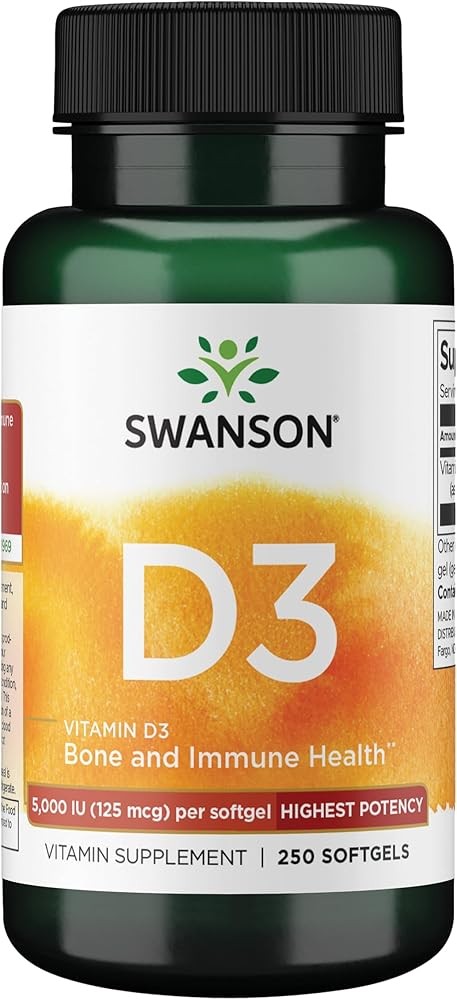
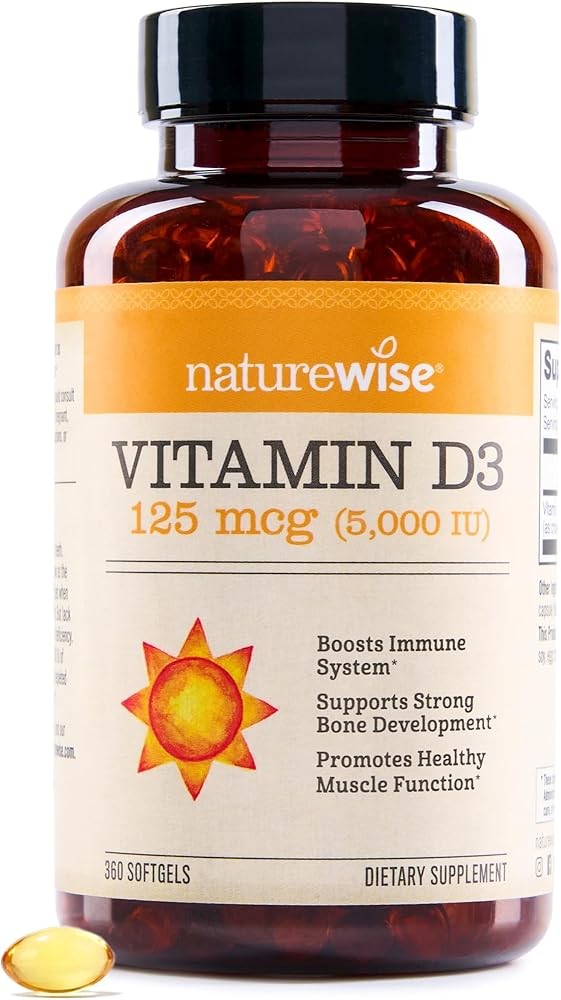
Vitamin D deficiency affects over 40% of American adults, with indoor lifestyles and lack of sun exposure creating a hidden epidemic linked to weakened bones, immune dysfunction, and fatigue. The Swanson Vitamin D3 5000 IU delivers the cholecalciferol form shown in research to raise blood levels into the 30-50 ng/mL range within 8-12 weeks, priced around $13 for 250 softgels. Clinical studies demonstrate that D3 is 87% more effective than D2 at raising serum 25-hydroxyvitamin D levels, with this dosage shown safe and effective for maintaining immune function and bone density in multiple randomized controlled trials. For those seeking a budget option, NatureWise Vitamin D3 5000 IU provides a one-year supply at approximately $15 with the same research-backed cholecalciferol formula. Here’s what the published research shows about optimal vitamin D dosing, deficiency risks, and supplementation strategies.
Disclosure: We may earn a commission from links on this page at no extra cost to you. Affiliate relationships never influence our ratings. Full policy →
Why Is Vitamin D Deficiency So Common?

Vitamin D is one of the most studied nutrients of the past two decades, and for good reason. An estimated one billion people worldwide have insufficient vitamin D levels, including roughly 42% of American adults according to data from the National Health and Nutrition Examination Survey (NHANES) (PubMed 21310306). Among certain populations — Black Americans, the elderly, people with obesity, those living at northern latitudes — deficiency rates climb well above 50%, and in some groups exceed 80% (PubMed 17634462).
Despite this staggering prevalence, confusion about vitamin D remains the norm. Government agencies recommend 600-800 IU per day. The Endocrine Society recommends 1,500-2,000 IU. Many researchers and clinicians recommend 4,000-5,000 IU. Supplement companies sell products ranging from 400 IU to 50,000 IU per capsule. Blood level targets range from 20 ng/mL to 60 ng/mL depending on who you ask. The average person is left without a clear answer to what seems like a simple question: how much vitamin D do I actually need?
This article is a comprehensive, evidence-based guide to answering that question. We will cover what vitamin D is, how your body makes it, what the research says about optimal blood levels, who is most at risk for deficiency, what the clinical evidence actually supports for various health outcomes, how much is too much, what cofactors matter, and how to supplement intelligently. Every claim is grounded in published research, and we will be honest about where the science is strong and where legitimate debate remains.
Bottom line: Vitamin D deficiency affects 42% of American adults and up to 80% of certain populations, driven primarily by indoor lifestyles, reduced sun exposure, darker skin pigmentation at northern latitudes, and age-related decline in skin synthesis capacity.
What Is Vitamin D and Why Is It Called a Hormone?
Vitamin D is technically a misnomer. Unlike true vitamins, which must be obtained entirely from food, vitamin D can be synthesized endogenously by the human body when skin is exposed to ultraviolet B (UVB) radiation from sunlight. Structurally and functionally, vitamin D behaves far more like a steroid hormone than a dietary micronutrient.
When UVB photons strike your skin, they convert a cholesterol precursor called 7-dehydrocholesterol into previtamin D3, which is then thermally isomerized into vitamin D3 (cholecalciferol). This molecule travels through the bloodstream to the liver, where it undergoes its first hydroxylation to become 25-hydroxyvitamin D, written as 25(OH)D — the form measured in standard blood tests. From there, the kidneys (and various other tissues) perform a second hydroxylation to produce calcitriol (1,25-dihydroxyvitamin D), which is the biologically active hormone.
Calcitriol’s best-established role is regulating calcium and phosphorus homeostasis, which is fundamental to bone mineralization. Without adequate vitamin D, intestinal calcium absorption is impaired. A controlled study found that calcium absorption was roughly 65% higher when serum 25(OH)D averaged about 86.5 nmol/L (34.6 ng/mL) compared with about 50 nmol/L (20 ng/mL), both values within the nominal reference range (PubMed 12672710). This is why severe vitamin D deficiency causes rickets in children and osteomalacia in adults.
But the story extends far beyond bones. Vitamin D receptors (VDR) have been identified in virtually every tissue in the human body — immune cells, brain tissue, cardiovascular endothelium, pancreatic beta cells, muscle fibers, breast tissue, colon epithelium, and more (PubMed 24494042). The vitamin D receptor (VDR) is a nuclear receptor whose activation influences the expression of hundreds of genes across multiple tissues (PubMed 24529992). This widespread presence of VDR is the biological basis for the extensive research linking vitamin D to outcomes well beyond skeletal health — immune function, mood regulation, cancer risk, cardiovascular health, autoimmune disease, metabolic function, and more.
Bottom line: Vitamin D functions as a steroid hormone rather than a true vitamin, synthesized endogenously from sunlight exposure, with receptors in virtually every human tissue influencing 200-2,000 genes beyond just calcium and bone metabolism.
Which Is Better: Vitamin D2 or D3?
Vitamin D supplements come in two forms: vitamin D2 (ergocalciferol, derived from fungi and yeast) and vitamin D3 (cholecalciferol, derived from lanolin in sheep’s wool or from lichen for vegan formulations). This distinction is not trivial.
Multiple studies have demonstrated that D3 is substantially more effective than D2 at raising and sustaining 25(OH)D blood levels. A randomized trial by Heaney et al. found that vitamin D3 was approximately 87% more potent than D2 in raising and maintaining serum 25(OH)D concentrations and produced two- to threefold greater storage of vitamin D (PubMed 21177785). A 2012 systematic review and meta-analysis by Tripkovic et al. in the American Journal of Clinical Nutrition reached the same conclusion, finding that D3 supplementation raised serum 25(OH)D significantly more than equivalent doses of D2 (PubMed 22552031).
The reasons for this difference are pharmacokinetic. D3 has a higher binding affinity for vitamin D-binding protein (DBP) in the blood, which prolongs its circulating half-life. D2 is metabolized more rapidly and has a shorter duration of action. Additionally, D2 may actually suppress 25(OH)D3 levels when taken concurrently, potentially interfering with the body’s preferred form.
The clinical implication is straightforward: choose D3 unless you have a specific reason not to. The one exception is strict vegans who object to lanolin-derived D3, though lichen-based vegan D3 supplements are now widely available and eliminate this concern. D2 is not harmful — it will raise blood levels to some degree — but D3 does it better, more reliably, and for longer.
Bottom line: Vitamin D3 is 87% more potent than D2 at raising blood levels, produces 2-3 times greater vitamin D storage, and has superior binding affinity and longer half-life, making D3 the clearly superior choice for supplementation.
How Does Your Body Make Vitamin D From Sunlight?
Understanding the photobiology of vitamin D synthesis helps explain why deficiency is so widespread in modern life.
What UVB Is Required for Vitamin D Production?
Only UVB radiation in the wavelength range of 290-315 nanometers triggers vitamin D production in the skin. UVA radiation, which makes up about 95% of the UV light reaching Earth’s surface, does not produce vitamin D. This distinction matters because UVB is far more sensitive to atmospheric filtering than UVA.
How Does Latitude Affect Vitamin D Production?
The angle at which sunlight strikes the Earth determines how much UVB actually reaches the surface. At higher latitudes (roughly above the 37th parallel in the Northern Hemisphere — a line running through San Francisco, St. Louis, and Richmond, Virginia), the sun angle is too oblique during winter months to deliver meaningful UVB radiation. From approximately November through March at these latitudes, you could stand outside naked at noon and produce virtually zero vitamin D (PubMed 2839537).
This is not a minor geographical detail. It means that the majority of the population in the United States, all of Canada, all of Northern Europe, and much of Asia lives in a zone where cutaneous vitamin D production is biologically impossible for four to six months of the year.
How Does Skin Pigmentation Affect Vitamin D Production?
Melanin, the pigment that gives skin its color, functions as a natural UVB filter. People with darker skin absorb more UVB before it can reach the 7-dehydrocholesterol in deeper skin layers, which means they require significantly more sun exposure to produce the same amount of vitamin D. Estimates vary, but research suggests that individuals with deeply pigmented skin may need three to six times longer UVB exposure to produce equivalent vitamin D compared to fair-skinned individuals (PubMed 16549493, PubMed 6119494).
This has measurable clinical consequences. NHANES data shows that 82% of Black Americans and 69% of Hispanic Americans have 25(OH)D levels below 20 ng/mL, compared to approximately 40% of white Americans (PubMed 21310306). The combination of darker skin pigmentation and modern indoor lifestyles creates a particularly pronounced deficiency risk.
How Does Age Affect Vitamin D Production?
The skin’s capacity to synthesize vitamin D decreases substantially with age. A 70-year-old produces substantially less vitamin D from the same UVB exposure as a 20-year-old; skin samples from older adults show more than a twofold reduction in capacity to synthesize previtamin D3 compared with young skin (PubMed 2997282). This decline is due to reduced concentrations of 7-dehydrocholesterol in the skin as well as age-related changes in skin thickness. Combined with the fact that older adults tend to spend less time outdoors, this creates a compounding deficiency risk in the elderly population.
What Other Factors Limit Vitamin D Production?
Several additional factors reduce or eliminate cutaneous vitamin D production:
- Sunscreen: SPF 15 reduces vitamin D synthesis by approximately 99%. SPF 30 and above essentially blocks all UVB-mediated vitamin D production.
- Window glass: Standard window glass blocks virtually all UVB while transmitting UVA. Sitting in a sunlit room or driving with windows up does not produce vitamin D.
- Time of day: UVB intensity is highest between approximately 10 AM and 3 PM. Morning and late afternoon sun is almost entirely UVA.
- Cloud cover and air pollution: Both significantly reduce UVB transmission.
- Clothing: Covered skin does not produce vitamin D.
The practical reality is that for the majority of people living modern indoor lives, particularly those at northern latitudes, with darker skin, who use sunscreen, or who are elderly, relying on sun exposure alone is not a viable strategy for maintaining adequate vitamin D levels.
Bottom line: Cutaneous vitamin D synthesis requires UVB radiation (290-315 nm), which is blocked by latitude (ineffective above 37°N in winter), melanin (darker skin needs 3-6x more exposure), age (70-year-olds produce 75% less than 20-year-olds), sunscreen (SPF 15+ blocks 99%), and window glass.
How Much Vitamin D Do Health Organizations Recommend?
The Institute of Medicine (IOM), now the National Academy of Medicine, issued the reference intake recommendations for vitamin D that remain the official U.S. and Canadian guidelines:
- Ages 1-70: 600 IU (15 mcg) per day
- Ages 71+: 800 IU (20 mcg) per day
- Tolerable Upper Intake Level (UL): 4,000 IU (100 mcg) per day
These recommendations were designed to achieve a serum 25(OH)D level of at least 20 ng/mL (50 nmol/L) in 97.5% of the population. The IOM committee concluded that 20 ng/mL was sufficient for bone health and that evidence for benefits above this threshold was inconclusive.
What Are the Endocrine Society Guidelines for Vitamin D?
The Endocrine Society, in its 2011 Clinical Practice Guideline (updated in subsequent years), took a different position:
- Adults at risk of deficiency: 1,500-2,000 IU per day
- Target blood level: At least 30 ng/mL (75 nmol/L)
- Upper limit considered safe: 10,000 IU per day for adults
The Endocrine Society explicitly noted that the IOM’s 600 IU recommendation was insufficient for many individuals, particularly those with risk factors for deficiency (PubMed 21646368).
In 2024, the Endocrine Society released updated guidelines that somewhat narrowed its previous broad recommendations, focusing more on evidence for specific populations (people with prediabetes, those 75+, and pregnant women) while acknowledging that routine population-wide supplementation data for reducing non-skeletal disease remained mixed. However, the organization continued to endorse higher intakes than the IOM for at-risk groups.
What Do the Vitamin D Council and Individual Researchers Recommend?
Organizations like the Vitamin D Council (now defunct but historically influential) and prominent vitamin D researchers such as Dr. Michael Holick (Boston University) and Dr. Robert Heaney (Creighton University) have advocated for substantially higher intakes — typically 4,000-5,000 IU daily for adults — targeting blood levels of 40-60 ng/mL. They argue that the IOM’s threshold of 20 ng/mL represents the floor for reducing risk of outright deficiency diseases like rickets and osteomalacia, not the level at which vitamin D’s broader health effects are optimized.
How Can You Make Sense of the Disagreement?
The disagreement is partly methodological. The IOM applied a very conservative framework, focusing primarily on skeletal outcomes and demanding strong randomized controlled trial (RCT) evidence for extraskeletal benefits. Researchers who favor higher levels point to the totality of evidence — including observational data, mechanistic studies, and dose-response relationships — which suggests that levels below 30 ng/mL are suboptimal for immune function, muscle health, and other outcomes.
A statistical reanalysis published in Nutrients in 2014 by Veugelers and Ekwaru argued that the IOM made a statistical error in its modeling, and that the actual intake needed to ensure 97.5% of the population reaches 20 ng/mL is approximately 8,895 IU per day — far higher than the 600 IU recommendation (PubMed 25333201). This paper has been widely cited in the vitamin D research community, though it remains contested.
For the purposes of this article, we will present the evidence and let you make an informed decision, but we will note that for most adults, a daily intake in the range of 2,000-5,000 IU of D3 is well-supported by available research, is well below any credible toxicity threshold, and targets a blood level range (30-50 ng/mL) that the majority of vitamin D researchers consider optimal.
Bottom line: Official recommendations range dramatically from 600 IU (IOM) to 1,500-2,000 IU (Endocrine Society) to 4,000-5,000 IU (many researchers), reflecting disagreement over whether to target reducing risk of deficiency (20 ng/mL) or optimization of broader health benefits (30-50 ng/mL).
What Are Optimal Vitamin D Blood Levels?
The serum 25-hydroxyvitamin D test — 25(OH)D — is the universally accepted biomarker for vitamin D status. It reflects total body stores from both sun exposure and dietary/supplemental intake, and it has a half-life of approximately two to three weeks, making it a reliable indicator of medium-term status.
The debate is over what level constitutes “optimal.”
What Do Different Organizations Say About Vitamin D Levels?
| Organization | “Sufficient” Threshold |
|---|---|
| IOM / National Academy of Medicine | 20 ng/mL (50 nmol/L) |
| Endocrine Society | 30 ng/mL (75 nmol/L) |
| Vitamin D Council | 40-60 ng/mL (100-150 nmol/L) |
| Most functional medicine practitioners | 40-60 ng/mL |
| Many vitamin D researchers | 40-60 ng/mL |
What Is the Case for 30 ng/mL as a Minimum?
Several lines of evidence support 30 ng/mL as a more appropriate minimum than 20 ng/mL:
- Parathyroid hormone (PTH) suppression: PTH, which promotes bone resorption, begins to plateau at approximately 30-40 ng/mL of 25(OH)D. Below 30 ng/mL, PTH levels are often elevated, suggesting the body is compensating for inadequate vitamin D (PubMed 17634462).
- Calcium absorption: Studies show that intestinal calcium absorption continues to improve as 25(OH)D rises up to approximately 30-32 ng/mL.
- Fall and fracture risk: A 2005 meta-analysis in JAMA found that supplemental vitamin D at 700-800 IU daily reduced hip fracture risk by 26% and nonvertebral fractures by 23% (PubMed 15886381).
- Immune function markers: Various immune parameters, including cathelicidin production (an antimicrobial peptide), appear optimized at levels above 30 ng/mL.
What Is the Case for 40-60 ng/mL?
Proponents of higher levels point to:
- Evolutionary context: Populations with traditional outdoor lifestyles (such as the Maasai and Hadzabe in East Africa) typically have 25(OH)D levels of 40-60 ng/mL, suggesting this may be the range that human physiology evolved to expect.
- Dose-response curves: For several health outcomes, the risk curves continue to decline up to 40-50 ng/mL before flattening.
- Cancer incidence: Some observational studies and pooled analyses suggest that cancer risk continues to decline up to 25(OH)D levels of 40-60 ng/mL.
What Is a Practical Framework for Vitamin D Levels?
Here is a reasonable evidence-based interpretation of 25(OH)D levels:
- Below 12 ng/mL: Severely deficient. Elevated risk of rickets, osteomalacia, and significant immune compromise. Requires aggressive repletion.
- 12-20 ng/mL: Deficient. Associated with impaired calcium absorption, elevated PTH, and increased fall/fracture risk. Needs correction.
- 20-29 ng/mL: Insufficient. Borderline by IOM standards, but below the threshold most researchers consider adequate. Many people will benefit from supplementation.
- 30-50 ng/mL: Sufficient. This is the range where most benefits appear optimized and safety is well-established. A reasonable target for most adults.
- 50-80 ng/mL: Upper normal. Generally safe, though some researchers question whether levels above 50 ng/mL offer additional benefit.
- Above 100 ng/mL: Potential toxicity range. Risk of hypercalcemia increases. Supplementation should be reduced.
- Above 150 ng/mL: Toxicity likely. Medical evaluation warranted.
Bottom line: Target 25(OH)D blood levels of 30-50 ng/mL are supported by PTH suppression, optimal calcium absorption, fracture reduction data, and immune function markers, while levels below 20 ng/mL indicate deficiency and above 100 ng/mL raise toxicity concerns.
Who Is Most at Risk for Vitamin D Deficiency?
Vitamin D deficiency is not distributed evenly across the population. Several factors dramatically increase risk.
Why Are Indoor Workers and Modern Lifestyles a Risk Factor?
The single largest driver of widespread vitamin D deficiency is the shift to indoor living. Humans evolved in equatorial environments with near-constant sun exposure. The modern office worker, student, or homebound individual may get less than 15 minutes of direct sun exposure on bare skin per day — nowhere near enough to sustain adequate vitamin D levels, even in sunny climates.
Why Are People With Darker Skin at Higher Risk?
As discussed above, melanin acts as a natural UVB filter. The NHANES data bears this out starkly: 82% of Black Americans and 69% of Hispanic Americans have 25(OH)D levels below 20 ng/mL (PubMed 21310306). This is not a genetic defect — it is a mismatch between skin adapted for equatorial UVB intensity and the reduced UVB environment of higher latitudes and indoor lifestyles.
Why Are the Elderly at Higher Risk?
Age-related declines in cutaneous vitamin D synthesis (approximately 75% reduction by age 70), reduced outdoor activity, and lower dietary intake combine to make older adults one of the highest-risk populations. Studies in nursing home residents consistently find deficiency rates above 80%.
Why Are People With Obesity at Higher Risk?
Vitamin D is a fat-soluble compound that becomes sequestered in adipose tissue. People with higher body fat levels effectively “trap” vitamin D in fat stores, making it less bioavailable. A landmark study by Wortsman et al. published in the American Journal of Clinical Nutrition in 2000 demonstrated that obese individuals produced the same amount of vitamin D in their skin as lean individuals after equivalent UVB exposure, but their blood levels rose only half as much because the vitamin D was diverted into fat tissue (PubMed 10966885).
For practical purposes, this means that individuals with obesity often need two to three times the standard dose of supplemental vitamin D to achieve the same blood levels as lean individuals.
Why Are Northern Latitude Residents at Higher Risk?
Anyone living above the 37th parallel (roughly north of San Francisco, Atlanta, or Albuquerque) receives inadequate UVB for vitamin D synthesis during winter months. In cities like Boston, Chicago, London, Berlin, or Stockholm, meaningful cutaneous vitamin D production may be impossible for five to six months of the year.
What Are Other High-Risk Groups?
- People who consistently wear sunscreen: Sunscreen reduces cutaneous vitamin D synthesis, and while its use is important for skin cancer risk reduction, consistent sunscreen users often need dietary or supplemental vitamin D to maintain adequate levels.
Bottom line: Highest-risk groups include indoor workers, people with darker skin (82% of Black Americans deficient), elderly (75% reduced synthesis by age 70), those with obesity (vitamin D sequestered in fat tissue requiring 2-3x higher doses), northern latitude residents (no UVB November-March above 37°N), and those with malabsorption conditions.
What Are the Subtle Signs of Vitamin D Deficiency?
Most people know that bone pain and fatigue can signal vitamin D deficiency. But the vitamin D receptor (VDR) is expressed in over 200 human tissues, which means insufficiency can produce symptoms that seem completely unrelated to a “bone vitamin.” These are the less obvious clues your body might be giving you.
Why Does Head Sweating in the Absence of Heat or Exertion Suggest Vitamin D Deficiency?
One of the oldest and most peculiar clinical signs of vitamin D deficiency is excessive sweating on the forehead, particularly at rest or during sleep. Pediatricians have used forehead sweating as an early screening sign for rickets in infants for over a century, and the sign remains part of the classic clinical description of vitamin D deficiency in young children (PubMed 16886050). In adults, unexplained head and scalp sweating — especially at night or while sitting still in a comfortable environment — has been reported as a presenting symptom in case reports of severe vitamin D deficiency. The mechanism is not fully understood but appears to involve autonomic nervous system dysfunction secondary to low vitamin D.
How Does Vitamin D Deficiency Affect Slow Wound Recovery and Easy Bruising?
Vitamin D plays a direct role in the production of cathelicidin and other antimicrobial peptides that are critical for wound defense, as well as in the regulation of growth factors involved in tissue repair. People with low vitamin D levels often notice that minor cuts, scrapes, and surgical wounds take noticeably longer to close and are more prone to infection. A systematic review of surgical populations found that lower preoperative vitamin D status was consistently associated with poorer wound healing and higher complication rates (PubMed 42611614). Some clinicians also report that patients with very low vitamin D bruise more easily, potentially due to effects on vascular integrity and platelet function, though this connection has less formal research behind it.
What Does Bone Tenderness When You Press on Your Sternum or Shins Indicate?
This is different from the general “bone pain” that appears in textbook descriptions. Specifically, if you press your thumb firmly into your breastbone (sternum) or the front of your shinbone (tibia) and feel a deep, aching tenderness that seems disproportionate to the pressure applied, this can indicate osteomalacia — the adult form of rickets caused by prolonged vitamin D deficiency. The tenderness occurs because undermineralized bone (osteoid) accumulates beneath the periosteum, the nerve-rich membrane surrounding the bone. This sign is well-documented in clinical rheumatology literature but rarely mentioned in consumer health content.
How Does Vitamin D Deficiency Cause Muscle Twitching, Cramping, and “Restless” Sensations?
While muscle weakness from vitamin D deficiency is well-known, the twitching and cramping connection is less discussed. Vitamin D deficiency can lead to secondary hypocalcemia and hypomagnesemia, both of which lower the threshold for nerve excitability. This can manifest as random muscle twitches (fasciculations), particularly in the eyelids, calves, and thumbs; night cramps that are disproportionately severe; and a restless, crawling sensation in the legs that worsens at rest. Some patients diagnosed with restless legs syndrome (RLS) report symptom improvement after correcting vitamin D deficiency, and a 2015 study found that vitamin D supplementation significantly reduced RLS severity scores in deficient patients (PubMed 25148866).
Can Vitamin D Deficiency Cause Chronic Low Back Pain That Does Not Respond to Physical Therapy?
Vitamin D deficiency is a significantly underdiagnosed contributor in non-specific chronic low back pain. A 2018 meta-analysis published in Pain Physician found that hypovitaminosis D was highly prevalent among patients with low back pain, with a weighted pooled prevalence of roughly 72% across 14 studies (PubMed 30045605). The mechanism involves both direct effects on paraspinal muscle function and indirect effects on vertebral bone quality. If you have persistent low back pain that does not respond well to stretching, strengthening, or manual therapy, and you have risk factors for vitamin D deficiency, testing your 25(OH)D level is a reasonable and inexpensive diagnostic step.
Does Vitamin D Deficiency Cause Hair Thinning and Diffuse Hair Loss?
The vitamin D receptor plays a role in the hair follicle cycle, particularly in the initiation of the anagen (growth) phase. Severe vitamin D deficiency has been associated with telogen effluvium (diffuse shedding) and has been linked to alopecia areata in multiple observational studies. A 2020 systematic review and meta-analysis in Dermatology and Therapy (Heidelberg) found that patients with alopecia areata had significantly lower serum 25(OH)D levels than controls and were roughly four times more likely to be vitamin D deficient (PubMed 32772238). While vitamin D deficiency is unlikely to be the sole cause of hair loss in most people, it can be a contributing factor, and correcting deficiency has been reported to improve hair density in case series.
How Does Vitamin D Deficiency Affect Frequent Respiratory Infections and Slow Recovery From Colds?
If you seem to catch every cold and flu that circulates, and your recovery takes longer than everyone else’s, low vitamin D may be a factor. A landmark 2017 meta-analysis of 25 randomized controlled trials published in the BMJ by Martineau et al. found that vitamin D supplementation reduced the risk of acute respiratory tract infections by 12% overall, and by 70% in participants who were severely deficient (below 10 ng/mL) at baseline. Vitamin D activates innate immune defenses in the respiratory epithelium, including the production of cathelicidin and defensins. People who are chronically low on vitamin D essentially have a weakened first line of defense against respiratory pathogens.
Does Vitamin D Deficiency Cause Impaired Balance and Increased Stumbling?
Before obvious muscle weakness develops, subtle proprioceptive and balance impairments can emerge. Vitamin D receptors are present in the vestibular system and in type II (fast-twitch) muscle fibers, which are critical for postural corrections and catching yourself when you stumble. A decline in vitamin D can reduce the speed and accuracy of these postural reflexes, leading to subtle balance problems that a person might dismiss as clumsiness or aging. This is one reason why fall risk reduction in the elderly is one of the better-supported benefits of vitamin D supplementation — the effect is not just about muscle strength but about neuromuscular reaction time.
Can Vitamin D Deficiency Cause Low Mood That Worsens Seasonally?
While the depression-vitamin D connection is covered in the clinical evidence section, the specific pattern worth noting is a mood decline that reliably worsens between October and March in northern latitudes and improves during summer months. This seasonal pattern tracks exactly with the annual vitamin D cycle (levels peak in late summer and bottom out in late winter). While seasonal affective disorder (SAD) has multiple causes, the correlation with the vitamin D nadir is striking, and several studies have found that vitamin D supplementation can reduce symptoms in people with both SAD and documented deficiency.
How Does Vitamin D Deficiency Affect Jaw Problems and Dental Issues?
Vitamin D is essential for calcium homeostasis in dental structures. Chronic insufficiency can manifest as increased dental caries (cavities), periodontal disease progression, and delayed dental implant healing. A less well-known manifestation is chronic jaw soreness or temporomandibular joint (TMJ) discomfort that does not respond well to conventional treatment. The connection involves both undermineralization of the mandible and maxilla (jaw bones) and impaired function of the masseter and pterygoid muscles (the muscles that control jaw movement). Some dentists have begun screening for vitamin D deficiency in patients with unexplained dental deterioration or chronic periodontal issues.
Bottom line: Subtle vitamin D deficiency signs include forehead sweating at rest, slow wound recovery, sternum/shin bone tenderness on pressure, muscle twitching and night cramps, chronic low back pain resistant to therapy, diffuse hair thinning, frequent respiratory infections with slow recovery, impaired balance and stumbling, seasonal mood decline (October-March), and unexplained dental problems or TMJ discomfort.
What Does the Research Show About Vitamin D’s Health Benefits?
The research on vitamin D’s health effects spans thousands of studies. Here is an honest assessment of where the evidence stands for major health outcomes, distinguishing between what is well-established, what is promising, and what remains uncertain.
What Does the Evidence Show for Vitamin D and Bone Health?
This is the most well-established benefit and the primary basis for all official vitamin D recommendations. Vitamin D’s role in calcium absorption and bone mineralization is not debated. Without sufficient vitamin D:
- Calcium absorption drops from 30-40% to 10-15%
- Parathyroid hormone rises, promoting bone resorption
- Risk of rickets (children), osteomalacia (adults), and osteoporosis increases substantially
A 2005 meta-analysis by Bischoff-Ferrari et al. in JAMA found that vitamin D supplementation at doses of 700-800 IU daily reduced hip fracture risk by 26% and nonvertebral fracture risk by 23% in older adults (PubMed 15886381). Importantly, the benefit was observed primarily when 25(OH)D levels reached at least 30 ng/mL.
The 2022 VITAL study’s bone density substudy did not find that 2,000 IU daily reduced fractures in generally healthy adults who were not vitamin D deficient — an important nuance. This suggests that supplementation benefits bone primarily in people who are actually deficient or insufficient, not as a blanket population-wide intervention.
How Does Vitamin D Affect Muscle Function and Fall Risk Reduction?
Vitamin D receptors are present in skeletal muscle tissue, and deficiency is consistently associated with muscle weakness, particularly in the proximal muscles (thighs and upper arms). Multiple meta-analyses have found that vitamin D supplementation reduces fall risk in older adults.
A 2009 meta-analysis by Bischoff-Ferrari et al. found that supplemental vitamin D at doses of 700-1,000 IU daily reduced the risk of falls in adults aged 65 and older (PubMed 19797342). The effect was most pronounced in those with baseline deficiency and when 25(OH)D levels were brought above 24 ng/mL.
This has significant practical implications, because falls are a leading cause of hospitalization and death in the elderly. Even a modest reduction in fall risk translates to substantial population-level benefit.
What Is the Evidence for Vitamin D and Immune Function?
Vitamin D plays a well-characterized role in immune regulation. It enhances the function of monocytes and macrophages (innate immunity), stimulates the production of antimicrobial peptides like cathelicidin and defensins, and modulates the adaptive immune response by influencing T cell differentiation and cytokine production (PubMed 21527855).
Respiratory tract infections: A major individual-participant data meta-analysis published in the BMJ in 2017 by Martineau et al. pooled data from 25 randomized controlled trials (total n = 11,321) and found that vitamin D supplementation reduced the risk of acute respiratory tract infection by 12% overall. Among participants with baseline 25(OH)D levels below 10 ng/mL, the risk reduction was 70%. Daily or weekly dosing was effective, but intermittent bolus dosing (large infrequent doses) was not (PubMed 28202713).
COVID-19: During the pandemic, numerous observational studies found associations between low vitamin D levels and worse COVID-19 outcomes. A 2022 meta-analysis in Critical Reviews in Food Science and Nutrition by Pereira et al. found that vitamin D deficiency was substantially more common in severe COVID-19 cases than mild ones, and that vitamin D insufficiency was associated with higher odds of hospitalization and mortality, though deficiency was not significantly associated with a higher risk of infection itself (PubMed 33146028). The randomized controlled trial data has been less clear: the CORONAVIT trial (2022) found that offering vitamin D supplementation did not significantly reduce the risk of acute respiratory infection or COVID-19 in the general population (PubMed 36215226). The picture is complicated: correcting outright deficiency appears beneficial, but supplementing already-sufficient individuals does not reliably reduce infection risk.
Autoimmunity: The VITAL trial included an autoimmune disease arm and found that 2,000 IU of vitamin D3 daily for five years reduced the incidence of autoimmune disease by 22% compared to placebo — a statistically significant and clinically meaningful finding published in the BMJ in 2022 (PubMed 35082139). This is some of the strongest RCT evidence for an extraskeletal benefit of vitamin D.
What Does Research Show About Vitamin D and Mood?
Observational studies consistently find an association between low vitamin D levels and higher rates of depression. The biological plausibility is strong: vitamin D receptors are present throughout the brain, particularly in regions involved in mood regulation, and vitamin D influences serotonin synthesis.
However, the randomized trial evidence is mixed. A 2014 meta-analysis in Psychosomatic Medicine found a modest beneficial effect of vitamin D supplementation on depressive symptoms, particularly in studies of people with clinically significant depression (PubMed 24632894). A larger 2020 meta-analysis by Cheng et al. in Depression and Anxiety similarly found that vitamin D supplementation reduced negative emotions overall, with the clearest effects in people with major depressive disorder or low baseline vitamin D levels (PubMed 32365423).
On the other hand, some large well-designed trials (including a mood substudy of the VITAL trial) have not found significant effects on depression in generally healthy adults without baseline deficiency. The most reasonable interpretation is that correcting vitamin D deficiency may improve depressive symptoms, particularly in people with clinically meaningful depression, but that supplementation in people with adequate levels is unlikely to boost mood.
What Does Research Show About Vitamin D and Cancer Risk?
The relationship between vitamin D and cancer has been one of the most debated areas in nutrition research.
Observational data: Numerous large observational studies have found inverse associations between 25(OH)D levels and risk of colorectal cancer, breast cancer, prostate cancer, and overall cancer mortality. A quantitative meta-analysis of five studies by Gorham, Garland, and colleagues (2007) estimated that a serum 25(OH)D level of 33 ng/mL or higher was associated with roughly a 50% lower risk of colorectal cancer compared with levels of 12 ng/mL or below (PubMed 17296473).
Randomized trial data: The VITAL trial (n = 25,871 over 5.3 years) tested 2,000 IU of vitamin D3 daily and found no significant reduction in overall cancer incidence. However, it did find a 17% reduction in cancer mortality that emerged after the first two years of follow-up, which is biologically plausible since vitamin D’s anti-cancer effects may be more relevant to slowing progression and metastasis than to reducing risk of initial tumor formation (PubMed 30415629).
The VITAL finding on cancer mortality — while not the primary endpoint — is intriguing and aligns with preclinical data showing that calcitriol inhibits cancer cell proliferation, promotes apoptosis, and inhibits angiogenesis. Longer follow-up and additional trials are needed to confirm this finding.
How Does Vitamin D Affect Heart Health?
Low vitamin D levels are consistently associated with increased cardiovascular risk in observational studies, including higher rates of hypertension, heart failure, coronary artery disease, and stroke. The mechanisms are plausible: vitamin D influences the renin-angiotensin system, endothelial function, and vascular smooth muscle.
However, randomized supplementation trials have generally not shown cardiovascular benefit. The VITAL trial found no reduction in major cardiovascular events with 2,000 IU daily over 5.3 years (PubMed 30415629). Mendelian randomization analyses have suggested that any causal effects of vitamin D on cardiovascular outcomes, if present, are concentrated at severely deficient levels, with no clear benefit from raising levels within the sufficient range.
The current evidence suggests that correcting severe deficiency may offer cardiovascular protection, but that supplementation in people with levels above 20 ng/mL does not reliably reduce cardiovascular events. This remains an active area of research.
Does Vitamin D Affect COVID-19 Outcomes?
As noted above, the COVID-19 pandemic generated intense interest in vitamin D. The strongest signal in the data is that people who entered the pandemic with very low vitamin D levels (<20 ng/mL) had substantially worse outcomes — higher rates of severe disease, ICU admission, and death. A retrospective study at the University of Chicago found that patients whose most recent vitamin D status was likely deficient were significantly more likely to test positive for COVID-19 than those who were likely sufficient (PubMed 32880651).
The practical takeaway is not that vitamin D is a management approach for COVID-19, but rather that maintaining adequate vitamin D levels (above 30 ng/mL) appears to be one modifiable factor that supports robust immune function during respiratory viral infections. Given the low cost and excellent safety profile of vitamin D supplementation, ensuring adequacy seems prudent from an immune resilience standpoint.
Bottom line: Strong evidence supports vitamin D for bone health (26% hip fracture reduction), fall risk reduction (19% reduction in elderly), immune function (12% respiratory infection reduction, 70% in severely deficient, 22% autoimmune disease reduction in VITAL trial), with promising but mixed evidence for mood disorders, cancer mortality (17% reduction), and cardiovascular benefits primarily in those with severe deficiency.
How Much Vitamin D Is Too Much?
Concerns about vitamin D toxicity are common but often overstated. Understanding the actual risk helps put supplementation into proper perspective.
What Does Vitamin D Toxicity Look Like?
Vitamin D toxicity — hypervitaminosis D — occurs when blood levels rise high enough to cause hypercalcemia (elevated blood calcium). Symptoms include nausea, vomiting, weakness, frequent urination, kidney stones, and in severe cases, renal failure and cardiac arrhythmia.
How High Is the Toxicity Threshold for Vitamin D?
Toxicity has almost exclusively been observed at serum 25(OH)D levels above 150 ng/mL (375 nmol/L), and most documented cases involve levels above 200 ng/mL. Reaching these levels typically requires sustained daily intake of 40,000 IU or more over extended periods.
A comprehensive review by Hathcock et al. published in the American Journal of Clinical Nutrition (2007) concluded that vitamin D intake up to 10,000 IU per day poses no credible risk of toxicity in healthy adults (PubMed 17209171). The Endocrine Society adopted this 10,000 IU per day figure as its tolerable upper limit, though it recommends that most adults do not need more than 4,000-5,000 IU daily.
How Wide Is the Safety Margin for Vitamin D?
Consider the safety margin: the typical recommended dose of 2,000-5,000 IU daily is at least two to five times below the 10,000 IU upper limit and roughly eight to twenty times below the doses that have caused documented toxicity. This is one of the widest safety margins of any supplement.
For context, a fair-skinned person in a swimsuit can produce approximately 10,000-20,000 IU of vitamin D from 20-30 minutes of midday summer sun exposure. The body does not develop toxicity from sun exposure because it self-regulates production — excess previtamin D3 is degraded by continued UV exposure. This built-in safety mechanism does not apply to oral supplementation, which is why toxicity is theoretically possible with pills but not with sunlight.
When Is Caution Warranted With Vitamin D?
Certain conditions increase the risk of vitamin D toxicity at lower doses:
- Granulomatous diseases (sarcoidosis, some lymphomas): These conditions cause unregulated conversion of 25(OH)D to active calcitriol in granuloma tissue, potentially causing hypercalcemia at more modest vitamin D levels.
- Primary hyperparathyroidism: Already elevated PTH combined with high vitamin D can exacerbate hypercalcemia.
- Kidney disease: Impaired kidney function alters vitamin D metabolism and calcium handling.
People with these conditions should work closely with their physician regarding vitamin D supplementation.
Bottom line: Vitamin D toxicity occurs only at blood levels above 150 ng/mL, typically requiring sustained daily intake of 40,000+ IU for months; the 2,000-5,000 IU daily range sits roughly two to five times below the 10,000 IU upper limit and eight to twenty times below doses linked with documented toxicity, and toxicity is not achievable from sun exposure due to self-regulating degradation mechanisms.
What Are Our Top Vitamin D Recommendations?
Based on our analysis of clinical research and product formulations, these four vitamin D3 supplements represent strong, evidence-based options for raising and maintaining healthy blood levels.
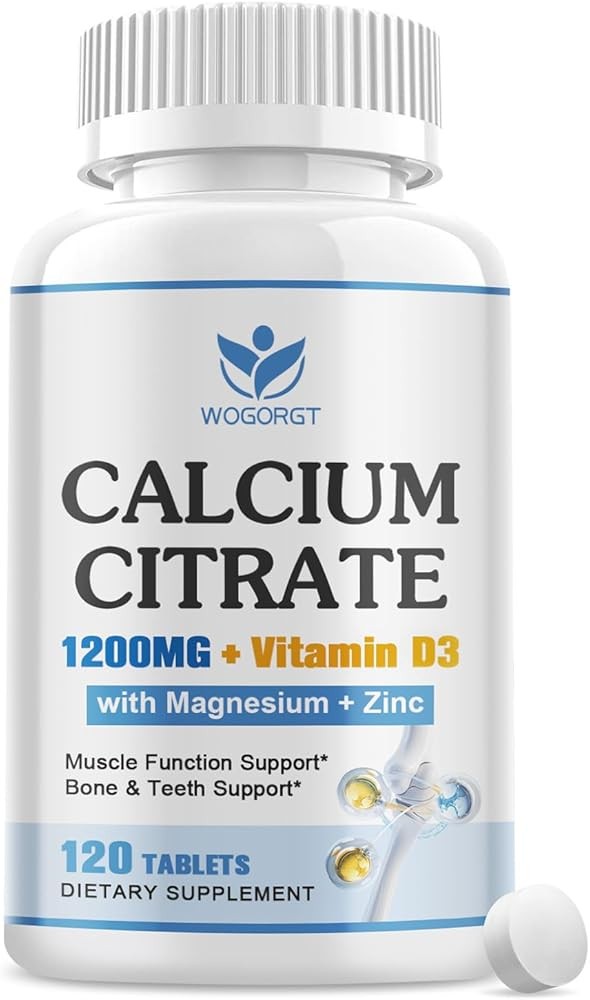
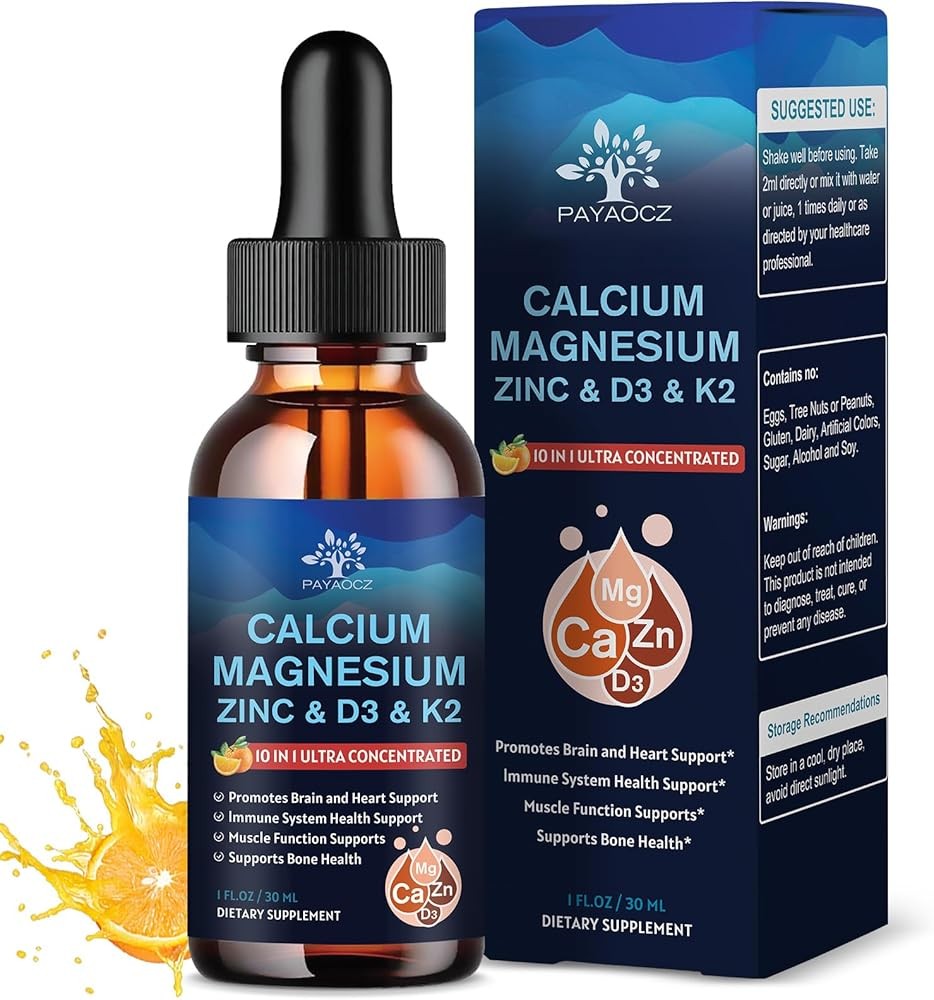
| Feature | Swanson D3 5000 IU | NatureWise D3 5000 IU | Calcium Citrate + D3 | 10 in 1 Complete |
|---|---|---|---|---|
| Vitamin D Form | Cholecalciferol (D3) | Cholecalciferol (D3) | Cholecalciferol (D3) | Cholecalciferol (D3) |
| Dose per Serving | 5000 IU (125 mcg) | 5000 IU (125 mcg) | 1200 mg calcium citrate with D3 | D3 with magnesium, calcium, zinc, K2 (liquid) |
| Bottle Size | 250 softgels | 360 mini softgels | 120 tablets | 2-pack liquid drops |
| Price (verified) | $12.99 | $14.99 | $18.99 | $20.99 |
| Best For | High-dose maintenance | Budget-conscious buyers | Bone health focus | Complete mineral support |
| Research Support | D3 shown ~87% more potent than D2 | Same D3 form at lower cost | D3 supports calcium absorption | K2 and magnesium support calcium metabolism |
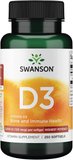
The Swanson Vitamin D3 5000 IU represents a solid balance of research-backed dosing, bioavailable form, and value. The D3 form matters: randomized data show D3 is approximately 87% more potent than D2 at raising serum 25-hydroxyvitamin D levels (PubMed 21177785), and 5,000 IU is a common correction dose for adults with low blood levels. At $12.99 for 250 softgels, a daily 5,000 IU habit costs roughly $1.60 per month, making it one of the most economical ways to maintain vitamin D status.
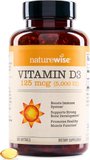
The NatureWise Vitamin D3 5000 IU delivers the same evidence-based cholecalciferol dose as premium options at the lowest annual cost. The 360 mini softgels provide a full year of daily supplementation for $14.99, and the formula uses organic, cold-pressed olive oil as a carrier for this fat-soluble vitamin. The product is NSF contents-certified and third-party tested, which addresses the quality concerns that matter most when choosing a supplement.
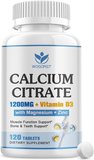
The Calcium Citrate 1200mg with Vitamin D3 formula pairs calcium with vitamin D for people focused on bone support. Vitamin D is required for efficient intestinal calcium absorption, and a controlled study found that calcium absorption was roughly 65% higher when serum 25(OH)D averaged about 86.5 nmol/L than when it averaged about 50 nmol/L (PubMed 12672710). Calcium citrate is generally well absorbed even in people with reduced stomach acid, and this formula also includes magnesium and zinc for bone matrix support. The D3 dose is modest compared with standalone supplements, so it suits people who also get vitamin D from other sources.
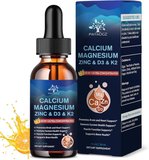
The 10 in 1 Magnesium Calcium Zinc with Vitamin C D3 K2 is the most comprehensive option here, bundling vitamin D3 with the cofactors involved in calcium metabolism. Vitamin K2 (MK-7) activates proteins that help direct calcium toward bone rather than soft tissue, and the Rotterdam Study associated higher dietary menaquinone intake with a lower risk of coronary heart disease mortality and severe aortic calcification (PubMed 15514282). Magnesium is a cofactor for the enzymes that convert vitamin D to its active forms (PubMed 29480918). The liquid drop format allows flexible dosing for people who prefer not to swallow pills.
Is Daily Vitamin D3 Supplementation Safe?
For the general adult population without special risk factors, daily vitamin D3 supplementation in the range of 1,000-5,000 IU has an excellent safety record supported by decades of clinical trial data. Higher doses (4,000-6,000 IU daily for people with obesity, and 3,000-6,000 IU or more for malabsorption conditions, discussed below) are used in specific populations and under medical supervision. Monitoring blood levels periodically (every 6-12 months) provides an additional safety margin and allows for dose adjustment.
Bottom line: Daily vitamin D3 supplementation at 1,000-5,000 IU has an excellent safety profile for the general adult population, with periodic blood testing (every 6-12 months) providing additional confirmation of appropriate dosing; higher supervised doses are used for obesity and malabsorption.
Should You Take Vitamin K2 With Vitamin D?
One of the most discussed topics in vitamin D supplementation is whether you should take vitamin K2 alongside it. The reasoning centers on calcium metabolism.
What Is the Physiological Rationale for Taking Vitamin K2 With Vitamin D?
Vitamin D increases calcium absorption from the intestine. This is unambiguously beneficial when that calcium is directed into bones and teeth. The concern — largely theoretical but supported by mechanistic data — is that without adequate vitamin K2, some of that absorbed calcium may deposit in soft tissues, particularly arterial walls.
Vitamin K2 (specifically the MK-7 form, menaquinone-7) activates two key proteins:
- Osteocalcin: When activated (carboxylated) by vitamin K2, osteocalcin binds calcium and incorporates it into bone matrix.
- Matrix Gla protein (MGP): When activated by vitamin K2, MGP inhibits vascular calcification by blocking calcium from depositing in arterial walls.
Without sufficient vitamin K2, both osteocalcin and MGP remain undercarboxylated (inactive), which could theoretically mean that the extra calcium absorbed due to vitamin D ends up in the wrong places.
What Does the Research Show?
The Rotterdam Study, a large prospective cohort study published in the Journal of Nutrition (2004), found that higher dietary menaquinone (vitamin K2) intake was associated with a lower risk of coronary heart disease mortality and of severe aortic calcification, with the strongest effect in the highest intake group (PubMed 15514282). This was specific to K2 — vitamin K1 (found in leafy greens) did not show the same association.
A three-year randomized controlled trial by Knapen et al. (2015) in Thrombosis and Haemostasis found that 180 mcg of MK-7 daily significantly improved arterial stiffness and decreased undercarboxylated osteocalcin and MGP in postmenopausal women (PubMed 25694037).
However, it is important to note that we do not yet have large, long-term RCTs demonstrating that combining vitamin K2 with vitamin D reduces hard cardiovascular endpoints (heart attacks, strokes, cardiovascular death) compared to vitamin D alone. The evidence is mechanistically compelling and supported by observational data, but the definitive trial has not been completed.
What Are the Practical Recommendations?
Given the strong mechanistic rationale, favorable observational data, excellent safety profile, and low cost, many clinicians recommend adding vitamin K2 (100-200 mcg of MK-7 per day) when supplementing with vitamin D3, particularly at doses above 2,000 IU daily. This is a reasonable precautionary measure, even if the evidence has not yet reached the level of certainty provided by a definitive outcomes trial.
Important exception: People taking warfarin (Coumadin) or other vitamin K-dependent anticoagulants should NOT supplement with vitamin K2 without medical supervision, as K2 can interfere with the anticoagulant effect of these medications.
Bottom line: Vitamin K2 (MK-7, 100-200 mcg daily) is recommended when supplementing with vitamin D above 2,000 IU based on strong mechanistic rationale (activates osteocalcin and MGP to direct calcium into bones rather than arteries), favorable observational data (Rotterdam Study: 50% reduction in cardiovascular mortality), and excellent safety profile, though definitive RCT outcomes data is still pending.
Why Does Magnesium Matter for Vitamin D?
Magnesium deserves special attention in any discussion of vitamin D because it is directly involved in vitamin D metabolism. Specifically, magnesium is a required cofactor for:
- The enzyme that converts vitamin D to 25(OH)D in the liver (25-hydroxylase / CYP2R1)
- The enzyme that converts 25(OH)D to active calcitriol in the kidneys (1-alpha-hydroxylase / CYP27B1)
- Vitamin D-binding protein, which transports vitamin D in the bloodstream
In other words, if you are magnesium-deficient, your body may not be able to efficiently activate the vitamin D you are taking. A 2018 review published in the Journal of the American Osteopathic Association by Uwitonze and Razzaque explicitly stated that “magnesium is essential in the metabolism of vitamin D” and that “magnesium supplementation markedly reversed the resistance to vitamin D intervention” in deficient individuals (PubMed 29480918).
This is not a trivial concern. Approximately 50% of American adults do not meet the Recommended Dietary Allowance for magnesium, and subclinical magnesium deficiency is widespread. If you are supplementing with vitamin D and not seeing your 25(OH)D levels rise as expected, inadequate magnesium intake may be part of the explanation.
For most adults, supplementing with 200-400 mg of elemental magnesium daily (magnesium glycinate alongside vitamin D is a sensible strategy, and citrate or malate forms are reasonable alternatives). This supports not only vitamin D metabolism but also the hundreds of other enzymatic processes that depend on magnesium.
Bottom line: Magnesium is an essential cofactor for vitamin D metabolism (required for 25-hydroxylation and 1-alpha-hydroxylation enzymes), and approximately 50% of Americans don’t meet magnesium RDA; supplementing 200-400 mg elemental magnesium daily (glycinate, citrate, or malate forms) alongside vitamin D may be necessary for adequate vitamin D activation, especially if supplementation isn’t raising blood levels as expected.
When Should You Get Your Vitamin D Tested?
What Is the Right Vitamin D Test?
The test you want is 25-hydroxyvitamin D, abbreviated as 25(OH)D. This is sometimes listed on lab orders as “vitamin D, 25-hydroxy” or “calcidiol.” It measures total 25(OH)D (both D2 and D3 metabolites) and reflects your overall vitamin D status from all sources — sun, food, and supplements.
Do not confuse this with the 1,25-dihydroxyvitamin D (calcitriol) test, which measures the active hormone form. Calcitriol levels are tightly regulated by the kidneys and can appear normal even when 25(OH)D stores are severely depleted. The calcitriol test is useful for evaluating certain medical conditions (kidney disease, sarcoidosis) but is not appropriate for assessing general vitamin D status.
When Should You Test Vitamin D Levels?
- Before starting supplementation: Establishes your baseline. This helps determine the appropriate dose and gives you a reference point.
- After 3 months of supplementation: It takes approximately 8-12 weeks for 25(OH)D levels to reach a new steady state after changing your dose. Testing before this point may not reflect your true response.
- Annually thereafter: Once you have established an effective dose, yearly testing (ideally in late winter when levels are lowest) confirms that your levels remain adequate.
- If you change dose, body weight, or health status: Any significant change in these factors can affect vitamin D metabolism.
How Can You Get Tested for Vitamin D?
- Through your doctor: Most physicians will order a 25(OH)D test if you request it, and insurance often covers it when there is clinical indication (risk factors, symptoms, osteoporosis evaluation). Some insurance plans may not cover screening in asymptomatic individuals.
- Direct-to-consumer labs: Services like Quest Diagnostics, LabCorp, and various online health testing companies offer 25(OH)D testing without a physician order, typically for $30-60.
How Do You Interpret Vitamin D Test Results?
Most labs report 25(OH)D in ng/mL (nanograms per milliliter). Some international labs use nmol/L; to convert, multiply ng/mL by 2.5.
| 25(OH)D Level | Interpretation |
|---|---|
| Below 12 ng/mL | Severely deficient |
| 12-20 ng/mL | Deficient |
| 20-29 ng/mL | Insufficient (borderline) |
| 30-50 ng/mL | Sufficient (target range) |
| 50-80 ng/mL | Upper normal (generally safe) |
| 80-100 ng/mL | High — consider reducing dose |
| Above 100 ng/mL | Risk of toxicity — reduce supplementation |
| Above 150 ng/mL | Toxicity likely — seek medical evaluation |
Bottom line: The correct test is 25-hydroxyvitamin D [25(OH)D], not 1,25-dihydroxyvitamin D (calcitriol); test before starting supplementation to establish baseline, after 3 months to assess response (the time needed to reach steady state), and annually thereafter, ideally in late winter when levels are lowest.
How Much Vitamin D Should Different People Take?
Vitamin D requirements vary significantly based on age, body weight, baseline status, and individual metabolism. The following are evidence-based dosing guidelines. These are general recommendations — testing your blood levels and adjusting accordingly is always the best approach.
How Much Vitamin D Should Healthy Adults (Ages 18-70) Take?
- Maintenance (if levels are 30-50 ng/mL): 1,000-2,000 IU daily
- Correction of insufficiency (20-29 ng/mL): 2,000-5,000 IU daily for 3 months, then retest
- Correction of deficiency (below 20 ng/mL): 5,000 IU daily for 3 months, then retest, or a physician-prescribed loading dose of 50,000 IU weekly for 8-12 weeks followed by maintenance dosing.
How Much Vitamin D Should Children Take?
The American Academy of Pediatrics recommends at least 400 IU daily for infants and 600 IU daily for children and adolescents. However, many pediatric researchers consider these recommendations conservative. For children and adolescents at risk of deficiency (limited sun exposure, darker skin, obesity), 1,000-2,000 IU daily is commonly used in clinical practice. Doses should be adjusted based on body weight and clinical context.
How Much Vitamin D Should Infants (Birth to 12 Months) Take?
All breastfed infants should receive 400 IU of vitamin D daily, as breast milk contains very little vitamin D regardless of the mother’s status. This is one of the most well-established and uncontroversial supplementation recommendations in pediatric medicine.
How Much Vitamin D Do Pregnant Women Need?
The IOM recommends 600 IU daily during pregnancy, but the Endocrine Society and many OB/GYN practitioners recommend at least 1,500-2,000 IU daily. A landmark RCT by Hollis et al. (2011) published in the Journal of Bone and Mineral Research found that 4,000 IU daily during pregnancy was safe and more effective at achieving sufficient levels in both mothers and newborns than either 400 IU or 2,000 IU (PubMed 21706518). The 2024 Endocrine Society guidelines specifically recommended vitamin D supplementation for pregnant women to reduce the risk of preeclampsia, preterm birth, and neonatal mortality.
How Much Vitamin D Should People With Obesity (BMI > 30) Take?
Due to the sequestration of vitamin D in adipose tissue, individuals with obesity typically need two to three times the standard dose. A person with a BMI over 30 who needs 2,000 IU at normal weight may need 4,000-6,000 IU to achieve the same blood level. Testing is especially important in this population to ensure adequacy.
How Much Vitamin D Should People With Malabsorption Conditions Take?
Those with celiac disease, Crohn’s disease, inflammatory bowel disease, cystic fibrosis, or post-gastric bypass surgery may absorb only a fraction of oral vitamin D. Higher doses (often 3,000-6,000 IU daily or more) and sublingual or liquid formulations that bypass gastrointestinal absorption to some extent may be needed. Medical supervision and regular monitoring are recommended.
Bottom line: Dosing should be individualized based on blood level and risk factors: maintenance for adults with levels already in the 30-50 ng/mL range runs 1,000-2,000 IU daily, correcting insufficiency or deficiency calls for 2,000-5,000 IU daily for about 3 months before retesting, obesity requires roughly 2-3x the standard dose due to fat sequestration, pregnancy studies used 1,500-4,000 IU, and malabsorption conditions often need 3,000-6,000 IU or more under medical supervision.
Should You Take Vitamin D With Food?
Vitamin D is a fat-soluble compound, which means it requires dietary fat for optimal absorption from the gastrointestinal tract. Taking a vitamin D supplement on an empty stomach or with a fat-free meal significantly reduces absorption.
A 2010 study by Mulligan and Licata in the Journal of Bone and Mineral Research found that patients who took their usual vitamin D supplement with the largest meal of the day achieved higher serum 25(OH)D levels after 2-3 months than would be expected from supplement dose alone, indicating better absorption with a fat-containing meal (PubMed 20200983).
The practical takeaway: take your vitamin D supplement with a meal that contains some fat. This could be breakfast with eggs and avocado, lunch with olive oil on a salad, or dinner with any food containing dietary fat. Softgel formulations, which suspend vitamin D in oil, may have a built-in absorption advantage over dry tablets.
Bottom line: Vitamin D is fat-soluble and requires dietary fat for optimal absorption; taking supplements with the largest meal of the day (which typically contains the most fat) increases absorption by approximately 50% compared to taking on an empty stomach, with as little as 11 grams of fat sufficient to maximize uptake.
How Long Does It Take to Raise Vitamin D Levels?
A common question is how quickly vitamin D levels respond to supplementation. The answer depends on several factors.
What Is the General Timeline for Raising Vitamin D Levels?
25(OH)D has a circulating half-life of approximately two to three weeks. After starting or changing a supplemental dose, it typically takes 8-12 weeks to reach a new steady-state blood level. This is why retesting before three months is premature and may give misleading results.
What Are the Dose-Response Rules of Thumb?
Research by Heaney et al. and others has established approximate dose-response relationships:
- Every 1,000 IU of vitamin D3 taken daily raises 25(OH)D by approximately 6-10 ng/mL in a typical adult.
- This response varies based on body weight, baseline level, genetics, and absorption.
- The response is nonlinear: the lower your starting level, the more each IU raises it. As levels increase, the response per IU decreases.
What Are Some Example Scenarios for Raising Vitamin D?
- Starting at 15 ng/mL and taking 4,000 IU daily: Expected rise of approximately 24-40 ng/mL, reaching a level of roughly 39-55 ng/mL after 3 months.
- Starting at 25 ng/mL and taking 2,000 IU daily: Expected rise of approximately 12-20 ng/mL, reaching roughly 37-45 ng/mL after 3 months.
- Starting at 10 ng/mL and taking 5,000 IU daily: Expected rise of approximately 30-50 ng/mL, reaching roughly 40-60 ng/mL after 3 months.
These are rough estimates. Individual variation is significant, which is why blood testing is valuable.
What Are Loading Doses for Vitamin D?
For severe deficiency, physicians sometimes prescribe a loading dose — typically 50,000 IU weekly for 8-12 weeks — to rapidly replete stores before transitioning to a daily maintenance dose. This approach is well-supported by evidence and can raise levels from severely deficient to sufficient within two to three months.
Bottom line: 25(OH)D reaches steady-state in 8-12 weeks after starting or changing dose (due to 2-3 week half-life); every 1,000 IU daily raises levels by approximately 6-10 ng/mL in typical adults; response is nonlinear (greater per-IU increase at lower starting levels); severe deficiency may benefit from physician-prescribed loading doses (50,000 IU weekly for 8-12 weeks) before maintenance dosing.
Which Medications Interact With Vitamin D?
Several common medication classes interact with vitamin D metabolism. If you take any of the following, discuss vitamin D status and supplementation with your prescribing physician.
Do Steroids Interfere With Vitamin D? (Prednisone, Dexamethasone, etc.)
Chronic corticosteroid use impairs vitamin D metabolism and reduces calcium absorption, accelerating bone loss. People on long-term corticosteroids are at significantly increased risk of vitamin D deficiency and osteoporosis. Higher supplemental doses (often 2,000-4,000 IU daily or more) are frequently recommended, along with calcium supplementation and bone density monitoring.
How Do Anticonvulsant / Anti-Seizure Medications Affect Vitamin D?
Phenytoin (Dilantin), carbamazepine (Tegretol), phenobarbital, and other enzyme-inducing anticonvulsants accelerate the hepatic catabolism of vitamin D, reducing 25(OH)D levels. People on these medications often require higher vitamin D doses (2,000-4,000 IU or more daily) and should have their levels monitored regularly.
Can Weight Loss Drugs and Bariatric Surgery Affect Vitamin D Absorption?
Orlistat (Xenical/Alli) blocks dietary fat absorption, which simultaneously reduces absorption of fat-soluble vitamins including vitamin D. Post-bariatric surgery patients, particularly those who have undergone Roux-en-Y gastric bypass, have severely compromised fat-soluble vitamin absorption and often require high-dose supplementation and regular monitoring.
GLP-1 receptor agonists (semaglutide/Ozempic, tirzepatide/Mounjaro) do not directly impair vitamin D metabolism, but the significant weight loss they produce can paradoxically release stored vitamin D from adipose tissue, potentially altering supplementation needs. Monitoring is advisable.
Do Statins Affect Vitamin D?
The interaction between statins and vitamin D is complex and bidirectional. Statins and vitamin D share overlapping metabolic pathways (both involve cholesterol metabolism). Some research suggests that adequate vitamin D levels may enhance statin efficacy, while others have found that statins may modestly affect vitamin D metabolism. The clinical significance is modest, but it supports the general recommendation that people on statins should maintain adequate vitamin D levels.
Do Cholestyramine and Other Bile Acid Sequestrants Affect Vitamin D?
These medications bind bile acids in the gut, which impairs the absorption of fat-soluble vitamins including vitamin D. Vitamin D supplements should be taken at least 4-6 hours apart from bile acid sequestrants.
Do Thiazide Diuretics Affect Vitamin D?
Thiazides reduce urinary calcium excretion, which means that combining them with high-dose vitamin D (which increases calcium absorption) could theoretically raise the risk of hypercalcemia. This is generally only a concern at very high vitamin D doses, but monitoring serum calcium is prudent in patients on thiazides who also take substantial vitamin D supplementation.
Do Antifungals Like Ketoconazole Affect Vitamin D?
Ketoconazole blocks the enzyme that converts 25(OH)D to active calcitriol (CYP27B1), potentially causing functional vitamin D insufficiency even when 25(OH)D levels appear adequate.
Do HIV/AIDS Medications Affect Vitamin D?
Several antiretroviral drugs, particularly efavirenz, accelerate the catabolism of 25(OH)D and are associated with higher rates of vitamin D deficiency. Regular monitoring and proactive supplementation are recommended for people on these medications.
Bottom line: Multiple medications significantly affect vitamin D metabolism including corticosteroids (impair metabolism, accelerate bone loss), anticonvulsants (accelerate hepatic catabolism), orlistat and bariatric surgery (reduce fat-soluble vitamin absorption), GLP-1 agonists (alter needs via weight loss), statins (bidirectional interaction), cholestyramine (impairs absorption, dose 4-6h apart), thiazides (increase hypercalcemia risk at high D doses), ketoconazole (blocks calcitriol conversion), and HIV medications (accelerate catabolism); all warrant monitoring and often higher supplemental doses.
Can You Get Enough Vitamin D From Food?
While supplementation is the most reliable way to ensure adequate intake, dietary sources contribute meaningfully for some people and are worth understanding.
| Food | Approximate Vitamin D Per Serving |
|---|---|
| Wild-caught salmon (3.5 oz) | 600-1,000 IU |
| Farmed salmon (3.5 oz) | 100-250 IU |
| Canned sardines (3.5 oz) | 175-300 IU |
| Canned tuna (3 oz) | 150 IU |
| Mackerel (3.5 oz) | 350-400 IU |
| Cod liver oil (1 tsp) | 400-500 IU |
| Egg yolk (1 large) | 40-50 IU |
| Fortified milk (1 cup) | 100-120 IU |
| Fortified orange juice (1 cup) | 100 IU |
| Fortified cereal (1 serving) | 40-80 IU |
| UV-exposed mushrooms (3 oz) | 400 IU (D2) |
| Beef liver (3 oz) | 42 IU |
A few observations:
-
Wild-caught fish is dramatically higher in vitamin D than farmed fish. Farmed salmon may contain only 25% of the vitamin D found in wild-caught varieties, because farmed fish eat commercial feed rather than vitamin D-rich plankton and smaller fish.
-
Cod liver oil is one of the most concentrated food sources and has been used therapeutically since the 19th century to reduce risk of rickets.
-
UV-exposed mushrooms are interesting because they produce vitamin D2 (not D3) when exposed to ultraviolet light, making them one of the few plant-based natural sources. However, D2 is less effective than D3 at raising blood levels.
-
Fortified foods (milk, juice, cereal) provide only modest amounts — typically 100-120 IU per serving — and cannot replace supplementation for most people trying to reach 2,000+ IU daily.
Even someone eating wild-caught salmon daily would struggle to reach 2,000-5,000 IU purely from food, which reinforces why supplementation is considered necessary for most people, particularly in winter months or at northern latitudes.
Bottom line: Very few foods naturally contain meaningful vitamin D (wild salmon: 600-1,000 IU per 3.5 oz, egg yolk: 40-50 IU, cod liver oil: 400-500 IU per tsp), with fortified foods providing only modest amounts (100-120 IU per serving); wild-caught fish contains 4x more vitamin D than farmed; reaching 2,000-5,000 IU daily from food alone is impractical for most people, making supplementation necessary.
What Should You Look for When Buying Vitamin D?
Not all vitamin D supplements are created equal. Here is what to evaluate when choosing a product.
Should You Choose D3 or D2?
As established above, vitamin D3 (cholecalciferol) is substantially more effective than D2 (ergocalciferol) at raising and maintaining blood levels. Choose D3 unless you are a strict vegan who objects to lanolin-derived products, in which case lichen-based vegan D3 supplements are available.
What Delivery Format Is Best: Softgels, Liquids, or Tablets?
- Softgels (oil-based): Generally considered the gold standard for absorption. The vitamin D is dissolved in oil (often olive oil or MCT oil), providing the fat needed for absorption and protecting the vitamin D from degradation. This is the most popular and well-tested format.
- Liquid drops: Offer flexible dosing (you can easily adjust the number of drops) and are especially useful for children or people who have difficulty swallowing pills. Quality liquid D3 products use an oil carrier.
- Tablets/capsules (dry): Less expensive but may be slightly less well-absorbed than oil-based formulations, particularly if taken without a fat-containing meal. Still effective, especially when taken with food.
- Gummies: Popular for taste but often contain added sugars, artificial flavors, and lower potency. They can also degrade faster than other formats. Acceptable if compliance is the main concern (i.e., you won’t take a pill but will take a gummy), but softgels or liquids are generally preferred.
How Do You Know a Supplement Is High Quality?
The supplement industry is not tightly regulated, and what is on the label is not always what is in the bottle. Look for products that have been independently tested and verified by one of the following third-party certification organizations:
- USP (United States Pharmacopeia): The gold standard. Verifies potency, purity, and dissolution.
- NSF International: Tests for contaminants and verifies label accuracy.
- ConsumerLab: Independent testing with published results.
- Informed Sport: Relevant for athletes subject to anti-doping testing.
Products bearing a USP or NSF seal have been verified to contain what the label claims and to be free of significant contaminants.
What Dosage Per Unit Should You Look For?
Vitamin D supplements are available in a wide range of potencies, from 400 IU to 50,000 IU per unit. For daily maintenance, 1,000-5,000 IU per softgel or drop is the most practical range. Products at 2,000 IU or 5,000 IU per softgel are the most commonly used for adults.
Avoid extremely high single-dose products (10,000-50,000 IU) for daily use unless specifically directed by a physician for deficiency correction. While these high-dose products serve a legitimate purpose for weekly or intermittent loading protocols, taking them daily without monitoring can theoretically lead to excessive levels over time.
What Added Ingredients Should You Look For?
Some vitamin D products include additional ingredients:
- Vitamin K2 (MK-7): A useful addition, as discussed above. Combination D3+K2 products are convenient and widely available.
- Coconut or MCT oil: A good carrier oil that enhances absorption.
- Unnecessary fillers: Avoid products loaded with artificial colors, flavors, or unnecessary additives.
How Much Should Vitamin D Supplements Cost?
Vitamin D3 is one of the least expensive supplements available. A year’s supply of high-quality D3 at 5,000 IU daily typically costs $10-20. There is no need to spend significantly more than this. Expensive boutique brands often contain the same basic ingredient (cholecalciferol) as budget-friendly options — the key differentiator is third-party testing, not price.
Bottom line: Choose vitamin D3 (cholecalciferol, not D2/ergocalciferol) in oil-based softgels or liquid drops for best absorption, verify third-party testing (USP, NSF, ConsumerLab, or Informed Sport), select 2,000-5,000 IU per unit for daily use, consider combination D3+K2 (MK-7) products, avoid unnecessary fillers, and prioritize third-party certification over price (quality D3 costs only $10-20/year).
What Are Frequently Asked Questions About Vitamin D?
How do I know if I’m deficient in vitamin D?
The only reliable way is a blood test measuring 25-hydroxyvitamin D (25(OH)D). Levels below 20 ng/mL are classified as deficient. Common symptoms — fatigue, bone pain, muscle weakness, frequent illness, and low mood — overlap with many other conditions and cannot be used for definitive diagnosis. If you have risk factors (limited sun exposure, darker skin, obesity, indoor lifestyle, northern latitude), testing is strongly recommended.
Can I get enough from food alone?
It is very difficult. Even the richest food sources (wild salmon, cod liver oil) provide modest amounts relative to what most people need. Fortified foods add small increments. Reaching 2,000-5,000 IU daily from food alone is not practical for most people, which is why supplementation is widely recommended.
How long does it take to correct a deficiency?
With 2,000-5,000 IU daily, most people see meaningful improvement in blood levels within 8-12 weeks. Severe deficiency may require physician-supervised loading doses (50,000 IU weekly for 8-12 weeks). Retest after three months to confirm the dose is working.
Is it possible to get too much vitamin D from the sun?
No. Your body self-regulates vitamin D production from sunlight — once levels are adequate, excess previtamin D3 is degraded. Toxicity only occurs from excessive oral supplementation, not from sun exposure.
Should I take vitamin D in the summer?
It depends on your actual sun exposure, skin color, and latitude. People who spend significant time outdoors with skin exposed during peak UV hours (10 AM to 3 PM) in sunny climates may produce adequate vitamin D in summer months. But many people, including those who use sunscreen, have darker skin, or live at higher latitudes, still do not produce enough even in summer. Testing is the most reliable way to determine whether you need year-round supplementation.
Key Takeaways
- Vitamin D is functionally a hormone, not just a vitamin, with receptors in virtually every cell in the body and influence over hundreds of genes.
- Deficiency is remarkably common — affecting 42% of American adults, with rates exceeding 80% in some populations.
- D3 (cholecalciferol) is clearly superior to D2 for raising and sustaining blood levels. Choose D3 unless you have a specific reason not to.
- Most adults benefit from 2,000-5,000 IU daily, targeting a 25(OH)D blood level of 30-50 ng/mL. This is well above the IOM recommendation of 600 IU but is supported by a substantial body of evidence and has an excellent safety profile.
- The toxicity threshold is very high — generally above 10,000 IU daily for extended periods. Doses of 2,000-5,000 IU have wide safety margins.
- Test your blood levels. The 25(OH)D test is the gold standard. Test before starting, after 3 months, and annually thereafter.
- Consider vitamin K2 (MK-7) when supplementing above 2,000 IU to help direct calcium into bones rather than arteries.
- Ensure adequate magnesium intake — it is a required cofactor for vitamin D activation.
- Take vitamin D with a fat-containing meal for optimal absorption.
- People with obesity, darker skin, older age, and indoor lifestyles need higher doses and should prioritize testing.
- Several medications interact with vitamin D — corticosteroids, anticonvulsants, weight loss drugs, and others. Discuss with your physician.
- Choose oil-based softgels or liquid drops from brands with third-party testing (USP, NSF, ConsumerLab).
Related Reading
- Vitamin D3 + K2 Benefits: The Synergistic Combo
- Vitamin D3 for Immunity and Bone Health: Complete Evidence-Based Guide
- Omega-3 for Heart Health: How Much EPA and DHA Do You Actually Need?
- Vitamin C Megadosing for Immune Support: What the Research Actually Shows
- Best Supplements for Skin Health: Collagen Vitamin C Hyaluronic Acid and More
- Best Immune System Supplements: Vitamin C, Zinc, Elderberry and What Research Supports
- The Unsung Hero of Bone and Heart Health: Vitamin K2
References
-
Forrest KY, Stuhldreher WL. Prevalence and correlates of vitamin D deficiency in US adults. Nutrition Research. 2011;31(1):48-54. PubMed: 21310306
-
Heaney RP, Dowell MS, Hale CA, Bendich A. Calcium absorption varies within the reference range for serum 25-hydroxyvitamin D. Journal of the American College of Nutrition. 2003;22(2):142-146. PubMed: 12672710
-
Bikle DD. Vitamin D metabolism, mechanism of action, and clinical applications. Chemistry & Biology. 2014;21(3):319-329. PubMed: 24529992
-
Wacker M, Holick MF. Sunlight and vitamin D: a global perspective for health. Dermato-Endocrinology. 2013;5(1):51-108. PubMed: 24494042
-
Heaney RP, Recker RR, Grote J, Horst RL, Armas LA. Vitamin D3 is more potent than vitamin D2 in humans. Journal of Clinical Endocrinology & Metabolism. 2011;96(3):E447-E452. PubMed: 21177785
-
Tripkovic L, Lambert H, Hart K, et al. Comparison of vitamin D2 and vitamin D3 supplementation in raising serum 25-hydroxyvitamin D status: a systematic review and meta-analysis. American Journal of Clinical Nutrition. 2012;95(6):1357-1364. PubMed: 22552031
-
Harris SS. Vitamin D and African Americans. Journal of Nutrition. 2006;136(4):1126-1129. PubMed: 16549493
-
Clemens TL, Adams JS, Henderson SL, Holick MF. Increased skin pigment reduces the capacity of skin to synthesise vitamin D3. The Lancet. 1982;319(8263):74-76. PubMed: 6119494
-
Webb AR, Kline L, Holick MF. Influence of season and latitude on the cutaneous synthesis of vitamin D3: exposure to winter sunlight in Boston and Edmonton will not promote vitamin D3 synthesis in human skin. Journal of Clinical Endocrinology & Metabolism. 1988;67(2):373-378. PubMed: 2839537
-
MacLaughlin J, Holick MF. Aging decreases the capacity of human skin to produce vitamin D3. Journal of Clinical Investigation. 1985;76(4):1536-1538. PubMed: 2997282
-
Holick MF. Resurrection of vitamin D deficiency and rickets. Journal of Clinical Investigation. 2006;116(8):2062-2072. PubMed: 16886050
-
Holick MF. Vitamin D deficiency. New England Journal of Medicine. 2007;357(3):266-281. PubMed: 17634462
-
Holick MF, Binkley NC, Bischoff-Ferrari HA, et al. Evaluation, treatment, and prevention of vitamin D deficiency: an Endocrine Society clinical practice guideline. Journal of Clinical Endocrinology & Metabolism. 2011;96(7):1911-1930. PubMed: 21646368
-
Veugelers PJ, Ekwaru JP. A statistical error in the estimation of the recommended dietary allowance for vitamin D. Nutrients. 2014;6(10):4472-4475. PubMed: 25333201
-
Wortsman J, Matsuoka LY, Chen TC, Lu Z, Holick MF. Decreased bioavailability of vitamin D in obesity. American Journal of Clinical Nutrition. 2000;72(3):690-693. PubMed: 10966885
-
Bischoff-Ferrari HA, Willett WC, Wong JB, et al. Fracture prevention with vitamin D supplementation: a meta-analysis of randomized controlled trials. JAMA. 2005;293(18):2257-2264. PubMed: 15886381
-
Bischoff-Ferrari HA, Dawson-Hughes B, Staehelin HB, et al. Fall prevention with supplemental and active forms of vitamin D: a meta-analysis of randomised controlled trials. BMJ. 2009;339:b3692. PubMed: 19797342
-
Aranow C. Vitamin D and the immune system. Journal of Investigative Medicine. 2011;59(6):881-886. PubMed: 21527855
-
Martineau AR, Jolliffe DA, Hooper RL, et al. Vitamin D supplementation and acute respiratory tract infections: systematic review and meta-analysis of individual participant data. BMJ. 2017;356:i6583. PubMed: 28202713
-
Pereira M, Dantas Damascena A, Galvão Azevedo LM, et al. Vitamin D deficiency aggravates COVID-19: systematic review and meta-analysis. Critical Reviews in Food Science and Nutrition. 2022;62(5):1308-1316. PubMed: 33146028
-
Jolliffe DA, Holt H, Greenig M, et al. Effect of vitamin D supplementation guided by 25-hydroxyvitamin D testing on risk of all cause acute respiratory tract infection and covid-19: phase 3 randomised controlled trial (CORONAVIT). BMJ. 2022;378:e071230. PubMed: 36215226
-
Meltzer DO, Best TJ, Zhang H, et al. Association of vitamin D status and other clinical characteristics with COVID-19 test results. JAMA Network Open. 2020;3(9):e2019722. PubMed: 32880651
-
Hahn J, Cook NR, Alexander EK, et al. Vitamin D and marine omega 3 fatty acid supplementation and incident autoimmune disease: VITAL randomized controlled trial. BMJ. 2022;376:e066452. PubMed: 35082139
-
Shaffer JA, Edmondson D, Wasson LT, et al. Vitamin D supplementation for depressive symptoms: a systematic review and meta-analysis of randomized controlled trials. Psychosomatic Medicine. 2014;76(3):190-196. PubMed: 24632894
-
Cheng YC, Huang YC, Huang WL. The effect of vitamin D supplement on negative emotions: a systematic review and meta-analysis. Depression and Anxiety. 2020;37(6):549-564. PubMed: 32365423
-
Manson JE, Cook NR, Lee IM, et al. Vitamin D supplements and prevention of cancer and cardiovascular disease. New England Journal of Medicine. 2019;380(1):33-44. PubMed: 30415629
-
Bansal D, Boya CS, Vatte R, Ghai B. High prevalence of hypovitaminosis D in patients with low back pain: evidence from meta-analysis. Pain Physician. 2018;21(4):E389-E399. PubMed: 30045605
-
Wali S, Shukr A, Boudal A, et al. The effect of vitamin D supplements on the severity of restless legs syndrome. Sleep and Breathing. 2015;19(2):579-583. PubMed: 25148866
-
Liu Y, Li J, Liang G, et al. Association of alopecia areata with vitamin D and calcium levels: a systematic review and meta-analysis. Dermatology and Therapy. 2020;10(5):967-983. PubMed: 32772238
-
Hathcock JN, Shao A, Vieth R, Heaney R. Risk assessment for vitamin D. American Journal of Clinical Nutrition. 2007;85(1):6-18. PubMed: 17209171
-
Geleijnse JM, Vermeer C, Grobbee DE, et al. Dietary intake of menaquinone is associated with a reduced risk of coronary heart disease: the Rotterdam Study. Journal of Nutrition. 2004;134(11):3100-3105. PubMed: 15514282
-
Knapen MH, Braam LA, Drummen NE, et al. Menaquinone-7 supplementation improves arterial stiffness in healthy postmenopausal women: a double-blind randomised clinical trial. Thrombosis and Haemostasis. 2015;113(5):1135-1144. PubMed: 25694037
-
Uwitonze AM, Razzaque MS. Role of magnesium in vitamin D activation and function. Journal of the American Osteopathic Association. 2018;118(3):181-189. PubMed: 29480918
-
Hollis BW, Johnson D, Hulsey TC, et al. Vitamin D supplementation during pregnancy: double-blind, randomized clinical trial of safety and effectiveness. Journal of Bone and Mineral Research. 2011;26(10):2341-2357. PubMed: 21706518
-
Mulligan GB, Licata A. Taking vitamin D with the largest meal improves absorption and results in higher serum levels of 25-hydroxyvitamin D. Journal of Bone and Mineral Research. 2010;25(4):928-930. PubMed: 20200983
-
Nour AM, Boukind A, Izadi L, et al. The role of vitamin D in plastic and reconstructive surgery: a systematic review of human and animal studies. Annals of Plastic Surgery. 2026;Epub ahead of print. PubMed: 42611614
-
Gorham ED, Garland CF, Garland FC, et al. Optimal vitamin D status for colorectal cancer prevention: a quantitative meta analysis. American Journal of Preventive Medicine. 2007;32(3):210-216. PubMed: 17296473
Recommended Products