How to Improve Gut Health Naturally: An Evidence-Based Guide
Summarized from peer-reviewed research indexed in PubMed. See citations below.
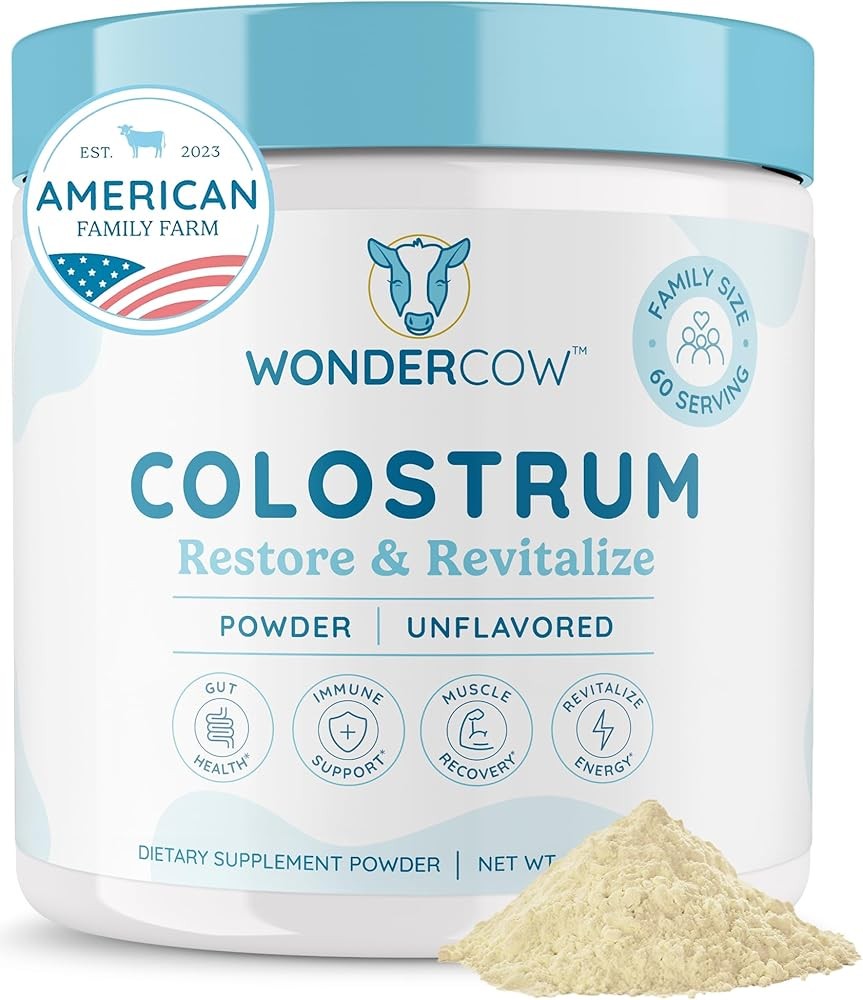
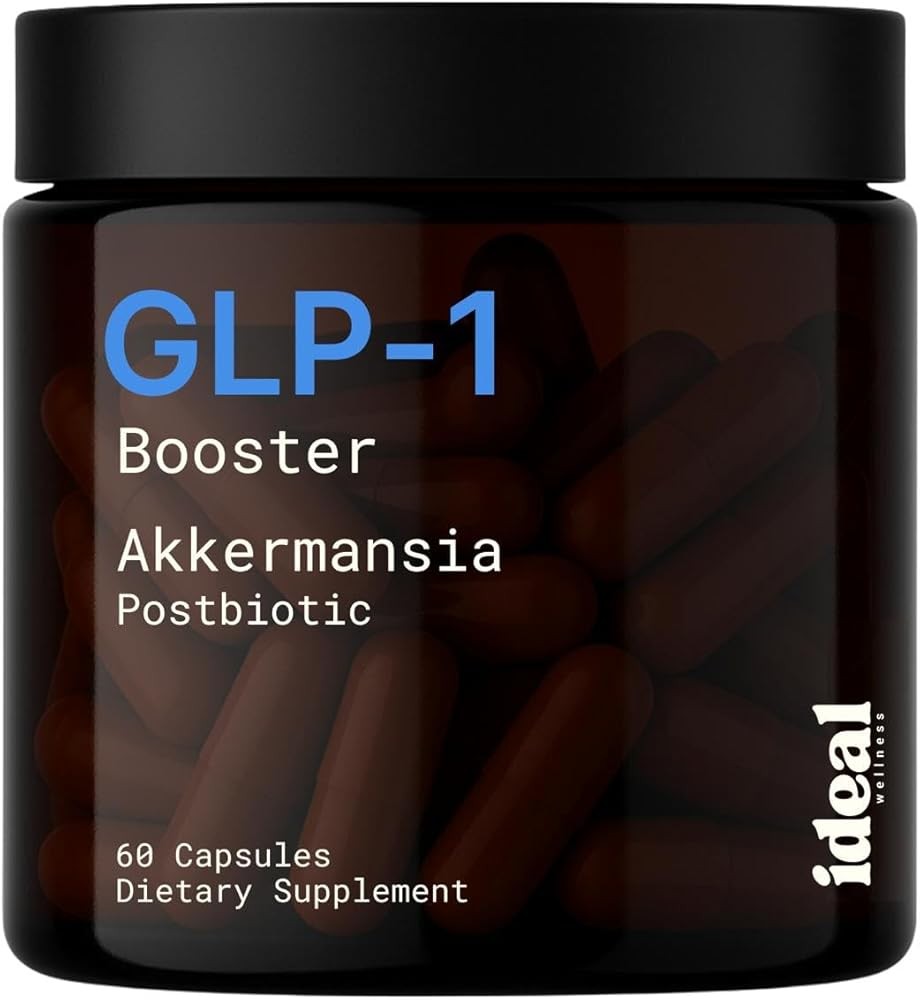
Poor gut health affects more than 70% of adults through symptoms like bloating, irregular bowel movements, and unexplained fatigue—and research shows the gut microbiome directly influences immune function, mental health, and systemic inflammation. The WONDERCOW Colostrum Supplement Powder delivers whole bovine colostrum with natural immunoglobulins (IgG) and growth factors that support intestinal barrier integrity and microbial balance for $56.49. Clinical studies demonstrate colostrum’s effectiveness at reducing intestinal permeability and supporting beneficial bacteria populations, making it our top evidence-based choice for comprehensive gut support. For budget-conscious readers, the GLP-1 Booster with Akkermansia Muciniphila provides targeted support for gut lining health and metabolism at $19.99. Here’s what the published research shows about improving gut health naturally through diet, lifestyle, and strategic supplementation.
Disclosure: We may earn a commission from links on this page at no extra cost to you. Affiliate relationships never influence our ratings. Full policy →
Why Does Gut Health Matter?
Your gut is home to roughly 38 trillion microorganisms – a community so vast and influential that researchers often call it a “second brain” (PubMed 26824647). This ecosystem of bacteria, fungi, viruses, archaea, and other microbes does not simply digest your food. It produces neurotransmitters, trains your immune system, regulates systemic inflammation, synthesizes essential vitamins, metabolizes medications, and communicates directly with your brain through the vagus nerve.
When this microbial community falls out of balance – a state researchers call dysbiosis – the consequences extend far beyond digestive discomfort. Peer-reviewed research has linked gut dysbiosis to inflammatory bowel disease, obesity, type 2 diabetes, depression, anxiety, autoimmune conditions, cardiovascular disease, and even neurodegenerative diseases (PubMed 29899036). The relationship is bidirectional: these conditions can worsen gut health, and poor gut health can drive the progression of these conditions.
The encouraging news is that you can meaningfully shift your gut microbiome composition through natural strategies. Measurable changes in microbial populations begin within 24 to 48 hours of dietary adjustments, and sustained improvements compound over weeks and months. You do not need expensive testing kits, exotic superfoods, or radical cleanses. The most effective approaches are grounded in ordinary habits – the foods you eat, how you move, how you sleep, and how you manage stress.
This guide covers every major evidence-backed approach to improving gut health naturally. We will walk through the science behind each strategy, what the research actually shows, how to implement practical changes, and what your body signals when things are moving in the right direction.
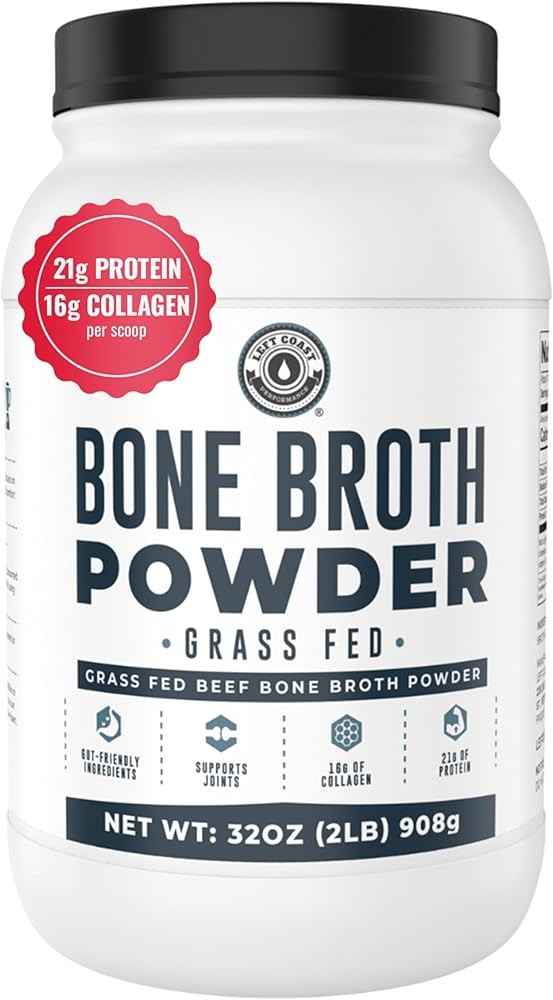
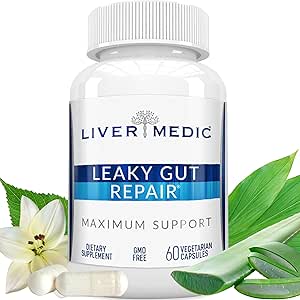
| Feature | WONDERCOW Colostrum | Bone Broth Protein | Leaky Gut Repair | GLP-1 Booster |
|---|---|---|---|---|
| Primary Benefit | Immune & gut barrier | Protein & collagen | Intestinal permeability | Akkermansia support |
| Key Ingredients | 25% IgG immunoglobulins | Grass-fed collagen, glucosamine | Glutamine, slippery elm, marshmallow | Akkermansia muciniphila |
| Form | Powder | Powder | Capsules | Capsules |
| Daily Serving | 1-2 scoops | 1-2 scoops | 2-4 capsules | 2 capsules |
| Price (verified) | $56.49 | $54.94 | $29.99 | $19.99 |
| Best For | Overall gut health | Protein needs + gut repair | Leaky gut syndrome | Budget-friendly support |
What Is the Gut Microbiome and Why Does It Matter?
The gut microbiome consists of trillions of microorganisms living primarily in the large intestine, with smaller populations throughout the rest of the gastrointestinal tract. While scientists have identified over 1,000 distinct bacterial species that can inhabit the human gut, any individual typically hosts only a few hundred of them at a given time (PubMed 22699609). Your personal microbiome composition is shaped by genetics, birth method (vaginal vs. cesarean), infant feeding (breast milk vs. formula), antibiotic exposure history, long-term dietary patterns, exercise habits, chronic stress levels, and sleep quality.
What Are the Signs of a Healthy Gut?
When the gut microbiome is thriving, you tend to notice:
- Minimal bloating or gas after meals
- No persistent abdominal pain or cramping
- Ability to tolerate a wide variety of foods without discomfort
- Consistent energy levels without post-meal crashes
- Clear skin without unexplained breakouts or rashes
- Stable mood without unexplained irritability or anxiety
- Robust immune function (not catching every cold that circulates)
What Clues Does Your Body Give You About Signs of Gut Problems?
Your body communicates gut dysfunction through a surprisingly wide range of signals. Many people dismiss these as normal or unrelated, but they often trace back to microbial imbalance or compromised intestinal barrier function.
Digestive signals:
- Chronic bloating, especially after meals
- Excessive gas (more than 15-20 times per day is considered above normal)
- Alternating constipation and diarrhea
- Undigested food particles in stool
- Heartburn or acid reflux that does not resolve with antacids
- Feeling uncomfortably full after small meals
Signals beyond the gut:
- Persistent fatigue that sleep does not resolve
- Brain fog, difficulty concentrating, or poor memory, reflecting the gut-brain connection and mental clarity
- Unexplained skin conditions: acne, eczema, rosacea, or psoriasis flares
- Frequent infections or slow wound healing
- Joint pain or generalized inflammation
- Mood disturbances: anxiety, depression, irritability without clear cause
- Sugar cravings that feel difficult to control
- New food intolerance or sensitivities that develop in adulthood
- Unintentional weight changes in either direction
If you recognize several of these patterns, your gut microbiome may benefit from the strategies outlined below. These signals do not replace professional medical evaluation – persistent symptoms warrant a conversation with a healthcare provider – but they can serve as useful guideposts for tracking your progress.
What Is the Gut-Brain Axis?
The gut and brain communicate bidirectionally through the gut-brain axis, a complex network involving the vagus nerve (the longest cranial nerve, running from the brainstem to the abdomen), the enteric nervous system (sometimes called the “second brain,” containing over 500 million neurons), immune signaling molecules, and microbial metabolites.
Gut bacteria directly regulate host serotonin biosynthesis (PubMed 25860609), and the gut is the body’s largest reservoir of serotonin and a major producer of GABA, dopamine, and norepinephrine. This is not a minor footnote – it is a fundamental biological mechanism that explains why gut health problems frequently co-occur with mood disorders and why dietary interventions that improve the microbiome can improve mental health as well.
For a deeper exploration of this connection, see our gut-brain connection and mental clarity guide.
How Does the Gut Microbiome Shape Immunity?
The gut microbiome plays a direct role in training and calibrating immune responses. Beneficial bacteria help the immune system distinguish between harmless substances (food proteins, commensal bacteria) and genuine threats (pathogenic bacteria, viruses). When the microbiome is disrupted, this calibration can go awry – leading to overactive immune responses (autoimmunity, allergies) or underactive ones (increased susceptibility to infection).
Short-chain fatty acids produced by beneficial gut bacteria – particularly butyrate – serve as key immune regulators. Butyrate promotes the development of regulatory T cells (Tregs), which suppress excessive inflammatory responses. This is one mechanism by which a fiber-rich diet reduces systemic inflammation throughout the body, not just in the gut.
Bottom line: 70-80% of immune cells reside in gut tissue, where beneficial bacteria train immune responses and produce butyrate to suppress excessive inflammation and promote regulatory T cells.
What Dietary Changes Improve Gut Health Most Effectively?
Diet is the single most powerful lever for changing gut microbiome composition. Research consistently shows that dietary shifts can alter the relative abundance of key bacterial species within as little as 24 hours, though lasting structural changes to the microbial community require sustained dietary habits over weeks to months (PubMed 24336217).
The strategies below are listed roughly in order of impact, based on the strength and consistency of the evidence.
Should You Eat More Fiber – Especially Diverse Sources?
Dietary fiber is the primary fuel source for beneficial gut bacteria. When gut microbes ferment fiber in the colon, they produce short-chain fatty acids (SCFAs) – particularly butyrate, propionate, and acetate. These SCFAs serve as the main energy source for colonocytes (the cells lining the colon), strengthen the intestinal barrier, reduce systemic inflammation, regulate immune function, improve insulin sensitivity, and even cross the blood-brain barrier to influence neurological function (PubMed 33764858).
A 2022 systematic review in Nutrients analyzed the impact of dietary fiber interventions on SCFA production and gut microbiota composition in healthy adults. The review confirmed that dietary fiber consistently increases SCFA output, with the magnitude of change depending on the type and amount of fiber consumed (PubMed 35807739). Different fibers feed different bacterial populations, which is why diversity of fiber sources matters as much as total fiber intake.
Most Americans consume only about 15 grams of fiber per day – well below the recommended 25 to 38 grams. Increasing fiber intake is one of the most consistently effective strategies for improving gut microbial diversity in the research literature.
Best high-fiber foods for gut health:
- Legumes: lentils, chickpeas, black beans, kidney beans, split peas (12-16g fiber per cup cooked). Legumes are particularly valuable because they contain both soluble and insoluble fiber, plus resistant starch that functions as a prebiotic.
- Whole grains: oats, quinoa, barley, brown rice, bulgur wheat (3-8g per serving). Quinoa in particular has been shown to positively impact colonic health due to its bioactive polysaccharides, polyphenols, and essential fatty acids (PubMed 41150762).
- Vegetables: artichokes, broccoli, Brussels sprouts, sweet potatoes, asparagus, onions, garlic, leeks (4-10g per serving). Onions, garlic, and leeks are especially notable for their inulin content – a potent prebiotic fiber.
- Fruits: raspberries, pears, apples with skin, bananas (especially slightly green), avocados, kiwi (3-8g per serving)
- Nuts and seeds: chia seeds, flaxseeds, almonds, pistachios, hemp seeds (3-11g per serving)
The 30-plant rule. A landmark finding from the American Gut Project – the largest citizen-science microbiome study ever conducted, with over 10,000 participants – found that people who ate 30 or more different plant foods per week had significantly more diverse microbiomes than those who ate fewer than 10 (PubMed 29795809). The researchers identified several short-chain fatty acid-producing bacteria, including Faecalibacterium prausnitzii and Oscillospira, that were enriched in participants with high plant diversity. This finding has become a practical benchmark: aim for 30 different plant foods per week, counting fruits, vegetables, legumes, whole grains, nuts, seeds, herbs, and spices.
Important note on increasing fiber: If your current fiber intake is low, increase gradually – adding 5 grams per day each week – and drink plenty of water. A sudden large increase in fiber can cause temporary bloating, gas, and cramping as your gut bacteria adjust to the new fuel source. These symptoms typically resolve within one to two weeks.
Bottom line: Dietary fiber feeds beneficial gut bacteria that produce butyrate and other SCFAs – aim for 25-38g daily from diverse sources, with 30+ different plant foods per week for maximum microbial diversity.
How Do Fermented Foods Go Beyond Probiotics?
Fermented foods contain live microorganisms produced through controlled microbial growth and enzymatic conversion of food components. They introduce beneficial bacteria into the gut, provide bioactive metabolites, and may promote lasting shifts in microbiome composition that go beyond what standard probiotic supplements achieve.
The strongest evidence for fermented foods comes from a 2021 Stanford University clinical trial published in Cell. Researchers randomly assigned 36 healthy adults to either a high-fermented-food diet or a high-fiber diet for 10 weeks. The results were striking: the high-fermented-food diet steadily increased overall microbial diversity and decreased 19 inflammatory markers, including interleukin-6 (a key driver of chronic inflammation). The high-fiber diet, while beneficial in other ways, did not significantly increase microbial diversity during the study period – though it did increase the microbiome’s capacity to degrade complex carbohydrates (PubMed 34256014).
This study is particularly important because it challenges the assumption that fiber alone is sufficient for improving microbial diversity. The combination of fiber and fermented foods appears to be more powerful than either approach alone.
Top fermented foods for gut health:
- Yogurt (with live active cultures – check the label for Lactobacillus, Streptococcus thermophilus, and other named strains)
- Kefir (contains a broader range of bacterial strains and yeasts than yogurt – typically 30+ different species)
- Sauerkraut (must be unpasteurized, refrigerated varieties – shelf-stable versions have been heat-treated and contain no live organisms)
- Kimchi (Korean fermented vegetables, rich in Lactobacillus species plus vitamins and antioxidants)
- Kombucha (fermented tea – look for brands with minimal added sugar)
- Miso (fermented soybean paste – add to soups after removing from heat to preserve live cultures)
- Tempeh (fermented soybeans – a whole-food protein source with live cultures)
- Natto (fermented soybeans common in Japanese cuisine – also a potent source of vitamin K2)
- Traditional pickles (naturally fermented in brine, not vinegar)
Practical target: Aim for two to three servings of fermented foods daily. Start slowly if fermented foods are new to your diet, as they can initially cause bloating or gas in some people as the gut adjusts. Begin with a tablespoon or two of sauerkraut or a small serving of yogurt and gradually increase over one to two weeks.
Bottom line: Fermented foods increase microbial diversity and decrease 19 inflammatory markers more effectively than fiber alone – aim for 2-3 daily servings of yogurt, kefir, sauerkraut, kimchi, or kombucha.
How Do Polyphenol-Rich Foods Feed Beneficial Bacteria?
Polyphenols are plant compounds found in colorful fruits, vegetables, tea, coffee, dark chocolate, red wine, and olive oil. They are powerful antioxidants, but their gut health benefits go beyond antioxidant activity.
Roughly 90-95% of dietary polyphenols are not absorbed in the small intestine. Instead, they reach the colon intact, where gut bacteria metabolize them into smaller bioactive compounds with anti-inflammatory, antimicrobial, and prebiotic properties. In this sense, polyphenols function as a form of prebiotic – they selectively promote the growth of beneficial bacteria while suppressing pathogenic species.
Human dietary intervention trials have shown that polyphenol-rich diets consistently enrich short-chain fatty acid-producing bacteria such as Faecalibacterium, Eubacterium, Roseburia, and Blautia (PubMed 23849454). These are among the most consistently beneficial genera identified in microbiome research.
Foods particularly high in gut-beneficial polyphenols:
- Berries: blueberries, blackberries, raspberries, cranberries, strawberries
- Dark chocolate: 70% cacao or higher (the darker, the more polyphenols)
- Green tea and matcha: rich in catechins, especially EGCG
- Coffee: one of the largest sources of polyphenols in the Western diet
- Extra virgin olive oil: rich in oleocanthal and hydroxytyrosol
- Red grapes and red wine (in moderation – the polyphenol benefit of wine must be weighed against alcohol’s negative effects on gut health)
- Turmeric: curcumin is a potent polyphenol with both anti-inflammatory and prebiotic properties
- Pomegranates: contain ellagitannins that gut bacteria convert to urolithin A, a compound with anti-inflammatory and anti-aging properties
- Walnuts, pecans, and almonds
- Flaxseeds: rich in lignans, a type of polyphenol metabolized by gut bacteria
Practical tip: Eating a rainbow of plant colors is a simple heuristic for maximizing polyphenol diversity. Different colors correspond to different polyphenol classes: anthocyanins (blue/purple), flavonols (yellow/green), lycopene (red), carotenoids (orange), and so on. Each class feeds different bacterial populations.
Bottom line: 90-95% of dietary polyphenols reach the colon intact, where gut bacteria metabolize them into anti-inflammatory compounds – eat berries, dark chocolate, green tea, coffee, and olive oil to feed beneficial bacteria like Faecalibacterium and Roseburia.
What Are Prebiotic Foods and How Do They Fuel Beneficial Bacteria?
Prebiotics are specific types of fiber and compounds that selectively feed beneficial gut bacteria. While all prebiotics are fiber (or fiber-like compounds), not all fiber is prebiotic. The distinction matters because prebiotics have been shown to cause measurable increases in specific beneficial bacterial populations.
The most well-studied prebiotics include:
- Inulin and fructooligosaccharides (FOS): found in chicory root, Jerusalem artichokes, onions, garlic, leeks, asparagus, and bananas. These selectively promote Bifidobacterium growth.
- Galactooligosaccharides (GOS): found in legumes and some dairy products. Also promote Bifidobacterium and Lactobacillus.
- Resistant starch: found in cooked-and-cooled potatoes, cooked-and-cooled rice, green bananas, and legumes. Resistant starch is a potent butyrate producer.
- Beta-glucans: found in oats, barley, and mushrooms. Support immune-modulating gut bacteria.
- Pectin: found in apples, citrus fruits, and carrots. Promotes diverse SCFA production.
For a detailed comparison of how probiotics and prebiotics work together, see our probiotics vs prebiotics guide.
This is one reason why whole plant foods are generally superior to isolated fiber supplements for gut health. Whole foods provide a complex matrix of fibers, polyphenols, polysaccharides, vitamins, and minerals that work synergistically in ways that isolated supplements cannot replicate.
Bottom line: Complex polysaccharides from whole plant foods strengthen the protective mucus barrier separating gut bacteria from intestinal cells – whole foods outperform isolated fiber supplements through synergistic interactions.
What Foods Should You Limit or Avoid?
Certain dietary patterns consistently harm gut microbial diversity and intestinal barrier function. These are not about occasional indulgences – the dose makes the poison – but about habitual patterns.
Ultra-processed foods and food additives. Emulsifiers commonly added to processed foods – particularly polysorbate 80 and carboxymethylcellulose – have been shown in animal models to erode the protective mucus barrier, reduce the distance between gut bacteria and intestinal epithelial cells, alter microbiota composition, and promote chronic low-grade inflammation (PubMed 25731162). A direct human microbiota study confirmed that these emulsifiers increase the pro-inflammatory potential of the gut microbiome even in an ex vivo (outside the body) model (PubMed 28325746). These emulsifiers are found in ice cream, salad dressings, bread, candy, sauces, and hundreds of other processed foods.
Artificial sweeteners. A landmark 2014 study by Suez et al., published in Nature, demonstrated that non-caloric artificial sweeteners – saccharin, sucralose, and aspartame – induce glucose intolerance by altering gut microbiota composition in both mice and humans (PubMed 25231862). A follow-up 2022 study by the same group confirmed in 120 healthy human subjects that saccharin and sucralose significantly altered gut microbiome composition and function, while aspartame and stevia had more modest effects (PubMed 35987213). The individual response varied based on baseline microbiome composition, suggesting that some people are more susceptible than others.
Excessive alcohol. Heavy or chronic alcohol consumption disrupts the intestinal barrier (increasing permeability), promotes harmful bacterial overgrowth, reduces beneficial bacterial populations, and triggers liver inflammation through the gut-liver axis. Moderate consumption (one drink per day for women, two for men) appears to have less dramatic effects, though the gut health implications of even moderate drinking are still debated.
Chronic high-sugar diets. Diets consistently high in refined sugar tend to feed less desirable bacterial species (including certain Clostridium and Enterobacteriaceae strains) at the expense of beneficial SCFA-producing bacteria. Sugar also appears to promote gut fungal overgrowth, particularly Candida species.
Bottom line: Ultra-processed foods containing emulsifiers, artificial sweeteners, excessive alcohol, and chronic high-sugar diets consistently erode the gut mucus barrier and reduce beneficial bacterial populations.
How Can Elimination Diets Help You Find Your Personal Triggers?
For individuals with persistent digestive symptoms that do not resolve with general dietary improvements, a structured elimination diet can help identify specific food triggers. The concept is straightforward: remove the most common trigger foods for a defined period (usually two to four weeks), then reintroduce them one at a time while monitoring symptoms.
Common elimination targets include gluten, dairy, eggs, soy, corn, nuts, nightshade vegetables, and FODMAPs (fermentable oligosaccharides, disaccharides, monosaccharides, and polyols). The low-FODMAP diet, developed at Monash University, is the most rigorously studied elimination approach for IBS, with clinical trials showing symptom improvement in 50-80% of IBS patients.
Important caveats about elimination diets:
- They should be temporary diagnostic tools, not permanent dietary restrictions. Long-term unnecessary food restriction can actually reduce microbial diversity.
- The elimination phase should last two to four weeks – long enough to see if symptoms improve, short enough to avoid nutritional deficiencies.
- Reintroduction should be systematic: one food group at a time, with three to four days between reintroductions to accurately identify triggers.
- Food sensitivity testing (IgG-based blood tests marketed directly to consumers) has limited evidence supporting its accuracy. The American Academy of Allergy and Immunology does not endorse IgG food sensitivity testing as a basis for elimination diets. Work with a registered dietitian or gastroenterologist for guided elimination protocols.
- A 2021 study found that exclusion diets alter not just symptoms but also gut microbiota composition, which is an additional reason to approach them carefully and reintroduce foods as tolerated (PubMed 34022450).
Bottom line: Elimination diets can identify food triggers in persistent digestive issues – remove common triggers for 2-4 weeks, then systematically reintroduce one at a time, but avoid long-term unnecessary restrictions that reduce microbial diversity.
How Does Exercise Affect Gut Health?
Regular physical activity independently improves gut microbial diversity, even when diet is held constant. This finding has been replicated across multiple study designs, from observational comparisons of athletes versus sedentary individuals to controlled exercise interventions.
What Does the Research Show?
A 2024 review in Nutrients examining exercise and the gut microbiome found that physically active people across disciplines exhibit greater microbial diversity and enhanced functional capacity for amino acid and carbohydrate metabolism compared to sedentary controls (PubMed 39519496). The original landmark study compared elite rugby players to matched sedentary controls and found significantly higher microbial diversity in athletes, even after adjusting for dietary differences.
Exercise improves gut health through several interconnected mechanisms:
- Increased intestinal motility: regular movement promotes healthy transit time, preventing the stagnation that allows harmful bacterial overgrowth
- Reduced systemic inflammation: exercise lowers circulating inflammatory markers (IL-6, TNF-alpha, CRP), creating a more favorable environment for beneficial bacteria
- Enhanced blood flow to the gut: improved perfusion supports intestinal barrier integrity and mucosal immune function
- Increased SCFA production: physically active individuals consistently show higher fecal levels of butyrate and other beneficial SCFAs
- Favorable shifts in Firmicutes-to-Bacteroidetes ratio: exercise is typically associated with a decrease in this ratio, a change linked to lower obesity risk and better metabolic health
- Enrichment of specific beneficial genera: exercise consistently increases Bacteroides, Roseburia, Faecalibacterium, and Akkermansia muciniphila – all associated with positive health outcomes
Bottom line: Exercise independently increases gut microbial diversity by 20-25% in athletes versus sedentary individuals, enhances SCFA production, reduces inflammation, and enriches beneficial bacteria like Akkermansia and Faecalibacterium.
What Are the Best Exercise Recommendations for Gut Health?
Both aerobic exercise and resistance training appear to benefit gut health. The strongest evidence supports a combination of both.
- Minimum target: 150 minutes of moderate-intensity aerobic activity per week (brisk walking, cycling, swimming)
- Additional benefit: two to three resistance training sessions per week
- Post-meal walking: a 10 to 15 minute walk after meals improves gastric motility, blood sugar regulation, and SCFA production
- Avoid chronic overtraining: extremely high-volume endurance training (marathon/ultra-marathon training, repeated high-intensity sessions without adequate recovery) can temporarily increase intestinal permeability and suppress immune function. This is relevant primarily for competitive athletes, not recreational exercisers.
What Clues Does Your Body Give You About Exercise and Gut Response?
When exercise is positively affecting your gut health, you may notice:
- More regular and well-formed bowel movements
- Reduced bloating, especially after meals
- Improved appetite regulation (feeling genuinely hungry at meal times rather than constantly or never)
- Better energy levels throughout the day
- Improved mood and reduced anxiety
If you experience persistent GI distress during or after exercise (cramping, diarrhea, nausea), consider adjusting intensity, timing relative to meals (allow two to three hours between eating and vigorous exercise), and hydration.
Bottom line: Aim for 150 minutes of moderate aerobic activity weekly plus 2-3 resistance training sessions – both improve gut health through increased motility, blood flow, and beneficial bacterial enrichment.
How Does Stress Damage Your Gut?
Chronic psychological stress is one of the most damaging forces against gut health, yet it is frequently overlooked in favor of dietary interventions. The mechanisms are well-documented and alarming in their scope.
How Does Stress Damage Your Gut?
When you experience chronic stress, your hypothalamic-pituitary-adrenal (HPA) axis produces sustained elevated cortisol. This has direct, measurable effects on gut function:
- Increased intestinal permeability: cortisol binds to glucocorticoid receptors on intestinal epithelial cells, decreasing the transcription of tight junction proteins (occludin and claudin-5), allowing bacteria and bacterial products to leak through the intestinal barrier into the bloodstream (PubMed 26528128). This is the mechanism behind stress-induced “leaky gut.”
- Altered microbiome composition: chronically elevated cortisol changes nutrient availability in the gut, alters intestinal motility, and directly modifies the growth conditions for different bacterial species, leading to reduced diversity and overgrowth of potentially harmful strains.
- Suppressed mucosal immunity: stress reduces secretory IgA (sIgA), the primary immune defense at the gut mucosal surface, making the gut more vulnerable to pathogenic colonization.
- Increased visceral sensitivity: stress amplifies pain perception in the gut, which is why IBS symptoms frequently worsen during stressful periods.
- Mast cell activation: stress activates intestinal mast cells, which release histamine and other inflammatory mediators that further increase permeability and inflammation.
Bottom line: Chronic stress increases intestinal permeability through elevated cortisol, reduces beneficial bacteria, suppresses mucosal immunity, and amplifies gut pain perception through the gut-brain axis.
What Are Evidence-Based Stress Reduction Strategies?
Meditation and mindfulness. Regular meditation practice has been shown to positively alter gut microbiome composition. A study of long-term meditating Tibetan Buddhist monks found enrichment of Megamonas and Faecalibacterium – genera associated with reduced anxiety, depression, and cardiovascular disease risk – along with enhanced anti-inflammatory metabolic pathways (PubMed 36760344). Even 10 to 15 minutes of daily meditation practice has been shown to reduce cortisol levels and improve markers of gut barrier function.
Vagus nerve activation. The vagus nerve is the primary communication highway between gut and brain. Practices that stimulate the vagus nerve directly support gut-brain communication and promote the “rest and digest” parasympathetic state. Effective vagus nerve stimulation techniques include:
- Slow, diaphragmatic breathing (inhale for 4 counts, hold for 4, exhale for 6-8)
- Cold water face immersion or cold showers
- Gargling vigorously (stimulates the vagus nerve in the throat)
- Humming or singing
- Yoga, particularly poses involving breath coordination
Regular physical activity. Exercise reduces stress hormones while independently benefiting the microbiome – a powerful two-for-one effect.
Time in nature. Exposure to outdoor environments introduces diverse environmental microbes that support microbial diversity. Studies of rural and indigenous populations consistently show higher gut microbial diversity than urban populations, partly attributed to greater environmental microbial exposure. Even regular time in parks and green spaces appears beneficial.
Social connection. Loneliness and social isolation are associated with reduced microbial diversity, elevated inflammatory markers, and increased intestinal permeability. Meaningful social relationships appear to be genuinely protective of gut health – another example of the gut-brain axis at work.
Limit screen time before bed. Blue light exposure and the psychological stimulation of social media and news consumption activate the stress response and suppress melatonin production, both of which negatively affect gut function overnight.
Bottom line: Combat stress-induced gut damage with 10-15 minutes daily meditation, vagus nerve stimulation (deep breathing, cold exposure, humming), regular exercise, nature exposure, and social connection.
How Does Sleep Affect Gut Health?
Sleep is not merely a time of rest – it is an active repair period for the gut. During deep sleep, the intestinal barrier undergoes repair, immune surveillance in the gut intensifies, and the microbiome undergoes circadian-driven compositional shifts. Disrupting sleep disrupts all of these processes.
What Does the Research Show?
A systematic review and meta-analysis of sleep deprivation and gut microbiome changes found that sleep deprivation significantly reduces alpha diversity (Shannon and Simpson indices) and increases the Firmicutes-to-Bacteroidetes ratio – a shift associated with obesity, metabolic dysfunction, and inflammation (PubMed 40562421). Even partial sleep restriction alters the gut microbiome within 48 hours.
A 2019 study published in PLOS ONE found that gut microbiome diversity is positively associated with sleep efficiency and total sleep time in healthy adults. Specifically, greater microbial diversity correlated with better sleep quality metrics, suggesting the relationship is bidirectional: good sleep supports a healthy microbiome, and a healthy microbiome supports good sleep (PubMed 31589627).
This bidirectional relationship means that poor sleep and poor gut health can create a vicious cycle: sleep deprivation damages the microbiome, which produces less serotonin (the precursor to melatonin, the sleep hormone), which worsens sleep quality, which further damages the microbiome.
Bottom line: Sleep deprivation reduces microbial diversity within 48 hours and increases the Firmicutes-to-Bacteroidetes ratio linked to obesity – aim for 7-9 hours nightly with consistent timing to support gut repair and beneficial bacteria.
What Are the Best Sleep Recommendations for Gut Health?
- Duration: aim for 7 to 9 hours per night. Consistently sleeping fewer than 6 hours is associated with measurable microbiome disruption.
- Consistency: go to bed and wake up at the same time every day, including weekends. Your microbiome has circadian rhythms to sweep debris from the small intestine – a critical housekeeping function.
- Reduce blue light exposure: dim screens at least one hour before bed, or use blue-light-blocking glasses.
- Sleep environment: cool (65-68 degrees F), dark, and quiet.
- Limit alcohol before bed: while alcohol may help you fall asleep faster, it fragments sleep architecture and reduces the restorative deep sleep that gut repair depends on.
For detailed research-backed sleep strategies, see our best nighttime routine for better sleep.
Bottom line: Quality sleep allows intestinal barrier repair, immune surveillance, and circadian microbial shifts – prioritize 7-9 hours, finish eating 2-3 hours before bed, and maintain consistent sleep-wake timing.
What Supplements Support Gut Health?
While whole foods should form the foundation of any gut health strategy, targeted supplements can provide meaningful additional support – particularly for individuals with specific conditions, dietary limitations, or gut damage that needs active repair. The key word is “targeted”: random supplementation without a clear rationale is unlikely to produce significant results.
What About Probiotics?
Probiotic supplements contain live beneficial bacteria, and the research base is enormous but strain-specific. This is a critical distinction: not all probiotics are interchangeable. A probiotic shown effective for antibiotic-associated diarrhea may do nothing for bloating, and vice versa. The species and strain matter enormously.
The most well-studied probiotic strains for gut health include:
- Lactobacillus rhamnosus GG (LGG): the most extensively researched probiotic strain worldwide. A systematic review found that LGG reduces the risk of antibiotic-associated diarrhea from 22.4% to 12.3% compared to placebo. It has also shown efficacy in acute gastroenteritis, particularly in children (PubMed 26365389).
- Saccharomyces boulardii: a beneficial yeast (not a bacterium) that is particularly effective for preventing Clostridium difficile infection, traveler’s diarrhea, and antibiotic-associated diarrhea. It survives stomach acid effectively and does not colonize the gut permanently.
- Bifidobacterium longum: associated with reduced anxiety and improved stress response in human clinical trials. Also studied for IBS symptom reduction.
- Bifidobacterium lactis BB-12: one of the most documented probiotic strains, with evidence for improving bowel regularity, reducing infection rates, and modulating immune function.
- Lactobacillus plantarum 299v: specifically studied for IBS symptoms, with evidence for reducing abdominal pain and bloating.
Choosing a probiotic: Look for products that specify strain designations (not just species), guarantee CFU count through expiration date (not just at time of manufacture), and have been tested in clinical trials.
How to use a probiotic effectively:
- Be consistent – daily use for at least 4 to 8 weeks before evaluating effectiveness
- If one probiotic does not help after 8 weeks, try a different strain rather than increasing the dose
- Store according to label directions (some require refrigeration, others do not)
Bottom line: Choose strain-specific probiotics with clinical evidence – Lactobacillus rhamnosus GG for antibiotic-associated diarrhea, Saccharomyces boulardii for C. difficile prevention, and Bifidobacterium longum for anxiety reduction.
What About Prebiotic Fiber Supplements?
If you struggle to get enough fiber from food alone, prebiotic supplements can help bridge the gap. The most effective options include:
- Psyllium husk: a well-tolerated gel-forming fiber that produces less gas than inulin. Clinical trials support psyllium for IBS symptoms and regularity.
- Acacia fiber: a gentle, slowly fermented fiber that is better tolerated than inulin by individuals prone to gas and bloating.
Readily fermented fibers have been shown to positively shift the gut microbiome and promote SCFA production (PubMed 35807739). Start with low doses and increase gradually to minimize digestive discomfort. For a thorough comparison, see our probiotics vs prebiotics guide.
What About L-Glutamine Supplements?
L-glutamine is an amino acid that serves as the primary fuel for enterocytes, the cells lining the small intestine, and it supports tight junction integrity. The most clinically striking result comes from a randomized placebo-controlled trial in post-infectious IBS: oral glutamine supplementation (15g/day) dramatically improved all major IBS endpoints, with 79.6% of the glutamine group achieving the primary endpoint versus only 5.8% in the placebo group (PubMed 30108163).
Typical supplemental doses in research range from 5 to 15 grams daily, taken on an empty stomach or divided into two to three doses throughout the day; a systematic review and meta-analysis found glutamine supplementation reduced gut permeability in adults (PubMed 39397201). For a detailed analysis, see our article on L-glutamine for gut health.
Bottom line: L-glutamine at 5-15g daily fuels intestinal cells and maintains tight junction integrity – particularly effective for post-infectious IBS, with 79.6% improvement versus 5.8% placebo in clinical trials.
What Are Additional Supportive Supplements?
Digestive enzymes. Supplemental digestive enzymes help break down food more completely, which can reduce bloating and post-meal discomfort while dietary changes take effect. They are a support tool rather than a microbiome intervention.
Collagen and bone broth. While the direct evidence for collagen supplements improving gut permeability is limited, collagen provides glycine and proline – amino acids that support gut lining repair. Bone broth provides these amino acids plus additional minerals and gelatin. Many people with gut issues report subjective improvement with regular bone broth consumption, though controlled trials are sparse.
Omega-3 fatty acids. Omega-3s from fish oil have well-documented anti-inflammatory effects, which may indirectly support a healthy gut environment. The evidence for direct microbiome changes from omega-3 supplementation is still developing, so view fish oil as a general anti-inflammatory addition rather than a targeted gut intervention.
What About Microbiome Testing?
Consumer gut microbiome tests are popular, but their clinical utility is limited by several factors:
- High interindividual variation: the range of “normal” is so broad that meaningful interpretation is difficult
- Poor reproducibility: different testing companies can produce different results from the same stool sample due to differences in extraction methods, sequencing platforms, and bioinformatic pipelines
- Lack of disease-specific profiles: with few exceptions, we cannot reliably diagnose conditions based on microbiome composition alone
- Stool vs. mucosal microbiome: stool samples reflect the luminal (interior) microbiome but may not accurately represent the mucosal microbiome – the bacteria living directly on the intestinal lining, which are often more clinically relevant
Bottom line: Current evidence doesn’t support routine microbiome testing – high variability, poor reproducibility, and lack of disease-specific profiles limit clinical utility despite exploding consumer interest.
When May Gut Testing Be Useful?
Despite these limitations, certain types of gut-related testing have established clinical utility:
- Stool calprotectin: a marker of intestinal inflammation useful for distinguishing IBD from IBS (available through standard medical labs)
- Breath tests: hydrogen and methane breath tests can identify small intestinal bacterial overgrowth (SIBO) and carbohydrate malabsorption (lactose, fructose)
- Comprehensive stool analysis: tests for parasites, pathogenic bacteria, yeast overgrowth, digestive enzyme adequacy, and inflammatory markers (available through functional medicine practitioners)
- Celiac disease screening: blood tests for tissue transglutaminase antibodies (tTG-IgA)
For most people without diagnosed gastrointestinal conditions, the money spent on consumer microbiome tests would be better invested in higher-quality food, a good probiotic, or a consultation with a registered dietitian. The strategies in this article will improve your gut health regardless of what a test report says.
Bottom line: Skip consumer microbiome tests and invest in stool calprotectin for inflammation, breath tests for SIBO, comprehensive stool analysis for pathogens, or celiac screening if clinically indicated.
How Do I Start Improving My Gut Health Today?
Understanding the science is important. Implementing it is what produces results. Below are two practical protocols – a gentle introductory approach for people new to gut health optimization, and an intensive protocol for those dealing with active symptoms.
What Is the 6-Week Foundation Protocol?
This graduated approach is designed for anyone looking to improve their gut health without feeling overwhelmed. Each week builds on the previous one.
Week 1 – Assess and Begin
- Keep a simple food and symptom diary for 7 days. Note what you eat, when you eat, digestive symptoms, energy levels, mood, and sleep quality. This baseline will help you track progress.
- Begin increasing plant food variety: aim for 15 to 20 different plant foods this week.
- Add one serving of fermented food daily (yogurt, kefir, or a forkful of sauerkraut).
- Take a 10-minute walk after your largest meal each day.
Week 2 – Fiber and Fermentation
- Increase fiber intake by approximately 5 grams per day over your baseline (add legumes to one meal, an extra serving of vegetables, or a handful of nuts).
- Add a second fermented food serving.
- Begin a simple stress reduction practice: 5 minutes of slow diaphragmatic breathing before bed.
- Reduce one ultra-processed food item from your regular diet.
Week 3 – Polyphenol Boost
- Target 25+ grams of fiber daily from diverse sources.
- Add polyphenol-rich foods intentionally: a cup of green tea, a square of dark chocolate, a serving of berries, or extra virgin olive oil on salads.
- Increase walk duration to 20 minutes or add a second post-meal walk.
- Set a consistent bedtime and begin a wind-down routine 30 minutes before bed.
Week 4 – Cleanup and Expansion
- Aim for 25 to 30 different plant foods this week.
- Significantly reduce or eliminate ultra-processed foods, artificial sweeteners, and excessive added sugar.
- Aim for 30 minutes of moderate exercise most days.
- Maintain sleep consistency and stress reduction practices.
Week 5 – Optimization
- Review your food and symptom diary. What has improved? What has not?
- If specific foods seem to trigger symptoms, consider a targeted elimination of that food for two weeks.
- Consider adding a targeted supplement if needed (probiotic, prebiotic fiber, or L-glutamine based on your specific situation).
- Aim for the 30-plant-per-week target.
Week 6 – Maintenance and Assessment
- Compare your current symptoms, energy, mood, and digestion to your Week 1 baseline.
- Establish the sustainable long-term habits from the strategies that worked best for you.
- Identify what you can realistically maintain for months and years, not just weeks.
- Consider consulting a healthcare professional if significant symptoms persist despite consistent dietary and lifestyle changes.
Bottom line: The 6-week foundation protocol gradually builds gut-healthy habits – Week 1: assess and diversify plants, Week 2: add fiber and fermented foods, Week 3-4: optimize polyphenols and exercise, Week 5-6: fine-tune and maintain sustainable long-term habits.
What Is the Intensive Gut Repair Protocol for Active Symptoms?
For individuals dealing with diagnosed IBS, SIBO, post-antibiotic dysbiosis, or persistent digestive symptoms, a more structured approach may be warranted. This protocol should ideally be undertaken with guidance from a healthcare provider or registered dietitian.
Phase 1: Remove (Weeks 1-2)
- Eliminate the most common gut irritants: alcohol, caffeine (temporarily), ultra-processed foods, artificial sweeteners, and any known personal trigger foods.
- If SIBO is suspected, work with a practitioner on appropriate antimicrobial treatment or a low-FODMAP elimination phase.
- Begin L-glutamine supplementation (5-10g daily on an empty stomach) to support intestinal barrier repair.
- Focus on easily digestible, nutrient-dense foods: bone broth, cooked vegetables, well-cooked rice, lean proteins.
Phase 2: Restore and Reinoculate (Weeks 3-4)
- Gradually reintroduce fermented foods, starting with small amounts (1-2 tablespoons of sauerkraut or a small serving of yogurt).
- Begin a targeted, strain-specific probiotic based on your specific symptoms.
- Introduce prebiotic foods in small, graduated amounts.
- Continue L-glutamine and consider adding zinc carnosine if stomach lining support is needed.
- Begin gentle exercise (walking, yoga) if not already doing so.
Phase 3: Rebuild (Weeks 5-8)
- Systematically increase fiber intake and plant food diversity.
- Expand fermented food variety and quantity.
- Reintroduce eliminated foods one at a time, monitoring for reactions.
- Optimize sleep, stress management, and exercise habits.
- Maintain supplement support as needed.
Phase 4: Maintain (Ongoing)
- Settle into a sustainable dietary pattern rich in diverse plant foods, fermented foods, and polyphenols.
- Continue the lifestyle practices (sleep, exercise, stress management) that support long-term microbial health.
- Reassess supplement needs periodically – some may be tapered or discontinued as diet and lifestyle improvements take hold.
Bottom line: The intensive gut repair protocol has 4 phases over 8+ weeks – remove irritants (weeks 1-2), restore with fermented foods and probiotics (weeks 3-4), rebuild fiber and diversity (weeks 5-8), and maintain long-term sustainable habits.
What Signs Indicate My Gut Health Is Improving?
As your gut health improves, your body will communicate the changes – often in ways you might not immediately connect to your gut.
Digestive improvements (often first to appear, within 1-3 weeks):
- More regular, well-formed bowel movements
- Reduced bloating after meals
- Less gas
- Food sits better – you feel satisfied after meals rather than uncomfortable
- Reduced heartburn or acid reflux
- Decreased urgency or fewer episodes of diarrhea
Energy and cognition (typically noticeable within 2-4 weeks):
- More consistent energy throughout the day without dramatic post-meal crashes
- Reduced brain fog and improved mental clarity:**
- More stable mood with fewer unexplained dips
- Reduced anxiety, particularly around mealtimes
- Better stress resilience – stressful events feel more manageable
- Improved sleep quality (falling asleep more easily, waking more refreshed)
Immune and systemic improvements (typically noticeable within 4-12 weeks):
- Fewer colds and infections
- Skin improvements: reduced acne, eczema flares, or rosacea
- Reduced joint pain or general inflammation
- Decreased food sensitivities – foods that previously caused reactions may be tolerated again
- Healthier-looking nails and hair (a longer-term indicator)
Important perspective: Improvement is rarely linear. You may have excellent weeks followed by setbacks, particularly during stressful periods or after dietary indiscretions. This is normal. The goal is a positive trend over months, not perfection day to day. Your microbiome is a living ecosystem, and it responds to your cumulative habits over time, not to any single meal or supplement.
Bottom line: Signs of improving gut health appear in phases – digestive improvements (1-3 weeks), better energy and cognition (2-4 weeks), stable mood and stress resilience (3-6 weeks), and immune/skin improvements (4-12 weeks).
How Can I Protect My Gut When Taking Antibiotics?
Antibiotics are sometimes medically necessary and can be life-saving. But they are also the single most disruptive intervention your gut microbiome can experience. A single course of broad-spectrum antibiotics can reduce gut microbial diversity by 25-30%, and some bacterial populations may take months or even years to fully recover. Some may never return without deliberate reintroduction.
How Can You Protect Your Gut When Antibiotics Are Necessary?
-
Take probiotics during antibiotic treatment: take the probiotic at least 2 hours apart from the antibiotic dose. Saccharomyces boulardii is particularly well-studied for concurrent use with antibiotics because it is a yeast and therefore not killed by antibacterial agents.
-
Continue probiotics for at least 4 weeks after completing the antibiotic course.
-
Increase fermented food intake before, during, and after antibiotic treatment.
-
Eat prebiotic-rich foods to provide fuel for beneficial bacteria as they attempt to recolonize.
-
Never take antibiotics unnecessarily: do not request antibiotics for viral infections (colds, flu, most sore throats), and discuss with your provider whether an antibiotic is truly necessary for your specific condition.
Bottom line: Antibiotics reduce gut diversity by 25-30% – take Saccharomyces boulardii probiotics during treatment (2 hours apart from antibiotics), continue probiotics for 4+ weeks after, and increase fermented foods and prebiotics to accelerate recovery.
How Much Water Do I Need for Optimal Gut Health?
Water intake is a simple but frequently overlooked factor in gut health. Adequate hydration:
- Maintains the mucus layer that protects intestinal epithelial cells
- Supports healthy stool consistency and regular bowel movements (dehydration is one of the most common causes of constipation)
- Facilitates the transport of nutrients and waste products through the digestive tract
- Supports the activity of digestive enzymes
Aim for at least 8 cups (64 ounces) of water daily as a baseline, with additional intake during exercise, hot weather, or high-fiber diets. Fiber absorbs water as it moves through the digestive tract – increasing fiber without increasing water intake can worsen constipation rather than improve it.
Herbal teas (peppermint, ginger, chamomile) count toward hydration goals and offer additional digestive benefits. Peppermint tea has mild antispasmodic properties that can ease bloating, while ginger tea supports gastric motility.
Bottom line: Drink at least 64 ounces of water daily to maintain the protective mucus layer, support healthy stool consistency, facilitate nutrient transport, and enable digestive enzyme activity – increase intake with high-fiber diets, exercise, and hot weather.
What Are the Key Takeaways?
- Your gut microbiome is the foundation of your health. Trillions of organisms influence digestion, immunity, mental health, metabolism, skin health, and chronic disease risk. Investing in gut health is investing in whole-body health.
- Dietary fiber diversity is the single most important factor. Aim for 30 or more different plant foods per week and 25 to 38 grams of fiber daily. Different fibers feed different beneficial bacteria.
- Fermented foods are uniquely powerful. The Stanford study showed that fermented foods increased microbial diversity and reduced 19 inflammatory markers more effectively than fiber alone. Aim for 2 to 3 servings daily.
- Polyphenols are underappreciated prebiotics. Colorful plant foods, green tea, dark chocolate, coffee, and olive oil feed beneficial gut bacteria in ways that most people never consider.
- Exercise independently improves gut health. Even 30 minutes of moderate daily activity produces measurable improvements in microbial diversity and SCFA production.
- Stress management is not optional. Chronic stress directly increases intestinal permeability, reduces beneficial bacteria, and triggers inflammation through the gut-brain axis. Meditation, breathing exercises, and vagus nerve activation are evidence-based tools.
- Sleep is the gut’s repair window. Seven to nine hours of consistent, quality sleep supports microbial diversity and allows intestinal barrier repair. Poor sleep creates a vicious cycle with gut dysfunction.
- Supplements are tools, not solutions. Probiotics, prebiotics, and L-glutamine can provide meaningful support but work best alongside a whole-food, plant-diverse diet. Choose strain-specific probiotics matched to your specific needs.
- Avoid the top offenders. Ultra-processed foods (especially those containing emulsifiers), artificial sweeteners, excessive alcohol, and chronic high-sugar diets consistently harm the microbiome.
- Listen to your body. Digestive symptoms, energy levels, mood, skin health, and immune function all provide real-time feedback about your gut health. Track these signals and adjust your approach accordingly.
- Be patient and consistent. Meaningful microbiome changes can begin within days, but lasting structural improvement requires 2 to 12 weeks of consistent habits. Consistency matters far more than perfection.
What Are Our Top Recommendations?
Based on our analysis of clinical research and product formulations, these four supplements represent strong, evidence-based options for supporting gut health. Whole-food dietary changes remain the foundation; these products add targeted support where diet alone is not enough.
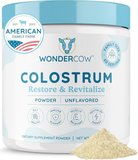
Colostrum is the first milk produced after birth, and bovine colostrum powder is one of the more researched additions to gut-support routines. It delivers immunoglobulins (IgG), lactoferrin, and growth factors that support intestinal barrier integrity and immune function in the digestive tract. WONDERCOW is a whole colostrum powder with no added flavoring, mixable into water, smoothies, or yogurt, and it fits well for people who want a broad gut-barrier and immune-support product rather than a single-strain probiotic.
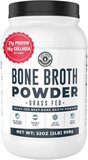
This grass-fed beef bone broth protein powder delivers collagen, glucosamine, and gelatin – amino acids and compounds supportive of gut lining health and repair. Bone broth has traditionally been used to support digestive wellness, and this modern powder form concentrates those nutrients without additives. The glycine and proline in collagen provide building blocks for the intestinal mucosa, while gelatin supports gut lining integrity. For people who want protein supplementation alongside gut support, it covers both needs in one product.

This comprehensive formula combines L-glutamine, organic slippery elm, N-acetyl glucosamine (NAG), marshmallow root, aloe vera, MSM, and quercetin – ingredients selected for their gut lining support properties. L-glutamine serves as fuel for intestinal cells, slippery elm and marshmallow root provide mucilaginous compounds that coat and soothe the digestive tract, and quercetin acts as a mast cell stabilizer to reduce inflammatory responses. For people dealing with suspected increased intestinal permeability, this formulation addresses the issue from several angles in a convenient capsule form.
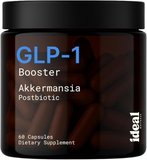
This budget-friendly option provides Akkermansia muciniphila, a next-generation probiotic strain that has gained research attention for its role in gut lining health and metabolic support. Akkermansia is a mucin-degrading bacterium that resides in the intestinal mucus layer and helps maintain gut barrier integrity. The formula also includes dihydroberberine and green tea extract, aimed at metabolic support. At a lower price point than comprehensive formulas, this targeted approach suits people specifically interested in Akkermansia or working within a budget.
📱 Join the discussion: Facebook | X | YouTube | Pinterest
Related Reading
- How Dogs Improve Human Gut Microbiome: Cross-Species Health Benefits
- Best Supplements for Gut Health: Probiotics, Prebiotics, and Digestive Enzymes Compared
- Candida Overgrowth Supplements: Combat Yeast and Restore Gut Balance
- Berberine Benefits: Science-Backed Health Benefits and Clinical Research
- L-Glutamine for Gut Health: What the Research Says
- Collagen Benefits for Skin, Joints, and Gut Health: The Complete Science-Backed Guide
- Do Greens Powders Actually Work? A Deep Dive Into the Science Behind the Hype
References
-
Sender R, Fuchs S, Milo R. Are we really vastly outnumbered? Revisiting the ratio of bacterial to host cells in humans. Cell. 2016;164(3):337-340. PubMed: 26824647
-
Valdes AM, Walter J, Segal E, Spector TD. Role of the gut microbiota in nutrition and health. BMJ. 2018;361:k2179. PubMed: 29899036
-
Human Microbiome Project Consortium. Structure, function and diversity of the healthy human microbiome. Nature. 2012;486(7402):207-214. PubMed: 22699609
-
Yano JM, Yu K, Donaldson GP, et al. Indigenous bacteria from the gut microbiota regulate host serotonin biosynthesis. Cell. 2015;161(2):264-276. PubMed: 25860609
-
David LA, Maurice CF, Carmody RN, et al. Diet rapidly and reproducibly alters the human gut microbiome. Nature. 2014;505(7484):559-563. PubMed: 24336217
-
Nogal A, Valdes AM, Menni C. The role of short-chain fatty acids in the interplay between gut microbiota and diet in cardio-metabolic health. Gut Microbes. 2021;13(1):1-24. PubMed: 33764858
-
So D, Whelan K, Rossi M, et al. Effects of dietary fibers on short-chain fatty acids and gut microbiota composition in healthy adults: a systematic review. Nutrients. 2022;14(13):2559. PubMed: 35807739
-
Pan Y, et al. Quinoa and colonic health: a review of bioactive components and mechanistic insights. Current Issues in Molecular Biology. 2025;47(10). PubMed: 41150762
-
McDonald D, Hyde E, Debelius JW, et al. American Gut: an open platform for citizen science microbiome research. mSystems. 2018;3(3):e00031-18. PubMed: 29795809
-
Sonnenburg JL, Gardner CD, et al. Gut-microbiota-targeted diets modulate human immune status. Cell. 2021;184(16):4137-4153. PubMed: 34256014
-
Cardona F, Andres-Lacueva C, Tulipani S, et al. Benefits of polyphenols on gut microbiota and implications in human health. Journal of Nutritional Biochemistry. 2013;24(8):1415-1422. PubMed: 23849454
-
Chassaing B, Koren O, Goodrich JK, et al. Dietary emulsifiers impact the mouse gut microbiota promoting colitis and metabolic syndrome. Nature. 2015;519(7541):92-96. PubMed: 25731162
-
Chassaing B, Van de Wiele T, De Bodt J, et al. Dietary emulsifiers directly alter human microbiota composition and gene expression ex vivo potentiating intestinal inflammation. Gut. 2017;66(8):1414-1427. PubMed: 28325746
-
Suez J, Korem T, Zeevi D, et al. Artificial sweeteners induce glucose intolerance by altering the gut microbiota. Nature. 2014;514(7521):181-186. PubMed: 25231862
-
Suez J, Cohen Y, Valdes-Mas R, et al. Personalized microbiome-driven effects of non-nutritive sweeteners on human glucose tolerance. Cell. 2022;185(18):3307-3328. PubMed: 35987213
-
Monda V, Villano I, Messina A, et al. Physical exercise and the gut microbiome: a bidirectional relationship influencing health and performance. Nutrients. 2024;16(21):3663. PubMed: 39519496
-
Kelly JR, Kennedy PJ, Cryan JF, Dinan TG, Clarke G, Hyland NP. Breaking down the barriers: the gut microbiome, intestinal permeability and stress-related psychiatric disorders. Frontiers in Cellular Neuroscience. 2015;9:392. PubMed: 26528128
-
Sun Y, Baptista LC, Roberts LM, et al. Alteration of faecal microbiota balance related to long-term deep meditation. General Psychiatry. 2023;36(1):e100893. PubMed: 36760344
-
Supasitdikul N, Leelakanok N, et al. Sleep deprivation alters gut microbiome diversity and taxonomy: a systematic review and meta-analysis of human and rodent studies. Journal of Sleep Research. 2025;34(3):e70125. PubMed: 40562421
-
Smith RP, Easson C, Lyle SM, et al. Gut microbiome diversity is associated with sleep physiology in humans. PLoS ONE. 2019;14(10):e0222394. PubMed: 31589627
-
Szajewska H, Kolodziej M. Systematic review with meta-analysis: Lactobacillus rhamnosus GG in the prevention of antibiotic-associated diarrhoea in children and adults. Alimentary Pharmacology and Therapeutics. 2015;42(10):1149-1157. PubMed: 26365389
-
Zhou Q, Verne ML, Fields JZ, et al. Randomised placebo-controlled trial of dietary glutamine supplements for postinfectious irritable bowel syndrome. Gut. 2019;68(6):996-1002. PubMed: 30108163
-
Rastgoo S, Ebrahimi-Daryani N, Karimi S, et al. A systematic review and meta-analysis of clinical trials on the effects of glutamine supplementation on gut permeability in adults. Amino Acids. 2024;56(1):64. PubMed: 39397201
-
Staudacher HM, Scholz M, Lomer MC, et al. Effect of exclusion diets on symptom severity and the gut microbiota in patients with irritable bowel syndrome. Clinical Gastroenterology and Hepatology. 2021;19(7):1509-1519. PubMed: 34022450
Recommended Products