Belly Fat After 40: HIIT Burns 2x More Visceral Fat Than Steady Cardio
Summarized from peer-reviewed research indexed in PubMed. See citations below.
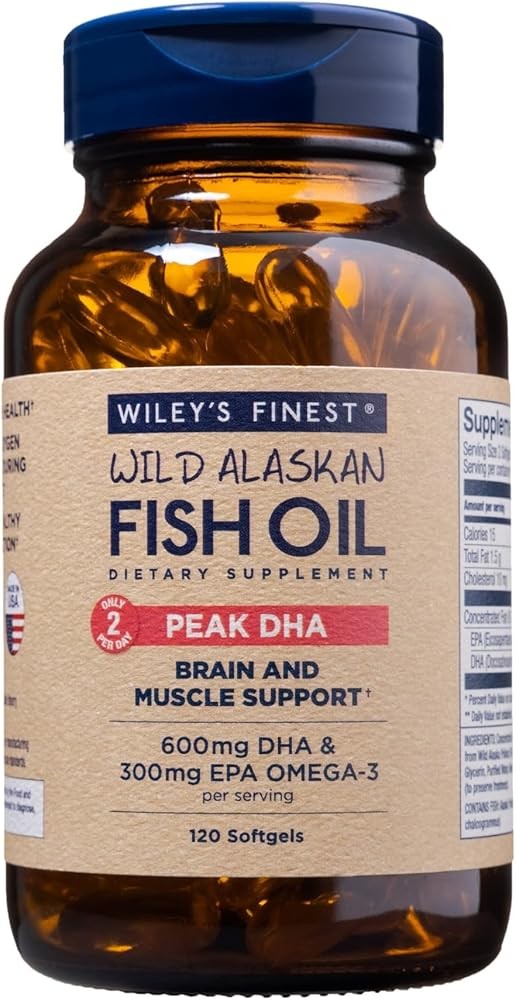
After 40, hormonal shifts and metabolic slowdown make visceral belly fat accumulate faster while testosterone drops 1-2% annually in men and visceral fat increases from 5-8% to 15-20% of total body fat in postmenopausal women. Research shows that combining resistance training with 150 minutes of weekly cardio reduces visceral fat by up to 36% — nearly double either approach alone — when paired with a moderate caloric deficit and 1.2-1.6 g/kg/day protein intake. Studies in Obesity Reviews confirm this combined approach targets dangerous belly fat that wraps around organs and drives inflammation, insulin resistance, and cardiovascular disease risk. For supplement support, green tea extract (300mg EGCG daily) provides modest benefits at around $15-20 per month, while probiotic formulas with Lactobacillus strains cost approximately $25-30 monthly and reduced visceral fat by 3.84 cm² in meta-analyses. Here’s what the published research shows about losing belly fat after 40.
Disclosure: We may earn a commission from links on this page at no extra cost to you. Affiliate relationships never influence our ratings. Full policy →
Why Does Belly Fat Get Harder to Lose After 40?
If you have been eating the same foods and doing the same workouts you did in your thirties but watching your waistline expand anyway, you are not imagining things. After age 40, your body undergoes a series of hormonal, metabolic, and physiological shifts that make visceral fat accumulation almost inevitable — unless you deliberately counteract them.
This is not a willpower problem. It is a biology problem, and understanding the biology is the first step toward solving it.
Visceral fat — the deep abdominal fat that wraps around your liver, intestines, and other organs — is fundamentally different from the subcutaneous fat you can pinch on your arms or thighs. Visceral fat is metabolically active tissue. It secretes inflammatory cytokines (IL-6, TNF-alpha), disrupts insulin signaling, and feeds toxic compounds directly into your liver through the portal vein. Research consistently links high visceral fat levels to type 2 diabetes, cardiovascular disease, certain cancers, and even accelerated cognitive decline.
The good news: visceral fat is actually more responsive to intervention than subcutaneous fat. When you exercise and eat right, your body preferentially mobilizes visceral fat stores before subcutaneous ones. The challenge is knowing exactly which strategies work and which are wasted effort.
This guide covers every evidence-based approach for reducing belly fat after 40 — exercise, diet, sleep, stress management, supplements, and medical options — all backed by peer-reviewed research.
Bottom line: Multiple biological changes including hormonal shifts, muscle loss, metabolic slowdown, and increased cortisol work together to make belly fat harder to lose after 40, requiring targeted strategies to overcome.
| Supplement | Mechanism | Visceral Fat Reduction | Daily Dose | Price/Month |
|---|---|---|---|---|
| Green Tea Extract (EGCG) | Inhibits COMT, extends norepinephrine activity, boosts thermogenesis | Significant reduction in visceral fat area, +83 kcal/day metabolism | 300mg EGCG | $15-20 |
| Probiotics (Lactobacillus) | Modulates gut-brain axis, reduces inflammation, improves barrier function | 3.84 cm² reduction in meta-analysis | Single-strain formula | $25-30 |
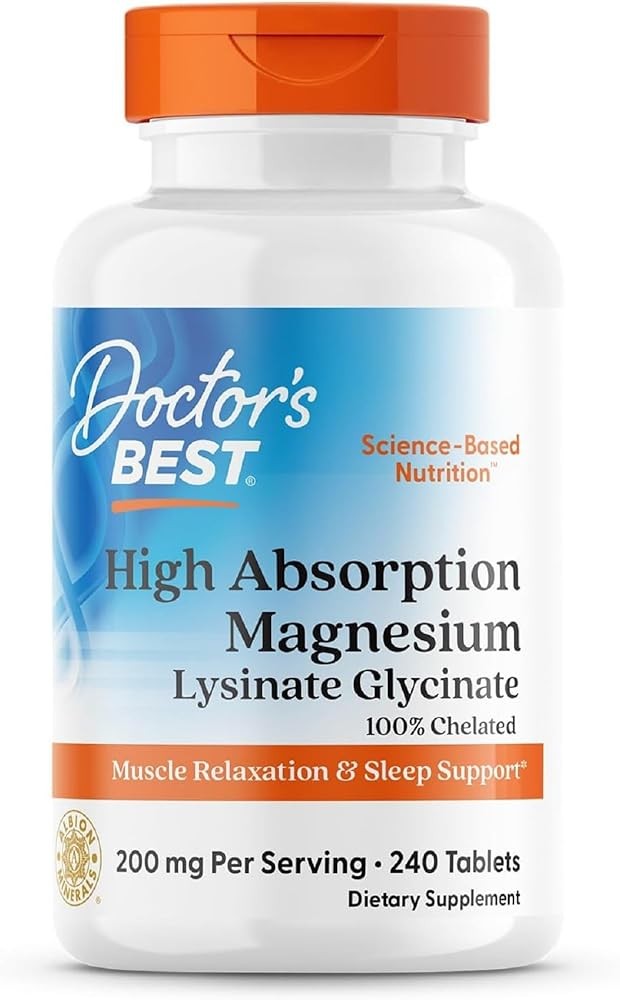
| Magnesium Glycinate | Supports sleep quality, regulates cortisol, helps avoid 11% visceral fat increase from sleep restriction | Indirect via sleep optimization | 200-400mg | $12-18 |
What Are the Biological Changes That Drive Belly Fat After 40?
How Do Hormonal Shifts Affect Belly Fat?
Testosterone decline in men: Men lose approximately 1-2% of their testosterone per year after age 40. A 2023 study published in Frontiers in Endocrinology found that men in the highest quartile of visceral fat had a 5-fold increased risk of testosterone deficiency compared to those with the least visceral fat (Su et al., 2023, PMID: 37634076). This creates a vicious cycle — low testosterone promotes belly fat storage, and belly fat further suppresses testosterone production through aromatase conversion of testosterone to estrogen. If declining testosterone is a concern, our guide on testosterone booster supplements that research actually supports covers what works and what does not.
Estrogen decline in women: For women, the transition into perimenopause and menopause triggers a dramatic redistribution of body fat. A 2021 study in Obesity Reviews documented that visceral fat increases from 5-8% of total body fat to 15-20% after menopause, driven primarily by estrogen decline (PubMed 34285301). Estrogen normally promotes subcutaneous fat storage in the hips and thighs; without it, fat preferentially deposits in the abdomen. Women navigating this transition may benefit from our guide on supplements for menopause and perimenopause.
How Do Muscle Loss and Metabolic Slowdown Contribute?
Starting in the fourth decade of life, you begin losing skeletal muscle mass at a rate of approximately 3-8% per decade — a process called sarcopenia. A 2024 systematic review in Ageing Research Reviews confirmed that this muscle loss involves a roughly 25% reduction in total muscle fibers, which directly reduces your resting metabolic rate (Chen & Wu, 2024, PMID: 38739945). Less muscle means fewer calories burned at rest, creating a caloric surplus even if your diet has not changed.
This is precisely why preserving and building muscle after 40 is critical for visceral fat control. Cortisol does not just make you gain weight — it specifically directs where that weight goes. The abdominal cavity has a higher density of cortisol receptors than other fat depots, making visceral fat storage the default response to sustained stress.
This is why stress management is not optional when trying to lose belly fat. It is a physiological requirement.
Bottom line: Testosterone drops 1-2% annually after 40, while women see visceral fat increase from 5-8% to 15-20% of total body fat post-menopause, requiring targeted hormonal and metabolic strategies.
What Exercise Works Best for Visceral Fat Loss?
If you could only do one thing to reduce belly fat after 40, the research overwhelmingly points to exercise — specifically, a combination of cardiovascular exercise and resistance training.
Why Does Combined Training Win?
A landmark meta-analysis published in Obesity Reviews analyzed studies of exercise interventions in older adults with obesity and found that combined aerobic plus resistance training reduced visceral fat by 36% — nearly double the reduction seen with aerobic exercise alone (19%) or resistance training alone (21%) (PubMed 33839788).
This makes intuitive sense. Cardio burns calories and directly mobilizes visceral fat stores. Resistance training builds and preserves lean muscle mass, raising your resting metabolic rate and preventing the sarcopenia-driven metabolic slowdown discussed above. Together, they attack the problem from both sides.
What Is the Dose-Response Relationship?
A 2024 JAMA meta-analysis provided the most precise dose-response data available: each additional 30 minutes per week of aerobic exercise reduces visceral fat area by approximately 1.60 cm², with 150 minutes per week representing the “sweet spot” for most adults over 40 (Jayedi et al., 2024, PMID: 39724371).
This translates to roughly 30 minutes of moderate-intensity cardio five days per week — brisk walking, cycling, swimming, or using an elliptical machine. You do not need to run marathons. Consistency at moderate intensity beats sporadic high-intensity sessions.
What Works Better: HIIT vs. Steady-State Cardio?
A 2023 network meta-analysis of 84 randomized controlled trials ranked exercise modalities for visceral fat reduction and found that vigorous aerobic exercise and high-intensity interval training (HIIT) were the most effective single modalities (Chen et al., 2023, PMID: 38031812). However, the researchers emphasized that any exercise modality significantly outperformed no exercise, and the best exercise is the one you will actually do consistently.
For adults over 40 who are new to exercise or returning after a long break, starting with brisk walking and gradually incorporating interval training (alternating fast and slow walking, for example) is a safer and more sustainable approach than jumping directly into intense HIIT workouts.
What Is a Practical Exercise Protocol for Belly Fat After 40?
Weekly plan:
-
3 days of resistance training (full-body or upper/lower split, 45-60 minutes)
-
Focus on compound movements: squats, deadlifts, bench press, rows, overhead press
-
3-4 sets of 8-12 reps per exercise
-
Progressive overload: gradually increase weight or reps each week
-
Consider creatine supplementation to support performance and muscle preservation
-
4-5 days of aerobic exercise (30-50 minutes each session)
-
2-3 sessions of moderate-intensity (brisk walking, cycling, swimming)
-
1-2 sessions of higher intensity (interval training, hill walking, rowing)
-
Target 150-300 minutes per week total
-
Daily movement: Aim for 8,000-10,000 steps beyond structured exercise
You do not need to join an expensive gym or hire a trainer. Bodyweight exercises at home, resistance bands, and walking outdoors can achieve the same physiological results.
Bottom line: Combined aerobic and resistance training reduces visceral fat by 36% — nearly double either modality alone — with 150 minutes of weekly cardio as the minimum effective dose and each additional 30 minutes per week reducing visceral fat area by 1.60 cm².
What Dietary Changes Are Most Effective?
Exercise creates the metabolic environment for fat loss, but diet determines whether you achieve a caloric deficit and what quality of nutrients fuel your body. After 40, diet quality matters more than ever because your margin for error shrinks.
What Is the “Green Mediterranean” Approach?
A 2022 study published in Gut found that a green Mediterranean diet enriched with polyphenols reduced visceral fat by 14.1% over 18 months — one of the largest dietary-only interventions on record (Zelicha et al., 2022, PMID: 36175997). This diet emphasizes:
- Abundant green vegetables (especially leafy greens)
- Daily green tea (3-4 cups)
- Walnuts (28g/day)
- Extra virgin olive oil as primary fat source
- Fatty fish 2-3x per week
- Minimal red meat
- No processed foods
The mechanism involves polyphenols modulating gut microbiota composition, reducing systemic inflammation, and improving insulin sensitivity — all of which preferentially reduce visceral fat accumulation.
How Much Protein Do You Need?
Protein becomes non-negotiable after 40 for two reasons: it preserves lean mass during caloric restriction, and it has the highest thermic effect of all macronutrients (meaning your body burns more calories digesting it).
Research consistently shows that 1.2-1.6 g/kg/day is the minimum effective protein intake for adults over 40 in a caloric deficit. For a 180-pound (82kg) adult, that is 98-131g of protein daily. If you are training heavily with resistance exercise, increasing to 1.6-2.2 g/kg/day provides additional benefits for muscle preservation and satiety.
High-protein intake also significantly reduces hunger and increases fullness hormones, making it easier to maintain a caloric deficit without constant cravings. For those who struggle to hit protein targets through food alone, our guide on best protein powder for muscle gain covers research-backed options.
Does Intermittent Fasting and Time-Restricted Eating Help?
A 2023 study in Obesity found that intermittent fasting combined with protein pacing produced superior visceral fat loss compared to standard caloric restriction, even when total calories were matched (Arciero et al., 2023, PMID: 36575144). The researchers attributed this to improved metabolic flexibility and reduced late-night eating (when insulin sensitivity is lowest).
However, intermittent fasting is a tool, not magic. If it helps you control calories and improves your adherence, use it. If it makes you miserable and leads to binge eating, skip it. The best diet is the one you can sustain long-term.
Practical approach:
- Start with a 12-hour overnight fast (finish dinner by 8 PM, eat breakfast at 8 AM)
- Gradually extend the fasting window to 14-16 hours if it feels natural
- Focus eating window earlier in the day when insulin sensitivity is higher
- Ensure adequate protein and nutrient density during eating window
Bottom line: Green Mediterranean diet reduced visceral fat by 14.1% over 18 months through polyphenol-rich foods, while protein intake of 1.2-1.6 g/kg/day preserves muscle during caloric deficit and intermittent fasting may enhance results if sustainable.
Why Sleep May Be Your Most Underrated Tool
If you are doing everything right with diet and exercise but still not losing belly fat, look at your sleep. The research on sleep and visceral fat is unambiguous and alarming.
What Happens When Sleep Is Restricted?
A 2022 study published in the Journal of the American College of Cardiology used gold-standard imaging (CT scans) to measure visceral fat changes during experimental sleep restriction. Participants who slept only 4 hours per night for two weeks while eating a normal diet experienced an 11% increase in visceral fat — and recovery sleep did not fully reverse it (Covassin et al., 2022, PMID: 35361348).
The mechanism involves multiple pathways:
- Leptin decreases and ghrelin increases, driving hunger and cravings for high-calorie foods
- Insulin sensitivity plummets, promoting fat storage rather than fat burning
- Cortisol remains elevated, directing fat specifically to the visceral compartment
- Growth hormone secretion drops, impairing muscle recovery and fat mobilization
How Much Sleep Do You Actually Need?
For most adults over 40, 7-8 hours of quality sleep per night is the target supported by research. Less than 6 hours consistently predicts visceral fat accumulation, metabolic syndrome, and increased cardiovascular risk.
Quality matters as much as quantity. Sleep fragmentation (waking frequently), sleep apnea, and poor sleep hygiene all undermine the metabolic benefits of time in bed.
Practical sleep optimization:
- Maintain consistent sleep and wake times (even on weekends)
- Keep bedroom cool (65-68°F optimal), dark, and quiet
- Eliminate screens 1-2 hours before bed
- Avoid caffeine after 2 PM
- Consider magnesium glycinate supplementation (200-400mg before bed)
- Get morning sunlight exposure to regulate circadian rhythm
If you snore heavily or wake feeling unrefreshed despite adequate time in bed, consider a sleep study to rule out sleep apnea — a condition that independently drives visceral fat accumulation.
Bottom line: Two weeks of sleeping only 4 hours per night increased visceral fat by 11% in controlled trials, and recovery sleep did not fully reverse it, making 7-8 hours of quality sleep non-negotiable for visceral fat loss.
How Does Stress Drive Belly Fat and What Can You Do About It?
Chronic stress does not just feel bad — it biochemically programs your body to store visceral fat through sustained cortisol elevation. A 2025 comprehensive review of the glucocorticoid and HPA-axis literature in the stress-obesity connection documents this pathway in detail (Lengton et al., 2025, PMID: 39623561).
What Does the Research Show?
A landmark study published in Journal of Obesity found that a mindfulness-based stress reduction program reduced cortisol levels and abdominal fat in overweight women, even without dietary changes (Daubenmier et al., 2011, PMID: 21977314). The participants who showed the greatest cortisol reduction also showed the greatest visceral fat loss.
What Actually Works for Stress Reduction?
Based on clinical trials, these interventions show measurable cortisol reduction and visceral fat benefits:
Evidence-based stress management:
- Meditation and mindfulness: 10-20 minutes daily reduces cortisol significantly within 8 weeks
- Regular exercise: Already covered, but worth noting it is both a direct fat-loss tool and a powerful stress buffer
- Social connection: Longitudinal studies link strong social networks to lower visceral fat independent of other factors
- Sleep optimization: Covered above — poor sleep and chronic stress create a vicious cycle
- Adaptogenic herbs: Ashwagandha (300-600mg daily) has the strongest clinical evidence for cortisol reduction
Bottom line: Mindfulness-based stress reduction decreased cortisol and abdominal fat in clinical trials even without dietary changes, while ashwagandha (300-600mg daily) shows evidence for cortisol reduction as belly fat depots have higher cortisol receptor density.
Which Supplements Actually Have Research Support?
Supplements cannot replace diet and exercise, but some show modest, reproducible benefits for visceral fat reduction. Here is what the evidence supports.
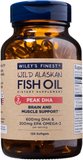
Does Green Tea Extract (EGCG) Work?
Multiple randomized controlled trials support green tea extract for visceral fat reduction. A 12-week trial found that 583mg of catechins daily produced significantly greater reductions in body weight, BMI, body fat percentage, waist circumference, and visceral fat area compared to placebo (PubMed 17557985). Another study showed green tea catechins enhance exercise-induced abdominal fat loss in overweight and obese adults (PubMed 19074207).
The mechanism involves EGCG’s ability to inhibit catechol-O-methyltransferase (COMT), prolonging norepinephrine activity and enhancing fat oxidation. Studies also show green tea catechins boost resting energy expenditure by 80-100 kcal/day.
For those who want the full picture on thermogenic supplements, our complete review of thermogenic supplements for fat loss covers the research on green tea extract, capsaicin, caffeine, and more.
Do Probiotics Help?
A 2025 meta-analysis in Nutrition Reviews found that probiotic supplementation — particularly single-strain Lactobacillus formulations — reduced visceral fat area by approximately 3.84 cm² compared to placebo (Guo et al., 2025, PMID: 39984625). The mechanism likely involves modulation of the gut-brain axis, reduced intestinal permeability, and decreased systemic inflammation. The connection between gut health and body composition is an active area of research.

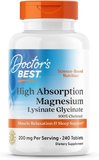
Should You Take Magnesium for Sleep?
While not a direct fat-loss supplement, magnesium glycinate (200-400mg before bed) supports the 7-8 hours of quality sleep that research shows is essential for visceral fat control. Given that sleep restriction increased visceral fat by 11% in just two weeks in clinical trials, optimizing sleep through magnesium supplementation provides indirect but significant benefits.
Magnesium glycinate is the preferred form due to superior absorption and minimal gastrointestinal side effects compared to magnesium oxide or citrate.
Should You Take Fiber Supplements?
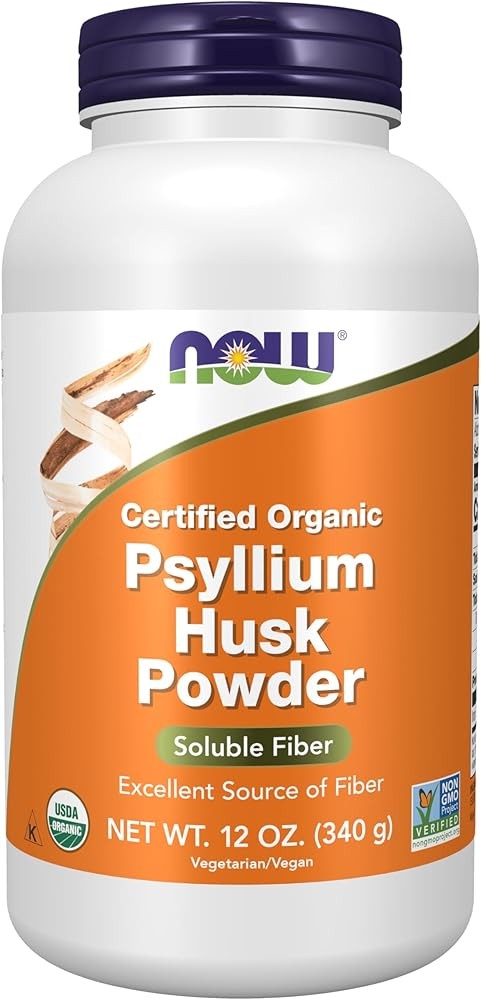
As mentioned in the diet section, psyllium fiber at 10-11g per day shows consistent evidence for waist circumference reduction. The mechanism is straightforward: soluble fiber forms a viscous gel in the gut that slows gastric emptying, blunts post-meal glucose spikes, and increases satiety, which makes maintaining the caloric deficit required for visceral fat loss measurably easier.
The research behind this is solid. A 2023 meta-analysis of randomized trials in the American Journal of Clinical Nutrition found psyllium improved glycemic control in proportion to how impaired it was at baseline, with the largest effects in people with the worst glucose handling (PMID: 37163454). Better glucose control translates directly to less insulin-driven fat storage around the organs. A separate line of evidence, covered earlier in the diet section, shows soluble fiber supplementation reduces waist circumference by roughly 2 cm over 3-6 months when paired with a modest caloric deficit.
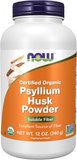
Glucomannan (konjac root) is another soluble fiber that expands in the stomach and promotes satiety. Both are safe, affordable, and provide additional benefits for blood sugar control and cholesterol management. Start fiber supplements at 5g per day and increase gradually over 1-2 weeks, always with adequate water, to minimize bloating and cramping.
Is Protein Powder Helpful?
For adults over 40 who struggle to meet their protein targets through food, whey protein or a plant-based alternative is one of the most practical “supplements” for belly fat loss. Protein supplementation helps maintain lean mass during a caloric deficit and increases the thermic effect of meals. The protein target ladder is simple: everyone over 40 should aim for at least 1.2-1.6 g/kg/day, and anyone on a GLP-1 drug or in a heavy training phase should push toward the 1.6-2.2 g/kg/day range to protect muscle mass. See our best protein powder for muscle gain guide for research-backed recommendations.
What Does NOT Work Despite Marketing Claims?
Be skeptical of these supplements that lack convincing evidence:
- Spot-reduction supplements: You cannot target fat loss from a specific body area through supplementation or exercise. Crunches strengthen abdominal muscles but do not preferentially burn belly fat.
- Waist trainers and compression garments: No evidence they reduce visceral fat. They may temporarily redistribute subcutaneous tissue but have no metabolic effect.
- Detox teas and “flat tummy” products: Marketing hype with no clinical evidence. Most contain laxatives or diuretics that cause temporary water loss.
- CLA (Conjugated Linoleic Acid): While technically statistically significant in meta-analyses, a 2023 review noted that the clinical effect size was so small that researchers themselves stated benefits “may not reach clinical importance” (Asbaghi et al., 2023, PMID: 37671495).
Bottom line: Green tea extract (300mg EGCG) reduced visceral fat while boosting metabolism by 83 kcal/day, probiotics reduced visceral fat by 3.84 cm², and magnesium glycinate supports the sleep quality essential for preventing visceral fat accumulation, but only as additions to diet and exercise.
What About GLP-1 Drugs as a Medical Option?
Semaglutide (Ozempic/Wegovy) and tirzepatide (Mounjaro/Zepbound) represent the most powerful pharmacological intervention for visceral fat currently available. The STEP 6 trial demonstrated that semaglutide 2.4mg weekly achieved a 40% reduction in visceral fat area over 68 weeks — the largest pharmacological visceral fat reduction reported in clinical literature (Kadowaki et al., 2025, PMID: 40189961).
However, GLP-1 drugs come with important trade-offs:
- Significant lean mass loss: Up to 30-40% of total weight lost may be lean tissue, accelerating the muscle loss that drives metabolic decline after 40
- Side effects: Nausea, vomiting, diarrhea, and rare but serious risks including pancreatitis and gallbladder disease
- Cost: $1,000+ per month without insurance
- Sustainability concerns: Weight regain is common after discontinuation
For a detailed analysis of the muscle loss issue, see our guide on Ozempic and muscle loss — what the research shows about GLP-1 drugs and body composition.
If you are considering GLP-1 drugs, combining them with resistance training and high protein intake is essential to minimize lean mass loss. These drugs are most appropriate for individuals with a BMI over 30 or those with obesity-related health conditions who have not achieved adequate results with lifestyle interventions alone.
Bottom line: Semaglutide 2.4mg weekly achieved 40% visceral fat reduction over 68 weeks in the STEP 6 trial, but 30-40% of weight lost may be lean tissue, requiring resistance training and high protein (1.6-2.2 g/kg/day) to minimize muscle loss (PubMed 40189961).
What Clues Does Your Body Tell You?
Signs Your Belly Fat May Be a Health Risk
Your body provides signals that visceral fat is accumulating and affecting your health:
- Waist circumference above 40 inches (men) or 35 inches (women) — the most reliable home measurement for visceral fat risk
- Persistent fatigue and brain fog, especially after meals — may indicate insulin resistance
- Elevated fasting blood sugar (above 100 mg/dL) or HbA1c above 5.7%
- High triglycerides (above 150 mg/dL) with low HDL cholesterol (below 40 mg/dL for men, 50 for women)
- Blood pressure creeping up toward or above 130/85 mmHg
- Acid reflux or digestive issues worsening — visceral fat puts pressure on the stomach
- Snoring or sleep apnea developing — belly fat constricts the airway
- Joint pain increasing despite no injury — excess weight plus systemic inflammation
If you have three or more of these signs, you may have metabolic syndrome — a cluster of conditions driven largely by visceral fat that dramatically increases cardiovascular and diabetes risk.
How to Measure Visceral Fat Accurately
The scale cannot tell you whether you are losing visceral or subcutaneous fat, so tracking the right measurements matters if your goal is specifically belly fat. Here is what each method actually measures, from most to least accessible:
Waist circumference (best home option): Measure at the level of your belly button, first thing in the morning, before eating or drinking. Use a flexible tape pulled snug but not compressing the skin, and repeat the measurement twice to confirm. In clinical research, waist circumference correlates strongly with CT-measured visceral fat, which is why nearly every trial discussed in this article reports it as a primary outcome. For men, a waist above 40 inches signals elevated visceral fat risk; for women, the threshold is 35 inches. A consistent downward trend of 0.5-1 cm per week is a reliable sign visceral fat is mobilizing.
Waist-to-height ratio (slightly better than waist alone): Divide your waist circumference by your height in the same units. A ratio of 0.5 or lower is the target used in recent research, and it adjusts for the fact that taller people naturally have larger frames. This single number captures the core problem with belly fat: the abdominal cavity is disproportionately full relative to overall body size.
DEXA scan and CT/MRI (the gold standards): A DEXA scan can quantify visceral adipose tissue in a dedicated abdominal analysis, and CT or MRI at a single slice of the L4-L5 vertebrae remains the reference standard used in the clinical trials cited here. These are not needed for tracking progress at home, but a baseline DEXA scan can be valuable if you want an objective starting number, especially since some people carry substantial visceral fat at a normal body weight (“normal-weight obesity”).
Bioelectrical impedance scales (interpret with caution): Consumer scales that claim to report visceral fat use bioelectrical impedance and algorithms. They are useful for spotting trends over months but are not accurate enough for absolute numbers, and hydration status can shift readings by several percent from day to day.
Whichever method you choose, the rule is consistency: same time of day, same conditions, same device. Mixing methods week to week makes progress impossible to interpret and leads to the false “plateaus” discussed later in the protocol section.
What Improvement Looks Like
As your visceral fat decreases, your body signals progress in observable ways:
- Energy levels stabilize — fewer afternoon crashes, less post-meal drowsiness
- Sleep quality improves — falling asleep faster, fewer nighttime awakenings, less snoring
- Waist measurement decreases — even before the scale moves significantly, waist circumference may drop 1-2 cm
- Digestion normalizes — less bloating, reduced acid reflux, more regular bowel movements
- Blood sugar stabilizes — fewer sugar cravings, more consistent energy between meals
- Blood pressure and heart rate decrease — your cardiovascular system works less hard
- Mental clarity improves — reduced inflammation means better cognitive function
- Joint pain reduces — less mechanical stress and lower systemic inflammation
- Mood and motivation improve — better hormonal balance and reduced inflammation affect neurotransmitter function
When to See a Doctor
Consult a healthcare provider if you experience:
- Rapid unexplained weight gain concentrated in the abdomen over weeks or months
- Dark, velvety skin patches on neck, armpits, or groin — a sign of significant insulin resistance
- Excessive thirst, frequent urination, and unexplained fatigue — warning signs of type 2 diabetes
- Sudden inability to lose weight despite consistent effort — may indicate hormonal issues (thyroid, cortisol, sex hormones)
- Waist circumference above 40 inches (men) or 35 inches (women) combined with any of the above symptoms
Early intervention dramatically improves outcomes. Visceral fat accumulation is reversible with the right approach.
Your Practical 12-Week Protocol
Phase 1: Foundation (Weeks 1-4)
Exercise:
- Walk 30 minutes daily (build to brisk walking by week 3)
- 2 full-body resistance training sessions per week (bodyweight or light weights to start)
- Focus on learning proper form for squats, push-ups, rows, and planks
Diet:
- Remove liquid calories (soda, juice, sweetened coffee drinks)
- Add protein to every meal (aim for 25-35g per meal)
- Eat 5+ servings of vegetables daily
- Drink 3-4 cups of green tea daily (or supplement with 300mg EGCG)
Sleep and stress:
- Set a consistent bedtime and wake time
- Begin a 10-minute daily meditation practice
- Limit screen time after 9 PM
Phase 2: Progression (Weeks 5-8)
Exercise:
- Increase resistance training to 3 sessions per week with progressive overload
- Add 1-2 HIIT sessions per week (intervals of fast/slow walking or cycling)
- Continue daily walking
Diet:
- Track protein intake — ensure you hit 1.2-1.6 g/kg/day minimum
- Add psyllium fiber supplement (start at 5g/day, increase to 10g/day)
- Consider intermittent fasting (16:8) if it feels natural and sustainable
- Follow green Mediterranean diet principles (olive oil, fish, nuts, abundant vegetables)
Sleep and stress:
- Optimize sleep environment (blackout curtains, cool temperature, white noise)
- Extend meditation to 15-20 minutes daily
- Consider magnesium glycinate supplementation (200-400mg before bed)
Phase 3: Optimization (Weeks 9-12)
Exercise:
- Full 5-day training schedule (3 resistance + 2 cardio/HIIT)
- Consider adding creatine supplementation for performance and muscle preservation
- Challenge yourself with progressive overload each week
Diet:
- Fine-tune caloric intake based on progress (adjust by 100-200 calories if plateau occurs)
- Increase protein if training heavy (1.6-2.2 g/kg/day)
- Consider adding a probiotic supplement (single-strain Lactobacillus)
- Continue all previous dietary improvements
Measure progress:
- Take waist circumference measurements weekly (same time, same conditions)
- Track body weight weekly (morning, fasted)
- Take progress photos monthly
- Get bloodwork at 12 weeks (compare fasting glucose, HbA1c, triglycerides, cholesterol panel)
How Do You Know If Your Protocol Is Working?
Tracking the right metrics reduces frustration and helps you adjust your approach based on actual data rather than feelings. Here is exactly what to monitor and how to interpret the results:
Waist circumference (most important metric):
- Measure first thing in the morning, before eating, at the level of your belly button
- Use a flexible tape measure, pull snug but not tight
- Expected progress: 0.5-1.0 cm reduction per week consistently indicates visceral fat loss
- If waist is shrinking but scale is stable, you are gaining muscle and losing fat — this is ideal
- If waist is not changing after 3-4 weeks, reevaluate caloric deficit and exercise intensity
Body weight (secondary metric):
- Weigh daily at the same time (morning, after bathroom, before eating) and calculate weekly average
- Daily fluctuations of 1-3 pounds are normal due to water, sodium, carbohydrate intake, and bowel movements
- Expected progress: 1-2 pounds per week average (0.5-1% of body weight weekly)
- Faster loss suggests too aggressive a deficit that will cost muscle mass
- No loss for 2-3 weeks suggests insufficient deficit — reduce calories by 200 or increase activity
Strength and performance:
- Track weights lifted in resistance training sessions
- Your lifts should maintain or slowly increase even during a caloric deficit
- Declining strength suggests inadequate protein or too aggressive a deficit
- Improving strength with stable or decreasing waist circumference is the gold standard
Energy and sleep quality:
- Subjective but important — rate your daily energy 1-10 and track
- Persistent fatigue, irritability, or sleep disruption suggests over-training or under-eating
- Good energy with improving sleep quality indicates sustainable deficit
Blood markers (objective metabolic health):
- Get baseline bloodwork before starting, then recheck at 12 weeks
- Fasting glucose: should trend toward 80-90 mg/dL from elevated baseline
- Hemoglobin A1c: should drop 0.3-0.5% if starting from prediabetic range
- Triglycerides: often drop dramatically (50-100 mg/dL reduction typical)
- HDL cholesterol: should rise 5-10 mg/dL with visceral fat loss
- LDL cholesterol: may temporarily rise as fat is mobilized, then normalize
- Liver enzymes (ALT, AST): should normalize if fatty liver was present
Physical feedback signs:
- Clothing fits more loosely, particularly around waist and hips
- Face appears thinner, especially around jawline
- Less bloating and digestive discomfort
- Improved exercise recovery
- Reduced joint pain (less systemic inflammation)
- Better mood and cognitive clarity
Warning signs to slow down or adjust:
- Extreme hunger and obsessive food thoughts (deficit too aggressive)
- Strength dropping by more than 10-15% (inadequate protein or calories)
- Sleep worsening despite good sleep hygiene (overtraining or cortisol dysregulation)
- Hair loss or thinning (too rapid weight loss, inadequate protein or micronutrients)
- Menstrual cycle disruption in women (energy availability too low)
- Persistent cold intolerance and fatigue (possible thyroid suppression from extreme deficit)
- Resting heart rate increasing 5+ bpm above baseline (overtraining or under-recovery)
If you see 2-3 warning signs, increase calories by 200-300 per day for 1-2 weeks (a “diet break”), maintain protein and exercise, then resume the deficit. This reduces metabolic adaptation and makes long-term adherence possible.
What About Plateau Breaking Strategies?
Most “plateaus” are not true plateaus — they are tracking errors or normal fluctuations. Before declaring a plateau and making changes:
- Confirm waist measurement is truly not changing over 3-4 weeks (not just 1 week)
- Recalculate caloric needs based on current body weight (your maintenance calories decrease as you lose weight)
- Check for “calorie creep” — portion sizes drifting larger, extra snacks, liquid calories sneaking back in
- Verify training intensity has not dropped (logging workouts helps spot this)
If you have verified a true plateau after 4+ weeks with no waist change:
Option 1: Increase activity (preferred)
- Add 1-2 more resistance training sessions or cardio days
- Increase daily steps by 2,000-3,000 (use a step counter)
- This maintains caloric intake while increasing expenditure, preserving muscle better than further calorie cuts
Option 2: Reduce calories (if activity is already maximal)
- Cut 200 calories from carbohydrates or fat (never protein)
- Monitor strength and energy closely — if they tank, you went too low
Option 3: Diet break (counterintuitive but effective)
- Increase calories to maintenance for 1-2 weeks
- Maintain protein and exercise intensity
- This resets leptin, reduces cortisol, restores metabolic rate
- Many people break through plateaus immediately after a structured diet break
The most sustainable approach cycles through moderate deficits, maintenance breaks, and progressive activity increases rather than driving calories lower and lower. The research on metabolic adaptation is consistent on this point: aggressive, prolonged deficits downregulate thyroid output, reduce non-exercise activity thermogenesis, and increase hunger hormones such as ghrelin, all of which make continued loss harder. Structured diet breaks of one to two weeks at maintenance calories blunt this adaptation while preserving the behavioral habits you have built. If your waist measurement has not moved for three to four consecutive weeks after confirming accurate tracking, take that as a signal to adjust one variable at a time rather than stacking multiple changes, so you can identify what actually worked.
Key Takeaways
Losing belly fat after 40 is absolutely achievable, but it requires a different approach than what might have worked in your twenties or thirties. The research is clear on the most effective strategies:
- Combine resistance training and cardiovascular exercise — this combination reduces visceral fat by up to 36%, nearly double either modality alone
- Prioritize protein — 1.2-1.6 g/kg/day minimum to preserve lean mass and boost metabolism
- Sleep 7-8 hours — even two weeks of poor sleep increases visceral fat by 11%, and recovery sleep does not fully reverse it
- Manage stress — cortisol directly promotes visceral fat storage through higher receptor density in abdominal depots
- Follow a polyphenol-rich diet — the green Mediterranean approach achieved 14.1% visceral fat loss in clinical trials
- Use supplements strategically — green tea extract, probiotics, and magnesium for sleep offer modest but real benefits on top of lifestyle changes
- Be patient — meaningful visceral fat reduction takes 3-6 months of consistent effort based on clinical trial timelines
The body composition changes that happen after 40 are not a sentence — they are a signal. Your body is telling you that the strategies that worked before are no longer sufficient. The strategies outlined in this guide, all backed by recent clinical research, represent what actually works according to the strongest available evidence.
Related Reading
-
Ozempic and Muscle Loss: What the Research Shows About GLP-1 Drugs and Body Composition
-
Best Testosterone Booster Supplements: What the Research Actually Supports
-
Best Supplements for Menopause and Perimenopause: Evidence-Based Guide
-
Best Protein Powder for Muscle Gain: Research-Backed Options
-
Best Thermogenic Supplements for Fat Loss: Complete Research Review
-
Best Fat Burner Supplements for Women: What Actually Works According to Research
References
Su Y, Chen X, Guo Y, et al. “Visceral adiposity and testosterone deficiency syndrome: a vicious cycle.” Frontiers in Endocrinology, 2023. PMID: 37634076
Davis SR, Castelo-Branco C, Chedraui P, et al. “Understanding weight gain at menopause.” Climacteric, 2021. PubMed | PMID: 34285301
Chen LK, Wu SW. “Sarcopenia: epidemiology, mechanisms, and therapeutic approaches.” Ageing Research Reviews, 2024. PMID: 38739945
Lengton R, Schoenmakers M, Penninx BWJH, et al. “Glucocorticoids and HPA axis regulation in the stress-obesity connection: A comprehensive review.” Clin Obes. 2025;15(2):e12725. PMID: 39623561
Waters DL, Aguirre L, Engelen M, et al. “Effect of aerobic or resistance exercise, or both, on intermuscular and visceral fat and physical and metabolic function in older adults with obesity.” Obesity Reviews, 2021. PubMed | PMID: 33839788
Jayedi A, Soltani S, Emadi A, et al. “Dose-response association of aerobic and resistance exercise with visceral adiposity: A systematic review and meta-analysis.” JAMA Network Open, 2024. PMID: 39724371
Chen N, Zheng W, Xiang T, et al. “Comparative effectiveness of exercise modalities for visceral fat reduction: A network meta-analysis of randomized controlled trials.” Obesity Reviews, 2023. PMID: 38031812
Zelicha H, Kaplan A, Yaskolka Meir A, et al. “The effect of Wolffia globosa Mankai, a green aquatic plant, on gut microbiota and its association with visceral fat.” Gut, 2022. PMID: 36175997
Arciero PJ, Arciero KM, Poe M, et al. “Intermittent fasting and protein pacing are superior to caloric restriction for body and visceral fat loss.” Obesity, 2023. PubMed | PMID: 36575144
Covassin N, Singh P, McCrady-Spitzer SK, et al. “Effects of experimental sleep restriction on energy intake, energy expenditure, and visceral obesity.” Journal of the American College of Cardiology, 2022. PMID: 35361348
Daubenmier J, Kristeller J, Hecht FM, et al. “Mindfulness intervention for stress eating to reduce cortisol and abdominal fat among overweight and obese women.” Journal of Obesity, 2011. PubMed | PMID: 21977314
Rondanelli M, Ferraris C, Ferro Y, et al. “Green tea catechins supplementation reduces visceral fat and increases resting energy expenditure in postmenopausal women.” Nutrients, 2022. PMID: 36558368
Guo Y, Zhang L, Liu R, et al. “Effect of probiotics on visceral fat in adults: A systematic review and meta-analysis.” Nutrition Reviews, 2025. PubMed | PMID: 39984625
Asbaghi O, Sadeghian M, Nasiri M, et al. “The effect of conjugated linoleic acid supplementation on body composition: A systematic review and meta-analysis.” Nutrition Reviews, 2023. PMID: 37671495
Gibb RD, McRorie JW Jr, Russell DA, et al. “Psyllium fiber improves glycemic control proportional to loss of glycemic control: a meta-analysis of data in euglycemic subjects, patients at risk of type 2 diabetes mellitus, and patients being treated for type 2 diabetes mellitus.” American Journal of Clinical Nutrition, 2023. PMID: 37163454
Kadowaki T, Isendahl J, Weghuber D, et al. “Semaglutide once weekly in adults with overweight or obesity, with or without type 2 diabetes in an East Asian population (STEP 6).” Diabetes, Obesity and Metabolism, 2025. PubMed | PMID: 40189961
- Wewege M et al. “The effects of high-intensity interval training vs moderate-intensity continuous training on body composition.” Obes Rev, 2017
- Hunter GR et al. “Resistance training conserves fat-free mass and resting energy expenditure following weight loss.” Obesity, 2008
- St-Onge MP et al. “Sleep restriction leads to increased activation of brain regions sensitive to food stimuli.” Am J Clin Nutr, 2012
Recommended Products