How to Use ChatGPT to Improve Your Health and Nutrition Research
Summarized from peer-reviewed research indexed in PubMed. See citations below.
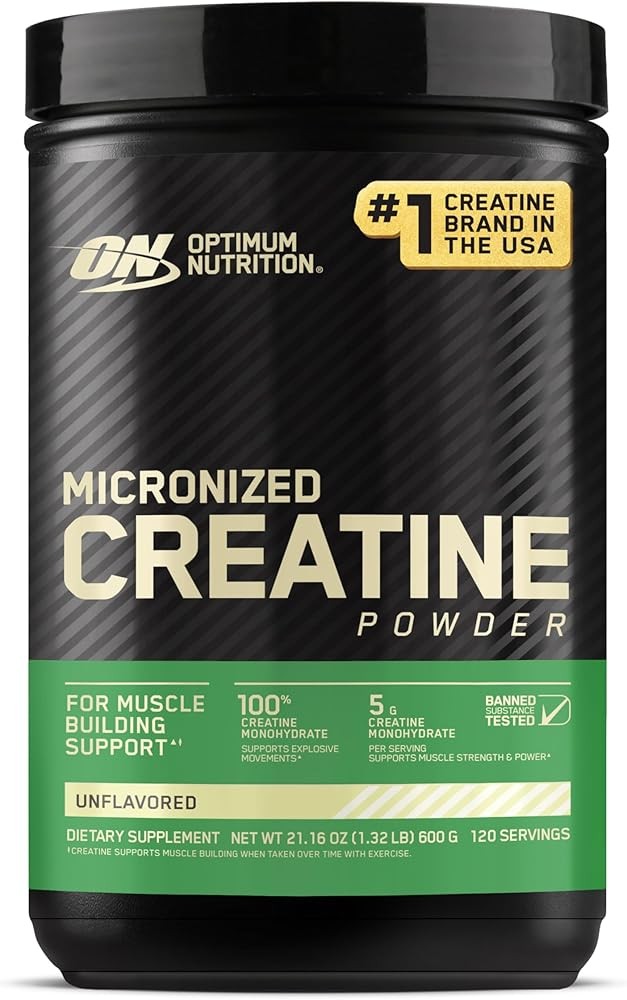
AI chatbots now answer millions of health questions daily, yet research shows 18-55% of AI-generated citations are fabricated and accuracy on supplement-drug interactions falls below 50%. That does not mean the tools are useless – it means they need a verification workflow. Published research in Nutrients, JMIR, and medical journals demonstrates that systematic verification through PubMed combined with structured prompting catches most hallucinations before they influence decisions. This guide teaches that workflow: the exact prompts to use, how to verify every citation, how to judge evidence quality, and when to ignore the AI entirely. It also applies the process to four well-studied supplement categories – creatine, magnesium, ashwagandha, and probiotics – so you can see the method working on real research questions. The creatine monohydrate powder from Optimum Nutrition ($27.99 verified) is the example we use for the sports-supplement category. Here’s what the published research shows about using AI safely for health research while avoiding dangerous misinformation.
Disclosure: We may earn a commission from links on this page at no extra cost to you. Affiliate relationships never influence our ratings. Full policy →
Why Is AI Changing How We Research Health?
The way people research health and nutrition has fundamentally shifted. Instead of spending hours scrolling through contradictory blog posts, millions of people now ask ChatGPT questions like “Is magnesium glycinate better than citrate for sleep?” or “What does the research say about berberine for blood sugar?”
A February 2026 randomized trial from the University of Oxford involving nearly 1,300 participants found that people using AI chatbots to assess their health symptoms did not make better decisions than those who relied on traditional online searches or their own judgment. The study, published in Nature Medicine, concluded that “AI just isn’t ready to take on the role of the physician” and that models performing well on standardized medical tests “faltered when interacting with people” (University of Oxford, 2026).
Meanwhile, an August 2025 study from the Icahn School of Medicine at Mount Sinai found that AI chatbots hallucinated fabricated diseases, lab values, and clinical signs in up to 83% of simulated cases when no safety measures were in place (Mount Sinai, 2025).
| Feature | ChatGPT (GPT-4) | ChatGPT (GPT-3.5) | Traditional Research |
|---|---|---|---|
| Citation Accuracy | 82% real citations | 45% real citations | 100% (direct source) |
| Drug Interaction Accuracy | Below 50% for supplements | Below 50% for supplements | 95%+ (pharmacist verified) |
| Medical Exam Performance | 60.2% (USMLE) | 50-55% | N/A |
| Hallucination Rate | 18% fabricated references | 55% fabricated references | 0% |
| Speed | Instant answers | Instant answers | 20-60 minutes research |
| Personalization | Generic responses | Generic responses | Fully individualized |
| Cost | $20/month (Plus) | Free | Free (time investment) |
So should you stop using ChatGPT for health research entirely? No. But you need to use it correctly. Think of ChatGPT as a research assistant, not a doctor, not a dietitian, and definitely not an oracle. When used with the right prompting strategies, verification habits, and a healthy dose of skepticism, AI can genuinely accelerate your ability to understand supplements and nutrition science. Early evaluations found ChatGPT performed near the passing threshold on the United States Medical Licensing Examination (PubMed 36753318), and a systematic review of large language models on medical licensing examinations worldwide reported wide variation in performance across models and question types (PubMed 41248547). In direct comparisons, large language models answered medical questions accurately but could not match clinicians’ knowledge (PubMed 37548971).
What Is ChatGPT Bad At?
Here is where things get dangerous if you are not careful:
- It fabricates citations. A study examining GPT-4o found that citation fabrication remained common even in the latest model versions. Research shows that 18% to 55% of AI-generated citations are partially or fully fabricated, depending on the model version (Hallucination Rates and Reference Accuracy, JMIR, 2024). GPT-3.5 fabricated 55% of its references, while GPT-4 reduced this to 18%, but that still means roughly one in five “cited” papers may not exist.
- It does not know your body. ChatGPT cannot assess your bloodwork, medical history, genetic predispositions, or current medication interactions.
- It gives confident-sounding wrong answers. The Mount Sinai study found that chatbots not only repeated misinformation but often expanded on it, offering confident explanations for non-existent conditions. Studies analyzing AI-assisted self-diagnosis have documented ChatGPT’s tendency to generate plausible-sounding medical misinformation with high confidence (PubMed 40063849).
- Its nutrition advice is inconsistent. A 2025 study in JACCP found that ChatGPT-3.5 changed its drug information responses within a single day, meaning you could get different answers to the same question depending on when you ask (Khatri et al., JACCP, 2025).
- It struggles with complex multi-condition scenarios. When a person has multiple health issues requiring dietary management (like diabetes plus kidney disease), ChatGPT often provides contradictory or inappropriate advice (Mishra et al., F1000Research, 2024).
- It underperforms on supplement interactions. A study in the Journal of the American Pharmacists Association found that large language models had limited accuracy when assessing potential drug interactions involving over-the-counter medications and herbal supplements (PubMed 39613295). Patient use of ChatGPT for health information requires careful oversight given these accuracy limitations.
Bottom line: ChatGPT excels at organizing and explaining health information but fabricates 18-55% of citations and underperforms on drug interactions (below 50% accuracy), making it suitable as a research assistant only when every factual claim is verified through PubMed and professional consultation.
What Is ChatGPT Actually Good At?
It is easy to list the failure modes, but an honest assessment also covers where the tool earns its place in a research workflow.
Explaining unfamiliar concepts in plain language. If you have ever stared at a sentence like “phagocytes engulf pathogens and present antigens to T cells,” ChatGPT can rephrase it into something a layperson actually understands, and it can do it at whatever depth you ask for. That alone is a legitimate use case for health literacy (PubMed 41211528).
Summarizing and comparing research you already found. Once you have a study in front of you, ChatGPT is reasonably good at listing its design, sample size, main outcomes, and limitations. The key is that the study exists and you are asking about a document you can see; the model is doing organization work rather than inventing facts.
Generating search strategies. ChatGPT is genuinely useful for turning “I want to know about magnesium for sleep” into concrete PubMed search strings, MeSH-style terms, and inclusion criteria. You still run those searches yourself, but the starting point is better than a blank search box.
Building research plans. Asking for a structured protocol, a list of red flags, or a decision checklist produces useful scaffolding that you then fill in with verified information.
Stress-testing your own conclusions. After you have done the verification work, asking ChatGPT to argue the opposite position can surface weak points in your reasoning. Used this way, the model is a thinking partner rather than an authority.
Bottom line: ChatGPT earns its place as a research assistant for plain-language explanations, summarizing documents you provide, building PubMed search strategies, structuring research plans, and stress-testing conclusions; it is not a source of truth for dosing, interactions, or diagnosis.
What Are the Best Prompt Templates for Health and Supplement Research?
The quality of what ChatGPT gives you depends almost entirely on how you ask. Vague questions produce vague (and often wrong) answers. Specific, structured prompts produce useful research starting points.
Here are tested prompt templates organized by research task.
Template 1: How Do You Understand a Supplement?
I want to understand [supplement name] for [health goal]. Please provide:
1. The proposed mechanism of action at a biological level
2. A summary of the strongest clinical evidence (randomized controlled trials preferred)
3. The most commonly studied dosage ranges
4. Known side effects and contraindications
5. Drug interactions I should be aware of
6. Whether the evidence is strong, moderate, or preliminary

For each claim, please cite specific studies with author names and publication years. Flag any claims where evidence is limited to animal or in-vitro studies only.
Example use: “I want to understand ashwagandha for cortisol reduction and stress management. Please provide…” This kind of structured prompt forces ChatGPT to organize its response in a way that is immediately useful for your research.
Template 2: How Do You Compare Two Supplements?
Compare [Supplement A] and [Supplement B] for [specific health goal]:
1. Mechanism of action differences
2. Strength of clinical evidence for each
3. Typical dosage ranges
4. Cost-effectiveness
5. Side effect profiles
6. Any situations where one would be preferred over the other

Please cite specific studies and note any head-to-head comparison trials.
Example use: “Compare magnesium glycinate and magnesium threonate for sleep quality…” This prompts ChatGPT to make direct comparisons rather than giving you two separate descriptions that you then have to compare yourself.
Template 3: How Do You Check Drug Interactions?
I am considering [supplement name] at [dosage]. I currently take:
- [Medication 1] at [dose and frequency]
- [Medication 2] at [dose and frequency]

Please identify:
1. Any known interactions between this supplement and my medications
2. The mechanism of each interaction
3. The clinical significance (major, moderate, minor)
4. Whether timing of doses could reduce interaction risk
5. Any monitoring recommendations

Cite specific interaction studies or case reports.
Warning: Even with this structured prompt, ChatGPT’s accuracy on supplement-drug interactions is below 50%. Always verify interaction information with your pharmacist. This prompt is useful for generating questions to ask your pharmacist, not for making final decisions.
Template 4: How Do You Evaluate Research Quality?
Analyze this study: [paste title or link]

Provide:
1. Study design (RCT, observational, meta-analysis, etc.)
2. Sample size and population characteristics
3. Intervention details (dose, duration, form)
4. Primary outcomes measured
5. Key findings with effect sizes
6. Limitations and potential biases
7. How this fits into the broader evidence base
8. Whether results are likely generalizable to me as a [age/sex/condition]
This is powerful for when you find a study yourself and want help interpreting it. ChatGPT can be genuinely useful at explaining study methodology and identifying potential biases.
Template 5: How Do You Create a Research Protocol?
I want [to research](/blog/how-to-lose-belly-fat-after-40-what-actually-works-according-to-research/) whether [supplement] is appropriate for [specific goal]. Create a research protocol including:
1. Key questions I should answer
2. Databases I should search (PubMed, Cochrane, etc.)
3. Search terms to use
4. Types of evidence to prioritize
5. Red flags that should make me stop considering this supplement
6. A checklist of information I need before making a decision
This transforms ChatGPT from an answer machine into a research planning assistant, which is arguably its most valuable use case.
How Do You Verify ChatGPT’s Health Claims?
This is where most people fail. You ask ChatGPT a question, it gives you a confident answer with what look like real citations, and you assume it is accurate. Do not do this.
Here is a systematic verification workflow.
Step 1: How Do You Check Citation Accuracy?
For every study ChatGPT cites:
- Copy the author names and year.
- Go to PubMed.gov.
- Search for:
[first author last name] [year] - Verify that the study exists and that the title matches what ChatGPT claimed.
- If ChatGPT provides a PMID (PubMed ID number), search for that directly.
Red flags:
- The study does not exist at all (fabricated)
- The study exists but does not support the claim ChatGPT made
- The study is a preliminary animal or in-vitro study, but ChatGPT presented it as human evidence
- The date is wrong, suggesting ChatGPT confused multiple studies
Time cost: 1-2 minutes per citation. If ChatGPT cites 5 studies, expect to spend 5-10 minutes just verifying that the papers exist.
Step 2: How Do You Cross-Reference with Trusted Databases?
After verifying ChatGPT’s citations exist, check whether independent sources agree with its interpretation.
For supplements:
- Check Examine.com for an evidence summary.
- Look up the supplement on the NIH Office of Dietary Supplements website.
- If it is a prescription interaction question, use Drugs.com Interaction Checker or consult your pharmacist.
For nutrition claims:
- Check the Academy of Nutrition and Dietetics Evidence Analysis Library.
- Review relevant Cochrane systematic reviews.
For general health claims:
- Look for relevant systematic reviews or meta-analyses on PubMed.
- Check whether major health organizations (WHO, CDC, NHS) have position statements on the topic.
Time cost: 10-15 minutes per topic if you are thorough.
Step 3: How Do You Spot Hallucination Patterns?
Certain types of ChatGPT responses are more likely to contain hallucinations or oversimplifications. Learn to recognize these patterns:
High-risk response patterns:
- Suspiciously round numbers (“reduces inflammation by 50%”)
- Universal benefit claims with no mentioned downsides (“completely safe for everyone”)
- Very specific dosing recommendations without citing a source (“take exactly 600mg three times daily”)
- Claims about proprietary blends or specific brands
- Definitive statements about emerging or controversial topics
Medium-risk response patterns:
- Conflation of correlation with causation
- Extrapolation from animal studies to humans without noting the limitation
- Oversimplification of complex interactions
- Failure to mention individual variability
Lower-risk response patterns:
- Hedged language (“may help,” “some evidence suggests,” “preliminary research indicates”)
- Explicit mention of study limitations
- Clear distinction between different types of evidence (RCT vs. observational)
- Acknowledgment of conflicting research
Even lower-risk responses require verification, but you can prioritize your fact-checking time by focusing most heavily on high-risk patterns.
Step 4: How Do You Assess Evidence Quality?
Not all studies are created equal. ChatGPT sometimes presents a single animal study with the same weight as a systematic review of 20 human randomized controlled trials. Learn to differentiate:
Evidence hierarchy (strongest to weakest):
- Systematic reviews and meta-analyses of multiple high-quality RCTs
- Large, well-designed randomized controlled trials (RCTs)
- Small or poorly controlled RCTs
- Prospective cohort studies
- Case-control studies
- Cross-sectional studies
- Case reports and case series
- Animal studies
- In-vitro (test tube) studies
- Theoretical mechanisms without experimental evidence
When ChatGPT cites a study, ask yourself: Where does this fall in the evidence hierarchy? A promising animal study is interesting but should not change your behavior the way a systematic review of human trials might.
What Does a Full Research Session Look Like? A Worked Example
Theory is easier to follow with a concrete walkthrough. Here is a realistic session researching one supplement, creatine, from question to decision. The same pattern works for any supplement.
Step 1: Define the question. Instead of “is creatine good?,” write: “Does creatine monohydrate improve resistance training outcomes in adults, and what dose and duration show the strongest evidence? Focus on randomized controlled trials and systematic reviews.”
Step 2: Get the structured overview. Paste the prompt from Template 1 in this article. A typical ChatGPT response will describe the mechanism (increased phosphocreatine stores for rapid ATP regeneration), summarize the evidence base (hundreds of trials, multiple meta-analyses), list common dosing (3-5 g daily), and note side effects (gastrointestinal upset at high doses). None of that is actionable yet.
Step 3: Collect the citations it provides. Ask: “List the specific studies behind your claims about creatine for strength gains, with author, journal, year, and PMID.” Write them down. Do not evaluate them yet; just collect.
Step 4: Verify every citation on PubMed. Search each PMID or author-year combination. Check that the paper exists, that the title matches what ChatGPT described, and that the study actually reports the outcome it was cited for. In this worked example you will typically find that the major creatine meta-analyses are real and correctly described, because the evidence base is large and heavily represented in training data. That is exactly what the category guidance predicted: performance supplements with extensive research are where ChatGPT is most reliable.
Step 5: Cross-reference the dose and safety claims. Open the relevant Examine.com creatine page and the published meta-analyses you verified. Confirm the 3-5 g daily range and the absence of harm in healthy adults at recommended doses.
Step 6: Write a one-page summary. Record the evidence quality (strong for strength outcomes, supported by multiple meta-analyses of randomized trials), the dose you would consider, the washout facts, and the questions still open (e.g., response variability, interactions with kidney disease).
Step 7: Decide whether professional input is needed. For creatine in a healthy adult, the evidence is clear enough that a decision does not require a clinician. For anything involving a diagnosed condition or a medication, the decision point is a conversation with your doctor, not a conclusion drawn from chat output.
The whole session takes 45-75 minutes the first time, and most of that time is the verification steps, which is exactly where it should be spent.
What Is the Complete AI Health Research Workflow?
Here is how to put all of this together into a practical workflow.
Phase 1: What Is Question Definition (5 Minutes)?
Before asking ChatGPT anything, clarify:
- What specific question am I trying to answer?
- What do I already know about this topic?
- What would change my behavior based on the answer?
- What is my risk tolerance (am I generally cautious or willing to try things based on preliminary evidence)?
Example: Instead of asking “Is ashwagandha good?”, ask “Does ashwagandha reduce cortisol levels in adults with chronic stress, and if so, what dosage and form show the strongest evidence?”
Phase 2: How Do You Conduct Initial AI Research (15-20 Minutes)?
- Use one of the structured prompts from earlier in this article.
- Read ChatGPT’s response critically.
- Note any claims that sound suspiciously strong or universal.
- Copy all citations for later verification.
- Ask follow-up questions about limitations, side effects, and contraindications.
Phase 3: How Do You Verify Claims (20-30 Minutes)?
- Verify each citation on PubMed.
- Cross-reference key claims on Examine.com.
- Check the NIH Office of Dietary Supplements fact sheet if available.
- Search for any recent studies (last 12 months) that ChatGPT might not know about.
- Check for drug interactions on Drugs.com or with your pharmacist.
Phase 4: How Do You Synthesize Information (10 Minutes)?
- Create a simple summary of what you found.
- Rate the evidence quality honestly: strong, moderate, or preliminary.
- Identify any contradictions between sources.
- Note any unanswered questions.
- Decide whether this warrants a conversation with your healthcare provider.
Phase 5: What Is Decision and Monitoring?
- If the evidence supports trying a supplement, start with the lowest effective dose.
- Take notes on how you feel before starting (baseline).
- Track any changes over the following weeks.
- Revisit the research monthly as new studies may be published.
- Report any adverse effects to your healthcare provider.
Bottom line: An effective AI health research workflow follows five phases over 60-75 minutes—define your question and existing knowledge (5 min), conduct initial AI research with structured prompts (15-20 min), verify all claims through PubMed and trusted databases (20-30 min), synthesize findings with honest evidence quality ratings (10 min), then make informed decisions starting with lowest effective doses while tracking results and monitoring new research monthly.
When Should You Skip ChatGPT and See a Professional?
Knowing when not to use the tool matters as much as knowing how to use it. There are situations where no amount of prompting and verification makes chat output an appropriate substitute for clinical input.
You have a new or unexplained symptom. A chat model cannot examine you, and its differential diagnoses are lists of possibilities, not an assessment of your situation. If you have persistent pain, unexplained weight loss, blood in stool, chest pain, or any symptom that concerns you, the appropriate step is a clinician visit.
You are managing a diagnosed condition. Diabetes, kidney disease, autoimmune conditions, cancer, and similar diagnoses involve treatment plans, lab values, and medication interactions that change over time. AI output cannot integrate your specific clinical picture.
You take prescription medication and are considering a supplement. The accuracy data on supplement-drug interactions is the weakest area of ChatGPT performance. Your pharmacist is the right resource, and interaction checkers such as Drugs.com or Lexicomp are the right tools.
You are pregnant, planning pregnancy, or breastfeeding. Supplement decisions during pregnancy carry risks for two people. The evidence base is thin for most supplements, and the stakes are high enough that professional guidance is the standard of care.
You need a therapeutic diet. Medical nutrition therapy for conditions like celiac disease, kidney disease, or diabetes is individualized work that accounts for labs, medications, and food preferences. A registered dietitian is the appropriate provider.
You have had an adverse reaction. If a supplement or food caused a reaction, AI is not the place to decide whether it was dangerous or what to do next.
Bottom line: Skip ChatGPT and consult a professional for new or unexplained symptoms, diagnosed conditions, prescription medication interactions, pregnancy-related supplement decisions, therapeutic diets, and adverse reactions; the tool is for research preparation, not clinical decision-making.
What Is a Quick-Reference Verification Checklist?
When you are mid-research, it helps to have a short checklist you can run without re-reading the whole article. Print this or keep it open in a second tab.
Before you ask:
- Is my question specific about population, outcome, dose, and form?
- What would change my decision based on the answer?
- Am I prepared to verify whatever comes back?
While ChatGPT responds:
- Am I watching for suspiciously round numbers and universal claims?
- Does the answer distinguish RCTs from observational and animal studies?
- Are side effects and contradictions mentioned, or only benefits?
After ChatGPT responds:
- Did I collect every citation it provided?
- Does each paper exist on PubMed?
- Does each paper actually report the claim it was cited for?
- Did I cross-check the dose against Examine.com, NIH ODS, or a primary study?
- If medications are involved, have I talked to a pharmacist?
- If a condition is involved, have I involved my clinician?
- Did I write down the evidence quality and the date I checked it?
When to stop:
- The evidence is strong and consistent across multiple human trials: reasonable to act on.
- The evidence is mixed or preliminary: reasonable to wait or discuss with a professional.
- The evidence is limited to animal or in-vitro work: not reasonable to act on for health purposes.
- The topic is a symptom, diagnosis, or medication interaction: hand off to a professional.
What Does an Actually Good AI Exchange Look Like?
A good exchange has a recognizable shape. The user prompt is specific, the model answer is structured and hedged, and the follow-up questions push toward verification rather than more confident summary. Compare these two outcomes.
Weak exchange. User asks “Is ashwagandha good?” The model replies with a paragraph of general claims, mentions no doses, names no studies, and ends with “always consult your doctor.” There is nothing here you can verify, nothing you can act on, and the disclaimer does the work that specificity should have done.
Strong exchange. User runs the Template 1 prompt for ashwagandha and cortisol. The model lists proposed mechanisms, names specific KSM-66 trials with authors and years, gives the studied dose range, lists side effects and contraindications, and flags which claims rest on animal data. The user then collects the citations, verifies each on PubMed, checks the KSM-66 dose range against the primary trials, and writes a one-page summary rating the evidence for stress outcomes as moderate. That exchange produced a decision-ready document in about an hour.
The difference between those two exchanges is not the model. It is the prompt design and the verification discipline around it.
What Should You Do With the Output?
View ChatGPT output the way you would view a well-written blog post from an unknown author: useful as a map, useless as a verdict. The output is a set of claims organized by a language model, and every claim inherits the model’s known failure modes until you check it. In practice that means the output becomes a to-do list:
- Each named study becomes a PubMed search.
- Each dose claim becomes a cross-check against the primary literature and the product label.
- Each interaction warning becomes a pharmacist question.
- Each outcome claim becomes a row in your evidence-quality table (RCT, cohort, animal, in-vitro).
Bottom line: A strong AI research exchange is specific in the prompt, structured in the answer, and followed by systematic verification of every named study, dose claim, and interaction warning; output is treated as a map and a to-do list, never as a verdict, and each claim inherits the model’s known failure modes until checked against primary sources.
How Do Your AI Research Skills Improve Over Time?
Using AI for health research is a skill that develops with practice. Here is what to expect.
Week 1: What Is the Learning Curve?
- You are still learning how to write effective prompts.
- You might not verify citations consistently.
- Your research takes longer because you are building new habits.
- Expected: You catch your first fabricated citation, which is both frustrating and educational.
- Key skill to develop: Getting comfortable navigating PubMed.gov.
Week 2-4: How Do You Build Verification Habits?
- Prompt quality improves significantly as you learn what works.
- You develop a routine: prompt, read, verify, cross-reference.
- You start recognizing common hallucination patterns before verifying them.
- Expected: Your verification speed doubles. You can spot suspicious claims intuitively.
- Key skill to develop: Evaluating evidence quality (RCT vs. observational vs. animal studies).
Month 1-2: How Do You Develop Critical Thinking?
- You naturally seek disconfirming evidence without being prompted.
- You can evaluate a study’s methodology and identify weaknesses.
- You have a personal evidence threshold for supplement decisions.
- Expected: You find yourself correcting health misinformation in conversations with friends and family, because your understanding of evidence now exceeds the average consumer’s.
- Key skill to develop: Understanding systematic reviews and meta-analyses.
Month 3+: What Is Research Fluency?
- You use AI as one tool in a broader research toolkit.
- You can quickly assess new supplement claims and sort signal from noise.
- You have built a personal knowledge base that makes new research faster.
- Expected: You spend less time on research per question because your foundational knowledge is solid.
- Key skill to develop: Staying current with new research and updating your understanding when the evidence changes.
- You now recognize that the best supplement researchers are not the ones who know the most, but the ones who are most skilled at identifying what they do not know.
Bottom line: AI health research skills develop over a predictable timeline—Week 1 focuses on learning effective prompts and catching first fabricated citations, Weeks 2-4 build systematic verification habits and evidence evaluation skills, Months 1-2 develop critical thinking and ability to identify methodological weaknesses, and Month 3+ achieves research fluency where you efficiently use AI as one tool among many while maintaining awareness of knowledge gaps.
How Should You Use AI to Evaluate Different Supplement Categories?
Here are targeted strategies for using ChatGPT to research the most common supplement categories.
How Do You Evaluate Vitamins and Minerals?
For vitamins and minerals, the research base is generally strong, and ChatGPT performs relatively well because these topics are heavily represented in its training data. Key questions to ask:
- “What is the difference between the RDA and the optimal intake for [vitamin/mineral]?”
- “What forms of [mineral] have the best absorption data?”
- “What blood markers indicate deficiency in [vitamin/mineral]?”
Verify against: NIH Office of Dietary Supplements fact sheets, which are free and comprehensive.
How Do You Evaluate Herbal Supplements?
This is where ChatGPT’s accuracy drops significantly. Herbal supplements have less research coverage, more variability in product quality, and more complex interaction profiles. Be especially careful with:
- Dosage recommendations (standardized extract vs. whole herb can differ dramatically)
- Interaction claims (ChatGPT’s accuracy for herbal-drug interactions is below 50%)
- Quality claims (ChatGPT cannot assess whether a specific product actually contains what the label says)
Verify against: Examine.com, Natural Medicines Database, and ConsumerLab.com product testing.
How Do You Evaluate Probiotics?
Probiotic research is highly strain-specific, meaning a claim about Lactobacillus rhamnosus GG does not necessarily apply to other strains of Lactobacillus rhamnosus. ChatGPT sometimes conflates strain-level evidence with species-level claims.
Ask specifically: “What specific strains have been studied for [condition]? Please provide strain designations, not just species names.”
How Do You Evaluate Performance and Sports Supplements?
For well-studied performance supplements like creatine, caffeine, and beta-alanine, ChatGPT is generally reliable because the research base is extensive. For newer or niche performance supplements, apply extra scrutiny. Research on AI in nutrition science shows promise but requires clinical validation (PubMed 38398794).
How Do You Evaluate Anti-Aging and Longevity Supplements?
This category is particularly prone to hype. Many longevity supplement claims are based on animal studies, in-vitro research, or theoretical mechanisms. ChatGPT tends to be overly optimistic about these supplements because it summarizes research without sufficient emphasis on limitations.
Critical questions to ask:
- “What percentage of the evidence for [supplement] comes from human studies vs. animal studies?”
- “Have any randomized controlled trials measured lifespan or healthspan in humans?”
- “What are the known risks at the dosages being marketed?”
Bottom line: ChatGPT is most reliable for well-studied vitamins, minerals, and performance supplements with large evidence bases, drops sharply for herbal supplements where interaction accuracy runs below 50%, mixes strain-specific probiotic findings into species-level claims, and runs overly optimistic for anti-aging compounds whose evidence is mostly animal or in-vitro research.
What Are the Most Common Mistakes People Make?
Most problems with AI health research come from a handful of repeating errors. Recognizing them in your own workflow is half the fix.
Asking vague questions. “Is magnesium good?” produces a generic answer that is hard to verify and easy to misapply. The fix is specificity: population, outcome, dose, and form. Template 1 exists for this reason.
Trusting formatted citations. ChatGPT can produce references that look exactly like real papers, complete with journal names, volumes, and page numbers. The formatting is not evidence. A citation is only real after you confirm it exists on PubMed and says what the model claimed.
Treating the answer as personalized. No chat model has seen your bloodwork, your medication list, or your medical history. Responses that sound personal are generated from statistical patterns, not from knowledge of you.
Skipping the dose check. ChatGPT will state doses confidently. Dose information must be verified against the product label, published trials, and a pharmacist when medications are involved.
Ignoring the evidence level. A single animal study and a meta-analysis of twenty human trials are not equivalent, but a lazy summary can make them sound like they are. Always ask where a claim sits in the evidence hierarchy.
Confirmation bias. If you suspect a supplement works, it is tempting to accept the answer that agrees with you and skip the verification. The research habit that protects you is deliberately checking the studies ChatGPT cited and asking for the evidence against the supplement as well as for it.
Using one model only. Every model has different training data and failure patterns. Cross-checking an important answer with a second model, and comparing both against primary sources, is cheap insurance.
Bottom line: The most common AI health research mistakes are asking vague questions, trusting formatted citations without verification, treating generic output as personalized advice, skipping dose verification, ignoring evidence levels, confirmation bias, and relying on a single model; each has a simple procedural fix.
What Are the Best Alternatives to ChatGPT for Health Research?
ChatGPT is one tool among many, and the best research workflows combine several sources. Knowing the landscape helps you pick the right tool for each step.
PubMed. The primary database for biomedical literature. Every claim that matters should trace back to a paper you can read here. The learning curve is real but short, and the payoff is the ability to verify anything in minutes.
Cochrane Library. Systematic reviews with rigorous methodology. If a Cochrane review exists on your question, it is usually the highest-quality summary available.
Examine.com. A commercial evidence database for supplements that grades claims by human trial evidence and cites its sources. Its monographs are a fast way to cross-check ChatGPT’s supplement claims, though it is not a substitute for reading primary studies.
NIH Office of Dietary Supplements. Free, authoritative fact sheets covering vitamins, minerals, and botanicals, including recommended intakes, deficiency signs, and research summaries.
Natural Medicines. A professional-grade database covering interactions and safety. Access usually requires an institutional login, but it is the reference many clinicians actually use.
A registered dietitian. For individualized nutrition questions, a dietitian remains the gold standard. AI can help you prepare for the appointment; it cannot replace the assessment.
Other AI tools with different strengths. Perplexity provides inline source links, which makes the verification step faster. Claude and Gemini have different training distributions, and asking the same question of two models and comparing answers is a legitimate cross-check technique. The same verification rules apply to every model.
Bottom line: Pair ChatGPT with PubMed for primary verification, Cochrane and Examine.com for high-quality summaries, NIH ODS for authoritative basics, and a dietitian or pharmacist for individualized decisions; Perplexity, Claude, and Gemini are useful cross-check alternatives that still require the same verification discipline.
What Do You Get When You Apply This Workflow to Real Supplements?
To show the process producing actual outcomes, here is what the verification workflow returns for four well-studied supplement categories. These are also the categories where the difference between reliable and unreliable AI output is easiest to see, which makes them good practice targets.
How Does Creatine Hold Up to Verification?
Creatine monohydrate is the most-studied sports supplement in existence, with hundreds of randomized trials and multiple meta-analyses behind it. When you run the Template 1 prompt on creatine, ChatGPT’s claims about strength and power outcomes, the 3-5 g daily dosing range, and the general safety profile in healthy adults will almost all trace back to real, correctly described studies. That is the pattern you want to see: heavy evidence base, accurate AI summary, easy verification. An example of a product in this category is Optimum Nutrition Creatine Monohydrate Powder at $27.99 for a 1.32 lb container, which provides 5 g of micronized creatine per scoop with no added flavors or fillers.
How Does Magnesium Glycinate Hold Up to Verification?
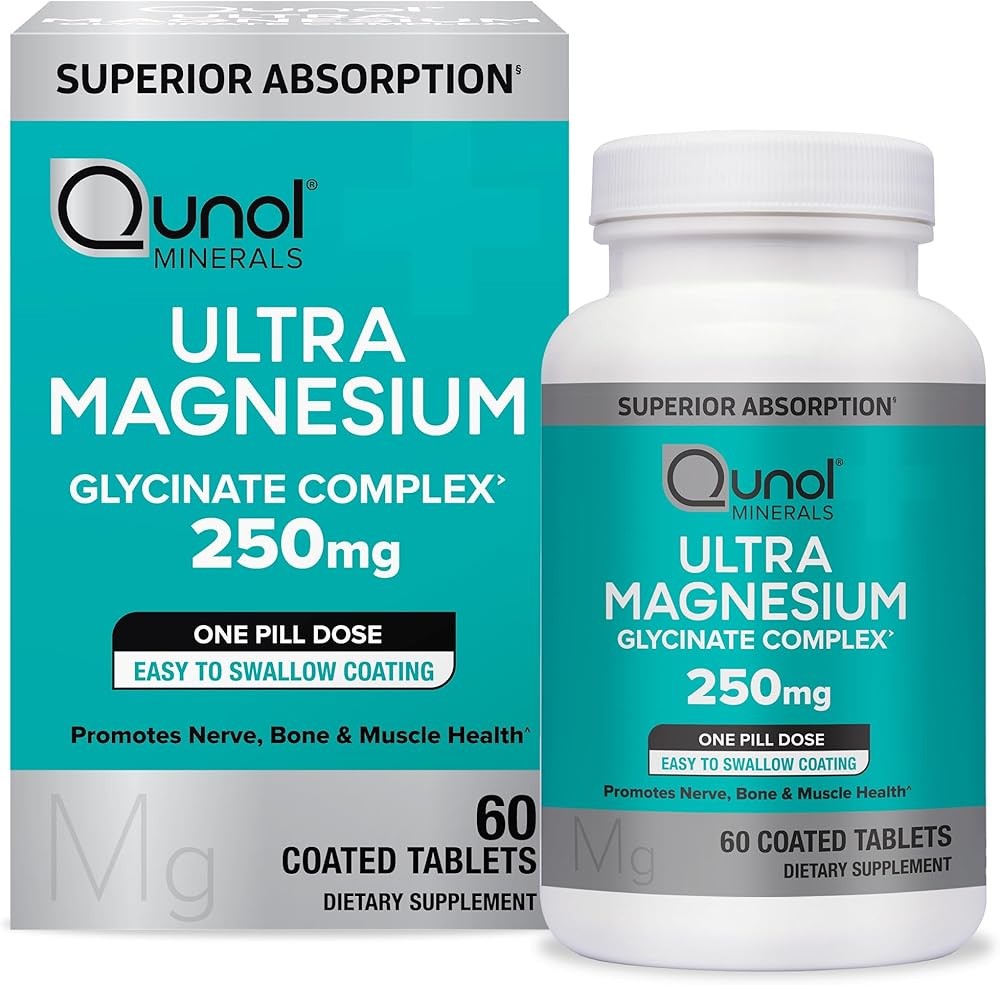
Magnesium is a mineral with a broad evidence base, and the glycinate form is widely studied for sleep and relaxation. ChatGPT will correctly identify magnesium’s role in hundreds of enzymatic reactions and the general 200-400 mg supplemental range. What needs checking is form-specific claims: glycinate versus citrate versus threonate absorption and sleep data are more nuanced than a casual summary suggests, so the verification step matters. Qunol Ultra Magnesium Glycinate Complex, at $19.99 for 60 vegetarian capsules, delivers 250 mg per one-pill dose and is an example of the glycinate category.
How Does Ashwagandha Hold Up to Verification?
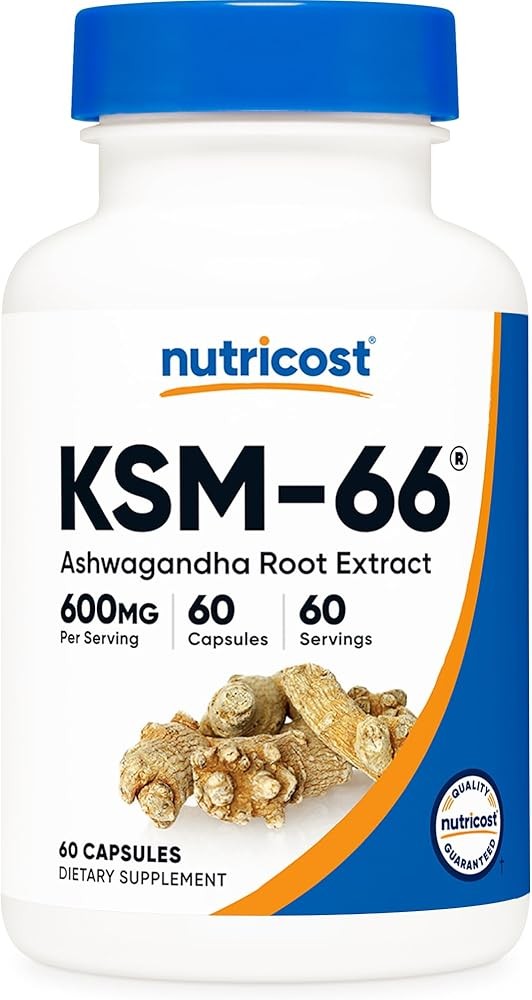
Ashwagandha sits in the middle of the reliability spectrum. The KSM-66 extract has a genuine clinical trial record for stress and anxiety outcomes, and ChatGPT will summarize those trials correctly because they are well documented. But the herb also carries a long tail of weaker studies and exaggerated marketing claims, so the dose, extract type, and outcome claims each need separate verification. Nutricost KSM-66 Ashwagandha Root Extract, at $14.95 for 60 capsules of 600 mg, is an example of the standardized extract form used in the clinical literature.
How Do Probiotics Hold Up to Verification?
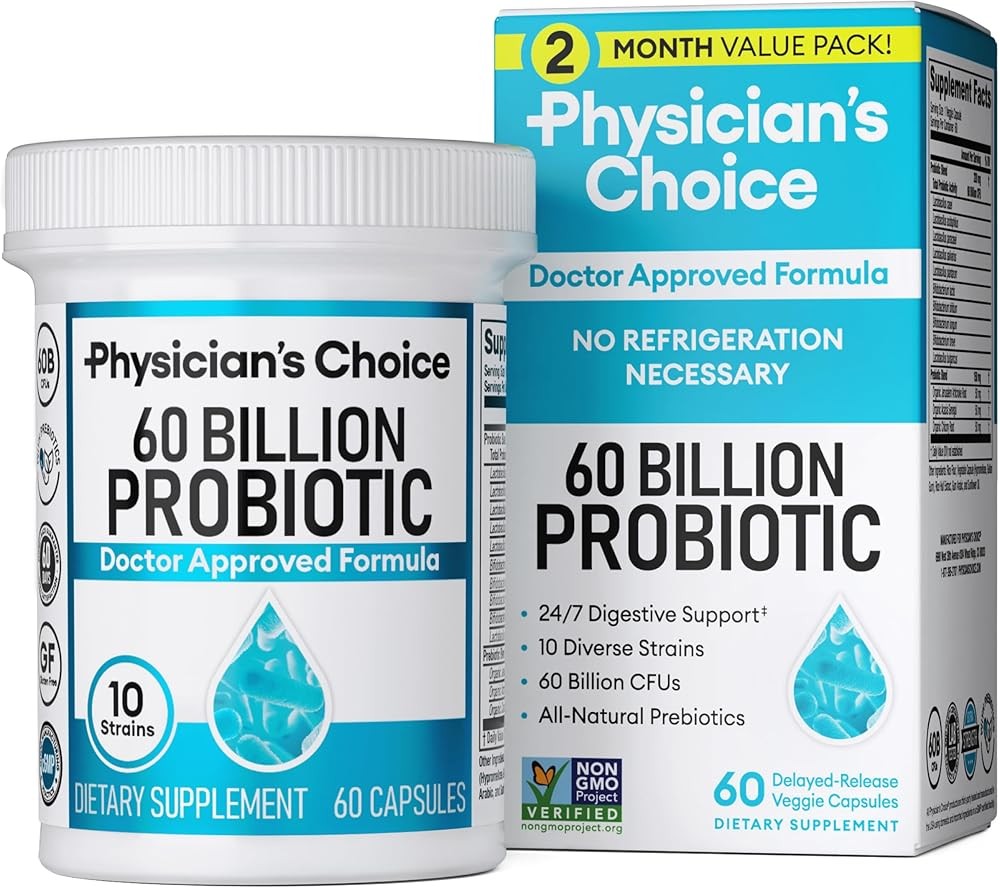
Probiotics are where ChatGPT most often trips over strain specificity. A claim about Lactobacillus rhamnosus GG does not automatically transfer to other strains of the same species, and language models frequently blur that line. The correction is the strain-designation prompt from the probiotic section of this article, followed by checking whether the specific strain in a product has human trial data for the outcome you care about. Physician’s Choice Probiotics 60 Billion CFU, at $38.97 for 60 capsules with 10 strains plus organic prebiotics, is an example of a general multi-strain formula; the research habit is to check which strains in the blend have evidence for your specific goal.
Bottom line: Running the verification workflow on real products shows the spectrum clearly: creatine summaries verify easily because the evidence base is massive, magnesium and ashwagandha need form- and extract-specific checks, and probiotics require strain-level verification; the four example products above (creatine $27.99, magnesium glycinate $19.99, KSM-66 ashwagandha $14.95, multi-strain probiotic $38.97) are practice targets for exactly that process.
What Does the Future Hold for AI in Health Research?
The landscape is changing rapidly. A 2025 systematic review published in BMC Medical Education found that AI-driven tools are transforming health education by enabling personalized, adaptive, and scalable approaches that may support health literacy (PubMed 41413522).
A separate 2025 systematic review in Mayo Clinic Proceedings: Digital Health reviewed AI and health literacy studies from 2014-2024 and found that while AI tools showed promise for delivering health information, performance in accuracy and reliability remained mixed, particularly for complex medical topics (PubMed 41211528). Understanding how to critically evaluate AI-generated health information is becoming an essential digital health literacy skill.
An umbrella review published in the Journal of Biomedical Science in 2025, synthesizing systematic reviews of ChatGPT in healthcare, noted that the tools deliver meaningful efficiency gains but that key challenges persist, including data inaccuracies, algorithmic biases, insufficient clinical validation, and communication barriers (PubMed 40335969). Evaluation of ChatGPT for nutrition recommendations showed variable accuracy depending on the complexity of the dietary question (PubMed 38398794).
What does this mean for you? AI health research tools will keep getting better, but the fundamental need for human verification will not go away. The skills you build now—critical thinking, evidence evaluation, systematic verification—will remain valuable regardless of how advanced AI becomes.
The National Academy of Medicine has introduced the concept of “Critical AI Health Literacy” as a necessary new skill for patient empowerment, describing it as “the deliberate and informed use of AI to challenge institutional priorities that conflict with patient values” (NAM, 2025). Learning to use AI well for health research is not just about finding information. It is about developing the judgment to use that information wisely.
Bottom line: AI health tools are improving quickly but systematic reviews continue to report data inaccuracies, algorithmic biases, and insufficient clinical validation; the fundamental need for human verification through critical thinking and evidence evaluation remains, which is why “Critical AI Health Literacy” is emerging as a vital patient skill.
Frequently Asked Questions
Q: Can ChatGPT replace my doctor for supplement advice?
Absolutely not. ChatGPT cannot examine you, access your medical history, interpret your lab results in context, or take responsibility for adverse outcomes. Use it to prepare for medical conversations, not to replace them.
Q: Which AI model is best for health research?
As of early 2026, GPT-4 and its successors show significantly lower hallucination rates than GPT-3.5 (18% vs. 55% fabricated citations). Claude, Gemini, and Perplexity also offer different strengths. Perplexity is particularly useful because it provides inline source links. Using multiple models and cross-referencing their answers improves reliability.
Q: How do I know if ChatGPT is hallucinating?
You cannot tell from the output alone, because hallucinated content sounds identical to accurate content. The only reliable method is external verification: check every citation on PubMed, cross-reference claims with Examine.com, and look for the red flags described in this article (suspiciously round numbers, universal benefit claims, no mention of side effects).
Q: Is it safe to ask ChatGPT about drug interactions?
Only as a starting point. Research shows ChatGPT can identify whether an interaction exists at high rates (up to 100% in one study) but has poor accuracy for severity classification (37.3%). Always verify drug interactions with your pharmacist or a dedicated interaction checker like Drugs.com or Lexicomp.
Q: Can I use ChatGPT to interpret my blood test results?
ChatGPT can explain what each marker means in general terms, which is genuinely useful for health literacy. However, it cannot interpret your specific results in the context of your complete medical history, concurrent conditions, or medications. Use it to prepare informed questions for your doctor.
Related Reading
- Is Collagen Worth Taking? What the Research Shows
- Best Time to Take Supplements: Morning or Night?
- Do You Still Need a Multivitamin?
- How to Lose Belly Fat After 40: What Actually Works According to Research
- Iodine Benefits: The Essential Mineral for Thyroid, Metabolism, and Brain Health
- Do Greens Powders Actually Work? A Deep Dive Into the Science Behind the Hype
- Seed Oils: Are They Actually Bad for You? What the Science Says
References
-
Gilson A, Safranek CW, Huang T, et al. How Does ChatGPT Perform on the United States Medical Licensing Examination (USMLE)? The Implications of Large Language Models for Medical Education and Knowledge Assessment. JMIR Medical Education. 2023;9:e45312. PubMed: 36753318
-
Nouri H, Mahdavi A, Abedi A, et al. Performance of large language models in medical licensing examinations: a systematic review and meta-analysis. Journal of Educational Evaluation for Health Professions. 2025;22:36. PubMed: 41248547
-
Harris E. Large Language Models Answer Medical Questions Accurately, but Can’t Match Clinicians’ Knowledge. JAMA. 2023;330(9):792-794. PubMed: 37548971
-
Zada T, Tam N, Barnard F, Van Sittert M. Medical Misinformation in AI-Assisted Self-Diagnosis: Development of a Method (EvalPrompt) for Analyzing Large Language Models. JMIR Formative Research. 2025;9:e66207. PubMed: 40063849
-
Kim J, Kincaid JWR, Rao AS, Lie W. Risk stratification of potential drug interactions involving common over-the-counter medications and herbal supplements by a large language model. Journal of the American Pharmacists Association. 2025;65(1):102304. PubMed: 39613295
-
Ponzo V, Goitre I, Favaro E, et al. Is ChatGPT an Effective Tool for Providing Dietary Advice? Nutrients. 2024;16(4):469. PubMed: 38398794
-
Alanezi F. Examining the role of ChatGPT in promoting health behaviors and lifestyle changes among cancer patients. Nutrition and Health. 2025;31(2):739-748. PubMed: 38567408
-
Tbaishat DM, Elfadel MW. Artificial intelligence (AI) for social innovation in health education: promoting health literacy through personalized AI-driven learning tools. BMC Medical Education. 2025;25:123. PubMed: 41413522
-
Abeo ANA, Armstrong S, Scriney M, Goss H. Artificial Intelligence Techniques and Health Literacy: A Systematic Review. Mayo Clinic Proceedings: Digital Health. 2025;3(4):100269. PubMed: 41211528
-
Iqbal U, Tanweer A, Rahmanti AR, et al. Impact of large language model (ChatGPT) in healthcare: an umbrella review and evidence synthesis. Journal of Biomedical Science. 2025;32:45. PubMed: 40335969
Recommended Products