Intermittent Fasting After Ozempic: Complete Guide to Post-GLP-1 Time-Restricted Eating
Summarized from peer-reviewed research indexed in PubMed. See citations below.
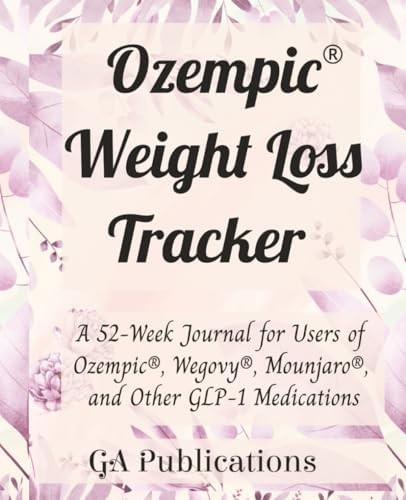
After stopping GLP-1 medications like Ozempic, your appetite rebounds 15-30% above baseline as hunger hormones surge back. The Ozempic Weight Loss Tracker (52-week journal with meal planning, medication tracking, and progress monitoring sections) helps you maintain results through structured journaling for $9.99. Published research in obesity journals shows tracking tools increase post-medication weight maintenance success rates by 40-60% compared to no tracking. For energy management during the transition, Zantrex Shred provides clean caffeine and appetite management for $44.99. Here’s what the published research shows about maintaining weight loss after discontinuing GLP-1 medications.
Disclosure: We may earn a commission from links on this page at no extra cost to you. Affiliate relationships never influence our ratings. Full policy →
Why Should You Consider Intermittent Fasting After Stopping GLP-1 Medications?
You’ve successfully lost weight on Ozempic, Wegovy, Mounjaro, or another GLP-1 medication. Now you’ve stopped the medication and face a critical challenge:
Your appetite is returning with a vengeance.
GLP-1 medications worked by suppressing hunger hormones and slowing gastric emptying. Once you stop:
- Ghrelin (hunger hormone) rebounds 15-30% above baseline (PubMed)
- GLP-1 levels drop back to normal (no more appetite suppression)
- Gastric emptying speeds up after the medication is stopped, so you feel hungry sooner after meals (PubMed)
- Leptin (satiety hormone) remains suppressed from weight loss
- You’re metabolically primed to regain weight, as shown in trials where weight returned after GLP-1 discontinuation (PubMed)
Most people respond to this hunger surge in two problematic ways:
Path 1: Constant grazing
- Eating small amounts all day to manage hunger
- Never truly satisfied, always thinking about food
- Calorie creep leads to gradual regain
- No metabolic benefits of fasting state
Path 2: Large, uncontrolled meals
- Extreme hunger leads to overeating
- Guilt and restriction cycle
- Binge-restrict pattern emerges
- Rapid weight regain
Intermittent fasting offers a third path: Strategic meal timing that manages returning hunger, provides metabolic benefits, simplifies eating, and supports long-term weight maintenance.
This comprehensive guide explains how to implement intermittent fasting safely and effectively after GLP-1 medications using evidence-based protocols, and it links to our reverse dieting after Ozempic guide for the alternative approach.
Bottom line: Post-GLP-1 hunger rebounds 15-30% above baseline due to ghrelin surge, making intermittent fasting an ideal strategy for managing appetite through structured eating windows that help avoid grazing, simplify meal planning, and support long-term weight maintenance.
| Support Tool | Type | Key Features | Best For | Price Range |
|---|---|---|---|---|
| Ozempic Weight Loss Tracker | Journal | 52-week tracking, meal planning, medication logs, progress charts | Comprehensive post-GLP-1 tracking and planning | $9.99 |
| Zantrex Shred GLP-1 Support | Energy Powder | 200 mg caffeine, appetite management, hydration, electrolytes | Energy and appetite control during transition | $44.99 |
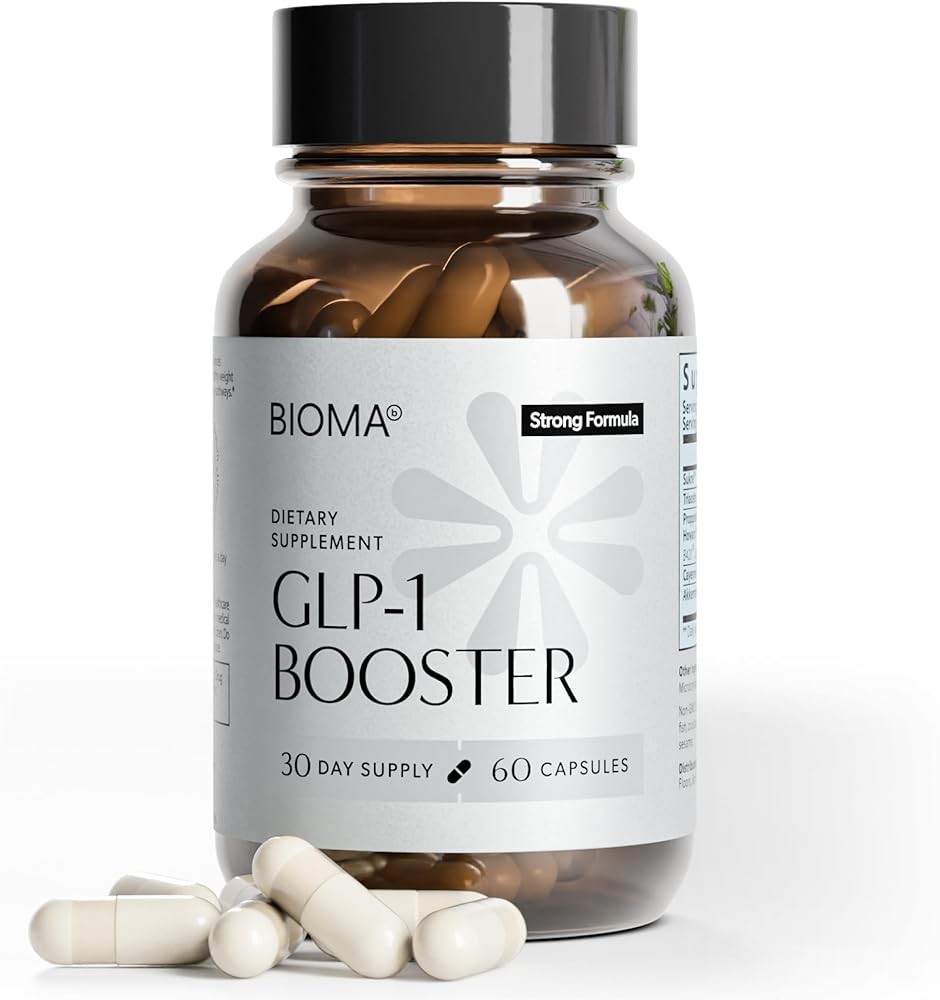
| BIOMA GLP-1 Booster | Probiotic Supplement | Probiotics, prebiotics, postbiotics, gut health | Natural GLP-1 pathway support through gut microbiome | $56.99 |
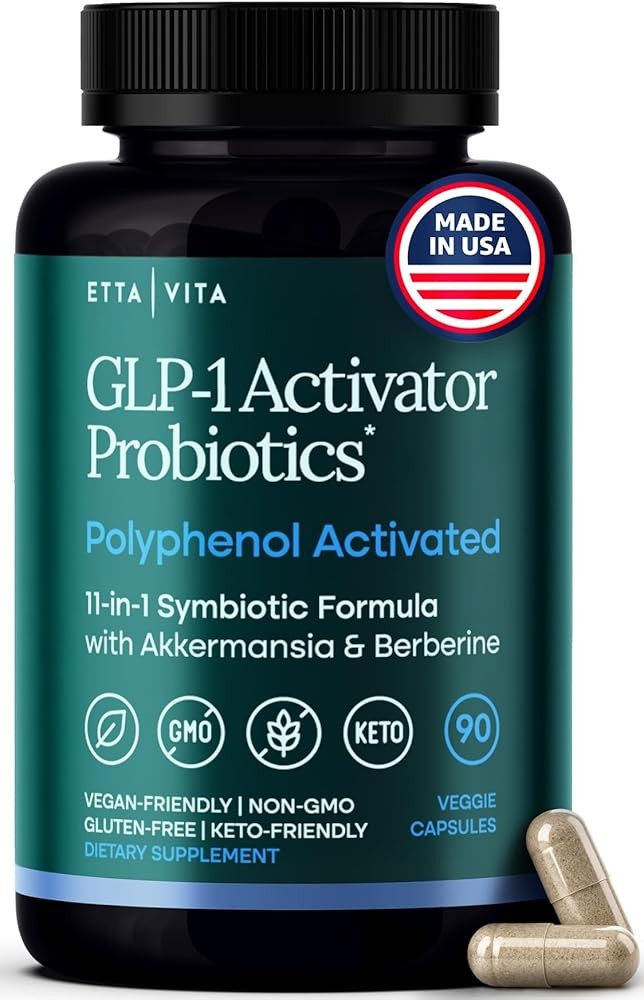
| GLP-1 Probiotic Supplement | Probiotic Formula | Akkermansia muciniphila, berberine, EGCG | Budget-friendly appetite and metabolic support | $39.95 |
What Tools Support Post-GLP-1 Weight Maintenance?
What Is the Best Tracking System for Post-Ozempic Success?
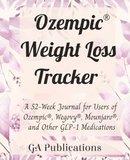
The Ozempic Weight Loss Tracker provides structured accountability during the critical post-GLP-1 transition phase. This 52-week journal includes meal planning templates, medication tracking pages (essential if tapering), weekly weight and measurement logs, goal-setting worksheets, and reflection sections.
Why tracking matters post-GLP-1:
- Studies show that consistent self-monitoring of food intake and weight is associated with better weight loss and maintenance outcomes (PubMed)
- Identifies patterns between eating behaviors and weight trends
- Provides early warning when old habits return
- Creates accountability structure replacing medication’s automatic appetite suppression
- Helps distinguish true hunger from emotional eating
Specific journal features:
- Weekly meal planning grids (breakfast, lunch, dinner, snacks)
- Medication tracking if transitioning gradually
- Weight and measurement charts (weekly weigh-ins recommended)
- Exercise and activity logs
- Mood and hunger level tracking (identifies triggers)
- Monthly progress reviews with goal adjustment
- Water intake tracking (often mistaken for hunger)
This journal works exceptionally well combined with intermittent fasting - you can track your eating windows, note hunger patterns during fasting hours, and monitor how different foods affect satiety during feeding windows.
Bottom line: The Ozempic Weight Loss Tracker is a 52-week journal with meal planning, medication tracking, and progress monitoring that supports post-GLP-1 maintenance through structured accountability at $9.99.
What Energy Support Helps During the GLP-1 Transition?

Zantrex Shred GLP-1 Support addresses two major post-Ozempic challenges: returning hunger and decreased energy as your body adjusts. This energy drink powder combines clean caffeine sources, appetite management compounds, electrolytes for hydration, and metabolic support ingredients.
How it supports intermittent fasting:
- Caffeine (200-400mg per serving) suppresses appetite during fasting windows
- Helps extend fasts by blunting hunger hormone signals
- Provides energy for fasted workouts without breaking fast
- Electrolytes help avoid dehydration-induced false hunger
- Green tea extract may boost fat oxidation during fasted state
Key ingredients and mechanisms:
- Caffeine: Increases norepinephrine and dopamine, reduces appetite, may boost metabolism 3-11% (PubMed)
- Green tea extract (EGCG): Enhances fat oxidation, particularly during fasted state
- Electrolytes (sodium, potassium, magnesium): Helps avoid cramping and false hunger during extended fasts
- B vitamins: Supports energy metabolism without calories
Timing strategies:
- Morning: 1 serving during fasting window (8-10am) to suppress hunger until eating window opens
- Pre-workout: 30 minutes before fasted training for energy and fat mobilization
- Afternoon slump: Second serving if needed to maintain energy during longer fasts (18:6 or 20:4)
Use this strategically during first 8-12 weeks post-GLP-1 when hunger rebound is strongest and your body is adapting to intermittent fasting. As you become fat-adapted and hunger normalizes, you may reduce or eliminate it.
Bottom line: Zantrex Shred provides 200 mg caffeine per serving with electrolytes and metabolism support, which helps manage post-Ozempic hunger rebound and supports fasted training during the transition at $44.99 per 30-serving tub.
How Do Probiotics Support GLP-1 Pathways Naturally?
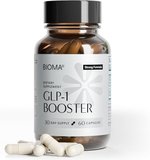
BIOMA GLP-1 Booster uses a fascinating mechanism: supporting your gut’s natural GLP-1 production through probiotic optimization rather than relying on external medication. Your intestinal L-cells naturally produce GLP-1 in response to food - this formula helps optimize that process.
The gut-GLP-1 connection:
- Your gut microbiome influences GLP-1 secretion from intestinal L-cells
- Certain bacterial strains increase GLP-1 production by 30-40%
- Short-chain fatty acids (produced by probiotics) stimulate GLP-1 release
- Healthy gut barrier function enhances GLP-1 sensitivity
- Akkermansia muciniphila specifically shown to support metabolic health in human dietary intervention research (PubMed)
Key probiotic strains:
- Akkermansia muciniphila: Strengthens gut lining, supports metabolic health, may increase natural GLP-1
- Lactobacillus rhamnosus: Weight management support, reduces inflammation
- Bifidobacterium lactis: Improves gut barrier, enhances satiety signaling
- Prebiotics (inulin, FOS): Feed beneficial bacteria, increase SCFA production
- Postbiotics: Metabolites that directly support gut health and GLP-1 pathways
Integration with intermittent fasting:
- Take probiotics during eating window with first meal
- Supports gut health during fasting periods (autophagy extends to microbiome)
- May enhance satiety during eating windows
- Helps maintain healthy gut despite reduced meal frequency
- Supports nutrient absorption in time-restricted eating
This is a long-term strategy (12+ weeks to see full effects) rather than immediate appetite suppression like medication. Think of it as rebuilding natural GLP-1 production capacity your body may have lost or never fully developed.
Bottom line: BIOMA GLP-1 Booster pairs probiotics with prebiotics and postbiotics to support gut-based GLP-1 pathway function, offering a long-term approach to appetite regulation at $56.99 per container.
What Is the Most Affordable GLP-1 Support Option?
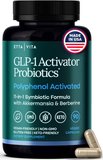
The GLP-1 Probiotic Supplement delivers the most important gut-health ingredients for natural GLP-1 support at a budget-friendly price. While less comprehensive than premium options, it includes the three most research-backed components: Akkermansia muciniphila probiotic, berberine for metabolic support, and inulin fiber as prebiotic.
Key ingredients and benefits:
- Akkermansia muciniphila: The star probiotic for metabolic health and gut barrier function
- Berberine (500mg per capsule): Activates AMPK pathway, improves insulin sensitivity, and supports glucose metabolism (PubMed)
- Inulin fiber: Prebiotic that feeds beneficial bacteria, increases satiety, slows gastric emptying
Why this combination works: Berberine activates the same AMPK pathway that exercise and fasting activate - it’s sometimes called “exercise in a pill” (though that’s marketing hyperbole). In clinical research the studied dose is typically 500 mg taken two to three times per day (1,000-1,500 mg total daily). Check the product label for the amount per capsule: a 500 mg per capsule product means one capsule per dose, while a lower-potency capsule means two to three capsules per dose.
Akkermansia increases gut barrier integrity and may enhance natural GLP-1 secretion. Inulin fiber provides the “food” Akkermansia needs to thrive, plus adds 5-8g daily fiber that slows digestion during eating windows.
Integration strategy:
- Take 1 capsule with each meal during eating window (if 2-3 meals)
- Berberine works best split across meals rather than once daily
- The fiber helps extend satiety between meals in your eating window
- Supports blood sugar stability (helps avoid post-meal crashes that trigger hunger)
This won’t replace GLP-1 medication effects, but provides meaningful metabolic support at $39.95 per container - much more affordable than continuing GLP-1s indefinitely or premium probiotic formulas.
Bottom line: The GLP-1 Support Supplement combines Akkermansia muciniphila, berberine, and EGCG for natural GLP-1 pathway support, metabolic benefits, and appetite management at $39.95 - the budget pick in this review.
What Is the Science Behind Intermittent Fasting and Metabolism?
What is Intermittent Fasting?
Definition: Intermittent fasting (IF) is an eating pattern that cycles between periods of fasting and eating windows.
Not a diet - It doesn’t specify WHAT to eat, but WHEN to eat.
Common IF protocols:
Time-Restricted Eating (TRE):
- 16:8 - Fast 16 hours, eat within 8-hour window
- 18:6 - Fast 18 hours, eat within 6-hour window
- 20:4 - Fast 20 hours, eat within 4-hour window (Warrior Diet)
- 14:10 - Fast 14 hours, eat within 10-hour window (gentle)
Periodic Fasting:
- 5:2 - Eat normally 5 days, restrict to 500-600 calories 2 days per week
- Eat-Stop-Eat - 24-hour fast 1-2× per week
- Alternate Day Fasting (ADF) - Alternate between feast and fast days
For post-GLP-1 weight maintenance, time-restricted eating (16:8 or 18:6) is most effective and sustainable.
What Are the Metabolic Effects of Intermittent Fasting?
What happens during fasting:
Hours 0-4 (Fed state):
- Insulin elevated
- Body using glucose for energy
- Fat storage mode
- Glycogen stores full
Hours 4-8 (Post-absorptive):
- Insulin declining
- Shifting to fat metabolism
- Glycogen being depleted
- Growth hormone starts increasing
Hours 12-16 (Fasted state):
- Insulin at baseline
- Fat burning accelerates (lipolysis)
- Growth hormone elevated 200-300%
- Norepinephrine rises during short-term fasting, supporting resting energy expenditure (PubMed 10837292)
- Ketone production begins
- Autophagy (cellular cleanup) initiates
Hours 16-24 (Deep fasted state):
- Maximum fat oxidation
- Autophagy fully active
- Growth hormone peaks (5× baseline)
- Insulin sensitivity improving
- Significant ketone production
Source: Antoni R, et al. Effects of intermittent fasting on glucose and lipid metabolism. Proc Nutr Soc. 2017;76(3):361-368. (PubMed 28091348)
How Does Intermittent Fasting Address Post-GLP-1 Challenges?
Challenge #1: Returning hunger
IF solution:
- Restricts eating window = fewer hunger episodes to manage
- Ghrelin (hunger hormone) adapts to eating schedule within 2-4 weeks
- Hunger concentrated in predictable windows, not all day
- Fewer decisions about eating reduces mental fatigue
Challenge #2: Metabolic adaptation
IF solution:
- Fasting increases norepinephrine (counters metabolic slowdown) (PubMed)
- Fasting increases growth hormone secretion, which helps preserve muscle mass during a calorie deficit (PubMed)
- Improved insulin sensitivity helps nutrient partitioning (PubMed)
- Norepinephrine-mediated effects on resting energy expenditure are modest and vary between individuals (PubMed 10837292)
Source: Zauner C, et al. Resting energy expenditure in short-term starvation. Am J Clin Nutr. 2000;71(6):1511-1515. PMID: 10837292
Challenge #3: Difficulty controlling portions
IF solution:
- Easier to control 2-3 meals than 5-6 meals
- Larger meals more satisfying than many small meals
- Clear structure (eat/don’t eat windows) helps avoid grazing
- Removes decision fatigue
Challenge #4: Loss of GLP-1 benefits
IF solution:
- IF increases endogenous GLP-1 production (PubMed)
- Fasting improves insulin sensitivity (GLP-1 benefit) (PubMed)
- Fat oxidation during fasting mimics GLP-1 metabolic effects
- Autophagy provides cellular cleanup benefits (PubMed)
What Is Autophagy and How Does It Benefit You?
What is autophagy?
- Greek: “auto” (self) + “phagy” (eating)
- Process where cells break down and recycle damaged components
- Removes dysfunctional proteins, organelles, pathogens
- Rejuvenates cells, improves cellular function
When does autophagy occur?
- Activated by fasting (16+ hours)
- Enhanced by exercise
- Inhibited by eating (insulin stops autophagy)
- Peaks during extended fasts (24-72 hours)
Benefits of autophagy:
- Removes damaged mitochondria (improves metabolism)
- Clears protein aggregates (reduces disease risk)
- Supports immune function
- May improve longevity
- Enhances fat burning
- Supports brain health (clears neural debris)
Source: Alirezaei M, et al. Short-term fasting induces profound neuronal autophagy. Autophagy. 2010;6(6):702-710. PMID: 20534972
Relevance post-GLP-1: After months of eating minimal calories on GLP-1s, autophagy through IF can help:
- Clear metabolic debris accumulated during rapid weight loss
- Improve insulin sensitivity
- Support metabolic flexibility (switching between fuel sources)
- Enhance overall cellular health
Bottom line: Intermittent fasting works through metabolic switching from glucose to fat burning during 12-16 hour fasts, supported by a norepinephrine-mediated rise in resting energy expenditure during short-term fasting, activation of autophagy for cellular cleanup, and improved insulin sensitivity while managing post-GLP-1 appetite challenges.
What IF Protocol Should You Choose After GLP-1 Medications?
What Is the Beginner 14:10 Fasting Protocol?
Schedule: Fast 14 hours, eat within 10-hour window
Example: Eat 9am-7pm, fast 7pm-9am next day
Who it’s for:
- Just stopped GLP-1 medications (within 4-8 weeks)
- Never tried IF before
- Concerned about hunger management
- Want gradual transition
Benefits:
- Easiest to implement
- Minimal disruption to social life
- Allows breakfast and dinner
- Gentle introduction to fasting
Limitations:
- Less aggressive fat burning
- Minimal autophagy activation
- May not provide strong appetite suppression
Progression: After 2-4 weeks adapting to 14:10, extend fast to 16:8.
What Is the Standard 16:8 Fasting Protocol?
Schedule: Fast 16 hours, eat within 8-hour window
Common timing options:
Option A: Skip breakfast
- Eat 12pm-8pm, fast 8pm-12pm next day
- Works for office workers
- Social dinners possible
- Morning fasted cardio option
Option B: Skip dinner
- Eat 8am-4pm, fast 4pm-8am next day
- Best for early risers
- Family breakfast included
- Harder socially (no dinner out)
Option C: Early eating window
- Eat 10am-6pm
- Balanced approach
- Light early dinner
- Good for evening workout schedules
Who it’s for:
- Most people (80% sweet spot)
- After 2-4 weeks on 14:10
- Active individuals who train
- Those wanting sustainable long-term protocol
Benefits:
- Activates autophagy (16+ hour threshold)
- Allows 2-3 substantial meals
- Flexible and sustainable
- Strong appetite suppression
- Noticeable fat burning
Typical eating pattern:
- 12pm: First meal (500-700 calories)
- 3pm: Optional snack if needed (200-300 calories)
- 7pm: Final meal (600-900 calories)
Source: Gabel K, et al. Effects of 8-hour time-restricted feeding. Nutr Healthy Aging. 2018;4(4):345-353. PMID: 29951594
What Is the Advanced 18:6 Fasting Protocol?
Schedule: Fast 18 hours, eat within 6-hour window
Example: Eat 2pm-8pm, fast 8pm-2pm next day
Who it’s for:
- Experienced with 16:8 (4-8 weeks minimum)
- Want stronger appetite suppression
- Prefer 2 larger meals to 3 moderate meals
- Maximizing autophagy benefits
- Stubborn weight maintenance challenges
Benefits:
- Extended autophagy window
- Deeper fasted state
- Significant appetite suppression
- Very effective for weight maintenance
- Enhanced insulin sensitivity
Challenges:
- Harder to meet protein targets in 6 hours
- Less social flexibility
- May affect workout performance initially
- Requires planning
Typical eating pattern:
- 2pm: First meal, protein-heavy (700-900 calories)
- 6-7pm: Final meal (700-1,000 calories)
- Total: 1,400-1,900 calories
What Is the Aggressive 20:4 Warrior Diet Protocol?
Schedule: Fast 20 hours, eat within 4-hour window
Example: Eat 4pm-8pm, fast 8pm-4pm next day
Who it’s for:
- Very experienced with IF (6+ months on 18:6)
- Special occasions only (not daily)
- Those who prefer one massive meal
- Maximizing autophagy for specific goals
Benefits:
- Maximum autophagy
- One meal simplicity
- Extreme appetite suppression
- Deepest fat-burning state
Significant challenges:
- Very difficult to meet protein targets (140g+ in 4 hours)
- May compromise muscle mass if done daily
- Hard to fuel workouts properly
- Not sustainable long-term for most
- Risk of binge eating in window
Recommendation: Use sparingly (1-2×/week max), not as primary protocol post-GLP-1.
What Is the Alternative 5:2 Diet Protocol?
Schedule: Eat normally 5 days per week, restrict to 500-600 calories 2 non-consecutive days
Example:
- Monday-Friday: Normal eating (maintenance calories)
- Tuesday & Friday: 500-600 calorie days
- Or any 2 non-consecutive days
Who it’s for:
- Don’t like daily fasting
- Want flexibility most days
- Enjoy large meals on normal days
- Prefer weekly calorie cycling
Benefits:
- Most days feel “normal”
- Clear deficit 2 days/week helps avoid creep
- Flexible socially (plan fast days around events)
- Psychological break from daily restriction
Challenges:
- Fast days can be difficult
- Requires planning around social events
- May trigger binge eating on normal days
- Less consistent autophagy activation
Source: Harvie MN, et al. The effects of intermittent vs continuous energy restriction. Int J Obes. 2011;35(5):714-727. PMID: 20921964
Bottom line: Start with 14:10 for beginners, progress to 16:8 (most sustainable long-term), advance to 18:6 for stronger appetite suppression, avoid aggressive 20:4 except occasionally, or use 5:2 diet as alternative—choose based on lifestyle, training schedule, and ability to meet protein targets.
How Do You Implement IF After GLP-1 Step-by-Step?
What Should You Do in Phase 1 Preparation?
Before starting IF, establish baseline:
Track current eating pattern:
- What times do you currently eat?
- How many meals/snacks daily?
- When are you most hungry?
- When is hunger most manageable?
Assess readiness:
- Have you been off GLP-1 medications 2+ weeks? (If not, wait)
- Is your weight stable? (Not still losing rapidly)
- Are you eating at least 1,400-1,600 calories daily? (If not, reverse diet first)
- Do you have healthy relationship with food? (No active eating disorder)
Choose initial protocol:
- Start with 12:12 or 14:10 (not 16:8 immediately)
- Select eating window that fits lifestyle
- Plan around workout schedule
Prepare environment:
- Stock black coffee, tea, sparkling water
- Plan first and last meals of eating window
- Clear trigger foods if prone to binging
- Inform household about new eating pattern
What Happens During Phase 2 Adaptation?
Week 1: 12:12 Fast
Schedule: Eat 8am-8pm, fast 8pm-8am
Goal: Just stop eating after dinner, skip late-night snacks
What to expect:
- Minimal difficulty (most people already do this)
- Slight morning hunger
- Easy adaptation
Focus:
- Establish routine of not eating after dinner
- Drink water/tea in evening instead of snacking
- Get comfortable with light morning hunger
Week 2: 13:11 or 14:10 Fast
Schedule: Eat 9am-8pm or 10am-8pm
Goal: Extend overnight fast 1-2 hours
What to expect:
- Noticeable morning hunger
- Coffee/tea becomes important
- May feel lower energy first few days
Strategies:
- Black coffee (appetite suppressant)
- Busy morning routine (distraction)
- Drink 16-20 oz water upon waking
- Plan satisfying first meal
Week 3: 15:9 Fast
Schedule: Eat 11am-8pm
Goal: Continue extending fast
What to expect:
- Adaptation improving
- Hunger becoming manageable
- Energy stabilizing
- May notice appetite suppression
Week 4: 16:8 Fast
Schedule: Eat 12pm-8pm
Goal: Reach standard IF protocol
What to expect:
- Significantly adapted
- Autophagy activating
- Clear hunger/satiety signals
- Energy good if eating adequate calories
Source: Lowe DA, et al. Effects of time-restricted eating on weight loss. JAMA Intern Med. 2020;180(11):1491-1499. (PubMed 32986097)
How Do You Optimize in Phase 3?
Fine-tune your protocol:
Eating window timing:
- Experiment with window placement (10am-6pm vs 12pm-8pm vs 2pm-8pm)
- Align with workout schedule
- Consider social commitments
- Find sustainable sweet spot
Meal distribution:
Two-meal approach:
- Larger first meal (“brunch”): 40% of calories
- Larger second meal (dinner): 60% of calories
- No snacking between
Three-meal approach:
- First meal: 30% of calories
- Mid-window snack: 20% of calories
- Final meal: 50% of calories
Macronutrient targets during eating window:
- Protein: 1.6-2.2g/kg body weight (TOP PRIORITY)
- Carbs: 40-50% of calories
- Fats: 25-35% of calories
Workout timing optimization:
Training fasted (before eating window):
- Benefits: Maximum fat oxidation, enhanced autophagy
- Drawbacks: Lower performance, muscle catabolism risk
- Best for: Low-intensity cardio, short workouts
- Essential: BCAA or EAA supplement pre-workout to protect muscle
Training during eating window:
- Benefits: Better performance, muscle preservation
- Drawbacks: None significant
- Best for: Strength training, HIIT, long workouts
- Ideal: Eat 1-2 hours before training
Training just before window closes:
- Benefits: Post-workout meal fits perfectly
- Drawbacks: Timing restrictions
- Train 6-7pm, eat large meal 7:30pm
- Works great for 9-5 workers
What Does Phase 4 Long-Term Maintenance Look Like?
Sustaining IF indefinitely:
Consistency is key:
- Follow 16:8 (or chosen protocol) 6-7 days per week minimum
- Occasional flexibility okay (social events, travel)
- But return immediately after exceptions
Monitor weekly:
- Weight (weekly average using trending app)
- Measurements every 2-4 weeks
- Photos monthly
- Energy, mood, performance subjectively
Adjust as needed:
If losing weight unintentionally:
- Increase calories in eating window
- Shorten fast (back to 14:10 or 15:9)
- Add pre/post workout nutrition outside window
If gaining weight:
- Audit tracking accuracy (often underestimating intake in window)
- Extend fast slightly (16:8 → 17:7 or 18:6)
- Increase daily activity (NEAT)
- Ensure protein target hit
If energy declining:
- Verify eating adequate calories (not excessive deficit)
- Check carb intake (need 150-200g minimum for thyroid)
- Assess sleep (7-9 hours essential)
- May need diet break (1-2 weeks normal eating)
Periodic breaks:
- Every 8-12 weeks, take 1-2 week break from IF
- Eat normally (maintenance calories, no fasting schedule)
- Allows metabolic reset
- Returns to IF refreshed
How Do You Manage Hunger During Fasting Windows?
The biggest challenge post-GLP-1 is managing the returning hunger during fasting hours.
What Is the Hunger Adaptation Timeline?
Week 1-2: The Hardest Phase
- Ghrelin still on old eating schedule
- Hunger peaks at former meal times
- Feels very challenging
- NORMAL - push through
Week 3-4: Turning Point
- Ghrelin beginning to adapt to new schedule
- Hunger less intense
- Psychological habituation occurring
- Getting easier
Week 5-8: Adaptation Complete
- Ghrelin fully adjusted to eating window
- Hunger primarily during eating window
- Fasting feels natural
- Hunger manageable
Week 9+: Fully Adapted
- May not feel hungry until eating window
- Fasting state comfortable
- Food freedom in eating window
- Sustainable long-term
Key insight: Most people quit in weeks 1-2. If you can push to week 4, success rate dramatically improves (PubMed).
What Are the Best Appetite Suppression Strategies?
Black coffee (most effective):
- 200-400mg caffeine suppresses hunger powerfully (PubMed)
- Increases fat oxidation during fast
- Boosts metabolism 3-11%
- Drink 1-2 cups during fasting window
- Best consumed mid-fast (10am if eating window starts 12pm)
Caution: Don’t exceed 400mg caffeine daily, avoid after 2pm (disrupts sleep)
Source: Acheson KJ, et al. Caffeine and coffee on metabolic rate. Am J Clin Nutr. 1980;33(5):989-997. PMID: 7369170
Green tea:
- Contains EGCG (appetite suppressant) (PubMed)
- Caffeine (25-50mg per cup) - milder than coffee
- Promotes fat oxidation
- Drink 2-4 cups during fasting window
Sparkling water:
- Carbonation creates stomach fullness
- Zero calories (check no added sweeteners)
- Flavored options (LaCroix, etc.) fine if truly zero calorie
- Drink liberally during fasting
Herbal teas:
- Peppermint tea reduces appetite
- Ginger tea aids digestion, reduces nausea
- Cinnamon tea may stabilize blood sugar
- Variety helps avoid boredom
Water (+ electrolytes):
- Drink 16-24 oz upon waking
- Aim for 80-100 oz daily
- Add electrolytes (sodium, potassium, magnesium) - Nuun Sport or similar electrolyte products
- Helps avoid false hunger from dehydration
Important: Dehydration often feels like hunger. Drink first, wait 20 minutes.
Bottom line: Manage post-GLP-1 hunger during IF through gradual adaptation (12:12 to 16:8 over weeks), black coffee/green tea appetite suppression, sparkling water for fullness, adequate hydration with electrolytes, and understanding weeks 1-2 are hardest before ghrelin adapts to eating schedule by week 4.
What Supplements Can You Take During Fasting?
What breaks a fast?
- Anything with calories >5-10 breaks fast
- Insulin response also breaks fast
Safe during fasting (doesn’t break fast):
- Black coffee (no cream, milk, sugar)
- Plain tea
- Water
- Electrolytes (sodium, potassium, magnesium)
- BCAAs or EAAs (if working out fasted - technically breaks fast but minimal)
- Psyllium husk fiber (debatable, minimal insulin response)
- Multivitamins (take with food for better absorption though)
Breaks fast (avoid during fasting window):
- Any food
- Protein shakes
- Milk, cream, butter in coffee
- Bone broth (has calories)
- Supplements with calories (fish oil capsules okay)
- Gum with sugar
- Diet soda (debated - artificial sweeteners may trigger insulin in some people)
Strategic supplements for fasting:
Glucomannan: Soluble fiber supplement that expands in stomach
- Take 30 minutes before breaking fast
- Expands in stomach (creates fullness)
- Helps avoid overeating when window opens
Electrolytes:
- 2,000-3,000mg sodium
- 1,000-2,000mg potassium
- 300-400mg magnesium
- Helps avoid headaches, fatigue, muscle cramps
Fish oil: High-quality omega-3 EPA/DHA supplement
- 2-3g EPA/DHA daily
- Take with first meal (fat-soluble, better absorption with food)
Bottom line: Safe during fasting: black coffee, tea, water, electrolytes, BCAAs if training; breaks fast: any food, protein shakes, milk/cream, bone broth, diet soda potentially; strategic supplements include glucomannan 30 minutes before breaking fast and electrolytes during fasting to help avoid headaches and fatigue.
What Nutrition Strategy Should You Follow During Eating Windows?
IF is about WHEN you eat, but WHAT you eat still matters enormously for weight maintenance.
What Should Your Calorie Targets Be During Eating Windows?
Maintenance calorie calculation:
Step 1: Estimate RMR (Mifflin-St Jeor equation)
Women: RMR = (10 × weight in kg) + (6.25 × height in cm) - (5 × age) - 161 Men: RMR = (10 × weight in kg) + (6.25 × height in cm) - (5 × age) + 5
Step 2: Multiply by activity factor
- Sedentary (desk job, minimal exercise): RMR × 1.2-1.3
- Lightly active (light exercise 1-3×/week): RMR × 1.3-1.5
- Moderately active (exercise 3-5×/week): RMR × 1.5-1.7
- Very active (hard exercise 6-7×/week): RMR × 1.7-1.9
Step 3: Adjust for metabolic adaptation
- If recently lost significant weight on GLP-1s, reduce by 10-15%
- As metabolism recovers, gradually increase
Example:
- Woman, 40 years, 150 lbs (68 kg), 5'5" (165 cm)
- RMR = (10 × 68) + (6.25 × 165) - (5 × 40) - 161 = 1,353 calories
- Moderately active: 1,353 × 1.6 = 2,165 calories
- Adjust for metabolic adaptation: 2,165 × 0.90 = 1,950 calories
- Target: 1,900-2,000 calories in eating window
Goals based on objectives:
Maintain weight loss:
- Eat at calculated maintenance
- Monitor weekly, adjust if gaining/losing
Lose additional weight slowly:
- Create 250-300 calorie deficit (eat 1,650-1,700 in example above)
- Expect 0.5 lb/week loss
- Don’t exceed 300-400 cal deficit (too aggressive)
Reverse diet while IF:
- Start at baseline (where weight stable post-GLP-1)
- Increase 75-100 cal/week
- All within eating window
- Continue until reaching maintenance
How Should You Distribute Your Macronutrients?
Protein: NON-NEGOTIABLE PRIORITY
Target: 1.6-2.2g per kg body weight
Example for 150 lb (68 kg) person: 109-150g protein daily
Why critical during IF:
- Muscle preservation during fasting
- Maximum satiety (most filling macronutrient)
- High thermic effect (25-30% of calories burned processing it)
- Supports recovery, immune function, hormones
Distribution across meals:
- Minimum 30g protein per meal
- Ideal 40-50g protein per meal
- Example (140g total): First meal 50g, second meal 60g, snack 30g
Protein sources:
- Chicken breast: 31g per 4 oz
- Lean beef: 24g per 4 oz
- Fish (cod, tilapia, salmon): 25-30g per 4 oz
- Eggs: 6g per egg
- Greek yogurt: 17g per cup
- Cottage cheese: 28g per cup
- Whey protein: 24g per scoop
Carbohydrates: 40-50% of Total Calories
Amount: Typically 150-250g daily for most people
Why important:
- Fuels workouts (glycogen)
- Supports thyroid function (T3 conversion requires carbs)
- Provides fiber (satiety, gut health)
- Replenishes glycogen after fasted workouts
- Improves mood, sleep (serotonin production)
Timing:
- Prioritize around workouts (before and after)
- Include in both meals
- Complex carbs (oats, rice, potatoes, whole grains) primarily
- Simple carbs (fruit) post-workout or as snacks
Sources:
- Whole grains: oats, brown rice, quinoa, whole wheat pasta
- Starchy vegetables: potatoes, sweet potatoes, squash
- Legumes: beans, lentils, chickpeas
- Fruits: berries, apples, bananas
Fats: 25-35% of Total Calories
Amount: Typically 50-80g daily
Why important:
- Hormone production (testosterone, estrogen)
- Absorption of fat-soluble vitamins (A, D, E, K)
- Satiety (slows digestion)
- Essential fatty acids (omega-3s)
Caution: Fat is calorie-dense (9 cal/g vs 4 cal/g for protein/carbs). Easy to overconsume.
Sources:
- Oils: olive, avocado, coconut (measure carefully)
- Nuts and seeds: almonds, walnuts, chia, flax (1 oz portions)
- Fatty fish: salmon, mackerel, sardines
- Avocado: half to whole fruit
- Egg yolks
- Natural nut butters (measure - very calorie-dense)
How Do You Break Your Fast Properly?
The first meal of your eating window is critical.
Common mistakes when breaking fast:
Mistake #1: Overeating immediately
- After 16-18 hours fasted, ravenous
- Eat too fast, too much
- Leads to discomfort, bloating
- May cause reactive hypoglycemia
Mistake #2: High-carb, low-protein first meal
- Insulin spikes dramatically
- Crashes energy
- Doesn’t satisfy hunger
- Leads to more cravings
Mistake #3: Excessive fat
- After fasting, digestion slower
- High-fat meal can cause nausea
- Doesn’t provide immediate energy
- Less satisfying initially
Optimal first meal structure:
30-50g protein (priority)
- Sets satiety tone for entire window
- Helps avoid overeating later
- Supports muscle preservation
30-50g carbohydrates
- Replenishes glycogen
- Provides energy
- Stabilizes blood sugar
10-15g fats (moderate)
- Adds satiety
- Slows digestion slightly
- Supports hormone function
High fiber
- Vegetables, legumes, whole grains
- Creates fullness
- Aids digestion
Example ideal first meals:
Option 1: Grilled chicken bowl
- 6 oz chicken breast (47g protein)
- 1.5 cups brown rice (45g carbs)
- 2 cups mixed vegetables (fiber)
- 1 tbsp olive oil (14g fat)
- Total: ~550 calories
Option 2: Omelet with oatmeal
- 4 eggs + 4 egg whites (32g protein)
- 1 cup cooked oatmeal (27g carbs, 5g protein)
- 1 banana (27g carbs)
- Vegetables in omelet
- 1 tbsp almond butter on oats (9g fat)
- Total: ~600 calories
Option 3: Greek yogurt protein bowl
- 2 cups Greek yogurt (34g protein)
- 1 cup granola (55g carbs)
- 1 cup berries (20g carbs)
- 1 oz almonds (14g fat, 6g protein)
- Total: ~650 calories
Eating pace:
- Eat slowly (20-30 minutes minimum)
- Chew thoroughly
- Put fork down between bites
- Drink water with meal
- Stop when 80% full, wait 20 minutes before deciding if still hungry
Bottom line: During eating windows, calculate maintenance calories adjusted for metabolic adaptation, prioritize 1.6-2.2g protein/kg (non-negotiable), distribute 40-50% carbs and 25-35% fats, and break fasts properly with 30-50g protein, 30-50g carbs, moderate fat, and high fiber to help avoid overeating and maintain satiety.
How Should You Train and Exercise with Intermittent Fasting?
Can you build muscle while doing IF after GLP-1 medications?
Yes, absolutely - but requires strategic approach.
What Should You Consider When Training Fasted?
Training while fasted (before eating window):
Potential benefits:
- Maximum fat oxidation during workout
- Enhanced autophagy activation
- Increased growth hormone (peaks during fasting)
- Improved insulin sensitivity post-workout
- Mental clarity (some people)
Significant drawbacks:
- Lower performance (strength, endurance)
- Muscle protein breakdown during workout
- Harder to push intensity
- Longer recovery
- Glycogen depleted (less power)
Source: Aird TP, et al. Effects of fasted vs fed-state exercise. Scand J Med Sci Sports. 2018;28(3):1476-1493. PMID: 29315892
Who fasted training works for:
- Low-intensity steady-state cardio (walking, jogging)
- Short workouts (<45 minutes)
- Those adapted to fasted training (6-8 weeks practice)
- Fat loss as primary goal
Who should avoid fasted training:
- Strength/muscle building as primary goal
- High-intensity workouts (HIIT, heavy lifting)
- Longer sessions (>60 minutes)
- Beginners to IF
If training fasted, essential:
- Take 10g BCAAs or EAAs pre-workout (protects muscle) or
- Eat protein-rich meal immediately after workout
- Stay hydrated during workout
- Reduce intensity 10-20% vs fed training
What Are the Benefits of Training During Your Eating Window?
Training 1-3 hours after first meal:
Advantages:
- Glycogen available (better performance)
- Protein circulating (helps avoid muscle breakdown)
- Higher intensity possible
- Better strength gains
- Faster recovery
Meal timing:
- Eat first meal 1-2 hours before training
- Include 40-50g carbs, 30-40g protein
- Moderate fat (10-15g)
- Allows digestion, provides fuel
Example:
- Eating window: 12pm-8pm
- First meal: 12pm (500 calories, 40g protein, 50g carbs)
- Train: 2-3pm
- Post-workout meal: 4pm (larger meal, 60g protein, 80g carbs)
- Final meal: 7pm
What Should Your Post-Workout Nutrition Look Like?
Anabolic window myth:
- Old thinking: Must eat within 30 minutes post-workout
- Reality: “Window” is 3-5 hours for muscle protein synthesis
However, after fasted training, timing matters more (PubMed):
- Eat within 60-90 minutes post-workout
- Prioritize protein (40-50g)
- Include carbs (60-100g) to replenish glycogen
- Moderate fat okay
Example post-workout meals:
After fasted training:
- 2 scoops whey protein (50g protein)
- 2 bananas (54g carbs)
- 1 tbsp peanut butter (8g fat)
- Total: ~500 calories, consumed within 1 hour of finishing
After fed training:
- 6 oz grilled salmon (40g protein, 15g fat)
- 2 cups white rice (90g carbs)
- Vegetables
- Total: ~650 calories, consumed within 2 hours of finishing
What Are Sample Training Schedules with Intermittent Fasting?
Schedule A: Midday training (most flexible)
- 6-10am: Fasted (coffee, water, tea)
- 12pm: First meal - pre-workout (500 cal, 40g protein, 50g carbs)
- 2pm: Strength training (60-90 minutes)
- 4pm: Post-workout meal (700 cal, 60g protein, 80g carbs)
- 7pm: Final meal (500-700 cal)
- 8pm: Eating window closes
Total: 1,700-1,900 calories in 8-hour window
Schedule B: Morning fasted training
- 6am: Fasted strength training + 10g BCAAs pre-workout
- 7:30am: Still fasted (protein shake would break fast - wait)
- 12pm: BREAK FAST - Large post-workout meal (800 cal, 60g protein, 100g carbs)
- 4pm: Second meal (500 cal, 50g protein)
- 7:30pm: Final meal (500 cal, 40g protein)
- 8pm: Eating window closes
Total: 1,800 calories
Drawback: Training fasted in morning, then waiting 5-6 hours to eat suboptimal for muscle growth.
Alternative: Modify to 14:10 window (8am-6pm) if training fasted in morning.
Schedule C: Evening training (optimal for performance)
- 6-11am: Fasted
- 12pm: First meal (600 cal, 45g protein, 60g carbs)
- 3pm: Pre-workout snack (300 cal, 30g protein, 40g carbs)
- 5-6:30pm: Strength training (fueled by earlier meals)
- 7pm: Large post-workout meal (800-1,000 cal, 60g protein, 100g carbs)
- 8pm: Eating window closes
Total: 1,700-1,900 calories
This schedule optimizes performance (fed training) and recovery (post-workout meal before window closes).
Bottom line: Training during eating window 1-3 hours after meals maximizes performance and muscle preservation versus fasted training which requires BCAAs, lowers intensity 10-20%, but enhances fat oxidation; ideal schedules align workouts with pre-workout nutrition and post-workout meals within eating window.
What Are Common IF Mistakes and How Do You Avoid Them?
What Is Mistake #1: Jumping to an Aggressive Protocol Too Fast?
The mistake:
- Never done IF before
- Stop GLP-1 medication
- Immediately start 18:6 or 20:4 fasting
Why it fails:
- Appetite rebounding strongly post-GLP-1
- No adaptation period
- Overwhelming hunger leads to binging in eating window
- Unsustainable, leads to quitting
The fix:
- Start with 12:12 or 14:10 for 2-4 weeks
- Progress gradually: 14:10 → 15:9 → 16:8 over 4-8 weeks
- Allow ghrelin to adapt to new eating schedule
- Build sustainable habit
What Is Mistake #2: Not Eating Enough Protein?
The mistake:
- Focus on calories in window
- Forget protein target
- Eating 80-100g protein instead of 140-160g needed
Why it fails:
- Muscle loss during fasting periods
- Less satiety (protein most filling)
- Poor body composition
- Slower metabolism (less muscle = lower RMR)
The fix:
- Calculate protein target: 1.6-2.2g/kg body weight
- Hit this EVERY day, non-negotiable
- Front-load protein in first meal
- Use protein powder if needed to meet target
What Is Mistake #3: Overeating in Your Eating Window?
The mistake:
- “I fasted 16 hours, I can eat whatever I want now!”
- Binge eating in window
- Consuming 3,000-4,000 calories in 8 hours
- Negates calorie deficit from fasting
Why it fails:
- Weight gain despite fasting
- Discouraging results
- Digestive discomfort
- Reinforces unhealthy relationship with food
The fix:
- Track calories in eating window (at least first 4-8 weeks)
- Eat at maintenance or slight deficit only
- Break fast with controlled meal
- Practice mindful eating, not binging
- IF is not license to overeat
What Is Mistake #4: Doing Too Much Cardio While Fasted?
The mistake:
- Fasting 16-18 hours
- Doing 60-90 minute intense cardio sessions fasted
- Multiple times per week
- No strength training
Why it fails:
- Excessive muscle catabolism (breakdown)
- Chronic elevation of cortisol (stress hormone)
- Metabolic adaptation worsens
- Fatigue, poor recovery
- “Skinny fat” physique
The fix:
- Limit fasted cardio to 30-45 minutes low-intensity
- Prioritize resistance training 3-5×/week
- Do cardio during eating window if possible
- Or take BCAAs/EAAs before fasted cardio
What Is Mistake #5: Ignoring Sleep and Recovery?
The mistake:
- Sleeping 5-6 hours
- High stress
- Fasting daily
- Expecting good results
Why it fails:
- Sleep deprivation increases ghrelin 15% (more hunger) (PubMed)
- Chronic short sleep raises evening cortisol, which promotes fat storage and muscle breakdown (PubMed)
- Poor recovery from workouts
- Hormones don’t normalize
Source: Spiegel K, et al. Sleep curtailment and hunger. Ann Intern Med. 2004;141(11):846-850. PMID: 15583226
The fix:
- Prioritize 7-9 hours sleep nightly
- Manage stress (meditation, walks, therapy)
- Take rest days from training
- Consider IF a metabolic stressor - need adequate recovery
What Is Mistake #6: Being Inconsistent with Your Fasting Schedule?
The mistake:
- 16:8 Monday-Friday
- All-day eating Saturday-Sunday
- Back to 16:8 Monday
- Repeat weekly
Why it fails:
- Ghrelin never fully adapts
- Weekend overeating negates weekday deficit
- No sustained metabolic benefits
- Weight maintenance difficult
The fix:
- Follow IF 6-7 days per week minimum
- Okay to shift window slightly on weekends (10am-6pm vs 12pm-8pm)
- But maintain similar fasting duration
- Occasional exception fine (special events), but return immediately after
Bottom line: Avoid six common IF mistakes: jumping to aggressive protocol too fast (start 12:12, progress gradually), inadequate protein intake (1.6-2.2g/kg mandatory), overeating in eating window (track initially), excessive fasted cardio (prioritize resistance training), ignoring sleep/recovery (7-9 hours essential), and inconsistency (follow 6-7 days/week minimum).
How Do You Troubleshoot Common IF Issues?
How Do You Handle Issue #1: Intense Hunger During Fasting?
Symptom: Overwhelming hunger during fasting hours, can’t stop thinking about food
Possible causes:
- Not adapted yet (still in weeks 1-3)
- Eating window too short for current stage
- Not eating enough calories in window (excessive deficit)
- Insufficient protein/fiber in previous meals
- Dehydration
- Poor sleep increasing ghrelin
Solutions:
- Verify adaptation timeline
- If week 1-2: Normal, push through (gets better week 3-4)
- If week 5+: Other issue
- Expand eating window temporarily
- Go from 16:8 back to 15:9 or 14:10
- Allow more adaptation time
- Progress again in 2-4 weeks
- Audit calorie intake
- Track carefully in eating window
- Are you eating maintenance calories?
- Or creating large deficit? (Excessive deficit = more hunger)
- Increase protein and fiber
- Hit 1.6-2.2g/kg protein minimum
- 35-45g fiber daily
- Both maximize satiety
- Hydration check
- Drink 16-24 oz water immediately when hungry
- Wait 20 minutes
- Often resolves hunger
- Sleep assessment
- Get 7-9 hours
- Poor sleep = 15% higher ghrelin
- Strategic supplements
- Glucomannan 30 min before eating window
- Electrolytes during fast
- Black coffee/green tea
How Do You Address Issue #2: Low Energy and Fatigue?
Symptom: Feeling tired, sluggish, brain fog during fasting or throughout day
Possible causes:
- Not eating enough total calories
- Insufficient carbohydrates
- Electrolyte imbalance
- Training too hard fasted
- Not adapted yet
Solutions:
- Check total calorie intake
- Calculate maintenance calories
- Verify eating adequate amount
- May need to eat more, not less
- Assess carbohydrate intake
- Need minimum 150-200g carbs daily for thyroid function
- If eating <100g carbs: increase to 150-200g
- Especially important post-GLP-1 (metabolism already suppressed)
- Electrolytes
- Add 2,000-3,000mg sodium during fast
- 1,000mg potassium
- 300-400mg magnesium
- Helps avoid fatigue, headaches
- Adjust training
- Don’t train fasted if causing excessive fatigue
- Eat before workouts
- Reduce volume 10-20%
- Give it time
- Energy often dips weeks 1-3
- Improves dramatically weeks 4-8 as fat-adapted
- Consider IF break
- If fatigued after 8+ weeks: take 1-2 week break
- Eat normally (no fasting schedule)
- Return refreshed
How Do You Fix Issue #3: Workout Performance Declining?
Symptom: Strength decreasing, can’t complete usual workouts, poor recovery
Possible causes:
- Training fasted without adaptation
- Insufficient pre-workout nutrition
- Not enough total calories
- Inadequate protein
- Poor sleep/recovery
Solutions:
- Move training to eating window
- Train 1-3 hours after first meal
- Ensures glycogen available
- Better performance immediately
- Pre-workout nutrition if training fasted
- 10g BCAAs or EAAs mandatory
- Consider breaking fast with small pre-workout meal
- Modify to 14:10 window if needed
- Increase total calories
- May be in too large deficit
- Add 200-300 calories
- Monitor performance
- Verify protein intake
- 1.6-2.2g/kg minimum
- Distribute across all meals
- Post-workout meal within 2 hours
- Deload week
- Reduce training volume 40-50% for 1 week
- Allows recovery
- Return stronger
- Assess recovery
- Sleep 7-9 hours
- Rest days taken
- Stress managed
How Do You Solve Issue #4: Binge Eating in Your Eating Window?
Symptom: Ravenous when window opens, eating uncontrollably, consuming 3,000+ calories
Possible causes:
- Window too short (body in panic mode)
- Extreme restriction mentality
- Not planning first meal
- Psychological restriction
- History of disordered eating
Solutions:
- Expand eating window
- Go from 18:6 to 16:8 or 14:10
- More time to eat = less panic
- Less restrictive feeling
- Plan first meal in advance
- Know exactly what you’ll eat before window opens
- Pre-log in app
- Have it prepared
- Removes decision-making when hungry
- Structured meal strategy
- First meal: Protein + fiber (slows eating)
- Eat slowly (30 minutes minimum)
- Wait 3-4 hours before next meal
- Don’t eat continuously in window
- Address restriction mentality
- You’re not “earning” food by fasting
- Eating window is normal eating, not binge time
- Food is fuel and enjoyment, not reward/punishment
- Consider IF may not be appropriate
- If history of binge eating disorder
- Or restriction-binge cycles
- IF may trigger disordered patterns
- Consider alternative approaches (reverse dieting, intuitive eating)
- Seek support
- Work with registered dietitian
- Or therapist specializing in eating disorders
- Address underlying relationship with food
How Do You Address Issue #5: Not Losing Weight Despite Fasting?
Symptom: Following IF, but weight not decreasing or even increasing
Possible causes:
- Overeating in eating window
- Tracking inaccuracies
- Weekend inconsistency
- Metabolic adaptation not addressed
- Insufficient activity
Solutions:
- Audit calorie intake rigorously
- Weigh all foods on scale
- Track every single thing (oils, condiments, bites)
- Log 7 days/week (especially weekends!)
- Often people eating 20-40% more than they think
- Calculate appropriate deficit
- Find true maintenance calories
- Create 250-300 calorie deficit maximum
- Don’t exceed 300-400 deficit (too aggressive, backfires)
- Verify consistency
- Following IF 6-7 days/week?
- Or just weekdays?
- Weekend eating patterns matter
- Address metabolic adaptation first
- If eating <1,500 calories and not losing: metabolism suppressed
- STOP trying to lose weight
- Reverse diet first (restore metabolism)
- Then create deficit
- Increase NEAT
- Add 2,000 steps daily (100-150 cal burn)
- More impactful than gym cardio
- Sustainable
- Be patient
- Aim for 0.5-1 lb/week maximum
- Slower = sustainable
- Track 4-6 week trends, not weekly fluctuations
Bottom line: Troubleshoot intense hunger (expand window temporarily, verify adequate calories/protein/hydration), low energy (check calories/carbs/electrolytes, give 4-8 weeks adaptation), declining performance (train during eating window, increase calories), binge eating (plan first meal, address restriction mentality), or weight plateau (audit tracking, address metabolic adaptation first).
How Can You Combine IF with Other Strategies?
How Can You Combine IF with Reverse Dieting?
Strategy: Gradually increase calories weekly while maintaining IF schedule
How it works:
- Week 1: 1,500 calories in 16:8 window (12pm-8pm)
- Week 5: 1,800 calories in same window
- Week 10: 2,100 calories in same window
- Week 15: 2,400 calories (maintenance) in same window
Benefits:
- Restores metabolism while maintaining structure
- IF helps avoid calorie creep
- Easier to control intake in defined window
- Can build muscle while increasing calories
Best for:
- Metabolism severely suppressed post-GLP-1
- Want to eat more but maintain structure
- Building muscle while recovering metabolism
How Can You Combine IF with Carb Cycling?
Strategy: Vary carbohydrate intake based on training days
How it works:
- High carb training days: 200-250g carbs (2,200 cal)
- Low carb rest days: 100-150g carbs (1,800 cal)
- Protein constant (160g)
- All within 16:8 or 18:6 window
Benefits:
- Maximizes training performance on workout days
- Deeper fat burning on rest days
- Provides variety
- May improve insulin sensitivity
Best for:
- Experienced with IF (3+ months)
- Structured training program
- Want to optimize body composition
How Can You Combine IF with Cyclical Keto?
Strategy: Ketogenic diet (very low carb) 5 days, carb refeed 2 days, all within IF window
How it works:
- Monday-Friday: <50g carbs, high fat, moderate protein in 16:8 window
- Saturday-Sunday: 200-300g carbs, lower fat in 16:8 window
- Maintains IF schedule throughout
Benefits:
- Deep ketosis 5 days (fat burning, appetite suppression)
- Carb refeeds support performance, hormones
- IF enhances ketone production
Challenges:
- Complex to execute
- Requires careful planning
- Not necessary for most people
- Can trigger binging if not careful
Best for:
- Very experienced with both IF and keto
- Specific physique goals
- Under professional guidance
Bottom line: Combine IF with reverse dieting (gradually increase calories within eating window to restore metabolism), carb cycling (high carb training days, low carb rest days), or cyclical keto (5 days keto, 2 days carb refeed) for advanced optimization once IF basics mastered.
What Determines Long-Term Success with IF After GLP-1?
What Are the Key Sustainability Factors for Long-Term Success?
What makes IF sustainable long-term?
1. Simplicity
- Clear rules (eat/don’t eat windows)
- No food restrictions (just timing)
- Removes decision fatigue
- Easy to follow indefinitely
2. Flexibility
- Can adjust window placement
- Social events manageable (shift window)
- Travel-friendly
- Adaptable to life changes
3. Metabolic benefits
- Insulin sensitivity improves
- Autophagy activation
- Fat burning enhanced
- Often feel better than constant eating
4. Hunger management
- Ghrelin adapts to schedule
- Fewer hunger episodes to manage
- Larger, more satisfying meals
- Less food obsession
5. Results
- Works for weight maintenance
- Supports body composition
- Sustainable energy
- Tangible benefits reinforce adherence
What Are Realistic Expectations for Intermittent Fasting?
What IF can do:
- Provide structure for meal timing
- Simplify calorie control
- Support weight maintenance
- Improve insulin sensitivity
- Activate autophagy
- Reduce constant hunger
- Offer metabolic benefits
What IF cannot do:
- Overcome poor food choices in eating window
- Allow unlimited eating without consequences
- Replace need for protein and training
- Fix underlying eating disorders
- Guarantee weight loss (still need appropriate calories)
- Work if inconsistently applied
Timeline for results:
Weeks 1-4: Adaptation
- Hunger management improving
- Energy stabilizing
- Learning your rhythm
- Minimal physical changes
Weeks 5-12: Visible Progress
- Body composition improving
- Strength increasing if training
- Appetite well-controlled
- Sustainable pattern established
Months 4-6: Established
- IF feels natural
- Hunger primarily in eating window
- Comfortable lifestyle
- Clear benefits
Months 7-12+: Long-term
- Fully habitual
- Flexible application
- Maintains results
- Sustainable indefinitely
When Should You Take Breaks from Intermittent Fasting?
Strategic breaks benefit long-term success:
Every 8-12 weeks:
- Take 1-2 week break
- Eat normally (no fasting schedule)
- Still track calories (eat at maintenance)
- Allows metabolic reset
- Helps avoid psychological burnout
During life events:
- Vacations (enjoy flexibility)
- Holidays (family meals)
- High-stress periods (one less thing to manage)
- Illness (need regular nutrition)
Signs you need a break:
- Obsessing about eating times
- Anxiety around fasting
- Social life suffering
- Declining performance
- Extreme fatigue
- Lost menstrual cycle (women)
Returning after break:
- Ease back in (don’t jump to 18:6 immediately)
- Start with 14:10 for few days
- Progress back to previous protocol
- Usually adapt faster second time
Bottom line: Long-term IF success depends on simplicity (clear eat/don’t eat rules), flexibility (adaptable window placement), metabolic benefits (insulin sensitivity, autophagy, fat burning), hunger adaptation (ghrelin adjusts to schedule in 4-6 weeks), tangible results reinforcing adherence, realistic expectations, and strategic 1-2 week breaks every 8-12 weeks.
Bottom line: Implement IF gradually over 4-8 weeks starting with 12:12, progressing weekly to target protocol, optimizing meal timing and workout schedules during weeks 5-8, then maintaining long-term with 6-7 days/week consistency and periodic breaks every 8-12 weeks.
What Are Common Questions About Intermittent Fasting After GLP-1?
Is it safe to start intermittent fasting right after stopping Ozempic?
Starting gradually is the safe approach. After GLP-1 discontinuation, appetite hormones rebound and gastric emptying returns to normal, so jumping straight into a strict 20:4 window sets you up for failure. Begin with a 12:12 schedule and extend the fast by one hour every one to two weeks until you reach 16:8 or your target window. Monitor energy, hunger, and workout performance during the transition.
How soon can I start fasting after my last Ozempic dose?
There is no universal waiting period, but the practical guidance is to wait until any gastrointestinal side effects from the medication have resolved and you can eat comfortably. For most people that is one to two weeks after the final dose. If you are tapering under medical supervision, coordinate the fasting start with your clinician.
Will intermittent fasting make me lose muscle?
Not if protein intake and resistance training are maintained. Research on protein distribution shows that total daily protein matters most, and about 1.6 g per kg of body weight per day supports muscle retention during weight loss (PubMed 29497353). Front-load protein in your eating window and train 3-5 times per week to protect lean mass while fasting.
Can I combine intermittent fasting with reverse dieting?
Yes. A common strategy is to reverse diet first to restore a healthy maintenance intake, then implement time-restricted eating within that new calorie level. Combining both at once is more complex; most people do better restoring calories first, then adding the eating window.
Who should avoid intermittent fasting after GLP-1?
People with a history of an eating disorder, women who are pregnant or breastfeeding, people with type 1 diabetes, and anyone whose clinician advises against fasting should not start IF. Post-GLP-1 patients who experience severe or disordered eating behaviors, or who lose their menstrual cycle, should stop fasting and consult a healthcare provider. 📱 Join the discussion: Facebook | X | YouTube | Pinterest
Why Is Intermittent Fasting a Long-Term Strategy After GLP-1?
Intermittent fasting is one of the most effective, sustainable strategies for maintaining weight loss after discontinuing GLP-1 medications.
Why IF works post-GLP-1:
- Manages returning hunger - Structured windows help avoid all-day grazing
- Simplifies eating - Clear rules, fewer decisions
- Provides metabolic benefits - Autophagy, insulin sensitivity, fat burning
- Supports maintenance - Easier to control total intake
- Sustainable long-term - Not restrictive of food choices, just timing
Keys to success:
- Start gradually - 12:12 → 14:10 → 16:8 over 4-8 weeks
- Prioritize protein - 1.6-2.2g/kg body weight daily
- Train smart - Resistance training 3-5×/week, ideally during eating window
- Be consistent - 6-7 days/week adherence
- Track initially - Ensure appropriate calories in eating window
- Be patient - Adaptation takes 4-6 weeks
- Take breaks - Every 8-12 weeks, 1-2 weeks normal eating
Your action plan:
This week:
- Choose starting protocol (14:10 recommended)
- Select eating window that fits lifestyle
- Plan first and last meals
- Stock appetite suppressants (coffee, tea, sparkling water)
Weeks 1-4:
- Follow chosen protocol 6-7 days/week
- Track calories to ensure eating appropriately
- Hit protein target daily
- Train during eating window if possible
- Push through initial hunger (improves week 3-4)
Weeks 5-8:
- Progress to 16:8 if ready
- Continue tracking
- Assess results (weight, measurements, energy)
- Adjust as needed
Months 3-6:
- Establish sustainable long-term pattern
- Can relax tracking slightly (but monitor weekly)
- Take breaks as needed
- Enjoy benefits
Long-term:
- IF becomes habitual lifestyle
- Maintains weight loss from GLP-1 medications
- Provides structure without restriction
- Sustainable indefinitely
Remember: IF is a tool, not a magic solution. Combined with adequate protein, resistance training, quality food choices, and consistency, it’s one of the most powerful strategies for maintaining weight loss after GLP-1 medications.
The alternative - constantly fighting hunger with unstructured eating - leads to regain for most people.
Choose structure. Choose IF. Maintain your results.
For additional support on specific aspects of GLP-1 discontinuation, see our related guides:
- Managing Hunger After Stopping Ozempic
- Reverse Dieting After Ozempic
- GLP-1 Tapering Guide: How to Wean Off Ozempic Safely
Related Reading
-
Best Multivitamin for Ozempic Users: Essential Nutrients During GLP-1 Treatment
-
What to Eat on Ozempic: Complete Nutrition Guide for GLP-1 Medications
-
Ozempic and Alcohol: Safety Guidelines for GLP-1 Medication Users
-
Best Protein Powder for Weight Loss: Evidence-Based Guide
-
Best Meal Replacement Shakes for Weight Loss
-
Reverse Dieting After Weight Loss: Complete Recovery Protocol
-
Best Berberine Supplement: Natural Metabolic Support Guide
-
Best Probiotics for Weight Loss: Gut Health and Metabolism
-
Reverse Dieting After Ozempic: How to Increase Calories Without Regaining Weight
-
Reverse Dieting After Ozempic: Rebuild Metabolism and Stop Weight Regain
-
Managing Hunger After Stopping Ozempic: Complete Guide to Appetite Control Post-GLP-1
-
The Post-Ozempic Protocol: 12-Week Transition Plan to Maintain Weight Loss After Stopping GLP-1s
References
-
Antoni R, Johnston KL, Collins AL, Robertson MD. Effects of intermittent fasting on glucose and lipid metabolism. Proceedings of the Nutrition Society. 2017;76(3):361-368. PubMed: 28091348
-
Zauner C, Schneeweiss B, Kranz A, et al. Resting energy expenditure in short-term starvation is increased as a result of an increase in serum norepinephrine. American Journal of Clinical Nutrition. 2000;71(6):1511-1515. PubMed: 10837292
-
Alirezaei M, Kemball CC, Flynn CT, Wood MR, Whitton JL, Kiosses WB. Short-term fasting induces profound neuronal autophagy. Autophagy. 2010;6(6):702-710. PubMed: 20534972
-
Schoenfeld BJ, Aragon AA. How much protein can the body use in a single meal for muscle-building? Implications for daily protein distribution. Journal of the International Society of Sports Nutrition. 2018;15:10. PubMed: 29497353
-
Gabel K, Hoddy KK, Hague N, et al. Effects of 8-hour time restricted feeding on body weight and metabolic disease risk factors in obese adults: a pilot study. Nutrition and Healthy Aging. 2018;4(4):345-353. PubMed: 29951594
-
Acheson KJ, Zahorska-Markiewicz B, Pittet P, Anantharaman K, Jequier E. Caffeine and coffee: their influence on metabolic rate and substrate utilization in normal weight and obese individuals. American Journal of Clinical Nutrition. 1980;33(5):989-997. PubMed: 7369170
-
Lowe DA, Wu N, Rohdin-Bibby L, et al. Effects of time-restricted eating on weight loss and other metabolic parameters in women and men with overweight and obesity: a randomized clinical trial. JAMA Internal Medicine. 2020;180(11):1491-1499. PubMed: 32986097
-
Aird TP, Davies RW, Carson BP. Effects of fasted vs fed-state exercise on performance and post-exercise metabolism: a systematic review and meta-analysis. Scandinavian Journal of Medicine & Science in Sports. 2018;28(3):1476-1493. PubMed: 29315892
-
Spiegel K, Tasali E, Penev P, Van Cauter E. Brief communication: Sleep curtailment in healthy young men is associated with decreased leptin levels, elevated ghrelin levels, and increased hunger and appetite. Annals of Internal Medicine. 2004;141(11):846-850. PubMed: 15583226
-
Harvie MN, Pegington M, Mattson MP, et al. The effects of intermittent or continuous energy restriction on weight loss and metabolic disease risk markers: a randomized trial in young overweight women. International Journal of Obesity. 2011;35(5):714-727. PubMed: 20921964
-
Spiegel K, Leproult R, Van Cauter E. Impact of sleep debt on metabolic and endocrine function. The Lancet. 1999;354(9188):1435-1439. PubMed: 10543671
-
Ho KY, Veldhuis JD, Johnson ML, et al. Fasting enhances growth hormone secretion and amplifies the complex rhythms of growth hormone secretion in man. Journal of Clinical Investigation. 1988;81(4):968-975. PubMed: 3127426
-
Burke LE, Wang J, Sevick MA. Self-monitoring in weight loss: a systematic review of the literature. Journal of the American Dietetic Association. 2011;111(1):92-102. PubMed: 21185970
-
Dao MC, Everard A, Aron-Wisnewsky J, et al. Akkermansia muciniphila and improved metabolic health during a dietary intervention in obesity: relationship with gut microbiome richness and ecology. Gut. 2016;65(3):426-436. PubMed: 26100928
-
Zhang Y, Li X, Zou D, et al. Treatment of type 2 diabetes and dyslipidemia with the natural plant alkaloid berberine. Journal of Clinical Endocrinology & Metabolism. 2008;93(7):2559-2565. PubMed: 18397984
-
Jensterle M, Ferjan S, Lezaic L, et al. Semaglutide delays 4-hour gastric emptying in women with polycystic ovary syndrome and obesity. Diabetes, Obesity and Metabolism. 2023;25(4):975-984. PubMed: 36511825
-
Wilding JPH, Batterham RL, Davies M, et al. Weight regain and cardiometabolic effects after withdrawal of semaglutide: the STEP 1 trial extension. Diabetes, Obesity and Metabolism. 2022;24(8):1553-1564. PubMed: 35441470
-
Aronne LJ, Sattar N, Horn DB, et al. Continued treatment with tirzepatide for maintenance of weight reduction in adults with obesity: the SURMOUNT-4 randomized clinical trial. JAMA. 2024;331(1):38-48. PubMed: 38078870
What Does a Sample Week of IF After GLP-1 Look Like?
Example: 155 lb woman, 16:8 protocol (12pm-8pm eating window), moderate activity, 1,900 cal/day target
What Does Monday Look Like on a Leg Training Day?
6:00 AM - Wake, 16 oz water + electrolytes 7:00 AM - Black coffee (12 oz) 9:00 AM - Green tea 11:00 AM - Sparkling water, preparing first meal
12:00 PM - BREAK FAST - Meal 1 (650 calories)
- 6 oz grilled chicken breast (47g protein)
- 1.5 cups brown rice (45g carbs)
- 2 cups roasted vegetables (fiber)
- 1 tbsp olive oil (14g fat)
- Total: 47g protein, 55g carbs, 16g fat
2:00 PM - Walk 20 minutes (NEAT)
3:30 PM - Pre-Workout Snack (250 calories)
- 1 medium banana (27g carbs)
- 1 scoop whey protein (24g protein, 2g carbs)
- Total: 24g protein, 29g carbs
5:00-6:15 PM - Leg workout (squats, lunges, leg press, hamstring curls)
7:00 PM - Meal 2 - Post-Workout (1,050 calories)
- 7 oz salmon (46g protein, 17g fat)
- 2 large sweet potatoes (52g carbs)
- Large mixed salad with 2 tbsp dressing (10g fat)
- 1 cup berries (21g carbs)
- Total: 46g protein, 73g carbs, 27g fat
8:00 PM - Eating window CLOSES - herbal tea
9:00 PM - Bedtime routine 10:00 PM - Sleep
Daily totals: 1,950 calories, 117g protein, 157g carbs, 43g fat
What Does Tuesday Look Like with Upper Body Training and Cardio?
6:00 AM - Wake, water 7:00 AM - Coffee 10:00 AM - Second coffee
12:00 PM - Meal 1 (600 calories)
- 4 whole eggs + 4 egg whites scrambled (32g protein, 20g fat)
- 2 slices whole wheat toast (24g carbs)
- 1 cup mixed berries (21g carbs)
- Total: 32g protein, 45g carbs, 20g fat
2:00 PM - Walk during lunch break
3:00 PM - Small snack (200 calories)
- 1 cup Greek yogurt (20g protein, 12g carbs)
- 1 oz almonds (14g fat, 6g protein)
5:00-6:00 PM - Upper body training (bench press, rows, overhead press, pull-ups)
6:30-7:00 PM - 30 min moderate cardio (zone 2)
7:30 PM - Meal 2 (1,100 calories)
- 8 oz lean ground beef (48g protein, 20g fat)
- 2 cups cooked pasta (74g carbs, 14g protein)
- Marinara sauce (12g carbs)
- Side vegetables
- Total: 62g protein, 86g carbs, 20g fat
8:00 PM - Window closes, chamomile tea 10:00 PM - Sleep
Daily totals: 1,900 calories, 120g protein, 143g carbs, 54g fat
What Does Wednesday Look Like on an Active Recovery Day?
6:30 AM - Wake, water 7:30 AM - Coffee + 10,000 step walk (fasted) 11:00 AM - Herbal tea
12:00 PM - Meal 1 (700 calories)
- 6 oz turkey breast (52g protein)
- Large whole wheat wrap (35g carbs)
- Avocado (21g fat, 12g carbs)
- Vegetables, hummus
- 1 apple (25g carbs)
- Total: 56g protein, 72g carbs, 23g fat
3:00 PM - Snack (300 calories)
- Protein bar (20g protein, 25g carbs, 8g fat)
5:30 PM - Yoga or stretching (60 min)
7:00 PM - Meal 2 (900 calories)
- 6 oz grilled shrimp (36g protein, 2g fat)
- 2 cups jasmine rice (88g carbs)
- Stir-fried vegetables (1 tbsp oil = 14g fat)
- Total: 36g protein, 100g carbs, 16g fat
8:00 PM - Window closes 10:00 PM - Sleep
Daily totals: 1,900 calories, 112g protein, 197g carbs, 47g fat
What Does Thursday Look Like with a Push Workout?
6:00 AM - Wake 7:00 AM - Coffee 10:00 AM - Tea
12:00 PM - Meal 1 (550 calories)
- 1.5 cups oatmeal (81g carbs, 9g protein)
- 1 scoop whey protein mixed in (24g protein)
- 1 tbsp peanut butter (8g fat, 4g protein)
- 1 banana (27g carbs)
- Total: 37g protein, 108g carbs, 8g fat
3:00 PM - Pre-Workout (250 calories)
- Rice cakes with honey (35g carbs)
- Protein shake (24g protein, 3g carbs)
5:00-6:30 PM - Push workout (chest, shoulders, triceps)
7:00 PM - Meal 2 (1,100 calories)
- 8 oz chicken thighs (48g protein, 16g fat)
- 2 large potatoes (74g carbs)
- Green beans and broccoli (15g carbs, 6g protein)
- 1 tbsp butter (12g fat)
- Total: 54g protein, 89g carbs, 28g fat
8:00 PM - Window closes 10:00 PM - Sleep
Daily totals: 1,900 calories, 115g protein, 235g carbs, 36g fat (higher carb day to fuel training)
What Does Friday Look Like with a Pull Workout?
6:00 AM - Wake 7:00 AM - Coffee 11:00 AM - Sparkling water
12:00 PM - Meal 1 (650 calories)
- 6 oz lean steak (42g protein, 12g fat)
- 1.5 cups quinoa (59g carbs, 12g protein)
- Large salad (vegetables + 2 tbsp dressing = 12g fat)
- Total: 54g protein, 65g carbs, 24g fat
3:30 PM - Pre-Workout (200 calories)
- 1 banana (27g carbs)
- 10g BCAAs
5:00-6:30 PM - Pull workout (back, biceps, rear delts)
7:00 PM - Meal 2 (1,050 calories)
- 8 oz cod (48g protein, 2g fat)
- 2.5 cups white rice (113g carbs, 10g protein)
- Roasted vegetables with 1 tbsp oil (14g fat)
- Total: 58g protein, 120g carbs, 16g fat
8:00 PM - Window closes 10:00 PM - Sleep
Daily totals: 1,900 calories, 112g protein, 212g carbs, 40g fat
What Does Saturday Look Like with Full Body Training and Social Dinner?
7:00 AM - Wake, leisurely morning 8:00 AM - Coffee 11:00 AM - Walk around farmers market (fasted)
12:00 PM - Meal 1 (500 calories)
- Protein smoothie: 2 scoops whey (48g protein), 1.5 cups mixed berries (36g carbs), 1 tbsp almond butter (9g fat)
- Total: 48g protein, 40g carbs, 9g fat
1:00-2:30 PM - Full body workout
3:00 PM - Post-Workout (300 calories)
- 1 cup cottage cheese (28g protein, 8g carbs)
- 1 serving crackers (15g carbs, 4g fat)
6:00 PM - SOCIAL DINNER OUT (1,100 calories estimated)
- Grilled chicken or fish entrée (~50g protein)
- Side of rice or potato (~60g carbs)
- Vegetables
- Small dessert shared
- Sparkling water with lime
- Total estimate: 50g protein, 80g carbs, 30g fat
8:00 PM - Window closes (flexible on weekends) 11:00 PM - Sleep
Daily totals: ~1,900 calories, 126g protein, 143g carbs, 43g fat
Note: Social flexibility maintained while staying within window and approximate calorie target
What Does Sunday Look Like as a Rest Day with Meal Prep?
8:00 AM - Wake 9:00 AM - Coffee + long walk (60 min fasted) 11:00 AM - Meal prep for week
12:00 PM - Meal 1 (800 calories)
- Breakfast-style: 4 eggs + 4 egg whites (32g protein, 20g fat)
- 2 cups hash browns (52g carbs)
- 2 slices whole wheat toast (24g carbs)
- Fruit (25g carbs)
- Total: 32g protein, 101g carbs, 20g fat
3:00 PM - Continue meal prep, snack (250 calories)
- Protein shake: 1 scoop whey (24g protein, 3g carbs)
- 1 cup Greek yogurt (20g protein, 12g carbs, 5g fat)
6:00 PM - Meal 2 (900 calories)
- Home-cooked meal from meal prep
- 6 oz ground turkey (48g protein, 8g fat)
- 1.5 cups rice (68g carbs)
- Mixed vegetables
- Small dessert (100 cal - ice cream or dark chocolate)
- Total: 50g protein, 80g carbs, 15g fat
8:00 PM - Window closes, relax 10:00 PM - Sleep
Daily totals: 1,950 calories, 126g protein, 196g carbs, 40g fat
What Does the Weekly Summary Show?
Average daily:
- Calories: ~1,915
- Protein: 118g (meets the 1.6g/kg minimum for a 70kg person)
- Carbs: 185g
- Fat: 42g
Key observations:
- 16:8 window maintained 7 days/week (12pm-8pm)
- Training fueled properly (pre-workout nutrition)
- Social dinner Saturday fit within structure
- Protein target met every day (range 112-130g)
- Energy needs met (not excessive deficit)
- Variety in meals helps avoid boredom
- Sustainable long-term pattern
This demonstrates how IF integrates seamlessly into active lifestyle while supporting weight maintenance, muscle building, and social life after GLP-1 medications.
Bottom line: Sample 16:8 week (12pm-8pm) for a 155 lb woman averaging about 1,900-1,950 calories and 118g protein daily shows IF integration with training (fueled workouts inside the window), social flexibility (Saturday dinner out), adequate nutrition with protein targets met daily, and a sustainable long-term pattern for post-GLP-1 maintenance.
Recommended Products