Iodine Benefits: The Essential Mineral for Thyroid, Metabolism, and Brain Health
Summarized from peer-reviewed research indexed in PubMed. See citations below.
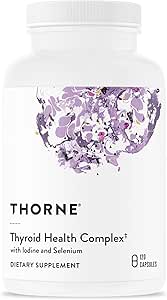
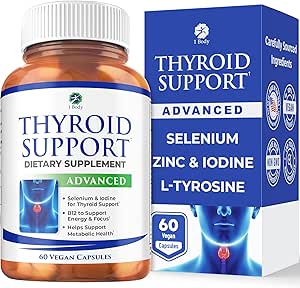
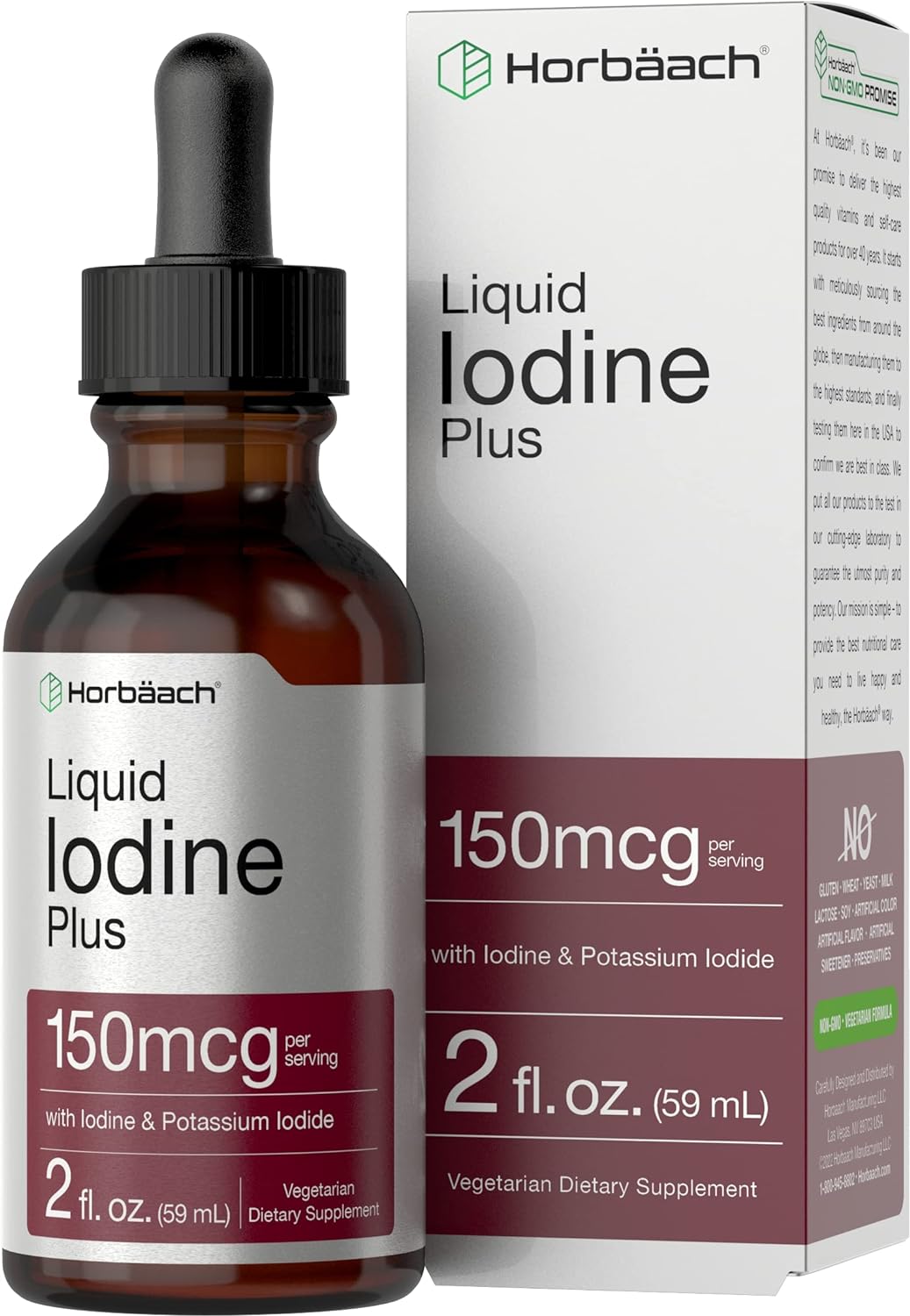
Nearly 2 billion people worldwide experience iodine deficiency, making it the most preventable cause of brain damage and intellectual disability according to WHO data. Iodine forms the structural core of thyroid hormones T4 and T3, and your thyroid gland concentrates iodine 20-40 times higher than other tissues to produce hormones that regulate every cell’s metabolic rate. THORNE Thyroid Health Complex pairs 225 mcg of iodine with L-tyrosine and selenium, the three building blocks of thyroid hormone production, at $40.00 for 120 capsules. For a complete multi-nutrient approach, 1 Body Thyroid Support combines iodine with selenium, zinc, B12, ashwagandha, and L-tyrosine at $30.99, and Horbäach Iodine Liquid Drops delivers 150 mcg per serving from iodine and potassium iodide at $7.99 per 2 fl oz bottle. Here’s what the published research shows about iodine’s essential roles in thyroid function, metabolism, brain development, and whole-body health.
Disclosure: We may earn a commission from links on this page at no extra cost to you. Affiliate relationships never influence our ratings. Full policy →
Introduction: The Forgotten Essential Nutrient
Imagine a single nutrient so powerful that its deficiency can slow your metabolism, impair cognitive function, disrupt hormone production, and even cause visible swelling in your neck. This isn’t science fiction—it’s the reality of iodine deficiency, a condition affecting nearly 2 billion people worldwide despite being entirely preventable.
Iodine is an essential trace element that your body cannot produce on its own, yet it plays a starring role in some of your most vital biological processes. From the moment of conception through old age, this remarkable mineral orchestrates thyroid hormone production, regulates metabolic rate, supports brain development, and influences reproductive health. Without adequate iodine, your thyroid gland—the metabolic control center of your body—simply cannot function properly.
The thyroid-iodine relationship is one of nature’s most elegant biological partnerships. Your thyroid gland concentrates iodine from your bloodstream at levels 20-40 times higher than any other tissue in your body, using it to manufacture the hormones thyroxine (T4) and triiodothyronine (T3). These hormones then travel throughout your body, influencing the activity of virtually every cell and determining how efficiently you burn calories, how clearly you think, how well you sleep, and how effectively your body maintains its temperature.
Despite the introduction of iodized salt nearly a century ago, iodine deficiency remains surprisingly common in developed nations. Dietary changes, increased consumption of non-iodized specialty salts, reduced intake of iodine-rich seafood, and the presence of iodine-blocking compounds in modern foods have all contributed to a quiet resurgence of this preventable deficiency. The consequences extend far beyond simple fatigue—chronic iodine deficiency can trigger hypothyroidism, metabolic slowdown, cognitive impairment, reproductive issues, and in severe cases, intellectual disability in children.
This comprehensive guide explores the science-backed benefits of iodine, the warning signs your body sends when levels are inadequate, the most bioavailable supplemental forms, and practical strategies for optimizing your iodine status. Whether you’re experiencing unexplained weight gain, mental fog, or persistent fatigue, understanding iodine’s crucial role in your health could be the missing piece of your wellness puzzle.
What Is Iodine and Why Does Your Body Need It?
Iodine is a lustrous, purple-black halogen element that exists in nature primarily in the oceans, where it’s absorbed by seaweed and marine organisms. In your body, iodine functions as an essential micronutrient, meaning you need small but consistent amounts for optimal health. Unlike many nutrients that serve multiple roles, iodine has one primary biological purpose: serving as the central building block for thyroid hormones.
Your thyroid gland, a butterfly-shaped organ located at the base of your neck, acts as your body’s metabolic thermostat. This remarkable gland captures circulating iodine from your bloodstream through a specialized transport system called the sodium-iodide symporter (NIS). Once inside thyroid cells, iodine undergoes a series of enzymatic reactions that attach it to the amino acid tyrosine, creating the thyroid hormones T4 (which contains four iodine atoms) and T3 (which contains three iodine atoms).
The production of thyroid hormones follows a precise biochemical sequence. First, the enzyme thyroid peroxidase (TPO) oxidizes iodide ions into reactive iodine. This activated iodine then attaches to tyrosine residues on a protein scaffold called thyroglobulin. When one iodinated tyrosine combines with another, the result is either T4 or T3, depending on how many iodine atoms are attached. This process, called organification, transforms simple iodine into powerful hormonal messengers that influence cellular activity throughout your entire body.
Beyond the thyroid, iodine plays important roles in breast tissue, where it may help regulate cellular growth and reduce the risk of fibrocystic breast changes. The ovaries, prostate, salivary glands, and gastric mucosa also concentrate iodine, though the specific functions in these tissues are still being researched. Some evidence suggests iodine may have direct antioxidant and immune-modulating properties independent of its role in thyroid hormone synthesis.
The human body contains approximately 15-20 mg of iodine, with 70-80% concentrated in the thyroid gland. Daily losses through urine, sweat, and other excretory pathways mean you need consistent dietary intake to maintain optimal levels. The World Health Organization estimates that iodine deficiency remains the single most preventable cause of brain damage and intellectual disability worldwide—a sobering reminder of this nutrient’s critical importance.
| Feature | THORNE Thyroid Complex | 1 Body Thyroid | Horbäach Iodine Drops |
|---|---|---|---|
| Form | Capsule | Capsule | Liquid drops |
| Key Nutrients | Iodine (225 mcg), L-tyrosine, selenium | Iodine, selenium, zinc, B12, ashwagandha, L-tyrosine | Iodine and potassium iodide (150 mcg/serving) |
| Primary Support | Thyroid hormone production | Multi-nutrient thyroid function | Straightforward iodine intake |
| Servings | 120 capsules | Per label | 2 fl oz bottle |
| Price | $40.00 | $30.99 | $7.99 |
| Best For | Complete thyroid substrate support | Comprehensive thyroid nutrition | Budget iodine replacement |
Our Top Recommendations for Iodine Support
The three picks below are actual iodine supplements with labeled iodine content, chosen to cover the main ways people correct low intake: a complete thyroid-substrate formula, a multi-nutrient thyroid complex, and a simple low-dose kelp tablet.
Best Overall: THORNE Thyroid Health Complex

THORNE Thyroid Health Complex supplies the three raw materials the thyroid gland needs to manufacture its hormones: iodine (225 mcg per capsule), L-tyrosine (the amino acid backbone of T4 and T3), and selenium (a cofactor for T4-to-T3 conversion). At $40.00 for 120 capsules it costs more per dose than plain kelp, but the combination directly mirrors the biochemistry of thyroid hormone synthesis, and THORNE’s third-party testing program is among the most rigorous in the industry. One capsule daily covers 150% of the adult RDA for iodine while staying well under the 1,100 mcg upper limit.
Best for Thyroid Support: 1 Body Thyroid Support

1 Body Thyroid Support takes the broader approach: iodine plus selenium, zinc, vitamin B12, ashwagandha, and L-tyrosine, covering the nutrient cofactors involved in thyroid hormone production and conversion. At $30.99 it is the middle option, and its multi-ingredient design suits people who want one formula to address several nutritional inputs to thyroid function rather than managing separate bottles.
Best Budget: Horbäach Iodine Liquid Drops
Horbäach Iodine Liquid Drops is the no-frills option: a 2 fl oz dropper bottle delivering 150 mcg of iodine per serving from iodine and potassium iodide for $7.99, which works out to pennies a day and months of supply. The dose sits squarely at the adult RDA, making it the easiest way to cover a gap in dietary iodine without committing to a high-dose product, and the liquid form lets you adjust the dose drop by drop.
How Do Thyroid Hormones Control Your Metabolism?
Understanding iodine’s benefits requires understanding how thyroid hormones work. These hormones are unlike other hormones in your body because they influence the activity of virtually every cell, tissue, and organ. Thyroid hormones regulate your basal metabolic rate (BMR)—the number of calories your body burns at rest—by directly affecting mitochondrial function and oxygen consumption.
At the cellular level, thyroid hormones enter cells and bind to nuclear receptors, where they influence gene expression. This means thyroid hormones literally turn genes on and off, affecting protein synthesis and cellular metabolism. They increase the number and activity of mitochondria, the cellular powerhouses that produce ATP (your body’s energy currency). They also enhance the sensitivity of tissues to catecholamines like adrenaline, amplifying your body’s response to stress and activity.
The hypothalamic-pituitary-thyroid (HPT) axis tightly regulates thyroid hormone production through an elegant feedback loop. When thyroid hormone levels drop, your hypothalamus releases thyrotropin-releasing hormone (TRH), which signals your pituitary gland to produce thyroid-stimulating hormone (TSH). TSH then stimulates your thyroid gland to capture more iodine and produce more T4 and T3. When hormone levels rise sufficiently, this feedback loop suppresses further production—unless iodine is deficient, in which case the system cannot respond appropriately.
Most of the thyroid hormone your thyroid produces is T4, which serves as a storage form. Your liver, kidneys, and other tissues convert T4 into T3, the more active form that’s about 4 times more potent than T4. This conversion requires adequate levels of selenium, zinc, and other nutrients, highlighting how nutrient interactions influence thyroid function. When iodine is deficient, this entire system becomes dysregulated, leading to the cascade of symptoms associated with hypothyroidism.
The thyroid-iodine connection also explains why iodine deficiency has such widespread effects. When your thyroid cannot produce adequate hormones due to insufficient iodine, your metabolism slows, your body temperature regulation becomes impaired, your cognitive function declines, your cholesterol levels rise, your heart rate decreases, your digestive motility slows, and your reproductive hormones become imbalanced. This single nutritional deficiency can thus produce a bewildering array of seemingly unrelated symptoms.
What Are the Signs Your Body Needs More Iodine?
Your body is remarkably articulate when it comes to communicating nutritional deficiencies—if you know how to listen. Iodine deficiency produces a constellation of symptoms that often develop gradually, making them easy to dismiss as stress, aging, or other conditions. Learning to recognize these warning signs can help you identify and address deficiency before it progresses to more serious health problems.
What Are the Signs of Unexplained Weight Gain From Iodine Deficiency?
One of the earliest and most frustrating signs of iodine deficiency is unexplained weight gain despite no changes in diet or exercise. When thyroid hormone production drops due to insufficient iodine, your basal metabolic rate decreases, meaning you burn fewer calories at rest. This metabolic slowdown can range from subtle (burning 100-200 fewer calories daily) to severe (300-500+ fewer calories daily in pronounced hypothyroidism).
Beyond simple calorie burning, low thyroid function disrupts how your body processes and stores nutrients. Insulin sensitivity may decrease, making it easier to store fat and harder to access stored energy. Fluid retention increases as kidney function becomes less efficient, adding water weight that doesn’t respond to typical weight loss strategies. Many people with iodine-deficiency-related hypothyroidism report that despite “doing everything right” with diet and exercise, the scale simply won’t budge.
How Does Iodine Deficiency Cause Persistent Fatigue and Low Energy?
Profound, unrelenting fatigue is perhaps the hallmark symptom of inadequate thyroid function. This isn’t the normal tiredness that improves with rest—it’s a bone-deep exhaustion that persists regardless of sleep quantity or quality. You might feel like you’re moving through molasses, struggling to complete routine tasks that once felt effortless.
This fatigue stems from decreased cellular energy production. With insufficient thyroid hormones, your mitochondria produce less ATP, leaving your cells literally energy-starved. Your muscles may feel weak and heavy, exercise tolerance decreases, and you might need significantly more sleep than usual yet still wake up feeling unrested. Some people describe it as having the energy level of a smartphone perpetually stuck at 15% battery.
What Cognitive Problems Does Iodine Deficiency Cause?
Mental fog, difficulty concentrating, and impaired memory are common cognitive manifestations of iodine deficiency. Thyroid hormones play crucial roles in brain function, influencing neurotransmitter production, neuronal metabolism, and overall cognitive processing speed. When levels drop, thinking becomes slower and less clear.
You might notice difficulty focusing on tasks, trouble recalling words or names, slowed mental processing (taking longer to solve problems or make decisions), reduced ability to multitask, and impaired working memory. Students and professionals often report declining academic or work performance. These cognitive effects can be particularly distressing because they impact daily functioning and quality of life.
Research confirms these observations. Studies show that even mild hypothyroidism from iodine deficiency can impair cognitive function, with measurable decreases in memory, attention, and processing speed. The effects are often reversible with iodine repletion and restoration of normal thyroid function.
Other Physical Signs of Iodine Deficiency
Beyond weight, energy, and cognition, iodine deficiency produces numerous other physical symptoms:
Cold intolerance and low body temperature: Thyroid hormones help regulate body temperature. When deficient, you may feel cold even in warm environments, have consistently cold hands and feet, and prefer warmer temperatures than others.
Key takeaway: The classic deficiency signals are unexplained weight gain with a slowing metabolism, fatigue that rest does not fix, mental fog, cold intolerance, dry skin and hair, constipation, menstrual irregularity, and eventually goiter; because these overlap with many other conditions, a TSH blood test is the reliable way to confirm low thyroid function before supplementing, and the typical correction strategy is 150-300 mcg of iodine daily until status is confirmed.
Dry skin and hair changes: Reduced thyroid function slows skin cell turnover and oil production, leading to dry, flaky skin. Hair may become dry, brittle, and prone to falling out. Some people notice thinning of the outer third of eyebrows.
Constipation and digestive slowdown: Thyroid hormones influence gastrointestinal motility. Deficiency slows digestive transit, often causing constipation that doesn’t respond well to typical interventions like increased fiber or water.
Menstrual irregularities: In women, iodine deficiency can disrupt menstrual cycles, causing heavier or more irregular periods, or in severe cases, amenorrhea (absence of periods). Fertility may be impaired.
Visible goiter: In prolonged, significant deficiency, the thyroid gland may enlarge visibly, creating a swelling at the base of the neck. This compensatory enlargement represents the thyroid’s attempt to capture more iodine and produce more hormones despite inadequate substrate.
Mood changes: Depression, anxiety, and mood instability are common with hypothyroidism. The mechanisms involve altered neurotransmitter function, reduced neuronal energy metabolism, and changes in brain structure and connectivity.
How Much Iodine Do You Need? RDA and Optimal Intake
Determining your optimal iodine intake requires understanding established guidelines, individual variation, and life stage-specific needs. The Recommended Dietary Allowance (RDA) provides a baseline, but optimal intake may vary based on your circumstances.
What Is the RDA for Iodine?
The Institute of Medicine established the following RDAs for iodine:
Adults (19+ years): 150 mcg daily for both men and women
Pregnant women: 220 mcg daily to support increased maternal thyroid hormone production and provide iodine for fetal thyroid development
Breastfeeding women: 290 mcg daily, as breastmilk provides the sole source of iodine for exclusively breastfed infants
Children:
- 1-8 years: 90 mcg daily
- 9-13 years: 120 mcg daily
- 14-18 years: 150 mcg daily
Infants:
- 0-6 months: 110 mcg daily (Adequate Intake)
- 7-12 months: 130 mcg daily (Adequate Intake)
These RDAs represent the intake level sufficient to meet the nutritional needs of 97-98% of healthy individuals in each life stage group.
What Is the Tolerable Upper Limit for Iodine?
The tolerable upper intake level (UL) represents the maximum daily intake unlikely to cause adverse health effects in most people:
Adults: 1,100 mcg (1.1 mg) daily
The evidence shows: The adult RDA is 150 mcg daily (220 mcg in pregnancy, 290 mcg while breastfeeding), and the tolerable upper limit is 1,100 mcg; intakes below roughly 100 mcg increase goiter and hypothyroidism risk, while sustained intakes above 1,000 mcg raise autoimmune thyroid disease rates, so the safe working range for most people is 150-300 mcg daily.
Pregnant and breastfeeding women: 1,100 mcg daily
Children:
- 1-3 years: 200 mcg daily
- 4-8 years: 300 mcg daily
- 9-13 years: 600 mcg daily
- 14-18 years: 900 mcg daily
Exceeding these upper limits, particularly over extended periods, increases the risk of thyroid dysfunction, including both hypothyroidism and hyperthyroidism. Populations with habitually high iodine intake (such as some coastal Japanese communities consuming large amounts of seaweed) show increased rates of autoimmune thyroid disease.
How Do Pregnancy and Breastfeeding Affect Iodine Needs?
Pregnancy and lactation dramatically increase iodine requirements for several reasons:
Increased maternal thyroid hormone production: Pregnancy requires 30-50% more thyroid hormone to meet increased metabolic demands. This necessitates proportionally more iodine for hormone synthesis.
Transfer to fetus: The developing fetus relies entirely on maternal thyroid hormones during the first trimester before its own thyroid begins functioning. Later, the fetal thyroid captures iodine from maternal circulation to produce its own hormones.
Critical neurodevelopment windows: Fetal brain development is exquisitely sensitive to thyroid hormone availability. Even mild maternal hypothyroidism or iodine deficiency during critical developmental windows can impair neurological development and reduce offspring IQ.
Breastmilk provision: Breastfed infants depend entirely on breastmilk iodine. The mammary gland concentrates iodine from maternal circulation, requiring adequate maternal intake to provide sufficient iodine in milk (typical breastmilk contains 100-200 mcg/L when maternal intake is adequate).
Research consistently shows that many pregnant and breastfeeding women fail to meet even the modest RDA, particularly in developed nations. One study found median urinary iodine concentrations indicating mild deficiency in pregnant American women, despite the presence of iodized salt. Prenatal vitamins often contain inadequate iodine or none at all—only about 50-60% of prenatal supplements sold in the U.S. contain iodine, and amounts vary widely.
For pregnant and breastfeeding women, supplementation with 150-250 mcg daily is often recommended to ensure adequate intake, particularly for those who don’t regularly consume iodine-rich foods or use iodized salt. The American Thyroid Association recommends that all pregnant and breastfeeding women in North America take a supplement containing 150 mcg of iodine daily.
What Are the Best Forms of Iodine Supplements?
Not all iodine supplements are created equal. The form you choose affects absorption, bioavailability, stability, and specific health effects. Understanding the differences helps you select the most appropriate option for your needs.
Potassium Iodide: The Gold Standard
Potassium iodide (KI) is the most common and well-studied supplemental form of iodine. It’s the form used in iodized salt, most clinical studies, and pharmaceutical iodine preparations.
Advantages:
- Highly stable with long shelf life
- Well-absorbed with bioavailability approaching 100%
- Extensive safety and efficacy data from decades of use
- Inexpensive and widely available
- The form used in most research demonstrating iodine’s health benefits
How it works: In potassium iodide, iodine exists as iodide (I-), the reduced form. After ingestion, iodide is rapidly absorbed from the small intestine, enters circulation, and is captured by the thyroid through the sodium-iodide symporter.
Typical supplemental doses range from 150 mcg (matching the RDA) to 300-500 mcg in therapeutic protocols. Potassium iodide is the form recommended by most health organizations for iodine supplementation.
Sodium Iodide: Equally Effective Alternative
Sodium iodide is chemically and functionally similar to potassium iodide, with iodine in the iodide form. The only difference is the mineral paired with iodide—sodium instead of potassium.
Advantages:
- Identical bioavailability to potassium iodide
- Well-tolerated and effective
- May be preferred for those limiting potassium intake
In practice, sodium iodide and potassium iodide are essentially interchangeable. The choice between them rarely matters clinically, as the tiny amount of sodium or potassium delivered is nutritionally insignificant. Both forms are absorbed nearly completely in the small intestine, are captured by the thyroid through the same sodium-iodide symporter, and appear in clinical studies at identical effective doses, so purchasing decisions come down to brand quality and label trust rather than the paired mineral.
Molecular Iodine: The Research on Breast Health
Molecular iodine (I2) consists of two iodine atoms bonded together, rather than iodine in the iodide (I-) form. Some research suggests molecular iodine may have specific benefits for breast health distinct from iodide.
Research findings: Studies investigating iodine’s effects on breast tissue have often used molecular iodine or iodine/iodide combinations. Some research suggests breast tissue preferentially absorbs and uses molecular iodine, while the thyroid uses iodide. Laboratory studies show molecular iodine may have antiproliferative effects in breast cells and reduce markers of breast disease.
One clinical study found that 3-5 mg daily of molecular iodine reduced breast pain and fibrocystic changes in women with cyclic mastalgia. Another showed improvements in breast tissue architecture on mammography with molecular iodine supplementation.
Important considerations:
- The research on molecular iodine for breast health is limited and preliminary
- Most studies use doses far above the RDA (3-6 mg daily, or 3,000-6,000 mcg)
- These higher doses should only be used under medical supervision
- Molecular iodine is less stable than iodide forms and may require special formulation
Molecular iodine is available in some specialty supplements, often combined with iodide. Examples include products containing both I2 and KI in specific ratios (such as Lugol’s solution).
Lugol’s Solution: High-Dose Iodine/Iodide Combination
Lugol’s solution is a liquid preparation containing both molecular iodine (I2) and potassium iodide (KI), typically in a 1:2 ratio. Named after French physician Jean Lugol who developed it in 1829, it’s been used medically for nearly two centuries.
Typical formulation: Standard Lugol’s solution contains 5% iodine and 10% potassium iodide in distilled water. Each drop of standard 5% Lugol’s provides approximately 6.25 mg total iodine—far above the RDA.
Historical and current uses:
- Preoperative preparation for thyroid surgery (reduces thyroid vascularity)
- Treatment of hyperthyroidism in thyroid storm
- Radiation protection (blocking thyroid uptake of radioactive iodine)
- Some alternative medicine protocols use Lugol’s for general supplementation
Important cautions: Lugol’s solution provides very high doses of iodine—a single drop exceeds the tolerable upper limit. Using Lugol’s for daily supplementation should only be done under medical supervision, as these doses significantly increase the risk of:
- Thyroid dysfunction (both hypo- and hyperthyroidism)
- Worsening autoimmune thyroid disease
- Iodine-induced goiter
- Other adverse effects from excess iodine
While some alternative practitioners recommend Lugol’s at doses of 12.5-50 mg daily (the “Iodine Protocol”), these extremely high doses lack strong safety or efficacy evidence and contradict mainstream medical recommendations.
Nascent Iodine: Marketing vs. Evidence
Nascent iodine, also called “atomic iodine,” is marketed as a superior, more bioavailable form. Manufacturers claim it consists of iodine atoms in a high-energy “nascent state” that makes it uniquely absorbable and effective.
The reality:
- There’s no peer-reviewed research demonstrating superior bioavailability or effectiveness of nascent iodine compared to standard iodide forms
- The term “nascent” is not a recognized chemical descriptor in iodine chemistry
- Standard iodide forms already have near-100% bioavailability
- Nascent iodine products are typically much more expensive without proven advantages
Most mainstream nutrition and medical authorities do not recommend nascent iodine, as the claimed benefits lack scientific support and more cost-effective, well-researched options exist.
Kelp and Seaweed: Natural Sources with Variability
Kelp and other seaweed species provide naturally occurring iodine and are used in some supplements. Kelp is one of the richest natural sources of iodine, containing roughly 150-2,500 mcg per gram depending on species, harvest location, and processing, which is why reputable manufacturers standardize their products to a labeled per-serving dose rather than selling raw dried seaweed as a supplement.
Advantages:
- Whole food source with naturally occurring iodine
- May appeal to those preferring food-based supplements
- Often contains other minerals and nutrients from the sea
Disadvantages and concerns:
- Highly variable iodine content between batches and brands
- Risk of excessive intake if iodine concentration is high
- Potential contamination with heavy metals (arsenic, lead, cadmium) or other ocean pollutants
- May contain other halides (bromine) that can interfere with iodine metabolism
If choosing kelp supplements, look for products that:
- Specify the iodine content per serving
- Have third-party testing for purity and heavy metals
- Come from reputable manufacturers
- Provide moderate, consistent doses (150-300 mcg per serving)
Some people find that rotating between kelp and iodide supplements provides variety while maintaining consistent intake.
What Foods Are Rich in Iodine?
While supplementation can effectively address deficiency, obtaining iodine from dietary sources provides the nutrient in its natural context along with other beneficial compounds. Understanding which foods contain significant iodine helps you build a diet that supports optimal iodine status.
Seaweed: The Iodine Superstar
Seaweed and sea vegetables contain more iodine per gram than any other food, with amounts varying dramatically by species:
Kombu (kelp): The richest source, containing 1,500-2,500 mcg per gram. A single one-inch square piece can provide several thousand mcg—exceeding the tolerable upper limit. Kombu should be consumed occasionally and in small amounts.
Wakame: Common in miso soup and seaweed salads, wakame provides 40-150 mcg per gram, or about 80-400 mcg in a typical serving.
Nori: The seaweed used in sushi rolls, nori contains 16-43 mcg per sheet. Eating 3-4 sheets provides a significant portion of daily needs.
Dulse: A red seaweed with a milder flavor, dulse contains 30-50 mcg per gram.
Important considerations with seaweed:
- Iodine content varies widely based on species, growing location, and processing
- Excessive consumption (particularly of kombu) can easily exceed safe limits
- Some seaweed may contain heavy metals or other contaminants
- Soaking or cooking can reduce iodine content by 40-80%
For most people, moderate seaweed consumption (a few servings weekly of lower-iodine varieties like nori or wakame) provides beneficial iodine without excessive intake. A practical rule of thumb is to use kombu and other brown kelps as occasional ingredients rather than daily staples, since even a small piece can deliver several times the daily requirement; lighter red and green seaweeds such as nori, dulse, and spirulina are easier to fit into a routine without overshooting the upper limit.
Fish and Seafood: Excellent Reliable Sources
Marine fish and seafood provide substantial iodine:
Cod: One of the richest fish sources, with 90-120 mcg per 3-ounce serving
Shrimp: Contains 35-45 mcg per 3-ounce serving
Tuna: Provides 15-25 mcg per 3-ounce serving (varies by species and preparation)
Salmon: Contains 40-65 mcg per 3-ounce serving
Lobster: Provides 50-100 mcg per 3-ounce serving
Fish and seafood provide iodine in consistent, moderate amounts without the extreme variability of seaweed. Eating fish 2-3 times weekly contributes significantly to iodine intake while providing other nutrients like omega-3 fatty acids, selenium, and high-quality protein.
Dairy Products: Significant Contributors in Western Diets
Dairy products contain moderate amounts of iodine, primarily because iodine-containing compounds are used to sanitize milking equipment and as feed additives:
Milk: Provides 55-90 mcg per cup (varies seasonally and by processing)
Yogurt: Contains 70-90 mcg per cup
Cheese: Provides 10-15 mcg per ounce (varies by type)
Ice cream: Contains 30-60 mcg per 1/2 cup
Dairy iodine content varies based on production practices, region, season, and processing methods. In the U.S., dairy provides approximately 40-50% of dietary iodine for dairy consumers.
Note for dairy-free diets: Those avoiding dairy need alternative iodine sources, as plant-based milk substitutes (almond, soy, oat, coconut milk) contain minimal iodine unless fortified.
Eggs: Moderate but Consistent Source
Eggs provide 24-28 mcg of iodine each, primarily in the yolk. Eating 1-2 eggs daily contributes 50-60 mcg toward your daily needs.
Iodized Salt: The Public Health Success Story
Iodization of table salt, begun in the 1920s, virtually eliminated iodine deficiency disorders in many countries. Iodized salt represents one of public health’s greatest successes.
Iodized salt: Contains approximately 45-75 mcg of iodine per gram (about 1/4 teaspoon). Using iodized salt in cooking and at the table can provide the majority of daily iodine needs. One-half teaspoon of iodized salt provides approximately 150-250 mcg of iodine—close to the full RDA.
Foods with Minimal Iodine
Many commonly consumed foods contain little to no iodine:
Most fruits and vegetables: Plant foods generally contain minimal iodine (typically less than 3-5 mcg per serving) unless grown in iodine-rich soil, which is rare in most agricultural regions. Fruits and vegetables contribute little to overall iodine intake.
Grains and legumes: Wheat, rice, corn, beans, and lentils typically contain minimal iodine (1-10 mcg per serving).
Meat and poultry: Beef, chicken, and pork contain only small amounts of iodine (2-10 mcg per serving), as land animals accumulate much less iodine than marine organisms.
Specialty salts: Sea salt, Himalayan pink salt, Celtic sea salt, and other specialty salts are often marketed as healthier alternatives to regular salt. However, they typically contain minimal iodine (less than 2 mcg per gram)—about 2-5% of what’s in iodized salt. Switching from iodized salt to these specialty salts without adding other iodine sources can contribute to deficiency.
Building an Iodine-Rich Diet
For most people, adequate iodine intake can be achieved through:
- Using iodized salt for cooking and seasoning (about 1/2 teaspoon daily provides 150-250 mcg)
- Eating fish or seafood 2-3 times weekly (provides 50-150 mcg per week)
- Including dairy or eggs daily if you tolerate them (provides 25-100 mcg daily)
- Occasionally consuming seaweed in moderate amounts (nori sheets, dulse flakes, or wakame in miso soup)
This combination provides 200-400 mcg daily—above the RDA and sufficient for most people, including those with somewhat increased needs.
Special Dietary Considerations
Vegan/plant-based diets: Without seafood, dairy, or eggs, plant-based eaters face higher deficiency risk. Options include:
- Using iodized salt consistently
- Consuming sea vegetables in moderate amounts
- Taking an iodine supplement (150-200 mcg daily)
Many multivitamins and prenatal vitamins contain iodine, though amounts vary (typically 50-150 mcg per serving).
Pregnancy and breastfeeding: Given increased requirements (220-290 mcg), most pregnant and nursing women need supplementation beyond dietary sources. Look for prenatal vitamins containing 150-250 mcg of iodine, and continue using iodized salt and consuming iodine-rich foods.
Low-sodium diets: If you’re restricting salt for blood pressure or other health concerns, you may not get adequate iodine from iodized salt. Consider other sources (seafood, dairy, eggs) or a low-dose iodine supplement.
Autoimmune thyroid conditions: People with Hashimoto’s thyroiditis or Graves’ disease may need to moderate iodine intake, as excessive amounts can worsen these conditions. Work with your healthcare provider to determine appropriate intake levels.
How Does Iodine Affect Autoimmune Thyroid Disease?
While iodine deficiency clearly causes thyroid problems, excessive iodine intake can also trigger thyroid dysfunction, particularly in people with underlying autoimmune thyroid conditions or genetic susceptibility. This seemingly paradoxical relationship is important to understand.
How Excess Iodine Can Trigger Autoimmunity
In susceptible individuals, high iodine intake can initiate or worsen autoimmune thyroid disease through several mechanisms:
Increased thyroid antigenicity: Excess iodine increases the iodination of thyroglobulin (the protein scaffold on which thyroid hormones are built), potentially making it more antigenic—more likely to trigger an immune response. This can lead to production of anti-thyroglobulin antibodies, a hallmark of autoimmune thyroid disease.
Oxidative stress: The process of incorporating iodine into thyroglobulin generates hydrogen peroxide and other reactive oxygen species. Excessive iodine intake increases oxidative stress in thyroid cells, potentially damaging cellular components and triggering immune responses.
Direct toxic effects: Very high iodine levels can be directly toxic to thyroid cells, causing cell death that releases intracellular contents and potentially triggers immune activation.
Altered immune function: Some research suggests excess iodine may affect immune cell function, potentially tipping the balance toward autoimmunity in genetically predisposed individuals.
Population studies support this relationship. When iodine fortification programs are introduced in previously deficient areas, there’s often a temporary increase in autoimmune thyroid disease incidence, particularly Hashimoto’s thyroiditis. Similarly, populations with very high iodine intake (such as coastal regions of Japan where seaweed consumption is extremely high) show elevated rates of autoimmune thyroid conditions compared to populations with moderate intake.
The U-Shaped Curve: Too Little and Too Much Are Both Problematic
The relationship between iodine intake and thyroid health follows a U-shaped curve. At both extremes—severe deficiency and excessive intake—thyroid problems increase. The optimal range appears to be between 150-300 mcg daily for most people, with higher intakes during pregnancy and lactation.
The practical takeaway: Correcting a true iodine deficiency can restore normal thyroid hormone output and metabolic rate, but extra iodine beyond adequacy does not further boost metabolism; for people with adequate status, additional iodine simply adds excretion load and, at high doses, autoimmune risk.
Below 100 mcg daily, hypothyroidism risk increases due to insufficient substrate for thyroid hormone production. Above 500-1,000 mcg daily (depending on individual tolerance), risks of both hypothyroidism and hyperthyroidism increase, along with higher rates of autoimmune thyroid disease. This U-shaped pattern is why public health agencies aim for population iodine intakes centered near the RDA rather than pushing intakes higher, and why supplement labels in the United States are capped at 150 mcg per serving for general-market products unless a product is marketed as a higher-dose specialty item.
This explains why some people with autoimmune thyroid conditions report worsening symptoms when they start iodine supplementation, particularly at higher doses. Their thyroid disease isn’t caused by iodine deficiency, and adding more iodine may worsen the autoimmune process rather than helping.
Recommendations for People with Autoimmune Thyroid Disease
If you have Hashimoto’s thyroiditis, Graves’ disease, or thyroid antibodies without overt disease:
Don’t megadose iodine: Avoid high-dose iodine protocols (several milligrams daily or more), as these may worsen your condition. Stick to nutritional doses in the RDA range unless your doctor specifically recommends otherwise.
Monitor your intake: Keep total iodine intake (diet plus supplements) in the 150-300 mcg range. You still need adequate iodine—severe restriction isn’t helpful—but avoid excessive amounts.
Test thyroid antibodies: If you’re considering iodine supplementation and have thyroid issues, testing for TPO and thyroglobulin antibodies helps determine whether autoimmunity is present. Positive antibodies suggest more caution with iodine.
Ensure adequate selenium: Selenium deficiency may increase susceptibility to iodine-induced thyroid damage. Ensuring adequate selenium intake (200 mcg daily) may provide some protection. Some research suggests selenium supplementation before increasing iodine intake may reduce autoimmune risk.
Work with your doctor: If you have diagnosed thyroid disease, any significant changes in iodine intake should be discussed with your healthcare provider and accompanied by monitoring of thyroid function and antibody levels.
The good news is that most people with autoimmune thyroid conditions tolerate moderate iodine intake (150-250 mcg daily) without problems. It’s the much higher doses—whether from excessive supplementation or very high seaweed consumption—that pose the greatest risk.
Related Reading
- Selenium Benefits: Essential Mineral for Thyroid Function and Antioxidant Defense
- Zinc Benefits: Immune Support, Testosterone, and Cellular Health
- Rhodiola Rosea for Energy and Stress: What Clinical Trials Show
- Best Thermogenic Supplements for Fat Loss: Complete Research Review
- Sea Moss Benefits: What the Research Actually Shows (Plus Side Effects and Best Forms)
Conclusion: Optimizing Your Iodine Status for Lifelong Health
Iodine stands as one of the most critical yet often overlooked nutrients in modern nutrition. This essential mineral serves as the foundation for thyroid hormone production, influencing metabolic rate, brain function, cardiovascular health, reproductive function, and numerous other physiological processes. Without adequate iodine, your thyroid simply cannot produce the hormones your body needs to function optimally.
The consequences of deficiency extend far beyond simple fatigue. Iodine deficiency can slow your metabolism, causing frustrating weight gain that doesn’t respond to diet and exercise. It can cloud your thinking, impairing memory, focus, and mental processing speed. It can disrupt your mood, contributing to depression and anxiety. It can interfere with fertility and pregnancy, potentially causing lifelong developmental problems in children. In its severe forms, it causes visible goiter and profound hypothyroidism.
Yet despite decades of public health efforts, iodine deficiency remains surprisingly common even in developed nations. Dietary changes, reduced salt consumption, preference for non-iodized specialty salts, and decreased intake of iodine-rich seafood and dairy products have all contributed to declining iodine status in many populations. The problem is particularly acute in certain groups—pregnant women, vegans, people avoiding gluten (who often also avoid iodized salt), and those following low-sodium diets.
The solution is straightforward: ensure adequate iodine intake through diet, iodized salt use, or supplementation when necessary. For most people, combining regular use of iodized salt (about 1/2 teaspoon daily) with periodic consumption of seafood and possibly dairy products provides sufficient iodine. Those with higher needs or limited dietary sources may benefit from supplementation in the 150-250 mcg range, using potassium iodide or another well-absorbed form.
Understanding the different forms of iodine helps optimize supplementation. Potassium iodide and sodium iodide are well-studied, highly bioavailable, and effectively support thyroid function. Molecular iodine may offer specific benefits for breast health based on limited research. Seaweed provides natural iodine but requires attention to dosing and quality. High-dose protocols using Lugol’s solution or similar preparations should be approached cautiously and only under medical supervision due to significant risk of thyroid dysfunction.
The key is finding the optimal zone—enough iodine to avoid deficiency and support health, but not so much that it triggers thyroid problems, particularly in people with autoimmune susceptibility. For most people, this means 150-300 mcg daily, with higher amounts during pregnancy and lactation. Testing your thyroid function and possibly urinary iodine levels can provide valuable information about your status and guide supplementation decisions. A reasonable self-check is to total your daily iodine from diet and supplements: iodized salt at about 45-75 mcg per gram, dairy at 55-90 mcg per cup, fish at 35-120 mcg per serving, and any supplement dose on the label. Most adults land between 150 and 300 mcg without trying, which is the range associated with the lowest rates of both deficiency disorders and iodine-excess autoimmunity. If your diet is plant-based, you avoid iodized salt, or you take a prenatal vitamin without iodine, a 150 mcg kelp or iodide supplement is the low-risk way to close the gap, and it costs pennies a day.
If you’re experiencing symptoms suggestive of hypothyroidism—unexplained weight gain, persistent fatigue, mental fog, cold intolerance, hair loss, mood changes, or visible goiter—assessing your iodine status should be a priority. Many of these symptoms can be reversed by correcting iodine deficiency and restoring normal thyroid function. Even if you’re not experiencing obvious symptoms, ensuring adequate iodine intake supports optimal metabolism, brain function, and long-term health.
Iodine represents one of the most impactful nutritional interventions available—a single nutrient with profound effects on multiple body systems. By understanding its crucial roles, recognizing deficiency signs, choosing appropriate sources and forms, and maintaining optimal intake throughout life, you harness this essential mineral’s full health-promoting potential. Your thyroid, metabolism, brain, and entire body will thank you.
References and Further Reading
-
Zimmermann MB. Iodine deficiency. Endocr Rev. 2009;30(4):376-408. PubMed 19460960
-
Laurberg P, et al. Iodine intake as a determinant of thyroid disorders in populations. Best Pract Res Clin Endocrinol Metab. 2010;24(1):13-27. PubMed 20172467
-
Qian M, et al. The effects of iodine on intelligence in children: a meta-analysis of studies conducted in China. Asia Pac J Clin Nutr. 2005;14(1):32-42. PubMed 15734706
-
Mennemeier M, et al. Memory, mood and measurement in hypothyroidism. J Clin Exp Neuropsychol. 2007;29(7):718-725.
-
Tan ZS, et al. Thyroid function and the risk of Alzheimer disease: the Framingham Study. Arch Intern Med. 2008;168(14):1514-1520. PubMed 18663163
-
Rodondi N, et al. Subclinical hypothyroidism and the risk of coronary heart disease and mortality. JAMA. 2010;304(12):1365-1374. PubMed 20858880
-
Tsimihodimos V, et al. Dyslipidemia associated with subclinical hypothyroidism: is it clinically relevant? Curr Med Chem. 2004;11(18):2477-2483.
-
Patrick L. Iodine: deficiency and therapeutic considerations. Altern Med Rev. 2008;13(2):116-127. PubMed 18590348
-
Venturi S, Donati FM, Venturi M, Venturi A. Role of iodine in evolution and carcinogenesis of thyroid, breast and stomach. Adv Clin Path. 2000;4(1):11-17. PubMed 10936894
-
Morris MS. The association between serum thyroid-stimulating hormone in its reference range and bone status in postmenopausal American women. Bone. 2007;40(4):1128-1134. PubMed 17236836
-
Bauer DC, et al. Risk for fracture in women with low serum levels of thyroid-stimulating hormone. Ann Intern Med. 2001;134(7):561-568.
-
Abalovich M, et al. Management of thyroid dysfunction during pregnancy and postpartum: an Endocrine Society Clinical Practice Guideline. J Clin Endocrinol Metab. 2007;92(8 Suppl):S1-S47. PubMed 17948378
-
Poppe K, et al. Thyroid disease and female reproduction. Clin Endocrinol (Oxf). 2007;66(3):309-321. PubMed 17302862
-
Corrales Hernández JJ, et al. Primary hypothyroidism and human spermatogenesis. Arch Androl. 1990;25(1):21-27. PubMed 2389988
-
Ghent WR, et al. Iodine replacement in fibrocystic disease of the breast. Can J Surg. 1993;36(5):453-460. PubMed 8221402
-
Aceves C, et al. Is iodine a gatekeeper of the integrity of the mammary gland? J Mammary Gland Biol Neoplasia. 2005;10(2):189-196. PubMed 16025225
-
Romarís-Hortas V, et al. Bioavailability study using an in-vitro method of iodine and bromine in edible seaweed. Food Chem. 2011;124(4):1747-1752.
-
World Health Organization. Assessment of iodine deficiency disorders and monitoring their elimination: a guide for programme managers, 3rd ed. Geneva: WHO; 2007.
-
Institute of Medicine. Dietary Reference Intakes for Vitamin A, Vitamin K, Arsenic, Boron, Chromium, Copper, Iodine, Iron, Manganese, Molybdenum, Nickel, Silicon, Vanadium, and Zinc. Washington, DC: National Academies Press; 2001.
-
Leung AM, Braverman LE. Consequences of excess iodine. Nat Rev Endocrinol. 2014;10(3):136-142. PubMed 24342882
Recommended Products