Is Juicing Safe for Dogs? Everything You Need to Know
Summarized from peer-reviewed research indexed in PubMed. See citations below.
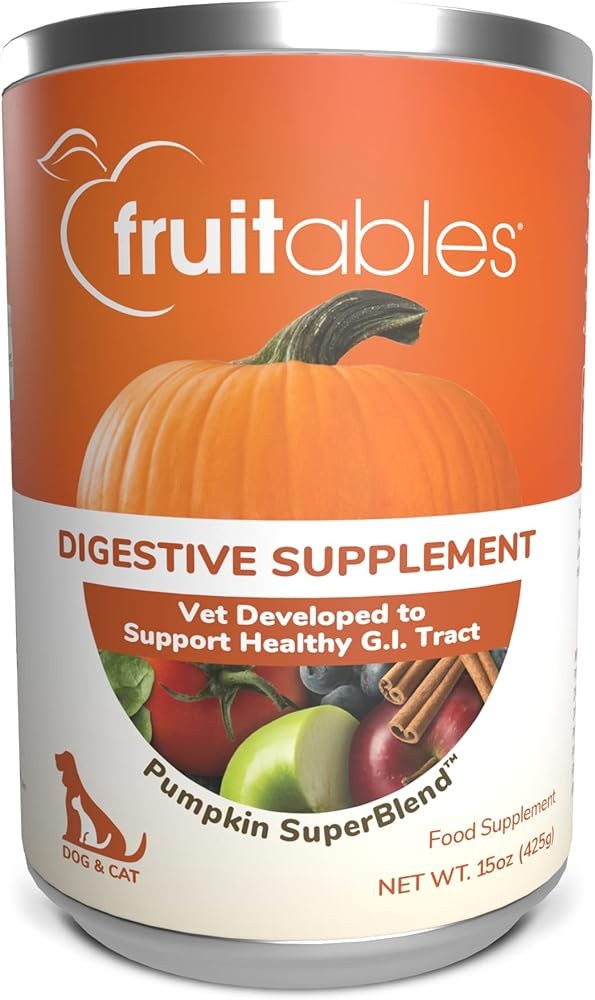
Many dog owners wonder whether the fresh vegetable juices they enjoy can benefit their pets, and the honest answer is: yes, some can, but only with strict rules. Certain ingredients commonly found in kitchen juicing cause acute kidney failure or destruction of red blood cells in dogs, and veterinary case series show the damage can appear within 24-72 hours of ingestion (Eubig et al., 2005). The safest way to give a dog pumpkin’s well-documented digestive benefits is not juice at all but a plain fiber supplement such as Fruitables Pumpkin Digestive Supplement ($3.89 for a 15oz tub), which adds soluble fiber to meals without any juicing equipment, seeds, or sugar spikes (Ford-Hrymak et al., 2026). This guide covers which foods are safe to juice, which are toxic, how to dilute and dose juice by body weight, and when to skip juice entirely, with more context on kibble vs raw diets for dogs fed fresh foods.
Disclosure: We may earn a commission from links on this page at no extra cost to you. Affiliate relationships never influence our ratings. Full policy →
📱 Join the discussion: Facebook | X | YouTube | Pinterest
Is Juicing Safe for Dogs? Everything You Need to Know
The short answer: YES, juicing can be safe for dogs - but ONLY with the right ingredients, proper dilution, and careful introduction. Some fruits and vegetables are nutritious superfoods for dogs, while others are deadly toxins that can cause organ failure within hours.
This complete safety guide covers everything you need to know: which foods are safe, which will kill your dog, how to prepare juice safely, proper dosing by weight, and warning signs that something’s wrong.
EMERGENCY: If your dog consumed grapes, raisins, onions, garlic, or other toxic foods, call Pet Poison Helpline immediately: (855) 764-7661
| Product | Key Benefit | Safety Profile | Best For | Price |
|---|---|---|---|---|
| Fruitables Pumpkin Supplement | Pumpkin fiber for digestive support | Plain pet-safe formula, no toxic ingredients | Dogs with sensitive digestion | $3.89 |
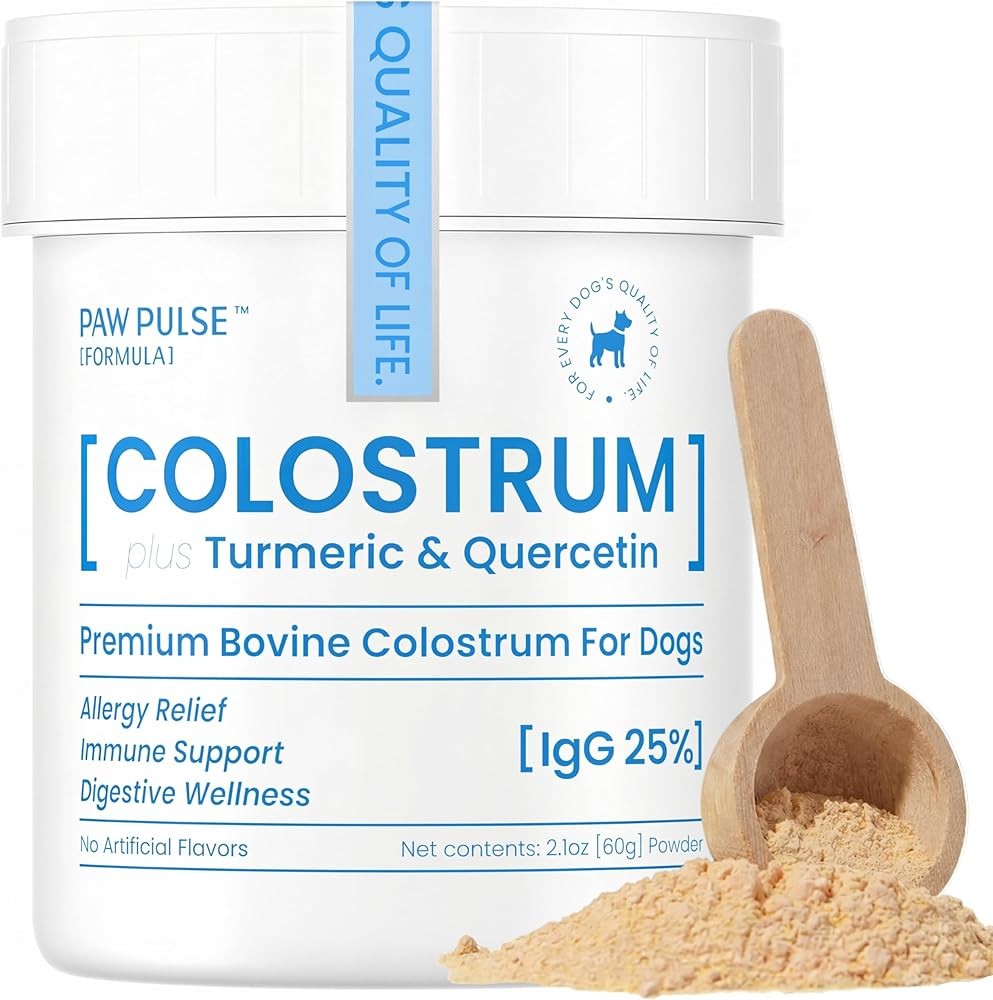
| PAWPULSE Colostrum Powder | Immune and gut support via high-IgG colostrum | Bovine colostrum, additive-free powder | Dogs needing immune support | $21.30 |
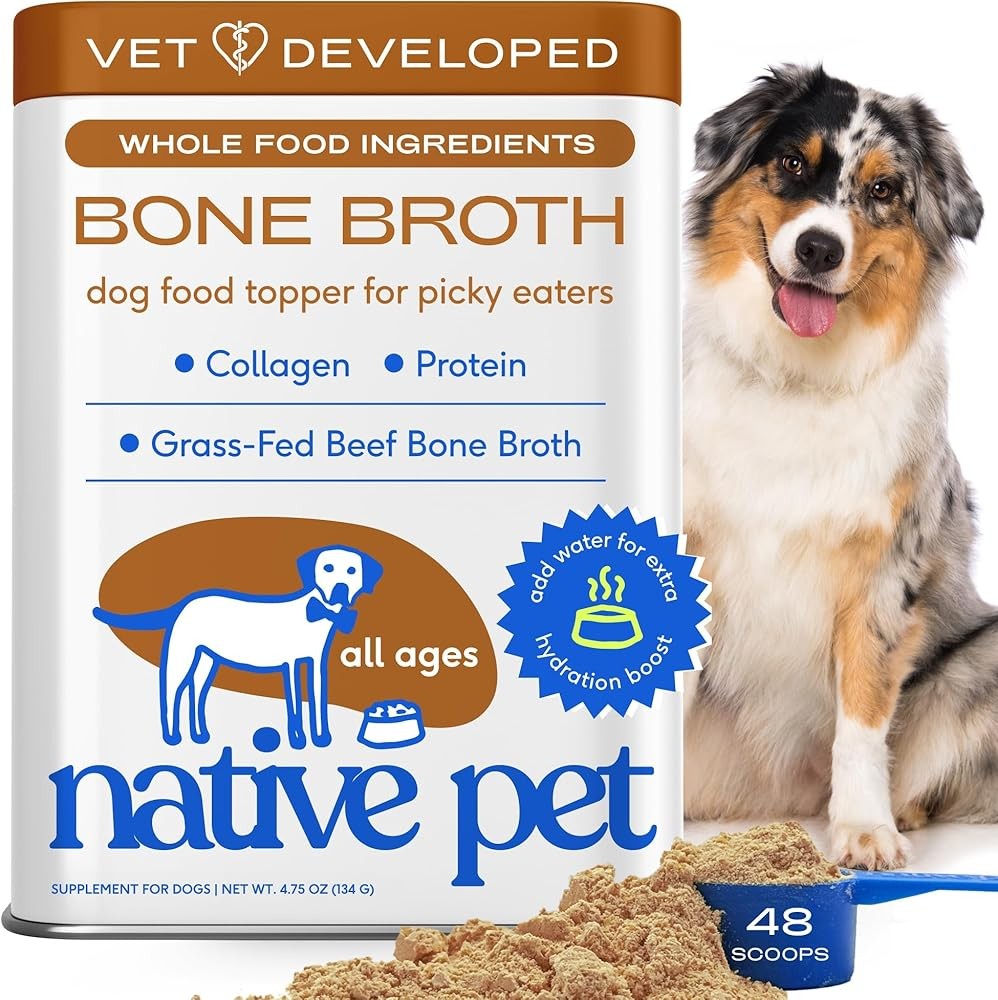
| Native Pet Bone Broth | Hydration and flavor without juicing risks | Real beef bone broth, two organic ingredients | Picky eaters needing hydration | $24.99 |
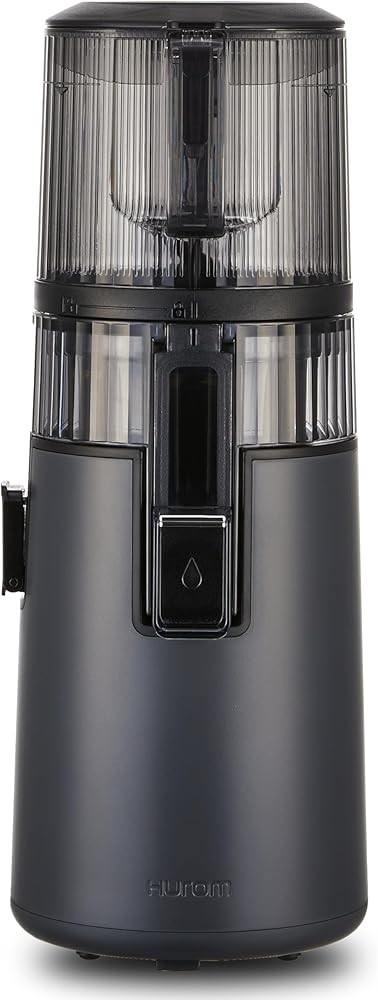
| Hurom H70 Slow Juicer | Safe seed-and-pulp separation for DIY juice | Slow 43 RPM masticating action | Owners who juice at home | $649 |
What Makes Juicing Safe or Dangerous for Dogs?
Dogs have different digestive systems than humans. Their bodies process certain compounds differently - some foods perfectly safe for us can be deadly for them.
According to veterinary toxicology research, certain foods contain compounds that dogs cannot metabolize (PubMed 16231710). Grapes contain an unknown toxin that causes acute kidney failure. Onions contain N-propyl disulfide, which destroys red blood cells (PubMed 4035943). Garlic contains thiosulfates that cause oxidative damage to hemoglobin.
The good news: many fruits and vegetables are not only safe but beneficial for dogs. Carrots provide beta-carotene for eye health. Pumpkin delivers soluble fiber for digestive support. Blueberries offer anthocyanins with anti-inflammatory effects.
The key is knowing which foods are safe and which are toxic (see our apple-carrot juice vs dog multivitamins guide for one safe example) - and preparing them correctly.
Bottom line: Dogs metabolize nutrients differently than humans - grapes, onions, and garlic contain compounds that cause organ failure in dogs, while carrots, pumpkin, and blueberries provide safe, beneficial nutrients when properly prepared.
Which Foods Are Deadly for Dogs and Should Never Be Juiced?
These foods can cause organ failure, blood cell destruction, or death. Keep this list visible in your kitchen.
Which Foods Are Extremely Toxic and Can Kill Your Dog?
Grapes and Raisins
- Cause acute kidney failure (PubMed 16231710)
- Even tiny amounts are dangerous (no safe dose is established)
- Symptoms appear within 6-12 hours: vomiting, lethargy, loss of appetite
- Kidney failure develops within 24-72 hours (PubMed 15945377)
- No known safe dose - avoid completely (Downs et al., 2024)
- The toxin is unknown but extremely potent
- Emergency treatment required immediately
Onions (All Forms)
- Destroy red blood cells (hemolytic anemia) (PubMed 4035943)
- Raw, cooked, powdered, or juiced - all are toxic
- Toxic dose: 0.5% of body weight (half an ounce per 10 pounds)
- Contains N-propyl disulfide, which oxidizes hemoglobin
- Symptoms: weakness, pale gums, orange/dark urine, rapid breathing
- Effects are cumulative - builds up over days
- Can be fatal without blood transfusion
Garlic
- 5x more toxic than onions
- Causes oxidative damage to red blood cells
- Thiosulfates remain in bloodstream for days
- Even small amounts cause problems with repeated exposure
- Symptoms may not appear for several days
- “Garlic is good for dogs” is a dangerous myth
Chives and Leeks
- Same toxin family as onions and garlic
- All parts are toxic (leaves, stems, bulbs)
- Causes same red blood cell destruction
- Often hidden in recipes or soups
Avocado
- Contains persin toxin
- Causes vomiting and diarrhea
- Pit is choking hazard
- Skin contains highest concentration
Cherry Pits, Apple Seeds, Apricot Pits
Xylitol (Sugar-Free Products)
- Found in gum, mints, diet drinks, peanut butter, and some chewable vitamins
- Causes a rapid, dangerous drop in blood sugar within 10-60 minutes, then potential liver failure
- Even one or two pieces of xylitol gum can be life-threatening for a small dog (Murphy, 2018)
- Never juice or share anything sweetened with xylitol, and keep sugar-free products out of reach
- If ingestion happens, go to the emergency vet immediately, do not wait for symptoms
- Contain cyanogenic glycosides
- Break down into cyanide in digestive system
- Symptoms: dilated pupils, difficulty breathing, shock
- Can be fatal within hours
- Always remove ALL seeds and pits before juicing
Key takeaway: NEVER juice grapes, raisins, onions, garlic, chives, leeks, or avocado - these cause kidney failure, blood cell destruction, and death; always remove apple seeds, cherry pits, and apricot pits as they contain cyanogenic glycosides that convert to deadly cyanide in the digestive system.
Which Fruits and Vegetables Are Safe to Juice for Dogs?
These foods provide nutrition without toxicity risk when properly prepared.
Safe Vegetables for Dog Juicing
Carrots
- Excellent source of beta-carotene
- Supports eye health and immune function
- Low calorie, high fiber
- Sweet taste most dogs enjoy
- Can be given more frequently than other vegetables
Celery
- 95% water - excellent for hydration
- Contains vitamins A, C, K
- Natural anti-inflammatory compounds
- Freshens breath
- Very low calorie
Cucumber
- Maximum hydration (96% water)
- Cooling effect in hot weather
- Contains silica for joint health
- Anti-inflammatory properties
- Peel if waxed coating present
Pumpkin
- Soluble fiber regulates digestion
- Helps with both diarrhea and constipation
- Rich in beta-carotene and potassium
- Supports urinary tract health
- Bland flavor easy on sensitive stomachs
Limited-Use Vegetables (Small Amounts Only)
Spinach
- High in iron and vitamins
- Contains oxalates - can contribute to kidney stones
- Maximum 1/4 cup in any juice blend
- Not for dogs with kidney issues
- Use only 1-2 times per month
Kale
- Very nutrient-dense
- Contains goitrogens - can interfere with thyroid
- Maximum 1/4 cup in any juice blend
- Not for dogs with thyroid conditions
- Use only 1-2 times per month
Safe Fruits for Dog Juicing
Apples (Seeds Removed)
- Good source of fiber and vitamin C
- Natural teeth-cleaning effect
- Contains pectin for digestive health
- MUST remove ALL seeds (contain cyanogenic glycosides)
- Core must be completely removed
Blueberries
- Highest antioxidant content of any fruit
- Supports brain health and cognition
- Anti-inflammatory anthocyanins
- May support urinary tract health (evidence is limited)
- Safe in moderate amounts
Watermelon (No Seeds or Rind)
- 92% water - excellent hydration
- Contains lycopene (antioxidant)
- Vitamins A, B6, C
- Remove ALL seeds and rind
- Sweet taste dogs love
Strawberries
- High vitamin C content
- Natural teeth whitening enzymes
- Antioxidant and anti-inflammatory
- Low calorie
- Remove green tops before juicing
Pears (Seeds and Core Removed)
- High in fiber and vitamin C
- Supports digestive health
- MUST remove all seeds and core
- Lower acidity than apples
- Good for sensitive stomachs
What this means for you: Safe vegetables include carrots (beta-carotene for eyes), celery (95% water for hydration), cucumber (96% water, cooling), and pumpkin (soluble fiber for digestion); safe fruits include apples with seeds removed (fiber and vitamin C), blueberries (highest antioxidants), watermelon without seeds or rind (92% water), and strawberries (vitamin C and enzymes); limit spinach and kale to 1/4 cup maximum 1-2 times monthly due to oxalates and goitrogens.
How Much Juice Can You Safely Give Your Dog?
Dosage depends on your dog’s size, health status, and tolerance. Always start small.
What Are the Safe Juice Dosages Based on Dog Weight?
The Rule: 1 Teaspoon per 10 Pounds, Capped at 2 Tablespoons
Juice for dogs is measured in teaspoons, not cups. The dosing table below is the one used everywhere in this guide, including the FAQ:
| Dog Weight | Starting Dose (Week 1, once) | Full Dose (after 24-48h if no reaction) |
|---|---|---|
| Under 10 lbs | 1/4 teaspoon | 1/2 teaspoon |
| 10-20 lbs | 1/2 teaspoon | 1 teaspoon |
| 21-40 lbs | 1 teaspoon | 2 teaspoons |
| 41-70 lbs | 2 teaspoons | 1 tablespoon |
| Over 70 lbs | 2 teaspoons | 1.5 tablespoons (2 tablespoons absolute max) |
Rules that apply at every dose:
- Dilute at least 1:1 with water (1 part juice to 1 part water); use 1 part juice to 2 parts water for toy breeds
- Give at most 2-3 times per week, never daily
- Give between meals, not right before or after exercise
- If stools loosen or the dog vomits, stop and go back to the starting dose or drop juice entirely
Critical Dilution Rules
Always Dilute at Least 1:1 With Water
- Minimum: 1 part fresh juice to 1 part filtered water
- Toy breeds and hot weather: 1 part juice to 2 parts water
- Straight juice is too concentrated and causes digestive upset and blood sugar spikes
Why Dilution Matters
- Juice contains concentrated natural sugars
- Dog digestive systems not designed for concentrated juice
- Undiluted juice causes:
- Diarrhea
- Gas and bloating
- Blood sugar spikes
- GI cramping
- Potential pancreatitis
When to Give Juice
Best Timing Options:
- Between meals (2 hours after eating)
- Mixed with food for picky eaters
- After exercise for hydration boost
- Before bedtime (for overnight digestion)
Avoid:
- Right before exercise (can cause cramping)
- With medications (potential interactions)
- When dog has upset stomach
- Multiple servings in one day
Bottom line: Dose juice like a supplement, not a beverage: 1/2 teaspoon for toy dogs up to 1.5 tablespoons for giant breeds (hard cap 2 tablespoons), diluted at least 1:1 with water, given at most 2-3 times weekly and never daily. Start at half the dose once, wait 24-48 hours, and stop if stools loosen or vomiting occurs.
What Are the Warning Signs of Juice Problems in Dogs?
Know what to watch for and when to seek help.
Which Symptoms Mean Stop Juice Immediately?
Digestive Issues:
- Vomiting (even once)
- Diarrhea (loose or liquid stools)
- Excessive gas or bloating
- Loss of appetite
- Drooling or nausea
- Stomach gurgling or discomfort
Action: Stop juice immediately. Resume normal diet. If symptoms persist beyond 4 hours, call vet.
Behavioral Changes:
- Unusual lethargy or weakness
- Restlessness or pacing
- Whining or signs of discomfort
- Hiding or seeking isolation
- Aggression or irritability
Action: Stop juice immediately. Monitor closely. Call vet if behavior doesn’t normalize within 24 hours.
Allergic Reactions:
- Itching or scratching
- Skin redness or hives
- Swelling (face, paws, ears)
- Excessive licking
- Watery eyes or runny nose
Action: Stop juice immediately. Give Benadryl if vet previously approved dosage. Call vet for guidance.
Which Symptoms Require Emergency Veterinary Care?
Life-Threatening Symptoms (Go to Emergency Vet Immediately):
- Severe or repeated vomiting (more than 2 times in 2 hours)
- Bloody diarrhea
- Complete collapse or inability to stand
- Seizures or tremors
- Difficulty breathing or rapid breathing
- Pale or white gums
- Bloated, hard stomach
- Temperature over 103°F or under 100°F
Toxic Ingestion Symptoms (Call Pet Poison Helpline AND Go to Emergency Vet):
- Dark red or brown urine (kidney failure from grapes)
- Orange urine (hemolysis from onions/garlic)
- Yellow skin or gums (liver toxicity)
- Excessive thirst and urination
- Complete loss of appetite for 12+ hours
- Weakness with pale gums (anemia)
Pet Poison Helpline: (855) 764-7661
- Available 24/7/365
- $75 consultation fee
- They’ll guide you and notify your vet
- Can save your dog’s life
Bottom line: Stop juice immediately if you see vomiting, diarrhea, lethargy, behavioral changes, or allergic reactions like itching or swelling; seek emergency veterinary care for severe repeated vomiting, bloody diarrhea, collapse, seizures, difficulty breathing, pale gums, or signs of toxic ingestion like dark urine or yellow skin, and call Pet Poison Helpline at (855) 764-7661 for toxic food exposure.
What Equipment Do You Need for Safe Dog Juicing?
Having the right equipment makes juicing safer and easier.

The safest way to give a dog pumpkin’s digestive benefits is a plain fiber supplement rather than fresh juice. The Fruitables Pumpkin Supplement eliminates equipment needs, dosing errors, and contamination risks, and at about $3.89 per tub it costs less than a single bag of organic apples. Fiber-focused diets are what the veterinary evidence actually supports for stool quality in dogs with chronic digestive problems (Ford-Hrymak et al., 2026).
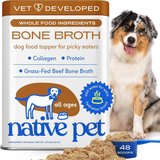
For dogs who need hydration and nutrient supplementation but have picky appetites, bone broth offers a safer alternative to vegetable juice. The rich flavor encourages drinking while providing joint-supporting compounds without any toxic vegetable risks.
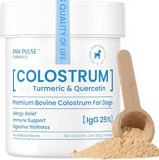
For immune support goals that dog owners might attempt with vegetable juice, colostrum powder provides research-backed immune-enhancing compounds without the risks of incorrect vegetable combinations or toxic ingredient exposure.
Essential Juicing Equipment for Dog Safety
Slow Masticating Juicer (Strongly Recommended for Safety)
- Hurom H70 (43 RPM) recommended
- Slow crushing separates seeds, pits, and pulp instead of grinding them
- Reduces, but does not eliminate, the risk of toxic seeds ending up in juice
- Hand-remove every seed, pit, and core before juicing regardless of the machine
- Easy to clean thoroughly
Why Slow Juicers Are Essential: High-speed centrifugal juicers (10,000+ RPM) can grind apple seeds, cherry pits, and other toxic parts into juice. The slow crushing action of masticating juicers safely separates these dangers.
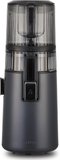
The H70 is not a substitute for careful prep. Slow juicers lower the risk that a stray apple seed ends up in the glass, but you should still core apples and remove every pit and seed before juicing. Used together, careful prep plus a slow juicer makes DIY dog juice about as safe as it can be.
Storage and Serving
- Glass bottles (reduce chemical leaching)
- Fill to top to minimize oxidation
- Stainless steel bowls (resist bacteria)
- Measuring spoons for accurate dosing
- Refrigerator thermometer (ensure 35-40°F)
Bottom line: The Fruitables Pumpkin Supplement ($3.89) is the safest way to give pumpkin’s fiber benefits without juicing, PAWPULSE Colostrum Powder ($21.30) offers standardized immune support that beats improvised juice blends, Native Pet Bone Broth ($24.99) adds hydration for picky eaters, and the Hurom H70 ($649) is the equipment pick for owners committed to safe home juicing.
What Are the Safest Juice Recipes for Dogs?
These tested combinations provide balanced nutrition while maintaining safety.
What Is the Best Digestive Support Juice Blend for Dogs?
Ingredients:
- 2 medium carrots
- 1/2 cup pumpkin (cooked or canned)
- 1 stalk celery
- 1/4 apple (seeds removed)
Benefits:
- Soluble fiber regulates digestion
- Gentle on sensitive stomachs
- Supports gut bacteria
- Reduces inflammation
Dosage:
- Dilute 1:1 with water
- Follow weight-based guidelines
- Safe 2-3 times per week
What Is the Best Hydration Boost Juice Blend for Dogs?
Ingredients:
- 1 cucumber (peeled if waxed)
- 2 stalks celery
- 1/4 cup watermelon (no seeds or rind)
- Small handful parsley
Benefits:
- Maximum hydration
- Electrolyte balance
- Cooling effect
- Freshens breath
Dosage:
- Dilute at least 1:1 with water (1:2 in hot weather)
- Perfect for hot days
- Same 2-3 times per week maximum as every juice; never daily
What Is the Best Immune Support Juice Blend for Dogs?
Ingredients:
- 1 large carrot
- 1/2 cup blueberries
- 1/4 apple (seeds removed)
- 1 stalk celery
Benefits:
- High antioxidant content
- Supports immune function
- Anti-inflammatory effects
- Brain health support
Dosage:
- Dilute 1:1 with water
- 2-3 times per week
- Reduce frequency if stool becomes loose
What Is the Best Green Power Juice Blend for Healthy Dogs?
Ingredients:
- 1 cucumber
- 2 stalks celery
- Small handful spinach (about 1/4 cup)
- 1/4 apple (seeds removed)
- Small handful parsley
Benefits:
- Nutrient-dense
- Supports detoxification
- Anti-inflammatory
- Alkalizing
Dosage:
- Dilute 1:1 with water
- 1-2 times per week maximum
- Not for dogs with kidney issues
What Is the Best Juice Blend for Senior Dogs?
Ingredients:
- 1 large carrot
- 1/2 cup pumpkin
- 1/4 cup blueberries
- 1 stalk celery
Benefits:
- Joint support
- Brain health
- Gentle digestion
- Anti-inflammatory
Dosage:
- Dilute 1:1 with water
- 2 times per week
- Monitor closely for any changes
Bottom line: Safe juice recipes include Digestive Support (carrots, pumpkin, celery, apple), Hydration Boost (cucumber, celery, watermelon, parsley), Immune Support (carrot, blueberries, apple, celery), and Senior Dog Support (carrot, pumpkin, blueberries, celery) - all must be diluted 1:1 with water and given 2-3 times per week maximum.
What Are the Alternatives to Juicing for Dogs?
Before buying a juicer, consider that every benefit people chase with dog juice is available through simpler, safer options:
Whole or grated vegetables. A few tablespoons of grated carrot, chopped celery, cucumber slices, or plain canned pumpkin (not pie filling) deliver the same fiber and nutrients without the sugar concentration of juice. Whole vegetables also keep the fiber that juice strips out.
Canned pumpkin. Plain pumpkin puree is the single best-studied “dog juice” substitute for digestive issues. It is fiber-dense, cheap, and requires no equipment. The Fruitables supplement featured above is a convenient pre-measured version.
Bone broth. For hydration and palatability, low-sodium bone broth (or a product like Native Pet’s) adds fluid and flavor to meals with no vegetable-sugar concerns at all.
Powdered supplements. Immune and joint goals are better served by purpose-made products such as bovine colostrum powders than by improvised juice blends, because doses are standardized and ingredients are vet-reviewed.
The honest framing: no published study has tested vegetable juice in dogs, and the nutrient evidence comes from whole vegetables, fiber supplements, and fortified diets. Juice is a fun occasional extra when done safely, but it is never the best delivery system for a nutrient your dog needs.
What About Special Situations and Common Questions?
Can Diabetic Dogs Have Juice?
Fruit juice raises blood sugar and should be avoided entirely in diabetic dogs. Vegetable juice (carrot, celery, cucumber) still contains natural sugars, so it should only be given in very small amounts with explicit vet approval and close blood glucose monitoring, or skipped altogether. Carrot juice in particular is higher in sugar than cucumber or celery juice. No published study has specifically measured juice in diabetic dogs, so the cautious default is: no fruit juice, minimal vegetable juice, vet in the loop.
Can Juice Replace Water?
No. Juice is a supplement, not a water replacement. Dogs must always have access to fresh, clean water. Juice counts as part of daily fluid intake but cannot be the only source.
Can Puppies Have Juice?
Wait until at least 6 months of age, preferably 1 year. Puppies’ digestive systems are still developing. If introducing to puppies, use only the smallest toy dog doses and focus on carrot or pumpkin juice.
How Long Until I See Benefits?
Most owners report improvements within 2-4 weeks:
- Digestive improvements: 7-14 days
- Coat improvements: 3-4 weeks
- Energy improvements: 2-3 weeks
- Immune improvements: 4-6 weeks
Can I Mix Juice With Food?
Yes, mixing with food can help dogs accept new flavors and may reduce digestive upset. Pour juice over kibble or mix into wet food.
What If My Dog Won’t Drink Juice?
Start with very dilute amounts mixed into food. Some dogs prefer certain flavors - try different vegetables. Freeze into ice cubes for a different texture. Never force - juice should be enjoyable.
Can I Give Juice During Medication?
Consult your vet. Some juices interact with medications:
- Vitamin K (spinach, kale) interferes with blood thinners
- High potassium (beets, spinach) dangerous with certain heart medications
- Grapefruit juice (not recommended anyway) blocks many drug metabolisms
Is Organic Produce Worth It for Dogs?
Organic produce generally carries fewer pesticide residues than conventionally grown crops, and dogs’ smaller body size means any residue is concentrated relative to a human eating the same food. Washing produce thoroughly and peeling thick-skinned items matters more than the organic label for safety.
Priority for organic:
- Spinach (highest pesticide residue)
- Kale (high pesticide residue)
- Apples (high pesticide residue)
- Celery (high pesticide residue)
Less critical:
- Cucumber (lower pesticide residue)
- Watermelon (thick rind protection)
- Pumpkin (thick skin protection)
Can I Give My Dog the Pulp Too?
Small amounts of pulp are generally safe and provide fiber. However, too much pulp can cause:
- Digestive upset
- Constipation
- Gas and bloating
- Difficulty digesting
Start with juice only. If tolerated well, you can gradually mix in small amounts of pulp (1 teaspoon per serving).
In summary: Diabetic dogs should avoid fruit juice completely and limit vegetable juice with vet approval, juice is a supplement not water replacement, wait until 6 months (preferably 1 year) for puppies, expect improvements in 2-4 weeks, and organic produce reduces pesticide exposure especially for spinach, kale, apples, and celery.
What Are the Most Common and Dangerous Juicing Mistakes to Avoid?
Learning from others’ mistakes keeps your dog safer.
Why Is Assuming Human-Safe Means Dog-Safe a Deadly Mistake?
Many foods safe for humans are toxic to dogs. Never assume - always verify before juicing any new ingredient.
Why Is Not Diluting Juice Dangerous for Dogs?
Concentrated juice overwhelms dogs’ digestive systems. Always dilute at least 1:1 with water (more for toy breeds) - this rule has no exceptions.
Mistake 3: Giving Too Much Too Soon
Starting with full doses causes digestive upset. Follow the 4-week introduction protocol every time you introduce a new juice.
Mistake 4: Using High-Speed Juicers
Centrifugal juicers can grind seeds and pits into juice, creating toxicity risk. A slow masticating juicer like the Hurom H70 separates seeds and pulp instead of grinding them - but hand-remove every seed and pit before juicing anyway.
Mistake 5: Storing Juice Too Long
Bacteria multiply rapidly in juice. Use within 24-48 hours refrigerated, or freeze immediately.
Mistake 6: Not Removing Apple Seeds
“It’s just a few seeds” can be deadly. Apple seeds contain cyanogenic glycosides that break down into cyanide. Remove ALL seeds every time.
Mistake 7: Juicing Grapes “Just Once”
There is no safe amount of grapes or raisins for dogs. Even a single grape has caused kidney failure in some dogs. Never risk it.
Mistake 8: Ignoring Warning Signs
“He just has a little diarrhea” can progress to serious dehydration. Stop juice immediately at first sign of problems.
Mistake 9: Not Consulting Vet for Sick Dogs
Dogs with health conditions need professional guidance. What’s safe for healthy dogs may be dangerous for sick ones.
Mistake 10: Giving Juice Daily
Most juices should be given 2-3 times per week maximum. Daily juice can cause nutrient imbalances and digestive issues.
Bottom line: The 10 deadliest mistakes are assuming human-safe means dog-safe, not diluting 1:1, giving too much too soon, using high-speed juicers that grind seeds into juice, storing juice over 48 hours, not removing apple seeds, juicing grapes even once, ignoring diarrhea warning signs, skipping vet consultation for sick dogs, and giving juice daily instead of 2-3 times weekly.
When Should You Consult a Veterinarian About Juicing?
Some situations require professional guidance before starting or continuing juice.
When Is Vet Consultation Mandatory Before Starting Juice?
Existing Health Conditions:
- Kidney disease or kidney stones
- Liver disease
- Diabetes or pre-diabetes
- Pancreatitis history
- Inflammatory bowel disease
- Food allergies or sensitivities
- Cancer or immune disorders
- Heart disease
Medications:
- Blood thinners (vitamin K interactions)
- Diuretics (potassium interactions)
- Immunosuppressants
- Chemotherapy drugs
- Thyroid medications (kale/spinach interactions)
Life Stages:
- Puppies under 6 months
- Pregnant or nursing dogs
- Senior dogs with multiple conditions
When Should You Call the Vet During Juicing?
Immediate Emergency (Call Pet Poison Helpline AND Vet):
- Consumed toxic food (grapes, onions, garlic)
- Severe vomiting (more than 2 times in 2 hours)
- Diarrhea with blood
- Extreme weakness or collapse
- Seizures or tremors
- Difficulty breathing
- Swollen face or tongue
Same-Day Appointment Needed:
- Persistent vomiting or diarrhea (lasting 4+ hours)
- Complete loss of appetite (refusing all food and water)
- Severe lethargy (won’t get up or respond normally)
- Dark or bloody urine
- Excessive thirst and urination
- Fever (temperature over 102.5°F)
Schedule Appointment Within Week:
- Mild diarrhea lasting more than 24 hours
- Skin irritation or itching
- Changes in appetite
- Unusual lethargy
- Questions about dosing or frequency
Pet Poison Helpline: (855) 764-7661
Available 24/7/365
- Fee: $75 per incident
- Provides immediate guidance
- Follows up with your vet
- Can save your dog’s life
- Keep this number in your phone
The evidence shows: Consult your vet before starting juice if your dog has kidney disease, diabetes, pancreatitis, or takes medications like blood thinners, and call emergency services immediately if your dog consumed toxic foods or shows severe vomiting, bloody diarrhea, weakness, or difficulty breathing.
Advanced Considerations for Long-Term Juicing
Understanding Nutrient Interactions in Dog Juicing
Vitamin K and Blood Clotting
Leafy greens (spinach, kale, parsley) contain high levels of vitamin K, which promotes blood clotting. If your dog takes blood thinners for heart conditions, sudden increases in vitamin K can make medications ineffective.
Action: Consult vet before juicing greens if dog takes any heart or clotting medications.
Oxalates and Kidney Stones
Spinach, beets, and swiss chard contain oxalates, which bind with calcium to form kidney stones in susceptible dogs. Breeds prone to calcium oxalate stones (Miniature Schnauzers, Bichon Frises, Shih Tzus) face higher risk.
Action: Limit high-oxalate vegetables to 1-2 times per month for at-risk breeds.
Goitrogens and Thyroid Function
Cruciferous vegetables (kale, broccoli, cabbage) contain goitrogens, which interfere with thyroid hormone production. Dogs with hypothyroidism or on thyroid medication can experience worsened symptoms.
Action: Avoid cruciferous vegetables completely if dog has thyroid issues.
Sugar Content and Pancreatitis Risk
Even natural fruit sugars can trigger pancreatitis in susceptible dogs. Breeds prone to pancreatitis (Miniature Schnauzers, Cocker Spaniels, Miniature Poodles) should avoid fruit juice entirely.
Action: Stick to vegetable-only juice for high-risk breeds.
Breed-Specific Considerations
Large and Giant Breeds
Great Danes, Saint Bernards, and other giant breeds face bloat (gastric dilatation-volvulus) risk. Large volumes of liquid can contribute to stomach distension.
Modifications:
- Smaller servings more frequently
- Never give juice right before or after meals
- Wait at least 2 hours between meals and juice
- Monitor for stomach distension or discomfort
Brachycephalic Breeds
Bulldogs, Pugs, Boston Terriers, and flat-faced breeds have breathing difficulties that make drinking liquids challenging. They can aspirate (inhale) liquid into lungs.
Modifications:
- Mix juice thoroughly with food (don’t serve as liquid)
- Freeze into ice chips they can lick slowly
- Very small amounts only
- Never force or rush drinking
Small and Toy Breeds
Chihuahuas, Yorkshire Terriers, and tiny dogs have limited stomach capacity and faster metabolisms. They’re more susceptible to blood sugar fluctuations.
Modifications:
- Extra small doses (1/4 teaspoon per serving)
- More dilution (1 part juice to 2 parts water)
- Focus on vegetable juice (lower sugar)
- Monitor blood sugar if any concerns
Seasonal Adjustments
Summer Juicing Protocol
Hot weather increases hydration needs:
- Keep frequency at the 2-3 times per week maximum (do not exceed it)
- Focus on hydrating vegetables (cucumber, celery, watermelon)
- Serve chilled or frozen into ice cubes
- Use extra water dilution (1 part juice to 2 parts water)
Winter Juicing Protocol
Cold weather affects immune function and joint health:
- Standard 2-3 times per week frequency
- Focus on immune-supporting fruits (blueberries)
- Joint-supporting vegetables (carrots for beta-carotene)
- Room temperature serving (not cold)
Monitoring Long-Term Health Markers
If juicing regularly for months or years, track these health indicators:
Every 6 Months:
- Body weight (maintain stable)
- Body condition score (1-9 scale, aim for 4-5)
- Stool quality (consistent, well-formed)
- Energy levels (stable, age-appropriate)
- Coat quality (shiny, no excessive shedding)
Annually:
- Complete blood count (CBC)
- Blood chemistry panel
- Urinalysis
- Discuss juicing program with vet
This ensures juicing isn’t causing problems and allows adjustments before issues develop.
Scientific Evidence for Dog Juicing Benefits
The honest summary up front: no published study has tested fresh vegetable juice in dogs. The evidence that exists covers whole vegetables, fiber, hydration, and antioxidant-fortified diets, and it supports the nutrients in juice even though it does not support juice itself.
Fiber and digestive health
The strongest evidence base relevant to “digestive juice” recipes is dietary fiber. A 2026 study in the Journal of the American Veterinary Medical Association found that increasing dietary fiber improved fecal scores and clinical activity in dogs with chronic enteropathy (Ford-Hrymak et al., 2026), and a randomized controlled trial showed that nutritional management (including fiber) outperformed metronidazole for acute colitis in dogs (Rudinsky et al., 2022). Psyllium and other soluble fibers also shift gut fermentation toward beneficial short-chain fatty acids in dogs (Mackei et al., 2022). Translating this to practice: a teaspoon of pumpkin or carrot fiber in a meal is supported by evidence; a glass of juice is not.
Antioxidants and senior dogs
Age-related cognitive decline in dogs responds to nutrition in controlled studies, and antioxidant-enriched food has been shown to improve age-sensitive cognitive measures in senior beagles (de Rivera et al., 2005). Blueberries and carrots contain the same classes of antioxidant compounds studied in those diets, which is the honest extent of the claim: nutrient research supports the ingredients, not juicing as a delivery method.
Colostrum and immune support
For owners who want immune support without juice, bovine colostrum is one of the better-studied options, with recent research in dogs showing benefits to immune markers (Yu et al., 2025).
The takeaway for owners: if you juice for yourself anyway, sharing a carefully prepped, diluted teaspoon with your dog is a reasonable occasional extra. If you are buying a juicer specifically for your dog, stop: whole vegetables, canned pumpkin, and vet-formulated supplements deliver the same nutrients with better evidence and less risk.
Building a Safe Juicing Routine
Consistency creates results. Here’s how to build a sustainable routine.
Weekly Juicing Schedule Example
Monday:
- Morning: Make a batch of carrot-celery juice for the week
- Evening: Give 1 tablespoon of juice diluted with 1 tablespoon of water with dinner (50 lb dog)
Wednesday:
- Evening: Give the same diluted serving between meals
Friday:
- Morning: Make fresh cucumber-watermelon juice
- Evening: Give the same diluted serving after a walk
Weekend:
- Saturday: Clean juicer thoroughly
- Sunday: Plan next week’s juices, buy produce
Meal Prep Approach
Make juicing easier with batch preparation:
- Sunday: Wash and prep all produce for week
- Store prepped vegetables in containers
- Make 2-3 juice batches per week
- Freeze individual portions in ice cube trays
- Thaw portions as needed
This reduces daily time commitment while maintaining freshness.
Tracking and Adjusting
Keep a simple log:
- Date and type of juice
- Amount given
- Dog’s weight (monthly)
- Stool quality (1-5 scale)
- Energy level (1-5 scale)
- Any unusual observations
Review monthly to identify patterns and optimize your protocol.
Economic Considerations
Juicing for dogs requires investment. Here’s how to make it affordable.
Cost Analysis
A 50 lb dog at 1 tablespoon per serving, 2-3 times per week, drinks about 6-9 tablespoons of diluted juice a month, which is roughly 3-4.5 tablespoons of actual juice. That is a tiny fraction of what a household juicer produces:
- One batch (2 carrots, 1 celery stalk, 1/2 apple) yields 8-12 servings for a 50 lb dog
- Most owners spend $0-10 extra per month because the dog’s share rides along with the family’s juicing
- If you buy produce only for the dog, a $10-15 monthly vegetable budget is more than enough
Compare to:
- Premium kibble upgrade: $40-80/month
- Veterinary bills for preventable issues: $200-1,000/incident
- Dog supplements: $30-100/month
- A juicer bought only for the dog: $649 upfront, which no dog-juice routine justifies
Money-Saving Strategies
- Buy in bulk when on sale
- Use farmer’s markets for affordable organic produce
- Focus on seasonal produce (cheaper and fresher)
- Grow your own (carrots, celery, parsley, kale)
- Share juicer costs with other dog owners
- Make larger batches less frequently
- Use less expensive safe vegetables (celery, cucumber)
Is It Worth the Cost?
Consider potential savings:
- Fewer vet visits for digestive issues
- Reduced need for supplements
- Better quality of life = priceless
- Prevention of serious health issues (UTIs, kidney problems)
Owners who already juice for themselves can share a safe, diluted teaspoon with their dog at essentially zero extra cost. Buying a juicer solely for a dog, though, does not pay for itself.
Legal and Liability Considerations
Understanding your responsibilities protects both you and your dog.
Veterinary Guidance Disclaimer
Juice is not veterinary medicine. It cannot diagnose disease or substitute for prescribed veterinary treatment. Always consult your vet for health concerns.
If you share your juicing routine with other dog owners:
- Emphasize individual variation
- Recommend vet consultation
- Stress starting slowly
- Provide toxic food list
- Share Pet Poison Helpline number
Product Liability
If you sell or give away juice for others’ dogs:
- You may be liable if their dog gets sick
- Food safety regulations may apply
- Insurance implications exist
- Consult local laws before distributing
Best practice: Share information only, not actual juice.
Documenting Your Program
If your dog has a health issue and you’re juicing:
- Inform your vet about juicing
- Provide complete ingredient list
- Document doses and frequency
- This helps vet make informed treatment decisions
- Protects you if complications arise
Remember: Some foods that seem healthy can kill your dog. Always verify safety before juicing any new ingredient. Keep Pet Poison Helpline’s number handy: (855) 764-7661
Your dog’s health is worth the extra care and research. Juice safely, and your dog can enjoy the benefits for years to come.
What Should You Check Before Giving Your Dog Juice?
Before you give your dog any juice, verify:
✓ All ingredients are on the safe foods list ✓ All toxic parts removed (apple seeds, grape anything, etc.) ✓ Produce thoroughly washed ✓ Juice diluted 1:1 with filtered water ✓ Dose appropriate for dog’s weight ✓ Using a slow juicer (Hurom H70) and still hand-removing every seed and pit ✓ Fresh juice (made within 24-48 hours) ✓ Dog is healthy (not on medications with interactions) ✓ Pet Poison Helpline number accessible: (855) 764-7661 ✓ Vet’s number accessible for questions ✓ Prepared to monitor dog for 24 hours after first serving
When all boxes are checked, you’re ready to juice safely.
Your dog depends on you to make informed, careful decisions about their nutrition. With the knowledge in this guide, proper equipment, and careful observation, juicing can be a safe and beneficial addition to your dog’s wellness routine.
Stay safe, start slow, and watch your dog thrive.
Bottom line: Before juicing, verify all ingredients are on the safe foods list, toxic parts removed, produce washed, juice diluted 1:1, dose appropriate for weight, using slow juicer, juice fresh within 48 hours, dog is healthy, emergency contacts accessible, and you’re prepared to monitor for 24 hours - this checklist helps avoid the most common safety issues.
Related Reading
- Hurom H70 Review: Is This Slow Juicer Worth the Investment?
- Juicing for Dogs on Kibble vs Raw Diet: Nutritional Gaps and Fresh Supplementation
- Juicing for Senior Dogs: Supporting Aging, Mobility, and Cognitive Health
- Carrot Juice for Dogs: Benefits, Dosage, and Safety Guide
- Cold-Press Juicing for Dogs: Why the Hurom H70 Is Essential for Canine Health
References
-
Eubig PA, Brady MS, Gwaltney-Brant SM, Khan SA, Mazzaferro EM, Morrow CM. Acute renal failure in dogs after the ingestion of grapes or raisins: a retrospective evaluation of 43 dogs (1992-2002). J Vet Intern Med. 2005;19(5):663-674. PubMed 16231710
-
Morrow CM, Valli VE, Volmer PA, Eubig PA. Canine renal pathology associated with grape or raisin ingestion: 10 cases. J Vet Diagn Invest. 2005;17(3):223-231. PubMed 15945377
-
Harvey JW, Rackear D. Experimental onion-induced hemolytic anemia in dogs. Vet Pathol. 1985;22(1):34-36. PubMed 4035943
-
Murphy LA, Coleman AE. Xylitol toxicosis in dogs: an update. Vet Clin North Am Small Anim Pract. 2018;48(6):985-990. PubMed 30064708
-
Ford-Hrymak DB, et al. Increased dietary fiber intake improves fecal and clinical activity scores in dogs with chronic enteropathy. J Am Vet Med Assoc. 2026. PubMed 41962563
-
Rudinsky AJ, et al. Randomized controlled trial demonstrates nutritional management is superior to metronidazole for treatment of acute colitis in dogs. J Am Vet Med Assoc. 2022. PubMed 36191142
-
Mackei M, et al. Altered intestinal production of volatile fatty acids in dogs triggered by lactulose and psyllium treatment. Vet Sci. 2022;9(5):236. PubMed 35622734
-
de Rivera C, et al. A novel method for assessing contrast sensitivity in the beagle dog is sensitive to age and an antioxidant enriched food. Prog Neuropsychopharmacol Biol Psychiatry. 2005;29(3):379-387. PubMed 15795046
-
Downs J, et al. Scoping review exploring the evidence base on Vitis vinifera toxicity in dogs after ingestion: clinical effects, treatments and types of grape products. Vet Rec. 2024. PubMed 39183495
-
Yu P, et al. Effect of bovine colostrum on canine immune health. Animals (Basel). 2025;15(9):1257. PubMed 39858185
Recommended Products