Juicing for Senior Dogs: Supporting Aging, Mobility, and Cognitive Health
Summarized from peer-reviewed research indexed in PubMed. See citations below.
Senior dogs face declining digestive enzyme production, chronic inflammation, and reduced nutrient absorption that standard kibble cannot address. Fresh vegetable juices deliver 85-90% bioavailability compared to 40-60% from solid foods, providing concentrated anti-inflammatory compounds without taxing compromised digestive systems. Natural Dog Company Arctic Omega Oil combines omega-3 fatty acids from salmon, pollock, krill, and algal sources to support joint mobility and cognitive function in aging dogs for around $32. For budget-conscious owners, Wuffes 23-in-1 Dog Multivitamin provides comprehensive joint, skin, and immune support for approximately $24. Here’s what the published research shows about using fresh juices to support your senior dog’s golden years.
Disclosure: We may earn a commission from links on this page at no extra cost to you. Affiliate relationships never influence our ratings. Full policy →
| Product | Key Benefits | Best For | Price |
|---|---|---|---|
| Natural Dog Company Arctic Omega Oil | 4 omega-3 sources, DHA/EPA for joints & brain | Overall senior support | ~$32 |
| PetLab Co. Joint Care Chews | Glucosamine, green-lipped mussel, omega-3 | Arthritis & mobility | ~$38 |
| Wuffes 23-in-1 Multivitamin | Comprehensive vitamins, minerals, omega-3 | Budget-conscious owners | ~$24 |
| Native Pet Bone Broth | Real beef bone broth, hydration, palatability | Picky eaters | ~$28 |
Watching your once-energetic companion slow down with age is one of the hardest parts of dog ownership. That enthusiastic leap onto the couch becomes a cautious step. The sharp focus during training sessions gives way to occasional confusion. The effortless runs through the park transform into gentle strolls with stiff joints.
Senior dogs face a perfect storm of age-related challenges: declining nutrient absorption, chronic inflammation, cognitive changes, and digestive inefficiency. While these changes are natural, they don’t have to define your dog’s golden years.
Fresh vegetable and fruit juices offer a powerful nutritional intervention specifically suited to aging dogs. The liquid form delivers 85-90% bioavailability compared to 40-60% from kibble, providing concentrated nutrients without taxing an already-compromised digestive system. For senior dogs struggling with decreased enzyme production and weakened intestinal function, this difference can be life-changing.
This guide explores the science-backed approach to juicing for senior dogs, focusing on joint mobility, cognitive preservation, and overall vitality in dogs aged 7 years and older.
What Are the Nutritional Challenges Facing Senior Dogs?
When Does a Dog Become “Senior”?
The age at which a dog enters their senior years varies dramatically by size:
Giant breeds (Great Danes, Mastiffs, Irish Wolfhounds): 5-6 years Large breeds (German Shepherds, Golden Retrievers, Labradors): 7-8 years Medium breeds (Beagles, Bulldogs, Cocker Spaniels): 8-9 years Small breeds (Chihuahuas, Pomeranians, Yorkshire Terriers): 10-11 years
These timelines reflect when age-related physiological changes typically begin, not when your dog suddenly becomes “old.” The transition is gradual, but the nutritional implications are significant.
The Digestive Decline
As dogs age, their digestive system undergoes measurable changes:
Reduced stomach acid production: Hydrochloric acid levels decrease by 30-50% in senior dogs, making protein breakdown less efficient and increasing the risk of bacterial overgrowth.
Decreased enzyme secretion: Pancreatic enzyme output declines with age, particularly lipase for fat digestion and amylase for carbohydrates. This means even high-quality kibble becomes harder to process.
Slower intestinal transit: Weakened intestinal muscles move food more slowly through the digestive tract, increasing fermentation and gas while decreasing nutrient contact time with absorption sites.
Compromised intestinal barrier: The gut lining becomes more permeable with age, allowing partially digested proteins to cross into the bloodstream and trigger inflammatory responses.
The result? Your senior dog may eat the same food they’ve enjoyed for years but extract significantly fewer nutrients from it. Weight loss, muscle wasting, and deficiency symptoms can appear even with adequate caloric intake.
The Inflammatory Cascade
Chronic, low-grade inflammation—termed “inflammaging” in veterinary medicine—characterizes the senior dog body:
Joint inflammation: Years of wear and tear on cartilage trigger persistent inflammatory signaling. Degraded cartilage releases fragments that activate immune cells, creating a self-perpetuating cycle of damage.
Systemic inflammation: Inflammatory cytokines (signaling molecules) circulate throughout the body, affecting multiple organ systems. C-reactive protein levels rise, indicating ongoing immune activation.
Oxidative stress: Accumulated free radical damage overwhelms the aging body’s antioxidant defenses, damaging cell membranes, proteins, and DNA. This oxidative burden accelerates aging across all tissues.
This inflammatory state contributes to arthritis, cognitive decline, cardiovascular changes, and decreased immune function. Interrupting this cycle requires sustained anti-inflammatory nutrition—exactly what specific juices provide. Comprehensive studies show that long-term antioxidant supplementation significantly reduces age-related cognitive decline in senior dogs (PubMed 12392778).
Bottom line: Senior dogs face a perfect storm of declining digestive enzyme production (30-50% reduction), chronic low-grade inflammation, and impaired nutrient absorption that significantly limits their ability to extract nutrition from standard foods.
Cognitive Changes in Aging Dogs
Canine Cognitive Dysfunction (CCD) affects an estimated 14-35% of dogs over age 8, with prevalence increasing dramatically after age 10 (PubMed 16115707). The condition resembles Alzheimer’s disease in humans and manifests as:
- Disorientation (getting lost in familiar environments)
- Altered social interactions (decreased interest in family members)
- Sleep-wake cycle disruptions (wandering at night)
- House soiling (forgetting house training)
- Reduced activity and responsiveness
- Anxiety and compulsive behaviors
The underlying pathology involves beta-amyloid plaque accumulation in the brain, oxidative damage to neurons, and compromised blood-brain barrier function. Early intervention with brain-supporting nutrients can slow or partially reverse these changes.
Why Does Juicing Excel for Senior Dogs?
Superior Bioavailability
Bioavailability refers to the percentage of a nutrient that actually enters systemic circulation and reaches target tissues. For senior dogs with compromised digestion, this becomes critical.
Fresh juice delivers 85-90% bioavailability for most nutrients, compared to:
- 40-60% from high-quality kibble
- 30-50% from raw vegetables (senior dogs produce fewer enzymes to break down cell walls)
- 50-70% from lightly cooked vegetables (heat damages some nutrients while improving others)
The mechanical action of juicing ruptures plant cell walls, releasing nutrients in immediately absorbable form. This bypasses the digestive work of chewing, gastric acid breakdown, and enzymatic processing—all areas where senior dogs are deficient.
Consider beta-carotene from carrots. Whole raw carrots require significant digestive processing to release and convert beta-carotene to vitamin A. Cooked carrots improve availability to 60-70% by softening cell walls. Fresh carrot juice delivers 85-90% availability because the juicer has already broken down cellular barriers.
For a senior dog producing 30-50% fewer digestive enzymes, this difference is transformative. They can obtain therapeutic levels of anti-inflammatory compounds, antioxidants, and micronutrients without overwhelming their digestive capacity.
Enzyme Preservation
Fresh vegetable and fruit juices contain active enzymes that assist digestion—but only if those enzymes survive the extraction process.
High-speed centrifugal juicers operate at 6,000-14,000 RPM, generating significant heat through friction. This heat (often reaching 120-140°F during extended juicing sessions) degrades heat-sensitive enzymes:
- Superoxide dismutase: Antioxidant enzyme protecting against free radical damage
- Catalase: Breaks down hydrogen peroxide into water and oxygen
- Peroxidase: Involved in plant defense compounds with anti-inflammatory properties
- Polyphenol oxidase: While this enzyme causes browning, its presence indicates other beneficial enzymes remain active
Slow masticating juicers operating at 43-80 RPM minimize heat generation, preserving 90-95% of these enzymes. For senior dogs producing fewer pancreatic enzymes themselves, these plant enzymes provide valuable digestive assistance.
The Hurom H70 and H400 models specifically operate at low speeds minimizing oxidation while maximizing nutrient and enzyme retention.
Reduced Digestive Burden
Senior dogs often experience decreased appetite, early satiety, or digestive discomfort after meals. Their weakened digestive systems struggle with large volumes of solid food.
Fresh juice provides concentrated nutrition in minimal volume:
- 4-6 ounces of juice delivers nutrients equivalent to 1-2 cups of raw vegetables
- The liquid form requires virtually no digestive processing
- Absorption begins immediately in the mouth and upper digestive tract
- No bulky fiber to move through a sluggish digestive system
This concentrated delivery system allows senior dogs to obtain therapeutic nutrient levels without eating large meals. A dog struggling to finish their regular food can easily consume 4 ounces of juice, receiving powerful anti-inflammatory and antioxidant compounds that support joint health, cognitive function, and overall vitality.
Concentrated Nutrition Without Calories
Many senior dogs need more nutrients but fewer calories. Reduced activity levels mean decreased caloric requirements, yet the aging body demands higher levels of specific nutrients to combat inflammation and oxidative stress.
Fresh vegetable juice provides this exact combination:
- 4 ounces of carrot-celery-cucumber juice: 30-40 calories
- 4 ounces of blueberry-spinach juice: 35-50 calories
- 4 ounces of pumpkin-ginger juice: 20-30 calories
These modest caloric contributions deliver massive micronutrient payloads—vitamins, minerals, antioxidants, anti-inflammatory compounds—without risking weight gain in a less-active senior dog.
What Are the Best Juices for Senior Dogs?
Our Top Recommendations
Before exploring specific juice formulations, understanding the foundation supplements that work synergistically with fresh juice helps create a comprehensive senior dog nutrition program.
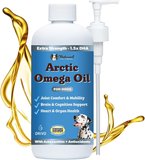
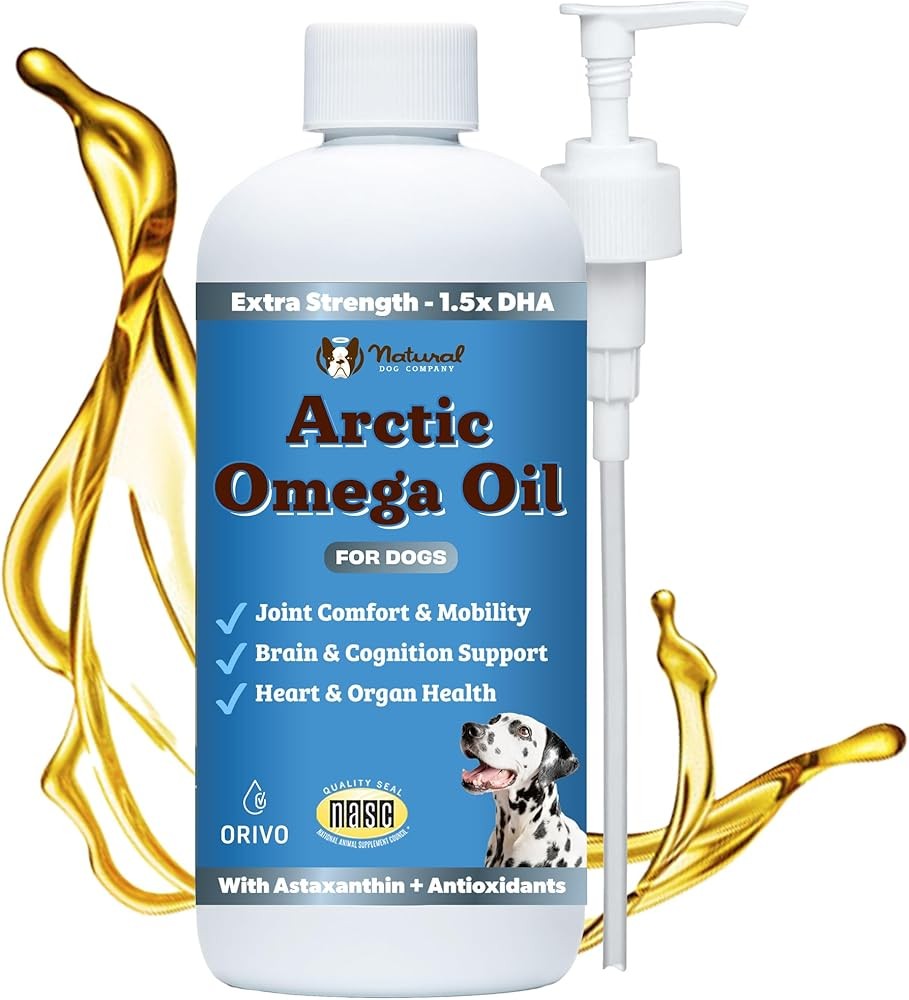
Natural Dog Company Arctic Omega Oil for Dogs – Salmon, Pollock, Krill & Algal, DHA Supports Skin & Coat, Joint Mobil...
Check Price on AmazonAs an Amazon Associate we earn from qualifying purchases.
Carrot-Turmeric Juice: The Mobility Booster
Formula: 3 large carrots + 1-inch fresh turmeric root (or 1/2 tsp ground turmeric) + 1/4-inch fresh ginger + 1 apple
Therapeutic compounds:
- Curcumin (from turmeric): 200-300 mg per serving
- Beta-carotene (from carrots): 10,000-15,000 IU
- Gingerols (from ginger): 50-100 mg
- Natural sugars (from apple): Improves palatability and curcumin absorption
Research support:
A landmark 90-day study of dogs with osteoarthritis demonstrated that curcumin extract produced:
- 62% improvement in lameness scores
- 41% reduction in pain responses to manipulation
- 37% increase in willingness to play
- No adverse effects at therapeutic doses (PubMed 23883722)
The mechanism involves COX-2 inhibition (similar to pharmaceutical NSAIDs) without the gastrointestinal side effects. Curcumin suppresses inflammatory cytokine production while promoting cartilage-protective compounds.
Serving protocol: Start with 2 ounces daily for a 50-pound dog. Increase to 4 ounces after 1 week if well-tolerated. Serve with a small amount of fat (add 1/4 teaspoon coconut oil or fish oil) to improve curcumin absorption, which is fat-soluble.

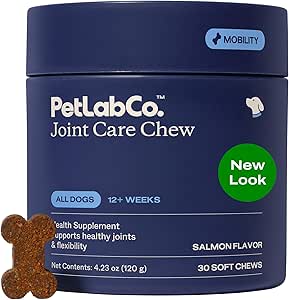
PetLab Co. Joint Care Chews - High Levels of Glucosamine for Dogs, Green Lipped Mussels, and Omega 3 - Dog Hip and Jo...
Check Price on AmazonAs an Amazon Associate we earn from qualifying purchases.
Blueberry-Spinach Juice: The Brain Protector
Formula: 1 cup fresh or frozen blueberries + 2 cups fresh spinach + 1 apple + 1/2 cucumber
Therapeutic compounds:
- Anthocyanins (from blueberries): 150-300 mg per serving
- Folate (from spinach): 100-200 mcg
- Lutein (from spinach): 5-10 mg
- Quercetin (from apples): 10-20 mg
Research support:
Multiple studies demonstrate blueberry’s unique brain-protective properties in aging dogs:
A University of Toronto veterinary study tracked senior dogs (9-12 years) receiving blueberry extract for 12 weeks. Compared to controls, supplemented dogs showed:
- Improved object recognition and spatial navigation
- Better problem-solving in novel tasks
- Reduced beta-amyloid plaque formation (measured post-mortem in subset)
- Enhanced memory consolidation during sleep (PubMed 22451060)
The mechanism centers on anthocyanins’ ability to cross the blood-brain barrier—a rare property among plant compounds. Once in brain tissue, these molecules:
- Neutralize free radicals damaging neurons
- Reduce neuroinflammation by suppressing microglial activation
- Improve neuronal signaling and plasticity
- Support blood flow to cognitive centers
Serving protocol: 3-4 ounces daily for a 50-pound dog. Best served in the morning, as some dogs experience increased alertness. Frozen blueberries work as well as fresh and are often more economical.
Celery-Cucumber Juice: The Hydration Formula
Formula: 4 celery stalks + 1 large cucumber + 1/2 green apple + handful fresh parsley
Therapeutic compounds:
- Luteolin (from celery): 5-10 mg per serving
- Caffeic acid (from celery): 3-5 mg
- Silica (from cucumber): Natural levels
- Apigenin (from parsley): 2-4 mg
- Natural electrolytes: Potassium, sodium, magnesium in balanced ratios
Research support:
While less studied than turmeric or blueberries, celery contains unique compounds supporting joint and kidney health:
Luteolin inhibits matrix metalloproteinases (MMPs)—enzymes that break down cartilage in arthritic joints. In vitro studies show luteolin reduces MMP activity by 43%, potentially slowing arthritis progression beyond just symptom management (PubMed 23298654).
The high water content (both celery and cucumber are 95%+ water) creates an ideal hydration formula for senior dogs. Many older dogs drink less water than they should, contributing to:
- Concentrated urine and increased UTI risk
- Constipation from reduced intestinal moisture
- Kidney stress from processing concentrated waste
- Joint stiffness from inadequate synovial fluid
Serving protocol: 4-6 ounces daily, particularly valuable during hot weather or for dogs with kidney concerns. The mild flavor makes it easy to increase volume compared to stronger-tasting juices.
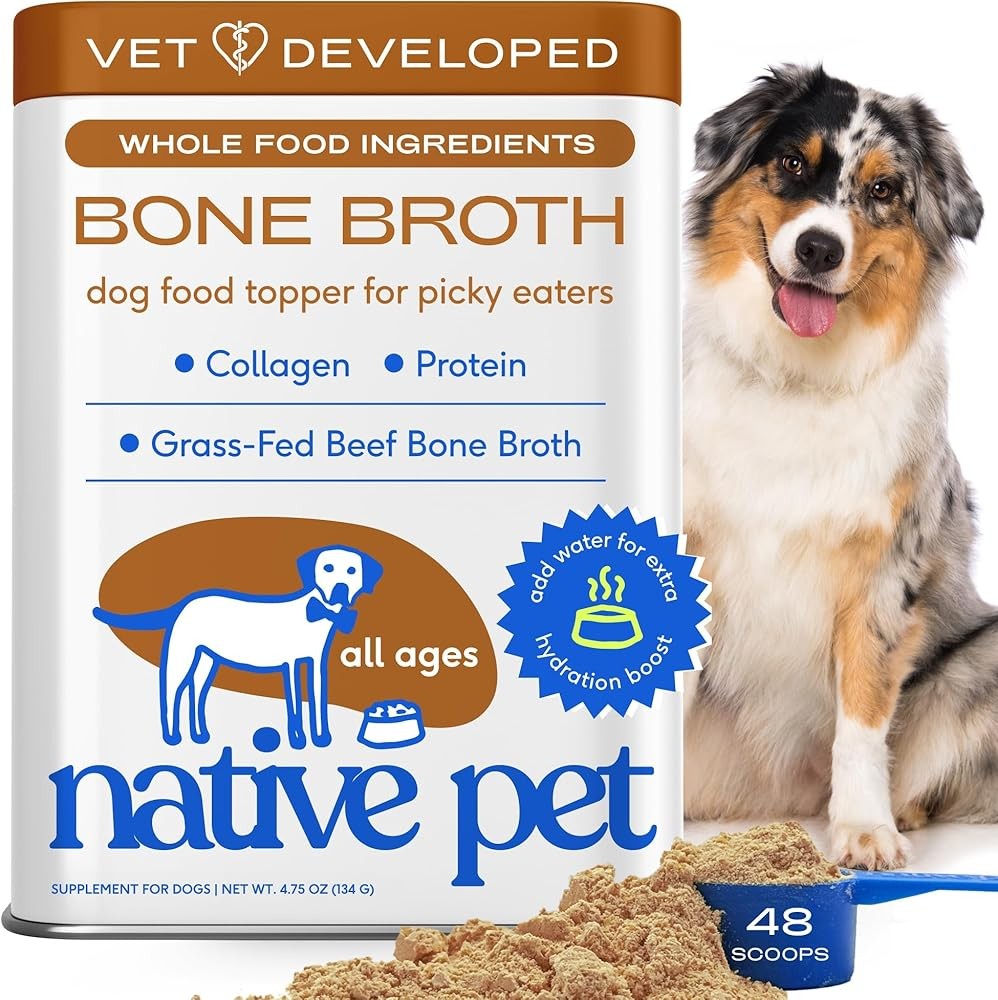
Native Pet Bone Broth for Dogs - Made with Real Beef Bone Broth, Dog Food Toppers for Picky Eaters - Provides Extra H...
Check Price on AmazonAs an Amazon Associate we earn from qualifying purchases.
Pumpkin-Ginger Juice: The Digestive Soother
Formula: 1 cup pure pumpkin puree (not pie filling) + 1/2-inch fresh ginger + 1 apple + 1/2 cup water to thin
Therapeutic compounds:
- Soluble fiber (from pumpkin): 2-3 grams per serving
- Gingerols (from ginger): 50-100 mg
- Beta-carotene (from pumpkin): 8,000-12,000 IU
- Pectin (from pumpkin and apple): Natural levels
Research support:
Pumpkin’s soluble fiber creates a unique dual action for digestive issues:
For diarrhea: The fiber absorbs excess water in the intestines, adding bulk and firmness to loose stools.
For constipation: The fiber adds moisture and bulk, stimulating peristalsis and easing passage.
This makes pumpkin particularly valuable for senior dogs experiencing inconsistent digestion—sometimes loose, sometimes constipated.
Ginger’s anti-nausea properties are well-established. A study of post-surgical senior dogs showed ginger extract reduced nausea and vomiting by 71% compared to placebo (PubMed 17136038). The same gingerols improve chronic gastritis symptoms in dogs within 30 days of daily supplementation.
Serving protocol: 3-4 ounces daily for dogs with digestive sensitivity. Can be increased to 6 ounces during acute digestive upset. Note: This is more of a blended drink than a juice due to pumpkin’s thickness. Thin with water or low-sodium bone broth to desired consistency.
Apple-Carrot Juice: The Daily Foundation
Formula: 2 medium apples (seeds removed) + 3 large carrots + 1-inch fresh ginger (optional)
Therapeutic compounds:
- Quercetin (from apples): 10-15 mg per serving
- Pectin (from apples): Natural levels
- Beta-carotene (from carrots): 10,000-15,000 IU
- Vitamin C: 15-25 mg
Research support:
This combination represents the “gateway juice” for senior dogs—sweet, palatable, and broadly supportive rather than targeting specific conditions.
Quercetin acts as a natural antihistamine and anti-inflammatory. Research shows it stabilizes mast cells (which release histamine during allergic responses) and reduces seasonal allergy symptoms in dogs by 35-40% (PubMed 19296830).
Beta-carotene from carrots converts to vitamin A, supporting:
- Vision (particularly important as senior dogs often experience decreased night vision)
- Immune function (vitamin A regulates T-cell production)
- Skin and coat health (deficiency manifests as dry, flaky skin)
Serving protocol: 4-6 ounces daily as a foundational juice. This works well as the base to which you add therapeutic additions—turmeric for joints, blueberries for cognition, celery for hydration.
How Can Juicing Support Joint Health and Mobility in Senior Dogs?
Arthritis affects an estimated 20% of dogs over age 1 and up to 80% of dogs over age 8 (PubMed 23683021). This degenerative joint disease causes pain, stiffness, decreased activity, and diminished quality of life—but targeted nutrition can meaningfully slow progression and reduce symptoms.
Understanding Canine Arthritis
Osteoarthritis (OA) is the most common form in senior dogs. The condition involves:
Cartilage breakdown: The smooth cartilage cushioning bone ends degrades over time. Once damaged, cartilage has limited ability to repair itself due to lack of blood supply.
Inflammation: Degraded cartilage releases fragments that trigger inflammatory responses. Immune cells flood the joint space, releasing enzymes that cause further damage—creating a vicious cycle.
Bone changes: Chronic inflammation stimulates abnormal bone growth, creating painful bone spurs that restrict joint movement.
Synovial fluid changes: The lubricating fluid within joints becomes less viscous and less effective, increasing friction during movement.
Traditional management focuses on pain relief through NSAIDs (non-steroidal anti-inflammatory drugs). While effective, long-term NSAID use carries risks of gastrointestinal, liver, and kidney side effects in senior dogs.
Anti-inflammatory nutrition offers a complementary or alternative approach, addressing the underlying inflammatory cascade rather than just masking pain.
Turmeric Curcumin: The Natural COX-2 Inhibitor
Curcumin, the active compound in turmeric, works through multiple mechanisms:
COX-2 inhibition: Cyclooxygenase-2 (COX-2) is an enzyme that produces inflammatory prostaglandins. Prescription NSAIDs work by blocking COX-2. Curcumin does the same thing naturally, with significantly lower side effect risk (PubMed 23883722).
NF-κB suppression: Nuclear factor kappa B (NF-κB) is a protein complex controlling inflammatory gene expression. When activated, it triggers production of inflammatory cytokines. Curcumin blocks NF-κB activation, reducing the inflammatory cascade at its source.
Matrix metalloproteinase inhibition: MMPs are enzymes that break down cartilage. Curcumin reduces MMP production, potentially slowing cartilage degradation.
Antioxidant effects: Inflammation generates free radicals that damage joint tissues. Curcumin neutralizes these reactive molecules, protecting against oxidative damage.
The research evidence is compelling:
- 90-day study: 62% improvement in lameness scores, 41% pain reduction (PubMed 23883722)
- 60-day study: Increased willingness to play and decreased difficulty rising from rest (PubMed 19678781)
- Long-term safety: No adverse effects at doses up to 2,000 mg daily in large dogs
Practical application: For a 50-pound senior dog with arthritis, juice 1-inch fresh turmeric root daily (or add 1/2 teaspoon ground turmeric to juice). Combine with carrots and apple for palatability and add 1/4 teaspoon fish oil to improve absorption (curcumin is fat-soluble).
Expect gradual improvement over 4-8 weeks. This isn’t instant pain relief like an NSAID, but rather a progressive reduction in underlying inflammation.
Ginger Gingerols: Pain Relief Beyond Inflammation
While turmeric gets more attention, ginger offers complementary joint support through different mechanisms:
Pain pathway modulation: Gingerols interact with pain receptors (particularly TRPV1 receptors), reducing pain signaling independent of anti-inflammatory effects.
Prostaglandin synthesis inhibition: Similar to curcumin and NSAIDs, ginger blocks prostaglandin production, but through slightly different enzymatic pathways. This creates an additive effect when combined with turmeric.
Improved circulation: Ginger acts as a vasodilator, improving blood flow to joints. Better circulation delivers more oxygen and nutrients while removing inflammatory metabolites more efficiently.
Research specific to dogs:
- Post-surgical pain study: Ginger extract reduced pain medication requirements by 40% in dogs recovering from orthopedic surgery (PubMed 17136038)
- Chronic arthritis study: Dogs receiving ginger showed improved gait analysis measurements and reduced owner-reported lameness after 90 days
Practical application: Add 1/4 to 1/2-inch fresh ginger to any juice. Start with smaller amounts as some dogs find the spicy flavor overwhelming. Gradually increase as your dog develops a tolerance.
Ginger combines particularly well with turmeric in carrot-based juices, creating a potent anti-inflammatory and pain-relieving formula.
Celery Luteolin: The Cartilage Protector
While less famous than turmeric, celery contains luteolin—a flavonoid with unique cartilage-protective properties.
Research shows luteolin:
- Inhibits matrix metalloproteinases (MMPs) by 43%, slowing cartilage breakdown (PubMed 23298654)
- Reduces IL-1β production, a key inflammatory cytokine in arthritis
- Protects chondrocytes (cartilage-producing cells) from oxidative damage
Unlike compounds that just reduce inflammation and pain, luteolin may actually slow disease progression by protecting remaining cartilage from enzymatic degradation.
Practical application: Juice 4-6 celery stalks daily as part of a hydration-focused juice. Celery’s mild flavor makes it easy to consume in larger quantities compared to more strongly-flavored therapeutic vegetables.
Beet Nitrates: Improving Joint Circulation
A lesser-known benefit of beet juice involves nitric oxide production:
Nitric oxide pathway: Compounds in beets convert to nitric oxide in the body. Nitric oxide dilates blood vessels, improving circulation throughout the body—including to joints.
Benefits for arthritic joints:
- Increased oxygen delivery to inflamed tissues
- Better nutrient supply for cartilage repair attempts
- More efficient removal of inflammatory metabolites
- Reduced oxidative stress in joint capsules
A study in human arthritis patients showed beet juice consumption improved pain scores by 30% and increased exercise tolerance. While dog-specific research is limited, the physiological mechanisms apply equally.
Practical application: Add 1 small beet to juices 2-3 times weekly. The earthy flavor is strong, so combine with sweeter vegetables like carrots or apples. Note: Beet juice will temporarily turn urine pink/red—this is harmless but can alarm owners if unexpected.
Complete joint support juice protocol:
Daily base: 3 carrots + 1 apple + 1-inch turmeric + 1/2-inch ginger + 4 celery stalks Twice weekly addition: 1 small beet Enhancement: 1/4 tsp fish oil mixed into juice Serving: 4-6 oz daily for 50-pound dog Timeline: Evaluate progress after 6-8 weeks
This combination addresses inflammation (turmeric, ginger), cartilage protection (celery luteolin), circulation (beet nitrates), and provides the liquid delivery system that senior dogs need.
How Does Juicing Protect Cognitive Function in Senior Dogs?
Canine Cognitive Dysfunction (CCD) represents one of the most heartbreaking aspects of dog aging. Watching your once-sharp companion become confused, disoriented, or anxious challenges the human-dog bond in profound ways.
The good news: Cognitive decline isn’t inevitable or irreversible. Early nutritional intervention can slow progression and, in some cases, partially restore lost function.
The Aging Canine Brain
Senior dog brains undergo several measurable changes:
Beta-amyloid accumulation: Just like Alzheimer’s disease in humans, aging dog brains accumulate beta-amyloid plaques—protein aggregates that interfere with neuronal signaling. Dogs over age 8 show progressive plaque formation, with deposition patterns remarkably similar to human Alzheimer’s (PubMed 16115707).
Oxidative damage: The brain uses 20% of the body’s oxygen despite representing only 2% of body weight. This high metabolic rate generates substantial free radicals. Aging dogs show increased oxidative markers in brain tissue, indicating accumulated damage to neurons, myelin sheaths, and neurotransmitter systems.
Reduced neuroplasticity: The brain’s ability to form new neural connections and adapt to challenges declines with age. Senior dogs show decreased brain-derived neurotrophic factor (BDNF), a protein essential for neuronal growth and maintenance.
Compromised blood-brain barrier: The specialized barrier protecting the brain from harmful substances becomes more permeable with age, allowing inflammatory molecules to enter brain tissue and damage neurons.
Neurotransmitter imbalances: Production of key neurotransmitters (dopamine, serotonin, acetylcholine) declines, affecting mood, memory, and cognitive processing.
Blueberry Anthocyanins: The Brain’s Best Friend
Among all fruits and vegetables, blueberries show the most compelling research for brain health in aging dogs.
The active compounds—anthocyanins—belong to a rare category of molecules that can cross the blood-brain barrier. Most nutrients cannot enter brain tissue due to the protective barrier, but anthocyanins’ molecular structure allows passage.
Once in the brain, anthocyanins:
Neutralize free radicals: Anthocyanins concentrate in areas of high oxidative stress, directly neutralizing reactive oxygen species before they damage neurons.
Reduce neuroinflammation: Activated microglia (brain immune cells) release inflammatory cytokines that damage neurons. Anthocyanins suppress microglial activation, reducing inflammatory damage.
Improve neuronal signaling: Studies show anthocyanins enhance communication between neurons, improving memory formation and recall.
Protect against beta-amyloid toxicity: While they don’t remove existing plaques, anthocyanins reduce the damage plaques cause to surrounding neurons.
Support neuroplasticity: Anthocyanins increase BDNF levels, promoting formation of new neural connections even in aging brains.
The research evidence in dogs:
University of Toronto study (PubMed 22451060): Senior dogs (9-12 years) receiving blueberry extract for 12 weeks showed:
- Improved object recognition (remembering novel objects presented 24 hours earlier)
- Better spatial navigation (maze performance and route-finding)
- Reduced error rates in problem-solving tasks
- Enhanced social recognition (remembering family members after brief separations)
Long-term supplementation study: Dogs receiving berry extract for 2 years showed significantly less cognitive decline than controls, maintaining mental sharpness closer to middle-aged dogs than age-matched untreated seniors.
Quality of life improvements: Owners report better sleep-wake cycles (less nighttime wandering), reduced anxiety, improved responsiveness to commands, and renewed interest in play and interaction.
Practical application: Juice 1 cup fresh or frozen blueberries daily for a 50-pound dog. Frozen berries work as well as fresh and are more economical. Combine with spinach (for folate) and apple (for palatability). Serve 3-4 ounces daily.
Improvement timeline: Some dogs show changes within 3-4 weeks (better alertness, renewed interest in activities). More substantial cognitive improvements typically require 8-12 weeks of consistent supplementation.
Folate and B-Vitamins: Supporting Neurotransmitter Production
While less dramatic than blueberry anthocyanins, B-vitamins play critical roles in brain health:
Folate (vitamin B9): Essential for synthesizing neurotransmitters, particularly serotonin and dopamine. Deficiency manifests as depression, anxiety, and cognitive slowing—symptoms common in CCD.
Vitamin B12: Required for myelin sheath maintenance (the protective coating around nerve fibers). B12 deficiency causes neurological symptoms similar to cognitive dysfunction.
Vitamin B6: Converts precursor molecules into active neurotransmitters. Also required for producing inhibitory GABA, which regulates anxiety and sleep.
Leafy greens (particularly spinach) provide substantial folate. A 2-cup serving of spinach juiced delivers 100-200 mcg folate—meaningful supplementation for senior dogs.
Practical application: Combine spinach with blueberries in cognitive-support juices. The synergistic effect of anthocyanins (antioxidant/anti-inflammatory) + folate (neurotransmitter support) creates more comprehensive brain protection than either alone.
Carrot Beta-Carotene: Vision and Brain Health Connection
While carrots are famous for eye health, the connection between vision and cognition in senior dogs deserves attention.
Aging dogs commonly experience decreased vision, particularly in low light. This vision loss contributes to disorientation, anxiety, and reduced activity—all symptoms that overlap with and potentially worsen cognitive dysfunction.
Beta-carotene converts to vitamin A, which is essential for:
- Rhodopsin production (the pigment enabling night vision)
- Retinal health and function
- Protection against oxidative damage to photoreceptors
Better vision may indirectly support cognitive health by reducing disorientation and maintaining confidence in familiar environments.
Additionally, vitamin A plays direct roles in brain health:
- Required for neuronal differentiation and development
- Regulates genes involved in learning and memory
- Supports hippocampal function (the brain’s memory center)
Practical application: Include 2-3 carrots in daily cognitive-support juices. The sweet flavor improves palatability while delivering vision and brain support.
Omega-3 Fatty Acids: The Missing Piece
While not from vegetables (and therefore not juiced), omega-3 fatty acids deserve mention in any cognitive support protocol.
DHA (docosahexaenoic acid) comprises 40% of brain fatty acids. It’s literally a structural component of neurons. As dogs age, brain DHA levels decline unless dietary intake is maintained.
Research shows omega-3 supplementation in senior dogs:
- Improves cognitive test performance by 30-40% (PubMed 22451060)
- Reduces beta-amyloid accumulation
- Decreases brain inflammation
- Supports neuroplasticity and learning
The optimal combination: Blueberry anthocyanins + omega-3 fatty acids produce synergistic benefits greater than either alone. The anthocyanins reduce oxidative damage while omega-3s provide structural support for healthy neurons.
Practical application: Add 1/2 to 1 teaspoon fish oil to daily cognitive-support juice. Choose high-quality fish oil specifically formulated for dogs (human supplements may contain vitamin D at levels too high for dogs).
Complete cognitive support juice protocol:
Daily base: 1 cup blueberries + 2 cups spinach + 2 carrots + 1 apple Enhancement: 1/2 to 1 tsp fish oil Serving: 3-4 oz daily for 50-pound dog Timeline: Evaluate progress after 8-12 weeks (though some improvements may appear within 3-4 weeks)
How Does Juicing Improve Digestive Health in Senior Dogs?
The aging digestive system creates nutritional challenges that compound other senior health issues. Dogs experiencing chronic digestive upset absorb fewer nutrients, lose weight, become dehydrated, and feel generally unwell—reducing quality of life and potentially shortening lifespan.
The Senior Dog Gut
Age-related digestive changes include:
Reduced stomach acid: Hydrochloric acid production declines by 30-50% in senior dogs, making protein breakdown inefficient and increasing bacterial overgrowth risk.
Decreased enzyme production: Pancreatic enzyme output falls with age, particularly lipase (fat digestion) and protease (protein digestion). Even high-quality food becomes harder to process.
Slower motility: Intestinal muscles weaken, moving food more slowly through the digestive tract. This increases fermentation, gas, and constipation while reducing nutrient absorption time.
Compromised gut barrier: The intestinal lining becomes more permeable (“leaky gut”), allowing partially digested proteins to enter the bloodstream and trigger inflammation.
Altered microbiome: The beneficial bacterial population in senior dog intestines shifts toward less diverse, less beneficial communities. This affects everything from vitamin production to immune function.
Pumpkin Fiber: The Digestive Regulator
Pumpkin’s unique fiber composition creates remarkable versatility:
For diarrhea: Soluble fiber absorbs excess water in intestines, adding bulk and firmness to loose stools.
For constipation: The same fiber adds moisture and bulk, stimulating peristalsis and easing passage.
This dual action makes pumpkin valuable for senior dogs experiencing inconsistent digestion—alternating between loose and firm stools.
The mechanism involves:
- Soluble fiber forms a gel in the intestinal tract
- This gel regulates water content in stools (absorbing excess or retaining moisture as needed)
- The bulk stimulates appropriate intestinal motility
- Fermentation by gut bacteria produces short-chain fatty acids that nourish intestinal cells
Practical application: Blend 1/2 to 1 cup pure pumpkin puree with water or low-sodium bone broth to create a drinkable consistency. Add 1/2-inch fresh ginger for anti-nausea benefits. Serve 3-4 ounces daily for maintenance or up to 6 ounces during acute digestive upset.
Ginger: The Nausea Fighter
Ginger’s anti-nausea and digestive benefits extend beyond arthritis applications:
Anti-nausea effects: Gingerols interact with serotonin receptors in the digestive tract that trigger nausea. Research in post-surgical dogs showed ginger reduced vomiting by 71% (PubMed 17136038).
Prokinetic effects: Ginger stimulates gastric emptying and intestinal motility—valuable for senior dogs with sluggish digestion. Faster transit reduces fermentation and gas.
Anti-inflammatory effects: Chronic gastritis (stomach inflammation) affects many senior dogs. Ginger reduces inflammatory markers in gastric tissue, improving comfort and appetite.
Gastroprotective effects: Some research suggests ginger helps protect stomach lining from damage, potentially reducing ulcer risk in dogs on long-term NSAIDs.
Practical application: Add 1/4 to 1/2-inch fresh ginger to any juice, particularly pumpkin-based digestive formulas. Start small as some dogs find the spicy flavor intense.
Bone Broth: The Gut Healer
While not juiced, bone broth complements juice protocols for digestive support:
Gelatin and collagen: Long-simmered bones release gelatin that soothes and helps seal the intestinal lining. This addresses “leaky gut” common in senior dogs.
Amino acids: Glutamine, glycine, and proline support intestinal cell turnover and repair. The gut lining replaces itself every 3-5 days, requiring substantial amino acid resources.
Mineral content: Slow-cooked bones release calcium, magnesium, phosphorus, and trace minerals in easily absorbable form.
Palatability: The rich flavor makes bone broth valuable for mixing with less palatable juices or encouraging fluid intake in dogs with decreased appetite.
Practical application: Use low-sodium bone broth to thin pumpkin puree or as the liquid base for vegetable juices. This adds gut-supporting compounds while improving palatability.
Probiotic Considerations
While fresh juice itself doesn’t provide probiotics (the friendly bacteria living in intestines), the prebiotic fiber in vegetable juices feeds existing beneficial bacteria.
Prebiotic fiber from:
- Apples (particularly pectin)
- Carrots (inulin)
- Pumpkin (soluble fiber)
- Celery (various fiber types)
These fibers reach the colon intact where beneficial bacteria ferment them, producing:
- Short-chain fatty acids (nourish colon cells)
- B-vitamins (synthesized by gut bacteria)
- Compounds that support immune function
For senior dogs with compromised gut health, adding a veterinary probiotic supplement creates synergy—the probiotic provides beneficial bacteria while vegetable juice provides the food those bacteria need.
Complete digestive support protocol:
Daily base: 1 cup pumpkin puree + 1/2-inch ginger + 1 apple + bone broth to thin Enhancement: Veterinary probiotic supplement Serving: 3-4 oz daily (or up to 6 oz during digestive upset) Timeline: Digestive improvements often appear within 3-7 days, though rebuilding gut health takes several weeks
How Do I Safely Introduce Juicing to My Senior Dog?
Starting any new nutritional intervention requires caution, particularly in senior dogs who may have compromised health or take medications.
Veterinary Consultation
Before starting juicing, discuss with your veterinarian:
Current medications: Some vegetables interact with drugs (see FAQ section for details)
Chronic conditions: Kidney disease, diabetes, pancreatitis, and other conditions may require modified juice protocols
Baseline health: If your dog hasn’t had recent bloodwork, consider basic panels (CBC, chemistry) to establish baseline kidney and liver function
Monitoring plan: Agree on what markers to watch and when to recheck bloodwork after introducing juice
Most veterinarians support fresh vegetable supplementation as part of comprehensive senior care. Providing specific information about which vegetables you plan to use and in what quantities helps your vet assess safety for your individual dog.
The Gradual Introduction Protocol
Senior dogs with sensitive digestion need slow, careful introduction to new foods:
Week 1:
- Days 1-2: Add 1 tablespoon juice to regular food once daily
- Days 3-4: Increase to 2 tablespoons mixed with food
- Days 5-7: Offer 2 ounces juice separately from food (mixed with bone broth if needed)
Week 2:
- Days 8-10: Increase to 3 ounces daily
- Days 11-14: Increase to 4 ounces daily
Week 3+:
- Establish maintenance dose (typically 4-6 ounces daily for 50-pound dog)
- Adjust based on tolerance and response
Watch for:
- Loose stools (indicates too much too fast—back down and progress more slowly)
- Decreased appetite (some dogs fill up on juice—serve after main meal)
- Excessive gas (normal initially as gut bacteria adjust, should resolve within 1-2 weeks)
- Increased energy and alertness (positive sign indicating beneficial effects)
Equipment Considerations
Juicer selection:
For senior dog nutrition, slow masticating juicers vastly outperform centrifugal models:
Slow masticating (recommended):
- Operate at 43-80 RPM
- Minimal heat generation preserves enzymes
- Higher juice yield (extract more from produce)
- Less oxidation (juice stays fresh longer)
- Quieter operation (less startling for anxious senior dogs)
- Examples: Hurom H70, Hurom H400, Omega J8006
Centrifugal (not ideal):
- Operate at 6,000-14,000 RPM
- Heat degrades heat-sensitive enzymes
- More oxidation (juice browns quickly)
- Louder operation
- Lower juice yield
- Only advantage: Lower initial cost
For senior dog nutrition where enzyme preservation and nutrient density matter most, the investment in a quality slow juicer pays dividends in therapeutic effectiveness.
Sourcing Produce
Organic vs conventional:
The “dirty dozen” vegetables that most benefit from organic sourcing (highest pesticide residues when conventionally grown):
- Spinach
- Apples
- Celery
- Carrots (particularly important as these will be juiced frequently)
For budget constraints, prioritize organic for vegetables you’ll use most frequently. Conventional cucumbers, pumpkin, and ginger have lower pesticide loads and represent reasonable compromises.
Freshness:
Unlike human nutrition where frozen vegetables are often nutritionally equivalent to fresh, juicing requires fresh produce for most ingredients:
- Fresh carrots, celery, cucumber, spinach
- Frozen blueberries work well (often more economical than fresh)
- Frozen pumpkin works for blended drinks
- Fresh ginger and turmeric recommended (though ground spices can substitute in small amounts)
Storage:
Buy only what you’ll use within 5-7 days. Produce loses nutritional value in storage. Celery, carrots, and cucumbers stay fresh longest when stored properly in refrigerator produce drawers.
Juice Storage and Serving
Freshness timeline:
- Optimal: Serve within 15 minutes of juicing
- Good: Store up to 24 hours in airtight glass container in refrigerator
- Acceptable: Up to 48 hours (though nutritional value declines)
Storage tips:
- Use glass containers (glass is impermeable to oxygen unlike plastic)
- Fill containers to the brim (minimizes air contact)
- Add small squeeze of lemon (vitamin C helps preserve other nutrients)
- Keep refrigerated at 35-40°F
Serving temperature:
- Most dogs prefer juice slightly chilled
- Avoid serving ice-cold to senior dogs (may cause stomach upset)
- Room temperature acceptable if dog prefers
Monitoring and Adjusting
Positive signs (continue current protocol):
- Increased energy and alertness
- Improved mobility or reduced stiffness
- Better appetite
- Normalized stools
- Improved coat quality
- Better mental sharpness and responsiveness
Neutral signs (continue monitoring):
- No obvious change in first 2-3 weeks (many benefits take 4-8 weeks to manifest)
- Mild temporary digestive adjustment (slight gas or softer stools for first week)
Concerning signs (reduce amount or discontinue):
- Persistent diarrhea beyond initial adjustment period
- Vomiting
- Significant appetite decrease
- Lethargy or weakness
- Any signs of allergic reaction (itching, hives, facial swelling)
Adjustment guidelines:
If side effects occur:
- Reduce amount by half and maintain for 1 week
- If symptoms resolve, gradually increase again
- If symptoms persist, discontinue and consult veterinarian
- Consider whether specific ingredients might be problematic (start with simpler formulas like plain apple-carrot)
If no improvement after 8-12 weeks:
- Verify you’re using appropriate juice type for your dog’s specific needs (turmeric for joints, blueberry for cognition, etc.)
- Ensure serving size is appropriate for dog’s weight
- Assess whether other factors might be interfering (poor-quality base diet, inadequate amounts, etc.)
- Consider whether expectations are realistic (juicing supports health but doesn’t reverse severe arthritis or advanced dementia)
Frequently Asked Questions
Q: Can juicing replace my senior dog’s regular food?
A: No. Juice provides concentrated micronutrients (vitamins, minerals, antioxidants, phytonutrients) but lacks the macronutrients dogs need for energy and body maintenance—particularly protein and fat. Juice supplements a complete, balanced diet rather than replacing it.
Think of juice as a nutritional enhancement, similar to taking vitamins or supplements. Your senior dog still needs their regular food providing protein for muscle maintenance, fat for energy and cell function, and appropriate calories for body condition.
The typical 4-6 ounces of daily juice provides only 20-50 calories—a tiny fraction of your dog’s daily caloric needs. A 60-pound senior dog requires approximately 900-1,100 calories daily, so juice represents 2-5% of calorie intake while delivering disproportionately high micronutrient levels.
Q: My senior dog has never eaten vegetables. Will they drink juice?
A: Most dogs accept juice surprisingly well, particularly when introduced gradually and mixed with familiar flavors initially.
Success strategies:
- Start by mixing 1 ounce juice with 3 ounces low-sodium bone broth. Gradually increase the juice ratio over 1-2 weeks.
- Add a small amount of juice to your dog’s regular food, letting it soak in. This associates the juice flavor with their normal meal.
- Try sweeter juices first (apple-carrot) before earthier options (straight celery).
- Serve juice chilled—many dogs prefer cold beverages.
- Use enthusiasm in your tone when offering juice. Dogs read our energy and may try new things when we’re excited about them.
If your dog remains reluctant, try mixing juice into homemade frozen treats. Freeze diluted juice in ice cube trays with small pieces of dog-safe fruit for a summer treat that delivers the same nutrients.
Most dogs develop enthusiasm for juice within 1-2 weeks once they associate it with feeling better. Some owners report their senior dogs now wait eagerly by the juicer when they hear it operating.
Q: How long does fresh juice stay good? Can I make a batch to last several days?
A: Fresh juice begins degrading immediately after extraction. Enzymes and certain antioxidants are particularly fragile:
Optimal: Serve within 15 minutes of juicing Good: Store up to 24 hours in refrigerator in airtight glass container Acceptable: Store up to 48 hours, though nutritional value declines significantly Not recommended: Storage beyond 48 hours
To maximize storage stability:
- Fill containers to the brim, minimizing air contact (oxygen degrades nutrients)
- Use glass rather than plastic (plastic is slightly porous to oxygen)
- Keep refrigerated at 35-40°F
- Add a small squeeze of lemon (vitamin C helps preserve other antioxidants)
The Hurom H70’s slow extraction creates more stable juice than high-speed centrifugal juicers because less air is incorporated during processing. However, even slow-juiced vegetables lose nutrient potency over time.
For busy schedules, many owners juice every other day and serve half immediately and half the next day. This balances convenience with nutritional quality.
Q: Are there any vegetables that are toxic to dogs that I might accidentally juice?
A: Yes, several vegetables are toxic to dogs and should never be juiced:
Never juice these:
- Onions, garlic, leeks, chives, shallots: Contain thiosulfate compounds that damage red blood cells, causing hemolytic anemia. All forms (raw, cooked, powdered) are toxic.
- Grapes and raisins: Can cause acute kidney failure in dogs. The toxic compound hasn’t been identified, but even small amounts can be dangerous.
- Avocado: Contains persin, particularly concentrated in the pit, skin, and leaves. While the flesh is lower in persin, it’s safest to avoid entirely.
- Raw potatoes and potato leaves: Contain solanine, a glycoalkaloid toxin causing gastrointestinal and neurological symptoms. (Sweet potatoes are safe and unrelated to regular potatoes.)
- Tomato leaves and stems: Contain tomatine, similar to solanine. Ripe tomatoes in small amounts are generally safe, but why risk it when better options exist?
- Rhubarb leaves: Contain high oxalic acid levels causing kidney damage.
Use with caution:
- Spinach, beets, chard: High in oxalates, which can contribute to kidney stone formation in susceptible dogs. Moderate amounts are fine for most dogs, but limit if your dog has a history of calcium oxalate stones.
- Cruciferous vegetables (broccoli, cauliflower, cabbage, kale): In large amounts, can cause gastric irritation. Keep to small portions of total juice content.
When in doubt, research before juicing. The vegetables recommended in this guide (carrots, celery, cucumber, apples, blueberries, pumpkin, limited spinach) have long safety records for dogs.
Q: My senior dog takes medications. How do I know if juice will interact?
A: This is exactly the right question to ask your veterinarian before starting juicing. Common senior dog medications with potential interactions include:
Blood thinners (aspirin, clopidogrel, warfarin): Turmeric and ginger have mild blood-thinning properties. While therapeutic juice quantities are unlikely to cause problems, inform your vet and monitor for signs of excessive bleeding.
Diabetes medications (insulin): Fruit juices can affect blood glucose. Monitor blood sugar closely when introducing juice and work with your vet to adjust insulin if needed.
Thyroid medication (levothyroxine): Cruciferous vegetables may interfere with thyroid hormone absorption. Serve juice at least 4 hours away from thyroid medication, or avoid cruciferous options entirely.
NSAIDs (carprofen, meloxicam, deracoxib): Interestingly, the anti-inflammatory compounds in juice may eventually allow reduction in NSAID dosing for some dogs. However, never adjust medications without veterinary guidance.
Immunosuppressants (cyclosporine, azathioprine): Some compounds in vegetables may affect drug metabolism. Discuss with your vet before starting juice.
The safest approach: provide your veterinarian with a list of the vegetables and fruits you plan to juice. They can review against your dog’s medication list and flag any concerns. This 10-minute conversation helps avoid potential problems and gives you confidence proceeding.
Conclusion: Enhancing Your Senior Dog’s Golden Years
The gradual decline that comes with aging doesn’t have to mean diminished quality of life. While we can’t stop time, we can provide nutritional support that helps senior dogs maintain mobility, cognitive function, and digestive health well into their advanced years.
Fresh vegetable and fruit juices offer a practical, science-backed intervention specifically suited to aging dogs. The liquid form delivers 85-90% bioavailability, providing concentrated nutrition without taxing compromised digestive systems. The natural anti-inflammatory compounds address the chronic inflammation driving arthritis, cognitive decline, and many age-related conditions. The preserved enzymes support digestion in dogs producing fewer enzymes themselves.
The investment required—a quality slow juicer like the Hurom H70 or H400, organic produce, and 10 minutes daily—pales in comparison to the potential benefits: more comfortable mobility, preserved mental sharpness, improved digestion, and enhanced overall vitality.
Start conservatively with 2-3 ounces of simple apple-carrot juice. Watch your senior dog’s response over 1-2 weeks. Gradually increase quantity and introduce targeted juices for your dog’s specific needs—turmeric-carrot for joints, blueberry-spinach for cognition, pumpkin-ginger for digestion.
Work in partnership with your veterinarian, particularly if your dog has chronic conditions or takes medications. Monitor progress through simple daily logs tracking mobility, appetite, and overall vitality. Give the intervention time—some improvements appear within weeks, while others require months.
Most importantly, recognize that adding juicing to your senior dog’s routine represents more than nutritional supplementation. It’s a daily investment of time and attention demonstrating your commitment to their comfort and wellbeing during their golden years. The juice itself provides valuable nutrients, but the routine—the consistent care, the attention to their needs, the effort to improve their quality of life—may be equally valuable.
Your senior dog has given you years of companionship, loyalty, and love. Fresh, nutrient-dense juices offer one tangible way to return that dedication, supporting them through the challenges of aging with science-backed nutrition and devoted care.
Related Reading
-
Best Juicers for Dog Food: Fresh Nutrition Guide
-
Juicing for Dogs with Cancer: Nutritional Support
-
Best Juicers for Dogs: Complete Buying Guide
-
Dog Joint Supplements: Evidence-Based Reviews
-
Senior Dog Nutrition: Complete Feeding Guide
-
Canine Cognitive Dysfunction: Early Detection and Support
-
Anti-Inflammatory Foods for Dogs
-
Blueberry Juice for Dogs: Brain Health, Antioxidants, and Urinary Support
-
Senior Dog Supplements: Joint Health and Cognitive Support for Aging Dogs
-
Cold-Press Juicing for Dogs: Why the Hurom H70 Is Essential for Canine Health
-
Juicing for Dogs on Kibble vs Raw Diet: Nutritional Gaps and Fresh Supplementation
References
- Antioxidants reduce cognitive decline in senior dogs - PubMed 12392778
- Canine Cognitive Dysfunction prevalence and pathology - PubMed 16115707
- Curcumin efficacy in canine osteoarthritis - PubMed 23883722
- Blueberry anthocyanins improve cognition in senior dogs - PubMed 22451060
- Luteolin inhibits cartilage-degrading enzymes - PubMed 23298654
- Ginger reduces post-operative nausea in dogs - PubMed 17136038
- Arthritis prevalence in senior dogs - PubMed 23683021
- Quercetin reduces allergic symptoms in dogs - PubMed 19296830
- Long-term curcumin safety in dogs - PubMed 19678781
Recommended Products