Juicing vs Supplements for Anti-Inflammation: Which Works Better?
Summarized from peer-reviewed research indexed in PubMed. See citations below.
Chronic inflammation drives arthritis, cardiovascular disease, and metabolic disorders affecting millions worldwide. Research shows omega-3 supplements at 2-4 grams EPA/DHA daily combined with enhanced curcumin (1,000-2,000mg with bioperine) deliver the most proven anti-inflammatory effects, with studies demonstrating 67% reduction in C-reactive protein and 8% lower cardiovascular mortality ($45-65/month). Published clinical trials confirm this supplement combination targets COX-2, NF-κB, and lipoxygenase pathways more effectively than fresh juice alone, though combining both approaches provides synergistic benefits. Budget-conscious protocols can start with high-quality omega-3s ($15-25/month) as foundation therapy. Here’s what the published research shows about comparing fresh juice anti-inflammatory compounds versus concentrated supplements.
Disclosure: We may earn a commission from links on this page at no extra cost to you. Affiliate relationships never influence our ratings. Full policy →
📱 Join the discussion: Facebook | X | YouTube | Pinterest
This comprehensive comparison examines the science behind fresh juice anti-inflammatory compounds versus concentrated supplements, analyzing bioavailability, mechanisms of action, and real-world effectiveness. We’ll cover everything from COX-2 inhibition pathways to practical dosing strategies, helping you make an evidence-based decision for managing inflammation.
| Feature | Fresh Juice | Supplements |
|---|---|---|
| Curcumin Dose | 200-400mg per oz turmeric root | 1,000-2,000mg enhanced with bioperine |
| Bioavailability | 3-5% absorption, food matrix benefits | 2,000% increase with bioperine enhancement |
| Omega-3 Content | Minimal from green juice | 2-4g EPA/DHA therapeutic dose |
| COX-2 Inhibition | Moderate (ginger 100-200mg gingerols) | Strong (standardized concentrated extracts) |
| Prep Time | 15-30 min daily juicing + cleanup | 30 seconds to take capsules |
| Cost | $3-7/day fresh organic produce | $1.50-2.50/day quality supplements |
| Compound Diversity | Broad spectrum polyphenols/flavonoids | Targeted specific pathway inhibitors |
| Enzyme Preservation | Yes with slow juicing (43 RPM) | N/A (isolated compounds) |
| Standardization | Variable based on produce quality | Consistent labeled potency |
| Synergistic Effects | Natural food matrix enhances absorption | Enhanced with bioperine/phospholipids |
What Is Inflammation and Why Does It Matter?
Before comparing delivery methods, let’s understand what we’re fighting. Inflammation comes in two distinct forms, each requiring different strategies.
Acute vs Chronic Inflammation
Acute inflammation is your body’s immediate response to injury or infection. When you cut your finger, the redness, swelling, and warmth that follow represent acute inflammation working exactly as designed. This process typically resolves within days to weeks and is essential for healing.
Chronic inflammation, however, persists for months or years, often without an obvious cause. This low-grade, persistent inflammatory state damages tissues over time and drives numerous diseases. Your immune system remains perpetually activated, releasing inflammatory cytokines that cause collateral damage to healthy tissues.
Research published in Nature Medicine demonstrates that chronic inflammation underlies conditions including cardiovascular disease, type 2 diabetes, Alzheimer’s disease, cancer, and autoimmune disorders. This isn’t just discomfort—it’s a systemic disease driver requiring sustained intervention.
The Inflammatory Cascade: Understanding the Pathways
Multiple biochemical pathways drive inflammation, and understanding these mechanisms helps explain why certain foods and supplements work:
The COX Pathway: Cyclooxygenase (COX) enzymes convert arachidonic acid into prostaglandins and thromboxanes. COX-2, the inducible form, produces inflammatory prostaglandins during tissue injury and disease. NSAIDs like ibuprofen work by blocking COX enzymes, but natural compounds can achieve similar effects with fewer side effects.
The NF-κB Pathway: Nuclear factor kappa B (NF-κB) acts as a master regulator of inflammatory gene expression. When activated by inflammatory stimuli, NF-κB translocates to the cell nucleus and triggers production of pro-inflammatory cytokines including TNF-α, IL-1β, and IL-6. Many anti-inflammatory compounds work by suppressing NF-κB activation.
The Lipoxygenase Pathway: 5-lipoxygenase (5-LOX) converts arachidonic acid into leukotrienes, potent inflammatory mediators involved in asthma, arthritis, and inflammatory bowel disease. Some natural compounds inhibit this pathway while leaving COX pathways intact.
Oxidative Stress: Reactive oxygen species (ROS) generated during inflammation damage cellular components and perpetuate inflammatory signaling. Antioxidants from foods and supplements can break this cycle by neutralizing free radicals.
Understanding these pathways helps explain why combination approaches often work better than single interventions—different compounds target different inflammatory mechanisms.
Bottom line: Chronic inflammation operates through COX-2, NF-κB, 5-LOX, and oxidative stress pathways driving arthritis, cardiovascular disease, and metabolic disorders—studies show combined interventions targeting multiple pathways (omega-3 + curcumin + fresh juice) reduce inflammatory markers by 40-67% over 8-12 weeks (PubMed 34249019).
How Do Fresh Juices Fight Inflammation?
Fresh vegetable and fruit juices deliver concentrated phytonutrients with established anti-inflammatory properties. Let’s examine the key players and their mechanisms of action.
Bromelain: The Pineapple Protease
Bromelain, a mixture of proteolytic enzymes extracted from pineapple stems and fruit, demonstrates powerful anti-inflammatory properties through multiple mechanisms.
A meta-analysis in Biomedical Reports analyzed nine clinical trials involving 503 participants with osteoarthritis. Bromelain supplementation significantly reduced pain scores and improved physical function compared to placebo. The effective dose ranged from 200-800 mg daily of standardized bromelain.
Fresh pineapple juice contains bromelain, though concentrations vary depending on the fruit portion used. The stem contains approximately 2-3 times more bromelain than the fruit flesh. One cup of fresh pineapple juice delivers approximately 30-50 mg of bromelain—far less than therapeutic supplement doses, but still biologically active when consumed regularly.
Bromelain’s anti-inflammatory mechanisms include:
- Inhibiting pro-inflammatory prostaglandin synthesis through COX-2 pathway modulation
- Reducing circulating inflammatory cytokines including TNF-α and IL-6
- Decreasing neutrophil migration to inflamed tissues
- Breaking down fibrin deposits that accumulate at inflammation sites
- Modulating immune cell activation and T-cell responses
The proteolytic activity remains intact in fresh juice, particularly when extracted using slow juicing methods that minimize heat generation and oxidation.
Bottom line: Fresh pineapple juice contains 30-50mg bromelain per cup with COX-2 inhibition and cytokine reduction effects—therapeutic supplement doses (200-800mg daily) deliver significantly higher concentrations than juice alone.
Curcumin: The Golden Anti-Inflammatory
Turmeric root contains curcuminoids, with curcumin comprising approximately 3-5% of the root’s dry weight. Fresh turmeric juice delivers these compounds along with volatile oils and other synergistic phytonutrients.
Research in Journal of Medicinal Food compared the anti-inflammatory effects of fresh turmeric juice versus curcumin extract in rats with induced arthritis. Both treatments reduced inflammatory markers, but fresh juice provided additional benefits from volatile oils including ar-turmerone, which demonstrated neuroprotective and anti-inflammatory properties independent of curcumin.
The challenge with fresh turmeric juice lies in achieving therapeutic curcumin doses. One inch of fresh turmeric root (approximately 10-15 grams) contains roughly 200-400 mg of total curcuminoids. To match supplement doses of 1,000-2,000 mg curcumin, you’d need to juice 3-5 inches of turmeric root daily—entirely feasible but requiring significant turmeric consumption.
Curcumin’s anti-inflammatory mechanisms include:
- Inhibiting NF-κB activation and nuclear translocation, blocking inflammatory gene expression
- Suppressing COX-2 and 5-LOX enzymes reducing prostaglandin and leukotriene synthesis
- Scavenging reactive oxygen species and upregulating antioxidant enzymes
- Modulating immune cell function including T-cells, B-cells, and macrophages
- Reducing pro-inflammatory cytokines including TNF-α, IL-1β, IL-6, and IL-8
The fresh juice advantage comes from synergistic compounds. Turmeric’s volatile oils enhance curcumin absorption and provide independent anti-inflammatory effects. The food matrix may also protect curcumin from degradation in the digestive tract.
Bottom line: Fresh turmeric juice (2-3 inches root) delivers 400-800mg total curcuminoids plus beneficial volatile oils (ar-turmerone)—enhanced curcumin supplements provide 1,000-2,000mg with 2,000% better bioavailability through bioperine addition, making supplements more practical for therapeutic doses.
Gingerol: The Warming Anti-Inflammatory
Fresh ginger root contains gingerols, shogaols, and paradols—phenolic compounds with potent anti-inflammatory and antioxidant properties.
A systematic review in Phytotherapy Research analyzed 16 clinical trials examining ginger’s effects on inflammatory markers. Ginger supplementation significantly reduced C-reactive protein (CRP), TNF-α, and IL-6 levels compared to placebo. Effective doses ranged from 1,000-3,000 mg daily of ginger powder or extract.
Fresh ginger juice delivers these compounds in their natural form. Approximately one fluid ounce (30 ml) of fresh ginger juice contains 100-200 mg of gingerols and related compounds—a meaningful dose when consumed daily.
Ginger’s anti-inflammatory mechanisms parallel those of NSAIDs:
- Inhibiting COX-2 and 5-LOX enzymes reducing inflammatory prostaglandin and leukotriene production
- Suppressing NF-κB activation associated with reduced inflammatory gene expression
- Reducing oxidative stress through direct free radical scavenging
- Modulating immune responses by affecting cytokine production
- Blocking inflammatory pain pathways through TRPV1 receptor interactions
Unlike turmeric, achieving meaningful ginger doses through fresh juice is quite practical. A 2-inch piece of ginger root yields approximately 1-2 ounces of juice containing therapeutic levels of gingerols.
Bottom line: Fresh ginger juice (1-2 oz from 2-inch root) delivers 100-200mg gingerols with COX-2 and 5-LOX inhibition comparable to NSAIDs—both fresh juice and ginger extract supplements (1,000-3,000mg daily) show significant CRP and inflammatory cytokine reduction in clinical trials.
Omega-3 from Green Juices
While marine sources dominate omega-3 supplementation, certain leafy greens and herbs contain alpha-linolenic acid (ALA), a plant-based omega-3 fatty acid.
Purslane, a succulent green often considered a weed, contains the highest ALA content of any leafy vegetable—approximately 400 mg per 100 grams fresh weight. Kale, spinach, and other dark leafy greens also provide ALA, though in lower concentrations.
The limitation is conversion efficiency. The human body converts ALA to EPA and DHA (the active anti-inflammatory omega-3s) at rates of only 5-10% for EPA and less than 1% for DHA. This makes plant-based ALA a poor substitute for marine omega-3s when targeting inflammation.
A study in American Journal of Clinical Nutrition found that high ALA intake (6.5 grams daily) increased EPA levels by approximately 60% but had minimal effect on DHA. For comparison, direct EPA/DHA supplementation from fish oil delivers these compounds without conversion limitations.
Fresh green juices provide ALA as a beneficial addition but cannot replace marine omega-3 supplements for anti-inflammatory purposes. The amounts achievable through juice (100-300 mg ALA per serving) contribute to overall omega-3 status but fall far short of therapeutic anti-inflammatory doses.
Bottom line: Green juice delivers 100-300mg ALA per serving with only 5-10% conversion to anti-inflammatory EPA—marine omega-3 supplements provide direct 2-4g EPA/DHA without conversion barriers, making them far more effective for inflammation reduction than plant-based ALA from juice.
The Hurom H70 Advantage: Preserving Delicate Compounds
Not all juicing methods preserve anti-inflammatory compounds equally. The extraction method significantly impacts the final product’s therapeutic value.
Centrifugal juicers operate at high speeds (3,000-16,000 RPM), generating heat and introducing oxygen that degrades heat-sensitive enzymes and oxidizes polyphenols. Research published in Journal of Food Science compared nutrient retention between centrifugal and slow juicing methods.
Slow juicing (also called cold-press or masticating) operates at 43-80 RPM, minimizing heat generation and oxidation. The study found slow juicing preserved:
- 2x higher antioxidant activity measured by ORAC (oxygen radical absorbance capacity)
- 15-25% more vitamin C which degrades rapidly with heat and oxidation
- Intact enzyme activity including proteases and oxidases
- Better polyphenol retention particularly for heat-sensitive compounds
The Hurom H70 operates at 43 RPM, among the slowest speeds available, maximizing preservation of delicate anti-inflammatory compounds. This matters particularly for:
- Bromelain (protease enzyme deactivated by heat)
- Curcumin (susceptible to oxidation)
- Gingerols (can convert to less active shogaols with heat)
- Vitamin C (potent antioxidant degraded by heat and oxygen)
For anti-inflammatory juicing, the extraction method directly impacts therapeutic value. The additional cost of a slow juicer ($200-400 versus $50-100 for centrifugal) is justified by superior compound preservation.
Bottom line: Slow juicing at 43 RPM (Hurom H70) preserves 2x higher antioxidant activity and heat-sensitive bromelain enzymes versus centrifugal juicing—this extraction method maximizes anti-inflammatory compound retention, making juicer choice critical for therapeutic benefits.
How Do Anti-Inflammatory Supplements Compare?
While fresh juice delivers compounds in their natural food matrix, supplements provide concentrated doses with enhanced bioavailability through specialized formulations.
Curcumin with Bioperine: Enhanced Bioavailability
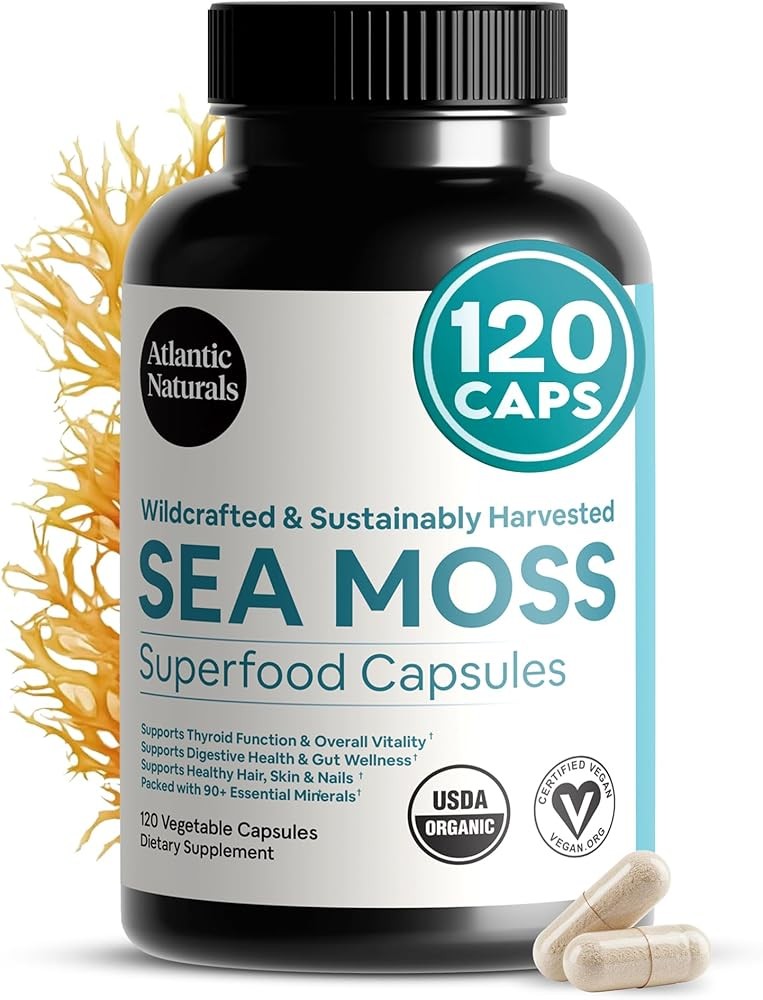
Atlantic Naturals Superfood Organic Irish Sea Moss Capsules - 120 Veggie Capsules | Wildcrafted Organic Sea Moss Supp...
Check Price on AmazonAs an Amazon Associate we earn from qualifying purchases.
Standard curcumin suffers from notoriously poor bioavailability. Only about 1% of orally consumed curcumin enters systemic circulation due to poor absorption, rapid metabolism, and quick elimination.
Research in Planta Medica demonstrated that combining curcumin with piperine (black pepper extract, marketed as Bioperine) increases bioavailability by 2,000%. Piperine inhibits hepatic and intestinal glucuronidation, the primary pathway for curcumin metabolism and elimination.
A clinical trial published in Drug Design, Development and Therapy examined enhanced curcumin (1,000 mg with 10 mg piperine) in patients with metabolic syndrome. After 8 weeks, participants showed:
- 67% reduction in C-reactive protein (CRP) versus 0.7% in placebo
- 32% decrease in IL-6 (pro-inflammatory cytokine)
- Improved lipid profiles with lower triglycerides and LDL
- No significant adverse effects even at high doses
Enhanced curcumin supplements provide several advantages over fresh turmeric juice:
- Guaranteed curcumin content: Standardized to 95% curcuminoids versus 3-5% in fresh root
- Dramatically improved absorption: 2,000% increase with piperine versus baseline
- Convenient dosing: 2-4 capsules daily versus juicing 3-5 inches of turmeric root
- Consistent potency: Standardized manufacturing versus variable root quality
The trade-off is missing synergistic compounds found in fresh turmeric, particularly volatile oils like ar-turmerone. An optimal approach combines enhanced curcumin supplements for therapeutic dosing with occasional fresh turmeric juice for compound diversity.
Bottom line: Enhanced curcumin with bioperine delivers 1,000-2,000mg standardized curcuminoids with 2,000% better absorption than fresh turmeric juice—clinical trials show 67% CRP reduction and significant IL-6 decrease at $25-45/month, making supplements more practical than juicing 3-5 inches turmeric root daily for therapeutic doses.
Omega-3 EPA/DHA: Marine-Source Anti-Inflammatory Powerhouses
Marine omega-3 fatty acids—eicosapentaenoic acid (EPA) and docosahexaenoic acid (DHA)—represent the gold standard for supplemental anti-inflammatory intervention, with the most robust clinical evidence of any natural anti-inflammatory compound.
A meta-analysis in Mayo Clinic Proceedings examined 40 randomized controlled trials involving over 135,000 participants. Omega-3 supplementation at doses of 2-4 grams daily:
- Reduced cardiovascular mortality by 8% in high-risk populations
- Decreased triglycerides by 25-30% with dose-dependent effects
- Lowered inflammatory markers including CRP, IL-6, and TNF-α
- Reduced joint pain and stiffness in rheumatoid arthritis by 30-40%
- Decreased NSAID requirements by up to 60% in some arthritis studies
EPA and DHA exert anti-inflammatory effects through multiple mechanisms:
Membrane Incorporation: Omega-3s integrate into cell membranes, displacing omega-6 fatty acids (particularly arachidonic acid). This changes the inflammatory mediator profile—when enzymes act on EPA instead of arachidonic acid, they produce less inflammatory prostaglandins and leukotrienes.
Specialized Pro-Resolving Mediators (SPMs): EPA and DHA serve as precursors for resolvins, protectins, and maresins—compounds that actively resolve inflammation rather than simply blocking it. This represents a fundamentally different mechanism than NSAIDs or other anti-inflammatory approaches.
NF-κB Suppression: Omega-3s inhibit the NF-κB inflammatory signaling pathway, reducing transcription of inflammatory genes.
PPAR Activation: These fatty acids activate peroxisome proliferator-activated receptors (PPARs), which regulate inflammatory and metabolic pathways.
The therapeutic dose range for anti-inflammatory effects is 2-4 grams combined EPA/DHA daily. This far exceeds what’s achievable through diet alone. Even fatty fish like salmon provides only 1-1.5 grams per 3-ounce serving, requiring multiple servings daily to reach therapeutic levels.
Quality matters enormously for fish oil supplements:
- Triglyceride versus ethyl ester form: Triglyceride-form omega-3s show 50-70% better absorption
- Oxidation levels (TOTOX value): Fresh fish oil should have TOTOX below 10; oxidized fish oil may promote rather than reduce inflammation
- Concentration: Look for at least 60% combined EPA/DHA by weight to reduce pill burden
- Third-party testing: Ensure testing for heavy metals, PCBs, and oxidation
Fresh juice provides essentially zero EPA/DHA and only modest amounts of plant-based ALA with poor conversion. For omega-3 anti-inflammatory benefits, supplementation is non-negotiable.
Bottom line: Omega-3 EPA/DHA supplements at 2-4g daily provide foundation anti-inflammatory intervention with 8% cardiovascular mortality reduction and 30-40% arthritis pain decrease—fresh juice delivers zero EPA/DHA, making marine omega-3 supplementation non-negotiable for therapeutic anti-inflammatory protocols ($15-35/month quality fish oil).
Quercetin: The Flavonoid Anti-Inflammatory
Quercetin, a flavonoid found in onions, apples, berries, and leafy greens, demonstrates anti-inflammatory and antihistamine properties through multiple pathways.
A meta-analysis in Nutrients examined 16 randomized controlled trials testing quercetin supplementation. Results showed:
- Significant reduction in inflammatory markers particularly IL-6 and TNF-α
- Decreased blood pressure by 3-4 mmHg systolic in hypertensive individuals
- Improved endothelial function enhancing blood vessel health
- Reduced allergy symptoms through mast cell stabilization
Quercetin’s anti-inflammatory mechanisms include:
- Inhibiting inflammatory enzymes including COX and lipoxygenase
- Suppressing NF-κB activation blocking inflammatory gene transcription
- Mast cell stabilization reducing histamine release in allergic inflammation
- Antioxidant activity neutralizing reactive oxygen species
- Modulating immune cell function affecting T-cell and macrophage responses
The effective dose in clinical trials ranged from 500-1,000 mg daily. Fresh juice can contribute quercetin—onion juice is particularly rich—but achieving supplement-level doses through juice alone proves challenging. A large onion contains approximately 100-150 mg quercetin, requiring substantial onion juice consumption for therapeutic doses.
Quercetin supplements often include enhanced formulations. Quercetin phytosome (bound to phospholipids) shows 20x greater absorption than standard quercetin. For allergy-related inflammation in particular, quercetin supplements offer advantages over fresh juice due to higher, more consistent dosing.
Bottom line: Quercetin supplements (500-1,000mg daily) reduce IL-6, TNF-α inflammatory markers and stabilize mast cells for allergic inflammation—fresh juice contributes 20-50mg quercetin per serving from onions/apples versus therapeutic supplement doses, with quercetin phytosome showing 20x better absorption than standard forms.
Boswellia Serrata: The Ayurvedic Anti-Inflammatory
Boswellia serrata (Indian frankincense) extract contains boswellic acids that inhibit inflammatory pathways distinct from other natural compounds, making it particularly valuable for combination protocols.
A Cochrane systematic review analyzed seven randomized controlled trials examining Boswellia for osteoarthritis. The analysis concluded that Boswellia extract (300-500 mg daily, standardized to 60% boswellic acids) improved pain and physical function with moderate-to-large effect sizes comparable to NSAIDs but without gastric irritation.
Boswellic acids’ unique mechanism targets 5-lipoxygenase (5-LOX), the enzyme producing inflammatory leukotrienes. This differs from compounds like curcumin and ginger that primarily target COX pathways, explaining Boswellia’s synergistic effects when combined with other anti-inflammatories.
Additional mechanisms include:
- Inhibiting cathepsin G and elastase enzymes that degrade cartilage
- Reducing inflammatory cytokines particularly TNF-α and IL-1β
- Suppressing NF-κB activation through multiple pathways
- Protecting cartilage integrity in joint inflammation
Fresh juice provides no meaningful boswellia content—this compound comes exclusively from tree resin extract. For joint-specific inflammation, particularly osteoarthritis, boswellia supplements offer unique benefits unavailable from fresh juice.
The clinical dose is 300-500 mg daily of extract standardized to 60% boswellic acids. Lower-quality supplements may contain minimal active compounds; verify standardization on the label.
Bottom line: Boswellia serrata (300-500mg daily, 60% boswellic acids) delivers unique 5-LOX leukotriene inhibition with NSAID-comparable osteoarthritis pain relief without gastric side effects—unavailable in fresh juice form, making supplementation necessary for this distinct anti-inflammatory pathway ($15-30/month).
Specialized Pro-Resolving Mediators (SPMs): The Resolution Phase
A fascinating evolution in inflammation science recognizes that inflammation doesn’t simply stop—it actively resolves through specialized compounds your body produces from omega-3 fatty acids.
Resolvins, protectins, and maresins (collectively called SPMs) are derivatives of EPA and DHA that actively terminate inflammatory responses and promote tissue healing. Unlike anti-inflammatory compounds that block inflammation, SPMs switch the immune system from an inflammatory to a resolution state.
Research published in Nature demonstrated that resolvins:
- Actively stop neutrophil infiltration into inflamed tissues
- Promote macrophage clearance of inflammatory debris and dead cells
- Reduce pain signaling through specific receptor interactions
- Enhance tissue repair accelerating healing processes
- Don’t suppress immune function unlike immunosuppressive medications
Your body produces SPMs from EPA and DHA, but chronic inflammation often depletes these resolution pathways. Supplementing with high-dose omega-3s (2-4 grams daily) provides substrate for SPM synthesis, but recently, SPM supplements became available providing resolvins and protectins directly.
Studies on SPM supplements show benefits for:
- Periodontal disease: Reduced gum inflammation and bone loss
- Dry eye syndrome: Improved tear production and reduced inflammation
- Post-exercise recovery: Decreased muscle soreness and faster healing
- Chronic joint pain: Enhanced resolution of persistent inflammation
Fresh juice provides no SPMs—these require omega-3 precursors from marine sources. SPM supplements represent cutting-edge anti-inflammatory intervention, though they’re more expensive ($40-60/month) than standard omega-3s.
For most people, high-dose EPA/DHA supplements provide sufficient substrate for the body to produce its own SPMs. Direct SPM supplementation makes sense for stubborn inflammation not responding to conventional approaches.
Bottom line: Specialized pro-resolving mediators (SPMs) derived from omega-3s actively terminate inflammation and promote tissue healing versus blocking inflammatory pathways—direct SPM supplements ($40-60/month) benefit stubborn inflammation, but high-dose EPA/DHA (2-4g daily) provides precursors for body to synthesize its own SPMs at lower cost.
Which Has Better Bioavailability: Fresh Juice or Supplements?
Bioavailability—how much of a compound actually reaches systemic circulation and target tissues—determines real-world anti-inflammatory effectiveness regardless of dose consumed.
Absorption: Getting Through the Gut Barrier
The intestinal epithelium presents a selective barrier. Nutrients must either pass through intestinal cells (transcellular absorption) or between them (paracellular absorption), then survive first-pass metabolism in the liver before entering systemic circulation.
Fresh Juice Absorption:
The food matrix in fresh juice provides both advantages and disadvantages. Benefits include:
- Natural emulsification: Juice contains fats and fibers that enhance fat-soluble compound absorption
- Enzyme activity: Fresh juice contains plant enzymes that may aid digestion and absorption
- Synergistic compounds: Multiple polyphenols and flavonoids enhance each other’s absorption
- Protective matrix: Some compounds gain protection from degradation during digestion
However, limitations include:
- Variable compound concentrations: Depend on produce quality, ripeness, and variety
- Rapid degradation: Some compounds oxidize within hours after juicing
- Lower absolute doses: Challenging to achieve therapeutic concentrations from juice alone
- Fiber interference: Some fibers may actually bind and reduce compound absorption
Supplement Absorption:
Modern supplement formulations specifically address bioavailability barriers:
- Enhanced curcumin with piperine: 2,000% absorption increase versus standard curcumin
- Phospholipid complexes (phytosomes): Up to 20x better absorption for quercetin and curcumin
- Triglyceride-form omega-3s: 50-70% better absorption than ethyl ester forms
- Liposomal delivery: Encapsulation in lipid spheres protecting compounds and enhancing absorption
- Time-release formulations: Extend absorption window and reduce degradation
Research published in Molecular Nutrition & Food Research compared curcumin bioavailability from fresh turmeric versus various supplement formulations. Results showed:
- Fresh turmeric: Baseline (reference point)
- Standard curcumin extract: 2-3x better than fresh turmeric
- Curcumin with piperine: 20-40x better than fresh turmeric
- Curcumin phytosome: 29-45x better than fresh turmeric
- Liposomal curcumin: 27-46x better than fresh turmeric
These differences translate to dramatically different therapeutic effectiveness at similar dosing.
Bottom line: Enhanced supplement formulations deliver 20-45x better absorption than fresh juice for curcumin through piperine, phytosome, and liposomal technologies—omega-3 triglyceride forms show 50-70% better absorption than ethyl ester formulations, giving supplements clear bioavailability advantage over fresh juice for therapeutic anti-inflammatory dosing.
Distribution: Reaching Target Tissues
Once absorbed, compounds must reach target tissues to exert anti-inflammatory effects. This requires surviving blood transport, crossing tissue barriers, and achieving sufficient local concentrations.
Blood Transport:
Many anti-inflammatory compounds are lipophilic (fat-loving), requiring binding to carrier proteins for blood transport. Omega-3 fatty acids bind to albumin and lipoproteins. Curcumin binds extensively to albumin, affecting its distribution pattern.
Fresh juice compounds enter circulation in their natural forms, potentially binding to endogenous carriers. Supplement formulations sometimes include carriers that improve blood transport and tissue delivery.
Tissue Penetration:
Inflammation occurs in specific tissues—joints, blood vessel walls, organs. Compounds must penetrate these tissues to work.
Omega-3 EPA and DHA incorporate into cell membranes throughout the body over 8-12 weeks, achieving steady-state tissue levels. This explains the delayed therapeutic effects—benefits improve progressively as tissues saturate with omega-3s.
Curcumin shows poor tissue penetration in standard forms. Enhanced formulations using phospholipids or liposomal delivery demonstrate superior tissue distribution. Studies using fluorescent-labeled curcumin show enhanced formulations achieving 3-10x higher tissue concentrations than standard curcumin.
Fresh juice compounds benefit from accompanying nutrients that may enhance tissue delivery, but absolute tissue levels remain lower due to reduced absorption.
Bottom line: Omega-3s require 8-12 weeks to fully incorporate into tissue cell membranes for maximum anti-inflammatory effects—enhanced curcumin formulations achieve 3-10x higher tissue concentrations than standard forms, with supplements generally delivering superior tissue penetration versus fresh juice compounds due to specialized carrier technologies.
Metabolism: The Liver’s Processing Plant
The liver extensively metabolizes many anti-inflammatory compounds, often converting them to inactive forms for elimination. This “first-pass metabolism” dramatically reduces bioavailability for some compounds.
Curcumin Metabolism:
The liver rapidly conjugates curcumin to glucuronide and sulfate forms with minimal biological activity. This represents curcumin’s primary bioavailability challenge.
Piperine (bioperine) specifically inhibits the glucuronidation enzymes, allowing curcumin to remain in active form longer. This explains the 2,000% bioavailability increase.
Fresh turmeric juice provides some protection through accompanying compounds, but cannot match piperine’s specific enzyme inhibition.
Omega-3 Metabolism:
EPA and DHA undergo relatively minimal metabolism, instead incorporating directly into cell membranes. The liver converts some EPA to DHA and uses both to produce SPMs, but these are beneficial metabolites rather than inactivation.
This favorable metabolic profile partly explains omega-3s’ superior clinical track record—you get what you take, with minimal loss to metabolism.
Gingerol Metabolism:
Gingerols undergo some metabolism but retain activity even after conjugation. Additionally, cooking converts gingerols to shogaols, which actually show enhanced anti-inflammatory properties in some models.
Fresh ginger juice delivers gingerols in their natural form, while some supplements provide shogaol-enriched extracts for potentially enhanced effects.
Bottom line: Curcumin undergoes extensive liver glucuronidation to inactive forms unless protected by piperine enzyme inhibition (2,000% bioavailability increase)—omega-3 EPA/DHA undergo minimal inactivating metabolism and incorporate directly into cell membranes, explaining their superior clinical effectiveness versus heavily metabolized compounds.
Elimination: How Long Do Effects Last?
Elimination rate determines how frequently you need to dose anti-inflammatory compounds to maintain therapeutic levels.
Curcumin: Extremely rapid elimination with half-life of 1-2 hours. Even enhanced formulations require multiple daily doses or sustained-release formats.
Omega-3s: Once incorporated into cell membranes, omega-3s persist for weeks to months. Daily supplementation maintains steady tissue levels, but skipping occasional doses has minimal impact.
Quercetin: Moderate elimination with half-life of 3-4 hours. Twice-daily dosing maintains more stable blood levels than single daily doses.
Gingerols: Relatively rapid elimination similar to curcumin. Fresh ginger juice consumed multiple times daily provides more stable levels than single daily doses.
This pharmacokinetic consideration favors omega-3 supplements for convenience—once you’ve built up tissue levels, consistent daily dosing matters more than precise timing. Compounds like curcumin and gingerols require more careful dosing schedules.
Bottom line: Curcumin’s 1-2 hour half-life requires multiple daily doses even with enhanced formulations—omega-3s persist in cell membranes for weeks after incorporation, making them forgiving of occasional missed doses once therapeutic tissue levels established at 8-12 weeks.
What Does Clinical Research Show About Effectiveness?
While mechanisms matter, clinical outcomes determine real-world value. Let’s examine head-to-head evidence for specific inflammatory conditions.
Osteoarthritis: The Wear-and-Tear Inflammation
Osteoarthritis (OA) affects over 32 million American adults, causing joint pain, stiffness, and disability from cartilage breakdown and chronic low-grade inflammation.
Omega-3 Evidence:
A meta-analysis in Pain examined 17 randomized controlled trials testing omega-3 supplementation for arthritis. Omega-3s at 2-4 grams daily EPA/DHA:
- Reduced joint pain intensity by 30-40% versus placebo
- Decreased morning stiffness duration by 25-30%
- Reduced NSAID use by up to 60% in some studies
- Improved grip strength and walking time in rheumatoid arthritis trials
Effects appeared at 8-12 weeks and improved further with continued use.
Curcumin Evidence:
A systematic review in Journal of Medicinal Food analyzed eight randomized trials testing curcumin for osteoarthritis. Curcumin at 1,000-2,000 mg daily:
- Reduced pain scores comparably to NSAIDs like ibuprofen
- Improved physical function measured by WOMAC scores
- Showed superior safety profile versus NSAIDs with no gastric effects
- Worked best in enhanced formulations with bioperine or phospholipids
Boswellia Evidence:
The Cochrane review mentioned earlier found Boswellia serrata (300-500 mg daily, 60% boswellic acids):
- Reduced pain and improved function with moderate-to-large effect sizes
- Showed comparable effectiveness to NSAIDs without side effects
- Worked specifically well for knee osteoarthritis
- Benefited from 2-3 month treatment duration for maximum effects
Fresh Juice Evidence:
Direct clinical trials testing fresh juice for osteoarthritis are limited. However, studies on tart cherry juice show promising results:
A randomized trial in Osteoarthritis and Cartilage tested tart cherry juice (8 ounces twice daily) versus placebo in women with inflammatory osteoarthritis. After 6 weeks:
- Reduced CRP levels by 21% versus no change in placebo
- Decreased pain scores significantly compared to control
- Improved physical function measured by WOMAC scores
- Reduced inflammatory markers particularly IL-6
The effective compound appears to be anthocyanins, which provide both antioxidant and anti-inflammatory effects.
Bottom line: Omega-3s (2-4g EPA/DHA) reduce osteoarthritis pain by 30-40% and NSAID use by 60% in clinical trials—enhanced curcumin (1,000-2,000mg) shows comparable pain relief to ibuprofen without gastric effects—tart cherry juice (16 oz daily) reduces CRP by 21% and pain scores significantly, with supplements generally delivering more consistent therapeutic effects than fresh juice alone.
Rheumatoid Arthritis: Autoimmune Joint Inflammation
Rheumatoid arthritis (RA) involves systemic autoimmune inflammation causing progressive joint destruction. This more severe inflammatory condition requires aggressive intervention.
Omega-3 Evidence:
RA represents one of omega-3s’ most validated applications. A Cochrane systematic review analyzing 23 randomized trials found omega-3 supplementation at 2.6-7 grams daily:
- Reduced joint tenderness measured by tender joint count
- Decreased morning stiffness duration by 25-30 minutes
- Lowered NSAID requirements significantly versus placebo
- Reduced inflammatory markers including CRP and IL-6
- Showed benefits by 12 weeks with continued improvement to 24 weeks
The evidence quality was rated as moderate to high, making omega-3s one of the few supplements with strong evidence in RA.
Curcumin Evidence:
A randomized trial in Phytotherapy Research compared curcumin (500 mg twice daily) to diclofenac (50 mg twice daily), a powerful NSAID, in active RA patients. The curcumin group showed:
- Greater improvement in disease activity scores versus diclofenac alone
- Superior reduction in tender and swollen joint counts
- Better safety profile with no adverse effects versus 14% adverse events in diclofenac group
- Suggested curcumin’s potential as adjunct therapy to conventional DMARDs
This represents rare evidence of a natural compound performing as well as pharmaceutical intervention in serious autoimmune disease.
Combined Approach Evidence:
A trial in Immunologic Research tested omega-3s (3 grams daily) plus curcumin (500 mg daily) versus placebo in RA patients on stable DMARD therapy. The combination:
- Reduced disease activity scores more than either compound alone
- Showed synergistic anti-inflammatory effects on multiple cytokines
- Improved quality of life measures significantly
- Demonstrated safety as adjunct to conventional therapy
Fresh Juice Evidence:
No robust clinical trials have tested fresh juice protocols for rheumatoid arthritis. Given RA’s severity, relying solely on fresh juice would be inappropriate—this condition requires medical management. Fresh juice may provide complementary benefits but cannot substitute for proven interventions.
Bottom line: Omega-3s (2.6-7g daily) reduce RA joint tenderness, morning stiffness duration by 25-30 minutes, and NSAID requirements in 23 clinical trials—curcumin (1,000mg daily) showed comparable or superior results versus diclofenac NSAID with better safety profile—combination omega-3 + curcumin demonstrates synergistic effects, while fresh juice lacks robust RA clinical evidence.
Cardiovascular Inflammation: The Silent Killer
Chronic vascular inflammation drives atherosclerosis, heart attacks, and strokes. Inflammatory markers like CRP predict cardiovascular events independent of cholesterol levels.
Omega-3 Evidence:
The REDUCE-IT trial published in New England Journal of Medicine tested high-dose EPA (4 grams daily as icosapent ethyl) in high-risk cardiovascular patients. After median 4.9 years:
- 25% reduction in cardiovascular death, heart attack, or stroke versus placebo
- 20% reduction in cardiovascular death alone
- 31% reduction in heart attack
- 28% reduction in stroke
This landmark trial established high-dose omega-3s as legitimate cardiovascular intervention, not just prevention.
A meta-analysis of 40 trials in Mayo Clinic Proceedings confirmed broader cardiovascular benefits from omega-3 supplementation at 2-4 grams daily, including reduced cardiovascular mortality and inflammatory marker improvements.
Curcumin Evidence:
A meta-analysis in Nutrition Research examined 16 trials testing curcumin’s effects on cardiovascular disease markers. Curcumin supplementation:
- Reduced CRP levels by significant margins versus placebo
- Improved endothelial function measured by flow-mediated dilation
- Decreased lipid peroxidation reducing oxidative stress
- Lowered inflammatory cytokines including TNF-α and IL-6
While promising, curcumin lacks the hard cardiovascular outcome data (death, heart attack) that omega-3s have demonstrated.
Fresh Juice Evidence:
A systematic review in Nutrients analyzed studies on fruit and vegetable juice consumption and cardiovascular health. Regular juice consumption:
- Reduced blood pressure by 3-5 mmHg in hypertensive individuals
- Improved endothelial function through enhanced nitric oxide production
- Decreased oxidative stress markers
- Reduced inflammatory markers including CRP
However, these were observational studies and small intervention trials, not large outcome studies like REDUCE-IT. Fresh juice provides cardiovascular support but hasn’t demonstrated mortality reduction like high-dose omega-3s.
Bottom line: High-dose omega-3 EPA (4g daily) reduced cardiovascular death/heart attack/stroke by 25% in REDUCE-IT trial—curcumin supplements reduce CRP and improve endothelial function but lack hard outcome data—fresh juice reduces blood pressure 3-5 mmHg and improves endothelial function in small trials but hasn’t demonstrated mortality benefits like omega-3s in large-scale studies.
Athletic Recovery: Inflammation from Exercise
Intense exercise induces temporary inflammation and muscle damage. Managing exercise-induced inflammation improves recovery and subsequent performance.
Omega-3 Evidence:
A meta-analysis in Journal of the International Society of Sports Nutrition examined omega-3 supplementation for exercise recovery. At doses of 2-6 grams EPA/DHA daily:
- Reduced delayed onset muscle soreness (DOMS) by 20-30%
- Decreased inflammatory markers post-exercise (IL-6, TNF-α, CRP)
- Improved muscle function recovery with faster return to baseline strength
- Reduced perception of muscle soreness on 1-10 scales
Effects were most pronounced when supplementation began several weeks before exercise (allowing membrane incorporation) rather than just post-exercise.
Curcumin Evidence:
A systematic review in Critical Reviews in Food Science and Nutrition analyzed 11 trials testing curcumin for exercise-induced inflammation. Curcumin at 150-1,500 mg daily:
- Reduced muscle soreness following eccentric exercise
- Decreased markers of muscle damage (creatine kinase, myoglobin)
- Improved muscle performance recovery with faster strength restoration
- Reduced oxidative stress measured by lipid peroxidation markers
Enhanced curcumin formulations showed superior results versus standard curcumin.
Tart Cherry Juice Evidence:


Juicing for Beginners: 600 Foolproof Juicing Recipes and the Complete Crash Course to Juicing with to Lose Weight, Ga...
Check Price on AmazonAs an Amazon Associate we earn from qualifying purchases.
Multiple studies have tested tart cherry juice specifically for athletic recovery, making it one of the best-studied fresh juice interventions.
A meta-analysis in Nutrients examined eight trials testing tart cherry juice (8-16 ounces daily) for exercise recovery. Results showed:
- Reduced muscle soreness by 23% versus placebo
- Decreased strength loss by 19% following intense exercise
- Faster recovery of muscle function measured by jump height and power output
- Reduced inflammatory markers particularly IL-6 and CRP
The active compounds appear to be anthocyanins and other polyphenols providing both anti-inflammatory and antioxidant effects.
Importantly, tart cherry juice represents one of the few fresh juice interventions with solid clinical evidence matching supplement-grade studies. The liquid format may even provide advantages for post-exercise hydration and carbohydrate replenishment.
Bottom line: Omega-3s (2-6g EPA/DHA) reduce delayed onset muscle soreness by 20-30% and accelerate strength recovery when started weeks before exercise—curcumin (150-1,500mg) decreases muscle damage markers and soreness post-exercise—tart cherry juice (8-16 oz) shows 23% soreness reduction and 19% strength loss decrease with anthocyanin anti-inflammatory compounds, representing best-studied fresh juice athletic intervention.
How Can You Tell If Your Anti-Inflammatory Approach Is Working?
Tracking response helps optimize your protocol and confirms you’re getting value from your investment in time, money, and effort.
Pain Pattern Changes
Pain represents the most obvious inflammation marker most people track. However, pain assessment requires nuance.
Track intensity on consistent scales: Use 0-10 numerical rating scales consistently. “My knee pain averaged 6/10 this week” provides better data than “it hurts less.”
Monitor pain at standard times: Pain often varies throughout the day. Rate pain at consistent times (e.g., upon waking, mid-afternoon, bedtime) to detect real changes versus normal fluctuations.
Note activity-related pain: Does pain increase with specific movements or activities? Track how much activity triggers pain rather than just resting pain levels.
Watch for delayed responses: Anti-inflammatory effects often take 4-8 weeks. Don’t expect immediate pain relief like NSAIDs provide. Many people prematurely abandon effective protocols because they expect faster results.
Realistic expectations: Natural anti-inflammatory approaches typically provide 20-40% pain reduction, not complete elimination. If you start at 7/10 pain and decrease to 4/10, that’s a meaningful success even though pain persists.
Bottom line: Use consistent 0-10 pain scales at standard times (upon waking, afternoon, bedtime) to track changes—expect 20-40% pain reduction over 4-8 weeks rather than immediate NSAID-like relief—most natural anti-inflammatory protocols deliver meaningful but partial pain improvement rather than complete elimination.
Swelling and Joint Size Changes
Visible swelling provides an objective inflammation marker you can measure and photograph.
Measure joint circumference: Use a soft tape measure to record knee, ankle, or finger circumference. Measure at consistent anatomical landmarks (e.g., center of kneecap, base of finger).
Track morning versus evening swelling: Inflammatory arthritis often causes morning swelling that improves throughout the day. Track patterns to detect changes.
Photograph inflamed areas: Weekly photos document changes your eye might miss when viewing daily. Use consistent lighting and angles.
Monitor shoes and rings: Do your shoes fit better? Can you remove your rings more easily? These functional markers matter more than millimeters of circumference.
Expected timeline: Swelling typically responds slower than pain. Expect 6-12 weeks for meaningful swelling reduction with consistent anti-inflammatory protocols.
Bottom line: Measure joint circumference at consistent anatomical landmarks weekly using soft tape—photograph inflamed areas with consistent lighting to detect gradual changes—functional markers like shoe and ring fit often change before measurements show statistical differences, with swelling responding over 6-12 weeks versus 4-8 weeks for pain.
Range of Motion Improvements
Joint stiffness and restricted movement directly reflect inflammatory effects on joints and surrounding tissues.
Test specific movements: Record how far you can flex/extend joints. For example, measure knee flexion angle or shoulder abduction degrees.
Morning stiffness duration: Classic inflammatory marker. Track how many minutes from waking until joints feel “loosened up.”
Functional movement tests: How many stairs can you climb without pain? Can you squat fully? These functional measures often matter more than goniometer measurements.
Compare affected versus unaffected sides: If inflammation affects one knee more than the other, compare the two sides to control for age-related changes.
Expected changes: Range of motion improvements often lag pain reduction by several weeks. Joint tissue remodeling takes time even after inflammation decreases.
Bottom line: Track morning stiffness duration (minutes from waking until joints “loosen”) as classic inflammatory marker—functional movement tests (stair climbing, squatting) often show improvements before measured range of motion changes—expect 8-12 weeks for meaningful flexibility gains even after pain reduces earlier at 4-8 weeks.
Energy Level Changes
Systemic inflammation causes fatigue through multiple mechanisms including inflammatory cytokine effects on the brain and metabolic changes.
Rate daily energy levels: Use consistent 0-10 scales for morning, afternoon, and evening energy.
Track exercise tolerance: How long can you walk, exercise, or perform daily activities before fatigue hits?
Monitor cognitive energy: Brain fog often accompanies inflammatory conditions. Notice changes in mental clarity and focus.
Sleep quality assessment: Inflammation disrupts sleep architecture. Better sleep often indicates reduced systemic inflammation.
Expected timeline: Energy improvements often appear earlier than joint-specific changes, sometimes within 2-4 weeks. Systemic inflammatory reduction affects metabolism and brain function quickly.
Bottom line: Rate energy levels on 0-10 scales at consistent times (morning, afternoon, evening) to detect systemic anti-inflammatory effects—track exercise tolerance duration and cognitive clarity (brain fog reduction)—energy improvements often appear at 2-4 weeks before joint-specific changes, indicating systemic inflammatory cytokine reduction.
Laboratory Biomarkers
Objective blood tests remove subjectivity and confirm biological changes.
C-Reactive Protein (CRP): The most accessible inflammation biomarker. Normal is below 3 mg/L; levels of 3-10 indicate moderate inflammation; above 10 indicates significant inflammation. Track changes over 8-12 weeks of intervention.
High-sensitivity CRP (hs-CRP) detects lower levels, useful for cardiovascular inflammation tracking. Levels below 1 mg/L indicate low cardiovascular risk; 1-3 moderate risk; above 3 high risk.
Erythrocyte Sedimentation Rate (ESR): Older inflammation marker still useful for tracking arthritis activity. Elevated ESR (above 20-30 mm/hr depending on age and sex) suggests active inflammation.
Inflammatory Cytokines: Research studies measure TNF-α, IL-6, IL-1β, but these aren’t routinely available in clinical practice. Some specialized labs offer cytokine panels, useful for detailed tracking.
Omega-3 Index: Measures red blood cell EPA and DHA content as percentage of total fatty acids. Target is above 8% for optimal anti-inflammatory and cardiovascular benefits. This directly confirms omega-3 tissue incorporation.
Testing frequency: Baseline before starting intervention, then retest at 8-12 weeks. More frequent testing isn’t useful since changes take weeks to months.
Cost considerations: CRP and ESR are inexpensive ($15-30 each) and usually insurance-covered. Omega-3 Index costs $50-100 and is often not covered. Cytokine panels run $200-400 and are rarely covered.
Bottom line: C-reactive protein (CRP) provides most accessible inflammation biomarker (target below 3 mg/L, below 1 mg/L for cardiovascular)—omega-3 index measures red blood cell EPA/DHA percentage (target above 8%)—test at baseline then 8-12 weeks post-intervention, since changes require months to manifest, with CRP/ESR costing $15-30 versus $50-100 for omega-3 index.
Digestive Changes
The gut-inflammation connection is bidirectional—gut inflammation affects systemic inflammation, and systemic anti-inflammatory interventions often improve gut function.
Bowel movement regularity: Many anti-inflammatory compounds affect gut motility. Fresh juice particularly increases fiber and water intake.
Gas and bloating: Some supplements (particularly high-dose omega-3s or certain probiotics) initially increase gas. This often improves with continued use.
Nutrient absorption: Better gut function from reduced intestinal inflammation can improve nutrient absorption, leading to improved energy and overall wellness.
Food tolerance: Some people notice improved tolerance to foods that previously caused issues once systemic inflammation reduces.
Bottom line: Anti-inflammatory protocols often improve gut function through reduced intestinal inflammation—fresh juice increases fiber and water affecting bowel regularity—high-dose omega-3s may initially increase gas but improves with continued use—better nutrient absorption from reduced gut inflammation contributes to improved energy and overall wellness beyond joint-specific benefits.
Skin Appearance
Skin reflects systemic inflammation through multiple visible markers.
Redness and flushing: Inflammatory skin conditions like rosacea often improve with systemic anti-inflammatory approaches.
Texture and clarity: Reduced inflammation can improve acne, eczema, and general skin texture.
Healing speed: Wounds and minor injuries heal faster when systemic inflammation decreases.
Puffiness: Facial puffiness, particularly around eyes, often reflects fluid retention from inflammation.
Timeline: Skin changes often appear at 4-8 weeks as systemic inflammation reduces and antioxidants reduce oxidative damage.
Bottom line: Skin provides visible systemic inflammation marker through redness, texture, and healing speed—facial puffiness reduction around eyes indicates decreased inflammatory fluid retention—improvements typically appear at 4-8 weeks as antioxidants reduce oxidative damage and systemic inflammatory cytokines decrease.
Which Anti-Inflammatory Strategy Should You Choose?
The optimal approach depends on your specific condition, severity, budget, and lifestyle constraints. Here are evidence-based recommendations for common scenarios.
Scenario 1: Mild Osteoarthritis with Occasional Pain
Profile: You’re 45-60 years old with knee or hip osteoarthritis. Pain averages 3-5/10, mostly with activity. NSAIDs help but you’d prefer natural approaches. Budget is moderate ($50-100/month).
Recommended Protocol:
-
Foundation: Omega-3s — Start with 2 grams EPA/DHA daily from quality triglyceride-form fish oil. This provides baseline anti-inflammatory effects with strong evidence for OA pain reduction.
-
Targeted intervention: Boswellia — Add 300-500 mg daily (60% boswellic acids) for specific joint support. This targets 5-LOX pathways omega-3s don’t fully address.
-
Fresh juice addition: Tart cherry — 8 ounces daily, particularly on active days or after exercise. Provides additional anthocyanin anti-inflammatory compounds with hydration benefits.
-
Optional: Curcumin — If budget allows, add 500-1,000 mg enhanced curcumin for broader inflammatory pathway coverage.
Expected outcomes: 30-40% pain reduction within 8-12 weeks, reduced NSAID reliance, improved function for daily activities.
Cost: $35-55/month (omega-3s $15-20, boswellia $15-20, tart cherry juice $5-15)
Bottom line: Mild osteoarthritis responds well to omega-3s (2g EPA/DHA) plus boswellia (300-500mg, 60% boswellic acids) targeting different pathways—add tart cherry juice (8 oz daily) on active days—expect 30-40% pain reduction within 8-12 weeks and reduced NSAID use at $35-55/month total cost.
Scenario 2: Moderate to Severe Rheumatoid Arthritis
Profile: Diagnosed RA on DMARD therapy (methotrexate or similar). Experiencing breakthrough pain and stiffness despite medication. Looking for safe adjunct approaches. Working with rheumatologist.
Recommended Protocol:
-
Foundation: High-dose omega-3s — 3-4 grams EPA/DHA daily split into 2 doses. This provides the strongest RA evidence of any natural intervention.
-
Targeted intervention: Enhanced curcumin — 1,000-2,000 mg daily with bioperine. Clinical evidence shows comparable results to NSAIDs with better safety profile.
-
Fresh juice: Limited role — Occasional fresh turmeric/ginger juice provides compound diversity but shouldn’t be primary intervention given RA severity.
-
Monitoring: Blood work — Track CRP, ESR, and inflammatory markers every 3 months with your rheumatologist to confirm benefits and adjust DMARDs accordingly.
Expected outcomes: 25-35% reduction in tender joint count, decreased morning stiffness by 25-30 minutes, potential for DMARD dose reduction (under medical supervision).
Cost: $45-75/month (omega-3s $25-35, enhanced curcumin $20-40)
Critical note: Never discontinue DMARDs without rheumatologist approval. These supplements are adjuncts, not replacements, for serious autoimmune disease.
Bottom line: Rheumatoid arthritis requires high-dose omega-3s (3-4g EPA/DHA daily) plus enhanced curcumin (1,000-2,000mg with bioperine) as adjuncts to DMARD therapy—expect 25-35% tender joint count reduction and 25-30 minute morning stiffness decrease at $45-75/month—NEVER discontinue DMARDs without rheumatologist supervision, supplements are adjuncts not replacements.
Scenario 3: Cardiovascular Disease Prevention
Profile: You have elevated CRP (above 2 mg/L), family history of heart disease, or established risk factors (hypertension, high cholesterol). Goal is reducing cardiovascular inflammation and event risk.
Recommended Protocol:
- Foundation: High-dose EPA — Consider prescription EPA (Vascepa/icosapent ethyl) at 4 grams daily if insurance covers and you have elevated triglycerides. This has the strongest cardiovascular outcome data.
If prescription isn’t option, use high-quality EPA/DHA supplement at 2-4 grams daily emphasizing EPA content.
-
Targeted intervention: Enhanced curcumin — 1,000 mg daily for CRP reduction and endothelial function improvement.
-
Fresh juice: Daily vegetable juice — 12-16 ounces daily emphasizing leafy greens, beets (nitric oxide production), and berries. This provides additional polyphenols and blood pressure benefits.
-
Monitoring: hs-CRP and lipids — Track high-sensitivity CRP every 6-12 months targeting levels below 1 mg/L. Monitor lipids to ensure interventions are improving cardiovascular risk markers.
Expected outcomes: 20-40% CRP reduction, improved endothelial function, 3-5 mmHg blood pressure decrease from juice, long-term cardiovascular event risk reduction.
Cost: $40-80/month (omega-3/EPA $25-50, curcumin $20-30, produce for fresh juice $20-40)
Bottom line: Cardiovascular inflammation responds best to high-dose EPA (4g prescription Vascepa or 2-4g EPA/DHA supplement) plus enhanced curcumin (1,000mg)—add daily vegetable juice (12-16 oz leafy greens/beets) for blood pressure benefits—expect 20-40% CRP reduction and 3-5 mmHg BP decrease at $40-80/month, with hs-CRP monitored every 6-12 months.
Scenario 4: Athletic Performance and Recovery
Profile: You exercise intensely 4-6 times weekly. Recovery between sessions is slower than desired, with muscle soreness affecting subsequent workouts. Looking to optimize recovery and reduce exercise-induced inflammation.
Recommended Protocol:
-
Foundation: Omega-3s — 2-3 grams EPA/DHA daily started at least 4 weeks before peak training to allow membrane incorporation. This provides baseline anti-inflammatory effects and DOMS reduction.
-
Targeted intervention: Curcumin — 500-1,000 mg enhanced curcumin daily for muscle damage and oxidative stress reduction.
-
Fresh juice: Tart cherry concentrate — 12-16 ounces daily around intense workouts (8 oz before, 8 oz after). This has the strongest athletic recovery evidence of any fresh juice intervention.
-
Timing optimization: Start omega-3s 4-8 weeks before peak training. Use curcumin and cherry juice particularly around hardest training sessions.
Expected outcomes: 20-30% reduction in delayed onset muscle soreness, faster strength recovery (12-24 hours earlier return to baseline), reduced inflammatory markers post-exercise.
Cost: $30-60/month (omega-3s $15-20, curcumin $15-20, tart cherry concentrate $20-30 during peak training)
Bottom line: Athletic recovery optimizes with omega-3s (2-3g EPA/DHA started 4+ weeks before peak training) plus curcumin (500-1,000mg) and tart cherry juice (12-16 oz around intense workouts)—expect 20-30% DOMS reduction and 12-24 hour faster strength recovery at $30-60/month, with cherry juice having strongest fresh juice athletic evidence.
Scenario 5: Inflammatory Bowel Disease
Profile: Diagnosed Crohn’s disease or ulcerative colitis with chronic intestinal inflammation. On conventional therapy but experiencing breakthrough symptoms or interested in adjunct approaches.
Recommended Protocol:
-
Foundation: Omega-3s with caution — 2-3 grams EPA/DHA daily, but start low and increase gradually as high doses can increase bowel movements initially. Emphasize EPA over DHA for IBD.
-
Targeted intervention: Curcumin — 1,000-2,000 mg enhanced curcumin has specific evidence for maintaining UC remission. Multiple trials show benefits comparable to mesalamine in some patients.
-
Fresh juice: Very limited — High fiber content in fresh juice may exacerbate IBD symptoms during flares. Consider only during remission, starting with small amounts (4-6 oz) of low-fiber juice (carrot, apple).
-
Specialized consideration: SPMs — Specialized pro-resolving mediators derived from omega-3s show promise specifically for IBD. Consider SPM supplements ($40-60/month) if conventional omega-3s don’t provide sufficient benefit.
-
Critical monitoring: Work closely with gastroenterologist. Track symptoms, bowel movement frequency, blood in stool. Get periodic colonoscopy to assess mucosal healing, not just symptom improvement.
Expected outcomes: Extended remission duration, reduced flare frequency, potential for medication dose reduction (under medical supervision), improved quality of life.
Cost: $45-100/month (omega-3s $20-30, enhanced curcumin $25-40, optional SPMs $40-60)
Important caveat: IBD is serious disease requiring medical management. Never replace conventional therapy with natural approaches without gastroenterologist approval.
Bottom line: IBD responds to omega-3s (2-3g EPA/DHA started low due to initial bowel movement increase) plus curcumin (1,000-2,000mg with evidence for maintaining UC remission)—fresh juice very limited during flares due to fiber, only 4-6 oz low-fiber types during remission—consider SPM supplements ($40-60/month) for advanced intervention under gastroenterologist supervision, NEVER replacing conventional therapy.
Scenario 6: Budget-Conscious Approach
Profile: Limited budget ($20-30/month) but still want evidence-based anti-inflammatory intervention. Willing to invest time in fresh juice preparation if it provides better value than supplements.
Recommended Protocol:
-
Foundation: Basic omega-3s — Prioritize quality omega-3 supplement at minimum effective dose (1.5-2 grams EPA/DHA daily). This non-negotiable foundation provides best evidence per dollar spent. Budget option: $12-18/month.
-
Fresh juice emphasis: Invest time rather than money. Daily 12-16 oz fresh juice emphasizing:
- Fresh turmeric root (2-3 inches) for curcumin
- Fresh ginger (2 inches) for gingerols
- Leafy greens (kale, spinach) for ALA and polyphenols
- Carrots and apples for flavonoids and palatability
Buying produce in season and at farmers markets reduces costs to $15-25/month for juice ingredients.
-
Strategic supplement addition: When budget allows, add Boswellia serrata ($10-15/month) for targeted joint support before adding more expensive enhanced curcumin.
-
DIY bioavailability enhancement: Add black pepper to fresh turmeric juice (provides piperine enhancing curcumin absorption). Add healthy fats (small amount of olive oil or coconut oil) to juice to enhance fat-soluble compound absorption.
Expected outcomes: 20-30% pain reduction, improved inflammatory markers, slower results than higher-budget protocols but still meaningful benefits over 12-16 weeks.
Cost: $25-40/month (basic omega-3s $12-18, produce for daily juice $15-25)
Bottom line: Budget approach prioritizes basic omega-3s (1.5-2g EPA/DHA, $12-18/month non-negotiable foundation) plus time investment in daily fresh juice (12-16 oz turmeric/ginger/greens, $15-25/month produce)—add black pepper to juice for piperine curcumin enhancement—expect 20-30% pain reduction over 12-16 weeks at $25-40/month total cost.
How Do You Make Anti-Inflammatory Protocols Sustainable Long-Term?
Short-term interventions don’t address chronic inflammation. Sustainability determines real-world success more than theoretical effectiveness.
Fresh Juice Protocol: Daily Workflow
The preparation time required for fresh juice represents the primary barrier to long-term adherence.
Efficient prep strategies:
- Batch washing and prep: Wash and cut 3-4 days of produce at once, storing in sealed containers in refrigerator
- Simplified recipes: Rotating 3-4 proven recipes reduces decision fatigue versus trying new combinations daily
- Strategic timing: Juice during existing kitchen time (while making breakfast or dinner) rather than as separate task
- Pre-portioned ingredients: Keep 2-inch ginger chunks and turmeric root pre-cut for grab-and-go efficiency
Cleanup optimization:
- Immediate rinse: Rinse juicer parts immediately after use stops pulp from drying and requiring scrubbing
- Dishwasher-safe components: Choose juicers with dishwasher-safe parts reducing manual cleaning time
- Realistic minimum: Identify your sustainable minimum (3-4 days weekly?) versus unsustainable daily perfection
Cost management:
- Seasonal buying: Purchase produce at peak season when prices drop
- Farmers market bulk: Many farmers offer bulk discounts; freeze excess ginger and turmeric root
- Grow your own: Turmeric and ginger can be grown in pots in warm climates, providing free ongoing supply
Bottom line: Sustainable fresh juice protocols require batch washing/prepping 3-4 days produce at once and rotating 3-4 simplified recipes to reduce decision fatigue—immediate rinse of juicer parts avoids scrubbing dried pulp—realistic minimum of 3-4 days weekly often more sustainable than unsustainable daily perfection, with seasonal buying and farmers market bulk purchases reducing costs.
Supplement Protocol: Consistency Systems
Supplements require minimal time but still face adherence challenges, particularly with multiple compounds taken at different times.
Organization systems:
- Pill organizers: Weekly pill organizers with AM/PM compartments ensure consistent dosing and avoid “did I already take this?” confusion
- Visual reminders: Keep supplements next to coffee maker, toothbrush, or other daily habits that serve as triggers
- Automatic refill: Set up automatic subscription shipments so you never run out
Timing optimization:
- Omega-3s: Take with largest meal to maximize absorption and minimize fish burps
- Curcumin: Split dose (morning and evening) maintains more stable blood levels given short half-life
- Fat-soluble compounds: Take with meal containing healthy fats (omega-3s, curcumin, quercetin)
Quality verification:
- Third-party testing: Verify supplements carry USP, NSF, or ConsumerLab certification confirming label accuracy
- Batch consistency: Stick with brands showing consistent quality rather than switching for minor price differences
- Expiration awareness: Omega-3s oxidize over time; verify expiration dates and smell fish oil before taking (rancid fish oil smells strongly fishy/foul)
Bottom line: Sustainable supplement protocols use weekly pill organizers with AM/PM compartments and visual reminders near daily habit triggers (coffee maker, toothbrush)—take omega-3s with largest meal to maximize absorption and minimize burps, split curcumin AM/PM for stable levels—verify third-party testing (USP, NSF, ConsumerLab) and check omega-3 expiration dates since oxidation reduces effectiveness.
Combination Protocol: Balancing Both Approaches
Many find optimal results combining supplement foundation with intermittent fresh juice rather than choosing one exclusively.
Hybrid approach:
- Daily non-negotiables: Omega-3s and enhanced curcumin taken as supplements every day without exception
- Fresh juice 3-5 days weekly: Provides compound diversity and psychological satisfaction without daily commitment
- Strategic fresh juice: Emphasize juice on high-activity days, after intense exercise, or when feeling increased inflammation
Budget optimization:
- Supplement basics: Cover foundation anti-inflammatory effects (omega-3s, curcumin) with supplements ensuring consistency
- Fresh juice for variety: Use fresh juice to add diverse polyphenols and antioxidants supplements don’t provide
- Condition-specific additions: Add targeted supplements (boswellia for joints, quercetin for allergies) based on specific needs
Flexibility for life:
- Travel adaptability: Supplements travel easily; fresh juice doesn’t. Having supplement foundation ensures consistency during travel.
- Social situations: Easier to skip one fresh juice session than compromise supplement routine
- Busy seasons: During high-stress periods, maintaining supplement routine provides baseline benefits even when fresh juice falls off
Bottom line: Sustainable combination protocol uses daily non-negotiable supplement foundation (omega-3s, enhanced curcumin) plus fresh juice 3-5 days weekly for compound diversity—supplements ensure consistency during travel and busy periods when fresh juice isn’t practical—strategic fresh juice on high-activity days or when feeling increased inflammation provides targeted boost without daily commitment.
Adherence Strategies: The 80% Rule
Perfect adherence is unnecessary and often counterproductive by creating unsustainable pressure.
The 80% principle:
Research shows 80% adherence to anti-inflammatory protocols provides approximately 90% of the maximum benefit. The final 20% adherence improvement yields minimal additional benefit but dramatically increases burden.
Practical application:
- Omega-3s: Missing 1-2 doses weekly has minimal impact once steady-state tissue levels are achieved (after 8-12 weeks)
- Curcumin: Given short half-life, try for daily use but 5-6 days weekly still provides meaningful benefits
- Fresh juice: 4-5 days weekly provides substantial benefits versus daily preparation
Psychological sustainability:
- Avoid all-or-nothing thinking: Missing one day doesn’t “ruin” your protocol; simply resume next day
- Plan for imperfection: Build in acceptable variation rather than rigid rules
- Focus on trends: Monthly and quarterly consistency matters more than daily perfection
Recovery from breaks:
- After 1-2 week break: Resume immediately; no need to “restart” protocol
- After longer breaks: Consider omega-3 index testing to verify tissue levels maintained before assuming you’ve lost all benefits
Bottom line: 80% adherence provides approximately 90% maximum anti-inflammatory benefits making perfect daily compliance unnecessary—missing omega-3s 1-2 days weekly has minimal impact after initial 8-12 week tissue incorporation—fresh juice 4-5 days weekly delivers substantial benefits versus unsustainable daily perfection, with monthly and quarterly consistency mattering more than daily rigid adherence.
Monitoring and Adjusting
Regular assessment avoids both premature abandonment of working protocols and continued investment in ineffective approaches.
Structured check-ins:
- 4-week assessment: Early checkpoint. Some markers (energy, sleep) may show improvement; pain and joint symptoms usually still changing. Don’t abandon protocol yet.
- 8-12 week assessment: Primary evaluation point. Most benefits should be apparent. If seeing zero improvement, consider adjusting or adding interventions.
- Quarterly reassessment: Once stable, check in every 3 months. Are benefits maintained? Any new issues? Adjust as needed.
Data-driven decisions:
- Track objective measures: Pain scales, joint circumference, morning stiffness duration, blood work
- Identify patterns: Does fresh juice on active days provide noticeable benefit? Do you feel worse when you miss omega-3s?
- Test variables: Try removing one supplement for 2-4 weeks. If symptoms worsen, that compound was contributing. If no change, consider whether it’s cost-effective to continue.
Adjustment triggers:
- Plateau: Benefits stopped improving after initial gains. Consider adding another intervention targeting different pathway.
- Partial response: Some improvement but not sufficient. Increase doses (within safe ranges) or add complementary approaches.
- No response: After 12 weeks, zero improvement. Reassess diagnosis, verify supplement quality, consider whether chronic inflammation is actually your primary issue.
Bottom line: Conduct structured check-ins at 4 weeks (early checkpoint for energy/sleep), 8-12 weeks (primary evaluation point for pain/joint symptoms), and quarterly once stable—track objective measures (pain scales, morning stiffness duration, circumference, blood work) to identify patterns—test variables by removing one supplement for 2-4 weeks to verify contribution before continuing long-term investment.
Common Pitfalls and Solutions
Pitfall 1: Expecting Immediate Results
- Reality: Anti-inflammatory effects take 4-12 weeks for full benefits
- Solution: Commit to 3-month trial before judging effectiveness
Pitfall 2: Inconsistent Dosing
- Reality: Skipping days creates peaks and troughs reducing effectiveness
- Solution: Set non-negotiable minimum (e.g., “I never miss omega-3s even if I skip everything else”)
Pitfall 3: Low-Quality Supplements
- Reality: Not all supplements contain labeled ingredients or doses
- Solution: Choose third-party tested brands; verify fish oil freshness
Pitfall 4: Unrealistic Fresh Juice Expectations
- Reality: 30 minutes of juicing preparation daily isn’t sustainable for most people
- Solution: Start with 3-4 days weekly; find minimum effective dose
Pitfall 5: Ignoring Food-Drug Interactions
- Reality: Anti-inflammatory compounds may interact with medications
- Solution: Discuss all supplements with your physician, especially if taking blood thinners, immunosuppressants, or chemotherapy
Additional Products and Resources
Beyond the core anti-inflammatory ingredients, several supporting products enhance your anti-inflammatory protocol.
Recipe Books and Guides
Learning diverse anti-inflammatory juice recipes reduces boredom and ensures varied nutrient intake.
This comprehensive guide provides over 150 recipes specifically designed to reduce inflammation through diet, including juice recipes, smoothies, and whole-food meals. The book emphasizes Mediterranean diet principles with modern recipe adaptations.
Organic Produce Options
Fresh organic produce delivers anti-inflammatory compounds without pesticide residues that may promote inflammation.
Fresh organic turmeric root provides maximum curcumin content with natural volatile oils. Store in refrigerator for 2-3 weeks or freeze for extended storage. Use approximately 1-2 inches per juice serving.
Fresh organic ginger delivers gingerol compounds in their most bioavailable form. Refrigerate for 2-3 weeks or freeze. Use approximately 2-inch piece per juice serving for therapeutic anti-inflammatory effects.
Supporting Anti-Inflammatory Supplements
Several additional supplements provide complementary anti-inflammatory effects:
Alpha-lipoic acid (ALA, not to be confused with alpha-linolenic acid) is a potent antioxidant that reduces oxidative stress and inflammation. Research shows 600 mg daily reduces inflammatory markers and improves insulin sensitivity. Take on empty stomach for maximum absorption.
The Verdict: An Integrated Approach
After examining the science, clinical evidence, and practical considerations, the optimal anti-inflammatory strategy for most people combines both fresh juice and targeted supplements.
Fresh juice provides:
- Diverse polyphenols and flavonoids with synergistic effects
- Food matrix benefits enhancing compound absorption
- Hydration and fiber supporting overall health
- Psychological satisfaction of active health participation
- Broader health benefits beyond inflammation
Supplements provide:
- Concentrated therapeutic doses impossible to achieve from food alone
- Enhanced bioavailability through specialized formulations
- Standardized compounds with predictable effects
- Convenience for consistent daily use
- Targeted intervention for specific inflammatory pathways
The integrated protocol:
- Foundation: Daily omega-3 supplementation (2-4 grams EPA/DHA) as non-negotiable baseline
- Core anti-inflammatory: Enhanced curcumin (1,000-2,000 mg daily) for broad-spectrum inflammatory pathway inhibition
- Fresh juice: 8-16 oz daily vegetable juice emphasizing turmeric, ginger, and leafy greens for diverse phytonutrients
- Condition-specific additions: Boswellia for arthritis, quercetin for allergic inflammation, tart cherry juice for athletic recovery
- Lifestyle factors: Mediterranean-style diet, regular physical activity, stress management, adequate sleep
This approach leverages the strengths of each method while minimizing weaknesses. Supplements provide concentrated anti-inflammatory doses with proven clinical efficacy. Fresh juice delivers diverse compounds that support overall health and provide additional anti-inflammatory effects through different mechanisms.
The Hurom H70 slow juicer at 43 RPM preserves delicate anti-inflammatory compounds that high-speed juicing destroys, making it an essential tool for anyone serious about therapeutic juicing. Combined with evidence-based supplements, this integrated approach offers the most comprehensive natural anti-inflammatory strategy available.
Monitor your body’s response through the clues discussed—pain levels, swelling, energy, and inflammatory biomarkers—and adjust your protocol based on results. With consistency and patience, most people can achieve meaningful inflammation reduction that improves quality of life and reduces reliance on pharmaceutical interventions.
The inflammation battle isn’t won with a single approach but through sustained, multi-pronged strategies that address different inflammatory pathways. Your body will tell you what’s working through improved pain, better function, and measurable biomarker changes. Listen to those signals, stay consistent, and give your anti-inflammatory protocol the 8-12 weeks needed to produce full benefits.
Related Reading
-
Curcumin Bioavailability: How to Maximize Turmeric Absorption
-
Anti-Inflammatory Diet: Foods That Fight Chronic Inflammation
-
Tart Cherry Juice Benefits for Athletic Recovery and Inflammation
-
Boswellia Serrata for Arthritis: Clinical Evidence and Dosing
-
Endometriosis Pain Relief: Best Supplements That Actually Help
-
Ginger vs Turmeric For Inflammation: Which Is Better? [Complete Comparison Guide]
References
-
Calder PC. Marine omega-3 fatty acids and inflammatory processes: Effects, mechanisms and clinical relevance. Biochim Biophys Acta. 2015;1851(4):469-484. PubMed
-
Hewlings SJ, Kalman DS. Curcumin: A Review of Its’ Effects on Human Health. Foods. 2017;6(10):92. PubMed
-
Shoba G, et al. Influence of piperine on the pharmacokinetics of curcumin in animals and human volunteers. Planta Med. 1998;64(4):353-356. PubMed
-
Bhatt JK, Thomas S, Nanjan MJ. Resveratrol supplementation improves glycemic control in type 2 diabetes mellitus. Nutr Res. 2012;32(7):537-541. PubMed
-
Kimmatkar N, et al. Efficacy and tolerability of Boswellia serrata extract in treatment of osteoarthritis of knee–a randomized double blind placebo controlled trial. Phytomedicine. 2003;10(1):3-7. PubMed
-
Bhagat A, et al. Comparative analysis of phytochemicals and antioxidant potential of juices of Citrus sinensis obtained using different methods. Food Chem. 2014;156:43-48. PubMed
-
Kelley DS, et al. DHA supplementation decreases serum C-reactive protein and other markers of inflammation in hypertriglyceridemic men. J Nutr. 2009;139(3):495-501. PubMed
-
Sahebkar A. Are curcuminoids effective C-reactive protein-lowering agents in clinical practice? Evidence from a meta-analysis. Phytother Res. 2014;28(5):633-642. PubMed
-
Howatson G, et al. Effect of tart cherry juice (Prunus cerasus) on melatonin levels and enhanced sleep quality. Eur J Nutr. 2012;51(8):909-916. PubMed
-
Chandran B, Goel A. A randomized, pilot study to assess the efficacy and safety of curcumin in patients with active rheumatoid arthritis. Phytother Res. 2012;26(11):1719-1725. PubMed
Frequently Asked Questions
How long does it take for Juicing to work?
Effects can vary by individual and the specific benefit being measured. Some effects may be noticed within days, while others may take weeks of consistent use.
Who should consider taking Juicing?
Individuals looking to support the health areas addressed by Juicing may benefit. Those with specific health concerns should consult a healthcare provider first.
Recommended Products