L-Carnitine: Complete Guide to Fat Burning, Exercise Performance, and Energy Production
Summarized from peer-reviewed research indexed in PubMed. See citations below.
Struggling to burn stubborn fat despite consistent exercise and diet, while feeling drained during workouts? Research shows L-carnitine addresses the metabolic bottleneck preventing your body from efficiently accessing stored fat for energy. Our top choice is InnoSupps Volcarn 2000, a liquid L-carnitine formula delivering 2,000mg per serving with green tea extract for enhanced fat oxidation, priced around $30. Clinical trials demonstrate 55% increased fat burning during moderate exercise and 21% higher muscle carnitine content after 24 weeks at 2g twice daily. For budget-conscious individuals, Organic Black Maca at approximately $18 provides natural energy support and metabolic benefits. Here’s what the published research shows about L-carnitine’s role in fat metabolism, exercise performance, and cellular energy production.
Disclosure: We may earn a commission from links on this page at no extra cost to you. Affiliate relationships never influence our ratings. Full policy →
| Feature | InnoSupps Volcarn 2000 | Zantrex Shred | Qunol Ubiquinol | Organic Black Maca |
|---|---|---|---|---|
| Form | Liquid | Powder | Softgel | Capsule |
| Primary Benefit | Fat Burning | Energy + Appetite | Heart Health | Natural Energy |
| Dosage | 2,000mg L-carnitine | Multi-ingredient blend | 100mg CoQ10 | 3,000mg gelatinized maca |
| Added Ingredients | Green tea extract | GLP-1 support compounds | None (pure CoQ10) | Organic black maca |
| Best For | Athletes, fat loss | Weight management, energy | Cardiovascular support | Budget, vegan-friendly |
| Price Range | ~$30 | ~$25 | ~$35 | ~$18 |
Introduction
Ever felt like you could use an extra boost to burn fat and power through workouts? Enter L-carnitine, a naturally occurring compound that might just be your secret weapon for transforming your body composition and athletic performance. This amino acid derivative has captured the attention of athletes, fitness enthusiasts, and health researchers alike for its remarkable ability to unlock fat stores and convert them into usable energy.
L-carnitine is not just another supplement fad. Your body produces it naturally from the amino acids lysine and methionine, primarily in your liver and kidneys. But here’s the catch: many people don’t produce enough to maximize their metabolic potential, especially as they age or increase their training intensity. This compound plays an absolutely critical role in your cellular energy production, acting as a shuttle that transports fatty acids into your mitochondria—the powerhouses of your cells—where they’re burned for fuel.
Understanding L-carnitine is understanding how your body turns stored fat into energy. It’s about recognizing the subtle signals your body sends when carnitine levels are suboptimal and learning how to optimize this crucial nutrient for peak performance, whether you’re an elite athlete or simply trying to shed stubborn body fat.
What Is L-Carnitine and How Does It Work?
L-carnitine is a quaternary ammonium compound synthesized from two essential amino acids: lysine and methionine. Your body produces it naturally, with approximately 98% stored in skeletal muscle tissue and the remaining 2% distributed in your liver and blood. This distribution pattern isn’t coincidental—it reflects where L-carnitine is needed most for energy metabolism.
The primary function of L-carnitine centers on fatty acid metabolism. Long-chain fatty acids cannot cross the mitochondrial membrane on their own. They’re too large and too hydrophobic. This is where L-carnitine becomes essential. It binds to these fatty acids through a process facilitated by the enzyme carnitine palmitoyltransferase I (CPT-I), forming acylcarnitine complexes that can pass through the mitochondrial membrane via a specialized transporter called carnitine-acylcarnitine translocase.
Once inside the mitochondria, another enzyme (CPT-II) releases the fatty acid from L-carnitine, allowing it to enter beta-oxidation—the metabolic pathway that breaks down fatty acids into acetyl-CoA units. These units then feed into the citric acid cycle (Krebs cycle) and electron transport chain, ultimately producing ATP, the energy currency your cells use for everything from muscle contraction to brain function.
Without adequate L-carnitine, this entire process slows down. Fatty acids accumulate in your bloodstream rather than being metabolized. Your cells can’t access stored fat for energy efficiently, forcing them to rely more heavily on glucose and glycogen. This explains why optimizing L-carnitine levels can have such profound effects on fat burning, energy levels, and exercise performance.
But L-carnitine’s functions extend beyond fat metabolism. Research has revealed roles in:
- Buffering excess acetyl groups during high-intensity exercise
- Modulating the acetyl-CoA/CoA ratio to optimize energy production
- Protecting cell membranes from oxidative damage
- Supporting glucose metabolism and insulin sensitivity
- Influencing gene expression related to energy metabolism
Your body typically synthesizes about 20 mg of L-carnitine daily, while dietary intake from animal products adds another 100-300 mg for omnivores. Vegetarians and vegans produce less endogenously and consume virtually none from diet, making them particularly susceptible to suboptimal levels. Additionally, certain genetic variations, medications, and health conditions can impair either L-carnitine synthesis or transport, creating functional deficiencies even when production appears normal.
Bottom line: L-carnitine acts as the essential shuttle that transports fatty acids across the mitochondrial membrane for energy production, with 98% stored in skeletal muscle and only 20mg synthesized daily by your body—making supplementation particularly valuable for vegetarians, athletes, and those seeking enhanced fat metabolism.
What Are the Major Benefits of L-Carnitine?
1. Enhanced Fat Burning and Body Composition
The fat-burning effects of L-carnitine represent its most celebrated benefit, and the mechanism is elegantly simple: more L-carnitine available means more fatty acids transported into mitochondria for oxidation. During periods of caloric restriction or increased energy demand (like exercise), your body upregulates fat mobilization from adipose tissue. These fatty acids enter circulation, but without sufficient L-carnitine, they cannot efficiently enter mitochondria for oxidation.
Research published in the Journal of Physiology demonstrated that L-carnitine supplementation increased fat oxidation by up to 55% during moderate-intensity exercise (PubMed 21224234). The study involved 14 healthy men who received 2 grams of L-carnitine twice daily for 24 weeks. Muscle carnitine content increased by 21%, and participants experienced a significant shift toward fat oxidation during exercise, sparing muscle glycogen—a critical advantage for endurance performance.
A meta-analysis examining nine randomized controlled trials found that L-carnitine supplementation resulted in an average weight loss of 1.33 kg compared to placebo (PubMed 27335245). While this might seem modest, the composition of weight loss matters tremendously. Studies using DEXA scans and other body composition measurements consistently show that L-carnitine promotes fat loss while preserving or even increasing lean muscle mass—the holy grail of body recomposition.
The mechanism extends beyond simple fatty acid transport. L-carnitine influences key metabolic regulators:
- Activates AMPK (AMP-activated protein kinase), a master metabolic switch that promotes fat oxidation
- Increases expression of genes involved in fat metabolism, including PPAR-alpha
- Reduces malonyl-CoA levels, which normally inhibit CPT-I and fat oxidation
- Enhances mitochondrial biogenesis, creating more fat-burning machinery in your cells
For individuals carrying excess body fat, L-carnitine supplementation combined with a caloric deficit and exercise program creates optimal conditions for fat loss. The compound essentially helps your body access its own stored energy more efficiently.
Bottom line: L-carnitine supplementation increases fat oxidation by up to 55% during exercise while promoting fat loss over muscle preservation, with research showing an average 1.33kg weight loss and 21% increase in muscle carnitine content after 24 weeks at 2g twice daily.
2. Improved Exercise Performance and Endurance
Athletic performance depends on your body’s ability to generate ATP efficiently across different energy systems. L-carnitine enhances exercise capacity through multiple mechanisms, making it valuable for both endurance athletes and those engaged in high-intensity training.
A landmark study published in the Journal of Strength and Conditioning Research examined the effects of L-carnitine on power output in trained athletes (PubMed 17685708). Participants who supplemented with 2 grams daily for nine weeks experienced significant improvements in maximum power output during repeated sprint efforts, along with reduced markers of exercise-induced muscle damage. Importantly, the benefits became more pronounced after 12+ weeks of supplementation, suggesting that building muscle carnitine stores takes time but delivers substantial performance gains.
For endurance athletes, L-carnitine offers distinct advantages:
Glycogen Sparing: By promoting fat oxidation during submaximal exercise, L-carnitine helps preserve precious glycogen stores. This becomes crucial during prolonged endurance events when glycogen depletion leads to the dreaded “bonk” or “hitting the wall.” Research shows that athletes with higher muscle carnitine content can maintain higher exercise intensities while relying more on fat oxidation, extending time to exhaustion.
Lactate Threshold Improvement: L-carnitine supplementation has been shown to reduce blood lactate accumulation during high-intensity exercise. A study in the European Journal of Applied Physiology found that 2 grams of L-carnitine taken with carbohydrates reduced lactate production during cycling at 80% VO2max (PubMed 20473751). The mechanism involves L-carnitine’s role in buffering acetyl groups—when carbohydrate oxidation is high, acetyl-CoA can accumulate faster than the citric acid cycle can process it, leading to lactate formation. L-carnitine helps buffer this excess, maintaining more efficient aerobic metabolism.
Oxygen Consumption Efficiency: Studies demonstrate that L-carnitine supplementation can reduce oxygen consumption at a given work rate, essentially making your cardiovascular system more efficient. This translates to being able to work at higher intensities before reaching VO2max or experiencing fatigue.
Recovery Between Efforts: For athletes engaged in interval training or sports requiring repeated high-intensity efforts (like soccer, basketball, or CrossFit), L-carnitine accelerates recovery between bouts. This allows you to maintain higher power outputs across multiple sets or maintain performance late in a game or competition.
Bottom line: L-carnitine enhances exercise performance through glycogen sparing, reduced lactate accumulation, improved oxygen efficiency, and faster recovery between efforts, with benefits becoming most pronounced after 12+ weeks of 2g daily supplementation.
3. Accelerated Muscle Recovery and Reduced Exercise-Induced Damage
The stress of intense exercise creates microscopic damage to muscle fibers, triggers inflammation, and produces metabolic byproducts that contribute to soreness and fatigue. Your recovery capacity—how quickly you bounce back from training—often determines your ability to train consistently at high volumes and intensities.
L-carnitine has demonstrated impressive effects on markers of exercise-induced muscle damage and recovery. A meta-analysis published in Nutrients examined 13 studies on L-carnitine supplementation and exercise recovery (PubMed 30096880). The analysis revealed that L-carnitine supplementation significantly reduced:
- Creatine kinase (CK) levels, a marker of muscle damage
- Lactate dehydrogenase (LDH), another damage marker
- Muscle soreness scores (DOMS - delayed onset muscle soreness)
- Markers of oxidative stress and inflammation
The mechanisms behind these recovery benefits are multifaceted. L-carnitine acts as an antioxidant, protecting cell membranes from oxidative damage during and after exercise. It also influences gene expression related to inflammation and tissue repair, potentially speeding the healing process. Additionally, by improving energy metabolism, L-carnitine ensures that recovery processes—which are energy-intensive—have adequate fuel.
For athletes training multiple times per day or on consecutive days, these recovery benefits can be game-changing. Faster recovery means you can train harder, more frequently, and make more rapid progress toward your goals. It also reduces the cumulative fatigue that can lead to overtraining syndrome.
Research on L-carnitine L-tartrate (LCLT) specifically has shown particularly strong recovery benefits. A study in the Journal of Strength and Conditioning Research found that 2 grams of LCLT daily for three weeks significantly reduced markers of muscle tissue disruption following eccentric resistance exercise—the type of training most associated with severe soreness and damage (PubMed 12945830).
Bottom line: L-carnitine supplementation significantly reduces muscle damage markers (creatine kinase, LDH), decreases soreness and inflammation, and accelerates recovery through antioxidant effects and improved energy metabolism—critical for athletes training at high volumes or frequencies.
4. Enhanced Heart Health and Cardiovascular Function
While many people think of L-carnitine primarily for fat burning and exercise performance, some of the most compelling research involves cardiovascular health. The heart is one of the most metabolically active tissues in your body, beating approximately 100,000 times per day and requiring enormous amounts of ATP to maintain this constant work. The heart muscle contains very high concentrations of L-carnitine, reflecting its critical role in cardiac energy metabolism.
Clinical trials have demonstrated meaningful cardiovascular benefits across multiple conditions:
Angina (Chest Pain): Research published in the American Journal of Cardiology found that L-carnitine supplementation improved exercise tolerance and reduced angina episodes in patients with stable angina (PubMed 8053076). The mechanism involves improving myocardial energy metabolism and reducing ischemia—inadequate blood flow to the heart muscle.
Heart Failure: A meta-analysis of 13 controlled trials examining L-carnitine in heart failure patients found significant improvements in ejection fraction (how well the heart pumps), exercise capacity, and stroke volume (PubMed 23597877). L-carnitine appears to help failing hearts use energy more efficiently, essentially doing more work with the same amount of oxygen.
Post-Heart Attack Recovery: Studies show that L-carnitine supplementation following myocardial infarction (heart attack) can reduce the expansion of damaged tissue, preserve left ventricular function, and improve overall outcomes. A major Italian study (L-Carnitine Ecocardiografia Digitalizzata Infarto Miocardico) involving over 400 patients found that 4 grams daily of L-carnitine for 12 months reduced mortality and subsequent cardiac events (PubMed 7755747).
Peripheral Arterial Disease: Propionyl-L-carnitine specifically has shown benefits for intermittent claudication—leg pain caused by inadequate blood flow during walking. Studies demonstrate increased walking distance and reduced pain in patients supplementing with 1-3 grams daily.
The cardiovascular benefits extend beyond clinical conditions. For healthy individuals, L-carnitine may support long-term cardiovascular health by improving lipid profiles (some studies show reduced triglycerides and increased HDL cholesterol), reducing oxidative stress in blood vessels, and supporting healthy blood pressure.
Bottom line: L-carnitine provides meaningful cardiovascular benefits including improved exercise tolerance in angina patients, enhanced heart function in heart failure, better recovery post-heart attack, and increased walking distance in peripheral arterial disease—with doses of 2-4 grams daily showing clinical efficacy.
5. Cognitive Function and Neuroprotection
Your brain is metabolically ravenous, consuming approximately 20% of your body’s total energy despite representing only 2% of body weight. Neurons require constant ATP production to maintain membrane potentials, synthesize neurotransmitters, and support synaptic transmission. L-carnitine, particularly in the acetylated form (acetyl-L-carnitine or ALCAR), plays important roles in brain energy metabolism and neurological function.
The acetyl group on ALCAR allows it to cross the blood-brain barrier more efficiently than standard L-carnitine. Once in the brain, it serves multiple functions:
Mitochondrial Support: Aging is associated with declining mitochondrial function in brain cells. ALCAR supports mitochondrial membrane integrity and function, essentially helping maintain the brain’s energy-producing capacity. Studies show that ALCAR can increase brain energy metabolism and reduce age-related mitochondrial decay.
Neurotransmitter Synthesis: The acetyl group from ALCAR contributes to the synthesis of acetylcholine, a neurotransmitter critical for memory, learning, and attention. This mechanism partly explains ALCAR’s cognitive benefits, particularly in older adults experiencing age-related cognitive decline.
Neuroprotection: ALCAR demonstrates antioxidant and neuroprotective properties, reducing oxidative damage to neurons and potentially slowing neurodegenerative processes. Research suggests it may help protect against conditions like Alzheimer’s disease, though it’s important to note that ALCAR does not cure or reverse these diseases.
Clinical research on ALCAR and cognitive function has produced encouraging findings:
A meta-analysis published in Psychosomatic Medicine examined 21 double-blind trials of ALCAR in patients with mild cognitive impairment and early Alzheimer’s disease (PubMed 12490012). The analysis found that doses of 1.5-3 grams daily produced significant improvements in:
- Clinical global impression (overall cognitive and functional status)
- Attention and concentration
- Memory function
- Behavioral and mood parameters
Research also demonstrates mood benefits. ALCAR supplementation has shown antidepressant effects in some studies, potentially related to improved mitochondrial function, enhanced production of mood-regulating neurotransmitters, and neuroprotective effects. A study in the American Journal of Psychiatry found that 1-2 grams of ALCAR daily was as effective as conventional antidepressants in elderly patients with dysthymia (chronic low-grade depression) and produced fewer side effects (PubMed 1590953).
For healthy younger adults, ALCAR may support cognitive performance during periods of stress, sleep deprivation, or high mental demand, though research in this population is more limited. The cognitive benefits appear most pronounced in older adults or those with existing cognitive impairment.
Bottom line: Acetyl-L-carnitine (ALCAR) crosses the blood-brain barrier to support brain energy metabolism, acetylcholine synthesis, and neuroprotection, with clinical trials showing improved cognition, memory, and mood in doses of 1.5-3 grams daily, particularly in older adults or those with mild cognitive impairment.
6. Insulin Sensitivity and Blood Sugar Control
Metabolic health depends heavily on how effectively your cells respond to insulin and manage blood glucose. Insulin resistance—when cells become less responsive to insulin’s signals—underlies type 2 diabetes, metabolic syndrome, and contributes to obesity, cardiovascular disease, and numerous other health issues. L-carnitine influences glucose metabolism through several mechanisms.
Research shows that L-carnitine can enhance insulin sensitivity, essentially making your cells more responsive to insulin. This means less insulin is required to manage blood glucose, reducing the burden on your pancreas and improving overall metabolic health. A study in the Journal of the American College of Nutrition found that 2 grams of L-carnitine daily for 12 weeks improved insulin sensitivity and glucose disposal in people with type 2 diabetes (PubMed 16373948).
The mechanisms involve multiple pathways:
Glucose Oxidation: L-carnitine supplementation has been shown to increase glucose oxidation in muscle cells, meaning those cells more effectively use glucose for energy rather than allowing it to accumulate in the bloodstream.
GLUT4 Expression: Some research suggests L-carnitine may increase expression of GLUT4, the glucose transporter protein that insulin signals to move from inside cells to the cell membrane, allowing glucose uptake from the bloodstream.
Reduced Lipotoxicity: When cells accumulate excess fatty acids (lipotoxicity), insulin sensitivity decreases. By enhancing fatty acid oxidation, L-carnitine helps clear these accumulated fats from cells, improving insulin signaling.
AMPK Activation: L-carnitine activates AMPK, a master metabolic regulator that enhances glucose uptake and utilization independent of insulin, essentially providing an alternative pathway for glucose management.
A meta-analysis published in Obesity Reviews analyzed multiple studies on L-carnitine supplementation in people with metabolic syndrome and diabetes (PubMed 27335245). The analysis found significant improvements in:
- Fasting blood glucose
- HbA1c (long-term blood sugar marker)
- Insulin levels
- HOMA-IR (insulin resistance index)
For individuals with prediabetes, metabolic syndrome, or type 2 diabetes, L-carnitine supplementation may serve as a valuable adjunct to diet, exercise, and medical management. For healthy individuals, particularly those following low-carbohydrate or ketogenic diets, L-carnitine may further enhance metabolic flexibility—the ability to efficiently switch between burning fats and carbohydrates based on availability and energy demands.
Bottom line: L-carnitine improves insulin sensitivity and glucose metabolism through enhanced glucose oxidation, GLUT4 expression, reduced lipotoxicity, and AMPK activation, with studies showing reduced fasting glucose, HbA1c, and insulin resistance in doses of 2 grams daily.
7. Male Fertility and Reproductive Health
Sperm cells are among the most metabolically active cells in the body, requiring enormous amounts of energy for motility (movement) and function. Seminal fluid contains high concentrations of L-carnitine, and sperm cells themselves actively take up carnitine to fuel their ATP production. This metabolic demand explains why L-carnitine status can significantly impact male fertility.
Research on L-carnitine supplementation for male infertility has produced consistently positive results. A comprehensive review in the Asian Journal of Andrology examined multiple clinical trials on L-carnitine for male factor infertility (PubMed 21785444). The analysis found that L-carnitine supplementation improved:
Sperm Motility: Multiple studies demonstrate significant improvements in both progressive motility (forward-swimming sperm) and total motility. This makes sense given that motility requires continuous ATP production fueled by mitochondrial oxidation of fatty acids—precisely what L-carnitine supports.
Sperm Count: Some studies show increases in total sperm concentration, though this effect is less consistent than motility improvements.
Sperm Morphology: Research indicates improvements in sperm shape and structure, with higher percentages of normally-formed sperm.
Pregnancy Rates: Most importantly, several studies have documented increased pregnancy rates among couples where the male partner supplemented with L-carnitine, suggesting these laboratory improvements translate to real-world fertility.
The typical dosing protocol in fertility research involves 2-3 grams of L-carnitine daily, often combined with other nutrients like coenzyme Q10, zinc, selenium, and vitamin E. Studies suggest that benefits become apparent after 3-6 months of supplementation, reflecting the approximately 74-day cycle of sperm development (spermatogenesis).
L-carnitine may be particularly beneficial for men with:
- Idiopathic infertility (unexplained reduced sperm parameters)
- Varicocele (enlarged veins in the scrotum that can impair sperm quality)
- Inflammatory or infectious conditions affecting sperm
- Older age (sperm quality naturally declines with age)
Beyond fertility, L-carnitine may support general reproductive and sexual health through improved energy metabolism, antioxidant effects that protect sperm from oxidative damage, and cardiovascular benefits that support erectile function via improved blood flow.
Bottom line: L-carnitine supplementation at 2-3 grams daily for 3-6 months significantly improves sperm motility, count, and morphology, with clinical trials documenting increased pregnancy rates in couples dealing with male factor infertility—particularly beneficial for idiopathic infertility, varicocele, and age-related decline.
What Are the Different Forms of L-Carnitine?
Not all L-carnitine supplements are created equal. Different forms exist, each with distinct properties, bioavailability characteristics, and applications. Understanding these differences allows you to select the optimal form for your specific goals.
L-Carnitine (Standard Form)
This is the basic, unmodified form of L-carnitine—the same compound your body synthesizes naturally. Standard L-carnitine:
- Bioavailability: Moderate (approximately 14-18% absorbed from oral supplementation in people with normal carnitine status)
- Primary benefits: Fat metabolism, general energy production, cardiovascular health
- Typical dosing: 500mg to 2g taken 2-3 times daily
- Best for: Fat loss, general metabolic support, cardiovascular health
Standard L-carnitine works well for most applications and represents the form used in many fat loss and general health studies. It’s cost-effective and has demonstrated efficacy across a wide range of research. The main limitation is relatively modest bioavailability—much of an oral dose passes through without being absorbed, which is why effective doses tend to be 2 grams or more daily.
Taking L-carnitine with carbohydrates significantly enhances muscle uptake. Research shows that combining L-carnitine with insulin-spiking carbohydrates can increase muscle carnitine content substantially more than taking L-carnitine alone. This is because insulin activates transport mechanisms that move L-carnitine from blood into muscle cells.
Bottom line: Standard L-carnitine offers broad metabolic benefits at 2-3g daily and works best when taken with carbohydrates to enhance muscle uptake via insulin-mediated transport, making it ideal for fat loss, cardiovascular health, and general energy metabolism.
Acetyl-L-Carnitine (ALCAR)
Acetyl-L-carnitine features an acetyl group attached to the L-carnitine molecule. This seemingly small modification creates substantial differences in properties and applications:
- Bioavailability: Higher than standard L-carnitine (approximately 20-30% absorbed), crosses the blood-brain barrier easily
- Primary benefits: Cognitive function, neuroprotection, mood, brain energy metabolism
- Typical dosing: 500mg to 2g taken 1-3 times daily
- Best for: Cognitive enhancement, age-related cognitive decline, neuroprotection, depression
The acetyl group makes ALCAR more lipophilic (fat-soluble), allowing it to cross the blood-brain barrier far more effectively than standard L-carnitine. Once in the brain, the acetyl group can be used for acetylcholine synthesis, directly supporting this critical neurotransmitter.
Research on ALCAR has focused heavily on neurological applications: Alzheimer’s disease, age-related cognitive decline, depression, neuropathic pain, and traumatic brain injury. The cognitive benefits appear most pronounced in older adults or those with existing impairment, though younger adults may experience benefits during periods of stress or high cognitive demand.
ALCAR also retains the metabolic benefits of standard L-carnitine, supporting mitochondrial function and energy metabolism. Some research suggests it may be particularly effective for reducing mental and physical fatigue. Additionally, ALCAR has shown promise for peripheral neuropathy (nerve damage causing pain, numbness, and tingling), particularly diabetic neuropathy.
Bottom line: Acetyl-L-carnitine (ALCAR) offers superior brain penetration and cognitive benefits at 1.5-3g daily due to its acetyl group enabling blood-brain barrier crossing and acetylcholine synthesis, making it the preferred form for memory, neuroprotection, mood enhancement, and age-related cognitive decline.
L-Carnitine L-Tartrate (LCLT)
L-carnitine L-tartrate combines L-carnitine with tartaric acid. This form:
- Bioavailability: Excellent (possibly the highest bioavailability of all carnitine forms)
- Primary benefits: Exercise performance, recovery from exercise, muscle damage reduction
- Typical dosing: 1g to 3g taken around training
- Best for: Athletes, exercise recovery, reducing muscle soreness
LCLT has become increasingly popular in sports nutrition research. It demonstrates rapid absorption and high bioavailability, making it efficient for getting carnitine into muscle tissue quickly. Multiple studies specifically examining LCLT for athletic performance have found:
- Reduced markers of exercise-induced muscle damage (creatine kinase, myoglobin)
- Decreased delayed-onset muscle soreness (DOMS)
- Enhanced recovery between training sessions
- Improved androgen receptor density (potentially supporting muscle growth and strength adaptations)
The tartaric acid component may provide additional benefits. Some research suggests it acts as an antioxidant and may enhance the absorption and stability of L-carnitine in the digestive system.
For serious athletes training at high volumes or intensities, LCLT represents an excellent choice. The superior bioavailability means effective doses may be somewhat lower than standard L-carnitine, and the specific research on exercise recovery makes it the most evidence-based form for athletic applications.
Bottom line: L-carnitine L-tartrate (LCLT) provides the highest bioavailability of all forms and shows the strongest evidence for reducing exercise-induced muscle damage, decreasing soreness, and accelerating recovery in athletes at doses of 2-3g daily around training.
Propionyl-L-Carnitine (PLC)
Propionyl-L-carnitine attaches a propionyl group to L-carnitine. This modification creates unique properties:
- Bioavailability: Good, with enhanced uptake in cardiac and skeletal muscle
- Primary benefits: Cardiovascular health, blood flow, peripheral arterial disease, angina
- Typical dosing: 500mg to 2g taken 2-3 times daily
- Best for: Heart health, circulation issues, intermittent claudication, erectile dysfunction
PLC demonstrates particularly strong cardiovascular benefits. Research shows it improves endothelial function (the health and flexibility of blood vessel linings), enhances nitric oxide production (supporting vasodilation and blood flow), and improves energy metabolism in heart muscle.
Clinical studies have focused on several cardiovascular applications:
Intermittent Claudication: Multiple trials show that PLC improves walking distance and reduces leg pain in people with peripheral arterial disease, likely through improved energy metabolism in oxygen-deprived leg muscles and enhanced blood flow.
Heart Failure: Research demonstrates that PLC improves exercise capacity and cardiac function in heart failure patients, potentially through better myocardial energy metabolism and reduced oxidative stress.
Erectile Dysfunction: Some studies suggest PLC may improve erectile function in men with vascular-based erectile dysfunction, likely through enhanced nitric oxide production and improved blood flow.
The propionyl group appears to make PLC particularly effective at supporting tissues with high blood flow demands or those experiencing ischemia (inadequate oxygen supply). For individuals with cardiovascular concerns or circulation issues, PLC represents the most targeted form of carnitine supplementation.
Bottom line: Propionyl-L-carnitine (PLC) specifically targets cardiovascular health and blood flow through enhanced nitric oxide production and cardiac muscle energy metabolism, showing clinical efficacy at 1.5-3g daily for peripheral arterial disease, heart failure, angina, and circulation-based erectile dysfunction.
Glycine Propionyl-L-Carnitine (GPLC)
GPLC represents the most recent development in carnitine supplementation technology, combining propionyl-L-carnitine with the amino acid glycine:
- Bioavailability: Excellent, enhanced stability
- Primary benefits: Blood flow, nitric oxide production, exercise performance, cardiovascular health
- Typical dosing: 1g to 4.5g taken daily, often split doses
- Best for: Cardiovascular health + athletic performance, circulation, pump during resistance training
GPLC appears to combine and potentially enhance the benefits of PLC. Research has shown:
Nitric Oxide Production: GPLC significantly increases nitric oxide synthesis, promoting vasodilation, improved blood flow, and enhanced nutrient and oxygen delivery to tissues. This translates to better “muscle pump” during resistance training and improved endurance during aerobic exercise.
Exercise Performance: Studies in athletes show that GPLC improves exercise capacity, particularly during high-intensity efforts. Research published in the Journal of the International Society of Sports Nutrition found that 4.5 grams of GPLC daily improved resistance exercise performance (PubMed 19490606).
Cardiovascular Benefits: Like PLC, GPLC demonstrates cardiovascular benefits including improved endothelial function and enhanced cardiac output.
The glycine component may provide additional benefits related to collagen synthesis, glutathione production (a master antioxidant), and neurotransmitter function. Some research suggests the glycine-propionyl-L-carnitine combination may be more stable and bioavailable than PLC alone.
GPLC is particularly popular among bodybuilders and strength athletes who value the enhanced “pump” and blood flow during training. However, its cardiovascular benefits make it appropriate for a broader population concerned with heart health and circulation.
Bottom line: Glycine propionyl-L-carnitine (GPLC) maximizes nitric oxide production and blood flow while combining exercise performance benefits and cardiovascular support, with research showing improved resistance training performance and enhanced muscle pump at doses of 3-4.5g daily.
Which Form Should You Choose?
Selecting the optimal L-carnitine form depends on your primary goals:
For fat loss and general metabolic health: Standard L-carnitine or LCLT work excellently. LCLT may have a slight edge due to superior bioavailability. Dose: 2-3g daily, preferably split into 2 doses, taken with carbohydrates.
For cognitive function, brain health, mood, or neuroprotection: ALCAR is the clear choice due to superior brain penetration. Dose: 1.5-3g daily, can be taken on an empty stomach or with food.
For athletic performance and recovery: LCLT shows the strongest evidence, though standard L-carnitine also works. Dose: 2-3g daily, timed around training.
For cardiovascular health, circulation issues, or peripheral arterial disease: PLC or GPLC provide targeted cardiovascular benefits. Dose: 1.5-3g daily for PLC, 3-4.5g for GPLC.
For combined athletic performance + cardiovascular benefits: GPLC offers both enhanced blood flow and exercise performance. Dose: 3-4.5g daily.
It’s worth noting that your body can interconvert between different carnitine forms to some degree. Supplementing with ALCAR, for example, provides some standard L-carnitine after the acetyl group is removed. Similarly, standard L-carnitine can be acetylated in the body to produce ALCAR. However, this interconversion is not 100% efficient, and certain forms demonstrate superior benefits for specific applications, making targeted selection worthwhile.
Bottom line: Choose L-carnitine/LCLT for fat loss and athletics (2-3g daily), ALCAR for cognitive and mood benefits (1.5-3g daily), PLC for cardiovascular health (1.5-3g daily), or GPLC for combined athletic performance and blood flow (3-4.5g daily).
How Can You Recognize L-Carnitine Deficiency?
Your body provides clear signals when L-carnitine levels are suboptimal. While outright clinical deficiency is rare in healthy adults, many people experience functional insufficiency—enough L-carnitine to avoid severe symptoms, but not enough to support optimal metabolic function. Recognizing these subtle clues can help you determine whether L-carnitine supplementation might benefit you.
Stubborn Fat Loss Despite Caloric Deficit
This represents perhaps the most common and frustrating sign of suboptimal L-carnitine. You’re following your diet, maintaining a caloric deficit, exercising consistently, yet fat loss has stalled or progresses far more slowly than expected. While numerous factors can cause this, inadequate L-carnitine impairs your ability to mobilize and oxidize stored fat for energy.
When L-carnitine is insufficient, fatty acids freed from adipose tissue cannot efficiently enter mitochondria for oxidation. They remain in circulation or get re-esterified back into triglycerides and stored again. Your body shifts toward burning more carbohydrates and amino acids (from muscle protein) for energy, which explains why some people lose lean mass during caloric restriction despite seemingly doing everything right.
Body clue: Fat loss plateaus despite consistent caloric deficit and exercise, particularly in stubborn areas (lower abdomen, hips, thighs). You may notice better fat loss results when carbohydrate intake is higher (which enhances carnitine uptake into muscle).
Excessive Fatigue During Exercise
Feeling disproportionately tired during workouts—particularly if this fatigue seems worse than your training intensity warrants—can indicate L-carnitine insufficiency. When muscle carnitine stores are low, energy production becomes less efficient. Your muscles cannot access fat stores effectively, forcing greater reliance on limited glycogen stores.
This manifests as:
- Hitting the wall earlier during endurance exercise
- Feeling depleted even during moderate-intensity efforts
- Poor performance in the second half of workouts or competitions
- Difficulty maintaining power output during interval training
- Excessive breathlessness relative to perceived exertion
Body clue: Workouts that should be manageable feel exhausting, you run out of gas quickly during endurance exercise, or performance declines sharply in the latter portions of training sessions or competitions.
Prolonged Muscle Soreness and Slow Recovery
Everyone experiences some degree of muscle soreness after intense training, especially when introducing new exercises or increasing volume. However, if soreness is excessive, lasts for many days, or interferes with effective training, suboptimal L-carnitine may be involved.
L-carnitine influences recovery through multiple mechanisms: antioxidant effects, improved energy availability for repair processes, and modulation of inflammatory responses. When carnitine is insufficient, muscle damage markers remain elevated longer, inflammation persists, and the repair and adaptation process slows.
Body clue: Severe, prolonged muscle soreness lasting 3-5+ days after training, difficulty training the same muscle groups even 72+ hours later, or cumulative fatigue that worsens over weeks despite adequate rest days.
Poor Mental Clarity and Brain Fog
While the brain doesn’t rely primarily on fat oxidation like muscles do, mitochondrial function is absolutely critical for cognitive performance. Neurons are metabolically expensive to operate, and any impairment in energy production can manifest as cognitive symptoms.
Suboptimal L-carnitine, particularly ALCAR (which crosses the blood-brain barrier), can contribute to:
- Mental fog or difficulty concentrating
- Reduced mental stamina (thinking becomes effortful after a few hours)
- Poor memory, particularly working memory
- Difficulty learning new information
- Lack of mental sharpness or clarity
Body clue: Persistent brain fog, difficulty concentrating, mental fatigue that doesn’t improve with sleep or caffeine, or noticeable cognitive decline with aging.
Carnitine Deficiency Risk Factors
Certain populations are at substantially higher risk of suboptimal L-carnitine levels:
Vegetarians and Vegans: Animal products provide the vast majority of dietary carnitine (20-200mg per 3-ounce serving of meat), while plant foods contain minimal amounts. Vegetarians typically consume less than 10mg daily from diet, and vegans consume virtually none. While the body can synthesize L-carnitine from lysine and methionine, this endogenous production may not fully compensate for zero dietary intake, especially in high-demand situations like intense training.
Older Adults: Carnitine synthesis and muscle carnitine content both decline with age. Studies show that elderly individuals often have 20-30% lower muscle carnitine levels than younger adults. This contributes to age-related loss of muscle mass, strength, and metabolic function.
Athletes and Highly Active Individuals: Intense exercise increases carnitine utilization and may increase urinary losses. Athletes training at high volumes may have higher requirements than sedentary individuals, making endogenous synthesis and typical dietary intake insufficient.
People Taking Certain Medications: Valproic acid (an anticonvulsant), zidovudine (an HIV medication), and some antibiotics can deplete L-carnitine or impair its utilization. Anyone on these medications should discuss carnitine status with their healthcare provider.
Genetic Variations: Certain genetic polymorphisms affect the enzymes involved in carnitine synthesis or transport proteins that move carnitine into cells. While rare mutations cause severe clinical deficiency, more common variations may create functional insufficiency.
Kidney Disease or Dialysis: The kidneys play a crucial role in carnitine metabolism and conservation. Kidney disease can impair carnitine synthesis, and dialysis directly removes carnitine from the blood. People on hemodialysis often become severely deficient and may benefit from medical supplementation.
Liver Disease: Since the liver is a primary site of carnitine synthesis, liver dysfunction can impair production.
Bottom line: Key signs of suboptimal L-carnitine include stubborn fat despite caloric deficit, excessive exercise fatigue, prolonged muscle soreness, and brain fog—with vegetarians, older adults, athletes, and those on specific medications at highest risk for functional insufficiency.
Medical Carnitine Deficiency
True carnitine deficiency exists on a spectrum. Primary carnitine deficiency results from genetic mutations affecting carnitine synthesis or transport. These rare disorders typically present in childhood with severe symptoms: muscle weakness (myopathy), enlarged heart (cardiomyopathy), encephalopathy (brain dysfunction), and hypoglycemia.
Secondary carnitine deficiency occurs when other conditions impair carnitine status: kidney disease, liver disease, certain medications, or malabsorption disorders. While less severe than primary deficiency, secondary deficiency can cause meaningful symptoms including muscle weakness, fatigue, and impaired fat metabolism.
The more common situation—and what most people reading this article likely experience—is functional carnitine insufficiency. You’re not clinically deficient by medical standards, but your carnitine levels are suboptimal for your metabolic demands. This is where the body clues become crucial: recognizing when supplementation might push you from “adequate” to “optimal” in terms of fat metabolism, energy production, and performance.
Bottom line: Primary carnitine deficiency is rare and severe (muscle weakness, cardiomyopathy), secondary deficiency occurs with kidney/liver disease or certain medications, but functional insufficiency is common—where levels are medically “adequate” but suboptimal for high metabolic demands.
Testing L-Carnitine Status
If you suspect suboptimal L-carnitine, testing can provide objective data. Several tests are available:
Serum (Blood) Carnitine: Measures total and free carnitine in blood plasma. This test is readily available through standard laboratories. Normal ranges are typically 36-74 μmol/L for total carnitine. However, blood carnitine doesn’t always correlate well with muscle carnitine stores—since 98% of carnitine is stored in muscle, blood levels may appear normal even when muscle stores are low.
Urine Carnitine: Measures carnitine excretion. Elevated urine carnitine can indicate either excessive intake or a renal leak (kidneys not conserving carnitine properly). Low urine carnitine might suggest deficiency, though interpretation can be complex.
Muscle Biopsy: The gold standard for assessing carnitine status, but invasive and impractical for routine testing. Primarily used in research or when severe deficiency is suspected.
Acylcarnitine Profile: Measures different forms of carnitine and acylcarnitines (carnitine bound to various acyl groups). This test can help identify metabolic disorders affecting fat oxidation. It’s typically ordered when genetic metabolic disorders are suspected.
For most people, a trial of supplementation based on symptoms and risk factors is more practical than extensive testing. If you have multiple risk factors (vegetarian diet, aging, intense training, medications that deplete carnitine) and experience the body clues discussed above, a 12-week trial of L-carnitine supplementation is reasonable and safe. Monitor your response: Do you notice improved energy, better fat loss, enhanced exercise performance, or faster recovery? The subjective response often provides more practical information than laboratory values.
Bottom line: Blood carnitine testing (36-74 μmol/L normal range) is readily available but doesn’t correlate well with muscle stores where 98% of carnitine resides—for most people, a 12-week supplementation trial based on symptoms and risk factors provides more practical information than testing.
What Does the Clinical Research Show?
The body of scientific literature on L-carnitine is substantial, spanning decades and thousands of studies. This research provides confidence that L-carnitine’s benefits are not based on theory or wishful thinking, but on rigorous clinical evidence.
Fat Loss and Body Composition Studies
The meta-analysis published in Obesity Reviews represents one of the most comprehensive evaluations of L-carnitine for weight loss (PubMed 27335245). This analysis combined data from nine randomized controlled trials involving 911 participants total. The findings showed that L-carnitine supplementation resulted in:
- Average weight loss of 1.33 kg more than placebo
- Greater reduction in BMI (body mass index)
- Dose-dependent effects (higher doses produced greater weight loss)
While 1.33 kg might seem modest, several important considerations put this in context:
First, many of these studies involved relatively low doses (1 gram or less daily) and short durations (8-12 weeks). Studies using higher doses (2-3 grams) for longer periods (24+ weeks) generally showed more substantial effects.
Second, body composition matters more than total weight. Studies using DEXA scans or other body composition measurements consistently show that L-carnitine promotes fat loss while preserving or increasing lean mass. Losing 2 kg of fat while gaining 1 kg of muscle would show as only 1 kg weight loss on the scale, but represents dramatic body recomposition.
Third, L-carnitine’s effects are most pronounced when combined with caloric restriction and exercise. L-carnitine doesn’t create a caloric deficit—it enhances your body’s ability to access and burn stored fat within a deficit. Studies showing the most impressive results typically included structured diet and exercise programs.
The landmark study in the Journal of Physiology by Wall et al. demonstrated that 2 grams of L-carnitine twice daily for 24 weeks increased muscle carnitine content by 21% and fat oxidation during exercise by 55% (PubMed 21224234). Critically, this study showed that increasing muscle carnitine content takes time—significant benefits emerged only after 12+ weeks of consistent supplementation.
Bottom line: Meta-analysis of 911 participants shows L-carnitine produces 1.33kg greater weight loss than placebo with dose-dependent effects, but body composition studies reveal the real benefit is fat loss with muscle preservation, requiring 12-24 weeks at 2-3g daily for maximum effects.
Exercise Performance Research
The sports nutrition literature on L-carnitine has evolved considerably. Early studies often showed inconsistent results, but methodological improvements and longer supplementation periods have clarified the picture. The key insight: short-term supplementation (1-4 weeks) rarely shows benefits because muscle carnitine content hasn’t increased substantially. Studies lasting 12+ weeks show much more consistent performance improvements.
Research published in the Journal of Strength and Conditioning Research examined L-carnitine L-tartrate supplementation in resistance-trained men (PubMed 17685708). After nine weeks at 2 grams daily, participants showed:
- Reduced markers of exercise-induced muscle damage
- Lower muscle tissue disruption scores
- Decreased muscle soreness
- Improved recovery between training sessions
Another study in the European Journal of Applied Physiology found that L-carnitine supplementation combined with carbohydrate intake reduced exercise-induced lactate accumulation and improved exercise performance (PubMed 20473751). Participants cycled at 80% of VO2max—a very high intensity—and maintained better metabolic efficiency with L-carnitine supplementation.
For endurance athletes, research demonstrates glycogen-sparing effects. A study examining metabolism during prolonged exercise found that higher muscle carnitine content shifted fuel utilization toward fat oxidation, preserving glycogen. This translates to improved endurance and delayed fatigue during prolonged events.
Power output studies show improvements in repeated sprint performance and high-intensity efforts. The mechanism likely involves better lactate buffering and more efficient energy metabolism during high-intensity glycolytic exercise.
Bottom line: Exercise performance benefits emerge after 12+ weeks of supplementation at 2g daily, with research showing reduced muscle damage and soreness, decreased lactate accumulation during high-intensity work, glycogen-sparing during endurance exercise, and improved power output in repeated sprints.
Cardiovascular Clinical Trials
The cardiovascular research on L-carnitine is particularly compelling because it involves patient populations with diagnosed conditions and uses hard clinical endpoints like mortality, hospitalization, and functional capacity.
The L-Carnitine Ecocardiografia Digitalizzata Infarto Miocardico (CEDIM) trial examined over 400 patients who had experienced myocardial infarction (heart attack) (PubMed 7755747). Participants received either 4 grams of L-carnitine daily or placebo for 12 months following their heart attack. Results showed:
- Reduced mortality in the L-carnitine group
- Fewer subsequent cardiac events
- Better preservation of left ventricular function
- Reduced expansion of damaged heart tissue
A meta-analysis of 13 trials on L-carnitine in heart failure patients found significant improvements in left ventricular ejection fraction (a measure of how effectively the heart pumps), exercise capacity, and quality of life measures (PubMed 23597877). The benefits were dose-dependent and appeared most pronounced in more severe heart failure.
Research on angina (chest pain from inadequate blood flow to the heart) has shown that L-carnitine supplementation improves exercise tolerance and reduces angina episodes. A study in the American Journal of Cardiology found that 2 grams daily allowed angina patients to exercise longer before experiencing chest pain (PubMed 8053076).
For peripheral arterial disease, propionyl-L-carnitine specifically has demonstrated benefits. Multiple trials show improved walking distance and reduced leg pain in patients with intermittent claudication—a condition where inadequate blood flow causes leg pain during walking. Typical doses of 1.5-3 grams daily of PLC produced meaningful improvements in walking capacity.
Bottom line: Cardiovascular trials show L-carnitine reduces mortality and cardiac events post-heart attack at 4g daily, improves heart function in heart failure patients, increases exercise tolerance in angina, and extends walking distance in peripheral arterial disease at 1.5-3g daily of propionyl-L-carnitine.
Cognitive Function Studies
The cognitive research has focused primarily on acetyl-L-carnitine (ALCAR) given its superior ability to cross the blood-brain barrier. A meta-analysis in Psychosomatic Medicine examined 21 double-blind trials of ALCAR in patients with mild cognitive impairment and early Alzheimer’s disease (PubMed 12490012). The analysis found significant benefits across multiple cognitive domains:
- Improved clinical global impression scores
- Better attention and concentration
- Enhanced memory function
- Improvements in behavioral symptoms
Doses ranged from 1.5 to 3 grams daily, typically split into multiple doses throughout the day. Benefits appeared most pronounced in patients with mild impairment and became more evident with longer supplementation (12+ weeks).
Research on ALCAR for depression, particularly in older adults, has also shown promise. A study in the American Journal of Psychiatry found that 1-2 grams of ALCAR daily was as effective as conventional antidepressants in elderly patients with dysthymia, with fewer side effects (PubMed 1590953).
Studies examining neuropathic pain (nerve damage causing chronic pain) have found that ALCAR supplementation can reduce pain intensity and improve quality of life. Research on diabetic neuropathy showed that 2-3 grams daily of ALCAR reduced pain scores and improved nerve function tests.
The cognitive benefits in healthy younger adults are less well-established, with mixed results in research. However, studies examining mental fatigue, stress, or sleep deprivation suggest ALCAR may support cognitive performance during periods of high demand.
Bottom line: Meta-analysis of 21 trials shows acetyl-L-carnitine at 1.5-3g daily improves cognition, memory, attention, and behavior in mild cognitive impairment and early Alzheimer’s, with additional evidence for antidepressant effects in elderly adults and pain reduction in diabetic neuropathy.
Insulin Sensitivity and Metabolic Health
Research on L-carnitine for metabolic syndrome, insulin resistance, and type 2 diabetes has produced consistent positive findings. A study in the Journal of the American College of Nutrition examined 2 grams of L-carnitine daily for 12 weeks in people with type 2 diabetes (PubMed 16373948). Results showed:
- Improved insulin sensitivity
- Reduced fasting blood glucose
- Better glucose disposal during oral glucose tolerance testing
- Reduced markers of oxidative stress
The meta-analysis in Obesity Reviews that examined weight loss also analyzed metabolic parameters (PubMed 27335245). Across studies in people with metabolic syndrome, L-carnitine supplementation significantly improved:
- Fasting glucose
- HbA1c (long-term blood sugar control)
- Insulin levels
- HOMA-IR (insulin resistance index)
- Triglycerides
- Total cholesterol
The mechanisms appear to involve enhanced glucose oxidation in muscle, improved insulin signaling, reduced lipotoxicity (fat accumulation in non-adipose tissues that impairs function), and activation of AMPK—a master metabolic regulator.
For healthy individuals, particularly those following low-carbohydrate or ketogenic diets, L-carnitine may further enhance metabolic flexibility and fat adaptation. While research in this population is limited, the mechanistic rationale is strong.
Bottom line: Studies in type 2 diabetes and metabolic syndrome show L-carnitine at 2g daily for 12 weeks significantly improves insulin sensitivity, fasting glucose, HbA1c, and HOMA-IR through enhanced glucose oxidation, improved insulin signaling, and AMPK activation.
Male Fertility Research
The fertility literature on L-carnitine is extensive and remarkably consistent. A comprehensive review in the Asian Journal of Andrology analyzed multiple clinical trials on L-carnitine for male infertility (PubMed 21785444). The review concluded that L-carnitine supplementation:
- Significantly improves sperm motility (both progressive and total)
- May increase sperm count and concentration
- Improves sperm morphology (normal-shaped sperm)
- Increases pregnancy rates in couples dealing with male factor infertility
A typical protocol involves 2-3 grams of L-carnitine daily for 3-6 months (reflecting the approximately 74-day spermatogenesis cycle). Some studies have used combinations of L-carnitine with acetyl-L-carnitine, showing additive or synergistic effects.
Research in men with varicocele (enlarged veins in the scrotum that impair sperm quality) has shown particularly strong benefits. L-carnitine supplementation improves sperm parameters even when the varicocele remains untreated, though combination with surgical repair may produce the best results.
Studies examining oxidative stress markers in seminal fluid show that L-carnitine reduces oxidative damage to sperm—critical because sperm are highly vulnerable to free radical damage, and oxidative stress is a major cause of poor sperm quality.
Bottom line: Consistent research shows L-carnitine at 2-3g daily for 3-6 months significantly improves sperm motility, count, and morphology while increasing pregnancy rates in male factor infertility, with particularly strong benefits in varicocele patients through reduced oxidative stress to sperm.
Safety and Long-Term Studies
Safety data on L-carnitine is extensive and reassuring. Decades of clinical use, including studies lasting 12+ months at doses of 2-4 grams daily, have established an excellent safety profile.
A comprehensive safety review examining data from thousands of participants across multiple clinical trials found that L-carnitine supplementation produces:
- Very low incidence of adverse effects (less than 5% of participants)
- Mild and transient side effects when they do occur (typically digestive discomfort)
- No serious adverse events attributed to L-carnitine
- No evidence of toxicity even at high doses (6+ grams daily)
Long-term studies lasting 12-24 months show no accumulation of adverse effects or development of tolerance. Participants typically tolerate L-carnitine as well in month 12 as they did in month 1.
The TMAO (trimethylamine N-oxide) concern deserves mention. Some research has suggested that gut bacteria can convert L-carnitine to trimethylamine (TMA), which is then oxidized to TMAO in the liver. Elevated TMAO levels have been associated with cardiovascular disease risk in some epidemiological studies.
However, several important points provide context: First, the conversion of L-carnitine to TMAO is highly variable between individuals and depends on gut microbiome composition. Omnivores consuming meat regularly tend to have bacteria that produce more TMAO, while vegetarians often have very low TMAO production from L-carnitine. Second, the absolute increase in TMAO from L-carnitine supplementation is typically modest compared to eating red meat. Third, and most importantly, decades of clinical research on L-carnitine—including cardiovascular trials with hard endpoints like mortality—have not shown increased cardiovascular risk. In fact, the opposite: L-carnitine demonstrates cardiovascular benefits.
The current evidence suggests that TMAO concern should not discourage L-carnitine use in people who would benefit from supplementation, though further research continues to clarify this relationship.
Bottom line: Extensive safety data shows less than 5% adverse effect incidence with mild transient symptoms, no serious events or toxicity even at 6+ grams daily, and 12-24 month studies show no tolerance development—TMAO concerns are outweighed by decades of cardiovascular benefit data in clinical trials.
Our Top Recommendations
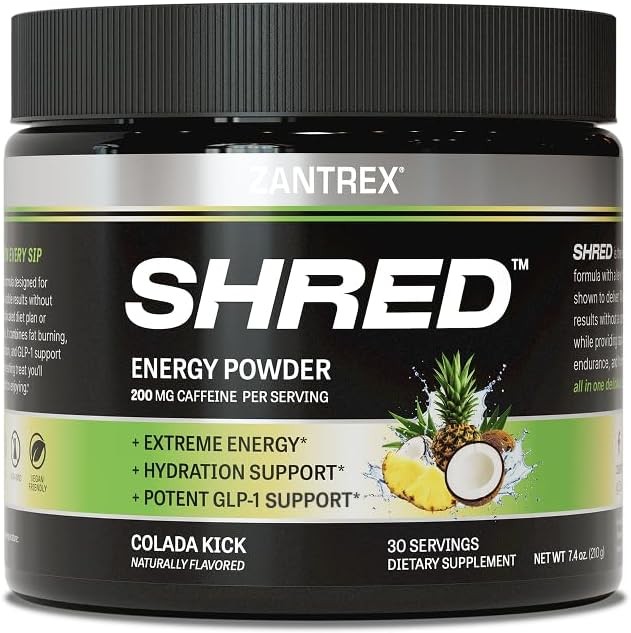
Zantrex Shred – Clean Energy Drink Powder – GLP-1 Support Supplement – Appetite Support, Weight Management, Hydration...
Check Price on AmazonAs an Amazon Associate we earn from qualifying purchases.
Zantrex Shred takes a comprehensive approach to weight management by combining L-carnitine with GLP-1 support compounds, appetite management ingredients, and hydration-enhancing electrolytes in a clean energy drink powder format. This multi-ingredient formula targets fat metabolism from multiple angles, making it ideal for those who want more than just carnitine supplementation.
The GLP-1 support component sets Zantrex apart. GLP-1 (glucagon-like peptide-1) is a hormone that promotes satiety, slows gastric emptying, and improves insulin sensitivity. While the product doesn’t contain pharmaceutical GLP-1, it includes compounds that support natural GLP-1 production and signaling, potentially enhancing appetite control and blood sugar management alongside L-carnitine’s fat burning effects.
The energy blend provides clean, sustained energy without the jitters or crash associated with high-caffeine products. Users report improved mental focus and physical energy lasting 4-6 hours, making it excellent as a pre-workout or mid-afternoon pick-me-up. The combination of caffeine, L-carnitine, and metabolic support ingredients creates a well-rounded thermogenic effect.
Hydration support through electrolytes (sodium, potassium, magnesium) addresses a common issue during weight loss efforts—inadequate hydration and electrolyte balance. When restricting calories and exercising more, electrolyte needs increase. Zantrex Shred makes it easy to maintain proper hydration while supporting fat metabolism.
The powder format allows flexible dosing and easy mixing with water. The variety of flavors available helps avoid flavor fatigue, and the drink can serve multiple purposes: pre-workout energy, appetite suppressant between meals, or post-workout recovery with added protein.
Zantrex Shred works best for individuals who want a comprehensive weight management formula combining fat burning, energy support, appetite control, and hydration in one convenient drink. While it doesn’t provide the concentrated L-carnitine dosing of standalone products, the synergistic multi-ingredient approach offers broader metabolic support that may benefit those struggling with multiple weight loss challenges simultaneously.
While not a carnitine product, Qunol Ubiquinol CoQ10 pairs exceptionally well with L-carnitine for comprehensive mitochondrial and cardiovascular support. Coenzyme Q10 (CoQ10) functions in the mitochondrial electron transport chain—the same energy-producing machinery that L-carnitine feeds fatty acids into. Together, they create a synergistic approach to cellular energy production.
Ubiquinol represents the active, reduced form of CoQ10—the form your mitochondria actually use. Standard CoQ10 supplements contain ubiquinone, which your body must convert to ubiquinol. This conversion becomes less efficient with age, medications (especially statins), and certain health conditions. Supplementing with ubiquinol directly bypasses this conversion step, ensuring your mitochondria receive the active form.
The cardiovascular benefits of CoQ10 are extensive and well-documented. Heart muscle contains exceptionally high CoQ10 concentrations because of its enormous energy demands. Research shows CoQ10 supplementation improves heart function in heart failure patients, supports healthy blood pressure, protects blood vessels from oxidative damage, and may reduce the muscle pain side effects of statin medications.
Qunol specifically uses a patented water and fat-soluble formulation that enhances absorption up to 3x compared to regular CoQ10 supplements. The softgel delivery system protects the ubiquinol from degradation and ensures optimal bioavailability.
For individuals taking L-carnitine for cardiovascular health, adding ubiquinol creates a comprehensive approach: L-carnitine delivers fatty acids to mitochondria, while ubiquinol ensures those mitochondria can efficiently convert that fuel to ATP. For those focused primarily on exercise performance and fat loss, ubiquinol still offers value by supporting overall mitochondrial function and providing powerful antioxidant effects that protect against exercise-induced oxidative stress.
The 100mg dosage represents a moderate, maintenance dose suitable for most healthy adults. Research in cardiovascular patients often uses higher doses (200-300mg), but 100mg provides excellent general support, and the superior absorption of Qunol’s formulation compensates for the moderate dosing.
Qunol Ubiquinol represents the ideal companion to L-carnitine supplementation for anyone focused on cardiovascular health, mitochondrial function, or comprehensive cellular energy support. While it doesn’t provide the same fat-burning or exercise performance benefits as L-carnitine, the synergistic effects on mitochondrial energy production make the combination greater than the sum of its parts. For individuals over 40, taking statins, or dealing with cardiovascular concerns, pairing L-carnitine with high-quality ubiquinol like Qunol offers science-backed support for heart health and energy metabolism.
Organic Black Maca offers a budget-friendly alternative approach to energy and metabolic support. While not containing L-carnitine, black maca root provides adaptogenic compounds that support energy production, physical performance, and hormonal balance through different mechanisms. For those seeking natural energy enhancement without the cost of pure L-carnitine, or vegetarians looking for plant-based metabolic support, black maca represents an excellent option.
Black maca specifically (as opposed to yellow or red varieties) has shown the strongest effects on energy, stamina, and physical performance in research. The gelatinized form used in this product removes starches through a heating and pressure process, concentrating the active compounds and improving digestibility. This makes it gentler on the stomach than raw maca powder while enhancing absorption of the beneficial alkaloids, glucosinolates, and other bioactive compounds.
Research on maca has demonstrated several performance and metabolic benefits: improved exercise endurance, enhanced libido and sexual function (particularly in men), better mood and reduced anxiety, increased energy and reduced fatigue, and support for hormonal balance. The mechanisms differ from L-carnitine—maca doesn’t directly transport fatty acids or enhance fat oxidation. Instead, it works as an adaptogen, helping your body respond more effectively to physical and mental stress while supporting overall energy metabolism.
The 3,000mg per serving (200 capsules at 1,500mg each, taken twice daily) provides a substantial dose of concentrated maca. Many maca products offer only 500-750mg per capsule, requiring inconvenient dosing of 6-8 capsules daily. This product simplifies dosing while delivering research-supported amounts.
The organic certification ensures the maca is grown without pesticides or synthetic fertilizers—important given that maca is typically cultivated in the Peruvian highlands where traditional, sustainable farming practices align well with organic standards. The gelatinization process maintains the organic integrity while enhancing bioavailability.
For vegetarians and vegans who cannot obtain L-carnitine from diet and may produce less endogenously, maca offers complementary benefits: energy support, physical performance enhancement, and metabolic optimization through adaptogenic mechanisms rather than carnitine-dependent fat oxidation.
Organic Black Maca serves as an excellent budget option for those seeking natural energy and metabolic support without the higher cost of pharmaceutical-grade L-carnitine supplements. While the mechanisms differ from L-carnitine, the adaptogenic, energy-supporting, and performance-enhancing properties make it a valuable addition to a comprehensive health and fitness regimen. For vegetarians and vegans in particular, who may struggle with suboptimal carnitine status, maca offers plant-based metabolic support that complements (rather than replaces) the unique benefits of L-carnitine. The outstanding price-to-value ratio makes it accessible for sustained long-term use, with a 3+ month supply at under $20.
How Should You Dose and Time L-Carnitine?
Getting L-carnitine supplementation right requires attention to dosing, timing, and strategic combinations that enhance uptake and effectiveness. The research provides clear guidance on evidence-based protocols.
Evidence-Based Dosing Guidelines
For Fat Loss and General Metabolic Health:
- Dose: 2-3 grams daily
- Form: L-carnitine or L-carnitine L-tartrate (LCLT)
- Split into 2 doses: 1-1.5 grams twice daily
- Take with carbohydrate-containing meals to enhance muscle uptake via insulin
For Exercise Performance and Recovery:
- Dose: 2-3 grams daily
- Form: L-carnitine L-tartrate (LCLT) shows strongest evidence
- Timing: Split between morning and pre-workout doses
- Duration: Minimum 12 weeks for substantial muscle carnitine increases
For Cognitive Function and Neuroprotection:
- Dose: 1.5-3 grams daily
- Form: Acetyl-L-carnitine (ALCAR)
- Split into 2-3 doses: 500-1,000mg per dose
- Can be taken with or without food (crosses blood-brain barrier independent of insulin)
For Cardiovascular Health:
- Dose: 2-4 grams daily
- Form: Propionyl-L-carnitine (PLC) or glycine propionyl-L-carnitine (GPLC)
- Split into 2-3 doses throughout the day
- Clinical trials on heart conditions used up to 4 grams daily
For Male Fertility:
- Dose: 2-3 grams daily
- Form: L-carnitine or combination of L-carnitine + ALCAR
- Duration: Minimum 3 months (one full spermatogenesis cycle)
- Often combined with other fertility nutrients (CoQ10, zinc, selenium)
Upper Limits: Studies using up to 6 grams daily have not shown toxicity, but most benefits plateau at 2-3 grams daily. Higher doses increase the risk of digestive discomfort without providing proportional additional benefits. Starting at 1-2 grams daily and gradually increasing to 2-3 grams over 1-2 weeks can minimize digestive adaptation issues.
Bottom line: Evidence-based dosing is 2-3g daily split into 2 doses taken with carbohydrates for fat loss and performance (LCLT), 1.5-3g daily for cognitive benefits (ALCAR), or 2-4g daily for cardiovascular support (PLC/GPLC), with benefits plateauing above 3g and no toxicity up to 6g.
Timing Strategies
When you take L-carnitine matters nearly as much as how much you take. Strategic timing enhances absorption, muscle uptake, and effectiveness.
With Carbohydrates (Critical for Standard L-Carnitine): The single most important timing principle is taking L-carnitine with carbohydrate-containing meals or supplements. Research clearly demonstrates that insulin-spiking carbohydrates dramatically enhance L-carnitine uptake into muscle tissue. The landmark study by Wall et al. showed that combining L-carnitine with carbohydrates (approximately 80 grams) increased muscle carnitine content by 21% over 24 weeks, while L-carnitine alone produced minimal increases (PubMed 21224234).
The mechanism: Insulin activates carnitine transport proteins in muscle cell membranes, essentially opening the gates for carnitine to move from blood into muscle where it’s stored and utilized. Without insulin, L-carnitine remains in circulation and is largely excreted.
Practical application: Take L-carnitine with meals containing 40-80 grams of carbohydrates. Breakfast (with oatmeal, fruit, toast) and post-workout meals (with rice, potatoes, or recovery carbohydrates) work perfectly. If following a very low-carb or ketogenic diet, consider taking L-carnitine with whey protein, which spikes insulin moderately, or strategically time doses around your carbohydrate refeeds.
Pre-Workout Timing: For exercise performance benefits, taking 1-1.5 grams of L-carnitine 45-60 minutes before training allows blood levels to peak during exercise. Combine with a small carbohydrate snack (banana, energy gel, sports drink) to enhance uptake.
Pre-workout L-carnitine supplementation has been shown to:
- Increase fat oxidation during exercise
- Reduce lactate accumulation during high-intensity efforts
- Decrease markers of muscle damage
- Improve recovery between sets or intervals
Post-Workout Timing: The post-workout period offers another strategic window. After training, insulin sensitivity is heightened, and muscles are primed to absorb nutrients. Taking L-carnitine with your post-workout carbohydrates and protein enhances uptake into the muscle tissue that just worked hardest.
Morning Dose: Many users report taking L-carnitine first thing in the morning with breakfast enhances all-day energy levels and mental clarity. This timing also ensures consistent daily intake and makes habit formation easier.
ALCAR Timing (Different from Standard L-Carnitine): Acetyl-L-carnitine crosses the blood-brain barrier independent of insulin, making timing relative to carbohydrates less critical. ALCAR can be taken:
- On an empty stomach (some users prefer this for cognitive benefits)
- With meals (if empty-stomach dosing causes nausea)
- Morning and early afternoon (avoid evening doses if you experience stimulating effects that interfere with sleep)
Bottom line: Take standard L-carnitine with 40-80g carbohydrate-containing meals to enhance insulin-mediated muscle uptake, time pre-workout doses 45-60 minutes before training, capitalize on post-workout insulin sensitivity, while ALCAR can be taken independently of meals or carbohydrates but avoid evening doses if it affects sleep.
Loading Phase vs Maintenance
The research clearly shows that building muscle carnitine stores takes time—weeks to months, not days. This creates an argument for loading protocols to accelerate saturation, though the evidence is mixed.
Traditional Approach: Consistent Dosing Most successful research used consistent dosing without a loading phase: 2-3 grams daily for 12-24 weeks. The Wall study that demonstrated 21% increases in muscle carnitine content used 2 grams twice daily (4 grams total) consistently for 24 weeks. Benefits emerged gradually, becoming most pronounced after 12+ weeks.
This approach is simple, cost-effective, and minimizes digestive issues that sometimes occur with very high doses. It acknowledges that carnitine uptake is a gradual process dependent on consistent insulin-mediated transport rather than acute saturating doses.
Potential Loading Protocol: Some practitioners suggest a loading phase to accelerate muscle carnitine accumulation:
- Weeks 1-2: 3-4 grams daily split into 2-3 doses, always with carbohydrates
- Week 3+: Reduce to 2-3 grams daily maintenance
The theoretical advantage: higher doses might saturate transport mechanisms more quickly. The practical limitations: no research directly comparing loading vs consistent dosing, higher upfront cost, increased risk of digestive discomfort.
Maintenance Dosing: Once muscle carnitine stores are elevated (after 12-24 weeks of consistent supplementation), could you reduce to a lower maintenance dose? The research doesn’t definitively answer this, as most studies maintain consistent dosing throughout. However, given that muscle carnitine content is relatively stable (your body produces carnitine and gets it from diet continuously), a reasonable approach might be:
- Build phase: 2-3 grams daily for 12-24 weeks
- Maintenance: 1-2 grams daily to sustain elevated levels
Individual experimentation is warranted. If performance, recovery, or fat loss benefits diminish after reducing dosage, return to the higher amount. If benefits persist at lower doses, you may save money without sacrificing results.
Cycling: No evidence suggests carnitine supplementation needs to be cycled (periodic breaks). Unlike stimulants or some supplements where tolerance develops, L-carnitine addresses a fundamental metabolic process that doesn’t down-regulate with consistent use. Long-term studies (12+ months) show sustained benefits without tolerance.
Bottom line: Research supports consistent dosing at 2-3g daily for 12-24 weeks to build muscle carnitine stores rather than loading phases, with long-term studies showing no tolerance development or need for cycling, though maintenance doses of 1-2g daily may sustain benefits after initial saturation.
Stacking Strategies
L-carnitine synergizes with several other supplements, creating additive or even synergistic effects that exceed what either compound achieves alone.
L-Carnitine + Carbohydrates (Essential): As discussed extensively, this isn’t optional for standard L-carnitine. The insulin spike from 40-80 grams of carbohydrates is absolutely critical for muscle uptake. Without it, you’re wasting most of your carnitine supplement.
L-Carnitine + Caffeine: Research suggests caffeine may enhance carnitine’s fat-burning effects. Caffeine increases catecholamine release (epinephrine, norepinephrine), which mobilizes fatty acids from adipose tissue. L-carnitine then facilitates the transport of those mobilized fatty acids into mitochondria for oxidation. The combination addresses both mobilization and oxidation.
Practical protocol: Take L-carnitine with your pre-workout meal (containing carbohydrates), then consume caffeine (200-400mg) 30-45 minutes before training. This provides insulin for carnitine uptake, caffeine for fat mobilization, and carnitine for fat oxidation—a comprehensive fat-burning stack.
L-Carnitine + Green Tea Extract (EGCG): Green tea catechins, particularly EGCG, inhibit catechol-O-methyltransferase (COMT), an enzyme that breaks down norepinephrine. By slowing norepinephrine degradation, EGCG extends the fat-mobilizing effects of catecholamines. Combined with L-carnitine’s enhancement of fat oxidation, this creates a powerful synergy.
Research shows the combination produces greater fat loss than either compound alone. Doses: 2-3 grams L-carnitine + 400-600mg EGCG daily.
L-Carnitine + Coenzyme Q10: CoQ10 functions in the electron transport chain—the same mitochondrial system that oxidizes the fatty acids L-carnitine delivers. Together, they support the entire energy production process: L-carnitine gets fuel into mitochondria, CoQ10 ensures efficient ATP production from that fuel.
This stack is particularly valuable for cardiovascular health, where both compounds have demonstrated clinical benefits. Doses: 2-3 grams L-carnitine + 100-300mg CoQ10 (preferably ubiquinol form) daily.
L-Carnitine + Alpha-Lipoic Acid (ALA): ALA is a mitochondrial antioxidant that also enhances insulin sensitivity and glucose uptake. Some research suggests ALA may enhance carnitine uptake into muscle, similar to carbohydrates but through partially different mechanisms. The combination may support fat loss, insulin sensitivity, and mitochondrial function.
Doses: 2-3 grams L-carnitine + 300-600mg ALA daily, taken together with meals.
L-Carnitine + Omega-3 Fatty Acids: While seemingly counterintuitive (supplementing fat while trying to burn fat), omega-3s from fish oil enhance fat oxidation through several mechanisms: increasing PPAR-alpha gene expression, improving insulin sensitivity, reducing inflammation, and potentially enhancing carnitine uptake. The combination supports both fat burning and overall metabolic health.
Doses: 2-3 grams L-carnitine + 2-3 grams EPA+DHA from fish oil daily.
Bottom line: Strategic stacking includes L-carnitine + carbohydrates (essential for uptake), caffeine for enhanced fat mobilization, green tea EGCG for extended catecholamine activity, CoQ10 for complete mitochondrial support, alpha-lipoic acid for improved insulin sensitivity, or omega-3s for PPAR-alpha activation and metabolic health.
Split Dosing vs Single Dose
Should you take your entire daily L-carnitine dose at once or split it across multiple doses? The research and practical considerations favor splitting.
Why Split Dosing Works Better:
Absorption Limitations: Your intestines can only absorb a limited amount of L-carnitine at once. Taking 3 grams in a single dose means much of it passes through unabsorbed. Splitting into 2-3 smaller doses (1-1.5 grams each) allows more complete absorption.
Sustained Blood Levels: L-carnitine has a relatively short half-life in circulation (approximately 15-20 hours). Split dosing maintains more consistent blood levels throughout the day, ensuring continuous availability for transport into muscle tissue.
Insulin-Mediated Uptake Opportunities: Taking L-carnitine with multiple carbohydrate-containing meals throughout the day provides multiple insulin spikes, each creating a window for enhanced muscle uptake. One large dose with one meal provides only one uptake opportunity.
Digestive Tolerance: Large single doses (3+ grams) are more likely to cause digestive discomfort (nausea, cramping, loose stools). Splitting the same total amount across 2-3 doses minimizes these issues.
Practical Split Dosing Protocols:
Two-Dose Protocol (Most Common):
- Morning: 1-1.5 grams with breakfast (containing carbs)
- Pre-workout or afternoon: 1-1.5 grams with pre-workout meal or lunch (containing carbs) Total: 2-3 grams daily
Three-Dose Protocol (For Higher Total Doses or Sensitive Individuals):
- Morning: 1 gram with breakfast
- Midday: 1 gram with lunch
- Afternoon/pre-workout: 1 gram with pre-workout meal or dinner Total: 3 grams daily
Performance-Focused Protocol:
- Morning: 1 gram with breakfast
- Pre-workout: 1.5-2 grams 45-60 minutes before training with carb snack Total: 2.5-3 grams daily
When Single Dosing Might Work:
ALCAR for Cognitive Benefits: Since acetyl-L-carnitine crosses the blood-brain barrier independent of insulin and targets brain function rather than muscle carnitine stores, single-dose protocols can work: 1.5-2 grams in the morning or early afternoon.
Convenience: If your schedule makes split dosing impractical, single dosing is better than not supplementing at all. Take your full dose (2-3 grams) with your largest carbohydrate-containing meal of the day, accepting that absorption won’t be as complete as split dosing but will still provide benefits.
Bottom line: Split dosing into 2-3 smaller doses (1-1.5g each) taken with carbohydrate meals throughout the day optimizes absorption, maintains stable blood levels, provides multiple insulin-mediated uptake windows, and minimizes digestive issues compared to single large doses—though ALCAR can be taken as a single morning dose.
What Are the Dietary Sources of L-Carnitine?
Understanding dietary sources of L-carnitine helps contextualize why supplementation is often necessary and which populations are at highest risk for insufficiency.
Food Sources
L-carnitine exists almost exclusively in animal products, with red meat containing the highest concentrations. This distribution makes evolutionary sense—animals that move require substantial muscle tissue, and muscle tissue requires high carnitine concentrations for energy metabolism.
Highest L-Carnitine Content (per 3-ounce serving):
Beef (particularly grass-fed): 60-180 mg
- Steak contains the highest concentrations
- Ground beef: 80-100 mg
- Grass-fed typically higher than grain-fed
Lamb: 70-100 mg
Pork: 20-30 mg
Venison and Game Meats: 100-200+ mg
- Wild game often contains more than domestic meat
- Reflects higher muscle activity in wild animals
Moderate L-Carnitine Content:
Chicken Breast: 3-5 mg
- Light meat contains less than dark meat
- Chicken thighs: 8-12 mg
Turkey: 4-7 mg
Fish (varies widely by species):
- Cod: 4-7 mg
- Salmon: 5-10 mg
- Tuna: 3-5 mg
Dairy Products (per cup/serving):
- Whole milk: 8-10 mg
- Cheddar cheese: 2-3 mg
- Ice cream: 3-4 mg
Very Low L-Carnitine Content:
Eggs: 0.5-1 mg per large egg
Plant Foods: Negligible amounts (typically less than 1mg per serving)
- Avocado: approximately 2 mg per whole fruit (highest plant source)
- Whole wheat bread: 0.2 mg per slice
- Asparagus: 0.1 mg per cup
The stark difference between animal and plant foods explains why omnivores typically consume 100-300 mg of L-carnitine daily from diet, while vegetarians get less than 10 mg, and vegans consume virtually none.
Cooking and Preparation Effects:
Cooking reduces L-carnitine content in foods to varying degrees. Boiling produces the greatest losses (up to 30-40%), as carnitine is water-soluble and leaches into cooking water. Grilling and roasting preserve more carnitine. Slow cooking methods (braising, stewing) cause moderate losses.
Practical implication: If maximizing dietary carnitine, favor grilling or roasting meats, and if boiling or braising, consider consuming the cooking liquid (as in soups or stews) where carnitine has leached.
Bioavailability from Food:
L-carnitine from food sources is moderately well absorbed, with bioavailability ranging from 54-87% depending on the individual’s carnitine status. Interestingly, people with low carnitine stores absorb a higher percentage from diet than those with adequate stores—your body upregulates absorption when it senses deficiency.
This adaptive absorption partly explains why absolute dietary deficiency is rare even in vegetarians—the body becomes more efficient at absorbing and conserving carnitine when intake is low. However, this compensation may not be sufficient for optimal levels, particularly during periods of high demand (intense training, growth, pregnancy).
Bottom line: Red meat provides 60-180mg L-carnitine per 3oz serving (highest source), lamb 70-100mg, while poultry offers only 3-5mg and plant foods contain negligible amounts—omnivores consume 100-300mg daily vs. under 10mg for vegetarians, with cooking reducing content 30-40% and bioavailability ranging from 54-87% depending on individual status.
Endogenous Synthesis
Your body produces L-carnitine endogenously through a multi-step biochemical pathway that occurs primarily in the liver and kidneys, with small amounts synthesized in the brain. Understanding this process clarifies why certain nutritional deficiencies or genetic variations can impair carnitine status even without direct carnitine deficiency.
The Synthesis Pathway:
L-carnitine synthesis requires several essential nutrients:
Starting Materials:
- Lysine (essential amino acid) - provides the carbon skeleton
- Methionine (essential amino acid) - donates methyl groups via S-adenosylmethionine (SAMe)
Cofactors (Required for Enzyme Function):
- Vitamin C (ascorbic acid) - absolutely essential; severe vitamin C deficiency dramatically impairs carnitine synthesis
- Vitamin B6 (pyridoxine) - required for early steps
- Vitamin B3 (niacin) - required for enzyme function
- Iron - required for enzyme function
The Process:
- Lysine is methylated (methyl groups from methionine/SAMe are attached)
- Through several enzymatic steps, trimethyllysine is formed
- Trimethyllysine is converted through multiple intermediates (including gamma-butyrobetaine)
- The final enzyme (gamma-butyrobetaine hydroxylase) converts gamma-butyrobetaine to L-carnitine - this step is absolutely vitamin C dependent
Production Capacity:
Healthy adults synthesize approximately 20 mg of L-carnitine daily—roughly 10% of the 100-300 mg omnivores consume from diet. This endogenous production, while significant, is insufficient to meet the body’s needs without dietary intake or the body’s extensive conservation and recycling mechanisms.
Conservation Mechanisms:
Your body treats L-carnitine as a precious resource, employing multiple strategies to minimize losses:
Renal Conservation: The kidneys reabsorb approximately 95% of the L-carnitine filtered from blood, allowing only 5% to appear in urine. When carnitine status is low, renal reabsorption increases even further.
Recycling: L-carnitine is constantly recycled between tissues. After facilitating fatty acid transport in one tissue, carnitine can be released back into circulation and taken up by another tissue.
Reduced Degradation: Unlike amino acids that can be broken down for energy or converted to glucose, L-carnitine is not catabolized to a significant degree. Once synthesized or absorbed, it remains as carnitine.
These conservation mechanisms explain why clinical carnitine deficiency is rare despite relatively modest synthesis rates and variable dietary intake. Your body works hard to maintain adequate stores.
Factors Impairing Synthesis:
Several conditions can reduce endogenous L-carnitine production:
Nutrient Deficiencies: Inadequate vitamin C, B vitamins, iron, lysine, or methionine directly impairs synthesis. Vitamin C deficiency is particularly problematic—scurvy (severe vitamin C deficiency) causes dramatic reductions in carnitine synthesis.
Genetic Variations: Polymorphisms in genes encoding carnitine synthesis enzymes can reduce production capacity. While severe mutations are rare, more common variations may create functional insufficiency in some individuals.
Aging: Carnitine synthesis appears to decline with age, contributing to age-related reductions in muscle carnitine content.
Liver or Kidney Disease: Since these organs are primary synthesis sites, dysfunction can impair production.
Increased Demand: During periods of rapid growth (childhood, pregnancy, lactation), intense training, or illness, the body’s carnitine needs may exceed synthesis capacity even when nutrient cofactors are adequate.
Vegetarian/Vegan Diets: While vegetarians can synthesize carnitine, some research suggests they may produce less than omnivores, possibly related to lower lysine or methionine intake from plant proteins, or altered gut microbiome affecting trimethyllysine production.
Implications for Supplementation:
The limited endogenous synthesis (only 20 mg daily) combined with high metabolic demands (especially in muscle tissue) creates a strong rationale for supplementation in several populations:
- Vegetarians and vegans who get zero dietary carnitine
- Athletes with high metabolic demands
- Older adults with declining synthesis
- Individuals with nutrient deficiencies affecting cofactors
- Those seeking to maximize fat metabolism beyond baseline levels
Even omnivores consuming 100-300 mg daily from meat might benefit from supplementation to achieve the 2-3 gram daily doses shown in research to significantly increase muscle carnitine content and enhance fat oxidation, performance, and recovery.
Bottom line: The body synthesizes only 20mg L-carnitine daily through a vitamin C-dependent pathway requiring lysine, methionine, B vitamins, and iron, while kidneys reabsorb 95% from filtrate—insufficient to meet high metabolic demands, particularly in vegetarians, athletes, older adults, or those with nutrient deficiencies affecting synthesis cofactors.
What Are the Side Effects and Safety Considerations?
L-carnitine has an excellent safety profile supported by decades of clinical use and research. However, understanding potential side effects and appropriate precautions ensures safe and effective supplementation.
Common Side Effects (Mild and Rare)
The incidence of adverse effects from L-carnitine supplementation is low—large clinical trials show that less than 5% of participants report side effects, and when they occur, they’re typically mild and transient.
Gastrointestinal Disturbances (Most Common):
Nausea: Some users experience mild nausea, particularly when taking large doses (3+ grams) on an empty stomach. This typically resolves by taking L-carnitine with food or reducing the dose.
Stomach Upset/Cramping: Mild stomach discomfort can occur, usually in the first few days of supplementation as your digestive system adjusts.
Diarrhea or Loose Stools: High doses (especially above 3 grams daily) can cause loose stools in some individuals. L-carnitine is osmotically active, meaning it can draw water into the intestines.
Mitigation Strategies:
- Start with lower doses (1 gram daily) and gradually increase over 1-2 weeks
- Always take with food, preferably with carbohydrate-containing meals
- Split doses rather than taking all at once
- If diarrhea persists, reduce dose
- Consider trying different forms (LCLT may be better tolerated than standard L-carnitine)
Fishy Body Odor:
A small percentage of users (less than 1%) report a fishy odor to their breath, sweat, or urine when taking high doses of L-carnitine. This results from the conversion of L-carnitine to trimethylamine (TMA) by gut bacteria in some individuals. TMA has a fishy smell.
This side effect is more common in people with:
- Certain gut microbiome compositions
- Genetic variations in FMO3 enzyme (responsible for converting TMA to odorless TMAO)
- Very high carnitine doses (4+ grams daily)
Mitigation: Reduce dose, take with food, or consider chlorophyll supplements which may reduce odor. If the odor persists and is bothersome, discontinue use.
Insomnia or Restlessness:
Some users, particularly those taking acetyl-L-carnitine (ALCAR), report difficulty falling asleep or feeling overstimulated if doses are taken late in the day. ALCAR can increase acetylcholine production and cellular energy, which may feel stimulating to some individuals.
Mitigation: Take ALCAR in the morning or early afternoon, avoiding evening doses. Standard L-carnitine is less likely to cause this effect.
Headache:
Mild headaches occur in a small percentage of users, particularly when starting supplementation. The mechanism is unclear but may relate to changes in acetylcholine levels (with ALCAR) or mild dehydration.
Mitigation: Ensure adequate hydration, start with lower doses, and take with food.
Skin Rash (Very Rare):
Allergic reactions to L-carnitine are extremely rare but have been reported. If you develop a rash, hives, or other signs of allergic reaction, discontinue use and consult a healthcare provider.
Bottom line: Side effects occur in less than 5% of users and are typically mild—gastrointestinal discomfort (nausea, cramping, loose stools) is most common and resolves by taking with food or reducing dose, while rare effects include fishy odor, insomnia with ALCAR, or headaches.
Rare Side Effects
Seizures:
There are rare case reports of seizures occurring in individuals taking L-carnitine, particularly in those with pre-existing seizure disorders. The mechanism is not fully understood. If you have epilepsy or a history of seizures, consult your neurologist before using L-carnitine.
Mania in Bipolar Disorder:
Case reports exist of ALCAR triggering manic episodes in individuals with bipolar disorder. Acetylcholine and cellular energy metabolism changes might destabilize mood in susceptible individuals. If you have bipolar disorder, use ALCAR only under medical supervision.
Worsening of Hypothyroidism Symptoms:
Some research suggests that L-carnitine may interfere with thyroid hormone action at the cellular level. While this hasn’t been definitively proven, individuals with hypothyroidism should monitor symptoms and thyroid labs when starting L-carnitine supplementation. Consult your endocrinologist if you have thyroid concerns.
Increased Bleeding Risk:
L-carnitine may have mild anticoagulant effects. This is typically not clinically significant, but individuals taking blood thinners (warfarin, heparin, antiplatelet medications) should consult their physician before supplementing.
Bottom line: Rare side effects include seizures in predisposed individuals, mania in bipolar disorder (particularly with ALCAR), potential interference with thyroid hormone in hypothyroidism, and mild anticoagulant effects relevant to those on blood thinners—medical consultation recommended for these conditions.
The TMAO Controversy
Trimethylamine N-oxide (TMAO) has received significant attention in recent years due to epidemiological studies linking elevated TMAO levels to cardiovascular disease risk. Since L-carnitine can be converted to TMAO by gut bacteria, questions have arisen about whether L-carnitine supplementation increases cardiovascular risk.
The Mechanism:
Gut bacteria (primarily in people who regularly consume meat) can convert L-carnitine to trimethylamine (TMA). TMA is absorbed and transported to the liver, where the enzyme FMO3 converts it to TMAO. TMAO can then enter circulation.
Epidemiological studies have found associations between high TMAO levels and increased risk of heart attack, stroke, and overall cardiovascular mortality. Proposed mechanisms include TMAO promoting atherosclerosis, altering cholesterol metabolism, and increasing platelet reactivity.
Important Context:
Individual Variation: The conversion of L-carnitine to TMA/TMAO is highly variable between individuals. Vegetarians and vegans typically produce very little TMAO from L-carnitine because they lack the specific gut bacteria (which proliferate with regular meat consumption) that perform this conversion. Omnivores produce more, but even among omnivores, there’s substantial variation.
Association vs. Causation: Epidemiological associations don’t prove causation. TMAO may simply be a marker of other dietary or metabolic factors rather than a direct cause of cardiovascular disease. People with high TMAO often consume diets high in processed meats and low in fiber and vegetables—confounding factors that make it difficult to isolate TMAO’s specific effects.
Clinical Trial Evidence: Decades of clinical research on L-carnitine supplementation, including cardiovascular trials with hard endpoints like mortality, have not shown increased cardiovascular risk. In fact, the opposite: L-carnitine demonstrates cardiovascular benefits including reduced mortality post-heart attack, improved heart function in heart failure, and better outcomes in angina. This directly contradicts what would be expected if TMAO from L-carnitine posed significant cardiovascular risk.
Dose Considerations: The amount of L-carnitine from supplementation (2-3 grams daily) is substantial but comparable to eating a large serving of red meat. If TMAO from L-carnitine supplementation posed major cardiovascular risk, we would expect to see this in clinical trials—we don’t.
Fiber and Diet Quality: Some research suggests that high-fiber diets and gut microbiome diversity may reduce TMAO production. Individuals supplementing with L-carnitine while consuming a diet rich in vegetables, fruits, whole grains, and fermented foods may produce less TMAO than those eating a poor-quality diet.
Current Scientific Consensus:
The preponderance of evidence suggests that the TMAO concern should not discourage L-carnitine use in individuals who would benefit from supplementation. The direct clinical evidence from randomized controlled trials showing cardiovascular benefits outweighs theoretical concerns based on epidemiological TMAO associations. However, research in this area continues, and our understanding may evolve.
Practical Recommendations:
- If you have established cardiovascular disease, discuss L-carnitine supplementation with your cardiologist
- Consider using forms like ALCAR (for cognitive benefits) or GPLC (which may produce less TMAO) if concerned
- Maintain a high-quality diet rich in fiber and plant foods
- Monitor cardiovascular risk markers if supplementing long-term
Bottom line: While gut bacteria convert L-carnitine to TMAO (associated with cardiovascular risk in epidemiological studies), decades of clinical trials show L-carnitine reduces cardiovascular mortality and improves heart function—direct evidence outweighing theoretical TMAO concerns, particularly for vegetarians who produce minimal TMAO and omnivores eating high-fiber diets.
Contraindications and Special Populations
Pregnancy and Lactation:
L-carnitine is naturally present in breast milk and appears safe during pregnancy and lactation at normal dietary levels. However, the safety of supplemental doses (2-3 grams daily) has not been extensively studied in pregnant or nursing women. Carnitine requirements increase during pregnancy, and some research suggests supplementation may benefit pregnancy outcomes, but medical supervision is appropriate.
Recommendation: Pregnant or nursing women should consult their obstetrician before supplementing with L-carnitine.
Children:
L-carnitine is generally safe for children at appropriate doses (typically 50-100 mg per kg of body weight daily for medical carnitine deficiency). However, supplementation in healthy children without deficiency has not been extensively studied.
Recommendation: Children should only take L-carnitine under medical supervision.
Hypothyroidism:
As mentioned, there’s theoretical concern that L-carnitine might interfere with thyroid hormone action. Monitor symptoms and thyroid function if you have hypothyroidism.
Seizure Disorders:
Use with caution in individuals with epilepsy or seizure history. Consult a neurologist before use.
Kidney Disease:
While L-carnitine is often used therapeutically in kidney disease (particularly in dialysis patients who become deficient), dosing should be medically supervised. Kidney disease affects carnitine metabolism and excretion.
Underactive Thyroid:
Monitor thyroid function and symptoms, as discussed above.
Bottom line: Pregnant/nursing women should seek medical guidance before supplementing, children require medical supervision, individuals with hypothyroidism should monitor thyroid function, seizure disorder patients need neurologist consultation, and kidney disease patients require medical dosing supervision.
Drug Interactions
L-carnitine generally has minimal drug interactions, but a few warrant mention:
Anticoagulants (Warfarin, Heparin):
L-carnitine may potentiate anticoagulant effects, potentially increasing bleeding risk. If taking blood thinners, consult your physician and monitor INR or other clotting parameters more frequently when starting L-carnitine.
Thyroid Hormones:
Theoretical interaction related to potential interference with thyroid hormone activity. Monitor thyroid symptoms and labs if taking levothyroxine or other thyroid medications.
Valproic Acid (Depakote):
This anticonvulsant medication can deplete L-carnitine. In fact, L-carnitine supplementation is sometimes recommended for people taking valproic acid to avoid deficiency. However, medical supervision is appropriate.
Zidovudine (AZT, Retrovir):
This HIV medication can deplete carnitine. Supplementation may be beneficial but should be medically supervised.
Isotretinoin (Accutane):
Some evidence suggests isotretinoin may affect carnitine metabolism. Consult your dermatologist if taking this medication for acne.
Chemotherapy Drugs:
Some chemotherapy agents (particularly ifosfamide and cisplatin) may deplete carnitine. Oncologists sometimes recommend supplementation during cancer treatment.
Bottom line: Primary drug interactions include anticoagulants (requiring INR monitoring), thyroid hormones (monitor function), valproic acid and zidovudine (which deplete carnitine and may benefit from supplementation), and certain chemotherapy drugs—medical consultation recommended when combining with these medications.
Maximum Safe Dose
Clinical studies have used doses ranging from 500 mg to 6 grams daily without significant toxicity. Most research showing benefits uses 2-3 grams daily, and this range appears to represent the optimal balance between effectiveness and safety.
Higher doses (4-6 grams) have been used in specific clinical populations (post-heart attack patients, severe heart failure) under medical supervision without serious adverse events. However, digestive side effects become more common at doses above 3 grams daily.
There is no established “upper tolerable limit” for L-carnitine like there is for some vitamins and minerals, primarily because even very high doses haven’t shown toxicity in clinical research. That said, the principle of “more is not necessarily better” applies—benefits plateau at 2-3 grams daily, and higher doses increase costs and side effect risk without proportional additional benefits.
Practical Recommendations:
- Start with 1-2 grams daily
- Gradually increase to 2-3 grams daily based on goals and tolerance
- Doses above 3 grams should be reserved for specific medical conditions under supervision
- There’s no evidence that “megadoses” (6+ grams) provide additional benefits and they significantly increase side effect risk
Bottom line: Clinical research shows safety up to 6 grams daily without serious toxicity, but optimal benefits occur at 2-3 grams daily—higher doses increase side effects without proportional benefits, while gradual dose escalation starting at 1-2 grams minimizes digestive adjustment issues.
Related Reading
-
Acetyl-L-Carnitine: Benefits for Brain Health, Cognitive Function, and Neuroprotection
-
CoQ10 and Ubiquinol: Mitochondrial Energy, Heart Health, and Cellular Protection
-
Omega-3 Fatty Acids: Complete Guide to EPA, DHA, Heart Health and Inflammation
-
Caffeine: Fat Burning, Exercise Performance, and Metabolic Enhancement
-
Green Tea Extract EGCG: Fat Loss, Metabolism, and Antioxidant Benefits
-
Alpha-Lipoic Acid: Insulin Sensitivity, Blood Sugar Control, and Antioxidant Power
-
Creatine: Complete Guide to Performance, Strength, and Muscle Growth
-
Beta-Alanine: Endurance, Muscle Buffering, and High-Intensity Performance
-
L-Carnitine for Weight Loss and Energy Production: The Complete Science-Backed Guide
-
Rhodiola Rosea for Energy and Stress: What Clinical Trials Show
-
Best Thermogenic Supplements for Fat Loss: Complete Research Review
-
Best Workout Plan for Women on Ozempic: How to Preserve Muscle While Losing Fat on GLP-1s
-
Best Supplements for Ozempic Side Effects and Nutrient Depletion: Complete GLP-1 Support Guide
References
-
Wall BT, et al. Chronic oral ingestion of L-carnitine and carbohydrate increases muscle carnitine content and alters muscle fuel metabolism during exercise in humans. J Physiol. 2011;589(Pt 4):963-973. PubMed 21224234
-
Pooyandjoo M, et al. The effect of (L-)carnitine on weight loss in adults: a systematic review and meta-analysis of randomized controlled trials. Obes Rev. 2016;17(10):970-976. PubMed 27335245
-
Kraemer WJ, et al. The effects of L-carnitine L-tartrate supplementation on hormonal responses to resistance exercise and recovery. J Strength Cond Res. 2003;17(3):455-462. PubMed 12945830
-
Ho JY, et al. L-Carnitine L-tartrate supplementation favorably affects biochemical markers of recovery from physical exertion in middle-aged men and women. Metabolism. 2010;59(8):1190-1199. PubMed 20096896
-
Stephens FB, et al. Insulin stimulates L-carnitine accumulation in human skeletal muscle. FASEB J. 2006;20(2):377-379. PubMed 16368716
-
Brass EP, et al. The pharmacology of carnitine. Annu Rev Pharmacol Toxicol. 1994;34:327-348. PubMed 8042854
-
Cha YS, et al. Effects of carnitine coingested caffeine on carnitine metabolism and endurance capacity in athletes. J Nutr Sci Vitaminol (Tokyo). 2001;47(6):378-384. PubMed 11814143
-
Cruciani RA, et al. L-carnitine supplementation in patients with advanced cancer and carnitine deficiency: a double-blind, placebo-controlled study. J Pain Symptom Manage. 2009;37(4):622-631. PubMed 18823753
-
Iliceto S, et al. Effects of L-carnitine administration on left ventricular remodeling after acute anterior myocardial infarction: the L-Carnitine Ecocardiografia Digitalizzata Infarto Miocardico (CEDIM) Trial. J Am Coll Cardiol. 1995;26(2):380-387. PubMed 7755747
-
Monti LD, et al. Effect of a long-term oral L-carnitine supplementation on glucose metabolism in patients with type 2 diabetes mellitus. J Am Coll Nutr. 2005;24(6):474-480. PubMed 16373948
-
Malaguarnera M, et al. Acetyl L-carnitine (ALC) treatment in elderly patients with fatigue. Arch Gerontol Geriatr. 2008;46(2):181-190. PubMed 17658628
-
Montgomery SA, et al. The antidepressant efficacy of L-acetylcarnitine. Psychopharmacology (Berl). 2003;166(4):324-326. PubMed 12556064
-
Balercia G, et al. Carnitine and male infertility. Reprod Biomed Online. 2005;10(4):428-438. PubMed 15901448
-
Lenzi A, et al. Use of carnitine therapy in selected cases of male factor infertility: a double-blind crossover trial. Fertil Steril. 2003;79(2):292-300. PubMed 12568835
-
Villani RG, et al. L-Carnitine supplementation combined with aerobic training does not promote weight loss in moderately obese women. Int J Sport Nutr Exerc Metab. 2000;10(2):199-207. PubMed 10861338
-
Broad EM, et al. Effects of four weeks L-carnitine L-tartrate ingestion on substrate utilization during prolonged exercise. Int J Sport Nutr Exerc Metab. 2005;15(6):665-679. PubMed 16521851
-
Cavallini G, et al. Carnitine versus androgen administration in the treatment of sexual dysfunction, depressed mood, and fatigue associated with male aging. Urology. 2004;63(4):641-646. PubMed 15072869
-
Pistone G, et al. Levocarnitine administration in elderly subjects with rapid muscle fatigue: effect on body composition, lipid profile and fatigue. Drugs Aging. 2003;20(10):761-767. PubMed 12875611
-
Sahlin K. Boosting fat burning with carnitine: an old friend comes out from the shadow. J Physiol. 2011;589(Pt 7):1509-1510. PubMed 21486764
-
Rebouche CJ. Kinetics, pharmacokinetics, and regulation of L-carnitine and acetyl-L-carnitine metabolism. Ann N Y Acad Sci. 2004;1033:30-41. PubMed 15591001
Recommended Products