L-Glutamine for Gut Health: Does It Actually Heal the Gut Lining?
Summarized from peer-reviewed research indexed in PubMed. See citations below.
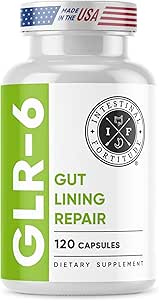
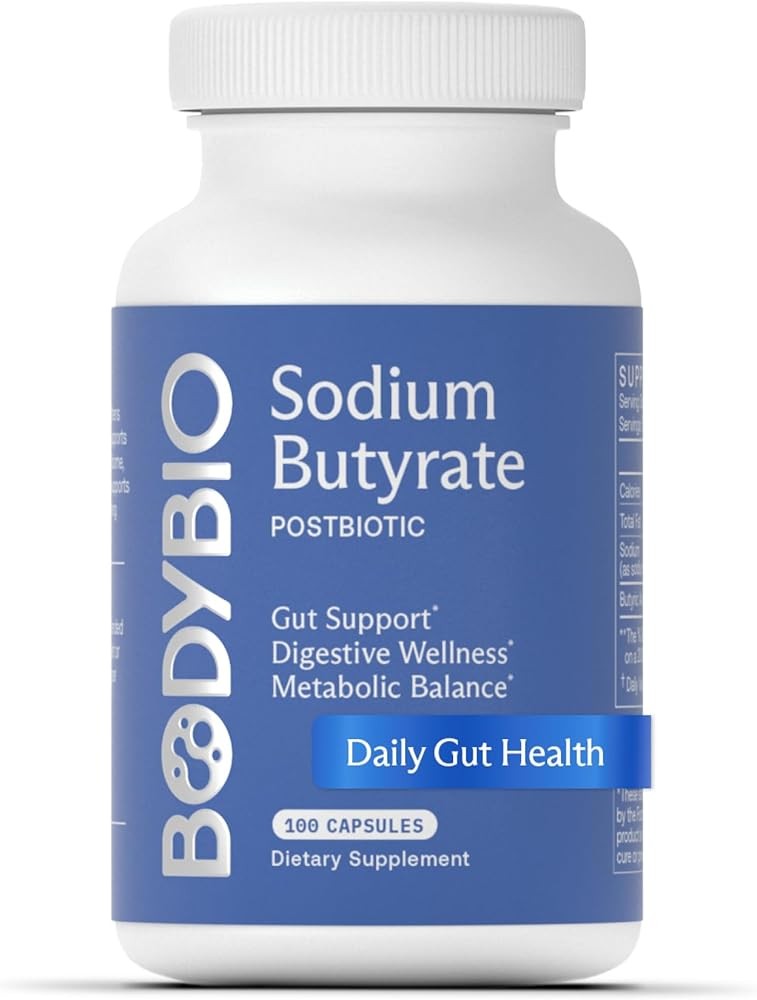
Chronic gut issues after food poisoning, persistent bloating, and the cycle of loose stools are exactly the situations where intestinal barrier research gets interesting. The landmark Zhou trial published in Gut gave 15 g/day of L-glutamine for 8 weeks to patients with post-infectious diarrhea-predominant IBS and documented intestinal hyperpermeability; 79.6% responded versus 5.8% on placebo, and the lactulose-mannitol permeability ratio fell from 0.11 to 0.05 (PubMed 30108163). Our Best Overall pick, Intestinal Fortitude GLR-6 ($39.99), is a glutamine-based gut-lining formula built around that same amino acid, and BodyBio Butyrate Sodium ($36.99) covers the complementary butyrate angle for colon health. This guide walks through what the published research on intestinal permeability actually shows about L-glutamine, which conditions respond, and which claims the trials do not support.
Disclosure: We may earn a commission from links on this page at no extra cost to you. Affiliate relationships never influence our ratings. Full policy →
Introduction: The Most Abundant Amino Acid With a Specific Job in Your Gut
L-glutamine occupies an unusual position in the supplement world. It is the single most abundant free amino acid in the human body, accounting for roughly 60% of the free amino acid pool in skeletal muscle and circulating in plasma at concentrations of 600-700 micromoles per liter. The healthy adult body contains over 80 grams of free glutamine, with more than 98% stored inside muscle cells. By sheer volume, it dwarfs every other amino acid.
But quantity alone is not what makes glutamine interesting for gut health. What makes it genuinely relevant is specificity: the cells lining your intestinal tract – the enterocytes – use glutamine as their primary metabolic fuel. Not glucose. Not fatty acids. Glutamine. These cells turn over every 3-5 days, making the gut lining one of the most metabolically demanding tissues in the body, and glutamine is the substrate that keeps this relentless renewal running.
This biological fact is not disputed. It has been documented in physiology textbooks for decades and forms the basis of thousands of published studies. Where things get complicated – and where honest evaluation becomes necessary – is the leap from “gut cells need glutamine” to “supplementing glutamine supports gut barrier function.”
The supplement industry has enthusiastically promoted L-glutamine for “leaky gut,” a term that carries its own baggage in mainstream medicine. Social media is filled with claims that glutamine can seal intestinal permeability, resolve IBS, address Crohn’s disease symptoms, and restore digestive balance with supplements. Some of these claims have genuine clinical evidence behind them. Others are extrapolations from cell studies that have never been validated in humans.
This article takes a different approach. We will walk through the actual clinical trial data – the randomized controlled trials, the meta-analyses, the specific patient populations studied – and let the evidence speak for itself. The results are sometimes impressive (a landmark IBS trial showed a 79.6% response rate versus 5.8% for placebo), sometimes disappointing (Crohn’s disease trials have largely failed), and sometimes alarming (high-dose IV glutamine increased mortality in ICU patients).
The goal is not to sell you glutamine or talk you out of it. The goal is to give you the evidence so you can make an informed decision with your healthcare provider about whether this particular amino acid makes sense for your particular situation.
Spontaneous Thoughts on Body Signals: 10 Signs of Compromised Gut Barrier Function
Before diving into the molecular biology and clinical trials, it is worth pausing to consider why gut barrier function matters in the first place. Your intestinal lining is not just a passive tube. It is a selectively permeable barrier – arguably the most important interface between the external environment and your internal biology. Everything you swallow passes through this barrier, and it must simultaneously absorb nutrients while keeping bacteria, toxins, and undigested food particles out of your bloodstream.
When this barrier is compromised, a range of symptoms can emerge. Not all of these are definitively caused by increased intestinal permeability – correlation is not causation, and mainstream medicine rightly pushes back on attributing every symptom to “leaky gut.” But the following signs are commonly associated with gut barrier dysfunction in the clinical literature, and they are worth paying attention to as potential signals that something in your digestive system needs attention:
1. Chronic bloating and gas, particularly after meals that previously caused no issues, can indicate that the intestinal lining is not properly managing its barrier and absorption functions.
2. Food sensitivities that seem to multiply over time. A gradually expanding list of foods that trigger symptoms may suggest that larger-than-normal molecules are crossing the intestinal barrier.
3. Persistent loose stools or alternating bowel habits that do not resolve with standard dietary changes may reflect underlying barrier dysfunction.
4. Brain fog and fatigue after eating. The gut-brain axis is bidirectional, and systemic exposure to bacterial endotoxins through a compromised barrier has been linked to neuroinflammation in animal models.
5. Skin issues such as eczema, acne, or rashes that do not respond to topical treatments. Dermatologists increasingly recognize the gut-skin axis, and increased intestinal permeability has been documented in atopic dermatitis.
6. Joint pain without clear injury. Several autoimmune conditions involving joints have been associated with increased intestinal permeability, though the causal direction remains debated.
7. Frequent illness or slow recovery. Approximately 70% of immune tissue resides in the gut-associated lymphoid tissue (GALT), and barrier compromise can dysregulate immune function.
8. Abdominal cramping that is disproportionate to what you ate. Visceral hypersensitivity combined with barrier dysfunction is a recognized feature of conditions like post-infectious IBS.
9. Nutrient deficiencies despite adequate dietary intake. If the absorptive surface is inflamed or damaged, even a nutrient-dense diet may not translate to adequate serum levels.
10. Symptoms that worsen during periods of stress. Psychological stress directly increases intestinal permeability through cortisol-mediated pathways, and individuals with pre-existing barrier compromise may be more vulnerable.
None of these symptoms alone proves that your gut barrier is compromised. But a cluster of them, particularly in the context of a history of food poisoning, antibiotic use, chronic stress, or autoimmune conditions, suggests that gut barrier function deserves clinical investigation.
How Does Your Gut Barrier Actually Work?
To understand what L-glutamine might do for gut health, you first need to understand the structure it is purported to help. The intestinal barrier is an elegantly complex system with multiple layers of defense.
The Physical Architecture
The intestinal epithelium is a single layer of cells – just one cell thick – that lines the entire length of your small and large intestine. If you spread this surface area flat, it would cover roughly 32 square meters (about the size of a studio apartment), thanks to the villi and microvilli that massively increase absorptive surface area.
These epithelial cells, primarily enterocytes, are joined together by protein complexes called tight junctions. Think of tight junctions as the mortar between bricks: the enterocytes are the bricks, and the tight junctions determine what can pass between them. This “paracellular” pathway – the space between cells – is where the concept of intestinal permeability becomes relevant.
Tight Junction Proteins: The Molecular Gatekeepers
Tight junctions are not simple seals. They are dynamic, regulated structures composed of several families of proteins:
Claudins form the backbone of tight junction selectivity. The claudin family includes “sealing” claudins (like claudin-1, claudin-3, claudin-4, and claudin-5) that maintain barrier integrity, and “pore-forming” claudins (like claudin-2) that create channels for water and small ions. The balance between these two types determines how tight or leaky the barrier is at any given point.
Occludin was the first tight junction transmembrane protein discovered. It plays a regulatory role in barrier function, and reduced occludin expression is associated with increased permeability and chronic inflammation.
Zonula occludens (ZO) proteins – ZO-1, ZO-2, and ZO-3 – are scaffolding proteins on the intracellular side of tight junctions. They anchor the transmembrane proteins (claudins, occludin) to the cell’s actin cytoskeleton, providing structural stability.
Zonulin is a physiological modulator of tight junctions. It is the only known endogenous regulator of paracellular permeability identified to date. When zonulin is released, it loosens tight junctions, increasing permeability. This process is triggered by certain stimuli, including the gluten protein gliadin in susceptible individuals and certain bacterial exposures.
How Barrier Dysfunction Develops
Barrier dysfunction is not a single event but a process. Pro-inflammatory cytokines like tumor necrosis factor alpha (TNF-alpha) and interferon gamma (IFN-gamma) downregulate sealing claudins while upregulating pore-forming claudin-2, effectively opening the paracellular pathway. Oxidative stress depletes glutathione (GSH), the gut’s primary intracellular antioxidant, further compromising barrier integrity. Infections can directly damage enterocytes. Chronic stress elevates cortisol, which has been shown to increase intestinal permeability independently of inflammation.
The result is increased translocation of luminal antigens – bacterial components like lipopolysaccharide (LPS), undigested food proteins, and other molecules – into the submucosa and potentially into systemic circulation. This triggers immune activation, local and potentially systemic inflammation, and the symptoms described in the previous section.
Measuring Intestinal Permeability
The gold standard for measuring intestinal permeability in clinical research is the lactulose-mannitol test. Patients drink a solution containing two sugar molecules of different sizes: mannitol (small, absorbed transcellularly through water pores) and lactulose (larger, can only cross paracellularly through gaps in tight junctions). Urine is then collected over several hours. The ratio of lactulose to mannitol in urine reflects paracellular permeability – a high ratio indicates a leakier barrier. This test is important context for understanding the clinical trials discussed later in this article.
Key takeaway: The intestinal epithelium covers 32 square meters with tight junctions controlled by sealing claudins (claudin-1, -3, -4, -5) and pore-forming claudin-2. TNF-alpha and IFN-gamma downregulate sealing claudins while upregulating claudin-2, increasing lactulose-mannitol ratios from normal (<0.03) to elevated (>0.09 in IBS-D patients, 0.11 in Zhou trial baseline), allowing bacterial LPS and food proteins to cross and trigger immune activation through NF-kB pathway.
Why Do Gut Cells Need L-Glutamine Specifically?
The relationship between glutamine and enterocytes is not speculative. It is one of the most well-documented substrate-cell relationships in human physiology.
Glutamine as Enterocyte Fuel
Enterocytes are unusual cells. While most cells in your body preferentially burn glucose for energy, enterocytes derive the majority of their ATP from glutamine oxidation. This was established in the 1980s and has been repeatedly confirmed. Glutamine enters the enterocyte, is converted to glutamate by the enzyme glutaminase, and then feeds into the tricarboxylic acid (TCA) cycle to generate energy. This process also produces important intermediates for nucleotide synthesis, which enterocytes need in large quantities given their rapid turnover rate.
The gut lining replaces itself every 3-5 days. This extraordinary turnover rate means enterocytes are constantly dividing, maturing, migrating up the villus, and being shed into the lumen. Each of these steps requires energy, and glutamine is the primary substrate providing it. When glutamine supply is adequate, this renewal process runs smoothly. When glutamine is depleted – as occurs during critical illness, prolonged stress, or intense physical activity – the renewal process can falter, and barrier integrity may suffer.
Mechanisms of Barrier Protection
Research has identified several specific molecular pathways through which glutamine supports gut barrier function:
Tight junction protein expression. In Caco-2 cell monolayer models (a standard model for intestinal epithelial studies), glutamine supplementation induced expression of ZO-1, ZO-2, ZO-3 and increased distribution of claudin-1, claudin-4, and ZO-1 at the plasma membrane. Essentially, glutamine causes cells to produce more of the structural proteins that hold tight junctions together and to position them correctly at the cell surface.
CaMKK2-AMPK signaling. A 2016 cell study demonstrated that glutamine enhances tight junction integrity through activation of calcium/calmodulin-dependent kinase kinase 2 (CaMKK2) and AMP-activated protein kinase (AMPK) signaling in porcine intestinal epithelial cells. When researchers blocked CaMKK2 or removed calcium from the culture medium, glutamine’s protective effect disappeared, confirming this is a specific signaling pathway, not a nonspecific nutritional effect (PubMed 26865645).
Anti-inflammatory action. Glutamine suppresses NF-kB, the master transcription factor for pro-inflammatory gene expression. Since NF-kB activation is one of the primary drivers of tight junction disassembly, this anti-inflammatory effect provides an additional mechanism of barrier protection.
Glutathione synthesis. Glutamine is a precursor for glutathione (GSH), the gut’s primary intracellular antioxidant. Enteral glutamine has been shown to restore small bowel barrier function after ischemia/reperfusion injury in animal models by elevating intestinal GSH levels.
Prevention of apoptosis. Glutamine promotes enterocyte survival by suppressing programmed cell death pathways. Glutamine deprivation, conversely, triggers apoptosis in intestinal epithelial cells – meaning that when glutamine runs low, gut cells not only lack fuel but actively begin to die.
These mechanisms are robustly demonstrated in cell culture and animal models. The critical question – and the one that separates careful analysis from supplement marketing – is whether these laboratory effects translate to clinical outcomes in humans.
In summary: Enterocytes use glutamine (not glucose) as their primary fuel source, burning it to power the rapid 3-5 day renewal of your gut lining. Glutamine also increases tight junction protein expression, activates protective CaMKK2-AMPK signaling, suppresses NF-kB inflammation, supports glutathione synthesis, and reduces enterocyte apoptosis through survival pathway activation.
Does L-Glutamine Help Irritable Bowel Syndrome?
The strongest clinical evidence for L-glutamine in any gut condition comes from IBS research, particularly one landmark trial that has rightly attracted significant attention.
The Zhou et al. Trial: A Standout Result
In 2019, Zhou and colleagues published the results of a randomized, double-blind, placebo-controlled trial in the journal Gut – one of the most respected gastroenterology journals in the world (PubMed 30108163). The study specifically enrolled patients with diarrhea-predominant IBS (IBS-D) who had developed their condition following an enteric infection (food poisoning or gastroenteritis) and who had documented intestinal hyperpermeability on the lactulose-mannitol test.
This specificity of patient selection is critically important. The researchers did not study all IBS patients. They studied a defined subtype with a known trigger (infection) and a measurable biomarker (increased permeability). This is the kind of precision that makes a trial more meaningful, and it also means the results cannot be generalized to all IBS patients.
Study Design: 106 eligible patients were randomized to receive either L-glutamine (5 grams three times daily, totaling 15g/day) or placebo for 8 weeks. 54 glutamine subjects and 52 placebo subjects completed the study.
Primary Outcome: The primary endpoint was a reduction of 50 or more points on the IBS Severity Scoring System (IBS-SS). This endpoint was met by 43 of 54 patients (79.6%) in the glutamine group compared with 3 of 52 patients (5.8%) in the placebo group. That is a 14-fold difference. In clinical trial research, effect sizes this large are exceptionally rare.
Secondary Outcomes: The results were consistent across every secondary measure:
- IBS-SS total score dropped from 301 to 181 in the glutamine group (p<0.0001)
- Daily bowel movement frequency fell from 5.4 to 2.9 (p<0.0001)
- Bristol Stool Scale improved from 6.5 to 3.9 (p<0.0001), meaning stools went from mushy/liquid to formed
- Intestinal permeability (lactulose/mannitol ratio) dropped from 0.11 to 0.05 (p<0.0001)
Safety: Adverse events were low and similar between groups. No serious adverse events were reported.
This trial is genuinely impressive, and it deserves the attention it has received. The effect size is large, the study design is rigorous, and the mechanism is biologically plausible: these patients had barrier dysfunction following infection, glutamine supports barrier function, and repairing the barrier resolved their symptoms.
Important Caveats About the Zhou Trial
Before extrapolating these results to all gut conditions, several limitations must be acknowledged:
Specific population. This was post-infectious IBS-D with confirmed hyperpermeability. These patients represent a subset – perhaps 10-15% – of the total IBS population. Patients with IBS-C (constipation-predominant), IBS-M (mixed), or IBS without an infectious trigger were not studied.
Single trial. As of this writing, this remains the only large RCT of glutamine specifically for post-infectious IBS-D. The results are striking, but they have not yet been independently replicated.
Sample size. While 106 patients is a reasonable size for a proof-of-concept trial, it is not large enough to rule out all confounders. Larger confirmatory trials are needed.
The Rastgoo et al. Trial: Glutamine Plus Low FODMAP Diet
In 2021, Rastgoo and colleagues published a randomized, double-blind, placebo-controlled trial in Frontiers in Nutrition examining whether adding glutamine supplementation to a low FODMAP diet improved outcomes in IBS patients (PubMed 34977110).
Study Design: 50 IBS patients were randomized to receive either a low FODMAP diet plus L-glutamine (15g/day) or a low FODMAP diet plus placebo for 6 weeks. 22 participants from each group completed the protocol.
Results: The glutamine group showed a 58% reduction in total IBS severity score (p<0.001), a 57% reduction in dissatisfaction with bowel habits (p<0.001), and a 51% reduction in interference with community function (p=0.043) compared with placebo plus diet.
This trial adds supporting evidence that glutamine provides benefit beyond dietary modification alone. However, it also had a small sample size (44 completers) and the IBS population was more general than the Zhou study.
What This Means for IBS Patients
For patients with post-infectious IBS-D who have confirmed intestinal hyperpermeability, the evidence for L-glutamine at 15g/day is genuinely strong. The Zhou trial is not a marginal result – it is a decisive one. For the broader IBS population, the evidence is promising but more preliminary. The Rastgoo trial suggests benefit as an adjunct to dietary therapy, but larger confirmatory studies are needed.
No clinical trial has specifically tested glutamine for IBS-C (constipation-predominant) or for IBS patients without evidence of increased permeability. It would be premature to assume that the dramatic results from the Zhou trial apply to these groups.
If you have IBS-D that developed after a bout of food poisoning or gastroenteritis, L-glutamine at 15g/day for 8 weeks is a well-supported intervention worth discussing with your gastroenterologist. If you have other forms of IBS, the evidence is weaker but not absent – the Rastgoo trial suggests it may help as part of a broader approach.
Bottom line: For post-infectious IBS-D with confirmed hyperpermeability, 15g/day L-glutamine produced a dramatic 79.6% response rate versus 5.8% placebo, reduced intestinal permeability from 0.11 to 0.05, and normalized bowel movements in the landmark Zhou trial. Evidence for other IBS subtypes is more limited but promising.
| Product | Price | Glutamine | Key Companions | Best For |
|---|---|---|---|---|
| Intestinal Fortitude GLR-6 | $39.99 (120 caps) | Yes (label dose per serving) | NAG, slippery elm, botanical blend | Glutamine-first gut lining support |
| BodyBio Butyrate Sodium | $36.99 | None | Sodium butyrate | Colon barrier and butyrate support |
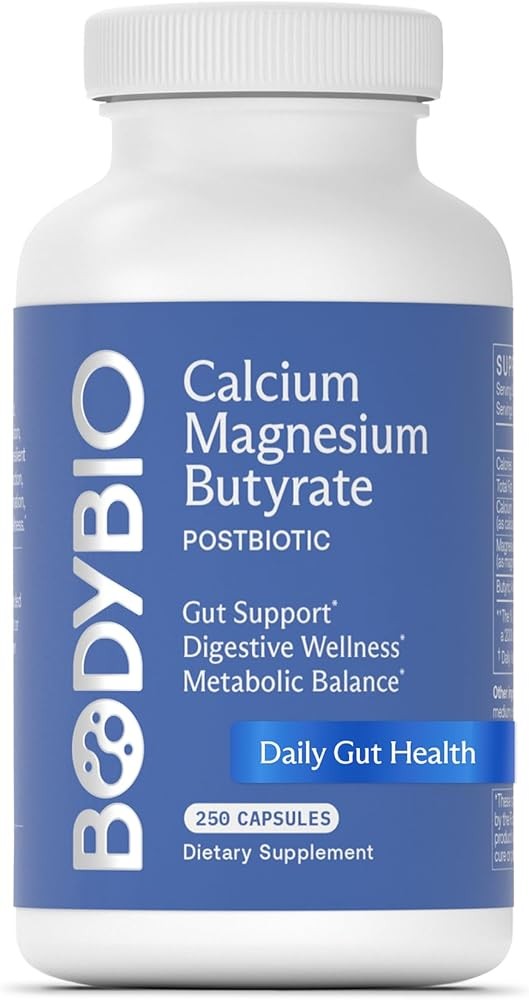
| BodyBio Butyrate Calcium Magnesium | $75.99 | None | Calcium-magnesium butyrate | Mineral-bound butyrate format |
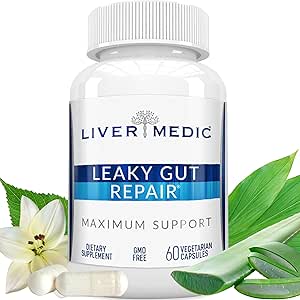
| Leaky Gut Repair | $29.99 | Yes (label dose per serving) | Slippery elm, NAG, marshmallow, aloe, MSM, quercetin, bromelain | Multi-ingredient botanical approach |
Note on doses: the landmark Zhou trial used 15 g/day of pure L-glutamine powder, which is more than any capsule product delivers in a single serving. If you want to replicate the trial protocol, use a plain glutamine powder at 5 g three times daily rather than relying on multi-ingredient capsules, which suit general gut support more than therapeutic dosing.
Does L-Glutamine Reduce Intestinal Permeability?
Beyond IBS-specific trials, a body of research has examined glutamine’s effect on intestinal permeability itself – the measurable phenomenon that underlies the “leaky gut” concept.
The Meta-Analysis
The most comprehensive evaluation to date is a systematic review and meta-analysis published in Amino Acids in 2024 by Ahmadi and colleagues (PubMed 39397201). This analysis pooled data from 10 randomized controlled trials conducted between 1998 and 2014, encompassing 352 participants.
Overall Result: The pooled analysis found that glutamine supplementation did not significantly affect intestinal permeability when all studies were combined. This is an important finding that tempers some of the more enthusiastic claims about glutamine.
Subgroup Findings: However, the story becomes more nuanced when dose and duration are considered:
- Doses exceeding 30g/day showed a statistically significant reduction in intestinal permeability
- Supplementation periods of less than 2 weeks also showed significant effects
- The combination of high dose and short duration appeared most effective
These subgroup results suggest a dose-threshold effect: modest doses (5-10g/day) may not generate enough glutamine delivery to the gut to measurably shift permeability on standard tests, while higher doses can saturate the intestinal epithelium and produce measurable barrier strengthening.
Individual Permeability Studies
Several individual trials deserve mention:
Benjamin et al. (2012) randomized Crohn’s disease patients to glutamine plus whey protein or placebo and found the combination improved intestinal permeability and mucosal morphology, an encouraging signal in a disease where most glutamine studies have been neutral (PubMed 22038507). Even this positive trial used glutamine inside a combination, so it does not isolate glutamine’s contribution, and the broader IBD literature remains largely negative.
The Zhou trial (2019), discussed in detail above, showed a highly significant reduction in lactulose/mannitol ratio from 0.11 to 0.05 in post-infectious IBS-D patients. Importantly, this trial pre-selected patients with documented hyperpermeability, which may explain why the effect was so dramatic compared with studies in less targeted populations.
Oral vs. Intravenous Glutamine: Different Routes, Different Effects
An important distinction in the literature is between oral and intravenous (IV) glutamine supplementation. This distinction has major clinical implications.
Oral glutamine reaches the intestinal epithelium directly. When you swallow glutamine powder, the enterocytes lining the small intestine are the first cells to encounter it. They extract glutamine for their own fuel needs before any reaches systemic circulation. Plasma glutamine levels peak within 30 minutes of oral ingestion and remain elevated for approximately 8 hours. This “first-pass” intestinal extraction is precisely why oral glutamine is relevant for gut health.
IV glutamine bypasses the gut entirely, delivering glutamine directly to the bloodstream. It was developed primarily for ICU patients receiving total parenteral nutrition (TPN). Standard TPN formulations contain no glutamine because it is unstable in aqueous solutions. IV glutamine reaches the gut only via the bloodstream, which is an indirect and less efficient route for intestinal barrier support.
This distinction matters clinically. The positive gut health studies generally use oral glutamine, while some of the most concerning safety signals (discussed later) come from IV glutamine in critically ill patients. These are fundamentally different interventions, and conflating them leads to confusion.
The evidence shows: Glutamine’s effect on intestinal permeability is real but condition-specific. The strongest evidence is in post-infectious IBS-D and acute diarrhea where hyperpermeability is documented. The 2024 meta-analysis shows doses above 30g/day significantly reduce permeability, but lower doses (5-15g/day) show inconsistent effects in general populations.
Top L-Glutamine Supplements for Gut Health

Intestinal Fortitude GLR-6 is an L-glutamine-based gut-lining formula that pairs the amino acid with N-acetyl-D-glucosamine (NAG), slippery elm, and additional botanicals in a 120-capsule bottle at $39.99. Glutamine is the ingredient with the direct trial evidence for barrier support, NAG provides building blocks for the mucus layer, and slippery elm is a soothing mucilage. It is a reasonable general gut-support product, with the honest caveat that its per-serving glutamine dose is far below the 15 g/day used in the landmark Zhou IBS trial, so it suits maintenance-style use rather than replication of the clinical protocol. Capsules are more convenient than powder, but they cap how high you can dose.
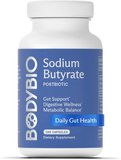
BodyBio Butyrate Sodium delivers sodium butyrate, the short-chain fatty acid that is the primary fuel source for colonocytes, the cells lining the colon, much as glutamine fuels the small intestine’s enterocytes. Butyrate is one of the most studied postbiotics in gut research, with a large literature on colonic barrier support and anti-inflammatory signaling through histone deacetylase inhibition. Because glutamine is largely consumed by the small intestine before it travels further, pairing an oral glutamine product with a butyrate product covers both ends of the tract. At $36.99 per bottle this is the budget entry into that pairing.
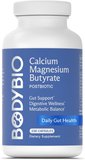
BodyBio Butyrate Calcium Magnesium is the mineral-bound version of the company’s butyrate supplement, pairing butyrate with calcium and magnesium rather than sodium. It suits people who want to avoid added sodium or who prefer the mineral-bound format, and at $75.99 per bottle it is the premium option in the butyrate pairing. Butyrate research spans inflammatory bowel contexts and general colonic barrier support, but as with the sodium version, buy it for the butyrate itself with realistic expectations: the human data on oral butyrate supplements are promising rather than settled, and it is not a substitute for medical treatment of any diagnosed gut condition.

Leaky Gut Repair bundles L-glutamine with organic slippery elm, NAG, marshmallow root, aloe vera, MSM, quercetin, and bromelain at $29.99 per bottle. The formula reads like a catalog of traditional gut-soothing botanicals, and several of the individual ingredients have plausible mechanisms: glutamine for enterocyte fuel, NAG for mucus-layer glycosaminoglycans, quercetin for mast-cell and inflammatory signaling. What it is not is a clinical-trial replication: no study tested this exact blend, its glutamine per serving is well below the 15 g/day therapeutic dose, and multi-ingredient products make it impossible to know which component is doing what. Buy it if you want a broad botanical approach in one bottle, with modest expectations.
📱 Join the discussion: Facebook | X | YouTube | Pinterest
Does L-Glutamine Help Inflammatory Bowel Disease or Crohn’s Disease?
Given glutamine’s established role in enterocyte biology, it was natural for researchers to investigate whether supplementation could help patients with inflammatory bowel disease (IBD), including Crohn’s disease and ulcerative colitis. The results have been largely disappointing.
Cochrane Review: Glutamine for Crohn’s Disease
A Cochrane systematic review – the gold standard for evidence synthesis – examined glutamine for induction of remission in Crohn’s disease. The review identified only two randomized controlled trials meeting inclusion criteria, with a combined total of just 42 participants.
One trial compared a glutamine-enriched polymeric diet to a standard polymeric diet in pediatric Crohn’s patients. The other compared glutamine-supplemented total parenteral nutrition (TPN) to standard TPN in adult patients. Neither study demonstrated beneficial effects for glutamine on disease activity, remission rates, or other clinical outcomes.
The Cochrane review concluded that there is “insufficient evidence to allow firm conclusions regarding the efficacy and safety of glutamine for induction of remission in Crohn’s disease.”
Systematic Review of IBD Trials
A broader systematic review published in Clinical Nutrition ESPEN in 2021 examined all available clinical trials of glutamine supplementation in IBD patients, regardless of IBD subtype. The conclusions were similarly underwhelming: glutamine supplementation had no significant effect on disease course, anthropometric measurements, intestinal permeability, disease activity, intestinal symptoms, biochemical parameters, oxidative stress markers, or inflammation markers in IBD patients, regardless of the route of administration.
Why the IBD Results Differ From IBS
The disappointing IBD results do not contradict the positive IBS findings. They reflect fundamentally different disease mechanisms:
IBS (particularly post-infectious IBS-D) involves functional barrier dysfunction without significant ongoing mucosal inflammation. The intestinal architecture is largely intact, but tight junction regulation is impaired. Glutamine can address this by directly fueling enterocytes and supporting tight junction protein expression.
IBD involves chronic, immune-mediated mucosal inflammation with structural tissue damage, ulceration, and in Crohn’s disease, transmural inflammation. The barrier is broken not because of fuel deficiency but because of immune-mediated tissue destruction. Supplying more glutamine to enterocytes does not address the underlying immune dysregulation driving the disease.
This distinction illustrates an important principle: understanding why a supplement works (or does not) is as important as knowing whether it works. Glutamine is not an anti-inflammatory drug or an immunomodulator. It is an amino acid that fuels gut cells. In conditions where the primary problem is fuel-deficient enterocytes, it can help. In conditions where the primary problem is immune destruction of tissue, it has little to offer as a standalone intervention.
Safety in IBD Patients
One reassuring finding from the IBD literature is safety. Glutamine supplementation in IBD patients was not associated with adverse outcomes. While it does not appear to help, it also does not appear to harm. Patients with IBD who wish to try glutamine as part of a broader nutritional strategy can discuss this with their gastroenterologist without significant safety concerns, though they should have realistic expectations about the likely benefit.
Research shows: Cochrane review of 2 RCTs (42 patients total) found insufficient evidence for glutamine in Crohn’s disease remission induction. 2021 systematic review showed no effect on IBD disease activity, intestinal permeability, or inflammatory markers regardless of route (oral or IV). IBD involves chronic immune-mediated mucosal ulceration and transmural inflammation that glutamine cannot address, unlike post-infectious IBS-D where barrier dysfunction occurs without immune destruction.
Does L-Glutamine Reduce Exercise-Induced Gut Problems?
Intense exercise, particularly in hot conditions, transiently increases intestinal permeability. This phenomenon is well-documented and can cause significant gastrointestinal symptoms in athletes – cramping, nausea, diarrhea, and in severe cases, the “runner’s trots.” Several trials have examined whether glutamine supplementation can reduce exercise-induced barrier dysfunction.
The Zuhl et al. Trial
Zuhl and colleagues conducted a study examining whether 7 days of oral glutamine supplementation could reduce exercise-induced intestinal permeability. Eight subjects completed baseline testing followed by glutamine and placebo supplementation trials before a 60-minute treadmill run.
Glutamine prevented the rise in intestinal permeability as measured by the lactulose-rhamnose urinary excretion ratio (PubMed 24285149). The in vitro component of the study showed that glutamine at therapeutic concentrations increased occludin expression – a key tight junction protein – in Caco-2 cells exposed to heat stress. The protective effect was associated with HSP70 (heat shock protein 70) activation, suggesting that glutamine enhances the gut’s heat-stress response.
The Pugh et al. Trial
Pugh and colleagues conducted a more detailed dose-response study. Ten recreationally active males completed four exercise trials – one placebo and three glutamine doses (0.25, 0.5, and 0.9 g/kg of fat-free mass) – each consisting of a 60-minute treadmill run at 70% VO2max in 30-degree heat.
The results showed a clear dose-response relationship: the lactulose-rhamnose ratio was “likely lower” following the 0.25 and 0.5 g/kg doses and “very likely lower” following the 0.9 g/kg dose, relative to placebo (PubMed 29058112). Even the lowest dose provided some protection, but higher doses were more effective.
Limitations and Contradictory Findings
Not all exercise studies have been positive. A 2022 randomized crossover trial found no protective benefits from low-dose acute L-glutamine supplementation on small intestinal permeability, epithelial injury, or bacterial translocation biomarkers during subclinical exertional-heat stress. This suggests that the dose matters: low single doses may be insufficient, while repeated or higher doses appear more effective.
Practical Implications for Athletes
For endurance athletes who experience GI symptoms during training or competition, particularly in hot environments, the evidence supports glutamine as a preventive strategy. The dose-response data from Pugh et al. suggests that 0.5-0.9 g/kg of fat-free mass taken 2 hours before exercise provides the best protection. For a 70 kg athlete with 15% body fat, this works out to approximately 30-54 grams – significantly higher than standard gut-health supplement doses but within the range used in clinical research.
Athletes should note that these are acute, pre-exercise loading doses. Chronic lower-dose supplementation (5-10g/day) has also shown benefits in some but not all studies. The most practical approach may be chronic low-dose supplementation with an acute bolus before high-intensity or heat-stress events.
What this means for you: L-glutamine reduces exercise-induced intestinal permeability in a dose-dependent manner, with 0.5-0.9 g/kg fat-free mass taken 2 hours before exercise showing the strongest protection (PubMed 29058112). It increases occludin expression and activates HSP70 heat-stress response. Practical for endurance athletes experiencing GI distress during training or competition.
What About L-Glutamine in Critical Illness?
The story of glutamine in critical illness is a cautionary tale about extrapolating from biology to clinical practice, and it contains lessons relevant to anyone considering glutamine supplementation.
The Rationale
The logic for glutamine supplementation in critically ill patients was compelling. During critical illness – sepsis, major surgery, trauma, burns – plasma glutamine levels drop precipitously, sometimes by 50% or more. Low plasma glutamine at ICU admission has been identified as an independent predictor of mortality. Skeletal muscle glutamine stores become depleted as the body rapidly consumes glutamine for immune cell function and tissue repair. Standard ICU nutrition (both enteral formulas and TPN) contains little to no glutamine.
Based on this biology, clinical guidelines for years recommended glutamine supplementation in ICU patients.
The REDOXS Trial: A Major Reversal
In 2013, the REDOXS (REducing Deaths due to OXidative Stress) trial was published in the New England Journal of Medicine, and it changed everything. This was a large, well-designed study: 1,223 critically ill adults across 40 ICUs in Canada, the United States, and Europe were randomized in a 2-by-2 factorial design to receive glutamine (0.35 g/kg/day IV plus 30 g/day enteral), antioxidants, both, or placebo.
Results: Glutamine supplementation was associated with a trend toward increased 28-day mortality (32.4% vs. 27.2%; adjusted odds ratio 1.28; p=0.05). More alarmingly, in-hospital mortality and 6-month mortality were significantly higher in the glutamine group. Antioxidants showed no benefit.
This was a startling finding. A supplement that was biologically rational, supported by smaller positive studies, and recommended by clinical guidelines actually increased mortality in the sickest patients.
Understanding Why: Context Matters
Subsequent analysis suggested several important explanations:
Dose. The REDOXS trial used high-dose glutamine (approximately 0.5 g/kg/day combined IV and enteral). A meta-analysis of 18 RCTs (3,383 patients) found that glutamine doses above 0.5 g/kg/day significantly increased mortality, while lower doses did not. The dose was likely excessive.
Route. The IV route delivers glutamine systemically, bypassing the gut. This is a fundamentally different pharmacokinetic profile than oral supplementation.
Patient population. These were patients with multi-organ failure who may not have been glutamine-depleted (a reanalysis found that most patients had normal glutamine levels at enrollment). Giving supplemental glutamine to patients who were not deficient may have caused harm through ammonia overload or other metabolic derangements.
Timing. Supplementation began early in critical illness, before metabolic stability was established.
Current ICU Guidelines
Based primarily on the REDOXS trial, the American Society for Parenteral and Enteral Nutrition (ASPEN) now recommends against the use of IV or enteral glutamine supplementation in critically ill patients. This represents a dramatic reversal from earlier recommendations.
Relevance to Supplement Users
The REDOXS findings are frequently cited in discussions about glutamine safety, but they must be interpreted in context. The trial studied IV glutamine at very high doses in patients with multi-organ failure – a scenario that has essentially nothing in common with a healthy or mildly symptomatic person taking 5-15g of oral glutamine powder for gut health.
The lesson is real but narrow: very high-dose IV glutamine is dangerous in critically ill patients with organ failure. This does not mean that moderate-dose oral glutamine is dangerous in ambulatory patients with IBS or gut complaints. The populations, doses, routes, and clinical contexts are entirely different.
The practical takeaway: The 2013 REDOXS trial showed that very high-dose IV glutamine (0.5 g/kg/day) increased mortality in critically ill ICU patients, leading to reversal of clinical guidelines. However, this finding applies only to IV administration at excessive doses in multi-organ failure patients and does not indicate risk for oral supplementation at moderate doses (5-15g/day) in healthy or mildly symptomatic individuals.
Is “Leaky Gut” Real or Marketing Hype?
No discussion of L-glutamine for gut health is complete without addressing the “leaky gut” controversy, because this is the conceptual framework through which most consumers encounter glutamine supplementation.
What Mainstream Medicine Accepts
The scientific phenomenon of increased intestinal permeability is well-established and not controversial. It has been documented in celiac disease, Crohn’s disease, ulcerative colitis, type 1 diabetes, certain infections, and after use of NSAIDs. It can be measured with validated tests (lactulose-mannitol). The tight junction biology underlying permeability changes is understood at the molecular level. None of this is disputed.
What Mainstream Medicine Does Not Accept
“Leaky gut syndrome” as a standalone diagnosis – the idea that increased intestinal permeability is a root cause of everything from autoimmune disease to depression to obesity – is not recognized by mainstream gastroenterology. The Gastrointestinal Society (Canadian Society of Intestinal Research) has characterized it as a proposed condition that lacks sufficient research to be considered a legitimate clinical entity.
The core dispute is about causality. Increased intestinal permeability is clearly present in many disease states. But is it a cause, a consequence, or merely a correlate? Harvard Medical School has stated that “we don’t know if leaky gut causes disease or is a consequence of disease.” The Cleveland Clinic acknowledges that increased permeability occurs but notes that treating it as a standalone condition is premature.
Where the Evidence Actually Points
Recent work in post-infection IBS found increased colonic permeability that tracks with symptom-relevant biology, reinforcing the connection between prior infection, barrier dysfunction, and gut symptoms (PubMed 38987012). This aligns with the Zhou trial results: fixing the permeability problem fixed the symptoms in a carefully selected post-infectious population.
A more balanced reading of the evidence suggests that increased intestinal permeability is a real, measurable phenomenon that contributes to symptoms in specific conditions (post-infectious IBS, celiac disease, exercise-induced GI distress) but is not a universal explanation for chronic illness. It is a feature, sometimes a driver, of certain diseases – not a disease itself.
Practical Implications
For consumers, this means: if a practitioner suggests glutamine for “leaky gut,” the appropriate response is not to dismiss it entirely but to ask specific questions. Do I have a condition where intestinal permeability is documented to be increased? Has my permeability been measured? Is there clinical trial evidence for glutamine in my specific situation? The answer to these questions determines whether glutamine supplementation is evidence-based or speculative.
What the data says: Increased intestinal permeability is a real, measurable phenomenon documented in celiac disease, IBD, post-infectious IBS, and other conditions using validated tests. However, “leaky gut syndrome” as a standalone diagnosis causing all chronic illness is not recognized by mainstream medicine. Permeability changes are features of specific diseases, not universal explanations for health problems.
What Are the Common Myths About L-Glutamine?
The popularity of L-glutamine for gut health has generated several persistent myths that deserve correction.
Myth 1: “Glutamine supports all gut conditions”
Reality: Glutamine has strong evidence for post-infectious IBS-D with hyperpermeability, promising evidence as an IBS adjunct, some evidence for exercise-induced gut permeability, and limited-to-no evidence for Crohn’s disease, ulcerative colitis, or general “digestive wellness.” It is not a universal gut supplement. Its benefits appear to be condition-specific and tied to its role in enterocyte fuel supply and tight junction support.
Myth 2: “You cannot get enough glutamine from food”
Reality: Healthy adults typically consume 3-6 grams of glutamine daily from diet, primarily from protein-rich foods. For healthy individuals without active gut issues, this dietary intake is generally sufficient. The body also synthesizes glutamine endogenously at a rate of approximately 40-80 grams per day. The “conditionally essential” classification means that during illness, stress, or intense exercise, demand may exceed supply – but under normal conditions, deficiency is unlikely. Supplementation makes the most sense when there is a specific indication, not as a general health measure.
Myth 3: “More glutamine is always better”
Reality: The REDOXS trial demonstrated that very high doses (approximately 0.5 g/kg/day or more) can be harmful in specific populations. The 2024 meta-analysis found that doses above 30g/day were needed to significantly affect intestinal permeability – but that does not mean 30g/day is the right dose for everyone. The Zhou IBS trial used 15g/day with dramatic results, and some exercise studies showed effects at even lower doses. Dosing should be guided by the clinical context and evidence, not by the assumption that more is better.
Myth 4: “L-glutamine addresses SIBO”
Reality: While glutamine supports intestinal barrier function and may reduce bacterial translocation in some contexts, there is no robust clinical trial evidence showing that L-glutamine eradicates small intestinal bacterial overgrowth (SIBO). One clinical trial found that adding glutamine (along with probiotics and prebiotics) to antibiotics and a low FODMAP diet did not improve gas normalization on breath testing, though patients did report improved symptoms. Glutamine may support gut health as part of a SIBO management protocol, but it is not an antimicrobial agent and should not replace established SIBO treatments.
Myth 5: “Glutamine is dangerous because it feeds cancer”
Reality: This is an oversimplification of a complex topic, addressed in detail in the Safety section below. Cancer cells do rely heavily on glutamine, but clinical trials of oral glutamine supplementation in cancer patients have not demonstrated tumor promotion. This myth has frightened many patients away from glutamine during chemotherapy, when it may actually help protect against treatment-related mucositis.
Myth 6: “You will feel the difference immediately”
Reality: While acute single-dose effects on exercise-induced permeability have been measured within hours in controlled settings, symptomatic improvement in chronic conditions like IBS takes weeks. The Zhou trial measured outcomes at 8 weeks. The Rastgoo trial measured at 6 weeks. Expecting immediate relief from L-glutamine supplementation is unrealistic and may lead to premature discontinuation of a potentially beneficial intervention.
Key takeaway: The evidence is condition-specific: strong for post-infectious IBS-D with confirmed hyperpermeability at 15g/day for 8 weeks, moderate for exercise-induced permeability, and absent for most other gut conditions, which is why testing and diagnosis come before supplementation.
Is L-Glutamine Safe? What About Cancer?
L-glutamine has a generally favorable safety profile, but specific concerns deserve careful examination.
General Safety
In the clinical trials reviewed in this article, oral L-glutamine supplementation at doses up to 30g/day was well-tolerated. Adverse events were consistently low and similar between glutamine and placebo groups. The Zhou IBS trial (15g/day for 8 weeks) reported no serious adverse events. The FDA-approved prescription form of L-glutamine (Endari, approved for sickle cell disease) uses doses of 5-15g twice daily and has been through formal safety evaluation.
Common but mild side effects at higher doses can include:
- Bloating or mild GI discomfort (usually transient)
- Nausea (dose-dependent, usually resolves with dose reduction)
- Headache (infrequent)
The Cancer Question
The concern that glutamine supplementation might fuel tumor growth is based on real biology: cancer cells exhibit increased glutamine uptake and dependence (a phenomenon sometimes called “glutamine addiction”). Tumors consume glutamine at rates far exceeding normal tissues, using it for energy production, biosynthesis, and redox balance. This has led researchers to investigate glutamine deprivation as an anti-cancer strategy.
However, the clinical evidence does not support the fear that oral supplementation promotes tumor growth:
Chemotherapy-induced mucositis. A systematic review of 15 studies found that oral glutamine was effective in 11 of 15 trials at reducing the incidence and severity of treatment-related mucositis in cancer patients. The most common regimen was 30g/day in divided doses. A meta-analysis found that glutamine supplementation reduced the incidence of grade 3-4 oral mucositis by 47% (RR 0.53, 95% CI 0.32-0.88) compared with placebo.
Tumor growth. In breast cancer patients, tumor size reduction did not differ significantly between glutamine and placebo groups – meaning glutamine did not impair treatment efficacy or accelerate tumor growth.
Head and neck cancer survival. A study of L-glutamine supplementation during chemoradiotherapy for locally advanced head and neck cancer found no adverse effect on tumor outcomes and potential protective effects on normal tissue.
The nuanced reality is that the glutamine available from oral supplementation is a small fraction of the glutamine already circulating in the body and being produced endogenously. Tumors have access to the body’s existing glutamine pool (over 80 grams of free glutamine in a healthy adult); adding 5-15 grams orally is unlikely to meaningfully change tumor glutamine availability. The concern is more theoretical than clinical.
That said, caution is warranted. The tumor biology is heterogeneous – different cancer types have different degrees of glutamine dependence. Any cancer patient considering glutamine supplementation should discuss it specifically with their oncologist, particularly if they are receiving therapies that target glutamine metabolism.
Liver Disease
Glutamine metabolism generates ammonia as a byproduct. In healthy individuals, the liver efficiently clears ammonia through the urea cycle. In patients with liver disease (particularly cirrhosis with impaired hepatic function), ammonia clearance may be compromised, and supplemental glutamine could theoretically worsen hyperammonemia. Patients with liver disease should consult their hepatologist before taking glutamine.
Psychiatric Considerations
An older case report described exacerbation of manic symptoms in two patients with bipolar disorder taking 2-4 grams of L-glutamine daily, with resolution upon discontinuation. While this is a very limited evidence base, individuals with a history of mania or bipolar disorder should exercise caution and inform their psychiatrist if they plan to supplement with glutamine.
The science confirms: L-glutamine at doses up to 30g/day is well-tolerated in clinical trials with minimal side effects. While cancer cells consume glutamine heavily, oral supplementation has not been shown to promote tumor growth and actually reduces chemotherapy-induced mucositis by 47%. Caution warranted in liver disease (ammonia concerns) and bipolar disorder (case report of manic exacerbation). Cancer patients should discuss with their oncologist.
Does L-Glutamine Interact with Medications?
L-glutamine has relatively few documented drug interactions, which is consistent with its status as an amino acid that the body produces endogenously. However, several interactions are worth noting:
Anti-seizure medications. Glutamine is a precursor to both glutamate (an excitatory neurotransmitter) and GABA (an inhibitory neurotransmitter). Theoretically, supplemental glutamine could alter the excitatory-inhibitory balance in the brain. Patients taking anti-epileptic drugs should discuss glutamine supplementation with their neurologist, though clinically significant interactions have not been well-documented.
Chemotherapy drugs. As discussed above, glutamine may interact with certain chemotherapy agents – potentially protecting normal tissues while not impairing tumor-directed effects. However, the interactions are complex and drug-specific. The oncologist managing treatment should be consulted.
Lactulose. This is relevant because lactulose is both a medication used for hepatic encephalopathy (where it reduces ammonia) and a component of the lactulose-mannitol permeability test. Glutamine supplementation could theoretically counteract the ammonia-lowering effect of lactulose therapy in liver disease patients.
General guidance. Because glutamine is present in normal human physiology at high concentrations, the risk of drug interactions is inherently lower than for most pharmaceutical compounds. Nonetheless, the standard recommendation applies: inform your healthcare provider about all supplements you are taking, particularly if you have chronic conditions or take prescription medications.
Specific guidance: L-glutamine has relatively few documented drug interactions as an endogenous amino acid. Theoretical concerns exist with anti-seizure medications (glutamine converts to both excitatory glutamate and inhibitory GABA), chemotherapy drugs (complex tissue-protective effects), and lactulose (ammonia metabolism). Patients on these medications should consult their prescribing physician before supplementing.
When to stop and reassess: give glutamine a fair trial at an appropriate dose for 8-12 weeks, then judge it on symptoms, not hopes. Stop and see a doctor sooner if you develop blood in the stool, black tarry stools, unintentional weight loss, fever, worsening abdominal pain, or new neurological symptoms, because those are not supplement problems. If gut symptoms improve on glutamine and return when you stop, that is useful information for a clinician, not a reason to self-medicate indefinitely.
Alternatives worth knowing: glutamine is one tool in a larger kit. Butyrate supplements target the colon, zinc carnosine has its own small-bowel mucosa evidence, soluble fiber and probiotics address different mechanisms, and a low FODMAP diet under professional guidance is the best-evidenced dietary intervention for IBS. The Related Reading section below links our full guides on each.
Can You Get Enough L-Glutamine from Food?
While supplementation gets most of the attention, dietary glutamine is the foundation of glutamine status. Most healthy adults consume 3-6 grams of glutamine daily through food. Major dietary contributors include grains (approximately 32% of intake), dairy products (approximately 16%), and fish/poultry (approximately 13%).
Animal Sources (per 100 grams of food)
| Food | Approximate Glutamine Content |
|---|---|
| Beef | 1.5 - 2.0 g |
| Chicken | 1.0 - 1.5 g |
| Fish (tuna, salmon) | 1.0 - 1.5 g |
| Eggs | 0.6 g |
| Yogurt | 0.6 g |
| Cheese | 0.3 - 0.6 g |
Plant Sources
| Food | Approximate Glutamine Content |
|---|---|
| Spirulina (dried, 50g) | 4.0 g |
| Tofu (100g) | 0.6 g |
| Lentils (cooked, 100g) | 0.6 - 0.8 g |
| Kidney beans (cooked, 100g) | 0.5 - 0.7 g |
| Oats (dry, 100g) | 0.7 g |
| Rice (cooked, 100g) | 0.3 g |
Dietary Context
For healthy individuals without active gut conditions, a protein-adequate diet generally supplies sufficient glutamine. The body’s endogenous glutamine production (40-80 g/day from skeletal muscle) further supplements dietary intake. Supplementation becomes relevant when demand exceeds the combined capacity of diet and endogenous production – which occurs during illness, stress, trauma, intense exercise, or active gut conditions.
Cooking does not significantly destroy glutamine, so food-based glutamine is well-preserved through normal preparation methods.
Essential guidance: Most healthy adults consume 3-6 grams of glutamine daily from protein-rich foods (beef 1.5-2.0g per 100g, chicken 1.0-1.5g, eggs 0.6g) and synthesize 40-80g/day endogenously. For healthy individuals without gut issues, dietary intake is typically sufficient. Supplementation makes sense when demand exceeds supply during illness, stress, intense exercise, or active gut conditions.
Quick-Reference Dosing Chart
The following table summarizes the dosing protocols used in the clinical trials reviewed in this article. These are not universal recommendations – they are specific to the populations and conditions studied.
| Condition / Goal | Dose | Duration | Evidence Level | Key Trial |
|---|---|---|---|---|
| Post-infectious IBS-D with hyperpermeability | 15g/day (5g three times daily) | 8 weeks | Strong (single large RCT) | Zhou 2019 |
| IBS (general, adjunct to low FODMAP diet) | 15g/day | 6 weeks | Moderate (single small RCT) | Rastgoo 2021 |
| Exercise-induced gut permeability (pre-exercise) | 0.25-0.9 g/kg fat-free mass, 2 hours before exercise | Acute single dose | Moderate (small RCTs) | Pugh 2017 |
| Exercise-induced gut permeability (chronic) | 0.5 g/kg/day in divided doses | 7 days | Limited (very small studies) | Zuhl 2014 |
| General gut barrier maintenance | 5-10g/day | Ongoing | Limited (extrapolated; permeability data only significant above 30g/day) | No definitive trial |
| Chemotherapy-induced mucositis | 30g/day in 3 divided doses | During treatment course | Moderate (multiple RCTs, meta-analysis) | Sayles 2016 |
| Crohn’s disease / IBD | Not recommended based on current evidence | N/A | Insufficient | Cochrane 2016 |
| Critical illness (ICU) | Not recommended (potential harm at high doses) | N/A | Strong evidence against | REDOXS 2013 |
Important notes:
- These doses reflect what was used in research, not universal clinical recommendations
- Always start with a lower dose (5g/day) and increase gradually
- Divide daily doses into 2-3 servings, ideally taken on an empty stomach or between meals
- Dissolve powder in room-temperature or cool water (glutamine degrades in hot liquids)
- Consult a healthcare provider before starting supplementation, particularly if you have liver disease, cancer, kidney disease, or take prescription medications
Comprehensive view: Clinical trial dosing ranges from 5-10g/day for maintenance to 15-30g/day for therapeutic effects, with post-infectious IBS-D showing best results at 15g/day for 8 weeks, athletes using 0.5-0.9 g/kg fat-free mass pre-exercise, and chemotherapy mucositis prevention at 30g/day. Start low, divide doses, take between meals, and allow 4-8 weeks to assess effects.
Related Reading
- Best Supplements for IBS: Probiotics, Fiber, and More Reviewed by Research
- Best Supplements for Leaky Gut: What Research Says About Intestinal Permeability
- Best Probiotics for Bloating and Gas: Strain-Specific Guide Based on Research
- Best Supplements for Gut Health: Probiotics, Prebiotics, and Digestive Enzymes Compared
- Collagen Benefits for Skin, Joints, and Gut Health: The Complete Science-Backed Guide
- Do Greens Powders Actually Work? A Deep Dive Into the Science Behind the Hype
- Candida Overgrowth Supplements: Combat Yeast and Restore Gut Balance
References
-
Zhou Q, Verne ML, Fields JZ, et al. “Randomised placebo-controlled trial of dietary glutamine supplements for postinfectious irritable bowel syndrome.” Gut. 2019;68(6):996-1002. PMID: 30108163
-
Rastgoo S, Ebrahimi-Daryani N, Agah S, et al. “Glutamine Supplementation Enhances the Effects of a Low FODMAP Diet in Irritable Bowel Syndrome Management.” Front Nutr. 2021;8:746703. PMID: 34977110
-
Ahmadi S, et al. “A systematic review and meta-analysis of clinical trials on the effects of glutamine supplementation on gut permeability in adults.” Amino Acids. 2024;56(1):60. PMID: 39397201
-
Wang B, Wu G, Zhou Z, et al. “Glutamine and intestinal barrier function.” Amino Acids. 2015;47(10):2143-2154. PMID: 24965526
-
Kim MH, Kim H. “The Roles of Glutamine in the Intestine and Its Implication in Intestinal Diseases.” Int J Mol Sci. 2017;18(5):1051. PMID: 28498331
-
Rao R, Samak G. “Role of Glutamine in Protection of Intestinal Epithelial Tight Junctions.” J Epithel Biol Pharmacol. 2012;5(Suppl 1-M7):47-54. PMID: 25810794
-
Wang H, Zhang C, Wu G, et al. “L-Glutamine Enhances Tight Junction Integrity by Activating CaMK Kinase 2-AMP-Activated Protein Kinase Signaling in Intestinal Porcine Epithelial Cells.” J Nutr. 2016;146(3):501-508. PMID: 26865645
-
Zuhl MN, Lanphere KR, Kravitz L, et al. “Effects of oral glutamine supplementation on exercise-induced gastrointestinal permeability and tight junction protein expression.” J Appl Physiol. 2014;116(2):183-191. PMID: 24285149
-
Pugh JN, Sage S, Hutson M, et al. “Glutamine supplementation reduces markers of intestinal permeability during running in the heat in a dose-dependent manner.” Eur J Appl Physiol. 2017;117(12):2569-2577. PMID: 29058112
-
Benjamin J, Makharia G, Ahuja V, et al. “Glutamine and whey protein improve intestinal permeability and morphology in patients with Crohn’s disease: a randomized controlled trial.” Dig Dis Sci. 2012;57(4):1000-1012. PMID: 22038507
-
Heyland D, Muscedere J, Wischmeyer PE, et al. “A randomized trial of glutamine and antioxidants in critically ill patients.” N Engl J Med. 2013;368(16):1489-1497. PMID: 23594003
-
Akobeng AK, Miller V, Stanton J, et al. “Glutamine for induction of remission in Crohn’s disease.” Cochrane Database Syst Rev. 2016;(2):CD007348. PMID: 26853855
-
Severo JS, da Silva Barros VJ, Alves da Silva AC, et al. “Effects of glutamine supplementation on inflammatory bowel disease: A systematic review of clinical trials.” Clin Nutr ESPEN. 2021;42:53-60. PMID: 33745622
-
Sayles C, Hickerson SC, Bhat RR, et al. “Oral Glutamine in Preventing Treatment-Related Mucositis in Adult Patients With Cancer: A Systematic Review.” Nutr Clin Pract. 2016;31(2):171-179. PMID: 26507188
-
Jiang Y, Guo C, Zhang D, et al. “Effectiveness of glutamine in the management of oral mucositis in cancer patients: a meta-analysis of randomized controlled trials.” Support Care Cancer. 2021;29(7):4043-4053. PMID: 33598734
-
Cruzat V, Macedo Rogero M, Noel Keane K, et al. “Glutamine: Metabolism and Immune Function, Supplementation and Clinical Translation.” Nutrients. 2018;10(11):1564. PMID: 30360490
-
Lacey JM, Wilmore DW. “Is glutamine a conditionally essential amino acid?” Nutr Rev. 1990;48(8):297-309. PMID: 2080048
-
Wischmeyer PE. “Glutamine and the regulation of intestinal permeability: from bench to bedside.” Curr Opin Clin Nutr Metab Care. 2017;20(1):86-91. PMID: 27749689
-
Fasano A. “Zonulin and Its Regulation of Intestinal Barrier Function: The Biological Door to Inflammation, Autoimmunity, and Cancer.” Physiol Rev. 2011;91(1):151-175. PMID: 21248165
-
Wernerman J. “When Is It Appropriate to Use Glutamine in Critical Illness?” Nestle Nutr Inst Workshop Ser. 2015;82:151-162. PMID: 27246308
-
Caceres Lessa AY, et al. “Transcriptomic and Metabolomic Correlates of Increased Colonic Permeability in Postinfection Irritable Bowel Syndrome.” Clin Gastroenterol Hepatol. 2025. PMID: 38987012
-
Mu Q, Kirby J, Reilly CM, Luo XM. “Leaky Gut As a Danger Signal for Autoimmune Diseases.” Front Immunol. 2017;8:598. PMID: 28588585
-
Ogden HB, et al. “No protective benefits of low dose acute L-glutamine supplementation on small intestinal permeability, epithelial injury and bacterial translocation biomarkers in response to subclinical exertional-heat stress.” Temperature. 2022;9(3):266-277. PMID: 36106146
-
McMullen MK. “Glutamine: A misunderstood amino acid with therapeutic potential.” Nutr Health. 2025;31(4):699-710. PMID: 40641188
Recommended Products