L-Theanine for Anxiety and Focus: What the Research Shows
Summarized from peer-reviewed research indexed in PubMed. See citations below.
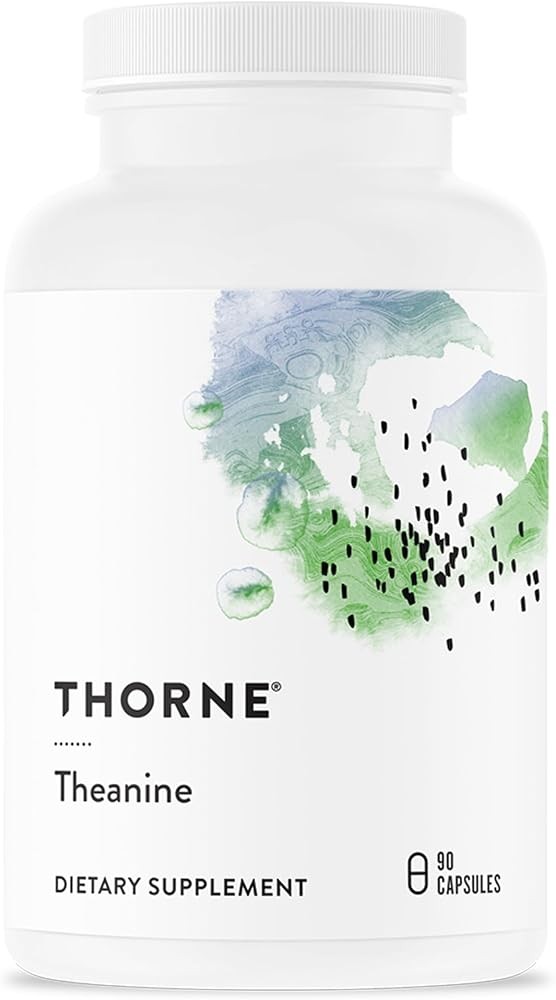
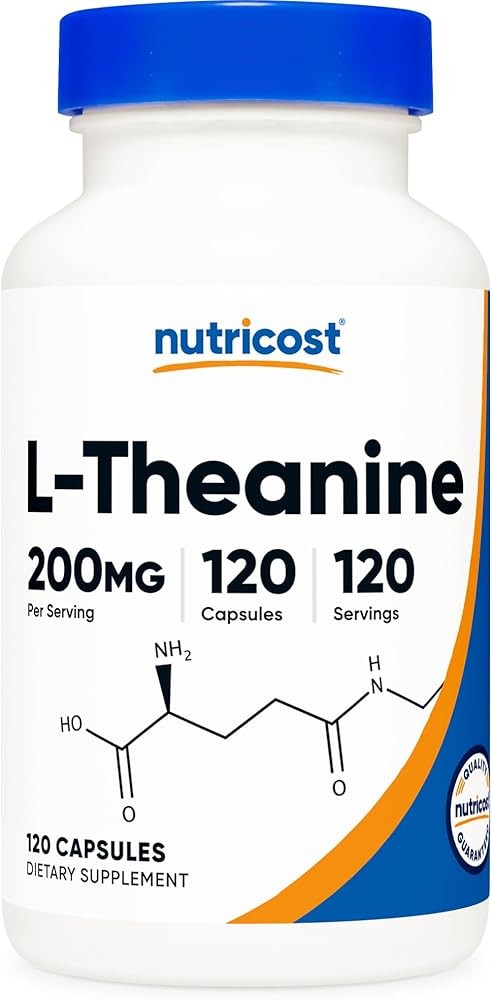
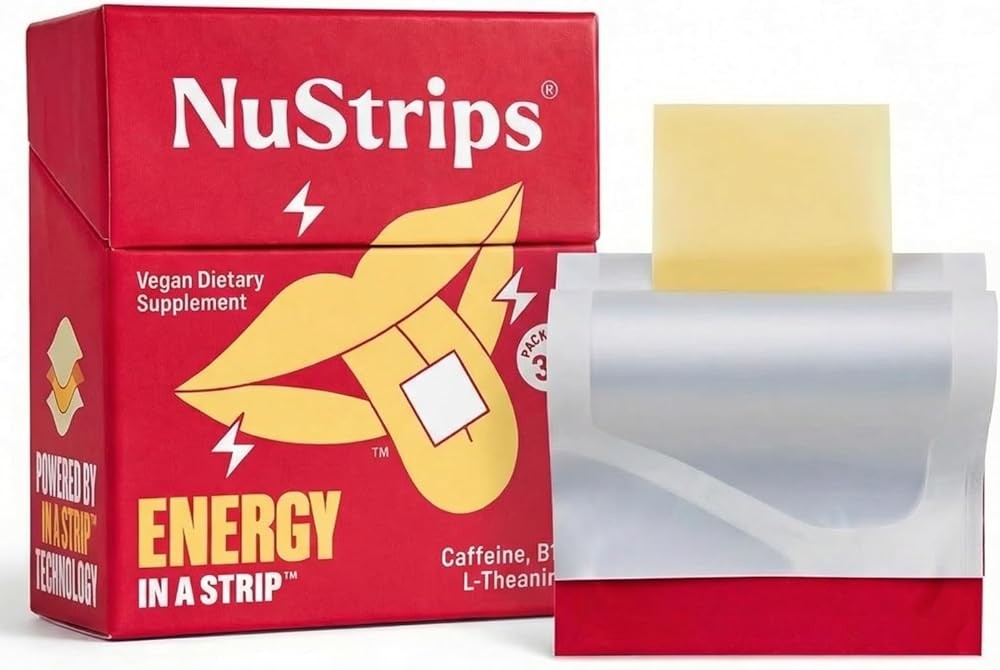
Racing thoughts that won’t quiet down, scattered focus despite mental alertness, and stress-related tension are common reasons people reach for L-theanine, an amino acid found naturally in tea. THORNE Theanine delivers 200mg of pure L-theanine per capsule, the dose used in much of the clinical research, with NSF certification for purity, priced at $68 for 90 capsules. Published research shows L-theanine increases alpha brain wave activity within about 40 minutes and reduces subjective stress responses, creating relaxed alertness distinct from sedatives or stimulants. For budget-conscious consumers, Nutricost L-Theanine provides the same 200mg dose at $11.95 for 120 capsules, and NuStrips pairs L-theanine with caffeine for on-the-go focus. Here’s what the published research shows about L-theanine’s mechanisms for anxiety reduction and focus enhancement.
Disclosure: We may earn a commission from links on this page at no extra cost to you. Affiliate relationships never influence our ratings. Full policy →
| Feature | THORNE Theanine | Nutricost L-Theanine | NuStrips Energy |
|---|---|---|---|
| L-Theanine Dose | 200mg per capsule | 200mg per capsule | With 50mg caffeine |
| Primary Benefit | Relaxation + focus | Relaxation + focus | Focus + energy |
| Delivery Method | Capsule | Capsule | Sublingual strip |
| Third-Party Tested | NSF Certified for Sport | Yes | Yes |
| Servings | 90 | 120 | 16 strips |
| Best For | Daily anxiety support | Budget daily use | On-the-go focus |
| Additional Actives | None (pure) | None (pure) | Caffeine, B12 |
| Price | $68.00 | $11.95 | $39.99 |
What Is L-Theanine and How Does It Work?
L-theanine (γ-glutamylethylamide) is a non-protein amino acid found almost exclusively in tea plants (Camellia sinensis) and certain species of mushrooms, particularly Boletus badius. First isolated from green tea leaves in 1949 by Japanese scientists, L-theanine comprises approximately 1-2% of the dry weight of tea leaves, making it one of the most abundant amino acids in tea after glutamine and arginine.
Chemical Structure and Biochemistry
The chemical structure of L-theanine closely resembles that of the neurotransmitters glutamate and GABA (gamma-aminobutyric acid), which explains its ability to cross the blood-brain barrier and interact with neural receptor systems. Unlike the 20 standard amino acids used to build proteins, L-theanine exists in a free form within tea leaves and is readily absorbed when consumed.
The “L” designation refers to its molecular orientation—the biologically active levorotatory form. While D-theanine (the dextrorotatory mirror image) also exists, only L-theanine demonstrates the psychoactive effects that have made this compound a subject of intense scientific study. When you consume L-theanine, it’s rapidly absorbed in the small intestine via the leucine-preferring transport system and reaches peak plasma concentrations within 30-50 minutes.
Critically, L-theanine crosses the blood-brain barrier through the leucine-preferring amino acid transporter system (LAT1), entering brain tissue where it exerts its neurochemical effects. Once inside the brain, L-theanine influences multiple neurotransmitter systems simultaneously—a multi-targeted mechanism that explains its diverse cognitive and emotional benefits.
Natural Sources and Content Variation
Green tea remains the primary dietary source of L-theanine, though the concentration varies significantly based on tea variety, growing conditions, and processing methods. Shade-grown teas like gyokuro and matcha contain substantially higher L-theanine levels (up to 46 mg per gram of dry tea) compared to sun-grown varieties, because shading increases theanine synthesis while reducing catechin production.
Black tea contains less L-theanine than green tea due to the fermentation process, which partially degrades the amino acid. White tea, being minimally processed, retains relatively high L-theanine levels. A typical cup of green tea provides approximately 8-30 mg of L-theanine, though this can vary considerably with brewing. Longer steeping extracts more, hotter water speeds that extraction, and repeated infusions of the same leaves yield progressively less. For therapeutic effects, supplementation with isolated L-theanine provides more consistent and higher doses than tea consumption alone, which is why the clinical research uses capsules rather than cups.
Bottom line: L-theanine is a unique amino acid found primarily in tea that crosses the blood-brain barrier via LAT1 transporters, reaching peak plasma levels in 30-50 minutes and modulating multiple neurotransmitter systems including GABA, glutamate, dopamine, and serotonin for diverse cognitive and emotional benefits.
How Much L-Theanine Is in Tea Compared With Supplements?
A practical question most people ask is whether they can get a therapeutic dose from tea alone. A typical cup of green tea contains roughly 8-30mg of L-theanine depending on the leaf grade, brew time, and water temperature. Matcha, which is made from shade-grown whole leaves ground to powder, delivers more because you consume the entire leaf, with some analyses reporting 30-60mg per serving, and gyokuro can reach higher still.
That matters for a simple reason: the studies showing measurable effects on stress response, attention, and sleep used 200-400mg per day. Reaching 200mg from brewed tea would require roughly 10-20 cups of standard green tea or several bowls of matcha, which brings a substantial caffeine load with it. A cup of tea is a pleasant way to get a small amount of theanine alongside a modest dose of caffeine, and that combination is partly why tea drinkers describe a calmer alertness than coffee drinkers. But if your goal is a research-level dose for anxiety or focus, a supplement is the only practical way to get there without consuming an impractical volume of tea.
The form of theanine also matters. L-theanine exists as two mirror-image isomers, L and D, and only the L form is biologically active for the effects described in this guide. Quality supplements specify L-theanine or use Suntheanine, a trademarked form produced through a fermentation process that yields only the active isomer. This is covered in more detail in the buying section below.
What Signs Suggest You Might Benefit from L-Theanine?
Before diving into the detailed mechanisms and research, it’s worth recognizing the specific signs that suggest L-theanine supplementation might be particularly beneficial for you. Your body provides numerous signals when your neurotransmitter systems are out of balance or when chronic stress has disrupted your cognitive function.
Racing thoughts that won’t quiet down represent one of the clearest indicators that L-theanine might help. If you find yourself lying awake at night with your mind cycling through worries, replaying conversations, or planning tomorrow’s tasks with an intensity that may interfere with sleep, this suggests excessive glutamate activity or insufficient GABA inhibition—exactly the imbalance L-theanine addresses. Unlike sedatives that simply suppress all neural activity, L-theanine selectively modulates this excitatory-inhibitory balance.
Inability to focus despite feeling mentally active signals another classic L-theanine-deficiency pattern. You’re not tired or foggy, but your attention scatters across multiple tasks, thoughts intrude constantly, and sustained concentration feels impossible. This scattered mental state often results from inadequate alpha wave activity—the brain rhythm associated with relaxed focus that L-theanine specifically enhances.
Anxiety without drowsiness describes a state where you feel mentally wired, physically tense, and emotionally on edge, but sleep isn’t the answer because you’re not actually tired. Coffee makes it worse, but you need something to help you function. This paradoxical state responds exceptionally well to L-theanine, which reduces anxiety while maintaining or even enhancing alertness.
Stress-related physical tension manifests as tight shoulders, clenched jaw, tension headaches, or digestive disturbances that worsen during mentally demanding periods. When stress translates into persistent muscle tension despite your best efforts to relax, it indicates that your stress response system needs biochemical support, not just behavioral interventions. L-theanine’s effects on stress-related neurotransmitter balance can help break this cycle.
Caffeine sensitivity or jitteriness suggests that your GABAergic system isn’t adequately buffering caffeine’s excitatory effects. If coffee makes you anxious, shaky, or mentally overstimulated rather than pleasantly alert, combining caffeine with L-theanine often resolves the issue completely—mimicking the natural balance found in tea.
Difficulty transitioning between tasks or mental states appears as getting “stuck” in work mode when you need to relax, or struggling to shift from relaxation into productive focus. This cognitive inflexibility often reflects rigid brain wave patterns that L-theanine’s influence on alpha activity can help modulate.
Sleep initiation problems despite feeling exhausted describes lying in bed physically tired but mentally alert, unable to transition into sleep despite obvious fatigue. This common pattern indicates that activation systems are overriding sleep drive, a situation where L-theanine’s ability to promote alpha waves and reduce neural excitation proves particularly valuable.
If you recognize multiple signs from this list, L-theanine supplementation addresses the root neurochemical patterns underlying these symptoms rather than merely masking them.
Bottom line: L-theanine may benefit you if you experience racing thoughts, scattered mental focus despite alertness, anxiety without drowsiness, stress-related physical tension, caffeine jitteriness, difficulty transitioning between mental states, or sleep initiation problems—all indicators of neurotransmitter imbalance that L-theanine specifically addresses.
What Are the Evidence-Based Benefits of L-Theanine?
1. Anxiety Reduction Through GABA Modulation
L-theanine’s anti-anxiety effects represent perhaps its most well-documented benefit, with the mechanism centering on its influence over the GABAergic system. GABA (gamma-aminobutyric acid) functions as the brain’s primary inhibitory neurotransmitter, reducing neuronal excitability and counterbalancing the excitatory effects of glutamate. When GABA activity is insufficient relative to glutamate, anxiety, racing thoughts, and physical tension result.
Before covering the mechanism, it is worth stating the size of the effect honestly. The human trials show L-theanine reduces the physiological markers of an acute stress response and improves subjective calm in otherwise healthy people facing a stressful task. That is a genuine but modest effect, and it is a different claim from saying L-theanine is a therapy for an anxiety disorder. The distinction runs through every section of this guide: situational stress is where the evidence lives.
L-theanine doesn’t directly increase GABA levels in the simplistic way that GABA supplements attempt (and largely fail due to poor blood-brain barrier penetration). Instead, L-theanine enhances GABAergic transmission through multiple pathways. Research published in Neuroscience Letters demonstrated that L-theanine increases GABA concentrations in specific brain regions including the hippocampus, hypothalamus, and striatum—areas critically involved in emotional regulation and stress response.
The 2007 landmark study by Kimura et al., published in Biological Psychology, examined L-theanine’s effects on psychological and physiological stress responses in humans (PubMed 16930802). Participants consumed either 200 mg of L-theanine or placebo before engaging in a cognitively demanding task. The L-theanine group showed significantly reduced heart rate and salivary immunoglobulin-A (s-IgA) responses to stress—both reliable biomarkers of physiological stress activation. Subjective anxiety ratings were notably lower in the L-theanine group, with participants reporting feeling calmer yet maintaining full alertness.
Subsequent research has confirmed these findings across diverse populations. A 2011 randomized, double-blind, placebo-controlled study in the Journal of Clinical Psychiatry investigated L-theanine supplementation in patients with schizophrenia or schizoaffective disorder experiencing anxiety (PubMed 21208586). Participants received 400 mg of L-theanine daily for eight weeks. Results showed significant reductions in anxiety scores without any sedation or cognitive impairment—a critical finding since many anti-anxiety medications compromise mental sharpness.
The mechanism extends beyond simple GABA enhancement. L-theanine appears to modulate the NMDA (N-methyl-D-aspartate) receptors, which are glutamate receptors involved in excitatory neurotransmission. By acting as a weak antagonist at these receptors, L-theanine may help reduce excessive glutamate activity that contributes to anxiety and neuronal stress. This dual action—enhancing inhibition while reducing excessive excitation—creates a balanced anti-anxiety effect without the cognitive dulling associated with benzodiazepines or other GABAergic medications.
Neuroimaging studies using electroencephalography (EEG) have revealed that L-theanine’s anxiety-reducing effects correlate with specific changes in brain wave patterns, particularly increased alpha wave activity in regions associated with emotional processing. This represents anxiety reduction through neural optimization rather than suppression—a mechanistically superior approach to managing stress and worry.
Bottom line: L-theanine reduces anxiety through dual GABA enhancement and NMDA receptor modulation, with research showing 200-400mg daily significantly decreases anxiety scores without sedation or cognitive impairment—a mechanistically superior approach compared to benzodiazepines that cause dependency and mental dulling.
THORNE Theanine delivers L-theanine at the clinically studied 200mg dose per capsule, the amount used in much of the stress-response research, and it carries NSF Certified for Sport status for purity verification. Each bottle contains 90 capsules, and the formula is free of unnecessary fillers, artificial colors, and preservatives. It is the pick for people who want a pure, third-party-certified product at the exact dose used in clinical trials. See the product comparison section below for how it stacks up against budget and combination options.
2. Enhanced Focus and Attention Through Alpha Wave Activity
One of L-theanine’s most remarkable properties is its ability to enhance focus and attention without the jitteriness or mental overstimulation that typically accompanies cognitive enhancers. This unique effect stems from L-theanine’s influence on brain wave patterns, specifically its ability to increase alpha wave activity in the brain.
Alpha waves (8-12 Hz frequency) represent a specific pattern of electrical activity in the brain associated with relaxed yet alert mental states. When alpha wave activity is optimal, people report feeling calm but focused, present but not scattered, mentally engaged but not tense. This state is often described as “flow” or “being in the zone”—the optimal mental configuration for sustained cognitive performance.
Research published in Asia Pacific Journal of Clinical Nutrition used EEG monitoring to track brain wave changes following L-theanine administration (PubMed 18296328). Participants consumed 50-200 mg of L-theanine while their brain activity was continuously monitored. Results showed significant increases in alpha wave activity beginning approximately 30-40 minutes after consumption, with the effect persisting for several hours. Importantly, this alpha wave enhancement occurred without any increase in theta waves (associated with drowsiness) or decrease in beta waves (associated with active thinking), indicating a state of relaxed alertness rather than sedation.
The practical implications of this neurological finding are substantial. Enhanced alpha wave activity correlates with improved attention, reduced mind-wandering, better working memory performance, and enhanced ability to filter out distracting stimuli. For students studying complex material, professionals working on cognitively demanding projects, or anyone needing sustained mental focus, L-theanine’s alpha wave-boosting effect provides exactly the neurological state that supports optimal performance.
The synergy between L-theanine and caffeine deserves special attention as one of the most well-researched and practically valuable supplement combinations. While caffeine alone increases alertness and mental energy, it often comes with unwanted side effects: jitteriness, anxiety, scattered attention, and an eventual crash. L-theanine, when combined with caffeine, preserves the positive effects while eliminating most negatives.
A landmark study published in Nutritional Neuroscience investigated the L-theanine plus caffeine combination using cognitive testing (PubMed 21040626). Participants received caffeine alone, L-theanine alone, the combination, or placebo before completing attention and cognitive performance tasks. The combination outperformed all other conditions, improving both speed and accuracy on attention tasks. Specifically, the L-theanine plus caffeine group showed 13% improvement in attention accuracy and significantly reduced susceptibility to distracting information during cognitively demanding tasks.
Subsequent research has consistently replicated these findings. The optimal ratio appears to be approximately 2:1 L-theanine to caffeine (for example, 200 mg L-theanine with 100 mg caffeine), though individual responses vary. Many people find that adding L-theanine to their morning coffee transforms the experience from anxious stimulation to smooth, sustained focus—essentially replicating the natural balance found in tea, where L-theanine and caffeine coexist.
Bottom line: L-theanine increases alpha brain wave activity within 30-40 minutes, creating relaxed alertness optimal for sustained cognitive performance, with the L-theanine plus caffeine combination improving attention accuracy by 13% and reducing distractibility compared to caffeine alone—providing smooth focus without jitteriness.
3. Sleep Quality Improvement Without Morning Grogginess
Despite promoting relaxation and reducing anxiety, L-theanine does not function as a sedative in the traditional sense. However, research indicates that L-theanine supplementation can significantly improve sleep quality through its effects on the neurochemical systems that regulate the sleep-wake cycle, particularly in individuals whose sleep is disrupted by racing thoughts, anxiety, or stress.
A randomized, double-blind, placebo-controlled study examined L-theanine’s effects on sleep quality in boys diagnosed with ADHD. Participants aged 8-12 received 400 mg of L-theanine (Suntheanine) daily for six weeks, with actigraphy and parent ratings tracking sleep across the trial. On L-theanine, the boys slept significantly longer and had better sleep efficiency than on placebo, and parents rated them as sleeping more soundly (PubMed 22214254). This is a useful signal for families dealing with stimulant-related sleep problems, though it is a single small study, and any use in a child should be discussed with the prescribing doctor. Sleep quality measurements showed significant improvements, including longer sleep duration, better sleep efficiency, and fewer nighttime awakenings. Importantly, the boys showed no daytime drowsiness or cognitive impairment, indicating that L-theanine improved sleep without causing next-day sedation—a common problem with pharmaceutical sleep aids.
The mechanism appears to involve L-theanine’s ability to quiet the racing thoughts and reduce the physiological arousal that may interfere with sleep onset in many people. Rather than forcing sleep through sedation, L-theanine may help remove the barriers to natural sleep by normalizing neurotransmitter balance and reducing activation of stress-response systems. This creates conditions conducive to sleep without artificially suppressing consciousness.
Another relevant finding comes from research on L-theanine’s effects on sleep architecture—the specific stages and patterns of sleep throughout the night. Unlike benzodiazepines and many sleep medications that alter sleep stage proportions (often reducing REM sleep and deep sleep), L-theanine appears to preserve natural sleep architecture while improving overall sleep quality. This means better restorative sleep without the disruption of critical sleep stages needed for memory consolidation, immune function, and physical recovery.
For individuals whose sleep problems stem primarily from difficulty quieting the mind at bedtime—characterized by lying awake with racing thoughts, replaying the day’s events, or planning tomorrow’s activities—L-theanine proves particularly effective. Dosing 200-400 mg approximately 30-60 minutes before bed helps create the mental quietude that allows natural sleep onset.
It is also worth noting where the evidence does not reach. A 2019 randomized, double-blind, placebo-controlled trial of L-theanine as an add-on treatment in generalized anxiety disorder found no significant advantage over placebo on the primary anxiety outcome, though the study was small and the authors called for larger trials (PubMed 30580081). What this means in practice: L-theanine’s most consistent effects are on acute stress response, subjective calm, and sleep quality in people who are otherwise healthy, while its effect on diagnosable anxiety disorders is not established. Reading the positive studies alongside the null trial gives a more honest picture than the marketing usually provides.
Bottom line: L-theanine improves sleep quality through anxiety reduction and quieting racing thoughts rather than sedation, with research showing 400mg daily increases sleep duration and efficiency without morning grogginess or disruption of natural sleep architecture—unlike pharmaceutical sleep aids that suppress REM and deep sleep stages.
4. Stress Resilience and Cortisol Modulation
Beyond its immediate anxiolytic effects, L-theanine appears to enhance overall stress resilience—the capacity to maintain physiological and psychological equilibrium when facing stressors. This resilience enhancement operates through multiple mechanisms, including modulation of the hypothalamic-pituitary-adrenal (HPA) axis, which governs the body’s cortisol response to stress.
Research published in Pharmacology Biochemistry and Behavior investigated L-theanine’s anti-stress effects in students during a demanding real-world setting. Salivary alpha-amylase, a marker of sympathetic stress activation, stayed lower in students who consumed L-theanine compared with controls (PubMed 24051231). The same group’s earlier findings pointed to reduced stress responses without sedation.
This finding has profound implications. Chronic elevation of cortisol contributes to numerous health problems including immune suppression, accelerated aging, cognitive decline, metabolic dysfunction, and mood disorders. By buffering excessive cortisol release in response to daily stressors, L-theanine may provide protective effects that extend far beyond immediate anxiety relief.
The stress resilience enhancement also manifests in autonomic nervous system measures. Studies examining heart rate variability (HRV)—a marker of autonomic balance and stress resilience—show that L-theanine supplementation increases HRV, indicating improved capacity for flexible stress responses. Higher HRV correlates with better cardiovascular health, enhanced emotional regulation, and greater resilience to psychological stress.
Importantly, L-theanine’s stress-buffering effects don’t blunt appropriate stress responses. Unlike medications that suppress all physiological arousal, L-theanine appears to normalize stress reactivity—preventing excessive activation while preserving adaptive responses. This allows you to rise to challenges and perform under pressure without triggering harmful hyperactivation of stress systems.
Bottom line: L-theanine enhances stress resilience by blunting excessive cortisol release and normalizing autonomic nervous system responses, with research showing significantly reduced stress hormone levels during experimental stressors—providing protective effects against chronic stress-related health problems without suppressing adaptive stress responses.
5. Cognitive Performance and Neuroprotection
Beyond immediate effects on anxiety and focus, emerging research suggests L-theanine may provide long-term neuroprotective benefits and cognitive enhancement that accumulates with consistent use. These effects appear to involve multiple mechanisms including antioxidant activity, modulation of neurotransmitter systems, and protection against excitotoxic neuronal damage.
Animal research has demonstrated that L-theanine provides significant neuroprotection against various forms of brain injury. Studies show L-theanine reduces neuronal damage following ischemic events (reduced blood flow to brain tissue), protects against glutamate-induced excitotoxicity (excessive activation that damages neurons), and may slow cognitive decline in models of neurodegenerative disease. While human research in this area is still developing, the mechanisms identified in animal models suggest potential applicability to human cognitive aging.
Research published in Nutrients examined the effects of L-theanine administration on stress-related symptoms and cognitive functions in healthy adults under high stress. In a randomized controlled trial, participants who took L-theanine showed improvements in stress-related symptoms and some cognitive domains compared with placebo (PubMed 31623400). The evidence for long-term cognitive effects in healthy older adults is still developing, and claims of disease-modifying benefit go beyond what the current research supports.
The mechanism may involve L-theanine’s influence on brain-derived neurotrophic factor (BDNF), a protein critical for neuronal health, synaptic plasticity, and cognitive function. Some research indicates that L-theanine supplementation increases BDNF expression, which could support long-term brain health and cognitive reserve. Higher BDNF levels correlate with better memory, learning capacity, and protection against age-related cognitive decline.
L-theanine also demonstrates antioxidant properties that may protect neurons from oxidative stress—a key contributor to aging and neurodegeneration. While L-theanine’s antioxidant capacity is modest compared to specialized antioxidants like vitamin E or glutathione, its ability to cross the blood-brain barrier means it can exert these protective effects directly within brain tissue where they matter most.
A 2019 randomized controlled trial in healthy adults under occupational stress helps define the realistic scope of these benefits. Participants who took L-theanine for four weeks showed improved scores on some stress-related and cognitive measures relative to placebo, including better verbal fluency and executive function in the high-stress subgroup, while effects on other cognitive domains were not significant (PubMed 31623400). The pattern across the literature is consistent: L-theanine looks most useful for protecting cognitive performance under stress, fatigue, or sleep pressure, and least useful as a general cognitive enhancer in people who are already well-rested and unstressed.
Bottom line: L-theanine provides neuroprotective benefits through antioxidant activity and protection against excitotoxic damage, with 12-week supplementation in older adults showing improvements in verbal fluency, executive function, and processing speed that persist after discontinuation—suggesting potential disease-modifying effects for cognitive aging.
How Does L-Theanine Compare With Other Calming Supplements?
L-theanine is often grouped with other supplements marketed for anxiety, and the distinctions are worth understanding because they change which product fits your situation.
GABA supplements. GABA is the brain’s main inhibitory neurotransmitter, and L-theanine is frequently described as working “through GABA.” The key difference: oral GABA supplements face a genuine question about whether they cross the blood-brain barrier in meaningful amounts, whereas L-theanine is a small amino acid that demonstrably enters the brain through the LAT1 transporter. The research base is also different in size: L-theanine has multiple human trials measuring stress response, attention, and sleep, while oral GABA’s human evidence is thinner and more mixed. Some people combine the two, but the mechanistic case for L-theanine is stronger.
Ashwagandha. Ashwagandha is an adaptogenic herb whose strongest evidence is in chronic stress and anxiety scales measured over weeks, with effects that build gradually. L-theanine is faster-acting, with effects on stress response measurable within the hour, but it is not an adaptogen and does not claim the same cumulative cortisol management over months. People who want quick situational relief gravitate to L-theanine; people managing ongoing stress may prefer ashwagandha, and some use both.
Magnesium. Magnesium supports the nervous system broadly and is frequently recommended for anxiety and sleep, but its effects are diffuse and develop over days to weeks of repletion. L-theanine acts more quickly and has a more specific mechanism for the “wired but tired” pattern that magnesium does not directly address. The two are often paired for evening use.
Pharmaceutical options. Benzodiazepines and other prescribed anxiolytics are far stronger and carry dependence, sedation, and withdrawal risks that L-theanine does not. That is precisely why L-theanine is interesting for mild situational anxiety, and also why it is not a substitute for medical treatment when anxiety is severe or diagnosed.
None of these comparisons should be read as L-theanine being a treatment for an anxiety disorder. The evidence supports it as a well-tolerated option for everyday stress, situational anxiety, and focus support, not as a replacement for therapy or medication in people who need them.
What Are the Limitations of the L-Theanine Research?
An honest reading of the evidence requires noting where it is thin. First, many of the positive studies are small, with sample sizes in the dozens, and several were funded by companies that sell L-theanine ingredients. Second, the largest and most rigorous trial in generalized anxiety disorder did not find a significant benefit over placebo, which should temper how the supplement is described. Third, the effects on focus and attention are most consistent when L-theanine is combined with caffeine rather than taken alone, and even then the improvements are on the order of a small performance edge rather than a dramatic cognitive upgrade.
Fourth, most trials measure effects over hours to a few weeks, so claims about long-term brain health, neuroprotection, or disease modification are extrapolations from animal models rather than established human outcomes. And fifth, individual responses vary widely: some people notice clear calming within 30 minutes at 100-200mg, while others feel little at any dose. None of these limitations makes L-theanine a poor choice for situational stress, but they do mean the marketing claims should be discounted and the supplement judged by your own response over a few weeks.
Which L-Theanine Supplement Should You Buy?
The research points to a simple buying rule: get 200mg of L-theanine per serving from a manufacturer that third-party tests its product, and decide between a plain capsule, a budget capsule, or a caffeine-combination format based on how you plan to use it. The three products below all meet that bar with clearly labeled doses.
THORNE Theanine is the pick for people who want the exact 200mg dose used in the stress-response research with the strongest third-party certification. NSF Certified for Sport means every batch is tested for purity and for more than 200 banned substances, which matters for athletes and anyone who wants maximum quality assurance. The 90-capsule bottle provides three months at one-per-day dosing. It is pure L-theanine with no caffeine, no fillers, and no proprietary blends.
Bottom line: THORNE Theanine at $68 is the Best Overall pick for its research-matched 200mg dose, NSF Certified for Sport purity testing, and 90-capsule supply, though the price premium is significant.
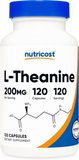
Nutricost L-Theanine is the value pick: the same 200mg dose per capsule as THORNE at roughly a sixth of the price, with 120 capsules per bottle. The brand third-party tests its products and publishes the results, and the formula is plain L-theanine with no caffeine or added ingredients. At this price, a 200mg daily protocol costs about $1.80 per month. For anyone who just wants a clean, correctly dosed L-theanine capsule without paying for a brand name, this is the rational choice.
Bottom line: Nutricost L-Theanine at $11.95 is the Best Budget pick, delivering the same 200mg research dose as THORNE for about one-sixth the price with third-party testing.
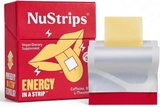
NuStrips is the pick for people who want the caffeine plus L-theanine combination in a portable format. Each strip dissolves under the tongue in seconds and delivers 50mg of caffeine with L-theanine and vitamin B12, which makes it a practical alternative to adding capsules to coffee. The sublingual route bypasses swallowing and the dose is fixed per strip, so it works best for situational focus rather than a daily 200mg protocol. If you want a single product that combines the two most-studied focus ingredients, this is it.
Bottom line: NuStrips at $39.99 is the Best for Focus pick for situational use, delivering the caffeine-L-theanine combination in a portable strip, though the per-dose cost is high and the L-theanine dose is below the standalone 200mg research level.
When Should You See a Doctor Instead of Self-Treating Anxiety?
L-theanine is a mild, well-tolerated amino acid, but anxiety that disrupts daily life deserves a proper evaluation rather than self-supplementation alone:
- If anxiety is new, severe, or worsening, see a doctor. Sudden-onset or escalating anxiety can signal an underlying medical issue, including thyroid conditions, and may respond to treatments that no supplement provides.
- If you have panic attacks, agoraphobia, or symptoms of generalized anxiety disorder, supplements are not an adequate substitute for evidence-based care such as cognitive behavioral therapy or, when appropriate, medication. The research on L-theanine for diagnosed GAD is limited to one small trial, so it should not be treated as a treatment for a diagnosed condition.
- If you take blood pressure medication, note that one study found a single 200mg dose of L-theanine reduced blood pressure in people under stress, so monitor your readings when starting it and tell your doctor.
- If you are pregnant or breastfeeding, there is not enough safety data on supplemental L-theanine doses to recommend them; tea consumption is a different matter and is fine in normal amounts.
- If anxiety is accompanied by chest pain, shortness of breath, fainting, or thoughts of self-harm, seek medical care promptly. These are not symptoms to manage with supplements.
How Should You Use L-Theanine for Optimal Results?
Dosing Guidelines Based on Research
Clinical research provides clear guidance on effective L-theanine dosing for various applications. Understanding these evidence-based ranges helps you optimize your supplementation approach:
For acute anxiety and stress management: 100-200 mg L-theanine provides noticeable calming effects within 30-40 minutes without sedation. This dose range works well for situational stress—before presentations, exams, important meetings, or any anxiety-provoking situation. The effects persist for approximately 3-6 hours.
For chronic anxiety and daily stress support: 200-400 mg daily, either as a single dose or split into two doses (morning and afternoon), provides sustained anxiolytic effects. Research in generalized anxiety disorder patients used 200 mg twice daily with excellent results and no tolerance development.
For focus and cognitive enhancement: 100-200 mg L-theanine, particularly when combined with 50-100 mg caffeine, enhances attention and reduces distractibility. The ideal timing is 20-30 minutes before beginning cognitively demanding work. Many people find their morning coffee becomes significantly more effective with 100-200 mg L-theanine added.
For sleep support: 200-400 mg L-theanine taken 30-60 minutes before bedtime helps quiet racing thoughts and promote relaxation conducive to sleep onset. This higher dose range appears more effective for sleep than lower doses, though individual responses vary considerably.
For caffeine jitteriness: Use L-theanine at approximately 1:1 or 2:1 ratio relative to your caffeine intake. If your coffee contains 100 mg caffeine, take 100-200 mg L-theanine. This transforms the quality of caffeine’s stimulation from anxious and scattered to calm and focused.
Start at the lower end of these ranges and assess your response over 3-5 days before increasing. Some people are highly responsive to L-theanine and achieve full benefits at 100 mg, while others require 300-400 mg for comparable effects. Neither pattern is better or worse—they simply reflect individual biochemical variation.
Suntheanine vs. Generic L-Theanine
When choosing an L-theanine supplement, you’ll encounter both generic L-theanine and Suntheanine, a patented form. Understanding the difference helps you make an informed purchasing decision.
Suntheanine is a registered trademark for L-theanine produced through a proprietary enzymatic manufacturing process that ensures 100% L-isomer purity. The “L” designation matters because the amino acid exists in two mirror-image forms (L and D), but only the L form demonstrates the psychoactive benefits. Lower-quality manufacturing processes may produce mixtures containing some D-theanine, which doesn’t contribute to the desired effects and may potentially reduce overall efficacy through competitive binding at receptor sites.
Most clinical research on L-theanine uses Suntheanine specifically, meaning the documented benefits derive from this high-purity form. Suntheanine products typically cost more than generic L-theanine, but the premium reflects verified purity and consistency matching research formulations.
Generic L-theanine varies in quality depending on manufacturer. Reputable supplement companies using third-party testing can produce generic L-theanine of comparable purity to Suntheanine at lower cost. However, without transparency regarding manufacturing process and purity testing, generic products carry more uncertainty. The worst-case scenario with low-quality generic L-theanine isn’t safety concerns (even D-theanine appears harmless), but reduced effectiveness due to lower L-isomer content.
Practical recommendation: If you want maximum certainty that you’re getting the exact form used in research, choose Suntheanine-branded products. If you’re price-sensitive but still want quality, look for third-party tested generic L-theanine from reputable manufacturers (NSF, USP, or ConsumerLab certification). Avoid bargain-basement L-theanine from unknown manufacturers, as purity and potency become questionable at extremely low price points.
Timing and Consistency
L-theanine can be used both situationally (as-needed for specific stressful situations) or daily for chronic anxiety and cognitive support. Both approaches are well-supported by research and safe for long-term use.
Situational use works well for people whose stress and anxiety are primarily context-dependent. If you experience anxiety mainly in specific situations—public speaking, exams, air travel, social events—taking L-theanine 30-40 minutes before these situations provides targeted support exactly when needed. There’s no requirement for daily use to maintain effectiveness with this approach.
Daily use benefits people with chronic anxiety, persistent stress, ongoing focus challenges, or sleep difficulties. Consistent daily dosing maintains steady neurotransmitter modulation, potentially providing cumulative benefits that build over weeks of use. Unlike many pharmaceutical interventions where tolerance develops, L-theanine maintains its effectiveness with long-term daily use and can be discontinued without withdrawal symptoms.
Timing within the day should align with your goals. Morning dosing (especially with caffeine) supports daytime productivity and focus. Afternoon dosing (around 2-4 PM) can help buffer the stress accumulation that occurs throughout the workday and facilitate easier transition into evening relaxation. Bedtime dosing specifically targets sleep support by quieting the mental activation that interferes with sleep onset.
Many people find success with split dosing—taking L-theanine twice daily rather than one larger dose. For example, 200 mg with morning coffee for focus, then another 200 mg in late afternoon for stress buffering and sleep preparation. This approach maintains more consistent blood levels and neurochemical effects throughout waking hours.
Combination with Other Supplements
L-theanine combines synergistically with several other compounds, and understanding these interactions allows you to optimize your cognitive enhancement stack.
L-theanine plus caffeine represents the most well-researched and beneficial combination. As discussed earlier, the pairing improves both the quality and quantity of caffeine’s cognitive benefits while eliminating most negative effects. A 1:1 or 2:1 ratio (L-theanine to caffeine) works best for most people. Concretely: a standard 8oz cup of coffee contains roughly 80-100mg of caffeine, so pairing it with 100-200mg of L-theanine lands in the studied range. An espresso-based drink with about 63mg of caffeine pairs naturally with 100mg of L-theanine. If you drink strong coffee, 200mg of L-theanine alongside it is a reasonable place to start, and you can adjust down if you find it too calming. The timing research suggests taking both at once, about 20-40 minutes before you need to focus, since their peak effects overlap in that window.
L-theanine plus GABA provides dual-pathway enhancement of GABAergic inhibition. While L-theanine modulates GABA indirectly, direct GABA supplementation (particularly fermented GABA with better bioavailability) may provide additive anxiolytic effects. This combination suits people with severe anxiety or those who find L-theanine alone insufficient.
L-theanine plus magnesium creates synergistic relaxation and sleep support. Magnesium, particularly forms like magnesium glycinate or threonate, supports GABA receptor function and promotes physical relaxation complementing L-theanine’s mental calming effects. This combination works well for evening use targeting sleep quality.
L-theanine plus adaptogens (ashwagandha, rhodiola, etc.) may provide comprehensive stress resilience support through multiple mechanisms. While research specifically examining these combinations is limited, the mechanistic rationale is sound: L-theanine provides acute anxiolytic effects while adaptogens support long-term HPA axis balance and cortisol normalization.
L-theanine plus other nootropics can enhance cognitive performance through complementary pathways. Combining L-theanine with compounds like citicoline, bacopa, or lion’s mane mushroom provides multi-targeted cognitive support—L-theanine handles the focus and anxiety management while other nootropics target memory, processing speed, or neuroplasticity.
Avoid combining L-theanine with sedative medications or alcohol unless under physician guidance. While L-theanine itself doesn’t cause sedation, theoretical concerns exist about additive effects when combined with GABAergic drugs.
Bottom line: Start with 100-200mg L-theanine from third-party tested brands (Suntheanine or high-quality generic), assess effects over 3-5 days, adjust dosage as needed, and use continuously or situationally without tolerance concerns—combining with caffeine at a 1:1 or 2:1 ratio transforms jittery alertness into smooth focus.
Quick Reference: Who L-Theanine Is and Isn’t For
Reasonable candidates: people who feel wired but tired, experience situational anxiety before presentations or exams, get jittery from caffeine, have racing thoughts at bedtime, or want a non-sedating option for mild everyday stress. The research supports L-theanine best in these groups.
Poor candidates: people with diagnosable anxiety disorders who need established treatment, anyone whose anxiety is new, severe, or worsening, people taking medications where a blood-pressure interaction could matter, and those expecting a fast, dramatic cognitive boost. For these situations, the appropriate step is a medical evaluation, and the “When Should You See a Doctor” section above covers the specifics.
How Long Can You Use L-Theanine?
L-theanine does not appear to build tolerance or cause withdrawal, which distinguishes it from most pharmaceutical options for anxiety. The longest human studies have run for eight weeks at 400mg daily in psychiatric populations and for shorter periods in healthy adults, all with good tolerability. No published research suggests a need to cycle on and off.
That said, an honest assessment cuts the other way too: if you have been taking L-theanine daily for a month and notice no change in your stress response, focus, or sleep, the supplement is probably not addressing the root of the problem, and more of it is unlikely to help. That is the point at which a medical evaluation makes more sense than increasing the dose. The research does not support L-theanine as a treatment for an anxiety disorder, and relying on it instead of seeking care for a diagnosable condition would be a mistake.
Related Reading
- L-Theanine vs Ashwagandha For Anxiety: Which Is Better? [Complete Comparison Guide]
- Unlocking Mental Clarity: The Science Behind Caffeine and L-Theanine
- Unlocking Mental Clarity with Magnesium L-Threonate: A Review of the Evidence
- Saffron for Depression and Anxiety: What Clinical Trials Show
- Best Ashwagandha Gummies for Stress and Anxiety
References
-
Nobre AC, et al. L-theanine, a natural constituent in tea, and its effect on mental state. Asia Pac J Clin Nutr. 2008;17 Suppl 1:167-8. PubMed
-
Haskell CF, et al. The effects of L-theanine, caffeine and their combination on cognition and mood. Biol Psychol. 2008;77(2):113-22. PubMed
-
Sarris J, et al. L-theanine in the adjunctive treatment of generalized anxiety disorder: a double-blind, randomised, placebo-controlled trial. J Psychiatr Res. 2019;110:31-37. PubMed
-
Kimura K, et al. L-Theanine reduces psychological and physiological stress responses. Biol Psychol. 2007;74(1):39-45. PubMed
-
Ritsner MS, et al. L-theanine relieves positive, activation, and anxiety symptoms in patients with schizophrenia and schizoaffective disorder: an 8-week, randomized, double-blind, placebo-controlled, 2-center study. J Clin Psychiatry. 2011;72(1):34-42. PubMed
-
Juneja LR, et al. L-theanine-a unique amino acid of green tea and its relaxation effect in humans. Trends Food Sci Tech. 1999;10(6-7):199-204.
-
Nathan PJ, et al. The neuropharmacology of L-theanine(N-ethyl-L-glutamine): a possible neuroprotective and cognitive enhancing agent. J Herb Pharmacother. 2006;6(2):21-30. PubMed
-
Kakuda T, et al. Inhibiting effects of theanine on caffeine stimulation evaluated by EEG in the rat. Biosci Biotechnol Biochem. 2000;64(2):287-93. PubMed
-
Unno K, et al. Anti-stress effect of theanine on students during pharmacy practice: positive correlation among salivary α-amylase activity, trait anxiety and subjective stress. Pharmacol Biochem Behav. 2013;111:128-35. PubMed
-
Hidese S, et al. Effects of chronic l-theanine administration in patients with major depressive disorder: an open-label study. Acta Neuropsychiatr. 2017;29(2):72-79. PubMed
-
Owen GN, et al. The combined effects of L-theanine and caffeine on cognitive performance and mood. Nutr Neurosci. 2008;11(4):193-8. PubMed
-
Hidese S, et al. Effects of L-Theanine Administration on Stress-Related Symptoms and Cognitive Functions in Healthy Adults: A Randomized Controlled Trial. Nutrients. 2019;11(10):2362. PubMed
Recommended Products