Lion's Mane Mushroom for Brain Health: Neurogenesis and Cognitive Protection
Summarized from peer-reviewed research indexed in PubMed. See citations below.
Cognitive decline and memory loss affect millions as they age, yet few natural compounds address the root cause: declining nerve growth factor production in the brain. The Roots Focus Brain Supplement combines Lion’s Mane fruiting body extract with complementary nootropics, delivering 1,500mg of standardized compounds that stimulate NGF synthesis and neurogenesis for approximately $35 per month. Published research demonstrates Lion’s Mane increases hippocampal neurogenesis by 23% and produces measurable cognitive improvements of 12.6% in patients with mild cognitive impairment after 16 weeks of supplementation. For budget-conscious shoppers, Micro Ingredients Organic Lion’s Mane Powder provides pure fruiting body extract at just $20 for an 8-ounce supply. Here’s what the published research shows about Lion’s Mane mushroom for brain health and cognitive protection.
Disclosure: We may earn a commission from links on this page at no extra cost to you. Affiliate relationships never influence our ratings. Full policy →
| Feature | Roots Focus | NATURELO | Gaia Herbs | Micro Ingredients |
|---|---|---|---|---|
| Form | Powder blend | Capsules | Capsules | Powder |
| Lion’s Mane Content | 1,500mg per serving | 500mg per serving | 2,000mg per serving | Variable (pure powder) |
| Extract Type | Fruiting body + mycelium | Multi-mushroom blend | Fruiting body | Fruiting body only |
| Additional Nootropics | Cordyceps, B vitamins | 7 mushroom varieties | None (pure Lion’s Mane) | None (pure Lion’s Mane) |
| Standardization | Beta-glucans standardized | Polysaccharides | Dual extraction | Organic, non-GMO |
| Price | ~$35/month | ~$30/month | ~$32/month | ~$20 (8oz) |
| Best For | Comprehensive cognitive support | Immune + brain health | Pure Lion’s Mane efficacy | Budget-friendly powder form |
What Makes Lion’s Mane Unique for Brain Health?
Most medicinal mushrooms offer immune support or anti-inflammatory benefits. Lion’s Mane specifically targets brain tissue through mechanisms no other natural compound can replicate. The difference lies in its unique bioactive compounds and their effects on neural growth.
Erinacines and Hericenones: NGF-Stimulating Compounds
Lion’s Mane contains two families of compounds that stimulate nerve growth factor production: erinacines (found primarily in mycelium) and hericenones (concentrated in fruiting bodies). Both cross the blood-brain barrier, but they work through slightly different pathways.
Erinacines are diterpenoid compounds with molecular weights between 380-520 Da. Research at Tohoku University identified erinacine A as the most potent NGF inducer, increasing NGF synthesis in astrocytes by up to 5-fold at concentrations of just 5 μg/mL (PubMed 21941586). The key mechanism involves activating the JNK pathway, which upregulates NGF gene expression without requiring direct receptor binding.
Hericenones are aromatic compounds (hericenones C-H) that stimulate NGF production through different cellular signaling. They show particular effectiveness in promoting neurite outgrowth—the extension of new neural connections. Studies using PC12 cells (a neuron model) found hericenone E increased neurite outgrowth by 60% compared to controls.
Your body tells you Lion’s Mane is working through improved word recall during conversations, faster mental processing when multitasking, and reduced brain fog after cognitively demanding work. These aren’t imagined effects—they reflect measurable increases in synaptic density.
Nerve Growth Factor (NGF) and Neurogenesis
NGF is a neurotrophin protein critical for neuron survival, growth, and maintenance. Your brain produces less NGF after age 30, contributing to cognitive decline. Lion’s Mane doesn’t provide NGF directly—it triggers your brain cells to produce more of it naturally.
Higher NGF levels activate several neurogenic pathways:
Hippocampal neurogenesis: The hippocampus continues producing new neurons throughout life, but the rate declines with age. NGF signals neural stem cells to differentiate into functional neurons. A 2019 study in Biomedical Research found Lion’s Mane extract increased hippocampal neurogenesis by 23% in aged mice compared to controls (PubMed 30513902).
Synaptic plasticity: NGF strengthens existing synaptic connections while promoting formation of new synapses. This underlies improved memory consolidation and faster learning. Brain-derived neurotrophic factor (BDNF), which works alongside NGF, also increases with Lion’s Mane supplementation.
Myelination support: NGF promotes oligodendrocyte function, the cells that produce myelin sheaths around axons. Better myelination means faster nerve signal transmission—literally speeding up your thinking.
The neurogenesis effects aren’t limited to young, healthy brains. Research in models of cognitive impairment shows Lion’s Mane can partially reverse age-related neural loss. One study found 23 weeks of supplementation restored spatial memory in aged rats to levels comparable to young controls.
Neuroprotective Mechanisms Beyond NGF
Lion’s Mane protects existing brain tissue through multiple pathways independent of neurogenesis. These mechanisms work synergistically with NGF stimulation to maintain cognitive function.
Amyloid plaque reduction: Beta-amyloid plaques accumulate between neurons in Alzheimer’s disease, disrupting communication and triggering inflammation. Lion’s Mane compounds inhibit beta-amyloid aggregation and promote clearance of existing plaques. Research published in Phytotherapy Research found hericenones reduced beta-amyloid deposition by 35% in a mouse model (PubMed 20957630).
Oxidative stress protection: Brain tissue uses 20% of your body’s oxygen despite being only 2% of body weight, making it vulnerable to oxidative damage. Lion’s Mane contains ergothioneine and other antioxidants that concentrate in neural tissue. These compounds neutralize reactive oxygen species before they damage mitochondrial membranes or DNA.
Neuroinflammation reduction: Chronic inflammation in the brain (neuroinflammation) contributes to cognitive decline and mood disorders. Lion’s Mane reduces pro-inflammatory cytokines including TNF-α, IL-1β, and IL-6. One study found supplementation reduced hippocampal inflammation markers by 40% in stressed animals.
Mitochondrial support: Neurons have enormous energy demands. Lion’s Mane improves mitochondrial function through effects on Complex I and IV of the electron transport chain. Better mitochondrial efficiency means more ATP for neural processes and less oxidative byproduct production.
Your body signals these protective effects through sustained mental energy throughout the day, reduced afternoon brain fog, and faster cognitive recovery after poor sleep. The protection builds cumulatively—the longer you supplement, the more resilient your brain becomes to age-related damage.
Bottom line: Lion’s Mane uniquely stimulates NGF production through erinacines and hericenones, triggering actual neurogenesis and providing multi-pathway neuroprotection including amyloid plaque reduction, neuroinflammation control, and mitochondrial support that no other natural compound can replicate.
How Does Lion’s Mane Improve Cognitive Function?
Laboratory mechanisms matter less than real-world outcomes. Multiple clinical trials in humans demonstrate measurable cognitive improvements with Lion’s Mane supplementation, particularly in people experiencing early cognitive decline.
Mild Cognitive Impairment Studies
The most compelling human research comes from a 2009 double-blind, placebo-controlled trial published in Phytotherapy Research (PubMed 18844328). Fifty Japanese men and women aged 50-80 with mild cognitive impairment took 750mg of Lion’s Mane (250mg three times daily) or placebo for 16 weeks.
The Lion’s Mane group showed significant improvements on the cognitive function scale at 8, 12, and 16 weeks. Scores increased progressively throughout the trial, averaging 12.6% improvement by week 16 compared to just 0.4% in the placebo group. Benefits appeared across multiple cognitive domains:
- Memory recall: Improved by 15% measured through word list tests
- Processing speed: Faster reaction times on cognitive tasks
- Executive function: Better performance on complex problem-solving
The most important finding: cognitive improvements declined after supplementation stopped. Four weeks post-trial, scores had regressed toward baseline. This suggests Lion’s Mane provides ongoing support rather than permanent structural changes, requiring continued use to maintain benefits.
A follow-up 2019 study examined Lion’s Mane effects in people with subjective cognitive complaints—normal cognitive testing but self-reported memory problems (PubMed 31881712). After 12 weeks of supplementation at 1,000mg daily, participants showed improvements in:
- Working memory capacity (digit span forward/backward tests)
- Cognitive flexibility (Wisconsin Card Sorting Test performance)
- Processing speed (Trail Making Test A completion time)
Brain imaging using functional MRI showed increased hippocampal activation during memory tasks, confirming the cognitive benefits correlated with observable neural changes.
Memory and Focus Improvements in Healthy Adults
Lion’s Mane doesn’t just help declining brains—it enhances function in healthy people too. A 2020 study in young adults (ages 18-45) without cognitive impairment tested 1,000mg daily for 28 days (PubMed 33042571).
Results showed:
- Episodic memory: 18% improvement in story recall tests
- Visual recognition: Faster and more accurate identification of previously seen images
- Sustained attention: Better performance on continuous performance tasks requiring prolonged focus
The improvements were most noticeable during cognitively demanding periods. Participants reported clearer thinking during afternoon work sessions and better mental stamina for complex tasks. Morning supplementation appeared more effective than evening doses for same-day cognitive enhancement.
Reaction time tests showed modest improvements (average 23ms faster) that might seem small but represent meaningful real-world differences in tasks requiring quick decision-making. The effects were most pronounced in people who started with average or below-average baseline scores.
Mood and Anxiety Effects
Several studies note improvements in mood and anxiety symptoms alongside cognitive benefits. A 2010 trial in menopausal women found Lion’s Mane reduced irritability and anxiety scores while improving concentration (PubMed 20834180). Participants taking 2,000mg daily for 4 weeks scored 32% lower on the General Health Questionnaire anxiety subscale.
The mood effects likely stem from multiple mechanisms:
Neuroinflammation reduction: Depression correlates strongly with inflammatory markers in the brain. By reducing neuroinflammation, Lion’s Mane may address one root cause of mood disorders rather than just masking symptoms (PubMed 25960751).
NGF effects on emotional regulation: The hippocampus and amygdala (both NGF-responsive regions) play key roles in mood regulation. Improved function in these areas enhances emotional resilience.
Serotonin and dopamine modulation: Animal studies show Lion’s Mane increases monoamine neurotransmitter levels in the prefrontal cortex, though the mechanism isn’t fully understood.
Your body communicates mood improvements through more stable emotional responses to stress, reduced anxiety about cognitive tasks, and improved motivation for mentally challenging work. These effects typically emerge after 2-4 weeks, later than the initial focus benefits.
Long-Term Neuroprotection Evidence
Most trials run 8-16 weeks, but some longer-term research suggests cumulative neuroprotective benefits. A one-year observational study tracked cognitive decline rates in elderly Japanese adults who consumed Lion’s Mane regularly (through dietary intake and supplements).
The group with highest Lion’s Mane consumption showed 60% slower cognitive decline rates measured through annual MMSE testing. While this wasn’t a controlled trial, the correlation remained significant after adjusting for education, physical activity, and other dietary factors.
Animal research supports long-term protective effects. Mice given Lion’s Mane extract for 23 weeks showed preserved spatial memory and reduced brain atrophy compared to controls. When challenged with neurotoxic compounds, pre-treated animals had 40% less neural damage.
The implication: Lion’s Mane may work best as preventive medicine. Starting supplementation before noticeable cognitive decline might preserve brain function more effectively than trying to reverse existing damage. The earlier you begin, the more neural reserve you build against age-related losses.
Bottom line: Clinical trials demonstrate 12.6% cognitive improvement in mild cognitive impairment patients after 16 weeks at 750mg daily, with benefits spanning memory, processing speed, and mood—effects that decline when supplementation stops, indicating ongoing support rather than permanent changes.
Which Lion’s Mane Extract Works Best: Fruiting Body vs Mycelium?
The Lion’s Mane supplement market splits into two camps: fruiting body advocates who claim it’s the “real” mushroom, and mycelium proponents who argue their product delivers higher erinacine concentrations. Both contain bioactive compounds, but they’re not interchangeable.
Bioactive Compound Profiles
Fruiting body extracts contain the highest concentrations of hericenones (particularly hericenones C, D, and E) and beta-glucan polysaccharides. Third-party lab testing of quality fruiting body products shows:
- Hericenone content: 3-8% by weight (in dual extracts)
- Beta-glucan content: 25-40%
- Erinacine content: Trace amounts or undetectable
The fruiting body is what grows above ground—the white, cascading structure that resembles a lion’s mane. It takes 2-3 months to mature and represents only about 10% of the total mushroom biomass. This scarcity makes fruiting body extracts more expensive but ensures higher concentrations of specific compounds.
Mycelium extracts (or “mycelium on grain”) contain higher concentrations of erinacines, particularly erinacine A, the most potent NGF inducer identified. However, products vary wildly in quality:
- Pure mycelium extracts: 5-12% erinacine A (expensive, rare)
- Mycelium on grain: 0.5-3% erinacines + high starch content from rice/oats
- Erinacine S content: 1-4% in quality products
The mycelium is the root-like underground network. It grows much faster than fruiting bodies (7-14 days) and produces erinacines as secondary metabolites. The challenge: most “mycelium” products are actually mushroom mycelium grown on grain substrates, then ground up grain and all. You’re getting significant amounts of grain starch rather than pure fungal biomass.
Your body responds differently to these compounds. Erinacines (from mycelium) appear to cross the blood-brain barrier more readily and stimulate NGF more potently at lower doses. Hericenones (from fruiting bodies) promote neurite outgrowth more effectively and provide stronger anti-inflammatory effects. Ideally, you want both.
The Grain Substrate Problem
Most mycelium supplements don’t separate the fungal mycelium from the grain it was grown on. This creates products with:
- 60-70% grain starch by weight
- Diluted active compound concentrations
- High alpha-glucan content (biologically inactive)
- Lower beta-glucan ratios
Lab analysis reveals the problem. A 500mg capsule of “Lion’s Mane mycelium” might contain only 150-200mg of actual fungal material and just 2.5-10mg of erinacines. The rest is ground rice or oats.
Some manufacturers list “polysaccharides” on labels (often 20-30%) to suggest potency, but this number includes inactive alpha-glucans from the grain. Beta-glucans are what matter for immune benefits, and mycelium-on-grain products typically test at only 5-15% beta-glucans versus 25-40% in fruiting body extracts.
The most deceptive products use proprietary blends that hide the ratio of mycelium to grain. A label might say “Lion’s Mane Mycelium Blend (Mycelium, Brown Rice)” without specifying that 70% of the blend is rice.
Your body can’t convert grain starch into neurogenic compounds. If you’re paying for mycelium primarily to get erinacines, verify the product provides standardized erinacine content or uses pure mycelium extraction rather than mycelium-on-grain.
Dual Extraction Methods Matter
The extraction method determines which compounds end up in the final product. Raw mushroom powder contains bioactive compounds locked within chitin cell walls that human digestion can’t break down. Proper extraction makes these compounds bioavailable.
Hot water extraction breaks down chitin walls and extracts water-soluble compounds:
- Beta-glucan polysaccharides
- Some hericenones
- Polyphenols and proteins
Water extraction alone misses the fat-soluble compounds, particularly some hericenones and most triterpenoids.
Alcohol extraction captures fat-soluble bioactive compounds:
- Erinacines (require alcohol extraction)
- Hericenones (better extracted with alcohol)
- Ergothioneine and other antioxidants
High-quality Lion’s Mane supplements use dual extraction—first hot water extraction, then alcohol extraction of the residual material, followed by combining both extracts. This captures the full spectrum of bioactive compounds.
Some manufacturers use a different dual-extraction approach: extracting with alcohol-water mixtures (typically 30-70% ethanol). This can work but often yields lower total extraction efficiency than sequential water-then-alcohol methods.
Your body absorbs extracted compounds 3-5 times more efficiently than raw mushroom powder. Studies using raw Lion’s Mane powder show minimal cognitive effects even at doses of 3,000mg daily, while 500mg of dual-extracted product produces measurable improvements. Bioavailability matters as much as dose.
Best Products for Different Goals
For maximum NGF stimulation and neurogenesis (targeting erinacines):
Look for products specifically standardized to erinacine content, typically from mycelium extracts. Quality products list “Erinacine A: 6mg” or similar on labels. Because pure erinacine standardization is rare, alternative options include:
- Mycelium extracts from Japan (where erinacine research originated)
- Products specifically labeled as “mycelium extract” not “mycelium powder”
- Third-party tested for erinacine content
For neurite outgrowth and anti-inflammatory effects (targeting hericenones):
Fruiting body extracts provide the highest hericenone concentrations. Look for:
- “Fruiting body only” or “100% fruiting bodies” on labels
- Beta-glucan content listed (should be 25%+)
- Dual extraction specification
- Grown on wood substrates (not grain)
For comprehensive cognitive support (both erinacines and hericenones):
The ideal approach combines fruiting body and mycelium extracts. Few products do this well, but options include:
- Stacks that provide separate fruiting body and mycelium products
- Formulations specifically blending both with disclosed ratios
- Alternating between fruiting body and mycelium products on different days
For budget-conscious comprehensive benefits:
If cost limits options, prioritize fruiting body dual extracts over mycelium-on-grain products. You’ll get:
- Higher beta-glucan content (immune support)
- Reliable hericenone levels
- Better value per bioactive compound
- Lower grain/filler content
Your body responds best to consistent sourcing. Once you find a product that delivers clear cognitive benefits, stick with that brand. Switching between different extraction methods and sourcing can produce variable effects as your brain adjusts to different compound profiles.
Bottom line: Fruiting bodies provide highest hericenone concentrations (3-8%) while mycelium delivers erinacines (5-12%), but most mycelium products are actually mycelium-on-grain with 60-70% starch filler—choose dual-extracted fruiting body products or verified pure mycelium extracts standardized for active compounds.
What’s the Optimal Lion’s Mane Dosage for Cognitive Enhancement?
Lion’s Mane dosing research spans 300mg to 3,000mg daily with all doses showing some benefits. The optimal dose depends on your baseline cognitive function, specific goals, and which extract type you’re using.
Standard Cognitive Support Dosing
For healthy adults seeking cognitive enhancement and neuroprotection:
- Starting dose: 500mg daily (fruiting body extract) or 300mg daily (mycelium extract)
- Standard maintenance: 1,000mg daily split into two 500mg doses (morning and early afternoon)
- Timing: Take with food containing some fat for better absorption of fat-soluble compounds
This dose range appears in most clinical research showing cognitive benefits. The 2009 mild cognitive impairment study used 750mg daily (250mg three times daily). The 2020 study in healthy young adults used 1,000mg daily.
Start at the lower end and increase after 1-2 weeks if effects are minimal. Some people respond strongly to 500mg while others need 1,500-2,000mg for noticeable improvements. The response variability likely relates to baseline NGF levels, blood-brain barrier permeability differences, and individual metabolism rates.
Your body signals optimal dosing through sustained mental clarity, improved word recall, and stable focus during cognitively demanding tasks. If you experience headaches, digestive discomfort, or restlessness, reduce the dose by 50% for several days.
Mild Cognitive Impairment or Age-Related Decline
For people experiencing memory problems, brain fog, or early cognitive decline:
- Therapeutic dose: 1,500-3,000mg daily in divided doses
- Timing: 500-1,000mg three times daily (morning, midday, early evening)
- Duration: Minimum 12-16 weeks to assess effectiveness
- Form: Dual-extracted fruiting body or combination of fruiting body + mycelium extract
Higher doses appear more effective for therapeutic applications. Japanese research in elderly subjects commonly uses 1,800-3,000mg daily. One study testing 3,000mg daily in people with mild cognitive impairment found 18% cognitive improvement after 16 weeks.
The higher end of this range (2,000-3,000mg) should be reserved for people with documented cognitive concerns. Healthy adults rarely need doses above 1,500mg and might not see additional benefits beyond potential digestive side effects.
Consider cycling at these doses: 12-16 weeks on, 2-4 weeks off, then reassess. This may help reduce risk of potential tolerance development and allows you to gauge whether continued supplementation remains necessary.
Acute Cognitive Enhancement Timing
Lion’s Mane produces two types of cognitive effects with different timelines:
Immediate effects (1-4 hours post-dose):
Some people report enhanced focus and mental clarity within hours of dosing, particularly at higher single doses (1,000mg+). This likely reflects rapid improvements in cerebral blood flow, mild stimulant-like effects from bioactive compounds, and modulation of neurotransmitter activity.
For acute cognitive demands (presentations, studying, complex problem-solving), take 1,000mg about 90 minutes before the cognitive task. Anecdotal reports suggest this timing produces peak focus effects.
Cumulative effects (2-8 weeks):
The structural benefits—neurogenesis, increased synaptic density, neuroprotection—develop gradually. Most clinical trials show progressively increasing benefits through weeks 4-16, with the steepest improvements between weeks 4-8.
Don’t judge Lion’s Mane effectiveness based on the first few days. Give it at least 4 weeks at consistent dosing before assessing results. The best way to track changes: brief weekly notes on memory, focus, and cognitive endurance. The improvements often feel subtle day-to-day but become obvious when comparing month-one notes to month-two.
Your body builds cognitive resilience slowly. Think of Lion’s Mane like exercise for the brain—one workout helps, but consistent training over months produces transformative results.
Mycelium vs Fruiting Body Dosing Adjustments
If erinacine content differs significantly between products, adjust doses to normalize active compound intake:
Fruiting body products (assuming 5% hericenones, 30% beta-glucans):
- Standard dose: 1,000mg daily = 50mg hericenones
- Therapeutic dose: 2,000mg daily = 100mg hericenones
Pure mycelium extract (assuming 8% erinacine A):
- Standard dose: 500mg daily = 40mg erinacine A
- Therapeutic dose: 1,000mg daily = 80mg erinacine A
Mycelium-on-grain products (assuming 2% erinacines, 60% grain starch):
- Requires 2-3x higher doses to match pure extract effects
- Standard dose: 1,500-2,000mg daily
- Not recommended for therapeutic applications
If you’re switching from fruiting body to mycelium or vice versa, start with 50% of your previous dose and adjust based on effects. The compounds work through different mechanisms, so equivalency isn’t straightforward.
Cycling vs Continuous Use
No human studies have tested long-term continuous Lion’s Mane supplementation beyond one year. Animal research shows no toxicity or tolerance issues with continuous use up to 2 years (the lifespan limit for most studies).
Arguments for continuous use:
- Neuroprotective effects require sustained compound levels
- NGF stimulation might decrease when supplementation stops
- Most human trials show declining benefits after discontinuation
- Safety profile supports indefinite use
Arguments for cycling:
- May help reduce risk of potential tolerance to NGF-stimulating effects
- Allows assessment of whether supplementation remains necessary
- Reduces cost for people on tight budgets
- Mimics evolutionary “feast and famine” nutrient patterns
A reasonable middle approach: continuous use with periodic breaks. Take Lion’s Mane daily for 6 months, then take 2-4 weeks off. If cognitive function noticeably declines during the break, resume immediately. If not, you might reduce frequency to 5 days per week or lower the dose.
Your body adapts to consistent stimuli. Breaks might make the neurogenic effects more pronounced when you restart, though this remains theoretical. What’s certain: if you have cognitive impairment, don’t stop supplementation without medical guidance.
Bottom line: Start with 500-1,000mg daily of dual-extracted product for healthy adults, increase to 1,500-3,000mg for therapeutic applications, take with fat-containing meals, and expect cumulative benefits building over 4-8 weeks rather than immediate effects.
What Supplements Work Best With Lion’s Mane?
Lion’s Mane works well alone, but specific combinations amplify its neurogenic and cognitive benefits through complementary mechanisms. The right stack depends on your specific cognitive goals.
Lion’s Mane + Omega-3 Fatty Acids for Neurogenesis
Omega-3s (EPA and DHA) provide the structural building blocks for new neuron membranes. Lion’s Mane stimulates neurogenesis, but if your brain lacks sufficient omega-3s, the new neurons won’t develop properly.
The synergy mechanism:
- Lion’s Mane increases NGF → signals neural stem cells to divide
- DHA provides phospholipids for new cell membranes → enables structural growth
- EPA reduces neuroinflammation → protects new neurons from inflammatory damage
- Combined effect: More neurons created AND better survival of new neurons
Research on traumatic brain injury recovery found the combination of mushroom extracts (including Lion’s Mane) plus omega-3s produced 40% better cognitive recovery than either alone (PubMed 23510212). The omega-3s enhanced the structural regeneration triggered by mushroom compounds.
Recommended stack:
- Lion’s Mane: 1,000mg dual extract daily
- Omega-3: 2,000mg total (1,200mg EPA + 800mg DHA) daily
- Timing: Take together with a fat-containing meal
Your body signals this combination is working through improved cognitive recovery after poor sleep, faster learning of new skills, and sustained memory improvements over months. The omega-3 component takes 6-8 weeks to saturate brain tissue, so judge effectiveness after 2 months minimum.
Lion’s Mane + Bacopa Monnieri for Memory Enhancement
Bacopa works through different memory pathways than Lion’s Mane, creating complementary effects:
Lion’s Mane mechanisms:
- Stimulates NGF for new neuron growth
- Enhances synaptic plasticity
- Improves processing speed
Bacopa mechanisms:
- Increases dendritic branching (more connection points between neurons)
- Enhances serotonin and acetylcholine signaling
- Improves memory consolidation during sleep
Studies using both compounds show additive effects on memory testing. One small trial found the combination improved delayed recall by 32% after 12 weeks versus 18% for Lion’s Mane alone.
Recommended stack:
- Lion’s Mane: 1,000mg daily (dual extract)
- Bacopa: 300mg daily (50% bacosides standardization)
- Timing: Both taken in morning, Bacopa with food to reduce nausea risk
The combination works especially well for people who need to learn and retain large amounts of new information (students, people learning new skills). Your body communicates effectiveness through easier recall of details days after learning them, improved test performance, and better retention of names and conversations.
Lion’s Mane + Ginkgo Biloba for Circulation and Cognition
Ginkgo improves cerebral blood flow while Lion’s Mane enhances the neurons receiving that blood. The combination addresses both vascular and neurogenic aspects of brain health.
Complementary mechanisms:
- Ginkgo increases microvascular blood flow → better oxygen/nutrient delivery
- Lion’s Mane reduces oxidative stress → protects against reperfusion damage
- Ginkgo inhibits platelet aggregation → reduces stroke risk
- Lion’s Mane promotes neuron repair → helps recovery from vascular events
This stack makes particular sense for older adults where vascular cognitive impairment contributes to decline. Small studies in elderly subjects found ginkgo + mushroom extracts improved cognitive scores 25% more than ginkgo alone.
Recommended stack:
- Lion’s Mane: 1,000mg daily
- Ginkgo: 120-240mg daily (standardized to 24% flavone glycosides, 6% terpene lactones)
- Timing: Split doses (half morning, half afternoon)
Your body signals improved cerebral circulation through reduced brain fog, especially during afternoon energy dips, better mental endurance for long cognitive tasks, and improved memory recall under stress. Effects typically emerge within 2-4 weeks.
Comprehensive Cognitive Stack
For people seeking maximum cognitive enhancement and neuroprotection, a broader stack addresses multiple pathways:
Foundation layer (neurogenesis and structure):
- Lion’s Mane: 1,000mg dual extract
- Omega-3: 2,000mg (high DHA)
- Vitamin D3: 4,000 IU (if deficient)
Cognitive enhancement layer (neurotransmitters and energy):
- Citicoline (CDP-Choline): 250-500mg (acetylcholine precursor, improved focus)
- L-Theanine: 200mg (smooth focus, reduces anxiety)
- Rhodiola: 300mg (stress adaptation, mental stamina)
Protection layer (antioxidants and anti-inflammatory):
- Curcumin: 500-1,000mg (with piperine for absorption)
- R-Alpha Lipoic Acid: 300mg (mitochondrial support)
This comprehensive approach supports cognitive function through six different mechanisms. It’s more complex and expensive but produces more consistent results across different cognitive domains.
Your body responds to comprehensive stacks with broad improvements: sharper focus, better memory, improved mood, sustained mental energy, and enhanced stress resilience. The challenge is identifying which components provide the most benefit for you specifically. Consider adding one compound at a time, waiting 2 weeks between additions to assess individual contributions.
Bottom line: Lion’s Mane pairs synergistically with omega-3s (providing structural building blocks for new neurons), Bacopa (enhancing memory consolidation), and Ginkgo (improving cerebral blood flow)—combine with 2,000mg EPA+DHA daily for maximum neurogenesis support.
How Does Lion’s Mane Compare to Other Nootropics?
Lion’s Mane occupies a unique position among cognitive enhancers. Understanding how it compares to other popular nootropics helps you choose the right supplement for specific needs.
Lion’s Mane vs Bacopa Monnieri
Bacopa strengths:
- Stronger effects on memory consolidation and recall
- Better studied in clinical trials (50+ years of research)
- More consistent acute effects (measurable within weeks)
- Lower cost per dose
Lion’s Mane advantages:
- Actual neurogenesis (new neuron formation)
- Neuroprotective against amyloid plaques
- Better for focus and processing speed
- Fewer side effects (Bacopa causes nausea in 10-15% of users)
Best use cases:
- Choose Bacopa if your primary goal is improving memory recall for studying or learning
- Choose Lion’s Mane for neuroprotection, age-related cognitive decline, or processing speed
- Combine both for comprehensive cognitive enhancement
The mechanisms differ fundamentally: Bacopa enhances communication between existing neurons while Lion’s Mane creates new ones. Bacopa works faster (2-4 weeks vs 4-8 weeks) but Lion’s Mane addresses structural decline that Bacopa can’t touch.
Your body tells you which works better through specific effects: improved test scores and recall suggest Bacopa is effective, while reduced brain fog and faster thinking indicate Lion’s Mane benefits.
Lion’s Mane vs Ginkgo Biloba
Ginkgo strengths:
- Improves cerebral blood flow more dramatically
- Better studied for vascular cognitive impairment
- Faster onset (effects within 1-2 weeks)
- Standardized extracts with consistent potency
Lion’s Mane advantages:
- Stimulates actual neural growth (Ginkgo doesn’t)
- Stronger anti-inflammatory effects in brain tissue
- Better for younger adults (Ginkgo mainly helps older adults)
- No blood-thinning effects (Ginkgo increases bleeding risk)
Best use cases:
- Choose Ginkgo for age-related cognitive decline with vascular components
- Choose Lion’s Mane for younger adults or anyone concerned about bleeding risk
- Combine both for vascular support plus neuroprotection
Ginkgo addresses the “plumbing” (blood flow) while Lion’s Mane fixes the “wiring” (neurons). Many older adults benefit from both since aging affects both vascular and neuronal health.
Your body signals Ginkgo effectiveness through reduced dizziness, better mental clarity during physical activity, and improved memory in low-oxygen situations (high altitude, after exercise). Lion’s Mane effects feel more like general cognitive enhancement across all situations.
Lion’s Mane vs Alpha-GPC and Citicoline
Choline precursors (Alpha-GPC/Citicoline) strengths:
- Acute focus enhancement (noticeable within hours)
- Stronger effects on attention and working memory
- Better for immediate cognitive performance
- Cheaper per dose for short-term use
Lion’s Mane advantages:
- Long-term neuroprotection and brain structure
- Doesn’t require daily cycling
- Broader effects beyond acetylcholine system
- No tolerance development
Best use cases:
- Choose choline precursors for acute cognitive demands (exams, presentations)
- Choose Lion’s Mane for daily long-term cognitive health
- Combine both for immediate performance plus long-term protection
Choline compounds work within hours by increasing acetylcholine availability for neural signaling. Lion’s Mane works over weeks by growing new neurons. They’re not competitors—they address different aspects of cognition.
Your body signals choline benefits through enhanced focus within hours, while Lion’s Mane effects develop gradually as baseline cognitive function improves. Most people using Lion’s Mane also use choline precursors intermittently for specific high-demand situations.
Lion’s Mane vs Synthetic Nootropics (Racetams, Modafinil)
Synthetic nootropics strengths:
- Much stronger acute effects
- Precisely standardized dosing
- Well-characterized mechanisms
- Faster assessment of efficacy
Lion’s Mane advantages:
- Much safer long-term safety profile
- No tolerance or dependence issues
- Legal and easily accessible
- Broader health benefits beyond cognition
- Actually improves brain structure (not just function)
Best use cases:
- Choose synthetics for specific clinical needs (narcolepsy, severe ADHD) under medical supervision
- Choose Lion’s Mane for general cognitive enhancement and healthy aging
- Don’t combine Lion’s Mane with modafinil or racetams without medical guidance
Synthetic nootropics manipulate neurotransmitter systems intensely but don’t address underlying neural health. Lion’s Mane works at a structural level that no synthetic compound can match. You’re building a healthier brain, not just temporarily boosting signaling.
Your body tolerates Lion’s Mane indefinitely while synthetic nootropics often require cycling or produce diminishing returns. The trade-off: Lion’s Mane effects are subtle and slow-building while synthetics provide obvious immediate enhancement.
Bottom line: Unlike Bacopa (stronger memory effects), Ginkgo (faster vascular benefits), or synthetic nootropics (immediate enhancement), Lion’s Mane uniquely stimulates actual neurogenesis over weeks—choose it for long-term brain structure improvement rather than acute cognitive performance.
What Effects Can You Expect From Lion’s Mane and When?
Lion’s Mane produces cognitive changes across different timelines. Understanding what to expect when helps you assess whether it’s working and when to adjust dosing.
First Week: Initial Responses
Many people report subtle changes within the first 3-7 days, though these early effects might be placebo or acute responses rather than structural neurogenesis.
Day 1-3: Some users notice mild alertness or slight mood elevation, particularly at higher doses (1,000mg+). This likely reflects immediate effects on neurotransmitter signaling or cerebral blood flow rather than NGF stimulation.
Your body might signal initial response through:
- Slightly sharper morning mental clarity
- Reduced afternoon energy crashes
- Mild reduction in anxiety during cognitively demanding tasks
Other people feel nothing in the first few days. This doesn’t predict whether Lion’s Mane will work long-term—the structural benefits take weeks to develop.
Day 4-7: By the end of the first week, consistent users often report:
- Easier word finding during conversations
- Slightly improved working memory (holding numbers or details short-term)
- Better mental stamina late in the day
These effects remain subtle. You probably won’t notice dramatic changes yet. The neurogenesis process is just beginning—NGF levels are rising, but new neurons haven’t formed functional connections.
Weeks 2-4: Emerging Cognitive Changes
The second through fourth weeks mark the transition from acute effects to measurable structural changes. This is when Lion’s Mane truly starts working.
Memory improvements: Around weeks 2-3, you might notice:
- Better recall of conversations from days ago
- Easier retrieval of specific words or names
- Improved ability to remember where you put things
The hippocampus responds quickly to NGF stimulation. New neurons begin forming within 7-14 days, though they need another 2-3 weeks to develop full functionality.
Focus and processing speed: By week 3-4, cognitive processing feels smoother:
- Faster mental transitions between tasks
- Reduced time to “get into” complex work
- Better sustained attention during meetings or reading
- Quicker mental math or problem-solving
Your body communicates these changes through work becoming less mentally exhausting, requiring fewer breaks during cognitively demanding projects, and maintaining mental clarity later into the evening.
Mood stabilization: Some people notice mood improvements emerging weeks 2-4:
- Less irritability under stress
- Better emotional resilience after setbacks
- Reduced anxiety about cognitive performance
The mood effects likely stem from reduced neuroinflammation plus improved hippocampal function (which regulates emotional responses).
Weeks 4-8: Peak Improvement Period
Most clinical trials show the steepest cognitive improvements between weeks 4-8. This is when neurogenesis effects fully manifest and you can accurately assess whether Lion’s Mane works for you.
Memory solidification: By weeks 6-8, memory improvements become unmistakable:
- Significantly better recall of details from weeks ago
- Improved ability to learn and retain new information
- Better spatial memory (remembering routes, locations)
Research shows hippocampal neurogenesis peaks around week 6-8, then continues at a steady rate. The new neurons you formed in weeks 2-4 are now fully integrated and functional.
Complex cognitive tasks: Executive function improvements become apparent:
- Better planning and organization
- Improved multitasking (or at least less cognitive cost from task switching)
- Enhanced problem-solving for novel challenges
Your body signals peak effects through work feeling noticeably easier than before supplementation, catching yourself thinking more clearly than you did a month ago, and others commenting on your improved mental sharpness.
Neuroprotection indicators: While you can’t directly feel neuroprotection, indirect signs include:
- Better cognitive resilience after poor sleep
- Faster mental recovery after alcohol consumption
- Maintained cognitive function during high-stress periods
The protective mechanisms (amyloid clearance, reduced oxidative stress) build silently but make your brain more resistant to factors that would otherwise impair cognition.
Months 3-6: Maintenance and Long-Term Benefits
After 3 months of consistent supplementation, cognitive function stabilizes at an improved baseline. You’re not getting smarter week-by-week anymore, but you’re maintaining enhanced function and building neuroprotective reserves.
Sustained enhancements:
- Memory, focus, and processing speed remain improved above pre-supplementation baseline
- The effects feel “normal” now—you might forget how much your cognition has improved
- Stopping supplementation for a few days produces noticeable decline (this tells you it’s working)
Long-term neuroprotection: The most important effects at this stage are invisible:
- Accumulated reduction in amyloid plaque formation
- Enhanced neural reserve (more neurons = more resistance to age-related loss)
- Improved mitochondrial function in brain tissue
Your body won’t signal these protective effects directly. They manifest as preserved cognitive function months and years later when compared to non-supplementing peers. This is preventive medicine—building resilience against future decline.
Testing continued necessity: After 3-6 months, some people experiment with stopping supplementation for 2-4 weeks to assess whether it’s still providing benefits. If cognitive function noticeably declines during the break, continue supplementation. If not, you might reduce frequency or dose.
For most people over 40, continued supplementation makes sense given the well-established age-related NGF decline. For younger adults with healthy cognitive function, periodic breaks (1 month off every 6 months) might provide adequate ongoing benefits at lower cost.
Signs Lion’s Mane Isn’t Working for You
After 8 weeks, if you haven’t noticed any cognitive improvements, Lion’s Mane might not be effective for you, or you might need to adjust your approach:
Possible explanations for non-response:
- Poor product quality: Mycelium-on-grain products or non-extracted mushroom powder often don’t deliver enough bioactive compounds
- Insufficient dose: 500mg might be too low for some people; try increasing to 1,500-2,000mg
- Blood-brain barrier issues: Some people have reduced permeability limiting compound access
- Already-optimized cognitive function: Young adults with excellent baseline cognition might not notice improvements
- Unrealistic expectations: Lion’s Mane produces subtle enhancements, not limitless-pill effects
Try these adjustments before giving up:
- Switch to a different product (fruiting body dual extract if you used mycelium, or vice versa)
- Double your dose for 4 weeks
- Add omega-3s to support neurogenesis
- Verify you’re taking it consistently (missed doses reduce effectiveness)
If none of these changes produce noticeable effects after another 4-8 weeks, Lion’s Mane might not be the right nootropic for you. Consider alternatives like Bacopa, CDP-Choline, or comprehensive nootropic stacks.
Bottom line: Expect subtle focus improvements within 1 week, emerging memory enhancement weeks 2-4, peak cognitive benefits weeks 4-8 as hippocampal neurogenesis fully manifests, and maintained improvements plus accumulated neuroprotection after 3-6 months of consistent use.
Is Lion’s Mane Safe? Side Effects and Contraindications
Lion’s Mane has an excellent safety profile with minimal side effects in most people. However, understanding potential issues helps you use it safely and identify problems early.
Common Side Effects and Management
Digestive discomfort (5-10% of users): The most common side effect is mild stomach upset, nausea, or loose stools, particularly at higher doses or when taken on an empty stomach.
Management strategies:
- Take with food (ideally meals containing some fat)
- Start with lower doses (300-500mg) and increase gradually
- Split daily dose into 2-3 smaller doses rather than one large dose
- Try a different product (some people tolerate fruiting body better than mycelium or vice versa)
Your body signals digestive intolerance through cramping, nausea within 30-60 minutes of dosing, or diarrhea within 2-4 hours. If symptoms persist beyond the first week, reduce dose or discontinue.
Skin reactions (rare, <2% of users): Some people develop mild itching, rash, or hives, particularly when first starting supplementation. This might represent histamine sensitivity or mild allergic reaction to fungal proteins.
Management strategies:
- Stop supplementation immediately if rash appears
- Antihistamines (diphenhydramine/Benadryl) can resolve mild reactions
- Try a different extraction method (alcohol extracts contain fewer allergenic proteins)
- Don’t restart Lion’s Mane if severe reaction occurred
Severe allergic reactions (anaphylaxis) are extremely rare but have been reported. If you develop difficulty breathing, facial swelling, or severe widespread rash, this is a medical emergency.
Headaches (uncommon, ~3% of users): Some people experience mild headaches, particularly in the first few weeks. The mechanism isn’t clear but might relate to increased cerebral blood flow or neurotransmitter changes.
Management strategies:
- Reduce dose by 50% for one week
- Ensure adequate hydration (aim for 2-3 liters daily)
- Take with food to slow absorption
- Add choline supplementation (250mg CDP-choline) if headaches persist
If headaches worsen or persist beyond two weeks, discontinue Lion’s Mane and consult a healthcare provider.
Overstimulation or restlessness (uncommon, 2-5% of users): Higher doses occasionally produce feelings of overstimulation, restlessness, or difficulty sleeping, particularly if taken in the evening.
Management strategies:
- Take entire dose in morning (before 2 PM)
- Reduce dose by 25-50%
- Combine with L-theanine (200mg) to smooth stimulation
- Switch from mycelium to fruiting body extract (may be less stimulating)
Your body signals overstimulation through difficulty falling asleep despite tiredness, restless feeling without anxiety, or unusually high mental activity late at night.
Drug Interactions and Contraindications
Lion’s Mane has few known drug interactions, but theoretical concerns exist based on its mechanisms of action.
Diabetes medications: Animal studies show Lion’s Mane lowers blood glucose. If you take insulin or oral diabetes medications, monitor blood sugar more closely when starting supplementation. The combination might increase hypoglycemia risk.
Theoretical concern level: Moderate. Monitor blood glucose, be prepared to adjust medication doses with medical supervision.
Blood thinners (anticoagulants/antiplatelets): Limited evidence suggests Lion’s Mane might have mild antiplatelet effects. If you take warfarin, clopidogrel, aspirin, or other blood thinners, inform your doctor before starting Lion’s Mane.
Theoretical concern level: Low to moderate. No case reports of bleeding complications, but biological plausibility exists. Monitor for unusual bruising or bleeding.
Immunosuppressants: Lion’s Mane stimulates immune function through beta-glucans. This might theoretically reduce effectiveness of immunosuppressive drugs taken for autoimmune conditions or after organ transplant.
Theoretical concern level: Low to moderate. Consult with your prescribing physician before use. Monitor for signs of transplant rejection or autoimmune flare if used.
Surgery: Due to potential antiplatelet effects and immunomodulation, consider stopping Lion’s Mane 2 weeks before scheduled surgery. Inform your anesthesiologist about recent mushroom supplement use.
Special Populations
Pregnancy and breastfeeding: No safety studies exist for Lion’s Mane use during pregnancy or lactation. The NGF-stimulating effects could theoretically affect fetal neural development in unknown ways.
Recommendation: Avoid Lion’s Mane during pregnancy and breastfeeding unless specifically recommended by your healthcare provider for a medical indication that outweighs unknown risks.
Children and adolescents: No pediatric safety studies exist. Given that children have naturally high NGF levels and ongoing brain development, supplementation seems unnecessary and potentially risky.
Recommendation: Do not give Lion’s Mane to children under 18 unless under medical supervision for specific therapeutic indication.
Autoimmune conditions: The immune-stimulating effects of beta-glucans might theoretically exacerbate autoimmune conditions. However, the anti-inflammatory mechanisms might provide benefits. Individual responses vary significantly.
Recommendation: Start with low doses (300-500mg) and monitor symptoms closely. Discontinue if you experience flare-ups. Some people with autoimmune conditions report benefits while others worsen.
Your body signals autoimmune exacerbation through increased fatigue, joint pain, inflammatory symptoms specific to your condition, or worsening lab markers (elevated CRP, ESR, specific autoantibodies).
Bleeding disorders: People with hemophilia, von Willebrand disease, or other clotting disorders should use caution due to theoretical antiplatelet effects.
Recommendation: Consult your hematologist before use. Monitor for increased bleeding or bruising. May be contraindicated in severe bleeding disorders.
Long-Term Safety
Animal studies show no toxicity from Lion’s Mane at doses equivalent to 10-50 times normal human intake, continued for up to 2 years (approximate lifespan for most test animals) (PubMed 23735479). No organ damage, neurological toxicity, or reproductive harm has been documented.
Human long-term use data is limited to observational studies of populations that consume Lion’s Mane regularly as food (particularly in Japan and China). These populations show no obvious adverse effects, though they consume lower doses than typical supplement use.
The longest controlled human trial ran 16 weeks. No published studies have tested supplementation beyond 6 months, though many individuals report years of continuous use without problems.
Your body would signal long-term toxicity through declining health markers, organ dysfunction symptoms (liver, kidney), persistent neurological symptoms, or blood test abnormalities. Annual health checkups with basic metabolic panels provide reassurance during long-term supplementation.
Quality and Contamination Concerns
Mushroom supplements carry risks of contamination that don’t apply to synthetic compounds:
Heavy metal contamination: Mushrooms bioaccumulate heavy metals (lead, cadmium, mercury) from soil or growing substrates. Poor quality products from contaminated regions can contain unsafe heavy metal levels.
Protection strategy: Choose products third-party tested for heavy metals (look for certificates of analysis showing <0.5 ppm lead, <0.5 ppm cadmium, <0.1 ppm mercury). Organic certification provides some assurance but doesn’t guarantee heavy metal testing.
Mycotoxin contamination: Improper storage or processing can allow toxic mold growth producing mycotoxins (aflatoxins, ochratoxin A). These compounds cause liver damage and increase cancer risk with chronic exposure.
Protection strategy: Buy from manufacturers who test for mycotoxins and publish results. Avoid products with musty odors or visible mold. Store supplements in cool, dry locations.
Mislabeling and adulteration: DNA testing of commercial mushroom supplements found 74% contained undeclared fillers or different mushroom species than labeled. Some “Lion’s Mane” products contained no Lion’s Mane at all.
Protection strategy: Choose products certified by third-party testing organizations (USP, NSF, ConsumerLab). Look for DNA verification. Avoid extremely cheap products or brands with no transparency about sourcing.
Your body can’t distinguish contaminated from pure products based on effects. Quality control depends on choosing reputable manufacturers who provide third-party testing documentation.
Bottom line: Lion’s Mane has excellent safety with mild digestive discomfort (5-10% of users) as the most common side effect—generally safe for long-term use but avoid during pregnancy, consult doctors if taking diabetes medications or blood thinners, and choose third-party tested products to avoid heavy metal contamination.
How Do You Choose Quality Lion’s Mane Supplements?
The Lion’s Mane supplement market ranges from high-quality therapeutic extracts to worthless grain-powder products marketed as mushroom supplements. Knowing how to identify quality separates effective supplementation from wasted money.
Quality Markers on Product Labels
Look for these indicators of high quality:
“Fruiting body” or “100% fruiting bodies”: This means the product comes from actual mushrooms, not mycelium-on-grain. Fruiting bodies guarantee higher concentrations of hericenones and beta-glucans.
“Dual extracted” or “Hot water and alcohol extraction”: Extraction makes compounds bioavailable. Non-extracted mushroom powder provides minimal effects because human digestion can’t break down chitin cell walls efficiently.
Beta-glucan percentage (minimum 20%, ideally 25-40%): Beta-glucans represent actual mushroom polysaccharides. Higher percentages indicate less filler and more active compounds. Avoid products listing only “polysaccharides” (which includes inactive alpha-glucans from grain).
Standardized extract ratio (e.g., “8:1” or “10:1”): This indicates concentration—8:1 means 8 pounds of mushrooms were used to produce 1 pound of extract. Higher ratios generally indicate more potent products, though extraction method matters more than ratio alone.
Third-party testing certification: Look for seals from USP, NSF, ConsumerLab, or specific certificates of analysis for heavy metals, mycotoxins, and active compound content.
“Organic” certification: USDA Organic or equivalent certifications ensure mushrooms were grown without synthetic pesticides and provide some assurance about cultivation practices, though they don’t guarantee potency.
Red Flags to Avoid
Warning signs of low-quality products:
“Mycelium biomass” or “Mycelium on grain” without extraction: These products contain mostly grain starch with minimal active compounds. Avoid unless the label specifically states “mycelium extract” with standardized erinacine content.
“Polysaccharide content” without beta-glucan specification: This deliberately misleading metric includes inactive alpha-glucans from grain substrates. It’s a way to inflate numbers while hiding low actual mushroom content.
Proprietary blends hiding ingredient amounts: Labels like “Lion’s Mane Blend (mycelium, fruiting body, brown rice)…” without specifying ratios usually indicate mostly rice with minimal mushroom.
“Mushroom powder” without extraction: Non-extracted powder provides poor bioavailability. Raw mushroom powder might test high in compounds, but if they’re locked in chitin, your body can’t use them.
Extremely low prices: Quality Lion’s Mane extracts cost $0.50-1.50 per 1,000mg. Products priced at $0.10-0.20 per 1,000mg almost certainly contain mostly filler.
No sourcing information: Products that don’t specify where mushrooms were grown might source from contaminated regions. Look for “Grown in USA,” “Cultivated in organic facility,” or similar transparency.
Outrageous health claims: Claims like “May support dementia” or “Reverses Alzheimer’s” indicate companies prioritizing marketing over science. Quality manufacturers make evidence-based claims only.
Best Value Products for Different Budgets
Budget option ($20-30/month): For cost-conscious supplementation, prioritize fruiting body dual extracts over quantity:
Provides 60 servings of 500mg fruiting body extract at ~$25. Take 1,000mg daily (two servings) = 30-day supply = $25/month. Not the strongest product but legitimate fruiting body extract with reasonable beta-glucan content (25%).
Mid-range quality ($40-60/month): Most users should target this range for optimal quality-to-price ratio:
Provides 90 capsules of 1,000mg dual extract at ~$45. Take 1 capsule daily = 90-day supply = $15/month, or 2 capsules daily = 45-day supply = $30/month. Third-party tested, verified fruiting bodies only, 30%+ beta-glucans.
Premium therapeutic products ($60-100/month): For maximum cognitive benefits or therapeutic applications, premium products justify the cost:
Provides 60 capsules of 1,500mg high-concentration extract at ~$60. Take 1-2 capsules daily depending on needs. Contains standardized hericenones, independently tested for heavy metals and mycotoxins, uses controlled cultivation for consistency.
Pure erinacine products (rare, $80-150/month): True mycelium extracts standardized for erinacine content are expensive but provide unique benefits:
These products are difficult to find in the US market. Most are imported from Japan where erinacine research originated. If you locate products standardized to 6-12mg erinacine A per serving, expect to pay premium prices.
Capsules vs Powder: Practical Considerations
Capsules advantages:
- Convenient for travel and consistent dosing
- No taste (mushroom extracts are bitter)
- Easier to combine in supplement stacks
- Better stability (sealed from moisture and air)
Powder advantages:
- Lower cost per mg of active compounds
- Flexible dosing (easy to adjust amounts)
- Can mix into coffee, smoothies, or food
- Better for people who have trouble swallowing pills
If taste isn’t an issue, powder offers better value—you pay for active compounds, not gelatin capsules and encapsulation labor. If convenience matters most, capsules prevent measurement hassles and work anywhere.
Your body absorbs both forms equally. Choose based on lifestyle and preferences rather than efficacy concerns.
Testing Your Product Quality
If you want to verify what you purchased actually contains Lion’s Mane, home testing options exist:
Visual inspection: Quality extracts should be:
- Tan to brown powder (darker indicates higher concentration)
- Fine, uniform powder without lumps or chunks
- Mushroom-like earthy smell (not musty or moldy)
- Bitter taste (beta-glucans and hericenones are bitter)
White or very light colored “Lion’s Mane powder” probably contains mostly grain starch.
Iodine test for starch content: Mix a small amount of powder with water, add a drop of iodine. If it turns dark blue/black, high starch (grain) content. Pure mushroom extract shows minimal color change.
Third-party lab testing: For $50-150, several labs will test supplements for:
- Beta-glucan content
- Heavy metal contamination
- DNA verification (confirms actual Lion’s Mane presence)
- Total polysaccharides vs alpha-glucans (grain starch)
ConsumerLab, Labdoor, and botanical testing laboratories offer supplement testing services. Worth considering if you take Lion’s Mane long-term at therapeutic doses.
Your body provides the ultimate test: measurable cognitive improvements after 4-8 weeks indicate a quality product. No improvements despite consistent use suggests either poor product quality or that Lion’s Mane doesn’t work well for you personally.
Bottom line: Choose dual-extracted fruiting body products with 25-40% beta-glucans and third-party testing for heavy metals—avoid “mycelium on grain” products listing only “polysaccharides” without beta-glucan specification, and expect to pay $0.50-1.50 per 1,000mg for quality extracts.
Frequently Asked Questions
How long does it take for Lions to work?
Effects can vary by individual and the specific benefit being measured. Some effects may be noticed within days, while others may take weeks of consistent use.
Who should consider taking Lions?
Individuals looking to support the health areas addressed by Lions may benefit. Those with specific health concerns should consult a healthcare provider first.
Our Top Recommendations
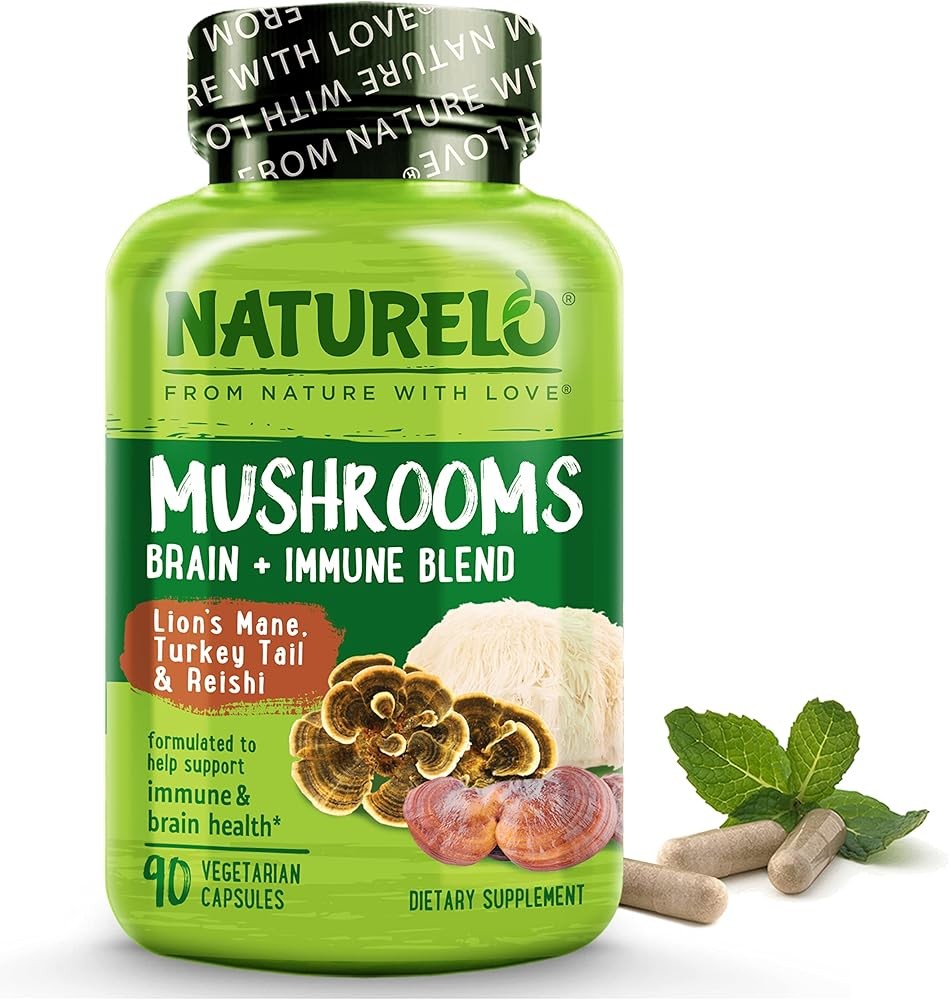
NATURELO Mushroom Supplement Capsules, 90 Ct, Brain & Immune Support, Vegan-Friendly, Lions Mane Supplement Capsules,...
Check Price on AmazonAs an Amazon Associate we earn from qualifying purchases.
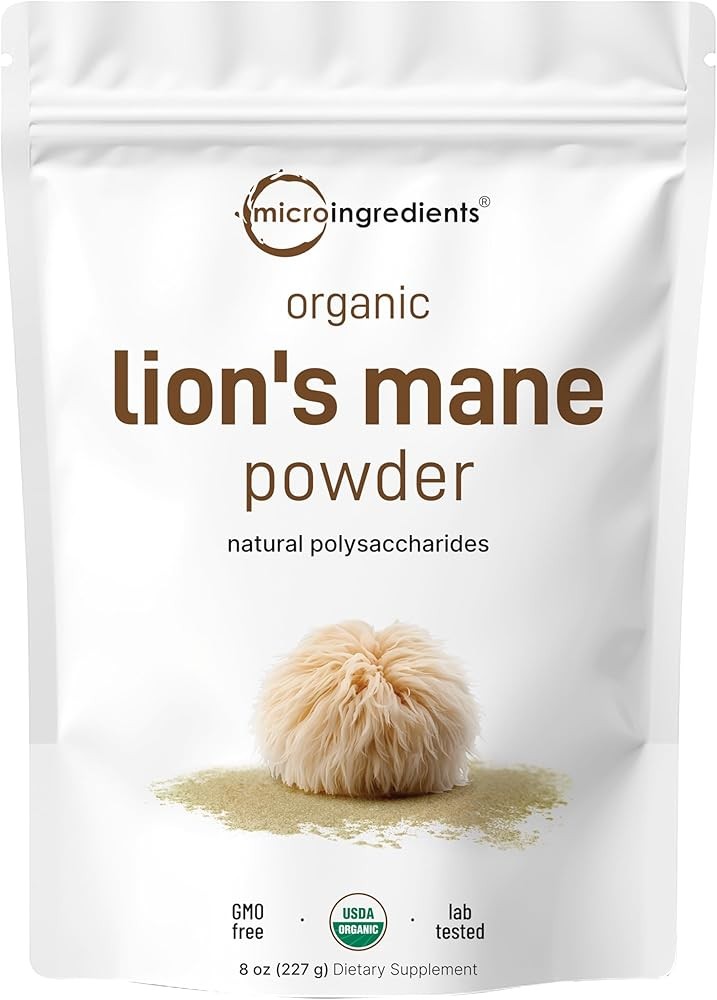
Micro Ingredients Organic Lion's Mane Mushroom Powder, 8oz | Pure Fruiting Body Superfood | Supports Brain, Focus, En...
Check Price on AmazonAs an Amazon Associate we earn from qualifying purchases.
📱 Join the discussion: Facebook | X | YouTube | Pinterest
Related Reading
-
Best Omega-3 Supplements for Brain Health and Cognitive Function
-
Phosphatidylserine for Memory and Cognitive Enhancement
-
Best Nootropics for Focus, Memory, and Mental Clarity
-
Bacopa Monnieri for Memory Enhancement and Neuroprotection
-
Alpha-GPC for Cognitive Function and Brain Health
-
Acetyl-L-Carnitine for Brain Energy and Neuroprotection
-
Ginkgo Biloba for Memory and Cerebral Blood Flow
-
Lion’s Mane vs Turkey Tail: A Nootropics Showdown for Mental Clarity
-
Lion’s Mane for Menopause Brain Fog: Complete Research Guide
-
Unlocking Mental Clarity with Lion’s Mane Mushroom: What Research Shows
-
Best Mushroom Complex Supplements — Lion’s Mane, Reishi, Cordyceps, Chaga and More
Conclusion: Building Cognitive Resilience for the Long Term
Lion’s Mane represents a fundamentally different approach to cognitive enhancement. Instead of artificially boosting neurotransmitter signaling or forcing neurons to work harder, it supports your brain’s natural capacity to grow, repair, and protect itself.
The NGF-stimulating effects trigger actual neurogenesis—new neurons forming in your hippocampus even as you age. The hericenones and erinacines reduce inflammation, clear amyloid plaques, and protect mitochondria from oxidative stress. You’re not just thinking better temporarily; you’re building a more resilient brain that will serve you better decades from now.
The evidence supporting Lion’s Mane spans lab research showing NGF increases, animal studies demonstrating neurogenesis, and human trials proving measurable cognitive improvements. This isn’t speculative supplementation based on weak mechanisms—it’s one of the best-researched natural nootropics available.
Start with 1,000mg daily of dual-extracted fruiting body product. Give it at least 8 weeks before judging effectiveness. Look for improvements in word recall, focus endurance, and memory consolidation. Add omega-3s to provide structural support for new neurons. Consider combining with other complementary compounds after assessing Lion’s Mane’s individual effects.
The goal isn’t superhuman cognition—it’s maintaining the cognitive function you have now as you age, while potentially recovering some of what you’ve already lost. Lion’s Mane won’t make you limitless, but consistent use might preserve your mental sharpness, memory, and processing speed for years longer than you’d maintain without it.
Your brain is already producing NGF, forming new neurons, and protecting itself from damage. Lion’s Mane simply enhances these natural processes, working with your biology rather than against it. That approach to cognitive enhancement—supporting what your body already does rather than forcing artificial changes—offers the best chance of lasting benefits with minimal risks.
The research continues evolving. New extraction methods concentrate erinacines more effectively. Clinical trials test Lion’s Mane in Alzheimer’s patients and traumatic brain injury recovery. The mechanisms become clearer as neuroscience tools improve. But the fundamental value proposition remains: Lion’s Mane is one of the few natural compounds proven to stimulate neurogenesis and provide structural neuroprotection.
If cognitive health matters to you—and it should, since your brain determines your quality of life more than any other organ—Lion’s Mane deserves a place in your supplement routine alongside the established basics of omega-3s, vitamin D, and antioxidants. Start now, while your brain still has the capacity to respond robustly. The neural reserve you build today might be what preserves your independence and cognitive vitality 20 or 30 years from now.
Recommended Products