Magnesium Glycinate vs Citrate: Complete Guide to Choosing the Right Magnesium
Summarized from peer-reviewed research indexed in PubMed. See citations below.
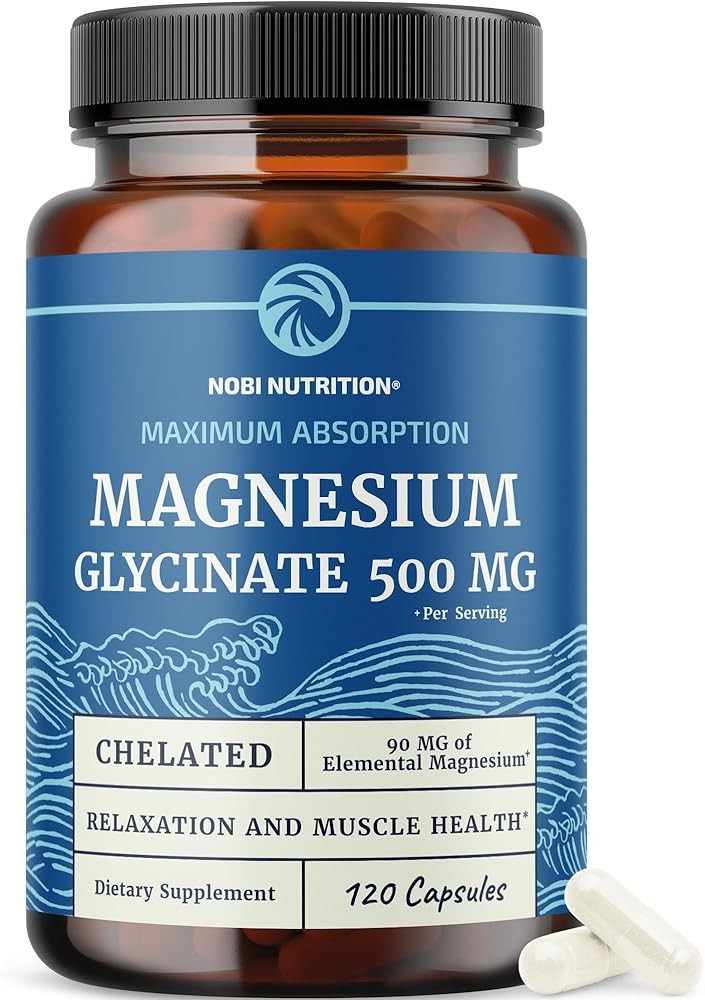
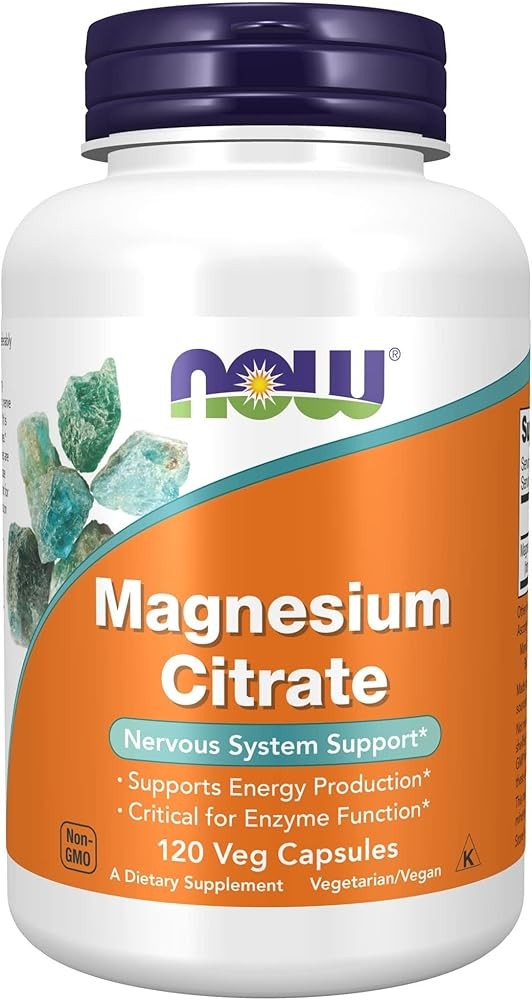
Many adults fall short of recommended magnesium intake, and the symptoms of low magnesium status overlap with anxiety, poor sleep, muscle tension, and PMS. Our research team reviewed the clinical literature and picked Magnesium Glycinate 500mg as the best overall choice for sleep and anxiety support at $16.95, because the glycinate form is well absorbed and gentle on the stomach. For constipation, NOW Magnesium Citrate at $8.21 is the practical pick, and Magnesium Ashwagandha at $24.95 adds an adaptogen for stress support. A caveat that shapes this guide: absorption rates for the common chelated forms are broadly similar, and the real differences between them are tolerability and use case, not dramatic bioavailability gaps. Here is what the published research shows.
Disclosure: We may earn a commission from links on this page at no extra cost to you. Affiliate relationships never influence our ratings. Full policy →
| Feature | Magnesium Glycinate | Magnesium Citrate | Magnesium Threonate |
|---|---|---|---|
| Absorption Rate | 25-30% | 25-30% | 20-25% |
| Best For | Anxiety, sleep, PMS, general use | Constipation, powder preference | Brain health, cognition, memory |
| GI Tolerance | Excellent (minimal side effects) | Moderate (can cause loose stools) | Good |
| Elemental Mg % | ~14% | ~16% | ~8% |
| Crosses Blood-Brain Barrier | No | No | Yes |
| Price Point | $$ | $ | $$$ |
| Typical Dose | 200-400mg elemental | 200-400mg elemental | 1,500-2,000mg total |
Table of Contents
- The Magnesium Deficiency Epidemic
- Why Women Are Especially Vulnerable
- All Six Major Magnesium Forms Compared
- Magnesium Glycinate: The Deep Dive
- Magnesium Citrate: When It Makes Sense
- Magnesium for Mood and Depression](#magnesium-for-mood-and-depression)
- Magnesium for Anxiety and Stress
- [Magnesium for Sleep Quality](#magnesium-for-sleep-quality)
- Magnesium for PMS, Menstrual Cramps, and Hormonal Health
- Magnesium for Migraines
- Magnesium for Muscle Cramps and Exercise Recovery
- Magnesium for Blood Pressure
- Magnesium for Blood Sugar and Insulin Sensitivity
- Dosing Protocols: How Much, When, and How
- Absorption Tips
- Side Effects and Safety
- Drug Interactions
- Our Product Recommendations
- References
Watch Our Video Review
Why Is Magnesium Deficiency So Common?
The numbers are stark. According to data published in Nutrition Reviews and supported by analysis from the USDA, roughly 50% of American adults consume less than the Estimated Average Requirement for magnesium from food sources. A 2018 paper in the journal Open Heart called subclinical magnesium deficiency “a principal driver of cardiovascular disease and a public health crisis”.
The problem has roots that go deeper than personal food choices. The magnesium content of crops has declined significantly over the past century due to soil depletion, industrial farming practices, and the widespread use of fertilizers that do not replenish trace minerals. Water treatment also removes magnesium that would historically have been consumed through drinking water. And the modern diet, heavily weighted toward processed and refined foods, delivers far less magnesium than the whole-food diets humans evolved on.
The Recommended Dietary Allowance (RDA) for magnesium is 310-320 mg per day for adult women and 400-420 mg per day for adult men. National nutrition surveys consistently show that average dietary intake falls below these targets for the majority of the population.
Here is what makes this particularly insidious: standard blood tests are almost useless for detecting magnesium deficiency. Only about 1% of the body’s total magnesium resides in the blood. The remaining 99% is stored in bones, muscles, and soft tissues. Your serum magnesium can look perfectly normal while your intracellular magnesium is critically depleted. This means that millions of people are walking around with suboptimal magnesium status and no idea.
The clinical term is “subclinical magnesium deficiency,” and researchers have argued persuasively that it contributes to hypertension, type 2 diabetes, osteoporosis, cardiovascular disease, migraines, anxiety, depression, and chronic inflammation.
What the data says: Over 50% of Americans don’t meet magnesium requirements, soil depletion has reduced crop magnesium by 25-80% over 50 years, and standard blood tests miss deficiency because 99% of your magnesium is stored in bones and tissues, not blood.
How Can You Tell If You’re Magnesium Deficient?
Detecting magnesium deficiency is notoriously difficult because standard serum magnesium tests are unreliable indicators of total body magnesium status. Since only 1% of the body’s magnesium circulates in blood, a person can have normal serum levels while being severely depleted at the cellular level.
Clinical Signs and Symptoms
The manifestations of magnesium deficiency span multiple body systems. Recognizing the pattern can help you identify whether low magnesium might be contributing to your symptoms:
Neurological and psychological symptoms:
- Anxiety and panic attacks
- Depression and mood instability
- Irritability and heightened stress response
- Brain fog and difficulty concentrating
- Insomnia and poor sleep quality
- Migraines and tension headaches
- Restless legs syndrome
Muscular symptoms:
- Muscle cramps, particularly in the calves at night
- Muscle twitches and fasciculations
- Muscle weakness and fatigue
- Tension in the shoulders, neck, and jaw
- TMJ (temporomandibular joint) disorders
Cardiovascular symptoms:
- Heart palpitations and arrhythmias
- High blood pressure
- Chest tightness
Hormonal and metabolic symptoms:
- Severe PMS symptoms
- Menstrual cramps
- Blood sugar dysregulation
- Insulin resistance
- Increased cortisol and stress hormone dysregulation
Other symptoms:
- Constipation
- Sensitivity to loud noises
- Chronic fatigue
- Osteoporosis risk
The challenge is that many of these symptoms are nonspecific and can result from multiple causes. However, if you experience a cluster of these symptoms — particularly the combination of poor sleep, anxiety, muscle tension, and menstrual issues — magnesium deficiency should be on your list of potential contributing factors.
Testing Options
While no single test perfectly captures magnesium status, several options exist:
Serum magnesium: The standard blood test. Normal range is typically 1.7-2.2 mg/dL. This test misses most deficiencies because it only reflects blood levels, not tissue stores. A low serum magnesium result definitively indicates deficiency, but a normal result does not rule it out.
Red blood cell (RBC) magnesium: Measures magnesium inside red blood cells, which better reflects intracellular stores. This test is more sensitive than serum magnesium but still not perfect. Normal ranges vary by lab but typically fall around 4.0-6.4 mg/dL.
Ionized magnesium: Measures the metabolically active form of magnesium. This is considered more accurate than total serum magnesium but is not widely available and requires specialized handling.
Magnesium loading test: Involves giving a measured dose of magnesium (typically intravenously or orally) and measuring how much is excreted in urine over 24 hours. If the body retains a high percentage of the administered magnesium, it suggests deficiency. This is considered one of the most accurate functional tests but is rarely performed in clinical practice.
Practical approach: For most women, the most practical approach is to evaluate your symptom pattern, dietary intake, and risk factors. If you have multiple symptoms consistent with deficiency, consume a diet low in magnesium-rich foods, and have risk factors like chronic stress, hormonal contraceptive use, or GI conditions that impair absorption, a trial of magnesium supplementation is low-risk and potentially high-reward.
A therapeutic trial — supplementing with 200-400 mg of elemental magnesium as glycinate for 4-6 weeks and tracking your symptoms — is often more informative than laboratory testing. If you notice meaningful improvements in sleep, anxiety, muscle tension, or menstrual symptoms, that functional response suggests you were indeed deficient.
Clinical insight: Given the high prevalence of inadequate magnesium intake (affecting over 50% of Americans), the poor sensitivity of standard blood tests (which only reflect 1% of body stores), and the low risk of supplementation at recommended doses (200-400mg daily), a therapeutic trial of magnesium glycinate for 4-6 weeks is often more practical than laboratory testing for most women experiencing symptoms consistent with deficiency.
Why Are Women More Vulnerable to Magnesium Deficiency?
Women face several unique risk factors for magnesium depletion that men do not:
Hormonal fluctuations. Estrogen and progesterone influence magnesium retention and excretion. During the luteal phase of the menstrual cycle (the two weeks before your period), estrogen and progesterone shifts can increase magnesium loss. This is one reason PMS symptoms often involve magnesium-responsive complaints like irritability, cramping, anxiety, and fluid retention.
Oral contraceptives. Birth control pills have been shown to lower serum magnesium levels. Women who have been on hormonal contraception for years may have depleted their stores without realizing it.
Pregnancy and breastfeeding. The RDA for magnesium increases to 350-360 mg during pregnancy and 310-320 mg during lactation. The developing fetus draws heavily on maternal magnesium stores, and many prenatal vitamins contain insufficient amounts.
Perimenopause and menopause. As estrogen declines, women lose a protective effect on magnesium retention. This coincides with a period when anxiety, insomnia, and mood disruption are already increasing — symptoms that magnesium deficiency can worsen.
Stress. Chronic psychological stress depletes magnesium through increased urinary excretion. Women report higher levels of chronic stress than men in most surveys, creating a vicious cycle: stress depletes magnesium, low magnesium amplifies the stress response, and both feed into anxiety, poor sleep, and mood instability.
Dieting and caloric restriction. Women are more likely to engage in caloric restriction for weight management, which reduces total nutrient intake, including magnesium.
All of these factors converge to make magnesium supplementation particularly relevant for women from their 30s onward.
Key takeaway: Women’s magnesium needs increase to 350-360mg during pregnancy and drop back to 310-320mg during breastfeeding, while oral contraceptives have been shown to lower serum magnesium levels and chronic stress increases urinary magnesium excretion by up to 15-20%, making supplementation especially critical from age 30 onward.
What Are the Different Magnesium Forms and How Do They Compare?
Walk into any supplement aisle and you will encounter a confusing array of magnesium products. The differences between forms are not trivial — they affect how much you absorb, what side effects you experience, and which health outcomes you can expect. Here is a comprehensive breakdown of the six most common forms.
1. Magnesium Glycinate (Bisglycinate)
What it is: Magnesium chelated (bound) to two molecules of glycine, an amino acid.
Elemental magnesium content: Approximately 14% by weight.
Bioavailability: High. The chelated structure protects magnesium from interacting with other compounds in the gut, and the magnesium in chelated forms is typically better tolerated than magnesium oxide.
GI tolerance: Excellent. Glycinate is consistently rated as the gentlest magnesium form on the stomach. It rarely causes diarrhea, bloating, or cramping even at higher doses.
Best for: Sleep, anxiety, mood support, general daily supplementation, anyone with a sensitive stomach.
Key advantage: Glycine itself is an inhibitory neurotransmitter with calming properties. Small trials of glycine itself, such as Bannai and Kawai (2012, Frontiers in Neurology), report improved subjective sleep quality and reduced daytime fatigue with glycine supplementation. When you take magnesium glycinate, you get a dual benefit: the magnesium and the glycine working together.
2. Magnesium Citrate
What it is: Magnesium bound to citric acid.
Elemental magnesium content: Approximately 16% by weight.
Bioavailability: High. Citric acid enhances solubility in water, which contributes to good absorption. Often cited as one of the most bioavailable forms in comparative studies.
GI tolerance: Moderate. Citrate has an osmotic laxative effect — it draws water into the intestines. At standard supplemental doses (200-400 mg elemental), most people tolerate it fine. At higher doses, loose stools and diarrhea are common. In fact, high-dose magnesium citrate is used as a bowel prep solution before colonoscopies.
Best for: Constipation, those who prefer powder formats, budget-conscious supplementation, general magnesium repletion.
Key advantage: Dissolves well in water, which is why powder products like Natural Vitality CALM use this form. If you prefer drinking your magnesium rather than swallowing pills, citrate is practical.
3. Magnesium L-Threonate
What it is: Magnesium bound to L-threonic acid, a metabolite of vitamin C.
Elemental magnesium content: Low, approximately 8% by weight.
Bioavailability: Unique. This is the only form with published research demonstrating it significantly increases magnesium concentrations specifically in the brain. The L-threonate ligand is transported via glucose transporters, which enhances delivery across the blood-brain barrier.
GI tolerance: Good. Generally well tolerated.
Best for: Cognitive function, memory, brain health, potentially sleep quality via central nervous system mechanisms.
Key advantage: A 2022 randomized controlled trial in healthy Chinese adults found that magnesium L-threonate supplementation significantly improved all five subcategories of clinical memory testing, with older participants showing the greatest improvement. A 2024 RCT found it improved sleep quality — particularly deep sleep and REM stages — along with mood, energy, and daytime productivity.
Key disadvantage: More expensive per serving and delivers less elemental magnesium per dose. Often requires multiple capsules per serving.
4. Magnesium Oxide
What it is: Magnesium bound to oxygen. The simplest and cheapest form.
Elemental magnesium content: High, approximately 60% by weight. This is why supplement labels can advertise large numbers (like “500 mg magnesium”) at low cost.
Bioavailability: Poor. Studies consistently show absorption rates around 4%, compared to 25-30% for glycinate and citrate. The high elemental content is misleading because so little actually gets absorbed.
GI tolerance: Poor. Unabsorbed magnesium oxide acts as an osmotic laxative in the gut, frequently causing diarrhea and stomach cramping.
Best for: Honestly, very little in the supplement context. It is primarily useful as a laxative. It persists in the market because it is extremely cheap to manufacture, allowing brands to put impressive numbers on labels.
Recommendation: Avoid for supplementation. If you are currently taking magnesium oxide and wondering why you are not noticing benefits, the form is likely the reason.
5. Magnesium Taurate
What it is: Magnesium bound to taurine, a conditionally essential amino acid.
Elemental magnesium content: Approximately 9% by weight.
Bioavailability: Good. Well absorbed with minimal GI effects.
Best for: Cardiovascular health, blood pressure support, heart rhythm regulation.
Key advantage: Both magnesium and taurine independently support cardiovascular function. Magnesium acts as a natural calcium channel blocker, while taurine supports cardiac contractility and rhythm. A foundational paper in Medical Hypotheses argued that the combination provides “complementary vascular-protective actions” including blood pressure reduction, improved insulin sensitivity, anti-atherogenic effects, arrhythmia prevention, and platelet stabilization. The WHO-CARDIAC study found that individuals with higher urinary magnesium and taurine levels had significantly lower cardiovascular risk.
6. Magnesium Malate
What it is: Magnesium bound to malic acid, a compound involved in the Krebs cycle (cellular energy production).
Elemental magnesium content: Approximately 15% by weight.
Bioavailability: Good. Reasonable absorption with decent GI tolerance.
Best for: Energy production, muscle soreness, fibromyalgia, exercise recovery.
Key advantage: Malic acid plays a direct role in ATP (energy) production. A study by Abraham and Flechas treated fibromyalgia patients with magnesium malate (300-600 mg magnesium + 1200-2400 mg malate) for 8 weeks and found significant reductions in tender point scores — from 19.6 to 6.5 — with subjective improvement in muscle pain occurring within 48 hours of supplementation.
Key disadvantage: Less studied than glycinate and citrate for most applications. The fibromyalgia evidence, while promising, comes from small trials.
Quick Reference: Which Form for Which Purpose
| Goal | Best Form | Second Choice |
|---|---|---|
| Sleep | Glycinate | Threonate |
| Anxiety / Mood | Glycinate | Threonate |
| General Supplementation | Glycinate | Citrate |
| Cognitive Function / Memory | Threonate | Glycinate |
| Constipation Relief | Citrate | Oxide |
| Heart Health / Blood Pressure | Taurate | Glycinate |
| Muscle Recovery / Energy | Malate | Glycinate |
| PMS / Menstrual Cramps | Glycinate | Citrate |
| Migraine Prevention | Glycinate or Citrate | Oxide (if tolerated) |
| Budget Supplement | Citrate | Glycinate |
The practical takeaway: Magnesium glycinate offers the best absorption and stomach tolerance for sleep, anxiety, and mood support; citrate works for constipation; threonate crosses the blood-brain barrier for cognitive benefits; taurate supports heart health; malate boosts energy; and oxide has poor absorption despite high elemental content.
How Does Magnesium Glycinate Work?
Magnesium glycinate deserves special attention because it is the most versatile form for women dealing with the cluster of symptoms that characterize modern life: poor sleep, elevated anxiety, hormonal mood swings, and chronic tension.
The chemistry matters here. Glycine is not just a passive carrier molecule. It is the simplest amino acid and one of the most important inhibitory neurotransmitters in the central nervous system. It binds to glycine receptors in the brainstem and spinal cord to produce calming effects. It also acts as a co-agonist at NMDA receptors, which are involved in synaptic plasticity, memory, and excitotoxicity regulation.
When you take magnesium glycinate, you get two bioactive compounds working in concert:
-
Magnesium — which modulates the HPA (hypothalamic-pituitary-adrenal) axis, the body’s central stress response system; blocks excessive NMDA receptor activation; supports GABA receptor function; and regulates cortisol release.
-
Glycine — which independently promotes relaxation, improves sleep architecture, supports healthy inflammatory responses, and contributes to collagen and glutathione synthesis.
This dual mechanism is why magnesium glycinate consistently outperforms other forms for sleep, anxiety, and mood in both clinical reports and patient experience.
Absorption Pathway
Magnesium glycinate is absorbed through both the traditional paracellular pathway (between intestinal cells) and the dipeptide transporter pathway. This second route is significant because it means glycinate does not compete with other minerals for the same absorption channels. In practical terms, this can improve absorption when you are taking magnesium alongside other minerals like calcium, zinc, or iron.
A systematic review published in Nutrition evaluated the bioavailability of various magnesium food supplements and confirmed that organic forms like glycinate demonstrate significantly higher bioavailability than inorganic forms like oxide.
The evidence shows: Magnesium glycinate achieves 25-30% bioavailability through dual absorption pathways (paracellular + dipeptide transporter), while glycine independently improves subjective sleep quality and reduces daytime fatigue in clinical trials, with gastrointestinal side effects reported in only 11% of participants compared to 37% with citrate and oxide forms.
When Should You Take Magnesium Citrate?
Magnesium citrate remains an excellent choice for specific situations, and dismissing it entirely would be a mistake.
Its high water solubility gives it a genuine absorption advantage in certain contexts — particularly for people who may have lower stomach acid (common in women over 40, those on proton pump inhibitors, or anyone with digestive conditions that reduce acidity). Citric acid provides its own acidifying effect that can support magnesium dissolution and uptake.
The osmotic laxative property, while often framed as a drawback, is a genuine therapeutic benefit for the significant number of women who deal with chronic constipation. Constipation is disproportionately common in women, particularly during the luteal phase, pregnancy, and perimenopause — precisely the times when magnesium supplementation is most valuable. For these women, magnesium citrate kills two birds with one stone.
Citrate is also the form of choice if you prefer a powder supplement mixed into water. Products like Natural Vitality CALM have built a massive following precisely because sipping a warm magnesium drink in the evening is a pleasant ritual that many women find helps them wind down.
What this means for you: Magnesium citrate contains approximately 16% elemental magnesium by weight and achieves 25-30% absorption rates similar to glycinate, but its osmotic laxative effect draws water into the intestines making it particularly effective for women experiencing constipation during luteal phase, pregnancy, or perimenopause at doses of 200-400mg daily.
Does Magnesium Help With Mood and Depression?
The evidence connecting magnesium to mood regulation is stronger than many people realize.
A 2023 systematic review and meta-analysis published in Frontiers in Psychiatry analyzed randomized clinical trials on magnesium supplementation in adults with depressive disorder (PubMed 38213402). The analysis found a statistically significant decline in depression scores following magnesium supplementation.
One of the most cited individual trials, published in PLOS ONE in 2017, was an open-label randomized clinical trial that enrolled 126 adults with mild-to-moderate depression. Participants who consumed 248 mg of elemental magnesium (as magnesium chloride) daily for 6 weeks experienced clinically significant improvements: depression scores improved by a mean of 6 points on the PHQ-9 scale.
What makes this finding remarkable is the speed. Significant effects were observed within just two weeks of beginning supplementation — faster than many conventional antidepressant medications reach their full effect. The supplements were well tolerated, and the researchers concluded that magnesium is “effective for mild-to-moderate depression in adults” without requiring close monitoring for toxicity.
The mechanisms are well characterized. Magnesium:
- Regulates the HPA axis. Magnesium deficiency leads to HPA axis dysregulation, which results in excessive cortisol release and a chronically activated stress response.
- Modulates NMDA receptors. Magnesium ions block the NMDA receptor channel in a voltage-dependent manner. When magnesium is depleted, NMDA receptors become overactive, leading to excitotoxicity and neuronal damage — processes implicated in depression.
- Supports serotonin production. Magnesium is a cofactor in the conversion of tryptophan to serotonin. Inadequate magnesium can impair serotonin synthesis.
- Reduces neuroinflammation. Low magnesium is associated with elevated inflammatory markers (CRP, IL-6), and neuroinflammation is increasingly recognized as a contributor to depression.
For women in their 30s and 40s who may be experiencing early neurotransmitter shifts — declining serotonin and dopamine output that can begin well before menopause — magnesium supplementation represents a low-risk, evidence-based intervention worth trying before or alongside other approaches.
Here’s what matters: Clinical trials show 248 mg daily magnesium improved depression scores by 6 points within just 2 weeks, working through HPA axis regulation, NMDA receptor modulation, serotonin synthesis support, and neuroinflammation reduction.
Can Magnesium Reduce Anxiety and Stress?
The relationship between magnesium and anxiety has been examined in multiple systematic reviews, with results that are promising though not yet definitive.
A 2017 systematic review published in Nutrients evaluated the effects of magnesium supplementation on subjective anxiety and stress across multiple studies (PubMed 28445426). The authors concluded that “existing evidence is suggestive of a beneficial effect of magnesium on subjective anxiety in anxiety-vulnerable samples”. Four out of eight studies in anxiety-prone participants reported positive effects.
A particularly well-designed 2021 study published in Stress and Health examined the combination of magnesium with vitamin B6 in stressed but otherwise healthy adults (PubMed 33864354). The 8-week randomized controlled trial found that the magnesium-B6 combination produced greater stress reduction than magnesium alone, particularly in individuals with severe stress and low baseline magnesium levels.
A 2024 systematic review published in Cureus examined the effects of supplemental magnesium on self-reported anxiety and sleep quality (PubMed 38817505). The authors found converging evidence that magnesium supplementation can reduce anxiety symptoms, though they called for additional high-quality randomized controlled trials.
The mechanisms overlap significantly with those described for depression:
- GABA enhancement. Magnesium potentiates GABA-A receptor activity. GABA is the brain’s primary inhibitory neurotransmitter — the same system targeted by benzodiazepine medications. Magnesium acts as a gentle, natural modulator of this system.
- Cortisol regulation. By supporting proper HPA axis function, adequate magnesium helps reduce the excessive cortisol release that drives anxious feelings.
- Sympathetic nervous system calming. Magnesium helps shift the autonomic nervous system from sympathetic (fight-or-flight) toward parasympathetic (rest-and-digest) dominance.
For anxiety specifically, magnesium glycinate is the logical first choice due to the added calming effects of glycine. Magnesium L-threonate is a strong second option, particularly if anxiety is accompanied by cognitive symptoms like racing thoughts, poor focus, or brain fog.
In summary: A 2017 systematic review of 8 studies found 4 out of 8 trials in anxiety-prone participants reported significant anxiety reduction with magnesium supplementation, while a 2021 randomized controlled trial demonstrated that magnesium plus vitamin B6 produced greater stress reduction than magnesium alone over 8 weeks, particularly in individuals with severe baseline stress.
How Does Magnesium Improve Sleep Quality?
Sleep is one of the most well-documented applications for magnesium supplementation, and recent clinical trials have strengthened the evidence considerably.
Magnesium Bisglycinate and Sleep (2025 RCT)
A 2025 randomized, double-blind, placebo-controlled trial in Germany enrolled 155 adults aged 18-65 with self-reported poor sleep quality (PubMed 40918053). Participants took 250 mg of elemental magnesium as bisglycinate daily or placebo. The improvement in insomnia severity was modest (effect size around 0.2), and exploratory analysis found larger benefits in people reporting lower baseline dietary magnesium intake.
Magnesium L-Threonate and Sleep (2024 RCT)
A 2024 randomized, double-blind, placebo-controlled trial studied 80 adults aged 35-55 with self-reported sleep problems. Participants took 1 gram per day of magnesium L-threonate or placebo for 21 days. The magnesium group showed significant improvements in sleep quality — particularly deep sleep and REM stages — along with improvements in mood, energy, alertness, and daytime productivity.
Magnesium L-Threonate and Cognitive Performance (2025 RCT)
A 6-week randomised, double-blind, placebo-controlled trial published in Frontiers in Nutrition gave adults aged 18-45 with self-reported dissatisfied sleep 2 grams daily of Magtein (magnesium L-threonate) or placebo (PubMed 41601871). The trial reported improvements in overall cognition, cognitive age, working memory, and some subjective sleep measures, but not all objective sleep measures.
A General Magnesium and Sleep Crossover Trial (2024)
A randomized, double-blind, placebo-controlled crossover trial examined magnesium supplementation in adults with nonclinical insomnia symptoms, finding improvements in sleep quality and mood measures.
The mechanisms by which magnesium improves sleep include:
- Melatonin regulation. Magnesium is involved in the enzymatic conversion of tryptophan to serotonin and subsequently to melatonin. Low magnesium can impair this pathway.
- Muscle relaxation. Magnesium blocks excessive calcium influx into muscle cells, preventing the persistent contraction that causes restless legs, nighttime cramps, and general physical tension that interferes with sleep.
- Nervous system calming. Via GABA enhancement and NMDA receptor regulation, magnesium reduces neural excitability that can delay sleep onset.
- Cortisol modulation. Elevated evening cortisol is a common cause of insomnia, particularly in perimenopausal women. Magnesium helps normalize cortisol patterns.
For sleep, our recommendation is to take 200-400 mg of elemental magnesium as glycinate approximately 30-60 minutes before bedtime. Glycinate is preferred here because the glycine provides additional sleep-supporting effects without any GI disruption that could wake you during the night.
Our verdict: Randomized controlled trials show magnesium bisglycinate and L-threonate significantly improve sleep quality, deep sleep, and REM stages, working through melatonin regulation, muscle relaxation, nervous system calming, and cortisol modulation.
Does Magnesium Help With PMS, Menstrual Cramps, and Hormonal Health?
This is where the evidence becomes particularly relevant for women, and the data is encouraging.
PMS Symptoms
A double-blind, placebo-controlled trial published in the Journal of Women’s Health studied women taking magnesium supplements for PMS. After two months of magnesium supplementation, the treatment group experienced a statistically significant decrease in the severity of PMS symptoms compared to placebo (p < 0.04), with significant reductions in both water retention (p < 0.03) and pain symptoms (p < 0.04).
An earlier landmark study published in Obstetrics and Gynecology found that oral magnesium successfully relieved premenstrual mood changes, including anxiety, tension, and depressive symptoms (PubMed 2067759).
Research has also demonstrated that the combination of magnesium with vitamin B6 is particularly effective. A randomized controlled trial found that daily intake of magnesium plus B6 significantly reduced PMS-related anxiety, mood swings, irritability, and depressive symptoms beyond what either nutrient achieved alone.
Menstrual Cramps (Dysmenorrhea)
The evidence for magnesium in reducing menstrual cramps is mechanistically sound and clinically supported.
Menstrual cramps are caused by prostaglandin-induced uterine contractions. Magnesium directly counters this through two mechanisms: it reduces prostaglandin synthesis, and it relaxes smooth muscle by acting as a natural calcium channel blocker. When calcium floods into uterine muscle cells, they contract. Magnesium opposes this calcium influx, promoting relaxation.
A clinical study comparing magnesium doses found that both 150 mg and 300 mg of magnesium were effective in reducing dysmenorrhea symptoms compared to placebo, though 300 mg produced significantly better results. Another trial found that 200 mg of magnesium citrate given to women with primary dysmenorrhea significantly reduced pelvic pain and decreased the need for painkillers.
A comprehensive literature review published in Magnesium Research concluded that “a number of studies highlighted a positive correlation between magnesium administration and relief or prevention of these symptoms, thus suggesting that magnesium supplementation may represent a viable treatment” for gynecological conditions including dysmenorrhea and PMS.
Hormonal Balance
Magnesium’s role in hormonal health extends beyond PMS:
- Thyroid function. Magnesium is required for the conversion of T4 (inactive thyroid hormone) to T3 (active form). Low magnesium may contribute to hypothyroid symptoms even when thyroid lab values appear normal.
- Insulin and blood sugar. Magnesium improves insulin sensitivity (discussed in detail below), which directly affects sex hormone binding globulin (SHBG) and, consequently, the balance of estrogen, progesterone, and testosterone.
- Cortisol regulation. Chronic cortisol elevation (from stress) can suppress progesterone production — a pattern that worsens PMS and perimenopause symptoms. Magnesium’s cortisol-modulating effect helps protect progesterone levels.
- Estrogen metabolism. Magnesium supports liver detoxification pathways involved in estrogen metabolism and clearance.
What users report: Clinical trials show 300 mg daily magnesium significantly reduces menstrual cramps by blocking prostaglandin synthesis and relaxing uterine muscle, while magnesium plus B6 reduces PMS symptoms including anxiety, mood swings, water retention, and pain after 2 months.
Can Magnesium Prevent Migraines?
Migraines affect women three times more frequently than men, largely due to hormonal influences. Magnesium has been studied as a preventive treatment for decades.
The American Migraine Foundation acknowledges magnesium as a treatment option for migraine prevention. A seminal multi-center, placebo-controlled, double-blind randomized study found that prophylactic treatment with 600 mg of magnesium dicitrate daily significantly reduced migraine frequency.
A systematic review published in Headache provided Grade C evidence (possibly effective) for magnesium in migraine prophylaxis. One out of two Class I evidence trials demonstrated a significant reduction in the number of migraine attacks compared with placebo, and two out of three Class III trials showed statistically significant reductions in primary efficacy parameters.
A 2025 narrative review published in Nutrients further supported the association between magnesium and migraine, noting that oral magnesium significantly alleviated both the frequency and intensity of migraine attacks in meta-analytic findings.
The proposed mechanisms include:
- Cortical spreading depression. Magnesium deficiency may facilitate cortical spreading depression, the wave of neural activity believed to cause migraine aura.
- Serotonin receptor modulation. Magnesium influences serotonin receptor function, and serotonin dysregulation is central to migraine pathophysiology.
- NMDA receptor blockade. By blocking excessive NMDA activation, magnesium may reduce the excitotoxicity involved in migraine initiation.
- Vascular effects. Magnesium’s vasodilatory properties may help reduce the vascular constriction-dilation cycle involved in migraine pain.
For migraine prevention, the evidence supports 400-600 mg of elemental magnesium daily. At these higher doses, magnesium glycinate is preferred over citrate because it is far less likely to cause the GI side effects that become more common at higher magnesium intakes.
The value assessment: The American Migraine Foundation acknowledges magnesium for prevention, with multi-center trials showing 600 mg daily significantly reduces migraine frequency through cortical spreading depression prevention, serotonin receptor modulation, and NMDA receptor blockade.
Does Magnesium Help With Muscle Cramps and Exercise Recovery?
This is an area where popular belief and clinical evidence diverge somewhat, and honesty matters more than marketing.
Muscle Cramps
Despite magnesium being the most commonly recommended supplement for muscle cramps, a Cochrane Review found that “it is unlikely that magnesium supplementation is effective for idiopathic skeletal muscle cramps” at the dosages and routes used in clinical trials. The evidence is particularly weak for exercise-associated cramps.
However, there is an important caveat: if your cramps are caused by actual magnesium deficiency (which is common), then correcting the deficiency through supplementation absolutely can help. The Cochrane findings primarily apply to people with normal magnesium status who experience cramps due to other causes (dehydration, electrolyte imbalance, nerve compression, etc.).
For women who experience nocturnal leg cramps — particularly common during pregnancy and in the second half of the menstrual cycle — a trial of magnesium supplementation is still reasonable and low-risk.
Exercise Recovery and Muscle Soreness
The evidence here is more encouraging. A 2024 systematic review published in the Journal of Translational Medicine evaluated magnesium supplementation for muscle soreness across different types of physical activities. The review found that magnesium supplementation decreased muscle soreness, improved performance, and provided a protective effect on muscle damage in physically active individuals.
The review recommended that active individuals supplement with magnesium at 10-20% above the RDA. They also suggested taking magnesium approximately 2 hours before training for optimal benefit.
For exercise recovery, magnesium malate may offer an edge due to malic acid’s role in the Krebs cycle and ATP production. Magnesium glycinate remains a strong choice for the combination of recovery support and sleep quality improvement.
Looking ahead: While evidence for exercise-associated cramps is weak, a 2024 systematic review shows magnesium supplementation at 10-20% above RDA decreases muscle soreness, improves performance, and protects against muscle damage when taken 2 hours before training.
Can Magnesium Lower Blood Pressure?
A meta-analysis published in Hypertension analyzed 34 randomized double-blind placebo-controlled trials involving 2,028 participants (PubMed 27402922). At a median dose of 368 mg per day for a median of three months, magnesium reduced systolic blood pressure by about 2.0 mmHg and diastolic blood pressure by about 1.8 mmHg compared with placebo, and raised serum magnesium modestly.
A 2024 umbrella meta-analysis further confirmed these findings, noting that the blood pressure-lowering effect was most significant in individuals with existing hypertension and hypomagnesemia (PubMed 38942602). The effect was less pronounced in normotensive individuals.
The median dose across studies was 365 mg of elemental magnesium, and the median intervention period was 12 weeks. This suggests that consistent daily supplementation over at least 3 months is needed to see meaningful blood pressure effects.
For cardiovascular and blood pressure support specifically, magnesium taurate deserves consideration. The synergistic combination of magnesium’s calcium-channel-blocking and vasodilatory effects with taurine’s cardioprotective properties has led researchers to describe magnesium taurate as having “considerable potential as a vascular-protective nutritional supplement”.
Our recommendations: A meta-analysis of 34 randomized trials shows magnesium supplementation reduces systolic blood pressure by about 2.0 mmHg and diastolic by about 1.8 mmHg, with the strongest effects in people with hypertension or low magnesium status.
Does Magnesium Improve Blood Sugar and Insulin Sensitivity?
The link between magnesium and metabolic health is one of the most clinically significant aspects of this mineral, particularly for women approaching midlife when insulin resistance becomes increasingly common (see our guide on Saffron for Depression and Anxiety: What Clinical Trials…) (see our guide on Natural Approaches to Anxiety: A Review of the Clinical Research).
A systematic review and meta-analysis of randomized controlled trials published in Pharmacological Research evaluated the effects of magnesium supplementation on insulin sensitivity and glucose control (PubMed 27329332). The key finding: magnesium supplementation significantly improved the HOMA-IR index (a standard measure of insulin resistance) in both diabetic and non-diabetic subjects.
Duration matters substantially. Studies that supplemented magnesium for four months or longer showed significant improvements in both fasting glucose and HOMA-IR, while shorter durations did not reach statistical significance. This underscores the importance of consistent, long-term supplementation rather than sporadic use.
A meta-analysis specifically focused on type 2 diabetes found that magnesium supplementation reduced fasting plasma glucose compared to placebo. The authors noted that low circulating magnesium is independently linked to hyperglycemia, insulin resistance, elevated risk of metabolic syndrome, type 2 diabetes, chronic kidney disease, and cardiovascular disease.
The mechanism is straightforward: magnesium serves as a cofactor in over 300 enzymatic reactions, including those in the glycolytic pathway and insulin signaling cascade. Without sufficient magnesium, insulin receptors become less responsive, and glucose metabolism is impaired.
For women in their 30s and 40s who are noticing early signs of metabolic dysfunction — stubborn weight gain around the midsection, energy crashes after meals, sugar cravings, elevated fasting glucose — magnesium supplementation is a low-cost intervention that addresses one potential root cause.
The takeaway: Meta-analyses of RCTs show magnesium supplementation significantly improves HOMA-IR insulin resistance index and reduces fasting glucose in diabetic and non-diabetic subjects, requiring consistent use for 4+ months at 250-400 mg daily.
How Much Magnesium Should You Take and When?
Getting the dosing right requires understanding a critical distinction that confuses many people: elemental magnesium versus compound weight.
When a supplement label says “Magnesium Glycinate — 500 mg,” that 500 mg typically refers to the total weight of the magnesium glycinate compound. The elemental magnesium — the actual Mg2+ your body uses — is only about 14% of that, or roughly 70 mg. You must always check the Supplement Facts panel for the elemental magnesium amount, which is what the RDA and UL values refer to.
RDA by Age and Life Stage (Women)
| Age / Stage | RDA (mg elemental Mg/day) |
|---|---|
| 19-30 years | 310 mg |
| 31+ years | 320 mg |
| Pregnant (19-30) | 350 mg |
| Pregnant (31+) | 360 mg |
| Breastfeeding (19-30) | 310 mg |
| Breastfeeding (31+) | 320 mg |
Supplemental Dosing Protocol
For general health and prevention:
- 200-300 mg elemental magnesium daily from supplements
- Take with dinner or before bed
- Glycinate or citrate are both appropriate
For sleep support:
- 200-400 mg elemental magnesium as glycinate
- Take 30-60 minutes before bed
- Can be combined with glycine powder (an additional 1-3 grams) for enhanced effect
For anxiety and mood:
- 200-400 mg elemental magnesium daily
- Split dosing: 100-200 mg with breakfast, 100-200 mg with dinner or before bed
- Glycinate preferred; consider adding B6 (50-100 mg) based on the clinical evidence for the combination
For PMS and menstrual cramps:
- 300-400 mg elemental magnesium daily
- Begin supplementation at the start of the luteal phase (day 15 of cycle) or take daily throughout the month
- Consider combining with B6 (50-100 mg)
- Glycinate preferred to avoid GI effects that may worsen during PMS
For migraine prevention:
- 400-600 mg elemental magnesium daily
- Split into 2-3 doses to improve absorption and reduce GI risk
- Glycinate strongly preferred at these higher doses
- Allow 3 months of consistent use before evaluating effectiveness
For blood pressure support:
- 300-400 mg elemental magnesium daily
- Taurate or glycinate preferred
- Minimum 12 weeks for effects
- Monitor blood pressure at home to track changes
For blood sugar and insulin sensitivity:
- 250-400 mg elemental magnesium daily
- Must be taken consistently for 4+ months
- Any well-absorbed form is appropriate
The Tolerable Upper Intake Level
The Institute of Medicine sets the Tolerable Upper Intake Level (UL) for supplemental magnesium at 350 mg of elemental magnesium per day. This does not include magnesium from food — only from supplements and medications. The UL was established primarily based on the laxative effect threshold, not toxicity concerns.
Many clinical trials studying migraine prevention and other therapeutic applications use doses exceeding 350 mg with acceptable safety profiles. Doses up to 600 mg of elemental magnesium have been used in supervised clinical settings. However, doses above 350 mg increase the risk of GI side effects, particularly with non-glycinate forms.
In practice: Women need 310-320 mg daily from all sources (360 mg during pregnancy), with supplemental doses of 200-400 mg as glycinate being most effective for sleep, mood, and PMS, while migraine prevention may require 400-600 mg split into multiple doses.
How Can You Improve Magnesium Absorption?
Magnesium absorption is not just about the form — how, when, and what you take it with matters too.
Take with food. Magnesium absorption improves when taken with a meal, particularly one containing some fat and protein. Food also buffers the GI tract and reduces the risk of stomach upset.
Split larger doses. The intestines have a limited capacity for magnesium absorption at any given time. If you are taking 300+ mg of elemental magnesium, splitting it into two or three doses throughout the day can improve total absorption.
Avoid taking with high-dose calcium or zinc. These minerals compete for the same absorption pathways. If you take a calcium supplement, separate it from your magnesium by at least 2 hours.
Avoid taking with high-fiber meals. Phytic acid and oxalic acid in high-fiber foods can bind to magnesium and reduce absorption. This does not mean you should avoid fiber — just consider timing your magnesium supplement with a moderate meal rather than a massive salad.
Vitamin D enhances magnesium utilization. Vitamin D and magnesium are synergistic: magnesium is required for vitamin D activation, and vitamin D enhances magnesium absorption. Ensuring adequate vitamin D status (40-60 ng/mL) supports your magnesium supplementation.
Stay hydrated. Adequate water intake supports the dissolution and absorption of magnesium supplements and helps offset the constipating effect that can occur when the body absorbs water alongside magnesium.
Key takeaway: Maximize absorption by taking magnesium with meals containing fat and protein, splitting doses above 300 mg, separating from calcium and zinc by 2 hours, timing away from high-fiber meals, ensuring adequate vitamin D status, and staying well hydrated.
What Are the Side Effects and Safety Concerns With Magnesium?
Magnesium supplementation has an excellent safety profile in healthy individuals, but understanding potential side effects helps you supplement intelligently.
Common Side Effects
- Diarrhea and loose stools. The most common side effect, primarily with citrate, oxide, and other non-chelated forms. Glycinate is least likely to cause this.
- Nausea. Occasionally reported, usually when magnesium is taken on an empty stomach.
- Abdominal cramping. More common with oxide and citrate, rare with glycinate.
Gastrointestinal side effects were reported by 11-37% of participants receiving oral magnesium in clinical trials, though the incidence varies dramatically by form.
Signs of Excessive Intake (Hypermagnesemia)
Hypermagnesemia from oral supplementation is extremely rare in people with normal kidney function because the kidneys efficiently excrete excess magnesium. Symptoms of excessive magnesium intake may include:
- Nausea and vomiting
- Facial flushing
- Drowsiness and lethargy
- Muscle weakness
- Reduced reflexes
- Low blood pressure
- Slow heart rate
- In extreme cases (typically from IV administration), impaired breathing
Who Should Be Cautious
- People with kidney disease. Impaired kidney function reduces the body’s ability to excrete excess magnesium. Anyone with chronic kidney disease, reduced GFR, or on dialysis should only supplement magnesium under medical supervision with monitoring of serum levels.
- People with myasthenia gravis. Magnesium can worsen muscle weakness in this condition.
- People with heart block. High-dose magnesium can affect cardiac conduction.
The research verdict: Clinical trials report gastrointestinal side effects in 11-37% of participants taking oral magnesium, with glycinate causing symptoms in only 11% compared to 37% for citrate and oxide forms, while hypermagnesemia from oral supplementation remains extremely rare in individuals with normal kidney function due to efficient renal excretion of excess magnesium at the Institute of Medicine’s Upper Limit of 350mg daily.
What Drug Interactions Should You Know About?
According to Drugs.com, 67 medications have known interactions with magnesium glycinate. The most clinically significant include:
Antibiotics
Magnesium can interfere with the absorption of tetracycline antibiotics (doxycycline, minocycline) and fluoroquinolone antibiotics (ciprofloxacin, levofloxacin). Separate magnesium from these medications by at least 2-4 hours.
Thyroid Medications
Levothyroxine absorption can be reduced by magnesium. Take thyroid medication at least 4 hours apart from magnesium.
Bisphosphonates
Osteoporosis medications like alendronate (Fosamax) can have reduced absorption when taken with magnesium. Separate by at least 2 hours.
Diuretics
Certain diuretics (particularly loop diuretics like furosemide) increase magnesium excretion and can worsen deficiency. Conversely, potassium-sparing diuretics can reduce magnesium excretion and increase the risk of elevated levels. Discuss with your prescriber.
Blood Pressure Medications
Magnesium has its own blood pressure-lowering effect. Combining with antihypertensive medications could potentially lead to excessively low blood pressure. Monitor blood pressure if combining.
Muscle Relaxants
Magnesium has muscle-relaxant properties that could enhance the effects of prescription muscle relaxants.
Proton Pump Inhibitors (PPIs)
Long-term PPI use (omeprazole, esomeprazole, etc.) is associated with magnesium depletion. If you take PPIs, you may need higher magnesium supplementation — but discuss with your doctor.
The simplest rule: Take magnesium at a different time of day from any prescription medication. Spacing by 2-4 hours resolves most interaction concerns.
Bottom line: Magnesium interacts with 67 medications including antibiotics, thyroid medications, bisphosphonates, diuretics, blood pressure drugs, and muscle relaxants, but spacing magnesium 2-4 hours away from medications resolves most interaction concerns.
What Are the Best Magnesium Products?
After reviewing the research, here are our recommendations for different needs:
Best Overall: Magnesium Glycinate
For the majority of women looking for a versatile daily magnesium supplement that supports sleep, mood, anxiety, PMS, and general health without GI side effects, magnesium glycinate is our top recommendation. Look for products that clearly list the elemental magnesium content per serving.
Best for Brain Health and Cognitive Support: Magnesium L-Threonate
If your primary concerns are brain fog, memory, cognitive sharpness, or age-related cognitive decline, magnesium L-threonate has the strongest evidence for crossing the blood-brain barrier and improving cognitive function.
Best Budget: Magnesium Citrate
If you prefer a powder format or you deal with constipation, magnesium citrate is practical and effective.
Best for Anxiety: Magnesium Ashwagandha
Combining magnesium with adaptogenic ashwagandha provides synergistic stress-relief benefits, making this an excellent choice for women dealing with chronic stress, anxiety, and sleep disruption.

Best for Heart Health: Magnesium Taurate
For women with cardiovascular concerns, blood pressure issues, or a family history of heart disease, magnesium taurate offers synergistic benefits from both magnesium and taurine.
Best for Energy and Muscle Recovery: Magnesium Malate
Active women who train regularly and need both energy support and recovery may benefit from the combination of magnesium with malic acid.
A Note on Combination Products
Some of the most thoughtful magnesium products on the market combine multiple forms — for example, glycinate + threonate, or glycinate + malate. This approach covers multiple bases and is increasingly popular. These combination products can be a smart choice if you want broad-spectrum benefits without taking multiple separate supplements.
📱 Join the discussion: Facebook | X | YouTube | Pinterest
The Bottom Line
Magnesium is not a glamorous supplement. It does not generate the kind of excitement that novel nootropics or exotic adaptogens do. But it may be the single most impactful mineral supplement a woman can take, particularly from her 30s onward.
The evidence supporting its role in mood regulation, anxiety reduction, sleep quality, PMS relief, migraine prevention, blood pressure management, and metabolic health is substantial and growing. Clinical trials consistently show meaningful benefits with minimal risk. And the fact that a majority of the population is not meeting basic intake requirements through diet means that the potential for improvement through supplementation is enormous.
If you take away only one thing from this guide, let it be this: not all magnesium forms are equal, and the form you choose should match your primary health goal. For most women, magnesium glycinate is the best starting point — gentle on the stomach, well absorbed, and uniquely suited to the mood, sleep, and hormonal challenges that so many women face.
Start with 200 mg of elemental magnesium (as glycinate) before bed. Give it two to four weeks. Pay attention to your sleep, your mood, your cycle, and your muscle tension. For many women, this simple intervention produces noticeable improvements that ripple through multiple areas of health.
If you’re weighing magnesium glycinate against citrate, it helps to start with the broader picture of magnesium’s role in sleep, stress, and muscle function, then narrow in on the glycinate vs. citrate comparison for sleep, anxiety, and constipation to match the form to your goal. Readers focused on rest may also want to explore the best magnesium supplements for sleep and anxiety and complementary options like apigenin for sleep and anxiety or L-theanine for relaxation, which can be layered alongside magnesium for a more complete nighttime routine.
If you’re weighing magnesium glycinate against citrate, our head-to-head comparison breaks down which form fits specific goals like sleep, anxiety, or constipation relief. For a broader look at how magnesium stacks up against other calming nutrients, see our best supplements for sleep and anxiety roundup, and if stress and sleeplessness are tied to hormonal shifts, the PMS and PMDD supplement guide covers the evidence on magnesium alongside calcium and chasteberry. Readers focused specifically on rest may also want our best magnesium for sleep breakdown, which compares glycinate to threonate for falling asleep versus deep sleep, while those curious about magnesium’s wider role can start with the essential mineral overview.
For more context, see our guide on magnesium forms, dosing, and what the research shows for sleep, stress, and muscles.
Related Reading
- Magnesium Benefits: Types, Dosage & Best Forms
- Magnesium Benefits for Sleep, Stress & Muscle Health: Complete Science-Based Guide
- Magnesium Glycinate vs Magnesium Citrate: Which Is Better? [Complete Comparison Guide]
- Best Magnesium for Women Over 40: Perimenopause and Bone Health Guide
- Ashwagandha Benefits: Science-Backed Health Benefits and Clinical Research
- Magnesium Benefits: The Essential Mineral for Sleep, Stress Relief, and Heart Health
- Best Magnesium Supplements: Tested & Ranked
References
-
Rosanoff A, Weaver CM, Rude RK. Suboptimal magnesium status in the United States: are the health consequences underestimated? Nutr Rev. 2012;70(3):153-164. PubMed
-
DiNicolantonio JJ, O’Keefe JH, Wilson W. Subclinical magnesium deficiency: a principal driver of cardiovascular disease and a public health crisis. Open Heart. 2018;5(1):e000668. PubMed
-
Grober U, Schmidt J, Kisters K. Magnesium in Prevention and Therapy. Nutrients. 2015;7(9):8199-8226. PubMed
-
Schwalfenberg GK, Genuis SJ. The Importance of Magnesium in Clinical Healthcare. Scientifica (Cairo). 2017;2017:4179326. PubMed
-
Uysal N, Kizildag S, Hosgorler F, et al. Timeline (Bioavailability) of Magnesium Compounds in Hours: Which Magnesium Compound Works Best? Biol Trace Elem Res. 2019;187(1):128-136. PubMed
-
Bannai M, Kawai N, Ono K, et al. The effects of glycine on subjective daytime performance in partially sleep-restricted healthy volunteers. Front Neurol. 2012;3:61. PubMed
-
Zhang C, Hu Q, Li S, et al. A Magtein, Magnesium L-Threonate, -Based Formula Improves Brain Cognitive Functions in Healthy Chinese Adults. Nutrients. 2022;14(24):5235. PubMed
-
Hausenblas HA, Lynch T, Hooper S, et al. Magnesium-L-threonate improves sleep quality and daytime functioning in adults with self-reported sleep problems: A randomized controlled trial. Sleep Med X. 2024;8:100125. PubMed
-
Lopresti AL, Smith SJ, Drummond PD. The effects of magnesium L-threonate (Magtein) on cognitive performance and sleep quality in adults: a randomised, double-blind, placebo-controlled trial. Front Nutr. 2025;12:1729164. PubMed
-
Boyle NB, Lawton C, Dye L. The effects of magnesium supplementation on subjective anxiety and stress: a systematic review. Nutrients. 2017;9(5):429. PubMed
-
Noah L, Dye L, Bois De Fer B, et al. Effect of magnesium and vitamin B6 supplementation on mental health and quality of life in stressed healthy adults: Post-hoc analysis of a randomised controlled trial. Stress Health. 2021;37(5):1000-1009. PubMed
-
Rawji A, Peltier MR, Mourtzanakis K, et al. Examining the Effects of Supplemental Magnesium on Self-Reported Anxiety and Sleep Quality: A Systematic Review. Cureus. 2024;16(4):e59317. PubMed
-
Moabedi M, Aliakbari M, Erfanian S, et al. Magnesium supplementation beneficially affects depression in adults with depressive disorder: a systematic review and meta-analysis of randomized clinical trials. Front Psychiatry. 2023;14:1333261. PubMed
-
Tarleton EK, Littenberg B, MacLean CD, et al. Role of magnesium supplementation in the treatment of depression: A randomized clinical trial. PLoS One. 2017;12(6):e0180067. PubMed
-
Tarleton EK, Littenberg B. Magnesium intake and depression in adults. J Am Board Fam Med. 2015;28(2):249-256. PubMed
-
Facchinetti F, Borella P, Sances G, et al. Oral magnesium successfully relieves premenstrual mood changes. Obstet Gynecol. 1991;78(2):177-181. PubMed
-
De Souza MC, Walker AF, Robinson PA, Bolland K. A synergistic effect of a daily supplement for 1 month of 200 mg magnesium plus 50 mg vitamin B6 for the relief of anxiety-related premenstrual symptoms. J Womens Health Gend Based Med. 2000;9(2):131-139. PubMed
-
Quaranta S, Buscaglia MA, Meroni MG, et al. Pilot study of the efficacy and safety of a modified-release magnesium 250 mg tablet (Sincromag) for the treatment of premenstrual syndrome. Clin Drug Investig. 2007;27(1):51-58. PubMed
-
Parazzini F, Di Martino M, Pellegrino P. Magnesium in the gynecological practice: a literature review. Magnes Res. 2017;30(1):1-7. PubMed
-
Peikert A, Wilimzig C, Kohne-Volland R. Prophylaxis of migraine with oral magnesium: results from a prospective, multi-center, placebo-controlled and double-blind randomized study. Cephalalgia. 1996;16(4):257-263. PubMed
-
von Luckner A, Riederer F. Magnesium in Migraine Prophylaxis: Is There an Evidence-Based Rationale? A Systematic Review. Headache. 2018;58(2):199-209. PubMed
-
Garrison SR, Korownyk CS, Kolber MR, et al. Magnesium for skeletal muscle cramps. Cochrane Database Syst Rev. 2020;9:CD009402. PubMed
-
Reno AM, Green M, Killen LG, et al. Effects of Magnesium Supplementation on Muscle Soreness and Performance. J Strength Cond Res. 2022;36(8):2198-2203. PubMed
-
Zhang X, Li Y, Del Gobbo LC, et al. Effects of Magnesium Supplementation on Blood Pressure: A Meta-Analysis of Randomized Double-Blind Placebo-Controlled Trials. Hypertension. 2016;68(2):324-333. PubMed
-
Simental-Mendia LE, Sahebkar A, Rodriguez-Moran M, Guerrero-Romero F. A systematic review and meta-analysis of randomized controlled trials on the effects of magnesium supplementation on insulin sensitivity and glucose control. Pharmacol Res. 2016;111:272-282. PubMed
-
Dereli S. Effects of magnesium taurate-potassium citrate on blood pressure and vascular stiffness in low-risk adults with elevated blood pressure. Magnes Res. 2026. PubMed
-
Schuster J, Cycelskij I, Lopresti A. Magnesium Bisglycinate Supplementation in Healthy Adults Reporting Poor Sleep: A Randomized, Placebo-Controlled Trial. Nat Sci Sleep. 2025. PubMed
-
Russell IJ, Michalek JE, Flechas JD, Abraham GE. Treatment of fibromyalgia syndrome with Super Malic: a randomized, double blind, placebo controlled, crossover pilot study. J Rheumatol. 1995;22(5):953-958. PubMed
Common Questions About Magnesium Glycinate
What are the benefits of magnesium glycinate?
Magnesium Glycinate has been studied for various potential health benefits. Research suggests it may support several aspects of health and wellness. Individual results can vary. The strength of evidence differs across different claimed benefits. More high-quality research is often needed. Always review the latest scientific literature and consult healthcare professionals about whether magnesium glycinate is right for your health goals.
Is magnesium glycinate safe?
Magnesium Glycinate is generally considered safe for most people when used as directed. However, individual responses can vary. Some people may experience mild side effects. It’s important to talk with a healthcare provider before using magnesium glycinate, especially if you have existing health conditions, are pregnant or nursing, or take medications.
How much magnesium glycinate should I take?
The appropriate dosage of magnesium glycinate can vary based on individual factors, health goals, and the specific product formulation. Research studies have used different amounts. Always start with the lowest effective dose and follow product label instructions. Consult a healthcare provider for personalized dosage recommendations based on your specific needs.
What are the side effects of magnesium glycinate?
Most people tolerate magnesium glycinate well, but some may experience mild side effects. Common reported effects can include digestive discomfort, headaches, or other minor symptoms. Serious side effects are rare but possible. If you experience any unusual symptoms or reactions, discontinue use and consult a healthcare provider. Always inform your doctor about all supplements you take.
When should I take magnesium glycinate?
The optimal timing for taking magnesium glycinate can depend on several factors including its absorption characteristics, potential side effects, and your daily routine. Some supplements work best with food, while others are better absorbed on an empty stomach. Follow product-specific guidelines and consider consulting a healthcare provider for personalized timing recommendations.
Can I take magnesium glycinate with other supplements?
Yes, magnesium glycinate can generally be taken with most supplements, but timing matters for optimal absorption. Separate magnesium from calcium and zinc supplements by at least 2 hours, as these minerals compete for absorption pathways. Magnesium enhances vitamin D utilization and vice versa, making them synergistic when taken together. The combination of magnesium with vitamin B6 has been shown in clinical trials to reduce PMS symptoms more effectively than magnesium alone, with significant improvements in anxiety, mood swings, and water retention after 2 months of supplementation.
How long does magnesium glycinate take to work?
The time it takes for magnesium glycinate to work varies by individual and depends on factors like dosage, consistency of use, and individual metabolism. Some people notice effects within days, while others may need several weeks. Research studies typically evaluate effects over weeks to months. Consistent use as directed is important for best results. Keep a journal to track your response.
Who should not take magnesium glycinate?
People with chronic kidney disease or reduced kidney function should avoid magnesium supplementation without medical supervision, as impaired kidney function may help reduce risk of proper excretion of excess magnesium. The Institute of Medicine sets the Tolerable Upper Intake Level at 350 mg of elemental magnesium daily from supplements. Additionally, those with myasthenia gravis or heart block should consult their physician before supplementing, as magnesium can affect muscle function and cardiac conduction.
Frequently Asked Questions
How long does it take for Magnesium to work?
Effects can vary by individual and the specific benefit being measured. Some effects may be noticed within days, while others may take weeks of consistent use.
Who should consider taking Magnesium?
Individuals looking to support the health areas addressed by Magnesium may benefit. Those with specific health concerns should consult a healthcare provider first.
Recommended Products