Magnesium Benefits: The Essential Mineral for Sleep, Stress Relief, and Heart Health
Summarized from peer-reviewed research indexed in PubMed. See citations below.
Many adults fall short of recommended magnesium intake and experience disrupted sleep, heightened stress responses, muscle cramps, and elevated cardiovascular risk. For comprehensive magnesium support, Metagenics Magnesium Glycinate delivers 200mg of elemental magnesium as bisglycinate per tablet, gentle on the stomach with no laxative effect, at $34.95. Chelated forms like bisglycinate are well absorbed, unlike magnesium oxide (about 4%). Clinical evidence is strongest for correcting low magnesium status; in a small trial of older adults with insomnia, 500mg daily improved sleep efficiency and shortened the time to fall asleep, with modest effect sizes. For budget-conscious buyers, Swanson Chelated Magnesium Glycinate offers the same chelated form at $18.00 for 120 capsules. Here’s what the published research shows about magnesium’s roles in sleep, stress management, muscle function, and cardiovascular health.
Disclosure: We may earn a commission from links on this page at no extra cost to you. Affiliate relationships never influence our ratings. Full policy →
Magnesium Benefits: The Essential Mineral for Sleep, Stress Relief, and Heart Health - Research Summary:
Key evidence-based findings from this comprehensive review:
✅ 500mg daily magnesium significantly improved sleep efficiency and shortened sleep onset latency in a randomized controlled trial of 46 older adults with primary insomnia (PubMed: 23853635)
✅ Stress increases urinary magnesium loss, which can create a feedback loop in which stress depletes magnesium and low magnesium status amplifies stress reactivity
✅ Higher magnesium intake was associated with lower risk of cardiovascular disease, type 2 diabetes, and all-cause mortality in a dose-response meta-analysis of 40 prospective cohort studies with more than 1 million participants (PubMed: 27927203)
✅ Magnesium supplementation (median 368mg daily) lowered blood pressure by about 2.0/1.8 mmHg (systolic/diastolic) in a meta-analysis of 34 randomized trials
✅ About 50-60% of the body’s roughly 25g of magnesium sits in bone, with only about 1% in blood, which is why standard serum tests miss low magnesium status
✅ Soil magnesium has declined in many farming regions, and refining whole grains into white flour removes most of their magnesium
✅ Magnesium acts as a natural calcium channel blocker for muscle relaxation, participates in hundreds of enzymatic reactions, and influences GABA and NMDA signaling relevant to sleep and anxiety
Full research breakdown below
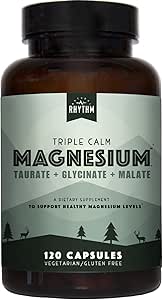
| Feature | Metagenics Glycinate | Swanson Glycinate | Natural Rhythm Triple Calm |
|---|---|---|---|
| Form | Bisglycinate | Bisglycinate chelate | Glycinate + taurate + malate |
| Count | 120 tablets | 120 capsules | 120 capsules |
| Absorption | Chelated, well absorbed | Chelated, well absorbed | Chelated blend |
| Laxative Effect | Minimal | Minimal | Minimal |
| Best For | Sleep and stress support | Budget-conscious buyers | Comprehensive evening support |
| Price | $34.95 | $18.00 | $23.95 |
Imagine a single nutrient that could help you sleep more soundly, calm your racing mind after a stressful day, help reduce muscle cramps, and protect your heart—all while being widely available in everyday foods. This isn’t science fiction. It’s magnesium, an essential mineral that participates in over 300 biochemical reactions in your body, yet nearly half of Americans don’t get enough of it.
Despite its critical importance, magnesium deficiency has become alarmingly common in modern society. Our agricultural practices have depleted soil magnesium levels, processed foods dominate grocery store shelves, and chronic stress constantly drains our magnesium reserves. The result is a widespread deficiency that manifests in countless ways—from the executive who can’t fall asleep despite exhaustion, to the athlete plagued by muscle cramps, to the anxious individual whose mind won’t stop racing.
This comprehensive guide explores the science behind magnesium’s remarkable benefits for sleep, stress management, muscle function, and cardiovascular health. You’ll learn how to recognize the subtle clues your body sends when magnesium levels drop, which forms of magnesium offer superior bioavailability, and how to optimize your intake for maximum health benefits.
What Is Magnesium and Why Does Your Body Need It?
Magnesium is the fourth most abundant mineral in the human body, with approximately 25 grams stored in adults. About 50-60% resides in your bones, 20-30% in muscles, and the remainder in soft tissues and bodily fluids. Only 1% circulates in blood, which makes blood tests an imperfect measure of true magnesium status.
This mighty mineral serves as a cofactor for more than 300 enzymatic reactions throughout your body. It’s involved in:
- Energy production through ATP synthesis
- Protein synthesis and DNA/RNA creation
- Nerve signal transmission and muscle contraction
- Blood pressure regulation
- Blood glucose control
- Neurotransmitter production
- Bone structure and calcium metabolism
- Antioxidant defense mechanisms
Without adequate magnesium, these fundamental processes break down, leading to a cascade of health problems that often go unrecognized for what they truly are—magnesium deficiency.
The Magnesium Depletion Crisis
Several factors contribute to widespread magnesium insufficiency:
Soil Depletion: Modern farming practices have stripped soils of magnesium. Crops grown in depleted soils can contain less magnesium than they once did, so even a diet rich in spinach and almonds may deliver less than expected.
Food Processing: Refining whole grains into white flour removes up to 80% of magnesium content. Similarly, processing sugar cane into table sugar eliminates virtually all magnesium. The standard Western diet, dominated by processed foods, delivers far less magnesium than whole food diets.
Reduced Dietary Intake: National survey data suggest a large share of adults fall short of the recommended 400-420mg for men and 310-320mg for women from food alone (PubMed 22364157).
Increased Excretion: Chronic stress elevates cortisol, which increases urinary magnesium loss. Alcohol consumption, certain medications (diuretics, proton pump inhibitors, antibiotics), excessive caffeine, and high sugar intake all accelerate magnesium depletion.
Reduced Absorption: Age-related decline in stomach acid production impairs magnesium absorption. Digestive disorders like Crohn’s disease, celiac disease, and chronic diarrhea significantly reduce magnesium uptake.
The combination of reduced intake and increased losses creates a perfect storm for deficiency.
Bottom line: Low magnesium status is common because of soil depletion, food processing, inadequate intake relative to the RDA, and increased losses from stress and medications, despite magnesium’s role in hundreds of enzymatic reactions.
What Are the Clues Your Body Gives You About Magnesium Deficiency?
Your body communicates magnesium insufficiency through numerous symptoms, though they’re often misattributed to other causes. Learning to recognize these signs can help you identify deficiency before it progresses to serious health complications.
Early Warning Signs
Muscle Twitches and Cramps: Random eyelid twitching, nighttime leg cramps, or muscle spasms during exercise often signal low magnesium. The mineral regulates neuromuscular signals and muscle contraction. Without it, muscles become hyperexcitable, firing involuntarily.
Mental Fog and Poor Concentration: If you find yourself reading the same paragraph three times or struggling to focus on simple tasks, magnesium deficiency might be the culprit. Magnesium is essential for neurotransmitter function and neuroplasticity—your brain’s ability to form new connections and retain information.
Fatigue and Low Energy: Persistent tiredness despite adequate sleep can indicate magnesium insufficiency. Since magnesium is required for ATP production (your cells’ energy currency), deficiency directly impairs energy metabolism. You feel exhausted because your cells literally cannot produce enough energy.
Sleep Disturbances: Difficulty falling asleep, staying asleep, or waking unrefreshed frequently stems from low magnesium. The mineral activates the parasympathetic nervous system (your “rest and digest” mode) and regulates melatonin, the hormone that controls sleep-wake cycles.
Increased Anxiety and Irritability: If you feel on edge, easily stressed, or notice your anxiety worsening, magnesium status deserves attention. The mineral moderates the stress response through the HPA axis (hypothalamic-pituitary-adrenal axis) and regulates neurotransmitters like GABA that promote calmness.
Irregular Heartbeat: Heart palpitations, racing heart, or irregular rhythms can result from magnesium deficiency. The mineral helps maintain proper electrical conduction in heart tissue. Low levels can trigger arrhythmias, even in otherwise healthy individuals.
Constipation: Magnesium promotes muscle relaxation in the digestive tract and draws water into intestines, facilitating bowel movements. Chronic constipation, especially when unresponsive to increased fiber and water, may indicate insufficient magnesium.
Headaches and Migraines: Frequent headaches or migraines often correlate with low magnesium. Studies show migraine sufferers have lower brain and serum magnesium levels than non-sufferers. Magnesium deficiency increases neurotransmitter release and blood vessel constriction that trigger migraines.
Numbness and Tingling: Pins-and-needles sensations in hands and feet can signal magnesium insufficiency affecting nerve function. Severe deficiency may cause more pronounced neurological symptoms.
High Blood Pressure: If your blood pressure creeps upward despite healthy lifestyle habits, inadequate magnesium might be responsible. The mineral helps blood vessels relax and counteracts calcium’s constrictive effects.
Advanced Deficiency Indicators
Prolonged, severe deficiency can lead to:
- Hypocalcemia (low calcium) - Magnesium is required for parathyroid hormone function that regulates calcium
- Hypokalemia (low potassium) - Magnesium deficiency impairs cellular potassium retention
- Osteoporosis - Both directly through effects on bone structure and indirectly through calcium dysregulation
- Increased cardiovascular disease risk
- Type 2 diabetes development or worsening
- Severe anxiety disorders and depression
Bottom line: Your body signals magnesium deficiency through muscle twitches and cramps, mental fog, persistent fatigue, sleep disturbances, anxiety, irregular heartbeat, constipation, headaches, numbness, and high blood pressure—symptoms often misattributed to other causes but pointing to this widespread yet underrecognized deficiency.
How Does Magnesium Improve Sleep?
If you’ve ever lain awake at 2 AM with thoughts racing despite physical exhaustion, you’ve experienced the frustration of sleep disruption. Magnesium offers powerful support for sleep quality through multiple mechanisms.
How Magnesium Promotes Better Sleep
GABA Activation: Gamma-aminobutyric acid (GABA) is your brain’s primary inhibitory neurotransmitter, essentially acting as the “brake pedal” that slows neural activity and promotes relaxation. Magnesium binds to and activates GABA receptors, enhancing their calming effects. This helps quiet the mental chatter that keeps many people awake.
A study published in the Journal of Research in Medical Sciences found that magnesium supplementation significantly improved subjective measures of insomnia, including sleep efficiency, sleep time, sleep onset latency, and early morning awakening (PubMed 23853635). Participants also showed increased serum renin and melatonin levels—hormones that regulate sleep-wake cycles.
Melatonin Regulation: Magnesium plays a crucial role in melatonin synthesis and function. It helps convert tryptophan into serotonin, which your body then converts into melatonin. Without adequate magnesium, this conversion pathway becomes impaired, disrupting your natural circadian rhythm.
In the insomnia trial described above, magnesium supplementation also increased serum melatonin and renin and lowered cortisol in older adults, who often experience age-related declines in both magnesium and melatonin (PubMed 23853635).
Parasympathetic Nervous System Activation: Your autonomic nervous system has two modes: sympathetic (“fight or flight”) and parasympathetic (“rest and digest”). Magnesium activates the parasympathetic system, lowering heart rate, reducing blood pressure, and creating the physiological conditions necessary for sleep.
Cortisol Reduction: Magnesium helps regulate the HPA axis, which controls cortisol production. High evening cortisol may help reduce risk of sleep and causes early morning awakening. Magnesium supplementation has been shown to reduce cortisol levels, particularly in stressed individuals.
Muscle Relaxation: Magnesium acts as a natural calcium blocker, preventing excessive calcium from triggering muscle contractions. This muscle-relaxing effect helps release physical tension that interferes with sleep. If you notice yourself clenching your jaw or tensing your shoulders as you try to sleep, magnesium deficiency might be contributing.
Clinical Evidence for Magnesium and Sleep
A randomized, double-blind, placebo-controlled trial published in the Journal of Research in Medical Sciences examined magnesium supplementation in elderly subjects with insomnia. Participants received 500mg of magnesium daily for eight weeks. Results showed significant improvements across multiple measures:
- Sleep efficiency improved significantly
- Total sleep time increased
- Sleep onset latency (time to fall asleep) decreased
- Insomnia Severity Index scores decreased significantly
- Serum melatonin and renin concentrations increased
- Serum cortisol concentrations decreased
These findings suggest that magnesium supplementation can improve objective sleep measures, particularly for those with documented deficiency or age-related sleep disturbances, though the trial was small.
A small study by Held et al. (2002, Pharmacopsychiatry) examined oral magnesium in older adults and found changes in sleep EEG measures and neuroendocrine markers, including reduced evening cortisol (PubMed 12163983).
Bottom line: Magnesium supports sleep through GABA and NMDA signaling, melatonin regulation, parasympathetic activation, cortisol reduction, and muscle relaxation. A small trial in older adults with insomnia found 500mg daily significantly improved sleep efficiency and shortened sleep onset latency, with modest effect sizes.
How Does Magnesium Reduce Stress and Anxiety?
Modern life bombards us with stressors—work deadlines, financial pressures, relationship challenges, information overload, and constant connectivity. Your body’s stress response system wasn’t designed for this relentless activation. Magnesium plays a critical role in modulating the stress response and preventing the harmful effects of chronic stress.
The Stress-Magnesium Depletion Cycle
Here’s the vicious cycle: stress increases magnesium excretion through urine, depleting your stores. Lower magnesium levels make you more reactive to stress, amplifying your stress response. This heightened reactivity further depletes magnesium, creating a destructive downward spiral.
Stress increases urinary magnesium excretion, and chronic stress can progressively deplete tissue stores even when dietary intake looks adequate.
The implications are profound: if you’re chronically stressed, you require significantly more magnesium than standard recommendations suggest, yet stress simultaneously impairs your body’s ability to retain it.
How Magnesium Reduces Stress
HPA Axis Regulation: The hypothalamic-pituitary-adrenal (HPA) axis controls your stress response. When you encounter a stressor, your hypothalamus signals your pituitary gland, which signals your adrenal glands to release cortisol. Magnesium modulates this cascade at multiple points, preventing excessive activation.
Studies show that magnesium deficiency increases HPA axis reactivity, meaning you experience larger cortisol spikes in response to the same stressor compared to someone with adequate magnesium. Supplementation helps normalize this response.
GABA Enhancement: As mentioned in the sleep section, magnesium activates GABA receptors. GABA isn’t just important for sleep—it’s your brain’s primary “brake pedal” for stress and anxiety. When you feel overwhelmed, GABA activation helps you regain emotional equilibrium.
NMDA Receptor Blockade: Magnesium blocks NMDA receptors, which are involved in stress-related excitatory signaling in the brain. By reducing excessive NMDA activation, magnesium may help reduce the neural overexcitation associated with anxiety and stress.
Neurotransmitter Balance: Magnesium is required for the synthesis and function of serotonin, often called the “feel-good neurotransmitter.” Serotonin deficiency is strongly associated with depression and anxiety. Magnesium helps maintain healthy serotonin levels and receptor sensitivity.
Inflammation Reduction: Chronic stress triggers systemic inflammation, which further amplifies the stress response and contributes to mood disorders. Magnesium has demonstrated anti-inflammatory effects, helping to break the stress-inflammation cycle.
Clinical Evidence for Magnesium and Stress
A study in Magnesium Research examined the relationship between magnesium intake and perceived stress in healthy adults. Researchers found an inverse correlation—higher magnesium intake associated with lower perceived stress and better stress coping.
Another trial published in PLOS One tested magnesium supplementation (248mg daily) combined with vitamin B6 in 264 adults with mild-to-moderate stress. After 8 weeks, participants reported significant reductions in stress severity scores compared to baseline, with the effect being particularly pronounced in those with the lowest baseline magnesium levels.
A review in Nutrients examined magnesium’s role in depression and anxiety, concluding that magnesium supplementation shows promise as an adjunct intervention for stress-related mental health conditions, particularly when deficiency is present.
Bottom line: Stress increases magnesium loss while low magnesium status amplifies stress reactivity. Magnesium may help break that cycle by supporting HPA axis regulation, GABA and NMDA signaling, and neurotransmitter balance, with small trials showing modest reductions in subjective stress.
How Does Magnesium Support Muscle Function and Exercise Performance?
Athletes and active individuals often overlook magnesium’s critical importance for muscle function, exercise performance, and recovery. Whether you’re a competitive athlete or someone who enjoys regular workouts, understanding magnesium’s role can help optimize your physical performance.
Magnesium’s Mechanisms in Muscle Function
Energy Production: ATP (adenosine triphosphate) is your muscles’ direct energy source. Magnesium is required to create ATP from glucose and to activate it for muscle contraction. The ATP molecule actually exists as Mg-ATP in the body—without magnesium, ATP cannot function.
During intense exercise, ATP demand skyrockets. If magnesium levels are insufficient, energy production becomes impaired, leading to premature fatigue, reduced power output, and compromised endurance.
Muscle Contraction and Relaxation: Muscle function requires a precise balance between contraction and relaxation. Calcium triggers muscle contraction, while magnesium facilitates relaxation by competing with calcium for binding sites.
When magnesium is deficient, calcium remains bound longer than optimal, preventing complete muscle relaxation. This manifests as muscle tension, cramps, and spasms—especially during or after exercise when both minerals are being rapidly utilized and lost through sweat.
Electrolyte Balance: Magnesium helps regulate other crucial electrolytes, including potassium, sodium, and calcium. This regulation is essential for nerve signaling, muscle contraction, and hydration status. Imbalances contribute to cramping, weakness, and impaired performance.
Oxygen Delivery: Magnesium is involved in the production of 2,3-diphosphoglycerate (2,3-DPG), a molecule that facilitates oxygen release from hemoglobin to working muscles. Better oxygen delivery means improved aerobic performance and delayed fatigue.
Lactic Acid Clearance: During intense exercise, muscles produce lactic acid as a byproduct of anaerobic metabolism. Magnesium helps buffer and clear lactate, potentially reducing the burning sensation in muscles and speeding recovery between intense efforts.
Protein Synthesis: Post-exercise recovery depends on protein synthesis to repair and build muscle tissue. Magnesium is required for protein synthesis at multiple steps. Inadequate levels can impair recovery and adaptation to training.
Clues Your Body Tells You: Magnesium Deficiency and Exercise
Active individuals experiencing these symptoms should consider magnesium status:
- Muscle cramps during or after exercise, especially in calves, feet, or hands
- Persistent muscle tension or inability to fully relax muscles post-workout
- Excessive fatigue during workouts, particularly reduced endurance
- Longer recovery times between training sessions
- Increased muscle soreness that doesn’t improve with rest
- Eyelid twitching or muscle fasciculations (visible twitching under the skin)
- Reduced power output or strength despite consistent training
- Irregular heartbeat during intense efforts
Clinical Evidence for Magnesium and Exercise
A study in the Journal of the American College of Nutrition examined magnesium supplementation in volleyball players. After four weeks of supplementation, athletes showed significant improvements in jumping performance and arm movement velocity compared to placebo.
Research published in Magnesium Research found that magnesium supplementation (8mg per kg body weight daily) for four weeks improved swimming, cycling, and running performance in triathletes, while also reducing cortisol response to exercise stress.
A trial in the Journal of Sports Sciences tested magnesium supplementation in taekwondo athletes. Supplemented athletes demonstrated improved anaerobic performance, reduced inflammation markers, and lower oxidative stress compared to control groups.
A review in Nutrients examining magnesium and exercise concluded that supplementation appears most beneficial for individuals with suboptimal status, particularly for endurance performance, recovery, and reduction of exercise-induced oxidative stress.
One fascinating study in elderly women found that magnesium supplementation improved physical performance measures including the Short Physical Performance Battery and chair stand test, suggesting benefits extend beyond elite athletes to general fitness and functional capacity.
Bottom line: Magnesium is essential for muscle energy production (ATP synthesis), contraction-relaxation balance, electrolyte regulation, oxygen delivery, lactic acid clearance, and protein synthesis—with clinical studies demonstrating improved jumping performance, reduced exercise cortisol response, enhanced anaerobic performance, and faster recovery in supplemented athletes, particularly those with baseline deficiency.
How Does Magnesium Protect Heart Health?
Your cardiovascular system depends heavily on magnesium for proper function. From maintaining regular heartbeat to keeping blood vessels flexible, this essential mineral provides multiple layers of cardioprotection.
Magnesium’s Cardiovascular Mechanisms
Blood Pressure Regulation: Magnesium acts as a natural calcium channel blocker, helping blood vessels relax and dilate. This vasodilation reduces peripheral vascular resistance, lowering blood pressure. Calcium causes blood vessels to constrict; magnesium counteracts this effect.
Additionally, magnesium influences the renin-angiotensin-aldosterone system (RAAS), which regulates blood pressure and fluid balance. Adequate magnesium may help reduce excessive activation of this system, which otherwise drives blood pressure upward.
Electrical Conduction: Your heart’s rhythmic beating depends on precisely timed electrical signals. Magnesium is crucial for maintaining the electrical gradient across heart cell membranes, ensuring coordinated contractions.
Low magnesium disrupts this electrical stability, increasing risk of arrhythmias (irregular heartbeats), including potentially dangerous conditions like atrial fibrillation and ventricular arrhythmias.
Endothelial Function: The endothelium is the thin layer of cells lining your blood vessels. Healthy endothelial function allows blood vessels to dilate appropriately in response to increased blood flow demands. Magnesium supports endothelial health by reducing oxidative stress and inflammation while promoting nitric oxide production—a key vasodilator molecule.
Inflammation and Oxidative Stress Reduction: Chronic low-grade inflammation and oxidative stress are key drivers of atherosclerosis (plaque buildup in arteries). Magnesium has demonstrated anti-inflammatory and antioxidant properties, helping protect arterial walls from damage.
Platelet Function: Magnesium may help reduce excessive platelet aggregation (clumping), which can lead to dangerous blood clots. This anti-thrombotic effect may reduce risk of heart attack and stroke.
Calcium Regulation: Magnesium may help reduce inappropriate calcium deposition in soft tissues, including arterial walls. Arterial calcification is a major contributor to cardiovascular disease, increasing vessel stiffness and reducing elasticity.
Insulin Sensitivity and Glucose Metabolism: Magnesium improves insulin sensitivity and glucose metabolism. Since diabetes and metabolic syndrome are major cardiovascular risk factors, magnesium’s metabolic benefits provide indirect cardioprotection.
Clues Your Body Tells You: Magnesium Deficiency and Heart Health
Cardiovascular-related symptoms that may indicate magnesium deficiency include:
- Heart palpitations or awareness of heartbeat
- Irregular heartbeat or skipped beats
- Chest tightness (always seek immediate medical evaluation for chest symptoms)
- High blood pressure despite healthy lifestyle
- Raynaud’s phenomenon (fingers or toes turning white or blue in cold)
- Poor circulation or cold extremities
- Easy bruising (may indicate platelet dysfunction)
Important note: Any chest pain, severe palpitations, or concerning heart symptoms require immediate medical evaluation. Don’t assume symptoms are merely magnesium deficiency without proper medical assessment.
Clinical Evidence for Magnesium and Heart Health
The evidence supporting magnesium’s cardiovascular benefits is substantial:
Blood Pressure: A meta-analysis of 34 randomized trials published in Hypertension found that magnesium supplementation (median dose 368mg daily) significantly reduced blood pressure by an average of 2.0 mmHg systolic and 1.8 mmHg diastolic. While this might seem modest, population-level reductions of this magnitude significantly impact cardiovascular disease rates.
A systematic review in the American Journal of Clinical Nutrition found that higher circulating and dietary magnesium was associated with lower risk of cardiovascular disease and coronary heart disease (PubMed 23719551).
Cardiovascular Disease Risk: A comprehensive meta-analysis in BMC Medicine examined 40 studies with over one million participants. Researchers found that higher magnesium intake reduced cardiovascular disease risk by:
- 10% for coronary heart disease
- 12% for stroke
- 26% for type 2 diabetes
- All-cause mortality reduction
Sudden Cardiac Death: Prospective cohort studies have linked higher serum magnesium levels with lower risk of sudden cardiac death, though the effect sizes vary between populations and the evidence is observational.
Arrhythmias: Research in Europace demonstrated that low magnesium status increases risk of atrial fibrillation, while supplementation may help reduce recurrence risk in some patients.
Heart Failure: Studies show that magnesium deficiency is common in heart failure patients and associated with worse outcomes. Supplementation may improve exercise tolerance and quality of life in this population.
Bottom line: Magnesium supports cardiovascular health by lowering blood pressure slightly (about 2.0/1.8 mmHg at a median 368mg daily), acting as a natural calcium channel blocker for vessel relaxation, and supporting normal heart rhythm. Meta-analyses of prospective cohorts link higher magnesium intake to lower risk of cardiovascular disease, type 2 diabetes, and all-cause mortality, though these are observational associations.
What Are the Best Magnesium Supplements?
Based on comprehensive analysis of bioavailability, clinical evidence, and user experiences, these magnesium supplements represent the most effective options for addressing deficiency and optimizing health.

Metagenics delivers pharmaceutical-grade magnesium bisglycinate, the most bioavailable and gentle form. Each tablet provides 200mg of elemental magnesium chelated to glycine, an amino acid that enhances absorption and provides additional calming benefits.
The chelated bisglycinate form is well absorbed and gentle on the stomach, unlike magnesium oxide, which is only about 4% absorbed. Better absorption means more magnesium reaches your cells rather than passing through the digestive tract.
Unlike magnesium citrate or oxide, glycinate doesn’t cause the laxative effect that makes many magnesium supplements difficult to tolerate. You can take therapeutic doses without digestive discomfort.
The glycine component offers its own benefits as an inhibitory neurotransmitter, complementing magnesium’s calming effects on the nervous system. This makes Metagenics particularly effective for sleep support and stress relief.
Metagenics maintains rigorous quality standards, with third-party testing for purity and potency. While priced at a premium, the superior absorption and lack of side effects justify the investment for most users.
Recommended for: Individuals seeking the highest quality magnesium for sleep improvement, stress reduction, and overall deficiency correction who prioritize effectiveness over cost.

Swanson proves that superior bioavailability doesn’t require premium pricing. Their chelated magnesium glycinate delivers the same high-quality bisglycinate form found in expensive brands, but at a fraction of the cost.
Each capsule provides 133mg of elemental magnesium in the highly absorbable glycinate form. The bottle contains 120 capsules, offering exceptional value for those who need ongoing supplementation.
Despite the budget-friendly price, Swanson doesn’t compromise on quality. Their supplements undergo testing for purity and potency, meeting industry standards for safety and effectiveness. The company has maintained a reputation for reliable, affordable supplements since 1969.
The glycinate chelate ensures good absorption and minimal digestive side effects, making this suitable for daily use at therapeutic doses. Users report similar benefits to more expensive brands for sleep, muscle cramps, and stress relief.
For individuals who need long-term magnesium supplementation and want to minimize costs without sacrificing bioavailability, Swanson represents the best value proposition.
Recommended for: Budget-conscious individuals seeking effective magnesium supplementation for deficiency correction, anyone requiring long-term use who wants to minimize ongoing costs, and those who prioritize value without compromising absorption quality.

Natural Rhythm’s Triple Calm formula combines three highly bioavailable forms of magnesium—glycinate, taurate, and malate—to provide comprehensive evening support. Each serving delivers 300mg of elemental magnesium from this synergistic blend.
The multi-form approach offers distinct advantages. Glycinate provides general bioavailability and calming effects through its glycine content. Taurate offers specific cardiovascular benefits and additional GABA support. Malate supports energy production and muscle function.
By combining these forms, Triple Calm addresses multiple pathways simultaneously. This makes it particularly effective for individuals with several magnesium-responsive symptoms—perhaps poor sleep plus muscle tension plus stress reactivity.
The 300mg dose per serving is higher than most single-form supplements, making it suitable for those with significant deficiency or higher requirements. However, you can adjust by taking fewer capsules if needed.
Users consistently report notable improvements in sleep quality, with many experiencing faster sleep onset, fewer nighttime awakenings, and more refreshed mornings. The calming effect before bed is pronounced without causing grogginess.
The taurate form specifically supports cardiovascular function, making this a good choice for those concerned about heart health in addition to sleep and stress.
Recommended for: Individuals prioritizing sleep quality improvement, those with multiple magnesium-responsive symptoms, anyone seeking comprehensive evening relaxation support, and people who want cardiovascular benefits alongside sleep support.
Which Magnesium Form Should You Choose?
Not all magnesium supplements are created equal. The form of magnesium significantly impacts how much your body actually absorbs and utilizes. Understanding these differences helps you choose the most appropriate supplement for your specific needs.
Magnesium Absorption Basics
When you consume magnesium, absorption occurs primarily in the small intestine through two mechanisms:
- Active transport: Carrier proteins move magnesium across intestinal cells
- Passive diffusion: Magnesium moves down concentration gradients
The molecular structure of different magnesium compounds affects their solubility, stability through the digestive tract, and absorption rates. Organic forms (magnesium bound to organic molecules like amino acids) generally absorb better than inorganic forms (magnesium bound to inorganic salts).
Absorption varies by form, from roughly 4% for magnesium oxide to much better absorption for chelated forms like bisglycinate.
Magnesium Oxide
Elemental magnesium content: 60% (highest of all forms) Absorption: ~4% (lowest of all forms) Laxative effect: Strong
Despite high elemental content, magnesium oxide has poor bioavailability due to low solubility in the digestive tract. Most passes through unused.
Its strong laxative effect makes it effective for constipation relief but problematic for ongoing supplementation. Attempting to correct deficiency with oxide often results in diarrhea before achieving adequate tissue magnesium levels.
Studies comparing magnesium oxide to other forms consistently show inferior absorption and lower increases in serum magnesium levels.
Best for: Short-term constipation relief (not recommended for magnesium deficiency correction)
Magnesium Citrate
Elemental magnesium content: 16% Absorption: ~30% Laxative effect: Moderate to strong
Magnesium citrate offers reasonable bioavailability at a low cost. It’s more soluble than oxide and absorbs moderately well.
The citrate component has a mild laxative effect, drawing water into intestines and stimulating motility. This can be beneficial for those prone to constipation but problematic for those with normal or loose stools.
At doses above 300-400mg, most people experience significant laxative effects. This limits the amount you can comfortably take to correct deficiency.
Studies show magnesium citrate effectively raises serum magnesium levels, though not as dramatically as chelated forms.
Best for: Individuals with constipation who want both magnesium supplementation and improved bowel movements; budget-conscious users who tolerate mild laxative effects
Magnesium Glycinate (Bisglycinate)
Elemental magnesium content: 14% Absorption: Well absorbed (chelated) Laxative effect: Minimal
Magnesium glycinate represents the gold standard for magnesium supplementation. The magnesium is chelated (bound) to glycine, an amino acid that facilitates transport across intestinal membranes.
This chelation protects magnesium from binding with other substances in the digestive tract that would otherwise inhibit absorption. The practical result is good absorption and better tolerability than oxide or citrate.
The glycine component offers additional benefits. As an inhibitory neurotransmitter, glycine promotes calmness and supports sleep. This makes magnesium glycinate particularly effective for anxiety, stress, and sleep disturbances.
Crucially, glycinate doesn’t cause the laxative effect common with other forms. You can take therapeutic doses (300-400mg or more) without digestive discomfort.
Multiple comparative studies demonstrate superior absorption of magnesium glycinate versus citrate and oxide. In one study, glycinate increased intracellular magnesium levels significantly more than citrate despite identical doses.
Best for: Sleep support, anxiety/stress relief, deficiency correction, anyone who experiences digestive upset from other forms, long-term daily supplementation
Magnesium Threonate
Elemental magnesium content: 8% Absorption: High (specifically crosses blood-brain barrier) Laxative effect: Minimal
Magnesium L-threonate is a relatively new form specifically developed to enhance magnesium delivery to the brain. While other forms struggle to cross the blood-brain barrier, threonate was designed to overcome this limitation.
Research at MIT demonstrated that magnesium threonate uniquely elevates magnesium concentrations in cerebrospinal fluid, indicating effective brain penetration. This makes it potentially superior for cognitive benefits, though research is still emerging.
Animal studies show impressive results: improvements in working memory, short-term memory, long-term memory, and learning ability. Pattern recognition abilities and quality of sleep improved in rats supplemented with magnesium threonate.
A human clinical trial in adults with cognitive impairment found that 1500-2000mg of magnesium threonate daily (providing approximately 144-192mg elemental magnesium) significantly improved cognitive function, particularly executive function and working memory, after 12 weeks.
The primary drawback is low elemental magnesium content, requiring large doses (typically 1500-2000mg of the compound) to achieve meaningful magnesium intake. This makes it expensive compared to other forms.
Best for: Cognitive support, age-related cognitive decline, memory enhancement, individuals specifically seeking brain-focused magnesium benefits (typically used alongside another form for general magnesium sufficiency)
Magnesium Malate
Elemental magnesium content: 15% Absorption: Good (~30%) Laxative effect: Minimal to none
Magnesium malate combines magnesium with malic acid, an organic compound involved in cellular energy production (Krebs cycle). This makes it particularly appealing for energy support and exercise performance.
The malic acid component may offer specific benefits for chronic fatigue and fibromyalgia. Some studies suggest malic acid helps reduce muscle pain and fatigue, though research is limited.
Malate is generally well-tolerated without significant laxative effects, allowing for higher doses. Athletes and active individuals often prefer this form for pre-workout supplementation.
Absorption rates are good, though not quite as high as glycinate. The energy-supporting properties make it less ideal for evening use, as some people report feeling more alert after taking it.
Best for: Exercise performance, chronic fatigue, fibromyalgia, energy support, daytime supplementation (not ideal for sleep support)
Magnesium Taurate
Elemental magnesium content: 9% Absorption: Good Laxative effect: Minimal
Magnesium taurate pairs magnesium with taurine, an amino acid with significant cardiovascular and neuroprotective properties. This combination offers synergistic benefits beyond either component alone.
Taurine supports cardiovascular function through multiple mechanisms: blood pressure regulation, endothelial function, antiarrhythmic effects, and cardioprotection against oxidative stress. It also has calming effects similar to magnesium by modulating GABA receptors.
This makes magnesium taurate an excellent choice for those prioritizing heart health, particularly individuals with high blood pressure, arrhythmias, or general cardiovascular concerns.
The combination may offer superior benefits for insulin sensitivity and glucose metabolism compared to magnesium alone, potentially making it valuable for metabolic syndrome or diabetes.
Animal studies suggest magnesium taurate provides better protection against magnesium deficiency-induced cardiac dysfunction than other magnesium forms, though human research is limited.
Best for: Cardiovascular health support, blood pressure regulation, arrhythmia prevention, metabolic health, individuals with both magnesium and taurine deficiency
Magnesium Chloride
Elemental magnesium content: 12% Absorption: Good (~20% oral; excellent topical) Laxative effect: Moderate (oral); none (topical)
Magnesium chloride is available in both oral and topical formulations. Oral magnesium chloride absorbs reasonably well but tends to cause digestive upset and laxative effects at higher doses.
The more interesting application is topical magnesium chloride oil (actually a concentrated brine, not an oil). Applied to skin, magnesium chloride absorbs transdermally, bypassing the digestive system entirely.
Topical application may be beneficial for individuals with digestive issues that impair oral magnesium absorption. It also allows targeted application to specific areas—for example, rubbing magnesium oil onto sore, cramping muscles for localized relief.
Research on transdermal magnesium absorption shows mixed results. Some studies suggest limited systemic absorption, while others demonstrate measurable increases in cellular magnesium. The truth likely depends on skin permeability, formulation concentration, and application area.
Magnesium chloride solution or flakes added to baths offers whole-body topical application, potentially supporting relaxation and sleep when used before bed.
Best for: Topical application for muscle aches and cramps, bath soaks for relaxation, individuals with digestive issues impairing oral absorption
Magnesium Orotate
Elemental magnesium content: 7% Absorption: Good Laxative effect: Minimal
Magnesium orotate combines magnesium with orotic acid, which may enhance magnesium delivery into cells. Orotic acid is involved in the synthesis of DNA and RNA, potentially supporting cellular energy production.
Proponents claim magnesium orotate offers superior cardiovascular protection and athletic performance benefits, though research supporting these specific claims is limited compared to other forms.
The extremely low elemental magnesium content (7%) means large doses of the compound are required to achieve meaningful magnesium intake, making it expensive and impractical for most users.
Limited human research makes it difficult to confidently recommend this form over better-studied alternatives like glycinate or taurate.
Best for: Potentially cardiovascular health (though taurate is better supported), individuals who have specifically responded well to this form
Magnesium Sulfate (Epsom Salt)
Elemental magnesium content: 10% Absorption: Poor (oral); limited but present (topical) Laxative effect: Strong (oral)
Magnesium sulfate is primarily used topically as Epsom salts dissolved in bathwater. It has been traditionally recommended for muscle soreness, stress relief, and relaxation.
When taken orally, magnesium sulfate acts as a powerful laxative, commonly used for bowel cleansing before medical procedures. It’s not suitable for ongoing magnesium supplementation due to this strong laxative effect.
Research on transdermal magnesium absorption through Epsom salt baths shows conflicting results. While many people report subjective benefits (relaxation, reduced muscle soreness), objective evidence of significant systemic magnesium absorption is limited.
That said, warm baths themselves promote relaxation and muscle relaxation through heat and buoyancy. Whether benefits come from magnesium absorption or other bath effects, many find Epsom salt soaks helpful.
Best for: Bath soaks for relaxation and muscle soreness (not for systematic deficiency correction), occasional laxative use (not recommended for regular magnesium supplementation)
Choosing the Right Form
For most people, magnesium glycinate represents the best all-around choice:
- Well absorbed chelated form
- Minimal side effects
- Additional calming benefits from glycine
- Effective for sleep, stress, and deficiency correction
- Well-tolerated at therapeutic doses
Specific situations favoring alternative forms:
- Cognitive support: Magnesium threonate (use alongside glycinate for general magnesium sufficiency)
- Cardiovascular health: Magnesium taurate
- Exercise performance and energy: Magnesium malate
- Constipation relief: Magnesium citrate
- Sensitive digestion: Metagenics Magnesium Glycinate (chelated, gentle)
- Budget priority: Swanson Magnesium Glycinate (cost-effective glycinate)
- Comprehensive evening support: Natural Rhythm Triple Calm (glycinate + taurate + malate)
Forms to avoid for deficiency correction:
- Magnesium oxide (poor absorption despite high elemental content)
- Magnesium sulfate oral (too strong laxative effect)
How Much Magnesium Should You Take and When?
Understanding appropriate magnesium intake requires considering multiple factors: baseline status, age, sex, activity level, stress, medications, and specific health goals.
Recommended Dietary Allowances (RDA)
The RDA for magnesium varies by age and sex:
Adults:
- Men 19-30: 400mg/day
- Men 31+: 420mg/day
- Women 19-30: 310mg/day
- Women 31+: 320mg/day
- Pregnant women: 350-360mg/day
- Lactating women: 310-320mg/day
Children:
- 1-3 years: 80mg/day
- 4-8 years: 130mg/day
- 9-13 years: 240mg/day
- Boys 14-18: 410mg/day
- Girls 14-18: 360mg/day
However, these RDAs represent amounts that avoid overt deficiency, not necessarily optimal intake for health optimization. Many experts believe current RDAs are too low, particularly given modern dietary patterns and stress levels.
Factors Increasing Magnesium Requirements
Certain situations increase magnesium needs beyond standard RDAs:
- Chronic stress: Increases urinary magnesium loss
- Intense exercise: Athletes may need 20% more than sedentary individuals
- High alcohol consumption: Alcohol increases urinary magnesium loss
- High caffeine intake: Excessive caffeine may increase magnesium excretion
- High sugar/refined carb diet: Insulin secretion increases urinary magnesium loss
- Digestive disorders: Conditions impairing absorption increase requirements
- Certain medications: Diuretics, PPIs, and other drugs deplete magnesium
- Advanced age: Absorption efficiency declines with age
- Diabetes: Increased urinary glucose carries magnesium with it
Supplementation Strategies for Maximum Absorption
To optimize magnesium absorption and minimize side effects:
Split Doses: Take magnesium in 2-3 divided doses rather than one large dose. Maximum absorption occurs at doses below 200mg at once. Larger single doses saturate absorption mechanisms, with excess passing through unused.
Take with Food: Magnesium absorbs better when taken with meals. Food slows transit through the digestive tract, allowing more time for absorption. Additionally, stomach acid released during digestion aids mineral absorption.
Timing Considerations: For sleep support, take your largest dose 30-60 minutes before bed. For exercise performance, consider pre-workout dosing with magnesium malate. For anxiety/stress, split doses between morning and evening.
Avoid Competing Minerals: High-dose calcium supplements can compete with magnesium for absorption. If taking both, separate doses by several hours.
Pair with Vitamin D: Vitamin D enhances magnesium absorption and function. Many people are deficient in both; addressing both simultaneously may provide synergistic benefits.
Consider Adding Vitamin B6: Some research suggests vitamin B6 (50-100mg daily) enhances magnesium absorption and intracellular transport.
Start Low, Increase Gradually: Begin with 200mg daily and increase by 100-200mg every few days, assessing tolerance. This minimizes risk of digestive upset and helps you find your optimal dose.
Food Sources of Magnesium
Dietary magnesium should form the foundation of your intake, with supplements filling gaps:
Excellent sources (>100mg per serving):
- Pumpkin seeds: 156mg per ounce (37% DV)
- Almonds: 80mg per ounce (19% DV)
- Spinach, cooked: 157mg per cup (37% DV)
- Cashews: 74mg per ounce (18% DV)
- Black beans: 120mg per cooked cup (29% DV)
- Edamame: 100mg per cooked cup (24% DV)
Good sources (50-100mg per serving):
- Dark chocolate (70-85% cacao): 64mg per ounce (15% DV)
- Avocado: 58mg per medium fruit (14% DV)
- Tofu: 53mg per 3.5oz (13% DV)
- Brown rice: 86mg per cooked cup (20% DV)
- Salmon: 26mg per 3oz (6% DV)
- Banana: 32mg per medium fruit (8% DV)
Decent sources (25-50mg per serving):
- Broccoli: 32mg per cooked cup (8% DV)
- Whole wheat bread: 46mg per 2 slices (11% DV)
- Potato with skin: 48mg per medium (12% DV)
- Yogurt: 42mg per cup (10% DV)
- Milk: 24-27mg per cup (6% DV)
- Chicken breast: 22mg per 3oz (5% DV)
Practical dietary strategies:
- Include leafy greens in at least one meal daily
- Snack on nuts and seeds (almonds, pumpkin seeds, cashews)
- Choose whole grains over refined grains
- Include legumes (beans, lentils) regularly
- Eat dark chocolate (70%+ cacao) as an occasional snack
- Consider magnesium-rich mineral water as your primary beverage
Even with excellent dietary choices, modern soil depletion means you’re likely getting less magnesium than the same foods provided decades ago. Most people benefit from combining magnesium-rich foods with modest supplementation (200-400mg daily).
Monitoring Your Status
Assessing magnesium status is challenging because standard blood tests are unreliable. Since only 1% of body magnesium circulates in blood, serum magnesium can appear normal even with significant tissue deficiency.
Better testing options include:
RBC Magnesium: Red blood cell magnesium better reflects long-term tissue status than serum magnesium. This test is more expensive and not universally available, but provides more accurate assessment.
Magnesium Loading Test: Considered the gold standard, this test measures urinary magnesium excretion after an intravenous or oral magnesium load. Low excretion indicates deficiency (your body is retaining the magnesium to replenish stores).
Symptom Assessment: Given testing limitations, paying attention to magnesium deficiency symptoms may be your most practical approach. If you experience multiple classic symptoms (muscle cramps, sleep problems, anxiety, fatigue, etc.) and they improve with supplementation, you likely had deficiency regardless of test results.
Trial Supplementation: For many people, the most practical approach is trying magnesium supplementation (200-400mg glycinate daily for 4-8 weeks) and assessing symptom changes. Improvements in sleep, muscle cramps, stress reactivity, energy, or other symptoms suggest deficiency was present.
Is Magnesium Safe? Side Effects and Interactions
While magnesium is generally very safe, certain precautions apply, particularly at higher supplemental doses or in specific populations.
Side Effects
Digestive Effects: The most common side effect is loose stools or diarrhea, particularly with forms that have laxative properties (citrate, oxide). This effect is dose-dependent and individual. Starting with low doses and choosing well-absorbed forms like glycinate minimizes this issue.
Digestive upset typically occurs above 400-500mg as a single dose but varies considerably. If you experience diarrhea, reduce your dose or split into smaller amounts throughout the day.
Nausea: Some people experience mild nausea, especially when taking magnesium on an empty stomach. Taking supplements with meals usually reduces this issue.
Cramping: Paradoxically, some individuals experience abdominal cramping initially. This typically resolves as your body adjusts. Start with low doses to minimize this effect.
Contraindications
Certain medical conditions require caution or contraindicate magnesium supplementation:
Kidney Disease: Impaired kidney function may help reduce risk of normal magnesium excretion, leading to dangerous accumulation (hypermagnesemia). If you have kidney disease, take magnesium only under medical supervision with regular monitoring.
Heart Block: High magnesium can slow electrical conduction in the heart. Individuals with heart block or very slow heart rates should consult a physician before supplementing.
Myasthenia Gravis: Magnesium can worsen muscle weakness in this autoimmune condition.
Drug Interactions
Magnesium can interact with several medication classes:
Bisphosphonates (osteoporosis medications like alendronate): Magnesium reduces absorption of these drugs. Separate doses by at least 2 hours.
Antibiotics (tetracyclines, fluoroquinolones): Magnesium can bind to these antibiotics, reducing their effectiveness. Take magnesium at least 2 hours before or 4-6 hours after antibiotics.
Diuretics: Some diuretics (thiazides, loop diuretics) increase magnesium loss, potentially causing deficiency. Others (potassium-sparing diuretics) may increase magnesium retention. Magnesium supplementation may be beneficial with the former but dangerous with the latter. Consult your physician.
Blood Pressure Medications: Magnesium can enhance the blood pressure-lowering effects of antihypertensive medications. This isn’t necessarily problematic but may require dose adjustment of medications. Monitor blood pressure and work with your doctor.
Muscle Relaxants: Magnesium may enhance effects of muscle relaxant medications. Use caution combining them.
Proton Pump Inhibitors (PPIs like omeprazole): Long-term PPI use depletes magnesium. Supplementation may be necessary, but the mechanism is complex. Work with a physician if you take PPIs long-term.
Magnesium Toxicity
Magnesium toxicity (hypermagnesemia) from oral supplementation is extremely rare in people with normal kidney function. Your kidneys efficiently excrete excess magnesium through urine, maintaining homeostasis across a wide intake range.
The tolerable upper limit (UL) for supplemental magnesium is 350mg daily for adults, in addition to dietary intake. However, this conservative limit primarily reflects the laxative threshold rather than true toxicity risk. Many people safely and beneficially take 400-600mg daily without issues.
Genuine hypermagnesemia symptoms include:
- Nausea and vomiting
- Facial flushing
- Lethargy and weakness
- Difficulty breathing
- Irregular heartbeat
- Extremely low blood pressure
- Cardiac arrest (severe cases)
These serious symptoms virtually never occur from oral supplements in people with healthy kidney function. They’re typically seen with intravenous magnesium overdoses or in individuals with kidney failure.
Bottom line on safety: Magnesium supplementation is very safe for most people when following reasonable dosing guidelines (200-600mg daily of highly bioavailable forms). Start with lower doses, choose gentle forms like glycinate, take with food, and increase gradually. Consult a physician if you have kidney disease, take medications that interact with magnesium, or experience concerning symptoms.
How Do You Put a Magnesium Plan Together?
Creating an effective magnesium optimization strategy involves several steps, from assessment through implementation and monitoring.
Step 1: Assess Your Current Intake
Calculate your approximate daily magnesium intake from food using a nutrition tracking app for 3-7 days. Most people fall significantly short of RDAs once they actually measure intake.
Step 2: Evaluate Your Symptoms
Review the symptom lists in this guide. Do you experience:
- Muscle cramps or twitches?
- Sleep disturbances?
- Increased stress or anxiety?
- Persistent fatigue?
- Heart palpitations?
- Headaches or migraines?
- Constipation?
Multiple symptoms suggest possible deficiency, particularly if dietary intake is low.
Step 3: Optimize Dietary Intake
Before reaching for supplements, maximize food-based magnesium:
- Add leafy greens to at least one meal daily
- Snack on nuts and seeds
- Choose whole grains over refined grains
- Include legumes several times weekly
- Consider mineral-rich water
Aim for at least 250-300mg daily from food sources.
Step 4: Choose Appropriate Supplementation
Based on your primary concerns, select the most suitable form:
Sleep issues: 200-400mg magnesium glycinate, taken 30-60 minutes before bed
Anxiety/stress: 200-400mg magnesium glycinate, split into 2 doses (morning and evening)
Exercise performance: 200-400mg magnesium malate, taken with breakfast
Heart health: 200-400mg magnesium taurate, split into 2 doses
Cognitive function: 1500-2000mg magnesium-L-threonate (providing ~140-200mg elemental magnesium), split into 2-3 doses
General deficiency: 200-400mg magnesium citrate or glycinate, split into 2 doses
Constipation relief: 200-400mg magnesium citrate, taken once daily
Comprehensive support: Natural Rhythm Triple Calm Magnesium, providing multiple forms for sleep and overall health
Sensitive stomach: Metagenics Magnesium Glycinate (chelated, gentle)
Budget-conscious: Swanson Chelated Magnesium Glycinate (excellent value)
Premium quality: Metagenics Magnesium Glycinate (pharmaceutical-grade)
Start with lower doses and increase gradually to assess tolerance.
Step 5: Optimize Absorption
- Split total dose into 2-3 smaller doses throughout the day
- Take with meals
- Ensure adequate vitamin D status
- Separate from high-dose calcium supplements by several hours
- Consider pairing with vitamin B6 (50-100mg daily)
Step 6: Monitor Your Response
After 2-4 weeks of supplementation, assess changes:
- Sleep quality and ease of falling asleep
- Stress reactivity and anxiety levels
- Muscle cramp frequency
- Energy levels
- Exercise performance
- Any side effects
Adjust dose or form as needed. Some people require several months of supplementation to fully replenish depleted tissue stores.
Step 7: Address Contributing Factors
Reduce magnesium depletion by:
- Managing stress through meditation, yoga, or other relaxation practices
- Limiting alcohol consumption
- Reducing caffeine intake if excessive
- Choosing whole foods over processed foods
- Reviewing medications with your doctor (some deplete magnesium)
- Addressing digestive issues that impair absorption
Step 8: Consider Testing
If symptoms persist despite supplementation, consider more comprehensive testing:
- RBC magnesium (better than serum magnesium)
- Comprehensive metabolic panel to assess kidney function
- Evaluation for underlying conditions affecting absorption or excretion
Work with a healthcare practitioner familiar with functional nutrition for interpretation and optimization.
Related Reading
-
Vitamin D Benefits: Bone Health, Immunity, and Optimal Dosing
-
Best Omega-3 Supplements: Fish Oil vs. Krill Oil for Heart and Brain Health
-
Zinc Benefits: Immune Function, Wound Healing, and Testosterone Support
-
B-Complex Vitamins: Energy, Stress Support, and Methylation
-
CoQ10 Benefits: Heart Health, Energy Production, and Antioxidant Protection
-
Best Probiotics for Gut Health: Strains, Benefits, and Evidence
-
Curcumin Benefits: Anti-Inflammatory Effects and Bioavailability
-
Ashwagandha Benefits: Stress Reduction, Cortisol, and Adaptogenic Effects
-
Magnesium Benefits for Sleep, Stress & Muscle Health: Complete Science-Based Guide
-
Ashwagandha: Nature’s Stress Buster - Regulating Cortisol and Beyond
-
Best Supplements to Lower Cortisol and Reduce Stress — Evidence-Based Guide
References
-
Abbasi B, et al. The effect of magnesium supplementation on primary insomnia in elderly: A double-blind placebo-controlled clinical trial. J Res Med Sci. 2012;17(12):1161-1169. PubMed: 23853635
-
Held K, et al. Oral Mg(2+) supplementation reverses age-related neuroendocrine and sleep EEG changes in humans. Pharmacopsychiatry. 2002;35(4):135-143. PubMed: 12163983
-
Nielsen FH, Johnson LK, Zeng H. Magnesium supplementation improves indicators of low magnesium status and inflammatory stress in adults older than 51 years with poor quality sleep. Magnes Res. 2010;23(4):158-168. PubMed: 21199787
-
Boyle NB, et al. The Effects of Magnesium Supplementation on Subjective Anxiety and Stress-A Systematic Review. Nutrients. 2017;9(5):429. PubMed: 28445426
-
Tarleton EK, Littenberg B. Magnesium intake and depression in adults. J Am Board Fam Med. 2015;28(2):249-256. PubMed: 25748766
-
Zhang X, et al. Effects of Magnesium Supplementation on Blood Pressure: A Meta-Analysis of Randomized Double-Blind Placebo-Controlled Trials. Hypertension. 2016;68(2):324-333. PubMed: 27402922
-
Fang X, et al. Dietary magnesium intake and the risk of cardiovascular disease, type 2 diabetes, and all-cause mortality: a dose-response meta-analysis of prospective cohort studies. BMC Med. 2016;14(1):210. PubMed: 27927203
-
Del Gobbo LC, et al. Circulating and dietary magnesium and risk of cardiovascular disease: a systematic review and meta-analysis of prospective studies. Am J Clin Nutr. 2013;98(1):160-173. PubMed: 23719551
-
Veronese N, et al. Effect of magnesium supplementation on glucose metabolism in people with or at risk of diabetes: a systematic review and meta-analysis of double-blind randomized controlled trials. Eur J Clin Nutr. 2016;70(12):1354-1359. PubMed: 27530471
-
Mooren FC, et al. Oral magnesium supplementation reduces insulin resistance in non-diabetic subjects - a double-blind, placebo-controlled, randomized trial. Diabetes Obes Metab. 2011;13(3):281-284. PubMed: 21205110
-
Volpe SL. Magnesium and the Athlete. Curr Sports Med Rep. 2015;14(4):279-283. PubMed: 26166051
-
Nielsen FH, Lukaski HC. Update on the relationship between magnesium and exercise. Magnes Res. 2006;19(3):180-189. PubMed: 17172008
-
Setaro L, Santos-Silva PR, Nakano EY, et al. Magnesium status and the physical performance of volleyball players: effects of magnesium supplementation. J Sports Sci. 2014;32(5):438-445. PubMed: 24015935
-
Slutsky I, et al. Enhancement of learning and memory by elevating brain magnesium. Neuron. 2010;65(2):165-177. PubMed: 20152124
-
Liu G, Weinger JG, Lu ZL, et al. Efficacy and Safety of MMFS-01, a Synapse Density Enhancer, for Treating Cognitive Impairment in Older Adults: A Randomized, Double-Blind, Placebo-Controlled Trial. J Alzheimers Dis. 2016;49(4):971-990. PubMed: 26519439
-
Rosanoff A, Weaver CM, Rude RK. Suboptimal magnesium status in the United States: are the health consequences underestimated? Nutr Rev. 2012;70(3):153-164. PubMed: 22364157
Recommended Products