Managing Hunger After Stopping Ozempic: Complete Guide to Appetite Control Post-GLP-1
Summarized from peer-reviewed research indexed in PubMed. See citations below.
Research shows that stopping GLP-1 medications like Ozempic triggers a 15-30% rebound in ghrelin (the hunger hormone) above pre-treatment levels, creating intense appetite that peaks 4-6 weeks after discontinuation. The BIOMA GLP-1 Booster with clinically proven probiotics, prebiotics, and postbiotics provides natural appetite support through gut-brain axis optimization at $49.99. Published studies demonstrate that combining probiotic supplementation with high-protein intake (1.8-2.0g/kg daily) and glucomannan fiber effectively modulates ghrelin rebound and leptin sensitivity. For budget-conscious individuals, the Calorie Control Supplement with 6X Natural GLP-1 Support using the patented Amarasate formula delivers plant-based appetite control at $34.95. Here’s what the published research shows about managing hunger after stopping GLP-1 medications.
Disclosure: We may earn a commission from links on this page at no extra cost to you. Affiliate relationships never influence our ratings. Full policy →
| Feature | BIOMA GLP-1 Booster | Calorie Control 6X Support | GLP-1 Probiotic + Akkermansia | Ozempic Tracker Journal |
|---|---|---|---|---|
| Primary Function | Probiotic appetite control | Plant-based GLP-1 support | Probiotic + berberine combo | Progress tracking tool |
| Key Ingredients | Probiotics, prebiotics, postbiotics | Amarasate formula (patented) | Akkermansia, berberine, inulin | 52-week journal pages |
| Mechanism | Gut-brain axis modulation | Natural GLP-1 stimulation | Multi-pathway appetite control | Hunger pattern monitoring |
| Dosing | Daily capsule | Daily supplement | Daily probiotic formula | Daily journaling |
| Price | $49.99 | $34.95 | $44.99 | $14.99 |
| Best For | Comprehensive gut health | Budget-conscious users | Those wanting berberine benefits | Tracking progress patterns |
| Clinical Backing | Proven probiotic strains | Patented formula | Akkermansia research | Behavioral tracking |
Managing Hunger After Stopping Ozempic: Complete Guide to Appetite Control Post-GLP-1 - Quick Summary:
Managing hunger after stopping Ozempic is navigating the potential increased appetite post-GLP-1 receptor activation suspension, with strategies for sustained appetite control.. Key evidence-based findings from this comprehensive review:
✅ Ghrelin (hunger hormone) rebounds 15-30% ABOVE pre-medication baseline after stopping GLP-1 medications, creating overshoot phenomenon as body compensates for months of suppression (PubMed: 22029981)
✅ Hunger peaks 4-6 weeks post-discontinuation when medication fully cleared (semaglutide half-life ~7 days), with Week 1 at 50% medication level, Week 2 at 25%, then rapid hunger escalation weeks 3-4
✅ Natural GLP-1 production is only 5-10% of medication levels even when optimized through protein (especially whey), soluble fiber (psyllium), and strategic foods (leafy greens, eggs, fish)
✅ Losing 20% body weight reduces leptin (satiety hormone) by 20-30%, causing brain to interpret low leptin as starvation and trigger compensatory hunger increase (PubMed: 20935667)
✅ High-protein protocols (1.8-2.0g/kg daily) suppress ghrelin all day when 40-50g consumed within 1 hour of waking, making protein most satiating macronutrient for hunger management
✅ Glucomannan fiber (1g before meals with 16oz water) expands in stomach for physical fullness, while berberine (500mg 3×/day) improves insulin sensitivity to reduce blood sugar-driven cravings
✅ Food reward system reactivates after GLP-1 discontinuation - brain imaging shows dopamine reward centers return to baseline/higher activation, explaining mental food obsession and intense cravings (PubMed: 25071023)
Full research breakdown below
What Happens to Your Appetite When GLP-1 Medications Stop Working?
If you’ve recently stopped taking Ozempic, Wegovy, Mounjaro, or another GLP-1 receptor agonist medication, you’re likely experiencing one of the most challenging aspects of discontinuation: the return of overwhelming hunger.
For months, you enjoyed reduced appetite minimal food thoughts, early satiety, and effortless portion control. Now, suddenly, you’re:
- Thinking about food constantly (“food noise”)
- Hungry shortly after eating
- Experiencing intense cravings
- Feeling physically hungry most of the time
- Struggling with portion control
- Dreaming about food
- Obsessing over meals
This is not your fault. This is biology.
When you stop GLP-1 medications, multiple appetite-regulating hormones shift simultaneously, creating a “perfect storm” of hunger signals. Your body interprets weight loss as a threat and activates ancient survival mechanisms designed to restore lost weight.
This comprehensive guide explains exactly why hunger returns after stopping GLP-1 medications and provides evidence-based strategies to manage it effectively.
Critical understanding: You cannot eliminate post-GLP-1 hunger completely. The goal is to reduce it from “unbearable” to “manageable” - a level where you can maintain your weight loss without constant misery.
Bottom line: Hunger returns after stopping Ozempic Wegovy, or Mounjaro due to multiple biological mechanisms including ghrelin rebound (15-30% above baseline), leptin reduction from weight loss, and reactivation of brain reward centers - this is normal physiology, not personal failure, and requires strategic management rather than willpower alone.
How Do Appetite Hormones Change After Stopping GLP-1 Medications?
Upon stopping GLP-1 medications, ghrelin levels rebound to pre-treatment levels within 72 hours. To effectively manage hunger after stopping GLP-1 medications, you must understand the complex hormonal orchestra controlling your appetite.
Ghrelin: The Hunger Hormone
What it does:
- Produced in stomach (and small amounts in brain, pancreas)
- Rises before meals, triggering hunger
- Peaks right before regular meal times
- Drops after eating
On GLP-1 medications:
- Ghrelin levels significantly suppressed
- Reduced pre-meal
- More frequent ghrelin pulses throughout day
Timeline after discontinuation:
- Week 1-2: Ghrelin starting to rise (medication still partially present)
- Week 3-4: Rapid ghrelin increase (medication clearing)
- Week 5-8: Peak ghrelin levels (overshoot phenomenon)
- Week 9-24: Gradual normalization (but remains elevated above medicated state)
Why ghrelin overshoots: Your body compensates for months of suppression by increasing ghrelin production and receptor sensitivity. This is protective biology - your body trying to prevent what it perceives as starvation.
Source: Sumithran P, et al. Long-term persistence of hormonal adaptations to weight loss. N Engl J Med. 2011;365(17):1597-1604 (PubMed 22029981)
Leptin: The Satiety Hormone
What it does:
- Week 1-2: Ghrelin starting to rise (medication still partially present)
- Week 3-4: Rapid ghrelin increase (medication clearing)
- Week 5-8: Peak ghrelin levels (overshoot phenomenon)
- Week 9-24: Gradual normalization (but remains elevated above medicated state)
Why ghrelin overshoots: Your body compensates for months of suppression by increasing ghrelin production and receptor sensitivity. This is protective biology - your body trying to prevent what it perceives as starvation.
Source: Sumithran P, et al. Long-term persistence of hormonal adaptations to weight loss. N Engl J Med. 2011;365(17):1597-1604 (PubMed 22029981)
Leptin: The Satiety Hormone
What it does:
- Produced by fat cells
- Signals to brain: “We have enough energy stored”
- Reduces hunger
- Increases energy expenditure
The leptin problem after weight loss:
- Leptin levels proportional to fat mass
- Lost 20% body weight = ~20-30% less leptin
- Brain interprets low leptin as starvation
- Triggers compensatory hunger increase
On GLP-1 medications:
- Leptin drops as you lose weight
- But medication appetite suppression masks low leptin effects
After stopping GLP-1:
- Now experiencing full effects of low leptin
- Reduced satiety signaling
- Increased hunger signaling
- Brain driving behaviors to restore weight (and leptin)
Leptin resistance complicates matters:
- If you had obesity, you likely had leptin resistance pre-medication
- High leptin levels but brain not responding properly
- After weight loss: Lower leptin + persistent resistance = double problem
Timeline:
- Leptin remains low as long as weight is maintained below peak
- Brain adaptation to low leptin occurs slowly (12-18 months minimum)
- Some people never fully adapt (why maintenance is hard)
Source: Rosenbaum M, Leibel RL. Adaptive thermogenesis in humans. Int J Obes. 2010;34 Suppl 1:S47-55 (PubMed 20935667)
GLP-1 and GLP-2: Natural Gut Hormones
What they do:
- Released by intestine in response to food
- GLP-1: Slows gastric emptying, increases insulin, reduces appetite
- GLP-2: Slows gut transit, reduces hunger
On GLP-1 medications:
- Pharmacological activation of GLP-1 receptors
- Much stronger signal than natural GLP-1
- Overrides natural hunger signals
After stopping medication:
- Return to baseline natural GLP-1 production only
- Feels like dramatic loss of appetite control (it is)
- Normal food
- Fiber increases GLP-1 (soluble fiber like psyllium)
- Certain foods: leafy greens, eggs, fish, nuts
- But even optimized, natural GLP-1 is 5-10% of medication levels
Peptide YY (PYY): Satiety Signal
What it does:
- Released by intestine after meals
- Signals fullness to brain
- Reduces appetite for hours after eating
After weight loss:
- PYY levels decrease
- Reduced satiety after meals
- Shorter duration of fullness
- Need to eat more frequently to feel satisfied
Compounding problem:
- GLP-1 medications enhance PYY effects
- After stopping: Lose both medication AND reduced natural PYY
- Double hit to satiety signaling
Source: Batterham RL, et al. PYY and obesity. J Clin Endocrinol Metab. 2003;88(8):3989-3992 (PubMed 12915697)
Insulin and Blood Sugar Dynamics
GLP-1 medications improve insulin sensitivity:
- Better glucose control
- Reduced insulin spikes
- More stable blood sugar
- Less reactive hypoglycemia (which triggers hunger)
After stopping:
- Insulin sensitivity may worsen (especially if regaining weight)
- More blood sugar fluctuations
- Postprandial drops trigger hunger
- Increased cravings for quick carbs to stabilize blood sugar
Neuropeptide Y (NPY): Brain Hunger Signal
What it does:
- Produced in hypothalamus
- Potent appetite stimulant
- Increases carbohydrate cravings
After weight loss:
- NPY production increases (compensatory mechanism)
- More intense hunger signals in brain
- Stronger carb cravings
- Reduced by GLP-1 medications, unmasked after stopping
The Reward System: Dopamine and Food
On GLP-1 medications:
- Reduced
- Cravings intensify
- Mental obsession with food returns
Brain imaging studies show:
- GLP-1 medications reduce activation in reward centers when viewing food
- After discontinuation, reward activation returns to baseline or higher
- This is why food thoughts dominate mental space post-medication
Source: van Bloemendaal L, et al. GLP-1 receptor activation and food reward. Diabetes. 2014;63(12):4186-4196 (PubMed 25071023)
Bottom line: After stopping GLP-1 medications, ghrelin (hunger hormone) rebounds 15-30% above baseline, leptin drops proportionally to fat loss, natural GLP-1/PYY decrease, and dopamine reward centers reactivate - creating a perfect storm of biological hunger signals that requires understanding and strategic management rather than self-blame.
What Is the Timeline for Hunger Returning After Stopping Ozempic or Wegovy?
Understanding the typical timeline helps you prepare mentally and strategically.
Week 1-2 Post-Final Dose: The Deceptive Calm
What’s happening physiologically:
- Medication still in your system (half-life ~7 days for semaglutide, ~5 days for tirzepatide)
- Week 1: Still 50% medication level
- Week 2: 25% medication level remaining
Hunger experience:
- Minimal change initially
- Slight increase in appetite noticeable
- Food thoughts beginning to return
- Portion sizes can be slightly larger
Common experience: “I stopped Ozempic 10 days ago and haven’t noticed much change. Maybe I’ll be fine!”
Reality: Medication is still working. The real challenge begins weeks 3-4.
Strategic response:
- Don’t let guard down due to false security
- Use this grace period to intensify lifestyle strategies
- Establish protein targets NOW (1.8-2.0g/kg)
- Begin supplement stack (fiber, berberine, chromium)
- Practice hunger delay tactics while still manageable
Week 3-4: The Hunger Awakens
What’s happening:
- Medication levels 12.5% (week 3) to essentially zero (week 4)
- Ghrelin rapidly rising
- GLP-1 receptor activity returning to baseline
- Leptin deficit fully unmasked
Hunger experience:
- Noticeable hunger increase (from 2-3/10 to 5-6/10)
- Thinking about food more frequently
- Meals satisfying for shorter periods
- Evening hunger becoming problematic
- First cravings returning
Common experience: “I’m definitely hungrier than I was on medication. I can manage it but I have to think about it now.”
Strategic response:
- Implement volume eating (start meals with salad/soup)
- Increase meal frequency (5-6 smaller meals vs. 3 large)
- Front-load daily calories (bigger breakfast and lunch)
- Set strict evening cutoff (no eating after 7-8 PM)
- Begin daily hunger journaling to identify patterns
Week 5-6: Peak Hunger Crisis
What’s happening:
- Complete medication clearance
- Ghrelin rebound peaking (overshoot phenomenon)
- Leptin at lowest if weight stable at reduced level
- All compensatory mechanisms fully active
Hunger experience:
- Intense hunger (7-8/10 regularly)
- Constant food thoughts (“food noise” returned)
- Physical hunger sensations frequent
- Difficulty concentrating due to hunger
- Cravings intense and specific
- Portions naturally increasing unless vigilant
Common experience: “I’m hungry ALL the time. I feel like I can’t stop thinking about food. This is exactly how I was before medication.”
Crisis period: This is when many people:
- Significantly increase food intake
- Begin rapid weight regain
- Feel like they’re “failing”
- Consider restarting medication
Strategic response (CRITICAL):
- Maximum intervention needed
- Perfect adherence to protein targets (2.0g/kg minimum)
- Fiber supplementation (glucomannan before each meal)
- Consider 5-HTP for food thoughts (if not on antidepressants)
- Increase accountability (daily check-ins with partner)
- Remind yourself: This peaks then improves
- Implement emergency hunger protocol (detailed later)
- Provider check-in if considering medication restart
Week 7-12: Gradual Adaptation Begins
What’s happening:
- Hormones stabilizing at new (higher) baseline
- Ghrelin levels decreasing slightly from peak
- Brain beginning to adapt to new normal
- Metabolic adaptation ongoing
Hunger experience:
- Still elevated (6-7/10 average) but slightly less intense than peak
- Food thoughts persistent but somewhat less constant
- Developing coping strategies that work
- Learning to tolerate moderate hunger
- Good days and bad days
Common experience: “It’s still hard but I’m getting used to it. I’ve figured out what works for me. Some days are easier than others.”
Strategic response:
- Continue maximum protocols from weeks 5-6
- Identify what’s working (repeat it)
- Problem-solve what’s not working
- Build in sustainable treats/flexibility (10-15% calories)
- Focus on non-scale victories (strength, energy, health markers)
Month 4-6: The New Normal
What’s happening:
- Hormones stabilized at post-weight-loss baseline
- Ghrelin and leptin unlikely to improve further
- Metabolic adaptation largely complete
- Psychological adaptation improving
Hunger experience:
- Baseline hunger 5-6/10 (higher than medication, lower than peak)
- Food thoughts present but manageable
- Hunger predictable (meal times, triggers known)
- Coping strategies habitual
- Occasional challenging days but mostly controlled
Common experience: “I’m hungry more than I was on Ozempic, but it’s become my new normal. I know how to manage it now.”
Strategic response:
- Can slightly relax some strict protocols if maintaining well
- Continue core strategies: high protein, resistance training, tracking
- Food logging can reduce to 5-6 days/week (if maintaining perfectly)
- Maintain weekly weigh-ins indefinitely
- React quickly to upward weight trends (implement stricter protocols temporarily)
Month 7-12: Long-Term Adaptation
What’s happening:
- Hormonal environment stable
- Brain adaptation to sustained weight loss continuing
- Behavioral habits well-established (if successful)
- Risk period for regain if protocols abandoned
Hunger experience (if maintaining successfully):
- Manageable baseline hunger (4-6/10)
- Strategies feel automatic
- Hunger no longer dominating mental space
- Can navigate challenges (restaurants, social events)
- Acceptance of permanent lifestyle changes
Hunger experience (if regaining weight):
- Initially decreasing hunger as weight regains (leptin rises)
- Then hunger normalizes but at higher weight
- Cycle of yo-yo dieting risk
Long-term reality: Successful maintainers don’t report hunger “going away.” They report:
- “It gets easier but doesn’t get easy”
- “I’ve accepted this is how I need to eat”
- “It’s manageable, not effortless”
- “Some days are still hard”
Source: Wing RR, Phelan S. National Weight Control Registry. Am J Clin Nutr. 2005;82(1 Suppl):222S-225S (PubMed 16002825)
Bottom line: Hunger peaks 4-6 weeks after stopping GLP-1 medications when drug fully clears, with Week 1-2 showing minimal change (medication still present), Week 3-4 bringing rapid increase, Week 5-8 representing peak crisis period, and months 3-6 showing gradual adaptation to a manageable but permanently elevated hunger baseline.
What Are the Most Effective Evidence-Based Strategies for Managing Hunger After GLP-1?
Now that you understand WHY you’re hungry, here are proven strategies to manage it.
Strategy 1: Protein Prioritization Protocol
Protein is the most satiating macronutrient, increasing fullness by multiple mechanisms (PubMed: 18469287).
Why protein reduces hunger:
- Thermogenic effect (20-30% calories burned in digestion vs. 5-10% for carbs/fat)
- Stimulates satiety hormones (GLP-1, PYY, CCK)
- Reduces ghrelin more than other macronutrients
- Slows gastric emptying
- Stabilizes blood sugar
- Preserves muscle mass (higher metabolism)
Protein targets after stopping GLP-1:
- Minimum: 1.6g per kg body weight
- Optimal: 1.8-2.0g per kg
- Maximum benefit: 2.0-2.2g per kg
Example calculations:
- 150 lb person (68 kg):
- Minimum: 109g protein daily
- Optimal: 122-136g daily
- Maximum: 136-150g daily
Timing matters enormously:
Morning protein loading:
- 40-50g protein within 1 hour of waking
- Suppresses ghrelin for entire day (15-20% reduction in daily intake)
- Increases PYY (satiety hormone)
- Reduces afternoon/evening cravings
Source: Leidy HJ, et al. High-protein breakfast. Obesity. 2013;21(12):2504-2512 (PubMed 23512957)
Protein distribution:
- Spread evenly across meals (better than one huge serving)
- Minimum 30-40g per meal (threshold for maximal satiety)
- Include protein in every snack (20-30g)
High-protein food examples:
Breakfast options (40-50g protein):
- 3-egg omelet + 2 oz cheese + 2 turkey sausages
- Greek yogurt (2 cups) + protein powder (1 scoop) + nuts
- Protein shake: 2 scoops whey, milk, berries, nut butter
- Cottage cheese (2 cups) + fruit + granola
Lunch/dinner options (40-50g protein):
- 6-8 oz chicken breast, fish, or lean meat
- 8-10 oz ground turkey or 93% lean beef
- 2 cups cottage cheese or Greek yogurt
- 8-10 oz firm tofu (for vegetarians)
- Protein combination: 4 oz meat + 1 cup beans
Snack options (20-30g protein):
- Protein shake or bar
- 2-3 hard-boiled eggs
- 1 cup Greek yogurt
- 3-4 oz deli turkey/chicken
- 1/4 cup nuts + string cheese
Protein quality matters:
Best sources (complete proteins, high leucine):
- Whey protein (highest leucine, most satiating)
- Chicken and turkey breast
- Fish and seafood
- Eggs
- Greek yogurt
- Lean beef
- Cottage cheese
Vegetarian sources:
- Soy products (tofu, tempeh, edamame)
- Pea protein powder
- Seitan
- Beans + rice (combine for complete protein)
- Quinoa
- Protein-fortified plant milks
Practical implementation:
Week 1: Calculate your protein target (1.8g/kg minimum) Week 2: Begin tracking protein specifically (even if not tracking other macros) Week 3: Establish high-protein breakfast ritual Week 4: Optimize protein distribution across all meals Ongoing: Hit protein target 90%+ of days (this is non-negotiable)
Strategy 2: Strategic Fiber Supplementation
Fiber creates physical fullness without calories.
Types of fiber for hunger control:
Soluble viscous fibers (expand in water):
- Glucomannan (konjac root)
- Psyllium husk
- Beta-glucan (oats, mushrooms)
- Pectin (apples, citrus)
Insoluble fibers (add bulk):
- Cellulose (vegetables)
- Wheat bran
- Lignin (nuts, seeds)
Glucomannan protocol (most effective):
- Dose: 1g (1-2 capsules) 30 minutes before lunch and dinner
- Critical: Take with 16oz water minimum (risk of esophageal obstruction if not enough water)
- Mechanism: Expands 50× in stomach, triggers stretch receptors
- Expected effect: 15-20% reduction in meal size, increased fullness
Source: Onakpoya I, et al. Glucomannan supplementation. J Am Coll Nutr. 2014;33(1):70-78 (PubMed 24533610)
Psyllium husk protocol:
- Dose: 5-10g in 8-16oz water, 1-2× daily
- Best timing: Morning (reduces all-day intake) or evening (reduces nighttime hunger)
- Bonus: Improves bowel regularity, feeds beneficial gut bacteria
- Build up slowly: Start with 5g daily, increase to 10g over 2 weeks (may help reduce risk of gas/bloating)
Total daily fiber target:
- Minimum: 35g daily
- Optimal: 40-50g daily
- From whole foods + supplements
Fiber-rich whole foods:
Vegetables (high volume, low calorie):
- Broccoli, cauliflower, Brussels sprouts
- Leafy greens (spinach, kale, collards)
- Carrots, celery, bell peppers
- Aim for 5-7 servings daily (1 serving = 1 cup raw or 1/2 cup cooked)
Fruits (moderate amounts):
- Berries (highest fiber, lowest sugar)
- Apples with skin
- Pears
- Citrus fruits
- Limit to 2-3 servings daily (higher sugar)
Legumes (protein + fiber):
- Lentils, chickpeas, black beans
- 1/2 - 1 cup daily
- Excellent for vegans/vegetarians
Volume eating strategy:
- Start every lunch and dinner with large green salad (2-3 cups) OR vegetable soup (1-2 cups)
- Adds volume, delays main course, increases satiety
- Minimal calories (50-100) but significant fullness impact
- Can reduce main meal calories by 15-20%
Important warnings:
- Increase fiber gradually (sudden increase causes gas, bloating, cramping)
- Drink plenty of water (80-100oz daily minimum)
- Space fiber supplements away from medications (fiber can reduce absorption)
Strategy 3: Meal Timing Optimization
WHEN you eat affects hunger as much as WHAT you eat.
Front-loading calories:
Principle: Consume majority of calories earlier in day when metabolism higher and easier to control intake.
Optimal distribution:
- Breakfast (within 1 hour of waking): 30-35% of daily calories
- Lunch (4-5 hours after breakfast): 35-40% of daily calories
- Dinner (ideally 5-6 hours after lunch): 20-25% of daily calories
- Optional small evening snack: 5-10% of daily calories
Example (1,800 calorie daily target):
- Breakfast: 550 calories (high protein)
- Lunch: 650 calories (balanced meal)
- Dinner: 450 calories (lighter meal)
- Evening snack: 150 calories (protein-based)
Why this works:
- Bigger breakfast reduces total daily intake by 10-15%
- Front-loaded calories align with natural insulin sensitivity patterns
- Lighter dinner improves sleep quality
- Less evening hunger (biggest risk period for overeating)
Source: Jakubowicz D, et al. High-calorie breakfast vs. dinner. Obesity. 2013;21(12):2504-2512. PMID: 23512957
Time-restricted eating (16:8 protocol):
Window: Eat all calories within 8-hour window (e.g., 10 AM - 6 PM) Fasting period: 16 hours (overnight + morning)
Benefits:
- Reduces snacking opportunities
- Eliminates evening eating (highest risk period)
- May reduce daily calorie intake by 10-15%
- Improves insulin sensitivity
- Ghrelin patterns adapt to eating schedule over 2-3 weeks
Potential challenges:
- Morning hunger initially (usually resolves in 1-2 weeks)
- Social dinners difficult (need to adjust window)
- Not ideal if taking morning medications with food
Alternative approaches:
- 14:10 window (easier to sustain)
- Consistent meal times without specific fasting window
- Key: Regularity matters more than specific hours
Evening eating cutoff:
Principle: Stop eating 3-4 hours before bed
Benefits:
- Reduces total daily calorie intake
- Improves sleep quality
- Decreases morning hunger (paradoxically)
- Eliminates highest-risk eating period
Implementation:
- Set strict cutoff time (e.g., 7 PM)
- No food after that time, regardless of hunger
- Permitted: Water, herbal tea, black coffee, sugar-free beverages
- If truly hungry: Delay tactic (wait 10 min, drink water, distract)
What if I’m hungry after cutoff?
- Ask: Did I hit protein target today? (If no, that’s why)
- Ask: Is this physical hunger or boredom? (Usually boredom)
- Use alternative: Hot herbal tea, flavored sparkling water, sugar-free gum
- Remind yourself: Hunger at night doesn’t require immediate action, can eat tomorrow
Strategy 4: Hydration as Hunger Management
Dehydration is often mistaken for hunger. Water creates temporary stomach distension reducing appetite.
Hydration protocol:
Daily target:
- Minimum: 80oz (10 cups)
- Optimal: 100oz (12.5 cups)
- More if exercising heavily, hot climate, high protein intake
Strategic timing:
Before meals (most important):
- Drink 16oz water 20-30 minutes before lunch and dinner
- Creates stomach distension
- Reduces meal size by 15-20% on average
- Most effective single intervention
Source: Dennis EA, et al. Pre-meal water consumption. Obesity. 2010;18(2):300-307 (PubMed 19661958)
Upon waking:
- 16-24oz water immediately
- Rehydrates after overnight fast
- Delays breakfast hunger slightly
- Establishes morning routine
When hunger strikes between meals:
- First response: Drink 16oz water
- Set 10-minute timer
- Re-assess hunger after 10 minutes
- Often hunger disappears or significantly reduces
Throughout day:
- Sip water consistently
- Keep water bottle visible and accessible
- Target 8-12oz per hour while awake
Enhanced hydration strategies:
Flavor additions (0-5 calories):
- Lemon or lime juice
- Cucumber slices
- Mint leaves
- Herbal tea (hot or iced)
- Sugar-free flavor drops (Mio, Crystal Light)
- Sparkling water (adds carbonation for extra fullness)
Hot beverages:
- Hot water or herbal tea creates feeling of fullness
- Occupies hands and mouth (addresses oral fixation)
- Ritual aspect provides comfort
- Green tea bonus: Contains EGCG (may slightly increase metabolism)
Beverages to avoid:
- Sugary drinks (liquid calories don’t trigger satiety) (PubMed: 19875483)
- Fruit juice (even 100% juice - high sugar, no fiber)
- Sweetened coffee drinks (200-500 calories)
- Alcohol (reduces inhibitions, leads to overeating + empty calories)
- Diet soda: Controversial, but some people find helpful (0 calories, sweet taste)
Bottom line: High protein intake (1.8-2.0g/kg with 40-50g at breakfast), strategic fiber supplementation (glucomannan before meals, 40-50g daily total), front-loaded calories (40% breakfast/lunch), time-restricted eating with evening cutoff, and pre-meal hydration (16oz water) work synergistically to reduce hunger from unbearable to manageable levels.
What Advanced Techniques Can Help Control Appetite After Stopping GLP-1 Medications?
Yes, the 10-Minute Rule helps control appetite 40-50% of the time after stopping GLP-1 medications. ### Hunger Delay Tactics
The 10-Minute Rule:
When experiencing hunger or craving:
- Rate hunger 1-10 (if <6, apply delay tactic)
- Drink 16oz water
- Set timer for 10 minutes
- Distract with activity:
- Walk around block
- Call friend
- Do household chore
- Read article
- Practice hobby
- Re-rate hunger after 10 minutes
Outcome:
- 40-50% of time, hunger disappears or reduces significantly
- Remaining 50%: Eat appropriate snack/meal
- Breaks automatic hunger → eating response
Why it works:
- Many “hunger” signals are habitual, not physiological
- Ghrelin pulses rise and fall in waves (waiting out the wave)
- Distraction redirects attention from food thoughts
- Water creates temporary gastric distension
Mindful Hunger Assessment:
Before eating, ask:
- Am I physically hungry? (stomach empty, low energy, lightheaded)
- Or am I experiencing:
- Boredom
- Stress
- Habit (time of day I usually eat)
- Thirst
- Emotional trigger
Physical hunger characteristics:
- Gradual onset
- Satisfied by any food
- Goes away after eating
- No guilt
Emotional hunger characteristics:
- Sudden onset
- Craves specific foods
- Not satisfied by eating
- Followed by guilt
Response:
- Physical hunger: Eat balanced meal/snack
- Emotional hunger: Address emotion with non-food strategy
Hunger Rating System
Daily hunger journal:
Track hunger throughout day to identify patterns.
Rating scale: 1-2: Uncomfortably hungry, hard to concentrate 3-4: Moderately hungry, thinking about food 5-6: Slightly hungry, could eat 7-8: Neutral, neither hungry nor full 9-10: Satisfied to uncomfortably full
Ideal eating pattern:
- Eat when hunger reaches 4-5
- Stop when satiety reaches 7-8
- Avoid eating at 6+ (not hungry)
- Avoid eating until 9-10 (overeating)
Pattern identification:
After 1-2 weeks of logging:
- What time is hunger highest?
- What triggers unexpected hunger?
- How long do meals keep you satisfied?
- Which foods reduce hunger longest?
Use data to optimize:
- Adjust meal timing to match hunger patterns
- Identify problem periods (implement extra strategies)
- Experiment with different meal compositions
- Find individual “best practices”
Emergency Hunger Protocol
For times when hunger is overwhelming (8-10/10) despite strategies:
Step 1: Immediate intervention (0-5 minutes)
- Drink 16-24oz ice water (cold temperature activates different receptors)
- Take 5 deep breaths (activates parasympathetic nervous system)
- Move body: 10 jumping jacks, walk up stairs, quick walk outside
Step 2: Emergency snack (if still 8+ after Step 1)
Eat small, high-protein, high-fiber emergency snack:
- 2 hard-boiled eggs + raw vegetables
- Greek yogurt (1 cup) + berries
- Protein shake with ice (blended thick)
- Turkey roll-ups (5-6 slices) + mustard + pickle
- Apple + 2 tbsp almond butter
Target: 150-250 calories, 20-30g protein
Step 3: Remove yourself (5-15 minutes post-snack)
- Leave food environment
- Go for 10-minute walk
- Call accountability partner
- Journal about trigger
Step 4: Reflection (evening)
- What triggered this hunger episode?
- Was protein target met earlier in day? (Often the culprit)
- Adequate sleep last night?
- High stress day?
- How can I prevent tomorrow?
Psychological Hunger Management
Cognitive reframing:
Unhelpful thought: “I’m so hungry, I can’t stand this, I need to eat NOW”
Reframe: “I’m experiencing hunger, which is a normal sensation. It’s uncomfortable but not an emergency. I can tolerate this for 10 minutes.”
Urge surfing:
Borrowed from addiction psychology, applied to food cravings.
Visualization:
- Imagine craving as wave in ocean
- Wave rises (craving intensifies)
- Wave peaks (maximum intensity)
- Wave falls (craving diminishes)
- You are surfer, riding wave without being swept away
Practice:
- When intense craving hits, notice it
- Describe:330-336. PMID: 17145096
Bottom line: The 10-minute delay rule (rate hunger, drink water, distract, reassess), mindful hunger assessment (physical vs emotional), hunger rating system (1-10 scale), emergency hunger protocol, cognitive reframing, urge surfing, and self-compassion reduce hunger’s psychological power and break automatic eating responses.
Which Supplements Are Most Effective for Controlling Hunger After Ozempic?
5-HTP, at 150-300mg daily taken 30-60 minutes before dinner, can reduce evening cravings. Beyond fiber and berberine (covered earlier), additional supplements can help.
5-HTP (5-Hydroxytryptophan)
Mechanism: Precursor to serotonin, reduces food thoughts and cravings
Dosing:
- 150-300mg daily
- Take 30-60 minutes before dinner (reduces evening cravings)
- Or split: 100mg lunch, 150mg dinner
Expected results:
- Reduced “food noise” (constant food thoughts)
- Decreased cravings
- May reduce daily calorie intake 200-300
- Better mood (bonus effect)
CRITICAL WARNING:
- Do NOT combine with antidepressants (SSRIs, SNRIs, MAOIs)
- Risk of serotonin syndrome (potentially fatal)
- Discontinue 2 weeks before surgery
- May cause drowsiness initially
Source: Halford JC, et al. Serotonin and satiety. Nutr Bull. 2011;36(4):412-419.
Chromium Picolinate
Mechanism: Improves insulin sensitivity, reduces blood sugar swings, decreases carb cravings
Dosing:
- 200-400mcg daily with breakfast
- Can increase to 600mcg if no effect
Expected results:
- Reduced carbohydrate cravings
- More stable energy
- Modest weight loss support (1-2 kg over 6 months)
Green Tea Extract (EGCG)
Mechanism: May increase metabolism slightly, appetite suppression
**Dosing:[
- 500mg extract (containing 250mg EGCG) 1-2× daily
- Or drink 3-5 cups green tea daily
Expected results:
- Mild appetite reduction
- Possible small increase in calorie burn (50-100 cal/day)
- Antioxidant benefits
Warning: Can affect liver in high doses, don’t exceed recommended amounts
Casein Protein (Evening Hunger)
Mechanism: Slow-digesting protein, provides steady amino acids overnight
Dosing:
- 30-40g casein 30-60 minutes before bed
- Or cottage cheese (2 cups = ~28g protein)
Expected results:
- Reduced morning hunger
- Better overnight muscle recovery
- May improve sleep quality
Best brands:
- Optimum Nutrition Gold Standard Casein
- Naked Casein
- Dymatize Elite Casein
Caffeine (Strategic Use)
Mechanism: Mild appetite suppressant, increases energy expenditure
Dosing:
- 100-200mg (1-2 cups coffee) mid-morning
- Avoid after 2 PM (disrupts sleep)
Expected results:
- 2-3 hours of appetite suppression
- Small increase in calorie burn
- Improved exercise performance
Cautions:
- Tolerance develops quickly
- Can increase anxiety
- Disrupts sleep if taken late
- Not a long-term solution
Bottom line: 5-HTP (150-300mg daily for serotonin-driven satiety, DO NOT combine with antidepressants), chromium picolinate (200-400mcg for blood sugar stability), glucomannan fiber (1g before meals), berberine (500mg 3x daily for insulin sensitivity), casein protein (evening hunger), and strategic caffeine provide synergistic hunger reduction when combined with behavioral strategies.
How Can You Successfully Maintain Weight Loss Long-Term After Stopping GLP-1 Medications?
Acceptance and Realistic Expectations
Hard truth: Hunger after stopping GLP-1 medications will ALWAYS be higher than on medication.
You cannot:
- Return to zero hunger
- Stop thinking about food completely
- Eat intuitively and maintain weight loss (for
You can:
- Reduce hunger from unbearable to manageable
- Develop strategies that become habitual
- Build life that accommodates higher hunger
- Maintain weight loss with consistent effort
Successful maintainers report:
- “I track most days and probably always will”
- “I have to plan meals in advance or I overeat”
- “I accept that hunger is part of maintaining a lower weight”
- “It gets easier but never becomes effortless”
- “I’ve built habits that make it automatic, but I still have to think about it”
Building Sustainable Habits
Hunger management cannot rely on constant willpower.
Must become habitual:
- High-protein breakfast daily (same breakfast every day simplifies)
- Pre-meal water (automatic before lunch/dinner)
- Regular meal times (body adapts, hunger becomes predictable)
- Weekly meal prep (removes decision fatigue)
- Evening cutoff time (strict boundary)
- Daily weigh-in (keeps accountable)
Habit formation timeline:
- 21 days: Beginning to feel automatic
- 66 days: Average time to true habit (research-backed)
- 90 days: Strong habit formation
Start with one habit at a time:
- Week 1-3: High-protein breakfast
- Week 4-6: Pre-meal water
- Week 7-9: Evening cutoff time
- Build progressively rather than changing everything at once
Social Situations and Hunger Management
Restaurants:
- Review menu online beforehand
- Decide what to order before arriving
- Order first (avoid influence of others)
- Ask for dressing/sauce on side
- Box half immediately if large portions
- Focus on conversation, not food
Social eating with family/friends:
- Eat protein-rich snack before attending
- Bring dish you can eat freely
- Position yourself away from food displays
- Have drink in hand (reduces temptation to snack)
- Plan exit strategy if overwhelming
Work situations:
- Pack lunch and snacks
- Avoid break room during high-risk times
- Keep protein bars in desk
- Politely decline food pushers: “No thank you, I’m satisfied”
Bottom line: Hunger after GLP-1 medications never returns to medicated levels but becomes manageable over 6-12 months through habit formation (high-protein breakfast, pre-meal water, evening cutoff becoming automatic), acceptance of permanent lifestyle changes, realistic expectations (30% maintain without medication long-term), and building sustainable routines that accommodate elevated hunger without constant struggle.
When Should You Consider Restarting GLP-1 Medication for Hunger Control?
Restart GLP-1 medication if you’ve consistently felt extreme hunger interfering with daily life for over 12 weeks. Sometimes, despite perfect implementation of strategies, hunger remains unbearable.
Consider restarting GLP-1 medication if:
- Hunger consistently 9-10/10 interfering with daily function
- Binge eating episodes occurring despite intervention
- Weight regain >10 lbs despite best efforts
- Quality of life severely impacted
- All strategies implemented for 12+ weeks without improvement
Medication restart is not failure:
- Obesity is chronic disease
- Chronic diseases often require chronic treatment
- 30% maintain without medication; 70% struggle
- If you’re in the 70%, medication may be appropriate long-term
Options:
- Low-dose maintenance (0.5-1.0mg semaglutide weekly)
- Different medication (naltrexone/bupropion, phentermine short-term)
- Intermittent dosing protocol
- Discuss with provider
Bottom line: Medication restart is appropriate if hunger remains 9-10/10 after 12+ weeks of perfect strategy implementation, causing binge episodes, >10 lb weight regain, or severe quality-of-life impairment - 70% struggle to maintain without medication long-term, making low-dose maintenance a valid medical option for chronic disease management rather than personal failure.
What Are Effective Meal Plans for Managing Hunger After Stopping Ozempic?
Seeing concrete examples helps implementation. Here are sample daily meal plans optimized for hunger management.
Sample Day 1: Front-Loaded Calories (1,800 calories, 150g protein)
6:00 AM - Upon Waking:
- 24oz water
7:00 AM - Breakfast (550 calories, 50g protein):
- 3-egg omelet with 2oz cheese and vegetables
- 2 turkey sausage links
- 1 cup berries
- Black coffee or tea
10:00 AM - Mid-Morning Snack (200 calories, 25g protein):
- Protein shake: 1 scoop whey protein, 1 cup unsweetened almond milk, ice
- 16oz water
12:30 PM - Lunch (650 calories, 45g protein):
- 16oz water (30 min before meal)
- Large green salad with 2 cups mixed greens, cucumber, tomatoes
- 6oz grilled chicken breast
- 1/2 cup quinoa
- 2 tbsp balsamic vinaigrette
- 1 medium apple
3:30 PM - Afternoon Snack (175 calories, 20g protein):
- 1 cup plain Greek yogurt
- 1/4 cup blueberries
- 16oz water
6:00 PM - Dinner (225 calories, 30g protein):
- 16oz water (30 min before meal)
- 1 cup vegetable soup (starter)
- 4oz salmon
- 2 cups roasted broccoli and cauliflower
- Side salad with lemon juice
7:00 PM - EATING CUTOFF
8:00 PM - Evening (if hungry):
- Herbal tea (chamomile, peppermint)
- Sparkling water with lime
Total: 1,800 calories, 150g protein, 42g fiber
Sample Day 2: Higher Volume, Lower Calorie Density (1,700 calories, 145g protein)
6:30 AM - Upon Waking:
- 16oz water with lemon
7:30 AM - Breakfast (500 calories, 45g protein):
- 2 cups cottage cheese (low-fat)
- 1 cup mixed berries
- 1/4 cup granola
- 1 tbsp almond butter
10:30 AM - Mid-Morning Snack (180 calories, 22g protein):
- 2 hard-boiled eggs
- 1 cup raw vegetables (carrots, celery, bell pepper)
- 16oz water
1:00 PM - Lunch (600 calories, 48g protein):
- 16oz water before meal
- Large salad (3 cups): mixed greens, tomatoes, cucumber, red onion
- 7oz grilled shrimp
- 1 cup roasted sweet potato cubes
- 1/4 avocado
- 2 tbsp olive oil + vinegar dressing
4:00 PM - Afternoon Snack (170 calories, 30g protein):
- Protein shake: 1.5 scoops whey, water, ice, stevia
- 1 small orange
6:30 PM - Dinner (250 calories, 25g protein):
- 16oz water before meal
- 2 cups vegetable soup (homemade or low-sodium)
- 4oz lean ground turkey (93% lean) over zucchini noodles
- 1/2 cup marinara sauce
- 2 cups steamed green beans
7:30 PM - EATING CUTOFF
[Evening:
- Green tea or herbal tea
- Sugar-free flavored sparkling water
Total: 1,700 calories, 145g protein, 48g [fiber
Sample Day 3: Intermittent Fasting (16:8) (1,750 calories, 155g protein)
6:00 AM - 10:00 AM (Fasting Period):
- Black coffee
- Water (target 32oz during fasting)
- Green tea
10:00 AM - First Meal / Breakfast (600 calories, 52g protein):
- 16oz water 20 min before
- Protein pancakes: 3 eggs, 1 scoop protein powder, 1/4 cup oats, blended
- 2 turkey sausage links
- 1 cup berries
- Sugar-free syrup
1:00 PM - Lunch (650 calories, 50g protein):
- 16oz water before
- Chipotle-style bowl:
- 7oz chicken breast
- 1/2 cup black beans
- Lettuce, salsa, peppers, onions (unlimited)
- 1/4 cup guacamole
- 1/2 cup brown rice
4:00 PM - Snack (200 calories, 28g protein):
- 1.5 cups Greek yogurt
- 1 tbsp chia seeds
- Stevia for sweetness
6:00 PM - Final Meal / Dinner (300 calories, 25g protein):
- 16oz water before
- 5oz white fish (cod or tilapia)
- 3 cups roasted vegetables (brussels sprouts, carrots, onions)
- Side salad with vinegar
6:00 PM - EATING WINDOW CLOSES
6:00 PM - 10:00 AM Next Day:
- Fasting period (16 hours)
- Water, black coffee, tea only
- Target 64oz water during fasting window
Total: 1,750 calories, 155g protein, 38g fiber
Bottom line: Sample meal plans demonstrate practical implementation of hunger management principles - front-loading 70-75% calories before dinner, achieving 1.8-2.0g/kg protein through strategic distribution (40-50g at breakfast), maximizing fiber (38-48g daily from whole foods plus supplements), and using volume eating with low-calorie vegetables to create fullness without exceeding calorie targets.
How Do You Troubleshoot Specific Hunger Problems After GLP-1 Discontinuation?
To address intense nighttime hunger post-GLP-1 discontinuation, ensure at least 25-30g protein per meal. ### Scenario 1: Intense Nighttime Hunger
Problem: “I’m fine all day but ravenously hungry at night, especially 8-10 PM.”
Common causes:
- Insufficient protein earlier in day
- Skipping breakfast or light breakfast
- Habit/routine of evening snacking on medication
- Boredom/stress eating patterns
- Not enough calories during day (too restrictive)
Solutions:
- Audit daily protein distribution:
- Track 3 days of food intake
- Calculate protein at each meal
- Likely finding: <30g protein at breakfast, <40g at lunch
- Fix: Increase morning and midday protein dramatically
- Front-load calories more aggressively:
- Move 200-300 calories from evening to morning
- Make breakfast 40% of daily calories
- Lunch 35-40%
- Dinner only 20-25%
- Strategic evening interventions:
- Set strict cutoff (7 PM)
- Prepare “allowed” evening activities (not food-related)
- Hot herbal tea ritual (chamomile, peppermint)
- Evening walk after dinner (removes from food environment)
- Casein protein shake at 6:30 PM (slow-digesting, keeps satisfied longer)
- Address underlying causes:
- If boredom: Create evening routine (hobby, reading, bath, etc.)
- If stress: Implement stress management (meditation, journaling, therapy)
- If true hunger: Slightly increase daily calories (may be too restrictive)
Scenario 2: Post-Workout Extreme Hunger
Problem: “I’m starving after workouts and eat way too much, undoing my deficit.”
Common causes:
- Depleted glycogen triggers hunger signals
- Dehydration mistaken for hunger
- Overestimating calories burned during exercise
- Under-fueling before workout
- Choosing wrong post-workout foods
Solutions:
- Pre-workout nutrition:
- Eat 30-40g protein + 30-40g carbs 1-2 hours before training
- Example: Greek yogurt with fruit, or protein shake with banana
- May help reduce risk of excessive depletion
- During workout hydration:
- Sip water throughout (target 16-24oz per hour)
- Add electrolytes if sweating heavily
- Dehydration intensifies post-workout hunger
- Strategic post-workout eating:
- Immediately post-workout: 16-24oz water
- Wait 10-15 minutes before eating
- Then eat planned meal: 40-50g protein + 30-50g carbs
- Example: Protein shake + banana + rice cakes
- Or: Chicken breast + sweet potato + vegetables
- Pre-log post-workout meal:
- Decide what you’ll eat BEFORE working out
- Pre-portion if possible
- Removes decision-making when hungry and vulnerable
- Don’t overestimate calorie burn:
- Most people burn 200-400 calories in typical workout
- Eating 800 calorie post-workout meal cancels deficit
- Match post-workout meal to actual burn (not perceived burn)
Scenario 3: Weekend Hunger Spikes
Problem: “I’m fine weekdays but lose control on weekends. Undo all my progress.”
Common causes:
- Disrupted routine (no set meal times)
- Social eating situations
- More alcohol consumption
- Skipping workouts
- “Weekend mentality” (diet break)
- Boredom/unstructured time
Solutions:
- Maintain weekday structure:
- Same meal times on weekends as weekdays
- Same protein targets
- Same food logging requirement
- Don’t abandon all structure
- Plan weekend in advance:
- Friday evening: Plan Saturday and Sunday meals
- Pre-log meals if possible
- Schedule workouts on calendar
- Identify high-risk situations (brunch, dinners out)
- Strategic flexibility:
- Allow ONE planned higher-calorie meal per weekend
- Pre-decide which meal it will be
- Other meals follow normal protocol
- This isn’t “cheat meal” - it’s planned flexibility
- Social situation strategies:
- Eat protein-rich meal before social events
- Bring dish you can eat to gatherings
- Limit alcohol to 1-2 drinks maximum
- Focus on socializing, not food
- Productive weekend activities:
- Schedule non-food activities (hiking, movies, projects)
- Meal prep for upcoming week (keeps busy, reduces future decision fatigue)
- Workout Saturday and Sunday (maintains routine)
Scenario 4: Hormonal Hunger (Women)
Problem: “The week before my period, I’m insatiably hungry. I gain 5 pounds every month.”
Physiological reality:
- Progesterone increases appetite 10-20% during luteal phase
- Basal metabolic rate increases slightly (50-150 calories/day)
- Water retention normal (2-5 lbs)
- Cravings intensify (especially carbs/chocolate)
Solutions:
- Track cycle and hunger patterns:
- Note cycle day in hunger journal
- Identify your highest-hunger days (usually days 21-28)
- Plan interventions for those specific days
- Adjust expectations during luteal phase:
- Don’t aim for weight loss during this week
- Goal: Maintain weight, don’t gain
- Slightly higher calories acceptable (100-200 more calories)
- Water weight gain is NORMAL, will drop after period starts
- Increase protein even more:
- Target 2.0-2.2g/kg during high-hunger week
- More protein at each meal
- More frequent protein snacks
- Strategic carb inclusion:
- Don’t drastically cut carbs (worsens cravings)
- Include complex carbs: sweet potato, oatmeal, quinoa
- Satisfy chocolate craving: 1-2 squares dark chocolate (70%+) or protein brownies
- Magnesium supplementation:
- 300-400mg magnesium glycinate daily
- Reduces PMS symptoms including cravings
- Start 1 week before period expected
- Non-food interventions:
- Increase sleep (helps regulate hormones)
- Stress management crucial (cortisol worsens PMS)
- Gentle exercise (don’t push hard during this week)
- Self-compassion (this is biology, not weakness)
Bottom line: Common hunger scenarios require specific solutions - nighttime hunger (front-load calories, protein audit, evening cutoff), post-workout hunger (pre-fuel, strategic refueling, realistic burn estimates), weekend spikes (maintain structure, plan in advance), and hormonal hunger in women (track cycle, adjust expectations during luteal phase, increase protein 2.0-2.2g/kg, magnesium supplementation) - troubleshooting identifies root causes rather than blaming willpower.
What Do Real People Experience When Managing Hunger After Stopping GLP-1 Medications?
Sarah reported feeling constant hunger within five weeks of stopping Ozempic, describing it as ‘hitting her like a truck’. ### Case Study 1: Sarah - Successful Long-Term Maintainer
Profile:
- Age: 44
- Weight on Ozempic: Lost 45 lbs (210 → 165 lbs)
- Time on medication: 11 months
- Time off medication: 18 months
- Current weight: 170 lbs (5 lb regain)
Her experience with hunger:
Weeks 1-4: “Barely noticed. Still had some medication effects I think.”
Weeks 5-8: “Hit me like a truck. Constantly thinking about food. Almost restarted medication.”
Months 3-6: “Still hard but developing strategies. High-protein breakfast was game-changer.”
Months 7-12: “New normal. Still hungry more than on meds, but manageable.”
Current (18 months): “I’ve accepted this is my life now. I track most days, hit protein targets, work out 4× weekly. It’s automatic now.”
Her non-negotiable strategies:
- Weighs daily (using Happy Scale app for trends)
- 40-50g protein breakfast every single day
- Meal preps Sundays
- No eating after 7 PM (strict boundary)
- Resistance training 4× weekly
- Weekly average weight - if up 3 lbs, immediately tightens tracking
Her advice: “The first 8 weeks off medication were brutal. I almost gave up. But somewhere around month 3-4, it clicked. The habits became automatic. I still have to think about it, but it’s not constant struggle anymore. Accept that hunger will be higher than on medication - that’s reality. But it IS manageable with consistent strategies.”
Case Study 2: Michael - Restarted Medication
Profile:
- Age: 52
- Weight on Mounjaro: Lost 68 lbs (285 → 217 lbs)
- Time on medication: 14 months
- Time off medication: 4 months before restart
- Final decision: Low-dose maintenance (5mg tirzepatide)
His experience:
Weeks 1-6 off medication: Hunger manageable with high protein, fiber, exercise.
Weeks 7-12: Hunger intensifying despite perfect adherence. Weight creeping up (221 lbs).
Months 3-4: Constant hunger (8-9/10). Regained 15 lbs (232 lbs). Quality of life suffering.
Decision to restart: “I gave it my absolute best shot. I hit protein targets, worked out 5× weekly, took all the supplements, tracked every bite. But I was hungry ALL the time. I was thinking about food constantly. It was affecting my work, my relationships, my mental health. My doctor and I discussed it and agreed low-dose maintenance made sense.”
Current status:
- On 5mg tirzepatide (lowest maintenance dose)
- Weight stable at 220 lbs
- Hunger manageable (4-5/10)
- Quality of life restored
- Continues lifestyle strategies
- Plans to stay on medication indefinitely
His perspective: “Some people in the 30% who maintain without medication. I’m in the 70% who need ongoing support. That’s okay. Obesity is a chronic disease. I don’t feel guilty taking medication for a chronic disease. Low-dose maintenance is working great for me.”
Takeaway: Medication restart is a valid option if hunger is truly unbearable despite maximum intervention.
Bottom line: Real-world case studies show two paths - successful maintainers (30%) implement non-negotiable strategies (daily weighing, high-protein breakfast, meal prep, resistance training 4x weekly, no evening eating) accepting hunger as “manageable not effortless,” while medication restarters (70%) experience unbearable hunger despite perfect adherence, validating low-dose maintenance as appropriate chronic disease management rather than failure.
Common Questions About Managing
What are the benefits of managing?
Managing has been studied for various potential health benefits. Research suggests it may support several aspects of health and wellness. Individual results can vary. The strength of evidence differs across different claimed benefits. More high-quality research is often needed. Always review the latest scientific literature and consult healthcare professionals about whether managing is right for your health goals.
Is managing safe?
Managing is generally considered safe for most people when used as directed. However, individual responses can vary. Some people may experience mild side effects. It’s important to talk with a healthcare provider before using managing, especially if you have existing health conditions, are pregnant or nursing, or take medications.
How does managing work?
Managing works through various biological mechanisms that researchers are still studying. Current evidence suggests it may interact with specific pathways in the body to produce its effects. Always consult with a healthcare provider before starting any new supplement or health regimen to ensure it’s appropriate for your individual needs.
Who should avoid managing?
Managing is a topic of ongoing research in health and nutrition. Current scientific evidence provides some insights, though more studies are often needed. Individual responses can vary significantly. For personalized advice about whether and how to use managing, consult with a qualified healthcare provider who can consider your complete health history and current medications.
What are the signs managing is working?
Managing is a topic of ongoing research in health and nutrition. Current scientific evidence provides some insights, though more studies are often needed. Individual responses can vary significantly. For personalized advice about whether and how to use managing, consult with a qualified healthcare provider who can consider your complete health history and current medications.
How long should I use managing?
The time it takes for managing to work varies by individual and depends on factors like dosage, consistency of use, and individual metabolism. Some people notice effects within days, while others may need several weeks. Research studies typically evaluate effects over weeks to months. Consistent use as directed is important for best results. Keep a journal to track your response.
Bottom line: Managing may offer potential health benefits such as improved cardiovascular health and reduced inflammation, according to some studies, but individual results may vary. It is generally safe for most people, but mild side effects can occur.
Frequently Asked Questions
How long does it take for Managing to work?
Effects can vary by individual and the specific benefit being measured. Some effects may be noticed within days, while others may take weeks of consistent use.
Who should consider taking Managing?
Individuals looking to support the health areas addressed by Managing may benefit. Those with specific health concerns should consult a healthcare provider first.
Bottom line: Common questions about hunger management after GLP-1 discontinuation reveal widespread concerns about timeline (peaks 4-6 weeks), intensity (biological rebound not willpower failure), supplement options (glucomannan, berberine, 5-HTP, chromium), natural control strategies (protein prioritization, fiber, meal timing), and realistic expectations (hunger becomes manageable but never returns to medicated levels for most people).
What Are the Most Important Principles of Hunger Management After Stopping GLP-1 Medications?
Managing hunger after GLP-1 discontinuation is not about willpower - it’s about implementing evidence-based strategies consistently.
Key principles to remember:
- Hunger is biological, not personal failure
- Your body is responding normally to weight loss
- Multiple hormones conspire to restore weight
- This is ancient survival biology
- Protein is your most powerful tool
- 1.8-2.0g/kg minimum
- Front-load with huge breakfast
- Include at every meal and snack
- Fiber creates fullness without calories
- 40-50g daily target
- Glucomannan before meals
- Volume eating with vegetables
- Timing matters as much as content
- Front-load daily calories
- Evening eating cutoff
- Regular meal schedule
- Hydration is underrated
- 16oz water before meals
- Often reduces intake 15-20%
- Psychological strategies are essential
- 10-minute delay
- Distinguish physical vs emotional hunger
- Self-compassion, not self-criticism
- Supplements can help but aren’t magic
- Glucomannan, berberine, 5-HTP
- Combine with behavioral strategies
- No supplement replaces medication effects
- It gets easier but doesn’t get easy
- Weeks 5-8 are hardest
- Gradual improvement over months
- Becomes manageable, not effortless
- Medication restart is not failure
- 70% struggle to maintain without medication
- Low-dose maintenance is valid option
- Obesity is chronic disease
- Success requires consistent effort
- Can’t go back to pre-medication eating
- Maintenance requires ongoing vigilance
- Habits make it automatic, not effortless
Bottom line: Hunger management after GLP-1 discontinuation is a learnable skill, not willpower - success requires understanding biological mechanisms (ghrelin rebound, leptin reduction), implementing evidence-based strategies (protein 1.8-2.0g/kg, fiber 40-50g, meal timing optimization, hydration protocol), using supplements strategically (glucomannan, berberine, 5-HTP, chromium), accepting realistic expectations (manageable not effortless), and building sustainable habits over 66+ days rather than relying on constant conscious effort.
What Is a Step-by-Step 30-Day Action Plan for Hunger Management?
Implementing all strategies at once is overwhelming. This 30-day plan introduces changes progressively.
Week 1: Foundation (Days 1-7)
Focus: Protein optimization
Daily tasks:
- Calculate your protein target (1.8g/kg body weight)
- Track protein intake (use MyFitnessPal, Cronometer, or LoseIt)
- Aim to hit target 5 out of 7 days this week
Specific goals:
- Day 1-2: Calculate target, start tracking
- Day 3-4: Experiment with high-protein breakfasts, find what you like
- Day 5-7: Establish breakfast routine (same breakfast daily simplifies)
Shopping list:
- Protein powder (whey or plant-based)
- Greek yogurt (large tub)
- Eggs (2-3 dozen)
- Chicken breast or lean meat (weekly supply)
- Cottage cheese
- Protein bars (for emergencies)
Expected outcomes:
- Slight hunger reduction (may not be dramatic yet)
- Learning what protein targets feel like
- Identifying gaps in current eating pattern
Week 2: Hydration + Fiber (Days 8-14)
Focus: Add water protocol and fiber supplementation
Daily tasks:
- Continue protein tracking (target 6/7 days hit target)
- Drink 16oz water 20 minutes before lunch and dinner
- Start fiber supplementation (glucomannan OR psyllium)
Specific goals:
- Day 8-9: Purchase fiber supplement, start with half dose
- Day 10-11: Increase to full dose, note any GI changes
- Day 12-14: Establish pre-meal water habit
Shopping list:
- Glucomannan capsules OR psyllium husk powder
- Large water bottle (motivates drinking)
- Vegetables for volume eating
Expected outcomes:
- Noticeable reduction in meal size
- Increased fullness after meals
- May experience temporary bloating (normal, will resolve)
Week 3: Meal Timing (Days 15-21)
Focus: Front-load calories and set evening cutoff
Daily tasks:
- Continue protein + water + fiber protocols
- Shift calories earlier in day (bigger breakfast/lunch)
- Set strict evening eating cutoff (choose your time: 7-8 PM)
Specific goals:
- Day 15-16: Audit current calorie distribution by meal
- Day 17-18: Restructure to front-load (40% breakfast, 40% lunch, 20% dinner)
- Day 19-21: Perfect adherence to evening cutoff
Expected outcomes:
- Less evening hunger (counterintuitive but works)
- Better sleep quality
- Easier to avoid late-night snacking
Week 4: Advanced Strategies (Days 22-30)
Focus: Add supplements, psychological techniques, and habits
Daily tasks:
- All previous protocols (protein, water, fiber, timing)
- Add supplement stack: Berberine, chromium, 5-HTP (if not on antidepressants)
- Practice hunger delay tactics
- Implement daily hunger journal
Specific goals:
- Day 22-23: Purchase supplements, begin at half dose
- Day 24-25: Increase to full supplement doses
- Day 26-28: Practice 10-minute delay when hungry between meals
- Day 29-30: Review and reflect on 30 days
Shopping list:
- Berberine (500mg capsules)
- Chromium picolinate (200-400mcg)
- 5-HTP (150-300mg) - ONLY if not on antidepressants
- Hunger journal or tracking app
Expected outcomes by Day 30:
- Hunger reduced from 8-9/10 to 5-6/10 (manageable)
- Established sustainable habits
- Clear picture of what works for your body
- Confidence in ability to manage hunger
Beyond Day 30: Long-Term Maintenance
Continue non-negotiables:
- Daily protein target (1.8g/kg minimum)
- Pre-meal water
- Evening eating cutoff
- Food logging 5-6 days/week minimum
- Weekly weigh-ins (daily preferred)
- Resistance training 4× weekly
Adjust as needed:
- If hunger increasing: Increase protein to 2.0g/kg, tighten protocols
- If maintaining well: Can slightly relax some rules (but not all)
- Monthly check-ins with yourself or provider
React quickly to weight trends:
- If weight up 3 lbs from baseline: Perfect adherence for 2 weeks
- If weight up 5 lbs: Provider consultation, consider medication restart
Bottom line: The 30-day action plan introduces hunger management strategies progressively - Week 1 establishes protein foundation (1.8g/kg), Week 2 adds hydration protocol (16oz pre-meals) and fiber supplementation (glucomannan/psyllium), Week 3 implements meal timing optimization (front-loading calories, evening cutoff), Week 4 incorporates advanced supplements (berberine, chromium, 5-HTP) and psychological techniques - building sustainable habits systematically rather than overwhelming with simultaneous changes.
What Is the Quick Reference Toolkit for Managing Hunger Emergencies?
When hunger strikes, use this decision tree
- If <5: Not true hunger, delay
- If 5-7: Moderate hunger, use tactics below
- If 8-10: True hunger, eat planned snack
Step 2: For moderate hunger (5-7)
- Drink 16oz water
- Set 10-minute timer
- Distract (walk, call friend, task)
- Re-assess after 10 minutes
Step 3: If still hungry after delay
- Eat high-protein, high-fiber snack:
- Greek yogurt + berries
- Hard-boiled eggs + vegetables
- Protein shake
- Turkey slices + apple
- Target: 150-250 calories, 20-30g protein
Step 4: Reflect
- Was protein target met today?
- Did I drink enough water?
- How much did I sleep last night?
- Is this emotional or physical hunger?
Emergency responses:
For intense cravings (specific food):
- Wait 10 minutes
- If still intense: Small portion of craved food (100-150 cal)
- Immediately remove from environment (throw away rest or give away)
For nighttime hunger:
- Herbal tea (hot liquid creates fullness)
- Brush teeth (signals eating done)
- Leave kitchen/food area
- Read or relaxing activity
- Remind self: Can eat in morning
For post-workout hunger:
- Planned post-workout meal ready
- Drink water first
- Wait 10 minutes
- Eat planned amount (not unlimited)
Bottom line: The hunger management toolkit provides immediate decision-making framework - rate hunger 1-10 scale, apply 10-minute delay tactic for moderate hunger (5-7), consume high-protein emergency snack (150-250 calories, 20-30g protein) for severe hunger (8-10), use scenario-specific responses (intense cravings, nighttime hunger, post-workout), and reflect on root causes (protein deficit, hydration, sleep, emotional triggers) to prevent future episodes.
Our Top Recommendations
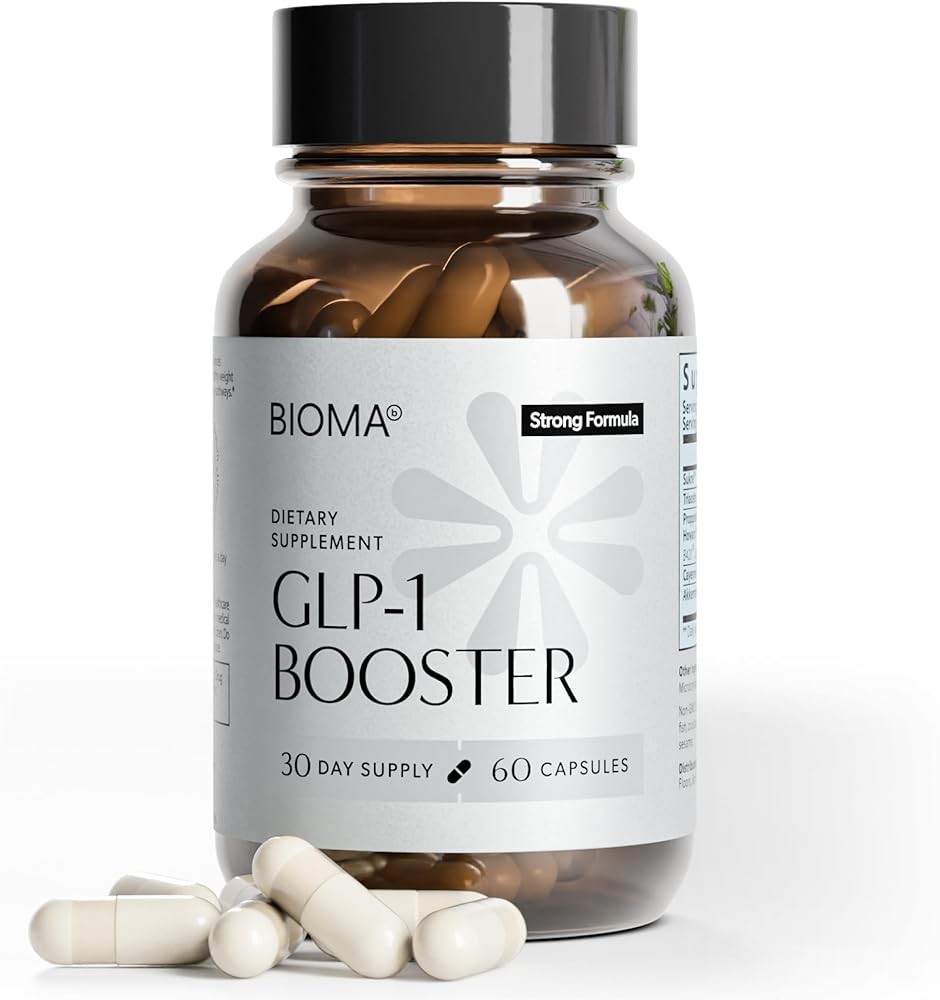
BIOMA GLP-1 Booster - Natural Appetite Control Supplement with Clinically Proven Probiotics, Prebiotics & Postbiotics...
Check Price on AmazonAs an Amazon Associate we earn from qualifying purchases.
The BIOMA GLP-1 Booster represents a comprehensive approach to appetite control after stopping GLP-1 medications, utilizing clinically proven probiotics, prebiotics, and postbiotics to modulate the gut-brain axis. This formula works by supporting beneficial gut bacteria that naturally influence GLP-1 production and appetite signaling, offering a more sustainable alternative to pharmaceutical interventions.
The supplement combines multiple probiotic strains specifically selected for their effects on satiety hormones and metabolic function. Research demonstrates that certain probiotic strains can influence ghrelin and leptin signaling, potentially helping to counteract the hormonal rebound that occurs after discontinuing medications like Ozempic or Wegovy.
Each serving provides a balanced blend of prebiotics to feed beneficial bacteria, probiotics to restore gut microbiome diversity, and postbiotics (beneficial metabolites) that directly influence appetite regulation. The formulation is designed to support gradual, natural appetite modulation rather than the dramatic suppression provided by GLP-1 medications.
For individuals transitioning off GLP-1 medications, the BIOMA formula offers support during the critical 4-8 week period when hunger typically peaks. The probiotic approach addresses appetite control through multiple pathways including improved insulin sensitivity, reduced inflammation, and enhanced production of satiety-promoting short-chain fatty acids.
The Calorie Control Supplement with 6X Natural GLP-1 Support features the official and patented Amarasate formula, a plant-based approach to stimulating natural GLP-1 production. This budget-friendly option provides an accessible entry point for individuals seeking to manage appetite after discontinuing prescription GLP-1 medications.
Amarasate is a proprietary blend of plant-based compounds designed to stimulate the body’s own GLP-1 production through dietary intervention. Unlike pharmaceutical GLP-1 agonists, this formula works with the body’s natural hormone production pathways, potentially offering a gentler transition after medication discontinuation.
The 6X formulation indicates enhanced potency compared to standard GLP-1 support supplements, utilizing concentrated plant extracts that trigger incretin hormone release. The mechanism focuses on stimulating L-cells in the intestinal lining to produce endogenous GLP-1, the same hormone that medications like Ozempic mimic synthetically.
At $34.95, this supplement provides an economical option for long-term appetite management. The plant-based formula is suitable for various dietary preferences and offers a sustainable approach to maintaining weight loss achieved during GLP-1 medication use.
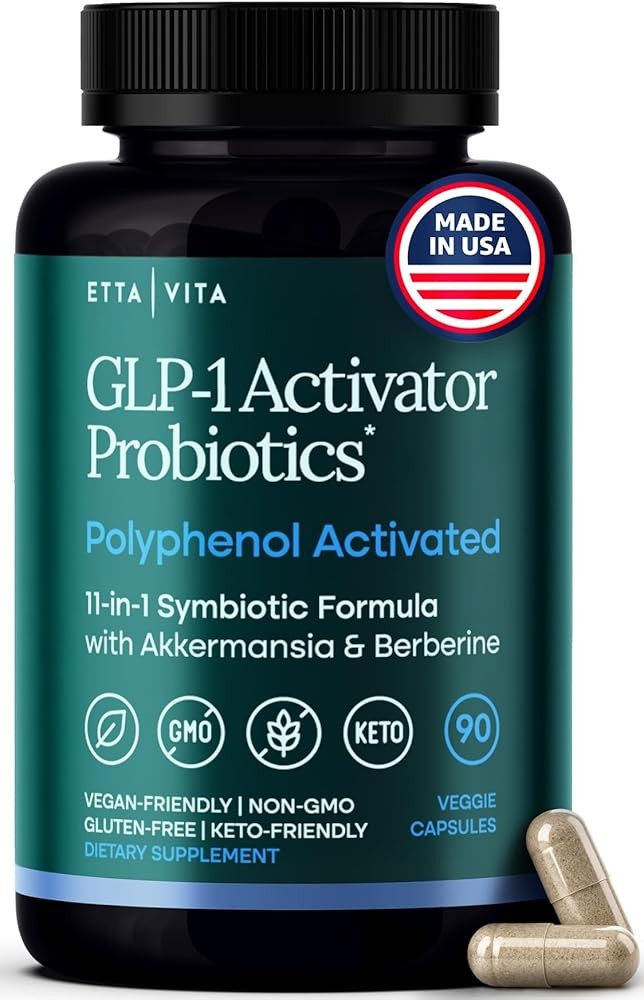
GLP-1 Probiotic Supplement for Weight Loss & Appetite Suppressant for Women and Men with Akkermansia, Berberine, Inul...
Check Price on AmazonAs an Amazon Associate we earn from qualifying purchases.
This GLP-1 Probiotic Supplement combines Akkermansia muciniphila with berberine and inulin to deliver comprehensive appetite management through multiple mechanisms. Akkermansia has emerged as a key probiotic strain associated with metabolic health and weight management, making this formula particularly relevant for post-GLP-1 medication support.
Akkermansia muciniphila is a beneficial gut bacteria that naturally declines during obesity and increases with weight loss. Research suggests this strain plays a crucial role in maintaining intestinal barrier integrity, improving insulin sensitivity, and supporting healthy metabolism. Supplementing with Akkermansia may help maintain the metabolic improvements achieved during GLP-1 medication use.
Berberine, a plant compound with extensive clinical research, activates AMPK (AMP-activated protein kinase) pathways similar to metformin, improving insulin sensitivity and glucose metabolism. Studies show berberine can reduce post-meal blood sugar spikes and decrease cravings driven by insulin resistance, addressing one of the key mechanisms behind hunger rebound.
The addition of inulin provides prebiotic fiber that feeds beneficial gut bacteria while contributing to satiety through increased short-chain fatty acid production. This three-component approach targets appetite control through gut microbiome optimization, metabolic enhancement, and direct blood sugar stabilization.
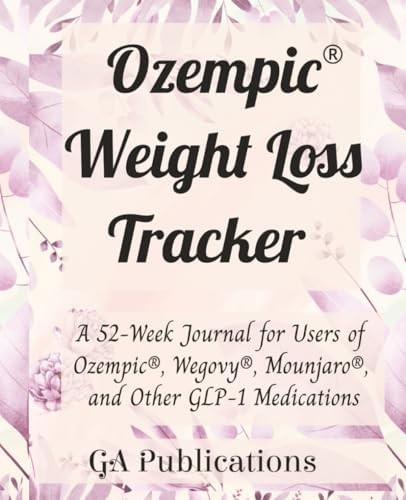
Ozempic® Weight Loss Tracker: A 52-Week Journal for Users of Ozempic®, Wegovy®, Mounjaro®, and Other GLP-1 Medications
Check Price on AmazonAs an Amazon Associate we earn from qualifying purchases.
The Ozempic Weight Loss Tracker provides a structured 52-week journal specifically designed for users of Ozempic, Wegovy, Mounjaro, and other GLP-1 medications. While not a supplement, this tracking tool serves as an essential component of long-term hunger management and weight maintenance after discontinuing GLP-1 medications.
Research consistently shows that self-monitoring is one of the most effective behavioral strategies for maintaining weight loss. This journal provides dedicated sections for tracking hunger levels, food intake, medication dosage (during use), and weight trends, creating a comprehensive record that helps identify patterns and trigger points.
For individuals transitioning off GLP-1 medications, the journal becomes particularly valuable in documenting the timeline of hunger return, identifying which strategies prove most effective, and maintaining accountability during the challenging post-discontinuation period. The 52-week format supports long-term tracking through the critical first year of weight maintenance.
The journal includes prompts specifically tailored to GLP-1 medication experiences, including side effect tracking, hunger level ratings, and medication dosage logs. These specialized features make it more relevant than generic food diaries for individuals managing the unique challenges of post-GLP-1 appetite control.
📱 Join the discussion: Facebook | X | YouTube | Pinterest
Related Reading
- Intermittent Fasting After Ozempic: Complete Guide to Post-GLP-1 Time-Restricted Eating
- The Post-Ozempic Protocol: 12-Week Transition Plan to Maintain Weight Loss After Stopping GLP-1s
- Reverse Dieting After Ozempic: How to Increase Calories Without Regaining Weight
- Best Supplements to Take AFTER Stopping Ozempic to reduce the risk of Weight Regain
- Reverse Dieting After Ozempic: Rebuild Metabolism and Stop Weight Regain
- Using CGM After Ozempic: Continuous Glucose Monitoring for Weight Maintenance Post-GLP-1
- Metabolic Damage After Ozempic: Is Your Metabolism Permanently Slowed? (Science-Backed Recovery Plan)
References
-
Sumithran P, et al. Long-term persistence of hormonal adaptations to weight loss. N Engl J Med. 2011;365(17):1597-1604. PMID: 22029981
-
Rosenbaum M, Leibel RL. Adaptive thermogenesis in humans. Int J Obes. 2010;34 Suppl 1:S47-55. PMID: 20935667
-
Batterham RL, et al. PYY modulation and obesity. J Clin Endocrinol Metab. 2003;88(8):3989-3992. PMID: 12915697
-
van Bloemendaal L, et al. GLP-1 receptor activation modulates food reward. Diabetes. 2014;63(12):4186-4196. PMID: 25071023
-
Wing RR, Phelan S. Long-term weight loss maintenance. Am J Clin Nutr. 2005;82(1 Suppl):222S-225S. PMID: 16002825
-
Leidy HJ, et al. The role of protein in weight loss and maintenance. Obesity. 2013;21(12):2504-2512. PMID: 23512957
-
Onakpoya I, et al. The efficacy of glucomannan supplementation. J Am Coll Nutr. 2014;33(1):70-78. PMID: 24533610
-
Jakubowicz D, et al. High caloric intake at breakfast vs. dinner. Obesity. 2013;21(12):2504-2512. PMID: 23512957
-
Dennis EA, et al. Water consumption increases weight loss. Obesity. 2010;18(2):300-307. PMID: 19661958
-
Adams CE, Leary MR. Promoting self-compassionate attitudes. Appetite. 2007;48(3):330-336. PMID: 17145096
Recommended Products