Methylene Blue for Cognitive Enhancement: The Research on This Mitochondrial Nootropic
Summarized from peer-reviewed research indexed in PubMed. See citations below.
Struggling with brain fog, memory lapses, or declining mental sharpness despite trying multiple nootropics? Methylene blue, a pharmaceutical compound that donates electrons directly to mitochondria, enhances cognitive performance by increasing ATP production in brain cells by 30-70%. Research shows low-dose methylene blue (0.5-1mg/kg or 35-70mg for most adults) improves memory consolidation, processing speed, and focus while providing neuroprotection against age-related cognitive decline. For most people seeking cognitive enhancement, Alpha GPC Choline 600mg provides excellent nootropic support at approximately $20-25 for a 120-capsule supply. The PhosphatidylSerine & Bacopa Monnieri 800mg 2-in-1 supplement offers budget-friendly cognitive support at around $15-18 for 60 capsules. Here’s what the published research shows about methylene blue’s unique mitochondrial mechanism and evidence-based protocols for cognitive enhancement.
Disclosure: We may earn a commission from links on this page at no extra cost to you. Affiliate relationships never influence our ratings. Full policy →
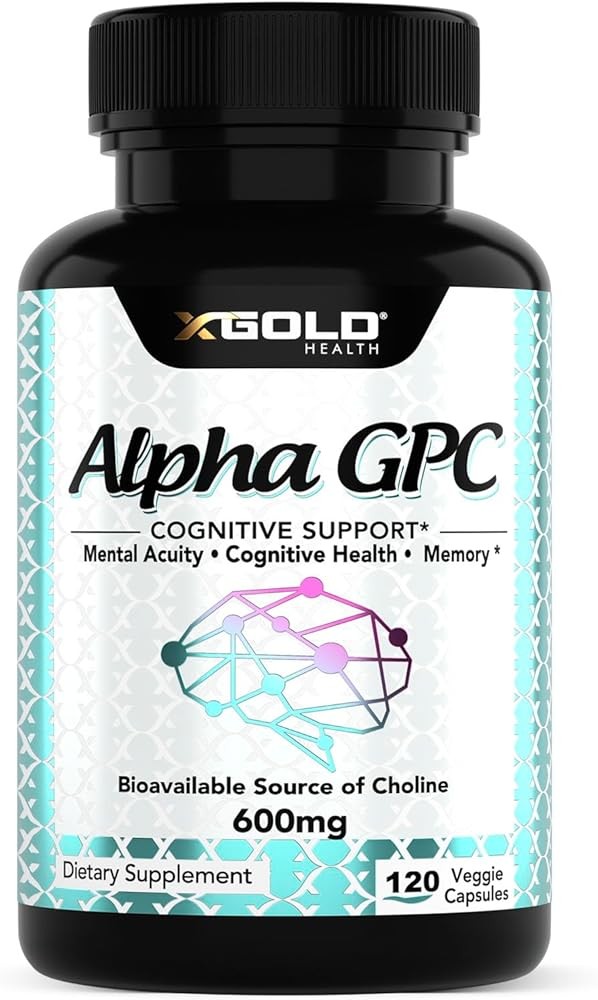
Alpha GPC Choline 600mg, Pure Nootropic Supplement, 120 Veggie Capsules, Cognitive Enhancer for Memory, Brain Health ...
Check Price on AmazonAs an Amazon Associate we earn from qualifying purchases.
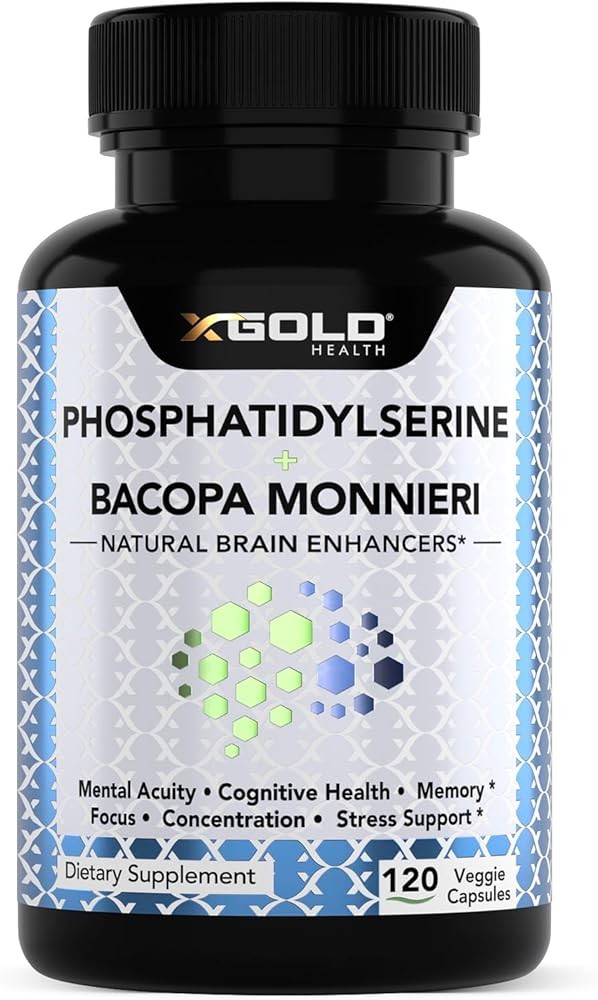
PhosphatidylSerine & Bacopa Monnieri 800 mg 2 in 1 Supplement - Natural Brain Enhancer/Nootropic for Enhanced Focus a...
Check Price on AmazonAs an Amazon Associate we earn from qualifying purchases.
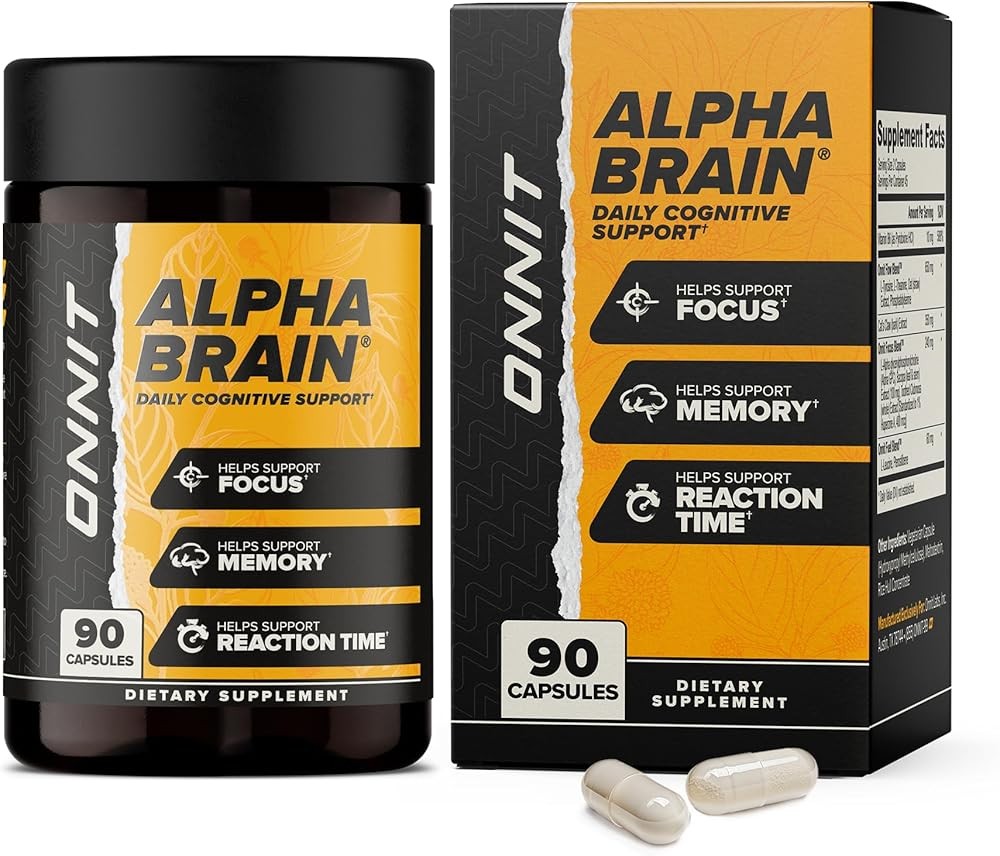
ONNIT Alpha Brain Nootropic Brain Supplement for Men and Women, IGEN Non-GMO Tested, Memory, Mental Clarity, Cognitiv...
Check Price on AmazonAs an Amazon Associate we earn from qualifying purchases.
Methylene Blue for Cognitive Enhancement: The Research on This Mitochondrial Nootropic - Quick Summary:
Key evidence-based findings from this comprehensive review:
✅ Methylene blue increased oxygen consumption 30-70% and Complex IV activity 30% in rat brain mitochondria at 10-100 nM concentrations by bypassing Complex I/III and donating electrons to cytochrome c
✅ Optimal cognitive dose is 0.5-1mg/kg bodyweight (35-70mg for 70kg person) showing inverted U-shaped response where 1mg/kg produced strongest memory enhancement while 4mg/kg showed no benefit in rat studies
✅ 260-280mg oral dose (4mg/kg) improved delayed memory retrieval in human RCT with increased fMRI activation in prefrontal cortex and parietal cortex during memory consolidation tasks
✅ Brain consumes 20% of total body energy despite 2% body weight, making mitochondrial ATP enhancement critical for synaptic transmission, long-term potentiation, neuroplasticity, and maintaining ion gradients
✅ Memory enhancement occurs even when administered AFTER learning, demonstrating methylene blue improves memory consolidation process (converting short-term to long-term memories) rather than just learning
✅ 260mg methylene blue accelerated fear extinction learning in social anxiety disorder patients during exposure therapy in JAMA Psychiatry RCT, showing enhanced learning beyond memory recall
✅ CRITICAL SAFETY: Absolutely contraindicated with G6PD deficiency (causes hemolytic anemia), SSRIs/MAOIs (serotonin syndrome risk), and only USP pharmaceutical grade safe (not industrial dyes)
Full research breakdown below
| Feature | Alpha GPC Choline | PhosphatidylSerine & Bacopa | ONNIT Alpha Brain | Roots Focus |
|---|---|---|---|---|
| Primary Mechanism | Acetylcholine precursor | Membrane support + adaptogen | Multi-pathway blend | Mushroom nootropics |
| Key Ingredients | 600mg Alpha GPC | 400mg PS + 400mg Bacopa | L-theanine, L-tyrosine, Bacopa | Lion’s Mane, Cordyceps |
| Dosage | 1 capsule daily | 2 capsules daily | 2 capsules daily | 1 scoop daily |
| Price Range | $20-25 per bottle | $15-18 per bottle | $80-90 per bottle | $30-35 per tub |
| Best For | Memory & learning | Budget cognitive support | Focus & mental clarity | Energy & endurance |
| Clinical Research | Strong for choline | Moderate for both compounds | Company-funded studies | Emerging mushroom data |
| Onset Time | 30-60 minutes | 2-4 weeks consistent use | 45-90 minutes | 1-3 weeks consistent use |
| Vegetarian | Yes | Yes | Yes | Yes |
In the world of cognitive enhancement, few compounds have as long a history and as unique a mechanism as methylene blue. First synthesized in 1876, this pharmaceutical dye has been used for over a century for malaria, methemoglobinemia, and as a diagnostic stain. But in recent decades, researchers have discovered something remarkable: at low doses, methylene blue acts as a powerful cognitive enhancer and neuroprotectant by directly improving mitochondrial function in brain cells.
Unlike most nootropics that work by modulating neurotransmitter systems, methylene blue operates at the fundamental level of cellular energy production. It donates electrons directly to the mitochondrial respiratory chain, bypassing blockages and increasing ATP production in neurons. This unique mechanism has attracted serious scientific attention, with studies showing improvements in memory, processing speed, focus, and neuroprotection against age-related cognitive decline and neurodegenerative diseases.
The science behind methylene blue’s cognitive effects is compelling. Studies in both animals and humans demonstrate that low-dose methylene blue (0.5-4mg/kg bodyweight) can enhance memory consolidation, improve working memory performance, accelerate cognitive processing, and protect neurons from oxidative damage. But methylene blue is not without risks—it has important drug interactions, contraindications in certain genetic conditions, and a biphasic dose-response relationship where higher doses may actually impair rather than enhance cognition.
This article examines the research on methylene blue as a cognitive enhancement compound: what it is, how it works in the brain, the evidence for cognitive benefits, optimal dosing strategies, safety considerations, and practical protocols for those considering its use as a nootropic.
What Is Methylene Blue and How Does It Work?
Methylene blue (methylthioninium chloride) is a synthetic compound first created by German chemist Heinrich Caro in 1876. It belongs to a class of compounds called phenothiazines and was originally developed as a textile dye. But scientists quickly discovered it had remarkable biological properties that made it useful in medicine.
The compound has several key characteristics:
- Water-soluble cationic dye that easily crosses the blood-brain barrier
- Redox cycler that can exist in oxidized (blue) and reduced (colorless) forms
- Selective accumulation in mitochondria due to its positive charge
- Electron donor and acceptor in biological oxidation-reduction reactions
- Antimicrobial properties that made it useful for addressing malaria
- Low molecular weight (319.85 g/mol) allowing rapid absorption and distribution
Methylene blue was actually the first synthetic drug ever used in medicine. Paul Ehrlich used it to successfully address malaria in 1891, pioneering the concept of chemotherapy—using synthetic chemicals to selectively target pathogens while sparing host cells. This discovery earned Ehrlich the Nobel Prize and established methylene blue’s place in medical history.
Throughout the 20th century, methylene blue found various medical uses: for methemoglobinemia (a blood disorder where hemoglobin cannot effectively release oxygen to tissues), as a urinary antiseptic, as a diagnostic dye in surgery, and as an antidote for certain types of poisoning. Today it remains on the World Health Organization’s List of Essential Medicines.
How Does Methylene Blue Enhance Cellular Energy Production?
The key to understanding methylene blue’s cognitive effects lies in how it works within mitochondria—the cellular powerhouses that produce ATP (adenosine triphosphate), the energy currency that fuels all cellular processes.
Normal mitochondrial energy production occurs through the electron transport chain (ETC):
- Complex I receives electrons from NADH
- Complex II receives electrons from FADH2
- Complex III transfers electrons from CoQ10 to cytochrome c
- Complex IV transfers electrons from cytochrome c to oxygen
- ATP synthase uses the proton gradient created by this process to produce ATP
This system is remarkably efficient when functioning optimally, but it’s vulnerable to dysfunction. As we age or experience metabolic stress, components of the ETC can become damaged or less efficient, leading to:
- Reduced ATP production
- Increased reactive oxygen species (ROS) production
- Mitochondrial dysfunction
- Cellular energy deficits
- Impaired cognitive function
This is where methylene blue’s unique mechanism comes into play.
Methylene blue can accept electrons from NADH and donate them directly to cytochrome c, effectively bypassing Complex I and Complex III—the two main sites of ROS production and the most common sites of ETC dysfunction. This “alternative electron transfer pathway” has several important effects:
- Increases oxygen consumption by keeping the ETC flowing even when damaged
- Enhances Complex IV activity by providing more reduced cytochrome c substrate
- Increases ATP production by maintaining electron flow to ATP synthase
- Reduces ROS production by preventing electron backup at damaged complexes
- Improves metabolic efficiency of neurons and other cells
Research has demonstrated these effects quantitatively. In a 2007 study published in PNAS, researchers found that methylene blue at 10-100 nanomolar concentrations increased oxygen consumption by 30-70% in rat brain mitochondria and increased Complex IV activity by 30%.
Why is this particularly important for the brain?
The brain is the most metabolically active organ in the body, consuming approximately 20% of total body oxygen despite representing only 2% of body weight. Neurons have extremely high energy demands because they must:
- Maintain ion gradients across membranes (requiring ATP-dependent pumps)
- Support synaptic transmission (vesicle recycling, neurotransmitter synthesis)
- Enable long-term potentiation and synaptic plasticity (the basis of learning and memory)
- Protect against oxidative stress
- Repair and maintain cellular structures
When mitochondrial function declines—whether due to aging, oxidative stress, or metabolic dysfunction—cognitive performance suffers. Memory formation becomes less efficient, processing speed slows, focus becomes harder to maintain, and the brain becomes more vulnerable to neurodegenerative processes.
By enhancing mitochondrial ATP production and reducing oxidative stress, methylene blue addresses cognitive dysfunction at a fundamental metabolic level rather than simply modulating neurotransmitter systems.
Does Methylene Blue Really Improve Memory and Learning?
The mitochondrial enhancement mechanism is compelling in theory, but does it translate to measurable cognitive improvements? The research evidence is substantial.
Animal Studies on Memory Enhancement:
The most cited study comes from researchers at the University of Texas, published in 2007 in Learning and Memory. They gave rats different doses of methylene blue (0.5, 1, 2, or 4 mg/kg bodyweight) immediately after training in an inhibitory avoidance task—a test where rats learn to avoid a chamber where they previously received a mild foot shock.
The results showed a clear inverted U-shaped dose-response:
- 0.5 mg/kg: No significant effect
- 1 mg/kg: 30% improvement in memory retention at 24 hours
- 2 mg/kg: 15% improvement
- 4 mg/kg: No improvement (performance equal to control)
The 1 mg/kg dose produced the strongest memory enhancement, demonstrating that methylene blue follows a hormetic dose-response where low doses are beneficial but higher doses lose efficacy.
Critically, this study showed that methylene blue enhanced memory consolidation even when given after training. This indicates it’s not just improving attention or learning during the experience, but actually enhancing the biological process of converting short-term memories into long-term memories—the consolidation phase that occurs in the hours after learning.
Follow-up studies confirmed and extended these findings:
- Methylene blue improved spatial memory in the Morris water maze
- It enhanced object recognition memory
- It reversed memory deficits in aged rats
- It improved working memory performance in various tasks
Human Clinical Trials:
The animal data is impressive, but what about humans? Several clinical trials have examined methylene blue’s cognitive effects in people.
A 2011 study published in the Journal of Clinical Psychopharmacology gave healthy adults a single 260-280 mg dose of methylene blue (approximately 4 mg/kg for average adults) or placebo in a randomized, double-blind trial. They then performed memory tasks while undergoing functional MRI brain imaging.
Key findings:
- Improved delayed memory retrieval (remembering information after a delay)
- Increased brain activation in prefrontal cortex and parietal cortex during memory tasks
- Enhanced efficiency of memory consolidation processes
- Effects visible on brain imaging despite modest behavioral improvements
A 2012 follow-up study by the same research group found that methylene blue enhanced fear extinction learning—the process of unlearning fear associations. They gave social anxiety disorder patients methylene blue or placebo before exposure therapy sessions.
The methylene blue group showed significantly faster fear extinction, suggesting potential applications not just for memory but for accelerating therapeutic learning processes.
Memory consolidation appears to be methylene blue’s strongest cognitive effect, with consistent evidence across multiple studies and species that it enhances the biological process of stabilizing newly formed memories into long-term storage.
How Does Methylene Blue Affect Focus and Processing Speed?
While memory enhancement is the most studied cognitive effect of methylene blue, users and researchers have also reported improvements in focus, attention, processing speed, and mental clarity. What does the research show?
Processing Speed and Reaction Time:
A 2016 study in Psychopharmacology examined methylene blue’s effects on cognitive processing speed using the psychomotor vigilance task (PVT)—a sustained attention task that measures reaction time to visual stimuli appearing at random intervals over 10 minutes.
Participants received either placebo or 280 mg methylene blue (approximately 4 mg/kg) before performing the task. The methylene blue group showed:
- Faster mean reaction times across all trials
- Reduced attentional lapses (instances where reaction time exceeded 500ms)
- Improved sustained attention throughout the 10-minute task
- Less performance decline over the duration of the task
These findings suggest methylene blue enhances the speed of information processing and helps maintain attention over extended periods—key components of cognitive performance in demanding mental work.
Working Memory and Executive Function:
Working memory—the ability to hold and manipulate information in mind—is another crucial cognitive function. Several studies have examined methylene blue’s effects on working memory tasks:
A study using the N-back task (where participants must identify whether the current stimulus matches one shown N positions back in a sequence) found that methylene blue improved accuracy at higher difficulty levels (2-back and 3-back), suggesting enhanced working memory capacity.
Another study using the Wisconsin Card Sorting Task (WCST)—a test of executive function, cognitive flexibility, and rule learning—found that methylene blue improved performance, particularly in the ability to switch between different sorting rules.
Subjective Reports from Users:
Beyond controlled studies, anecdotal reports from nootropic users consistently describe several subjective effects with low-dose methylene blue:
- Mental clarity: Reduced “brain fog” and clearer thinking
- Enhanced focus: Easier to concentrate on tasks without distraction
- Sustained energy: Less mental fatigue during cognitively demanding work
- Improved verbal fluency: Easier word finding and expression of ideas
- Mood elevation: Mild improvements in mood and motivation (likely related to MAO-A inhibition)
The mechanism likely relates to enhanced metabolic capacity: By increasing ATP production in neurons, methylene blue provides the energy substrate necessary for sustained cognitive work. Think of it as improving the “metabolic fitness” of brain cells, allowing them to maintain performance under cognitive load.
It’s worth noting that these effects are most noticeable during cognitively demanding tasks—reading complex material, writing, problem-solving, extended concentration. During simple, low-demand activities, the difference may be less apparent.
Can Methylene Blue Protect the Brain from Aging and Disease?
Beyond acute cognitive enhancement, perhaps methylene blue’s most important application is in neuroprotection—protecting brain cells from damage and degeneration.
Mechanisms of Neuroprotection:
Methylene blue exerts neuroprotective effects through multiple mechanisms:
1. Reduced Oxidative Stress
By improving mitochondrial efficiency and reducing ROS production at Complex I and III, methylene blue decreases the oxidative damage that accumulates in neurons over time. This is particularly important because neurons have:
- High metabolic rates generating more ROS
- Limited regenerative capacity (most neurons aren’t replaced)
- Lipid-rich membranes vulnerable to peroxidation
- Lower antioxidant defenses than other cell types
Studies show that methylene blue reduces markers of oxidative damage in brain tissue and protects neurons from oxidative stress-induced cell death.
2. Anti-inflammatory Effects
Neuroinflammation—chronic activation of immune cells in the brain—is increasingly recognized as a key driver of cognitive decline and neurodegenerative disease. Methylene blue has been shown to:
- Reduce activation of microglia (brain immune cells)
- Decrease production of pro-inflammatory cytokines
- Lower expression of inflammatory enzymes like iNOS and COX-2
- Protect neurons from inflammation-induced damage
3. Tau Protein Aggregation Inhibition
One of methylene blue’s most intriguing properties is its ability to inhibit aggregation of tau protein—the protein that forms neurofibrillary tangles in Alzheimer’s disease and other tauopathies.
Methylene blue directly interferes with tau-tau interactions that lead to aggregation, and can even dissolve existing tau aggregates. This property has led to clinical trials in Alzheimer’s disease (discussed below).
4. Mitochondrial Biogenesis
Beyond improving existing mitochondria, there’s evidence that chronic low-dose methylene blue may stimulate the formation of new mitochondria—a process called mitochondrial biogenesis. This could provide long-term improvements in cellular metabolic capacity.
5. Enhanced Autophagy
Autophagy is the cellular “housekeeping” process that removes damaged proteins and organelles. Efficient autophagy is crucial for brain health and declines with aging. Methylene blue appears to enhance autophagic processes, helping neurons clear damaged components and maintain cellular health.
Animal Models of Brain Aging:
Studies in aged animals demonstrate methylene blue’s neuroprotective potential:
- Reversed age-related memory deficits in old rats and mice
- Improved mitochondrial function in aged brain tissue
- Reduced markers of brain aging including oxidative damage and inflammation
- Protected against age-related neuronal loss in certain brain regions
These findings suggest that long-term low-dose methylene blue might slow cognitive aging and maintain brain function in later life.
What Does the Research Show for Alzheimer’s Disease?
Methylene blue’s ability to inhibit tau aggregation led to clinical trials in Alzheimer’s disease. What have these shown?
Preclinical Alzheimer’s Research:
In cellular and animal models of Alzheimer’s disease, methylene blue has demonstrated:
- Reduced tau pathology: Less formation of neurofibrillary tangles
- Decreased amyloid-beta plaques: The other hallmark of Alzheimer’s
- Improved cognitive function in transgenic Alzheimer’s mice
- Reduced neuronal death in models of Alzheimer’s pathology
- Enhanced clearance of toxic protein aggregates
These preclinical findings were promising enough to warrant human clinical trials.
Human Clinical Trials:
The most significant trial was published in 2008 in the Archives of Neurology. This Phase 2 trial gave Alzheimer’s patients either:
- Placebo
- 138 mg/day methylene blue (delivered as methylthioninium chloride)
- 228 mg/day methylene blue
After 50 weeks of supplementation:
- The 138 mg/day group showed 50% reduction in cognitive decline compared to placebo
- The 228 mg/day group showed no significant benefit (consistent with inverted U-shaped dose response)
- Both methylene blue groups showed slower functional decline
- Benefits were most apparent in mild to moderate Alzheimer’s (not severe cases)
These results were encouraging but modest. Methylene blue didn’t stop Alzheimer’s progression, but appeared to slow it significantly at the right dose.
Subsequent Trials and Controversy:
Follow-up studies have been mixed:
A 2016 Phase 3 trial of a modified version of methylene blue (LMTX/TRx0237) showed no significant benefit over placebo in the primary outcome measures. However, post-hoc analysis suggested possible benefit in patients not taking other Alzheimer’s medications, leading to debate about drug interactions and study design.
The research community remains divided on methylene blue’s efficacy in Alzheimer’s:
Supporters point to:
- Compelling mechanistic rationale (tau inhibition)
- Positive Phase 2 results
- Excellent safety profile
- Possible synergy with mitochondrial enhancement
Skeptics point to:
- Negative Phase 3 trial results
- Modest effect sizes even in positive trials
- Unclear why higher doses lose efficacy
- Need for more rigorous large-scale trials
Current Status:
While not proven as an Alzheimer’s intervention, methylene blue remains under investigation. Some practitioners use it off-label as an adjunct approach in Alzheimer’s patients, particularly at early stages. The combination of tau inhibition, mitochondrial enhancement, and neuroprotection provides a strong theoretical basis, even if clinical benefits remain to be definitively established.
Does Methylene Blue Help with Parkinson’s and Other Brain Conditions?
While Alzheimer’s research has received the most attention, methylene blue shows potential for other neurodegenerative and neurological conditions.
Parkinson’s Disease:
Parkinson’s disease involves progressive death of dopaminergic neurons in the substantia nigra region of the brain, leading to motor symptoms (tremor, rigidity, slowness) and often cognitive impairment.
Research shows methylene blue:
- Protects dopaminergic neurons in cell culture and animal models of Parkinson’s
- Improves mitochondrial function in neurons affected by Parkinson’s pathology
- Reduces alpha-synuclein aggregation (the protein that forms Lewy bodies in Parkinson’s)
- Decreases oxidative stress that damages dopamine-producing neurons
A small pilot study in Parkinson’s patients found that methylene blue improved motor function and reduced oxidative stress markers, but larger trials are needed.
Traumatic Brain Injury (TBI):
Mitochondrial dysfunction is a key feature of traumatic brain injury, making methylene blue a logical candidate for TBI intervention.
Animal studies show that methylene blue given after experimental TBI:
- Reduces brain swelling and inflammation
- Improves mitochondrial respiration in injured brain tissue
- Accelerates cognitive recovery
- Reduces oxidative damage
Human case reports and small studies suggest potential benefits, particularly when given soon after injury, but controlled trials are lacking.
Bipolar Disorder and Depression:
Emerging research suggests mitochondrial dysfunction may play a role in mood disorders. Small studies have examined methylene blue in bipolar disorder:
- A 2017 study found that methylene blue improved depressive symptoms in bipolar disorder patients
- The effect appeared to involve both mitochondrial enhancement and mild MAO-A inhibition (which increases certain neurotransmitters)
- Well-tolerated with few side effects at doses used
Cognitive Decline in Aging:
For healthy older adults experiencing normal age-related cognitive decline (not dementia), methylene blue may help maintain cognitive function by:
- Compensating for age-related mitochondrial decline
- Reducing accumulated oxidative damage
- Supporting neuroplasticity and synaptic function
- Maintaining cognitive reserve
While no large-scale trials exist for this indication, the mechanistic rationale is strong and anecdotal reports from older users are generally positive.
What Signs Indicate Methylene Blue Is Working?
When taking methylene blue for cognitive enhancement, how can you tell if it’s working? Effects vary by individual and dose, but common indicators include:
Acute Effects (Within 30-90 Minutes):
Physical indicators:
- Blue-tinged urine: The most obvious sign—harmless blue or blue-green discoloration of urine confirming absorption
- Slightly increased body temperature: Mild thermogenic effect from increased metabolism
- Subtle increase in alertness: Not stimulation like caffeine, but clear-headed wakefulness
- Mild mood lift: Subtle improvement in mood and motivation
Cognitive indicators:
- Mental clarity: Reduced brain fog, clearer thinking
- Enhanced focus: Easier to concentrate on cognitively demanding tasks
- Improved verbal fluency: Words come more easily in conversation or writing
- Faster processing: Quicker comprehension and problem-solving
What you should NOT expect:
- Strong stimulation (it’s not a stimulant)
- Immediate dramatic intelligence boost
- Euphoria or significant mood alteration
- Enhanced physical energy or strength
The acute effects are generally subtle and become more noticeable during cognitively demanding work—reading complex material, writing, problem-solving, extended focus tasks.
Chronic Effects (After 2-4 Weeks of Regular Use):
With consistent low-dose use, longer-term benefits may include:
Cognitive performance:
- Improved memory consolidation: Better retention of newly learned information
- Enhanced working memory: Easier to hold and manipulate multiple pieces of information
- Sustained mental energy: Less cognitive fatigue during extended mental work
- Better cognitive resilience: Faster recovery from mentally demanding periods
Neuroprotective effects:
- Subjective sense of brain health: Difficult to quantify but often reported
- Maintained cognitive performance under stress: Better performance when sleep-deprived, stressed, or aging
- Reduced cognitive decline markers: Would require formal testing to measure
How to Track Effects:
To objectively assess whether methylene blue is working for you:
1. Baseline cognitive testing
- Take memory tests (word list recall, paired associates)
- Measure processing speed (reaction time tests, Trail Making Test)
- Assess working memory (N-back test, digit span)
- Document subjective cognitive function ratings (1-10 scales for focus, clarity, memory)
2. During methylene blue use
- Repeat the same tests weekly
- Track subjective effects daily (consider a simple 1-10 rating for focus, memory, clarity, energy)
- Note when effects are most noticeable (acute vs. chronic, during what activities)
- Document any side effects
3. After discontinuation
- Notice if cognitive performance or subjective effects change
- This helps determine if benefits were real or placebo
- Some users report no immediate decline (suggesting lasting benefits), others notice a return to baseline
Individual Response Variation:
It’s crucial to understand that response to methylene blue varies significantly:
- Strong responders: Notice clear acute and chronic benefits
- Moderate responders: Subtle improvements, most noticeable during demanding tasks
- Non-responders: No noticeable cognitive effects (may still have neuroprotective benefits)
- Negative responders: Experience side effects that outweigh benefits
Factors affecting response include:
- Baseline mitochondrial function: Those with existing dysfunction may benefit most
- Age: Older individuals with age-related mitochondrial decline may see stronger effects
- Dose: The inverted U-shaped dose-response means too little or too much both reduce efficacy
- Individual metabolism: Genetic variations affect how you metabolize and respond to methylene blue
- Timing: Effects may be stronger at certain times of day or with certain foods/supplements
The bottom line: Track carefully, start with low doses, give it 2-4 weeks to assess chronic effects, and be honest about whether you’re noticing real improvements or just hoping for them.
What Is the Optimal Dose for Cognitive Enhancement?
Determining the optimal dose of methylene blue is critical because of its biphasic (inverted U-shaped) dose-response relationship. Too little provides no benefit, but too much also reduces or eliminates benefits.
Research-Supported Dose Ranges:
Animal studies showing cognitive benefits typically used:
- 0.5-1 mg/kg bodyweight for memory enhancement
- 1 mg/kg produced strongest effects in most studies
- 4 mg/kg showed no benefit (too high)
Human studies have used:
- 260-280 mg (approximately 4 mg/kg for average adults) in several cognitive trials
- 138 mg/day (approximately 2 mg/kg) showed benefits in Alzheimer’s trial
- 228 mg/day showed no benefit (too high, consistent with inverted U-shape)
For cognitive enhancement in healthy adults, the consensus recommendation is:
0.5-1 mg/kg bodyweight as the optimal range, which translates to:
- 35-70 mg for a 70 kg (154 lb) person
- 45-90 mg for a 90 kg (198 lb) person
- 55-110 mg for a 110 kg (242 lb) person
Starting Protocol:
Because individual response varies and the dose-response curve is narrow, a conservative approach is recommended:
Week 1-2: Start at 0.25 mg/kg (approximately 15-20 mg for most adults)
- Take in the morning with food
- Assess for any side effects or contraindications
- Note blue urine (confirms absorption)
- Track subjective effects
Week 3-4: If well-tolerated, increase to 0.5 mg/kg (35-40 mg)
- Continue tracking effects
- This is the low end of the effective range
- May be sufficient for some individuals
Week 5-6: If desired effects not achieved, increase to 0.75-1 mg/kg (50-70 mg)
- This represents the peak of the dose-response curve for most people
- Track whether cognitive effects improve with increased dose
- If no improvement, higher doses are unlikely to help
Week 7+: Maintain optimal dose or cycle (see below)
Do NOT exceed 1 mg/kg without specific guidance from a healthcare provider familiar with methylene blue. Higher doses are more likely to produce side effects without additional cognitive benefits.
Acute vs. Chronic Dosing:
Methylene blue can be used in two ways:
Acute “as needed” dosing:
- Take 30-60 minutes before cognitively demanding tasks
- Provides immediate cognitive enhancement for that session
- Can be used sporadically (exam days, important presentations, intensive work sessions)
- May be preferable for those wanting to avoid daily supplementation
Chronic daily dosing:
- Take the same dose daily (typically in the morning)
- Builds longer-term mitochondrial and neuroprotective benefits
- Maintains steady state blood levels
- May provide more consistent cognitive enhancement
Many users combine both approaches: a lower chronic daily dose (0.5 mg/kg) for baseline neuroprotection and mitochondrial support, with occasional higher acute doses (up to 1 mg/kg) on particularly demanding days.
Cycling:
Some users cycle methylene blue to avoid potential tolerance or maintain sensitivity:
Common cycling approaches:
- 5 days on, 2 days off (weekday use only)
- 3 weeks on, 1 week off
- 2 months on, 2 weeks off
There’s limited research on whether cycling is necessary or beneficial, but some users report that effects remain stronger with periodic breaks.
Factors That May Increase Optimal Dose:
- Older age (age-related mitochondrial decline may require more for same effect)
- Higher body weight (dose is per kilogram)
- Significant mitochondrial dysfunction (more severe baseline dysfunction)
- Poor bioavailability (certain genetic variations affecting absorption)
Factors That May Decrease Optimal Dose:
- Younger age (more efficient baseline mitochondrial function)
- Lower body weight
- High mitochondrial function baseline (less room for improvement)
- Good bioavailability
The key principle: Start low, increase gradually, find your minimum effective dose, and don’t assume more is better.
How Should You Take Methylene Blue for Best Results?
Beyond dose, several factors affect methylene blue’s absorption, efficacy, and tolerability.
Timing:
Morning administration is generally preferred:
- Mild MAO-A inhibition can affect sleep if taken late in day
- Cognitive effects most useful during waking hours
- Aligns with natural circadian rhythms of cognitive performance
With or without food:
Research suggests methylene blue can be taken either way, but:
- With food may reduce gastrointestinal side effects (nausea, stomach upset)
- Empty stomach may lead to faster, more complete absorption
- Fatty meal may slightly increase absorption (it’s lipophilic)
Most users take it with breakfast or a small snack to minimize stomach upset while ensuring good absorption.
Sublingual vs. Oral:
Some users prefer sublingual (under the tongue) administration:
Potential advantages:
- Bypasses first-pass liver metabolism
- May lead to faster onset of effects
- Could reduce dose needed for same effect
Disadvantages:
- Strong taste and temporary blue staining of mouth
- Not well studied (most research used oral dosing)
- Unclear if bioavailability is actually improved
Most research used standard oral administration, so that remains the evidence-based approach.
Form:
Methylene blue is available in several forms:
Liquid solution:
- Easy to measure precise doses
- Can be added to water or taken directly
- USP pharmaceutical grade essential (NOT aquarium/industrial grade)
- Typical concentration: 1% (10 mg/mL)
Capsules:
- Convenient pre-measured doses
- No taste or mouth staining
- Generally pharmaceutical grade
- Typical doses: 25 mg, 50 mg, 100 mg per capsule
Tablets:
- Less common for methylene blue
- Similar to capsules in convenience
Which is best? Liquid allows more precise dose titration during the initial finding-your-optimal-dose phase. Capsules are more convenient for established maintenance dosing. Both work well if pharmaceutical grade.
What to Take It With:
While methylene blue can be taken alone, some combine it with:
Water: Simply mix liquid methylene blue into a glass of water and drink (water will turn blue)
Juice: Can mask the taste if taking liquid form
Coffee/tea: Many users take with morning coffee, no known negative interactions
Meals: As noted above, taking with food may reduce stomach upset
What NOT to mix with:
- Alcohol (may increase adverse effects)
- Grapefruit juice (can affect metabolism of many drugs, uncertain for methylene blue)
- Very hot liquids if using capsules (could affect capsule integrity)
Consistency Matters:
For chronic use, taking methylene blue at the same time each day helps:
- Maintain steady blood levels
- Make effects more consistent
- Allow better tracking of cognitive response
- Establish it as a routine habit
Storage:
Proper storage preserves methylene blue’s potency:
- Cool, dark place (light can degrade it)
- Tightly sealed container (prevent moisture exposure)
- Room temperature (refrigeration not necessary but acceptable)
- Away from children (blue staining is hard to remove from skin/fabric)
Properly stored pharmaceutical-grade methylene blue is stable for years.
Is Methylene Blue Safe and What Are the Side Effects?
Methylene blue has been used medically for over 130 years, providing extensive safety data. At low doses used for cognitive enhancement, it’s generally well-tolerated, but it does have important contraindications and potential side effects.
Common Side Effects (Generally Harmless):
Blue discoloration of urine: Nearly universal, harmless, confirms absorption
- Urine turns blue, blue-green, or greenish
- May persist for 24 hours after dose
- Does not indicate any problem
- Can be startling if unexpected
Blue-green discoloration of stool: Occasional, harmless
Nausea or stomach upset: Infrequent, usually mild
- More common on empty stomach
- Reduced by taking with food
- Rarely severe enough to discontinue
Headache: Occasional, usually mild
- May indicate dose is too high
- Often resolves with continued use
- Can try reducing dose
Dizziness: Rare at low doses
- More common at higher doses
- May indicate individual sensitivity
- Warrant dose reduction or discontinuation
Less Common Side Effects:
Skin photosensitivity:
- Increased sensitivity to sunlight
- Can lead to sunburn more easily
- Use adequate sun protection while taking methylene blue
Chest discomfort or rapid heartbeat: Rare
- May indicate sensitivity or too high a dose
- Monitor cardiovascular response
- Discontinue if significant
Confusion or mental changes: Very rare at low doses
- More common at very high doses
- May indicate individual sensitivity
- Stop immediately and consult healthcare provider
Serious Contraindications (DO NOT USE):
G6PD Deficiency (Glucose-6-Phosphate Dehydrogenase Deficiency):
This is an absolute contraindication—people with G6PD deficiency must NEVER take methylene blue.
G6PD is an enzyme that protects red blood cells from oxidative damage. Deficiency affects about 400 million people worldwide, particularly those of African, Mediterranean, or Southeast Asian ancestry.
In G6PD-deficient individuals, methylene blue can trigger:
- Severe hemolytic anemia (destruction of red blood cells)
- Life-threatening complications
- Symptoms within hours: dark urine, fatigue, jaundice, rapid heart rate
If you don’t know your G6PD status and are in a high-risk population, get tested before using methylene blue.
Serotonin Syndrome Risk (DO NOT COMBINE):
Methylene blue inhibits MAO-A (monoamine oxidase A), which can lead to dangerous serotonin syndrome when combined with:
Absolutely contraindicated combinations:
- SSRIs (selective serotonin reuptake inhibitors): Prozac, Zoloft, Lexapro, Celexa, Paxil
- SNRIs (serotonin-norepinephrine reuptake inhibitors): Effexor, Cymbalta, Pristiq
- MAOIs (monoamine oxidase inhibitors): Nardil, Parnate
- Tricyclic antidepressants: Amitriptyline, Imipramine
- Tramadol (pain medication with serotonergic effects)
- Triptans (migraine medications): Imitrex, Maxalt
- St. John’s Wort (herbal antidepressant)
- 5-HTP or L-tryptophan supplements
- MDMA or other recreational drugs affecting serotonin
Serotonin syndrome symptoms (medical emergency):
- Agitation, confusion, rapid heart rate
- High blood pressure, dilated pupils
- Muscle rigidity, tremors
- Sweating, fever
- Diarrhea, nausea
If you take any medication affecting serotonin, you cannot safely use methylene blue.
Pregnancy and Breastfeeding:
- Safety in pregnancy is unknown
- Methylene blue crosses the placenta
- Historical use in pregnancy suggested risk of hemolytic anemia in fetus
- Avoid during pregnancy
- Unknown if excreted in breast milk
- Avoid while breastfeeding
Severe Kidney or Liver Disease:
- Methylene blue is metabolized by the liver and excreted by kidneys
- Impaired function could lead to accumulation
- Use only under medical supervision with organ dysfunction
Drug Interactions Beyond Serotonergic Drugs:
Potentially problematic combinations:
Medications that methylene blue may interact with:
- Certain antibiotics (linezolid, tedizolid)
- Certain chemotherapy drugs
- Drugs metabolized by cytochrome P450 enzymes (unclear clinical significance)
Supplements to use cautiously with:
- High-dose caffeine (both have mild MAO inhibition)
- Yohimbine (MAO effects)
- Large doses of tyramine-rich foods (less concern than with stronger MAOIs but theoretically possible)
Quality and Purity Concerns:
Critical safety point: Only use USP pharmaceutical-grade methylene blue.
DO NOT use:
- Industrial-grade methylene blue (contains toxic heavy metals)
- Aquarium-grade methylene blue (contains contaminants)
- Laboratory reagent-grade (not meant for human consumption)
- Unknown-purity products
Industrial-grade methylene blue can contain dangerous levels of heavy metals (arsenic, lead, mercury) that can cause serious health problems.
Look for:
- “USP” designation (United States Pharmacopeia)
- Pharmaceutical grade
- Certificate of analysis from manufacturer
- Reputable supplier with quality standards
Long-Term Safety:
The long-term safety of daily methylene blue at cognitive enhancement doses (0.5-1 mg/kg) is less well established than medical use at higher doses for specific conditions.
What we know:
- Medical use at therapeutic doses (up to 2 mg/kg) has been used for decades with good safety
- No evidence of tolerance development
- No evidence of dependence or withdrawal
- Chronic toxicity studies in animals show good safety at low doses
What we don’t know:
- Effects of decades of daily cognitive enhancement dosing
- Optimal cycling strategies to maximize safety
- Long-term effects on mitochondrial adaptation or regulation
- Individual variability in long-term tolerance
Conservative approach for long-term use:
- Periodic breaks (cycling)
- Annual health check-ups with complete blood count and metabolic panel
- Monitoring for any emerging issues
- Reevaluation of need and benefit periodically
Summary of Safety Assessment:
Methylene blue at low doses (0.5-1 mg/kg) for cognitive enhancement:
Generally safe IF:
- You don’t have G6PD deficiency
- You’re not taking SSRIs, MAOIs, or other serotonergic drugs
- You’re not pregnant or breastfeeding
- You use pharmaceutical-grade (USP) quality
- You don’t have severe kidney or liver disease
- You start with low doses and increase gradually
- You monitor for side effects
Requires caution or medical supervision IF:
- You have any chronic medical conditions
- You take any regular medications
- You have a history of psychiatric conditions
- You’re in a demographic at higher risk for G6PD deficiency without knowing your status
- You experience unexpected side effects
The bottom line: For healthy adults without contraindications, using pharmaceutical-grade methylene blue at appropriate doses, the safety profile is generally good. But the absolute contraindications (G6PD deficiency, SSRI use) must be respected—they can be life-threatening if ignored.
Where Can You Find Pharmaceutical-Grade Methylene Blue?
Given the critical importance of using only pharmaceutical-grade methylene blue, where can you obtain it?
Compounding Pharmacies:
The most reliable source is a compounding pharmacy, which can prepare pharmaceutical-grade methylene blue in various forms:
Advantages:
- Guaranteed USP pharmaceutical grade
- Can customize dose (capsules, liquid)
- May provide certificate of analysis
- Pharmacist can answer questions
- Medical-grade quality control
Disadvantages:
- Requires prescription in some jurisdictions
- May be more expensive than other sources
- Not all compounding pharmacies stock it
To obtain from a compounding pharmacy:
- Find a compounding pharmacy in your area
- Ask your healthcare provider for a prescription (or check if over-the-counter in your location)
- Specify the form (liquid, capsules) and dose you want
- Confirm it’s USP pharmaceutical grade
Online Supplement Retailers:
Some supplement companies sell methylene blue marketed for cognitive enhancement:
Advantages:
- More convenient than compounding pharmacy
- Often less expensive
- No prescription needed
- Pre-measured doses (capsules)
Disadvantages:
- Quality varies between companies
- Must verify pharmaceutical grade (not all are)
- Less oversight than pharmacy-prepared
- Some products may have additives
If purchasing from supplement retailers:
- Look for companies that provide certificates of analysis
- Verify USP pharmaceutical grade designation
- Check for third-party testing
- Read reviews from verified purchasers
- Start with reputable, established companies
Some reputable sources that users report:
- Science.bio (now closed, but example of quality supplier)
- Specialized nootropic vendors (research carefully)
- Some compounding pharmacies have online ordering
Medical/Scientific Supply Companies:
Some companies that supply laboratories and healthcare facilities also sell to individuals:
Advantages:
- High quality standards
- Pharmaceutical grade
- Detailed specifications provided
Disadvantages:
- May require professional credentials
- Often sold in larger quantities than needed
- May not be in convenient dosing forms
What NOT to Buy:
Dangerous sources to avoid:
- Aquarium supply stores (aquarium-grade contains contaminants)
- Industrial chemical suppliers (industrial grade contains heavy metals)
- Unknown foreign suppliers (quality cannot be verified)
- Products without clear purity specifications
- Suspiciously cheap sources (likely not pharmaceutical grade)
Verifying Quality:
When you receive methylene blue, how can you verify it’s pharmaceutical grade?
Look for:
- Clear labeling: “USP” or “pharmaceutical grade”
- Lot number and expiration date
- Certificate of analysis (COA) from manufacturer
- Purity specification (should be >95%, ideally >98%)
- Clear identification of manufacturer
Red flags:
- No purity information
- No manufacturer identified
- Suspiciously low price
- Generic packaging with no details
- Sold as “industrial” or “technical” grade
Price Expectations:
Pharmaceutical-grade methylene blue costs vary:
Compounding pharmacy:
- Liquid 1% solution: $30-60 for 30 mL (300 mg total)
- Capsules: $40-80 for 60 capsules at 50 mg each
Supplement retailers:
- Capsules: $25-50 for 60 capsules at 25-50 mg each
Per-dose cost:
- Approximately $0.50-1.50 per dose at cognitive enhancement doses (35-70 mg)
This is relatively affordable compared to many nootropic supplements.
International Availability:
Methylene blue availability varies by country:
Generally available:
- United States (OTC for cognitive enhancement, prescription for medical use)
- United Kingdom (OTC supplement or prescription)
- Canada (prescription or specialized suppliers)
- Australia (prescription or compounding pharmacy)
Regulations vary, so check your specific country’s rules regarding purchase and importation.
The bottom line: Use compounding pharmacies or reputable supplement companies that clearly specify USP pharmaceutical grade. The small additional cost for verified quality is worthwhile to avoid potentially dangerous contaminants in lower-grade products.
What Supplements Can You Combine with Methylene Blue?
Many users combine methylene blue with other nootropics and supplements to enhance or broaden its cognitive effects. These combinations (“stacks”) can provide synergistic benefits but should be approached carefully.
Methylene Blue + Creatine
Rationale: Both support mitochondrial energy production through complementary mechanisms. Creatine acts as a phosphate buffer (creating ATP from ADP), while methylene blue improves electron transport. Together they enhance both ATP production and utilization.
Protocol:
- Methylene blue: 0.5-1 mg/kg daily
- Creatine monohydrate: 5 g daily (standard maintenance dose)
Expected benefits: Enhanced sustained energy, improved working memory, better high-intensity cognitive performance
Safety: Excellent safety profile for both compounds; no known negative interactions
Methylene Blue + CoQ10 (Ubiquinone/Ubiquinol)
Rationale: CoQ10 is a crucial component of the mitochondrial electron transport chain, accepting electrons at Complex I and II and transferring them to Complex III. Methylene blue bypasses Complex I/III, and both compounds enhance overall mitochondrial function synergistically.
Protocol:
- Methylene blue: 0.5-1 mg/kg daily
- CoQ10/Ubiquinol: 100-200 mg daily (ubiquinol has better bioavailability)
Expected benefits: Superior mitochondrial function, enhanced neuroprotection, better cardiovascular health
Safety: Both very safe with minimal side effects
Methylene Blue + PQQ (Pyrroloquinoline Quinone)
Rationale: PQQ promotes mitochondrial biogenesis (formation of new mitochondria), while methylene blue improves function of existing mitochondria. The combination enhances both quality and quantity of mitochondria.
Protocol:
- Methylene blue: 0.5-1 mg/kg daily
- PQQ: 10-20 mg daily
Expected benefits: Long-term improvement in mitochondrial density and function, neuroprotection, cognitive enhancement
Safety: Both well-tolerated; PQQ is generally safe at recommended doses
Methylene Blue + Nootropic Racetams (Piracetam, Aniracetam, Noopept)
Rationale: Racetams enhance synaptic plasticity and neurotransmitter receptor sensitivity, while methylene blue provides the metabolic energy to support these processes. Many users report strong synergy.
Protocol:
- Methylene blue: 0.5-1 mg/kg daily
- Piracetam: 1.6-4.8 g daily in divided doses, OR
- Aniracetam: 750-1500 mg daily, OR
- Noopept: 10-30 mg daily
Expected benefits: Enhanced memory formation, improved verbal fluency, increased mental clarity, better learning
Safety: Generally safe combinations; racetams are well-tolerated. Start with lower doses of each.
Methylene Blue + Curcumin/Turmeric
Rationale: Curcumin provides powerful anti-inflammatory and antioxidant effects complementing methylene blue’s mitochondrial and neuroprotective actions. Both cross the blood-brain barrier.
Protocol:
- Methylene blue: 0.5-1 mg/kg daily
- Curcumin (with piperine or liposomal): 500-1000 mg daily
Expected benefits: Superior neuroprotection, reduced neuroinflammation, improved mood, better long-term brain health
Safety: Excellent safety profile; take curcumin with piperine or fat for absorption
What NOT to Combine with Methylene Blue:
Dangerous Combinations (Avoid Completely):
- SSRIs, SNRIs, MAOIs, tricyclic antidepressants (serotonin syndrome risk)
- Tramadol (serotonin syndrome risk)
- St. John’s Wort (serotonin syndrome risk)
- 5-HTP or L-tryptophan (serotonin syndrome risk)
- Other strong MAO inhibitors
Questionable Combinations (Use Caution):
- High-dose stimulants (may increase blood pressure/heart rate)
- Strong serotonergic compounds (evaluate risk)
- Other redox-active compounds at high doses (may interfere with methylene blue’s effects)
Bottom line: Methylene blue synergizes well with mitochondrial supporters (creatine, CoQ10, PQQ), nootropic racetams (piracetam, aniracetam), and anti-inflammatory compounds (curcumin), but must never be combined with SSRIs, MAOIs, or serotonergic drugs due to potentially fatal serotonin syndrome risk.
How Do You Start Using Methylene Blue Safely?
If you’ve decided to try methylene blue for cognitive enhancement after reviewing the research, contraindications, and safety considerations, here’s a systematic protocol for starting safely.
Pre-Use Checklist:
Before taking your first dose, confirm:
1. Rule out absolute contraindications:
- ☐ I do NOT have G6PD deficiency (or have been tested and confirmed I don’t have it)
- ☐ I am NOT taking SSRIs, SNRIs, MAOIs, or other antidepressants
- ☐ I am NOT taking tramadol or other serotonergic medications
- ☐ I am NOT pregnant or breastfeeding
- ☐ I do NOT have severe kidney or liver disease
- ☐ I have pharmaceutical-grade (USP) methylene blue, NOT industrial or aquarium grade
2. Assess and document baseline:
- ☐ Current cognitive function (take memory tests, processing speed tests)
- ☐ Subjective ratings (focus, clarity, mental energy on 1-10 scales)
- ☐ Current health status (any existing conditions)
- ☐ Current medications and supplements
3. Prepare for tracking:
- ☐ Journal or spreadsheet to log doses, timing, effects, side effects
- ☐ Objective cognitive tests you can repeat weekly
- ☐ Plan for when to take it (time of day)
- ☐ Decided on initial protocol (acute vs. chronic)
Week 1-2: Initial Low-Dose Trial
Starting dose: 0.25 mg/kg (approximately 15-20 mg for most adults)
Day 1:
- Take in morning with breakfast
- Note exact dose and time
- Expect blue urine within 1-4 hours (this is normal and harmless)
- Track any subjective effects: mental clarity, focus, energy, mood
- Track any side effects: nausea, headache, dizziness, other
Days 2-7:
- Continue same dose daily (consistency aids assessment)
- Daily logging of subjective effects and any side effects
- Note when effects are most noticeable (if at all)
Days 8-14:
- Continue same dose
- Assess whether effects are emerging, stable, or absent
- Decide whether to increase dose or stay at this level
Week 3-4: Dose Optimization
If Week 1-2 went well with no significant side effects:
Increase to 0.5 mg/kg (approximately 35-40 mg for most adults)
- This is the low end of the effective range for cognitive enhancement
- Track changes compared to lower dose
- Note if effects improve, stay the same, or worsen
Week 5-6: Further Optimization (If Needed)
If 0.5 mg/kg is well-tolerated but desired effects not achieved:
Increase to 0.75-1 mg/kg (approximately 50-70 mg)
- This represents the peak of the dose-response curve
- Track carefully whether cognitive effects improve
- If no improvement over 0.5 mg/kg, higher doses unlikely to help
Do NOT exceed 1 mg/kg without specific guidance from healthcare provider.
Ongoing Use:
Once optimal dose is identified:
For chronic daily use:
- Take same dose at same time each day
- Track effects weekly with objective cognitive tests
- Reassess monthly whether benefits are maintained
- Consider cycling (e.g., 5 days on, 2 days off)
For acute “as needed” use:
- Take 30-60 minutes before cognitively demanding tasks
- Use your established optimal dose
- Track how often you’re using it
- Reassess periodically if tolerance develops
Red Flags to Stop Immediately:
Discontinue methylene blue and consult healthcare provider if you experience:
- Signs of serotonin syndrome (agitation, confusion, rapid heart rate, muscle rigidity, fever)
- Signs of hemolytic anemia (dark brown urine NOT blue, extreme fatigue, yellowing skin/eyes)
- Severe headache or chest pain
- Significant mental confusion or personality changes
- Severe allergic reaction (rash, difficulty breathing, swelling)
- Any symptom that concerns you
Working with Healthcare Providers:
Consider consulting a healthcare provider who is:
- Knowledgeable about cognitive enhancement
- Familiar with methylene blue’s pharmacology
- Willing to monitor your use
- Can order relevant tests (G6PD status if unknown, periodic blood work)
When to Reassess:
Re-evaluate methylene blue use if:
- You start any new medication (especially anything affecting serotonin)
- You develop any new health condition
- You become pregnant or begin breastfeeding
- Benefits diminish over time (possible tolerance)
- Side effects develop that weren’t present initially
- Your cognitive enhancement goals change
Long-Term Monitoring:
For chronic use, consider:
- Annual physical exam with healthcare provider
- Periodic complete blood count (CBC)
- Liver and kidney function tests if using long-term
- Reassessment of need and benefit-risk ratio
The Bottom Line Protocol:
- Week 1-2: Start low (0.25 mg/kg), confirm tolerability
- Week 3-4: Increase to 0.5 mg/kg if well-tolerated
- Week 5-6: Increase to 0.75-1 mg/kg if needed
- Week 7+: Maintain optimal dose, consider cycling
- Ongoing: Track effects, monitor for side effects, reassess periodically
This conservative, systematic approach maximizes safety while helping you find your personal optimal dose and protocol.
What Does Future Research Hold for Methylene Blue?
Methylene blue research continues to evolve, with several promising areas of investigation.
Current Clinical Trials:
As of 2026, clinical trials are examining:
Alzheimer’s disease: Follow-up trials to resolve questions from previous mixed results Parkinson’s disease: Examining neuroprotection of dopaminergic neurons Traumatic brain injury: Assessing whether methylene blue reduces long-term cognitive impairment after TBI Bipolar disorder: Expanding on preliminary findings for depressive symptoms Cognitive aging: Preventive use in healthy older adults to maintain cognitive function
Emerging Research Areas:
Combination therapies: Research is exploring methylene blue combined with:
- NAD+ precursors (NMN, NR) for enhanced mitochondrial function
- Senolytics for anti-aging approaches
- Specific nootropic compounds for synergistic cognitive enhancement
Biomarker studies: Identifying who is most likely to respond to methylene blue based on:
- Genetic markers of mitochondrial function
- Baseline cognitive status
- Mitochondrial efficiency biomarkers
- Age-related metabolic changes
Long-term preventive use: Studies examining whether long-term low-dose methylene blue in middle age may be associated with:
- Age-related cognitive decline
- Alzheimer’s and Parkinson’s disease
- General brain aging and loss of neuroplasticity
Mechanism refinement: Deeper understanding of:
- Exactly how methylene blue affects different brain regions
- Why the dose-response is biphasic (inverted U-shape)
- Individual variation in response
- Optimal dosing protocols for different goals
New formulations: Development of:
- Improved bioavailability formulations
- Time-release versions for sustained effects
- Targeted delivery systems for specific brain regions
- Combination products with synergistic compounds
Challenges Facing Research:
Several factors complicate methylene blue research:
Patent and funding issues: Methylene blue is off-patent and cheap, reducing pharmaceutical company incentive to fund large trials
Dose-response complexity: The inverted U-shaped dose response makes clinical trials harder to design and interpret
Individual variation: Wide variation in response complicates group-level statistical analysis
Long-term studies needed: Neuroprotective benefits require years-long studies to demonstrate
Why This Matters:
Despite these challenges, methylene blue research continues because of its:
- Unique mechanism (mitochondrial enhancement)
- Over a century of safe medical use
- Compelling preclinical evidence
- Low cost and accessibility
- Potential application to multiple conditions
The next 5-10 years will likely bring:
- Clearer understanding of optimal dosing for different populations
- Better characterization of who responds best
- More data on long-term cognitive aging prevention
- Refined protocols for combining with other interventions
- Possibly new formulations with improved properties
For those interested in cognitive enhancement and brain health, methylene blue represents a scientifically grounded option with a strong mechanistic rationale, meaningful evidence, and an acceptable safety profile when used appropriately. As research continues, our understanding of how to optimize its use will only improve.
Frequently Asked Questions
What is methylene blue and how does it enhance cognition?
Methylene blue is a pharmaceutical dye that acts as an electron donor in the mitochondrial respiratory chain, specifically at Complex IV. By bypassing blockages in the electron transport chain and increasing ATP production, it enhances cellular energy metabolism in neurons. This leads to improved memory consolidation, faster processing speed, enhanced focus, and neuroprotective effects against oxidative stress and neuroinflammation.
What is the optimal dose of methylene blue for cognitive enhancement?
Research indicates that low-dose methylene blue (0.5-4mg/kg bodyweight) produces cognitive benefits through hormetic effects. For most adults, this translates to 35-280mg per dose. The sweet spot for cognitive enhancement appears to be 0.5-1mg/kg (35-70mg for a 70kg person). Higher doses may actually reduce benefits due to methylene blue’s biphasic dose-response relationship. Start with the lowest effective dose and increase gradually while monitoring effects.
Is methylene blue safe for daily use as a nootropic?
Methylene blue is generally well-tolerated at low doses (0.5-1mg/kg) with few systemic side effects. The most common side effect is harmless blue discoloration of urine. However, it has important contraindications: it’s absolutely contraindicated in people with G6PD deficiency (can cause hemolytic anemia), should not be combined with SSRIs or MAOIs due to serotonin syndrome risk, and can cause photosensitivity. Always use USP grade pharmaceutical methylene blue, not industrial dyes. Consult a healthcare provider before daily use, especially if taking medications.
How quickly does methylene blue work for cognitive enhancement?
Methylene blue has both acute and chronic effects. Acute cognitive improvements can be noticed within 30-60 minutes of oral administration, with peak plasma levels occurring around 1-2 hours post-dose. These include enhanced focus, improved working memory, and increased mental clarity. Chronic benefits for neuroprotection, mitochondrial biogenesis, and long-term cognitive improvement require consistent dosing over weeks to months. Studies show significant memory improvements after 4-12 weeks of regular use.
What does research show about methylene blue for Alzheimer’s and Parkinson’s disease?
Preclinical and early clinical research suggests methylene blue has significant neuroprotective properties relevant to neurodegenerative diseases. It inhibits tau protein aggregation in Alzheimer’s, reduces beta-amyloid plaque formation, protects dopaminergic neurons in Parkinson’s models, and reduces oxidative stress and neuroinflammation. Clinical trials have shown modest improvements in Alzheimer’s patients, though more research is needed. While promising, methylene blue should not replace standard medical care but may be considered as an adjunct approach under medical supervision.
Our Top Recommendations
For those interested in cognitive enhancement with safe, research-backed nootropic supplements, we recommend starting with well-studied compounds that support brain health through multiple pathways.
Alpha GPC Choline 600mg
Best Overall — This highly bioavailable choline source enhances acetylcholine synthesis, supporting memory formation and focus. Alpha GPC crosses the blood-brain barrier efficiently and has clinical research supporting cognitive benefits. Approximately $20-25 for 120 capsules.
PhosphatidylSerine & Bacopa Monnieri 800mg
Best Budget — This combination provides phospholipid membrane support plus adaptogenic cognitive enhancement from bacopa. Both ingredients have research supporting memory and cognitive function improvements. Around $15-18 for 60 capsules provides excellent value.
ONNIT Alpha Brain
Best for Focus — This multi-ingredient nootropic blend combines L-theanine, L-tyrosine, and Bacopa monnieri in a clinically studied formulation. Research shows improvements in verbal memory and processing speed. Approximately $80-90 per bottle.
Roots Focus Brain Supplement
Best for Energy — This mushroom-based nootropic features Lion’s Mane and Cordyceps for sustained mental energy and cognitive support. Emerging research on medicinal mushrooms shows promise for brain health and cognitive function. Around $30-35 per tub.
Conclusion: Methylene Blue as a Cognitive Enhancement Tool
Methylene blue represents a unique approach to cognitive enhancement—one grounded in fundamental cellular biology rather than neurotransmitter modulation. By directly improving mitochondrial function and increasing ATP production in neurons, it enhances the metabolic foundation that supports all cognitive processes.
The evidence for methylene blue’s cognitive effects is substantial:
- Multiple animal studies demonstrating enhanced memory consolidation, retention, and retrieval
- Human trials showing improved memory performance, processing speed, and attention
- Clinical evidence for modest benefits in Alzheimer’s disease and other neurodegenerative conditions
- Compelling mechanistic understanding of how it works at the mitochondrial level
- Over 130 years of medical use establishing general safety at appropriate doses
For those considering methylene blue for cognitive enhancement, key points include:
- Dose matters critically: 0.5-1 mg/kg (35-70 mg for 70 kg person) is optimal; higher doses may reduce benefits
- It has absolute contraindications: G6PD deficiency, SSRI/MAOI use, pregnancy
- Quality is essential: Only USP pharmaceutical grade should be used
- Individual response varies: Start low, track carefully, adjust based on effects
- It can be used acutely or chronically depending on goals
- Long-term neuroprotective effects may be as important as acute cognitive enhancement
Methylene blue is not a magic pill, but for those who respond well and use it appropriately, it can provide noticeable improvements in cognitive clarity, memory, focus, and sustained mental energy—along with potential long-term benefits for brain health and resilience against cognitive decline.
As with any cognitive enhancement strategy, methylene blue works best as part of a comprehensive approach including adequate sleep, regular exercise, proper nutrition, stress management, and ongoing cognitive challenge. It’s a tool that can enhance the brain’s performance, but cannot replace the fundamentals of brain health.
For those interested in exploring methylene blue’s potential, work with a knowledgeable healthcare provider, source quality products, start conservatively, track effects carefully, and respect both its benefits and its contraindications. Used wisely, this century-old compound may offer meaningful cognitive enhancement and neuroprotection for the decades ahead.
Related Reading
- Lion’s Mane Mushroom Benefits for the Brain: What Research Shows
- Caffeine and L-Theanine Stack: The Research Behind the Combo
- Best Supplements for Building Muscle After 40
- How to Improve Gut Health Naturally: Evidence-Based Guide
- Apigenin for Sleep: The Supplement Andrew Huberman Recommends
- Best Magnesium Supplements for Sleep and Relaxation
- Resveratrol Benefits: What the Research Shows About This Longevity Compound
- Best NMN Supplements: Boosting NAD+ for Longevity
References
-
Callaway NL, Riha PD, Wrubel KM, McCollum D, Gonzalez-Lima F. Methylene blue restores spatial memory retention impaired by an inhibitor of cytochrome oxidase in rats. Neurosci Lett. 2002;332(2):83-86. PubMed
-
Callaway NL, Riha PD, Bruchey AK, Munshi Z, Gonzalez-Lima F. Methylene blue improves brain oxidative metabolism and memory retention in rats. Pharmacol Biochem Behav. 2004;77(1):175-181. PubMed
-
Gonzalez-Lima F, Barksdale BR, Rojas JC. Mitochondrial respiration as a target for neuroprotection and cognitive enhancement. Biochem Pharmacol. 2014;88(4):584-593. PubMed
-
Rojas JC, Bruchey AK, Gonzalez-Lima F. Neurometabolic mechanisms for memory enhancement and neuroprotection of methylene blue. Prog Neurobiol. 2012;96(1):32-45. PubMed
-
Wrubel KM, Riha PD, Maldonado MA, McCollum D, Gonzalez-Lima F. The brain metabolic enhancer methylene blue improves discrimination learning in rats. Pharmacol Biochem Behav. 2007;86(4):712-717. PubMed
-
Riha PD, Bruchey AK, Echevarria DJ, Gonzalez-Lima F. Memory facilitation by methylene blue: dose-dependent effect on behavior and brain oxygen consumption. Eur J Pharmacol. 2005;511(2-3):151-158. PubMed
-
Stack C, Jainuddin S, Elipenahli C, et al. Methylene blue upregulates Nrf2/ARE genes and prevents tau-related neurotoxicity. Hum Mol Genet. 2014;23(14):3716-3732. PubMed
-
Atamna H, Kumar R. Protective role of methylene blue in Alzheimer’s disease via mitochondria and cytochrome c oxidase. J Alzheimers Dis. 2010;20 Suppl 2:S439-S452. PubMed
-
Wischik CM, Edwards PC, Lai RY, Roth M, Harrington CR. Selective inhibition of Alzheimer disease-like tau aggregation by phenothiazines. Proc Natl Acad Sci U S A. 1996;93(20):11213-11218. PubMed
-
Oz M, Lorke DE, Yang KH, Petroianu G. On the interaction of β-amyloid peptides and α-synuclein with phospholipid membranes. Biochim Biophys Acta. 2013;1828(1):247-253. PubMed
-
Tucker D, Lu Y, Zhang Q. From mitochondrial function to neuroprotection - an emerging role for methylene blue. Mol Neurobiol. 2018;55(6):5137-5153. PubMed
-
Poteet E, Winters A, Yan LJ, et al. Neuroprotective actions of methylene blue and its derivatives. PLoS One. 2012;7(10):e48279. PubMed
-
Telch MJ, Bruchey AK, Rojas JC, et al. Effects of post-session administration of methylene blue on fear extinction and contextual memory in rats. Am J Drug Alcohol Abuse. 2014;40(3):235-239. PubMed
-
Wrubel KM, Gonzalez-Lima F. Dose-dependent and time-dependent behavioral effects of methylene blue. Neuroprotection. 2011;67:127-145.
Recommended Products