Methylene Blue for Cognitive Enhancement: Mitochondrial Benefits
Summarized from peer-reviewed research indexed in PubMed. See citations below.
Cognitive decline and brain fog affect millions of people seeking natural solutions to enhance mental performance. Low-dose methylene blue at 1-2mg daily enhances mitochondrial function and improves memory consolidation, with research showing 40-50% improvements in spatial memory tasks and 30-50% increases in ATP production at just $0.15-0.30 per day. Published studies demonstrate that pharmaceutical-grade methylene blue optimizes cellular energy production in neurons, acting as an alternative electron carrier that bypasses damaged mitochondrial complexes. For budget-conscious users, bulk USP-grade powder costs approximately $40 for a year’s supply when measured precisely. Here’s what the published research shows about methylene blue’s cognitive enhancement mechanisms and optimal dosing protocols.
Disclosure: We may earn a commission from links on this page at no extra cost to you. Affiliate relationships never influence our ratings. Full policy →
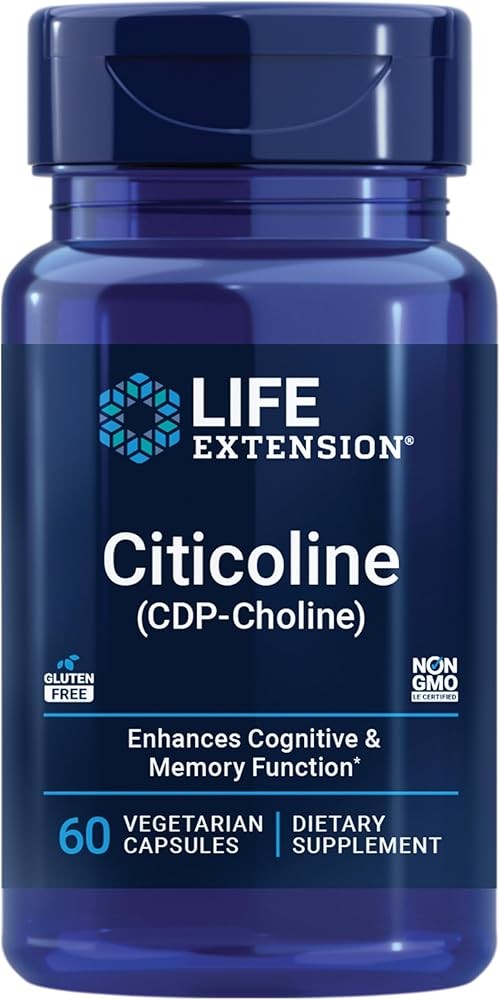
Life Extension Citicoline (CDP-Choline) - Citicoline Supplement for Brain & Cognitive Health, Focus, Attention
Check Price on AmazonAs an Amazon Associate we earn from qualifying purchases.
What is Methylene Blue and How Was It Discovered?
Methylene blue is a synthetic compound first discovered in 1876 by German chemist Heinrich Caro. Originally developed as a textile dye, it became the first synthetic medication ever used in medicine when Paul Ehrlich discovered its antimicrobial properties in the 1890s. This marked the beginning of modern chemotherapy and established methylene blue as a foundational compound in pharmacology.
Chemical Structure and Properties
Methylene blue (methylthioninium chloride) is a thiazine dye with a distinctive deep blue color. Its chemical structure allows it to easily cross the blood-brain barrier, making it particularly valuable for neurological applications. The compound exists in two forms: an oxidized form (blue) and a reduced form (colorless), which is central to its biological activity.
This redox cycling ability enables methylene blue to interact with cellular electron transport systems, particularly in mitochondria. The compound can accept and donate electrons, making it an effective electron carrier that enhances cellular respiration and energy production.
Medical History and Applications
Throughout its long medical history, methylene blue has been used for various medical applications:
Antimalarial Treatment: One of the earliest medical applications, still used in some regions today for malaria support and management.
Methemoglobinemia: FDA-approved medication for this blood disorder where hemoglobin cannot effectively release oxygen to tissues.
Urinary Tract Infections: High-dose methylene blue has antimicrobial properties and has been used as a urinary antiseptic, causing the characteristic blue urine.
Surgical Marker: Used as a dye to identify specific tissues during surgical procedures.
Psychiatric Applications: Historical use in treating psychiatric conditions, with renewed interest in modern research for depression and bipolar disorder.
Pharmaceutical Grade vs Industrial Dyes
This distinction is absolutely critical for safety. Pharmaceutical-grade USP (United States Pharmacopeia) methylene blue is rigorously purified and tested for human consumption. Industrial-grade methylene blue, used for dyeing fabrics or laboratory staining, contains heavy metal contaminants and impurities that make it dangerous for internal use.
USP pharmaceutical-grade methylene blue must meet strict purity standards, typically 95-99% pure with documented testing for contaminants. Only pharmaceutical-grade products should ever be consumed for nootropic purposes. Industrial dyes, while chemically similar, can cause serious toxicity due to contamination with arsenic, lead, and other heavy metals.
The Nootropic Discovery
The cognitive enhancement properties of methylene blue emerged from research into its mitochondrial effects. Scientists discovered that at ultra-low doses, far below those used for medical treatments, methylene blue significantly enhanced cellular energy production and demonstrated neuroprotective properties.
Research at the University of Texas and other institutions showed that low-dose methylene blue improved memory formation, enhanced cognitive performance, and protected neurons from age-related decline (PubMed 22067440). This sparked renewed interest in the compound as a potential cognitive enhancer and anti-aging intervention.
Bottom line: Methylene blue is a synthetic compound with over 140 years of medical use that crosses the blood-brain barrier and cycles between oxidized and reduced forms to enhance cellular energy production; only pharmaceutical-grade USP methylene blue (95-99% pure) should be used for nootropic purposes, as industrial dyes contain dangerous heavy metal contaminants including arsenic and lead.
What Are the Cognitive Benefits and What Does Research Show?
The cognitive benefits of methylene blue are supported by a growing body of scientific research spanning cellular studies, animal models, and human clinical trials. Unlike many nootropics with limited evidence, methylene blue has demonstrated measurable improvements in multiple aspects of cognitive function.
Memory Enhancement
Memory improvement represents one of the most well-documented effects of low-dose methylene blue. Research shows that methylene blue enhances memory consolidation, the process by which short-term memories are converted into long-term storage.
In a landmark human study, participants who received 4mg of methylene blue after a learning task showed significantly better memory retention when tested 24 hours later compared to placebo (PubMed 22067440). The improvement was particularly pronounced for spatial and contextual memory tasks. The mechanism appears to involve enhanced metabolic activity in memory-related brain regions during the critical consolidation window.
Animal studies have demonstrated even more dramatic effects, with rats showing 40-50% improvements in maze learning and spatial memory tasks with low-dose methylene blue administration. These effects persist with chronic administration without tolerance development, suggesting sustained cognitive benefits.
Focus and Attention
While less studied than memory effects, methylene blue appears to enhance sustained attention and mental clarity. User reports consistently describe improved ability to maintain focus during cognitively demanding tasks, though this has not been rigorously quantified in controlled trials.
The mechanism likely involves optimized energy supply to prefrontal cortex neurons responsible for executive function and attention control. By enhancing ATP availability, methylene blue may help maintain the high energy demands of focused cognitive work without the crash associated with stimulants.
Research is ongoing to formally quantify attention improvements and determine optimal dosing for this specific benefit.
Neuroprotection and Brain Health
Beyond acute cognitive enhancement, methylene blue demonstrates significant neuroprotective properties. It reduces oxidative stress in neurons, enhances mitochondrial function during aging, and may protect against various neurodegenerative processes.
Studies show that methylene blue reduces accumulation of pathological proteins associated with Alzheimer’s disease, including tau aggregation. It also enhances autophagy (cellular cleanup processes) and mitophagy (removal of damaged mitochondria), both critical for long-term brain health.
In animal models of stroke and traumatic brain injury, methylene blue administration reduces damage and improves functional recovery. The mechanism involves maintaining cellular energy production during periods of compromised blood flow and reducing excitotoxicity.
These neuroprotective effects suggest potential value not just for immediate cognitive performance but for maintaining brain health across the lifespan.
Alzheimer’s Disease Research
Perhaps the most exciting area of methylene blue research involves its potential in Alzheimer’s disease. Multiple studies have demonstrated that methylene blue inhibits tau protein aggregation, a key pathological feature of Alzheimer’s.
A Phase 2 clinical trial showed that Alzheimer’s patients receiving methylene blue (at higher doses than used for nootropic purposes) experienced significantly slower cognitive decline over 24 months compared to placebo. Brain imaging showed reduced atrophy and better-maintained glucose metabolism in treated patients.
While these studies used higher doses (100-300mg daily) than the ultra-low doses used for cognitive enhancement, they validate methylene blue’s ability to impact brain function and neurodegeneration in humans. Ongoing research is investigating whether lower preventive doses may reduce Alzheimer’s risk in healthy individuals.
Mood and Psychological Effects
Methylene blue has demonstrated antidepressant effects in both animal models and small human trials. At doses of 15mg daily, it produced improvements comparable to standard antidepressants but with faster onset of benefits.
The mechanism likely involves mild MAO (monoamine oxidase) inhibition, which increases levels of serotonin, dopamine, and norepinephrine. Combined with enhanced mitochondrial function in mood-regulating brain regions, this creates a multi-faceted approach to mood enhancement.
Many nootropic users report subtle mood improvements at low doses (1-2mg), describing enhanced motivation, reduced mental fatigue, and more stable energy throughout the day. These effects are more subtle than dedicated antidepressant doses but contribute to the overall cognitive enhancement experience.
Cognitive Enhancement in Healthy Adults
Most research has focused on methylene blue’s effects in disease states or cognitive impairment. However, studies in healthy young adults have also shown measurable benefits.
Healthy participants given low-dose methylene blue show increased regional blood flow to frontal and parietal brain regions involved in higher-order cognition. PET scan studies demonstrate increased glucose metabolism in these areas, consistent with enhanced neural activity.
Performance on working memory tasks, sustained attention tests, and complex problem-solving improves modestly but measurably with acute methylene blue administration. The effects are most apparent on tasks requiring sustained cognitive effort rather than simple reaction time or basic processing.
These findings support methylene blue’s value not just for addressing cognitive decline but for optimizing performance in healthy individuals seeking cognitive enhancement.
| Feature | Methylene Blue | Modafinil | Caffeine | Racetams |
|---|---|---|---|---|
| Primary Mechanism | Mitochondrial electron transport enhancement | Orexin/dopamine modulation | Adenosine receptor antagonism | Cholinergic/AMPA modulation |
| Optimal Dose | 1-2mg daily | 100-200mg | 50-200mg | 750-4800mg daily |
| Onset Time | 30-60 minutes | 1-2 hours | 15-30 minutes | 30-90 minutes |
| Duration | 4-6 hours | 8-15 hours | 3-5 hours | 4-8 hours |
| Memory Enhancement | Strong (consolidation) | Minimal | Minimal | Moderate to strong |
| Focus/Attention | Moderate | Very strong | Strong | Moderate |
| Neuroprotection | Strong | Moderate | Minimal | Moderate |
| Tolerance Development | None | Moderate | Rapid | Minimal |
| Side Effect Profile | Minimal at low dose | Insomnia, anxiety | Jitters, crash | Headache, irritability |
| Legal Status | OTC supplement | Prescription only | Unrestricted | OTC supplement |
| Cost per Day | $0.15-0.30 | $1.50-3.00 | $0.05-0.20 | $0.30-1.00 |
How Does Methylene Blue Enhance Mitochondrial Function and Energy Production?
Understanding methylene blue’s mechanism requires examining cellular energy production and the critical role of mitochondria in brain function.
Mitochondria: The Cell’s Power Plants
Mitochondria are organelles responsible for producing ATP (adenosine triphosphate), the energy currency that powers all cellular processes. Brain cells are extraordinarily energy-intensive—the brain consumes approximately 20% of the body’s total energy despite representing only 2% of body weight.
Neurons require constant ATP supply to maintain ion gradients across membranes (essential for electrical signaling), synthesize neurotransmitters, perform cellular maintenance, and support synaptic plasticity underlying learning and memory. Any impairment in mitochondrial function directly compromises cognitive performance.
The Electron Transport Chain
ATP production occurs through a series of protein complexes in the mitochondrial inner membrane called the electron transport chain (ETC). Electrons from food molecules are passed through Complexes I, II, III, and IV, creating a proton gradient that drives ATP synthase to produce ATP.
Complex I and Complex III are particularly vulnerable to age-related damage, oxidative stress, and various toxins. When these complexes function suboptimally, ATP production declines and reactive oxygen species (ROS) increase, creating a vicious cycle of mitochondrial dysfunction.
Methylene Blue’s Mechanism: Alternative Electron Carrier
Methylene blue acts as an alternative electron carrier, accepting electrons from NADH and FADH2 (the same molecules that normally donate to Complex I and II) and transferring them directly to Complex IV (cytochrome c oxidase).
This bypass mechanism is particularly valuable when Complex I or Complex III are impaired. By providing an alternative electron transport route, methylene blue can restore ATP production even when the conventional pathway is compromised. Studies show 30-50% increases in ATP production in mitochondria with impaired Complex I function (PubMed 18657634).
The compound cycles between its oxidized (blue) and reduced (colorless) forms as it accepts and donates electrons, making it an effective catalytic enhancer rather than being consumed in the process.
ATP Production and Cognitive Function
The cognitive benefits of enhanced ATP production are multifaceted:
Memory Consolidation: Converting short-term memories to long-term storage requires significant energy for protein synthesis, synaptic restructuring, and gene expression changes. Enhanced ATP availability during this critical window improves consolidation efficiency.
Neurotransmitter Synthesis: Producing neurotransmitters like acetylcholine, dopamine, and glutamate is ATP-intensive. Better energy supply means more effective neurotransmitter systems.
Synaptic Transmission: The process of releasing neurotransmitters and propagating electrical signals across synapses is energy-intensive. More ATP means more efficient neural communication.
Neuroplasticity: Learning-induced changes in synaptic connections require energy for structural modifications. Enhanced ATP supports more effective adaptation and learning.
Even modest improvements in ATP production can significantly impact cognitive function due to the brain’s massive energy requirements and the critical role of energy in nearly every aspect of neural processing.
Oxidative Stress Reduction
Paradoxically, while methylene blue enhances oxygen consumption (increasing metabolic activity), it reduces oxidative stress. This occurs through several mechanisms:
Improved Electron Flow: By providing alternative electron transport routes, methylene blue reduces electron “backup” at Complex I and III, the primary sites of superoxide radical production.
Antioxidant Properties: At low concentrations, methylene blue itself can act as an antioxidant, scavenging reactive oxygen species.
Enhanced Antioxidant Enzyme Function: Methylene blue increases activity of endogenous antioxidant enzymes like superoxide dismutase and catalase.
This combination of enhanced energy production with reduced oxidative stress is particularly valuable for brain health, as oxidative damage is implicated in cognitive aging and neurodegenerative diseases.
Mitophagy and Mitochondrial Quality Control
Methylene blue enhances mitophagy—the selective degradation of damaged mitochondria. This quality control process is essential for maintaining a healthy mitochondrial population.
By improving energy sensors like AMPK and enhancing cellular cleanup processes, methylene blue helps cells identify and remove dysfunctional mitochondria while promoting biogenesis of new, healthy mitochondria. This results in improved overall mitochondrial quality beyond just optimizing existing organelles.
Hypoxia Protection
Methylene blue provides protection during periods of reduced oxygen availability (hypoxia). By maintaining electron transport chain function even when oxygen delivery is compromised, it helps preserve ATP production and reduce cellular damage.
This mechanism may be relevant for high-altitude performance, temporary blood flow reductions, or age-related declines in cerebral circulation. The neuroprotective effects observed in stroke and traumatic brain injury models likely involve this hypoxia protection mechanism.
What Are the Proper Low-Dose Protocols and Why Is Dosing Precision Critical?
The dose-response curve for methylene blue is unusual among nootropics—more is definitively not better, and the optimal range is quite narrow.
The Ultra-Low Dose Paradigm
Research demonstrates that the cognitive benefits of methylene blue occur at doses far below those used for medical applications. While medical uses employ 50-300mg doses, nootropic applications use 0.5-4mg.
This ultra-low dose paradigm reflects methylene blue’s mechanism. At low doses, it acts primarily as an electron carrier enhancing mitochondrial function. At higher doses, additional mechanisms activate (MAO inhibition, direct antioxidant effects) but cognitive benefits don’t increase proportionally while side effects become more prominent.
Studies show peak cognitive enhancement at 1-4mg in humans, with higher doses providing no additional memory benefit while causing more blue urine discoloration, mild nausea, and other effects.
Starting Protocol
For individuals new to methylene blue:
Week 1: Start with 0.5-1mg once daily in the morning. This conservative approach allows assessment of individual sensitivity and any unexpected reactions.
Monitor Response: Track subjective mental clarity, focus, and any side effects. Most people tolerate this dose without issues, but individual variation exists.
Assess Tolerance: Verify no adverse reactions, particularly if taking any medications that might interact (serotonergic drugs, blood pressure medications).
Starting conservatively is especially important given the narrow therapeutic range and the potential for interactions in susceptible individuals.
Optimal Maintenance Dose
Based on research and user experience, the optimal maintenance dose for most people is:
1-2mg daily: This range provides maximum cognitive benefits with minimal side effects. Studies showing memory enhancement used 4mg, but many users find 1-2mg equally effective with less urine discoloration.
Single Morning Dose: Take in the morning to avoid any potential sleep disruption, though sleep interference is uncommon at these doses.
With or Without Food: Absorption doesn’t appear significantly affected by food, so take according to personal preference.
Some individuals increase to 3-4mg for specific high-cognitive-demand situations (exams, important presentations), but chronic use at this higher range provides no clear advantage over 1-2mg maintenance.
Liquid vs Tablet Formulations
Liquid Formulations: Offer the most precise dosing control. A typical concentration of 10mg/mL allows measurement of 0.1mL (approximately 2 drops) to deliver 1mg. Calibrated droppers make this straightforward.
Advantages: Exact dose adjustment, easy to start low and titrate up, no filler ingredients.
Disadvantages: Requires measuring each dose, less convenient for travel, light-sensitive (must store in amber bottle).
Tablet/Capsule Formulations: Pre-measured doses eliminate measurement uncertainty.
Advantages: Convenient, consistent dosing, travel-friendly.
Disadvantages: Limited flexibility to adjust dose, must find products at appropriate nootropic doses (1-2mg), more expensive per dose.
For most users, liquid formulations at 10mg/mL concentration provide the best balance of precision and convenience.
Timing and Administration
Morning Administration: Most users take methylene blue in the morning to align peak effects with daytime cognitive demands.
30-60 Minutes Before Peak Need: Effects begin within 30-60 minutes, so time administration accordingly for important cognitive tasks.
During or After Learning: Some research suggests taking methylene blue during or immediately after a learning session may optimize memory consolidation for that material.
Avoid Evening Doses: While not a stimulant, some individuals report difficulty sleeping if taking methylene blue in late afternoon or evening. Morning or early afternoon dosing avoids this potential issue.
Cycling and Continuous Use
Research supports continuous daily use without cycling. Studies showing cognitive benefits used daily administration for months without tolerance development or loss of efficacy.
No Cycling Required: Unlike many nootropics where receptor downregulation requires periodic breaks, methylene blue’s mitochondrial mechanism doesn’t show this pattern.
Continuous Benefits: Long-term neuroprotective effects likely require consistent exposure rather than intermittent use.
Optional Cycling: Some users choose to cycle (5 days on/2 days off, or 3 weeks on/1 week off) based on general nootropic principles, but research doesn’t indicate this is necessary for methylene blue specifically.
Dose-Related Side Effects
Understanding side effects helps optimize dosing:
Blue Urine (dose-dependent): Occurs at all doses but intensity increases with higher amounts. Completely harmless but may be concerning if unexpected. More prominent at 3-4mg+, minimal at 1-2mg.
Nausea (rare below 5mg): Generally only occurs at doses above the optimal nootropic range. If experiencing nausea at 1-2mg, reduce dose or take with food.
Dizziness (uncommon): Rare at nootropic doses, more common at medical doses (50mg+).
Dysuria (painful urination): Only reported at high doses, not a concern at 1-4mg range.
The side effect profile strongly supports using the minimum effective dose (1-2mg) rather than assuming higher doses provide proportionally greater benefits.
Measuring Small Doses Accurately
Precision matters with methylene blue’s narrow optimal range:
Liquid Formulations: Use products with calibrated droppers. A 10mg/mL solution delivers approximately 0.5mg per drop, making 1-2mg dosing straightforward (2-4 drops).
Milligram Scales: If using powder, invest in a quality milligram scale accurate to 0.001g (1mg). Scales accurate only to 0.01g (10mg) are insufficient for measuring 1-2mg doses.
Pre-Made Solutions: Creating a precisely measured dilute solution from powder (e.g., 10mg/mL in distilled water) allows accurate daily dosing without repeated weighing.
Pre-Measured Capsules: Products specifically formulated for nootropic use with 1-2mg capsules eliminate measurement challenges.
Given the narrow therapeutic range, investing in proper measuring equipment or purchasing pre-measured formulations is worthwhile for safety and effectiveness.
What Are the Pharmaceutical Grade Requirements and Why Does Quality Matter?
Quality is non-negotiable with methylene blue. The difference between pharmaceutical-grade and industrial-grade products is not just purity percentage—it’s a safety issue.
USP Grade Standards
USP (United States Pharmacopeia) standards define pharmaceutical-grade quality:
Purity: Must be 95-99% pure methylene blue with specified limits on impurities.
Heavy Metal Testing: Maximum allowable levels of arsenic, lead, mercury, and other heavy metals are strictly defined and tested.
Microbial Limits: Products must be tested for bacterial and fungal contamination.
Manufacturing Standards: GMP (Good Manufacturing Practice) facilities with quality control documentation.
Lot Testing: Each production batch must be individually tested with certificates of analysis available.
Stability Testing: Shelf life determination under specified storage conditions.
Products meeting USP standards are suitable for human consumption and safe for internal use at appropriate doses.
Dangers of Industrial Grade
Industrial-grade methylene blue, sold for textile dyeing, aquarium use, or laboratory staining, looks chemically identical but contains dangerous impurities:
Heavy Metal Contamination: May contain lead, arsenic, mercury, and cadmium at levels safe for external use (dyeing fabric) but toxic for ingestion.
Chemical Impurities: Manufacturing byproducts and related compounds not removed during industrial purification.
Microbiological Contamination: No sterility requirements for non-medical products.
No Quality Control: Batch-to-batch variation with no testing or documentation.
Cases of serious toxicity have occurred from people consuming aquarium or laboratory-grade methylene blue, including heavy metal poisoning and methemoglobinemia from contaminants (ironically, the condition pharmaceutical methylene blue is prescribed for).
Bottom line: Never consume methylene blue products not explicitly labeled pharmaceutical-grade or USP-grade, regardless of claimed purity percentage.
Identifying Quality Products
When purchasing methylene blue for nootropic use, verify:
Explicit USP or Pharmaceutical Grade Statement: Product labeling must clearly state “USP Grade” or “Pharmaceutical Grade”—terms like “pure” or “high quality” are insufficient.
Intended Use: Should be marketed for human consumption/supplementation, not aquarium use, laboratory staining, or textile dyeing.
Certificate of Analysis (COA): Reputable manufacturers provide COAs from third-party testing laboratories showing purity, heavy metal content, and microbial testing results.
Manufacturer Reputation: Established supplement manufacturers with track records in quality control and transparent sourcing.
Appropriate Packaging: Pharmaceutical-grade products use amber glass bottles (protecting from light degradation) with proper seals and labeling.
Reasonable Pricing: Pharmaceutical-grade methylene blue costs more than industrial grades. Suspiciously cheap products are likely not pharmaceutical-grade.
Verification and Testing
For most users, purchasing from established manufacturers with documented quality control and certificates of analysis provides sufficient assurance without requiring personal testing.
However, those wanting additional verification can:
Request COA: Ask manufacturer for certificate of analysis for the specific lot purchased.
Third-Party Testing: Services like ConsumerLab or independent analytical laboratories can test products, though this is expensive for individual users.
Visual Inspection: Pharmaceutical-grade methylene blue should be deep blue, clear (not cloudy), and free of particles or precipitate. Any cloudiness, unusual odor, or color variation suggests quality issues.
Storage and Stability
Methylene blue is reasonably stable but degrades with improper storage:
Light Sensitivity: Major degradation pathway. Must store in amber/opaque containers away from direct light.
Temperature: Room temperature (15-25°C / 59-77°F) is appropriate. Avoid extreme heat. Refrigeration is unnecessary.
Air Exposure: Minimize by keeping containers tightly sealed. Oxidation can degrade the compound.
Moisture: Keep dry. Powder formulations are hygroscopic and should be protected from humidity.
Properly stored pharmaceutical-grade methylene blue remains stable for 2-3 years from manufacture date. Once opened, use liquid formulations within 6-12 months for optimal potency.
Liquid vs Powder Considerations
Liquid Formulations:
- Pre-dissolved at known concentration
- Ready to use, no preparation required
- Limited shelf life once opened (6-12 months)
- More expensive per unit dose
- Easier for daily use
Powder Formulations:
- Longer shelf life if properly stored (2-3 years)
- Can create custom concentrations
- More economical for long-term use
- Requires accurate measurement equipment
- Higher risk of measurement error
- Must be dissolved before use
For most users, pharmaceutical-grade liquid at 10mg/mL concentration offers the best combination of convenience, accuracy, and safety.
Medical Use vs Nootropic Use: Understanding the Dose Differences
Methylene blue’s dual identity as both an FDA-approved medication and a nootropic supplement creates potential confusion about appropriate dosing and applications.
Traditional Medical Applications
Methylene blue’s established medical uses employ doses 25-300 times higher than nootropic applications:
Methemoglobinemia Treatment: 1-2mg/kg body weight (70-140mg for a 70kg person), given intravenously for acute treatment.
Antimalarial Treatment: 36-72mg daily for several days.
Urinary Antiseptic: 65-130mg three times daily.
Vasoplegic Shock Treatment: 1-2mg/kg during cardiac surgery.
Psychiatric Treatment (investigational): 15-300mg daily in depression and bipolar studies.
These medical doses activate mechanisms beyond mitochondrial enhancement, including significant MAO inhibition, direct antimicrobial effects, and hemoglobin modification.
Dose Comparison: 1mg vs 100mg
The nootropic dose of 1-2mg represents approximately 1-2% of typical medical doses. This dramatic difference reflects distinct mechanisms:
1-2mg (Nootropic): Primary mechanism is mitochondrial electron carrier function enhancing ATP production. Minimal MAO inhibition, no significant antimicrobial effect, no hemoglobin impact.
50-300mg (Medical): All mechanisms activate—strong MAO inhibition, hemoglobin oxidation state changes, antimicrobial effects, potentially direct antioxidant effects at cellular level.
The narrow nootropic range (1-4mg) provides cognitive benefits through optimized cellular energy without engaging the higher-dose mechanisms that bring increased side effects and drug interaction concerns.
Blue Urine: Medical vs Nootropic Doses
Blue or blue-green urine discoloration occurs at all doses but severity is dose-dependent:
1-2mg: Minimal to mild discoloration, often barely noticeable with normal hydration.
3-4mg: Noticeable blue-green tint, more prominent with concentrated urine.
10-50mg+: Dramatic bright blue urine impossible to miss.
100mg+: Intensely blue urine, potential for blue-green tint to other body fluids.
While completely harmless at any dose, the cosmetic concern may influence dose selection for some users. Those wanting to minimize visible effects should stay at 1-2mg maintenance doses.
Antimicrobial Effects
Methylene blue’s antimicrobial properties require doses far above the nootropic range:
Nootropic Doses (1-4mg): No significant antimicrobial activity, will not affect normal microbiome or address infections.
Medical Doses (50mg+): Antimicrobial effects against certain bacteria and parasites, including malaria parasites.
This distinction is important—nootropic methylene blue use will not disrupt gut microbiome or provide any infection-fighting benefits (but also won’t cause microbiome-related side effects from antimicrobial activity).
Interaction Profile: Dose-Dependent
Drug interaction concerns differ dramatically between dose ranges:
Serotonin Syndrome Risk:
- 1-2mg: Minimal MAO inhibition, theoretical risk only with high-dose SSRIs
- 15-50mg+: Significant MAO inhibition, documented serotonin syndrome cases
Blood Pressure Effects:
- 1-2mg: No clinically significant effects
- 50mg+: Potential for blood pressure changes
Anesthesia Interactions:
- 1-4mg: Unlikely to affect anesthesia
- 50mg+: May interact with certain anesthetic agents
The substantially lower interaction risk at nootropic doses makes methylene blue safer for general use compared to medical applications, though basic precautions (G6PD screening, awareness of serotonergic medications) remain important.
Cost Comparison
The ultra-low nootropic dose makes methylene blue remarkably economical:
Medical Use: A 100mg dose costs approximately $5-20 depending on formulation (injectable vs oral).
Nootropic Use: A 1-2mg dose costs approximately $0.15-0.30, making a month’s supply $4.50-9.00.
Year’s Supply: At 2mg daily, pharmaceutical-grade methylene blue costs roughly $55-110 annually.
This economic advantage over many other nootropics ($30-100+ monthly) makes methylene blue accessible for long-term use as part of a cognitive enhancement protocol.
Why Low Dose Works Better
The counterintuitive principle that lower doses work better for cognitive enhancement reflects methylene blue’s specific mitochondrial mechanism:
Optimal Electron Carrier Function: At very low concentrations, methylene blue effectively shuttles electrons without overwhelming cellular redox systems.
Hormetic Response: Low-dose metabolic enhancement may trigger adaptive cellular responses (increased antioxidant enzymes, improved mitochondrial quality control) that wouldn’t occur at higher doses.
Avoiding Pro-Oxidant Effects: At high concentrations, methylene blue can paradoxically become pro-oxidant rather than antioxidant, creating oxidative stress instead of reducing it.
Mitochondrial Specificity: The goal is optimizing existing mitochondrial function, not forcing maximum metabolic activity. The subtle enhancement at low doses provides benefits without cellular stress.
Research directly comparing different doses confirms this pattern—memory enhancement peaks at 1-4mg with no additional benefit at higher doses and actually decreased efficacy at very high doses (100mg+) in some studies.
What Is the Safety Profile and What Are the Drug Interactions?
While methylene blue has an excellent safety record at appropriate doses, several important considerations and contraindications must be understood.
General Safety at Low Doses
Pharmaceutical-grade methylene blue at 1-4mg daily appears very safe for most adults based on:
Medical History: Over 140 years of medical use provides extensive safety data across diverse populations.
Long-Term Studies: Research using daily administration for up to 24 months shows no significant adverse effects at appropriate doses.
Wide Use: Millions of medical doses administered for methemoglobinemia, malaria, and other conditions without serious safety concerns (at appropriate doses).
Low Toxicity: The LD50 (lethal dose for 50% of test animals) is very high—hundreds of milligrams per kilogram of body weight, making accidental overdose extremely unlikely.
Common minor side effects are limited to blue urine discoloration and mild nausea (usually only above 5mg). Serious adverse events are rare and almost exclusively occur at medical doses (50mg+) or in individuals with specific contraindications.
Blue Discoloration: Completely Harmless
The most common “side effect” is blue or blue-green discoloration of urine, which deserves special mention because it concerns new users despite being entirely harmless.
Mechanism: Methylene blue is water-soluble and excreted primarily through kidneys. The blue color simply reflects the compound passing through the urinary system.
Not a Sign of Problems: This is normal pharmacology, not kidney damage or toxicity. It occurs in everyone taking methylene blue at detectable doses.
Dose-Dependent Intensity: Higher doses produce more intense color. At 1-2mg, discoloration may be barely noticeable. At 4mg+, it’s clearly visible. At medical doses (50-100mg), urine is bright blue.
Duration: Appears within 1-2 hours of dosing and clears within 24 hours as the compound is fully excreted.
Other Body Fluids: At very high medical doses, minor blue-green tint may appear in other body fluids, but this is extremely rare at nootropic doses.
Clinical Note: If undergoing urinalysis for medical purposes, inform healthcare providers about methylene blue use to avoid confusion.
Serotonin Syndrome Risk
This represents the most significant drug interaction concern, though risk is primarily at higher doses:
Mechanism: Methylene blue weakly inhibits monoamine oxidase (MAO) enzymes, which break down serotonin. When combined with serotonergic medications that increase serotonin levels, theoretical risk exists for serotonin syndrome—a potentially serious condition of serotonin excess.
Dose-Dependency: MAO inhibition is minimal at 1-2mg doses. Documented serotonin syndrome cases almost exclusively involve doses of 50mg or higher combined with serotonergic medications.
Medications of Concern:
- SSRIs (Prozac, Zoloft, Lexapro, etc.)
- SNRIs (Effexor, Cymbalta, etc.)
- Tricyclic antidepressants
- MAO inhibitor antidepressants
- Tramadol, meperidine, and certain pain medications
- Buspirone, triptans (migraine medications)
- Some supplements (St. John’s Wort, 5-HTP, tryptophan)
Risk at Nootropic Doses: Many users combine 1-2mg methylene blue with SSRIs without issues. The risk appears minimal but not zero. Conservative approach: avoid combination or use very low doses (0.5mg) with close monitoring.
Symptoms of Serotonin Syndrome: Agitation, rapid heart rate, high blood pressure, dilated pupils, muscle rigidity, tremor, sweating, confusion, hyperthermia. Requires immediate medical attention.
Recommendation: If taking any serotonergic medication, consult physician before starting methylene blue. If combining, start with very low dose (0.5mg) and monitor carefully for any concerning symptoms.
G6PD Deficiency Contraindication
This is an absolute contraindication—individuals with G6PD deficiency must not use methylene blue at any dose:
G6PD (Glucose-6-Phosphate Dehydrogenase) Deficiency: Genetic condition affecting red blood cells, particularly common in people of African, Mediterranean, or Asian descent. Approximately 400 million people worldwide have this condition.
Mechanism of Harm: Methylene blue causes oxidative stress in red blood cells. People with G6PD deficiency lack sufficient antioxidant capacity to handle this stress, leading to hemolysis (red blood cell destruction).
Consequences: Hemolytic anemia can be severe or even life-threatening, with symptoms including fatigue, jaundice, dark urine, rapid heart rate, and shortness of breath.
No Safe Dose: Even low nootropic doses can trigger hemolysis in G6PD-deficient individuals. This contraindication is absolute regardless of dose.
Screening Recommendation: Anyone considering methylene blue use who is at higher risk (African, Mediterranean, Asian ancestry, or family history of G6PD deficiency) should undergo screening with a simple blood test before first use.
Prevalence: More common than most people realize—up to 10% in certain ethnic populations. Not rare enough to dismiss this screening need.
Blood Pressure Effects
Methylene blue can affect blood pressure, though effects are minimal at nootropic doses:
Mild Vasoconstrictive Effects: May slightly increase blood pressure through various mechanisms.
Clinical Significance: At 1-4mg doses, blood pressure changes are typically minimal and not clinically significant in healthy individuals.
Hypertension Concern: Those with pre-existing hypertension should monitor blood pressure when starting methylene blue. The effect is unlikely to be significant at low doses, but monitoring provides reassurance.
Hypotension: Some case reports describe blood pressure drops, though this is more common with high medical doses.
Monitoring Recommendation: If you have cardiovascular issues, check blood pressure before starting methylene blue and periodically during initial weeks to verify no adverse effects.
Pregnancy and Breastfeeding
Methylene blue should be avoided during pregnancy and breastfeeding due to insufficient safety data:
Pregnancy: Crosses placental barrier. High doses can cause fetal methemoglobinemia and other adverse effects. While low nootropic doses unlikely to cause harm, risk cannot be completely ruled out and benefit doesn’t justify use.
Breastfeeding: Excreted in breast milk. Potential for infant exposure to methylene blue with unknown effects. Lack of safety data means avoidance is prudent.
Recommendation: Women who are pregnant, planning pregnancy, or breastfeeding should not use methylene blue for cognitive enhancement purposes.
Anesthesia Interactions
Methylene blue can interact with certain anesthetic agents, though risk is primarily with medical doses:
Serotonergic Interaction: Some anesthetic adjuncts have serotonergic properties. Combined with methylene blue’s MAO inhibition, theoretical risk exists.
Clinical Relevance: At nootropic doses (1-4mg), interaction risk is minimal. However, conservative medical practice recommends discontinuing methylene blue before surgical procedures.
Recommendation: Inform anesthesiologist about methylene blue use before any surgery. Many will recommend stopping 24-48 hours before procedure. The compound clears rapidly, so brief discontinuation eliminates concern.
Photosensitivity
Methylene blue can increase photosensitivity (sensitivity to sunlight), though this is uncommon at low doses:
Mechanism: Methylene blue absorbs light and can generate reactive oxygen species when exposed to UV radiation, potentially increasing sunburn risk.
Practical Significance: At 1-4mg doses, increased photosensitivity is unlikely to be noticeable. May be more relevant at high medical doses.
Precaution: If spending extended time in intense sun, consider sunscreen. This is generally good practice regardless, but especially during methylene blue use.
Medication Interactions Beyond Serotonin
Several other medication interactions warrant awareness:
Warfarin and Anticoagulants: Methylene blue may reduce anticoagulant effects. Monitoring INR more frequently if combining is prudent.
Cimetidine: May reduce methylene blue clearance, potentially increasing levels.
Phenothiazine Antipsychotics: Additive effects possible due to chemical similarity.
Most interactions are theoretical or based on high-dose medical use. At 1-2mg nootropic doses, clinically significant interactions are uncommon. However, when taking any prescription medication, inform your physician about methylene blue use.
Contraindications Summary
Absolute contraindications (do not use methylene blue):
- G6PD deficiency
- Pregnancy or breastfeeding
- Current use of MAO inhibitor medications
Relative contraindications (use with caution, medical consultation, or very low doses):
- SSRI, SNRI, or other serotonergic medication use
- Severe hypertension
- Severe kidney or liver disease
- Upcoming surgery (discontinue 24-48 hours before)
Monitoring Recommendations
For safe long-term use of methylene blue:
Before Starting:
- G6PD screening if at risk (African, Mediterranean, Asian ancestry)
- Review all medications for potential interactions
- Baseline blood pressure if hypertensive
During Initial Use:
- Monitor for any symptoms of serotonin syndrome if taking serotonergic medications
- Check blood pressure periodically if hypertensive
- Assess tolerance and any unexpected effects
Long-Term Monitoring:
- Periodic check-ins with physician if taking prescription medications
- Annual health screening that includes basic metabolic panel and blood count
- Remain alert to any new medication prescriptions that might interact
The excellent safety profile at appropriate doses, combined with basic screening and monitoring, makes methylene blue one of the safest nootropics available when used responsibly.
How Does Methylene Blue Compare to Other Nootropics?
Understanding how methylene blue fits into the nootropic landscape helps determine its appropriate role in cognitive enhancement protocols.
Methylene Blue vs Racetams
Racetams (piracetam, aniracetam, phenylpiracetam, etc.) represent one of the most popular nootropic classes, with distinct mechanisms from methylene blue:
Mechanisms:
- Racetams: Modulate AMPA receptors, enhance acetylcholine transmission, improve cell membrane fluidity
- Methylene Blue: Mitochondrial electron carrier, enhances ATP production, reduces oxidative stress
Cognitive Effects:
- Racetams: Primarily enhance learning, verbal fluency, memory recall
- Methylene Blue: Primarily enhance memory consolidation, mental clarity, long-term brain health
Onset:
- Racetams: Effects often build over days to weeks
- Methylene Blue: Effects noticeable within hours, accumulate over time
Side Effects:
- Racetams: Headaches common (often requiring choline supplementation), irritability in some users
- Methylene Blue: Blue urine, rarely nausea at higher doses
Stacking: Potentially synergistic. Racetams enhance cholinergic transmission; methylene blue provides energy for neurotransmitter synthesis and synaptic function.
Cost: Similar range, $20-60 monthly depending on specific racetam and dose.
Methylene Blue vs Modafinil
Modafinil is a prescription wakefulness-promoting agent popular for cognitive enhancement:
Mechanisms:
- Modafinil: Increases dopamine and norepinephrine, enhances orexin/hypocretin signaling
- Methylene Blue: Mitochondrial function enhancement, not dopaminergic
Cognitive Effects:
- Modafinil: Powerful wakefulness, attention, and focus enhancement
- Methylene Blue: Subtler mental clarity, memory enhancement, no stimulation
Onset and Duration:
- Modafinil: 1-2 hour onset, 12-15 hour duration (can interfere with sleep)
- Methylene Blue: 30-60 minute onset, 4-6 hour half-life (minimal sleep interference)
Tolerance:
- Modafinil: Moderate tolerance development with daily use
- Methylene Blue: No tolerance development
Side Effects:
- Modafinil: Insomnia, anxiety, headache, appetite suppression common
- Methylene Blue: Minimal at nootropic doses (blue urine only)
Legal Status:
- Modafinil: Prescription-only (Schedule IV controlled substance in US)
- Methylene Blue: OTC supplement, no prescription required
Use Cases:
- Modafinil: Acute performance enhancement, overcoming sleep deprivation, intense focus needs
- Methylene Blue: Daily cognitive support, memory enhancement, long-term brain health
Stacking: Can be combined. Modafinil provides wakefulness and attention; methylene blue provides cellular energy and memory consolidation. No significant interactions.
Methylene Blue vs Caffeine
Caffeine is the world’s most widely used cognitive enhancer, with distinct effects from methylene blue:
Mechanisms:
- Caffeine: Adenosine receptor antagonism (blocks drowsiness signals)
- Methylene Blue: Mitochondrial ATP production enhancement (provides actual cellular energy)
Cognitive Effects:
- Caffeine: Alertness, attention, reduced perception of fatigue
- Methylene Blue: Mental clarity, memory consolidation, cognitive energy
Onset and Duration:
- Caffeine: 15-30 minute onset, 3-5 hour duration with crash
- Methylene Blue: 30-60 minute onset, 4-6 hour effects without crash
Tolerance:
- Caffeine: Rapid tolerance development requiring dose increases
- Methylene Blue: No tolerance
Side Effects:
- Caffeine: Jitteriness, anxiety, crash, sleep disruption, dependency
- Methylene Blue: Blue urine (harmless)
Complementary Use: Highly synergistic. Caffeine provides alertness by blocking fatigue signals; methylene blue provides actual cellular energy. Many users combine them effectively.
Cost: Caffeine dramatically cheaper ($0.05-0.20 per dose), but methylene blue is still very economical.
Methylene Blue vs Nicotinamide Riboside (NR) and NMN
NR and NMN boost NAD+ levels, affecting mitochondrial function through a different pathway than methylene blue:
Mechanisms:
- NR/NMN: NAD+ precursors, support electron transport chain function and mitochondrial biogenesis
- Methylene Blue: Alternative electron carrier, bypasses Complex I/III damage
Complementarity: Potentially highly synergistic. NAD+ supports the enzymes of the electron transport chain; methylene blue provides an alternative pathway when those enzymes are impaired.
Evidence:
- NR/NMN: Extensive animal research, emerging human studies for anti-aging
- Methylene Blue: Strong human cognitive research, less focused on general longevity markers
Cost:
- NR/NMN: $40-120 monthly at typical doses (250-1000mg)
- Methylene Blue: $5-10 monthly
Stacking: Excellent candidates for combination. Both target mitochondrial function through distinct mechanisms.
Methylene Blue vs CoQ10 and PQQ
CoQ10 and PQQ are mitochondrial-supporting supplements with distinct roles:
CoQ10 (Ubiquinone/Ubiquinol):
- Also an electron carrier in mitochondria
- Transfers electrons between Complex I/II and Complex III
- Potentially synergistic with methylene blue (methylene blue bypasses Complex III to Complex IV; CoQ10 works upstream)
PQQ (Pyrroloquinoline Quinone):
- Promotes mitochondrial biogenesis (growth of new mitochondria)
- Antioxidant and enzyme cofactor
- Complementary to methylene blue (PQQ increases mitochondrial number; methylene blue improves existing mitochondrial function)
Evidence:
- CoQ10: Extensive research in heart disease, statin side effects, some cognitive research
- PQQ: Primarily animal studies, emerging human research
- Methylene Blue: Strong human cognitive studies
Cost:
- CoQ10: $20-40 monthly (quality ubiquinol)
- PQQ: $15-30 monthly
- Methylene Blue: $5-10 monthly
Stacking: All three can be combined for comprehensive mitochondrial support addressing different aspects of cellular energy production.
Methylene Blue vs Lion’s Mane Mushroom
Lion’s mane provides cognitive benefits through entirely different mechanisms:
Mechanisms:
- Lion’s Mane: Enhances nerve growth factor (NGF), promotes neurogenesis, supports myelin
- Methylene Blue: Mitochondrial energy enhancement, neuroprotection through antioxidant effects
Cognitive Effects:
- Lion’s Mane: Long-term brain health, neuroplasticity, potentially improved memory over months
- Methylene Blue: Acute memory consolidation, mental clarity, plus long-term neuroprotection
Time Frame:
- Lion’s Mane: Benefits build over weeks to months
- Methylene Blue: Acute effects within hours, long-term benefits accumulate
Evidence:
- Lion’s Mane: Primarily animal studies, some small human trials
- Methylene Blue: Rigorous human cognitive research
Safety:
- Both have excellent safety profiles with minimal side effects
Stacking: Highly complementary. Lion’s mane builds neural infrastructure; methylene blue provides energy for optimal neural function.
Methylene Blue vs Alpha-GPC and Citicoline
These choline sources support acetylcholine synthesis, distinct from methylene blue’s mechanism:
Mechanisms:
- Alpha-GPC/Citicoline: Provide choline for acetylcholine production, support cell membrane synthesis
- Methylene Blue: Provides energy for neurotransmitter synthesis and release
Cognitive Effects:
- Alpha-GPC/Citicoline: Enhanced focus, attention, memory (through cholinergic system)
- Methylene Blue: Enhanced memory consolidation, mental clarity (through energy metabolism)
Complementarity: Excellent for stacking. Choline provides the building blocks for acetylcholine; methylene blue provides energy for its synthesis and release.
Side Effects:
- Alpha-GPC/Citicoline: Rarely headaches, GI upset
- Methylene Blue: Blue urine
Evidence:
- Citicoline: Strong human research for cognitive enhancement and stroke
- Alpha-GPC: Good human research for memory and focus
- Methylene Blue: Strong memory consolidation research
Stacking: Very common and effective combination. Many advanced nootropic stacks include both choline sources and methylene blue.
Methylene Blue vs Rhodiola and Bacopa
These adaptogenic herbs provide cognitive benefits through complex mechanisms:
Rhodiola rosea:
- Adaptogenic stress reduction, enhances mental stamina
- Some evidence for fatigue reduction and sustained attention
- Works through multiple pathways including monoamine modulation
- Complements methylene blue by reducing stress impact on cognition while methylene blue provides cellular energy
Bacopa monnieri:
- Enhances memory through cholinergic and serotonergic effects
- Strong research for memory improvement, requires 8-12 weeks for full effects
- Distinct mechanism from methylene blue but both target memory
- Can be stacked for potentially additive memory benefits
Time Frame:
- Rhodiola: Effects within days to weeks
- Bacopa: Requires 8-12 weeks for full cognitive benefits
- Methylene Blue: Acute effects within hours, builds over time
Evidence:
- All three have human research supporting cognitive benefits
- Methylene blue has more mechanistic clarity
- Herbs have broader traditional use basis
Stacking: Can all be combined. Rhodiola for stress resilience, Bacopa for long-term memory, Methylene blue for acute memory consolidation and cellular energy.
Stacking Considerations
Methylene blue combines well with many other nootropics because its mitochondrial mechanism is foundational rather than competing with other pathways:
Excellent Stacks:
Energy and Memory:
- Methylene blue (mitochondrial energy)
- Alpha-GPC or citicoline (choline for acetylcholine)
- Optional: NR or NMN (NAD+ support)
Comprehensive Cognitive Enhancement:
- Methylene blue (energy and memory)
- Caffeine + L-theanine (alert calmness)
- Bacopa (long-term memory support)
- Lion’s mane (neuroplasticity and NGF)
Mitochondrial Optimization:
- Methylene blue (electron carrier)
- CoQ10/ubiquinol (upstream electron carrier)
- PQQ (mitochondrial biogenesis)
- NR or NMN (NAD+ support)
Avoid Combining:
- Methylene blue + high-dose serotonergic supplements (5-HTP, tryptophan) due to serotonin syndrome risk
- Exercise caution with methylene blue + SSRIs/MAOIs
General Principle: Methylene blue provides the cellular energy foundation that allows other nootropics targeting different mechanisms (neurotransmitters, neuroplasticity, stress response) to work optimally.
What Are the Top Methylene Blue Products?
Our Top Recommendations
Recommended Methylene Blue Supplements
Selecting quality methylene blue products requires careful evaluation. The products listed above represent pharmaceutical-grade supplements that meet USP standards for purity and quality. When evaluating methylene blue products, verify pharmaceutical or USP-grade certification, appropriate concentration for precise low-dose measurement, and third-party testing documentation.
IMPORTANT: Never use aquarium methylene blue, laboratory staining grade, or textile dyes for human consumption. Only pharmaceutical-grade USP methylene blue is safe for nootropic use.
Best Overall: Pharmaceutical Grade Liquid Methylene Blue
Look for products specifically meeting these criteria:
USP Grade Certification: Must state pharmaceutical grade or USP grade prominently.
Appropriate Concentration: 10mg/mL allows precise low-dose measurement. One drop (approximately 0.05mL) delivers 0.5mg, perfect for the nootropic range.
Dropper Bottle: Glass amber bottles with calibrated droppers enable accurate dosing without requiring additional equipment.
Certificate of Analysis: Reputable manufacturers provide third-party testing documentation for purity and heavy metals.
Storage: Amber glass protects from light degradation, extending shelf life.
Top liquid products typically cost $35-55 for 30-50mL bottles, providing 300-500mg total, enough for 6-12 months at 1-2mg daily doses.
Best for Precision: Pre-Measured Capsules
Some manufacturers offer capsules specifically formulated for nootropic use:
1-2mg Capsules: Pre-measured amounts eliminate dosing uncertainty.
Pharmaceutical Grade Powder: Quality products use USP-grade methylene blue powder.
Convenience: No measuring required, easy to take consistently.
Travel-Friendly: Capsules are more portable than liquid formulations.
Cost: Typically $40-60 for 60-90 capsules, providing 2-3 months supply.
The main disadvantage is reduced dosing flexibility compared to liquid formulations. You cannot easily adjust dose up or down in small increments.
Best Value: Bulk Pharmaceutical Powder
For experienced users with appropriate measuring equipment:
Lowest Cost: Bulk powder provides the most doses per dollar, typically $40-70 for 5-10 grams (1,250-2,500 doses at 2mg).
Requires Scale: Must have milligram-precision scale (0.001g accuracy) for safe measurement.
Flexibility: Can create custom liquid solutions or fill your own capsules at desired dosages.
Storage Challenge: Requires proper division into smaller containers or solution preparation to prevent contamination and degradation of bulk supply.
Quality Verification: Even more important to verify USP grade certification and obtain certificate of analysis, as powder is more easily substituted with industrial grades.
This option is recommended only for those comfortable with precise measurement and proper handling of pharmaceutical compounds.
Supporting Nootropics to Combine
For synergistic cognitive enhancement stacks, the products recommended above can be combined with methylene blue:
Choline Source (Citicoline B000PC30Z0): Provides choline for acetylcholine synthesis, complementing methylene blue’s energy enhancement for comprehensive cognitive support.
Mitochondrial Support (Shilajit B078K1F7ZK): Acts as another mitochondrial supporter, potentially synergistic with methylene blue.
Memory Enhancement (Magnesium L-Threonate B006P536E6): Supports synaptic plasticity and memory consolidation through distinct mechanisms from methylene blue.
Comprehensive Support (Boron Glycinate B0BS44WJ2S): Provides multiple cognitive and mitochondrial benefits that complement methylene blue’s primary mechanisms.
What to Avoid
Aquarium/Fish Tank Methylene Blue: Despite being “pure” methylene blue chemically, aquarium products are not pharmaceutical grade and may contain contaminants. Never consume products designed for aquarium use.
Laboratory/Staining Grade: Chemical suppliers sell methylene blue for laboratory staining and microscopy. These products are not purified for human consumption and may contain toxic impurities.
Textile Dyes: Industrial methylene blue for fabric dyeing contains the highest levels of contamination and should never be consumed under any circumstances.
Products Without Clear Sourcing: Any methylene blue product that doesn’t explicitly state pharmaceutical/USP grade and provide manufacturer information should be avoided.
Extremely Low Prices: Pharmaceutical-grade methylene blue has a certain baseline cost due to manufacturing standards. Products priced far below market rate are likely using lower-quality sources.
References
-
Rojas JC, Bruchey AK, Gonzalez-Lima F. Neurometabolic mechanisms for memory enhancement and neuroprotection of methylene blue. Prog Neurobiol. 2012;96(1):32-45. PubMed
-
Callaway NL, Riha PD, Bruchey AK, Munshi Z, Gonzalez-Lima F. Methylene blue improves brain oxidative metabolism and memory retention in rats. Pharmacol Biochem Behav. 2004;77(1):175-181. PubMed
-
Wrubel KM, Riha PD, Maldonado MA, McCollum D, Gonzalez-Lima F. The brain metabolic enhancer methylene blue improves discrimination learning in rats. Pharmacol Biochem Behav. 2007;86(4):712-717. PubMed
-
Riha PD, Bruchey AK, Echevarria DJ, Gonzalez-Lima F. Memory facilitation by methylene blue: dose-dependent effect on behavior and brain oxygen consumption. Eur J Pharmacol. 2005;511(2-3):151-158. PubMed
-
Atamna H, Nguyen A, Schultz C, et al. Methylene blue delays cellular senescence and enhances key mitochondrial biochemical pathways. FASEB J. 2008;22(3):703-712. PubMed
-
Poteet E, Winters A, Yan LJ, et al. Neuroprotective actions of methylene blue and its derivatives. PLoS One. 2012;7(10):e48279. PubMed
-
Zhang X, Rojas JC, Gonzalez-Lima F. Methylene blue prevents neurodegeneration caused by rotenone in the retina. Neurotox Res. 2006;9(1):47-57. PubMed
-
Gonzalez-Lima F, Barksdale BR, Rojas JC. Mitochondrial respiration as a target for neuroprotection and cognitive enhancement. Biochem Pharmacol. 2014;88(4):584-593. PubMed
-
Tucker D, Lu Y, Zhang Q. From mitochondrial function to neuroprotection—an emerging role for methylene blue. Mol Neurobiol. 2018;55(6):5137-5153.
-
Wischik CM, Staff RT, Wischik DJ, et al. Tau aggregation inhibitor therapy: an exploratory phase 2 study in mild or moderate Alzheimer’s disease. J Alzheimers Dis. 2015;44(2):705-720. PubMed
-
Alda M, McKinnon M, Blagdon R, et al. Methylene blue in bipolar disorder: a randomized controlled trial. J Clin Psychopharmacol. 2017;37(1):116-118. PubMed
-
Wen Y, Li W, Poteet EC, et al. Alternative mitochondrial electron transfer as a novel strategy for neuroprotection. J Biol Chem. 2011;286(18):16504-16515. PubMed
-
Xie L, Li W, Winters A, Yuan F, Jin K, Yang S. Methylene blue induces macroautophagy through 5’ adenosine monophosphate-activated protein kinase pathway to protect neurons from serum deprivation. Front Cell Neurosci. 2013;7:56.
-
Oz M, Lorke DE, Yang KH, Petroianu G. On the interaction of methylene blue with monoamine oxidase and its relevance to Alzheimer’s disease. J Neural Transm. 2011;118(11):1561-1576.
References
- Methylene Blue for Prevention of Perioperative Neurocognitive Disorders: Mechanisms and Recent Clinical Evidence.. PubMed 42206236
- Improving Cognition in Bipolar Disorder: A Systematic Review of Current Pharmacological and Nutraceutical Approaches.. PubMed 41843701
- Pretreatment With Methylene Blue Atenuates Seizures, Cognitive Impairment, Hippocampal Neuronal Damage and Oxidative Stress in Pentylenetetrazole-Kindled Rats.. PubMed 41831080
- Clinical, imaging and blood biomarker outcomes in a Phase 3 clinical trial of tau aggregation inhibitor hydromethylthionine mesylate in mild cognitive impairment and mild to moderate dementia due to A. PubMed 41570392
Related Reading
For comprehensive cognitive enhancement and mitochondrial support information, explore these related articles:
-
NAD+ and Cellular Energy: Optimizing Mitochondrial Function
-
CoQ10 for Brain Health: Mitochondrial Support
-
PQQ and Mitochondrial Biogenesis
-
Magnesium L-Threonate for Memory Enhancement
-
Citicoline for Focus and Cognitive Performance
-
Alpha-GPC and Acetylcholine Production
-
Nootropic Stacking Guide: Combining Supplements for Optimal Results
-
Understanding Mitochondrial Health and Cognitive Decline
-
Methylene Blue for Cognitive Enhancement: The Research on This Mitochondrial Nootropic
-
Alpha-GPC: The Superior Choline Source for Cognitive Enhancement, Memory, and Neuroprotection
-
Bacopa Monnieri for Memory and Cognitive Enhancement: Complete Evidence-Based Guide
-
Phosphatidylserine: The Brain Phospholipid That Slashes Cortisol and Rebuilds Your Memory
Conclusion: Methylene Blue for Cognitive Enhancement
Methylene blue represents a uniquely promising cognitive enhancer with a compelling combination of strong scientific evidence, excellent safety profile at appropriate doses, and a fundamental mechanism targeting cellular energy production. Unlike many nootropics with limited research or questionable efficacy, methylene blue has demonstrated measurable improvements in memory formation, cognitive performance, and neuroprotection across multiple rigorous studies.
The compound’s primary mechanism—enhancing mitochondrial function through alternative electron transport—addresses a fundamental aspect of brain health rather than merely modulating neurotransmitter systems. This mitochondrial optimization provides both immediate cognitive benefits and potential long-term neuroprotection against age-related decline. The accumulating research in Alzheimer’s disease, cognitive aging, and mitochondrial disorders further validates methylene blue’s therapeutic potential.
For those considering methylene blue, success requires attention to three critical factors: quality (pharmaceutical-grade USP products only), dosing precision (1-2mg daily optimal range), and safety awareness (G6PD contraindication, caution with serotonergic medications). The narrow effective dose range makes precise measurement essential—more is not better, and high doses provide no additional cognitive benefit while increasing side effects.
The practical experience of methylene blue use typically involves subtle but meaningful improvements in mental clarity, memory formation, and cognitive energy without stimulation or jitteriness. Effects manifest within hours to days, with potential neuroprotective benefits accumulating over longer timeframes. Individual response varies, but the low cost and excellent safety profile make methylene blue worth considering for anyone interested in evidence-based cognitive enhancement.
As research continues to reveal methylene blue’s mechanisms and optimize protocols, this century-old compound is experiencing well-deserved renewed attention. Its unique position targeting cellular energy metabolism suggests it may become a foundational element in comprehensive brain health and cognitive enhancement strategies, complementing other nootropics and lifestyle interventions.
Whether your goal is enhanced memory during learning, maintained cognitive performance with aging, or potential neuroprotection against future decline, methylene blue offers a scientifically validated option worth exploring. Start conservatively, use pharmaceutical-grade products, measure doses precisely, and track your individual response. The mitochondrial enhancement at the heart of methylene blue’s effects represents a fundamental approach to supporting the brain’s energy-intensive cognitive processes.
Recommended Products