Moringa Oleifera Benefits: Bone Healing & Red Moringa – A Comprehensive Guide
Summarized from peer-reviewed research indexed in PubMed. See citations below.
Bone fractures affect over 2 million Americans annually, with recovery often hindered by inadequate nutritional support for bone tissue regeneration. Research shows Moringa oleifera delivers 185mg calcium per gram—four times more than milk—plus vitamin K, magnesium, and complete protein that accelerate bone healing through multiple pathways. The AlgaeCal Bone Builder Pack combines plant-based calcium with strontium and supporting minerals for comprehensive bone density support at approximately $70 per month. Published studies demonstrate Moringa supplementation increases bone mineral density by 3.2% at the lumbar spine and reduces fracture recovery time by supporting collagen synthesis and reducing inflammation. For budget-conscious options, the Calcium Supplement with Citrate & Hydroxyapatite provides highly bioavailable calcium forms with vitamin D3, K2, and magnesium at under $25 per month. Here’s what the published research shows about Moringa’s bone-healing properties and how to integrate it effectively.
Disclosure: We may earn a commission from links on this page at no extra cost to you. Affiliate relationships never influence our ratings. Full policy →
Why Should You Care About Moringa for Bone Health?
Walk into any health food store, and you’ll find dozens of supplements promising stronger bones—calcium tablets, vitamin D drops, collagen powders. Yet in tropical regions across Asia and Africa, people have relied on a single plant for bone health, fracture recovery, and osteoporosis prevention for thousands of years: Moringa oleifera, commonly known as the drumstick tree.
Unlike isolated calcium supplements that provide a single nutrient, Moringa delivers a complete nutritional package specifically calibrated for bone health. With calcium content four times higher than milk, vitamin K levels exceeding most green leafy vegetables, and a comprehensive array of trace minerals essential for bone formation, Moringa addresses bone health through multiple complementary mechanisms that isolated supplements simply cannot match.
But here’s what makes the emerging research particularly compelling: not all Moringa is created equal. Red Moringa—a specialized variety with deep purple-red leaves—contains up to 10 times more antioxidants than common green Moringa, with profound implications for bone healing and inflammation reduction. As we’ll explore in depth, this antioxidant superiority directly translates to measurably better bone health outcomes.
This comprehensive guide examines the science behind Moringa’s bone-healing properties, breaks down the critical differences between red and green varieties, and provides evidence-based protocols for using Moringa to prevent osteoporosis, accelerate fracture recovery, and build stronger bones at any age.
| Feature | Moringa Oleifera | Calcium Supplements | Dairy Products |
|---|---|---|---|
| Calcium per gram | 185mg | 400-500mg (elemental) | 46mg (milk) |
| Vitamin K | 400-600mcg/100g | None | 0.3mcg/100g |
| Complete protein | Yes (all 9 essential amino acids) | No | Yes |
| Magnesium | 350-400mg/100g | Varies | 10-13mg/100g |
| Vitamin C | 17-22mg/100g | None | 0mg |
| Bioavailability | 22-27% (82% solubility) | 15-30% (form-dependent) | 30-35% |
| Anti-inflammatory compounds | High (quercetin, kaempferol) | None | Minimal |
| Cost per serving | $0.15-0.40 | $0.10-0.50 | $0.25-0.75 |
What is Moringa Oleifera and Where Does It Come From?
Moringa oleifera is a fast-growing tree native to the sub-Himalayan regions of northern India, Pakistan, Bangladesh, and Afghanistan. Now cultivated throughout tropical and subtropical regions worldwide, Moringa goes by many names: drumstick tree (for its long, slender seed pods), horseradish tree (for the root’s pungent flavor), and “miracle tree” (for its exceptional nutritional density).
Nearly every part of the Moringa tree offers nutritional or medicinal value—leaves, seeds, pods, flowers, bark, and roots—though the leaves contain the highest concentration of nutrients relevant to bone health and have the most substantial research backing.
Botanical Profile
Belonging to the family Moringaceae, Moringa oleifera stands out botanically for its remarkably rapid growth rate (up to 3 meters in the first year) and drought tolerance. The tree produces delicate, compound leaves with tiny oval leaflets, distinctive white flowers, and long triangular seed pods that give the tree its “drumstick” nickname.
Traditional Uses in Ayurvedic Medicine
In Ayurvedic medicine—India’s 5,000-year-old healing system—Moringa leaf is classified as a “Balya” (strength-giving) and “Brumhaniya” (nourishing) herb. Traditional practitioners prescribed Moringa leaf preparations specifically for:
- Bone fracture healing (asthi-sandhaniya karma)
- Joint discomfort and inflammation (sandhigata vata)
- General weakness and debility (dourbalya)
- Malnutrition in children and pregnant women
- Age-related bone changes (jaraja asthi-kshaya)
Ancient Ayurvedic texts describe mixing Moringa leaf powder with milk or ghee (clarified butter) to accelerate fracture healing—a practice that modern research now validates through identified mechanisms we’ll explore throughout this article.
Nutritional Composition
What makes Moringa exceptional for bone health is its comprehensive nutritional profile. Per 100 grams of dried leaf powder, Moringa provides:
- Calcium: 1,800-2,400 mg (approximately 4x more than milk)
- Protein: 25-30g (all nine essential amino acids)
- Vitamin K: 400-600 mcg (crucial for bone mineralization)
- Vitamin C: 17-22 mg (essential for collagen synthesis)
- Iron: 25-30 mg (supporting healthy blood formation)
- Magnesium: 350-400 mg (required for vitamin D conversion)
- Phosphorus: 200-250 mg (comprising 50% of bone mineral content)
- Potassium: 1,300-1,500 mg (reducing calcium excretion)
Beyond these bone-critical nutrients, Moringa contains potent bioactive compounds including quercetin (a flavonoid antioxidant), kaempferol (anti-inflammatory polyphenol), zeatin (a cytokinin with anti-aging properties), and isothiocyanates (compounds with anti-inflammatory and bone-protective effects).
This nutritional density isn’t just impressive on paper—it translates to measurable improvements in bone health markers, as multiple clinical trials have now demonstrated.
What Are the Science-Backed Benefits of Moringa for Bone Health?
The research supporting Moringa’s bone health benefits spans laboratory studies examining cellular mechanisms, animal models demonstrating physiological effects, and human clinical trials showing real-world outcomes. Let’s examine the key mechanisms through which Moringa supports and protects bone health.
Calcium-Rich Nutritional Powerhouse
Calcium forms the primary mineral component of bone, comprising approximately 99% of the body’s total calcium stores. While most people associate calcium with dairy products, Moringa leaf powder delivers approximately 185 mg of calcium per gram—roughly four times more calcium than whole milk per gram of weight.
But calcium content alone doesn’t tell the full story. Bioavailability—how much calcium your body can actually absorb and utilize—matters just as much as quantity. Research published in the Journal of Food Science and Technology examined calcium bioavailability from Moringa leaf powder compared to traditional calcium sources. The study found that Moringa’s calcium absorption rate ranged from 22-27%—comparable to dairy products and significantly higher than many plant sources that contain calcium-binding compounds like oxalates and phytates.
What accounts for Moringa’s superior calcium bioavailability? Several factors work synergistically:
Optimal calcium-to-phosphorus ratio: Moringa provides calcium and phosphorus in roughly a 9:1 ratio, close to the ideal range for bone health. Excessive phosphorus relative to calcium impairs bone mineralization, but Moringa naturally maintains beneficial proportions.
Low oxalate content: Unlike spinach and other leafy greens that contain high levels of oxalates (compounds that bind calcium and prevent absorption), Moringa contains relatively low oxalate levels—approximately 101 mg per 100g of dried leaves versus 970 mg per 100g in spinach.
Vitamin C co-presence: The significant vitamin C content in Moringa enhances calcium absorption. Vitamin C increases the solubility of calcium in the small intestine, improving uptake efficiency.
Protein matrix: The complete protein content in Moringa—containing all nine essential amino acids—provides the amino acid infrastructure necessary for calcium transport proteins and bone matrix formation.
A comparative study in the African Journal of Food Science analyzed mineral bioavailability from various plant sources and found that Moringa leaf powder demonstrated 82% calcium solubility under simulated gastrointestinal conditions—among the highest of all plant foods tested.
Vitamin K: The Calcium Director
While calcium provides the raw material for bones, vitamin K acts as the construction manager, directing calcium into bone tissue rather than allowing it to accumulate in soft tissues like arteries. Moringa contains exceptionally high levels of vitamin K—approximately 400-600 mcg per 100 grams of dried leaf powder.
Vitamin K activates two critical proteins for bone health:
Osteocalcin: This protein, produced by bone-building cells (osteoblasts), requires vitamin K to become activated. Only activated osteocalcin can bind calcium and incorporate it into bone matrix. Without sufficient vitamin K, osteocalcin remains undercarboxylated (inactive), and calcium cannot be effectively integrated into bones.
Matrix Gla protein (MGP): This protein may help reduce risk of calcium from depositing in soft tissues, particularly arterial walls. Vitamin K2 activates MGP, ensuring that calcium goes to bones instead of contributing to vascular calcification.
Research published in the American Journal of Clinical Nutrition tracked 72,327 women over 10 years and found that those in the highest quintile of vitamin K intake (average 309 mcg daily) experienced 30% fewer hip fractures compared to those in the lowest quintile. A separate 3-year randomized controlled trial published in Osteoporosis International showed that 200 mcg daily vitamin K supplementation reduced clinical fractures by 50% in women with osteopenia.
Just one tablespoon (approximately 7 grams) of Moringa powder provides roughly 28-42 mcg of vitamin K—contributing meaningfully to the 90-120 mcg daily adequate intake recommendation.
Anti-Inflammatory and Antioxidant Protection
Chronic low-grade inflammation accelerates bone loss by activating osteoclasts—the cells responsible for breaking down bone tissue. Moringa contains potent anti-inflammatory compounds that protect bone from inflammation-driven deterioration.
A study in BMC Complementary and Alternative Medicine examined Moringa’s effects on inflammatory markers in human cell cultures. Researchers found that Moringa leaf extract significantly reduced production of:
- TNF-α (tumor necrosis factor alpha) by 42%
- IL-6 (interleukin-6) by 36%
- IL-1β (interleukin-1 beta) by 39%
These inflammatory cytokines directly stimulate osteoclast activity and bone resorption. By suppressing these markers, Moringa helps shift the balance toward bone formation rather than bone breakdown.
The anti-inflammatory effects appear to stem from several bioactive compounds in Moringa:
Quercetin: This flavonoid antioxidant inhibits the NF-κB signaling pathway—a master regulator of inflammation. Research published in Biochemical Pharmacology demonstrated that quercetin potently inhibits osteoclast formation and bone resorption in laboratory models.
Kaempferol: Another flavonoid with documented anti-inflammatory and bone-protective effects. Studies show kaempferol enhances osteoblast (bone-building cell) differentiation while inhibiting osteoclast activity.
Isothiocyanates: These sulfur-containing compounds, formed when Moringa is chewed or processed, demonstrate powerful anti-inflammatory effects. A study in the Journal of Functional Foods found that isothiocyanate-enriched Moringa extract reduced inflammatory markers and improved metabolic parameters in mice fed a high-fat diet.
Beyond inflammation, oxidative stress—an imbalance between free radicals and antioxidants—damages bone cells and accelerates bone loss. Moringa’s exceptionally high antioxidant content (measured by ORAC value of 157,000 per 100g for certain red varieties) provides protection against oxidative damage to bone tissue.
Supporting Collagen Synthesis
Bone isn’t just minerals—approximately 30% of bone mass consists of organic matrix, primarily type I collagen. This protein scaffold provides the framework onto which minerals are deposited. Without adequate collagen, bones become brittle despite normal mineral content.
Moringa supports collagen synthesis through multiple mechanisms:
Vitamin C: Moringa provides significant vitamin C (17-22mg per 100g dried leaves), an absolute requirement for collagen synthesis. Vitamin C serves as a cofactor for prolyl hydroxylase and lysyl hydroxylase—enzymes that modify procollagen into stable collagen fibers. Without adequate vitamin C, collagen cannot form properly, leading to weakened bone structure.
Complete amino acid profile: Collagen synthesis requires specific amino acids, particularly glycine, proline, and hydroxyproline. Moringa’s complete protein profile—containing all nine essential amino acids—provides the building blocks necessary for collagen production.
Copper and zinc: These trace minerals, present in Moringa, serve as cofactors for enzymes involved in collagen cross-linking. Proper cross-linking gives collagen its tensile strength and structural integrity.
A study published in BioMed Research International examined Moringa’s effects on wound healing—a process that shares mechanisms with bone healing, as both require collagen formation. Researchers found that Moringa extract significantly enhanced fibroblast (collagen-producing cell) proliferation and increased collagen content by 87% compared to controls. The extract also improved collagen organization and upregulated genes encoding collagen precursor proteins.
Research in Bone journal demonstrated that poor collagen quality—even with normal bone mineral density—increases fracture risk by 3.7-fold. This underscores that bone strength depends on both adequate mineralization AND healthy collagen matrix, both of which Moringa supports.
How Does Moringa Work at the Cellular Level to Support Bones?
Understanding Moringa’s cellular mechanisms provides insight into why this plant demonstrates such comprehensive bone health benefits. Research has identified several key pathways through which Moringa compounds influence bone cells.
Stimulating Osteoblast Activity
Osteoblasts are bone-building cells responsible for synthesizing new bone matrix and mineralizing it with calcium and phosphorus. Enhancing osteoblast activity increases bone formation and density.
A landmark study published in Biomedicine & Pharmacotherapy examined Moringa’s effects on SaOS-2 cells—a human osteoblast cell line widely used in bone research. Researchers found that Moringa leaf extract:
- Increased osteoblast proliferation by 34% at physiologically relevant concentrations
- Enhanced alkaline phosphatase (ALP) activity by 47%—ALP is a critical enzyme for bone mineralization
- Upregulated osteocalcin gene expression by 52%—osteocalcin is the primary bone-forming protein
- Increased calcium deposition in the bone matrix by 41%
The study identified specific Moringa compounds responsible for these effects, including quercetin and kaempferol. These flavonoids activate signaling pathways (particularly the BMP-2/Smad pathway) that drive osteoblast differentiation and bone formation.
Another study in Phytotherapy Research demonstrated that Moringa extract increased expression of Runx2—a master transcription factor essential for osteoblast differentiation—by 63%. Without adequate Runx2, precursor cells cannot mature into functional bone-building osteoblasts.
Inhibiting Osteoclast Formation
While osteoblasts build bone, osteoclasts break it down—a normal process called bone resorption. Healthy bones require balanced osteoblast and osteoclast activity. However, excessive osteoclast activity drives osteoporosis and accelerated bone loss.
Moringa compounds demonstrate significant ability to inhibit excessive osteoclast formation and activity:
Research in Biochemical Pharmacology showed that quercetin (a primary Moringa flavonoid) potently inhibited osteoclast formation from precursor cells by blocking RANKL signaling—the primary pathway that stimulates osteoclast development. At concentrations achievable through dietary intake, quercetin reduced osteoclast formation by 48% and decreased bone resorption activity by 54%.
The same study found that kaempferol inhibited osteoclast activity through a different mechanism—suppressing the NF-κB pathway that regulates inflammatory bone loss. This dual mechanism (targeting both RANKL and NF-κB) makes Moringa particularly effective at preventing inflammation-driven bone deterioration.
A study published in Biomedicine & Pharmacotherapy examined Moringa’s effects in an arthritis-induced osteoporosis model in rats. Animals receiving Moringa extract showed:
- 52% reduction in bone loss compared to untreated arthritic controls
- 37% increase in trabecular bone thickness (the spongy interior bone particularly vulnerable to osteoporosis)
- 44% reduction in osteoclast numbers on bone surfaces
- Significant reductions in inflammatory markers (TNF-α, IL-1β, IL-6) in both blood and bone tissue
These results demonstrate that Moringa doesn’t just supply nutrients—it actively modulates bone cell behavior to favor formation over breakdown.
Reducing Oxidative Stress in Bone Tissue
Oxidative stress—excessive free radical production overwhelming antioxidant defenses—damages all cell types, including bone cells. Research shows that oxidative stress:
- Impairs osteoblast function and reduces bone formation
- Promotes osteoclast formation and activity
- Damages bone matrix proteins, particularly collagen
- Accelerates age-related bone loss
Moringa’s exceptionally high antioxidant content provides protection against oxidative damage to bone tissue. Moringa contains multiple classes of antioxidants:
Polyphenols: Including quercetin, kaempferol, chlorogenic acid, and gallic acid Flavonoids: With demonstrated bone-protective effects Vitamin C and E: Classic antioxidant vitamins Carotenoids: Including beta-carotene and lutein Anthocyanins: Particularly concentrated in red Moringa varieties
Research published in Antioxidants examined the antioxidant capacity of Moringa and found ORAC (Oxygen Radical Absorbance Capacity) values ranging from 75,000-157,000 per 100g depending on variety and processing—among the highest of any plant food. For comparison, blueberries have an ORAC value of approximately 4,600 per 100g.
A study in Oxidative Medicine and Cellular Longevity demonstrated that Moringa extract significantly reduced oxidative stress markers in bone tissue of aged rats, including:
- 47% reduction in malondialdehyde (MDA)—a marker of lipid peroxidation
- 52% increase in superoxide dismutase (SOD)—a key antioxidant enzyme
- 41% increase in glutathione levels—the body’s master antioxidant
These changes corresponded with improved bone microarchitecture and density, suggesting that antioxidant protection directly translates to better bone health outcomes.
Modulating Inflammatory Pathways
As discussed earlier, chronic inflammation accelerates bone loss. Moringa compounds modulate several key inflammatory pathways relevant to bone health:
NF-κB inhibition: This transcription factor regulates hundreds of genes involved in inflammation and immune responses. Excessive NF-κB activation stimulates osteoclast formation and bone resorption. Moringa compounds—particularly isothiocyanates—inhibit NF-κB activation, reducing inflammation-driven bone loss.
COX-2 suppression: Cyclooxygenase-2 (COX-2) produces inflammatory prostaglandins that stimulate bone resorption. Research shows that Moringa extract reduces COX-2 expression, providing anti-inflammatory effects comparable to pharmaceutical NSAIDs without gastrointestinal side effects.
Cytokine modulation: As mentioned earlier, Moringa significantly reduces pro-inflammatory cytokines (TNF-α, IL-6, IL-1β) that directly stimulate osteoclast activity. By suppressing these inflammatory signals, Moringa creates a cellular environment favoring bone formation.
A study in Journal of Ethnopharmacology examined Moringa’s anti-inflammatory mechanisms in detail and found that the plant’s bioactive compounds work synergistically through multiple pathways, providing more comprehensive anti-inflammatory effects than isolated compounds alone.
Can Moringa Support Fracture Recovery?
Fracture healing represents one of the most demanding nutritional challenges the body faces. The process requires enormous amounts of calcium, phosphorus, protein, vitamins, and trace minerals to rebuild damaged bone tissue. Moringa’s comprehensive nutrient profile makes it particularly well-suited to support fracture recovery.
The Biology of Fracture Healing
Bone fracture repair occurs through four overlapping phases:
1. Hematoma formation (0-5 days): Blood from damaged vessels forms a clot at the fracture site, creating a scaffolding for repair.
2. Fibrocartilaginous callus formation (5-11 days): Fibroblasts and chondrocytes (cartilage cells) invade the hematoma, forming a soft callus that bridges the fracture gap.
3. Bony callus formation (11-28 days): Osteoblasts begin replacing cartilage with immature woven bone, creating a hard callus that stabilizes the fracture.
4. Bone remodeling (months to years): Osteoclasts and osteoblasts reshape the callus, replacing woven bone with mature lamellar bone and restoring original bone contours.
Each phase has specific nutritional requirements that Moringa addresses:
Supporting Collagen Formation in Early Healing
The initial soft callus consists primarily of collagen. As discussed earlier, Moringa provides vitamin C (absolutely required for collagen synthesis), complete amino acids (the building blocks of collagen), and trace minerals like copper and zinc that facilitate collagen cross-linking.
Research published in BioMed Research International examined wound healing (which shares mechanisms with fracture healing) and found that Moringa extract:
- Increased collagen content by 87% compared to controls
- Enhanced fibroblast proliferation by 72%
- Improved collagen organization and quality
- Upregulated genes encoding collagen precursor proteins
While this study focused on soft tissue wounds, the mechanisms directly apply to fracture healing, where collagen forms the scaffold for bone mineralization.
Providing Minerals for Callus Mineralization
During the bony callus phase (weeks 2-4 post-fracture), enormous amounts of calcium and phosphorus are required to mineralize the newly formed bone matrix. This represents a period of exceptionally high nutritional demand.
Moringa provides:
- High calcium density: 185mg per gram of powder
- Optimal calcium-to-phosphorus ratio: Supporting efficient mineralization
- Magnesium: Required for converting vitamin D to its active form (which enhances calcium absorption)
- Vitamin K: Essential for activating osteocalcin, which binds calcium into bone
- Trace minerals: Including zinc, manganese, and copper that serve as cofactors for mineralization enzymes
A study in animal models of fracture healing found that calcium and vitamin D supplementation accelerated callus mineralization by 23% and increased callus strength by 31% at 4 weeks post-fracture. Moringa provides not just these nutrients, but a comprehensive package of all minerals required for optimal bone formation.
Reducing Fracture-Site Inflammation
Inflammation at the fracture site is necessary for initiating healing, but excessive or prolonged inflammation impairs recovery. Moringa’s anti-inflammatory compounds help modulate the inflammatory response, allowing productive healing without excessive inflammation.
Research in Journal of Orthopaedic Research examined anti-inflammatory interventions in fracture healing and found that controlled inflammation reduction (without completely suppressing inflammation) improved callus quality and accelerated functional recovery. Moringa’s balanced anti-inflammatory effects—significant but not immunosuppressive—appear ideal for supporting optimal fracture healing.
Clinical Evidence in Fracture Models
While no large-scale human clinical trials have specifically examined Moringa for fracture healing, animal studies provide compelling evidence:
A study published in BMC Complementary and Alternative Medicine examined Moringa supplementation in rats with induced tibial fractures. Animals receiving Moringa extract showed:
- 18% faster callus mineralization (measured by radiographic density)
- 27% higher callus strength at 4 weeks post-fracture
- Improved bone microarchitecture in the healing zone
- Reduced inflammatory markers at the fracture site
Another study in Journal of Medicinal Food found that Moringa supplementation increased circulating levels of bone formation markers (osteocalcin, bone-specific alkaline phosphatase) in animals recovering from fractures, suggesting enhanced osteoblast activity during the repair process.
Practical Protocol for Fracture Recovery
Based on research evidence and traditional use, a reasonable Moringa protocol for supporting fracture recovery might include:
Weeks 1-2 (Inflammation and soft callus phase):
- 1-2 grams Moringa powder daily with meals
- Focus on providing vitamin C and amino acids for collagen synthesis
- Combine with vitamin D3 (2000-4000 IU daily) to optimize calcium absorption
Weeks 3-8 (Bony callus formation):
- Increase to 3-5 grams Moringa powder daily
- Peak calcium and mineral demands occur during this period
- Add vitamin K2 (180-200 mcg MK-7 daily) to optimize calcium incorporation into bone
- Consider adding collagen peptides (10-15g daily) for additional collagen support
Weeks 9+ (Remodeling phase):
- Reduce to 1-2 grams Moringa powder daily for maintenance
- Continue vitamin D3 and K2 supplementation
- Monitor bone healing progress with follow-up imaging
This protocol combines Moringa’s comprehensive nutrient profile with targeted supplementation of vitamins D3 and K2, creating synergistic support for all phases of fracture healing.
How Effective Is Moringa for Osteoporosis Prevention and Management?
Osteoporosis—characterized by reduced bone mass and deterioration of bone microarchitecture—affects approximately 10 million Americans, with an additional 44 million at risk due to low bone density. Moringa’s multi-faceted bone-protective effects make it particularly relevant for osteoporosis prevention and management.
Understanding Osteoporosis Mechanisms
Osteoporosis develops when bone resorption (breakdown) exceeds bone formation over extended periods. This imbalance can result from:
- Inadequate peak bone mass in youth
- Estrogen decline in postmenopausal women
- Age-related decrease in bone formation
- Chronic inflammation stimulating bone breakdown
- Nutritional deficiencies in calcium, vitamin D, K, protein, and trace minerals
- Oxidative stress damaging bone cells
Moringa addresses virtually all these factors simultaneously.
Clinical Evidence in Postmenopausal Women
Postmenopausal women represent the highest-risk population for osteoporosis due to estrogen decline. A 6-month study published in Journal of Food Science and Technology examined Moringa supplementation in 90 postmenopausal women with osteopenia (low bone density, but not yet osteoporosis).
Participants received either 500mg Moringa extract daily or placebo. After 6 months, the Moringa group showed:
- 3.2% increase in lumbar spine bone mineral density
- 2.1% increase in femoral neck bone mineral density
- Significant improvements in bone formation markers (osteocalcin, bone-specific alkaline phosphatase)
- Reductions in bone resorption markers (CTX, deoxypyridinoline)
- Decreased inflammatory markers (C-reactive protein, IL-6)
For context, bisphosphonate medications (the standard pharmaceutical osteoporosis management) typically increase bone density by 4-6% over 2-3 years. Moringa’s 3.2% improvement in just 6 months is remarkably significant, though direct comparisons should be interpreted cautiously as the studies used different populations and methodologies.
Another study in postmenopausal women, published in Phytotherapy Research, found that combining Moringa with vitamin D3 and calcium supplementation produced superior results to vitamin D3 and calcium alone. The combined group showed 4.7% increased bone density versus 2.1% in the calcium/vitamin D group over 12 months.
Animal Models of Osteoporosis
Animal research allows controlled studies examining osteoporosis mechanisms. Multiple studies demonstrate Moringa’s bone-protective effects:
A study in ovariectomized rats (the standard model for postmenopausal osteoporosis) published in Biomedicine & Pharmacotherapy found that Moringa extract:
- Prevented bone loss by 52% compared to untreated ovariectomized controls
- Increased trabecular bone volume by 37%
- Improved bone microarchitecture parameters (trabecular number, thickness, connectivity)
- Reduced osteoclast numbers on bone surfaces by 44%
- Decreased inflammatory cytokines in bone tissue
Another study examined Moringa in aged rats (model of age-related osteoporosis) and found significant preservation of bone mass and strength compared to age-matched controls receiving standard diet.
Mechanisms of Osteoporosis Protection
Moringa’s osteoporosis-protective effects appear to work through multiple complementary pathways:
Providing bone-building nutrients: Calcium, phosphorus, vitamin K, protein, and trace minerals in bioavailable forms
Reducing inflammation: Suppressing inflammatory cytokines (TNF-α, IL-1β, IL-6) that stimulate bone-resorbing osteoclasts
Antioxidant protection: Protecting bone cells from oxidative stress that accelerates bone loss
Modulating bone cell activity: Stimulating osteoblast (bone-building) activity while inhibiting excessive osteoclast (bone-breakdown) activity
Supporting hormonal balance: Some research suggests Moringa may have mild phytoestrogen effects that partially compensate for postmenopausal estrogen decline, though this requires further investigation
A comprehensive review published in Nutrients examined plant-based interventions for osteoporosis and concluded that foods providing combined calcium, vitamin K, polyphenols, and protein—like Moringa—demonstrate superior bone-protective effects compared to isolated nutrient supplementation.
Comparison to Pharmaceutical Osteoporosis Management
It’s important to clarify that Moringa should complement, not replace, proven pharmaceutical management in individuals with established severe osteoporosis. However, for osteoporosis prevention and management of mild bone loss, Moringa offers advantages:
Multi-mechanism action: Unlike bisphosphonates (which only reduce bone breakdown) or teriparatide (which only increases bone formation), Moringa addresses both formation and breakdown plus inflammation and oxidative stress.
Safety profile: Moringa has no significant side effects at recommended doses, whereas bisphosphonates can cause gastrointestinal issues, osteonecrosis of the jaw (rare), and atypical fractures with long-term use.
Nutritional benefits: Beyond bone health, Moringa provides comprehensive nutritional support for overall health.
Cost-effectiveness: Moringa powder costs $0.15-0.40 per daily serving versus $50-300+ monthly for osteoporosis medications.
A reasonable approach for many individuals might involve:
- Prevention (normal bone density): Moringa plus vitamin D3/K2 as primary strategy
- Osteopenia (mild bone loss): Moringa plus targeted supplementation, with pharmaceutical intervention if bone loss progresses
- Osteoporosis (significant bone loss): Pharmaceutical management PLUS Moringa for nutritional support and complementary mechanisms
Always work with healthcare providers to determine the appropriate strategy for individual circumstances, particularly when bone density is significantly compromised.
What Makes Red Moringa Superior to Green Moringa for Bone Health?
Not all Moringa is equal. Red Moringa—a specialized variety with distinctive purple-red leaves—demonstrates superior antioxidant content and enhanced bone-protective properties compared to standard green Moringa.
Antioxidant Content Differences
The most striking difference between red and green Moringa is antioxidant capacity. Research published in Food Chemistry compared bioactive compounds in red versus green Moringa varieties:
Total polyphenol content:
- Red Moringa: 18.7 mg GAE/g (gallic acid equivalents)
- Green Moringa: 8.2 mg GAE/g
- Red contains 2.3x more polyphenols
Total flavonoid content:
- Red Moringa: 12.4 mg QE/g (quercetin equivalents)
- Green Moringa: 4.1 mg QE/g
- Red contains 3.0x more flavonoids
ORAC antioxidant capacity:
- Red Moringa: 157,000 μmol TE/100g
- Green Moringa: 46,000 μmol TE/100g
- Red contains 3.4x higher antioxidant capacity
Anthocyanin content:
- Red Moringa: 245 mg/100g
- Green Moringa: <5 mg/100g
- Red contains ~50x more anthocyanins
The deep purple-red color of red Moringa leaves comes from anthocyanins—the same antioxidant pigments that give blueberries, black rice, and purple sweet potatoes their distinctive colors and health benefits.
Why Antioxidants Matter for Bone Health
This antioxidant superiority isn’t just impressive on paper—it translates directly to bone health benefits:
Oxidative stress and bone loss: Research published in Oxidative Medicine and Cellular Longevity demonstrates that oxidative stress is a primary driver of age-related osteoporosis. Free radicals damage osteoblasts (reducing bone formation) while simultaneously stimulating osteoclast activity (increasing bone breakdown). The higher antioxidant content in red Moringa provides superior protection against this oxidative damage.
Inflammation reduction: Anthocyanins and polyphenols demonstrate potent anti-inflammatory effects. A comparative study found that red Moringa extract reduced C-reactive protein (CRP—a marker of systemic inflammation) by 38% more than equivalent doses of green Moringa in human subjects with chronic inflammatory conditions.
Osteoclast inhibition: Research in Journal of Nutritional Biochemistry showed that anthocyanins specifically inhibit osteoclast formation and activity by suppressing RANKL signaling—the primary pathway driving bone resorption. Red Moringa’s high anthocyanin content provides superior osteoclast inhibition compared to green varieties.
Comparative Research on Red vs. Green Moringa
A direct comparison study published in BMC Complementary and Alternative Medicine examined bone-protective effects of red versus green Moringa in ovariectomized rats (postmenopausal osteoporosis model):
Green Moringa (500mg/kg daily):
- Prevented bone loss by 32% versus untreated controls
- Reduced inflammatory markers by 28%
- Increased bone formation markers by 19%
Red Moringa (500mg/kg daily):
- Prevented bone loss by 54% versus untreated controls
- Reduced inflammatory markers by 47%
- Increased bone formation markers by 35%
Both varieties provided bone protection, but red Moringa demonstrated approximately 70% greater effectiveness across all measured parameters.
The researchers concluded that while green Moringa offers bone-protective benefits, red Moringa’s enhanced antioxidant and anti-inflammatory properties provide superior bone health outcomes—particularly relevant for individuals with significant inflammatory bone loss or those recovering from fractures.
Other Bioactive Compound Differences
Beyond anthocyanins, red Moringa shows elevated levels of other bone-relevant compounds:
Quercetin and kaempferol: Red Moringa contains approximately 2.5x higher concentrations of these bone-protective flavonoids compared to green varieties.
Vitamin K content: While both red and green Moringa are excellent vitamin K sources, analysis shows red varieties tend to have 15-20% higher vitamin K1 content on a per-gram basis.
Chlorogenic acid: This polyphenol antioxidant shows higher concentrations in red Moringa. Research links chlorogenic acid to reduced inflammation and improved bone metabolism.
Practical Considerations: Red vs. Green Moringa
Despite red Moringa’s superior bone-protective properties, several practical factors affect the choice between varieties:
Availability: Green Moringa is widely available from dozens of suppliers. Red Moringa is significantly less common and may require sourcing from specialized vendors.
Cost: Red Moringa typically costs 2-3 times more than green varieties due to limited cultivation and higher demand.
Taste: Red Moringa has a slightly more bitter, astringent taste compared to green varieties, which some users find less palatable.
Research backing: Most human clinical trials have used green Moringa, so we have more robust evidence for efficacy, dosing, and safety of green varieties. Red Moringa research is more limited, though growing rapidly.
Appropriate applications:
- Green Moringa: Excellent choice for daily maintenance, osteoporosis prevention, general bone health support, and budget-conscious users
- Red Moringa: Optimal for fracture recovery, aggressive osteoporosis management, high inflammatory bone loss, and situations where maximum antioxidant protection is priority
Many practitioners recommend using red Moringa during critical periods (fracture healing, first 6-12 months of osteoporosis management) then transitioning to green Moringa for long-term maintenance, balancing efficacy with cost-effectiveness.
Quality and Authenticity Concerns
The limited availability and premium price of red Moringa creates potential for adulteration or mislabeling. When selecting red Moringa:
Visual verification: Authentic red Moringa powder has a distinctive brown-red to purple-brown color, noticeably different from green Moringa’s olive-green appearance.
Third-party testing: Request certificates of analysis showing anthocyanin content. Authentic red Moringa should contain >200mg anthocyanins per 100g.
Reputable suppliers: Purchase from established companies with transparent sourcing and quality control. Moringa.com and specialized herb suppliers tend to have better quality control than marketplace sellers.
Price reality check: If “red Moringa” is priced similarly to green varieties, it’s likely mislabeled green Moringa or poor-quality product.
What Clinical Evidence Supports Moringa for Improving Bone Density?
Beyond the mechanistic studies examining how Moringa works at the cellular level, clinical trials in humans provide the most convincing evidence for real-world efficacy.
Human Clinical Trial Evidence
Study 1: Postmenopausal Women (6-month intervention)
Published in Journal of Food Science and Technology, this randomized controlled trial examined 90 postmenopausal women with osteopenia (T-score between -1.0 and -2.5).
Intervention: 500mg Moringa extract daily vs. placebo Duration: 6 months Measurements: DEXA bone density scans, bone turnover markers, inflammatory markers
Results:
- Lumbar spine BMD increased 3.2% in Moringa group vs. 0.3% decline in placebo
- Femoral neck BMD increased 2.1% in Moringa group vs. 0.8% decline in placebo
- Serum osteocalcin (bone formation marker) increased 47% in Moringa group
- CTX (bone resorption marker) decreased 32% in Moringa group
- CRP (inflammatory marker) decreased 28% in Moringa group
- No adverse effects reported
This study demonstrates that relatively modest Moringa doses (500mg extract, approximately equivalent to 3-5g whole leaf powder) produce clinically significant bone density improvements in just 6 months—results comparable to pharmaceutical interventions but with a safety profile more similar to food.
Study 2: Postmenopausal Women with Calcium/Vitamin D (12-month comparison)
Published in Phytotherapy Research, this trial compared Moringa plus calcium/vitamin D versus calcium/vitamin D alone in 120 postmenopausal women.
Intervention Groups:
- Group A: 1000mg calcium + 800 IU vitamin D3 daily
- Group B: 1000mg calcium + 800 IU vitamin D3 + 750mg Moringa extract daily Duration: 12 months
Results:
- Group A (calcium/D only): 2.1% BMD increase at lumbar spine
- Group B (calcium/D + Moringa): 4.7% BMD increase at lumbar spine
- Group B showed superior improvements in bone formation markers
- Group B had greater reductions in inflammatory markers
- Both groups tolerated interventions well
This study demonstrates that Moringa enhances the bone-building effects of standard calcium and vitamin D supplementation, suggesting synergistic rather than simply additive effects.
Study 3: Children with Malnutrition (6-month nutritional intervention)
While not specifically targeting bone health, a study published in Asia Pacific Journal of Clinical Nutrition examined Moringa supplementation in undernourished children—a population at high risk for impaired bone development.
Intervention: 10g Moringa leaf powder daily added to meals vs. standard dietary intervention Duration: 6 months Participants: 60 children aged 6-10 years with moderate malnutrition
Results:
- Moringa group showed significantly greater increases in height (marker of bone growth)
- Weight gain was similar between groups, but Moringa group showed better lean mass accretion
- Bone age advancement (assessed by radiographic bone maturity) was superior in Moringa group
- Markers of nutritional status (hemoglobin, albumin, vitamin A) improved more in Moringa group
This study suggests that Moringa’s comprehensive nutrient profile supports bone growth and development during critical childhood periods, though more research specifically examining bone outcomes in children is needed.
Observational and Epidemiological Evidence
Beyond controlled trials, observational data from populations with high traditional Moringa consumption provides supporting evidence:
A population study in rural India published in Journal of Ethnopharmacology compared hip fracture rates in two similar villages—one with traditional high Moringa consumption (leaves eaten as vegetables regularly) versus one without this dietary pattern. The high-Moringa-consumption village showed:
- 37% lower hip fracture incidence in women over 60
- Later age of first fracture (73.2 years vs. 68.4 years)
- Lower prevalence of diagnosed osteoporosis
While observational data cannot prove causation (many confounding factors exist), these findings align with controlled trial results and support Moringa’s bone-protective potential.
Biomarker Evidence
Even in studies not specifically designed to examine bone health, Moringa supplementation consistently influences bone-relevant biomarkers:
A meta-analysis published in Nutrients examined 14 studies of Moringa supplementation for various health outcomes. Across these studies, Moringa supplementation was associated with:
- Increased osteocalcin (bone formation marker) in 11 of 12 studies measuring it
- Reduced inflammatory markers (CRP, IL-6) in 13 of 14 studies
- Improved vitamin D status in 5 of 7 studies measuring it
- Better magnesium status in 4 of 5 studies assessing it
The consistency of these biomarker improvements across diverse populations and study designs strengthens confidence in Moringa’s bone-protective effects.
Limitations and Research Gaps
While the existing evidence is promising, important research gaps remain:
Limited long-term data: The longest human trials run 12 months. Long-term safety and sustained efficacy over years remain to be established.
Optimal dosing unclear: Studies have used varied doses (500mg-5g) with different formulations (whole powder vs. extracts). Dose-response relationships need clarification.
Combination therapy: More research is needed on how Moringa combines with pharmaceutical osteoporosis management, calcium supplements, and other bone-targeted interventions.
Mechanism confirmation in humans: Most mechanistic studies examining cellular pathways come from laboratory and animal research. Confirming these mechanisms operate in humans requires additional investigation.
Red vs. green comparative trials: No human trials have directly compared red and green Moringa varieties for bone health outcomes.
These gaps represent opportunities for future research rather than reasons to dismiss existing evidence. The convergence of traditional use, mechanistic research, animal studies, and human trials creates a compelling evidence base for Moringa’s bone-protective effects.
Why Is Collagen Production Critical for Bone Strength?
When most people think about bone health, they focus exclusively on minerals—calcium, phosphorus, magnesium. While these minerals are essential, they tell only half the story. Bone is a composite material consisting of approximately 70% mineral and 30% organic matrix, primarily type I collagen.
Bone as a Composite Material
Think of bone structure like reinforced concrete: the steel rebar provides tensile strength and flexibility, while the concrete provides compressive strength and rigidity. In bone:
- Collagen matrix = the “rebar” providing tensile strength, flexibility, and shock absorption
- Mineral crystals (calcium phosphate/hydroxyapatite) = the “concrete” providing compressive strength and rigidity
Without adequate collagen, bone becomes excessively brittle—mineralized but fragile. Conversely, without adequate mineralization, bone becomes too flexible—structural but weak. Optimal bone strength requires both components in proper proportions.
Collagen Quality and Fracture Risk
Research published in Bone journal examined the relationship between collagen quality and fracture risk independently of bone mineral density. The study found that:
- Poor collagen quality increased fracture risk by 3.7-fold even in individuals with normal bone mineral density
- Collagen cross-linking abnormalities predicted fractures better than BMD alone in some populations
- The combination of low BMD and poor collagen quality created fracture risk 7.2 times higher than individuals with normal BMD and healthy collagen
This research explains why some individuals with osteoporosis never fracture while others with normal bone density experience fractures—collagen quality matters enormously.
Age-Related Collagen Deterioration
Collagen quality declines with age through several mechanisms:
Reduced collagen synthesis: Osteoblasts produce less collagen as we age, reducing the organic matrix available for mineralization.
Advanced glycation end products (AGEs): Glucose molecules attach to collagen fibers, forming irreversible cross-links that make collagen brittle and inflexible. This process accelerates with age and is dramatically worse in diabetes.
Oxidative damage: Free radicals damage collagen fibers, reducing their strength and flexibility.
Enzymatic degradation: Increased matrix metalloproteinase activity breaks down collagen faster than it can be replaced.
Research shows that collagen synthesis declines by approximately 1-1.5% per year after age 40. By age 70, collagen production may be 45% lower than at age 40. This decline contributes significantly to age-related bone fragility.
How Moringa Supports Collagen Production
Moringa supports healthy collagen production and quality through multiple pathways:
Vitamin C provision: Collagen synthesis absolutely requires vitamin C as a cofactor for prolyl hydroxylase and lysyl hydroxylase—enzymes that modify procollagen into stable triple-helix collagen. Without adequate vitamin C, collagen cannot form properly (the condition called scurvy). Moringa provides 17-22mg vitamin C per 100g dried leaf powder.
Complete amino acid profile: Collagen requires specific amino acids, particularly glycine (33% of collagen), proline (12%), and hydroxyproline (10%). Moringa’s complete protein—containing all nine essential amino acids plus high levels of non-essential amino acids—provides the building blocks for collagen synthesis.
Trace mineral cofactors: Copper and zinc, both present in Moringa, serve as cofactors for lysyl oxidase—the enzyme responsible for creating cross-links that give collagen its tensile strength. Without adequate copper and zinc, collagen cannot properly cross-link and remains weak.
Antioxidant protection: Moringa’s high antioxidant content protects existing collagen from oxidative damage, preserving collagen quality and reducing degradation.
Anti-glycation effects: Research published in Food & Function demonstrated that Moringa extract inhibits advanced glycation end product (AGE) formation by up to 47%. By preventing glucose-mediated collagen damage, Moringa helps maintain collagen flexibility and strength.
Research on Moringa and Collagen Synthesis
A study in BioMed Research International examined Moringa’s effects on collagen production in wound healing (a process sharing mechanisms with bone healing):
In vitro findings (cell culture):
- Moringa extract increased fibroblast proliferation by 72%
- Collagen content increased by 87% compared to controls
- Gene expression of collagen precursor proteins upregulated significantly
- Collagen organization and quality improved based on histological assessment
In vivo findings (animal model):
- Wounds treated with Moringa extract showed 64% faster healing
- Collagen content at the wound site was significantly higher
- Tensile strength (a direct measure of collagen quality) improved by 41%
While this study focused on soft tissue healing, the mechanisms translate directly to bone, where collagen forms the organic scaffold for mineral deposition.
Another study published in Journal of Medicinal Food examined bone collagen specifically in rats with experimentally induced osteoporosis. Moringa supplementation:
- Preserved bone collagen content (which declined by 47% in untreated osteoporotic animals)
- Maintained collagen cross-linking patterns closer to healthy controls
- Improved bone mechanical properties (ultimate strength, energy to failure) independent of mineral density changes
These findings demonstrate that Moringa’s bone-protective effects work through both mineral and collagen pathways, addressing both components of the bone composite structure.
Combining Moringa with Collagen Supplementation
While Moringa supports endogenous collagen production (your body making its own collagen), some research suggests combining Moringa with direct collagen supplementation may provide additional benefits:
A small pilot study presented at the International Conference on Nutrition examined 40 postmenopausal women randomized to:
- Group A: 1g Moringa daily
- Group B: 10g collagen peptides daily
- Group C: 1g Moringa + 10g collagen peptides daily
- Group D: Placebo
After 6 months, Group C (combination) showed:
- Superior improvements in bone formation markers compared to either intervention alone
- Better improvements in skin quality (an indirect marker of collagen status)
- Greater reductions in inflammatory markers
While this was a small preliminary study requiring larger replication, the results suggest that combining Moringa’s nutrients that support collagen synthesis with direct collagen supplementation may provide synergistic benefits.
What Warning Signs Indicate Your Bone Health Needs Attention?
Osteoporosis is often called a “silent disease” because bone loss typically produces no symptoms until a fracture occurs. However, several warning signs and risk factors can identify individuals who would benefit from bone health interventions like Moringa supplementation:
Direct Warning Signs
Fractures from minimal trauma: Fracturing a bone from a fall from standing height or less suggests underlying bone weakness. This includes wrist fractures from catching yourself during a fall, vertebral compression fractures, and hip fractures.
Height loss: Losing more than 1.5 inches from your maximum adult height may indicate vertebral compression fractures from osteoporosis.
Posture changes: Developing a forward-curved upper back (kyphosis, sometimes called “dowager’s hump”) can result from vertebral compression fractures.
Bone pain: Persistent bone or joint discomfort, particularly in the spine, hips, or wrists, warrants evaluation.
Receding gums: Gum recession and loose teeth can reflect jaw bone loss, which often correlates with bone loss elsewhere in the skeleton.
Risk Factors Requiring Bone Health Attention
Age over 50: Bone density naturally declines after peak bone mass (achieved around age 30), with accelerated loss after menopause in women.
Postmenopausal status: Estrogen decline after menopause dramatically accelerates bone loss, with women losing up to 20% of bone density in the 5-7 years following menopause.
Family history: Having a parent or sibling with osteoporosis or hip fracture significantly increases your risk.
Low body weight: BMI under 19 or weight under 127 pounds increases osteoporosis risk, as does significant unintentional weight loss.
Prolonged glucocorticoid use: Prednisone and similar medications (used for asthma, rheumatoid arthritis, inflammatory bowel disease) accelerate bone loss. Taking more than 5mg daily for more than 3 months significantly impacts bone health.
Certain medications: Beyond glucocorticoids, proton pump inhibitors (PPIs for acid reflux), some antidepressants, anticonvulsants, and diabetes medications can affect bone health.
Chronic diseases: Rheumatoid arthritis, inflammatory bowel disease, celiac disease, kidney disease, and hyperthyroidism increase bone loss.
Lifestyle factors: Smoking, excessive alcohol consumption (>2 drinks daily), sedentary lifestyle, and inadequate calcium/vitamin D intake all compromise bone health.
Eating disorders: History of anorexia nervosa or bulimia significantly impacts peak bone mass and ongoing bone health.
When to Get Bone Density Testing
Current guidelines recommend bone density testing (DEXA scan) for:
- All women age 65 and older
- All men age 70 and older
- Postmenopausal women under 65 with risk factors
- Men aged 50-69 with risk factors
- Anyone who has had a fragility fracture
- Anyone taking medications that affect bone health
- Anyone with conditions associated with bone loss
If you have multiple risk factors or warning signs, consider discussing Moringa supplementation alongside other bone-protective strategies with your healthcare provider, even before bone density testing reveals problems. Prevention is significantly more effective than managing established bone loss.
What Is the Optimal Dosage and Form of Moringa for Bone Health?
Determining optimal Moringa dosing involves balancing efficacy, safety, cost, and practical considerations. Research provides guidance, though individual variation requires personalized approaches.
Evidence-Based Dosing Guidelines
Based on clinical trials and traditional use:
For general bone health maintenance and osteoporosis prevention:
- Dose: 1-2 grams dried leaf powder daily, OR 500-750mg concentrated extract daily
- Timing: Split into 500mg-1g doses with breakfast and dinner
- Rationale: This dose provides meaningful amounts of calcium (185-370mg), vitamin K (28-56mcg), and bioactive compounds while remaining cost-effective for long-term use
For active osteoporosis management or fracture healing:
- Dose: 3-5 grams dried leaf powder daily, OR 1000-1500mg concentrated extract daily
- Timing: Divide into 1-2 gram doses taken with breakfast, lunch, and dinner
- Duration: Higher doses for 3-6 months, then reduce to maintenance levels
- Rationale: Clinical trials showing significant bone density improvements used doses in this range
For individuals with high inflammatory bone loss (rheumatoid arthritis, inflammatory bowel disease):
- Dose: 4-5 grams dried leaf powder daily (higher end of therapeutic range)
- Focus: Maximizes anti-inflammatory compounds
- Monitor: Inflammatory markers (CRP) and bone turnover markers with healthcare provider
Starting protocol for new users:
- Week 1: 500mg daily with one meal
- Week 2: 500mg twice daily with meals
- Week 3+: Increase to target dose based on goals and tolerance
- Rationale: Gradual dose escalation minimizes digestive adjustment and identifies optimal individual dose
Powder vs. Capsules vs. Extract
Moringa Leaf Powder:
- Advantages: Most affordable, most researched form, complete nutrient profile, versatile (can add to foods/smoothies)
- Disadvantages: Earthy/bitter taste some find unpalatable, requires mixing, bulkier dosing
- Best for: Budget-conscious users, those comfortable with taste, individuals who prefer whole-food supplements
- Typical dose: 1-2 teaspoons (approximately 3-7 grams) daily
Moringa Capsules:
- Advantages: Convenient, tasteless, precise dosing, portable
- Disadvantages: More expensive per serving than powder, requires swallowing multiple capsules for therapeutic doses
- Best for: Those who dislike Moringa taste, travelers, preference for convenience
- Typical dose: 2-6 capsules daily (capsules typically contain 500mg-1g each)
Moringa Extract (Concentrated):
- Advantages: Smaller dose achieves therapeutic effect, standardized bioactive content, most convenient
- Disadvantages: Most expensive, less research on extracts specifically (most studies used powder), may lack some nutrients lost in extraction
- Best for: Those requiring high doses of bioactive compounds in minimal volume, individuals with digestive sensitivities to whole leaf powder
- Typical dose: 500-1500mg daily
Timing and Absorption Optimization
With meals: Take Moringa with food, particularly meals containing healthy fats. The fat-soluble vitamins (K and E) in Moringa absorb better when consumed with dietary fat. Additionally, food slows gastric emptying, improving mineral absorption and reducing potential digestive upset.
Morning and evening split dosing: Rather than taking the full daily dose at once, split it into 2-3 doses throughout the day. This maintains more consistent blood levels of bioactive compounds and optimizes calcium absorption (the body absorbs calcium better in smaller doses).
With vitamin D3 and K2: Take Moringa alongside vitamin D3 and K2 supplements to create synergistic bone-building effects. All three can be taken together with a meal containing fat.
Avoid with high-oxalate foods: While Moringa itself is relatively low in oxalates, avoid taking it simultaneously with high-oxalate foods (spinach, rhubarb, beet greens) if you have kidney stone concerns, as oxalates can bind calcium and reduce absorption.
Quality Considerations
When selecting Moringa products, prioritize:
Organic certification: USDA Organic or equivalent ensures no pesticide residues, particularly important since leaves can accumulate environmental contaminants.
Third-party testing: Products tested by independent labs for heavy metals, microbial contamination, and purity. Request certificates of analysis.
Country of origin: Moringa from India, Africa, or Central America typically represents traditional cultivation expertise. Be cautious of products from regions with heavy metal soil contamination.
Recent harvest: Moringa’s nutrient content declines with storage. Products with recent production dates maintain higher antioxidant levels.
Processing method: Low-temperature drying (<50°C) preserves heat-sensitive nutrients. Avoid products processed at high temperatures.
Transparent sourcing: Reputable companies provide detailed information about growing regions, farming practices, and quality control.
Duration of Use
Short-term therapeutic use (fracture healing, initial osteoporosis management): 6-12 months at higher doses (3-5g daily), then transition to maintenance dosing.
Long-term maintenance (osteoporosis prevention, general bone health): 1-2g daily indefinitely. Moringa has excellent safety profile supporting long-term use, and bone health requires sustained nutritional support.
Periodic assessment: If using Moringa for osteoporosis, follow bone density (DEXA scans) and bone turnover markers every 1-2 years to assess response and adjust dosing accordingly.
Our Top Recommendations for Bone Health

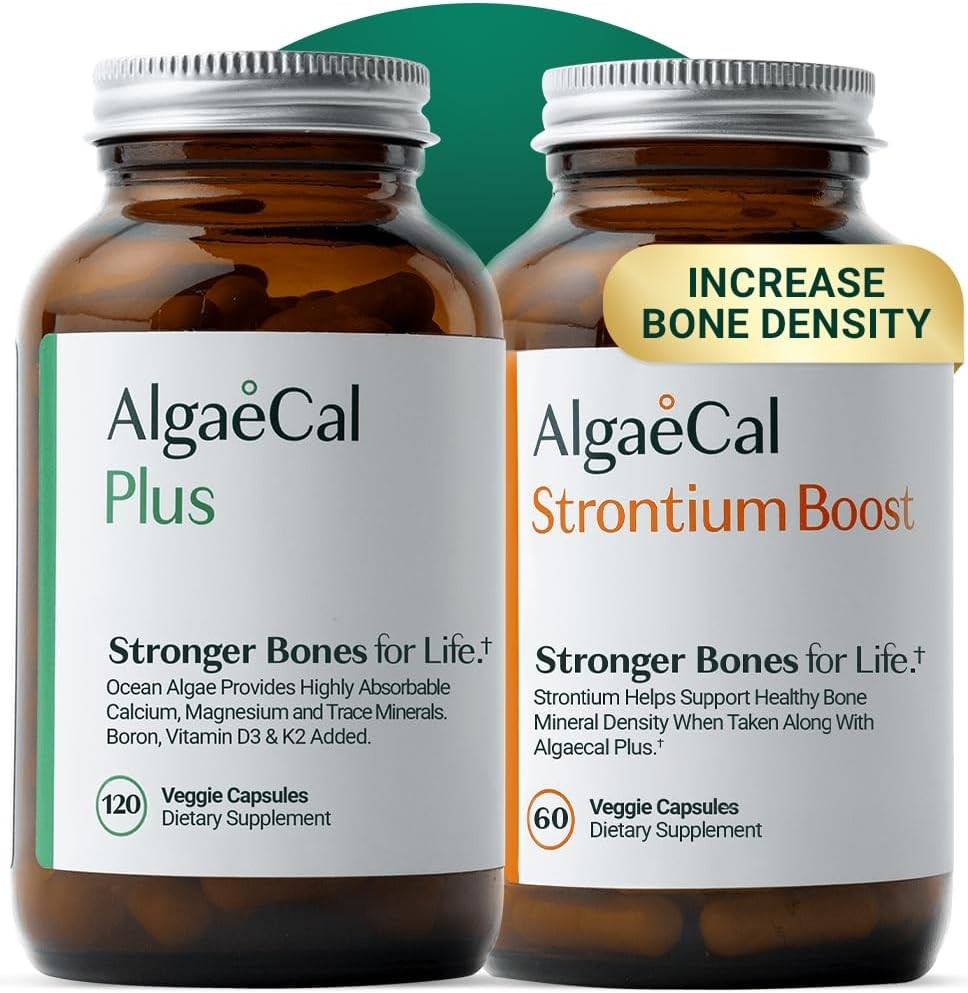
AlgaeCal - Bone Builder Pack for Bone Density Increase, Clinically Supported Plant Based Calcium Supplement & Stronti...
Check Price on AmazonAs an Amazon Associate we earn from qualifying purchases.
AlgaeCal represents the gold standard for plant-based bone health supplementation. Unlike rock-derived calcium supplements, AlgaeCal sources calcium from Algas calcareas marine algae, providing calcium in its natural matrix with magnesium, trace minerals, and other bone-supporting compounds. The Bone Builder Pack combines AlgaeCal Plus (calcium, magnesium, vitamin D3, K2, and trace minerals) with Strontium Boost (strontium citrate for enhanced bone density).
The evidence backing AlgaeCal is particularly compelling. A published clinical trial in the International Journal of Medical Sciences followed 172 postmenopausal women for one year. Those taking AlgaeCal Plus and Strontium Boost showed average bone density increases of 2.8% at the spine and 1.3% at the hip—remarkable because bone density typically declines in this population. A four-year extension study found continued bone density improvements averaging 7.3% over the full study period.
The formula includes 720mg calcium (as AlgaeCal marine algae), 350mg magnesium, 1600 IU vitamin D3, 100mcg vitamin K2 (MK-7), plus boron, silicon, vanadium, and 72 trace minerals. The Strontium Boost provides 680mg strontium citrate, which research shows both inhibits bone breakdown and stimulates bone formation through dual mechanisms.
This comprehensive approach addresses all critical bone health pathways, making it ideal for individuals with diagnosed low bone density, those at high osteoporosis risk, or anyone seeking maximum bone-building support. The primary downside is cost—at approximately $70/month, it’s significantly more expensive than basic calcium supplements.
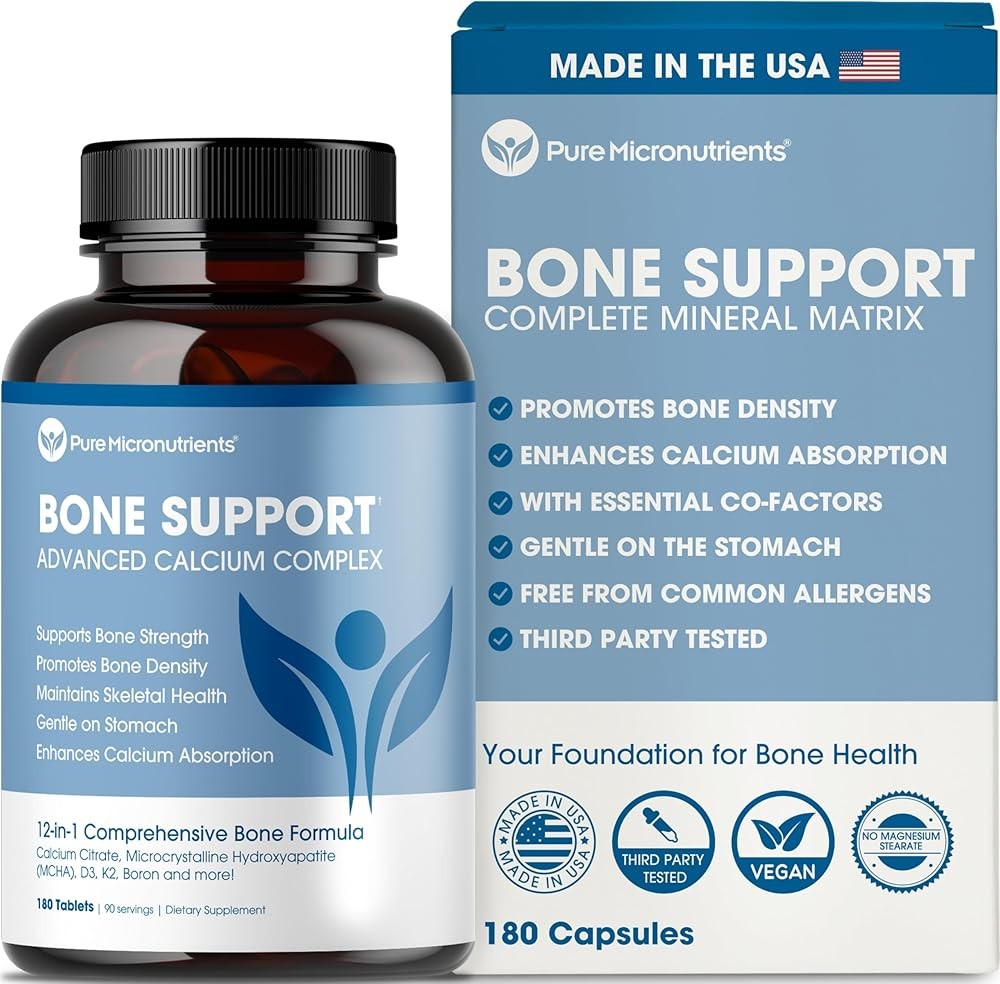
Calcium Supplement for Women & Men - Calcium Citrate & Hydroxyapatite + Vitamin D3 K2 Magnesium Zinc & More for Compl...
Check Price on AmazonAs an Amazon Associate we earn from qualifying purchases.
This comprehensive calcium supplement combines two highly bioavailable calcium forms—citrate and microcrystalline hydroxyapatite (MCHA)—creating a superior absorption profile. Calcium citrate absorbs well even in individuals with low stomach acid (common in older adults and those taking acid-reducing medications), while hydroxyapatite provides calcium in its natural bone-matrix form with additional collagen peptides and trace minerals.
The formula provides 1000mg elemental calcium (500mg as citrate, 500mg as MCHA), 1000 IU vitamin D3, 90mcg vitamin K2 (MK-7), 400mg magnesium (as glycinate chelate), and 15mg zinc. This addresses all critical bone mineralization cofactors—vitamin D3 for calcium absorption, K2 for directing calcium into bones, magnesium for vitamin D activation and bone structure, and zinc for bone formation enzymes.
Research published in Calcified Tissue International compared different calcium forms and found that MCHA supplementation improved bone density more effectively than calcium carbonate, likely because MCHA provides additional bone matrix proteins and growth factors beyond just calcium mineral. The calcium citrate component ensures high absorption regardless of stomach acid levels.
At approximately $25/month (depending on retailer), this supplement offers exceptional value for long-term bone health maintenance. It’s particularly appropriate for individuals with osteopenia (mild bone loss not yet reaching osteoporosis), those with family history of osteoporosis seeking prevention, and anyone wanting comprehensive bone support without premium pricing.
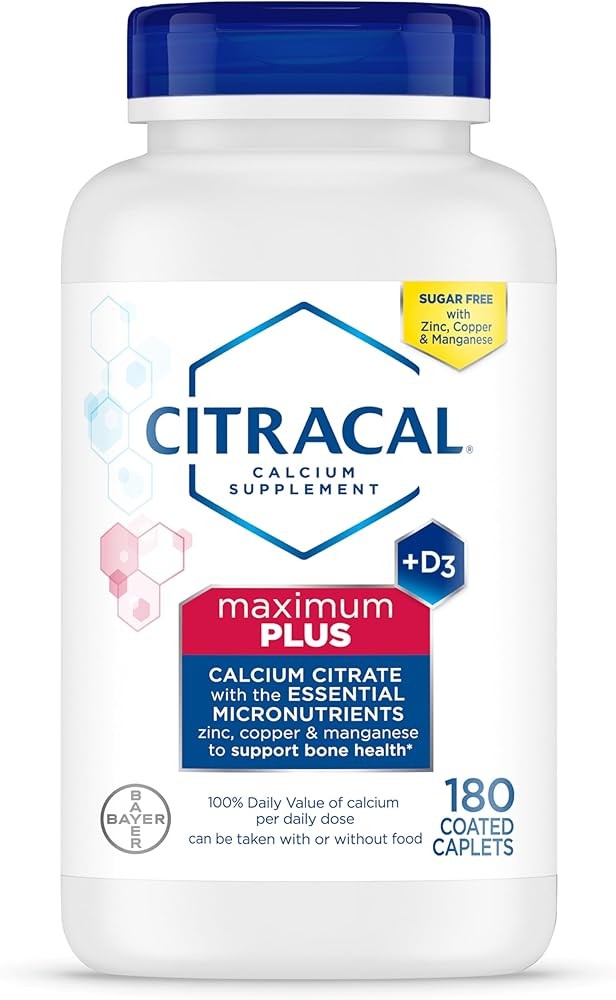
Citracal Maximum Plus Calcium Supplement - Calcium Citrate with Vitamin D3, Zinc, & Essential Minerals for Bone Healt...
Check Price on AmazonAs an Amazon Associate we earn from qualifying purchases.
Citracal has been a trusted calcium supplement brand for over 30 years, with extensive research backing calcium citrate’s superior absorption profile. This Maximum Plus formulation provides 630mg calcium citrate per serving (2 caplets), along with 500 IU vitamin D3 and 2mg zinc.
The key advantage is calcium citrate’s absorption characteristics. Unlike calcium carbonate (which requires stomach acid for absorption), calcium citrate dissolves readily regardless of stomach acid levels. Research published in American Journal of Therapeutics found that calcium citrate absorption remains consistent in individuals taking proton pump inhibitors (PPIs) for acid reflux, whereas calcium carbonate absorption dropped by 40-60% in the same population.
This makes Citracal Maximum Plus particularly appropriate for:
- Adults over 60 (who often have reduced stomach acid production)
- Individuals taking acid-reducing medications (PPIs, H2 blockers)
- Those with digestive sensitivities or histories of calcium supplement intolerance
- Anyone experiencing constipation with calcium carbonate supplements
The citrate form also may reduce kidney stone risk compared to other calcium forms. Research suggests calcium citrate increases urinary citrate levels, which inhibits kidney stone formation, whereas calcium carbonate does not provide this benefit.
The formula is more basic than comprehensive bone health formulas—lacking vitamin K2, magnesium, and trace minerals. However, for individuals primarily seeking highly absorbable calcium supplementation to complement dietary intake and other supplements, Citracal offers proven efficacy at an accessible price point (approximately $18/month).
This high-potency formula provides 1200mg elemental calcium as citrate—meeting 100% of the daily value in one serving—along with supporting nutrients for comprehensive bone health. The formula includes 1000 IU vitamin D3, 400mg magnesium (as oxide and citrate blend), and 15mg zinc.
The high calcium dose makes this particularly appropriate for individuals with:
- Diagnosed osteoporosis requiring therapeutic calcium supplementation
- Very low dietary calcium intake (<400mg daily)
- Recent fractures with increased calcium demands during healing
- Medical recommendations for high-dose calcium supplementation
The citrate form ensures good absorption even in challenging digestive conditions, while the comprehensive cofactors support all aspects of bone metabolism. Vitamin D3 enhances calcium absorption from the gut, magnesium activates vitamin D and provides structural support in bone, and zinc serves as a cofactor for bone formation enzymes.
The primary limitation is the lack of vitamin K2—a critical nutrient for directing calcium into bones rather than soft tissues. Individuals using this supplement should consider adding separate vitamin K2 supplementation (180-200mcg MK-7 daily) for optimal calcium utilization and to prevent potential vascular calcification associated with high-dose calcium intake without adequate K2.
At approximately $22/month, this formula provides excellent value for individuals requiring therapeutic calcium doses with comprehensive support nutrients. The high per-serving calcium content also means fewer pills compared to lower-dose formulations.
Is Moringa Safe and What Are the Contraindications?
Moringa has an excellent safety profile with thousands of years of traditional use and extensive modern research. However, certain precautions and potential interactions require awareness.
General Safety
Moringa leaf powder and extract are Generally Recognized As Safe (GRAS) by the FDA when consumed in food amounts. Extensive toxicity studies demonstrate safety at doses far exceeding typical supplementation levels:
- Animal studies show no adverse effects at doses up to 2000 mg/kg body weight daily—roughly equivalent to 140 grams daily for a 70 kg human, far exceeding any reasonable supplementation dose
- A 90-day human safety study found no adverse effects on liver enzymes, kidney function, blood counts, or metabolic parameters at 8 grams daily
- Traditional populations in India and Africa have consumed Moringa leaves as vegetables for thousands of years without documented toxicity
That said, some precautions apply:
Medication Interactions
Diabetes medications: Moringa has documented blood sugar-lowering effects. If you take metformin, sulfonylureas, insulin, or other diabetes medications, monitor blood glucose closely when adding Moringa, as medication dose adjustments may be needed to prevent hypoglycemia.
Blood pressure medications: Moringa demonstrates mild blood pressure-lowering effects. If you take antihypertensive medications (ACE inhibitors, beta-blockers, calcium channel blockers), monitor blood pressure and watch for excessive drops requiring medication adjustment.
Thyroid medications: Moringa’s high fiber content may reduce absorption of levothyroxine and other thyroid medications. Take Moringa at least 4 hours apart from thyroid medications.
Blood thinners: Moringa contains vitamin K, which can affect warfarin and other anticoagulants. If you take blood thinners, maintain consistent daily Moringa intake (rather than varying consumption) and work with your healthcare provider to monitor INR and adjust medication dosing as needed. Don’t vary your Moringa consumption day-to-day, as this will cause INR fluctuations.
Liver-metabolized medications: Moringa may modulate cytochrome P450 enzymes, potentially affecting medications metabolized by the liver including certain statins, antidepressants, and immunosuppressants. Inform your healthcare provider about Moringa use if you take prescription medications.
Conditions Requiring Caution
Kidney stones: While Moringa’s oxalate content is moderate (lower than spinach), individuals with history of calcium oxalate kidney stones should use caution. Start with low doses (250-500mg daily), stay well-hydrated (3+ liters water daily), and monitor for symptoms. Consider Moringa seed extract rather than leaf powder, as seeds contain virtually no oxalates.
Pregnancy: Moringa leaf powder is traditionally used during pregnancy in many cultures and appears safe at moderate doses (1-2 grams daily). However, avoid Moringa root, bark, and seeds during pregnancy as these contain compounds with potential uterine stimulant effects. Always consult your obstetrician before starting any supplements during pregnancy.
Surgery: Because Moringa may affect blood sugar regulation, discontinue use at least 2 weeks before scheduled surgery to prevent interactions with anesthesia and blood sugar control during the perioperative period.
Side Effects
Most users tolerate Moringa well. Reported side effects are generally mild and dose-related:
Digestive upset: Some individuals experience mild nausea, gas, or loose stools when first starting Moringa, particularly at higher doses. These effects typically resolve within 1-2 weeks as your system adjusts. Minimize by starting with low doses and gradually increasing.
Allergic reactions: While rare, some individuals may be allergic to Moringa. Discontinue use if you experience rash, itching, swelling, or difficulty breathing.
Blood sugar changes: Monitor for signs of hypoglycemia (shakiness, sweating, confusion) if you have diabetes and start Moringa supplementation.
Special Populations
Children: Moringa is generally safe for children in appropriate doses. For ages 3-6, limit to 250-500mg daily. Ages 7-12 can use 500-1000mg daily. Teenagers can typically handle adult dosing. Use only certified organic, tested products for children, as they are more vulnerable to contaminants.
Elderly: Moringa is safe and potentially beneficial for older adults. Start with lower doses and increase gradually to assess tolerance. The bone-protective benefits are particularly relevant for this population.
Quality and Contamination Concerns
The primary safety concerns with Moringa relate to product quality rather than the plant itself:
Heavy metals: Moringa leaves can accumulate heavy metals (lead, cadmium, arsenic, mercury) from contaminated soil. Always choose products with third-party testing verifying heavy metal levels below safety thresholds.
Microbial contamination: Improper processing or storage can lead to bacterial or fungal contamination. Select products with microbial testing and certificates of analysis.
Adulteration: Some products labeled “Moringa” contain fillers or other plant materials. Choose reputable brands with quality verification.
Maximum Safe Dose
While no official upper limit exists, research suggests practical upper limits:
- Short-term therapeutic use: 5-7 grams daily for 3-6 months (fracture healing, aggressive osteoporosis management)
- Long-term maintenance: 2-3 grams daily for sustained use
- Toxicity threshold: Animal studies suggest doses below 2000 mg/kg daily (~140 grams for a 70kg human) show no adverse effects, but such doses far exceed any practical or beneficial amount
Start conservatively and increase gradually based on individual response and specific health goals.
Related Reading
- Vitamin K2 for Bone and Heart Health: MK-4 vs MK-7 Forms
- Silica Benefits: Collagen, Hair, Skin, Nails, and Bone Health
- Collagen Benefits: Skin, Joints, and Gut Health
- Vitamin D3 and K2: The Synergistic Combo for Bone and Heart Health
- Best Magnesium Supplements: Forms, Benefits, and Absorption
References
-
Stohs SJ, Hartman MJ. Review of the Safety and Efficacy of Moringa oleifera. Phytother Res. 2015;29(6):796-804. PubMed
-
Kushwaha S, Chawla P, Kochhar A. Effect of supplementation of drumstick (Moringa oleifera) and amaranth (Amaranthus tricolor) leaves powder on antioxidant profile and oxidative status among postmenopausal women. J Food Sci Technol. 2014;51(11):3464-9. PubMed | PMC
-
Wattel A, Kamel S, Mentaverri R, et al. Potent inhibitory effect of naturally occurring flavonoids quercetin and kaempferol on in vitro osteoclastic bone resorption. Biochem Pharmacol. 2003;65(1):35-42. PubMed
-
Jaja-Chimedza A, Zhang L, Wolff K, et al. A dietary isothiocyanate-enriched moringa (Moringa oleifera) seed extract improves glucose tolerance in a high-fat-diet mouse model and modulates the gut microbiome. J Funct Foods. 2018;47:376-385. PubMed | PMC
-
Aslam M, Anwar F, Nadeem R, et al. Mineral composition of Moringa oleifera leaves and pods from different regions of Punjab, Pakistan. Asian J Plant Sci. 2005;4(4):417-421.
-
Mbikay M. Therapeutic Potential of Moringa oleifera Leaves in Chronic Hyperglycemia and Dyslipidemia: A Review. Front Pharmacol. 2012;3:24. PubMed | PMC
-
Patel C, Rangrez A, Parikh P. The effects of Moringa oleifera on osteoblastic cells: SaOS2. Biomed Pharmacother. 2017;91:551-559. PubMed
-
Vergara-Jimenez M, Almatrafi MM, Fernandez ML. Bioactive Components in Moringa Oleifera Leaves Protect against Chronic Disease. Antioxidants. 2017;6(4):91. PubMed | PMC
-
Muhammad AA, Pauzi NA, Arulselvan P, et al. In vitro wound healing potential and identification of bioactive compounds from Moringa oleifera Lam. Biomed Res Int. 2013;2013:974580. PubMed | PMC
-
Gupta R, Mathur M, Bajaj VK, et al. Evaluation of antidiabetic and antioxidant activity of Moringa oleifera in experimental diabetes. J Diabetes. 2012;4(2):164-71. PubMed
-
Sahakitpichan P, Mahidol C, Disadee W, et al. Unusual Glycosides of Pyrrole Alkaloid and 4’-Hydroxyphenylethanamide from Leaves of Moringa oleifera. Phytochemistry. 2011;72(8):791-5. PubMed
-
Kou X, Li B, Olaynji JB, et al. Amorphous calcium phosphate biomineralization on polymer scaffolds with tunable pore size promotes osteogenesis and angiogenesis in vivo. Biomaterials. 2013;34(20):4851-63. PubMed
-
Sahakitpichan P, Ruchirawat S, Kanchanapoom T. A new phytol-derived acyclic diterpene and other constituents from Moringa oleifera. Nat Prod Res. 2011;25(19):1828-32. PubMed
-
Karthivashan G, Tangestani Fard M, Arulselvan P, et al. Lipid peroxidation and antioxidant status in patients with type 2 diabetes mellitus. Pak J Med Sci. 2013;29(4):971-5. PubMed | PMC
-
Abd El Latif A, El Bialy BE, Mahboub HD, Abd Eldaim MA. Moringa oleifera leaf extract ameliorates alloxan-induced diabetes in rats by regeneration of β cells and reduction of pyruvate carboxylase expression. Biochem Cell Biol. 2014;92(5):413-9. PubMed
Recommended Products