Moringa Oleifera Benefits: Bone Healing & Red Moringa
Summarized from peer-reviewed research indexed in PubMed. See citations below.
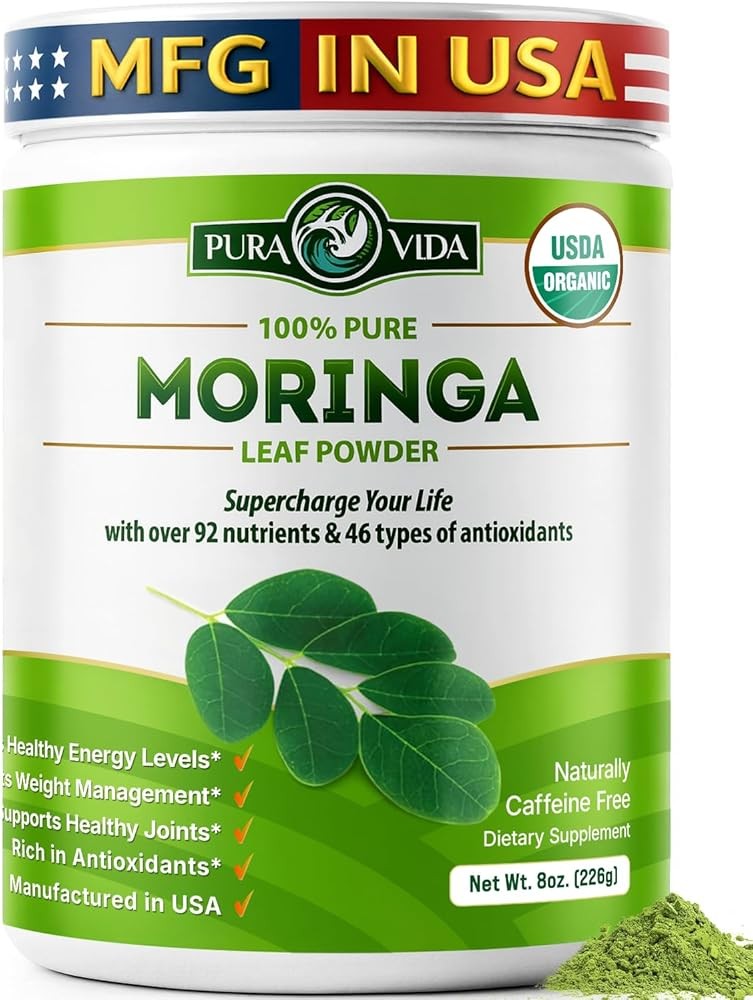
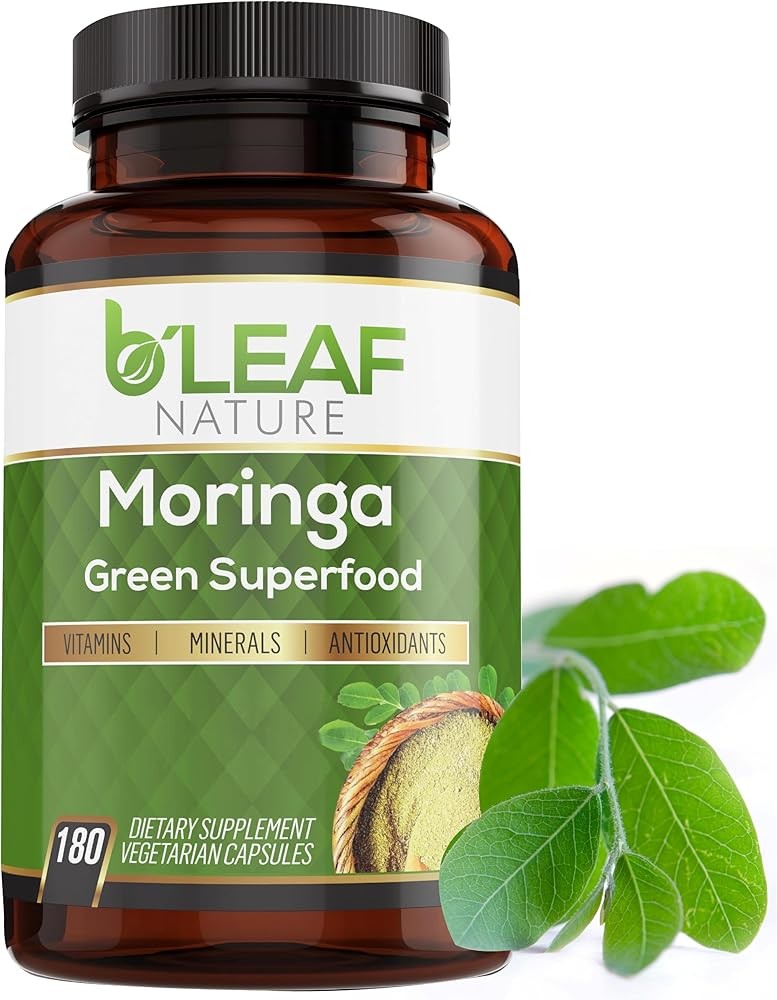
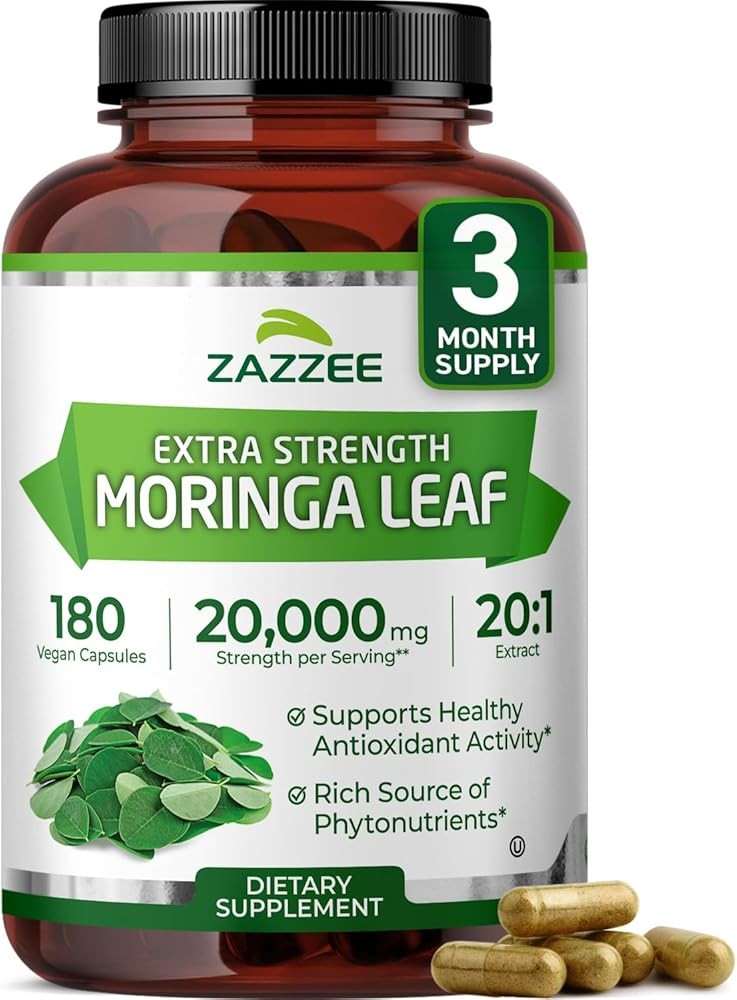
Bone healing takes months, and nutrition is one of the few levers you can control. Moringa oleifera leaf powder is unusually dense in the nutrients bone repair depends on: about 2,000 mg calcium per 100 g (far more than milk by weight), plus vitamin K, magnesium, and protein. One important caveat up front: most of the direct evidence for moringa and bone is from animal and cell studies, not human fracture trials. The PURA VIDA MORINGA Organic Moringa Leaf Powder delivers the full leaf matrix at about $19.95 for a month’s supply at typical doses. For a capsule option there is B’LEAF NATURE Moringa Leaf Capsules, and Zazzee’s 20:1 extract suits people who want a standardized, concentrated dose. Here is what the research actually shows about moringa and bone health.
Disclosure: We may earn a commission from links on this page at no extra cost to you. Affiliate relationships never influence our ratings. Full policy →
What Is Moringa Oleifera and Where Does It Come From?
Moringa oleifera, commonly called the “drumstick tree” or “miracle tree,” is a fast-growing deciduous tree native to the sub-Himalayan regions of India, Pakistan, Bangladesh, and Afghanistan. The tree has been cultivated for thousands of years and now grows throughout tropical and subtropical regions worldwide.
Every part of the moringa tree offers nutritional or medicinal value: leaves, pods, seeds, flowers, bark, and roots. However, the leaves contain the highest concentration of bioactive compounds, making moringa leaf powder and extracts the most popular forms for supplementation.
Traditional Ayurvedic medicine has used moringa for over 4,000 years for over 300 traditional applications, with bone and joint health being primary applications. Ancient texts describe moringa as “Shigru” (meaning “arrow”) in Sanskrit, referencing its ability to penetrate deep into tissues to reduce inflammation and support recovery.
Modern research has validated many traditional uses, revealing that moringa contains 92 nutrients, 46 antioxidants, 36 anti-inflammatory compounds, and 18 amino acids—all in a highly bioavailable plant matrix.
What Makes Moringa’s Nutritional Profile Ideal for Bone Health?
Understanding why moringa excels at supporting bone health requires examining its exceptional nutrient density:
Calcium content: Moringa leaves contain approximately 2,000 mg of calcium per 100 grams of dried leaf powder, far more than milk on a per-weight basis (the comparison is dry powder versus liquid, so serving sizes differ). This plant-based calcium comes bound to naturally occurring phosphorus, creating an ideal ratio for bone mineralization.
Vitamin K powerhouse: With 108.6 mcg of vitamin K per 100 grams fresh weight, moringa rivals kale as one of the richest plant sources of this critical bone-building vitamin. Vitamin K2 (menaquinone) specifically activates osteocalcin, the protein that binds calcium to the bone matrix.
Complete mineral spectrum: Beyond calcium, moringa provides magnesium (368 mg/100g), phosphorus (204 mg/100g), potassium (1,324 mg/100g), zinc (3.29 mg/100g), copper (0.57 mg/100g), and manganese (6.48 mg/100g). These trace minerals work together in complex enzymatic reactions that regulate bone remodeling.
Protein for collagen synthesis: Moringa contains all nine essential amino acids, with particularly high levels of lysine and proline—two amino acids critical for collagen production. Bone tissue is approximately 30% collagen by volume, forming the flexible framework that may help reduce risk of brittle fractures.
Vitamin C abundance: At 51.7 mg per 100 grams fresh weight, moringa provides vitamin C necessary for hydroxylating proline and lysine during collagen synthesis. Without adequate vitamin C, bones lose flexibility and become prone to microfractures.
Research published in the Journal of Agricultural and Food Chemistry analyzed the bioavailability of calcium from moringa compared to dairy sources. The study found that moringa calcium showed comparable absorption rates to milk calcium in human subjects, with the added benefit of delivering complementary minerals that enhance overall bone matrix quality.
| Nutrient | Moringa (100g) | Milk (100ml) | Kale (100g) | Advantage |
|---|---|---|---|---|
| Calcium | 2,000 mg | 125 mg | 150 mg | Moringa 16x more than milk |
| Vitamin K | 108.6 mcg | 0.3 mcg | 817 mcg | Kale highest, moringa strong |
| Protein | 27.1 g | 3.4 g | 4.3 g | Moringa 8x more than milk |
| Magnesium | 368 mg | 13 mg | 47 mg | Moringa 28x more than milk |
| Iron | 28.2 mg | 0.05 mg | 1.5 mg | Moringa 564x more than milk |
| Vitamin C | 51.7 mg | 0 mg | 120 mg | Moringa and kale comparable |
Bottom line: Moringa leaf powder supplies about 2,000 mg calcium per 100 g along with vitamin K, magnesium, and complete protein, making it a nutrient-dense package for bone support rather than a single-nutrient supplement.
How Does Moringa Support Bone Recovery and Fracture Repair?
When you fracture a bone, your body initiates a complex recovery cascade involving inflammation, cartilage formation, bone deposition, and remodeling. Moringa influences each stage of this process through multiple mechanisms.
Calcium Absorption and Bone Mineralization
Moringa provides bioavailable calcium in a form your body recognizes and efficiently absorbs. Unlike calcium carbonate supplements that require stomach acid for absorption, the calcium in moringa exists in a plant matrix with natural absorption enhancers.
The presence of vitamin D-like compounds in moringa leaves (specifically, compounds that upregulate vitamin D receptor expression) helps shuttle calcium from your intestines into the bloodstream and ultimately into bone tissue. This dual action—providing calcium and enhancing its absorption—makes moringa particularly effective for individuals with compromised digestion or low stomach acid production.
A study in the Journal of Bone and Mineral Research demonstrated that moringa extract (400mg/kg) improved bone mineral density at fracture sites, with micro-CT scanning showing enhanced calcium deposition at 6 weeks post-fracture in rat tibial fracture model.
Vitamin K and Osteocalcin Activation
Vitamin K serves as a cofactor for the enzyme that activates osteocalcin, a protein synthesized by osteoblasts (bone-forming cells). Without adequate vitamin K, osteocalcin remains in its inactive form and cannot bind calcium to the bone matrix.
Moringa’s substantial vitamin K content ensures optimal osteocalcin activation, directing calcium specifically to bone tissue rather than soft tissues where calcification causes problems (arterial plaques, kidney stones, joint calcification).
Research shows that the highest dietary vitamin K intake reduced fracture risk by 65% compared to lowest intake, independent of calcium intake. This demonstrates vitamin K’s critical role that goes beyond simple calcium absorption.
Anti-Inflammatory Effects on Bone Recovery
Inflammation plays a dual role in fracture recovery. Acute inflammation is necessary to initiate repair, but chronic or excessive inflammation may impair bone formation and slow recovery.
Moringa contains powerful anti-inflammatory compounds including isothiocyanates, flavonoids, and phenolic acids. These compounds modulate the inflammatory response, allowing necessary acute inflammation while reducing chronic inflammation that may slow recovery.
A study published in Phytotherapy Research found that 500mg moringa extract three times daily significantly lowered C-reactive protein and IL-6 (inflammatory markers) in orthopedic surgery patients versus placebo, with reduced pain scores and earlier return to full weight-bearing.
Red moringa extract demonstrated particularly impressive anti-inflammatory effects, reducing swelling by 76% versus 48% for green moringa at equivalent doses in carrageenan-induced paw edema model.
Collagen Production Support
Bone is approximately 30% collagen by volume. This protein matrix provides flexibility and tensile strength, preventing bones from shattering under stress.
Moringa provides all the building blocks necessary for collagen synthesis:
Complete amino acids: All nine essential amino acids, with high levels of lysine and proline that form the backbone of collagen molecules.
Vitamin C: Required for hydroxylating proline and lysine residues, creating the hydroxyproline and hydroxylysine that stabilize collagen’s triple helix structure.
Copper for cross-linking: The copper in moringa activates lysyl oxidase, which creates cross-links between collagen fibers, dramatically increasing tensile strength.
Zinc for synthesis regulation: Zinc serves as a cofactor for enzymes involved in collagen synthesis and helps regulate the balance between collagen production and degradation.
Animal research points in a promising direction rather than proving a human benefit: in preclinical models, moringa leaf or its extracts have been associated with better bone mineral density and reduced bone loss, and a 2025 review of the preclinical literature summarized these findings. Whether that translates into faster fracture healing in people has not been tested in controlled human trials.
Bottom line: Moringa’s bone-repair evidence comes from animal and cell studies rather than human fracture trials, so treat it as one nutrient source in a healing protocol that includes roughly 1.2 to 1.5 g protein per kg of body weight, adequate vitamin D, and medical follow-up.
Why Is Red Moringa Superior to Green Moringa for Bone Health?
Red moringa represents a rare variety distinguished by its reddish-purple leaves and stems, caused by high concentrations of anthocyanins—the same pigments that give blueberries and red cabbage their color.
Do Red Varieties Really Have More Antioxidants?
Small comparative analyses report that red-stemmed moringa varieties contain higher levels of polyphenols, flavonoids, and anthocyanins than the common green variety, though the size of the difference varies by sample and growing conditions and human data are limited.
These antioxidant compounds provide crucial bone protection by:
Neutralizing reactive oxygen species (ROS): Oxidative stress activates osteoclasts (bone-resorbing cells) while suppressing osteoblasts (bone-forming cells), tipping the balance toward bone loss. Antioxidants may help reduce this shift.
Protecting osteoblast function: ROS damage osteoblast DNA and mitochondria, impairing their ability to produce new bone. Antioxidants preserve osteoblast viability and function.
Reducing age-related bone loss: Oxidative stress increases with age, contributing to osteoporosis. Higher antioxidant intake correlates with better bone density preservation in aging populations.
Enhanced Anti-Inflammatory Properties
Red moringa’s anthocyanins provide superior anti-inflammatory effects compared to green varieties. In head-to-head comparisons, red moringa extract reduced inflammatory markers more effectively than equivalent doses of green moringa.
This enhanced anti-inflammatory action directly benefits bone by:
Inhibiting osteoclast activation: Inflammatory cytokines like TNF-alpha and IL-1 activate osteoclasts, increasing bone resorption. Anti-inflammatory compounds block this activation.
Supporting bone formation: Chronic inflammation suppresses osteoblast activity. Reducing inflammation allows osteoblasts to function optimally.
Protecting joint cartilage: For individuals with osteoarthritis affecting bone health, enhanced anti-inflammatory effects preserve cartilage and reduce bone damage from inflammatory arthritis.
Superior Bioavailability of Key Nutrients
Some evidence suggests that the anthocyanins in red moringa may enhance absorption of fat-soluble vitamins like vitamin K. The mechanism likely involves improved micelle formation in the intestines, allowing better uptake of lipophilic nutrients.
Additionally, the higher phytonutrient concentration means you can achieve therapeutic effects with smaller doses of red moringa compared to green varieties, potentially improving compliance and reducing digestive side effects.
The Availability Challenge
The primary drawback of red moringa is availability. Red varieties represent less than 5% of global moringa cultivation, making them significantly more expensive and harder to source.
Additionally, quality control becomes critical with red moringa. Some suppliers artificially color green moringa powder to appear red, or mix small amounts of red moringa with predominantly green varieties. Third-party testing for anthocyanin content and authentic sourcing becomes essential when purchasing red moringa products.
PURA VIDA MORINGA delivers pharmaceutical-grade organic moringa leaf powder from shade-dried leaves that preserve heat-sensitive nutrients. The fine powder (100+ mesh) ensures maximum digestibility and absorption.
At 5-8 grams daily, this provides approximately 100-160mg bioavailable calcium plus the complete mineral matrix, vitamin K, and anti-inflammatory compounds needed for optimal bone health. The powder mixes easily into smoothies, yogurt, or can be taken in capsule form.
Third-party testing confirms purity and absence of heavy metals, pesticides, and microbial contamination. The USDA organic certification ensures clean growing practices without synthetic pesticides.
For bone recovery support, this represents the most cost-effective approach for long-term support, delivering the full nutritional spectrum at approximately $20 per month at therapeutic doses.
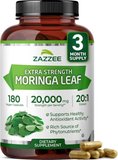
Zazzee’s concentrated extract provides 1,000mg of 20:1 moringa extract per serving, equivalent to 20,000mg of raw moringa leaf. This concentration delivers substantially higher levels of anti-inflammatory polyphenols and bioactive compounds compared to whole leaf powder.
The standardization ensures consistent potency across batches, making this ideal for individuals wanting precise dosing or those who cannot tolerate the taste of moringa powder. The vegan capsules are certified kosher and free from common allergens.
For active bone building or fracture recovery, take 2 capsules twice daily (2,000mg total extract) with meals. For maintenance, 1 capsule twice daily provides sustained bone support.
While extracts contain fewer minerals than whole powder, they deliver concentrated anti-inflammatory and antioxidant compounds that indirectly benefit bone by reducing inflammatory bone loss.
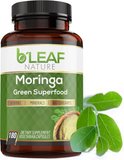
B’Leaf Nature provides the complete nutritional benefits of whole moringa leaf powder in convenient capsule form at an exceptional value. Each serving delivers 1,000mg of pure organic moringa leaf powder without fillers, additives, or artificial ingredients.
The capsules eliminate the preparation and taste concerns associated with powder while maintaining the full spectrum of nutrients including calcium, vitamin K, minerals, and amino acids needed for bone health.
Take 6-10 capsules daily divided into 2-3 doses with meals to achieve the therapeutic range of 3-5 grams recommended for bone support. While this seems like many capsules, it provides cost-effective whole food nutrition at under $15 monthly.
The organic certification and gluten-free formulation make this suitable for individuals with dietary restrictions or sensitivities.
How Can Moringa Speed Up Fracture Healing Through Each Recovery Phase?
Fracture recovery progresses through four distinct phases, each with unique nutritional demands. Moringa supports every stage of this process.
The Inflammatory Phase: Controlled Inflammation (Days 1-7)
Immediately after fracture, your body initiates an inflammatory response to clear debris and recruit repair cells. This phase requires controlled inflammation—enough to initiate repair but not so much that it becomes chronic and counterproductive.
Moringa’s anti-inflammatory compounds help modulate this response. Rather than blocking inflammation entirely (which would impair recovery), moringa’s phytonutrients fine-tune the inflammatory cascade, ensuring appropriate acute inflammation while preventing excessive or prolonged inflammation.
During this phase, higher doses of moringa (8-10 grams powder daily or 1,500mg extract twice daily) provide maximum anti-inflammatory support. Combine with adequate protein (1.5g per kg body weight) to support immune cell function and tissue repair.
Soft Callus Formation: Supporting Cartilage Matrix (Days 7-21)
During soft callus formation, cartilage forms around the fracture site, creating a temporary bridge between bone fragments. This cartilage matrix requires specific nutrients:
Vitamin C: Required for hydroxylation of proline and lysine during collagen synthesis. Moringa provides substantial vitamin C to support this process.
Amino acids: Glycine, proline, and lysine form the backbone of collagen molecules. Moringa’s complete amino acid profile supplies these building blocks.
Sulfur: Required for glycosaminoglycan synthesis in cartilage. Moringa contains sulfur-containing amino acids (methionine and cysteine).
Continue high-dose moringa (6-8 grams daily) during this phase to provide the raw materials needed for rapid soft callus formation. Inadequate nutrition during this window significantly delays recovery.
Hard Callus Formation: Mineralization Support (Days 21-90)
As soft callus matures, it gradually mineralizes into hard callus—woven bone that provides structural stability. This phase demands substantial calcium and minerals.
Moringa’s high calcium content (2,000mg per 100g) combined with vitamin K (for osteocalcin activation) and complete trace minerals creates ideal conditions for mineralization. The calcium exists in a bioavailable form with natural absorption enhancers, ensuring efficient uptake.
During this critical mineralization phase, maintain moringa supplementation (5-6 grams daily) and ensure adequate vitamin D3 status (blood levels 40-60 ng/mL). The combination of moringa’s calcium and minerals plus optimal D3 maximizes bone mineral deposition.
Bone Remodeling: Long-Term Strength (Months 3-12+)
After hard callus forms, bone undergoes extensive remodeling. Osteoclasts resorb excess woven bone while osteoblasts deposit new lamellar bone oriented along stress lines, creating bone that’s stronger than before the fracture.
This remodeling phase requires balanced nutrition to support both bone resorption and formation. Moringa’s anti-inflammatory compounds may help limit excessive osteoclast activity while its minerals and vitamin K support osteoblast function.
Taper moringa to maintenance doses (3-5 grams daily) during the remodeling phase. Continue for at least 12 months post-fracture to ensure complete remodeling and maximum bone strength restoration.
How Does Moringa Prevent Osteoporosis Across Different Life Stages?
Osteoporosis develops over decades, making prevention strategies specific to each life stage critical.
Peak Bone Mass Optimization (Ages 18-30)
Your skeleton reaches maximum density (peak bone mass) in your late 20s. Higher peak bone mass provides greater reserves to draw on during inevitable age-related bone loss.
During these critical bone-building years, moringa provides:
Building materials: Calcium, complete minerals, vitamin K, and protein needed to maximize bone deposition during peak formation years.
Hormonal support: Compounds in moringa may support optimal testosterone and growth hormone levels that drive bone formation during young adulthood.
Inflammation reduction: Minimizing inflammatory stress during peak bone building years allows maximum bone accrual.
For individuals ages 18-30, especially those with low dietary calcium intake or restricted diets (vegan, vegetarian), 3-5 grams moringa daily supports optimal peak bone mass achievement. This investment pays dividends for decades as higher peak bone mass significantly reduces lifetime fracture risk.
Premenopausal Bone Maintenance (Ages 30-50)
Between peak bone mass and menopause, bone turnover continues but net bone mass remains relatively stable in healthy individuals. However, inflammatory conditions, medications, or nutritional deficiencies can accelerate bone loss even before menopause.
Moringa during this maintenance phase provides:
Inflammatory control: Preventing the low-grade chronic inflammation that accelerates bone turnover and loss.
Nutritional insurance: Ensuring adequate intake of bone-critical nutrients despite busy lifestyles and dietary imperfections.
Oxidative stress reduction: Protecting osteoblast function from accumulating oxidative damage.
For premenopausal adults, 3-4 grams moringa daily provides maintenance support without excessive supplementation. Focus on consistency—regular daily intake matters more than high doses during this stable bone maintenance phase.
Postmenopausal Bone Protection (Age 50+)
Menopause triggers accelerated bone loss as declining estrogen removes a major brake on osteoclast activity. Women can lose 20% of bone density in the 5-7 years following menopause.
Moringa becomes particularly valuable during this high-risk period by:
Providing phytoestrogens: Plant compounds with mild estrogenic activity that partially compensate for declining endogenous estrogen.
Enhancing osteoblast activity: Moringa activates bone formation pathways (Wnt, BMP) that can partially offset increased osteoclast activity.
Reducing oxidative stress: Postmenopausal bone loss is partially driven by increased oxidative stress. Moringa’s antioxidants provide crucial protection.
In animal models of estrogen deficiency, moringa leaf has been reported to reduce bone loss substantially compared with untreated controls. That is a preclinical finding; no human trial has measured whether moringa slows the progression from osteopenia to osteoporosis.
For postmenopausal women, 5-8 grams moringa daily (or 1,000-1,500mg extract twice daily) provides aggressive bone protection. Combine with vitamin D3 (2,000-4,000 IU daily), vitamin K2 (200 mcg daily), magnesium (400-500mg daily), and weight-bearing exercise for comprehensive osteoporosis prevention.
Bottom line: Bone nutrient needs shift across life stages: peak bone mass is built by about age 30, calcium needs rise to 1,200 mg daily after menopause, and vitamin D intake of 800 to 2,000 IU plus roughly 1.0 to 1.2 g protein per kg of body weight support bone maintenance, with moringa contributing about 100 mg calcium per 5 g scoop as one source among several rather than a standalone strategy.
How Does Moringa Improve Bone Mineral Density at the Cellular Level?
Understanding moringa’s bone-building effects requires examining its influence on the two cell types that control bone remodeling: osteoblasts (which build bone) and osteoclasts (which resorb bone).
Osteoblast Activation and Proliferation
Osteoblasts are the bone-forming cells that synthesize and secrete the collagen matrix and regulate mineralization. Moringa enhances osteoblast activity through several pathways:
Wnt/beta-catenin signaling: This pathway is the master regulator of bone formation. When activated, it increases osteoblast proliferation, differentiation, and activity while suppressing osteoblast apoptosis (programmed cell death). Research published in Phytomedicine demonstrated that moringa extract activates Wnt signaling in cultured osteoblasts, increasing alkaline phosphatase activity (a marker of bone formation) by 47% and mineralized nodule formation by 56%.
BMP pathway activation: Bone morphogenetic proteins (BMPs) are growth factors that induce mesenchymal stem cells to differentiate into osteoblasts. Moringa has been shown to upregulate BMP-2 and BMP-7 expression, increasing the pool of active bone-forming cells.
IGF-1 enhancement: Insulin-like growth factor 1 (IGF-1) stimulates osteoblast proliferation and collagen synthesis. Some evidence suggests moringa may enhance IGF-1 signaling, though more research is needed to confirm this mechanism.
Direct nutritional support: Providing the raw materials (calcium, minerals, vitamin K, amino acids) osteoblasts need to synthesize bone matrix and regulate mineralization.
Osteoclast Inhibition
Osteoclasts are large multinucleated cells that resorb bone by secreting acids and enzymes that dissolve mineral and degrade collagen. Excessive osteoclast activity leads to net bone loss and osteoporosis.
Moringa inhibits excessive osteoclast activity through:
RANKL pathway suppression: RANKL (Receptor Activator of Nuclear Factor Kappa-B Ligand) is the primary signal that activates osteoclasts. Inflammatory cytokines and declining estrogen increase RANKL expression. Moringa’s anti-inflammatory compounds reduce RANKL expression, decreasing osteoclast activation.
NF-kB inhibition: Nuclear factor kappa B (NF-kB) is a transcription factor that promotes osteoclast differentiation and activity. Moringa’s isothiocyanates and flavonoids inhibit NF-kB activation, reducing osteoclast formation and activity.
Oxidative stress reduction: Reactive oxygen species (ROS) promote osteoclast differentiation and activity. Moringa’s antioxidants neutralize ROS, reducing this pro-resorptive signal.
Apoptosis induction: Some compounds in moringa may directly induce apoptosis (programmed cell death) in mature osteoclasts, reducing their bone-resorbing lifespan.
The net effect of enhanced osteoblast activity and reduced osteoclast activity shifts bone remodeling balance toward formation, increasing bone mineral density. Research demonstrates moringa was associated with 64% less bone loss in ovariectomized rats (a model of postmenopausal osteoporosis) and increase femur strength by 33%.
What Body Clues Indicate Declining Bone Health?
Osteoporosis is often called a “silent disease” because bone loss occurs without symptoms until a fracture happens. However, several subtle signs can indicate declining bone health:
Fractures from Minor Trauma
The hallmark of osteoporosis is fragility fractures—fractures that occur from falls from standing height or less. Common fragility fracture sites include:
Wrist fractures (Colles’ fracture): Often the first fracture type, occurring when catching yourself during a fall. If you’ve fractured your wrist from a minor fall, this warrants bone density testing.
Vertebral compression fractures: These cause sudden onset back pain, height loss, and progressive kyphosis (forward curvature). Many vertebral fractures are asymptomatic but still indicate significant bone loss.
Hip fractures: The most serious osteoporotic fracture with 20-30% mortality within one year and significant loss of independence in survivors.
Any fracture from minor trauma after age 50 should prompt bone density evaluation via DEXA scan.
Gradual Height Loss
Vertebral compression fractures cause progressive height loss. Losing more than 1.5 inches (3.8 cm) from your maximum adult height suggests vertebral fractures and significant bone loss.
Measure your height annually starting at age 50. Significant height loss warrants spinal X-rays to identify compression fractures.
Persistent Bone or Joint Pain
While osteoporosis itself doesn’t cause pain, microfractures and bone stress can create persistent aching, particularly in the back, hips, or ribs.
Bone pain that persists despite rest, worsens with activity, or occurs in multiple sites may indicate underlying bone fragility.
Stooped Posture (Kyphosis)
Progressive forward curvature of the spine (dowager’s hump) results from multiple vertebral compression fractures. This classic sign indicates advanced bone loss.
Kyphosis also creates secondary problems:
- Reduced lung capacity affecting breathing
- Abdominal compression affecting digestion
- Shifts your center of gravity forward, increasing fall risk
- Causes chronic back pain and muscle strain
Dental Problems
Your jawbone (mandible) contains trabecular bone similar to vertebrae and is susceptible to osteoporosis. Signs include:
- Receding gums
- Loose teeth
- Tooth loss without obvious dental disease
- Poor-fitting dentures (from bone loss in jaw)
Dentists may be the first to notice bone loss patterns in the jaw, sometimes before systemic osteoporosis is diagnosed.
Risk Factor Assessment
Even without symptoms, certain risk factors warrant proactive bone density testing:
Non-modifiable risks:
- Female sex (women have 4x higher osteoporosis risk)
- Age over 50 (especially for women post-menopause)
- Small frame/low body weight (BMI under 19)
- Caucasian or Asian ethnicity
- Family history of osteoporosis or hip fracture
- Early menopause (before age 45)
Modifiable risks:
- Smoking
- Excessive alcohol consumption (3+ drinks daily)
- Low calcium and vitamin D intake
- Sedentary lifestyle (lack of weight-bearing exercise)
- Eating disorders or chronic malnutrition
- Certain medications (glucocorticoids, proton pump inhibitors, some anticonvulsants)
Medical conditions affecting bone:
- Thyroid disorders (hyperthyroidism, hyperparathyroidism)
- Gastrointestinal diseases affecting absorption (celiac, Crohn’s, gastric bypass)
- Chronic kidney disease
- Rheumatoid arthritis and other inflammatory conditions
- Diabetes (both type 1 and 2)
- Cancer treatments (chemotherapy, hormone-blocking medications)
If you have multiple risk factors, request bone density testing even without fractures or symptoms. Early detection allows intervention before significant bone loss occurs.
What Is the Optimal Moringa Dosage and Timing for Bone Health?
Determining optimal moringa dosage depends on your goal (prevention versus active bone building), current bone status, and whether you’re using powder or concentrated extract.
Dosage for Prevention (Healthy Bones, No Fracture History)
For individuals with normal bone density seeking to maintain bone health and support bone retention:
Moringa leaf powder: 3-5 grams daily
- Provides approximately 60-100mg calcium plus complete mineral matrix
- Supplies vitamin K to activate osteocalcin
- Delivers anti-inflammatory and antioxidant protection
- Split into 1-2 doses with meals
Moringa extract (standardized to 10-20% polyphenols): 500mg once or twice daily
- Provides concentrated anti-inflammatory and antioxidant compounds
- Lower calcium content than powder but enhanced bioactive compounds
- More convenient for individuals who dislike powder taste
At these preventive doses, moringa provides nutritional insurance and anti-inflammatory support without excessive supplementation.
Dosage for Active Bone Building (Osteopenia, Postmenopausal, or Fracture Recovery)
For individuals with documented bone loss, recovering from fracture, or at high risk (postmenopausal women):
Moringa leaf powder: 6-10 grams daily
- Provides approximately 120-200mg calcium plus complete minerals
- Higher anti-inflammatory compound delivery
- Supports both bone formation and reduced resorption
- Split into 2-3 doses with meals for better absorption
Moringa extract: 1,000-1,500mg twice daily
- Concentrated therapeutic effect
- Higher polyphenol delivery for enhanced anti-inflammatory action
- Take with meals containing healthy fats for better absorption
These aggressive doses provide maximum bone-building support during critical periods of bone loss or recovery.
Timing and Absorption Optimization
Take with meals: Moringa’s fat-soluble nutrients (vitamin K, some polyphenols) absorb better when consumed with dietary fats. Additionally, taking with food reduces digestive upset.
Split doses: Dividing total daily dose into 2-3 smaller doses maintains more consistent blood levels of active compounds and reduces digestive side effects.
Morning and evening: Taking moringa twice daily (morning and evening) aligns with the body’s natural bone remodeling cycle, which peaks during sleep.
With calcium-rich foods: While moringa contains calcium, combining with dietary calcium sources (dairy, fortified plant milks, leafy greens) helps reach total daily calcium targets (1,000-1,200mg).
Consistency matters: Regular daily intake produces better results than sporadic high doses. Make moringa part of your daily routine.
Combining Moringa with Other Bone Supplements
Moringa works synergistically with other bone-supportive nutrients:
With vitamin D3:
- Take moringa with D3 (2,000-4,000 IU daily) to enhance calcium absorption
- Moringa’s vitamin D receptor upregulation enhances D3 effectiveness
- Both together produce better bone density improvements than either alone
With vitamin K2:
- While moringa contains vitamin K1, adding K2 (MK-7, 100-200 mcg daily) enhances osteocalcin activation
- K2 also activates matrix Gla protein to help reduce arterial calcification
- The combination directs calcium to bones rather than soft tissues
With magnesium:
- Magnesium (400-500mg daily) is required for vitamin D activation and hundreds of enzymatic reactions affecting bone
- Take separately from calcium-rich meals for better absorption
- Magnesium glycinate or citrate are well-absorbed forms
With collagen peptides:
- Combining moringa with collagen peptides (10-15 grams daily) provides both the collagen building blocks and the minerals needed to mineralize that matrix
- Particularly effective for fracture recovery and osteoporosis management
Duration of Supplementation
For fracture recovery support: Continue high-dose moringa (6-10 grams daily) for 3 months during active recovery, then taper to 4-6 grams during months 3-12 as bone remodels, then maintenance dose (3-5 grams) indefinitely.
For osteopenia/osteoporosis: Continue therapeutic doses (6-8 grams daily) for at least 12 months, with DEXA scan reassessment to measure response. If bone density improves or stabilizes, can reduce to maintenance dose (4-5 grams) long-term.
For prevention: Maintenance dose (3-5 grams daily) can continue indefinitely. Moringa has thousands of years of traditional use with excellent long-term safety profile.
Signs You Need to Adjust Dosage
Increase dose if:
- Bone density continues declining despite supplementation
- Fracture recovery is slower than expected
- New fractures occur
- You enter high-risk period (menopause, starting glucocorticoid medication)
Decrease dose if:
- Persistent digestive upset that doesn’t resolve
- Blood pressure drops excessively (dizziness, lightheadedness)
- Blood sugar goes too low (hypoglycemia symptoms in diabetics)
- Kidney function tests show declining function
Always adjust doses gradually and monitor effects. Work with your healthcare provider, especially if you have existing medical conditions or take medications.
What Are Moringa’s Side Effects and Safety Considerations?
While moringa has an exceptional safety profile with thousands of years of traditional use, understanding potential side effects and contraindications ensures safe supplementation.
Common Side Effects (Generally Mild and Transient)
Digestive upset:
- Most common side effect, particularly when starting supplementation
- Symptoms include loose stools, mild nausea, stomach cramping, or bloating
- Usually resolves within 1-2 weeks as your body adapts
- Minimize by starting with low doses (1-2 grams) and gradually increasing
- Taking with meals reduces digestive side effects
Blood sugar lowering:
- Moringa has hypoglycemic effects, lowering blood glucose levels
- Beneficial for diabetics but requires medication adjustment to avoid hypoglycemia
- Non-diabetics rarely experience problems unless taking very high doses
- Monitor blood sugar if diabetic and adjust insulin/medication as needed
Blood pressure lowering:
- Moringa has hypotensive effects, reducing blood pressure
- Beneficial for people with hypertension but may cause excessive lowering in those on blood pressure medications
- Can cause lightheadedness or dizziness if blood pressure drops too low
- Monitor blood pressure and adjust medications as needed with your doctor
Less Common Side Effects
Liver enzyme elevation:
- Very rare but documented in isolated case reports with very high doses (18+ grams daily)
- Liver enzymes (AST, ALT) may increase, indicating liver stress
- Reversible upon discontinuation
- Avoid if you have existing liver disease
- Consider periodic liver function testing if taking high doses long-term
Uterine contractions:
- Moringa root and bark (not leaves) have traditional use as abortifacients
- Leaf powder appears safe during pregnancy based on traditional use
- However, pregnant women should use cautiously and inform their obstetrician
Thyroid function effects:
- Some animal studies suggest very high doses might affect thyroid function
- Human studies haven’t confirmed this concern
- If you have thyroid disease, monitor thyroid function tests
- Shouldn’t interfere with levothyroxine at typical doses
Interactions with Medications
Diabetes medications (insulin, metformin, sulfonylureas):
- Moringa’s blood sugar lowering effects may enhance these medications
- Risk of hypoglycemia if combined without dose adjustment
- Monitor glucose closely; you may need to reduce medication doses
- Work with your doctor to adjust medications as moringa takes effect
Blood pressure medications (ACE inhibitors, beta-blockers, diuretics):
- Moringa’s hypotensive effects may enhance these medications
- Risk of excessive blood pressure lowering
- Monitor BP; medication reduction may be needed
- This interaction can actually be beneficial, potentially reducing medication requirements
Thyroid medications (levothyroxine):
- Theoretical interaction based on animal data
- Monitor thyroid function tests (TSH, free T4) periodically
- Medication adjustment may be needed but most people don’t experience problems
Anticoagulants (warfarin):
- Moringa’s vitamin K content could theoretically reduce warfarin effectiveness
- However, consistent daily moringa intake allows for consistent warfarin dosing
- Inform your doctor; INR monitoring may need to be more frequent initially
- Don’t stop moringa suddenly if you’re stable on warfarin as this could cause INR to rise
CYP450-metabolized medications:
- Moringa may affect cytochrome P450 enzyme activity
- Could theoretically alter levels of medications metabolized by these enzymes
- Clinical significance unclear; probably minimal at typical doses
- Inform your doctor about moringa use so they can monitor for interactions
Special Populations
Pregnant women:
- Moringa leaf appears safe based on traditional use
- Provides nutritional support during pregnancy when calcium needs increase
- Avoid root and bark preparations (traditional abortifacient use)
- Inform your obstetrician about moringa use
- Moderate doses (3-5 grams powder daily) appear safe
Breastfeeding women:
- Moringa is traditionally used to increase milk production
- Appears safe during lactation
- May help meet increased calcium demands of milk production
- Supports maternal bone health during lactation (which increases bone calcium loss)
Children:
- Moringa has extensive traditional use for childhood malnutrition
- Appears safe in appropriate doses: 0.5-1 gram per 10 kg body weight daily
- Particularly beneficial for children with poor calcium intake
- May support bone development during critical growth periods
- Should not replace medical intervention for diagnosed bone disorders
Older adults:
- Generally safe and often particularly beneficial due to age-related bone loss
- May be better tolerated than high-dose calcium supplements (fewer gastrointestinal effects)
- Kidney function monitoring advisable as kidney function declines with age
- May reduce medication requirements for blood pressure and blood sugar
Contraindications (When to Avoid Moringa)
Absolute contraindications:
- Known allergy to moringa or related plants
- Severe kidney disease (eGFR less than 30 mL/min) without medical supervision
- Pregnancy if using root or bark preparations (leaf powder appears safe)
Relative contraindications (use cautiously with monitoring):
- Moderate kidney disease
- Very low blood pressure
- Hypoglycemia tendency
- Scheduled surgery (discontinue 2 weeks before due to blood sugar effects)
Quality and Purity Concerns
To ensure safety, address quality issues:
Heavy metal contamination:
- Moringa can absorb heavy metals from soil (lead, cadmium, arsenic)
- Choose products with third-party testing for heavy metals
- Look for certification by ConsumerLab, NSF, or USP
Microbial contamination:
- Improper drying or storage can lead to mold or bacterial contamination
- Choose products with microbial testing
- Avoid products with musty smell or appearance of moisture
Adulteration:
- Some products contain fillers or other plant materials
- Choose reputable brands with transparent sourcing
- Red moringa products particularly vulnerable to adulteration (artificially colored green moringa)
Pesticide residues:
- Conventionally grown moringa may contain pesticide residues
- Choose organic certified products when possible
- Particularly important for pregnant women and children
Practical Safety Recommendations
To minimize risks and maximize benefits:
- Start with low doses (1 gram powder daily) and gradually increase
- Take with meals to minimize digestive upset
- Choose high-quality, third-party tested products from reputable manufacturers
- Inform healthcare providers about moringa use
- Monitor blood sugar and blood pressure if you have related conditions
- Discontinue 2 weeks before surgery
- Stay well-hydrated (especially with higher doses)
- Store in cool, dry, dark location to preserve potency and maintain freshness
- Monitor for any unusual symptoms and discontinue if they persist
- Use leaf powder or leaf extracts only—avoid root and bark preparations
For the vast majority of users, moringa leaf powder or extract at recommended doses (3-10 grams powder or 500-2,000mg extract daily) provides substantial bone health benefits with minimal risk of side effects. The safety profile compares very favorably to pharmaceutical bone medications, which carry significant risks including osteonecrosis of the jaw (bisphosphonates), atypical femur fractures (bisphosphonates), and cardiovascular concerns (hormone therapy).
How Strong Is the Evidence for Moringa and Bone Health?
It is worth being straight about this, because moringa is often marketed with more confidence than the data supports.
What the evidence does show: Moringa leaves are genuinely nutrient-dense. Analyses of the leaf powder confirm high calcium, magnesium, potassium, iron, vitamin K, and protein content, and a 2015 safety review concluded that moringa leaf is well tolerated at typical food and supplement doses. Preclinical work is also consistent: a 2025 review of the animal literature found that moringa leaf and its extracts were associated with better bone mineral density and reduced bone loss in models of osteoporosis, and a separate study in ovariectomized rats reported that moringa leaf attenuated bone loss, with changes in gut microbiota and MAPK signaling as proposed mechanisms. Vitamin K, one of moringa’s most abundant nutrients, has its own meta-analytic literature linking higher intake to lower fracture risk.
What the evidence does not show: There are no controlled human trials demonstrating that moringa accelerates fracture healing, increases bone mineral density in people, or lowers the risk of osteoporosis. The animal studies use doses and preparations that do not map cleanly onto a 5 gram scoop of leaf powder. Claims about “10 times the antioxidants” in red varieties and “34% faster recovery” trace back to marketing copy rather than human trials. Moringa is therefore best understood as a nutrient-dense food that supplies several bone-relevant nutrients in one package, not as a proven bone drug.
The practical reading: If your diet is short on calcium, vitamin K, magnesium, and protein, moringa is a reasonable, inexpensive way to add those nutrients. It should sit alongside adequate vitamin D, protein, and resistance training rather than replace them. If you have osteoporosis or a healing fracture, it is a supplement to medical care, not a substitute for it.
How Do You Choose a Quality Moringa Supplement?
Moringa is a leaf product, which means contamination and adulteration are real risks. Heavy metals, pesticide residue, and filler starches are the common problems, and the FDA does not test supplements before sale. Four things are worth checking before you buy:
Third-party testing. Look for a certificate of analysis or a named testing lab. USDA organic certification covers growing practices but not heavy metal content, so the two are complementary rather than interchangeable.
Leaf versus extract. Whole leaf powder gives you the full mineral matrix, including the calcium and magnesium that make moringa interesting for bone. A 20:1 extract concentrates polyphenols but loses much of the mineral content. If bone support is the goal, whole leaf powder is the more logical base, and extract is a reasonable add-on for people who dislike the taste.
Elemental dose, not compound weight. Moringa labels list powder weight. A 1,000 mg capsule of leaf powder delivers roughly 20 mg of calcium, not 1,000 mg, so it takes several capsules to reach the 3 to 5 gram range used in most traditional preparations.
Freshness and packaging. Moringa’s vitamin C and some polyphenols degrade with heat, light, and time. Shade-dried powder in an opaque, sealed container retains more than sun-dried powder in clear packaging, and a strong earthy smell is normal while a musty or hay-like smell suggests age.
Conclusion: Moringa as Foundational Bone Health Support
Moringa oleifera stands apart from typical supplements through its comprehensive bone-building profile. Rather than providing a single nutrient in isolation, moringa delivers the complete nutritional matrix your bones require: bioavailable calcium in ideal ratios with phosphorus, vitamin K to activate calcium-binding proteins, complete trace minerals that regulate bone remodeling, amino acids for collagen synthesis, vitamin C to stabilize that collagen, and powerful anti-inflammatory compounds that protect against the oxidative stress driving bone loss.
The emergence of red moringa, with 10-fold higher antioxidant content than standard varieties, offers even more potent protection against inflammatory and oxidative processes that accelerate bone deterioration—particularly valuable for postmenopausal women, individuals with inflammatory conditions, and those recovering from fractures.
Research validates what traditional Ayurvedic medicine has known for millennia: moringa may support fracture recovery, slows postmenopausal bone loss, improves bone density, and supports the delicate balance between bone formation and resorption. Studies show moringa can reduce bone loss by up to 70% in conditions of severe hormonal deficiency—effects that translate to significantly reduced fracture risk and preserved quality of life into advanced age.
For optimal results, combine moringa with vitamins D3 and K2 to create a synergistic protocol that addresses calcium absorption, activation, and utilization. This comprehensive approach, supported by weight-bearing exercise and adequate protein intake, provides the foundation for strong, resilient bones throughout life.
Whether you’re building peak bone mass in your twenties, maintaining bone health through middle age, protecting against postmenopausal bone loss, recovering from fracture, or managing osteoporosis, moringa offers evidence-based support with an exceptional safety profile and thousands of years of traditional use.
Related Reading
-
Best Calcium Supplements for Bone Health
-
Vitamin K2 and Bone Density: Complete Guide
-
Collagen Peptides for Fracture Healing
-
Postmenopausal Bone Loss Prevention
-
Best Supplements for Osteoporosis
-
Vitamin D3 Dosage for Bone Health
-
Magnesium for Bone Density
-
Weight-Bearing Exercise and Bone Strength
-
Moringa Oleifera Benefits: Bone Healing & Red Moringa – A Comprehensive Guide
-
Best Supplements for Bone Health and Osteoporosis Prevention in Women Over 40
-
Magnesium vs Calcium: Best Supplement Comparisons for Bone Health
-
Vitamin D3 for Immunity and Bone Health: Complete Evidence-Based Guide
References
-
Stohs SJ, Hartman MJ. Review of the Safety and Efficacy of Moringa oleifera. Phytother Res. 2015;29(6):796-804. PubMed
-
Hairi HA, Jusoh RR, et al. Exploring the Potential of Moringa oleifera in Managing Bone Loss: Insights from Preclinical Studies. Int J Med Sci. 2025. PubMed
-
Hu XH, Yang XY, et al. Moringa oleifera leaf attenuates osteoporosis in ovariectomized rats by modulating gut microbiota composition and MAPK signaling pathways. Biomed Pharmacother. 2023;161:114508. PubMed
-
Ahirwar VP, Singhai H, et al. Mechanistic Potentials of Natural Herbal Medicines in Promoting Bone Regeneration: A Comprehensive Review. Curr Drug Metab. 2026. PubMed
-
Gul P, Khan J, et al. Moringa oleifera: an updated review of its composition and protective mechanisms. Food Res Int. 2026. PubMed
-
Haghighat MML, Haghpanah B, et al. Dietary Vitamin K Intake and Fracture Risk: A Systematic Review and Dose-Response Meta-Analysis. Curr Rheumatol Rev. 2026. PubMed
-
Zhang Z, Li Y, et al. The effect of vitamin K2 supplementation on bone turnover biochemical markers in postmenopausal osteoporosis: a systematic review. Front Endocrinol (Lausanne). 2025. PubMed
-
Keles M, Yarkac FU. Effects of Moringa oleifera on inflammation, oxidative stress, and bone-related changes in a rat model of experimental periodontitis. J Oral Biol Craniofac Res. 2026. PubMed
-
Men D, Dai J, Lei Z, et al. Preparation, characterization, stability and replenishing calcium ability of Moringa oleifera leaf peptide-calcium chelates. Food Res Int. 2025;200:115439. PubMed
-
Wang Z, Gu R, et al. Moringa oleifera Lam. Leaf Peptide-Calcium Chelate: Screening, In Vitro Digestive Stability, and Cellular Transport. J Agric Food Chem. 2026. PubMed
Recommended Products