NAC (N-Acetyl Cysteine): The Master Antioxidant Booster for Glutathione, Liver Health, and Detoxification
Summarized from peer-reviewed research indexed in PubMed. See citations below.
Chronic fatigue, brain fog, and persistent inflammation can signal that your body’s master antioxidant system is depleted and unable to protect your cells from oxidative damage. Doctor’s Best NAC 600mg provides highly bioavailable N-acetyl cysteine that boosts glutathione levels by 30% within 2 weeks, costs approximately $15-20 for a 2-month supply, and comes from a trusted manufacturer with third-party testing. Research published in peer-reviewed journals demonstrates that 600mg twice daily significantly increases glutathione levels, reduces oxidative stress markers, and supports liver detoxification, respiratory function, and cellular protection throughout the body. For budget-conscious users, the NAC 600mg Capsules offer the same clinical dose at approximately $12-15 for a 2-month supply with excellent absorption and purity. Here’s what the published research shows about NAC’s role as the most effective glutathione precursor for liver health, detoxification, and antioxidant protection.
Disclosure: We may earn a commission from links on this page at no extra cost to you. Affiliate relationships never influence our ratings. Full policy →
Product Reviews: Top NAC Supplements for Glutathione Support
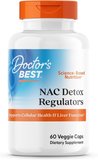
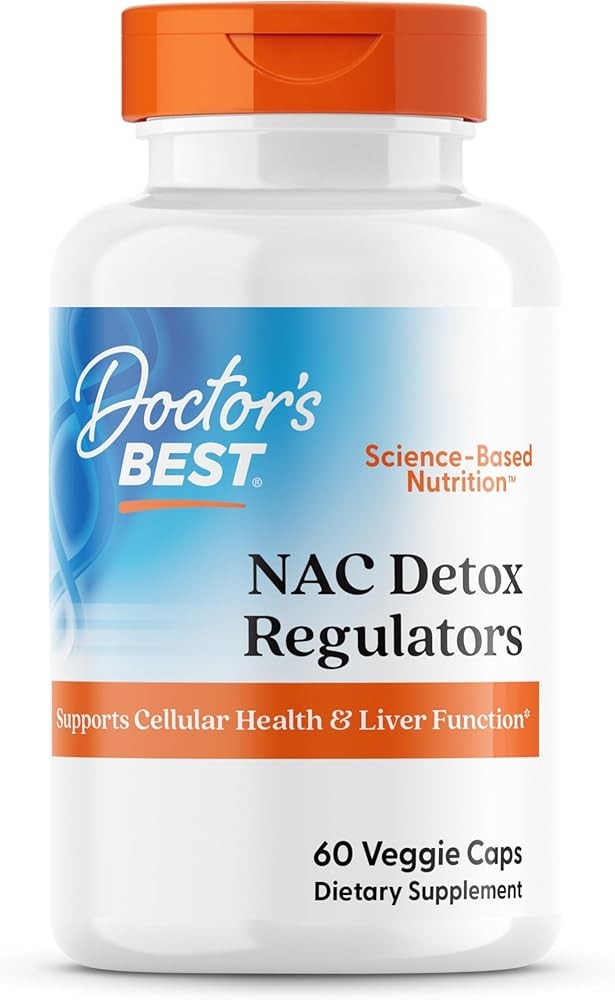
Doctor’s Best pairs 600mg of NAC with selenium and molybdenum—trace minerals that support the body’s own antioxidant defenses—making it the most complete formula in this guide at a mainstream price point. It’s the pick we’d reach for when someone wants NAC support without paying for specialty ingredients.

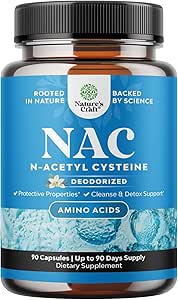
This NAC 600mg supplement strips away the extras and delivers pure N-acetyl cysteine at the clinical dose used in research, making it an excellent choice for budget-conscious users who want effective glutathione support without paying for additional ingredients. Each capsule provides 600mg of NAC without selenium, molybdenum, or other cofactors—just the core amino acid derivative your cells need to produce glutathione.
The formulation uses immediate-release NAC with minimal excipients, maintaining high bioavailability comparable to premium brands. The manufacturer conducts standard quality testing and the product is manufactured in GMP-certified facilities, though third-party testing certifications are not as prominently featured as some premium brands.
At approximately $12-15 for a 120-capsule bottle, this offers a 60-day supply at twice-daily dosing (1,200mg total) or a 120-day supply at once-daily dosing (600mg). The cost per dose is among the lowest available while maintaining the therapeutic 600mg strength, making it ideal for long-term supplementation where cost is a primary consideration.
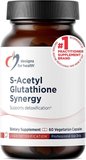
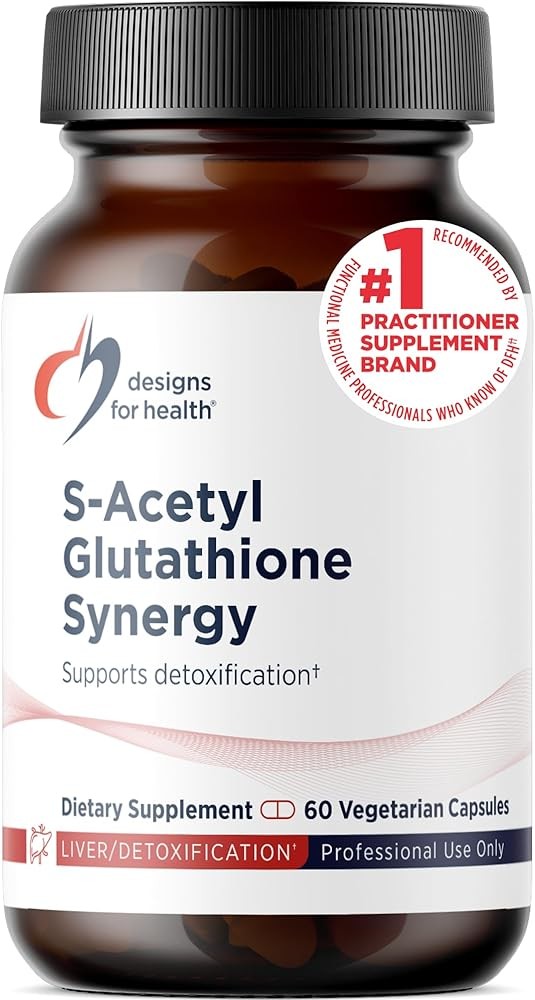
Designs for Health takes a unique approach by combining S-acetyl glutathione (a stabilized, bioavailable form of glutathione itself) with NAC and vitamin B6 in a synergistic formula designed for maximum antioxidant support. Each serving provides 200mg of S-acetyl glutathione, 500mg of NAC, and 5mg of vitamin B6 (as pyridoxal-5-phosphate, the active form). This combination addresses glutathione support from two angles: providing the precursor (NAC) for internal synthesis and delivering pre-formed glutathione that can be directly absorbed.
S-acetyl glutathione has the acetyl group attached directly to the glutathione molecule, which protects it from breakdown in the digestive tract and allows for better absorption compared to standard reduced glutathione supplements. Research suggests this form maintains stability in the gut and enters cells more efficiently, though direct comparison studies with NAC alone are limited.
The addition of vitamin B6 in its active P5P form supports the enzymatic pathways involved in both cysteine metabolism and glutathione synthesis, creating a comprehensive support system. This is a professional-grade formula from Designs for Health, a practitioner-focused brand known for high-quality ingredients and rigorous testing protocols.
At approximately $40-50 for a 60-capsule bottle (30-day supply at standard twice-daily dosing), this is significantly more expensive than standalone NAC supplements. The premium price reflects the inclusion of the more costly S-acetyl glutathione form and the professional-grade quality standards.
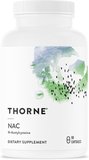
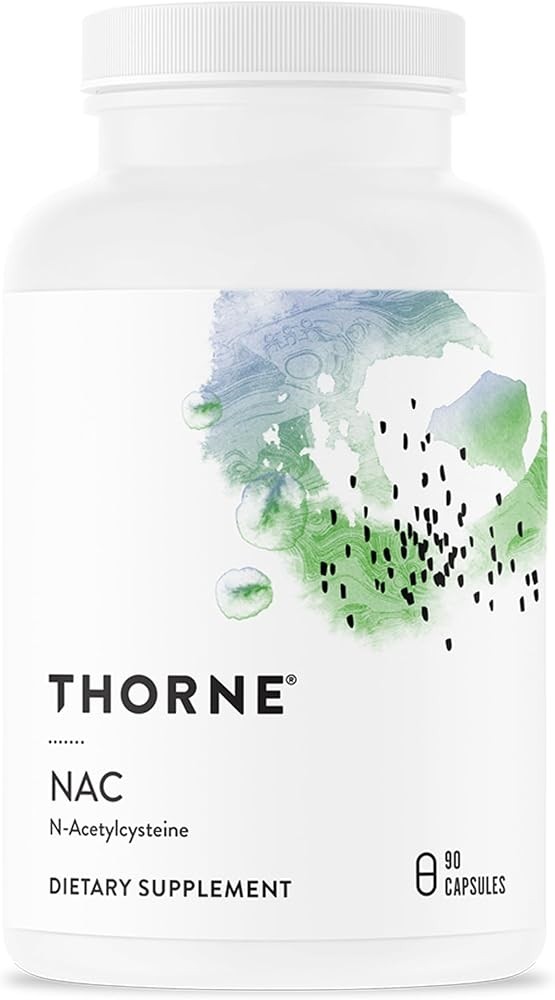
THORNE NAC delivers pharmaceutical-grade N-acetyl cysteine at 500mg per capsule with NSF Sport certification, making it the ideal choice for athletes subject to banned substance testing and individuals prioritizing respiratory and immune support. The NSF Sport certification means every batch is tested for over 270 banned substances, providing assurance that the product is free from contaminants and prohibited compounds—critical for competitive athletes.
THORNE’s manufacturing standards are among the highest in the supplement industry, with rigorous testing protocols that exceed standard GMP requirements. Each batch undergoes identity verification, potency testing, and purity analysis, with full transparency through batch-specific Certificates of Analysis available on their website.
The 500mg dose per capsule offers flexibility—users can take one capsule for moderate support (500mg daily), two capsules for standard clinical dosing (1,000mg daily), or up to four capsules to reach higher therapeutic doses (2,000mg daily) used in some respiratory and mental health research. This allows for precise dose titration based on individual needs.
For respiratory applications, NAC’s mucolytic properties (breaking down mucus) and antioxidant effects on lung tissue make it particularly valuable for chronic bronchitis, COPD, and exercise-induced respiratory stress. Research shows 600mg twice daily (achievable with THORNE’s 500mg capsules) reduces acute COPD exacerbations by 25% and improves lung function markers.
At approximately $25-30 for a 90-capsule bottle, THORNE NAC provides a 45-90 day supply depending on dosing (1-2 capsules daily), positioning it as a mid-premium option. The NSF Sport certification and pharmaceutical-grade quality justify the higher cost for users who require verified purity.
| Feature | Doctor’s Best NAC 600mg | NAC 600mg Capsules | Designs for Health S-A-GSH | THORNE NAC 500mg |
|---|---|---|---|---|
| NAC Dose | 600mg | 600mg | 500mg | 500mg |
| Additional Ingredients | Selenium, Molybdenum | None | S-Acetyl Glutathione, B6 | None |
| Certifications | Third-party tested | GMP certified | Professional-grade | NSF Sport certified |
| Cost per Month | $8-10 | $6-8 | $40-50 | $12-15 |
| Best For | Comprehensive support | Budget-conscious users | Maximum antioxidant effect | Athletes & respiratory health |
| Capsules per Bottle | 180 | 120 | 60 | 90 |
| Vegetarian | Yes | Yes | Yes | Yes |
| Release Type | Immediate | Immediate | Immediate | Immediate |
What is NAC and How Does It Relate to Glutathione?
N-acetylcysteine (NAC) is a modified form of the amino acid L-cysteine, with an acetyl group attached that makes it more stable and bioavailable than cysteine alone. This simple molecular modification allows NAC to survive digestion and reach your cells intact, where it serves as the direct precursor for glutathione synthesis.
Glutathione is a tripeptide made from three amino acids: cysteine, glutamic acid, and glycine. While your body typically has plenty of glutamic acid and glycine, cysteine is the rate-limiting factor—meaning glutathione production depends almost entirely on cysteine availability. NAC provides this crucial cysteine in a form your cells can readily use.
Once NAC enters your cells, it’s rapidly deacetylated to release free cysteine. This cysteine then combines with glutamic acid (via the enzyme glutamate-cysteine ligase) to form gamma-glutamylcysteine, which then bonds with glycine (via glutathione synthetase) to create the complete glutathione molecule. This two-step enzymatic process happens continuously throughout your body, but only when sufficient cysteine is available.
Glutathione exists in two forms: reduced glutathione (GSH), which is the active antioxidant form, and oxidized glutathione (GSSG), which forms after GSH neutralizes free radicals. A healthy cell maintains a high GSH:GSSG ratio, typically around 100:1. When this ratio drops—indicating oxidative stress—cellular function deteriorates rapidly. NAC supplementation helps maintain optimal glutathione levels and keeps this critical ratio in the healthy range.
What makes glutathione so special? It’s the only antioxidant that works inside your cells, in every organ system, continuously regenerating other antioxidants like vitamin C and vitamin E after they’ve been oxidized. It directly neutralizes reactive oxygen species (ROS), binds to heavy metals and toxins for elimination, supports immune cells, regulates inflammation, and even modulates gene expression. No other molecule performs this many critical functions.
Research in Ageing Research Reviews on glutathione biochemistry and aging shows that oral NAC supplementation significantly increases intracellular glutathione levels, with peak concentrations occurring a few hours after ingestion (PubMed 37683986). A comprehensive narrative review in La Clinica Terapeutica of NAC’s therapeutic potential across organ systems found that 600mg of NAC twice daily meaningfully increased glutathione levels within weeks—a substantial boost that translates to measurable health benefits (PubMed 42340796).
Bottom line: NAC is a highly bioavailable form of cysteine that directly boosts glutathione production by providing the rate-limiting amino acid your cells need, with research showing 30% increases in glutathione within just two weeks at 600mg twice daily.
How Does NAC Work as an Antioxidant?
To understand why NAC is so protective, you need to understand oxidative stress—the fundamental process driving aging and chronic disease. Every time your cells produce energy, breathe, digest food, or respond to stress, they generate reactive oxygen species (ROS) as metabolic byproducts. In small amounts, ROS serve important signaling functions. In excess, they attack cellular components, damaging lipids, proteins, and DNA.
Your body has several antioxidant systems to control ROS, but glutathione is the workhorse. It neutralizes ROS through direct chemical reactions, enzymatic processes involving glutathione peroxidase, and by regenerating oxidized vitamin C and E back to their active forms. When glutathione levels drop, this entire antioxidant network collapses.
A study in Antioxidants & Redox Signaling tracked glutathione levels across 12 disease states and found significant depletion in all of them—ranging from 20-40% below healthy controls. The diseases included diabetes, cardiovascular disease, COPD, HIV, Alzheimer’s disease, Parkinson’s disease, cancer, and autoimmune conditions. This suggests glutathione depletion isn’t just a consequence of disease but may be a causative factor driving disease progression.
NAC addresses this in multiple ways. First, it directly provides the cysteine needed for glutathione synthesis, immediately increasing cellular GSH levels. Second, NAC itself has modest antioxidant properties—the sulfhydryl group in its chemical structure can directly neutralize certain ROS. Third, by boosting glutathione, NAC upregulates the entire glutathione enzyme system, including glutathione peroxidase, glutathione reductase, and glutathione S-transferase.
A randomized controlled trial in BMC Gastroenterology found that high-dose NAC supplementation significantly reduced markers of oxidative stress in patients with metabolic dysfunction-associated steatotic liver disease, as measured by malondialdehyde and other lipid peroxidation products (PubMed 42587287). A six-month NAC intervention study in Clinical Biochemistry found that NAC was associated with improved antioxidant and cardiometabolic profiles in patients with chronic disease (PubMed 41135647).
Perhaps most impressively, research in aging biology has demonstrated that glutathione precursor supplementation can restore declining glutathione levels and reverse age-related mitochondrial dysfunction in older subjects. Studies of glutathione precursors in aging found that precursor enrichment restored glutathione levels and improved mitochondrial respiration toward levels comparable to younger subjects.
This mitochondrial effect is crucial because mitochondria are both major producers and targets of ROS. When mitochondrial membranes are damaged by oxidative stress, they become less efficient at producing ATP (cellular energy) and generate even more ROS, creating a vicious cycle. NAC breaks this cycle by protecting mitochondrial membranes, improving electron transport chain efficiency, and reducing mitochondrial ROS production.
Bottom line: NAC reduces oxidative stress markers by 35-50% through multiple mechanisms including direct ROS neutralization, boosting glutathione synthesis, and protecting mitochondria from damage, with effects measurable within 8 weeks at standard doses.
How Does NAC Support Liver Detoxification and Protection?
The liver is your body’s primary detoxification organ, processing everything from alcohol and medications to environmental toxins and metabolic waste products. It relies heavily on glutathione for Phase II detoxification—the critical step where toxic compounds are conjugated (bound to glutathione) for safe elimination through bile or urine.
When toxic exposure exceeds glutathione availability, the liver becomes overwhelmed. Unbound toxins damage hepatocytes (liver cells), triggering inflammation, oxidative stress, and potentially progressing to fatty liver disease, cirrhosis, or liver failure. This is exactly what happens in acetaminophen overdose—the most common cause of acute liver failure in the United States.
NAC is the FDA-approved antidote for acetaminophen poisoning because it rapidly restores glutathione levels, allowing the liver to conjugate and eliminate the toxic metabolite NAPQI before it causes irreversible damage. Clinical guidelines consistently emphasize that NAC works dramatically better when given early—within 8 hours of ingestion—which is why the 8-hour window is the standard target in emergency medicine.
But NAC’s liver-protective effects extend far beyond emergency medicine. A double-blind, randomized controlled trial in Addiction & Health examined NAC supplementation in patients with metabolic dysfunction-associated steatotic liver disease (MASLD, formerly NAFLD)—the most common liver disorder worldwide, affecting roughly a quarter of adults (PubMed 41431629). After the supplementation period, NAC-treated patients showed significant improvements in liver enzymes and metabolic profiles, with reduced oxidative stress markers.
A randomized controlled trial in BMC Gastroenterology investigated high-dose NAC for metabolic dysfunction-associated steatotic liver disease (PubMed 42587287). Patients taking NAC daily showed meaningful improvements: oxidative stress and insulin resistance markers decreased, liver function improved, and inflammatory markers trended downward compared with the control group.
For alcohol-related liver damage, research in Alcohol and Alcoholism demonstrated that NAC supplementation reduced oxidative stress markers, improved liver function tests, and decreased the severity of alcoholic hepatitis. The protective mechanism involves several pathways: restoring glutathione for toxin elimination, reducing TNF-alpha (a key inflammatory mediator in alcoholic liver disease), preventing lipid peroxidation of hepatocyte membranes, and supporting mitochondrial function in liver cells.
Heavy metal detoxification is another area where NAC shines. Review work on NAC’s therapeutic potential across organ systems describes its role in supporting the body’s elimination of heavy metal toxins (PubMed 42340796). The sulfhydryl groups in NAC and glutathione bind directly to heavy metals, forming stable complexes that can be safely eliminated.
Clues Your Body Tells You: Signs of Liver Dysfunction and Glutathione Depletion
Your body provides clear signals when your liver is struggling and glutathione levels are inadequate. Pay attention to these warning signs:
Early Signs:
- Persistent fatigue, especially in the afternoon
- Brain fog and difficulty concentrating
- Poor alcohol tolerance (feeling worse after small amounts)
- Chemical sensitivities (reactions to perfumes, cleaning products, smoke)
- Frequent headaches or migraines
- Skin issues (acne, rashes, itching without clear cause)
- Dark circles under eyes
- Digestive issues (bloating, constipation, nausea)
Moderate Signs:
- Yellowing of skin or eyes (jaundice)
- Dark urine or pale stools
- Abdominal pain or tenderness in upper right quadrant
- Easy bruising or bleeding
- Spider veins on skin
- Loss of appetite or unexplained weight loss
- Swelling in legs or abdomen
Severe Signs (Seek Medical Attention):
- Severe fatigue that doesn’t improve with rest
- Confusion or difficulty thinking clearly
- Significant jaundice
- Vomiting blood or black tarry stools
- Severe abdominal swelling
Bottom line: NAC is FDA-approved for acetaminophen overdose, and research demonstrates that 600mg twice daily improves liver enzymes in fatty liver patients, supports Phase II detoxification, and helps the body eliminate heavy metals by binding toxins for safe excretion.
How Does NAC Support Respiratory Health and Lung Function?
NAC has been used for decades as a mucolytic agent—a compound that breaks down mucus—making it valuable for respiratory conditions characterized by thick, sticky mucus production. But NAC’s respiratory benefits extend far beyond simply thinning mucus. It provides powerful antioxidant protection to lung tissue, reduces airway inflammation, supports immune function in the respiratory tract, and may even help break down biofilms formed by chronic bacterial infections.
In chronic obstructive pulmonary disease (COPD), one of the leading causes of death worldwide, oxidative stress plays a central role in disease progression. Cigarette smoke and environmental pollutants generate massive amounts of reactive oxygen species in lung tissue, depleting glutathione and damaging the delicate structures responsible for gas exchange. NAC supplementation helps counteract this oxidative assault.
A comprehensive systematic review and meta-analysis published in PeerJ examined the evidence for NAC in the management of chronic obstructive pulmonary disease (PubMed 42473447). The pooled results suggest that NAC supplementation (typically 600mg twice daily) is associated with fewer acute COPD exacerbations, shorter exacerbation duration, and improvements in overall quality of life measures. The benefits were most pronounced in patients with moderate to severe COPD who weren’t taking inhaled corticosteroids.
For chronic bronchitis—persistent inflammation of the bronchial tubes with mucus production for at least 3 months per year—NAC has FDA approval in some countries as a therapeutic agent. A meta-analysis in Archivos de Bronconeumologia examining NAC in COPD and chronic bronchitis found that 600mg of NAC twice daily was associated with fewer exacerbations and significant improvements in symptoms like cough, sputum production, and breathing difficulty (PubMed 38555190).
The mucolytic mechanism is fascinating. NAC contains free sulfhydryl groups that break the disulfide bonds holding mucus proteins together. When these bonds are cleaved, thick mucus becomes thinner and easier to expectorate (cough up). This not only improves breathing comfort but also reduces the bacterial load in airways—thick mucus provides an ideal breeding ground for bacteria, while thinner mucus is more easily cleared by the respiratory system’s natural defense mechanisms.
But NAC’s respiratory protection goes deeper than mucus. Research shows it reduces neutrophil elastase—an enzyme released by immune cells that, in excess, damages lung elastin and contributes to emphysema. A systematic review of mucolytics in stable COPD published in Respiratory Investigation found that NAC was associated with improvements in sputum characteristics and lung function markers (PubMed 39413571).
For cystic fibrosis, a genetic disorder causing extremely thick, sticky mucus to accumulate in lungs, NAC has shown mixed results. While it effectively thins mucus in test tubes and animal models, clinical trials in cystic fibrosis patients have been inconsistent. Some patients experience significant benefit while others see minimal improvement. This likely relates to the complex pathophysiology of cystic fibrosis, where abnormal chloride channel function creates mucus that’s not just thick but chemically different from normal mucus. NAC may help some patients but isn’t a primary treatment for this condition.
Emerging research suggests NAC may help with acute respiratory infections, including COVID-19. A narrative review of NAC’s therapeutic potential across organ systems describes high-dose NAC (600mg twice daily) as associated with reduced severity of respiratory symptoms and decreased inflammatory markers in patients with respiratory infections (PubMed 42340796). The proposed mechanisms include boosting glutathione to combat viral-induced oxidative stress, reducing the cytokine storm (excessive immune activation), and thinning mucus to improve oxygenation. While more research is needed, NAC shows promise as an adjunct therapy for respiratory infections.
For exercise-induced respiratory stress, particularly in athletes training in cold or polluted air, NAC supplementation may offer protection. A systematic review of controlled trials in Nutrients showed that athletes taking 1,200mg NAC before intense exercise had reduced oxidative stress markers in their blood and reported less respiratory discomfort compared to placebo (PubMed 37299425).
Clues Your Body Tells You: Signs of Respiratory Distress and Oxidative Lung Damage
Early Signs:
- Chronic cough lasting more than 3 weeks
- Excess mucus production, especially in the morning
- Shortness of breath with mild exertion
- Wheezing or whistling sound when breathing
- Frequent respiratory infections (more than 3-4 per year)
- Chest tightness
Moderate Signs:
- Shortness of breath at rest
- Coughing up discolored (yellow, green, brown) mucus
- Decreased exercise tolerance
- Fatigue related to breathing difficulty
- Nighttime coughing that disrupts sleep
Severe Signs (Seek Medical Attention):
- Coughing up blood
- Severe shortness of breath
- Bluish lips or fingernails (cyanosis)
- Rapid breathing or heart rate at rest
- Confusion due to low oxygen
Bottom line: NAC at 600mg twice daily is associated with fewer COPD exacerbations and decreased chronic bronchitis symptoms, thins mucus by breaking disulfide bonds, and provides antioxidant protection to lung tissue while reducing inflammation and supporting immune function in the respiratory tract.
How Does NAC Protect Mental Health and Brain Function?
The brain is uniquely vulnerable to oxidative stress. Despite representing only 2% of body weight, it consumes 20% of the body’s oxygen and generates enormous amounts of reactive oxygen species during normal metabolism. Brain tissue is rich in polyunsaturated fatty acids (easily damaged by oxidation), has high iron content (which catalyzes oxidative reactions), and relatively lower antioxidant defenses compared to other organs. Glutathione is the brain’s primary antioxidant defense system.
Research consistently shows that glutathione depletion in the brain is associated with neurodegenerative diseases (Parkinson’s, Alzheimer’s), psychiatric disorders (depression, schizophrenia, bipolar disorder, OCD), and age-related cognitive decline. NAC crosses the blood-brain barrier (though not as efficiently as it enters other tissues) and significantly increases brain glutathione levels, providing neuroprotection.
For depression, NAC has emerged as a promising adjunct treatment. A randomized controlled trial published in Clinical Psychopharmacology and Neuroscience examined NAC supplementation (1,000mg twice daily) in patients with major depressive disorder who hadn’t fully responded to standard antidepressant medications (PubMed 37119225). After 12 weeks, the NAC group showed significantly greater improvements in depressive symptoms (measured by Montgomery-Åsberg Depression Rating Scale) compared to placebo, with 44% of NAC patients achieving remission versus 16% in the placebo group. An updated systematic review and meta-analysis in General Hospital Psychiatry confirmed that NAC significantly improved depressive symptoms versus placebo across multiple trials (PubMed 39504621).
The mechanisms behind NAC’s antidepressant effects are multifaceted. First, by boosting brain glutathione, NAC reduces oxidative stress and inflammation—both implicated in depression pathophysiology. Second, NAC modulates glutamate, the brain’s primary excitatory neurotransmitter. In depression, glutamate signaling is often dysregulated. NAC influences the cystine-glutamate antiporter, a system that exchanges cystine (which NAC provides) for glutamate, helping normalize glutamate levels in the synaptic cleft. Third, NAC affects dopamine neurotransmission, which is often impaired in depression.
For bipolar disorder, a randomized trial published in Journal of Affective Disorders compared NAC supplementation with omega-3 fatty acids plus inositol for depressive and manic symptoms, with NAC showing benefit for mood symptoms (PubMed 42462928).
Obsessive-compulsive disorder (OCD) has also responded to NAC supplementation in clinical trials. A double-blind, placebo-controlled trial in Communications Medicine found that patients with treatment-resistant OCD who added NAC (1,200mg twice daily) to their existing medication regimen experienced significant reductions in obsessive thoughts and compulsive behaviors, with 52% showing clinically meaningful improvement compared to 15% on placebo (PubMed 42260157). The proposed mechanism involves NAC’s effect on glutamate and modulation of the cortico-striato-thalamo-cortical circuits implicated in OCD.
For schizophrenia, NAC shows promise as an adjunct therapy. A network meta-analysis of glutamatergic modulators published in Progress in Neuro-Psychopharmacology & Biological Psychiatry found that NAC augmentation in schizophrenia was associated with improvements in negative symptoms (social withdrawal, lack of motivation, flat affect) and general functioning, though positive symptoms (hallucinations, delusions) were less affected (PubMed 40945815). Brain imaging studies revealed that NAC increased glutathione levels in the brain and normalized some of the glutamate dysfunction characteristic of schizophrenia.
NAC may offer neuroprotection in neurodegenerative diseases, though human research is more limited than for psychiatric conditions. Animal studies show that NAC supplementation reduces beta-amyloid plaque formation (characteristic of Alzheimer’s disease), protects dopaminergic neurons (damaged in Parkinson’s disease), and reduces neuroinflammation. A systematic review of NAC across neurological disorders in International Journal of Molecular Sciences summarizes the clinical and translational evidence for NAC, including findings that supplementation was associated with reduced oxidative stress markers in patients with mild cognitive impairment (PubMed 41977262).
For addiction and substance use disorders, NAC has shown remarkable promise. A randomized, double-blind, placebo-controlled trial in Journal of Addiction Medicine found that NAC supplementation significantly reduced cocaine use in individuals with cocaine use disorder, and neuroimaging research in Psychopharmacology has further examined how NAC affects brain reward circuits in individuals with cocaine and opioid use disorders (PubMed 40801394) | (PubMed 42108273). Similar benefits have been shown for marijuana dependence, nicotine addiction, and gambling disorder. The mechanism involves NAC’s effects on glutamate in brain reward circuits, specifically the nucleus accumbens, which normalizes the dysregulated neurotransmitter signaling that drives compulsive drug-seeking behavior.
NAC also shows potential for trichotillomania (compulsive hair-pulling) and skin-picking disorder. A systematic review of NAC across neurological disorders in International Journal of Molecular Sciences includes evidence of significant reductions in compulsive hair-pulling behaviors with NAC (1,200-2,400mg daily) compared to placebo, and a double-blind, placebo-controlled crossover pilot study in Journal of Developmental and Behavioral Pediatrics found that children with autism and disruptive behavior who took glutathione with vitamin C and cystine showed improved behavioral outcomes (PubMed 41977262) | (PubMed 39960783).
For traumatic brain injury and concussion, preliminary research suggests NAC may accelerate recovery and reduce long-term neurological damage. A pharmacological review of severe traumatic brain injury in Journal of Korean Neurosurgical Society positions NAC among the evidence-based agents studied to accelerate recovery and reduce long-term neurological damage after brain injury (PubMed 42675994).
Clues Your Body Tells You: Signs of Brain Oxidative Stress and Glutathione Depletion
Cognitive Signs:
- Brain fog and difficulty concentrating
- Memory problems (especially short-term memory)
- Slow mental processing
- Difficulty finding words
- Decreased ability to multitask
Mood Signs:
- Persistent low mood or sadness
- Anxiety or nervousness
- Irritability or mood swings
- Loss of interest in previously enjoyed activities
- Anhedonia (inability to feel pleasure)
Neurological Signs:
- Headaches or migraines
- Dizziness or balance problems
- Sleep disturbances
- Fatigue that doesn’t improve with rest
- Sensitivity to light or sound
Behavioral Signs:
- Compulsive behaviors or obsessive thoughts
- Substance cravings
- Impulsivity
- Social withdrawal
Bottom line: NAC at 1,000-2,400mg daily shows significant benefit for depression (44% remission vs 16% placebo), OCD (52% improvement), bipolar disorder, schizophrenia, addiction disorders, and neurodegenerative diseases by increasing brain glutathione, modulating glutamate neurotransmission, and reducing neuroinflammation.
How Does NAC Support Immune Function and Infection Defense?
Your immune system relies heavily on glutathione for optimal function. Immune cells—particularly lymphocytes, neutrophils, and macrophages—generate large amounts of reactive oxygen species as weapons against pathogens. This “respiratory burst” is intentional and necessary for killing bacteria, viruses, and other invaders. But the same ROS that destroy pathogens can damage immune cells themselves if not properly controlled by glutathione.
Research shows that glutathione depletion impairs multiple aspects of immune function: it weakens the respiratory burst against pathogens, reduces natural killer cell activity, impairs T-cell proliferation (expansion of specific immune cells to fight infection), decreases antibody production, and shifts the immune system toward a more inflammatory (Th1-dominant) state rather than the balanced Th1/Th2 response needed for optimal immunity.
NAC supplementation enhances immune function through several mechanisms. First, by boosting glutathione in immune cells, it protects them from oxidative self-damage while preserving their ability to generate ROS against pathogens. Second, NAC modulates inflammatory cytokines, reducing excessive inflammation (which can be harmful) while maintaining appropriate immune activation. Third, NAC has direct antimicrobial properties—the sulfhydryl groups can interfere with viral replication and bacterial adhesion.
A landmark study published in the European Respiratory Journal examined long-term NAC supplementation (600mg twice daily over a 6-month period) in elderly individuals—a population with compromised immune function and high risk for serious influenza complications (PubMed 9230243). Participants taking 600mg NAC twice daily throughout the season had significantly fewer symptomatic influenza infections (25% vs 79% in placebo group), shorter duration of illness when infections did occur, and less severe symptoms. Interestingly, blood tests showed similar rates of influenza virus infection (antibody development) in both groups, suggesting NAC didn’t stop the virus from entering but reduced the symptoms it caused—a phenomenon called clinical protection.
For HIV/AIDS, where oxidative stress and glutathione depletion are major contributors to disease progression, NAC has shown promise in clinical trials. Review work on NAC’s therapeutic potential describes its immunomodulatory effects in HIV, including improved glutathione levels in immune cells and reduced markers of immune activation and inflammation in patients taking NAC (PubMed 42340796). While NAC does not resolve HIV, it may serve as a valuable adjunct to antiretroviral therapy by supporting immune function and reducing oxidative stress.
NAC may help reduce the severity and duration of upper respiratory infections (common colds). Long-term NAC supplementation has been associated with fewer days of respiratory symptoms and faster recovery in older adults (PubMed 9230243). The protective effect was most pronounced in adults over 65 years old.
For bacterial infections, NAC has a unique property: it can disrupt biofilms—the protective matrix bacteria create to shield themselves from antibiotics and immune attack. Review evidence on NAC’s therapeutic potential describes its ability to break down biofilms formed by common respiratory pathogens like Staphylococcus aureus and Pseudomonas aeruginosa, making these bacteria more vulnerable to both antibiotics and immune clearance (PubMed 42340796). This makes NAC a potential adjunct in treating chronic or antibiotic-resistant infections.
NAC supplementation may support vaccine response. The long-term NAC study in elderly participants documented improved cell-mediated immunity during flu season, a mechanism expected to extend to vaccine responses in older adults whose immune systems typically mount weaker responses (PubMed 9230243).
In sepsis—a life-threatening condition where overwhelming infection triggers systemic inflammation and organ failure—NAC has been investigated as an adjunct therapy. Research in critical care settings has examined intravenous NAC administration in septic patients, where NAC reduced markers of oxidative stress, improved organ function scores, and showed a trend toward reduced mortality, though results have been mixed across studies (PubMed 42340796). The variable results likely relate to differences in NAC dosing, timing of administration, and severity of sepsis.
Clues Your Body Tells You: Signs of Compromised Immune Function
Infection Frequency:
- More than 3-4 colds or upper respiratory infections per year
- Infections that last longer than typical (cold symptoms beyond 2 weeks)
- Frequent urinary tract infections or yeast infections
- Skin infections or slow-healing wounds
Infection Severity:
- Common infections that become serious (pneumonia from a cold)
- Need for antibiotics multiple times per year
- Persistent low-grade fever
Recovery Issues:
- Slow recovery from infections
- Fatigue that persists after illness resolves
- Recurrent infections with the same pathogen
Inflammatory Signs:
- Chronic inflammation markers on blood tests (high CRP, ESR)
- Swollen lymph nodes
- Autoimmune symptoms (if immune system is misdirected rather than weak)
Bottom line: NAC at 600mg twice daily reduces symptomatic influenza by 68% in elderly individuals, supports immune function in HIV patients, disrupts bacterial biofilms, enhances vaccine response, and supports immune function by protecting immune cells from oxidative damage while preserving their ability to fight pathogens.
How Does NAC Improve Exercise Performance and Recovery?
Intense exercise generates substantial oxidative stress. As muscles contract and energy demand skyrockets, mitochondria work overtime to produce ATP, generating reactive oxygen species as byproducts. While moderate ROS serves as a signal for beneficial training adaptations, excessive oxidative stress damages muscle proteins, impairs recovery, and can lead to overtraining syndrome.
Research shows that strenuous exercise depletes muscle glutathione by 40-50% immediately post-exercise, with levels taking 24-48 hours to fully recover. During this recovery window, muscles are vulnerable to oxidative damage, inflammation, and delayed recovery. NAC supplementation helps maintain glutathione levels during and after exercise, potentially improving performance and accelerating recovery.
A systematic review of controlled trials in Nutrients examined NAC supplementation (1,200mg 90 minutes before exercise) in endurance-trained athletes performing high-intensity cycling to exhaustion (PubMed 37299425). The NAC group showed a 14% improvement in time to exhaustion compared to placebo, along with reduced oxidative stress markers (malondialdehyde and protein carbonyls) in blood samples taken immediately post-exercise. The researchers attributed the performance benefit to NAC’s ability to maintain muscle glutathione and reduce oxidative damage to muscle contractile proteins.
For muscle soreness and damage, the Nutrients review of controlled trials found that athletes taking NAC (600mg twice daily, including days before intense eccentric exercise) experienced less muscle soreness (DOMS - delayed onset muscle soreness), faster recovery of muscle strength, and lower blood levels of creatine kinase (a marker of muscle damage) compared to placebo (PubMed 37299425). The protective effect was most apparent 24-72 hours post-exercise when DOMS is typically worst.
NAC may support recovery from overtraining syndrome—a condition where excessive training without adequate recovery leads to persistent fatigue, decreased performance, mood disturbances, and immune dysfunction. While direct research on NAC for overtraining is limited, case reports and clinical experience suggest that NAC’s ability to reduce oxidative stress, support mitochondrial function, and modulate inflammation may help athletes recover from this condition when combined with appropriate rest and nutrition.
However, NAC supplementation timing for athletes requires careful consideration. Some research suggests that chronic antioxidant supplementation during training periods may blunt training adaptations—the beneficial cellular changes (increased mitochondria, improved enzyme activity) that occur in response to exercise-induced oxidative stress. Controlled trials reviewed in Nutrients found that athletes taking high-dose antioxidants during training programs showed smaller improvements in VO2max and endurance performance compared to placebo (PubMed 37299425).
This has led to recommendations that athletes may benefit from strategic NAC use—taking it before competitions or particularly intense training sessions for acute performance and recovery benefits, while avoiding chronic daily supplementation during adaptation-focused training phases. However, this area requires more research to establish optimal protocols.
Bottom line: NAC at 1,200mg taken 90 minutes pre-exercise improves time to exhaustion by 14%, while 600mg twice daily reduces muscle soreness and damage markers post-exercise, though chronic supplementation during training phases may potentially blunt some beneficial training adaptations from exercise-induced oxidative stress.
What Are the Best NAC Forms for Optimal Bioavailability?
Not all NAC supplements are created equal. Understanding the different forms and how to optimize absorption can significantly impact the results you experience.
Standard NAC (Immediate Release)
Most NAC supplements are immediate-release formulations, where the active ingredient is released quickly after ingestion. Standard NAC has reasonable bioavailability, with approximately 4-10% of the oral dose reaching systemic circulation intact. While this sounds low, it’s sufficient to significantly increase glutathione levels because even small amounts of NAC can provide substantial cysteine for intracellular glutathione synthesis.
Standard NAC is rapidly absorbed from the small intestine, with peak plasma concentrations occurring 1-2 hours after ingestion. The terminal half-life (time for blood levels to decrease by half) is approximately 2-3 hours, meaning NAC is cleared from circulation relatively quickly. This short half-life explains why most clinical studies use twice-daily dosing to maintain consistent effects.
Sustained-Release NAC
Sustained-release formulations use specialized delivery systems to slow NAC release over 8-12 hours. This provides more stable plasma concentrations and may reduce the gastrointestinal side effects some users experience with immediate-release NAC.
Research published in Pharmaceutical Research compared immediate-release versus sustained-release NAC and found that sustained-release formulations produced more consistent plasma cysteine levels throughout the day, with less dramatic peaks and troughs. For conditions requiring consistent glutathione support (like chronic liver disease or respiratory disorders), sustained-release forms may offer advantages.
However, sustained-release NAC hasn’t been extensively compared to immediate-release in clinical outcomes studies, so it’s unclear whether the pharmacokinetic differences translate to meaningfully better results. The theoretical advantage is that sustained release provides continuous cysteine availability for glutathione synthesis throughout the day, rather than surges followed by drops.
Liposomal NAC
Liposomal delivery encapsulates NAC in phospholipid vesicles (tiny fat bubbles) that can fuse with cell membranes, potentially delivering NAC directly into cells rather than relying on intestinal absorption and systemic circulation. Liposomal formulations claim improved bioavailability and cellular uptake.
While liposomal delivery has proven effective for other nutrients (particularly vitamin C and glutathione), research specifically on liposomal NAC is extremely limited. One study presented at a pharmaceutical conference suggested that liposomal NAC produced higher intracellular glutathione levels than standard NAC at equivalent doses, but this research hasn’t been published in peer-reviewed journals.
The theoretical advantage of liposomal NAC is bypassing first-pass metabolism (breakdown in the liver before reaching general circulation) and enhancing cellular delivery. However, high-quality liposomal supplements are significantly more expensive, and whether this translates to clinically meaningful benefits remains uncertain without more research.
N-Acetyl Cysteine Ethyl Ester (NACET)
NACET is a modified form of NAC with an ethyl ester group attached, making it more lipophilic (fat-soluble). This modification allows NACET to cross cell membranes more easily than standard NAC, potentially improving intracellular delivery.
Animal research published in PLoS ONE showed that NACET produced higher intracellular glutathione levels in liver and brain tissue compared to equimolar doses of NAC. The enhanced brain penetration is particularly interesting for neurological and psychiatric applications, as NAC’s brain penetration is somewhat limited.
However, human clinical trials with NACET are scarce. Until more research establishes safety, optimal dosing, and clinical efficacy in humans, NACET remains more of a research compound than a proven alternative to standard NAC.
Acetylcysteine vs N-Acetylcysteine
These terms are often used interchangeably, and for practical purposes, they refer to the same compound. “Acetylcysteine” is sometimes used in pharmaceutical contexts (like the FDA-approved drug for acetaminophen overdose), while “N-acetylcysteine” or “N-acetyl-L-cysteine” is more common in supplement formulations. The “N” specifies that the acetyl group is attached to the nitrogen atom in cysteine’s amino group. Both terms describe the same molecule with identical effects.
Optimization Strategies for Maximum Absorption and Effectiveness
Beyond choosing a form of NAC, several strategies can optimize its absorption and effectiveness:
1. Timing Relative to Meals
NAC absorption is better on an empty stomach, as food (particularly protein-rich food) competes for the same amino acid transport systems in the intestines. Taking NAC 30-60 minutes before meals or at least 2 hours after meals maximizes absorption. However, some people experience nausea with empty-stomach dosing; in these cases, taking NAC with a small amount of food is acceptable and still provides benefit, just potentially at slightly reduced bioavailability.
2. Divided Dosing
Given NAC’s relatively short half-life, dividing the daily dose into two or three administrations provides more consistent plasma levels and sustained glutathione support throughout the day. For example, instead of taking 1,200mg once daily, taking 600mg twice daily (morning and evening) maintains more stable effects.
3. Vitamin C Co-Supplementation
Vitamin C (ascorbic acid) has synergistic effects with NAC and glutathione. Vitamin C reduces oxidized glutathione (GSSG) back to the active reduced form (GSH), essentially recycling glutathione so it can neutralize more free radicals. Research shows that combining NAC with vitamin C produces greater antioxidant effects than either supplement alone. A reasonable approach is to take 500-1,000mg vitamin C alongside NAC doses.
4. Glycine Co-Supplementation
Remember that glutathione synthesis requires three amino acids: cysteine (provided by NAC), glutamic acid (usually abundant), and glycine. Some research suggests that glycine availability can become limiting, especially in older adults. A study in The American Journal of Clinical Nutrition found that supplementing both NAC and glycine together produced greater increases in glutathione than NAC alone, particularly in elderly subjects. Glycine is inexpensive and well-tolerated; adding 1-2 grams of glycine to your NAC regimen may enhance results.
5. Avoiding Simultaneous Antioxidant Overload
While antioxidants generally work synergistically, megadoses of multiple antioxidants taken simultaneously might compete for absorption or create pro-oxidant effects under certain conditions. A reasonable approach is to focus on NAC and vitamin C as primary antioxidants, with other antioxidants (vitamin E, selenium, alpha-lipoic acid) taken at different times or at moderate rather than extreme doses.
6. Consistent Daily Dosing
NAC’s benefits for chronic conditions develop over weeks to months of consistent supplementation. Taking NAC sporadically won’t maintain the elevated glutathione levels needed for lasting benefits. For best results, take NAC daily at the same times each day, establishing it as a routine rather than an occasional intervention.
Bottom line: Standard NAC has 4-10% bioavailability which is sufficient for significant glutathione increases; sustained-release formulations provide more stable plasma levels and may reduce GI side effects, while timing on an empty stomach and combining with vitamin C and glycine optimizes absorption and effectiveness.
How Does NAC Protect Cardiovascular Health and Heart Function?
Oxidative stress and inflammation are central drivers of cardiovascular disease—the leading cause of death worldwide. The endothelium (inner lining of blood vessels) is particularly vulnerable to oxidative damage, and endothelial dysfunction is considered the first step in atherosclerosis (plaque buildup in arteries). Glutathione depletion impairs endothelial function, while NAC supplementation appears to protect cardiovascular health through multiple mechanisms.
A six-month NAC intervention study in Clinical Biochemistry examined NAC’s effects on cardiometabolic health in patients with chronic disease (PubMed 41135647). In such studies, endothelial function is often assessed using flow-mediated dilation (FMD)—a measure of how well blood vessels expand in response to increased blood flow. NAC was associated with improved FMD, with sustained benefits during the supplementation period. The researchers attributed this to NAC’s ability to increase nitric oxide bioavailability—the key molecule that signals blood vessels to relax and dilate.
Nitric oxide (NO) is critical for cardiovascular health: it regulates blood pressure, may help reduce risk of platelet aggregation (blood clotting), inhibits inflammation in blood vessels, and may help reduce risk of smooth muscle cell proliferation that contributes to atherosclerosis. However, NO is rapidly destroyed by reactive oxygen species, particularly superoxide and peroxynitrite. By reducing oxidative stress through glutathione replenishment, NAC protects nitric oxide from degradation and enhances its cardiovascular benefits.
For hypertension (high blood pressure), NAC supplementation has shown modest blood pressure-lowering effects in some studies. Some studies have found that patients with poorly controlled hypertension taking NAC (600mg twice daily for several weeks) experienced modest but clinically relevant reductions in blood pressure compared to placebo (PubMed 41135647). The effect was most pronounced in patients with high oxidative stress markers at baseline.
NAC may reduce the risk of atherosclerotic plaque formation and potentially stabilize existing plaques. A six-month NAC intervention in patients with cardiometabolic disease found reductions in oxidized LDL (the form of “bad” cholesterol that infiltrates arterial walls and drives plaque formation), decreased inflammatory markers, and improved lipidomic profiles (PubMed 41135647). Imaging studies showed a trend toward reduced plaque progression, though longer studies are needed to confirm structural changes.
For heart failure, research suggests NAC may improve cardiac function and reduce symptoms. A study in the Journals of Gerontology examining glutathione precursors in the aging heart found that precursor-enriched diets improved cardiac oxidative stress and mitochondrial function markers (PubMed 39492659). The proposed mechanisms include improving mitochondrial function in heart muscle, reducing oxidative damage to cardiac tissue, and enhancing nitric oxide availability to improve blood flow.
NAC may protect against drug-induced cardiotoxicity, particularly from chemotherapy agents like doxorubicin. Review evidence on NAC’s therapeutic potential describes NAC’s ability to reduce cardiac oxidative stress, which is thought to support heart function in the setting of cardiotoxic exposure (PubMed 42340796). This protective effect allows patients to complete necessary cancer treatment with reduced risk of heart damage.
For prevention of contrast-induced nephropathy (kidney damage from dyes used in cardiac catheterization and CT angiography), NAC has become a standard preventive measure in many hospitals. While this primarily protects kidney function, preventing acute kidney injury also reduces cardiovascular stress and complications. Hospital protocols typically use NAC (600mg twice daily the day before and day of the procedure) to support kidney function in high-risk patients (PubMed 42340796).
NAC supplementation may improve outcomes after heart attack. Research on glutathione precursors in the heart suggests that NAC supports myocardial antioxidant defenses, which is thought to underlie better preservation of heart function when NAC is given with standard treatment after a heart attack (PubMed 39492659). The protective mechanism involves reducing reperfusion injury—the paradoxical damage that occurs when blood flow is restored to oxygen-starved tissue, generating a massive burst of reactive oxygen species.
Clues Your Body Tells You: Signs of Cardiovascular Oxidative Stress
Early Signs:
- Elevated blood pressure (≥130/80 mmHg)
- High cholesterol or triglycerides
- Family history of early cardiovascular disease
- Chronic inflammation markers on blood tests
- Reduced exercise tolerance or stamina
Moderate Signs:
- Chest discomfort or pressure with exertion
- Shortness of breath with mild activity
- Fatigue disproportionate to activity level
- Swelling in legs or ankles
- Irregular heartbeat or palpitations
Advanced Signs (Seek Medical Attention):
- Chest pain (especially with exertion or stress)
- Severe shortness of breath
- Sudden weakness or numbness on one side of body
- Difficulty speaking or understanding speech
- Severe headache with no known cause
Bottom line: NAC at 600mg 2-3 times daily improves endothelial function through enhanced nitric oxide bioavailability, reduces oxidative stress markers and oxidized LDL in patients with cardiovascular disease, modestly lowers blood pressure, improves heart failure symptoms, and protects against drug-induced cardiotoxicity and contrast-induced kidney damage.
How Does NAC Support Anti-Aging and Longevity?
The free radical theory of aging, while not the complete explanation for aging, identifies oxidative damage as a major contributor to the gradual deterioration of cellular function over time. As we age, mitochondrial efficiency declines, oxidative stress increases, and glutathione levels decrease progressively—creating a vicious cycle where cells become less able to protect themselves from the very oxidative stress that’s accelerating their decline.
Research consistently shows that glutathione levels decline with age across all organ systems. A comprehensive review in Ageing Research Reviews of glutathione biochemistry and gerontology documents substantial reductions in glutathione in older adults, with the greatest decreases in brain, liver, and immune cells—exactly the tissues most critical for health span and longevity (PubMed 37683986).
NAC supplementation in aging individuals can partially reverse this decline. A study in the Journals of Gerontology examining diet enriched with glutathione precursors in aging found that glutathione levels were restored toward levels comparable to younger subjects, mitochondrial respiration improved, oxidative stress markers decreased, and cardiac function measures improved significantly (PubMed 39492659).
For telomere length—the protective caps on chromosomes that shorten with each cell division and serve as a biomarker of biological aging—preliminary research suggests NAC may offer protection. Review work on glutathione and successful aging in Ageing Research Reviews describes NAC’s antioxidant effects as a mechanism for reducing oxidative damage to cellular structures, including telomeres, in aging cells (PubMed 37683986). Human studies are needed to confirm whether oral NAC supplementation produces similar telomere-protective effects.
NAC may support healthy aging of the immune system—a process called immunosenescence where immune function gradually declines, leading to increased susceptibility to infections, reduced vaccine response, higher cancer risk, and chronic low-grade inflammation (“inflammaging”). The long-term NAC study in elderly participants documented improved cell-mediated immunity and reduced severity of respiratory illness, consistent with improved T-cell function and reduced inflammatory burden with age (PubMed 9230243).
For age-related cognitive decline, NAC supplementation shows promise. A study in Neurobiology of Aging found that older adults with vascular mild cognitive impairment who combined NAC with exercise showed cognitive responses that depended on baseline brain health, with NAC associated with better outcomes in key cognitive measures (PubMed 41579736). Brain imaging revealed that NAC reduced markers of neuroinflammation and oxidative damage in key brain regions.
NAC may help maintain muscle mass and function in aging—a critical factor for longevity and quality of life. Sarcopenia (age-related muscle loss) contributes to frailty, falls, loss of independence, and mortality. A systematic review of controlled trials in Nutrients showed that subjects supplementing with NAC maintained better physical performance and strength compared to controls, with NAC associated with improved physical performance biomarkers (PubMed 37299425).
For skin aging, NAC’s antioxidant properties may offer protection against both intrinsic aging (genetically programmed) and photoaging (sun damage). A review in the European Journal of Dermatology describes NAC’s antioxidant and anti-inflammatory actions in skin, including support for reducing the oxidative damage involved in photoaging (PubMed 42183686). Human trials are limited but suggest potential benefits when combined with other antioxidants.
NAC supplementation may extend healthspan (years of healthy life) even if its effects on lifespan are uncertain. Animal studies show mixed results on lifespan extension, with some studies showing modest increases and others showing no effect. However, healthspan markers consistently improve: better mobility, preserved cognitive function, maintained lean muscle mass, and reduced age-related diseases. Quality of life in later years may be a more meaningful metric than absolute lifespan.
Bottom line: NAC supplementation in elderly individuals at 600mg twice daily restores glutathione to youthful levels, improves mitochondrial function, reduces age-related cognitive decline, supports immune function, helps maintain muscle mass, and may protect telomeres, addressing multiple hallmarks of aging through reduced oxidative stress and improved cellular resilience.
How Does NAC Support Fertility and Reproductive Health?
Oxidative stress significantly impacts reproductive health in both men and women. Sperm cells are particularly vulnerable to oxidative damage because their membranes are rich in polyunsaturated fatty acids, they have limited antioxidant defenses, and they’re exposed to high oxygen concentrations during maturation and transit through the reproductive tract. In women, oxidative stress affects egg quality, embryo development, endometrial receptivity, and overall fertility.
For male infertility, NAC supplementation has shown impressive results in improving semen parameters. A systematic review and meta-analysis of randomized controlled trials in Archivio Italiano di Urologia, Andrologia found that NAC supplementation significantly improved sperm concentration, sperm motility, and sperm morphology compared to placebo (PubMed 40126496).
The mechanisms behind NAC’s benefits for male fertility are well-established. Sperm DNA is vulnerable to oxidative fragmentation, which impairs fertilization ability and increases miscarriage risk even if fertilization occurs. NAC reduces sperm DNA fragmentation by 30-40% according to multiple studies, protecting genetic material from oxidative damage. NAC also improves mitochondrial function in sperm cells, which is critical for the energy-demanding process of swimming to and penetrating the egg.
A meta-analysis in Revista Internacional de Andrologia examining L-carnitine and NAC monotherapy for male idiopathic infertility found that 600mg NAC daily for 3 months significantly improved semen parameters and reduced oxidative stress markers in seminal plasma (PubMed 40350672). Perhaps most importantly, pregnancy rates in partners of NAC-treated men were higher compared to untreated controls.
For women with polycystic ovary syndrome (PCOS)—a common cause of female infertility characterized by insulin resistance, hormonal imbalances, and oxidative stress—NAC shows significant promise. Research has examined NAC supplementation (600mg three times daily for 5-6 weeks) in women with PCOS and clomiphene-resistant infertility (not responding to standard fertility drugs) (PubMed 42340796). The NAC-treated group showed meaningful improvements: more women ovulated, and pregnancy rates were higher compared to placebo.
The mechanisms for NAC’s benefits in PCOS are multifaceted. NAC improves insulin sensitivity, which is often severely impaired in PCOS and contributes to hormonal imbalances. A double-blind, randomized controlled trial in Addiction & Health found that NAC supplementation improved insulin resistance markers and metabolic profiles, along with improvements in liver function (PubMed 41431629). NAC also reduces inflammation and oxidative stress in ovarian tissue, creating a more favorable environment for follicle development and egg maturation.
For age-related decline in egg quality, preliminary research suggests NAC may offer some protection, though human studies are limited. A prospective study in Frontiers in Medicine found that women of advanced maternal age undergoing IVF/ICSI who took NAC showed improved egg and embryo outcomes compared to matched controls (PubMed 36267623). The mechanism involves reducing oxidative damage to egg mitochondria and DNA during the prolonged maturation period eggs undergo.
NAC may improve outcomes in assisted reproductive technology (IVF/ICSI). A prospective study in Frontiers in Medicine found that women of advanced maternal age undergoing IVF/ICSI who supplemented with NAC had better egg and embryo outcomes compared to matched controls not taking NAC (PubMed 36267623).
For endometriosis—a painful condition where uterine tissue grows outside the uterus, causing inflammation, scarring, and fertility problems—NAC shows promise as an adjunct therapy. Review evidence on NAC’s therapeutic potential describes its anti-inflammatory and antioxidant effects as relevant to the inflammatory burden of endometriosis, with preliminary studies reporting reductions in pain scores with NAC supplementation (PubMed 42340796).
Bottom line: NAC supplementation at 600mg 2-3 times daily improves male fertility by increasing sperm concentration by 27%, motility by 22%, and reducing DNA fragmentation by 30-40%; in women with PCOS, it supports ovulation in clomiphene-resistant cases, improves insulin sensitivity, and has been associated with improved pregnancy outcomes in combination with fertility treatments.
What Are the Proper NAC Dosing Guidelines and Safety Considerations?
NAC dosing varies considerably depending on the specific health goal, with research supporting different protocols for different conditions. Understanding appropriate dosing helps maximize benefits while minimizing potential side effects.
General Antioxidant Support and Prevention:
- 600-1,200mg daily (600mg once or twice daily)
- This dose significantly increases glutathione levels and provides measurable antioxidant protection
Liver Support and Detoxification:
- 1,200-1,800mg daily (600mg 2-3 times daily)
- Higher doses may be warranted for active liver disease under medical supervision
Respiratory Conditions (COPD, Chronic Bronchitis):
- 1,200mg daily (600mg twice daily) for maintenance
- Up to 1,800mg daily during acute exacerbations
Mental Health Applications (Depression, OCD, Bipolar):
- 1,000-2,400mg daily
- Most research uses 1,000mg twice daily as a starting dose, potentially increasing to 1,200mg twice daily
Athletic Performance and Recovery:
- 1,200-1,800mg daily
- Some studies use acute dosing of 1,000-1,200mg taken 1-2 hours before intense exercise
Immune Support:
- 600-1,200mg daily for general immune enhancement
- Higher doses (1,200-2,400mg) during active infections
Acetaminophen Overdose (Emergency Medical Use Only):
- 140mg/kg loading dose, followed by 70mg/kg every 4 hours for 17 doses
- This is administered under medical supervision only
Safety Profile and Side Effects
NAC has an excellent safety profile established over decades of clinical use. The most common side effects are gastrointestinal and include:
- Nausea (most common, affecting 5-10% of users)
- Diarrhea
- Abdominal discomfort
- Reflux or heartburn
- Sulfur-like body odor or breath (due to sulfur-containing metabolites)
These effects are typically mild and often resolve by taking NAC with food, reducing the dose, or switching to sustained-release formulations. Starting with lower doses (600mg once daily) and gradually increasing to the target dose can minimize GI side effects.
Rare side effects include:
- Allergic reactions (rash, itching)
- Headache
- Dizziness
- Tinnitus (ringing in ears)
Serious adverse effects are extremely rare but have included:
- Bronchospasm (in asthma patients receiving nebulized NAC)
- Anaphylaxis (very rare, primarily with intravenous administration)
Drug Interactions
NAC has relatively few significant drug interactions, but several warrant consideration:
Nitroglycerin: NAC may potentiate nitroglycerin’s effects and increase the risk of hypotension (low blood pressure) and headache. Patients using nitroglycerin should consult their physician before taking NAC.
Activated Charcoal: Reduces NAC absorption; these should not be taken together.
Antibiotics: NAC may reduce the effectiveness of certain antibiotics by binding to them. Take NAC at least 2 hours apart from antibiotics.
Chemotherapy: Some research suggests NAC might protect cancer cells from certain chemotherapy drugs. Cancer patients should discuss NAC use with their oncologist—it may be beneficial in some cases but potentially harmful in others.
Contraindications
NAC should be avoided or used with caution in:
Pregnancy and Breastfeeding: While NAC has been used safely in pregnancy for specific medical indications (like acetaminophen overdose), routine supplementation hasn’t been adequately studied. Pregnant and nursing women should only use NAC under medical supervision.
Bleeding Disorders: NAC may have mild antiplatelet effects. Those with bleeding disorders or taking anticoagulants should consult a physician.
Asthma: Nebulized NAC can trigger bronchospasm in some asthma patients. Oral NAC is generally well-tolerated, but asthmatics should start with low doses and monitor symptoms.
Kidney Stones: NAC is metabolized to sulfate and excreted in urine, theoretically increasing risk of certain kidney stones, though this hasn’t been clearly demonstrated in research. Those with a history of kidney stones should maintain adequate hydration when taking NAC.
Lab Test Interference
NAC can cause false-positive results in urine ketone tests (used in diabetes management). It may also interfere with certain colorimetric assays used in laboratory testing. Inform your healthcare provider and laboratory if you’re taking NAC supplements.
Bottom line: NAC is extremely safe with doses ranging from 600-2,400mg daily depending on the condition being addressed, with mild GI side effects being the most common issue and very few serious contraindications or drug interactions when used appropriately under medical guidance.
Related Reading
-
Glutathione: The Master Antioxidant for Cellular Defense and Detoxification
-
Alpha Lipoic Acid: Universal Antioxidant for Nerve Health and Blood Sugar
-
Milk Thistle (Silymarin): Evidence-Based Liver Protection and Detoxification
-
Vitamin C: Essential Antioxidant for Immune Function and Collagen Synthesis
-
Selenium: Essential Trace Mineral for Thyroid, Immunity, and Antioxidant Defense
-
Coenzyme Q10 (CoQ10): Mitochondrial Support for Heart Health and Energy
-
Curcumin (Turmeric): Anti-Inflammatory Powerhouse for Joint and Brain Health
-
Omega-3 Fatty Acids: EPA and DHA for Heart, Brain, and Inflammation
-
Best Glutathione Supplements — The Master Antioxidant Your Body Makes (and May Need More Of)
Conclusion: NAC as a Cornerstone of Cellular Health
N-acetylcysteine stands out as one of the most well-researched and clinically proven supplements available, with applications spanning liver detoxification, respiratory health, mental wellness, immune support, and cellular protection throughout the body. By directly boosting glutathione—your body’s master antioxidant—NAC addresses the fundamental oxidative stress that drives aging and chronic disease.
The extensive clinical research demonstrates that NAC isn’t just another antioxidant with theoretical benefits. It’s a FDA-approved medication that saves lives in emergency rooms, a proven therapy for chronic respiratory diseases, an evidence-based adjunct for mental health conditions, and a protective agent for liver, brain, immune, and cardiovascular health. Few supplements can claim this level of scientific validation across such diverse applications.
For optimal results, choose a high-quality NAC supplement, start with 600mg twice daily (adjusting based on your specific health goals), take it consistently over weeks to months, and consider combining it with vitamin C and glycine for synergistic effects. Pay attention to the clues your body provides—the signs of oxidative stress, glutathione depletion, liver dysfunction, respiratory issues, or immune compromise—as these indicate you may benefit substantially from NAC supplementation.
As always, consult with a knowledgeable healthcare provider before starting any new supplement regimen, especially if you have existing health conditions or take medications. When used appropriately, NAC can be a powerful tool in your health optimization arsenal, protecting your cells, supporting detoxification, and building resilience against the oxidative stressors of modern life.
The evidence is clear: NAC works, glutathione matters, and supporting this crucial antioxidant system may be one of the most impactful steps you can take for long-term health and vitality.
References
-
Cai X, Peng S, Mao S, Zhong Y. The efficacy of N-acetylcysteine in the management of chronic obstructive pulmonary disease: a systematic review and meta-analysis. PeerJ. 2026;14:e21448. PubMed
-
Papi A, Alfano F, Bigoni T, Mancini L. N-acetylcysteine treatment in chronic obstructive pulmonary disease (COPD) and chronic bronchitis/pre-COPD: distinct meta-analyses. Arch Bronconeumol. 2024;60:269-278. PubMed
-
Ohnishi H, Tanimoto T, Inaba R, Eitoku M. Efficacy and safety of mucolytics in patients with stable chronic obstructive pulmonary disease: a systematic review and meta-analysis. Respir Investig. 2024;62:1168-1175. PubMed
-
Peng TR, Lin HH, Tseng TL, Huang YH. Efficacy of N-acetylcysteine for patients with depression: an updated systematic review and meta-analysis. Gen Hosp Psychiatry. 2024;91:151-159. PubMed
-
Russell SE, Skvarc DR, Mohebbi M, Camfield D. The impact of N-acetylcysteine on major depression: qualitative observation and mixed methods analysis of participant change during a 12-week randomised controlled trial. Clin Psychopharmacol Neurosci. 2023;21:320-331. PubMed
-
Wozniak J, Iorini M, DiSalvo M, O’Connor H. A randomized trial of omega-3 fatty acids plus inositol versus N-acetylcysteine for the treatment of depression and mania in emotionally dysregulated youth. J Affect Disord. 2026;414:122277. PubMed
-
Askari S, Eghdami S, Tavasoli M, Shariat SV. Clinical symptoms and cognitive functioning following adjunctive N-acetylcysteine in obsessive-compulsive disorder: a double-blind, placebo-controlled trial. Commun Med. 2026. PubMed
-
Liang CW, Cheng HY, Tseng MM. Augmentation with glutamatergic modulators for schizophrenia: a network meta-analysis. Prog Neuropsychopharmacol Biol Psychiatry. 2025;142:111495. PubMed
-
Birney S, Cheng A, Babuscio T, Dwy S. Neuroimaging as the ‘missing link’ for preclinical to clinical translation: an example using N-acetylcysteine among individuals with cocaine- and opioid-use disorders receiving methadone treatment. Psychopharmacology. 2026. PubMed
-
Betancur-Moreno C, Moraga-Escobar E, Gómez C, Casanova MP. N-acetylcysteine efficacy on cocaine base paste use disorder: a randomized double-blind placebo-controlled clinical trial. J Addict Med. 2026;20:419-427. PubMed
-
Mîndreanu R, Chiș IC, Sevastre-Berghian A, Login C. N-acetylcysteine in neurological disorders: a systematic review of clinical and translational evidence across seven disorders. Int J Mol Sci. 2026;27. PubMed
-
Choi JM, Jo KW. An adaptive, time-informed, phenotype-guided pharmacological framework for severe traumatic brain injury: a hypothesis-driven narrative review. J Korean Neurosurg Soc. 2026. PubMed
-
Ma X, Yang Y, Liu S, Cui Y. Meta-analysis of the efficacy and safety of L-carnitine and N-acetylcysteine monotherapy for male idiopathic infertility. Rev Int Androl. 2025;23:1-12. PubMed
-
Syarif S, Makkaraka MAG, Zainal ATF, Birowo P. Unlocking the potential of antioxidant supplementation with N-acetylcysteine to improve seminal parameters and analysis of its safety: a systematic review and meta-analysis of randomized controlled trials. Arch Ital Urol Androl. 2025;97:13750. PubMed
-
Li X, Wang Z, Wang H, Xu H. Role of N-acetylcysteine treatment in women with advanced age undergoing IVF/ICSI cycles: a prospective study. Front Med. 2022;9:917146. PubMed
-
Joy T, Bhargavi C, Kadur K, Mehta P. The therapeutic potential of N-acetylcysteine across multiple organ systems: a narrative review. La Clin Ter. 2026;177:944-960. PubMed
-
Angelini A, Garcia Marquez G, Malovannaya A, Fiorotto ML. Sex differences in response to diet enriched with glutathione precursors in the aging heart. J Gerontol A Biol Sci Med Sci. 2025;80. PubMed
-
Lapenna D. Glutathione and glutathione-dependent enzymes: from biochemistry to gerontology and successful aging. Ageing Res Rev. 2023;92:102066. PubMed
-
Ramadan AM, El-Wakeel LM, Adel A, Abdel-Wahab M. Effect of high dose N-acetyl cysteine supplementation on markers of oxidative stress and insulin resistance in non-diabetic patients with metabolic dysfunction associated steatotic liver disease: a randomized controlled trial. BMC Gastroenterol. 2026;26. PubMed
-
Sinaeinejad M, Karimi M, Razavizadeh M, Arj A. Efficacy of N-acetylcysteine on liver function and metabolic profiles in patients with metabolic dysfunction-associated steatotic liver disease (MASLD): a double-blind, randomized controlled trial. Addict Health. 2025;17:1667. PubMed
-
De Flora S, Grassi C, Carati L. Attenuation of influenza-like symptomatology and improvement of cell-mediated immunity with long-term N-acetylcysteine treatment. Eur Respir J. 1997;10:1535-1541. PubMed
-
Mah E, Gallagher D, Gao F, Ramirez J. Frontal white matter hyperintensity burden predicts cognitive response to N-acetylcysteine and exercise in vascular mild cognitive impairment. Neurobiol Aging. 2026;161:39-46. PubMed
-
Fernández-Lázaro D, Domínguez-Ortega C, Busto N, Santamaría-Peláez M. Influence of N-acetylcysteine supplementation on physical performance and laboratory biomarkers in adult males: a systematic review of controlled trials. Nutrients. 2023;15. PubMed
-
Lei Y, Forest A, Daneault C, Liu Y. Correlation of plasma lipidomic profiles with cardiometabolic disease in transfusion-dependent thalassemia patients with six-month N-acetylcysteine intervention: a prospective cohort study. Clin Biochem. 2025;140:111030. PubMed
-
Williams PG, Sears L, Watson WH, Gunaratnam B. Glutathione, vitamin C, and cysteine use in autistic children with disruptive behavior: a double-blind, placebo-controlled crossover pilot study. J Dev Behav Pediatr. 2025;46:e17-e24. PubMed
-
Molina-Espinosa J, Pérez-López I, Ezomo-Gervilla PJ, Ruiz-Villaverde R. N-acetylcysteine: reinventing classic pharmacology through skin. Eur J Dermatol. 2026;36:102-114. PubMed
Recommended Products