NAD+ Precursors for Longevity: NMN vs NR vs Niacin - The Complete Science-Backed Guide
Summarized from peer-reviewed research indexed in PubMed. See citations below.
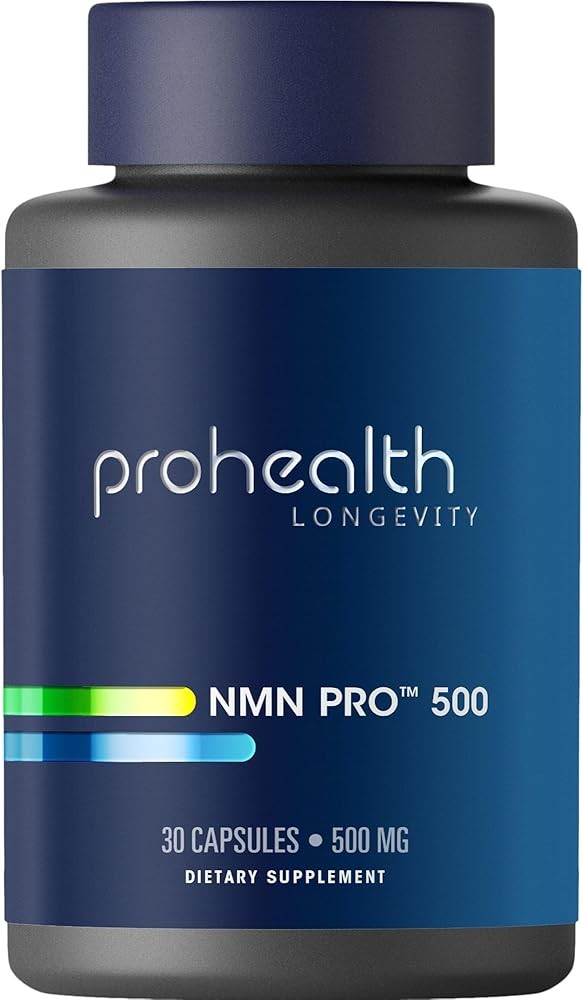
NAD+ levels fall by roughly half between young adulthood and age 80, and that decline tracks the slowdown in cellular energy production, DNA repair, and metabolic regulation that comes with aging (Massudi et al., 2012; Verdin, 2015). Three supplements aim to slow that decline by replenishing NAD+: NMN (nicotinamide mononucleotide), NR (nicotinamide riboside), and plain niacin (vitamin B3). Each feeds a different biochemical pathway, and each has a different evidence base. ProHealth NMN Pro 500 delivers 500mg of the clinically studied Uthever form of NMN per capsule for $42.95 per 30-capsule bottle, backed by human trials showing NMN raises NAD+ in a dose-dependent way (Yi et al., 2023) and improves muscle insulin sensitivity in one placebo-controlled study (Yoshino et al., 2021). For a lower-cost entry point, the NR + Resveratrol 5-in-1 formula pairs nicotinamide riboside with trans-resveratrol and supporting compounds at $39.95. This guide covers what NAD+ actually does, what the human trials show for each precursor, how to dose and evaluate products, and who should think twice before supplementing.
Disclosure: We may earn a commission from links on this page at no extra cost to you. Affiliate relationships never influence our ratings. Full policy →
Your cells are quietly aging right now. Every breath you take, every heartbeat, every thought running through your mind depends on a tiny molecule called NAD+ that’s slowly disappearing from your body. By the time you reach 50, you have roughly half the NAD+ you had at 20. This decline isn’t just a number on a lab report—it’s the molecular signature of aging itself, affecting everything from your energy levels to how well your DNA repairs itself.
But here’s where the science gets interesting: you can replenish NAD+. Three supplements have emerged as the primary contenders—NMN (nicotinamide mononucleotide), NR (nicotinamide riboside), and good old niacin (vitamin B3). Each takes a different biochemical pathway to boost your NAD+ levels, and each has distinct advantages and limitations. Understanding which one works best for your specific health goals could be the difference between simply aging and aging well.
What NAD+ Actually Does in Your Body
Nicotinamide adenine dinucleotide (NAD+) exists in virtually every cell in your body. It’s not optional. Without NAD+, you’d be dead within seconds. This coenzyme participates in over 500 enzymatic reactions, functioning as an electron carrier in the metabolic processes that convert food into usable energy.
Think of NAD+ as your cellular battery charger. When you eat a meal, your mitochondria—the powerhouses of your cells—use NAD+ to extract energy from nutrients through a process called oxidative phosphorylation. NAD+ accepts electrons from fuel molecules, becomes reduced to NADH, then delivers those electrons down the electron transport chain to generate ATP, the energy currency your cells actually spend.
But NAD+ does far more than just facilitate energy production. It serves as a critical substrate for several families of enzymes that regulate fundamental aspects of cellular health:
Sirtuins are a family of seven proteins (SIRT1-7) that depend entirely on NAD+ to function. These enzymes remove acetyl groups from other proteins, regulating gene expression, metabolism, inflammation, and stress resistance. SIRT1, the most studied of the family, influences hundreds of genes involved in glucose metabolism, mitochondrial biogenesis, and cellular survival. Animal work has linked higher sirtuin activity to better metabolic health and stress resistance, which is why NAD+ precursors are often described as sirtuin activators, but the cleaner way to say it is that sirtuins cannot work at all without the NAD+ substrate (Rajman et al., 2018). Early claims that SIRT1 overexpression reliably extends mouse lifespan have not held up consistently across studies, so longevity conclusions should stay modest.
PARPs (poly-ADP-ribose polymerases) use NAD+ to repair DNA damage. Every day, your DNA sustains thousands of lesions from normal metabolic processes, environmental toxins, and radiation. PARP enzymes detect these breaks and use NAD+ to synthesize chains of ADP-ribose that recruit DNA repair machinery to the damage site. When DNA damage is severe—as it increasingly is with age—PARPs consume NAD+ at an accelerated rate, depleting the cellular pool and compromising other NAD+-dependent processes such as sirtuin signaling (for more, see our NAD+ booster supplement review).
CD38 is a NAD+-consuming enzyme whose activity rises with age and inflammation, acting as a NAD+ “drain” on cellular reserves. A landmark 2016 study in Cell Metabolism showed that CD38 expression increases in aged tissues and that CD38 inhibition prevented age-related NAD+ decline and mitochondrial dysfunction in mice (Camacho-Pereira et al., 2016).
The problem is straightforward: NAD+ levels decline progressively with age. Multiple studies have documented this decline across various tissues. A widely cited study of human skin tissue found NAD+ levels decline markedly with age, alongside rising DNA damage and PARP activity (Massudi et al., 2012). Similar age-related declines appear in muscle, liver, and brain tissue (Verdin, 2015; Gomes et al., 2013).
Why does this happen? Several mechanisms contribute:
- Increased consumption by PARPs responding to accumulated DNA damage
- Increased degradation by CD38 and other NADases that become more active with age
- Decreased synthesis due to declining activity of rate-limiting enzymes in NAD+ biosynthesis
- Mitochondrial dysfunction creating a vicious cycle where damaged mitochondria produce more oxidative stress, causing more DNA damage, consuming more NAD+ for repair
This age-related NAD+ decline has profound consequences. It impairs mitochondrial function, reducing cellular energy production. It diminishes sirtuin activity, compromising metabolic regulation and stress resistance. It limits DNA repair capacity, allowing mutations to accumulate. Together, these effects accelerate the aging process itself.
Bottom line: NAD+ powers hundreds of cellular reactions including energy production, DNA repair via PARPs, and longevity-related gene regulation through sirtuins; levels decline roughly 50% from young adulthood to age 80, and that decline impairs all of these systems (for the sirtuin side of the story, see our sirtuin activators guide).
How Much Does NAD+ Really Decline With Age?
The “NAD+ drops by half by age 80” figure gets quoted so often it sounds like settled law, so it is worth understanding where it comes from and how much confidence it deserves.
The original human data point comes from skin tissue: a study of nearly 50 human skin samples across ages found NAD+ levels declined with age, and that the decline correlated with rising DNA damage and PARP activity (Massudi et al., 2012). Follow-up work in rodents mapped the mechanism in more detail: as DNA damage accumulates with age, PARP enzymes consume NAD+ to build repair signals; the CD38 enzyme that degrades NAD+ becomes more active in aged tissues; and the biosynthetic enzymes that recycle nicotinamide back into NAD+ lose efficiency (Camacho-Pereira et al., 2016; Rajman et al., 2018).
One of the more influential findings came from the Gomes 2013 study in Cell, which showed that declining NAD+ in aging mice triggers a state called pseudohypoxia, where cells behave as if oxygen is low even when it is not, disrupting the communication between the nucleus and mitochondria that keeps energy production calibrated (Gomes et al., 2013). Restoring NAD+ in those mice reversed much of the disruption, which is the experiment that most directly links NAD+ decline to mitochondrial aging.
Three honest caveats belong next to that story:
- Tissue measurements in humans are thin. Most of the detailed NAD+ decline data comes from rodents, with human data limited to accessible tissues like blood and skin. The half-by-80 figure is a reasonable summary, not a precise measurement for any individual.
- Blood NAD+ is not tissue NAD+. Supplements are judged partly by blood NAD+ because that is what trials can measure, but muscle, liver, and brain each regulate NAD+ independently, and a blood number can miss what is happening in the tissue that matters most to you.
- Decline is gradual and lifestyle-sensitive. NAD+ biology responds to exercise, calorie intake, sleep, and inflammation, so two 60-year-olds with the same chronological age can have very different NAD+ metabolism. Supplementation is one lever, and rarely the most powerful one.
None of this undermines the case for precursors; it sharpens it. The supplements are best aimed at the middle-aged and older adults where the human trials show NAD+ elevation, used at studied doses, and judged on realistic timelines.
What Clues Tell You NAD+ Levels Are Low?
Your body doesn’t wait for lab tests to signal NAD+ depletion. Long before you can measure NAD+ levels in a laboratory, your cells send clear distress signals:
Persistent fatigue that doesn’t resolve with sleep is often the first sign. When NAD+ levels drop, mitochondria can’t efficiently convert food into ATP. You might eat well and rest adequately, yet feel chronically depleted of energy. This isn’t the temporary tiredness after a long day—it’s a bone-deep exhaustion that coffee can’t fix.
Cognitive fog and declining mental sharpness reflect the brain’s enormous NAD+ requirements. Your brain represents about 2% of your body weight but consumes roughly 20% of your energy. Neurons are packed with mitochondria and depend critically on NAD+ for function. When NAD+ drops, so does mental clarity. You might notice difficulty concentrating, slower processing speed, or trouble finding words.
Decreased exercise capacity and longer recovery times signal mitochondrial dysfunction in muscle tissue. Perhaps you can’t push as hard in workouts as you once did, or you’re sore for days after exercise that used to leave you only mildly fatigued. Muscle tissue is metabolically demanding and particularly sensitive to NAD+ availability.
Metabolic changes including weight gain, insulin resistance, and difficulty regulating blood sugar often accompany NAD+ decline. Sirtuins regulate glucose and lipid metabolism; when NAD+ drops and sirtuin activity diminishes, metabolic control deteriorates. You might notice increased abdominal fat, elevated fasting glucose, or energy crashes after meals.
Accelerated visible aging shows up as skin changes, reduced elasticity, and slower wound healing. Skin cells have high energy demands and considerable exposure to oxidative stress from UV radiation. When NAD+ levels drop, cellular repair mechanisms falter and aging accelerates visibly.
Sleep disturbances and disrupted circadian rhythms link to NAD+ through SIRT1’s regulation of clock genes. NAD+ levels naturally fluctuate throughout the day in rhythm with your circadian clock. When these rhythms become disrupted, both sleep quality and NAD+ metabolism suffer.
None of these symptoms are specific to NAD+ depletion—they overlap with many other conditions—but their combination, especially in middle age and beyond, often points to declining NAD+ status and impaired cellular energy metabolism worth discussing with a clinician rather than self-diagnosing.
The key takeaway: NAD+ depletion manifests as persistent fatigue, cognitive fog, reduced exercise capacity, metabolic dysregulation, accelerated skin aging, and disrupted sleep—symptoms that often appear before clinical testing reveals the deficiency.
What Are the Three Pathways to Boost NAD+?
Your body synthesizes NAD+ through several biochemical routes, and each of the three major precursor supplements—niacin, NR, and NMN—feeds into different parts of these pathways.
Understanding Niacin: The Original NAD+ Precursor
Niacin (nicotinic acid, vitamin B3) is the oldest and most studied NAD+ precursor. Discovered in the 1930s as effective for addressing pellagra, a devastating disease caused by niacin deficiency, it remains the only NAD+ precursor officially recognized as an essential nutrient.
Niacin converts to NAD+ primarily through the Preiss-Handler pathway. When you consume niacin, it’s converted to nicotinic acid mononucleotide (NAMN) by the enzyme nicotinate phosphoribosyltransferase (NAPRT). NAMN is then converted to nicotinic acid adenine dinucleotide (NAAD) by NMN adenylyltransferase (NMNAT). Finally, NAD synthetase converts NAAD to NAD+.
This pathway bypasses the rate-limiting enzyme NAMPT (nicotinamide phosphoribosyltransferase), which is often the bottleneck in NAD+ synthesis from other precursors. This makes niacin theoretically attractive as an NAD+ booster—it circumvents the slowest step.
The problem with niacin is the flush. At doses sufficient to significantly boost NAD+ (typically 500-2000mg daily), niacin causes vasodilation mediated by prostaglandin D2 release. This produces intense skin flushing, warmth, itching, and sometimes nausea. The flush is harmless but profoundly uncomfortable—many people can’t tolerate it.
“Flush-free” niacin products typically contain inositol hexanicotinate, which releases niacin slowly to reduce flushing. However, studies show this form raises NAD+ levels less effectively than immediate-release niacin. Extended-release niacin formulations reduce flushing but carry increased risk of liver toxicity at high doses.
Despite these limitations, niacin remains clinically relevant. At therapeutic doses, it improves lipid profiles more effectively than newer NAD+ precursors—raising HDL cholesterol by 15-35% and lowering triglycerides by 20-50%. For individuals seeking both NAD+ enhancement and cardiovascular benefits, niacin may offer unique advantages.
Human evidence for niacin as a NAD+ booster is real but mostly indirect. In patients with NAD+ deficiency caused by mitochondrial disease, high-dose niacin (250-750mg daily) repleted NAD+ and improved muscle strength in a controlled crossover trial (Pirinen et al., 2020), and a 2024 trial found nicotinic acid improved mitochondrial function in older inactive men (Deane et al., 2024). For healthy adults, the flush remains the practical barrier: at the 500-2000mg daily doses used in the lipid trials, a large share of users experience intense flushing, and some stop treatment because of it.
Bottom line: Niacin effectively boosts NAD+ via the Preiss-Handler pathway and offers unique cardiovascular benefits, but flushing side effects at therapeutic doses (500-2000mg) limit tolerability—extended-release forms reduce flushing but increase liver toxicity risk.
| Feature | NMN | NR | Niacin |
|---|---|---|---|
| Pathway | Direct to NAD+ via NMNAT | NRK → NMN → NAD+ (2 steps) | Preiss-Handler (3 steps) |
| NAD+ Increase | Dose-dependent across 300-900mg/day trials | ~40-60% blood NAD+ at 1000mg/day | Reliable, dose-dependent; best human data in deficiency states |
| Clinical Evidence | Emerging (12-week trials) | Extensive (6-12 month trials) | Decades of data |
| Tolerability | Excellent, minimal side effects | Excellent, no flushing | Severe flushing at high doses |
| Cost per Month | $43 (1 cap/day of ProHealth 500) | $65 (PE 60ct) | $10-20 |
| Safety Status | No serious adverse events | FDA GRAS status | Liver risk at high doses |
| Best For | Direct NAD+ pathway | Evidence-based approach | Budget-conscious users |
Understanding NR: The Most-Studied Modern Precursor
Nicotinamide riboside (NR) has emerged as the most extensively researched modern NAD+ precursor. Unlike niacin, NR produces no flushing and demonstrates excellent tolerability in clinical trials.
NR works through the salvage pathway of NAD+ synthesis. When you consume NR, it’s phosphorylated by nicotinamide riboside kinase (NRK) enzymes to form NMN. This NMN is then converted to NAD+ by NMNAT enzymes. Because this pathway utilizes the same enzymes involved in recycling nicotinamide (the predominant form of NAD+ degradation), it efficiently replenishes NAD+ pools.
The clinical evidence for NR is the deepest of the three precursors. A landmark 2018 trial in Nature Communications found that 1,000mg daily NR increased blood NAD+ by roughly 60% in healthy middle-aged and older adults after six weeks, with no serious adverse effects (Martens et al., 2018). A second human trial showed NR augments the NAD+ metabolome of aged skeletal muscle and shifts gene expression toward anti-inflammatory signatures (Elhassan et al., 2019).
Cardiovascular research on NR is ongoing. A randomized controlled trial protocol published in 2022 is testing whether 1,000mg daily NR for three months lowers systolic blood pressure and arterial stiffness in midlife and older adults with above-normal blood pressure (120-159 mmHg); results from that trial will be the first clean test of the blood pressure question (Freeberg et al., 2022). Claims that NR lowers blood pressure “like a medication” currently outrun the published data.
Metabolic results have been mixed, which is worth knowing before you buy. A randomized trial of 1,000mg daily NR for 12 weeks in obese, insulin-resistant men found no significant improvement in insulin sensitivity or mitochondrial function, despite good safety (Dollerup et al., 2018). Some later studies report metabolic benefits in specific subgroups, but the honest summary is that NR reliably raises NAD+ in blood and tissues while its metabolic benefits vary by population and outcome.
NR has achieved FDA GRAS (Generally Recognized As Safe) status, a designation indicating expert consensus on safety for its intended use. This status, combined with multiple published human trials spanning up to 12 months, provides substantial safety assurance.
The primary limitation of NR is cost. High-quality NR supplements typically cost $40-70 per month at clinically studied doses (500-1000mg daily). Additionally, NR is somewhat unstable and can degrade when exposed to heat or moisture, making storage and formulation important quality considerations.
The evidence shows: NR has the strongest human clinical evidence among NAD+ precursors—1000mg daily increases blood NAD+ by 60% and improves vascular function—with excellent tolerability, FDA GRAS status, and no flushing, though costs run $40-70 monthly.
Understanding NMN: The Direct NAD+ Precursor
Nicotinamide mononucleotide (NMN) sits just one enzymatic step away from NAD+, making it theoretically the most direct precursor. This proximity has generated considerable excitement in longevity research circles.
When you consume NMN, it’s converted directly to NAD+ by NMNAT enzymes. This contrasts with NR, which must first be phosphorylated to NMN before conversion to NAD+. Theoretically, this could make NMN more efficient—it bypasses one enzymatic step.
However, a complication exists: NMN is a larger, more polar molecule than NR, which may limit how well it crosses cell membranes. Researchers have debated for years whether swallowed NMN enters cells directly or is first converted to NR in the gut, effectively making the two supplements equivalent by the time they reach tissues. The question is still not fully settled in humans, and reviews of the in vivo evidence regard direct NMN uptake as unproven (Rajman et al., 2018). What matters practically is that both precursors raise NAD+ in human trials, so the mechanistic debate has limited relevance to the buying decision.
The animal research on NMN is compelling. Studies in mice have shown that NMN supplementation:
- Improves glucose tolerance and insulin sensitivity
- Enhances mitochondrial function in multiple tissues
- Improves physical endurance and muscle function
- Supports cognitive function and neuronal health
- Extends healthy lifespan in some (but not all) mouse strains
A particularly notable 2016 study in Cell Metabolism showed that long-term NMN administration mitigated age-associated physiological decline in mice, including weight gain, declining activity, and mitochondrial dysfunction (Mills et al., 2016). These animal results are the main reason NMN attracted so much attention, and they have not yet been reproduced as human lifespan or healthspan outcomes.
Human data for NMN is more limited but growing rapidly. A 2021 placebo-controlled trial in postmenopausal women with prediabetes found that 250mg daily NMN for 10 weeks improved muscle insulin sensitivity by approximately 25% (PubMed 33888596). However, the study was small (25 participants) and improvements were seen in muscle but not liver insulin sensitivity.
Longer-term NMN safety data now exist. A 12-week randomized trial in healthy middle-aged adults found 250mg daily NMN was well tolerated, raised serum markers of NAD+ metabolism, and showed a non-significant trend toward lower arterial stiffness (Katayoshi et al., 2023). A 60-day dose-ranging trial in 80 healthy middle-aged adults tested NMN at 300, 600, and 900mg daily and found dose-dependent increases in blood NAD+ with good tolerability across all doses (Yi et al., 2023). Functional claims like improved walking speed or grip strength in older adults still rest on small or preliminary studies.
NMN appears well-tolerated based on available human data. Side effects are minimal and generally limited to mild gastrointestinal symptoms in a small percentage of users. Long-term safety data remains limited compared to NR, though animal toxicology studies haven’t identified concerning safety signals.
The main practical limitation of NMN is quality control and regulatory uncertainty rather than price: a reputable 500mg daily product such as ProHealth NMN Pro 500 costs about $43 per 30-day bottle, while cheaper listings of unknown provenance are common. NMN manufacturing is less standardized than NR production, and the regulatory status of NMN as a dietary supplement has been contested in the United States, so stick with brands that document third-party testing and disclose their NMN source.
What this means for you: NMN delivers the most direct NAD+ precursor pathway (one enzymatic step from NAD+), shows compelling animal longevity benefits and emerging human evidence for improved insulin sensitivity and physical function at 250-500mg daily, though clinical data remains less extensive than NR.
How Much Should You Take? Dosing by Precursor
Dosing is where most NAD+ supplementation goes wrong, usually in the direction of too much, too fast, from a bottle that does not state its dose clearly.
Nicotinamide riboside (NR):
- Studied range: 100-1,000mg daily. The Martens trial used 1,000mg; 300mg daily is a common maintenance dose and still raises blood NAD+ in shorter studies
- Timing: once daily with food is fine; no evidence that timing relative to exercise or meals changes the effect
- Forms: nicotinamide riboside chloride (NIAGEN/Tru Niagen) is the researched form; some products use nicotinic acid riboside, which is a different molecule with less data
- Expect: blood NAD+ rises within days to weeks; subjective effects, if any, later
Nicotinamide mononucleotide (NMN):
- Studied range: 250-900mg daily. Human trials: 250mg (Yoshino), 250mg (Katayoshi), 300-900mg (Yi). For most people 250-500mg is the sensible band
- Timing: once daily; the Yi trial used single morning doses
- Forms: look for beta-NMN with the dose stated per capsule and third-party testing; the Uthever form used in trials is a plus
- Expect: dose-dependent NAD+ increases in blood; functional outcomes are still being studied
Niacin (vitamin B3):
- NAD+ relevant range: 500-2,000mg daily in divided doses, but start at 100-250mg and ramp over 1-2 weeks to let the flush response settle
- Flush management: take with food; take 325mg aspirin or ibuprofen 30-45 minutes before dosing (prostaglandin inhibition dampens the flush); use immediate-release rather than extended-release unless a doctor prescribes otherwise, because extended-release carries the liver risk
- Never use “flush-free” inositol hexanicotinate if your goal is NAD+, since the released niacin is less available for NAD+ synthesis
- Expect: reliable NAD+ support at a fraction of the supplement cost, with the flush as the price
Combination stacks: blends that pair a precursor with resveratrol or TMG are reasonable if you want one bottle, but remember that every extra ingredient is a fixed dose you cannot tune. The methylation argument for TMG is mechanistically sensible, but no human trial shows that NAD+ precursors meaningfully deplete methyl groups in people eating a normal diet.
A note on cycling: the human trials ran 6-12 weeks continuously without loss of effect or accumulating side effects, and there is no evidence that NAD+ precursors require cycling. If you respond well, continuous daily use at a studied dose is consistent with the data; if you are not responding after 12 weeks, stopping is more sensible than cycling.
How Do NAD+ Precursors Compare With Other Longevity Tools?
NAD+ precursors get most of the attention, but they are one tool among several that people use for healthy aging. A quick map:
Resveratrol. Activates sirtuin biology in animal models, but its human oral bioavailability is poor, and most human trials show minimal metabolic effect. It makes more sense stacked with a NAD+ precursor than alone, which is why the combination products in this guide include it.
Quercetin and fisetin. Senolytic candidates that clear senescent cells in animal studies. Human evidence is early. They appear in the AEON blend above, but at doses below what senolytic protocols use.
Metformin. The most-studied longevity-adjacent drug, but it is prescription-only, has real side effects, and works through AMPK rather than NAD+ directly. Not a supplement decision.
Exercise and caloric restriction. The boring winners. Both raise NAD+ metabolism through physiological demand, cost nothing, and carry effects that no supplement trial has matched. Every NAD+ product page should come with this footnote.
Spermidine, taurine, glycine, and the rest. Early or mixed evidence; fine to explore after the basics are handled.
The consistent theme: NAD+ precursors are best understood as support for the metabolic machinery that exercise and diet already drive, not as a replacement for either.
Who Should Skip NAD+ Precursors or Ask a Doctor First?
NAD+ precursors are well tolerated in the trials published so far, but “well tolerated in healthy middle-aged adults” is not the same as “safe for everyone.” Several groups should talk to a doctor before supplementing, and a few should probably skip it entirely.
Pregnancy and breastfeeding. There are no controlled studies of NR, NMN, or high-dose niacin in pregnancy. Niacin at standard vitamin doses is fine, but the gram-level doses used for NAD+ support have no safety data in pregnancy, and NMN and NR have essentially none. If you are pregnant or nursing, this is a supplement category to defer.
Anyone with a cancer diagnosis or history. NAD+ fuels DNA repair through PARP enzymes, and some oncology researchers have raised a theoretical concern that boosting NAD+ could help cancer cells repair their own DNA. This is hypothesis, not evidence, but it is exactly the kind of theoretical risk you do not experiment with while managing cancer. Skip NAD+ precursors during active cancer treatment and discuss with your oncologist before any use afterward.
Liver disease. High-dose niacin, especially extended-release forms, is associated with liver enzyme elevations and rare hepatotoxicity. People with liver disease should avoid gram-dose niacin entirely, and anyone taking other medications that stress the liver should keep niacin doses modest.
People on blood pressure or diabetes medication. Niacin can lower blood pressure and affect blood sugar control, which can amplify the effects of prescription drugs. NR and NMN influence NAD+ metabolism that overlaps with metabolic signaling, so while no dangerous interactions are documented, monitoring is reasonable if you take medication for blood pressure or glucose.
The “just in case” crowd. If you are under 40, eat a varied diet, exercise, and sleep reasonably well, the case for NAD+ precursors is weak. NAD+ decline is gradual, human benefit data skews to middle-aged and older populations, and the products cost real money. The supplement is easier to justify at 50 than at 30.
When to stop and when to see a doctor. Stop supplementation and check in with a clinician if you develop persistent nausea, unusual fatigue, new chest discomfort, or anything that feels off after starting a new supplement. Niacin users should stop if flushing becomes intolerable or is accompanied by dizziness. Anyone starting a NAD+ precursor alongside prescription medication should tell their doctor what they are taking, and anyone with a chronic condition should ask before starting rather than after.
How Do You Evaluate a NAD+ Precursor Label?
The NAD+ shelf is full of marketing language, but four label checks separate serious products from overpriced powder:
- Name the form and the dose. NR should state the specific form (usually nicotinamide riboside chloride, the form used in trials, sometimes branded as NIAGEN or Tru Niagen) and the milligram amount per serving, not per “proprietary blend.” NMN should state whether it is the stabilized beta-NMN form and the milligrams per capsule. If a label hides the dose inside a blend, walk away.
- Check the serving math. A bottle of 30 capsules at one capsule daily is a one-month supply; at two capsules daily it is two weeks. Compare cost per month at the clinically studied dose (NR 300-1,000mg, NMN 250-500mg for most people), not cost per bottle.
- Look for third-party testing. NSF, USP, or an explicit third-party certificate of analysis for identity and heavy metals means someone independent checked the contents. Brands that only say “GMP certified” are describing their facility, which is table stakes, not evidence of a clean product.
- Be skeptical of longevity promises. No supplement has been shown to extend human lifespan. Products that lead with lifespan claims are selling you the fantasy; products that lead with dose transparency and trial citations are selling you a supplement.
How Long Should You Try a NAD+ Precursor?
Set expectations before you spend money. The research suggests three different timelines depending on what you measure:
- 2-4 weeks: subjective effects such as energy and sleep quality, if they appear at all
- 6-8 weeks: blood NAD+ and NAD+ metabolite changes in trials
- 8-12 weeks and beyond: metabolic and vascular outcomes in the studies that found them
A reasonable protocol is a 12-week trial at a clinically studied dose, with a written log of energy, sleep, exercise recovery, and any side effects. If nothing has changed at 12 weeks, continuing the same product at the same dose is unlikely to change anything, and you should either stop or revisit the dose with a clinician. NAD+ testing is worth a caution: blood NAD+ assays exist, but commercial at-home tests are not standardized, results vary between labs, and blood NAD+ is only a rough proxy for tissue levels. Do not buy a supplement based on a mail-in test result without a clinician interpreting it.
Do NAD+ Precursors Help With Exercise?
Exercise is the most evidence-backed way to raise NAD+ metabolism, which makes the supplement-and-training question worth asking. The human data so far: NR trials in healthy and overweight adults show consistent NAD+ elevation but inconsistent performance or mitochondrial outcomes, and one trial found no effect of NR on muscle metabolic responses to endurance exercise. NMN human trials are too young to judge performance claims. The practical reading is that NAD+ precursors are not exercise substitutes and not proven ergogenic aids; if you train, keep training, and evaluate the supplement on its own terms as a question about cellular maintenance rather than performance.
What Are the Common Myths About NAD+ Precursors?
- Myth: NAD+ precursors are a proven longevity pill. In humans, they are proven to raise NAD+ and, in some trials, to improve specific metabolic and vascular markers. Lifespan extension is mouse data.
- Myth: NMN is dramatically better than NR because it is one step closer. The one-step argument is biochemically tidy but the human data show both work, and direct NMN uptake in humans is unresolved.
- Myth: Niacin is an inferior NAD+ precursor. Niacin reliably raises NAD+, has decades of safety data at appropriate doses, and costs pennies. Its problem is the flush, not the biochemistry.
- Myth: More is better. NAD+ trials show dose-dependent blood responses, but no human data show that 1,000mg beats 500mg for outcomes, and higher niacin doses carry real liver risk. Stick to studied doses.
Our Top Recommendations
Four products cover the practical range of this category, from a single-ingredient 500mg NMN capsule to a multi-compound longevity blend. All are live listings with current prices and third-party testing claims, and all four map to the picks in the quick-answer box above.
ProHealth NMN Pro 500 (Best Overall)
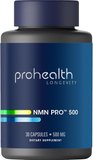
ProHealth’s NMN Pro 500 uses Uthever, the specific NMN form used in several published human trials, at a straight 500mg per capsule, which matches the dose in the Yi 2023 dose-ranging study and sits at the top of the range used in the Yoshino insulin-sensitivity trial (Yi et al., 2023; Yoshino et al., 2021). One capsule a day gives you 30 servings for $42.95, the cleanest monthly cost in this lineup, and the brand has manufactured supplements since 1988 with third-party testing. If your goal is the direct NMN pathway at a studied dose without paying for a blend, this is the bottle.
Pure Encapsulations NR Longevity (Best for Evidence-Based Support)
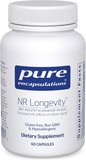
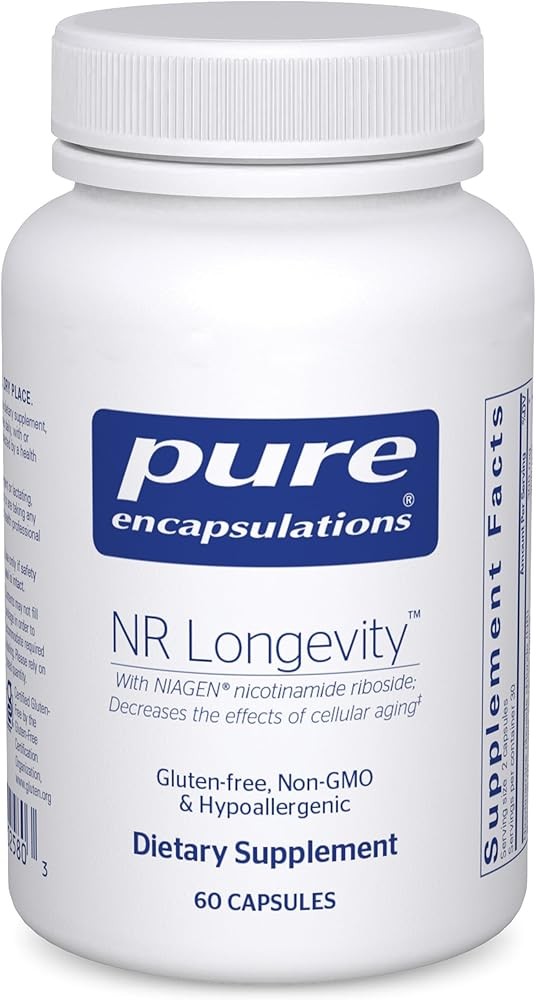
Pure Encapsulations builds its NR Longevity formula on NIAGEN, the branded nicotinamide riboside used in the Martens and Elhassan human trials, and adds 150mg of trans-resveratrol and 800mcg of sulforaphane per two-capsule serving (Martens et al., 2018; Elhassan et al., 2019). That makes it both an NR supplement and a sirtuin-support stack in one bottle. Pure Encapsulations is one of the most rigorously reviewed brands in the category, with hypoallergenic formulation and third-party testing, which matters for a supplement you may take daily for months. At $65 for 60 capsules it is the premium option here, and the resveratrol content overlaps with what the AEON blend below provides.
AEON Liposomal NAD+ Longevity Complex (Best Combination Formula)
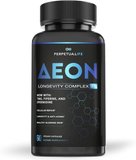
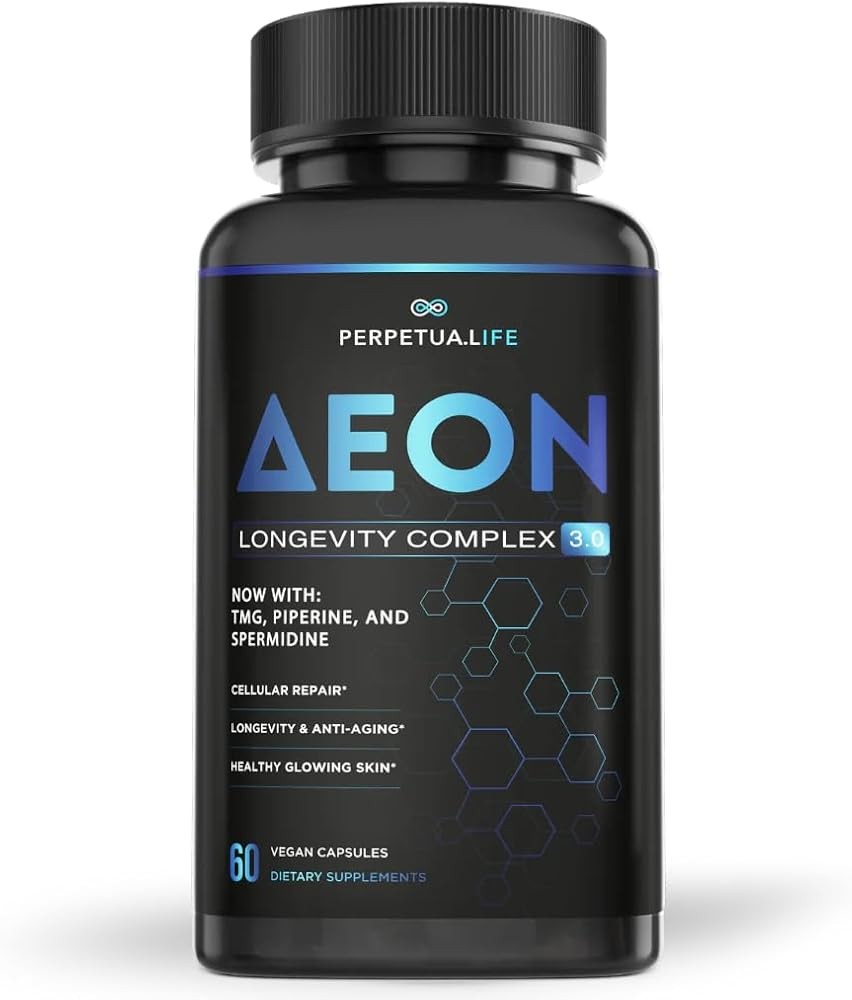
AEON is the maximalist option: a liposomal capsule carrying NAD+ and NR alongside resveratrol, quercetin, fisetin, L-theanine, TMG, EGCG, spermidine, and astragalus. The formula mirrors the stacks that longevity researchers assemble from separate bottles, and the TMG content addresses the theoretical methylation cost of NAD+ synthesis. The honest caveats are the same as for any blend: no trial has tested this exact combination, individual doses of each ingredient are lower than single-ingredient studies, and liposomal delivery claims for NAD+ precursors specifically lack independent verification. At $54.97 it costs less than the Pure Encapsulations bottle while covering more ground, but “covers more ground” is not the same as “better studied.”
NR + Resveratrol 5-in-1 Formula (Best Budget)
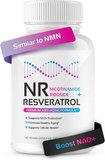
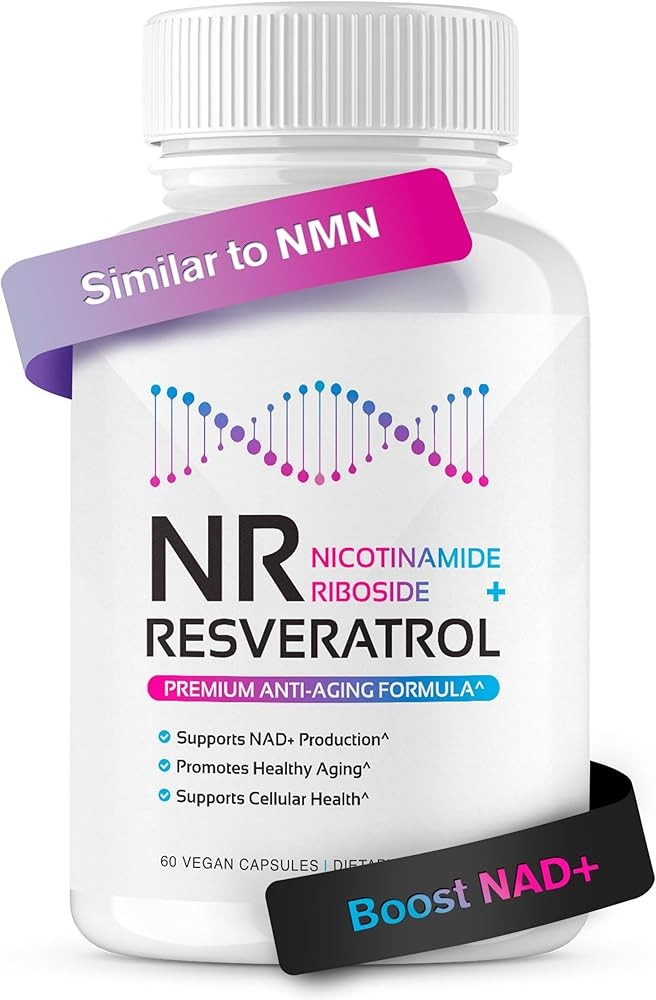
The budget slot pairs nicotinamide riboside with trans-resveratrol and adds vitamin C, grape seed extract, and BioPerine for absorption. It delivers the same two-ingredient concept as the Pure Encapsulations formula at roughly 40% less, which makes it the reasonable starting point if you want to test whether NAD+ precursors do anything for you before spending $65. The tradeoffs are the usual ones for value blends: less documented sourcing, a generic rather than branded NR form, and no published research on the specific formula. For a first 12-week trial it is a sensible experiment; for a long-term commitment the extra quality assurance of the branded options is easier to justify.
Where Do NAD+ Precursors Fit in an Anti-Aging Plan?
If you are already exercising, sleeping reasonably, eating vegetables, and keeping your weight in a sensible range, adding a NAD+ precursor is a marginal optimization, not a transformation. Framing it that way protects both your wallet and your expectations.
A realistic order of operations looks like this:
- Fix the basics first. Resistance training, zone 2 cardio, protein intake, and sleep are the interventions with the strongest evidence for preserving muscle, metabolic health, and mitochondrial function as you age. They also support NAD+ metabolism directly.
- Add a precursor only if you are over 45 or have a specific reason. Below that age, with normal energy and health, the human trial data does not make a strong case for spending $40-65 a month.
- Pick one precursor and run a proper trial. NR if you want the deepest evidence base, NMN if the direct-pathway argument appeals to you, niacin if you want the budget option and can tolerate the flush. Twelve weeks at a studied dose, logged honestly, then decide.
- Stack deliberately, not reflexively. A precursor plus resveratrol (for sirtuin support) is the one combination with a mechanistic rationale and product availability at sensible prices. Everything else is experimental garnish.
- Reassess against real markers. Energy, sleep quality, exercise recovery, and blood work your doctor orders beat supplement marketing. If a 12-week trial produces nothing you can name, the product has not earned a renewal.
The supplements reviewed above cover the range: ProHealth NMN Pro 500 at $42.95 is the cleanest single-ingredient NMN option, Pure Encapsulations NR Longevity at $65.00 is the highest-assurance NR product, AEON at $54.97 is the maximalist blend, and the NR + Resveratrol 5-in-1 at $39.95 is the lowest-cost way to test the category. Whichever you choose, dose it like a study participant, not like a believer: same time every day, stated milligram dose, three months, then an honest evaluation.
Making the Decision: Which NAD+ Precursor Is Right for You?
After examining the science, how do you choose between niacin, NR, and NMN?
Choose niacin if:
- Cost is a primary concern (niacin is by far the cheapest option)
- You can tolerate the flushing (or are willing to use flush-reducing strategies)
- You want an option with decades of human safety data
- You also want cardiovascular benefits (lipid improvements)
Choose NR if:
- You want the best-studied NAD+ precursor with the most human trial data
- You prioritize good tolerability and no flushing
- You prefer a supplement with FDA GRAS status
- You’re willing to pay moderate prices for a well-established option
Choose NMN if:
- You want the most direct NAD+ precursor
- You’re comfortable with somewhat less extensive human data than NR
- You prefer the theoretical advantages of a precursor that’s one step closer to NAD+
- Animal research showing dramatic benefits particularly appeals to you
Consider combining approaches if:
- You want to maximize effects and can afford multiple supplements
- You’re interested in experimental protocols used by some longevity researchers
- You’re willing to accept less certainty about optimal combinations
Honestly, the differences between NR and NMN appear modest based on current evidence. Both effectively raise NAD+ levels, both show metabolic benefits in studies, and both have good safety profiles. The choice between them may ultimately come down to personal preference, cost, and availability more than clear scientific superiority of one over the other.
Niacin remains a viable alternative for those who can tolerate it, offering proven benefits at a fraction of the cost of newer precursors. Resveratrol may be considered as a synergistic supplement to activate sirtuins alongside NAD+ precursors.
Regardless of which you choose, several principles apply:
- Start with conservative doses and assess tolerance before increasing
- Be consistent—NAD+ levels require sustained supplementation, not intermittent dosing
- Combine with lifestyle optimization—supplements work best alongside exercise, good sleep, and healthy eating
- Choose quality products from manufacturers that provide third-party testing certificates
- Monitor subjectively—pay attention to energy, cognitive function, exercise capacity, and recovery
- Consider medical guidance, especially if you have health conditions or take medications
- Be patient—metabolic shifts take weeks to months, not days
In summary: Choose niacin for budget-conscious NAD+ boost (tolerate flushing), NR for evidence-based gentle absorption with proven human benefits, or NMN for maximum direct precursor delivery—start conservative, monitor response, adjust based on energy and recovery.
Related Reading
Explore these evidence-based guides for comprehensive approaches to longevity and cellular health:
-
Autophagy-Enhancing Supplements: Evidence-Based Cellular Cleanup Support
-
Alpha-Lipoic Acid: Universal Antioxidant for Metabolic and Neurological Health
-
NMN vs NR for Anti-Aging: Which NAD+ Booster Is Better According to Research
-
NMN Benefits: The Science Behind NAD+ Enhancement for Longevity and Anti-Aging
References
-
Rajman L, Chwalek K, Sinclair DA. Therapeutic potential of NAD-boosting molecules: the in vivo evidence. Cell Metab. 2018;27(3):529-547. PubMed 29514064
-
Verdin E. NAD+ in aging, metabolism, and neurodegeneration. Science. 2015;350(6265):1208-1213. PubMed 26785480
-
Gomes AP, Price NL, Ling AJ, et al. Declining NAD(+) induces a pseudohypoxic state disrupting nuclear-mitochondrial communication during aging. Cell. 2013;155(7):1624-1638. PubMed 24360282
-
Massudi H, Grant R, Braidy N, Guest J, Farnsworth B, Guillemin GJ. Age-associated changes in oxidative stress and NAD+ metabolism in human tissue. PLoS One. 2012;7(7):e42357. PubMed 22848760
-
Camacho-Pereira J, Tarragó MG, Chini CCS, et al. CD38 dictates age-related NAD decline and mitochondrial dysfunction through an SIRT3-dependent mechanism. Cell Metab. 2016;23(6):1127-1139. PubMed 27304511
-
Martens CR, Denman BA, Mazzo MR, et al. Chronic nicotinamide riboside supplementation is well-tolerated and elevates NAD+ in healthy middle-aged and older adults. Nat Commun. 2018;9:1286. PubMed 29599478
-
Elhassan YS, Philp AA, Lavery GG. Nicotinamide riboside augments the aged human skeletal muscle NAD+ metabolome and induces transcriptomic and anti-inflammatory signatures. Cell Rep. 2019;28(7):1717-1728. PubMed 31412242
-
Dollerup OL, Christensen B, Svart M, et al. A randomized placebo-controlled clinical trial of nicotinamide riboside in obese men: safety, insulin-sensitivity, and lipid-mobilizing effects. Am J Clin Nutr. 2018;108(2):343-353. PubMed 29992272
-
Freeberg KA, Craighead DH, Martens CR, You Z, Chonchol M, Seals DR. Nicotinamide riboside supplementation for treating elevated systolic blood pressure and arterial stiffness in midlife and older adults. Front Cardiovasc Med. 2022;9:881703. PubMed 35620522
-
Mills KF, Yoshida S, Stein LR, et al. Long-term administration of nicotinamide mononucleotide mitigates age-associated physiological decline in mice. Cell Metab. 2016;24(6):795-806. PubMed 28068222
-
Yoshino M, Yoshino J, Kayser BD, et al. Nicotinamide mononucleotide increases muscle insulin sensitivity in prediabetic women. Science. 2021;372(6547):1224-1229. PubMed 33888596
-
Katayoshi T, Uehata S, Nakashima N, et al. Nicotinamide adenine dinucleotide metabolism and arterial stiffness after long-term nicotinamide mononucleotide supplementation: a randomized, double-blind, placebo-controlled trial. Sci Rep. 2023;13:2786. PubMed 36797393
-
Yi L, Maier AB, Tao R, et al. The efficacy and safety of beta-nicotinamide mononucleotide (NMN) supplementation in healthy middle-aged adults: a randomized, multicenter, double-blind, placebo-controlled, parallel-group, dose-dependent clinical trial. Geroscience. 2023;45(1):29-43. PubMed 36482258
-
Pirinen E, Auranen M, Khan NA, et al. Niacin for systemic NAD+ deficiency and muscle performance in adult-onset mitochondrial myopathy. Cell Metab. 2020;31(6):1078-1090. PubMed 32386566
-
Deane CS, et al. Nicotinic acid improves mitochondrial function and associated transcriptional pathways in older inactive males. Transl Exerc Biomed. 2024. PubMed 39703532
-
Cantó C, Houtkooper RH, Pirinen E, et al. The NAD(+) precursor nicotinamide riboside enhances oxidative metabolism and protects against high-fat diet-induced obesity. Cell Metab. 2012;15(6):838-847. PubMed 22682224
Recommended Products