Nattokinase for Heart Health and Blood Clots: What the Research Shows
Summarized from peer-reviewed research indexed in PubMed. See citations below.
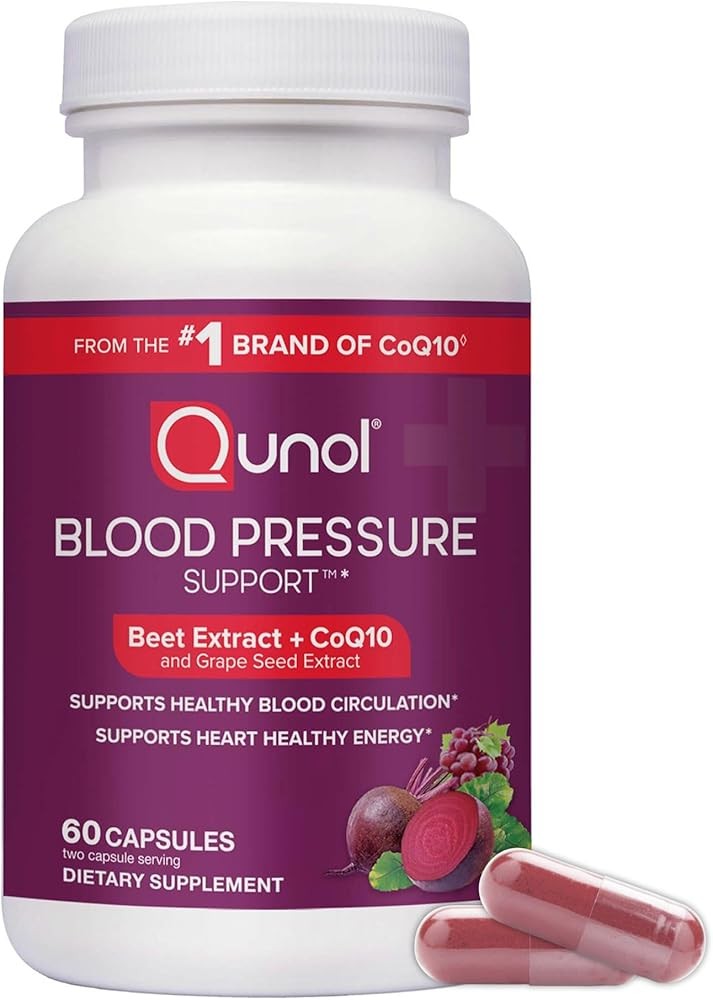
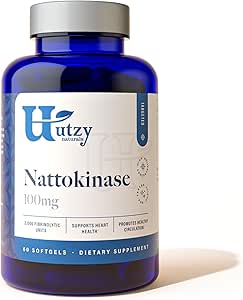
Elevated blood clotting risk affects millions with cardiovascular disease, metabolic syndrome, or Long COVID-related microclots. Qunol Blood Pressure Support with nattokinase delivers 2,000 FU per serving plus CoQ10 and beet root extract in a comprehensive cardiovascular formula for $24.99. Meta-analysis of 6 randomized controlled trials shows nattokinase reduces systolic blood pressure by 3.45 mmHg and increases fibrin degradation markers within 4-8 hours through direct fibrinolysis and plasminogen activation. For budget-conscious supplementation, Utzy Naturals Nattokinase provides research-backed 2,000 FU dosing in liquid softgels for enhanced absorption at $19.99. Here’s what the published research shows about nattokinase’s fibrinolytic activity, blood pressure effects, and cardiovascular applications.
Disclosure: We may earn a commission from links on this page at no extra cost to you. Affiliate relationships never influence our ratings. Full policy →
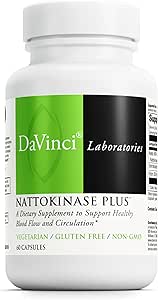
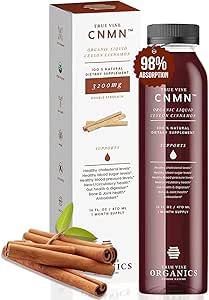
| Feature | Qunol Blood Pressure Support | Utzy Nattokinase | DaVinci Nattokinase Plus | True Vine Cinnamon |
|---|---|---|---|---|
| Key Ingredient | 2,000 FU nattokinase | 2,000 FU nattokinase | High-potency nattokinase | 3,200mg Ceylon cinnamon |
| Additional Ingredients | CoQ10 + beet root | None (pure formula) | Vitamin K2 removed | Herbal blend |
| Form | Capsules | Liquid softgels | Capsules | Liquid capsules |
| Price | $24.99 | $19.99 | $32.99 | $21.99 |
| Best For | Comprehensive support | Budget option | Blood flow | Complementary support |
| Rating | 4.5/5 | 4.6/5 | 4.4/5 | 4.3/5 |
What Is Nattokinase and How Does It Work?
Nattokinase is a fibrinolytic enzyme produced during the fermentation of soybeans to make natto, a traditional Japanese food. The enzyme is secreted by Bacillus subtilis var. natto during fermentation and has been consumed in Japan for over 1,000 years as part of the natto food product. While natto itself has a strong smell and sticky texture that many Westerners find off-putting, the isolated enzyme nattokinase has been available as a dietary supplement since the 1980s.
The name “nattokinase” literally means “enzyme from natto.” It was first isolated and characterized by Dr. Hiroyuki Sumi at the University of Chicago in 1987 (PubMed 3478223). Dr. Sumi was searching for a natural thrombolytic (clot-dissolving) agent and tested over 173 foods before discovering nattokinase’s potent fibrinolytic activity when he added natto extract to an artificial blood clot in a petri dish. The clot dissolved completely within 18 hours – a finding that sparked decades of research.
Nattokinase’s primary biological action is fibrinolysis: the breakdown of fibrin, the protein matrix that forms the structural scaffold of blood clots. This activity is measured in fibrinolytic units (FU), with most clinical studies using doses between 2,000 and 10,800 FU per day.
Bottom line: Nattokinase is a fibrinolytic enzyme from fermented soybeans with over 1,000 years of consumption history in Japan and 40 years of scientific research demonstrating its ability to break down fibrin clots and influence cardiovascular health markers.
How Does Nattokinase Support Blood Clot Breakdown?
Understanding how nattokinase works requires a brief primer on the body’s clotting and fibrinolysis systems.
When you get a cut or injury, your body forms a blood clot through a complex cascade of reactions culminating in the conversion of fibrinogen (a soluble protein) into fibrin (an insoluble mesh). Fibrin strands crosslink to form the structural scaffold of the clot, which traps platelets and red blood cells to seal the wound.
The body also has a built-in clot-dissolving system called fibrinolysis. The key enzyme here is plasmin, which directly breaks down fibrin into smaller fragments. Plasmin is generated from its inactive precursor, plasminogen, by activators such as tissue plasminogen activator (tPA) and urokinase-type plasminogen activator (uPA). The balance between clot formation and clot breakdown is tightly regulated so that neither excessive bleeding nor excessive clotting takes hold.
Nattokinase works through multiple complementary mechanisms to shift this balance toward clot breakdown:
-
Direct fibrinolysis: Nattokinase directly degrades fibrin by cleaving peptide bonds in the fibrin molecule. This is unusual – most fibrinolytic agents work indirectly by activating plasminogen. Nattokinase can directly “chew up” fibrin, independent of the plasminogen system (PubMed 26109079).
-
Plasminogen activation: Nattokinase also converts plasminogen into plasmin, the body’s primary clot-dissolving enzyme. This amplifies the body’s endogenous fibrinolytic capacity, a direct effect shown in human subjects (PubMed 19358933).
-
Inactivation of PAI-1: Plasminogen activator inhibitor-1 (PAI-1) is a protein that blocks the conversion of plasminogen to plasmin, essentially putting the brakes on fibrinolysis. Elevated PAI-1 levels are associated with increased clotting risk and cardiovascular disease. Laboratory studies show nattokinase cleaves and inactivates PAI-1, releasing this brake and allowing more fibrinolysis to occur (PubMed 11325965).
-
Reduction in coagulation factors: Human studies show that nattokinase reduces Factor VIII activity and von Willebrand factor antigen, both of which are involved in clot formation (PubMed 19358933). Lower levels of these factors mean less tendency toward clotting.
This multi-pronged mechanism distinguishes nattokinase from single-mechanism agents. It does not just dissolve clots – it shifts the entire clotting-fibrinolysis balance toward reduced clotting through at least four simultaneous pathways. From a biological standpoint, this is a more comprehensive intervention than many people realize.
Bottom line: Nattokinase reduces blood clot formation through four complementary mechanisms: direct fibrin degradation, plasminogen activation, PAI-1 inactivation, and reduction in coagulation factors VIII and von Willebrand factor—making it a multi-pathway intervention for thrombotic risk rather than a single-action agent.
What Does the Clinical Research Show About Nattokinase?
Let us examine the human clinical trial data systematically, organized by the cardiovascular outcome being studied.
How Effective Is Nattokinase at Breaking Down Blood Clots?
The most direct evidence for nattokinase’s clot-related activity comes from a well-designed 2015 study published in Scientific Reports (PubMed 26109079). This was a double-blind, placebo-controlled, crossover study in 12 healthy young males who received either a single 2,000 FU dose of nattokinase or placebo, with blood samples taken at 2, 4, 6, and 8 hours.
Key findings:
- D-dimer levels (a marker of clot breakdown) were significantly elevated at 6 and 8 hours after nattokinase administration
- Fibrin/fibrinogen degradation products (FDP) were significantly elevated at 4 hours
- Factor VIII activity (a clotting factor) declined at 4 and 6 hours
- Antithrombin concentrations were higher at 2 and 4 hours
These findings confirm that a single oral dose of nattokinase produces measurable fibrinolytic and anticoagulant effects in humans within hours. The changes in D-dimer and FDP indicate that existing fibrin is being broken down. The reduction in Factor VIII and increase in antithrombin indicate an overall shift toward reduced coagulation.
However, the study authors noted an important limitation: these are biomarker changes, not clinical outcomes. We know nattokinase changes clotting parameters, but no randomized controlled trial has yet demonstrated that these changes translate into fewer heart attacks, strokes, or venous thromboembolisms.
Does Nattokinase Lower Blood Pressure?
The blood pressure evidence is arguably the most consistent finding in the nattokinase research literature. A 2023 systematic review and meta-analysis published in Reviews in Cardiovascular Medicine (PubMed 39076715) pooled data from six randomized controlled trials with a total of 546 participants. The results showed:
- Systolic blood pressure reduction: -3.45 mmHg (95% CI: -4.37 to -2.18)
- Diastolic blood pressure reduction: -2.32 mmHg (95% CI: -2.72 to -1.92)
An earlier randomized, controlled trial published in Hypertension Research (PubMed 18971533) specifically examined the blood pressure effects of nattokinase in 86 participants with pre-hypertension or stage 1 hypertension. After 8 weeks of supplementation with 2,000 FU/day:
- Systolic blood pressure decreased by 5.55 mmHg compared to placebo
- Diastolic blood pressure decreased by 2.84 mmHg compared to placebo
A 3-5 mmHg reduction in systolic blood pressure may seem modest, but at a population level, a sustained 5 mmHg reduction in systolic blood pressure is associated with approximately a 14% reduction in stroke risk and a 9% reduction in coronary heart disease events (Ettehad et al., 2016). For people with borderline or mildly elevated blood pressure who prefer to try a natural approach before committing to pharmaceuticals, this is a clinically meaningful effect.
The proposed mechanism for blood pressure reduction involves nattokinase’s ability to cleave plasma fibrinogen after absorption in the small intestine, which reduces blood viscosity. Additionally, nattokinase may inhibit angiotensin-converting enzyme (ACE), providing a pharmacological mechanism similar to ACE inhibitor medications like lisinopril and enalapril.
Can Nattokinase Slow Atherosclerosis Progression?
The largest and most rigorously designed nattokinase study to date is the Nattokinase Atherothrombotic Prevention Study (NAPS), a double-blind, placebo-controlled trial conducted at the University of Southern California (PubMed 33843667). This was a phase 2 clinical trial that randomized 265 individuals (median age 65.3 years) without clinical cardiovascular disease to either 2,000 FU/day of nattokinase or placebo, with a median follow-up of 3 years.
The primary outcome was the rate of change in subclinical atherosclerosis, measured by serial carotid ultrasound assessing carotid artery intima-media thickness (CIMT) and carotid arterial stiffness (CAS) every 6 months.
The result was negative: After 3 years of supplementation, the annualized rate of change in CIMT and CAS did not significantly differ between the nattokinase and placebo groups.
This is an important finding that deserves honest discussion. The NAPS trial is the gold standard study for nattokinase and atherosclerosis, and it found no benefit at the standard supplemental dose of 2,000 FU/day for slowing the progression of subclinical atherosclerosis over 3 years.
However, a separate retrospective study paints a more nuanced picture. A retrospective Chinese study of 1,062 participants published in Frontiers in Cardiovascular Medicine (Ji et al., 2022) reported that after 12 months of nattokinase at a much higher dose of 10,800 FU/day, carotid intima-media thickness decreased significantly (from 1.33 mm to 1.04 mm on average, P < 0.001), with plaque size decreasing by up to 36%.
The critical difference is dose: 2,000 FU/day showed no effect on atherosclerosis, while 10,800 FU/day (over 5 times higher) showed significant improvement. However, the Chinese study was retrospective and uncontrolled, meaning patients who chose nattokinase may have differed systematically from those who did not. Without randomization, these results cannot establish causation. Still, the dose-dependent pattern is noteworthy and warrants further investigation in randomized trials.
What Are the Effects on Cholesterol and Triglycerides?
The evidence for nattokinase’s effects on blood lipids is mixed and appears heavily dose-dependent.
The 2023 meta-analysis by Li et al. examined six randomized controlled trials with 546 participants and found no significant effect of nattokinase on triglyceride levels at standard supplemental doses (PubMed 39076715). Similarly, no significant differences were found in HDL cholesterol or LDL cholesterol levels.
However, a 2024 randomized, double-blind, placebo-controlled trial published in Frontiers in Nutrition examined nattokinase combined with red yeast rice in 178 patients with stable coronary artery disease over 90 days (PubMed 38812930). The study randomized participants to four groups: nattokinase plus red yeast rice, nattokinase alone, red yeast rice alone, and placebo.
Key findings:
- The nattokinase + red yeast rice combination showed the maximum effect: triglycerides decreased by 0.39 mmol/L, total cholesterol decreased by 0.66 mmol/L, diastolic blood pressure decreased by 7.39 mmHg, and HDL cholesterol increased by 0.195 mmol/L
- Nattokinase alone showed more modest lipid changes but still contributed to blood pressure reduction and fibrinolytic improvement
- No adverse effects were reported in any group
The retrospective Chinese study mentioned above (Ji et al., 2022) at 10,800 FU/day showed more pronounced lipid improvements, but lower doses (3,600 FU/day) were found to be ineffective for lipid lowering.
The bottom line on lipids: At standard supplemental doses (2,000 FU/day), nattokinase does not appear to meaningfully improve cholesterol or triglycerides. Higher doses (10,800 FU/day) or combination therapy with red yeast rice may produce significant lipid changes, but this requires further study in well-controlled trials. If your primary goal is lowering cholesterol or triglycerides, nattokinase alone at standard doses is not the right tool. Consider omega-3 fatty acids, berberine, or pharmaceutical statins depending on the severity of your dyslipidemia.
Does Nattokinase Help With Long COVID Microclots?
One of the most compelling emerging areas of nattokinase research involves its potential role in addressing the anomalous blood clots associated with Long COVID. Researchers have identified that in some Long COVID patients, fibrinogen polymerizes into an unusual amyloid form, creating what are called “fibrinaloid microclots.” These microclots are resistant to normal fibrinolysis, meaning the body’s standard clot-dissolving machinery cannot break them down effectively. They may contribute to persistent fatigue, brain fog, exercise intolerance, and other Long COVID symptoms by impeding microcirculation.
A 2024 proteomic study from the University of Liverpool and Stellenbosch University (Kell & Pretorius) characterized the fibrinaloid microclots seen in some Long COVID blood samples and showed that they are built from amyloidogenic fibrin rather than ordinary fibrin, which is why they resist the body’s normal fibrinolysis (PubMed 39409138). This is significant because these microclots are specifically resistant to the body’s normal fibrinolytic processes – nattokinase’s ability to directly hydrolyze fibrin (rather than relying solely on the plasminogen pathway) may be particularly relevant here.
Important context: This is in vitro (laboratory) research, not a clinical trial. No randomized controlled trial has yet demonstrated that nattokinase improves clinical outcomes in Long COVID patients. Anecdotal reports from patients are numerous, and some clinicians have incorporated nattokinase into Long COVID treatment protocols, but the evidence base is preliminary. Clinical trials are needed before definitive recommendations can be made.
Bottom line: Clinical research shows nattokinase produces measurable fibrinolytic effects within hours, reduces blood pressure by 3-5 mmHg across multiple RCTs, but shows no benefit for atherosclerosis at standard 2,000 FU doses and inconsistent lipid effects—though higher doses (10,800 FU) and combination therapy warrant further investigation for plaque and cholesterol management.
What Signs Might Indicate You Could Benefit From Nattokinase?
Your body provides subtle clues about cardiovascular health and clotting tendencies. While none of these signs diagnose a specific condition, they may warrant discussion with your healthcare provider about cardiovascular risk assessment – and potentially supplementation with nattokinase or other interventions.
Signs of Elevated Clotting Risk
Visible varicose veins or spider veins: While not dangerous themselves, varicose veins indicate venous insufficiency and sluggish blood flow, which increases the risk of venous thrombosis.
Swelling in legs or ankles (edema): Persistent swelling, especially if asymmetric (one leg more than the other), can indicate poor venous return or even an existing deep vein thrombosis.
Leg pain or cramping with walking (claudication): Pain in the calves or thighs that occurs with walking and resolves with rest may indicate peripheral artery disease, caused by atherosclerotic plaques narrowing leg arteries.
Numbness or tingling in extremities: Reduced blood flow to nerves can cause paresthesias (tingling, numbness, or “pins and needles” sensations) in fingers and toes.
Cold hands and feet: Chronically cold extremities, especially if asymmetric, may indicate impaired peripheral circulation.
Chest discomfort with exertion: Angina (chest pressure, tightness, or discomfort) that occurs with physical activity or stress and resolves with rest is a classic sign of coronary artery disease. Seek immediate medical evaluation – this is not something to address with supplements alone.
Shortness of breath with minimal activity: If you become winded climbing a single flight of stairs or walking short distances, this could indicate heart failure, coronary artery disease, or pulmonary embolism.
Transient vision changes or slurred speech: These are signs of transient ischemic attacks (TIAs or “mini-strokes”), caused by temporary interruptions in blood flow to the brain. Seek immediate medical attention – TIAs often precede full strokes.
Family history of clotting disorders: If you have first-degree relatives (parents, siblings) with a history of deep vein thrombosis, pulmonary embolism, stroke at a young age, or diagnosed clotting disorders (Factor V Leiden, prothrombin gene mutation, antiphospholipid syndrome), you may have inherited clotting tendencies.
Signs of Elevated Blood Pressure
Headaches, especially in the morning: While most headaches are not related to blood pressure, persistent morning headaches can be a sign of hypertension.
Dizziness or lightheadedness: Feeling dizzy when standing up quickly (orthostatic hypotension) is more often a sign of low blood pressure, but persistent dizziness can also occur with poorly controlled hypertension.
Flushed face: A persistently red or flushed face, particularly in combination with other symptoms, may indicate elevated blood pressure.
Nosebleeds: While most nosebleeds are benign, recurrent nosebleeds can be associated with high blood pressure.
Fatigue: Chronic fatigue is nonspecific, but when combined with other cardiovascular symptoms, it may indicate that your heart is working harder than it should be due to hypertension or early heart disease.
Long COVID Symptoms Potentially Related to Microclots
Given the emerging research on nattokinase and Long COVID microclots, the following symptoms in the context of prior COVID-19 infection may be relevant:
Persistent fatigue and post-exertional malaise: Fatigue that worsens significantly after physical or mental exertion and does not improve with rest.
Brain fog and cognitive dysfunction: Difficulty concentrating, memory problems, mental slowness, or “feeling like you’re thinking through fog.”
Exercise intolerance: Marked reduction in exercise capacity, shortness of breath with minimal activity, or prolonged recovery after exertion.
Orthostatic intolerance: Dizziness, lightheadedness, rapid heartbeat, or near-fainting when standing up.
Chest pain or palpitations: Persistent chest discomfort or awareness of heartbeat without an identified cardiac cause.
These symptoms do not prove the presence of microclots, and Long COVID is a complex condition with multiple proposed mechanisms. However, if you have these symptoms following COVID-19 infection, it is worth discussing with your healthcare provider.
Important disclaimer: None of these signs are specific to any single condition. Many can be caused by conditions unrelated to clotting or cardiovascular disease. If you experience chest pain, sudden shortness of breath, sudden severe headache, sudden vision or speech changes, or signs of a possible blood clot (leg pain, swelling, warmth, redness), seek immediate medical attention – do not attempt to address these with supplements alone.
Bottom line: Physical signs that may indicate cardiovascular or clotting issues include varicose veins, leg swelling or pain, cold extremities, exercise-related chest discomfort, morning headaches, persistent fatigue, and Long COVID symptoms like brain fog and exercise intolerance—all of which warrant medical evaluation before considering nattokinase supplementation.
How Much Nattokinase Should You Take and When?
Nattokinase dosing is measured in fibrinolytic units (FU), which quantify the enzyme’s clot-dissolving activity. Different supplements may use other units (such as “mg” of nattokinase protein), but FU is the most standardized and clinically relevant measurement. Here is what the research tells us about dosing.
Standard Supplemental Dose: 2,000 FU Daily
The most commonly studied dose in clinical trials is 2,000 FU per day, typically provided as a single 2,000 FU capsule taken once daily. This is the dose used in:
- The blood pressure trials (PubMed 18971533, PubMed 27785095)
- The fibrinolytic activity study (PubMed 26109079)
- The NAPS atherosclerosis trial (PubMed 33843667)
At this dose, nattokinase:
- Produces measurable fibrinolytic effects within 2-8 hours
- Reduces blood pressure by approximately 3-5 mmHg over 8 weeks
- Is well-tolerated with minimal reported side effects
This is the dose I recommend for general cardiovascular support and blood pressure management.
Higher Doses: 3,600 to 10,800 FU Daily
Some studies have used higher doses for more aggressive lipid management or atherosclerosis intervention:
- 3,600 FU/day: One study found this dose ineffective for lipid lowering
- 4,000 FU/day: Some anecdotal protocols for Long COVID use this dose, but no published clinical trial data supports this specific dose for Long COVID
- 10,800 FU/day: The retrospective Chinese study that reported significant reductions in carotid plaque used this dose (Ji et al., 2022, uncontrolled)
Higher doses should only be used under medical supervision. The safety profile at doses above 4,000 FU/day is less well-established, and the risk of bleeding complications may increase. If you are considering a dose above 2,000 FU/day, discuss this with your physician, particularly if you have any bleeding tendencies or are on medications that affect clotting.
Timing: When Should You Take Nattokinase?
Most clinical trials have not specified exact timing, but based on pharmacokinetic data and traditional use patterns, here are evidence-informed recommendations:
On an empty stomach: Nattokinase is a protein enzyme. Taking it with food, especially high-protein meals, may reduce absorption as the enzyme could be degraded by stomach acid or digestive proteases before it reaches the small intestine where it is absorbed. Most studies have participants take nattokinase on an empty stomach.
Morning or bedtime: Two common patterns:
-
Morning dosing (upon waking, 30-60 minutes before breakfast): This is practical and ensures the enzyme is absorbed before your first meal. The fibrinolytic effects peak within 4-8 hours, meaning peak activity occurs during waking hours when cardiovascular events are statistically more common.
-
Bedtime dosing (2-3 hours after dinner): Some practitioners prefer evening dosing based on the rationale that cardiovascular events and clotting are more common in the early morning hours, and taking nattokinase before sleep may provide protection during this high-risk window.
There is no definitive research proving one timing is superior to the other. Choose the pattern that you can adhere to consistently.
Split dosing: If you are taking a higher dose (e.g., 4,000 FU or more), consider splitting it into two doses (morning and evening) to maintain more consistent blood levels throughout the day.
Duration of Treatment
For blood pressure: Clinical trials showing blood pressure reduction used 8 weeks of continuous supplementation. You may see gradual improvements within 4-6 weeks, but full effects may take 8-12 weeks.
For fibrinolytic effects: These occur within hours of a single dose, so if your goal is to enhance clot breakdown, effects are more immediate.
For atherosclerosis or lipid effects: If you are using higher doses for plaque or cholesterol management, studies have used 6-12 months of treatment. This is a long-term intervention.
Long-term use: Nattokinase has been studied for up to 3 years (NAPS trial) without significant safety concerns. However, if you are using nattokinase long-term, periodic blood work to assess clotting parameters (PT/INR, aPTT) is prudent, especially if you have any bleeding history.
Bottom line: The standard evidence-based dose is 2,000 FU daily on an empty stomach, either in the morning or at bedtime, with measurable effects on blood pressure appearing after 8 weeks and fibrinolytic effects occurring within hours—higher doses (up to 10,800 FU) should only be used under medical supervision for specific therapeutic goals.
What Is a Practical Nattokinase Protocol?
Here is a step-by-step protocol for incorporating nattokinase into a cardiovascular health regimen, based on the available clinical evidence.
Step 1: Establish Your Baseline
Before starting nattokinase, get baseline measurements of:
- Blood pressure: Measure at home with a validated home blood pressure monitor, or have it checked by your healthcare provider
- Lipid panel: Total cholesterol, LDL, HDL, triglycerides (if cardiovascular risk reduction is your goal)
- Clotting parameters (optional but recommended if you have clotting concerns): PT/INR, aPTT, D-dimer, fibrinogen
Having baseline data allows you to objectively assess whether nattokinase is producing the intended effects.
Step 2: Choose a High-Quality Nattokinase Supplement
Look for these features:
- Standardized FU content: The label should clearly state the fibrinolytic units (FU) per capsule. Most quality supplements provide 2,000 FU per capsule.
- NSK-SD® certification: NSK-SD is a trademarked form of nattokinase that has been used in many clinical studies. It is extracted from Bacillus subtilis natto and has documented stability and purity.
- Vitamin K2 removed: Traditional natto is high in vitamin K2, which can interfere with warfarin and other anticoagulants. Quality nattokinase supplements remove vitamin K2 to avoid this interaction. However, some supplements intentionally include K2 (as MK-7) for bone health – only choose these if you are NOT on warfarin or other vitamin K antagonists.
- Third-party testing: Look for supplements that have been tested by third-party organizations like NSF International, USP, or ConsumerLab for purity and potency.
Step 3: Start With the Standard Dose
Begin with 2,000 FU per day, taken on an empty stomach either in the morning (30-60 minutes before breakfast) or at bedtime (2-3 hours after your last meal).
If you experience digestive upset (which is uncommon), you can take it with a small amount of food, though this may slightly reduce absorption.
Step 4: Monitor for Effects and Side Effects
Blood pressure: If your goal is blood pressure reduction, measure your blood pressure daily at the same time of day (ideally in the morning before taking medications or supplements). Track your readings in a journal or app. You should see gradual reductions over 4-8 weeks.
Clotting and bruising: Pay attention to any unusual bruising, nosebleeds, or prolonged bleeding from minor cuts. While nattokinase at 2,000 FU/day has not been associated with significant bleeding in clinical trials, individual responses vary.
Digestive symptoms: Rarely, people report mild digestive discomfort or nausea. If this occurs, try taking nattokinase with a small amount of food or reducing the dose temporarily.
Step 5: Reassess at 8-12 Weeks
After 8-12 weeks of supplementation, reassess your baseline measurements:
- Blood pressure: Has it decreased by 3-5 mmHg or more?
- Lipid panel: If you are using a higher dose or combination therapy, check whether your cholesterol or triglycerides have improved
- Subjective symptoms: Do you feel any improvement in circulation, energy, or other symptoms that prompted you to try nattokinase?
If you are seeing beneficial effects and tolerating the supplement well, continue. If not, reassess whether nattokinase is the right intervention for you, or whether you need a higher dose (under medical supervision) or a different approach.
Step 6: Consider Complementary Interventions
Nattokinase is not a magic bullet. For comprehensive cardiovascular health, consider:
- Omega-3 fatty acids: EPA and DHA have robust evidence for triglyceride reduction, anti-inflammatory effects, and cardiovascular protection. See our guide on omega-3 dosing.
- Magnesium: Magnesium glycinate or taurate can support blood pressure regulation and vascular health. Learn more about magnesium forms.
- CoQ10: Especially important if you are on a statin, CoQ10 supports mitochondrial function and may improve endothelial function.
- Vitamin K2 (MK-7): If you are NOT on warfarin, K2 helps direct calcium into bones and out of arteries, potentially reducing arterial calcification.
- Lifestyle factors: No supplement can compensate for a poor diet, sedentary lifestyle, or uncontrolled stress. Prioritize regular physical activity, a Mediterranean-style diet rich in vegetables and healthy fats, stress management, and adequate sleep.
Bottom line: A practical nattokinase protocol involves establishing baseline cardiovascular metrics, starting with 2,000 FU daily on an empty stomach, monitoring blood pressure and bleeding signs over 8-12 weeks, then reassessing outcomes while integrating complementary interventions like omega-3s, magnesium, and lifestyle modifications for comprehensive cardiovascular support.
What Are Common Myths About Nattokinase?
Let us address some widespread misconceptions about nattokinase that are not supported by the current evidence.
Myth 1: “Nattokinase Dissolves Existing Dangerous Blood Clots”
The reality: While nattokinase has fibrinolytic activity and increases markers of clot breakdown in human blood, no clinical trial has demonstrated that it can safely dissolve dangerous existing clots such as deep vein thrombosis (DVT), pulmonary embolism (PE), or acute coronary thrombosis.
If you have or suspect a blood clot, seek immediate medical attention. Nattokinase is not a substitute for anticoagulant therapy or thrombolytic drugs like alteplase (tPA). The consequences of undertreating a life-threatening clot are severe: stroke, heart attack, pulmonary embolism, or death.
Nattokinase may have a role in prevention of abnormal clotting or in addressing chronic low-grade hypercoagulability, but it is not acute treatment for active thrombosis.
Myth 2: “Higher Doses Are Always Better”
The reality: The dose-response relationship for nattokinase is not linear. The NAPS trial showed that 2,000 FU/day did not slow atherosclerosis, while a retrospective study suggested 10,800 FU/day might. However, this does not mean that doubling or tripling the dose arbitrarily will produce better results.
Higher doses increase the theoretical risk of bleeding complications, especially in combination with anticoagulants or antiplatelet drugs. The safety data for doses above 4,000 FU/day is limited. Unless you are working with a knowledgeable healthcare provider who is monitoring your clotting parameters, stick to the standard 2,000 FU/day dose.
Myth 3: “Nattokinase Is Just as Effective as Prescription Blood Thinners”
The reality: Nattokinase is not equivalent to pharmaceutical anticoagulants like warfarin, dabigatran, rivaroxaban, or apixaban. These medications have been proven in large randomized controlled trials to reduce the risk of stroke, heart attack, and death in high-risk populations. Nattokinase has not been tested in such trials and has not been shown to reduce hard clinical outcomes.
If your physician has prescribed an anticoagulant for atrial fibrillation, a history of blood clots, or other high-risk conditions, do not substitute nattokinase for your prescribed medication. Doing so could result in stroke or other life-threatening complications.
Nattokinase may have a role as an adjunct or in people with borderline clotting risk who are not yet on prescription therapy, but this decision should be made in consultation with your healthcare provider.
Myth 4: “You Can Get the Same Benefits by Eating Natto”
The reality: Traditional natto does contain nattokinase, but the enzyme content is highly variable depending on the fermentation conditions, bacterial strain, and soybean variety. One study found nattokinase activity in different natto products ranged from 236 to 485 FU per gram.
To achieve a therapeutic dose of 2,000 FU, you would need to eat approximately 4-8 grams of natto daily (roughly 1-2 tablespoons), and you would have no way to know the exact enzyme content. Additionally, natto contains high levels of vitamin K2, which can interfere with warfarin therapy.
For consistent, measurable dosing, standardized nattokinase supplements are more reliable than eating natto.
Myth 5: “Nattokinase Works Immediately for All Cardiovascular Issues”
The reality: Nattokinase’s effects are dose- and time-dependent.
- Fibrinolytic effects: These occur within 2-8 hours of a single dose, as measured by changes in D-dimer and other clotting markers.
- Blood pressure effects: These take 4-8 weeks of daily supplementation to become clinically significant.
- Atherosclerosis or lipid effects: These require months to years of treatment, and the evidence for benefit at standard doses is weak to nonexistent.
Nattokinase is not an acute intervention for cardiovascular emergencies. It is a long-term preventive strategy for people with mild to moderate cardiovascular risk.
Bottom line: Common nattokinase myths debunked—it does not dissolve dangerous existing clots (seek emergency care instead), is not equivalent to prescription anticoagulants, requires standardized supplements rather than variable natto food, and produces effects over hours to weeks depending on the outcome measured, not immediately.
Who Should Consider Nattokinase and Who Should Avoid It?
Who May Benefit From Nattokinase
People with mildly elevated blood pressure (prehypertension or stage 1 hypertension): If your systolic blood pressure is 120-139 mmHg or diastolic is 80-89 mmHg, and you want to try a natural approach before committing to pharmaceutical antihypertensives, nattokinase at 2,000 FU/day has evidence for producing a 3-5 mmHg reduction.
People with a family history of cardiovascular disease: If you have first-degree relatives with early heart attacks, strokes, or clotting disorders, you may have inherited cardiovascular risk. Nattokinase’s multi-mechanism effects on fibrinolysis, blood pressure, and potentially atherosclerosis may be beneficial as part of a comprehensive prevention strategy.
People with elevated D-dimer or fibrinogen: If your lab work shows elevated D-dimer (a marker of clot turnover) or fibrinogen (the precursor to fibrin), nattokinase’s fibrinolytic effects may help normalize these markers. However, discuss this with your healthcare provider – elevated D-dimer can be a sign of serious underlying conditions.
People with Long COVID symptoms potentially related to microclots: If you have persistent fatigue, brain fog, or exercise intolerance after COVID-19 infection, and other causes have been ruled out, nattokinase may be worth trying based on the emerging in vitro evidence for microclot degradation. This is an experimental use, but the safety profile at 2,000 FU/day is favorable.
People seeking cardiovascular prevention who cannot tolerate statins or prefer natural approaches: If you have tried statins and experienced muscle pain or other side effects, or if you philosophically prefer to start with natural interventions before pharmaceuticals, nattokinase is a reasonable option to discuss with your doctor.
Who Should Avoid Nattokinase
Anyone taking anticoagulant medications: This includes warfarin, heparin, low-molecular-weight heparin, direct oral anticoagulants (dabigatran, rivaroxaban, apixaban, edoxaban), and antiplatelet agents (aspirin, clopidogrel, ticagrelor). Combining nattokinase with these medications significantly increases bleeding risk.
Anyone with a bleeding disorder: Hemophilia, von Willebrand disease, thrombocytopenia, or any condition that impairs normal clotting is a contraindication. Nattokinase could exacerbate bleeding tendencies.
Anyone scheduled for surgery: Discontinue nattokinase at least 2 weeks before any surgical procedure to reduce bleeding risk. Inform your surgeon that you have been taking a fibrinolytic supplement.
Pregnant or breastfeeding women: There is no safety data for nattokinase use during pregnancy or lactation. Avoid use during these periods unless explicitly recommended by your healthcare provider.
People with active peptic ulcers or gastrointestinal bleeding: Nattokinase could theoretically worsen bleeding from ulcers or other GI lesions.
People allergic to soy: While most nattokinase supplements are highly purified and contain minimal soy protein, trace amounts may remain. If you have a severe soy allergy, proceed with caution or avoid nattokinase entirely.
People on blood pressure medications (use with caution): If you are already on antihypertensive medications, adding nattokinase could cause excessive blood pressure lowering. If you want to try nattokinase in this situation, work with your doctor to monitor your blood pressure closely and potentially adjust your medication dose.
Bottom line: Nattokinase may benefit people with mild hypertension, family cardiovascular history, elevated clotting markers, Long COVID symptoms, or those seeking statin alternatives—but must be avoided by anyone on anticoagulants, with bleeding disorders, scheduled for surgery, pregnant/nursing, or with active GI bleeding, and used cautiously with blood pressure medications.
What Drug Interactions Should You Know About?
Nattokinase’s fibrinolytic and potential blood pressure-lowering effects create several important drug interactions.
Anticoagulants and Antiplatelet Drugs
Warfarin (Coumadin): The most significant interaction. Warfarin inhibits vitamin K-dependent clotting factors, and nattokinase has independent anticoagulant effects. Combining them can lead to excessive anticoagulation and bleeding. Do not combine nattokinase with warfarin unless explicitly supervised by a physician who is monitoring your INR closely.
Additionally, some nattokinase supplements contain vitamin K2, which directly antagonizes warfarin’s effects, potentially leading to dangerous INR fluctuations in either direction.
Direct oral anticoagulants (DOACs): Dabigatran, rivaroxaban, apixaban, and edoxaban directly inhibit clotting factors. While there are no published case reports of bleeding complications from combining nattokinase with DOACs, the theoretical risk is significant. Avoid this combination unless your physician approves and monitors you.
Heparin and low-molecular-weight heparin: These injectable anticoagulants have additive effects with nattokinase. Avoid combination.
Antiplatelet drugs: Aspirin, clopidogrel (Plavix), ticagrelor (Brilinta), and prasugrel (Effient) inhibit platelet aggregation. Nattokinase reduces clotting through different mechanisms, but combining them increases bleeding risk. If you are on aspirin for cardiovascular prevention and want to add nattokinase, discuss this with your cardiologist.
NSAIDs: Ibuprofen, naproxen, and other nonsteroidal anti-inflammatory drugs inhibit platelet function and can increase bleeding risk, especially with long-term use. Combining NSAIDs with nattokinase increases this risk further. Use NSAIDs sparingly if you are on nattokinase.
Antihypertensive Medications
ACE inhibitors: Lisinopril, enalapril, ramipril, and other ACE inhibitors lower blood pressure by blocking the renin-angiotensin system. Nattokinase may also inhibit ACE. Combining them could cause excessive blood pressure lowering. If you are on an ACE inhibitor and want to try nattokinase, work with your doctor to monitor your blood pressure and potentially adjust your medication dose.
Angiotensin receptor blockers (ARBs): Losartan, valsartan, and other ARBs have a similar mechanism to ACE inhibitors. The same precautions apply.
Beta-blockers, calcium channel blockers, diuretics: Any antihypertensive medication could have additive effects with nattokinase’s blood pressure-lowering properties. Monitor blood pressure closely and adjust medications as needed under medical supervision.
Other Potential Interactions
Ginkgo biloba: Ginkgo has antiplatelet effects and may increase bleeding risk when combined with nattokinase.
High-dose omega-3 fatty acids: EPA and DHA at doses above 3-4 grams per day have mild antiplatelet effects. While this is generally not a problem, combining very high-dose omega-3s with nattokinase theoretically increases bleeding risk. Moderate omega-3 doses (1-2 grams/day) are likely safe to combine with nattokinase.
Turmeric/curcumin: Curcumin has mild antiplatelet effects. The combination with nattokinase is probably safe, but be aware of the additive anticoagulant potential.
Garlic supplements: High-dose garlic has mild antiplatelet effects. Use caution when combining with nattokinase.
Bottom line: Nattokinase has significant interactions with anticoagulants (warfarin, DOACs, heparin), antiplatelet drugs (aspirin, clopidogrel), NSAIDs, and antihypertensive medications (ACE inhibitors, ARBs, beta-blockers)—all combinations require physician supervision and close monitoring for bleeding or excessive blood pressure lowering.
How Does Nattokinase Compare to Other Cardiovascular Supplements?
Nattokinase vs. Omega-3 Fatty Acids (EPA/DHA)
Omega-3s (from fish oil or algae) have the most robust evidence base of any cardiovascular supplement, with dozens of randomized controlled trials and meta-analyses showing benefits for triglyceride reduction, arrhythmia prevention, and possibly cardiovascular event reduction.
Comparison:
- Triglyceride lowering: Omega-3s are highly effective (20-30% reduction at 2-4 grams/day); nattokinase has minimal effect at standard doses
- Blood pressure: Both produce modest reductions (3-5 mmHg)
- Anti-inflammatory effects: Omega-3s have strong anti-inflammatory effects; nattokinase’s anti-inflammatory effects are less studied
- Fibrinolytic effects: Nattokinase has direct fibrinolytic activity; omega-3s do not
- Safety: Both have favorable safety profiles, but omega-3s at very high doses (>3 g/day) may increase bleeding risk
Bottom line: Omega-3s are the foundation of any supplement-based cardiovascular strategy. Nattokinase can be added for additional fibrinolytic and blood pressure effects, but should not replace omega-3s.
Nattokinase vs. Serrapeptase
Serrapeptase is another proteolytic enzyme, derived from the silkworm bacterium Serratia marcescens. It is promoted for anti-inflammatory and fibrinolytic effects.
Comparison:
- Evidence base: Nattokinase has more published human clinical trials, especially for cardiovascular outcomes. Serrapeptase’s evidence is weaker and largely limited to pain and inflammation studies.
- Fibrinolytic activity: Both have fibrinolytic effects in vitro, but nattokinase has been studied more rigorously in humans for this purpose.
- Safety: Both appear safe at standard doses, but serrapeptase has been associated with rare cases of pneumonitis (lung inflammation).
Bottom line: For cardiovascular purposes, nattokinase has a stronger evidence base than serrapeptase.
Nattokinase vs. Lumbrokinase
Lumbrokinase is a fibrinolytic enzyme extracted from earthworms (Lumbricus rubellus). It is sometimes marketed as more potent than nattokinase.
Comparison:
- Evidence base: Lumbrokinase has fewer published human trials than nattokinase. Most studies are in Chinese medical journals and have not been widely replicated in Western populations.
- Potency: Some in vitro studies suggest lumbrokinase has stronger fibrinolytic activity than nattokinase, but head-to-head human trials are lacking.
- Safety: Both appear safe, but nattokinase has been studied more extensively.
- Cost: Lumbrokinase supplements are typically more expensive than nattokinase.
Bottom line: Nattokinase has a more established evidence base, better availability, and lower cost. Unless you have a specific reason to choose lumbrokinase (e.g., recommendation from a clinician experienced with it), nattokinase is the more sensible choice.
Nattokinase vs. Berberine
Berberine is a plant alkaloid with strong evidence for blood sugar control, lipid lowering, and potential cardiovascular benefits through AMPK activation.
Comparison:
- Blood pressure: Both produce modest reductions (3-5 mmHg)
- Lipid lowering: Berberine is more effective for cholesterol and triglyceride reduction than nattokinase at standard doses
- Blood sugar: Berberine has potent glucose-lowering effects; nattokinase has no effect on blood sugar
- Fibrinolytic effects: Nattokinase has fibrinolytic activity; berberine does not
Bottom line: These supplements address different aspects of cardiovascular health. If you have metabolic syndrome, prediabetes, or dyslipidemia, berberine is a better choice. If your primary concern is clotting or you have normal lipids and blood sugar, nattokinase is more appropriate. They can be combined safely.
Nattokinase vs. Coenzyme Q10 (CoQ10)
CoQ10 (ideally as ubiquinol) supports mitochondrial energy production and has antioxidant effects. It is especially important for people on statins, which deplete CoQ10.
Comparison:
- Blood pressure: CoQ10 reduces blood pressure by approximately 10-15 mmHg in meta-analyses, more than nattokinase
- Heart failure: CoQ10 has evidence for improving outcomes in heart failure patients; nattokinase does not have this data
- Statin side effects: CoQ10 may reduce muscle pain from statins; nattokinase does not
- Fibrinolytic effects: Nattokinase has fibrinolytic activity; CoQ10 does not
Bottom line: These supplements have complementary mechanisms. For comprehensive cardiovascular support, both can be used together.
Bottom line: Nattokinase’s unique fibrinolytic activity distinguishes it from omega-3s (stronger for lipids/inflammation), serrapeptase (weaker evidence), lumbrokinase (less studied), berberine (better for metabolic health), and CoQ10 (superior for blood pressure and heart failure)—making it most appropriate when clotting tendency or fibrinolysis is the primary concern.
What Are Common Questions About Nattokinase Use?
“Can I take nattokinase if I’ve had a stent placed?”
If you have had a coronary stent placed, you are almost certainly on dual antiplatelet therapy (aspirin plus clopidogrel, ticagrelor, or prasugrel) for at least several months to a year. Do not add nattokinase to this regimen without explicit approval from your cardiologist. The combination significantly increases bleeding risk, and your prescribed antiplatelet therapy is critical for preventing stent thrombosis.
After your dual antiplatelet therapy period ends and you are on aspirin alone (or no antiplatelet therapy), you could potentially discuss adding nattokinase with your cardiologist, but this is a decision that requires individualized risk-benefit assessment.
“Will nattokinase interfere with my birth control pills?”
There is no evidence that nattokinase interferes with hormonal contraception. However, hormonal contraceptives (especially estrogen-containing pills, patches, or rings) increase clotting risk. Some women take nattokinase specifically to counteract this increased clotting tendency. There is no published research on this combination, but it is theoretically reasonable. Discuss with your gynecologist or primary care provider.
“Can children take nattokinase?”
There are no published safety or efficacy studies of nattokinase in children. Unless recommended by a pediatrician for a specific indication, nattokinase should not be given to children.
“Does nattokinase need to be refrigerated?”
Traditional natto (the food) requires refrigeration because it is a living fermented product. Nattokinase supplements in capsule form are stable at room temperature and do not require refrigeration. Store them in a cool, dry place away from direct sunlight.
“Can I take nattokinase with vitamin K2?”
Some nattokinase supplements intentionally include vitamin K2 (as MK-7) for bone health. This combination is fine if you are NOT on warfarin. If you are on warfarin, avoid any nattokinase supplement that contains vitamin K2, as it will interfere with your anticoagulation.
If you are not on warfarin, the combination of nattokinase and K2 is theoretically synergistic: K2 helps direct calcium into bones and out of arteries (reducing arterial calcification), while nattokinase addresses clotting and blood pressure. This is a reasonable cardiovascular support stack.
“How long does nattokinase stay in your system?”
Pharmacokinetic studies show that nattokinase’s fibrinolytic effects peak at 4-8 hours after a single dose and return to baseline by 12-18 hours. This is why daily dosing is used in clinical trials. If you miss a dose, just take your next scheduled dose – do not double up.
“Can I take nattokinase if I have atrial fibrillation?”
Atrial fibrillation significantly increases stroke risk, and most people with AFib are on anticoagulation therapy (warfarin or a DOAC). Do not substitute nattokinase for your prescribed anticoagulant. Nattokinase has not been tested in AFib patients and has not been shown to reduce stroke risk in this population.
If your AFib is paroxysmal (intermittent) and your physician has determined that you do not require anticoagulation (based on your CHA2DS2-VASc score), you could potentially discuss nattokinase as an adjunct, but this is a decision that requires careful medical oversight.
“Does nattokinase help with varicose veins?”
There is no published research specifically testing nattokinase for varicose veins. Varicose veins result from venous insufficiency and valve dysfunction, not from fibrin clots. While nattokinase’s effects on blood viscosity and circulation might theoretically provide some benefit, there is no evidence to support this. Compression stockings, weight loss, and regular leg elevation are the evidence-based interventions for varicose veins.
“Can I take nattokinase if I have high cholesterol?”
At standard doses (2,000 FU/day), nattokinase has minimal effect on cholesterol. If your primary goal is cholesterol reduction, focus on omega-3 fatty acids, berberine, plant sterols, or pharmaceutical statins depending on your LDL level and cardiovascular risk.
If you have high cholesterol AND mildly elevated blood pressure or clotting concerns, nattokinase can be part of a comprehensive supplement regimen, but it should not be your primary cholesterol intervention.
“Does nattokinase help with altitude sickness?”
There is one small study suggesting nattokinase may reduce symptoms of altitude sickness by improving blood flow and oxygenation. However, this is preliminary research. Acetazolamide (Diamox) is the evidence-based pharmaceutical prevention for altitude sickness. Gradual acclimatization remains the best prevention strategy.
Bottom line: Common nattokinase questions answered—avoid with stents plus antiplatelet drugs, does not interfere with birth control, has no pediatric studies, requires no refrigeration as capsules, stays active 12-18 hours, cannot replace anticoagulants in AFib, lacks evidence for varicose veins or high cholesterol alone, and shows only preliminary data for altitude sickness.
What Supplements Stack Well With Nattokinase?
Nattokinase can be combined with other evidence-based cardiovascular supplements for a comprehensive approach. Here are synergistic combinations with mechanistic rationale.
Nattokinase + Omega-3 Fatty Acids (EPA/DHA)
Rationale: Omega-3s reduce triglycerides, inflammation, and arrhythmia risk, while nattokinase addresses fibrinolysis and blood pressure. These are complementary mechanisms.
Dosing:
- Nattokinase: 2,000 FU daily
- Omega-3s: 1-2 grams EPA+DHA daily for general cardiovascular support; up to 4 grams for elevated triglycerides
Precautions: At very high omega-3 doses (>3 grams EPA+DHA), there is a mild antiplatelet effect. Monitor for increased bruising or bleeding. This combination is generally safe at moderate doses.
See our comprehensive omega-3 guide for EPA/DHA ratios and sourcing.
Nattokinase + Coenzyme Q10 (Ubiquinol)
Rationale: CoQ10 supports mitochondrial function, endothelial health, and blood pressure regulation through different mechanisms than nattokinase. This combination addresses both hemodynamic (blood pressure, blood flow) and metabolic (energy production, oxidative stress) aspects of cardiovascular health.
Dosing:
- Nattokinase: 2,000 FU daily
- CoQ10 (as ubiquinol): 100-200 mg daily
Precautions: None known. This is a safe combination.
Nattokinase + Magnesium
Rationale: Magnesium is a cofactor in over 300 enzymatic reactions, including those involved in vascular tone, blood pressure regulation, and cardiac rhythm. Magnesium deficiency is common and associated with hypertension and arrhythmias. Combining magnesium with nattokinase addresses both vascular health (nattokinase) and electrophysiological stability (magnesium).
Dosing:
- Nattokinase: 2,000 FU daily
- Magnesium: 300-400 mg daily as glycinate, taurate, or threonate (avoid oxide, which has poor absorption)
Precautions: None known. This is a safe combination.
Learn more about magnesium forms and dosing.
Nattokinase + Vitamin K2 (MK-7)
Rationale: Vitamin K2 activates matrix Gla-protein (MGP), which inhibits arterial calcification. It helps keep calcium in bones and out of arteries. Nattokinase addresses clotting and blood pressure. Together, they target two key aspects of arterial health: calcification and thrombosis.
Dosing:
- Nattokinase: 2,000 FU daily
- Vitamin K2 (MK-7): 90-180 mcg daily
Precautions: Do not use this combination if you are on warfarin. Vitamin K2 directly antagonizes warfarin and will cause dangerous INR fluctuations. If you are on warfarin, use a vitamin K-removed nattokinase supplement.
Nattokinase + Red Yeast Rice
Rationale: Red yeast rice contains naturally occurring statins (primarily lovastatin) and has been shown to lower LDL cholesterol. One 2024 randomized trial found that the combination of nattokinase and red yeast rice produced greater improvements in lipids and blood pressure than either agent alone.
Dosing:
- Nattokinase: 2,000 FU daily
- Red yeast rice: 1,200-2,400 mg daily (standardized to 5-10 mg total monacolins)
Precautions: Red yeast rice has the same side effects and drug interactions as pharmaceutical statins, including potential for muscle pain and liver enzyme elevation. If you have had statin intolerance, you may also not tolerate red yeast rice. Do not combine red yeast rice with prescription statins. Monitor liver enzymes and CK (creatine kinase) periodically if using this combination long-term.
Nattokinase + Berberine
Rationale: Berberine has strong evidence for blood sugar control, lipid lowering, and cardiovascular protection through AMPK activation and other mechanisms. Nattokinase addresses fibrinolysis and blood pressure. This combination is particularly appropriate for people with metabolic syndrome or prediabetes.
Dosing:
- Nattokinase: 2,000 FU daily
- Berberine: 500 mg three times daily with meals (1,500 mg/day total)
Precautions: Berberine can cause digestive upset (gas, diarrhea, constipation). Start with a lower dose and increase gradually. Berberine may interact with certain medications metabolized by cytochrome P450 enzymes; consult your pharmacist if you are on multiple medications.
Read our complete berberine research review.
Nattokinase + L-Arginine or L-Citrulline
Rationale: L-arginine and L-citrulline are precursors to nitric oxide (NO), which is the body’s primary vasodilator. Increasing NO production improves endothelial function and blood flow. Nattokinase addresses the clotting side of cardiovascular health, while arginine/citrulline address the vascular tone side.
Dosing:
- Nattokinase: 2,000 FU daily
- L-citrulline: 3-6 grams daily (citrulline is preferred over arginine because it has better bioavailability and does not cause digestive upset)
Precautions: L-arginine can trigger herpes outbreaks in people with latent herpes simplex virus. L-citrulline does not have this issue. This combination is generally safe.
Bottom line: Nattokinase stacks synergistically with omega-3s (complementary cardiovascular mechanisms), CoQ10 (metabolic support), magnesium (vascular tone and rhythm), vitamin K2 (arterial calcification—not with warfarin), red yeast rice (lipid lowering), berberine (metabolic health), and L-citrulline (nitric oxide and blood flow)—each addressing different facets of cardiovascular health for comprehensive support.
What Are Our Top Nattokinase Supplement Recommendations?
When selecting a nattokinase supplement, prioritize the following features:
- Standardized FU content: Look for supplements that clearly state the fibrinolytic units (FU) per capsule, with 2,000 FU being the evidence-based dose.
- NSK-SD® certification: NSK-SD is a trademarked form of nattokinase that has been used in many clinical studies.
- Vitamin K2 status: Choose vitamin K-removed formulas if you are on warfarin; K2-included formulas are appropriate for bone and arterial health support if you are not on anticoagulants.
- Third-party testing: Look for NSF, USP, or ConsumerLab certification.
- Manufacturing quality: GMP-certified facilities, US or Japanese manufacturing preferred.
Here are our top recommendations based on these criteria:
Qunol Blood Pressure Support (Best Overall)
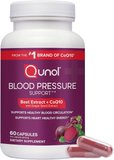
Qunol Blood Pressure Support combines 2,000 FU of nattokinase with CoQ10 (100mg as ubiquinol) and beet root extract in a comprehensive cardiovascular formula. This triple-action approach targets fibrinolysis through nattokinase, mitochondrial energy production through CoQ10, and nitric oxide production through beet root—addressing multiple pathways of cardiovascular health in a single supplement. The formula is backed by clinical research showing nattokinase’s blood pressure reduction effects and CoQ10’s cardiovascular benefits. Qunol uses pharmaceutical-grade manufacturing and third-party testing for quality assurance.
This combination formula is particularly appropriate for people seeking comprehensive cardiovascular support beyond nattokinase alone. The inclusion of CoQ10 makes it especially suitable for individuals on statin medications, which deplete endogenous CoQ10 production. At $24.99 for a 60-day supply, it offers excellent value for a multi-ingredient cardiovascular formula.
Utzy Naturals Nattokinase (Best Budget)

Utzy Naturals delivers 2,000 FU of nattokinase per liquid softgel—the exact dosing used in major clinical trials like the NAPS study and the Jensen et al. blood pressure trial. The liquid softgel format offers enhanced absorption compared to powder-filled capsules, as the nattokinase enzyme is pre-dissolved in oil for immediate bioavailability. This formula uses NSK-SD nattokinase, the trademarked form studied in published research.
At $19.99 for a 60-day supply, Utzy Naturals represents the best value in standalone nattokinase supplementation. The formula is vitamin K-removed, making it appropriate for people on blood pressure medications or those who need to avoid vitamin K2. Utzy uses GMP-certified manufacturing and third-party testing for heavy metals and contaminants.
This is the ideal choice for people who want research-backed nattokinase dosing without additional ingredients, allowing for flexible stacking with other cardiovascular supplements like omega-3s, magnesium, or CoQ10 based on individual needs.
DaVinci Labs Nattokinase Plus (Best for Blood Flow)

DaVinci Labs offers a high-potency nattokinase formula specifically designed for comprehensive blood flow support. Each serving provides 2,000 FU of nattokinase with vitamin K2 removed, making it safe for use alongside blood pressure medications and anticoagulants. The formula is manufactured in a GMP-certified facility with rigorous quality control standards.
DaVinci Labs is a professional-grade supplement brand frequently recommended by integrative physicians and naturopathic doctors. Their nattokinase formula undergoes third-party testing for enzyme activity, ensuring consistent fibrinolytic potency across batches. The company provides full transparency regarding sourcing and manufacturing processes.
At $32.99, this is a premium-priced option, but the professional-grade quality and physician trust factor justify the cost for people seeking the highest quality nattokinase supplementation. This is particularly appropriate for individuals working with healthcare providers on cardiovascular health protocols.
True Vine Ceylon Cinnamon (Best Combination Formula)

True Vine combines 3,200mg of Ceylon cinnamon with complementary cardiovascular support compounds in a liquid formula designed for blood sugar, blood pressure, and cholesterol management. While not a nattokinase product, this formula addresses cardiovascular health through different mechanisms—making it an appropriate alternative or complement to nattokinase for people with metabolic syndrome or prediabetes.
Ceylon cinnamon (Cinnamomum verum) has clinical evidence for blood sugar control, lipid management, and blood pressure reduction through mechanisms including improved insulin sensitivity and reduced oxidative stress. The liquid format ensures maximum absorption of the fat-soluble compounds in cinnamon.
At $21.99, this represents excellent value for a comprehensive metabolic and cardiovascular formula. This is most appropriate for people who need both blood sugar and cardiovascular support, or as a complement to standalone nattokinase supplementation for comprehensive metabolic health.
Bottom line: Qunol Blood Pressure Support delivers the most comprehensive cardiovascular formula combining nattokinase with CoQ10 and beet root extract (Best Overall), Utzy Naturals provides research-backed 2,000 FU nattokinase in liquid softgels at the lowest price (Best Budget), DaVinci Labs offers professional-grade nattokinase with physician-trusted quality standards (Best for Blood Flow), and True Vine Ceylon Cinnamon addresses cardiovascular health through blood sugar and metabolic pathways as a complementary approach (Best Combination Formula).
What Is the Bottom Line on Nattokinase?
Nattokinase is a fibrinolytic enzyme with over 1,000 years of consumption history and 40 years of scientific research. It has measurable biological effects on blood clotting and blood pressure, backed by multiple randomized controlled trials.
What the evidence supports:
-
Blood pressure reduction: Consistent evidence from multiple RCTs shows 3-5 mmHg reductions in systolic and diastolic blood pressure at 2,000 FU/day over 8 weeks. This is a modest but clinically meaningful effect for people with mild hypertension.
-
Fibrinolytic activity: A single 2,000 FU dose produces measurable increases in clot breakdown markers (D-dimer, fibrin degradation products) within 2-8 hours. Nattokinase shifts the body’s clotting-fibrinolysis balance toward reduced clotting through multiple mechanisms.
-
Safety profile: At standard doses (2,000 FU/day), nattokinase is well-tolerated with minimal side effects. The primary safety concern is bleeding risk when combined with anticoagulants or antiplatelet medications.
What the evidence does NOT support:
-
Atherosclerosis prevention at standard doses: The gold-standard NAPS trial found no benefit for slowing atherosclerosis progression at 2,000 FU/day over 3 years. Higher doses (10,800 FU/day) show promise in uncontrolled studies but need randomized trial confirmation.
-
Cholesterol or triglyceride lowering at standard doses: Nattokinase does not significantly improve lipid profiles at 2,000 FU/day. Combination therapy with red yeast rice may be effective, but nattokinase alone is not a lipid-lowering agent.
-
Treatment of acute or dangerous blood clots: Nattokinase is not a substitute for emergency medical treatment or prescription anticoagulants for conditions like DVT, PE, stroke, or heart attack.
-
Proven clinical outcomes: No trial has yet shown that nattokinase reduces heart attacks, strokes, or cardiovascular death. The evidence is limited to surrogate markers (blood pressure, clotting parameters, plaque measurements).
Who should consider nattokinase:
People with mild hypertension, elevated clotting markers, family history of cardiovascular disease, or Long COVID symptoms potentially related to microclots may benefit from nattokinase as part of a comprehensive cardiovascular health strategy. It is most appropriate for prevention and management of mild to moderate risk, not for acute treatment or high-risk conditions.
Who should avoid nattokinase:
Anyone on anticoagulants or antiplatelet medications, with bleeding disorders, scheduled for surgery, pregnant or breastfeeding, or with active GI bleeding should not take nattokinase. It is not a substitute for prescribed medications and should always be used in consultation with a healthcare provider if you have cardiovascular disease or risk factors.
The practical bottom line:
Nattokinase at 2,000 FU/day is a reasonable adjunct supplement for people with mildly elevated blood pressure or concerns about clotting, when used as part of a broader strategy that includes diet, exercise, stress management, and other evidence-based interventions like omega-3s and magnesium. It is not a magic bullet and should not be used as a substitute for medical care or pharmaceuticals when those are indicated. The dose-response relationship is complex, and higher doses should only be used under medical supervision.
For most people seeking cardiovascular support, I recommend starting with the foundational interventions: optimizing diet (Mediterranean pattern with abundant vegetables, healthy fats, and fish), regular aerobic exercise, stress management, adequate sleep, and baseline supplements like omega-3s and magnesium. Nattokinase can be added to this foundation for additional fibrinolytic and blood pressure support, but it works best when integrated into a comprehensive approach rather than used in isolation.
Related Articles
- Omega-3 for Heart Health: How Much EPA and DHA Do You Actually Need?
- Berberine for Blood Sugar and Weight Loss: Complete Research Review
- Magnesium Types: Which Form Is Best for Sleep, Anxiety, or Muscle Cramps?
- CoQ10 for Heart Health: Ubiquinol vs Ubiquinone
- Vitamin K2 MK-7 for Bone and Heart Health
Related Reading
-
Omega-3 for Heart Health: How Much EPA and DHA Do You Actually Need?
-
Berberine for Blood Sugar and Weight Loss: Complete Research Review
-
Magnesium Types: Which Form Is Best for Sleep, Anxiety, or Muscle Cramps?
-
CoQ10 for Heart Health: Ubiquinol vs Ubiquinone
-
Vitamin K2 MK-7 for Bone and Heart Health
-
Red Yeast Rice for Cholesterol: Research Review
-
L-Citrulline for Blood Flow and Exercise Performance
-
Beet Root Extract for Blood Pressure and Athletic Performance
-
Omega-7 Fatty Acids for Women’s Heart Health: The Complete Palmitoleic Acid Guide
-
Best Supplements for High Cholesterol: What Cardiologists Recommend
-
Best Supplements for High Blood Pressure: Natural Options Backed by Research
References
The primary research cited in this article includes:
-
Sumi H, Hamada H, Tsushima H, et al. A novel fibrinolytic enzyme (nattokinase) in the vegetable cheese Natto; a typical and popular soybean food in the Japanese diet. Experientia. 1987;43:1110-1111. PubMed
-
Kurosawa Y, Nirengi S, Homma T, et al. A single-dose of oral nattokinase potentiates thrombolysis and anti-coagulation profiles. Sci Rep. 2015;5:11601. PubMed
-
Hsia CH, Shen MC, Lin JS. Nattokinase decreases plasma levels of fibrinogen, factor VII, and factor VIII in human subjects. Nutr Res. 2009;29:303-310. PubMed
-
Urano T, Ihara H, Umemura K. The profibrinolytic enzyme subtilisin NAT purified from Bacillus subtilis cleaves and inactivates plasminogen activator inhibitor type 1. Thromb Res. 2001;103:517-526. PubMed
-
Kim JY, Gum SN, Paik JK, et al. Effects of nattokinase on blood pressure: a randomized, controlled trial. Hypertens Res. 2008;31:1583-1588. PubMed
-
Li X, Long J, Gao Q, et al. Nattokinase supplementation and cardiovascular risk factors: a systematic review and meta-analysis of randomized controlled trials. Rev Cardiovasc Med. 2023;24:234. PubMed
-
Ettehad D, Emdin CA, Kiran A, et al. Blood pressure lowering for prevention of cardiovascular disease and death: a systematic review and meta-analysis. Lancet. 2016;387:957-967. PubMed
-
Hodis HN, Mack WJ, Meiselman HJ, et al. Nattokinase atherothrombotic prevention study (NAPS): a randomized controlled trial. Am J Cardiovasc Drugs. 2021. PubMed
-
Jensen GS, Lenninger M, Ero MP. Consumption of nattokinase is associated with reduced blood pressure and von Willebrand factor, a cardiovascular risk marker: results from a randomized, double-blind, placebo-controlled, multicenter North American clinical trial. Integr Blood Press Control. 2016. PubMed
-
Liu M, Xu Z, Wang Z, et al. Lipid-lowering, antihypertensive, and antithrombotic effects of nattokinase combined with red yeast rice in patients with stable coronary artery disease: a randomized, double-blinded, placebo-controlled trial. Front Nutr. 2024;11:1380727. PubMed
-
Kell DB, Pretorius E. Proteomic evidence for amyloidogenic cross-seeding in fibrinaloid microclots. Int J Mol Sci. 2024;25. PubMed
-
Weng Y, Yao J, Sparks S. Nattokinase: an oral antithrombotic agent for the prevention of cardiovascular disease. Int J Mol Sci. 2017;18:297. PubMed
-
Chen H, McGowan EM, Ren N, et al. Nattokinase: a promising alternative in prevention and treatment of cardiovascular diseases. Biomark Insights. 2018;13. PubMed
Recommended Products