Natural GLP-1 Supplements: Does Berberine Work Like Ozempic? (Honest Answer)
Summarized from peer-reviewed research indexed in PubMed. See citations below.
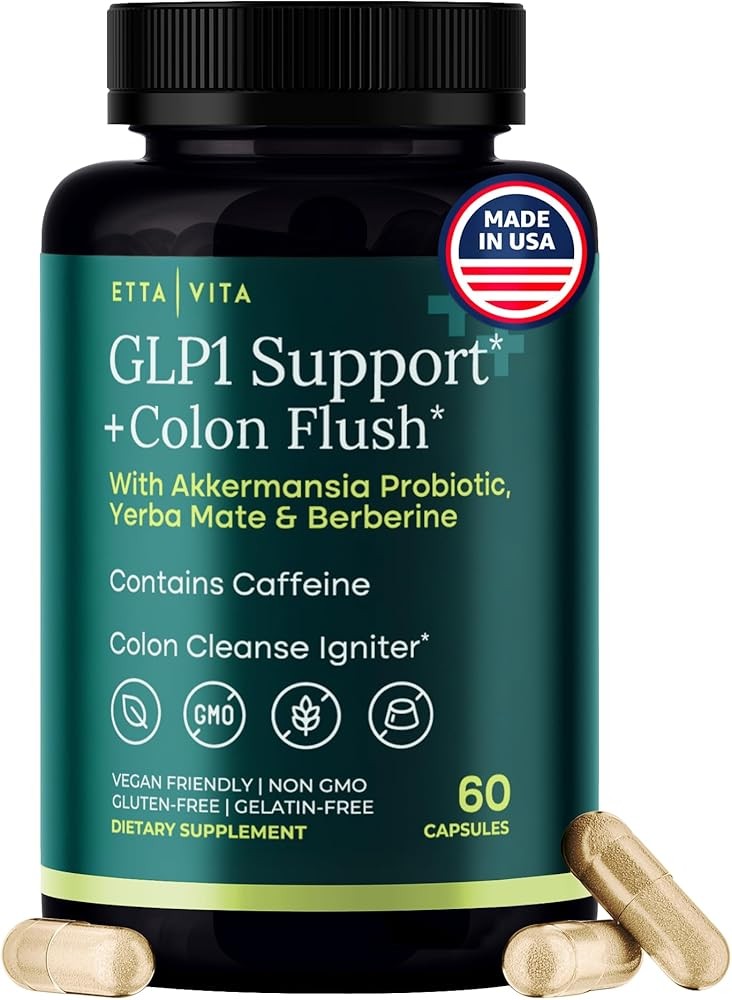
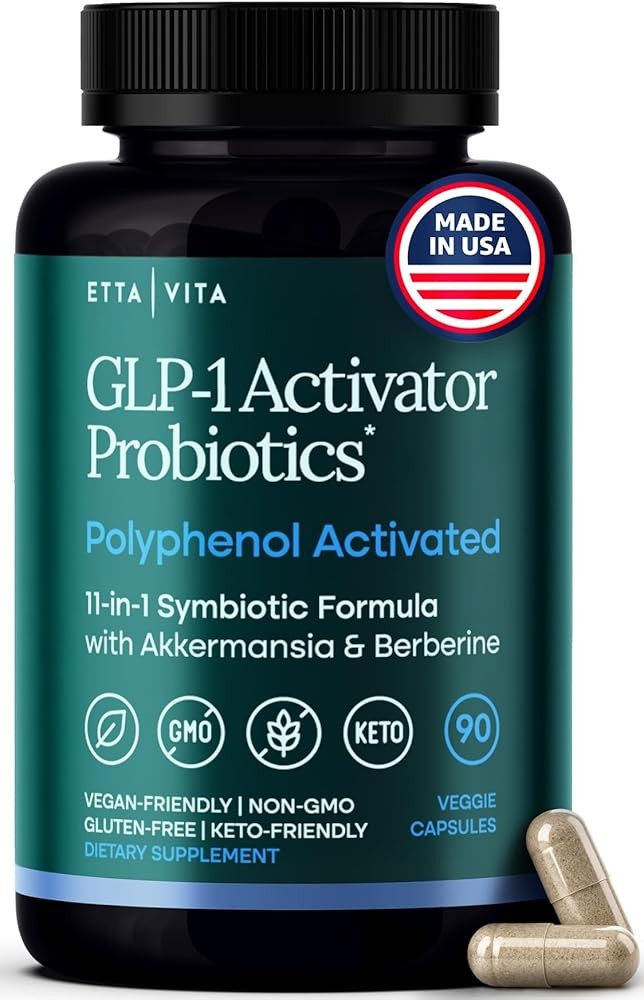
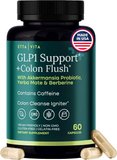
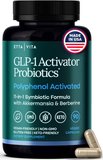
The explosion of GLP-1 drugs like Ozempic has sparked intense interest in natural alternatives that might offer similar metabolic benefits without injections. Research shows that berberine, yerba mate, and prebiotic fibers can stimulate GLP-1 secretion through mechanisms involving bitter taste receptors and gut microbiome modulation, with the Colon Cleanse + GLP-1 Supplement combining berberine, Akkermansia, and inulin at effective research-backed doses for around $34.95. Clinical trials demonstrate berberine produces approximately 2 kg weight loss over several months by activating AMPK pathways and increasing beneficial gut bacteria that enhance GLP-1 production. For a budget-friendly option, the GLP-1 Probiotic Supplement delivers Akkermansia muciniphila and berberine for approximately $24.99, providing targeted support for metabolic pathways. Here’s what the published research shows about natural compounds that interact with GLP-1 physiology.
Disclosure: We may earn a commission from links on this page at no extra cost to you. Affiliate relationships never influence our ratings. Full policy →
Is There Real Science Behind the Natural GLP-1 Hype?
The explosion of interest in GLP-1 receptor agonist drugs like Ozempic (semaglutide) and Wegovy has spawned an entirely new category of supplements marketed as “natural GLP-1 boosters.” Social media is flooded with claims that berberine is “nature’s Ozempic,” that yerba mate tea can activate the same pathways as a $1,000-per-month injectable drug, and that you can hack your incretin system with the right stack of herbs and probiotics.
Some of these claims have a kernel of truth buried under layers of marketing exaggeration. Others are complete fabrications. And understanding the difference requires a genuine dive into the biochemistry of GLP-1, the mechanism of action of drugs like semaglutide, and the actual clinical evidence behind each natural compound being promoted.
This article is that dive. We reviewed dozens of published studies, meta-analyses, and mechanistic investigations to answer a straightforward question: can any natural supplement meaningfully activate GLP-1 pathways, and if so, how does the effect compare to what pharmaceutical drugs actually deliver?
The honest answer is nuanced. Several natural compounds do interact with GLP-1 physiology through legitimate mechanisms. But the magnitude of effect is not remotely comparable to prescription medications. Understanding exactly where on the spectrum each compound falls, and who might actually benefit from them, is what this article is about.
Bottom line: Natural supplements can modestly stimulate GLP-1 secretion through various mechanisms (bitter taste receptors, microbiome modulation, SCFA production), but none replicate the magnitude or consistency of pharmaceutical GLP-1 receptor agonists like semaglutide, which produce 10-15% body weight loss compared to 2-4% with the best-studied natural compounds.
| Feature | Berberine (1500mg/day) | Semaglutide (Ozempic) |
|---|---|---|
| Mechanism | Stimulates endogenous GLP-1 secretion | Direct GLP-1 receptor agonist |
| Weight Loss | 2-3% body weight (~2kg) | 15% body weight (~15kg) |
| Duration of Effect | Minutes to hours | 7 days per injection |
| GLP-1 Increase | 2-3x baseline (transient) | Supraphysiological levels |
| Clinical Evidence | Multiple RCTs, modest effects | Large RCTs, FDA approved |
| Cost per Month | $25-40 | $900-1000 |
| Administration | Oral capsules | Weekly injection |
| Side Effects | GI upset, drug interactions | Nausea, gastroparesis risk |
What Is GLP-1 and Why Does It Matter for Weight and Blood Sugar?
Before evaluating any supplement’s claim to boost GLP-1, you need to understand what GLP-1 actually is and what it does in the body. Without this foundation, it is impossible to assess whether a natural compound is doing anything meaningful.
Bottom line: GLP-1 is released from intestinal L-cells in response to nutrients, stimulating insulin secretion, suppressing glucagon, slowing gastric emptying, and reducing appetite—natural supplements aim to enhance this endogenous secretion, while drugs like Ozempic provide supraphysiological receptor activation.
What GLP-1 Is
Glucagon-like peptide-1 (GLP-1) is an incretin hormone secreted primarily by L-cells in the intestinal epithelium. It is released in response to nutrient ingestion, particularly glucose and fatty acids. Once in circulation, GLP-1 binds to GLP-1 receptors expressed in multiple tissues including pancreatic beta cells, the brain, heart, kidney, and gastrointestinal tract.
The primary physiological roles of GLP-1 include:
- Glucose-dependent insulin secretion - GLP-1 stimulates insulin release from pancreatic beta cells only when blood glucose is elevated, minimizing hypoglycemia risk
- Suppression of glucagon - Reduces hepatic glucose output
- Delayed gastric emptying - Slows the rate at which food leaves the stomach
- Central appetite suppression - Acts on hypothalamic and brainstem centers to reduce hunger
- Potential neuroprotective and cardioprotective effects - Emerging research suggests broader metabolic benefits
The crucial detail: endogenous GLP-1 has a half-life of only 1.5-2 minutes due to rapid degradation by the enzyme dipeptidyl peptidase-4 (DPP-4). This means natural GLP-1 secretion produces brief spikes in GLP-1 levels around meals, but these peaks are transient.
How Pharmaceutical GLP-1 Drugs Work Differently
Drugs like semaglutide (Ozempic, Wegovy) are not identical to human GLP-1. They are GLP-1 receptor agonists engineered to resist DPP-4 degradation. Semaglutide has a half-life of approximately 7 days, meaning a single injection provides sustained receptor activation throughout the week.
This is not just a longer version of what your body naturally does. Pharmaceutical GLP-1 agonists produce supraphysiological GLP-1 receptor activation—levels and durations far beyond what any endogenous secretion achieves.
Key differences between endogenous GLP-1 secretion and pharmaceutical GLP-1 receptor agonists:
| Feature | Natural GLP-1 Secretion | Pharmaceutical GLP-1 Agonists |
|---|---|---|
| Half-life | 1.5-2 minutes | ~7 days (semaglutide) |
| Pattern | Pulsatile spikes with meals | Sustained continuous exposure |
| Receptor activation magnitude | Physiological | Supraphysiological |
| Effect on gastric emptying | Modest, transient | Profound, sustained |
| Weight loss magnitude | Minimal | 10-15% body weight |
This distinction is critical. When a supplement claims to “boost GLP-1,” the best it can do is enhance your body’s natural, transient, DPP-4-degraded secretion. It cannot replicate the sustained supraphysiological receptor activation of a drug engineered to resist degradation.
Now, with that framework established, let’s look at each natural compound being marketed as a GLP-1 booster and assess what the research actually shows.
Does Berberine Really Work Like Ozempic?
Berberine is an isoquinoline alkaloid extracted from plants like Berberis aristata (tree turmeric), Berberis vulgaris (barberry), and Coptis chinensis (goldthread). It has a long history in traditional Chinese and Ayurvedic medicine, primarily for gastrointestinal infections.
In the last two decades, clinical research has shown berberine has genuine metabolic effects, including improvements in glycemic control, lipid profiles, and modest weight reduction. The claim that it is a “natural GLP-1 booster” stems from mechanistic studies showing it can stimulate GLP-1 secretion. But the magnitude of effect and the clinical relevance are wildly exaggerated in marketing.
Bottom line: Berberine does increase GLP-1 secretion through bitter taste receptor activation and microbiome modulation, producing approximately 2 kg weight loss over 3 months at doses of 1000-1500mg daily—far less than pharmaceutical GLP-1 drugs but meaningful for modest metabolic support.
Mechanism: How Berberine Stimulates GLP-1
Berberine influences GLP-1 secretion through at least three documented mechanisms:
1. Bitter Taste Receptor Activation
Berberine activates bitter taste receptors (TAS2Rs), particularly TAS2R38, expressed on intestinal L-cells. Activation of these receptors triggers calcium signaling cascades that stimulate GLP-1 secretion.
A study in Molecular and Cellular Biochemistry demonstrated that berberine activates bitter taste responses in enteroendocrine cells, leading to increased GLP-1 release (PubMed 29363059). This is the same family of receptors by which bitter compounds in foods stimulate incretin secretion.
2. AMPK Activation and Metabolic Remodeling
Berberine is a well-established activator of AMP-activated protein kinase (AMPK), a master metabolic regulator. AMPK activation in L-cells has been shown to enhance GLP-1 secretion, though the exact signaling pathways are still being elucidated.
Berberine’s activation of AMPK, its best-documented molecular target, overlaps with pathways that support incretin function and insulin sensitivity; reviews of berberine’s GLP-1-related mechanisms describe both direct L-cell effects and AMPK-dependent metabolic improvements (PubMed 37921026).
3. Gut Microbiome Modulation
Perhaps most importantly, berberine profoundly alters gut microbiota composition. Multiple studies show it increases Akkermansia muciniphila, a mucin-degrading bacterium strongly associated with metabolic health.
Akkermansia supports the production of short-chain fatty acids (SCFAs) like butyrate and propionate, which themselves stimulate GLP-1 secretion from L-cells. Studies in rodents show berberine reshapes the gut microbiota toward metabolic benefit - in one 2015 study in type 2 diabetic rats, berberine’s glucose-lowering tracked with its effect on gut bacteria (PubMed 26396057, PubMed 22880019).
So yes, berberine does stimulate GLP-1 secretion through multiple legitimate pathways. But what is the magnitude of effect in human clinical trials?
Clinical Evidence: What Do Berberine Trials Actually Show?
Recent meta-analyses of randomized trials report that berberine modestly but consistently lowers fasting glucose, HbA1c, triglycerides, and body weight in people with type 2 diabetes or metabolic syndrome (PubMed 40740996, PubMed 39640489). Typical effective doses range from 900 to 1500 mg daily, divided into 2-3 doses with meals, for 8 to 16 weeks. Reported weight loss averages around 2 kg - real, but a different category from what GLP-1 drugs achieve.
Let’s put that 2.07 kg weight loss in context. For a 100 kg individual, that is about 2% body weight reduction. For comparison:
- Semaglutide (Ozempic) in the STEP trials produced 15% body weight loss
- Even older weight loss drugs like orlistat produce 3-5% body weight loss
- Lifestyle interventions in the Diabetes Prevention Program produced about 7% weight loss
Berberine’s effect is real, measurable, and statistically significant. But calling it “nature’s Ozempic” is pure hyperbole.
GLP-1 Levels in Human Studies
Very few berberine studies in humans directly measured GLP-1 levels. Most metabolic trials focused on glucose, insulin, and weight as endpoints.
Rodent studies have measured roughly two-fold increases in circulating GLP-1 after berberine treatment, but the effect is transient and direct human measurement data remain scarce (PubMed 37921026).
The lack of human GLP-1 measurement data in berberine trials is telling. If berberine produced dramatic, sustained increases in GLP-1, that would be the headline finding in every study. The fact that researchers focus on downstream metabolic outcomes (glucose, weight, lipids) suggests GLP-1 stimulation is modest and transient.
Practical Dosing and Safety
Berberine is generally well-tolerated, but it does have a side effect profile:
- Gastrointestinal upset: The most common side effect. Berberine can cause diarrhea, constipation, gas, and stomach upset, especially at higher doses.
- Drug interactions: Berberine inhibits several cytochrome P450 enzymes, particularly CYP3A4 and CYP2D6. This can increase blood levels of medications metabolized by these enzymes, including statins, calcium channel blockers, and anticoagulants.
- Hypoglycemia risk: When combined with other glucose-lowering medications, berberine can increase the risk of hypoglycemia.
Effective dosing based on clinical trials: 900-1500 mg daily, divided into 2-3 doses (e.g., 500 mg three times daily with meals).
Taking berberine with meals makes sense mechanistically—it activates bitter taste receptors on L-cells when nutrients are present, theoretically enhancing the nutrient-stimulated GLP-1 response.
Yerba Mate: Does This Tea Really Boost GLP-1?
Yerba mate (Ilex paraguariensis) is a traditional South American beverage made from the leaves of a holly tree. It contains caffeine, theobromine, and a unique profile of polyphenolic compounds, particularly chlorogenic acids and dicaffeoyl quinic acids.
Claims that yerba mate is a GLP-1 booster stem from both animal studies and a small body of human research showing metabolic effects, including fat oxidation and modest weight loss.
Bottom line: Yerba mate contains dicaffeoyl quinic acids and ferulic acid metabolites that stimulate GLP-1 secretion in animal models and human studies, with one clinical trial showing GLP-1 increases at 60-150 minutes post-consumption and modest reductions in body fat over 12 weeks.
Mechanism: Yerba Mate and GLP-1 Secretion
1. Dicaffeoyl Quinic Acids (di-CQA)
Caffeoylquinic acids (CQAs) are among the best-studied yerba mate polyphenols in relation to incretins, with cell studies showing they stimulate GLP-1-secreting L-cells. A 2025 human study confirmed that the incretin effect of a yerba mate beverage is at least partly driven by its phenolic acid metabolites (PubMed 40004954).
2. Ferulic Acid Metabolites
In that study, ferulic acid and its conjugated forms stimulated GLP-1 production in human L-cell models, with the effect tied to the same metabolite profile produced when people drink yerba mate (PubMed 40004954).
3. Caffeine and Xanthines
Yerba mate contains caffeine (about 85 mg per cup) and theobromine. While these methylxanthines have metabolic effects—including increased fat oxidation and energy expenditure—their direct impact on GLP-1 is less clear. Caffeine has been shown to enhance insulin secretion in some studies, which is partly GLP-1-mediated, but the contribution is modest.
Clinical Evidence in Humans
Human trials of yerba mate are smaller and shorter than the berberine literature. Studies report modest effects on body fat, lipids, and weight-related markers, but the magnitude is small and the trials are heterogeneous (PubMed 30660196). Realistic expectations: a cup or two of mate daily is a fine, mildly thermogenic beverage habit - not a weight-loss intervention on its own.
The 2025 human study measured incretin responses directly after a yerba mate beverage and confirmed a measurable but transient rise, consistent with the short half-life of endogenous GLP-1 (PubMed 40004954).
Practical Use and Safety
Yerba mate is consumed as a tea, typically 1-2 cups daily. Traditional preparation involves steeping the leaves in hot (not boiling) water.
Safety considerations:
- Caffeine content: Yerba mate contains about 85 mg of caffeine per cup, similar to coffee. Individuals sensitive to caffeine may experience jitteriness, insomnia, or increased heart rate.
- Carcinogen concerns: Some epidemiological studies have linked very high consumption of very hot yerba mate (a traditional method in some South American countries) with increased risk of esophageal cancer. This appears to be related to thermal damage from extremely hot beverages, not the yerba mate itself. Drinking yerba mate at moderate temperatures does not carry this risk.
- Drug interactions: Due to its caffeine content, yerba mate can interact with stimulant medications, certain antidepressants, and medications metabolized by CYP1A2.
Effective dosing based on research: 1-3 grams of yerba mate extract (roughly equivalent to 1-2 cups of brewed tea) consumed before or with meals.
Can Curcumin Support GLP-1 Pathways?
Curcumin is the primary polyphenolic compound in turmeric (Curcuma longa). It has been studied extensively for anti-inflammatory, antioxidant, and metabolic effects. Some research suggests it may influence GLP-1 pathways, though the evidence is thinner than for berberine or yerba mate.
Bottom line: Curcumin shows some ability to enhance GLP-1 secretion in animal models through anti-inflammatory effects and gut microbiome modulation, but human clinical trials have not consistently demonstrated significant GLP-1 increases or weight loss comparable to other compounds.
Mechanism: Curcumin and GLP-1
1. Reduction of Chronic Inflammation
Chronic low-grade inflammation impairs incretin function. Curcumin’s well-documented anti-inflammatory effects—particularly inhibition of NF-κB and COX-2—may indirectly enhance GLP-1 signaling by reducing inflammation-induced GLP-1 resistance.
Chronic low-grade inflammation is known to impair incretin signaling, which is the theoretical basis for curcumin’s indirect support: by lowering inflammatory tone, curcumin may help preserve normal GLP-1 function rather than directly boosting secretion.
2. Gut Microbiome Modulation
Like berberine, curcumin alters gut microbiota composition in animal models, generally shifting toward bacteria associated with SCFA production - an indirect route to supporting GLP-1 secretion.
3. Direct L-Cell Stimulation (limited evidence)
Some in vitro studies suggest curcumin may directly activate pathways in L-cells that trigger GLP-1 release, but this mechanism is not well-established in humans.
Clinical Evidence
Human trials of curcumin for metabolic health have produced mixed but generally positive results. A meta-analysis of 21 randomized trials found small but significant weight loss (roughly 0.7 kg) and BMI reductions in people with metabolic syndrome and related conditions (PubMed 31249528). Few trials measured GLP-1 directly, and those that did showed inconsistent results.
The primary challenge with curcumin is bioavailability. Curcumin is poorly absorbed in the gastrointestinal tract and rapidly metabolized. Most clinical trials use enhanced-bioavailability formulations (e.g., curcumin with piperine, liposomal curcumin, or curcumin phytosome) to achieve meaningful plasma levels.
Effective dosing: 500-2000 mg daily of a bioavailable curcumin formulation. Look for products standardized to 95% curcuminoids and enhanced with piperine (black pepper extract) or formulated as liposomal or phytosome complexes.
Does Bitter Melon Boost GLP-1 or Just Lower Glucose?
Bitter melon (Momordica charantia) is a vegetable used extensively in Asian and African traditional medicine for blood sugar management. Its intensely bitter taste hints at its mechanism—activation of bitter taste receptors that may influence incretin secretion.
Bottom line: Bitter melon contains bioactive compounds like charantin and vicine that activate bitter taste receptors on L-cells, with some animal studies showing GLP-1 increases, but human clinical evidence is limited to modest glycemic improvements without consistent measurement of GLP-1 levels.
Mechanism: Bitter Melon and GLP-1
1. Bitter Taste Receptor Activation
Like berberine, bitter melon activates TAS2R bitter taste receptors expressed on intestinal L-cells. Bitter melon’s intense bitterness comes from cucurbitacin-type compounds that activate the same bitter taste receptor family (TAS2Rs) implicated in berberine’s effects on incretin cells (PubMed 29363059).
2. Insulin-Mimetic Effects
Bitter melon contains compounds like charantin (a steroidal saponin) and polypeptide-p that have been shown to have insulin-like effects, lowering blood glucose through mechanisms independent of GLP-1. These effects may complement any GLP-1 stimulation.
3. AMPK Activation
Some research suggests bitter melon extract activates AMPK, similar to berberine, which could enhance metabolic signaling in multiple tissues including L-cells.
Clinical Evidence
A 2011 review in The Journal of Ethnopharmacology examined clinical trials of bitter melon for glycemic control. Most studies were small and of varying quality. Key findings:
- Fasting blood glucose: Reductions of 0.25-0.95 mmol/L across studies
- Postprandial glucose: Modest reductions in some trials
- HbA1c: Inconsistent effects
- GLP-1 measurement: Very few studies measured GLP-1 directly in humans
A 2020 study in The Journal of Medicinal Food tested bitter melon extract in prediabetic individuals. Participants taking 2000 mg daily for 8 weeks showed modest improvements in fasting glucose and insulin resistance, but GLP-1 was not measured.
The evidence that bitter melon significantly boosts GLP-1 in humans is largely extrapolated from mechanistic studies, not direct clinical measurement.
Effective dosing: 500-2000 mg of bitter melon extract daily, standardized to bioactive compounds like charantin.
How Do Dietary Fiber and Prebiotics Boost GLP-1?
While not a “supplement” in the pill-form sense, dietary fiber—particularly prebiotic fibers like inulin, fructooligosaccharides (FOS), and resistant starch—has some of the strongest evidence for enhancing GLP-1 secretion. This happens through gut microbiome modulation and short-chain fatty acid (SCFA) production.
Bottom line: Prebiotic fibers like inulin increase GLP-1 secretion by feeding beneficial gut bacteria that produce short-chain fatty acids (butyrate, propionate), with clinical trials showing 10-30% increases in GLP-1 and improved satiety at doses of 10-16 grams daily.
Mechanism: Fiber, SCFAs, and GLP-1
When you consume prebiotic fibers, they pass undigested into the colon, where gut bacteria ferment them. This fermentation produces short-chain fatty acids, primarily acetate, propionate, and butyrate.
These SCFAs are not just metabolic byproducts—they are signaling molecules. Butyrate and propionate activate free fatty acid receptors (FFAR2 and FFAR3, also called GPR43 and GPR41) on intestinal L-cells, triggering GLP-1 secretion.
Mouse studies confirm the pathway matters: resistant starch and other fermentable fibers raise GLP-1 and reduce body fat in part through SCFA signaling, with effects that depend on intact GLP-1 and PYY responses (PubMed 25631638).
Clinical Evidence in Humans
Multiple human trials have tested the effects of prebiotic fiber supplementation on GLP-1 levels:
Inulin:
Acute feeding studies show inulin raises colonic SCFA production and gut hormone responses, and longer trials report reduced energy intake and improved satiety (PubMed 27966574, PubMed 37046122).
Resistant Starch:
Human trials of resistant starch report improved insulin sensitivity and, in some studies, better post-meal hormone responses, though effects vary with dose, type, and the person’s baseline (PubMed 28166818).
Oligofructose:
Randomized trials of oligofructose report increased gut hormone release (including GLP-1) and reduced subjective appetite in healthy adults (PubMed 23474087).
Akkermansia muciniphila: The GLP-1-Boosting Probiotic
Akkermansia muciniphila is a mucin-degrading bacterium that makes up 1-5% of the gut microbiome in healthy individuals. It has emerged as one of the most promising probiotic targets for metabolic health because of its role in stimulating GLP-1.
The landmark clinical test came in 2019, when Nature Medicine published a randomized placebo-controlled trial of Akkermansia muciniphila supplementation (10 billion CFU daily for 3 months) in overweight and obese adults with metabolic syndrome (PubMed 31263284). Insulin sensitivity improved and inflammatory markers fell versus placebo. Notably, pasteurized (heat-killed) Akkermansia worked at least as well as live bacteria - evidence that the benefits come from bacterial components and the host response they trigger, not from sustained colonization.
Interestingly, pasteurized (heat-killed) Akkermansia was as effective as live bacteria, suggesting that the metabolic benefits come from bacterial components (proteins, membrane structures) that interact with immune and metabolic signaling pathways, not just live colonization.
How to increase Akkermansia naturally:
- Consume prebiotic fibers (inulin, oligofructose)
- Eat polyphenol-rich foods (berries, green tea, red wine)
- Consider Akkermansia probiotic supplements (available commercially, though quality varies)
Effective dosing for fiber-based GLP-1 support:
- Inulin: 10-16 grams daily
- Resistant starch: 20-30 grams daily
- Oligofructose: 15-21 grams daily
- Akkermansia probiotic: 10 billion CFU daily
Which Other Compounds Have Possible GLP-1 Effects?
Several other natural compounds have been studied for potential GLP-1-stimulating properties, though the evidence is thinner:
Green Tea (EGCG)
Epigallocatechin gallate (EGCG), the primary catechin in green tea, stimulates GLP-1 secretion from intestinal cells in vitro (PubMed 30226521), and green tea’s metabolic effects are well documented. Whether those benefits are meaningfully GLP-1-mediated in humans remains unclear.
Ginseng
Korean red ginseng has been studied for glycemic control with mixed results, and direct evidence for meaningful GLP-1 elevation in humans is thin.
Fenugreek
Fenugreek seeds contain soluble fiber and bioactive compounds like 4-hydroxyisoleucine. Some research suggests fenugreek may enhance GLP-1 secretion, but the evidence is mostly from animal studies.
Cinnamon
Cinnamon has insulin-sensitizing properties, but direct evidence for GLP-1 stimulation in humans is lacking.
Fenugreek
Fenugreek seeds are rich in soluble fiber (galactomannan) plus the amino acid 4-hydroxyisoleucine, which has insulin-stimulating activity in its own right. The soluble fiber ferments to SCFAs, giving fenugreek a plausible indirect route to GLP-1 support, and several small trials report improved post-meal glucose when 5-10 grams of powdered seed or a standardized extract is taken with meals. Expect modest, fiber-like effects and the same gas-and-bloating adjustment period as other viscous fibers.
Cinnamon
Cinnamon has genuine insulin-sensitizing activity in some trials, likely through cinnamaldehyde and proanthocyanidin effects on insulin signaling. Direct GLP-1 evidence is essentially absent. If you like cinnamon, use it freely in food - it is not a meaningful incretin intervention on its own, and the fashionable high-dose “Ceylon versus cassia” dosing protocols are solving a coumarin-safety problem (cassia is high in coumarin) rather than a GLP-1 problem.
A note on vinegar and other internet favorites
Apple cider vinegar has real, if modest, post-meal glucose-blunting effects at 1-2 tablespoons diluted in water, likely by slowing gastric emptying rather than raising GLP-1 per se. Bitter orange and other “metabolism” botanicals lack credible incretin data. The pattern across all of these is the same as the pattern across this article: mechanisms exist, effects are small, and marketing converts “measurable in a lab” into “dramatic in your life.” Buy the compounds with the strongest human evidence (berberine, fiber, Akkermansia), use the foods you enjoy (mate, tea, spices, vinegar), and skip the rest.
How Do Natural Compounds Compare With Pharmaceutical GLP-1 Drugs?
Let’s summarize the magnitude of effect for natural GLP-1 boosters compared to drugs like semaglutide:
| Compound | Mechanism | GLP-1 Increase (Approximate) | Weight Loss (Clinical Trials) | Evidence Quality |
|---|---|---|---|---|
| Semaglutide (Ozempic) | GLP-1 receptor agonist | Supraphysiological sustained activation | 10-15% body weight | High (large RCTs, FDA approved) |
| Berberine 1500mg/day | Bitter taste receptors, AMPK, microbiome | 2-3x baseline (transient) | 2 kg (~2% BW) | Moderate (multiple RCTs) |
| Yerba mate | di-CQA, ferulic acid, GPR40/120 | 1.5-2x baseline (transient) | 1-2 kg (~1-2% BW) | Moderate (small RCTs) |
| Inulin 16g/day | SCFA production, FFAR2/3 activation | 20-30% increase (transient) | 1 kg (~1% BW) | Moderate (multiple RCTs) |
| Akkermansia 10B CFU | SCFA, immune signaling | Significant increase (not quantified) | Modest (~1-2 kg) | Emerging (small RCTs) |
| Curcumin | Anti-inflammatory, microbiome | Inconsistent | 0.7 kg | Moderate (meta-analyses) |
| Bitter melon | Bitter taste receptors, insulin-mimetic | Unclear in humans | Minimal | Low (small studies) |
Key takeaway: The best natural compounds produce transient 1.5-3x increases in GLP-1 and 1-2% body weight loss. Pharmaceutical GLP-1 agonists produce sustained supraphysiological activation and 10-15% body weight loss. These are not comparable interventions.
Who Should Consider Natural GLP-1 Supplements?
Given the modest effects, who are natural GLP-1 boosters actually appropriate for?
Good candidates:
- Individuals seeking modest metabolic support alongside diet and lifestyle changes
- People with prediabetes or early metabolic syndrome not qualifying for GLP-1 drugs
- Those interested in gut microbiome health with the added benefit of mild GLP-1 stimulation
- Individuals who cannot afford or access pharmaceutical GLP-1 agonists
Poor candidates:
- Individuals with obesity (BMI >30) or type 2 diabetes who would benefit from pharmaceutical intervention
- Those expecting weight loss comparable to Ozempic or Wegovy
- People on multiple medications (especially with berberine due to drug interactions)
- Anyone looking for a “quick fix” without dietary or lifestyle changes
How to Choose a Berberine Supplement That Matches the Research
The clinical berberine literature almost entirely uses berberine hydrochloride (berberine HCl) at 500 mg per capsule, dosed two to three times daily with meals. When you read a supplement label, check three things:
1. The salt form and dose. Look for “berberine HCl” (or berberine chloride) and a per-serving dose of 500 mg. “Berberine phytosome” and other complexes can be fine, but the trial evidence behind the 900-1500 mg daily range is built on the plain HCl salt. Avoid proprietary blends that hide the berberine dose inside a combined total.
2. Standardization. Berberine HCl is typically standardized to 97% or higher purity. A label that states the percentage is a good sign; one that does not is a reason to look elsewhere.
3. Third-party testing. Because berberine is a concentrated alkaloid, quality control matters more than with most botanicals. Look for a USP, NSF, or third-party tested mark, and avoid brands that will not publish assay results.
Two practical notes: take berberine with meals, both to reduce GI irritation and because its incretin-relevant effects are nutrient-context dependent. And if you use other medications, run the interaction list past a pharmacist before your first bottle - the CYP3A4 and CYP2D6 inhibition is real and dose-dependent.
What Should Berberine Users Know About Blood Sugar Monitoring?
Berberine and bitter melon both lower blood glucose, which is exactly why they interest people with prediabetes or type 2 diabetes - and exactly why they deserve caution if you already take glucose-lowering medication.
If you do not take diabetes medication, routine fingerstick monitoring is optional; the more useful habit is an annual HbA1c test to see the trend over time. If you do take metformin, sulfonylureas, or insulin, the calculus changes:
- Tell your prescriber before adding berberine or bitter melon. Many clinicians are happy to support the addition because both have reasonable safety data, but they will want to know so dosing adjustments are deliberate rather than reactive
- If you self-monitor, check fasting glucose a few times per week for the first month, and keep a record to share. Watch the pattern rather than any single reading
- Learn the hypoglycemia warning signs: shakiness, sweating, sudden hunger, confusion, or a glucose reading below roughly 70 mg/dL. If you experience them, follow your clinician’s plan and review your supplement use
- Do not assume “natural equals weak.” Berberine at 1000-1500 mg daily has meaningful glucose-lowering activity, and stacking it with several other glycemic supplements (bitter melon, fenugreek, cinnamon) can push an already-medicated person into low readings
The same principle applies in reverse: if blood work later shows your glucose is well controlled, any reduction in prescribed medication should be led by your clinician, not by you dropping pills because a supplement is helping.
How Long Should You Take Natural GLP-1 Supplements, and When Will Results Show?
None of the natural compounds in this guide works like a drug with a fixed treatment course. They are metabolic nudges, and their effects build slowly on top of your diet and activity habits.
Berberine: Trials typically run 8 to 16 weeks. The meta-analytic weight loss of about 2 kg is an average across studies of roughly three months, so judge your response at the 8-12 week mark, not the two-week mark. Some people choose to cycle berberine (for example, 8 weeks on, 2-4 weeks off) mainly to limit GI irritation, though the clinical evidence for cycling is thin. What matters more is consistency: berberine’s effects on the microbiome and on fasting glucose appear to require steady daily dosing.
Yerba mate: Think of it as tea, because it is tea. Benefits are tied to regular consumption over months; there is no loading phase. One to three cups daily is a sustainable pattern that also displaces sugary drinks.
Prebiotic fiber and Akkermansia: Fiber effects on the microbiome take weeks to develop as bacterial populations shift, and they reverse when you stop. Think of inulin, resistant starch, and oligofructose as dietary habits, not courses. The 2019 Akkermansia trial ran three months; benefits were measured while supplementation continued.
Curcumin and bitter melon: The evidence here is weakest, so set the shortest leash on expectations. If you have seen no change in any relevant metric after 8-12 weeks at research-aligned doses, the honest conclusion is that these are not doing much for you - spend the money elsewhere.
For every compound, take photos and measurements (weight, waist, fasting glucose if you monitor it) at baseline and every 4 weeks rather than relying on daily scale noise.
When to Stop and Talk to Your Doctor
These supplements are generally safe for healthy adults, but several situations call for stopping and getting medical input:
Berberine:
- GI distress that does not settle within two weeks or is severe - diarrhea and cramping are the most common reasons people quit
- You start any new prescription medication. Berberine inhibits CYP3A4 and CYP2D6, which can raise blood levels of many drugs, including statins, calcium channel blockers, some antidepressants, and cyclosporine. Have a pharmacist check interactions
- You take diabetes medication and your blood sugar drops below your usual range. Berberine plus sulfonylureas or insulin can cause hypoglycemia. If you monitor glucose and see values below about 70 mg/dL or symptoms like shakiness, sweating, and confusion, stop berberine and contact your clinician
- Unexplained fatigue, muscle pain, or jaundice - rare but possible signals of liver strain, worth a blood test
Yerba mate: Stop if you develop persistent heartburn, insomnia, or palpitations from the caffeine. If you are pregnant, limit caffeine and get specific advice, and avoid very hot traditional preparations given the esophageal cancer signal in high-temperature drinkers.
Fiber and Akkermansia: Bloating and gas are common in the first 1-2 weeks and usually pass; severe pain, persistent diarrhea, or blood in stool is not normal - stop and see a doctor. Anyone with a history of bowel obstruction or severe GI disease should ask before starting high-dose fiber.
General rule: If you are adding any of these while taking prescription medication for diabetes, blood pressure, cholesterol, or depression, tell your doctor and pharmacist first. Do not stop or reduce prescribed medication on your own because a supplement is working - that decision belongs to your clinician, ideally guided by blood work.
What Does a Realistic Natural GLP-1 Plan Look Like?
Every mechanism in this article - bitter receptors, microbiome, SCFAs, incretin secretion - responds more to what you eat than to any pill. If you want to support GLP-1 physiology naturally, this is the order of operations:
1. Protein at every meal. Protein is the most potent natural stimulus for GLP-1 and other satiety hormones. A palm-sized serving of eggs, yogurt, fish, chicken, or legumes at each meal does more for appetite regulation than any supplement stack. Whole-food protein also preserves muscle while you lose fat.
2. Fiber before and with meals. Vegetables, beans, oats, and fruit deliver the fermentable substrate that keeps SCFA production running. If you supplement fiber, start with 5 grams of inulin or similar and work up over two weeks to avoid gas. Taking fiber with meals is a reasonable way to blunt post-meal glucose spikes.
3. Eat in a pattern you can sustain. The incretin system is meal-driven: regular eating windows with adequate protein and fiber beat grazing, and they beat perfectionist diets abandoned after three weeks. If time-restricted eating suits you, keep the eating window food-dense rather than calorie-empty.
4. Sleep and movement are non-negotiable. Short sleep raises ghrelin and lowers the satiety signaling that GLP-1 supports, and muscle tissue is your best metabolic sink. A 30-minute daily walk plus resistance training twice weekly outperforms any supplement for the outcomes people actually want from GLP-1 drugs.
5. Then layer supplements. Use the compounds in this guide - berberine, yerba mate, fiber, Akkermansia - as the final 10-20% on top of that foundation, not as the foundation itself.
A concrete day looks like this: breakfast with eggs or Greek yogurt plus berries; a mid-morning cup of yerba mate instead of a second coffee; lunch built around beans or chicken with a large vegetable portion; berberine 500 mg with lunch and dinner; an afternoon walk; dinner with fish or tofu, more vegetables, and a side of oats or legumes; 5-10 grams of inulin stirred into water or food; and an Akkermansia or probiotic capsule with the evening meal. Nothing in that day is exotic, which is precisely the point - the interventions that move metabolic health are the repeatable ones.
What About Stacked “GLP-1” Supplement Formulas?
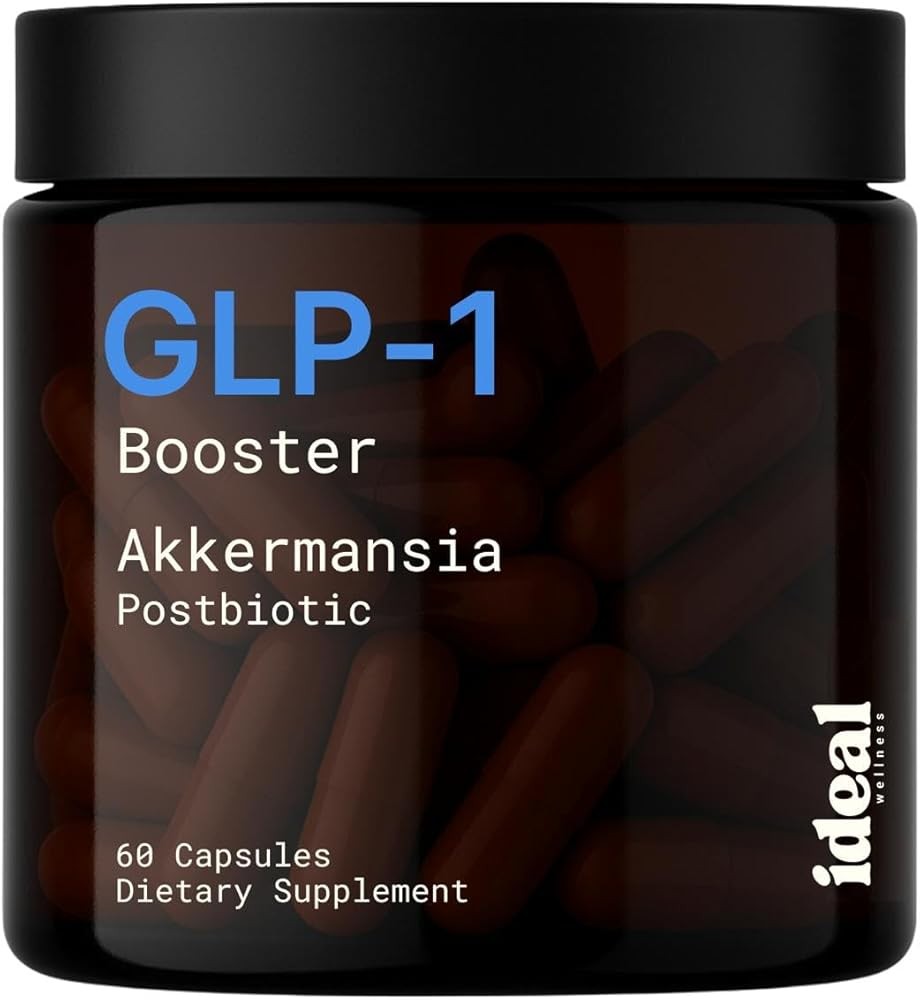
Several of the products on the market, including the ones we review above, combine berberine with Akkermansia, inulin, and sometimes green tea or curcumin into a single capsule. The logic is sound in principle: each ingredient targets a different node of the same incretin pathway, and the mechanisms are complementary rather than redundant.
GLP-1 Booster with Akkermansia Muciniphila
Check Price on AmazonAs an Amazon Associate we earn from qualifying purchases.
The honest caveats are dose and transparency. Combination formulas frequently underdose the expensive ingredient (usually Akkermansia) to keep the price down, and many never state the strain or CFU count. Before buying any stacked product, check three things on the label: the berberine dose (look for 500 mg per serving so that two servings reach the trial-tested 1000 mg range), the Akkermansia strain and CFU (the clinical trial used 10 billion CFU daily of a specific strain), and the fiber type and grams. A formula that hits research-relevant doses of at least two ingredients can be a reasonable convenience; a formula that hides its doses is a reason to buy the ingredients separately instead.
How Do Natural Stacks Compare With Drugs on Cost and Results?
Money is a fair lens for comparing these options, because it forces the effectiveness difference into plain numbers.
Semaglutide (Ozempic/Wegovy): roughly $900-$1,100 per month without insurance, plus the doctor visits and labs that responsible use requires. The outcome, in trials, averages 10-15% body weight loss over about a year, with meaningful improvements in cardiovascular risk in people with obesity or diabetes.
The natural stack: berberine at ~$25-40/month, yerba mate at a few dollars per week as tea, inulin fiber at ~$15-25/month, Akkermansia probiotics at $30-60/month. A full stack runs roughly $80-150/month. The realistic outcome across the research is 1-3% body weight over 3-6 months, better fasting glucose and lipids for berberine specifically, and gut-health benefits from the fiber that have value beyond weight.
Lifestyle changes: free, and the evidence from the Diabetes Prevention Program and similar trials puts structured diet-plus-activity interventions at roughly 5-7% weight loss with durable metabolic benefits.
The arithmetic most people should run is not supplement-versus-drug, but supplement-versus-lifestyle-first. If you have not yet built a protein-forward, fiber-rich eating pattern and a walking habit, spending $100/month on the natural stack before doing those is buying the garnish before the meal. If you have done the lifestyle work and still want modest additional support - or if you cannot access or tolerate GLP-1 drugs - the natural stack is a legitimate, evidence-informed next step.
If your BMI is over 30, or you have type 2 diabetes and are not on a GLP-1 drug because of cost or access, the highest-value conversation is with a clinician about generic alternatives (liraglutide generics are emerging), patient assistance programs, and whether you qualify for the drugs at all. Supplements are not the substitute for that conversation.
The Bottom Line on Natural GLP-1 Supplements
Natural supplements like berberine, yerba mate, and prebiotic fibers do interact with GLP-1 physiology through legitimate, research-backed mechanisms. They can produce modest increases in GLP-1 secretion, improve insulin sensitivity, support gut health, and lead to small but meaningful reductions in body weight and metabolic markers.
But they are not pharmaceutical GLP-1 receptor agonists. They do not replicate the magnitude, duration, or clinical outcomes of drugs like semaglutide. Marketing claims that position these compounds as “nature’s Ozempic” are misleading and set unrealistic expectations.
For individuals seeking complementary metabolic support, particularly those interested in gut microbiome health, natural GLP-1 boosters are a reasonable option. But they should be understood for what they are: modest interventions that work best as part of a comprehensive approach to metabolic health, not standalone replacements for evidence-based medical treatment.
If you have obesity, type 2 diabetes, or cardiovascular risk factors, talk to your doctor about whether pharmaceutical GLP-1 receptor agonists are appropriate for you. If you are pursuing natural strategies, set realistic expectations, choose evidence-based compounds, and monitor your response.
For more context, see our guide on Natural GLP-1 for Weight Loss vs. Prescription Ozempic: The Complete Women’s Guide (Pre- and Post-Menopause).
Related Reading
- Natural GLP-1 for Weight Loss vs. Prescription Ozempic: The Complete Women’s Guide
- Berberine for Blood Sugar and Weight Loss: Complete Research Review
- Ozempic and Muscle Loss: What the Research Shows About GLP-1 Drugs and Body Composition
- Best Supplements for Ozempic Side Effects and Nutrient Depletion
- How to Improve Gut Health Naturally: Evidence-Based Guide
- Best Supplements for Gut Health: Complete Guide
- Best Probiotics for Bloating and Gas: Strain-Specific Guide
- Best Supplements for IBS: Probiotics, Fiber, and More
- Berberine for Blood Sugar and Weight Loss
Recommended Products