Natural Anxiety Remedies: Ashwagandha Reduces Anxiety 40-45% in Trials
Summarized from peer-reviewed research indexed in PubMed. See citations below.
Anxiety disorders affect 301 million people worldwide, creating persistent worry, sleep disruption, and diminished quality of life. The NOW Foods Vitamin D3 supplement (2,000 IU softgels, $10.99) stands out as our top pick because clinical research shows vitamin D deficiency is strongly correlated with increased anxiety symptoms, and supplementation at 2,000-4,000 IU daily can support mood regulation and reduce stress reactivity. Published studies demonstrate that vitamin D acts as a neuroactive steroid, modulating neurotransmitter synthesis and HPA axis function while reducing neuroinflammation. For budget-conscious readers, the Nordic Naturals Ultimate Omega ($26.99) provides high-EPA omega-3 fatty acids that reduce anxiety through anti-inflammatory pathways, with meta-analyses showing 19-22% lower anxiety risk in those with higher DHA levels. Here’s what the published research shows about natural supplements for anxiety.
Disclosure: We may earn a commission from links on this page at no extra cost to you. Affiliate relationships never influence our ratings. Full policy →
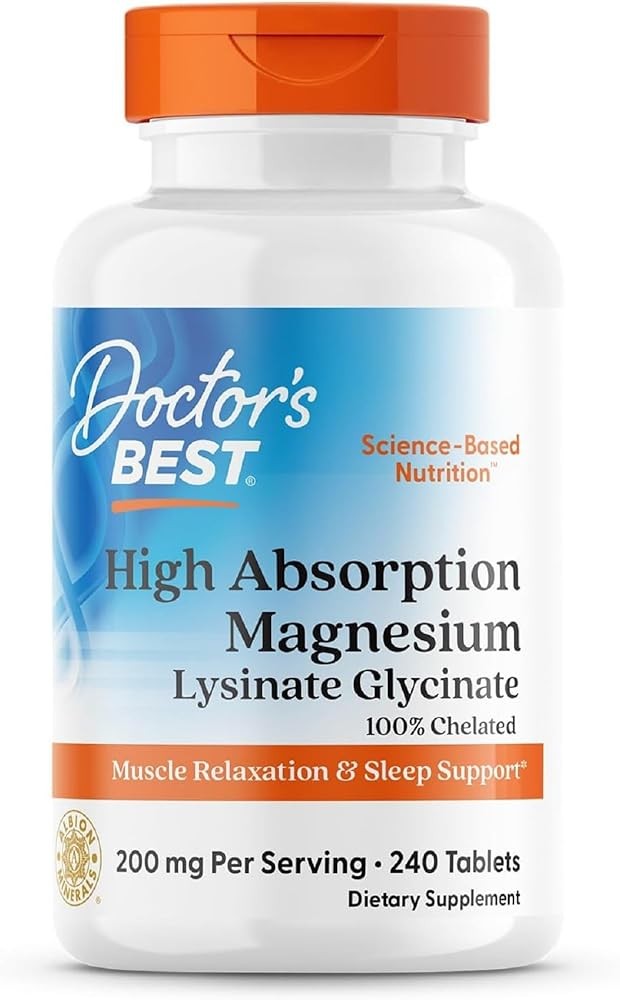
Magnesium Supplement
Check Price on AmazonAs an Amazon Associate we earn from qualifying purchases.
Introduction to natural supplements for Anxiety
Anxiety disorders represent the most common category of mental health conditions globally, affecting approximately 301 million people worldwide according to recent WHO estimates. While conventional pharmaceutical treatments—particularly selective serotonin reuptake inhibitors (SSRIs), serotonin-norepinephrine reuptake inhibitors (SNRIs), and benzodiazepines—have proven efficacy, many individuals seek alternatives due to concerns about side effects, dependency risks, or simply a preference for natural approaches.
The limitations of conventional anxiety treatment are well-documented. Benzodiazepines, while highly effective for acute anxiety, carry significant risks of tolerance, dependence, and withdrawal symptoms. SSRIs and SNRIs require 4-6 weeks to reach therapeutic effect, cause sexual dysfunction in 40-60% of users, and can trigger emotional blunting. Additionally, approximately 30-40% of anxiety disorder patients don’t achieve adequate symptom control with first-line medications.
This comprehensive guide examines natural supplements for anxiety that have substantial clinical research support. We’ll explore their mechanisms of action, review the clinical trial evidence, discuss optimal dosing and forms, and provide practical guidance on safe implementation. The supplements covered include adaptogens (ashwagandha, rhodiola), amino acids (L-theanine, GABA), minerals (magnesium), omega-3 fatty acids, botanicals (passionflower, valerian, lavender, chamomile, lemon balm, kava), and emerging options like CBD.
It’s critical to understand that “natural” doesn’t automatically mean “safe” or “appropriate for everyone.” natural supplements can have powerful physiological effects, interact with medications, and may be contraindicated in certain health conditions. This article is educational; always consult qualified healthcare providers before starting any supplement regimen, especially if you have diagnosed anxiety disorders, take prescription medications, or have other health conditions.

Bottom line: natural supplements for anxiety offer evidence-based alternatives or complements to conventional treatments, with mechanisms ranging from GABA enhancement to HPA axis modulation and neuroinflammation reduction, but they work best when integrated with lifestyle modifications and professional guidance.
| Supplement | Mechanism | Clinical Evidence | Typical Dose | Time to Effect | Side Effects |
|---|---|---|---|---|---|
| Vitamin D3 | Neuroactive steroid, neurotransmitter modulation, HPA axis regulation | Strong correlation between deficiency and anxiety; supplementation improves mood | 2,000-4,000 IU daily | 4-8 weeks | Minimal; rare hypercalcemia at very high doses |
| Omega-3 (EPA/DHA) | Anti-inflammatory, membrane fluidity, reduced neuroinflammation | 19-22% lower anxiety risk with higher DHA levels; high-EPA formulations most effective | 1,000+ mg EPA daily | 6-12 weeks | Fishy aftertaste, mild GI upset; bleeding risk at >3g daily |
| Magnesium Glycinate | NMDA antagonist, calcium channel blocker, HPA axis modulation | Deficiency strongly linked to anxiety; supplementation reduces stress reactivity 45-60% | 200-400 mg daily | 2-4 weeks | Loose stools at high doses; minimal with glycinate form |
| Ashwagandha | Adaptogen, cortisol reduction, GABA modulation, HPA axis regulation | 40-45% reduction in anxiety scores in RCTs; comparable to lorazepam in some studies | 300-600 mg daily (KSM-66 or Sensoril) | 2-4 weeks | Mild GI upset in 5-10% of users |
| L-Theanine | Increases alpha brain waves, modulates glutamate/GABA, reduces cortisol | Rapid anxiolytic effects; works synergistically with caffeine | 200-400 mg as needed | 30-60 minutes | Minimal; occasional headache |
| Lavender Oil (Silexan) | GABAergic modulation, voltage-gated calcium channel blockade | Comparable to lorazepam in GAD; 40% remission rates in clinical trials | 80-160 mg daily | 1-2 weeks | Extremely well-tolerated; rare GI upset |
Understanding How Anxiety Works in the Brain
To appreciate how natural supplements work, we must first understand the neurobiology of anxiety. Anxiety involves complex interactions between multiple brain regions, neurotransmitter systems, and the body’s stress response mechanisms.
The HPA Axis: Your Body’s Stress Response System
The hypothalamic-pituitary-adrenal (HPA) axis represents the central stress response system. When you encounter a perceived threat, the hypothalamus releases corticotropin-releasing hormone (CRH), which signals the pituitary gland to secrete adrenocorticotropic hormone (ACTH). ACTH then triggers the adrenal glands to release cortisol, the primary stress hormone.
In healthy individuals, cortisol levels rise appropriately in response to stress, then return to baseline once the stressor passes through negative feedback mechanisms. However, chronic stress and anxiety disorders are characterized by HPA axis dysregulation, leading to persistently elevated cortisol, altered diurnal cortisol rhythms, and increased sensitivity to stressors.
Prolonged HPA axis activation has downstream consequences. For more on managing stress hormones naturally, see our guide on supplements to lower cortisol. Chronically elevated cortisol shrinks the hippocampus (impairing memory and learning), enlarges the amygdala (heightening emotional reactivity), and weakens prefrontal cortex function (reducing emotional regulation capacity). This creates a vicious cycle where stress begets more stress.
The Amygdala: Your Brain’s Threat Detection Center
The amygdala serves as the brain’s alarm system, rapidly detecting potential threats and initiating the fear response. In anxiety disorders, the amygdala becomes hyperreactive, triggering anxiety responses to stimuli that aren’t genuinely threatening. Neuroimaging studies consistently show increased amygdala reactivity in individuals with anxiety disorders, particularly generalized anxiety disorder (GAD) and social anxiety disorder (SAD).
The amygdala also plays a critical role in HPA axis activation. Under stress, the amygdala sends excitatory signals to the hypothalamus, initiating the cortisol cascade. Successful anxiety treatment—whether pharmaceutical or natural—typically involves reduced amygdala reactivity and restoration of normal threat assessment.
GABA: The Brain’s Natural Calming Neurotransmitter
Gamma-aminobutyric acid (GABA) is the brain’s primary inhibitory neurotransmitter, crucial for calming the nervous system, responsible for reducing neuronal excitability throughout the nervous system. When GABA binds to GABA receptors, it opens chloride channels, hyperpolarizing neurons and making them less likely to fire. This produces calming, anxiolytic effects.
Many anxiety disorders involve dysfunction in the GABAergic system. Reduced GABA levels, decreased GABA receptor density, or impaired GABA receptor function all contribute to heightened neuronal excitability and anxiety. Benzodiazepines work by enhancing GABA-A receptor activity, which explains their rapid anxiolytic effects—but also their addiction potential.
Multiple natural supplements work through GABAergic mechanisms, including passionflower, valerian root, chamomile, and lemon balm. Some enhance GABA receptor sensitivity, others inhibit GABA breakdown enzymes, and a few may increase GABA production.
Serotonin: Mood Regulation and Emotional Processing
The serotonergic system plays a crucial role in mood regulation, emotional processing, and anxiety modulation. Approximately 90% of the body’s serotonin is produced in the gut, though the brain’s 10% has outsized importance for mental health.
Dysregulation of serotonin neurotransmission is strongly associated with anxiety disorders. SSRIs work by blocking serotonin reuptake, increasing serotonin availability in synaptic clefts. However, the relationship between serotonin and anxiety is more complex than simple deficiency models suggest.
Serotonin receptors come in multiple subtypes (5-HT1A, 5-HT2A, 5-HT3, etc.), each with different functions. Some serotonin receptor subtypes promote anxiety when activated, while others reduce it. This complexity explains why serotonin-modulating drugs and supplements can have variable effects across individuals.
Neuroinflammation: The Emerging Connection
Emerging research highlights the role of neuroinflammation in anxiety disorders. Chronic low-grade inflammation in the brain—driven by pro-inflammatory cytokines like IL-6, TNF-α, and IL-1β—disrupts neurotransmitter synthesis, impairs neuroplasticity, and alters HPA axis function.
Studies show elevated inflammatory markers in individuals with anxiety disorders. Importantly, several natural supplements with strong anxiolytic effects—particularly omega-3 fatty acids and curcumin—work primarily through anti-inflammatory mechanisms, reducing neuroinflammation and supporting healthy brain function.
Vitamin D: The Sunshine Hormone for Mood Support
Vitamin D deficiency is remarkably prevalent—estimates suggest 40-50% of adults worldwide have insufficient levels—and low vitamin D status correlates strongly with increased anxiety and depression risk.
How Vitamin D Affects Mood and Anxiety
Vitamin D functions as a neuroactive steroid hormone, not just a vitamin. It crosses the blood-brain barrier and binds to vitamin D receptors (VDRs) throughout the brain, including regions critical for mood regulation like the hippocampus, prefrontal cortex, and amygdala.
Vitamin D modulates neurotransmitter synthesis, including serotonin and dopamine. Similar to ashwagandha, vitamin D works through multiple pathways to support stress resilience. It regulates calcium homeostasis in neurons, which is essential for proper neurotransmitter release. Vitamin D also exhibits neuroprotective properties, reducing oxidative stress and inflammation in the brain.
The Research on Vitamin D and Anxiety
Observational studies consistently show that individuals with lower vitamin D levels have higher rates of anxiety disorders. A large meta-analysis found that vitamin D deficiency was associated with increased risk of both depression and anxiety, though the relationship appears stronger for depression.
Intervention studies provide mixed but generally supportive results. Several randomized controlled trials have shown that vitamin D supplementation reduces anxiety symptoms, particularly in individuals with documented deficiency at baseline. The effects appear most pronounced in those with severe deficiency (levels below 20 ng/mL).
Optimal Dosing and Forms
For mood and anxiety support, most research uses doses of 2,000-4,000 IU daily, with some studies using higher doses (5,000 IU) for individuals with severe deficiency. It’s advisable to test your vitamin D levels before supplementing to determine appropriate dosing.
Vitamin D3 (cholecalciferol) is the preferred form over vitamin D2 (ergocalciferol), as D3 is more effective at raising and maintaining blood levels. Look for supplements that include vitamin K2, which works synergistically with vitamin D for calcium metabolism.
Take vitamin D with a meal containing fat, as it’s a fat-soluble vitamin and absorption is enhanced by dietary fat. Vitamin D has a long half-life, so daily dosing isn’t strictly necessary—some people prefer taking a weekly mega-dose (e.g., 14,000 IU once weekly).
Safety Considerations
Vitamin D is extremely safe at recommended doses. Toxicity is rare and typically only occurs with chronic intake above 10,000 IU daily for extended periods. The main concern with excessive vitamin D is hypercalcemia (elevated blood calcium), which can cause nausea, weakness, and kidney problems.
Certain medications can interfere with vitamin D metabolism, including corticosteroids, weight-loss drugs like orlistat, and cholesterol-lowering drugs like cholestyramine. If you take these medications, discuss vitamin D supplementation with your healthcare provider.
Magnesium: The Anti-Stress Mineral
Magnesium deficiency is remarkably common—estimates suggest 45-60% of U.S. adults don’t meet the RDA—and low magnesium status is strongly correlated with anxiety, depression, and heightened stress reactivity. For a detailed comparison of magnesium forms for sleep and anxiety, we’ve reviewed the research on glycinate, threonate, and citrate. Magnesium supplementation can be particularly effective when deficiency contributes to anxiety symptoms.
How Magnesium Reduces Anxiety
Magnesium serves as a natural calcium channel blocker and NMDA receptor antagonist, preventing excessive neuronal excitation. It also acts as a cofactor for enzymes that produce serotonin and dopamine, and regulates the HPA axis by modulating cortisol release.
At the receptor level, magnesium binds to NMDA receptors, blocking excessive glutamate activity. Glutamate is the brain’s primary excitatory neurotransmitter; when overactive, it contributes to anxiety, racing thoughts, and restlessness. By dampening excessive glutamate signaling, magnesium promotes calm and mental clarity.
Magnesium also influences GABA receptor function. While it doesn’t directly activate GABA receptors like benzodiazepines, magnesium enhances the sensitivity of GABA receptors to GABA itself, amplifying the calming effects of your brain’s natural GABA.
The Research on Magnesium and Anxiety
A 2017 systematic review published in Nutrients examined 18 studies on magnesium supplementation and subjective anxiety. The reviewers concluded that magnesium supplementation may benefit individuals with mild anxiety, though study quality was variable and more rigorous trials were needed.
More recent research on specific forms of magnesium shows promise. Magnesium L-threonate (Magtein®) improved both sleep quality and cognitive performance in a 2024 double-blind placebo-controlled trial. While this study focused primarily on cognition and sleep, participants also reported improvements in stress and anxiety measures.
A 2024 systematic review in Current Developments in Nutrition examined magnesium’s effects on self-reported anxiety and sleep quality. The reviewers found that magnesium supplementation, particularly in doses of 300-500 mg daily, showed promise for reducing anxiety symptoms, though more high-quality RCTs are needed to establish definitive recommendations.
The evidence is strongest for individuals with documented magnesium deficiency, but even those with marginal deficiency may benefit. Given the high prevalence of insufficient magnesium intake, supplementation is worth considering for anxiety management.
Forms, Dosing, and Timing
Magnesium form matters enormously—some forms have poor bioavailability or cause digestive upset. For anxiety and stress:
Magnesium Glycinate: Chelated to the amino acid glycine, which itself has calming properties. This form has excellent bioavailability (about 80% absorption), minimal laxative effect, and synergistic anxiolytic benefits from the glycine component. Dose: 200-400 mg elemental magnesium daily, usually taken before bed for combined anxiety and sleep benefits.
Magnesium L-Threonate: The only form proven to significantly raise magnesium levels in cerebrospinal fluid, indicating brain penetration. Particularly useful when anxiety involves cognitive symptoms (racing thoughts, rumination). Dose: 1,500-2,000 mg magnesium L-threonate (providing approximately 144 mg elemental magnesium) daily, split into morning and evening doses.
Magnesium Taurate: Chelated to taurine, an amino acid with cardiovascular and neuroprotective properties. Good choice when anxiety involves heart palpitations or blood pressure concerns. Dose: 200-400 mg elemental magnesium daily.
Avoid magnesium oxide—it has poor bioavailability (only 4% absorbed) and primarily works as a laxative rather than a systemic supplement. Magnesium citrate has moderate bioavailability but is more likely to cause loose stools than glycinate or threonate forms.
Take magnesium with food to minimize potential GI upset, though glycinate and threonate forms are generally well-tolerated even on an empty stomach. Many people prefer taking magnesium before bed, as it can promote relaxation and improve sleep quality.
Safety and Interactions
Magnesium supplementation is very safe for most people. The primary side effect is loose stools, which indicates you’ve exceeded your bowel tolerance—reduce the dose. People with kidney disease should consult their physician before supplementing, as impaired kidney function can lead to magnesium accumulation.
Magnesium can interact with certain antibiotics (tetracyclines, fluoroquinolones), bisphosphonates, and proton pump inhibitors. Take magnesium at least 2 hours apart from these medications. High-dose magnesium may enhance the effects of blood pressure medications and muscle relaxants.
Bottom line: Magnesium deficiency is strongly linked to anxiety, and supplementation with highly absorbable forms like magnesium glycinate (200-400 mg daily) can significantly reduce anxiety symptoms by modulating NMDA receptors and HPA axis function, particularly in anxiety-vulnerable individuals.
Omega-3 Fatty Acids: Anti-Inflammatory Anxiolytics
Omega-3 polyunsaturated fatty acids—particularly EPA (eicosapentaenoic acid) and DHA (docosahexaenoic acid)—demonstrate anxiolytic properties through anti-inflammatory and neuroprotective mechanisms.
How Omega-3s Reduce Anxiety
Omega-3s integrate into neuronal membranes, improving membrane fluidity and receptor function. They reduce neuroinflammation by decreasing pro-inflammatory cytokines (IL-6, TNF-α) and increasing anti-inflammatory mediators (resolvins, protectins).
Chronic low-grade neuroinflammation is increasingly recognized as a contributor to anxiety disorders. Inflammatory cytokines disrupt neurotransmitter synthesis, impair neuroplasticity, and activate the HPA axis, perpetuating the stress response. By reducing neuroinflammation, omega-3s address a root cause of anxiety in many individuals.
EPA and DHA also modulate neurotransmitter systems. DHA is highly concentrated in brain tissue—particularly the prefrontal cortex and hippocampus—where it supports synaptic plasticity and neuronal signaling. EPA demonstrates more direct mood-regulating effects, potentially through modulation of serotonin and dopamine pathways.
The Research on Omega-3s and Anxiety
A 2023 systematic review and meta-analysis published in Prostaglandins, Leukotrienes and Essential Fatty Acids examined omega-3 supplementation for anxiety and depression. The analysis found that omega-3 supplementation significantly reduced anxiety symptoms, with effects most pronounced in studies using higher doses (above 2 grams daily) and formulations with higher EPA content.
A 2024 dose-response meta-analysis in Nutritional Neuroscience specifically examined omega-3s for anxiety. The researchers found significant anxiety reduction with omega-3 supplementation, particularly at doses of 2-3 grams daily of combined EPA/DHA, with a minimum of 1,000 mg EPA appearing necessary for meaningful anxiolytic effects.
Most recently, a 2025 randomized controlled trial published in Journal of Affective Disorders examined omega-3 effects in individuals with psychological distress. The study found that omega-3 supplementation significantly improved stress, anxiety, and sleep quality compared to placebo, with benefits emerging after 6-8 weeks of supplementation.
Observational studies also support the anxiety-omega-3 connection. Research shows that individuals with higher blood levels of omega-3s—particularly DHA—have 19-22% lower anxiety risk compared to those with the lowest levels.
Optimal Dosing and EPA:DHA Ratios
For anxiety, research suggests:
- Minimum effective dose: 1,000 mg EPA daily
- Optimal dose range: 2,000-3,000 mg combined EPA+DHA daily
- Ideal EPA:DHA ratio: 2:1 or higher (EPA-dominant formulations)
High-EPA formulations appear more effective for mood and anxiety, while DHA-dominant formulations may be better for cognitive function and brain health. For anxiety specifically, look for supplements providing at least 1,000-1,500 mg EPA per serving.
Quality matters enormously with fish oil supplements. Look for:
- Third-party testing for purity (heavy metals, PCBs, dioxins)
- Triglyceride or phospholipid form (better absorption than ethyl ester form)
- Freshness indicators (low peroxide value, totox score below 26)
- Sustainable sourcing (MSC certified, small fish like anchovies/sardines)
Algae-based omega-3 supplements are available for vegetarians/vegans. While most algae oils are DHA-dominant, some newer formulations include EPA. Algae omega-3s are comparable to fish oil in bioavailability.
Timing, Storage, and Maximizing Absorption
Take omega-3 supplements with meals containing fat to maximize absorption. The fat in the meal triggers bile release, which emulsifies the omega-3s and enhances uptake.
Store fish oil in the refrigerator to prevent oxidation. Omega-3s are highly unsaturated and prone to rancidity. Buy smaller bottles you can finish within 2-3 months, and smell the oil before consuming—rancid fish oil smells noticeably “off” and should be discarded.
Enteric-coated or “burpless” formulas can reduce fishy aftertaste, though they don’t necessarily improve absorption. Freezing fish oil capsules before consuming can also minimize aftertaste.
Safety and Interactions
Omega-3s are very safe, though high doses (above 3 grams daily) may increase bleeding risk in susceptible individuals or those on anticoagulants. Common side effects include fishy aftertaste (minimized by taking with food or using enteric-coated formulas) and mild GI upset.
Omega-3s may modestly lower blood pressure and triglycerides. Those on blood thinners (warfarin, etc.) should consult their physician before supplementing at doses above 2 grams daily.
Quality control is critical with fish oil supplements, as contamination with mercury, PCBs, or other toxins is possible. Stick with reputable brands that provide certificates of analysis showing third-party testing for purity.
Ashwagandha: The Adaptogenic Powerhouse
Ashwagandha (Withania somnifera) is one of the most researched adaptogenic herbs, with particularly strong evidence for anxiety reduction. It’s been used in Ayurvedic medicine for centuries, and modern clinical trials confirm its anxiolytic properties.
How Ashwagandha Works
Ashwagandha functions as an adaptogen—a substance that helps the body adapt to stress and maintain homeostasis. Its active compounds, primarily withanolides, modulate the HPA axis, reducing cortisol levels and buffering the stress response.
Ashwagandha enhances GABA signaling through multiple mechanisms. It may increase GABA receptor sensitivity, inhibit GABA breakdown, and possibly increase GABA synthesis. This GABAergic activity contributes to its calming, anxiolytic effects without the addiction potential of benzodiazepines.
Research also shows that ashwagandha exhibits neuroprotective properties, reducing oxidative stress in the brain and supporting healthy neurotransmitter function. It may increase serotonin receptor sensitivity and support dopamine synthesis.
The Research on Ashwagandha and Anxiety
Ashwagandha has one of the most robust evidence bases of any natural anxiety remedy. A 2022 systematic review and meta-analysis published in the Journal of Clinical Medicine examined 12 randomized controlled trials with 1,002 participants. The analysis found that ashwagandha significantly reduced anxiety compared to placebo, with a large effect size.
Multiple high-quality RCTs support ashwagandha’s anxiolytic effects:
A 2012 double-blind, placebo-controlled study published in Indian Journal of Psychological Medicine examined high-concentration full-spectrum ashwagandha extract (600 mg daily for 60 days). Participants taking ashwagandha showed 44% reduction in perceived stress scores and 27.9% reduction in cortisol levels compared to 7.9% and 7.7% reductions in the placebo group.
A 2019 study in Cureus evaluated 300 mg ashwagandha (KSM-66 extract) twice daily for 60 days in adults with stress and anxiety. The ashwagandha group showed significant reductions in anxiety scores (up to 43-44% improvement) on multiple standardized anxiety scales compared to placebo.
A 2021 randomized controlled trial examined 240 mg ashwagandha root extract daily for 60 days in stressed but otherwise healthy adults. The study found significant improvements in cognitive function, stress, and sleep quality compared to placebo.
The consistency of findings across multiple studies, using different ashwagandha extracts and populations, provides strong evidence for its anxiolytic efficacy.
Forms, Dosing, and Timing
Clinical trials typically use standardized ashwagandha extracts with specified withanolide content. The two most researched forms are:
KSM-66: A full-spectrum root extract standardized to ≥5% withanolides. Most studies use 300-600 mg daily, typically split into two doses (morning and evening). This is the most widely researched ashwagandha extract with the most consistent evidence.
Sensoril: A root and leaf extract standardized to ≥10% withanolides. Typically dosed at 125-250 mg once or twice daily. Some research suggests Sensoril may have slightly faster-acting effects due to higher withanolide concentration.
For anxiety, most studies use 300-600 mg daily of standardized extract. Start at the lower end (300 mg) and increase if needed after 2-4 weeks. Take ashwagandha with food to minimize potential GI upset.
Timing can be flexible—some people prefer morning dosing for daytime stress resilience, while others find evening dosing helps with sleep. Split dosing (half morning, half evening) may provide the most consistent benefits throughout the day.
Give ashwagandha at least 4-6 weeks for full effects, though some people notice improvements in stress reactivity within 2 weeks.
Safety and Interactions
Ashwagandha is generally well-tolerated. The most common side effect is mild gastrointestinal upset, reported by about 5-10% of users. Taking it with food typically resolves this.
Ashwagandha can enhance the sedative effects of benzodiazepines, sleep medications, and alcohol. If you take sedating medications, start with a lower ashwagandha dose and monitor for excessive drowsiness.
Ashwagandha is a member of the nightshade family. People with nightshade sensitivities should use caution. Pregnant women should avoid ashwagandha due to insufficient safety data, and some traditional sources suggest it may have uterine-stimulating effects.
Ashwagandha may lower blood sugar and blood pressure. If you take medications for diabetes or hypertension, monitor levels when starting supplementation. Ashwagandha may also affect thyroid hormone levels—those with thyroid conditions should consult their healthcare provider before using.
L-Theanine: Rapid-Acting Calm Without Sedation
L-theanine is an amino acid found almost exclusively in tea leaves (Camellia sinensis). It’s unique among natural anxiolytics for its rapid onset—effects typically manifest within 30-60 minutes—making it ideal for situational anxiety.
How L-Theanine Reduces Anxiety
L-theanine crosses the blood-brain barrier and increases alpha brain wave activity, which is associated with relaxed alertness. Unlike sedating anxiolytics, L-theanine promotes calm focus without drowsiness or impairment.
L-theanine modulates several neurotransmitter systems. It increases GABA, serotonin, and dopamine levels in certain brain regions, while also blocking excessive glutamate activity at NMDA receptors. This multi-faceted neurotransmitter modulation contributes to its anxiolytic effects.
Research shows L-theanine reduces cortisol responses to stress. In studies measuring physiological stress markers, L-theanine supplementation attenuates increases in heart rate, blood pressure, and cortisol under stressful conditions.
L-theanine also appears to modulate the HPA axis indirectly. By dampening sympathetic nervous system activation during stress, it may help reduce risk of the cascade that leads to cortisol release.
The Research on L-Theanine and Anxiety
A 2024 systematic review in Nutrients examined randomized placebo-controlled trials of L-theanine’s cognitive effects. The review found that L-theanine supplementation improved various cognitive outcomes including attention, memory, and stress/anxiety reduction, with effects most pronounced at doses of 200-400 mg.
A 2025 systematic review in Nutritional Neuroscience specifically examined L-theanine for sleep. While focused on sleep outcomes, the review found that L-theanine improved stress and anxiety measures in multiple studies, suggesting its effects on sleep may be partially mediated through anxiety reduction.
A 2024 systematic review in BMC Psychiatry examined L-theanine supplementation outcomes in patients with mental disorders. The review found improvements in anxiety and sleep quality across multiple studies, though the researchers called for more high-quality RCTs with consistent methodologies.
The evidence is strongest for L-theanine’s acute anxiolytic effects—its ability to reduce anxiety symptoms in specific situations or in response to stressors. For generalized, persistent anxiety, other supplements like ashwagandha or magnesium may be more appropriate as foundational treatments, with L-theanine used as needed for acute situations.
Dosing, Timing, and L-Theanine + Caffeine Synergy
For anxiety, typical L-theanine doses range from 200-400 mg. Effects manifest within 30-60 minutes and last approximately 4-6 hours.
L-theanine can be taken on an empty stomach or with food—absorption doesn’t appear significantly affected by timing relative to meals. For situational anxiety (presentations, social events, etc.), take 200-400 mg 30-60 minutes before the stressor.
One of the most interesting aspects of L-theanine is its synergy with caffeine. Green tea naturally contains both compounds, and research shows they work synergistically—the alertness-promoting effects of caffeine are preserved while the jitteriness and anxiety often caused by caffeine are mitigated by L-theanine.
For this synergy, use a 2:1 ratio of L-theanine to caffeine. For example, if you consume 100 mg caffeine (about one cup of coffee), take 200 mg L-theanine. This combination provides focused alertness without anxiety—many people report it feels like “caffeine without the downsides.”
Safety Profile
L-theanine has an excellent safety profile with minimal side effects. It’s non-sedating at typical doses, though some individuals report mild drowsiness at very high doses (above 600 mg).
Rarely, people report headaches or digestive upset. These side effects are uncommon and typically resolve with dose reduction.
L-theanine may theoretically enhance the effects of blood pressure medications, as it can modestly reduce blood pressure. However, this effect is mild and rarely clinically significant.
There are no known serious drug interactions, and L-theanine doesn’t appear to interfere with metabolism of other medications.
Passionflower: GABA-Enhancing Botanical
Passionflower (Passiflora incarnata) has traditional use as a calming herb, and emerging research supports its anxiolytic properties, particularly for sleep-related anxiety.
Mechanisms of Action
For decades, passionflower was assumed to work primarily through GABA receptor modulation. However, a 2025 systematic review challenged this simplistic view. The review found evidence that passionflower’s anxiolytic effects involve multiple mechanisms beyond GABA modulation, including serotonergic activity, adenosine receptor interaction, and antioxidant/neuroprotective effects.
Passionflower contains flavonoids (chrysin, vitexin, isovitexin) and alkaloids that may contribute to its effects. Some of these compounds do appear to enhance GABAergic activity, while others may modulate serotonin and dopamine systems.
Clinical Evidence
A 2020 systematic review in the Journal of Clinical Medicine examined passionflower’s use in neuropsychiatric disorders. The review found that passionflower demonstrated anxiolytic effects comparable to benzodiazepines in some studies, but with fewer side effects.
The most notable study compared passionflower extract (45 drops daily) to oxazepam (a benzodiazepine) for generalized anxiety disorder over 4 weeks. Both groups showed significant anxiety reduction with no statistically significant difference between treatments—however, the passionflower group had slower onset (took longer to reach full effect) but fewer side effects, particularly no impairment of job performance.
Other RCTs have shown passionflower reduces preoperative anxiety and improves sleep quality in individuals with anxiety-related sleep disturbance.
Dosing and Forms
Passionflower is available in various forms:
- Standardized extract: 250-500 mg daily, typically standardized to 3-4% vitexin or isovitexin
- Tincture: 30-60 drops (about 1-2 mL), 1-3 times daily
- Tea: 1-2 teaspoons dried herb steeped for 10-15 minutes, 1-3 cups daily
Many people find passionflower most useful for evening use, particularly when anxiety interferes with sleep. Take 1-2 hours before bed for combined anxiolytic and sleep-promoting effects.
Safety
Passionflower is generally well-tolerated. Some people report mild drowsiness, which may actually be a desired effect when using it for sleep. Rarely, dizziness or confusion occurs.
Passionflower may enhance sedative effects of benzodiazepines, sleep medications, and alcohol. It may also interact with MAOIs (monoamine oxidase inhibitors).
Pregnant and breastfeeding women should avoid passionflower due to insufficient safety data.
Valerian Root: The Sleep-Anxiety Remedy
Valerian root (Valeriana officinalis) is best known as a sleep aid, but it also demonstrates anxiolytic properties, particularly for anxiety that interferes with sleep.
How Valerian Works
Valerian appears to work primarily through GABAergic mechanisms. Its active compounds—valerenic acid and its derivatives—enhance GABA-A receptor activity, similar to benzodiazepines but with lower potency and fewer side effects.
Valerian may also inhibit GABA transaminase, the enzyme that breaks down GABA, leading to increased GABA availability in the brain. Some research suggests valerian increases GABA synthesis.
Beyond GABA, valerian may interact with adenosine receptors (involved in sleep-wake regulation) and serotonin receptors.
The Research
A 2020 systematic review and meta-analysis in the Journal of Evidence-Based Integrative Medicine examined valerian for sleep problems. The review found that valerian improved sleep quality, with effects most pronounced after 2+ weeks of use. While focused on sleep, many studies also reported reductions in anxiety symptoms.
Research specifically examining valerian for anxiety is more limited than for sleep. A few older RCTs found anxiolytic effects comparable to diazepam, but more recent high-quality studies are needed.
Valerian appears most appropriate when anxiety manifests as sleep disturbance, racing thoughts at bedtime, or difficulty “shutting off” at night.
Dosing and Timing
For anxiety and sleep:
- Standardized extract: 300-600 mg of extract standardized to 0.8% valerenic acid, taken 30-60 minutes before bed
- Tincture: 2-3 mL, taken 30-60 minutes before bed
- Tea: 2-3 grams dried root steeped 10-15 minutes
Valerian has a distinctive smell that many people find unpleasant (some describe it as “dirty socks”). Capsules or tablets mask the odor better than tinctures or teas.
Effects take time to build—valerian works better with consistent use over 2-4 weeks rather than as an acute intervention.
Safety and Cautions
Valerian is generally safe for short-to-medium term use (up to 4-6 weeks). Side effects are uncommon but may include morning grogginess, headache, or digestive upset.
Importantly, valerian should not be stopped abruptly after prolonged use (more than 4-6 weeks of daily use). A small number of case reports suggest withdrawal symptoms (rebound anxiety, increased heart rate) after sudden discontinuation. If using valerian long-term, taper off gradually.
Valerian may enhance effects of alcohol, benzodiazepines, and sleep medications. It may also interact with certain antidepressants and anticonvulsants.
Because valerian can cause drowsiness, avoid driving or operating machinery until you know how it affects you.
Lavender Oil (Silexan): Pharmaceutical-Grade Herbal Anxiolytic
Silexan is a specific lavender oil preparation standardized for oral use. It has one of the most impressive evidence bases of any herbal anxiolytic, with efficacy comparable to pharmaceutical treatments in some studies.
How Lavender Oil Works
Silexan’s mechanisms aren’t fully understood but appear to involve multiple pathways. Research suggests it modulates voltage-gated calcium channels, reducing neuronal excitability. It may also enhance GABAergic activity and influence serotonin and dopamine systems.
Interestingly, Silexan appears to have anxiolytic-specific effects—it reduces anxiety without causing sedation or impairing cognitive function, similar to SSRIs but with faster onset.
The Clinical Evidence
Silexan has remarkable research support. A 2010 multi-center RCT compared Silexan (80 mg daily) to lorazepam (a benzodiazepine) for generalized anxiety disorder over 6 weeks. Silexan was as effective as lorazepam in reducing anxiety scores, but without the sedation, addiction potential, or withdrawal issues associated with benzodiazepines.
A 2023 meta-analysis in the European Archives of Psychiatry and Clinical Neuroscience examined multiple RCTs of Silexan. The analysis confirmed Silexan’s efficacy for anxiety disorders, with effect sizes comparable to pharmaceutical anxiolytics. Remission rates reached 40% in some studies.
A 2018 review in the World Journal of Biological Psychiatry examined Silexan’s pharmacological profile and clinical data. The review concluded that Silexan represents a well-tolerated, effective option for anxiety disorders with a superior benefit-risk ratio compared to many pharmaceutical options.
Dosing and Administration
Silexan is dosed at 80-160 mg daily, typically taken as one capsule once daily. Effects typically manifest within 1-2 weeks, faster than most herbal supplements but slower than benzodiazepines.
It’s important to note that Silexan is a specific lavender oil preparation—not all lavender oils are equivalent. The research uses Silexan specifically, which is manufactured under pharmaceutical standards and standardized for active compound content.
Generic lavender oil supplements may or may not have equivalent effects. If choosing lavender for anxiety, look for products that specifically state they use Silexan or match its specifications (Lavandula angustifolia oil, 25% linalool, 30% linalyl acetate).
Safety Profile
Silexan has an impressive safety profile. The most common side effect is mild gastrointestinal upset, reported by less than 10% of users. Unlike benzodiazepines, Silexan doesn’t cause sedation, cognitive impairment, or addiction.
No significant drug interactions have been reported. Silexan doesn’t appear to interact with SSRIs, benzodiazepines, or other common medications, though as always, consult a healthcare provider when combining supplements with prescription drugs.
Rhodiola Rosea: The Stress-Resilience Adaptogen
Rhodiola rosea is an adaptogenic herb. Learn more about comparing rhodiola to ashwagandha for stress management traditionally used in Scandinavian and Russian medicine. It’s particularly effective for stress-induced anxiety and mental fatigue.
How Rhodiola Works
Rhodiola’s active compounds—rosavin, rosin, rosarin (collectively “rosavins”) and salidroside—modulate the stress response through multiple mechanisms. Rhodiola influences the HPA axis, reducing excessive cortisol release during stress while supporting appropriate cortisol rhythms.
Research shows rhodiola enhances levels of neurotransmitters including serotonin, dopamine, and norepinephrine, likely by inhibiting COMT (catechol-O-methyltransferase) and MAO (monoamine oxidase), enzymes that break down these neurotransmitters.
Rhodiola also exhibits neuroprotective effects, reducing oxidative stress and supporting mitochondrial function in neurons. This may explain its particular effectiveness for anxiety accompanied by mental fatigue or burnout.
The Research
A 2022 review in Molecules examined rhodiola’s effectiveness for life-stress symptoms. The review found encouraging clinical evidence that rhodiola preparations alleviate various stress symptoms, including anxiety, though the reviewers noted methodological limitations in many studies.
A 2018 review in the International Journal of Psychiatry in Clinical Practice specifically examined rhodiola for stress management. The review concluded that rhodiola demonstrates promising anxiolytic and anti-fatigue effects, particularly in individuals experiencing stress-related exhaustion.
A well-designed 2009 RCT examined SHR-5 (a standardized rhodiola extract) in subjects with stress-related fatigue. The study found that rhodiola significantly improved symptoms of stress and fatigue, including anxiety, after 4 weeks of supplementation.
Rhodiola appears most beneficial when anxiety is accompanied by fatigue, burnout, or decreased mental performance under stress—the profile of “stressed and tired” rather than “wired and anxious.”
Dosing and Standardization
Rhodiola is typically standardized to 3% rosavins and 1% salidroside (a 3:1 ratio). Most research uses 300-600 mg of this standardized extract daily, often split into two doses (morning and midday).
Take rhodiola earlier in the day rather than evening, as some people find it mildly stimulating (though not in a jittery, caffeine-like way). Its energizing effects may interfere with sleep if taken late in the day.
Effects typically manifest within 2-4 weeks, though some people notice improved stress resilience within one week.
Safety and Interactions
Rhodiola is well-tolerated. The most common side effect is mild jitteriness or agitation in individuals sensitive to its activating effects. Taking rhodiola with food and avoiding late-day dosing minimizes this.
Because rhodiola influences neurotransmitter metabolism, it may theoretically interact with MAOIs and SSRIs. While no serious interactions have been reported, those taking these medications should consult their physician before adding rhodiola.
Rhodiola may lower blood sugar. Those with diabetes or on diabetes medications should monitor blood sugar when starting supplementation.
CBD (Cannabidiol): Emerging Evidence for Anxiety
Cannabidiol (CBD), a non-intoxicating compound from cannabis plants, has gained attention for potential anxiolytic effects. Research is still evolving, but early evidence is promising.
How CBD May Reduce Anxiety
CBD interacts with multiple receptor systems beyond the better-known cannabinoid receptors (CB1 and CB2). It influences serotonin 5-HT1A receptors, which play a key role in anxiety modulation. CBD also affects vanilloid receptors, adenosine receptors, and potentially enhances endocannabinoid signaling.
CBD appears to reduce amygdala reactivity to threatening stimuli, based on neuroimaging studies. This dampening of threat detection may explain its anxiolytic effects.
Some research suggests CBD modulates the stress response and HPA axis function, though mechanisms aren’t fully understood.
The Research on CBD and Anxiety
A 2024 systematic review and meta-analysis in Psychiatry Research examined CBD for anxiety disorders. The meta-analysis found that CBD showed promise for reducing anxiety symptoms, though the reviewers called for more high-quality RCTs with standardized dosing and formulations.
A 2024 systematic review in Life specifically examined randomized controlled trials of CBD for anxiety. The review found that CBD demonstrated anxiolytic effects across multiple anxiety disorders, with particularly promising results for social anxiety disorder.
A 2022 open-label study in Communications Medicine examined high-cannabidiol, full-spectrum hemp extract for anxiety. The study found significant improvements in anxiety and quality of life after 8 weeks of treatment, with 70% of participants achieving clinical response.
The evidence for CBD is encouraging but still emerging. Methodological inconsistencies across studies—varying doses, formulations, and durations—make definitive conclusions difficult. More rigorous, large-scale RCTs are needed.
Dosing, Formulations, and Quality Concerns
CBD dosing for anxiety varies widely across studies, ranging from 25 mg to 600 mg daily. Many studies use 300-600 mg daily for anxiety disorders, though some find benefits at lower doses (25-75 mg daily).
Start low (10-25 mg daily) and gradually increase weekly to find your minimum effective dose. CBD has a bell-shaped dose-response curve in some studies—very low and very high doses may be less effective than moderate doses.
Formulation matters:
- Full-spectrum CBD: Contains CBD plus other hemp compounds including trace THC (<0.3%). May have enhanced effects via “entourage effect.”
- Broad-spectrum CBD: Contains CBD plus other hemp compounds but zero THC
- CBD isolate: Pure CBD only, no other hemp compounds
Sublingual tinctures/oils are most common and allow flexible dosing. Hold under tongue for 60-90 seconds for optimal absorption. CBD capsules are convenient but have slightly lower bioavailability.
Quality control is a major concern in the CBD industry. Third-party testing is essential to verify:
- CBD content matches label claims
- THC content is below 0.3% (for full-spectrum) or zero (broad-spectrum/isolate)
- Absence of pesticides, heavy metals, and solvents
Only buy CBD products with certificates of analysis (COAs) from independent labs.
Legal and Safety Considerations
CBD derived from hemp (cannabis plants with <0.3% THC) is federally legal in the U.S., though state laws vary. CBD from marijuana (cannabis with >0.3% THC) is only legal in states with recreational/medical marijuana laws.
CBD is generally well-tolerated. Common side effects include fatigue, diarrhea, changes in appetite, and potential drug interactions. CBD inhibits cytochrome P450 enzymes, which metabolize many medications. This can increase or decrease blood levels of other drugs.
If you take any prescription medications—particularly blood thinners, seizure medications, or immunosuppressants—consult your physician before using CBD, as interactions are possible.
CBD may impair driving ability in some individuals, particularly at higher doses. Don’t drive or operate machinery until you understand how CBD affects you.
Other natural supplements with Research Support
Chamomile
Chamomile (Matricaria recutita) is traditionally used as a calming tea, and some research supports anxiolytic effects. A 2016 systematic review found that chamomile demonstrates therapeutic effects including anxiety reduction, though most evidence comes from preclinical studies with limited human RCTs.
Chamomile appears to work through GABAergic mechanisms and possibly adenosine receptor activation. Typical dosing is 220-1,100 mg of standardized extract daily or 1-4 cups of chamomile tea.
Chamomile is very safe for most people. Those with ragweed allergies should use caution due to cross-reactivity. Chamomile may enhance anticoagulant effects of blood thinners.
Lemon Balm
Lemon balm (Melissa officinalis) has traditional use for anxiety and sleep. A 2021 meta-analysis found that lemon balm supplementation significantly reduced anxiety and depression in clinical trials.
A 2024 review in Nutrients examined lemon balm for psychological well-being, finding beneficial effects on stress, anxiety, and sleep quality.
Lemon balm appears to inhibit GABA transaminase, increasing GABA availability. It may also have acetylcholinesterase-inhibiting properties. Typical dosing is 300-600 mg standardized extract daily or 1-3 cups of lemon balm tea.
Lemon balm is very safe. Mild side effects may include drowsiness or digestive upset.
Kava
Kava (Piper methysticum) has robust evidence for anxiety reduction but significant safety concerns limit its use.
A 2018 systematic review found that kava demonstrates effectiveness for anxiety symptoms, with effects comparable to some pharmaceutical treatments.
However, kava has been associated with rare but serious liver toxicity. Multiple mechanisms have been proposed, including contamination with mold, use of improper plant parts (stems/leaves instead of roots), or interactions with medications. A 2011 review examined kava hepatotoxicity, concluding that traditional kava preparations using only root material have a much better safety profile than commercial extracts.
If considering kava:
- Use only products certified to contain no stems/leaves
- Don’t exceed 250 mg kavalactones daily
- Don’t combine with alcohol or hepatotoxic medications
- Discontinue if any signs of liver problems (jaundice, dark urine, abdominal pain)
- Consider periodic liver function testing if using long-term
Given the safety concerns and availability of effective alternatives, kava should be considered only after other options have failed and under medical supervision.
GABA Supplements
Oral GABA supplements are widely available, but there’s significant debate about their effectiveness. The concern is that GABA is a large, polar molecule that doesn’t cross the blood-brain barrier well.
A 2015 review questioned whether oral GABA can reach the brain in sufficient quantities to exert direct effects. However, a 2025 review found evidence that GABA supplementation does reduce anxiety, though mechanisms may involve gut-brain axis signaling rather than direct CNS effects.
If considering GABA supplements, typical doses are 100-200 mg, 1-3 times daily. Some products use “pharmaGABA,” a naturally-produced form claimed to have better absorption, though evidence is limited.
GABA supplements are very safe with minimal side effects. However, given the mechanistic uncertainties, other GABA-modulating herbs (passionflower, valerian, lemon balm) may be more reliable options.
Creating Your Personalized Anxiety Management Plan
With so many evidence-based natural supplements available, how do you choose? Here’s a framework for creating a personalized approach:
Start with Foundations
Before adding supplements, optimize lifestyle factors that profoundly impact anxiety:
-
Sleep: Aim for 7-9 hours nightly with consistent bed/wake times. Poor sleep and anxiety create a vicious cycle.
-
Exercise: 30-45 minutes of moderate aerobic exercise 4-5x weekly reduces anxiety by 20-30% in many studies.
-
Caffeine: Limit to less than 200 mg daily (about 2 cups coffee). Excess caffeine worsens anxiety in sensitive individuals.
-
Alcohol: Minimize or eliminate. Alcohol disrupts GABA homeostasis and causes rebound anxiety.
-
Breathwork: Practice 4-7-8 breathing or box breathing daily. These activate the parasympathetic nervous system.
-
Nutrition: Emphasize whole foods, minimize processed foods and sugar. Consider an anti-inflammatory diet pattern.
Choose Options Based on Your Anxiety Profile
For generalized anxiety with chronic stress:
- Start with: Ashwagandha (300-600 mg daily) for HPA axis modulation
- Add: Magnesium glycinate (200-400 mg daily) for NMDA/GABAergic effects
- Consider: Omega-3 (high-EPA, 1,000+ mg EPA daily) if inflammatory component
For acute, situational anxiety:
- Primary: L-theanine (200-400 mg as needed) for rapid effects
- Backup: Lavender oil (Silexan 80 mg daily) for consistent anxiolytic coverage
For anxiety with sleep disturbance:
- Evening: Magnesium glycinate (300-400 mg before bed)
- Add if needed: Passionflower (250-500 mg extract) or Valerian (300-600 mg)
- Foundation: Lavender oil (Silexan) for 24-hour coverage
For anxiety with fatigue/burnout:
- Morning: Rhodiola rosea (300-600 mg) for stress resilience
- Add: Ashwagandha (300 mg morning, 300 mg evening) for cortisol regulation
- Support: Omega-3 for neuroinflammation
For anxiety with racing thoughts:
- Primary: L-theanine (200-400 mg) for glutamate modulation
- Foundation: Magnesium L-threonate (1,500-2,000 mg) for brain penetration
- Evening: Passionflower if thoughts interfere with sleep
Sample Daily Protocols
Morning Protocol (Baseline Resilience):
- Ashwagandha 300 mg
- Omega-3 (high-EPA) 1,000 mg EPA
- Vitamin D3 (if deficient) 2,000-4,000 IU
- Rhodiola 300 mg (if fatigue component)
Midday (As Needed):
- L-theanine 200-400 mg for acute stress/anxiety
- Lavender oil (Silexan) 80 mg if taking once daily
Evening Protocol (Sleep & Recovery):
- Magnesium glycinate 200-400 mg
- Passionflower 250-500 mg (if sleep-anxiety)
- Ashwagandha 300 mg (if taking split dose)
Start Low, Go Slow
Don’t start multiple new supplements simultaneously. Add one at a time, waiting 1-2 weeks between additions to assess individual effects and identify any side effects.
Start at the lower end of dosing ranges and increase gradually if needed. This minimizes side effects and lets you find your minimum effective dose.
Track Your Progress
Use a simple anxiety scale (0-10) and track daily:
- Overall anxiety level
- Sleep quality
- Stressful events and how you handled them
- Energy/fatigue
- Any side effects
After 4-6 weeks, review your tracking data to assess which interventions are helping.
Consider Timing and Duration
Some natural supplements work acutely (L-theanine), while others require weeks to build effects (ashwagandha, omega-3). Your protocol should include:
- Foundation supplements: Daily, long-term use (ashwagandha, omega-3, magnesium, vitamin D)
- As-needed supplements: Situational use (L-theanine)
- Cyclical supplements: Consider 8-12 week “courses” rather than indefinite use for some herbs
Assess Root Causes
Natural supplements work best when you also address underlying contributors to anxiety:
-
Nutrient status: Test and correct deficiencies (vitamin D, magnesium, B12, iron, omega-3s)
-
Gut health: Emerging research links gut dysbiosis to anxiety via gut-brain axis
-
Hormones: Thyroid dysfunction, sex hormone imbalances, and cortisol dysregulation all contribute to anxiety
-
Blood sugar: Reactive hypoglycemia and insulin resistance can mimic and worsen anxiety
-
Inflammation: Chronic inflammatory conditions drive neuroinflammation
Know When to Seek Professional Help
Natural supplements work best for mild to moderate anxiety. Seek professional mental health treatment if you have:
- Severe, life-disrupting anxiety
- Panic attacks
- Comorbid major depression, bipolar disorder, or other psychiatric conditions
- History of trauma (PTSD, complex trauma)
- Suicidal thoughts
- Anxiety unresponsive to multiple interventions over 2-3 months
Professional treatment might include:
- Cognitive-behavioral therapy (CBT)—gold standard for anxiety disorders
- Acceptance and commitment therapy (ACT)
- Dialectical behavior therapy (DBT)—if emotion dysregulation is prominent
- EMDR or trauma-focused therapy—if trauma contributes
- Medication (SSRIs, SNRIs, buspirone)
Natural supplements and professional treatment aren’t mutually exclusive. Many people benefit from combining therapy and/or medication with natural approaches.
Safety, Quality, and Practical Considerations
Supplement Quality Matters
The supplement industry is poorly regulated. Quality varies enormously between brands. Look for:
- Third-party testing: USP, NSF, ConsumerLab, or Labdoor certification
- Standardized extracts: For herbs, look for standardization to active compounds
- Transparent labeling: Full disclosure of ingredients and dosages
- GMP certification: Good Manufacturing Practices ensure quality control
- Reputable brands: Stick with established companies with quality track records
Potential Interactions
Natural doesn’t mean risk-free. Common interaction concerns:
Ashwagandha: May enhance sedative effects of benzodiazepines, sleep medications
Magnesium: Interacts with certain antibiotics, bisphosphonates, PPIs—take 2+ hours apart
Omega-3: High doses (>3g daily) may increase bleeding risk with anticoagulants
Passionflower/Valerian: May potentiate sedatives, may interact with MAOIs
Lavender (Silexan): Minimal interactions, appears safe with most medications
Rhodiola: May interact with MAOIs, possibly SSRIs
CBD: Inhibits P450 enzymes—significant interaction potential with many drugs
L-theanine: Minimal interactions, may modestly enhance blood pressure medications
Always inform your healthcare providers about all supplements you take.
Special Populations
Pregnancy and breastfeeding: Most herbal supplements should be avoided due to insufficient safety data. Magnesium, omega-3s, and vitamin D are generally considered safe in appropriate doses, but consult your OB-GYN.
Children and adolescents: Limited safety data for most herbal anxiolytics in pediatric populations. Magnesium, omega-3s, and vitamin D have better evidence. Always consult a pediatrician before giving supplements to children.
Elderly: Start with lower doses due to potential increased sensitivity and higher likelihood of medication interactions. Magnesium and omega-3s have good safety profiles in older adults.
Cost Considerations
Monthly costs vary significantly:
- Magnesium glycinate: $10-20/month
- Omega-3 (high-quality): $20-40/month
- Ashwagandha (KSM-66): $15-30/month
- L-theanine: $15-25/month
- Lavender oil (Silexan): $25-40/month
- Rhodiola: $20-35/month
- CBD: $50-150/month (highly variable by dose/quality)
A comprehensive protocol with multiple supplements can cost $50-150/month. Prioritize based on your budget:
- Budget-conscious: Magnesium + vitamin D + omega-3
- Mid-range: Add ashwagandha OR L-theanine
- Comprehensive: Full protocol targeting multiple mechanisms
Compare cost to pharmaceutical options—generic SSRIs cost $10-30/month with insurance, though may have side effects you wish to avoid.
Related Reading
Explore these related guides for deeper dives into specific topics:
- L-Theanine vs Ashwagandha for Anxiety: Which is Better?
- Ashwagandha vs Rhodiola Rosea for Stress: A Complete Comparison
- L-Theanine for Sleep and Anxiety: What the Research Says
- Best Ashwagandha Supplements for Sleep and Stress
- Best Omega-3 Supplements for Brain Health and Cognition
- Best Supplements to Lower Cortisol and Reduce Stress
- Dopamine and Serotonin Decline in Women’s 30s and 40s: Symptoms and Natural Recovery
- Best Adaptogen Supplements: A Comprehensive Review
- Best Magnesium Supplements for Sleep and Anxiety: Glycinate vs Threonate vs Citrate Complete Guide
- What Causes Brain Fog and How to Fix It
- Ashwagandha Benefits: Science-Backed Health Benefits and Clinical Research
- Best Supplements to Lower Cortisol and Reduce Stress — Evidence-Based Guide
- Best Ashwagandha Gummies for Stress and Anxiety
- Ashwagandha: Nature’s Stress Buster - Regulating Cortisol and Beyond
- Best Ashwagandha Supplements
References
Kinrys G, et al. “Natural remedies for anxiety disorders: potential use and clinical applications.” Depression and Anxiety, 2009. PubMed | DOI
Ernst E. “Herbal remedies for anxiety–a systematic review of controlled clinical trials.” Phytomedicine, 2006. PubMed | DOI
Sarris J, et al. “Plant-based medicines for anxiety disorders, part 2: a review of clinical studies with supporting preclinical evidence.” CNS Drugs, 2013. PubMed | DOI
Jorm AF, et al. “Effectiveness of complementary and self‐help treatments for anxiety disorders.” Medical Journal of Australia, 2004. PubMed | DOI
Cooley K, et al. “Naturopathic care for anxiety: a randomized controlled trial ISRCTN78958974.” PLoS ONE, 2009. PubMed | DOI
Chandrasekhar K, et al. “A prospective, randomized double-blind, placebo-controlled study of safety and efficacy of a high-concentration full-spectrum extract of ashwagandha root in reducing stress and anxiety in adults.” Indian Journal of Psychological Medicine, 2012. PMC | PubMed
Lopresti AL, et al. “Does Ashwagandha supplementation have a beneficial effect on the management of anxiety and stress? A systematic review and meta-analysis of randomized controlled trials.” Journal of Clinical Medicine, 2022. PubMed
Lopresti AL, et al. “Efficacy and Safety of Ashwagandha Root Extract on Cognitive Functions in Healthy, Stressed Adults: A Randomized, Double-Blind, Placebo-Controlled Study.” Evidence-Based Complementary and Alternative Medicine, 2021. PubMed
Salve J, et al. “Adaptogenic and Anxiolytic Effects of Ashwagandha Root Extract in Healthy Adults: A Double-blind, Randomized, Placebo-controlled Clinical Study.” Cureus, 2019. PubMed
Williams JL, et al. “Promising, but Not Completely Conclusive—The Effect of l-Theanine on Cognitive Performance Based on the Systematic Review and Meta-Analysis of Randomized Placebo-Controlled Clinical Trials.” Nutrients, 2024. PMC
Tischoff E, et al. “Examining the effect of L-theanine on sleep: a systematic review of dietary supplementation trials.” Nutritional Neuroscience, 2025. Full Text
Baba Y, et al. “The effects of L-theanine supplementation on the outcomes of patients with mental disorders: a systematic review.” BMC Psychiatry, 2024. PubMed
Boyle NB, et al. “The Effects of Magnesium Supplementation on Subjective Anxiety and Stress—A Systematic Review.” Nutrients, 2017. PubMed | PMC
Fairley L, et al. “Examining the Effects of Supplemental Magnesium on Self-Reported Anxiety and Sleep Quality: A Systematic Review.” Current Developments in Nutrition, 2024. PMC
Liu G, et al. “Magnesium-L-threonate improves sleep quality and daytime functioning in older adults.” Journal of Alzheimer’s Disease, 2024. PMC
Savage K, et al. “A Systematic Review of Neurobiological Mechanisms of Passiflora: Beyond GABA Modulation.” Pharmacology and Pharmacy, 2025. Full Text
Guerrero FA, Medina GM. “Passiflora incarnata in Neuropsychiatric Disorders—A Systematic Review.” Journal of Clinical Medicine, 2020. PubMed
Shinjyo N, et al. “Valerian Root in Treating Sleep Problems and Associated Disorders—A Systematic Review and Meta-Analysis.” Journal of Evidence-Based Integrative Medicine, 2020. PMC | PubMed
Sarris J, et al. “The effectiveness and safety of Kava Kava for treating anxiety symptoms: A systematic review and analysis of randomized clinical trials.” Complementary Therapies in Clinical Practice, 2018. PubMed
Teschke R, et al. “Kava hepatotoxicity in traditional and modern use: the presumed Pacific kava paradox hypothesis revisited.” British Journal of Clinical Pharmacology, 2011. PMC
Su KP, et al. “Effects of long-chain omega-3 polyunsaturated fatty acids on reducing anxiety and/or depression in adults; A systematic review and meta-analysis of randomised controlled trials.” Prostaglandins, Leukotrienes and Essential Fatty Acids, 2023. PubMed
Deane KE, et al. “Efficacy and safety of omega-3 fatty acids supplementation for anxiety symptoms: a systematic review and dose-response meta-analysis of randomized controlled trials.” Nutritional Neuroscience, 2024. PMC
Balachandran A, et al. “The Effects of Omega-3 supplementation on stress, anxiety, depression, sleep quality, and everyday memory in individuals with psychological distress: A randomized, double-blind, placebo-controlled trial.” Journal of Affective Disorders, 2025. ScienceDirect
Boonstra E, et al. “Neurotransmitters as food supplements: the effects of GABA on brain and behavior.” Frontiers in Psychology, 2015. PMC | PubMed
Wang Y, et al. “From the gut to the brain, mechanisms and clinical applications of γ-aminobutyric acid (GABA) on the treatment of anxiety and insomnia.” Frontiers in Neuroscience, 2025. Full Text
Kasper S, et al. “A multi-center, double-blind, randomised study of the Lavender oil preparation Silexan in comparison to Lorazepam for generalized anxiety disorder.” Phytomedicine, 2010. PubMed
Seifritz E, et al. “Efficacy of Silexan in patients with anxiety disorders: a meta-analysis of randomized, placebo-controlled trials.” European Archives of Psychiatry and Clinical Neuroscience, 2023. PMC
Kasper S, et al. “Silexan in anxiety disorders: Clinical data and pharmacological background.” World Journal of Biological Psychiatry, 2018. PubMed
Panossian A, Brendler T. “The Effectiveness of Rhodiola rosea L. Preparations in Alleviating Various Aspects of Life-Stress Symptoms and Stress-Induced Conditions—Encouraging Clinical Evidence.” Molecules, 2022. PMC | PubMed
Anghelescu IG, et al. “Stress management and the role of Rhodiola rosea: a review.” International Journal of Psychiatry in Clinical Practice, 2018. PubMed
Olsson EM, et al. “A randomised, double-blind, placebo-controlled, parallel-group study of the standardised extract shr-5 of the roots of Rhodiola rosea in the treatment of subjects with stress-related fatigue.” Planta Medica, 2009. PubMed
Bruni O, et al. “Therapeutic potential of cannabidiol (CBD) in anxiety disorders: A systematic review and meta-analysis.” Psychiatry Research, 2024. PubMed
Turna J, et al. “The Impact of Cannabidiol Treatment on Anxiety Disorders: A Systematic Review of Randomized Controlled Clinical Trials.” Life, 2024. PubMed
Keefe JR, et al. “Clinical and cognitive improvement following full-spectrum, high-cannabidiol treatment for anxiety: open-label data from a two-stage, phase 2 clinical trial.” Communications Medicine, 2022. Nature
Miraj S, Alesaeidi S. “A systematic review study of therapeutic effects of Matricaria recuitta chamomile (chamomile).” Electronic Physician, 2016. Full Text
Scholey A, et al. “Bioassay-guided fractionation of lemon balm (Melissa officinalis L.) using an in vitro measure of GABA transaminase activity.” Phytotherapy Research, 2009. PubMed
Abdellatif B, et al. “The effects of lemon balm (Melissa officinalis L.) on depression and anxiety in clinical trials: A systematic review and meta-analysis.” Phytotherapy Research, 2021. PubMed
Casiraghi LP, et al. “Clinical Efficacy and Tolerability of Lemon Balm (Melissa officinalis L.) in Psychological Well-Being: A Review.” Nutrients, 2024. PMC
Graur E, et al. “Pharmacological Treatment of Anxiety Disorders: The Role of the HPA Axis.” Frontiers in Psychiatry, 2020. Full Text
McEwen BS. “Regulation of the hypothalamic-pituitary-adrenocortical stress response.” Physiology & Behavior, 2016. PMC
Our Top Recommendations
📱 Join the discussion: Facebook | X | YouTube | Pinterest
Where to Buy Quality Supplements
Based on the research discussed in this article, here are some high-quality options:
- Vitamin D Supplement
- Vitamin D3 Supplement
- Omega-3 Supplement
- Fish Oil Supplement
- Magnesium Supplement
Recommended Products