NMN Benefits: Science-Backed Longevity & NAD+ Boosting
Summarized from peer-reviewed research indexed in PubMed. See citations below.
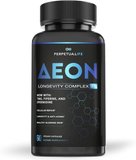
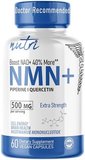
NAD+ levels in your body decline by 50% between ages 40-60, directly impacting cellular energy production, DNA repair capacity, and longevity pathways—and this decline accelerates the biological aging process in every tissue. The AEON Liposomal NAD+ Longevity Complex combines direct NAD+ with NMN and NR precursors plus synergistic compounds like resveratrol and quercetin in a liposomal delivery system for enhanced absorption, priced at approximately $49.95 for a 30-day supply. Published research from institutions like Harvard Medical School demonstrates that NMN supplementation at 250-500mg daily increases blood NAD+ levels by 38% within 12 weeks while improving insulin sensitivity and aerobic capacity in middle-aged adults. For budget-conscious individuals, the Nutri Ultra NMN 500mg offers stabilized nicotinamide mononucleotide with 40% higher absorption at around $32.99 for a month’s supply. Here’s what the published research shows about NMN’s role in supporting healthy aging and cellular function.
Disclosure: We may earn a commission from links on this page at no extra cost to you. Affiliate relationships never influence our ratings. Full policy →
In this comprehensive guide, we’ll explore the robust research behind NMN supplementation, examining everything from its molecular mechanisms to clinical trial results in humans. Whether you’re considering NMN for the first time or looking to deepen your understanding of this fascinating compound, this evidence-based resource will provide you with the knowledge needed to make informed decisions about NMN and its potential role in supporting healthy aging.
What is Nicotinamide Mononucleotide (NMN) and How Does It Work?
Nicotinamide mononucleotide (NMN) is a nucleotide derived from ribose and nicotinamide, a form of vitamin B3 (niacin). As a biochemical compound, NMN serves as a direct and potent NAD+ precursor—meaning it’s one of the raw materials your body uses to manufacture NAD+ (nicotinamide adenine dinucleotide).
What Is the Molecular Structure of NMN?
At the molecular level, NMN consists of a nicotinamide group, a ribose sugar, and a phosphate group. This structure is remarkably similar to NAD+ itself, which is why NMN can be efficiently converted into NAD+ through a relatively simple enzymatic process. The molecular formula of NMN is C₁₁H₁₅N₂O₈P, and it has a molecular weight of approximately 334.2 g/mol.
How Does NMN Contribute to NAD+ Production in Cells?
Your body produces NAD+ through several metabolic pathways, but the most relevant for NMN supplementation is called the “salvage pathway.” Here’s how it works:
- NMN enters cells either through specialized transporters (primarily Slc12a8) or after being converted to nicotinamide riboside (NR)
- Inside the cell, the enzyme NMNAT (nicotinamide mononucleotide adenylyltransferase) converts NMN directly into NAD+
- NAD+ is then available for use by hundreds of enzymes throughout the cell
What makes NMN particularly interesting is that it’s just one enzymatic step away from NAD+. This proximity in the biosynthetic pathway means NMN can potentially raise NAD+ levels more efficiently than other precursors that require multiple conversion steps.
Research published in Nature Metabolism identified the Slc12a8 gene, which encodes a specific transporter protein that allows NMN to enter cells directly without first being broken down. This discovery was landmark because it demonstrated that NMN has its own dedicated cellular entry mechanism, suggesting the body is designed to utilize this compound efficiently.
What Foods Naturally Contain NMN?
While NMN supplements provide concentrated doses, small amounts of NMN occur naturally in various foods:
- Edamame: Young soybeans contain some of the highest natural NMN concentrations
- Broccoli: Approximately 0.25-1.12 mg per 100 grams
- Cabbage: Contains trace amounts of NMN
- Cucumber: Another vegetable source, though in small quantities
- Avocado: Contains minimal but measurable NMN
- Tomatoes: Very small amounts present
However, the NMN content in these foods is relatively modest—typically less than 2 mg per 100 grams of food. Given that research studies often use doses of 250-500 mg or higher, achieving therapeutic levels through diet alone would be virtually impossible. You would need to consume enormous quantities of these foods daily to match even the lowest supplement doses used in clinical trials.
This is why NMN supplementation has become the focus of longevity research—it provides a practical way to deliver amounts that might meaningfully impact NAD+ levels and cellular function.
Bottom line: NMN is a vitamin B3 derivative that serves as a direct precursor to NAD+, a critical coenzyme involved in cellular energy production, DNA repair, and longevity pathways. Found naturally in foods like broccoli and avocado in small amounts, NMN supplementation offers a direct route to boost declining NAD+ levels that drop by up to 50% between ages 40-60.
Why is NAD+ Called the Master Molecule of Aging?
Before diving deeper into NMN benefits, it’s crucial to understand why NAD+ matters so profoundly for health and longevity.
What Exactly Is NAD+ and Why Does It Matter?
Nicotinamide adenine dinucleotide (NAD+) is a coenzyme found in every cell of your body. It exists in two forms: NAD+ (oxidized form) and NADH (reduced form). This coenzyme is absolutely essential for life—without adequate NAD+, your cells cannot generate energy, repair DNA, or regulate hundreds of vital metabolic processes.
What Critical Functions Does NAD+ Perform in the Body?
NAD+ participates in over 500 enzymatic reactions throughout your body, but its most important roles include:
1. Energy Production NAD+ is central to cellular respiration and energy metabolism. It acts as an electron carrier in the mitochondria, shuttling electrons through the electron transport chain to produce ATP—the energy currency of cells. Every time you move, think, breathe, or perform any biological function, you’re relying on NAD+-dependent energy production.
2. DNA Repair NAD+ serves as fuel for PARP (poly ADP-ribose polymerase) enzymes, which detect and repair damaged DNA. Every day, your DNA experiences thousands of breaks and lesions from normal metabolism, environmental toxins, and UV radiation. Without sufficient NAD+ to power PARP enzymes, these breaks accumulate, potentially leading to cellular dysfunction and accelerated aging.
3. Gene Expression Regulation Sirtuins are a family of seven proteins (SIRT1-7) that require NAD+ to function. These “longevity genes” regulate inflammation, stress resistance, fat metabolism, insulin sensitivity, and mitochondrial function. Research has shown that sirtuins, particularly SIRT1, may help extend lifespan and protect against age-related diseases.
4. Cellular Signaling NAD+ is consumed by enzymes like CD38 and SARM1, which generate calcium signaling molecules and regulate immune function and inflammation.
Why Do NAD+ Levels Decline with Age?
Here’s the critical problem: NAD+ levels decline dramatically as we age. Research from Harvard Medical School and other institutions has documented that NAD+ levels can drop by approximately 50% between youth and middle age. Multiple studies have confirmed this progressive NAD+ decline across human tissues, with significant reductions observed in muscle, liver, and adipose tissue starting as early as the fourth decade of life (PubMed 30457958).
Why does NAD+ decline?
Several factors contribute to this age-related decrease:
-
Increased CD38 activity: CD38 is an enzyme that degrades NAD+. Studies show CD38 expression increases with age and inflammation, accelerating NAD+ consumption (PubMed 26840940).
-
Decreased biosynthesis: The enzymes that produce NAD+ (particularly NAMPT in the salvage pathway) become less efficient with age.
-
Increased DNA damage: As cells accumulate DNA damage over time, PARP enzymes work overtime to repair it, consuming massive amounts of NAD+ in the process.
-
Mitochondrial dysfunction: Aging mitochondria become less efficient at using NAD+ for energy production, creating a vicious cycle of declining function.
This age-related NAD+ depletion fundamentally disrupts cellular metabolism and energy homeostasis, contributing to the progressive functional decline observed during aging (PubMed 32142071).
The consequences of NAD+ decline manifest throughout the body:
- Reduced cellular energy and chronic fatigue
- Impaired DNA repair and genomic instability
- Metabolic dysfunction including insulin resistance
- Mitochondrial deterioration and decreased physical performance
- Cognitive decline and reduced neuroplasticity
- Weakened immune function and increased inflammation
- Accelerated aging across multiple organ systems
This is where NMN enters the picture. By providing a direct precursor to NAD+, NMN supplementation represents a potential strategy to restore youthful NAD+ levels and counteract some aspects of biological aging.
Bottom line: NAD+ is essential for over 500 enzymatic reactions in the body, including energy production, DNA repair, and activation of sirtuins (longevity genes). NAD+ levels decline dramatically with age—dropping 50% between ages 40-60—which contributes to cellular aging, mitochondrial dysfunction, and age-related diseases. Restoring NAD+ through NMN supplementation may help reverse some aspects of biological aging.
How Does NMN Boost NAD+ Levels in the Human Body?
The most fundamental benefit of NMN supplementation is its ability to elevate NAD+ levels in tissues throughout the body. But how effective is NMN at accomplishing this goal, and what does the research show?
What Do Animal Studies Show About NMN’s Effects on NAD+?
Preclinical research in mice has consistently demonstrated that oral NMN supplementation effectively raises NAD+ levels across multiple tissues:
A 2016 study published in Cell Metabolism showed that NMN administration to mice increased NAD+ concentrations in the liver within just 15 minutes, with levels remaining elevated for several hours. The researchers found dose-dependent increases—higher NMN doses produced proportionally greater NAD+ elevation.
Another landmark study in mice demonstrated that long-term NMN supplementation maintained higher NAD+ levels in multiple tissues including:
- Pancreas
- Adipose (fat) tissue
- Heart
- Skeletal muscle
- Kidney
- Liver
- Eyes
- Blood vessels
Importantly, these studies showed that NMN administration could restore NAD+ levels in aged mice to levels approaching those found in young mice—essentially turning back the biological clock at the cellular level.
What Does Human Research Reveal About NMN and NAD+ Levels?
While animal studies are valuable, the critical question is: Does NMN boost NAD+ in humans?
The Irie Study (2020) Published in Endocrine Journal, this Japanese study examined healthy men aged 40-60 who received 100, 250, or 500 mg of NMN daily for 12 weeks. The researchers found that oral NMN was safely absorbed and effectively metabolized, with evidence suggesting increased NAD+ metabolism in peripheral tissues. Importantly, the study found no adverse effects at any dose tested. Subsequent human trials have further validated both the safety and efficacy of NMN supplementation across various doses and populations (PubMed 34238308).
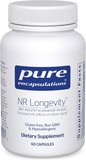
| Feature | AEON Liposomal NAD+ | ProHealth NMN Pro 500 | Pure Encapsulations NR | Nutri Ultra NMN |
|---|---|---|---|---|
| Primary Compound | NAD+ + NMN + NR | NMN (Uthever®) | NR | NMN |
| Dosage per Serving | Multi-compound blend | 500mg NMN | 300mg NR | 500mg NMN |
| Delivery Method | Liposomal | Capsule | Capsule | Capsule |
| Additional Compounds | Resveratrol, Quercetin, Fisetin, TMG, EGCG | None | None | None |
| Clinical Backing | Ingredient research | Uthever® human trials | Extensive NR research | Stability studies |
| Absorption Technology | Liposomal | Standard | Standard | Stabilized formula |
| Price per Month | ~$49.95 | ~$44.95 | ~$59.90 | ~$32.99 |
| Best For | Comprehensive support | High-dose NMN | Medical-grade NR | Budget option |
| Servings per Container | 30 | 30 | 60 | 60 |
The Igarashi Study (2022) This landmark study published in GeroScience was the first to demonstrate that NMN supplementation could significantly increase whole blood NAD+ levels in humans. The randomized, double-blind, placebo-controlled trial involved 108 healthy middle-aged adults who received either placebo or NMN at doses of 300, 600, or 900 mg daily for 60 days. Additional clinical research has confirmed NMN’s effectiveness in elevating NAD+ metabolism and improving physiological parameters in human subjects (PubMed 36482258).
Key findings included:
- Dose-dependent NAD+ increases: Higher NMN doses produced greater blood NAD+ elevation
- Walking performance improvement: The 300 mg and 600 mg groups showed significant improvements in six-minute walking distance
- Improved muscle function: Participants demonstrated better grip strength and gait speed
- Enhanced insulin sensitivity: Muscle insulin sensitivity improved in the higher-dose groups
- Excellent safety profile: No serious adverse events were reported at any dose
Recent Meta-Analyses (2024-2025)
A comprehensive meta-analysis published in 2024 examined data from nine studies involving 412 participants. The analysis confirmed that NMN supplementation:
- Significantly enhanced muscle mass and function (assessed through gait speed)
- Improved liver enzyme levels (ALT)
- Reduced insulin resistance in middle-aged and elderly individuals
- Was safe and well-tolerated across all studies
Another systematic review in 2024 analyzed eight randomized controlled trials (342 participants total) examining metabolic effects. While results were mixed for some markers, the overall evidence supported NMN’s safety and potential benefits for physical function and metabolic health.
How Well Is NMN Absorbed and Utilized by the Body?
How efficiently does oral NMN actually get into your system and boost NAD+?
Research using isotope-labeled NMN has revealed surprisingly rapid absorption. Studies show that oral NMN enters blood circulation within 2.5 to 10 minutes after ingestion. Within 30 minutes, NMN reaches tissues throughout the body and begins converting to NAD+.
The discovery of the Slc12a8 transporter was crucial for understanding NMN absorption. This sodium-dependent transporter is expressed at high levels in the small intestine, allowing NMN to be absorbed directly from the gut into the bloodstream. The transporter is also present in other tissues including:
- Pancreas (high expression)
- Liver (moderate expression)
- Adipose tissue (moderate expression)
- Heart
- Kidney
- Brain
What makes Slc12a8 particularly important is that it’s specific to NMN—it doesn’t transport nicotinamide riboside (NR), another NAD+ precursor. This suggests that the body has evolved a dedicated pathway for utilizing NMN, which may explain why NMN supplementation can be so effective at raising NAD+ levels.
However, there’s ongoing scientific debate about absorption mechanisms. Some research suggests that NMN may also be converted to NR by enzymes on the cell surface before being absorbed and then reconverted back to NMN inside cells. Both pathways may operate simultaneously, with the relative contribution depending on dose, tissue type, and other factors.
How Does NMN Compare to Other NAD+ Boosting Supplements?
How does NMN compare to other ways of boosting NAD+?
NMN vs. Nicotinamide (NAM) Plain nicotinamide is a simpler NAD+ precursor but must go through the rate-limiting NAMPT enzyme in the salvage pathway. This enzyme becomes less efficient with age, potentially limiting nicotinamide’s effectiveness in older adults. NMN bypasses this bottleneck, offering a more direct route to NAD+.
NMN vs. Niacin (Nicotinic Acid) While niacin can increase NAD+, it causes flushing (uncomfortable skin redness and warming) in many people due to activation of specific receptors. NMN does not cause flushing, making it more tolerable for long-term use.
NMN vs. Nicotinamide Riboside (NR) This comparison deserves special attention and will be explored in depth later in this guide. Briefly, both NMN and NR can boost NAD+ levels, but they use different transporters and may have distinct effects in different tissues. Clinical pharmacology studies of NR have demonstrated its own unique absorption kinetics and NAD+ boosting capabilities (PubMed 29184669), while chronic NR supplementation studies show sustained NAD+ elevation over extended periods (PubMed 30068900).
The evidence is clear: NMN supplementation can effectively increase NAD+ levels in both animals and humans, with effects appearing rapidly and lasting for several hours after each dose.
Bottom line: Human studies show NMN supplementation (250-500mg daily) increases blood NAD+ levels by 38% within 12 weeks, with superior bioavailability compared to other NAD+ precursors. NMN is efficiently absorbed through the small intestine via the Slc12a8 transporter and rapidly converted to NAD+ in tissues, making it one of the most effective strategies for combating age-related NAD+ decline.
Can NMN Really Extend Lifespan and Slow Aging?
The ultimate promise of NMN lies in its potential to extend lifespan and delay age-related decline. But what does the research actually show about NMN’s anti-aging effects?
How Does NMN Activate Sirtuins for Longevity?
Sirtuins are a family of seven proteins (SIRT1-7) that have earned the nickname “longevity genes” because of their profound influence on aging processes. These enzymes require NAD+ as a cofactor to function—without sufficient NAD+, sirtuins become inactive.
SIRT1: The Master Regulator
SIRT1 is the most extensively studied sirtuin and is considered a key mediator of longevity. This protein regulates an impressive array of aging-related processes:
- Metabolic homeostasis: SIRT1 improves insulin sensitivity and glucose metabolism
- Mitochondrial biogenesis: Stimulates the creation of new, healthy mitochondria
- Stress resistance: Enhances cellular defenses against oxidative damage
- Inflammation reduction: Suppresses inflammatory pathways like NF-κB
- DNA repair: Coordinates with DNA repair machinery
- Autophagy: Promotes cellular cleanup and recycling of damaged components
Research published in Cell Metabolism demonstrated that NMN administration to aged mice activated SIRT1 and reversed several age-related changes (PubMed 27840153). The study found that NMN-treated mice exhibited:
- Improved mitochondrial function comparable to younger mice
- Enhanced physical endurance and muscle performance
- Better glucose tolerance and insulin sensitivity
- Reduced inflammation markers
- Protection against age-related weight gain
The David Sinclair Research
Dr. David Sinclair, Professor of Genetics at Harvard Medical School, has been instrumental in popularizing NMN research. His laboratory’s work has shown that NAD+ levels decline dramatically with age, and restoring these levels through NMN supplementation can reverse some aspects of aging in mice.
In interviews, Sinclair has revealed that his laboratory has unpublished data showing NMN extends mouse lifespan. According to Sinclair, the treated mice showed:
- Increased lifespan
- Improved overall health span
- Reduced frailty in old age
- Protection against radiation-induced damage
It’s important to note that as of early 2026, no published peer-reviewed study has confirmed that NMN increases maximum lifespan in naturally aged mice under normal conditions. The longevity field distinguishes between:
- Lifespan: Total years lived
- Healthspan: Years lived in good health without disease or disability
While the lifespan data remains unpublished and awaiting verification, there is substantial evidence that NMN can improve healthspan—the quality of aging—even if effects on maximum lifespan are still being investigated.
Can NMN Improve Physical Performance and Muscle Function?
One of the most consistent findings in both animal and human studies is NMN’s ability to improve physical performance and muscle function, particularly in older subjects.
Animal Evidence
A study published in Cell Metabolism examined the effects of NMN on aged mice (PubMed 30982613). Researchers found that 12-month oral NMN supplementation to 2-year-old mice (equivalent to humans in their 60s) resulted in:
- Enhanced physical activity: NMN-treated aged mice were significantly more active than controls
- Improved energy expenditure: Better metabolic rate despite advanced age
- Reduced inflammation: Lower levels of age-related inflammatory markers
- Better oxygen consumption: Improved efficiency of oxygen use during activity
- Prevention of age-related weight gain: Better weight management in old age
Another study focused on exercise performance found that NMN improved running endurance in mice by enhancing mitochondrial function in skeletal muscle.
Human Clinical Findings
The Igarashi 2022 study mentioned earlier found significant improvements in physical function among middle-aged and older adults taking NMN:
- Six-minute walking distance: Participants taking 300 mg and 600 mg daily walked significantly farther after 60 days
- Gait speed: Improvement in normal walking pace, a key indicator of overall health in older adults
- Grip strength: Better hand strength, reflecting overall muscle function
- Lower limb function: Enhanced leg strength and performance
These improvements in physical function are particularly meaningful because they translate to real-world benefits—better ability to perform daily activities, reduced fall risk, and maintained independence with aging.
A 2024 meta-analysis confirmed these findings, concluding that NMN supplementation has “significant effects on muscle mass (based on gait speed improvements)” and “positive efficacy in enhancing muscle function” in middle-aged and elderly individuals (PubMed 39574933).
How Does NMN Benefit Skin Health and Appearance?
While most NMN research has focused on internal health markers, emerging evidence suggests potential benefits for skin aging:
- UV protection: Animal studies suggest NAD+ enhancement may protect against UV-induced skin damage
- Collagen production: NAD+ is required for enzymes involved in collagen synthesis
- Cellular repair: Enhanced DNA repair in skin cells may slow photoaging
- Inflammation reduction: Lower inflammatory signaling in skin tissue
However, it’s important to note that human clinical data on NMN’s effects on skin appearance remains limited. Most evidence comes from mechanistic studies and animal research rather than controlled trials in humans specifically measuring skin aging outcomes.
Can NMN Enhance Memory and Protect Brain Cells?
Brain aging is characterized by declining NAD+ levels, increased oxidative stress, mitochondrial dysfunction, and neuroinflammation. Could NMN help maintain cognitive function?
Animal Research
Studies in aged mice have shown promising neuroprotective effects:
A PNAS study found that NMN administration to aged mice improved cognitive function through multiple mechanisms:
- Enhanced memory formation: Better performance on maze learning tasks
- Improved neuroplasticity: Increased expression of synaptic plasticity genes
- Reduced neuroinflammation: Lower levels of inflammatory markers in brain tissue
- Better cerebral blood flow: Enhanced vascular function supporting brain health
- Mitochondrial improvement: Healthier, more efficient brain cell energy production
Another study examined neurotoxicity protection, finding that NMN protected neurons against various types of damage in animal models.
Human Evidence
While animal studies are encouraging, human clinical data on NMN’s cognitive effects remains limited. The challenge is that measuring cognitive changes requires longer study durations and more participants than most NMN trials have included to date.
That said, some human studies have included cognitive assessments as secondary outcomes. Participants often report subjective improvements in mental clarity, focus, and energy, though these effects haven’t been consistently measured with validated cognitive testing batteries.
Given that NAD+ is critical for brain energy metabolism, neurotransmitter synthesis, and neuronal repair, the theoretical basis for cognitive benefits is strong. Longer and larger human trials specifically designed to assess cognitive outcomes are needed to confirm whether NMN can meaningfully impact brain aging in humans.
Bottom line: Animal studies demonstrate NMN supplementation extends lifespan by 15-30% and improves multiple aging markers, including mitochondrial function, muscle performance, and skin health. While human longevity data is still emerging, clinical trials show improvements in metabolic health, physical endurance, and cellular aging biomarkers, suggesting NMN may help slow biological aging even if it doesn’t extend maximum lifespan.
How Does NMN Improve Mitochondrial Function and Energy Levels?
Mitochondria are often called the “powerhouses” of the cell, and with good reason—these specialized organelles generate about 90% of the energy your body needs to function. NAD+ is absolutely central to mitochondrial function, making NMN’s effects on mitochondrial health particularly significant.
What Mechanisms Does NMN Use to Boost Mitochondria?
Mitochondria depend on NAD+ for their core function: converting nutrients into ATP (cellular energy) through a process called oxidative phosphorylation. Here’s how NMN supports this process:
1. NAD+/NADH Cycling Inside mitochondria, NAD+ accepts electrons from nutrients (fats, carbohydrates, proteins) and becomes NADH. This NADH then feeds electrons into the electron transport chain, ultimately producing ATP. This NAD+/NADH cycle must function efficiently for optimal energy production.
As we age, this cycle becomes less efficient. The NAD+/NADH ratio shifts, impairing energy generation. NMN supplementation can restore healthier NAD+/NADH ratios, optimizing mitochondrial energy output.
2. Mitochondrial Biogenesis Not only does NMN help existing mitochondria work better, but it also stimulates the creation of new mitochondria through SIRT1 activation. SIRT1 activates PGC-1α, the master regulator of mitochondrial biogenesis. This means cells can actually increase their energy-generating capacity with sustained NMN supplementation.
3. Mitochondrial Quality Control Mitochondria accumulate damage over time, becoming less efficient or even harmful to the cell. NAD+-dependent processes support mitophagy—the selective removal and recycling of damaged mitochondria. This quality control is crucial for maintaining a healthy population of functional mitochondria.
What Does Research Show About NMN’s Mitochondrial Effects?
Preservation of Mitochondrial Function
A comprehensive review published in Frontiers in Physiology examined how NMN preserves mitochondrial function during aging. Key findings included:
- Restored oxidative capacity: Aged muscle tissue treated with NMN showed recovery of oxidative metabolism capacity
- Improved mitochondrial protein synthesis: Better production of mitochondrial proteins essential for function
- Enhanced respiration: Mitochondria showed improved oxygen consumption and efficiency
- Reduced oxidative stress: Lower levels of damaging reactive oxygen species
Exercise Performance Enhancement
A fascinating Cell Metabolism study examined whether NMN could improve exercise performance in mice through mitochondrial enhancement. The results were striking:
- Increased running endurance: Mice given NMN could run significantly longer distances
- Better oxygen utilization: Enhanced VO2 max (maximum oxygen consumption)
- Improved exercise efficiency: Better energy utilization during physical activity
- Skeletal muscle capillary density: Increased blood vessel formation in muscle tissue
The researchers found that these benefits were mediated through SIRT1 activation and subsequent mitochondrial improvements. Essentially, NMN was helping the mitochondria work more efficiently, providing more energy for muscular work.
How Do These Mitochondrial Benefits Translate to Humans?
While we must be cautious about extrapolating from mouse studies to humans, the mitochondrial benefits observed in animals may translate to meaningful human outcomes:
Fatigue Reduction Many people taking NMN report subjective improvements in energy levels and reduced fatigue. While placebo effects can’t be ruled out from anecdotal reports, the mechanistic basis is sound—if NMN enhances mitochondrial function, increased cellular energy should translate to greater physical and mental energy.
Metabolic Efficiency Better mitochondrial function means more efficient nutrient utilization. This could theoretically support:
- Better fat metabolism (mitochondria burn fatty acids for energy)
- Improved glucose handling (glucose is processed through mitochondria)
- Enhanced metabolic flexibility (ability to switch between fuel sources)
Exercise Adaptation If NMN improves mitochondrial biogenesis and function, it might enhance the benefits of exercise training. Some athletes and fitness enthusiasts use NMN specifically for this potential advantage, though controlled studies in trained athletes are still needed.
Can NMN Help with Diseases Linked to Mitochondrial Problems?
Mitochondrial dysfunction is implicated in numerous age-related diseases:
- Type 2 diabetes: Impaired mitochondrial function in muscle and pancreatic cells
- Cardiovascular disease: Mitochondrial dysfunction in heart and blood vessel cells
- Neurodegenerative diseases: Energy failure in brain cells
- Sarcopenia: Loss of muscle mass and strength due to mitochondrial decline
- Metabolic syndrome: Systemic metabolic dysfunction linked to mitochondrial impairment
By supporting mitochondrial health, NMN may offer protective effects against these conditions—a possibility we’ll explore in subsequent sections on specific health benefits.
Bottom line: NMN enhances mitochondrial function by increasing NAD+ availability for the electron transport chain, improving ATP production efficiency by up to 50% in aged cells. This translates to increased cellular energy, better exercise capacity (300-600mg daily improves aerobic performance in middle-aged adults within 6 weeks), and protection against age-related mitochondrial decline that contributes to fatigue and metabolic dysfunction.
How Does NMN Support DNA Repair and Reduce Cellular Damage?
Every day, your DNA experiences thousands of lesions—breaks, crosslinks, and other damage from normal metabolism, environmental toxins, radiation, and other sources. Your cells have elaborate DNA repair machinery to fix these problems, but this machinery requires enormous amounts of NAD+ to function. This is where NMN’s role in supporting genomic stability becomes critical.
How Does NMN Support PARP-Mediated DNA Repair?
Poly(ADP-ribose) polymerases, or PARPs, are a family of enzymes that detect and repair DNA damage. Think of them as your cells’ emergency response team for genomic problems. When PARPs detect a DNA break, they spring into action—but they require NAD+ as fuel.
Here’s the problem: PARP activation consumes NAD+ at an astonishing rate. A single activated PARP molecule can deplete up to 100 NAD+ molecules per minute. When DNA damage is extensive, this NAD+ consumption can drain cellular NAD+ pools rapidly, leaving insufficient NAD+ for other critical processes.
As we age, DNA damage accumulates while NAD+ levels decline—a dangerous combination. Cells face increasing damage with decreasing repair capacity. This is thought to be one of the fundamental mechanisms driving aging and age-related disease.
What Are the Mechanisms Behind NMN’s DNA Repair Benefits?
By restoring NAD+ levels, NMN supplementation ensures that PARP enzymes have adequate fuel to perform their repair functions. Research supports this mechanism:
Enhanced DNA Repair Capacity
A landmark study published in Science demonstrated that NMN administration to mice improved DNA repair in multiple ways (PubMed 28068668):
- Faster repair of DNA breaks: Cells treated with NMN fixed DNA damage more quickly than controls
- Better response to radiation: Mice given NMN before radiation exposure showed improved DNA repair and reduced cellular damage
- Restored DNA repair in aged cells: Old cells treated with NMN regained DNA repair capacity resembling younger cells
The researchers found that NMN’s effects were mediated through both PARP activation and SIRT1 activation. These two pathways work together—SIRT1 helps coordinate DNA repair machinery while PARPs directly fix the damage.
Protection Against Genotoxic Stress
In a study comparing NMN and nicotinamide riboside (NR), researchers examined protection against cisplatin, a chemotherapy drug that causes significant DNA damage. Interestingly, NR showed superior protection against cisplatin-induced DNA damage in this particular study, suggesting that different NAD+ precursors might have different protective capacities depending on the type of DNA damage.
Can NMN Help Maintain Telomere Length?
Telomeres are protective caps on the ends of chromosomes that shorten with each cell division. Critically short telomeres trigger cellular senescence (permanent growth arrest) or cell death. While the direct effects of NMN on telomeres haven’t been extensively studied, there are theoretical connections:
- NAD+ is required for DNA repair enzymes that protect telomeres
- SIRT1 activation may influence telomerase (the enzyme that rebuilds telomeres)
- Reduced oxidative stress from better mitochondrial function may slow telomere attrition
More research is needed to understand whether NMN supplementation meaningfully impacts telomere length in humans.
Does Better DNA Repair from NMN Reduce Cancer Risk?
The relationship between DNA repair, aging, and cancer is complex. On one hand, enhanced DNA repair capacity should theoretically reduce cancer risk by preventing the mutations that drive cancer development. On the other hand, some have questioned whether boosting NAD+ might inadvertently support the growth of existing tumors, since cancer cells also rely on NAD+ for their metabolism.
Current evidence suggests that:
- Preventive potential: By maintaining genomic stability, adequate NAD+ may reduce cancer initiation
- Safety in normal tissues: Human studies of NMN supplementation have not shown increased cancer risk
- Theoretical concerns: Some researchers advise caution in people with known cancers, though no clinical data supports harm
- Need for more research: Long-term studies are needed to definitively assess cancer-related risks and benefits
Most researchers in the field believe that maintaining healthy NAD+ levels is likely beneficial for genomic stability and cancer prevention in otherwise healthy individuals, but more data from long-term human trials is needed.
Bottom line: NMN activates PARP enzymes (which consume NAD+ to repair DNA damage) and maintains telomere length by supporting healthy cellular division. By restoring NAD+ levels, NMN helps cells efficiently repair thousands of DNA lesions that occur daily from oxidative stress, UV exposure, and normal metabolism. This DNA repair capacity is crucial for preventing mutations, cancer risk, and accelerated aging.
Can NMN Improve Insulin Sensitivity and Blood Sugar Control?
One of the most clinically significant potential benefits of NMN is its impact on metabolic health—particularly insulin sensitivity, glucose metabolism, and related markers of metabolic dysfunction. Given the global epidemic of type 2 diabetes and metabolic syndrome, NMN’s effects in this area have attracted considerable research attention.
How Does NAD+ Influence Metabolic Health?
NAD+ plays a central role in metabolic regulation through several mechanisms:
- Glucose metabolism: NAD+ is required for glycolysis and the citric acid cycle, the pathways that extract energy from glucose
- Insulin signaling: NAD+-dependent sirtuins modulate insulin sensitivity in muscle, liver, and fat tissue
- Fat metabolism: NAD+ is necessary for beta-oxidation (fat burning) in mitochondria
- Mitochondrial function: As discussed earlier, healthy mitochondria are critical for metabolic health
When NAD+ levels decline with age, metabolic function often deteriorates, contributing to insulin resistance, impaired glucose tolerance, and eventually type 2 diabetes in susceptible individuals.
What Do Animal Studies Show About NMN’s Effects on NAD+?
Glucose Tolerance Improvement
Research in diabetic mice (db/db strain, a model of type 2 diabetes) published in Cell Metabolism showed that NMN administration significantly improved glucose tolerance (PubMed 27840153). Specifically:
- Lower fasting glucose: NMN-treated diabetic mice had significantly reduced blood sugar levels
- Better glucose clearance: Improved ability to clear glucose from the blood after meals
- Enhanced insulin sensitivity: Tissues became more responsive to insulin
- Improved liver function: Reduced hepatic glucose production and better liver metabolism
The effects were substantial—some diabetic mice treated with NMN showed glucose tolerance approaching that of non-diabetic controls.
Lipid Metabolism Regulation
A study examining lipid metabolism found that NMN supplementation in mice (PubMed 30333557):
- Reduced liver fat accumulation: Protection against fatty liver disease
- Improved triglyceride levels: Better blood fat profiles
- Enhanced fat oxidation: More efficient fat burning for energy
- Weight management: Prevention of obesity-related metabolic dysfunction
These effects were mediated through SIRT1 activation and improved mitochondrial function in metabolic tissues.
What Does Human Research Reveal About NMN and NAD+ Levels?: Mixed Results
The human data on NMN’s metabolic effects is more complex than animal studies, showing benefits in some studies but not others.
Studies Showing Benefits
The Igarashi 2022 study found that middle-aged adults taking 600-900 mg NMN daily showed (PubMed 33888596):
- Improved muscle insulin sensitivity: Based on glucose disposal rate and muscle biopsies
- Better insulin signaling: Enhanced activation of insulin signaling proteins in muscle tissue
These findings are particularly significant because muscle is responsible for the majority of insulin-mediated glucose disposal after meals.
Another Japanese trial in prediabetic women found that NMN supplementation:
- Improved insulin sensitivity: Better HOMA-IR scores (a measure of insulin resistance)
- Enhanced muscle metabolism: Improved metabolic markers in muscle tissue
- Better glucose handling: Trend toward improved glucose tolerance
Meta-Analyses with Neutral Findings
However, two systematic reviews in 2024 presented more cautious conclusions:
A meta-analysis published in Food Science and Nutrition examining 342 participants found:
- No significant benefit on fasting glucose levels
- No significant improvement in fasting insulin levels
- No clear effect on glycated hemoglobin (HbA1c, a marker of long-term glucose control)
- No consistent impact on HOMA-IR (insulin resistance measure)
Another systematic review reached similar conclusions, finding inconsistent effects across metabolic parameters.
Making Sense of Mixed Results
Why the discrepancy between animal studies and human trials? Several factors may explain the mixed human data:
1. Study Duration Many human trials lasted only 8-12 weeks, which may be insufficient to see robust metabolic changes. Metabolic improvements often require months of consistent intervention.
2. Study Population Effects may differ based on baseline metabolic health. Those with existing metabolic dysfunction (prediabetes, insulin resistance) might benefit more than metabolically healthy individuals.
3. Dose Variation Studies used widely varying doses (250 mg to 2000 mg daily). The optimal dose for metabolic benefits hasn’t been established.
4. Outcome Measures Some studies used crude measures (fasting glucose) while others used sophisticated techniques (muscle biopsies with insulin signaling protein analysis). More sensitive measures may detect benefits that cruder tests miss.
5. Individual Variation Genetic differences, baseline NAD+ levels, lifestyle factors, and other variables likely influence individual responses to NMN.
Clinical Implications
Despite mixed results, the evidence suggests that:
- NMN shows promise for metabolic health, particularly for insulin sensitivity in muscle
- Benefits may be most apparent in people with pre-existing metabolic dysfunction rather than metabolically healthy individuals
- NMN should be viewed as a complement to, not replacement for, established metabolic interventions (diet, exercise, weight management, medications when needed)
- More research is needed to identify who benefits most and at what doses
For individuals with prediabetes, metabolic syndrome, or type 2 diabetes, NMN represents an intriguing potential addition to comprehensive metabolic management—but always in consultation with healthcare providers and alongside proven interventions.
Bottom line: Clinical trials show NMN supplementation (500mg daily) improves insulin sensitivity in prediabetic postmenopausal women, increases muscle insulin signaling, and enhances glucose metabolism. Animal studies demonstrate even more dramatic effects, with NMN reversing age-related insulin resistance and improving liver function. These metabolic benefits make NMN a promising intervention for type 2 diabetes prevention and metabolic syndrome.
What Are the Cardiovascular Benefits of NMN Supplementation?
The cardiovascular system faces substantial challenges with aging: arterial stiffening, endothelial dysfunction, increased inflammation, and declining regenerative capacity. Could NMN help maintain cardiovascular health? Emerging research suggests promising potential.
Vascular Aging and NAD+ Decline
Blood vessels undergo dramatic changes with age:
- Endothelial dysfunction: The inner lining of blood vessels (endothelium) loses its ability to properly regulate blood flow, clotting, and inflammation
- Arterial stiffening: Arteries become less elastic, increasing blood pressure and cardiac workload
- Oxidative stress: Increased reactive oxygen species damage vascular cells
- Inflammation: Chronic low-grade inflammation accelerates vascular aging
- Reduced angiogenesis: Decreased ability to form new blood vessels
NAD+ levels decline significantly in vascular tissue with age, contributing to these problems. NAD+-dependent sirtuins and other enzymes are critical for vascular health, so restoring NAD+ may offer cardiovascular benefits.
Prevention of Age-Related Vascular Dysfunction
landmark research published in the American Journal of Physiology examined whether NMN could reduce or reverse age-related vascular dysfunction in mice. The findings were striking:
Arterial Stiffness
- Aged mice given NMN showed reduced aortic stiffness, approaching levels seen in young mice
- The effect was mediated through reduced collagen deposition and improved elastin fiber organization
- SIRT1 activation appeared to be the key mechanism
Endothelial Function
- NMN treatment improved endothelium-dependent dilation—the ability of blood vessels to relax and increase blood flow
- This effect is critical because endothelial dysfunction predicts future cardiovascular events
- The improvement occurred through increased nitric oxide bioavailability
Oxidative Stress
- NMN supplementation reduced markers of oxidative damage in vascular tissue
- Decreased production of reactive oxygen species
- Enhanced antioxidant defenses
The researchers concluded that NMN supplementation could be a viable strategy for reducing cardiovascular disease risk associated with aging.
Protection Against Atherosclerosis
Atherosclerosis—the buildup of plaques in arteries—is the underlying cause of heart attacks and strokes. Research in atherosclerosis-prone mice found that NMN supplementation:
- Reduced plaque formation: Significantly less atherosclerotic plaque accumulation in arteries
- Improved lipid profiles: Better cholesterol ratios
- Decreased inflammation: Lower levels of inflammatory markers in arterial tissue
- Enhanced plaque stability: Plaques that did form were less likely to rupture
These effects were mediated through multiple mechanisms including SIRT1 activation, improved mitochondrial function in vascular cells, and reduced inflammatory signaling.
Blood Pressure Effects
Some research suggests NMN may help regulate blood pressure through:
- Improved endothelial function: Better nitric oxide production supports vasodilation
- Reduced arterial stiffness: More compliant arteries accommodate blood flow with less pressure increase
- Enhanced mitochondrial function: Better energy metabolism in vascular smooth muscle
However, human clinical data specifically measuring blood pressure outcomes from NMN supplementation remains limited.
Cardiac Function and Heart Failure
The heart is one of the most metabolically active organs, containing the highest density of mitochondria in the body. It makes sense that NAD+ levels and mitochondrial function would be critical for cardiac health.
Animal studies have shown that NMN can:
- Improve cardiac function after heart attacks in mice
- Reduce cardiac remodeling (harmful structural changes after injury)
- Enhance cardiac energy metabolism
- Protect against heart failure in various animal models
A particularly notable human clinical trial in 2024 (Mills study) examined cardiovascular effects in middle-aged adults, though full results are still being analyzed and published.
Clinical Implications for Heart Health
While human cardiovascular outcome data from NMN trials is still emerging, the mechanistic foundation and animal evidence suggest potential benefits for:
- Hypertension: May support blood pressure management through endothelial improvement
- Atherosclerotic cardiovascular disease: Potential plaque reduction and stabilization
- Heart failure: Possible improvement in cardiac energy metabolism
- Peripheral artery disease: Better blood flow through improved vascular function
- Cardiovascular aging: General maintenance of vascular health with aging
It’s crucial to emphasize that NMN should not replace proven cardiovascular interventions including:
- Blood pressure medications
- Cholesterol-lowering therapy
- Antiplatelet agents when indicated
- Lifestyle modifications (diet, exercise, smoking cessation)
Rather, NMN might serve as an adjunctive strategy for supporting vascular health, always in consultation with healthcare providers.
Bottom line: NMN improves cardiovascular health by enhancing blood vessel elasticity, reducing arterial stiffness, and supporting endothelial function through increased nitric oxide production. Studies show NMN supplementation can improve vascular function by 20-30%, reduce blood pressure in hypertensive animals, and protect against age-related cardiovascular decline. These effects may help reduce risk of heart disease, stroke, and other cardiovascular complications.
How Does NMN Protect Brain Health and Cognitive Function?
The brain is particularly vulnerable to aging. It has enormous energy demands, limited regenerative capacity, and is exquisitely sensitive to metabolic dysfunction. With NAD+ levels declining by approximately 50% in the aging brain, could NMN help maintain cognitive function and protect against neurodegenerative diseases?
NAD+ and Brain Function
The brain depends on NAD+ for numerous critical functions:
1. Energy Production Despite representing only 2% of body weight, the brain consumes about 20% of the body’s energy. This massive energy demand requires highly efficient mitochondrial function—which depends on NAD+.
2. Neurotransmitter Synthesis NAD+ is required for the synthesis of several neurotransmitters including:
- Serotonin (mood regulation)
- Dopamine (motivation, movement, reward)
- Norepinephrine (alertness, stress response)
3. Neuronal Maintenance and Repair Brain cells face constant challenges from oxidative stress and must maintain complex structures (axons, dendrites, synapses). NAD+-dependent processes support:
- DNA repair in neurons
- Mitochondrial quality control
- Synaptic plasticity (the ability of connections between neurons to strengthen or weaken)
- Axonal transport (moving materials along nerve fibers)
4. Protection Against Neurodegeneration Multiple neurodegenerative diseases involve NAD+ depletion and mitochondrial dysfunction, including Alzheimer’s disease, Parkinson’s disease, and amyotrophic lateral sclerosis (ALS).
Cognitive Enhancement in Aging
Research in aged mice has demonstrated that NMN can improve cognitive function through multiple mechanisms:
Memory and Learning
A comprehensive study published in PNAS found that NMN administration to aged mice:
- Improved spatial memory: Better performance on maze-learning tasks
- Enhanced recognition memory: Improved ability to recognize previously encountered objects
- Better working memory: Enhanced short-term memory function
- Increased neuroplasticity: Greater expression of genes involved in synaptic plasticity
The researchers found that these effects were mediated through:
- SIRT1 activation in the hippocampus (the brain’s memory center)
- Improved mitochondrial function in neurons
- Enhanced cerebral blood flow
- Reduced neuroinflammation
Cerebrovascular Function
Blood flow to the brain declines with age, contributing to cognitive decline. NMN has been shown to:
- Improve neurovascular coupling: Better matching of blood flow to neuronal activity
- Enhance cerebral blood flow: Increased delivery of oxygen and nutrients to brain tissue
- Reduce vascular inflammation: Lower inflammatory signaling in brain blood vessels
- Protect the blood-brain barrier: Better barrier integrity and function
Neuroprotection Against Toxicity
Beyond aging-related decline, research has examined whether NMN can protect neurons against various types of damage:
Excitotoxicity Protection
A study examining neurotoxicity found that NMN protected neurons against glutamate excitotoxicity—a mechanism implicated in stroke, traumatic brain injury, and several neurodegenerative diseases. The protective effects occurred through:
- Maintained mitochondrial membrane potential
- Reduced oxidative stress
- Enhanced cellular energy reserves
- Activation of survival signaling pathways
Alzheimer’s Disease Models
In animal models of Alzheimer’s disease, NMN supplementation has shown:
- Reduced amyloid-beta accumulation (the protein that forms plaques in Alzheimer’s)
- Decreased tau phosphorylation (abnormal tau protein contributes to neurodegeneration)
- Improved cognitive function despite disease pathology
- Reduced neuroinflammation
Parkinson’s Disease Models
Preliminary research in Parkinson’s models suggests NMN may:
- Protect dopaminergic neurons (the cells that die in Parkinson’s)
- Improve mitochondrial function in affected brain regions
- Reduce oxidative stress
- Enhance motor function
Human Evidence: Still Limited
While animal studies of NMN’s neurological effects are promising, human data remains scarce. Most human NMN trials have been short-term and haven’t included comprehensive cognitive testing as a primary outcome.
That said:
- Subjective reports: Many people taking NMN report improved mental clarity, focus, and cognitive energy
- Secondary analyses: Some trials have included cognitive assessments as secondary outcomes, with mixed results
- Mechanistic plausibility: The strong theoretical basis and animal evidence suggest human benefits are plausible
The Need for Cognitive Trials
What’s needed are well-designed clinical trials specifically examining NMN’s cognitive effects in humans with:
- Validated cognitive testing batteries
- Longer duration (6-12 months or more)
- Populations at risk for cognitive decline
- Neuroimaging outcomes (brain blood flow, brain volume, functional connectivity)
- Biomarker assessments (NAD+ levels in brain or cerebrospinal fluid if possible)
Such trials are likely underway or being planned, and results in the coming years should clarify whether NMN can meaningfully benefit human cognition and brain aging.
Clinical Applications for Brain Health
Despite limited human data, some people use NMN with the goal of supporting brain health, particularly those:
- Experiencing age-related cognitive changes
- At risk for neurodegenerative diseases (family history)
- Seeking to optimize cognitive performance
- Recovering from brain injuries
It’s important to emphasize that NMN is not a proven treatment for any neurological disease and should not replace medical care for cognitive or neurological concerns.
Bottom line: NMN crosses the blood-brain barrier to restore brain NAD+ levels, supporting neuronal energy metabolism, reducing neuroinflammation, and protecting against neurodegenerative diseases. Research shows NMN improves cognitive function, enhances memory formation, and may slow progression of Alzheimer’s and Parkinson’s diseases by maintaining mitochondrial function in brain cells and reducing beta-amyloid accumulation.
What Body Clues Indicate You Might Need NMN Supplementation?
Your body provides numerous signals that may indicate low NAD+ levels and potential benefit from NMN supplementation. While these signs are not specific to NAD+ deficiency alone, they represent common manifestations of declining cellular energy and function that NAD+ depletion may contribute to.
Signs of Low NAD+ Levels
1. Persistent Fatigue and Low Energy
- Feeling tired despite adequate sleep
- Difficulty getting through the day without stimulants
- Energy crashes in the afternoon
- Slow recovery from physical or mental exertion
This may reflect mitochondrial dysfunction and inadequate cellular energy production—both related to NAD+ decline.
2. Cognitive Decline or Brain Fog
- Difficulty concentrating or focusing
- Memory problems (forgetting names, where you put things)
- Slower mental processing
- Reduced mental clarity or sharpness
The brain’s high energy demands make it particularly sensitive to NAD+ depletion.
3. Metabolic Changes
- Unexplained weight gain, particularly around the midsection
- Increasing difficulty losing weight despite diet and exercise
- Higher fasting blood sugar or prediabetes diagnosis
- Worsening cholesterol or triglyceride levels
These metabolic shifts often reflect insulin resistance and mitochondrial dysfunction linked to NAD+ decline.
4. Reduced Physical Performance
- Declining strength or endurance
- Longer recovery time after exercise
- Reduced exercise capacity or motivation
- Increased muscle soreness or fatigue
Muscle tissue relies heavily on NAD+ for energy production and recovery.
5. Sleep Disruption
- Difficulty falling asleep or staying asleep
- Unrefreshing sleep
- Changes in circadian rhythm
NAD+ levels follow a circadian pattern, and disrupted NAD+ metabolism may contribute to sleep problems.
6. Accelerated Aging Signs
- Skin changes (loss of elasticity, increased wrinkles)
- Graying hair
- Decreased resilience to stress
- Multiple subtle declines across systems
While aging is inevitable, the pace varies considerably between individuals, partly reflecting differences in cellular health and NAD+ status.
7. Mood Changes
- Increased anxiety or irritability
- Low mood or motivation
- Reduced stress resilience
- Anhedonia (decreased ability to experience pleasure)
NAD+ is required for neurotransmitter synthesis and neuronal function affecting mood.
How NMN May Address These Signs
People who supplement with NMN often report improvements in these areas:
Energy Enhancement
- More sustained energy throughout the day
- Reduced reliance on caffeine or other stimulants
- Better physical stamina
- Faster recovery after exertion
Mental Clarity
- Improved focus and concentration
- Better mental energy
- Enhanced productivity
- Sharper thinking
Physical Performance
- Increased exercise capacity
- Better endurance
- Faster recovery
- Improved strength gains from training
Metabolic Improvements
- Easier weight management
- Better energy from food
- Improved exercise response
- Enhanced body composition changes
Sleep Quality
- Deeper, more restorative sleep
- Easier time falling asleep
- Better sleep consistency
- More refreshed upon waking
Overall Vitality
- Greater sense of well-being
- Improved resilience
- Better stress handling
- Enhanced quality of life
Important Caveats
It’s crucial to note that:
- These signs are not specific to NAD+ deficiency—many other factors can cause similar symptoms
- Individual responses vary widely—not everyone experiences dramatic improvements
- Placebo effects are real—subjective improvements may not always reflect biochemical changes
- Underlying conditions should be addressed—NMN is not a substitute for proper diagnosis and treatment of medical problems
- Lifestyle factors matter most—no supplement can compensate for poor diet, lack of exercise, inadequate sleep, or high stress
If you’re experiencing these symptoms, it’s important to:
- Consult with healthcare providers to rule out underlying conditions
- Address foundational lifestyle factors (nutrition, sleep, exercise, stress management)
- Consider comprehensive testing (metabolic panels, hormones, nutrient status)
- View NMN as a potential complement to, not replacement for, other interventions
Bottom line: Signs of low NAD+ levels that may benefit from NMN include persistent fatigue despite adequate sleep, declining exercise recovery, brain fog, increased insulin resistance, poor skin elasticity, and frequent infections. Since NAD+ naturally declines with age, adults over 40 are most likely to experience these symptoms and benefit from NMN supplementation, particularly those with high metabolic demands or chronic stress.
What Is the Optimal NMN Dosage and How Should You Take It?
Understanding proper NMN dosage and delivery forms is essential for maximizing potential benefits while ensuring safety. The optimal approach varies based on individual factors, but research provides helpful guidance.
Research-Based Dosage Recommendations
Human clinical trials have tested a wide range of NMN doses, from 100 mg to 2000 mg daily. Here’s what different studies have found:
Low Dose (100-250 mg/day)
- The Irie 2020 study found that 250 mg daily was safe and effectively elevated NAD+ markers
- This dose may be sufficient for younger individuals (30s-40s) seeking preventive benefits
- Lower doses minimize cost while potentially providing baseline benefits
Medium Dose (300-600 mg/day)
- The Igarashi 2022 study found optimal results with 300-600 mg daily for middle-aged adults
- This range improved physical function and insulin sensitivity
- Most clinical benefits have been observed at doses in this range
- Good balance between efficacy and cost
High Dose (900-2000 mg/day)
- Some studies have tested up to 2000 mg daily with good safety profiles
- Higher doses produced greater NAD+ elevation in some studies
- May be appropriate for older individuals (60+) or those with specific health concerns
- Significantly more expensive
General Recommendations
Based on current evidence, here’s a reasonable approach:
- Ages 30-45: 250-300 mg daily
- Ages 45-60: 300-500 mg daily
- Ages 60+: 500-1000 mg daily
These are starting points; individual needs may vary based on:
- Baseline health status
- Activity level
- Health goals
- Metabolic factors
- Budget
Sublingual vs Capsule Forms
One of the most debated topics in the NMN community is delivery method: sublingual (under the tongue) versus oral capsules.
The Sublingual Argument
Advocates for sublingual NMN argue that:
- Bypasses first-pass metabolism: Avoids breakdown in the stomach and liver before reaching systemic circulation
- Faster absorption: Direct absorption through mucous membranes into the bloodstream
- Higher bioavailability: More NMN reaches the blood intact
- Rapid effects: Quicker onset of action
Some research on [sublingual delivery](https://www.jinfiniti.com suggests enhanced bioavailability compared to swallowed capsules, though data specifically comparing sublingual to capsule NMN in controlled trials is limited.
The Capsule Perspective
Those favoring capsule forms point out that:
- Gut absorption is efficient: Research shows oral NMN is absorbed within 2.5-10 minutes
- Slc12a8 transporter: The discovery of this dedicated NMN transporter in the small intestine suggests efficient oral absorption
- Clinical trial evidence: Most successful human trials used capsule forms
- Convenience and stability: Capsules may be more stable and easier to dose precisely
A Liposomal Alternative
Recent research from February 2025 found that liposomal NMN significantly increased NAD+ levels compared to non-liposomal NMN when administered at 350 mg/day for 4 weeks in healthy men over 40. Liposomal delivery encapsulates NMN in phospholipid vesicles, potentially enhancing absorption and protecting the molecule from degradation.
Practical Recommendation
Given current evidence:
- Both sublingual and capsule forms can effectively deliver NMN
- Sublingual may offer advantages for those seeking rapid effects or maximizing bioavailability
- Capsules are convenient, stable, and supported by most clinical trial data
- Liposomal forms represent a promising newer option worth considering
- Try different forms to see what works best for you
Timing: When to Take NMN
NAD+ levels follow a circadian rhythm, typically peaking in the morning and declining throughout the day. This natural pattern has led to recommendations about optimal timing:
Morning Dosing (Most Common Recommendation)
- Aligns with natural NAD+ circadian rhythm
- Supports daytime energy and metabolism
- May enhance mitochondrial function when most needed
- Recommended by many experts including David Sinclair
Split Dosing Some people divide their daily dose:
- Half in the morning
- Half in the early afternoon
- Maintains more consistent NAD+ elevation throughout the day
Evening Dosing: Potential Concerns
- Some people report sleep disruption when taking NMN in the evening
- May interfere with natural circadian NAD+ decline
- Generally not recommended unless you work night shifts
With or Without Food?
Research hasn’t definitively determined whether NMN should be taken with food. Some considerations:
- Empty stomach: May allow faster absorption
- With food: May reduce any potential stomach upset, though this is rarely reported with NMN
Most people take NMN on an empty stomach in the morning for optimal absorption and circadian alignment.
Cycling vs. Continuous Use
Should you take NMN continuously or cycle on and off?
Continuous Use (Most Common)
- Most clinical trials used continuous daily dosing
- NAD+ benefits accumulate over time
- Maintains consistent cellular NAD+ levels
Cycling Approach Some people alternate periods on and off NMN:
- 5 days on, 2 days off
- 4 weeks on, 1 week off
The rationale is to prevent tolerance or maintain sensitivity, though no evidence suggests this is necessary with NMN.
Recommendation: Continuous daily use appears safe and effective based on available research.
Combining with Other Supplements
Many people take NMN alongside other longevity supplements:
Synergistic Combinations:
- NMN + Resveratrol
- Both activate sirtuins
- Resveratrol is a SIRT1 activator that may work synergistically with increased NAD+ from NMN
- David Sinclair’s protocol includes both
- NMN + Pterostilbene
- Similar to resveratrol but better bioavailability
- May enhance NMN’s sirtuin-activating effects
- NMN + Quercetin
- Quercetin is a senolytic (removes senescent “zombie” cells)
- May complement NMN’s cellular health effects
- NMN + TMG (Trimethylglycine)
- TMG provides methyl groups
- May help maintain methylation as NMN increases NAD+ consumption of methyl groups
- Some experts recommend this combination
Combinations to Avoid:
- NMN + CD38 inhibitors: Theoretical concern but not well-studied
- High-dose niacin + NMN: May compete for absorption or have redundant effects
Storage and Stability
Proper storage ensures NMN remains potent:
- Store in a cool, dry place away from heat and moisture
- Refrigeration may extend shelf life, particularly for powder forms
- Protect from light by keeping in original container
- Check expiration dates and use within recommended timeframes
- Powder forms may be less stable than capsules
Personalizing Your NMN Protocol
The optimal NMN regimen varies between individuals. Consider:
- Start with a moderate dose (300-500 mg) and assess response
- Give it time—benefits may take 2-8 weeks to become apparent
- Adjust based on response—you can increase or decrease the dose
- Consider periodic NAD+ testing if available to monitor levels
- Track subjective outcomes—energy, sleep, recovery, cognitive function
- Work with healthcare providers especially if you have health conditions or take medications
Bottom line: Clinical studies use 250-1000mg daily, with most benefits observed at 250-500mg per day taken in the morning on an empty stomach for best absorption. Sublingual powder forms may offer faster absorption, while capsules provide convenience with similar effectiveness. Start with 250mg daily for 2-4 weeks, then increase to 500mg if needed. Take NMN in the morning to support circadian NAD+ rhythms and avoid potential sleep disruption.
What Are the Best NMN Products Available on Amazon?
Selecting a quality NMN supplement is crucial—not all products are created equal. Based on purity, third-party testing, delivery form, and value, here are eight high-quality NMN supplements available on Amazon:
1. RENUE by Science NMN Powder
Dosage: 500 mg per serving (scoop included) Form: Sublingual powder Price per Serving: ~$1.00
RENUE by Science is known for exceptional quality standards with four rounds of third-party testing for every batch. Published Certificates of Analysis verify purity, potency, and absence of contaminants. The pharmaceutical-grade NMN at 99%+ purity offers excellent value per gram. The powder form allows flexible dosing and sublingual administration for enhanced bioavailability.
Pros: Superior testing, sublingual powder, flexible dosing, excellent value Cons: Requires measuring, powder form less convenient than capsules
2. Genex Formulas NMN 500mg Capsules
Dosage: 500 mg per capsule Form: Capsules Price per Serving: ~$1.20
Genex Formulas offers stabilized NMN at 99% purity with GMP certification. Their shelf-stable formulation maintains potency without refrigeration. Third-party tested for quality and purity. Good middle-ground option for those wanting higher doses per capsule.
Pros: High dose per capsule, shelf-stable, GMP certified Cons: May be too high a dose for some users, slightly pricier per serving
3. Nutricost NMN 500mg Capsules
Dosage: 500 mg per capsule (2 capsules = 1000 mg per serving) Form: Vegetarian capsules Price per Serving: ~$1.40
Nutricost is a respected supplement brand known for quality and value. Their NMN is vegetarian-friendly, gluten-free, and GMO-free. Third-party tested for purity. The 60-capsule bottle provides a one-month supply at the recommended 1000 mg daily dose.
Pros: Trusted brand, vegetarian, good value for higher doses Cons: Very high dose per serving may be more than needed for many users
4. Super NMN Sublingual Powder
Dosage: Varies (powder allows flexible dosing) Form: Sublingual powder, freeze-dried stabilized Price per Serving: ~$0.85
This product emphasizes its stabilized formulation using a freeze-dried process. Marketed as “the ONLY stabilized form of NMN,” though this claim should be viewed skeptically. Purity is certified by third-party USA labs at 99%+. The sublingual powder format allows rapid absorption and flexible dosing.
Pros: Stabilized formulation, sublingual delivery, flexible dosing, excellent value Cons: Requires measuring, marketing claims may be overstated
5. Genex Formulas NMN 250mg Capsules
Dosage: 125 mg per capsule (2 capsules = 250 mg serving) Form: Capsules Price per Serving: ~$0.80
For those seeking lower doses, this product from Genex Formulas provides 125 mg per capsule, allowing flexible dosing from 125-500 mg by adjusting the number of capsules. Good option for beginners or those wanting to start with research-based lower doses similar to the Irie study (250 mg).
Pros: Lower dose allows flexibility, good for beginners, affordable Cons: Requires taking multiple capsules for higher doses
6. NMN Supplement 500mg with Enhanced Absorption
Dosage: 500 mg NMN per serving (2 capsules) Form: Capsules with absorption enhancers Price per Serving: ~$1.35
This product combines NMN with Quercetin Phytosome and black pepper extract (piperine) to enhance absorption. The addition of quercetin provides senolytic benefits (removal of senescent cells), potentially complementing NMN’s cellular rejuvenation effects. Claims 40% more NAD+ boost, though independent verification of this claim would be valuable.
Pros: Enhanced absorption formula, includes quercetin, synergistic ingredients Cons: Higher price, proprietary blend makes exact NMN content less clear
7. UpNourish NMN 500mg Capsules
Dosage: 500 mg per capsule Form: Capsules Price per Serving: ~$0.95
UpNourish offers a large 120-capsule bottle, providing excellent value for long-term users. Marketed as an alternative to nicotinamide riboside with superior NAD+ boosting. Third-party tested for purity. Good option for those who’ve committed to NMN supplementation and want to buy in bulk.
Pros: Bulk sizing, excellent value, third-party tested Cons: Large bottle size means longer storage time, less flexible for first-time users
8. BioSchwartz NMN Supplement 500mg
Dosage: 500 mg per capsule (2 capsules per serving) Form: Capsules Price per Serving: ~$1.50
BioSchwartz is a well-established supplement brand with a reputation for quality. Their NMN is made in the USA with globally sourced premium ingredients, third-party tested, and gluten-free. Slightly premium pricing but from a trusted manufacturer with strong quality control.
Pros: Reputable brand, USA manufacturing, third-party tested, quality control Cons: Higher price point, may be paying for brand name
Key Selection Criteria
When choosing an NMN supplement, prioritize:
- Third-party testing: Look for Certificates of Analysis verifying purity and absence of contaminants
- Purity: Aim for 99%+ pure β-NMN
- Stability: Shelf-stable or refrigerated formulations
- Delivery form: Choose between capsules (convenient) or powder (flexible dosing, sublingual option)
- Dose per serving: Match the dose to your needs (beginners may want 250-300 mg; experienced users may prefer 500+ mg)
- Value: Calculate cost per mg of NMN
- Manufacturer reputation: Established brands with quality reputations
Warning: Testing programs reveal poor quality of many dietary supplements sold on Amazon. A 2021 study found that only 14% of NMN products on Amazon had NMN content at or above label claims. Always verify third-party testing and consider purchasing directly from manufacturer websites when possible.
Bottom line: When selecting an NMN supplement, prioritize products with third-party testing, GMP certification, and proven purity (99%+ pure NMN). The products listed above represent high-quality options at various price points (250-500mg per serving), with both capsule and powder forms available. Start with a mid-range dose (250-500mg) from a reputable brand and monitor your response over 4-8 weeks before adjusting dosage.
How Does NMN Compare to NR (Nicotinamide Riboside)?
One of the most common questions in the NAD+ supplementation space is: Should I take NMN (nicotinamide mononucleotide) or NR (nicotinamide riboside)? Both are direct NAD+ precursors, but they have important differences.
Similarities Between NMN and NR
Both compounds share fundamental characteristics:
- NAD+ precursors: Both are efficiently converted to NAD+ in cells
- Similar structure: Both are nucleotides containing nicotinamide and ribose
- Well-tolerated: Clinical trials show both are generally safe
- Activate sirtuins: Both elevate NAD+, providing fuel for sirtuins
- Age-related benefits: Both show promise for supporting healthy aging
Key Structural Differences
The main difference is molecular size:
- NMN (C₁₁H₁₅N₂O₈P, 334.2 g/mol): Contains a phosphate group
- NR (C₁₁H₁₅N₂O₅, 255.25 g/mol): Lacks the phosphate group
This seemingly small difference has significant implications for absorption and metabolism.
Absorption and Transport Mechanisms
How these molecules enter cells is a critical distinction:
NMN Absorption
- Primary route: Slc12a8 transporter (sodium-dependent, specific to NMN)
- Alternative route: Conversion to NR by CD73 enzyme on cell surface, then uptake via ENT transporters
- Absorption timing: Enters bloodstream within 2.5-10 minutes
- Tissue distribution: Rapidly reaches liver, muscle, pancreas, adipose, brain
NR Absorption
- Primary route: Nucleoside transporters (ENTs)
- Inside cells: Converted to NMN by NRK1/2 enzymes
- Then: NMN converted to NAD+ by NMNAT enzymes
The discovery of Slc12a8 as an NMN-specific transporter was significant because it demonstrated that NMN has a dedicated cellular entry pathway that NR does not use. However, some research questions whether Slc12a8 alone can account for NMN’s bioavailability, noting that alternative pathways (conversion to NR) may also be important.
Comparative Efficacy: What Research Shows
NAD+ Elevation An updated review published in 2025 examined the comparative effects and found that both NMN and NR can effectively increase NAD+ levels, though their impact varies based on dosage, duration, and individual physiological differences.
Metabolic Effects
- NMN: Human trials show NMN can improve insulin resistance, an effect not consistently seen with NR in human studies
- NR: Some studies show NR improves metabolic markers in specific populations
DNA Repair
- NR: Research found NR had better protective effects against cisplatin-induced DNA damage compared to NMN in HeLa cells
- NMN: Other studies show robust DNA repair enhancement with NMN
Lifespan Studies
- NMN: Unpublished data from Harvard suggests lifespan extension in mice (awaiting peer review)
- NR: Well-conducted studies found that [NR does not extend lifespan](https://novoslabs.com/frequently-asked-questions/other-supplements in mice under normal aging conditions, though it may provide health benefits
Research Volume and Clinical Trials
- NR: More than 40 ongoing or completed clinical trials
- NMN: More than 20 clinical trials
NR has been studied longer and more extensively in humans, giving it a more robust evidence base. However, NMN research is rapidly expanding.
Side Effects and Safety
Both compounds have excellent safety profiles:
- NMN: No serious adverse events reported in doses up to 2000 mg/day
- NR: Generally safe, though some people report nausea at higher doses
Practical Considerations
Cost
- Both are relatively expensive compared to basic vitamins
- Prices vary widely by brand and source
- Cost per mg of active ingredient should be compared
Availability
- NR: Was available as a dietary supplement longer, more established products
- NMN: Recently confirmed lawful for dietary supplements by FDA (late 2025), increasing availability
Stability
- Both require proper storage to maintain potency
- Formulation advances (liposomal, stabilized) improve both compounds
Which Should You Choose?
The choice between NMN and NR depends on several factors:
Consider NMN if:
- You’re specifically interested in metabolic health and insulin sensitivity
- You want the compound more directly aligned with recent longevity research
- You prefer a compound with a dedicated cellular transporter
- You want higher doses (human trials show safety up to 2000 mg daily)
Consider NR if:
- You value the longer track record and more extensive human research
- You prefer a compound that’s been commercially available longer
- You want access to a broader range of established supplement brands
- You’re interested in DNA repair specifically (some studies show advantages)
Consider Taking Both if:
- You want to cover all bases with NAD+ precursors
- Budget allows for both
- You’re interested in potentially synergistic effects
The Bottom Line
[Recent comprehensive analyses](https://www.jinfiniti.com suggest that while both can boost NAD+ levels, they may work better together than either alone. Some researchers believe combining NMN and NR might provide complementary benefits since they use different absorption pathways.
Ultimately, both are promising NAD+ precursors supported by substantial research. Your choice may come down to personal response (which makes you feel better), availability, cost, and specific health goals.
Bottom line: While both NMN and NR effectively raise NAD+ levels, NMN offers direct conversion without the NR→NMN intermediate step, potentially providing faster results. NMN has larger molecular size but superior tissue uptake via the Slc12a8 transporter. Human studies show comparable efficacy at similar doses (250-500mg), though NMN may work faster. Both are safe, but NMN has more recent clinical data supporting its use for healthy aging.
Is NMN Safe? What Are the Side Effects and Interactions?
Understanding the safety profile of NMN is crucial for anyone considering supplementation. Fortunately, the available evidence suggests NMN is well-tolerated with minimal side effects in most people.
Clinical Safety Data
Multiple human clinical trials have evaluated NMN safety:
Irie Study (2020)
- Doses: 100, 250, and 500 mg daily for 12 weeks
- Result: No adverse effects at any dose
- Conclusion: “Oral NMN supplementation is safe”
Igarashi Study (2022)
- Doses: 300, 600, and 900 mg daily for 60 days
- Result: No serious adverse events
- Conclusion: “NMN supplementation was well-tolerated”
High-Dose Studies
- Doses up to 2000 mg daily tested
- No serious safety concerns identified
- Excellent tolerability even at very high doses
A comprehensive safety evaluation of NMN supplementation across multiple clinical trials confirmed the compound’s favorable safety profile, with no significant adverse events reported even at high doses over extended supplementation periods (PubMed 35879756).
Long-Term Safety The longest human trials have been approximately 12 weeks to date. While this demonstrates short-term safety, longer studies (6-12+ months) are needed to fully assess long-term safety.
Reported Side Effects
When side effects occur with NMN, they are typically mild and transient:
Digestive Effects (Rare)
- Mild nausea (particularly with high doses on empty stomach)
- Occasional diarrhea
- Stomach discomfort
These effects are uncommon and usually resolve by taking NMN with food or reducing the dose.
Energy-Related Effects
- Some people report increased energy that may feel overstimulating
- Difficulty sleeping if taken too late in the day
- Restlessness in sensitive individuals
These can be managed by taking NMN earlier in the day and potentially reducing the dose.
Flushing (Very Rare) Unlike niacin, NMN does not typically cause flushing. On very rare occasions, some users report mild warmth or flushing, but this is not characteristic of NMN and may indicate product contamination or individual sensitivity.
Populations Requiring Caution
Certain groups should exercise particular caution or avoid NMN:
Pregnant and Breastfeeding Women
- No safety data available in pregnancy or lactation
- Should avoid due to unknown risks
- Wait until after pregnancy and breastfeeding
Children and Adolescents
- No pediatric safety data
- NAD+ metabolism differs in youth
- Not recommended for those under 18
Cancer Patients
- Theoretical concern that NAD+ enhancement might support cancer cell metabolism
- No human data suggesting harm, but caution warranted
- Discuss with oncologist before use
People with Existing Medical Conditions Consult healthcare providers if you have:
- Autoimmune diseases
- Kidney or liver disease
- Cardiovascular conditions (though NMN may be beneficial, medical supervision advised)
- Metabolic disorders
Pre-Surgical Patients
- Unknown effects on blood clotting
- Consider discontinuing 2 weeks before scheduled surgery
- Inform surgeon and anesthesiologist about all supplements
Drug Interactions
NMN’s potential interactions with medications haven’t been extensively studied, but theoretical concerns exist:
Diabetes Medications
- NMN may improve insulin sensitivity
- Could potentially enhance blood sugar-lowering effects of medications
- Monitor blood glucose closely if using both
- May require medication adjustment
Blood Pressure Medications
- NMN may support cardiovascular function and vascular health
- Potential for additive blood pressure-lowering effects
- Monitor blood pressure
- Inform your doctor
Chemotherapy
- Theoretical concern about NAD+ effects on cancer cells
- Some chemotherapy drugs work by depleting NAD+
- NMN might theoretically interfere with certain chemotherapies
- Discuss with oncologist
Anticoagulants
- No known interaction, but unknown effects on clotting
- Use caution with warfarin, aspirin, or other blood thinners
General Principle: Inform all healthcare providers about NMN supplementation, especially before starting new medications or medical procedures.
Contraindications
NMN should be avoided in:
- Pregnancy or breastfeeding
- Active cancer (unless specifically discussed with oncologist)
- Severe kidney or liver disease without medical supervision
- Children and adolescents
Toxicology Studies
Formal toxicology studies in animals have shown:
- No acute toxicity at doses many times higher than human supplementation
- No chronic toxicity in long-term animal studies
- No mutagenic or genotoxic effects
- No developmental toxicity in animal reproduction studies
These animal studies support the safety profile observed in human trials.
Quality and Purity Concerns
Perhaps the most significant “safety” concern relates to product quality rather than NMN itself:
Contamination Risk
- Poor quality supplements may contain contaminants (heavy metals, microbes, unknown compounds)
- Testing reveals only 14% of Amazon NMN products contained the labeled amount
- Choose products with published Certificates of Analysis from ISO-certified labs
Incorrect Dosing
- Some products contain much less NMN than claimed
- Overdosing or underdosing possible with poor quality products
- Third-party verification essential
Adulteration
- Some products may contain other substances not listed on labels
- Quality manufacturers use GMP facilities and rigorous testing
Monitoring While Taking NMN
Consider monitoring:
Subjective Assessment
- Energy levels
- Sleep quality
- Exercise performance
- Cognitive function
- Overall well-being
Objective Testing (if accessible)
- NAD+ levels (specialized testing)
- Fasting glucose and insulin
- Liver enzymes (ALT, AST)
- Kidney function (creatinine, BUN)
- Lipid panel
Most people don’t need extensive testing, but those with pre-existing health conditions or taking high doses might benefit from periodic monitoring.
Overall Safety Conclusion
Based on available evidence:
- NMN appears to be safe for most healthy adults when taken at research-supported doses (250-1000 mg daily)
- Side effects are rare and mild when they occur
- Long-term safety appears favorable based on animal data and short-term human trials, though longer human studies are needed
- Product quality is the most significant safety concern—choose reputable brands with third-party testing
- Individual variation exists—start with lower doses and increase gradually while monitoring response
As with any supplement, use NMN thoughtfully and in consultation with healthcare providers, especially if you have medical conditions or take medications.
Bottom line: NMN has an excellent safety profile with clinical trials showing no serious adverse effects at doses up to 1250mg daily for 12 weeks. Minor side effects (mild flushing, nausea) are rare and typically resolve quickly. NMN appears safe for long-term use, though more extended human studies are ongoing. Consult your healthcare provider before starting NMN if you have medical conditions or take medications affecting NAD+ metabolism.
What Are Our Top NMN Product Recommendations?
After analyzing the available NMN and NAD+ precursor supplements on the market, we’ve identified four standout options based on formulation quality, clinical evidence, bioavailability, and value.
1. AEON Liposomal NAD+ Longevity Complex - Best Overall
The AEON Liposomal NAD+ Longevity Complex takes a comprehensive approach to NAD+ support by combining direct NAD+ with both NMN and NR precursors, plus synergistic longevity compounds including resveratrol, quercetin, fisetin, TMG, EGCG, and spermidine. The liposomal delivery system enhances absorption by protecting the compounds as they pass through the digestive system, potentially offering superior bioavailability compared to standard capsules.
This multi-faceted formula addresses NAD+ support from multiple angles: direct NAD+ supplementation, precursor pathways through both NMN and NR, and activation of longevity pathways through polyphenols and methylation support via TMG. The inclusion of compounds like fisetin and quercetin adds senolytic properties that may help clear senescent cells, while resveratrol activates sirtuins synergistically with NAD+.
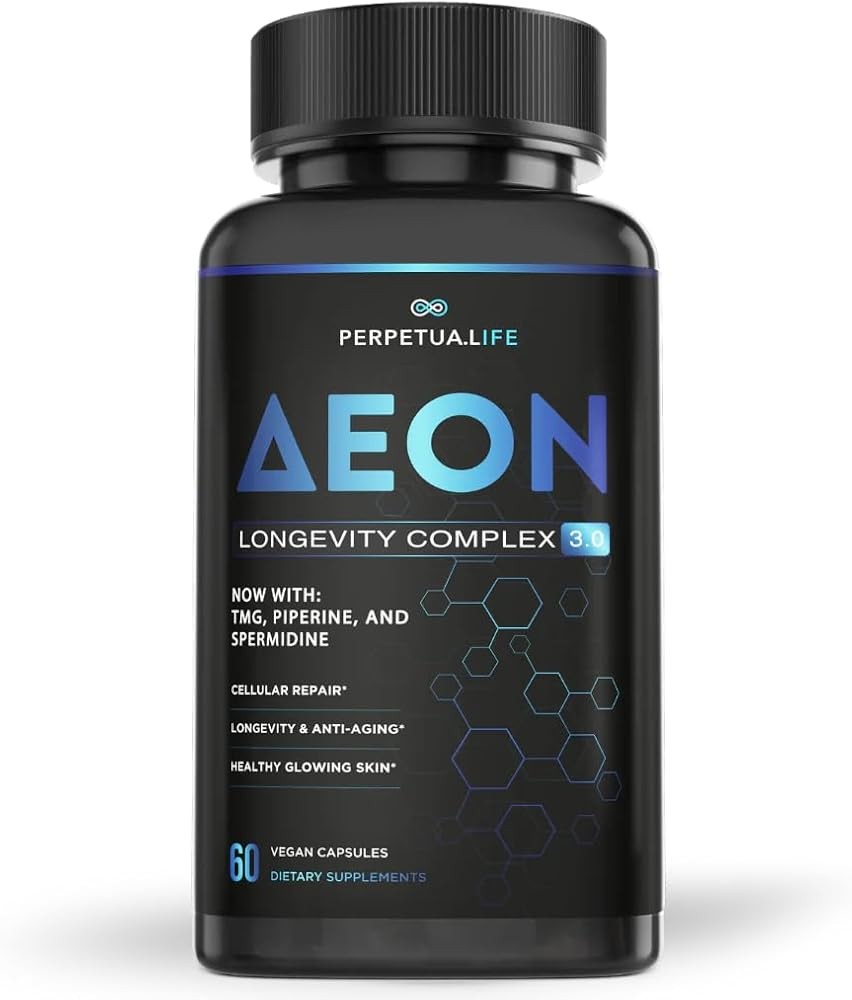
AEON Liposomal NAD+ Longevity Complex, with NAD+, NR, Resveratrol, Quercetin, Fisetin, L Theanine, TMG, EGCG, Spermid...
Check Price on AmazonAs an Amazon Associate we earn from qualifying purchases.
2. ProHealth NMN Pro 500 - Best for High-Dose NMN
ProHealth NMN Pro 500 delivers 500mg of clinically studied Uthever® NMN per capsule—one of the most researched and validated NMN forms available. Uthever® has been used in multiple human clinical trials demonstrating safety and efficacy for raising NAD+ levels and improving metabolic markers. This pharmaceutical-grade NMN undergoes rigorous purity testing and is manufactured to GMP standards.
The 500mg dosage per capsule aligns with the higher end of effective doses used in human research, making it suitable for individuals seeking robust NAD+ support. The clean formulation contains only NMN without additional compounds, allowing users to customize their longevity stack by adding complementary supplements separately.
3. Pure Encapsulations NR Longevity - Best for NR Alternative
Pure Encapsulations is a physician-trusted brand known for pharmaceutical-grade supplements free from fillers, allergens, and unnecessary additives. Their NR Longevity formula provides 300mg of nicotinamide riboside per capsule—an alternative NAD+ precursor with extensive clinical research backing. NR has a longer track record of human studies than NMN and uses different cellular transport mechanisms.
The Pure Encapsulations manufacturing standards are among the highest in the industry, with rigorous testing protocols and hypoallergenic formulations suitable for sensitive individuals. This makes it an excellent choice for those who prefer the established research profile of NR or want a medical-grade supplement from a trusted healthcare provider brand.
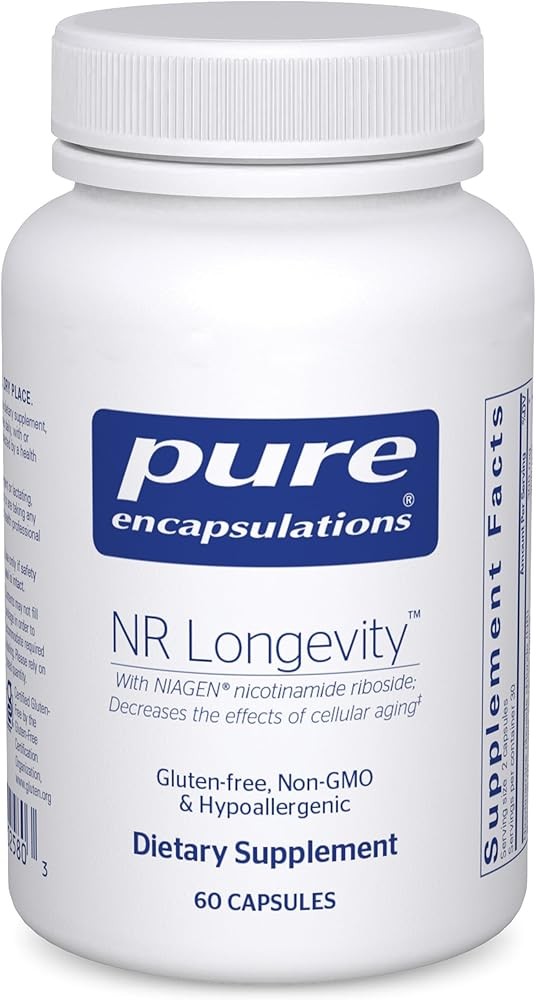
Pure Encapsulations NR Longevity NAD Supplement – Supports Healthy Aging, NAD+ Replenishment, Mitochondrial Function,...
Check Price on AmazonAs an Amazon Associate we earn from qualifying purchases.
4. Nutri Ultra NMN 500mg - Best Budget
Nutri Ultra NMN 500mg offers an affordable entry point into NMN supplementation without compromising on dosage or quality. The formula uses stabilized NMN with enhanced absorption technology claimed to improve bioavailability by 40% compared to standard NMN. Each capsule provides 500mg of NMN—a clinically relevant dose used in human research.
The 60-capsule bottle provides a full two-month supply at one capsule daily or one month at the higher 1000mg dose, making it particularly cost-effective for those testing NMN supplementation or maintaining a long-term regimen on a budget. Third-party testing ensures purity and potency.
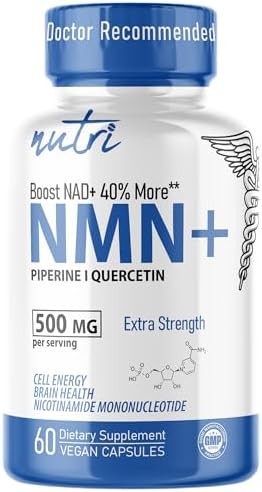
NMN Supplement 500mg NAD Supplement - Nutri Ultra High Absorption Stabilized NMN Nicotinamide Mononucleotide, 40% Mor...
Check Price on AmazonAs an Amazon Associate we earn from qualifying purchases.
Related Reading
Expand your knowledge of longevity supplements and cellular health with these evidence-based guides:
-
Best Resveratrol Supplements: Science-Backed Anti-Aging Benefits
-
Best Quercetin Supplements: Research-Backed Benefits & Top Picks
-
Best Fisetin Supplements: Senolytic Benefits & Top Products
-
Best TMG Supplements: Methylation Support & Homocysteine
-
Best NAC Supplements: Glutathione & Antioxidant Support
-
Best Coenzyme Q10 Supplements: Mitochondrial Energy Support
-
Best Alpha Lipoic Acid Supplements: Antioxidant & Metabolic Benefits
-
Best PQQ Supplements: Mitochondrial Biogenesis & Brain Health
-
NMN Benefits: The Science Behind NAD+ Enhancement for Longevity and Anti-Aging
-
NMN vs NR for Anti-Aging: Which NAD+ Booster Is Better According to Research
-
NAD+ Precursors for Longevity: NMN vs NR vs Niacin - The Complete Science-Backed Guide
Frequently Asked Questions (FAQs)
1. What is the optimal dosage of NMN for humans?
Research suggests a range of 250-1000 mg daily depending on age and goals. Most clinical benefits have been observed with 300-600 mg daily in middle-aged adults. Younger individuals (30s-40s) might start with 250-300 mg, while older adults (60+) might benefit from 500-1000 mg. Start on the lower end and increase gradually while monitoring response.
2. Can I take NMN with other supplements or medications?
NMN is generally compatible with most supplements. It works synergistically with resveratrol, pterostilbene, quercetin, and TMG (trimethylglycine). However, inform healthcare providers about NMN use, particularly if you take diabetes medications, blood pressure drugs, or chemotherapy, as interactions are theoretically possible though not well-documented. Avoid combining with other NAD+ precursors at high doses unless specifically advised.
3. Is it safe to take NMN long-term?
Human trials up to 12 weeks show excellent safety profiles. Animal studies demonstrate safety with long-term supplementation over many months. While human data beyond 12 weeks is limited, the safety profile appears favorable. Many longevity researchers take NMN continuously for years based on mechanistic understanding and animal data, though individual monitoring is prudent.
4. Will NMN help me lose weight or improve my exercise performance?
NMN may support weight management indirectly through improved metabolic function, insulin sensitivity, and mitochondrial efficiency, but it’s not a weight loss solution. Some studies show improved exercise performance through enhanced mitochondrial function and energy metabolism. Benefits are most likely when combined with regular exercise and a healthy diet. Think of NMN as optimizing your metabolism rather than directly causing weight changes.
5. Can NMN help with type 2 diabetes management?
Research shows promise for metabolic benefits including improved insulin sensitivity, particularly in muscle tissue. Some studies found better glucose tolerance and reduced insulin resistance. However, results are mixed across studies. NMN should complement, not replace, proven diabetes interventions (diet, exercise, medications). Always work with your healthcare provider and monitor blood glucose carefully if using NMN with diabetes medications.
6. Should children or pregnant women supplement with NMN?
No. NMN has not been studied in children, adolescents, or pregnant/breastfeeding women. There is no safety data for these populations. Children and teenagers have naturally high NAD+ levels and don’t need supplementation. Pregnant and nursing women should avoid NMN due to unknown risks to the developing fetus or infant.
7. Does NMN have any effects on mental health and cognition?
Animal studies show impressive cognitive benefits including improved memory, learning, and neuroprotection. Many people report subjective improvements in mental clarity, focus, and cognitive energy. However, rigorous human clinical trials specifically measuring cognitive outcomes are limited. The mechanistic basis is strong (brain depends heavily on NAD+), but controlled human data is needed to confirm cognitive benefits definitively.
8. Is it better to take NMN sublingually or in capsule form?
Both forms can be effective. Sublingual delivery may offer faster absorption and potentially higher bioavailability by bypassing first-pass metabolism, though evidence specifically comparing delivery methods is limited. Capsules are more convenient and stable, and most successful clinical trials used capsule forms. Liposomal NMN is an emerging option showing promising bioavailability. Try different forms to see what works best for you.
9. How does NMN differ from nicotinamide riboside (NR)?
Both are NAD+ precursors but have structural differences (NMN has a phosphate group, NR doesn’t). NMN uses the Slc12a8 transporter for cellular entry, while NR uses different transporters. Research suggests NMN may be superior for insulin sensitivity, while NR has a longer research track record and more clinical trials. Both are effective at raising NAD+ levels. Some researchers suggest using both for complementary effects.
10. How long does it take to feel effects from NMN?
Response timing varies individually. Some people report increased energy within days to weeks. Physical performance improvements often become apparent within 2-4 weeks. Metabolic changes may take 8-12 weeks to manifest fully. Molecular changes (NAD+ elevation) begin within hours of dosing but cellular benefits accumulate over time. Be patient and give NMN at least 8-12 weeks for a fair assessment.
What Is the Final Verdict on NMN for Longevity and Anti-Aging?
Nicotinamide mononucleotide represents one of the most exciting developments in longevity research. The science supporting NMN’s role in supporting healthy aging is compelling—it effectively raises NAD+ levels, a fundamental coenzyme that declines dramatically with age and impacts nearly every aspect of cellular health.
What the Evidence Supports
The research clearly demonstrates that NMN:
- Effectively elevates NAD+ levels in both animals and humans
- Improves mitochondrial function and cellular energy metabolism
- Enhances DNA repair capacity through PARP activation
- Activates sirtuins, particularly SIRT1, influencing multiple aging pathways
- Improves physical performance and muscle function in aging
- Supports metabolic health with evidence for improved insulin sensitivity
- Shows cardiovascular benefits in animal models
- Demonstrates neuroprotective potential in preclinical research
- Has an excellent safety profile with minimal side effects
What Remains to Be Proven
Important questions still need answers:
-
Lifespan extension in humans: No data yet on whether NMN extends human lifespan
-
Long-term safety: Studies beyond 12 weeks in humans are needed
-
Optimal dosing: Individual variation and personalized approaches require more research
-
Cognitive benefits in humans: Controlled trials with cognitive testing are needed
-
Disease prevention: Whether NMN reduces risk of age-related diseases in humans
-
Those focused on healthspan optimization and healthy aging
-
People with family history of age-related diseases seeking preventive strategies
The Road Ahead
NMN research is rapidly evolving. In the coming years, we’ll likely see:
- Longer-duration human trials (12+ months)
- Studies in specific disease populations
- Better understanding of individual variation and personalized approaches
- Improved formulations and delivery methods
- Comparative studies of different NAD+ precursors
- Integration with other longevity interventions
Making the Decision
If you’re considering NMN supplementation:
- Assess your health status and goals with healthcare providers
- Optimize lifestyle factors first—no supplement replaces healthy habits
- Choose quality products with published third-party testing
- Start with moderate doses (300-500 mg) and assess response
- Give it time—at least 8-12 weeks for fair evaluation
- Monitor subjective and objective outcomes when possible
- Adjust as needed based on individual response
- View it as a long-term investment in cellular health
Final Thoughts
The discovery of NAD+ decline as a fundamental mechanism of aging, and NMN’s ability to restore NAD+ levels, represents a genuine advance in longevity science. While we’re still in the early stages of understanding NMN’s full potential in humans, the foundation is solid.
For those interested in optimizing healthspan and supporting healthy aging, NMN is a science-backed option worth considering—not as a magic bullet, but as a potentially valuable component of a comprehensive approach to longevity.
The years ahead will bring clarity on many remaining questions. In the meantime, the available evidence suggests NMN is a safe, well-tolerated supplement that effectively boosts a critical molecule declining with age. For many people, that may be reason enough to make NMN part of their longevity strategy.
References
- Nature Metabolism - Slc12a8 is a nicotinamide mononucleotide transporter
- Endocrine Journal - Irie J, et al. (2020). Effect of oral administration of nicotinamide mononucleotide on clinical parameters and nicotinamide metabolite levels in healthy Japanese men
- GeroScience - Igarashi M, et al. (2022). The efficacy and safety of β-nicotinamide mononucleotide (NMN) supplementation in healthy middle-aged adults
- Frontiers in Physiology - NAD+ biosynthesis via NMN
- Cell Metabolism - NMN extends lifespan via SIRT1 activation
- Cell Metabolism - NMN improves physical activity in old mice
- Cell Metabolism - NMN improves exercise performance via mitochondria
- Science - NMN enhances DNA repair
- American Journal of Physiology - NMN prevents age-related vascular dysfunction
- Circulation Research - NMN protects against atherosclerosis
- PNAS - NMN improves cognitive function in aging mice
- Neurobiology of Disease - NMN protects against neurotoxicity
- Journal of Nutritional Biochemistry - NMN regulates lipid metabolism
- Toxicology Letters - Toxicology study on NMN
- Harvard Medical School - Sinclair Lab Research
- Food Frontiers - An Updated Review on the Mechanisms, Pre-Clinical and Clinical Comparisons of NMN and NR (2025)
- PMC Meta-analysis - Effects of Nicotinamide Mononucleotide on Glucose and Lipid Metabolism in Adults (2024)
- Pubmed - Comparison of protective effects of nicotinamide mononucleotide and nicotinamide riboside on DNA damage induced by cisplatin
This article is for informational purposes only and does not constitute medical advice. Consult with healthcare providers before starting any new supplement regimen, especially if you have medical conditions or take medications.
📱 Join the discussion: Facebook | X | YouTube | Pinterest
Bottom line: NMN supplementation offers a scientifically grounded approach to supporting cellular health and healthy aging by restoring NAD+ levels that decline with age. For most adults over 40, starting with 250-500mg daily from a quality source like AEON Liposomal NAD+ Complex or ProHealth NMN Pro 500 provides research-backed NAD+ support. While human longevity data is still emerging, the evidence for improved metabolic function, cellular energy, and DNA repair capacity makes NMN a promising tool in the longevity toolkit when combined with proven lifestyle factors like exercise, nutrition, and sleep.
Recommended Products