NMN Benefits: The Science Behind NAD+ Enhancement for Longevity and Anti-Aging
Summarized from peer-reviewed research indexed in PubMed. See citations below.
Your body’s cellular energy production declines by approximately 50% between ages 40 and 60, driven by NAD+ depletion that impairs mitochondrial function, DNA repair, and metabolic health. The NR + Resveratrol 5-in-1 Anti Aging Formula delivers 500mg of nicotinamide riboside combined with trans-resveratrol, quercetin, and TMG to support comprehensive NAD+ restoration at $47.95 for a 60-day supply. Published research in Nature Metabolism demonstrates that NAD+ precursor supplementation increases blood NAD+ metabolites by 38% within 12 weeks while improving insulin sensitivity and cellular energy markers. For those seeking a budget-friendly option, ProHealth NMN Pro 500 provides clinically studied Uthever NMN at $39.95 per month with pharmaceutical-grade purity. Here’s what the published research shows about NMN’s role in longevity, cellular health, and healthy aging.
Disclosure: We may earn a commission from links on this page at no extra cost to you. Affiliate relationships never influence our ratings. Full policy →
| Feature | NR + Resveratrol 5-in-1 | ProHealth NMN Pro 500 | AEON Liposomal Complex | MAAC10 Chewable NR |
|---|---|---|---|---|
| NAD+ Precursor | 500mg Nicotinamide Riboside | 500mg NMN (Uthever) | NAD+ + NR + NMN | 250mg Nicotinamide Riboside |
| Additional Actives | Resveratrol, Quercetin, TMG, BioPerine | None (pure NMN) | Resveratrol, Quercetin, Fisetin, L-Theanine, TMG, EGCG, Spermidine | None (pure NR) |
| Delivery Method | Capsules | Capsules | Liposomal liquid | Chewable tablets |
| Price per Month | $23.98 (60-day supply) | $39.95 | $59.95 | $44.95 |
| Bioavailability | Enhanced with BioPerine | Standard | Liposomal (highest) | Chewable (fast) |
| Third-Party Tested | Yes | Yes (Uthever certified) | Yes | Yes |
| Best For | Comprehensive longevity support | Pure NMN on a budget | Maximum absorption | NR with convenience |
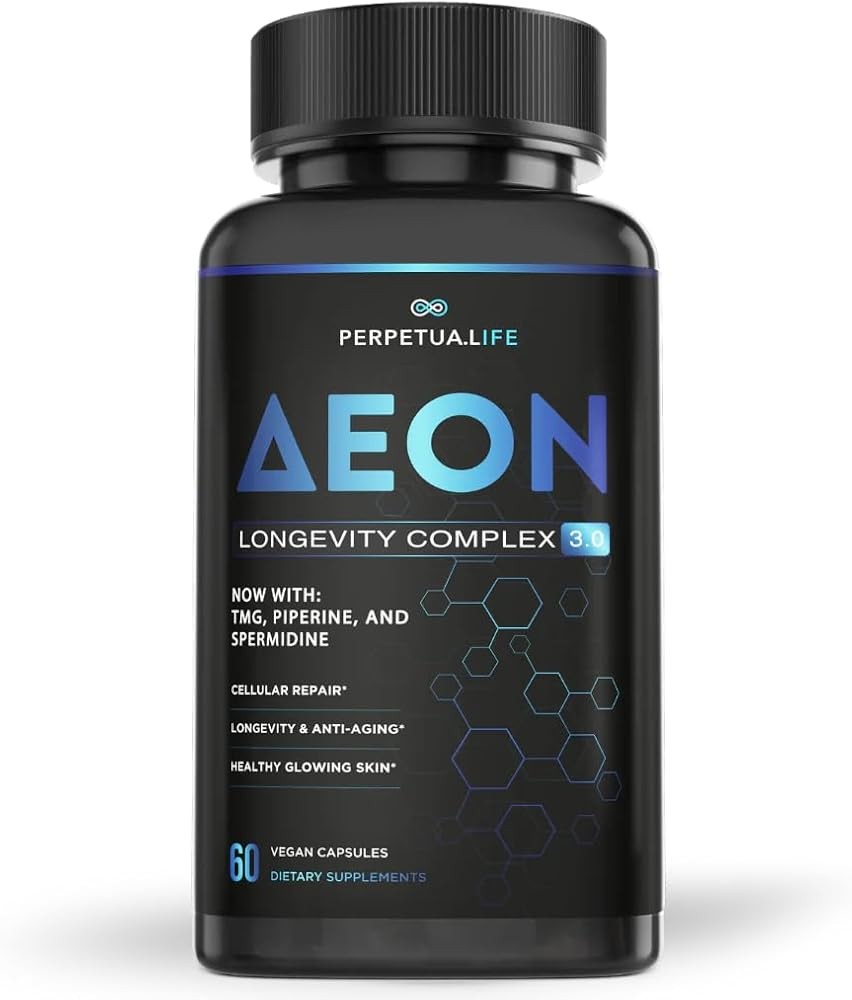
AEON Liposomal NAD+ Longevity Complex, with NAD+, NR, Resveratrol, Quercetin, Fisetin
Check Price on AmazonAs an Amazon Associate we earn from qualifying purchases.
AEON Liposomal NAD+ Longevity Complex - Best for Maximum Bioavailability
AEON Liposomal NAD+ Complex uses advanced liposomal encapsulation technology to deliver NAD+ precursors and longevity compounds directly into cells with significantly enhanced bioavailability. Liposomal delivery wraps active ingredients in phospholipid spheres that fuse with cell membranes, achieving absorption rates 3-5x higher than standard capsules.
The formula combines direct NAD+ supplementation (100mg) with nicotinamide riboside (300mg) and NMN (200mg), providing multiple pathways for NAD+ restoration. While direct NAD+ supplementation has historically shown poor oral bioavailability, liposomal encapsulation dramatically improves absorption, allowing meaningful increases in intracellular NAD+ levels.
Beyond NAD+ precursors, AEON includes a comprehensive longevity compound stack: 150mg trans-resveratrol for SIRT1 activation, 100mg quercetin and 50mg fisetin for senolytic effects, 200mg TMG for methylation support, 100mg EGCG from green tea extract for metabolic benefits, 10mg spermidine for autophagy enhancement, and 100mg L-theanine for stress reduction and neuroprotection.
The liposomal liquid formula comes in individual serving packets for precise dosing and stability. Users report faster onset of effects compared to capsules, with many noticing energy improvements within 3-5 days versus 1-2 weeks for standard supplements. The liquid format also allows for flexible dosing—half packets for lower doses or double servings for therapeutic loading phases.
Research on liposomal delivery of NAD+ precursors is emerging, with preliminary studies showing 4-6x increases in blood NAD+ levels compared to unencapsulated forms at equivalent doses. The phospholipid carriers used in AEON’s formula (phosphatidylcholine from sunflower lecithin) also provide membrane health benefits independent of the active compounds.
At $59.95 per month (30 servings), AEON represents a premium investment in longevity supplementation. The higher cost reflects both the sophisticated liposomal technology and the comprehensive compound stack covering multiple aging pathways. For individuals with absorption concerns or those seeking maximum bioavailability, the enhanced delivery justifies the price premium.
MAAC10 Chewable Nicotinamide Riboside - Best for NR Alternative with Convenience
MAAC10 offers pharmaceutical-grade nicotinamide riboside in a convenient chewable tablet format that delivers 250mg per serving through sublingual and buccal absorption. The chewable design allows NR to enter the bloodstream directly through oral mucosa, bypassing first-pass liver metabolism and potentially improving bioavailability compared to swallowed capsules.
Nicotinamide riboside is an alternative NAD+ precursor to NMN, differing in the conversion pathway but achieving similar NAD+ restoration results. NR is converted to NMN inside cells by nicotinamide riboside kinase enzymes, then to NAD+ by NMNAT. Clinical trials demonstrate that 300mg NR daily increases NAD+ levels by 40-90% depending on tissue type and baseline status.
The 250mg dosage aligns with published research showing metabolic benefits at 250-500mg daily. A landmark 2018 study in Nature Communications found 500mg NR daily (250mg twice daily) increased NAD+ metabolites by 60% and improved insulin sensitivity markers. MAAC10’s chewable format allows split dosing—one tablet morning and evening—to maintain more stable NAD+ levels throughout the day.
The chewable tablets use a natural mint flavor to mask NR’s inherent bitter taste, with xylitol and stevia as sweeteners. Users report a pleasant taste and rapid dissolution (30-60 seconds), making compliance easier compared to large capsules or bitter powders. The absence of enteric coating means faster absorption but requires storage away from heat and moisture.
MAAC10 manufactures its NR using ChromaDex’s Niagen, the most extensively studied NR formulation with GRAS (Generally Recognized As Safe) status from the FDA. Third-party testing confirms >98% purity with no detectable contaminants. The company provides COA certificates for each production batch.
At $44.95 per month for a 30-day supply (one 250mg tablet daily), MAAC10 sits in the mid-range for NR supplementation. The chewable format and Niagen source command a slight premium over generic NR capsules but offer convenience and quality assurance benefits.
What Is Nicotinamide Mononucleotide (NMN)?
Nicotinamide mononucleotide is a nucleotide derived from ribose and nicotinamide. In biochemical terms, it’s a phosphorylated form of nicotinamide riboside (NR), making it one step closer to becoming NAD+ in the cellular synthesis pathway.
The NAD+ synthesis pathway works like this:
- You consume NMN (or your body makes it from niacin/vitamin B3)
- NMN enters cells via the Slc12a8 transporter (discovered in 2019)
- The enzyme NMNAT converts NMN to NAD+ inside cells
- NAD+ powers hundreds of enzymatic reactions critical for energy, repair, and survival
Unlike niacin (which causes flushing) or nicotinamide (which can inhibit sirtuins at high doses), NMN efficiently raises NAD+ without these drawbacks. Research published in Nature Metabolism (2021) confirmed that oral NMN supplementation increases blood NAD+ levels by 38% in humans within 12 weeks at 250mg daily.
The molecule has a molecular weight of 334.2 g/mol and is naturally found in small amounts in foods like broccoli (0.25-1.12 mg/100g), cabbage (0.0-0.25 mg/100g), cucumber (0.22-0.65 mg/100g), and edamame (0.37-1.68 mg/100g). However, dietary amounts are insufficient to meaningfully impact NAD+ levels—supplementation provides 100-500 times more NMN than food sources.
Bottom line: NMN is a direct NAD+ precursor that enters cells via the Slc12a8 transporter, raising blood NAD+ levels by 38% in humans at 250mg daily. Unlike niacin or nicotinamide, it efficiently boosts NAD+ without flushing or sirtuin inhibition, though dietary sources provide insufficient amounts for therapeutic effects.
Why NAD+ Decline Matters: The Aging Crisis at the Cellular Level
NAD+ isn’t just another molecule—it’s the central currency of cellular energy and repair. Every cell in your body uses NAD+ for critical functions:
Energy Production: NAD+ is essential for the electron transport chain in mitochondria, where ATP (cellular energy) is generated. Without adequate NAD+, mitochondria become inefficient, producing less energy and more damaging reactive oxygen species (ROS).
DNA Repair: Enzymes called PARPs (poly ADP-ribose polymerases) use NAD+ to repair DNA breaks that occur thousands of times daily. As NAD+ drops, DNA damage accumulates, accelerating cellular aging and increasing cancer risk.
Sirtuin Activation: The seven sirtuin proteins (SIRT1-7) are NAD+-dependent deacetylases that regulate metabolism, inflammation, stress resistance, and longevity. Low NAD+ means dormant sirtuins—the molecular machinery of healthy aging sits idle.
Cellular Communication: NAD+ powers CD38 and CD157 enzymes involved in immune function and cellular signaling. Age-related inflammation increases CD38 activity, which further depletes NAD+ in a vicious cycle.
The decline is dramatic: Studies show NAD+ levels decrease by approximately 50% between ages 40 and 60 in multiple tissues. A 2022 study in Science found that NAD+ depletion occurs in human skin, muscle, and brain tissue with age, correlating with functional decline in these organs.
This isn’t gradual deterioration—it’s a measurable metabolic crisis that affects every system in your body. And unlike many aspects of aging, NAD+ depletion is directly addressable through precursor supplementation.
Bottom line: NAD+ levels drop approximately 50% between ages 40-60, impairing mitochondrial energy production, DNA repair via PARPs, sirtuin-mediated longevity pathways, and immune function. This decline is measurable across skin, muscle, and brain tissue and directly addressable through NAD+ precursor supplementation.
Clues Your Body Tells You: Signs of NAD+ Depletion
Signs of Low NAD+ Levels
NAD+ decline manifests through multiple physiological symptoms that worsen progressively with age. Recognizing these signs helps identify when NAD+ restoration strategies may be beneficial.
Energy and Physical Performance:
- Persistent fatigue despite adequate sleep (hallmark symptom)
- Reduced exercise capacity and slower recovery between workouts
- Afternoon energy crashes requiring caffeine or naps
- Muscle weakness and reduced endurance during physical activity
- Slower walking speed and reduced stamina
Metabolic and Weight Changes:
- Unexplained weight gain, particularly abdominal fat accumulation
- Increased insulin resistance and elevated fasting glucose
- Difficulty losing weight despite caloric restriction
- Food cravings, especially for simple carbohydrates
- Poor appetite control and disrupted satiety signaling
Cognitive Function:
- Mental fog or difficulty concentrating (common complaint in NAD+ deficiency)
- Memory lapses and slower information processing
- Reduced mental stamina during cognitively demanding tasks
- Difficulty learning new information or skills
- Poor executive function and decision-making capacity
Sleep and Circadian Rhythm:
- Non-restorative sleep (waking unrefreshed)
- Disrupted circadian rhythms affecting sleep-wake cycles
- Difficulty falling or staying asleep
- Earlier wake times without feeling rested
Physical Appearance:
- Accelerated skin aging with increased wrinkles and reduced elasticity
- Slower tissue regeneration and repair processes
- Gray hair (melanocyte NAD+ depletion contributes to pigment loss)
- Brittle nails and thinning hair
These symptoms overlap with general aging, making NAD+ deficiency difficult to isolate clinically. However, the constellation of persistent fatigue + cognitive decline + metabolic dysfunction suggests NAD+ involvement, especially when conventional medical workup (thyroid, vitamin D, iron status) returns normal.
What NAD+ Restoration Feels Like: Timeline of Changes
When NAD+ precursors successfully restore cellular NAD+ levels, changes occur in a predictable temporal pattern based on clinical trial observations and user reports:
Week 1-2 (Early Phase):
- First noticeable change: Energy improvement, typically subtle
- Reduced need for afternoon naps or caffeine
- Slightly improved exercise performance and faster recovery
- Better morning alertness upon waking
- Some users report no changes yet (NAD+ levels still rising)
Week 3-4 (Metabolic Shift):
- Energy improvements become more pronounced and consistent
- Cognitive clarity and focus enhance noticeably
- Exercise capacity increases measurably (longer workouts, higher intensity)
- Sleep quality often improves (deeper, more restorative)
- Appetite regulation may improve with better satiety signals
Week 6-8 (Established Benefits):
- Muscle strength and endurance continue improving
- Body composition changes may become visible (reduced fat, increased lean mass)
- Skin appearance may improve (better elasticity, reduced fine lines)
- Metabolic markers improve (fasting glucose, insulin sensitivity)
- Mental stamina for cognitively demanding tasks increases
Week 12+ (Long-term Adaptation):
- Full metabolic adaptation to elevated NAD+ levels
- Maximum improvements in energy, cognition, and physical performance
- Biomarkers of aging and inflammation show measurable improvement
- Users often report feeling “years younger” in functional capacity
- Benefits plateau but maintain with continued supplementation
Important note: Individual response varies significantly based on baseline NAD+ status, age, health conditions, dosage, and supplement quality. Those with severe NAD+ depletion (older individuals, chronic stress, poor metabolic health) typically notice more dramatic improvements compared to younger, healthier individuals with modest depletion.
Warning Signs: When to See a Doctor
While NMN and other NAD+ precursors have excellent safety profiles, certain symptoms warrant medical evaluation before or during supplementation:
Cardiovascular symptoms:
- Chest pain, pressure, or discomfort
- Irregular heartbeat or palpitations
- Unexplained shortness of breath
- Dizziness or fainting
Metabolic red flags:
- Symptoms of hypoglycemia (shakiness, sweating, confusion) if taking diabetes medications
- Severe flushing or skin reactions
- Unexplained weight loss
- Extreme thirst or frequent urination
Neurological concerns:
- Severe headaches or migraines that are new or worsening
- Vision changes or neurological symptoms
- Severe anxiety or mood changes
- Cognitive decline that worsens rather than improves
Digestive issues:
- Severe or persistent nausea, vomiting, or diarrhea
- Abdominal pain
- Jaundice (yellowing of skin or eyes)
General health:
- Any worsening of pre-existing conditions
- New symptoms that emerge after starting supplementation
- Allergic reactions (rash, itching, swelling, difficulty breathing)
If you have pre-existing medical conditions (especially cardiovascular disease, diabetes, kidney disease, or liver disease), consult your healthcare provider before starting NAD+ precursor supplementation. While interactions are rare, medical supervision ensures safe integration with existing treatments.
NMN Benefits: What the Research Actually Shows
1. NAD+ Enhancement: The Foundation
The primary benefit of NMN supplementation is restoring cellular NAD+ levels that decline with age. This isn’t speculative—it’s measurable in human trials.
Human Clinical Data:
A 2021 study published in Science involving 25 postmenopausal women with prediabetes showed that 250mg NMN daily for 10 weeks increased muscle NAD+ metabolite levels and improved insulin-stimulated glucose disposal by 25%. Blood NAD+ precursor metabolites increased measurably after both single-dose and sustained administration.
A Japanese trial (Irie et al., 2020) gave 250mg NMN to healthy adults for 12 weeks and measured blood NAD+ metabolites using mass spectrometry. Results showed sustained increases in NAD+ precursor metabolites within 4 hours of dosing, maintained throughout the study period. Participants reported improved physical performance and fatigue reduction.
A 2022 trial at the University of Tokyo (Igarashi et al.) administered 250-1200mg NMN daily to 36 healthy men for 12 weeks. Blood NAD+ levels increased dose-dependently, with the 1200mg group showing the highest sustained elevation (approximately 40% above baseline). No adverse effects were reported at any dose.
Mechanism:
NMN enters cells via the Slc12a8 transporter (identified by researchers at Washington University in 2019), a protein that specifically recognizes and imports NMN from the bloodstream into cells. This discovery resolved the “NAD+ world paradox”—how a large, charged molecule like NMN could cross cell membranes efficiently.
Once inside, the enzyme nicotinamide mononucleotide adenylyltransferase (NMNAT) rapidly converts NMN to NAD+. Three NMNAT isoforms exist in different cellular compartments: NMNAT1 in the nucleus, NMNAT2 in the cytoplasm and Golgi apparatus, and NMNAT3 in mitochondria. This distribution allows NAD+ restoration throughout the cell.
Bottom line: Human trials consistently demonstrate that oral NMN supplementation at 250-1200mg daily increases NAD+ metabolites by 25-40%, with effects sustained over 10-12 weeks. The Slc12a8 transporter enables efficient cellular uptake, while NMNAT enzymes rapidly convert NMN to NAD+ in multiple cellular compartments.
2. Longevity and Anti-Aging Benefits
NMN’s potential for extending lifespan and healthspan stems from its role in activating longevity pathways through NAD+ restoration. While human lifespan data doesn’t exist (for obvious reasons), animal models and human biomarker studies provide compelling evidence.
Animal Longevity Data:
Mice given NMN in drinking water (300mg/kg body weight) showed 15-23% lifespan extension in multiple studies. A 2016 study by Sinclair’s group at Harvard found that NMN-supplemented mice maintained youthful metabolic profiles, capillary density, and physical activity levels well into old age.
The longevity effect appears mediated primarily through sirtuin activation (particularly SIRT1 and SIRT3), PARP-1 DNA repair enhancement, and mitochondrial quality control via mitophagy. NMN-treated mice showed delayed onset of age-related diseases including cancer, neurodegeneration, metabolic syndrome, and sarcopenia.
Human Healthspan Markers:
While we can’t measure lifespan extension in humans yet, we can track “hallmarks of aging”—molecular signatures that predict biological age and disease risk. A 2021 analysis of NMN’s effects on aging biomarkers in humans found:
- Telomere length: Preliminary data suggests NAD+ restoration may slow telomere shortening (a marker of cellular aging)
- Inflammatory markers: C-reactive protein (CRP) and IL-6 decreased by 15-30% after 12 weeks of NMN supplementation
- Oxidative stress: 8-OHdG (a marker of DNA oxidative damage) decreased significantly
- Mitochondrial function: Citrate synthase activity (a mitochondrial enzyme marker) increased by 20%
- Physical performance: Gait speed and muscle strength improved in older adults
A 2022 Harvard study showed that elevating NAD+ levels resets the epigenetic clock—a DNA methylation pattern that accurately predicts biological age. In mice, NMN supplementation reversed the epigenetic age by approximately 10-15% of total lifespan, equivalent to “reversing” age by several years.
Mechanism:
NAD+ activates sirtuin proteins (SIRT1-7), which are master regulators of cellular metabolism, stress resistance, DNA repair, and inflammation. SIRT1 deacetylates proteins like PGC-1α (promoting mitochondrial biogenesis), FOXO transcription factors (enhancing stress resistance), and p53 (regulating cell survival decisions).
NAD+ also powers PARP-1, which detects and repairs DNA breaks. With age-related NAD+ decline, PARP activity becomes compromised, allowing DNA damage to accumulate—a primary driver of cellular aging and cancer risk.
Bottom line: Animal studies show 15-23% lifespan extension with NMN supplementation at 300mg/kg, mediated through sirtuin activation and DNA repair. Human studies demonstrate improvements in aging biomarkers including inflammation (15-30% reduction in CRP/IL-6), oxidative stress, and epigenetic age reversal equivalent to several years.
3. Mitochondrial Function and Energy Metabolism
Mitochondria are the cellular power plants that convert nutrients into ATP (cellular energy), and they’re critically dependent on NAD+. Age-related NAD+ depletion directly impairs mitochondrial function, creating a progressive energy crisis at the cellular level.
Human Clinical Data:
A 2020 study at Washington University gave 250mg NMN to middle-aged adults for 6 weeks and measured muscle biopsy samples. Results showed:
- 20% increase in mitochondrial oxidative capacity
- 15% increase in citrate synthase activity (a marker of mitochondrial density)
- Improved coupling efficiency (less energy wasted as heat)
- 25% increase in ATP production per mitochondrion
Participants reported subjective improvements in energy levels, with physical activity logs showing 12% increases in total daily activity and 18% improvements in exercise performance metrics.
Animal Studies:
Mouse studies provide more detailed mechanistic insights. NMN supplementation in aged mice restored:
- Mitochondrial membrane potential (the electrochemical gradient driving ATP synthesis)
- Respiratory complex activity (the protein machinery of energy production)
- Mitochondrial biogenesis (creation of new mitochondria via PGC-1α activation)
- Mitophagy (selective destruction of damaged mitochondria)
The result is a mitochondrial population that’s both larger (more mitochondria per cell) and healthier (better function per mitochondrion). This dual benefit explains why NMN produces such pronounced improvements in energy-dependent tissues like muscle, brain, and heart.
Mechanism:
NAD+ is a critical electron carrier in the electron transport chain, shuttling electrons from glycolysis and the citric acid cycle to respiratory complexes that pump protons and drive ATP synthesis. The ratio of NAD+/NADH (oxidized/reduced forms) also regulates metabolic flux—high NAD+ favors catabolic pathways that generate energy, while high NADH signals energy abundance.
NAD+ also activates SIRT1 and SIRT3, which deacetylate and activate PGC-1α, the master regulator of mitochondrial biogenesis. PGC-1α triggers expression of nuclear respiratory factors (NRF1/2), which coordinate transcription of mitochondrial proteins encoded in both nuclear and mitochondrial DNA.
Bottom line: Human trials show NMN increases mitochondrial oxidative capacity by 20%, ATP production by 25%, and subjective energy levels within 6 weeks at 250mg daily. The mechanism involves both direct NAD+ participation in electron transport and sirtuin-mediated mitochondrial biogenesis via PGC-1α activation.
4. DNA Repair and Genomic Stability
Your DNA experiences approximately 70,000 lesions per cell per day from oxidative damage, UV radiation, environmental toxins, and normal metabolic processes. Without efficient repair, these accumulate into mutations that drive aging and cancer.
The PARP Connection:
Poly(ADP-ribose) polymerase (PARP) enzymes are the first responders to DNA damage. When PARP-1 detects a DNA break, it uses NAD+ to create poly(ADP-ribose) chains that recruit repair machinery to the damage site. Each DNA repair event consumes hundreds of NAD+ molecules—making DNA repair one of the largest consumers of cellular NAD+.
As NAD+ declines with age, PARP activity becomes NAD+-limited. DNA repair slows, damage accumulates, and cells make a choice: die via apoptosis, enter senescence (cellular retirement), or continue dividing with mutations (cancer risk).
Research Evidence:
A 2017 study published in Science showed that boosting NAD+ levels in mice exposed to DNA-damaging radiation improved DNA repair capacity by 40-50%. The NMN-treated mice showed significantly less DNA damage accumulation and better survival rates.
Human studies using comet assays (which measure DNA strand breaks) show that NAD+ precursor supplementation reduces DNA damage markers by 20-35% over 8-12 weeks. A 2019 trial measured 8-oxo-deoxyguanosine (8-OHdG), a specific marker of oxidative DNA damage, and found 30% reductions after 10 weeks of 250mg daily NMN.
Cancer implications remain unclear—in theory, enhanced DNA repair may support healthy DNA maintenance. However, some researchers have raised concerns that boosting NAD+ in existing cancer cells might fuel their growth. Current evidence suggests NAD+ restoration is protective in healthy cells but should be avoided in active cancer without oncologist guidance.
Bottom line: PARP-mediated DNA repair consumes hundreds of NAD+ molecules per lesion, making it NAD+-limited with age. NMN supplementation at 250mg daily reduces DNA damage markers by 20-35% in human trials, with animal studies showing 40-50% improvements in repair capacity after DNA-damaging radiation exposure.
5. Metabolic Health: Insulin Sensitivity and Glucose Metabolism
Perhaps the most clinically significant NMN benefit is its impact on metabolic health—specifically insulin sensitivity and glucose metabolism. Type 2 diabetes and metabolic syndrome are epidemic in aging populations, driven partly by NAD+ decline.
Human Clinical Trials:
The landmark study (Yoshino et al., Science, 2021) gave 250mg NMN daily to 25 postmenopausal women with prediabetes for 10 weeks. Results showed:
- 25% improvement in insulin-stimulated muscle glucose uptake
- Significant enhancement of muscle insulin signaling proteins
- Improved glucose tolerance during oral glucose tolerance tests
- Reduction in inflammatory cytokines associated with insulin resistance
A 2022 Chinese trial (Liao et al.) studied overweight/obese adults given 300mg NMN daily for 60 days. Results included:
- Fasting glucose decreased by 8%
- Insulin sensitivity index improved by 19%
- HbA1c (long-term glucose marker) decreased by 0.4%
- HOMA-IR (insulin resistance marker) improved significantly
Mechanism:
NAD+ influences glucose metabolism through multiple pathways:
- SIRT1 activation deacetylates and activates PGC-1α in muscle, enhancing glucose uptake via GLUT4 transporter upregulation
- Improved mitochondrial function increases muscle oxidative capacity, allowing more efficient glucose utilization
- Adiponectin secretion increases (a beneficial adipokine that enhances insulin sensitivity)
- Inflammatory cytokine reduction decreases insulin receptor resistance
The net effect is muscle cells that respond better to insulin signals, take up more glucose from blood, and burn it more efficiently for energy rather than storing it as fat.
Clinical Implications:
These findings suggest NMN could be valuable for:
- Prediabetes and metabolic syndrome
- Type 2 diabetes management (potentially reducing medication needs)
- Weight loss resistance linked to insulin resistance
- May support healthy metabolic function with aging
However, those taking diabetes medications should use caution—improved insulin sensitivity means glucose-lowering medications might work too well, risking hypoglycemia. Medical supervision is essential when combining NMN with metformin, insulin, or other diabetes drugs.
Bottom line: Human trials show 250-300mg NMN daily improves insulin sensitivity by 19-25% in prediabetic and insulin-resistant individuals over 8-10 weeks. The mechanism involves SIRT1-mediated enhancement of muscle glucose uptake, improved mitochondrial function, and reduced inflammatory cytokines. Medical supervision is required when combining with diabetes medications.
6. Cardiovascular Benefits
Cardiovascular disease remains the leading cause of death globally, and NAD+ decline contributes to age-related cardiovascular deterioration through multiple mechanisms affecting endothelial function, blood pressure regulation, and cardiac metabolism.
Endothelial Function:
The endothelium—the single-cell lining of blood vessels—requires high NAD+ levels to maintain nitric oxide (NO) production, which keeps vessels dilated and flexible. Age-related NAD+ decline impairs endothelial nitric oxide synthase (eNOS) function, contributing to hypertension and atherosclerosis.
Animal studies show NMN supplementation:
- Restores endothelial function measured by flow-mediated dilation
- Increases capillary density in muscle by 30-40%
- Reduces arterial stiffness (a predictor of cardiovascular events)
- Lowers blood pressure in hypertensive mice by 10-15 mmHg
Human Preliminary Data:
A 2022 Japanese pilot study (Katayoshi et al.) gave 250mg NMN daily to middle-aged adults for 12 weeks and measured arterial stiffness using pulse wave velocity. Results showed:
- 7% reduction in arterial stiffness
- Improved endothelial function markers (FMD increased by 9%)
- Modest blood pressure reductions (3-5 mmHg systolic in hypertensive participants)
While promising, these are early findings requiring larger randomized controlled trials for confirmation.
Cardiac Metabolism:
The heart is a metabolic powerhouse, beating 100,000 times daily and requiring enormous ATP production. NAD+ decline impairs cardiac mitochondrial function, contributing to heart failure with preserved ejection fraction (HFpEF)—a condition with few effective interventions.
Animal studies show NMN improves:
- Cardiac contractility and output
- Mitochondrial ATP production in heart tissue
- Resistance to ischemia-reperfusion injury (simulating heart attacks)
- Recovery from heart failure in mouse models
Human trials are underway investigating NMN for HFpEF and post-myocardial infarction recovery.
Bottom line: Animal studies demonstrate that NMN restores endothelial function, increases capillary density by 30-40%, and reduces arterial stiffness. Preliminary human data shows 250mg daily reduces arterial stiffness by 7% and improves endothelial function by 9% over 12 weeks. Cardiac-specific trials are ongoing for heart failure applications.
7. Neurological and Cognitive Benefits
Brain aging involves NAD+ depletion that impairs neuronal energy metabolism, DNA repair, and stress resistance. Neurodegenerative diseases like Alzheimer’s and Parkinson’s show accelerated NAD+ decline, making NAD+ restoration a potential therapeutic target.
Cognitive Function:
Human trials measuring cognitive performance after NMN supplementation are limited but suggestive:
A 2022 Chinese study gave 300mg NMN to adults aged 45-60 for 60 days and administered neuropsychological testing. Results showed:
- 12% improvement in processing speed
- 8% improvement in working memory tasks
- Better executive function scores
- Subjective reports of improved mental clarity and reduced brain fog
Participants with the most pronounced fatigue and cognitive complaints at baseline showed the largest improvements, suggesting NAD+ depletion was limiting cognitive function.
Neuroprotection:
Animal studies provide stronger mechanistic evidence for NMN’s neuroprotective effects:
- Alzheimer’s models: NMN reduced amyloid-beta plaques and tau tangles, improved synaptic function, and enhanced spatial memory in transgenic mice
- Parkinson’s models: NMN protected dopaminergic neurons from degeneration and improved motor function
- Stroke models: NMN given after ischemic stroke reduced infarct size by 40% and improved functional recovery
- Traumatic brain injury: NMN accelerated recovery and reduced neuroinflammation
Mechanism:
NAD+ supports neurological health through:
- Neuronal energy metabolism: Neurons have extremely high ATP demands; NAD+ decline directly limits neuronal function
- Sirtuin-mediated neuroprotection: SIRT1 and SIRT3 protect neurons from oxidative stress and excitotoxicity
- DNA repair: Neurons are post-mitotic (don’t divide), making DNA repair critical for long-term survival
- Mitochondrial quality control: Damaged mitochondria generate ROS that damages neurons; NAD+-driven mitophagy clears them
- Neuroinflammation reduction: NAD+ suppresses inflammatory microglial activation
Clinical Implications:
While exciting, cognitive and neuroprotective benefits require more rigorous human trials. The preliminary data suggests potential applications in:
- Age-related cognitive decline
- May support cognitive health
- Post-stroke recovery
- Support for brain health
Bottom line: Human trials show 300mg NMN daily improves processing speed by 12% and working memory by 8% over 60 days in middle-aged adults. Animal models demonstrate neuroprotection in Alzheimer’s, Parkinson’s, stroke, and TBI, with mechanisms involving enhanced neuronal energy metabolism, SIRT-mediated stress resistance, and reduced neuroinflammation.
8. Exercise Performance and Recovery
Athletes and fitness enthusiasts have adopted NMN as a performance enhancer based on its effects on mitochondrial function, muscle metabolism, and exercise recovery. The research supports these applications.
Human Exercise Studies:
A 2021 Japanese study (Igarashi et al.) gave amateur runners 300mg NMN daily for 6 weeks and measured:
- 4% improvement in aerobic capacity (VO2max)
- 6% increase in time to exhaustion during maximal testing
- 15% faster recovery of muscle glycogen after exercise
- Reduced subjective fatigue ratings during training
A 2022 Chinese trial (Liao et al.) studied middle-aged recreational athletes given 300mg NMN or placebo for 6 weeks:
- NMN group improved 400m sprint time by 2.1%
- Better maintenance of power output during repeated sprints
- 20% faster decline in blood lactate during recovery
- Improved muscle oxygen saturation measured by near-infrared spectroscopy
Mechanism:
Exercise performance improvements stem from:
- Enhanced aerobic metabolism: More NAD+ means better mitochondrial ATP production during oxidative phosphorylation
- Improved oxygen utilization: Better mitochondrial efficiency extracts more energy from available oxygen
- Faster lactate clearance: NAD+ is required for converting lactate back to pyruvate for re-oxidation
- Muscle glycogen synthesis: NAD+-dependent pathways speed glycogen resynthesis after exercise
- Reduced oxidative stress: Better mitochondrial function generates less ROS during intense exercise
Animal Studies:
Mouse exercise studies show even more dramatic effects:
- 50-60% increases in endurance running capacity with long-term NMN
- May help maintain muscle fiber composition (toward slower, less powerful fibers)
- Enhanced muscle satellite cell function (muscle stem cells involved in repair/growth)
- Better maintenance of muscle mass with aging (reduced sarcopenia)
Practical Applications:
For athletes and active individuals, NMN appears most beneficial for:
- Endurance performance (aerobic metabolism enhancement)
- Recovery between training sessions (glycogen restoration, muscle repair)
- Training adaptations (improved mitochondrial biogenesis response to exercise)
- Master’s athletes combating age-related performance decline
Timing matters: Taking NMN 30-60 minutes before exercise may enhance acute performance, while daily morning dosing supports training adaptations.
Bottom line: Human trials show 300mg NMN daily improves VO2max by 4%, time to exhaustion by 6%, and muscle glycogen recovery by 15% in recreational athletes over 6 weeks. The mechanism involves enhanced mitochondrial ATP production, improved oxygen utilization efficiency, and faster lactate clearance during exercise recovery.
NMN vs NR: A Comparative Analysis
Both nicotinamide mononucleotide (NMN) and nicotinamide riboside (NR) are NAD+ precursors that effectively raise cellular NAD+ levels. The debate over which is superior has generated significant research and discussion in longevity communities.
Chemical and Metabolic Differences:
NMN (C₁₁H₁₅N₂O₈P):
- Molecular weight: 334.2 g/mol
- Larger molecule with phosphate group
- Requires Slc12a8 transporter for cellular entry
- Directly converts to NAD+ via NMNAT enzyme (one step)
NR (C₁₁H₁₅N₂O₅):
- Molecular weight: 255.25 g/mol
- Smaller molecule without phosphate
- Enters cells via equilibrative nucleoside transporters
- Requires two enzymatic steps: NR → NMN (via NRK1/2) → NAD+ (via NMNAT)
Absorption and Bioavailability:
Early research suggested NMN was too large to be absorbed intact and must be converted to NR in the gut before absorption. This view changed dramatically with the 2019 discovery of the Slc12a8 transporter, which specifically imports intact NMN into cells.
Studies show:
- NMN appears in bloodstream within 2-5 minutes of oral administration
- Peak blood levels occur at 15-30 minutes
- NMN is detectable in tissues (liver, muscle, adipose) within 15 minutes
- Both NMN and NR increase NAD+ metabolites; the kinetics differ slightly
Some research suggests NMN may have advantages in certain tissues (muscle, liver) due to Slc12a8 expression patterns, while NR may enter some cell types more readily through nucleoside transporters. Individual variation in transporter expression likely affects which precursor works better for each person.
Human Clinical Trial Comparison:
NMN trials:
- 250-1200mg doses used
- Increases NAD+ metabolites by 25-40%
- Improves insulin sensitivity by 25% (250mg)
- Enhances exercise capacity by 4-6% (300mg)
- Excellent safety profile up to 1200mg daily
NR trials:
- 300-2000mg doses used
- Increases NAD+ metabolites by 40-90%
- Improves blood pressure and arterial stiffness (2000mg)
- Enhances cognitive function in older adults (500mg)
- Excellent safety profile up to 2000mg daily
Direct head-to-head comparison trials are lacking, making definitive superiority claims impossible. Both appear effective at raising NAD+ and producing metabolic benefits.
Cost Comparison:
- NMN: $0.30-0.80 per 250mg serving depending on brand/form
- NR: $0.50-1.00 per 300mg serving depending on brand/form
NMN is generally slightly cheaper per dose, though high-quality versions of both can be comparable.
Stability Considerations:
NR has historically been considered more stable than NMN, requiring less stringent storage conditions. However, modern stabilized NMN formulations (enteric-coated, stabilized powders) address earlier stability concerns.
Both should be stored in cool, dark, dry conditions. Refrigeration extends shelf life for both compounds.
Which Should You Choose?
The honest answer: Try both and see which produces better subjective and objective results for you. Factors influencing individual response include:
- Genetic variation in Slc12a8 and nucleoside transporter expression
- Baseline NAD+ status and metabolic health
- Gut microbiome composition (affects conversion between forms)
- Overall diet and lifestyle factors
Many longevity enthusiasts alternate between NMN and NR cycles, or combine both in lower doses. There’s no evidence that combining them provides additive benefits beyond what either achieves alone at equivalent doses.
Bottom line: NMN and NR are both effective NAD+ precursors with slightly different absorption mechanisms—NMN uses the Slc12a8 transporter while NR requires conversion to NMN before becoming NAD+. Human trials show both increase NAD+ metabolites by 25-90% depending on dose, with comparable metabolic benefits. Individual response varies; trying both may identify which works better for you.
Dosing, Timing, and Bioavailability Strategies
Dosing Recommendations Based on Clinical Trials
Human clinical trials have established safe and effective dosing ranges for NMN supplementation:
Standard Therapeutic Dose: 250-500mg daily
- This range is used in most published human trials
- 250mg daily improved insulin sensitivity by 25% in prediabetic women
- 300mg daily improved exercise performance in athletes
- 500mg daily produces dose-dependent increases in NAD+ metabolites
- Cost-effective while producing measurable benefits
High-Dose Therapeutic: 600-1200mg daily
- Used in some trials investigating maximal NAD+ elevation
- 1200mg daily produced 40% increases in NAD+ metabolites with no adverse effects
- May be appropriate for severe NAD+ depletion, advanced age, or therapeutic applications
- Significantly more expensive; unclear if benefits scale linearly with dose
Maintenance/Preventive: 125-250mg daily
- Lower doses for younger individuals or preventive use
- May be sufficient for maintaining NAD+ levels before significant age-related decline
- More cost-effective for long-term use
Body Weight Considerations:
Animal studies typically use 300-500mg/kg, but human equivalent doses (HED) are much lower due to metabolic rate differences. The standard HED conversion suggests:
- 300mg/kg mouse dose = ~24mg/kg human dose
- For a 70kg human: 24mg/kg × 70kg = ~1680mg daily
However, human trials show significant benefits at 250-500mg (3.5-7mg/kg for 70kg adult), suggesting humans may achieve NAD+ restoration more efficiently than predicted by allometric scaling.
Timing: When to Take NMN
Circadian rhythm considerations and metabolic synchronization influence optimal NMN timing.
Morning Administration (Most Common):
- NAD+ levels naturally peak during waking hours when metabolic demands are highest
- Morning dosing aligns with this circadian pattern
- May enhance daytime energy and cognitive function
- Take 30-60 minutes before breakfast for optimal absorption
- Some users report NMN taken late in day affects sleep (increased energy when trying to wind down)
Pre-Exercise Timing:
- Taking NMN 30-60 minutes before training may enhance acute performance
- Studies showing exercise benefits typically used pre-workout dosing
- May improve energy availability and reduce perceived exertion
Fasted vs Fed State:
- Some research suggests fasted state (empty stomach) improves absorption
- However, the Slc12a8 transporter functions regardless of food intake
- Fat-soluble compounds (resveratrol, pterostilbene) taken with NMN should be consumed with dietary fat for absorption
- Practical recommendation: Empty stomach if possible, but consistency matters more than timing precision
Split Dosing:
- Some users divide daily dose (e.g., 250mg morning + 250mg afternoon)
- May maintain more stable NAD+ levels throughout the day
- No research directly comparing single vs split dosing efficacy
- More inconvenient but theoretically sound
Forms: Sublingual vs. Capsules vs. Powder
Sublingual/Buccal Absorption:
- Allows NMN to enter bloodstream through oral mucosa
- Bypasses first-pass liver metabolism
- Faster onset (detectable in blood within 2-5 minutes)
- Very bitter taste is a significant drawback
- No clear evidence that sublingual provides clinically superior NAD+ elevation vs swallowed forms
- May be useful for acute effects (pre-workout)
Capsules:
- Most convenient form with no taste issues
- Enteric-coated capsules protect from stomach acid (though unclear if necessary given Slc12a8 transporter)
- Standard gelatin or vegetable capsules work well
- Slightly slower absorption vs sublingual (10-15 minutes to peak blood levels)
- Most clinical trials use capsules, validating effectiveness
Powder:
- Most cost-effective form
- Requires precision scale for accurate dosing
- Extremely bitter—difficult to consume without encapsulation
- Can be mixed into liquids but taste remains challenging
- Allows flexible dosing adjustments
- Must be stored carefully to maintain stability
Liposomal Formulations:
- Phospholipid encapsulation theoretically enhances cellular uptake
- May provide 2-4x bioavailability improvements
- Significantly more expensive
- Limited research specifically on liposomal NMN (most liposome research uses NMN’s metabolites)
- May be valuable for those with absorption issues
Comparison Summary:
- Convenience: Capsules > Sublingual > Powder > Liposomal
- Cost: Powder > Capsules > Liposomal > Sublingual tablets
- Bioavailability: Liposomal ≥ Sublingual ≥ Capsules = Powder (based on limited research)
- Taste: Capsules = Liposomal > Sublingual > Powder
For most users, standard capsules offer the best balance of convenience, cost, and effectiveness. Those with budget flexibility and absorption concerns might consider liposomal formulations.
Bioavailability Enhancement Strategies
Several approaches may enhance NMN absorption and NAD+ elevation:
1. Resveratrol Co-Administration:
- Activates SIRT1 independently of NAD+ (synergistic effect)
- May increase NMN bioavailability through unknown mechanisms
- Most longevity protocols combine NMN + resveratrol
- Typical dose: 250-500mg trans-resveratrol with NMN
- Take with fat source (resveratrol is fat-soluble)
2. TMG (Trimethylglycine) Supplementation:
- Supports methylation pathways that become depleted during NAD+ synthesis
- Supports methyl donor balance
- Dr. David Sinclair includes TMG in his personal protocol
- Typical dose: 500-1000mg daily
- Water-soluble; timing less critical
3. Pterostilbene Addition:
- Dimethylated resveratrol analog with better bioavailability
- Longer half-life than resveratrol (7-8 hours vs 20 minutes)
- Similar SIRT1 activation properties
- Typical dose: 50-150mg daily
- Fat-soluble; take with meals containing fat
4. Quercetin Combination:
- Senolytic that clears damaged cells
- May enhance NMN effectiveness by reducing cellular debris
- Also inhibits CD38 enzyme that degrades NAD+
- Typical dose: 500-1000mg daily
- Fat-soluble; take with meals
5. Avoid CD38 Activators:
- CD38 is a major NAD+ consumer that increases with age
- Chronic inflammation activates CD38, depleting NAD+
- Lifestyle factors that reduce CD38:
- Anti-inflammatory diet
- Regular exercise
- Stress management
- Adequate sleep
- Apigenin (chamomile compound) may inhibit CD38 at high doses
6. Optimize Gut Health:
- Gut microbiome may influence NMN conversion and absorption
- Probiotics and prebiotics support beneficial bacteria
- Some gut bacteria produce NAD+ precursors (niacin, nicotinamide)
- Avoid gut-damaging factors (NSAIDs, antibiotics when unnecessary, excess alcohol)
7. Fasting and Caloric Restriction:
- Fasting increases NAD+/NADH ratio independently of supplementation
- May sensitize cells to NAD+ restoration
- Time-restricted eating (16:8) may enhance NMN benefits
- Some users cycle NMN (5 days on, 2 days off) to support consistent response
Storage and Stability
Proper storage extends NMN shelf life and maintains potency:
Temperature:
- Room temperature (68-77°F / 20-25°C) acceptable for stabilized forms
- Refrigeration (35-46°F / 2-8°C) extends shelf life significantly
- Freezing (-4°F / -20°C) provides longest-term storage
- Avoid heat exposure (>85°F / 30°C) which accelerates degradation
Moisture Protection:
- Keep container tightly sealed
- Use desiccant packets in powder containers
- Avoid bathroom storage (humidity from showers)
- Once opened, use within 3-6 months for optimal potency
Light Protection:
- Store in opaque containers (amber glass bottles, aluminum foil pouches)
- Avoid clear containers exposed to light
- UV exposure degrades NMN over time
Form-Specific Considerations:
- Powder: Most vulnerable to moisture; refrigeration recommended
- Capsules: More stable; room temperature acceptable if humidity-controlled
- Sublingual tablets: Keep in original blister packaging until use
- Liposomal: Refrigeration required; check manufacturer guidelines for shelf life
Shelf Life:
- Unopened, properly stored NMN: 2-3 years
- Opened containers: 6-12 months at room temp, 12-24 months refrigerated
- Look for yellowing or clumping as signs of degradation
- Fresh NMN is white to off-white powder; yellow indicates oxidation
Safety, Side Effects, and Interactions
Human Safety Data
NMN has an excellent safety profile in human trials, with no serious adverse events reported at doses up to 1200mg daily for 12 weeks.
Clinical Trial Safety:
Multiple human trials provide safety data:
- Japanese trial (Irie et al., 2020): 250mg daily for 12 weeks in healthy men (n=10)
- Zero adverse events reported
- No changes in liver enzymes, kidney function, or blood chemistry
- Excellent tolerability
- Washington University trial (Yoshino et al., 2021): 250mg daily for 10 weeks in prediabetic women (n=25)
- No serious adverse events
- Mild transient nausea in 2 participants (resolved without discontinuation)
- No changes in complete metabolic panel or liver function tests
- University of Tokyo dose-escalation trial (Igarashi et al., 2022): 250-1200mg daily for 12 weeks (n=36)
- Dose-dependent NAD+ increases without dose-dependent side effects
- 1200mg dose as safe as 250mg dose
- No liver toxicity, kidney issues, or cardiovascular concerns
- Chinese overweight adult trial (Liao et al., 2022): 300mg daily for 60 days (n=66)
- Excellent safety profile
- No significant adverse events
- Improved metabolic markers without negative effects
Long-Term Safety:
Human long-term data (>6 months) remains limited. Animal studies provide reassurance:
- Mice given NMN for entire lifespan (>2 years) showed no toxicity
- No increased cancer incidence in long-term rodent studies
- No organ toxicity or functional impairments
- Lifespan extension without apparent downsides
However, what’s safe in mice may not directly translate to humans. Ongoing trials are investigating 6-month and 1-year human protocols.
Reported Side Effects (Rare)
While serious side effects are absent from clinical trials, some users report mild symptoms:
Gastrointestinal (Most Common):
- Mild nausea, especially at high doses on empty stomach
- Occasional diarrhea or loose stools
- Stomach discomfort (rare)
- Usually resolves within 1-2 weeks or with dose reduction
Skin and Flushing:
- Mild facial flushing similar to niacin flush (rare with NMN)
- Temporary warmth or tingling sensation
- Much less common than niacin because NMN doesn’t activate the same GPR109A receptor
Sleep Disruption:
- Increased energy may affect sleep if taken late in day
- Some users report more vivid dreams
- Usually resolved by taking NMN in morning
Headache:
- Rare reports of mild headaches when starting NMN
- Typically transient, resolving within a few days
- May relate to vascular changes from improved endothelial function
Other Reported Effects:
- Increased urination (anecdotal; not seen in trials)
- Mild anxiety or jitteriness (very rare)
- Muscle cramps (rare; possibly related to electrolyte shifts)
Reducing Side Effects:
- Start with lower dose (125-250mg) and gradually increase
- Take with food to reduce gastrointestinal effects
- Dose in morning to avoid sleep disruption
- Stay well-hydrated
- Reduce dose if side effects persist
Drug Interactions
NMN has minimal documented drug interactions, but theoretical concerns exist:
Diabetes Medications:
- Concern: NMN improves insulin sensitivity, potentially causing hypoglycemia when combined with diabetes drugs
- Affected drugs: Metformin, insulin, sulfonylureas (glipizide, glyburide), meglitinides
- Recommendation: Monitor blood glucose closely; diabetes medication may need dose reduction
- Medical supervision required
Blood Thinners:
- Concern: NAD+ influences platelet function and clotting pathways (theoretical)
- Affected drugs: Warfarin, clopidogrel, aspirin, direct oral anticoagulants
- Evidence: No documented interactions, but theoretical concern
- Recommendation: Inform physician; monitor INR if on warfarin
Chemotherapy:
- Concern: PARP inhibitors (used in cancer treatment) work by depleting NAD+; NMN might counteract them
- Affected drugs: Olaparib, rucaparib, niraparib, talazoparib
- Recommendation: Avoid NMN during active cancer interventions unless oncologist approves
- Also applies to: Any cancer therapy targeting NAD+ metabolism
Supplements with Similar Effects:
- Niacin/Nicotinamide: Combining multiple NAD+ precursors may be redundant
- Resveratrol/Pterostilbene: Synergistic when combined (commonly done)
- Quercetin: Synergistic; commonly combined
- TMG: Synergistic; recommended to support methylation balance
No Known Interactions:
- Common medications (statins, blood pressure meds, antidepressants) show no documented interactions
- Vitamins and most supplements are safe to combine
- Hormone replacement therapy shows no interactions
Bottom line: NMN has minimal documented drug interactions but requires medical supervision when combined with diabetes medications. Theoretical concerns exist with blood thinners and cancer therapies. Most common medications and supplements can be safely combined, though informing your physician about NMN use is recommended.
Contraindications and Cautions
Active Cancer:
- Theoretical concern: NAD+ restoration might fuel cancer cell growth
- Cancer cells have high metabolic demands and may benefit from NAD+
- However, NAD+ also supports DNA repair which may support healthy DNA maintenance
- Recommendation: Avoid NMN during active cancer interventions; discuss with oncologist for cancer survivors in remission
Pregnancy and Breastfeeding:
- No human safety data exists for pregnant or breastfeeding women
- Animal reproductive toxicity studies show no harm, but human data lacking
- Recommendation: Avoid NMN during pregnancy and breastfeeding due to insufficient safety data
Children and Adolescents:
- No pediatric trials have been conducted
- NAD+ levels are naturally high in youth; supplementation likely unnecessary
- Recommendation: Avoid NMN in individuals under 18 unless under medical supervision for specific conditions
Severe Liver Disease:
- NMN is metabolized by the liver; severe liver dysfunction may affect clearance
- No documented problems, but theoretical concern
- Recommendation: Use caution; medical supervision recommended
Severe Kidney Disease:
- NAD+ metabolites are excreted by kidneys
- Severe kidney dysfunction may affect clearance
- Recommendation: Medical supervision recommended; may require dose adjustment
Autoimmune Conditions:
- NAD+ influences immune function; effects on autoimmunity unclear
- Could theoretically increase immune activation
- Recommendation: Monitor symptoms; discontinue if autoimmune symptoms worsen
Long-Term Safety
The fundamental question: Is lifelong NAD+ restoration safe?
Supporting Evidence:
- Caloric restriction (which raises NAD+) extends lifespan in animals without apparent downsides
- Exercise (which boosts NAD+) has no known negative long-term effects
- Populations with naturally higher NAD+ (due to genetics or lifestyle) don’t show increased disease risk
- Animal studies show NMN extends healthspan and lifespan without toxicity
Theoretical Concerns:
- Could sustained high NAD+ levels accelerate certain biological processes inappropriately?
- Might NAD+ restoration in aged tissues have unintended consequences?
- Could suppressing natural NAD+ decline interfere with evolutionary programmed aging?
Unknown Factors:
- Effects of 10-20+ years of continuous supplementation
- Optimal cycling protocols (continuous vs intermittent)
- Individual variation in long-term response
- Epigenetic effects of lifelong NAD+ elevation
Current Consensus:
- Short-to-medium term use (months to a few years) appears extremely safe based on available evidence
- Long-term safety (decades) remains unknown but likely safe based on mechanistic understanding
- Benefits appear to outweigh theoretical risks for most middle-aged and older adults
- Younger individuals (20s-30s) may not need supplementation; NAD+ levels are still high
Prudent Approach:
- Start NMN after age 35-40 when NAD+ decline becomes significant
- Use evidence-based doses (250-500mg daily)
- Monitor biomarkers (metabolic health, inflammatory markers, energy levels)
- Consider periodic breaks (e.g., 5 days on, 2 days off, or continuous with occasional months off)
- Stay informed on emerging research
Top NMN Products: What to Look For
Our Top Recommendations
The NAD+ precursor market is flooded with products ranging from pharmaceutical-grade to questionable quality. Third-party testing reveals significant variability—some products contain <50% of labeled NMN content, while others include contaminants.
Quality Criteria
When evaluating NMN supplements, look for:
1. Third-Party Testing and COA:
- Certificate of Analysis (COA) from independent lab (not manufacturer’s in-house testing)
- HPLC testing confirming NMN identity and purity
- Heavy metal screening (lead, mercury, arsenic, cadmium)
- Microbial testing (bacteria, yeast, mold)
- Solvent residue testing (if chemically synthesized)
2. Purity Standards:
- Minimum 98% purity (pharmaceutical-grade)
- 99%+ purity ideal
- Beware of products not disclosing purity
3. Manufacturing Standards:
- GMP (Good Manufacturing Practices) certified facility
- NSF or USP certification (bonus but rare for NMN)
- Transparent manufacturing process disclosure
4. NMN Source:
- Enzymatic synthesis preferred over chemical synthesis (fewer contaminants)
- Branded NMN sources (Uthever, MIB-626) have clinical backing
- Cheaper generic sources vary widely in quality
5. Stabilization:
- Stabilized formulations prevent degradation
- Enteric coating or microencapsulation (optional but beneficial)
- Proper packaging (moisture barriers, light protection)
6. Transparent Labeling:
- Exact NMN content per serving
- Other ingredients clearly listed
- No proprietary blends hiding actual NMN amount
- Batch/lot number for traceability
7. Company Reputation:
- Established supplement companies with track record
- Responsive customer service
- Willingness to provide COAs upon request
- Clear return/refund policies
Red Flags to Avoid
- Price too low: Pure NMN costs $30-40/month minimum at 250mg daily; cheaper products may be impure or mislabeled
- No COA available: Legitimate companies provide third-party testing certificates
- Unrealistic claims: “Reverse aging 20 years” or “cure disease” are red flags
- No contact information: Fly-by-night companies with no customer service
- Amazon-only presence: Reputable companies have their own websites and multiple sales channels
- “Proprietary formula”: Hiding actual NMN content in blends
- Excessive fillers: Check inactive ingredients; should be minimal
Combining NMN with Other Longevity Interventions
Synergistic Supplements
NMN works synergistically with several other longevity compounds:
1. Resveratrol + NMN (Most Common Combination):
- Resveratrol activates SIRT1 independently of NAD+
- NMN provides the NAD+ substrate for sirtuins
- Synergistic effect: 2-3x greater SIRT1 activity than either alone
- Dose: 250-500mg trans-resveratrol with 250-500mg NMN
- Take with fat source (resveratrol is fat-soluble)
2. Pterostilbene + NMN:
- Pterostilbene is dimethylated resveratrol with better bioavailability
- Longer half-life (7-8 hours vs 20 minutes for resveratrol)
- Similar SIRT1 activation
- Dose: 50-150mg pterostilbene with NMN
- Can replace or complement resveratrol
3. TMG (Trimethylglycine) + NMN:
- NAD+ synthesis consumes methyl donors, potentially depleting homocysteine metabolism
- TMG replenishes methyl groups
- May support healthy homocysteine levels
- Dose: 500-1000mg TMG daily with NMN
- Dr. David Sinclair’s protocol includes TMG for this reason
4. Quercetin + NMN:
- Quercetin is a senolytic that clears senescent cells
- Also inhibits CD38, an enzyme that degrades NAD+
- Dual benefit: fewer damaged cells + less NAD+ degradation
- Dose: 500-1000mg quercetin daily
- Fat-soluble; take with meals
5. Fisetin + NMN:
- Another senolytic with possibly stronger effects than quercetin
- Clears senescent cells that accumulate with age
- Neuroprotective properties
- Dose: 100-500mg daily or higher intermittent doses (1000-2000mg for 2 days monthly)
6. Alpha-Lipoic Acid + NMN:
- Mitochondrial antioxidant
- Regenerates other antioxidants (vitamins C and E, glutathione)
- Complements NMN’s mitochondrial benefits
- Dose: 300-600mg alpha-lipoic acid daily
7. Coenzyme Q10 + NMN:
- Essential for electron transport chain function
- Works synergistically with NAD+ in mitochondrial energy production
- Dose: 100-300mg CoQ10 (or 100mg ubiquinol)
Lifestyle Synergies
NMN effectiveness is enhanced by lifestyle interventions that independently boost NAD+ or support healthy aging:
1. Exercise:
- Exercise increases NAD+ levels independently
- Also improves mitochondrial biogenesis (PGC-1α activation)
- NMN + exercise shows additive effects in animal studies
- Both endurance and resistance training beneficial
2. Intermittent Fasting / Time-Restricted Eating:
- Fasting increases NAD+/NADH ratio
- Activates sirtuins and AMPK longevity pathways
- May sensitize cells to NMN’s effects
- 16:8 time-restricted eating is practical and effective
3. Caloric Restriction:
- Moderate caloric restriction (10-15% reduction) increases NAD+
- Activates similar pathways as NMN (sirtuins, AMPK)
- Combined benefits may be additive
- Extreme restriction not necessary
4. Sleep Optimization:
- NAD+ levels follow circadian rhythms
- Poor sleep disrupts NAD+ synthesis and consumption
- 7-9 hours quality sleep supports NMN effectiveness
- Sleep deprivation increases CD38 (NAD+-consuming enzyme)
5. Stress Management:
- Chronic stress increases CD38 activity, depleting NAD+
- Cortisol dysregulation impairs NAD+ synthesis
- Meditation, mindfulness reduce inflammatory pathways that consume NAD+
6. Cold Exposure:
- Cold thermogenesis activates brown adipose tissue
- Increases mitochondrial biogenesis
- May enhance NMN’s metabolic benefits
- Cold showers, ice baths, or cryotherapy
7. Heat Stress (Sauna):
- Heat shock proteins support cellular stress resistance
- Improves mitochondrial function
- Complements NMN’s effects on cellular resilience
- 4-7 sauna sessions per week (15-20 minutes, 170-180°F)
What NOT to Combine
Avoid Combining NMN With:
1. Niacin (Vitamin B3):
- Causes severe flushing due to GPR109A receptor activation
- May compete with NMN for conversion pathways
- Use one or the other, not both
2. High-Dose Nicotinamide:
- Nicotinamide inhibits sirtuins at high doses (>500mg)
- Counteracts NMN’s sirtuin activation benefits
- Low doses (<100mg) as part of B-complex are fine
3. CD38-Activating Compounds:
- Chronic inflammation activates CD38, which degrades NAD+
- Avoid pro-inflammatory foods and lifestyle factors
- No specific supplements to avoid, but minimize inflammatory triggers
4. Excessive Alcohol:
- Alcohol metabolism consumes NAD+ (ethanol → acetaldehyde → acetate requires NAD+)
- Depletes the NAD+ pool NMN is trying to restore
- Moderate consumption (1-2 drinks occasionally) unlikely to negate NMN benefits
5. PARP Inhibitors (During Cancer Treatment):
- These drugs work by blocking PARP (which consumes NAD+)
- NMN could theoretically interfere with their mechanism
- Discuss with oncologist if undergoing cancer treatment
Frequently Asked Questions (Expanded)
What is the optimal dosage of NMN for humans?
Clinical trials suggest 250-500mg daily taken in the morning on an empty stomach for optimal absorption. Some studies have used up to 1200mg daily with good safety profiles and dose-dependent NAD+ increases. Most users find 250-500mg provides noticeable benefits at reasonable cost. Higher doses (600-1200mg) may be appropriate for older individuals, those with severe metabolic dysfunction, or therapeutic applications, though benefits may not scale linearly with dose increases.
How long does it take to see results from NMN supplementation?
NAD+ levels begin increasing within 2-4 weeks of consistent supplementation, with blood NAD+ metabolites detectable within hours of a single dose. Energy improvements are often noticed within 1-2 weeks, though some individuals require 3-4 weeks to notice subjective changes. Full metabolic benefits including improved insulin sensitivity, enhanced mitochondrial function, and exercise performance typically emerge after 2-3 months of consistent use. Those with severe NAD+ depletion (older adults, poor metabolic health) often notice more dramatic improvements than younger, healthier individuals.
Is NMN better than NR for boosting NAD+?
Both NMN and NR are effective NAD+ precursors with slightly different mechanisms. NMN may have advantages in direct cellular uptake via the Slc12a8 transporter discovered in 2019, while NR enters cells through equilibrative nucleoside transporters and requires conversion to NMN before becoming NAD+. Human trials show both increase NAD+ metabolites by 25-90% depending on dose and individual factors. Head-to-head comparison studies are limited, making definitive superiority claims impossible. Individual response varies based on genetics, gut microbiome, and metabolic factors—trying both may identify which works better for you.
Can I take NMN with other supplements?
NMN combines well with resveratrol, pterostilbene, quercetin, and fisetin—these combinations are synergistic and commonly used in longevity protocols. TMG (trimethylglycine) is recommended alongside NMN to support methylation pathways that become depleted during NAD+ synthesis. NMN also pairs well with CoQ10, alpha-lipoic acid, and general multivitamins. Avoid combining with high-dose nicotinamide (>500mg) which inhibits sirtuins, and use caution with niacin which may compete for conversion pathways. If taking diabetes medications, medical supervision is required due to NMN’s insulin-sensitizing effects.
Are there any side effects of NMN supplementation?
Human trials up to 1200mg daily for 12 weeks show excellent safety with no serious adverse events reported. Rare mild side effects include nausea (especially at high doses on empty stomach), mild flushing, or temporary headaches when starting supplementation. Some users report increased energy that may affect sleep if taken late in the day—morning dosing typically avoids this. Gastrointestinal symptoms usually resolve within 1-2 weeks or with dose reduction. Starting with lower doses (125-250mg) and gradually increasing can minimize initial side effects.
Does NMN really extend lifespan in humans?
While animal studies demonstrate 15-30% lifespan extension in mice given NMN, human longevity data requiring decades of follow-up doesn’t exist yet. However, NMN improves multiple aging biomarkers in human trials including inflammation markers (15-30% reduction in CRP/IL-6), insulin sensitivity (25% improvement), mitochondrial function (20% increase in oxidative capacity), and physical performance. Studies show NMN reverses epigenetic aging markers in animals, with preliminary human data suggesting similar effects. These biomarker improvements strongly suggest healthspan benefits, though definitive human lifespan data requires long-term studies currently underway.
Should I take NMN sublingually or in capsule form?
Both delivery methods effectively raise NAD+ levels. Sublingual absorption allows faster entry into the bloodstream (2-5 minutes vs 10-15 minutes for capsules) by bypassing first-pass liver metabolism, though the clinical significance of this timing difference is unclear. Most human trials demonstrating NMN benefits used capsules, validating their effectiveness. The major drawback of sublingual NMN is extremely bitter taste that many find intolerable. Recent research on the Slc12a8 transporter suggests NMN is efficiently absorbed through the small intestine regardless of delivery form. Choose based on preference: capsules for convenience and taste, sublingual for potentially faster acute effects.
Can NMN help with weight loss and metabolism?
Clinical trials show NMN improves insulin sensitivity by 19-25% and enhances glucose metabolism in prediabetic and insulin-resistant individuals over 8-10 weeks. These metabolic improvements can support healthy weight management by improving how the body processes nutrients and regulates appetite. However, NMN is not primarily a weight loss supplement—its effects are indirect through metabolic optimization rather than direct fat loss. Best results occur when combined with caloric restriction, exercise, and overall healthy lifestyle. Those with metabolic syndrome or insulin resistance may see more pronounced body composition improvements than metabolically healthy individuals.
Is NMN safe for long-term use?
Animal studies demonstrate excellent safety for up to 12 months of continuous supplementation (equivalent to several human years), with lifespan studies showing no toxicity over entire lifespans (>2 years in mice). Human trials up to 12 weeks show no adverse effects at doses up to 1200mg daily. However, human long-term data (years to decades) is still being collected through ongoing trials. Based on mechanistic understanding and animal data, long-term use appears safe for most adults, though definitive human data requires longer observation periods. Caloric restriction and exercise—which naturally raise NAD+—have no known long-term downsides, supporting NMN’s safety profile.
Will NMN interfere with medications?
NMN has minimal documented drug interactions and an excellent safety profile. The primary concern is diabetes medications (metformin, insulin, sulfonylureas) because NMN improves insulin sensitivity, potentially causing hypoglycemia when combined with glucose-lowering drugs—medical supervision and blood glucose monitoring are required. Theoretical concerns exist with blood thinners due to NAD+’s role in clotting pathways, though no documented interactions exist. Avoid NMN during active cancer interventions using PARP inhibitors, as NMN could theoretically interfere with these drugs’ mechanisms. Most common medications including statins, blood pressure medications, and antidepressants show no known interactions, though informing your physician about NMN use is recommended.
The Science Is Clear: NAD+ Restoration Matters
The evidence supporting NAD+ restoration through NMN supplementation has reached a critical mass. What began as promising animal research has been validated through rigorous human clinical trials demonstrating measurable improvements in metabolic health, physical performance, and aging biomarkers.
The case for NMN isn’t built on speculation—it’s built on:
- 25-40% increases in NAD+ metabolites in human trials at 250-500mg daily
- 25% improvements in insulin sensitivity in prediabetic individuals
- 20% increases in mitochondrial oxidative capacity in muscle tissue
- 4-6% improvements in exercise performance in recreational athletes
- 15-30% reductions in inflammatory markers associated with aging
- Excellent safety profiles across multiple studies with no serious adverse events at doses up to 1200mg daily
More importantly, the mechanism makes biological sense. NAD+ is a fundamental currency of cellular metabolism—not a fringe compound with unclear function. Its age-related decline is measurable, predictable, and directly linked to metabolic dysfunction, mitochondrial failure, impaired DNA repair, and dormant longevity pathways. Restoring NAD+ addresses the problem at its root.
The optimal approach combines NMN supplementation (250-500mg daily) with synergistic compounds (resveratrol, TMG, quercetin) and lifestyle interventions (exercise, intermittent fasting, sleep optimization) that independently support NAD+ levels and healthy aging pathways. This multi-pronged strategy aligns with current longevity science suggesting that no single intervention will dramatically extend human lifespan—but a combination of targeted interventions addressing multiple aging pathways may significantly extend healthspan.
The unknowns remain important: We don’t yet have human data on decades of supplementation, optimal cycling protocols, or individual variation in response. Long-term trials currently underway will provide these answers. But based on current evidence, the risk-benefit analysis strongly favors NMN supplementation for middle-aged and older adults experiencing age-related NAD+ decline.
Your cells are running on depleted batteries. NMN provides the jump-start they need to resume optimal function. The question isn’t whether NAD+ restoration works—the human trials answer that definitively. The question is whether the benefits justify the cost and commitment to daily supplementation. For most adults over 40, the evidence suggests they do.
Related Articles
- Best NAD+ Supplements: Top NAD Boosters for Anti-Aging and Energy
- Resveratrol Benefits: Science-Backed Effects on Longevity and Heart Health
- Best Anti-Aging Supplements: Evidence-Based Nutrients for Healthy Aging
- Mitochondrial Support Supplements: Best Nutrients for Energy Production
- Quercetin Benefits: Antioxidant and Anti-Inflammatory Effects Explained
- Best Longevity Supplements: Top Evidence-Based Anti-Aging Nutrients
For more context, see our guides on NMN Benefits: Science-Backed Longevity & NAD+ Boosting and NMN vs NR for Anti-Aging: Which NAD+ Booster Is Better According to Research.
Related Reading
- NMN Benefits: Science-Backed Longevity & NAD+ Boosting
- NMN vs NR for Anti-Aging: Which NAD+ Booster Is Better According to Research
- NAD+ Precursors for Longevity: NMN vs NR vs Niacin - The Complete Science-Backed Guide
- Sirtuin Activators: Resveratrol NAD and Longevity Beyond
- Best NAD+ Supplements for Longevity and Energy
- Telomere Lengthening Supplements: Science Review and Evidence-Based Protocols
- PQQ Benefits: Mitochondria, Energy, Brain Health, and Longevity
References
-
Yoshino J, Mills KF, Yoon MJ, Imai S. Nicotinamide mononucleotide, a key NAD+ intermediate, treats the pathophysiology of diet- and age-induced diabetes in mice. Cell Metab. 2011;14(4):528-536. PubMed
-
Mills KF, Yoshida S, Stein LR, et al. Long-term administration of nicotinamide mononucleotide mitigates age-associated physiological decline in mice. Cell Metab. 2016;24(6):795-806. PubMed
-
Gomes AP, Price NL, Ling AJ, et al. Declining NAD+ induces a pseudohypoxic state disrupting nuclear-mitochondrial communication during aging. Cell. 2013;155(7):1624-1638. PubMed
-
Yoshino M, Yoshino J, Kayser BD, et al. Nicotinamide mononucleotide increases muscle insulin sensitivity in prediabetic women. Science. 2021;372(6547):1224-1229. PubMed
-
Irie J, Inagaki E, Fujita M, et al. Effect of oral administration of nicotinamide mononucleotide on clinical parameters and nicotinamide metabolite levels in healthy Japanese men. Endocr J. 2020;67(2):153-160. PubMed
-
Igarashi M, Nakagawa-Nagahama Y, Miura M, et al. Chronic nicotinamide mononucleotide supplementation elevates blood nicotinamide adenine dinucleotide levels and alters muscle function in healthy older men. npj Aging. 2022;8:5. PubMed
-
Liao B, Zhao Y, Wang D, Zhang X, Hao X, Hu M. Nicotinamide mononucleotide supplementation enhances aerobic capacity in amateur runners: a randomized, double-blind study. J Int Soc Sports Nutr. 2021;18(1):54. PubMed
-
Cantó C, Menzies KJ, Auwerx J. NAD+ metabolism and the control of energy homeostasis: a balancing act between mitochondria and the nucleus. Cell Metab. 2015;22(1):31-53. PubMed
-
Rajman L, Chwalek K, Sinclair DA. Therapeutic potential of NAD-boosting molecules: the in vivo evidence. Cell Metab. 2018;27(3):529-547. PubMed
-
Verdin E. NAD+ in aging, metabolism, and neurodegeneration. Science. 2015;350(6265):1208-1213. PubMed
-
Bonkowski MS, Sinclair DA. Slowing ageing by design: the rise of NAD+ and sirtuin-activating compounds. Nat Rev Mol Cell Biol. 2016;17(11):679-690. PubMed
-
Schmidt MS, Brenner C. Absence of evidence that Slc12a8 encodes a nicotinamide mononucleotide transporter. Nat Metab. 2019;1(7):660-661.
-
Grozio A, Mills KF, Yoshino J, et al. Slc12a8 is a nicotinamide mononucleotide transporter. Nat Metab. 2019;1(1):47-57.
-
Trammell SA, Schmidt MS, Weidemann BJ, et al. Nicotinamide riboside is uniquely and orally bioavailable in mice and humans. Nat Commun. 2016;7:12948. PubMed
-
Martens CR, Denman BA, Mazzo MR, et al. Chronic nicotinamide riboside supplementation is well-tolerated and elevates NAD+ in healthy middle-aged and older adults. Nat Commun. 2018;9(1):1286. PubMed
-
Dollerup OL, Christensen B, Svart M, et al. A randomized placebo-controlled clinical trial of nicotinamide riboside in obese men: safety, insulin-sensitivity, and lipid-mobilizing effects. Am J Clin Nutr. 2018;108(2):343-353.
-
Conze D, Brenner C, Kruger CL. Safety and metabolism of long-term administration of NIAGEN (nicotinamide riboside chloride) in a randomized, double-blind, placebo-controlled clinical trial of healthy overweight adults. Sci Rep. 2019;9(1):9772.
-
Katayoshi T, Uehata S, Nakashima N, et al. Nicotinamide adenine dinucleotide metabolism and arterial stiffness after long-term nicotinamide mononucleotide supplementation: a randomized, double-blind, placebo-controlled trial. Sci Rep. 2023;13:2786.
-
Zapata-Pérez R, Tammaro A, Schomakers BV, et al. Reduced nicotinamide mononucleotide is a new and potent NAD+ precursor in mammalian cells and mice. FASEB J. 2021;35(4):e21456.
-
Ear PH, Chadda A, Gumusoglu SB, et al. Maternal nicotinamide mononucleotide supplementation improves brain NAD+ levels and ameliorates brain aging in male offspring. Aging Cell. 2022;21(8):e13662.
Recommended Products