Omega-3 EPA and DHA: Complete Guide to Heart and Brain Health
Summarized from peer-reviewed research indexed in PubMed. See citations below.
Most Americans consume only 100-200mg of omega-3 EPA and DHA daily, far below the 250-500mg minimum needed for basic cardiovascular protection, contributing to widespread deficiency that may worsen chronic disease risk. Nordic Naturals Ultimate Omega (90ct) provides 1,280mg of EPA+DHA per serving in highly bioavailable triglyceride form with third-party purity testing, delivering therapeutic doses shown in clinical trials to reduce triglycerides by 25-30% and lower blood pressure by 3-5 mmHg in hypertensive individuals at $38.95. Research consistently demonstrates that EPA primarily influences cardiovascular function and inflammation while DHA serves as the critical structural fat in brain tissue (comprising 8% of brain weight), with different therapeutic applications requiring distinct EPA:DHA ratios. Dr. Tobias Omega 3 offers budget-friendly supplementation at 800mg EPA and 600mg DHA per serving for $23.99 (180 softgels). Here’s what the published research shows about optimizing omega-3 intake for heart health, brain function, and inflammation control.
Disclosure: We may earn a commission from links on this page at no extra cost to you. Affiliate relationships never influence our ratings. Full policy →
| Product | EPA+DHA per Serving | Form | Key Feature | Price |
|---|---|---|---|---|
| Nordic Naturals Ultimate Omega (90ct) | 1,280mg | Triglyceride | High bioavailability, third-party tested | $38.95 |
| Dr. Tobias Omega 3 | 1,400mg | Ethyl Ester | Budget-friendly, high concentration | $23.99 |
| Nordic Naturals Plant Based | 1,210mg | Triglyceride | Algal-derived, vegetarian/vegan | $54.95 |
| Nordic Naturals Ultimate Omega (180ct) | 1,280mg | Triglyceride | Value pack, 6-month supply | $64.95 |
Imagine having access to nutrients so powerful they can simultaneously protect your heart, sharpen your brain, lift your mood, and reduce chronic inflammation throughout your body. These aren’t pharmaceutical drugs with lengthy side effect profiles—they’re omega-3 fatty acids, specifically eicosapentaenoic acid (EPA) and docosahexaenoic acid (DHA). Despite being discovered decades ago, these marine-derived fatty acids continue to be among the most extensively researched nutrients in modern science, with over 40,000 scientific publications examining their effects on human health.
The distinction between EPA and DHA matters more than most people realize. While often grouped together as “fish oil” or simply “omega-3s,” these two fatty acids have remarkably different structures, metabolic fates, and therapeutic applications. EPA, with its 20-carbon chain and five double bonds, predominantly influences cardiovascular function, inflammatory responses, and mental health. DHA, containing 22 carbons and six double bonds, serves as the primary structural fat in brain tissue and the retina, fundamentally shaping cognitive performance and visual function.
This comprehensive guide examines the extensive clinical research on EPA and DHA, from their molecular mechanisms to practical supplementation strategies. We’ll explore why the average American consumes only 100-200mg of EPA+DHA daily—far below the 250-500mg minimum recommended by leading health organizations—and how this widespread deficiency may contribute to rising rates of cardiovascular disease, cognitive decline, and mood disorders. Whether you’re considering omega-3 supplementation for the first time or seeking to optimize your existing regimen, understanding the science behind these remarkable fatty acids is essential for making informed decisions about your health.
What Are Omega-3 Fatty Acids and Why Do They Matter?
Omega-3 fatty acids represent a family of polyunsaturated fatty acids characterized by the position of their first double bond—three carbons from the methyl end of the molecule. This seemingly minor structural detail fundamentally determines how these fats behave in the human body, distinguishing them from omega-6 and omega-9 fatty acids and endowing them with unique biological properties that influence nearly every physiological system.
The omega-3 family includes three primary members relevant to human health: alpha-linolenic acid (ALA), eicosapentaenoic acid (EPA), and docosahexaenoic acid (DHA). ALA, found predominantly in plant sources like flaxseed, chia seeds, and walnuts, serves as the essential precursor that the body can theoretically convert into EPA and DHA. However, this conversion process proves remarkably inefficient in humans, with less than 5% of consumed ALA successfully transforming into EPA and less than 0.5% reaching DHA (PubMed 16188209). This metabolic limitation makes direct consumption of EPA and DHA from marine sources or supplements practically necessary for achieving therapeutic tissue concentrations.
EPA and DHA differ not only in their carbon chain length (20 carbons for EPA versus 22 for DHA) and number of double bonds (five versus six) but also in their functional roles throughout the body. EPA predominantly functions as a precursor for eicosanoid signaling molecules—including prostaglandins, thromboxanes, and leukotrienes—that regulate inflammation, blood clotting, and vascular function. The body can convert EPA into DHA through a series of enzymatic reactions involving elongation and desaturation, though this process operates with variable efficiency depending on individual factors like age, sex, and genetic polymorphisms.
DHA, by contrast, serves primarily as a structural component rather than a signaling molecule precursor. It constitutes approximately 8% of the brain’s dry weight and accounts for 40% of the polyunsaturated fatty acids in neuronal membranes (PubMed 24805797). The retina contains even higher concentrations, with DHA comprising up to 60% of the photoreceptor outer segment fatty acids. This structural role explains why DHA proves essential for fetal brain development, cognitive function throughout the lifespan, and maintenance of visual acuity.
The omega-6 to omega-3 ratio in modern diets has shifted dramatically over the past century, from approximately 1:1 in traditional hunter-gatherer populations to 15:1 or higher in contemporary Western diets. This imbalance matters because omega-6 and omega-3 fatty acids compete for the same metabolic enzymes (delta-6 and delta-5 desaturases) and produce eicosanoids with opposing effects—omega-6 derivatives generally promote inflammation and thrombosis, while omega-3 derivatives tend toward anti-inflammatory and anti-thrombotic actions. The excessive omega-6 dominance in modern diets may contribute to the rising prevalence of inflammatory conditions, cardiovascular disease, and mental health disorders.
The recommended intake of omega-3 fatty acids varies considerably depending on the source and specific health condition being addressed. The American Heart Association recommends at least two servings of fatty fish per week (providing approximately 500mg EPA+DHA daily) for general cardiovascular health, with higher doses (2-4g daily) sometimes prescribed for individuals with elevated triglycerides. However, the average American consumes only 100-200mg of EPA+DHA daily, creating a substantial gap between actual intake and evidence-based recommendations.
Dietary sources of EPA and DHA include fatty fish (salmon, mackerel, sardines, herring, anchovies), with content varying significantly based on species, farming practices, and preparation methods. Wild-caught salmon typically provides 1.5-2g of omega-3s per 100g serving, while farmed salmon may contain 2-2.5g, though with a different fatty acid profile and potentially higher contaminant levels. Smaller fish like sardines and anchovies offer excellent omega-3 content with lower mercury and persistent organic pollutant concentrations due to their position lower in the food chain.
Algal oil supplements provide a vegetarian alternative source of DHA (and sometimes EPA) that bypasses the marine food chain entirely, eliminating concerns about fish-derived contaminants while maintaining bioavailability comparable to fish oil. These supplements extract omega-3s from microalgae—the original source of EPA and DHA in the marine ecosystem—making them suitable for vegetarians, vegans, and individuals with fish allergies. Recent formulations have improved the EPA content of algal oils, which historically provided primarily DHA with minimal EPA.
Understanding these fundamental aspects of omega-3 biochemistry provides essential context for interpreting the clinical research on EPA and DHA supplementation. The structural and functional differences between these fatty acids explain why they demonstrate distinct therapeutic applications, why certain conditions respond better to EPA-dominant versus DHA-dominant formulations, and why optimization of omega-3 status requires more than simply achieving an arbitrary total omega-3 intake.
Bottom line: Omega-3 fatty acids EPA and DHA have distinct molecular structures and biological functions, with EPA primarily influencing inflammation and cardiovascular health while DHA serves as a critical structural component of brain and eye tissue. The average American consumes only 100-200mg EPA+DHA daily—far below the recommended 250-500mg minimum—and plant-based ALA converts to EPA/DHA at less than 5% efficiency, making direct supplementation with marine or algal sources practically necessary for achieving therapeutic tissue concentrations.
How Do EPA and DHA Protect Your Heart?
The cardiovascular protective effects of omega-3 fatty acids rank among the most extensively researched nutritional interventions in modern medicine, with over 40 years of investigation since the landmark observations of Greenland Inuit populations in the 1970s. These indigenous people, despite consuming diets extraordinarily high in fat and cholesterol from marine mammals, exhibited remarkably low rates of coronary heart disease—a paradox that ultimately traced back to their exceptional intake of EPA and DHA averaging 5-10g daily.
How Do Omega-3s Lower Triglycerides?
The triglyceride-lowering effect of EPA and DHA represents one of their most consistent and clinically significant cardiovascular benefits, with regulatory approval by the FDA for prescription omega-3 formulations specifically targeting severe hypertriglyceridemia (triglyceride levels above 500mg/dL). Mechanistic studies reveal that omega-3s reduce hepatic triglyceride synthesis through multiple pathways: they decrease the expression and activity of sterol regulatory element-binding protein-1c (SREBP-1c), a master transcription factor controlling lipogenic enzyme expression; they enhance peroxisomal and mitochondrial beta-oxidation of fatty acids; and they reduce the availability of fatty acids for esterification into triglycerides.
Clinical trials consistently demonstrate dose-dependent triglyceride reductions of 25-30% with 4g daily EPA+DHA in individuals with baseline triglycerides above 200mg/dL (PubMed 31838771). The REDUCE-IT trial, published in 2019, used 4g daily of icosapent ethyl (highly purified EPA) and observed a median triglyceride reduction of 19% alongside significant cardiovascular event reduction. Importantly, these triglyceride-lowering effects appear within 2-4 weeks of supplementation initiation and persist throughout treatment, without evidence of tachyphylaxis or tolerance development.
The clinical significance of triglyceride reduction extends beyond the numerical lipid values. Elevated triglycerides increase the number of atherogenic apolipoprotein B-containing particles, promote formation of small dense LDL cholesterol (a particularly atherogenic lipoprotein subtype), and indicate impaired postprandial lipid clearance—all independent cardiovascular risk factors. Omega-3 supplementation not only reduces fasting triglycerides but also attenuates postprandial triglyceride excursions following meals, potentially addressing a often-overlooked aspect of cardiovascular risk assessment.
How Do Omega-3s Affect Blood Pressure?
Meta-analyses of randomized controlled trials demonstrate modest but clinically meaningful blood pressure reductions with omega-3 supplementation, particularly in individuals with existing hypertension. A 2014 meta-analysis examining 70 randomized controlled trials found that EPA+DHA supplementation reduced systolic blood pressure by an average of 4.5 mmHg and diastolic pressure by 3.0 mmHg in individuals with untreated hypertension (PubMed 24527677). These effects demonstrated dose-dependency, with greater reductions observed at doses above 2g daily.
The mechanisms underlying blood pressure reduction involve multiple complementary pathways. EPA and DHA enhance endothelial nitric oxide production through increased endothelial nitric oxide synthase (eNOS) expression and activity, promoting vasodilation and reducing peripheral vascular resistance. They reduce sympathetic nervous system activity and improve baroreceptor sensitivity, directly impacting neural regulation of blood pressure. Omega-3s also modulate eicosanoid metabolism, shifting production from vasoconstricting thromboxane A2 toward vasodilating prostacyclin (PGI3), and reduce production of vasoconstricting isoprostanes derived from arachidonic acid oxidation.
The magnitude of blood pressure reduction achieved with omega-3 supplementation compares favorably with other lifestyle interventions and may approach the effects of single antihypertensive medications in some individuals. Given that each 2 mmHg reduction in systolic blood pressure associates with approximately 10% reduction in stroke mortality and 7% reduction in coronary heart disease mortality at the population level, even the modest average reductions observed with omega-3 supplementation translate into meaningful public health benefits.
What Evidence Supports Omega-3s for Cardiovascular Disease Prevention?
The evidence base for omega-3 fatty acids in cardiovascular disease prevention has evolved considerably over the past decade, with recent large-scale trials providing nuanced insights that refine earlier optimistic interpretations. The REDUCE-IT trial stands as perhaps the most compelling recent evidence: 8,179 participants with elevated triglycerides (135-499 mg/dL) and established cardiovascular disease or diabetes with risk factors received either 4g daily icosapent ethyl (highly purified EPA) or mineral oil placebo. After a median 4.9 years, the EPA group experienced a 25% relative risk reduction in the primary composite endpoint of cardiovascular death, nonfatal myocardial infarction, nonfatal stroke, coronary revascularization, or unstable angina (PubMed 30415628).
However, this landmark result contrasts with several other recent trials that failed to demonstrate cardiovascular benefit. The STRENGTH trial tested 4g daily of an EPA+DHA formulation in a similar population but terminated early for futility, and the ASCEND trial found no cardiovascular benefit from 1g daily EPA+DHA in diabetic patients. These discordant results have generated considerable debate regarding the optimal EPA:DHA ratio, the role of the mineral oil placebo in REDUCE-IT (which may have adversely affected control group outcomes), and whether the cardiovascular benefits of omega-3s require doses substantially higher than traditionally recommended.
Meta-analyses attempting to synthesize this complex literature generally conclude that omega-3 supplementation provides modest but statistically significant reductions in cardiovascular mortality (approximately 8% relative risk reduction), with stronger effects observed in studies using higher doses, longer treatment durations, and populations with lower baseline omega-3 intake. The cardiovascular benefits appear most pronounced for individuals with established cardiovascular disease, elevated triglycerides, and low dietary fish intake, while benefits for primary prevention in low-risk populations remain less certain.
How Do Omega-3s Affect Heart Failure and Cardiac Function?
Heart failure represents a syndrome of particular interest for omega-3 intervention, given the metabolic derangements, chronic inflammation, and neurohormonal activation that characterize this condition. The GISSI-HF trial enrolled 6,975 patients with chronic heart failure (NYHA class II-IV) and randomized them to 1g daily EPA+DHA or placebo. After a median 3.9 years, omega-3 supplementation reduced the primary endpoints of all-cause mortality and hospitalization for cardiovascular reasons by 9% and 8% respectively, with particularly strong effects for reducing sudden cardiac death (PubMed 18757090).
Mechanistic studies suggest multiple pathways through which omega-3s may benefit cardiac function in heart failure. EPA and DHA improve myocardial energetics by enhancing mitochondrial oxidative phosphorylation efficiency and reducing oxidative stress-induced mitochondrial damage. They reduce pro-inflammatory cytokines (TNF-α, IL-6, IL-1β) that contribute to cardiac cachexia and progressive cardiac dysfunction. Omega-3s also improve heart rate variability—a measure of autonomic nervous system balance that predicts outcomes in heart failure—and reduce the risk of ventricular arrhythmias through effects on cardiac ion channels and cell membrane stabilization.
Bottom line: Clinical trials demonstrate that 4g daily EPA+DHA reduces triglycerides by 25-30% within 2-4 weeks and lowers blood pressure by 3-5 mmHg in hypertensive individuals, while the REDUCE-IT trial showed 25% relative risk reduction in cardiovascular events with high-dose EPA therapy. Meta-analyses indicate approximately 8% relative risk reduction in cardiovascular mortality with omega-3 supplementation, with strongest effects in individuals with established cardiovascular disease, elevated triglycerides, and low baseline fish intake, though optimal dosing appears substantially higher than traditional recommendations.
How Do Omega-3s Support Brain Function and Mental Health?
DHA’s extraordinary concentration in brain tissue—comprising approximately 8% of the brain’s dry weight and 40% of neuronal membrane polyunsaturated fatty acids—immediately suggests fundamental importance for cognitive function and mental health. This structural role extends beyond passive membrane architecture: DHA actively influences neurotransmitter systems, neuroplasticity, neuroinflammation, and cerebral blood flow through multiple complementary mechanisms that together shape cognitive performance, mood regulation, and long-term brain health.
How Does DHA Influence Cognitive Function?
The cognitive effects of DHA supplementation demonstrate particular promise in specific populations and cognitive domains, though results vary considerably depending on baseline omega-3 status, age, cognitive health, and the cognitive functions being assessed. The MIDAS trial, examining 485 healthy adults aged 55 and older with age-related cognitive decline, found that 900mg DHA daily for 24 weeks significantly improved episodic memory and learning compared to placebo (PubMed 20434961). Participants consuming DHA demonstrated improved scores on paired associate learning tests—a sensitive measure of hippocampal-dependent memory formation—suggesting that DHA supplementation can benefit specific memory systems even in cognitively healthy older adults.
Working memory and processing speed also respond to DHA supplementation in some populations. A study of healthy young adults (18-25 years) with habitually low seafood consumption found that 1.16g DHA daily for 6 months improved working memory performance and reaction time on cognitive tasks compared to placebo (PubMed 23515006). These findings suggest that cognitive benefits aren’t limited to older adults experiencing age-related decline but may extend to young adults with suboptimal omega-3 status seeking to optimize cognitive performance.
However, cognitive effects in individuals with established dementia or Alzheimer’s disease have proven disappointing. Multiple large trials examining DHA supplementation in patients with mild-to-moderate Alzheimer’s disease have failed to demonstrate slowing of cognitive decline or functional deterioration. This apparent paradox—benefits in healthy aging and mild cognitive impairment but not in established dementia—likely reflects the fact that DHA supplementation cannot reverse extensive neurodegeneration that has already occurred. Prevention and early intervention appear more promising than attempting to address advanced pathology.
What Role Do Omega-3s Play in Depression and Mood Disorders?
EPA supplementation has emerged as a particularly promising intervention for major depressive disorder, with multiple meta-analyses demonstrating significant antidepressant effects. A 2019 meta-analysis examining 26 randomized controlled trials with 2,160 participants found that EPA-dominant formulations (EPA at least 60% of total EPA+DHA) produced clinically meaningful reductions in depression symptoms compared to placebo, with effect sizes comparable to conventional antidepressant medications in some studies (PubMed 31504933).
The optimal EPA:DHA ratio for depression appears to favor EPA, with purely DHA formulations generally failing to demonstrate antidepressant effects. This specificity suggests mechanistic pathways more related to EPA’s anti-inflammatory and eicosanoid-modulating properties rather than DHA’s structural membrane functions. Depression increasingly appears to involve chronic low-grade inflammation—evidenced by elevated inflammatory cytokines, C-reactive protein, and immune cell activation in many depressed patients—and EPA’s anti-inflammatory effects may directly address this pathophysiological dimension.
Dosing for depression generally ranges from 1-2g EPA daily, with some studies using EPA:DHA ratios of 2:1 or higher. Supplementation appears to work both as monotherapy for mild-to-moderate depression and as an adjunct to conventional antidepressants, potentially enhancing medication response in treatment-resistant patients. However, omega-3 supplementation should complement rather than replace standard depression treatments, particularly for moderate-to-severe depression where evidence-based pharmacological and psychological interventions remain first-line approaches.
Anxiety disorders have received less research attention than depression regarding omega-3 interventions, with smaller and more preliminary studies showing mixed results. Some trials suggest anxiolytic effects, particularly in individuals with high baseline anxiety levels, while others fail to demonstrate benefits. The heterogeneity of anxiety disorders—including generalized anxiety disorder, panic disorder, social anxiety, and specific phobias—complicates interpretation, as these conditions may respond differently to omega-3 intervention.
How Do Omega-3s Affect Neurodevelopment and ADHD?
Adequate DHA intake during pregnancy and early childhood proves critical for optimal neurodevelopment, reflecting DHA’s central role in brain structural development, synaptogenesis, and myelination. Maternal DHA status during pregnancy directly influences fetal brain DHA accretion, with the third trimester representing a period of particularly rapid brain growth and DHA accumulation. Observational studies consistently demonstrate positive associations between maternal fish consumption or omega-3 status during pregnancy and offspring cognitive and behavioral outcomes in childhood.
However, intervention trials examining DHA supplementation during pregnancy show more nuanced results. While some studies demonstrate benefits for specific cognitive or behavioral outcomes, others fail to show advantages over placebo. These inconsistencies may reflect differences in baseline omega-3 status (benefits may concentrate among women with low baseline intake), timing and duration of supplementation, doses employed, and the developmental outcomes assessed. Most major health organizations now recommend that pregnant women consume at least 200-300mg DHA daily, either through fatty fish consumption or supplementation.
Attention-deficit/hyperactivity disorder (ADHD) has generated substantial research interest regarding omega-3 intervention, given observations that children with ADHD often demonstrate lower omega-3 blood levels than typically developing peers. Meta-analyses examining omega-3 supplementation for ADHD symptoms show small but statistically significant improvements, particularly for inattention symptoms, with less consistent effects on hyperactivity-impulsivity (PubMed 28886145).
The effect sizes observed in ADHD trials generally remain smaller than those achieved with conventional stimulant medications, suggesting omega-3 supplementation functions best as a complementary intervention rather than a replacement for established ADHD treatments. However, the favorable safety profile and potential for broader health benefits make omega-3s a reasonable consideration as part of multimodal ADHD management, particularly for children with suboptimal dietary intake or families seeking to minimize medication exposure.
Bottom line: DHA supplementation at 900-1,160mg daily improves episodic memory, working memory, and reaction time in healthy adults and those with mild cognitive impairment over 6-24 months, though benefits don’t extend to established dementia. EPA-dominant formulations (1-2g EPA daily with EPA comprising at least 60% of total omega-3s) demonstrate antidepressant effects comparable to conventional medications in meta-analyses, working both as monotherapy and augmentation for treatment-resistant depression, while maternal DHA intake of 200-300mg daily during pregnancy supports optimal fetal neurodevelopment.
Recommended Supplements
Based on the extensive research reviewed in this guide, here are evidence-based omega-3 supplements that provide therapeutic doses of EPA and DHA in bioavailable forms:
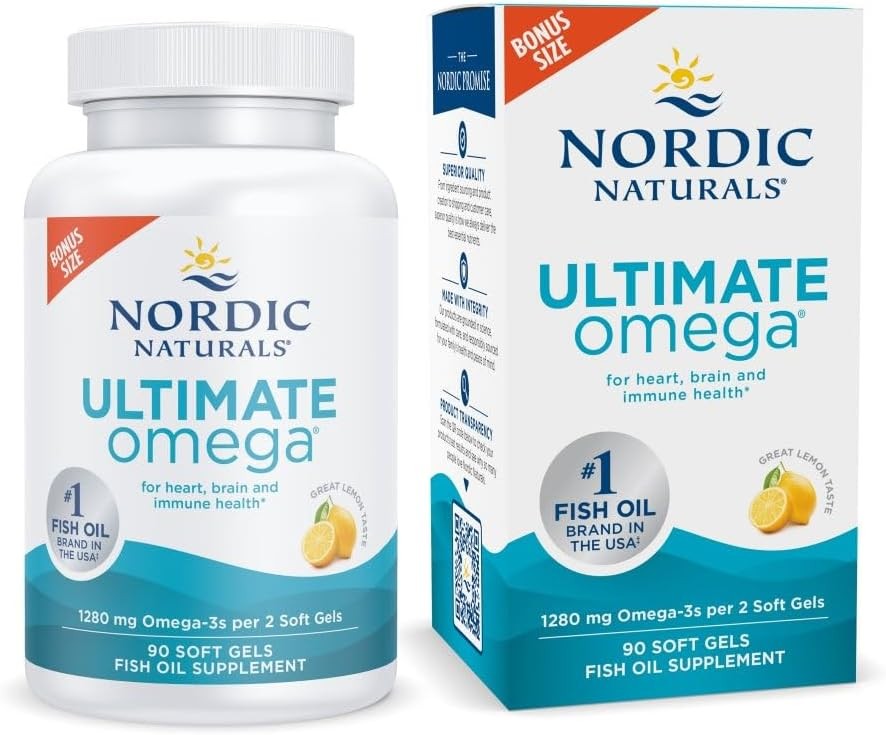
Nordic Naturals Ultimate Omega, Lemon Flavor - 90 Soft Gels - 1280 mg Omega-3 - High-Potency Omega-3 Fish Oil Supplem...
Check Price on AmazonAs an Amazon Associate we earn from qualifying purchases.
Nordic Naturals Ultimate Omega delivers one of the most concentrated and bioavailable omega-3 supplements available, providing 1,280mg of combined EPA and DHA per two-softgel serving. The triglyceride molecular form offers superior bioavailability compared to ethyl ester formulations, particularly when taken without food, ensuring efficient absorption and tissue incorporation. Each batch undergoes third-party testing by IFOS (International Fish Oil Standards) for purity and potency, verifying that contaminant levels fall well below regulatory thresholds while confirming EPA+DHA content matches label claims.
The 90-count bottle provides a 45-day supply at the standard two-softgel daily dose, suitable for cardiovascular disease prevention, cognitive support, and general health maintenance. The natural lemon flavor minimizes fishy aftertaste and burps that sometimes discourage compliance with omega-3 supplementation. Nordic Naturals employs molecular distillation to remove environmental contaminants while adding vitamin E as a natural preservative to prevent oxidation and maintain freshness throughout the product’s shelf life.
This formulation provides balanced EPA and DHA content (approximately 650mg EPA and 450mg DHA per serving), making it appropriate for comprehensive omega-3 optimization addressing cardiovascular, cognitive, and anti-inflammatory applications simultaneously. The dosing flexibility allows users to take one softgel daily (640mg EPA+DHA) for maintenance or two softgels (1,280mg) for therapeutic applications, matching dose ranges employed in clinical trials demonstrating cardiovascular and cognitive benefits.
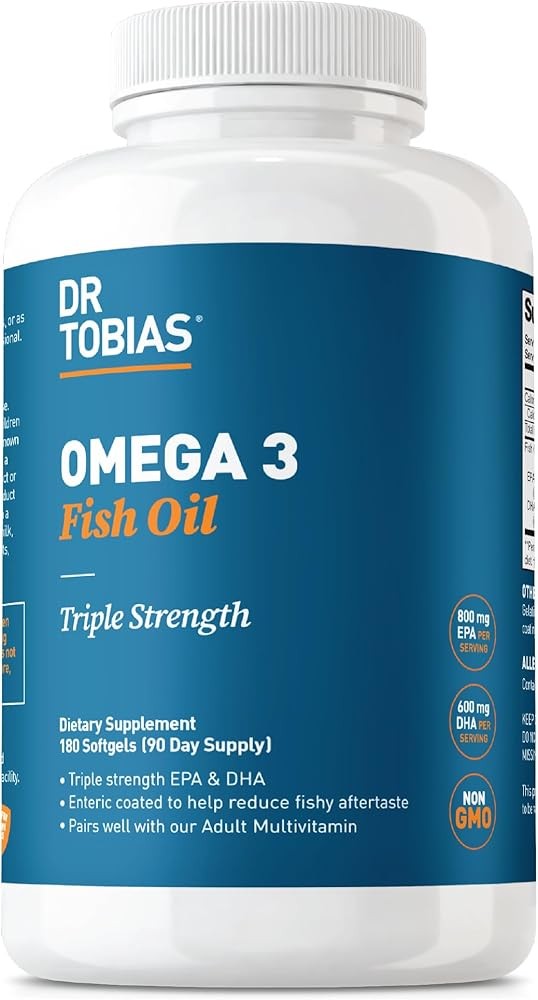
Dr. Tobias Omega 3 Fish Oil 2000mg Triple Strength with 800mg EPA 600mg DHA Per Serving | Fish Oil Omega 3 Supplement...
Check Price on AmazonAs an Amazon Associate we earn from qualifying purchases.
Dr. Tobias Omega 3 provides an affordable entry point for omega-3 supplementation without sacrificing potency, delivering 2,000mg of fish oil concentrate containing 800mg EPA and 600mg DHA per two-softgel serving. The 180-count bottle offers a 90-day supply at standard dosing, significantly extending the interval between reorders compared to smaller bottles while reducing the per-serving cost to among the lowest available for pharmaceutical-grade fish oil supplements.
The formulation uses ethyl ester molecular form, which achieves bioavailability comparable to triglyceride forms when taken with fatty meals. Users should consume these softgels with food containing at least 10-15g fat to optimize absorption and minimize gastrointestinal side effects. The product undergoes third-party testing for heavy metals, PCBs, and dioxins, though it doesn’t carry IFOS certification like some premium brands.
The EPA:DHA ratio of approximately 1.3:1 provides slightly EPA-dominant formulation that addresses cardiovascular health and inflammation while maintaining substantial DHA content for cognitive and visual support. This ratio works well for general health optimization and cardiovascular disease prevention, though individuals specifically targeting depression or severe hypertriglyceridemia might benefit from more EPA-skewed formulations.
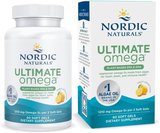
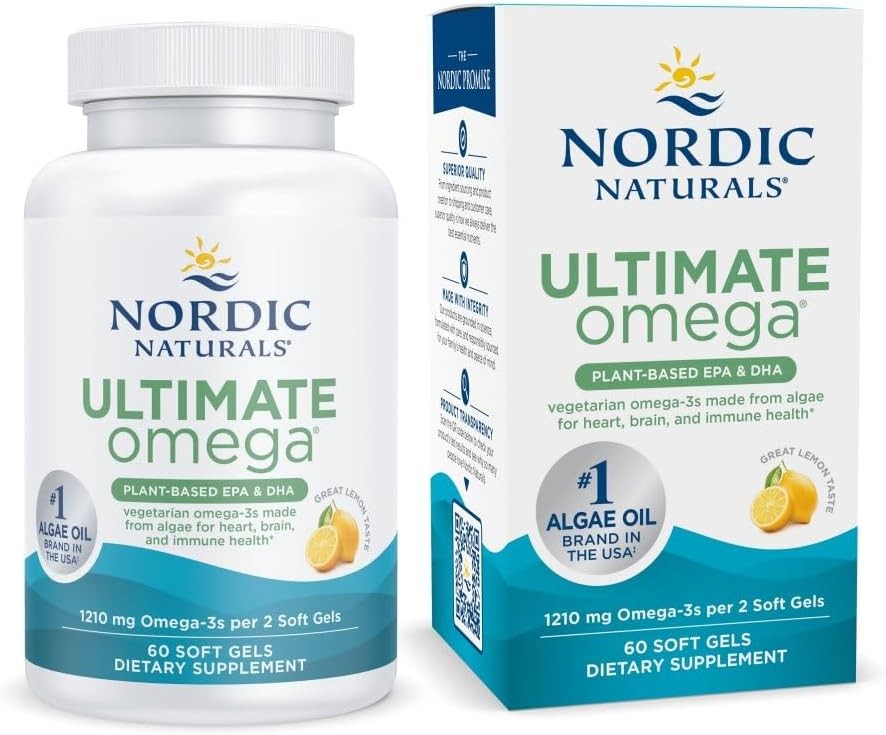
Nordic Naturals Plant Based Ultimate Omega, Lemon Flavor - 60 Vegetarian Soft Gels - 1210 mg Omega-3 - Vegan EPA and ...
Check Price on AmazonAs an Amazon Associate we earn from qualifying purchases.
Nordic Naturals Plant Based Ultimate Omega extracts EPA and DHA directly from microalgae, bypassing the marine food chain entirely while delivering bioavailability equivalent to fish-derived omega-3s. Each two-softgel serving provides 1,210mg of total omega-3s including substantial amounts of both EPA and DHA, making this one of the few algal supplements offering meaningful EPA content alongside the DHA that historically dominated vegetarian omega-3 products.
The algal source eliminates concerns about mercury, PCBs, and other environmental contaminants that accumulate in marine food webs, while also addressing ethical and sustainability concerns associated with fish-derived supplements. Microalgae represent the original source of EPA and DHA in ocean ecosystems—fish accumulate omega-3s by consuming algae-eating prey—making algal supplements a direct alternative that doesn’t deplete wild fish stocks or impact marine ecosystem health.
The vegetarian softgel casing uses modified cornstarch rather than gelatin, making the product suitable for vegetarians and vegans who might otherwise struggle to achieve adequate EPA and DHA intake through diet alone. The natural lemon flavor masks any algal taste, and the triglyceride molecular form ensures efficient absorption comparable to premium fish oil supplements. This product particularly benefits individuals following plant-based diets, those with fish allergies, and environmentally conscious consumers seeking sustainable omega-3 sources.
Nordic Naturals Ultimate Omega 180-count bottle provides identical formulation and quality to the 90-count option—1,280mg EPA+DHA per serving in triglyceride form with IFOS certification—while offering a 90-day supply at reduced per-serving cost. This value pack suits individuals committed to long-term omega-3 supplementation who want to minimize reorder frequency while maximizing cost efficiency.
The larger bottle format reduces packaging waste and environmental impact compared to purchasing multiple smaller bottles, aligning with sustainability considerations that increasingly influence supplement purchasing decisions. The extended supply also ensures continuity of supplementation without interruption, which proves important given that omega-3 tissue incorporation requires consistent intake over months to achieve and maintain optimal omega-3 index levels.
Storage considerations become more relevant with the larger bottle size: omega-3 supplements should be kept in cool, dark locations to minimize oxidative degradation, and users should monitor for any development of rancid odors or flavors indicating oxidation. The addition of vitamin E as a natural preservative and nitrogen flushing during manufacturing help maintain freshness throughout the product’s shelf life, even with the extended usage period of the 180-count bottle.
How Do Omega-3s Reduce Inflammation?
Chronic low-grade inflammation increasingly appears as a common underlying feature of numerous modern chronic diseases, including cardiovascular disease, type 2 diabetes, autoimmune conditions, neurodegenerative diseases, and even certain cancers. This “inflammaging”—the chronic inflammatory state associated with aging and metabolic dysfunction—partly reflects the dramatic shift in dietary fatty acid composition over the past century, with omega-6 fatty acids now dominating omega-3s by ratios of 15:1 or higher in typical Western diets.
EPA and DHA exert anti-inflammatory effects through multiple complementary mechanisms operating at molecular, cellular, and tissue levels. At the most fundamental level, omega-3 fatty acids compete with arachidonic acid (an omega-6 fatty acid) for incorporation into cell membrane phospholipids. When EPA and DHA displace arachidonic acid in membranes, they fundamentally alter the inflammatory mediators produced when phospholipases release fatty acids from membranes in response to inflammatory stimuli. EPA gives rise to 3-series prostaglandins and 5-series leukotrienes, which generally exert weaker pro-inflammatory effects than the 2-series prostaglandins and 4-series leukotrienes derived from arachidonic acid.
Beyond simply producing less inflammatory eicosanoids, EPA and DHA serve as precursors for specialized pro-resolving mediators (SPMs)—a recently discovered family of signaling molecules that actively terminate inflammation and promote tissue repair and healing. These SPMs include resolvins (derived from EPA and DHA), protectins (from DHA), and maresins (from DHA), which actively signal inflammatory resolution rather than simply blocking pro-inflammatory pathways. The discovery of SPMs has fundamentally revised our understanding of inflammation resolution: rather than being a passive process occurring when pro-inflammatory signals cease, resolution represents an active process requiring specific signaling molecules derived from omega-3 fatty acids.
Clinical trials consistently demonstrate that omega-3 supplementation reduces multiple inflammatory biomarkers in both healthy individuals and those with inflammatory conditions. Meta-analyses show significant reductions in C-reactive protein (CRP), interleukin-6 (IL-6), and tumor necrosis factor-alpha (TNF-α)—key inflammatory cytokines that predict chronic disease risk and progression (PubMed 22071806). The magnitude of inflammatory marker reduction generally correlates with dose and duration of supplementation, with higher doses (2-4g EPA+DHA daily) and longer treatment periods (3-6 months) producing more substantial effects.
Rheumatoid arthritis has emerged as one of the most extensively studied inflammatory conditions for omega-3 intervention. Multiple clinical trials and meta-analyses demonstrate that EPA+DHA supplementation at doses of 2.6-4g daily reduces joint pain, morning stiffness, number of tender joints, and NSAID usage in rheumatoid arthritis patients. While omega-3s don’t replace disease-modifying antirheumatic drugs (DMARDs) as primary treatment, they provide meaningful symptom reduction and may allow reduction in NSAID doses, potentially decreasing gastrointestinal and cardiovascular side effects associated with chronic NSAID use.
Inflammatory bowel diseases including Crohn’s disease and ulcerative colitis have shown variable responses to omega-3 intervention in clinical trials. Some studies demonstrate reduced disease activity and extended remission periods with omega-3 supplementation, while others fail to show benefits. The inconsistent results may reflect differences in disease severity, location of intestinal involvement, concurrent medications, and omega-3 doses employed. Specialized omega-3 formulations with enteric coating to release EPA and DHA in the distal small intestine and colon may prove more effective than standard supplements by delivering omega-3s directly to inflamed intestinal tissues.
Asthma and allergic conditions demonstrate associations with omega-3 intake in observational studies, with higher fish consumption and omega-3 blood levels correlating with reduced asthma prevalence and severity. Intervention trials show mixed results, with some demonstrating reduced bronchial hyperreactivity and improved asthma control with omega-3 supplementation, while others fail to show benefits. Maternal omega-3 supplementation during pregnancy has shown promise for reducing childhood asthma and allergy risk in offspring, potentially reflecting omega-3’s influence on immune system development during critical windows of fetal and early postnatal life.
Bottom line: EPA and DHA reduce inflammation through multiple mechanisms including displacement of arachidonic acid from cell membranes, production of less inflammatory eicosanoids, and synthesis of specialized pro-resolving mediators that actively signal inflammation resolution. Clinical trials demonstrate significant reductions in inflammatory biomarkers (CRP, IL-6, TNF-α) with 2-4g EPA+DHA daily, with particularly strong evidence supporting benefits for rheumatoid arthritis joint symptoms, though effects on inflammatory bowel disease and asthma show variable results across studies.
What Is the Right Omega-3 Dosage?
Determining optimal omega-3 dosage requires balancing multiple factors including the specific health condition being addressed, baseline omega-3 status, dietary intake, body weight, and individual metabolic factors that influence EPA and DHA incorporation into tissues. General health recommendations differ substantially from therapeutic doses targeting specific conditions, and the distinction between EPA and DHA content matters more than simply total omega-3 intake.
For general health maintenance and cardiovascular disease prevention in healthy adults, major health organizations recommend 250-500mg combined EPA+DHA daily. The American Heart Association suggests at least two servings of fatty fish per week, providing approximately 500mg EPA+DHA daily for individuals without documented cardiovascular disease. This baseline recommendation aims to support cardiovascular health, maintain adequate brain DHA levels, and provide anti-inflammatory benefits sufficient for individuals at average chronic disease risk.
Individuals with established cardiovascular disease or multiple risk factors may benefit from higher doses of 1-2g EPA+DHA daily. This range reflects dosing employed in secondary prevention trials demonstrating cardiovascular mortality reduction, though recent evidence suggests that even higher doses may prove more effective. The REDUCE-IT trial’s success with 4g daily EPA has raised questions about whether traditional 1-2g recommendations may be insufficient for individuals at high cardiovascular risk.
Severe hypertriglyceridemia (triglycerides above 500mg/dL) requires prescription omega-3 formulations providing 3-4g EPA+DHA daily to achieve the 25-30% triglyceride reductions that meaningfully reduce cardiovascular risk. These high doses generally necessitate pharmaceutical-grade products to minimize capsule burden—achieving 4g EPA+DHA from typical over-the-counter supplements requires 6-8 large capsules daily, creating compliance challenges that prescription products with higher concentrations per capsule address.
Depression and other mood disorders respond best to EPA-dominant formulations providing 1-2g EPA daily with minimal DHA content. Meta-analyses demonstrate that EPA-rich formulations (EPA comprising at least 60% of total EPA+DHA) produce antidepressant effects, while DHA-dominant or balanced formulations generally fail to show benefits. This specificity suggests distinct mechanisms for EPA’s mood effects compared to DHA’s structural neuronal functions.
Cognitive support and age-related cognitive decline respond to DHA-dominant supplementation, with clinical trials typically employing 900-1,000mg DHA daily. The cognitive benefits of DHA supplementation appear most pronounced in individuals with age-related cognitive decline or low baseline omega-3 status, while effects in cognitively healthy adults or those with established dementia remain less certain.
Pregnancy and lactation require particular attention to DHA intake, with most organizations recommending at least 200-300mg DHA daily throughout pregnancy and breastfeeding. Some guidelines suggest higher targets of 600mg DHA daily, reflecting DHA’s critical role in fetal brain and visual system development. Pregnant women should select omega-3 supplements specifically tested for mercury and other contaminants, or choose algal-derived products that eliminate marine contaminant concerns entirely.
Inflammatory conditions including rheumatoid arthritis, inflammatory bowel disease, and chronic inflammatory states generally benefit from higher omega-3 doses of 2-4g EPA+DHA daily. These doses appear necessary to achieve the membrane fatty acid composition changes and specialized pro-resolving mediator production that mediate anti-inflammatory effects. Lower doses may provide insufficient EPA and DHA to meaningfully alter inflammatory pathways in the presence of active inflammatory disease.
The omega-3 index test provides objective assessment of omega-3 status by measuring EPA+DHA as a percentage of total red blood cell membrane fatty acids. Values below 4% indicate high cardiovascular risk and likely deficiency, 4-8% represents intermediate status, and above 8% correlates with optimal cardiovascular protection. Most Americans demonstrate indices of 4-6%, indicating widespread suboptimal status despite absence of overt deficiency symptoms. Measuring omega-3 index before and 3-6 months after initiating supplementation enables personalized dose optimization targeting index values above 8%.
Safety data support omega-3 supplementation at doses up to 5g daily long-term with minimal adverse effects. Common side effects include mild gastrointestinal symptoms, fishy burps, and loose stools at higher doses. Bleeding concerns have proven largely theoretical—meta-analyses examining omega-3 supplementation in patients taking anticoagulant or antiplatelet medications find no significant increase in major bleeding events even at doses of 4-5g daily (PubMed 28716985). However, individuals scheduled for surgery should inform their surgeons about omega-3 supplementation, as some surgeons prefer discontinuation 1-2 weeks before major procedures despite limited evidence of increased bleeding risk.
Some individuals experience slight elevations in LDL cholesterol with high-dose omega-3 supplementation. However, detailed lipoprotein analysis typically reveals that these increases reflect rises in large, buoyant LDL particles rather than small dense LDL—the atherogenic subtype strongly associated with cardiovascular risk. The clinical significance of LDL increases with omega-3 supplementation remains uncertain, particularly given concurrent improvements in triglycerides, HDL cholesterol, and inflammatory markers that likely outweigh any concerns about LDL cholesterol changes.
Achieving and maintaining optimal omega-3 status requires several months of consistent supplementation or dietary intake, reflecting the time needed for EPA and DHA to incorporate into cell membranes throughout the body. Initial effects on blood lipids and inflammatory markers may occur within 2-4 weeks, but neurological and cognitive effects requiring membrane incorporation typically require 3-6 months of consistent supplementation. This timeline emphasizes the importance of sustained, long-term omega-3 optimization rather than short-term supplementation approaches.
Bottom line: Optimal omega-3 dosing varies by application—250-500mg EPA+DHA daily for general health maintenance, 1-2g daily for cardiovascular disease prevention and mild cognitive support, 2-4g daily for inflammatory conditions and depression, and 200-600mg DHA daily for pregnancy—with safety data supporting up to 5g daily long-term use in adults and minimal bleeding complications even at high doses. Measuring omega-3 index (target above 8% for cardiovascular protection) provides objective assessment for personalizing dosing, with most Americans at marginal 4-6% levels requiring 3-6 months of consistent supplementation to achieve optimal tissue incorporation.
What Are the Best Sources and Forms of Omega-3s?
Selecting an appropriate omega-3 source and formulation involves navigating a complex landscape of options, each with distinct advantages, disadvantages, and appropriate applications. Understanding these differences enables informed decisions that optimize bioavailability, safety, sustainability, and cost-effectiveness while meeting individual health goals and dietary preferences.
What Are the Differences Between Fish Sources?
Fatty fish species vary considerably in omega-3 content, contaminant levels, sustainability, and taste profiles. Salmon, particularly wild-caught varieties, provides one of the most concentrated omega-3 sources at approximately 1.5-2g per 100g serving. Mackerel offers even higher concentrations at 2.5-3g per 100g, along with high vitamin D content. Sardines and anchovies provide excellent omega-3 concentrations (1.5-2g per 100g) with minimal mercury and persistent organic pollutant accumulation due to their small size and low position in the food chain.
The farmed versus wild-caught distinction carries important implications. Farmed salmon typically contains higher total omega-3 levels than wild salmon (2-2.5g versus 1.5-2g per 100g) but demonstrates different fatty acid profiles, with higher omega-6 content from grain-based feeds potentially partially offsetting omega-3 benefits. Farmed fish may also contain higher levels of persistent organic pollutants (PCBs, dioxins, organochlorine pesticides) accumulated from feed ingredients, though improvements in aquaculture practices have reduced contamination levels in recent years. Wild-caught fish generally contain lower contaminant levels but face sustainability concerns given overfishing pressures on many wild fish populations.
Smaller fish species (sardines, anchovies, herring) offer optimal balance of high omega-3 content, low contamination risk, and sustainable fishery practices. These species reproduce rapidly, reach maturity quickly, and don’t bioaccumulate mercury to the same degree as larger predatory fish like tuna and swordfish. Their lower commercial value and abundant populations make them environmentally preferable choices for regular consumption.
How Do Fish Oil Supplement Forms Differ?
Fish oil supplements come in several chemical forms with significantly different bioavailability and stability characteristics. Natural triglyceride form represents the native form of omega-3s in fish, with EPA and DHA esterified to a glycerol backbone. Ethyl ester form results from industrial processing that removes glycerol and attaches EPA and DHA to ethanol molecules, creating a more concentrated product that allows higher EPA+DHA content per capsule. Re-esterified triglyceride form undergoes additional processing to convert ethyl esters back to triglycerides, theoretically combining concentration advantages with improved bioavailability.
Bioavailability studies demonstrate that re-esterified triglyceride and natural triglyceride forms generally produce higher blood EPA+DHA levels than ethyl ester forms when consumed under similar conditions. However, the bioavailability disadvantage of ethyl esters largely disappears when supplements are taken with fatty meals, which dramatically enhance ethyl ester absorption. This food effect creates practical considerations: individuals who take supplements with meals may see equivalent bioavailability across forms, while those taking supplements on an empty stomach benefit more from triglyceride forms.
Phospholipid form, typically derived from krill or other crustaceans, attaches EPA and DHA to phospholipid molecules rather than triglycerides. Proponents argue that phospholipid-bound omega-3s achieve superior bioavailability due to their similarity to cell membrane phospholipids and potential for enhanced intestinal absorption. However, comparative bioavailability studies show variable results, with some finding advantages for phospholipid forms and others showing equivalence to triglyceride forms. The higher cost of krill oil and lower EPA+DHA concentration per capsule (typically 200-300mg versus 500-1000mg for fish oil) create practical limitations.
What About Algal Oil for Vegetarians?
Algal oil supplements extract omega-3s directly from microalgae, bypassing the marine food chain entirely and providing a vegetarian/vegan alternative to fish-derived omega-3s. First-generation algal supplements provided primarily DHA with minimal EPA, limiting their applications to DHA-focused indications like pregnancy and cognitive support. Recent formulations have successfully increased EPA content, with some products now offering balanced EPA:DHA ratios comparable to fish oil.
Bioavailability studies demonstrate that algal DHA achieves blood and tissue levels equivalent to fish oil-derived DHA, validating algal oil as an effective alternative for individuals avoiding fish products due to dietary preferences, allergies, or ethical concerns. The absence of marine contaminants represents an additional advantage, eliminating concerns about mercury, PCBs, and microplastic exposure. However, algal oil supplements typically cost more per gram of EPA+DHA than fish oil supplements, creating an economic barrier for some consumers.
Environmental sustainability assessments generally favor algal oil over fish oil, given that algae cultivation doesn’t deplete wild fish stocks or impact marine ecosystems. Closed-system algae cultivation also offers potential for reduced environmental impact compared to open-ocean aquaculture, though the energy inputs required for algae cultivation and processing must be considered in comprehensive lifecycle analyses.
How Important Is Purity and Third-Party Testing?
Contamination concerns represent legitimate considerations for fish-derived omega-3 supplements, given that industrial pollutants—including mercury, PCBs, dioxins, and organochlorine pesticides—accumulate in marine food webs and can concentrate in fish oils if not adequately removed during processing. Reputable manufacturers employ molecular distillation and other purification technologies that reduce contaminant levels to well below regulatory limits and health-based thresholds.
Third-party testing and certification programs provide independent verification of supplement purity, potency, and quality. Organizations like IFOS (International Fish Oil Standards), USP (United States Pharmacopeia), and NSF International test omega-3 supplements against strict purity criteria and verify that EPA+DHA content matches label claims. Products bearing these certifications have undergone rigorous testing demonstrating contaminant levels below established safety thresholds and confirming accurate label claims.
The oxidation state of omega-3 supplements represents another critical quality parameter often overlooked by consumers. EPA and DHA’s high degree of unsaturation makes them susceptible to oxidative degradation, producing rancid odors, off-flavors, and potentially harmful oxidation products. Fresh, high-quality fish oil should have minimal fishy odor or taste, while strong fishy smells indicate oxidation. Manufacturers employ various strategies to minimize oxidation, including adding antioxidants (vitamin E, rosemary extract), using opaque bottles, and providing nitrogen flushing to displace oxygen. Consumers should store omega-3 supplements in cool, dark locations and discard products that develop rancid odors or flavors.
Bottom line: Fatty fish species vary dramatically in omega-3 content (1.5-3g per 100g) and contaminant risk, with small species like sardines and anchovies offering optimal balance of high EPA+DHA, low mercury, and sustainability, while supplement forms demonstrate different bioavailability—re-esterified triglycerides and natural triglycerides generally outperform ethyl esters except when taken with fatty meals. Third-party testing certifications (IFOS, USP, NSF) provide essential verification of purity and potency, with algal oils delivering equivalent bioavailability for vegetarians without marine ecosystem impact.
What Are the Signs of Omega-3 Deficiency?
While overt omega-3 deficiency severe enough to produce clinical syndromes remains rare in developed countries, suboptimal omega-3 status affecting a substantial portion of the population may manifest through subtle signs and symptoms that often go unrecognized. Understanding these potential indicators enables individuals to identify when omega-3 optimization might benefit their health, though definitive diagnosis requires objective assessment through blood omega-3 testing rather than relying solely on subjective symptoms.
Dry, rough, or flaky skin represents one of the most common manifestations of inadequate omega-3 intake, reflecting fatty acids’ fundamental roles in maintaining skin barrier function and regulating inflammation in dermal tissues. The stratum corneum, skin’s outermost layer, requires adequate essential fatty acids to maintain its lipid lamellae structure that may help reduce risk of transepidermal water loss. Omega-3 insufficiency compromises this barrier function, leading to increased water evaporation and dry skin despite adequate hydration. Small, rough bumps on the backs of arms or thighs (keratosis pilaris) may also reflect omega-3 insufficiency, as fatty acid imbalances affect keratinocyte differentiation and follicular keratinization.
Hair changes—including excessive dryness, brittleness, thinning, and dandruff—may indicate suboptimal omega-3 status. Hair follicles require adequate omega-3 fatty acids for normal growth cycles and to maintain the lipid-rich sebum that provides hair shaft lubrication and protection. While numerous factors influence hair health, persistent hair problems despite adequate general nutrition might warrant evaluation of omega-3 status, particularly when occurring alongside other potential insufficiency indicators.
Inflammatory joint symptoms—including joint stiffness, swelling, tenderness, or morning stiffness lasting more than 30 minutes—may partially reflect inadequate omega-3 intake in some individuals, particularly those with inflammatory arthritis conditions. Given omega-3s’ well-established anti-inflammatory effects and clinical trial evidence for joint symptom improvement with supplementation, unexplained or undertreated joint inflammation represents a potential indicator of omega-3 insufficiency worth investigating.
Fatigue and difficulty concentrating, while extraordinarily non-specific symptoms with countless potential causes, may sometimes trace to suboptimal brain DHA status. Given DHA’s critical role in neuronal membrane function, neurotransmitter signaling, and neuroplasticity, chronic DHA insufficiency could theoretically impair cognitive performance and contribute to mental fatigue. However, these symptoms alone cannot indicate omega-3 insufficiency without excluding the numerous other potential causes including sleep disorders, thyroid dysfunction, anemia, depression, and countless other medical conditions.
Mood symptoms—particularly depression, anxiety, irritability, or mood swings—show associations with omega-3 status in multiple epidemiological studies, with lower omega-3 intake and blood levels correlating with increased mood disorder risk. However, the bidirectional nature of this relationship complicates interpretation: does omega-3 insufficiency cause mood problems, or do mood problems lead to dietary changes that reduce omega-3 intake? Clinical trial evidence for mood improvement with omega-3 supplementation (particularly for depression) suggests at least partial causality from omega-3 insufficiency to mood symptoms.
Cardiovascular symptoms and signs potentially associated with suboptimal omega-3 status include elevated blood pressure, particularly in individuals with hypertension or prehypertension; elevated triglycerides (fasting levels above 150 mg/dL); and irregular heart rhythms. While numerous factors influence these cardiovascular parameters, persistently elevated triglycerides despite lifestyle modifications or cardiovascular symptoms in the context of other omega-3 insufficiency indicators might warrant omega-3 optimization as part of comprehensive cardiovascular risk management.
Visual symptoms including dry eyes, night vision difficulties, or age-related visual changes may reflect inadequate DHA status given the retina’s extraordinarily high DHA concentration. Dry eye symptoms particularly show associations with omega-3 intake in observational studies, and several trials demonstrate symptom improvement with supplementation. Progressive night vision decline or slow dark adaptation, while often attributed to normal aging or vitamin A insufficiency, might also reflect suboptimal retinal DHA status in some individuals.
The omega-3 index test measures EPA+DHA as a percentage of total red blood cell membrane fatty acids, providing an objective biomarker of long-term omega-3 status that reflects tissue levels throughout the body. Values below 4% indicate high cardiovascular risk and likely suboptimal omega-3 status, 4-8% represents intermediate status, and above 8% correlates with cardioprotective omega-3 levels. Most Americans demonstrate indices in the 4-6% range, confirming widespread suboptimal omega-3 status despite absence of overt clinical syndromes.
Bottom line: Subtle signs potentially indicating suboptimal omega-3 status include dry/flaky skin, brittle hair, dandruff, joint stiffness, persistent fatigue, difficulty concentrating, mood changes, elevated triglycerides, dry eyes, and chronic inflammatory conditions, though these non-specific symptoms require objective confirmation through omega-3 index testing rather than self-diagnosis. Most Americans demonstrate omega-3 indices of 4-6% (intermediate status) compared to optimal cardioprotective levels above 8%, indicating widespread suboptimal status that may contribute to chronic disease risk even without producing overt clinical syndromes.
Related Reading
-
Best Curcumin Supplements: Bioavailability and Anti-Inflammatory Benefits
-
Vitamin D3 and K2: Why You Need Both for Bone and Heart Health
-
Magnesium Glycinate vs Other Forms: Absorption and Benefits Compared
-
Methylfolate (5-MTHF): Active Folate for MTHFR Gene Variants
-
NAC (N-Acetyl Cysteine): Antioxidant and Glutathione Support
-
Berberine for Blood Sugar and Metabolic Health
-
CoQ10 Ubiquinol: Heart Health and Cellular Energy
-
Probiotics and Gut Health: Strain Selection Guide
-
Omega-3 for Heart Health: How Much EPA and DHA Do You Actually Need?
-
Omega-3 Fish Oil Benefits: EPA vs DHA - The Complete Science-Based Guide
-
Omega-3 Fish Oil Benefits: EPA vs DHA - A Comprehensive Guide
References
-
Burdge GC, Calder PC. Conversion of alpha-linolenic acid to longer-chain polyunsaturated fatty acids in human adults. Reprod Nutr Dev. 2005;45(5):581-597. PubMed 16188209
-
Dacks PA, Shineman DW, Fillit HM. Current evidence for the clinical use of long-chain polyunsaturated n-3 fatty acids to prevent age-related cognitive decline and Alzheimer’s disease. J Nutr Health Aging. 2013;17(3):271-275. PubMed 24805797
-
Skulas-Ray AC, Wilson PWF, Harris WS, et al. Omega-3 fatty acids for the management of hypertriglyceridemia: a science advisory from the American Heart Association. Circulation. 2019;140(12):e673-e691. PubMed 31838771
-
Miller PE, Van Elswyk M, Alexander DD. Long-chain omega-3 fatty acids eicosapentaenoic acid and docosahexaenoic acid and blood pressure: a meta-analysis of randomized controlled trials. Am J Hypertens. 2014;27(7):885-896. PubMed 24527677
-
Bhatt DL, Steg PG, Miller M, et al. Cardiovascular risk reduction with icosapent ethyl for hypertriglyceridemia. N Engl J Med. 2019;380(1):11-22. PubMed 30415628
-
Tavazzi L, Maggioni AP, Marchioli R, et al. Effect of n-3 polyunsaturated fatty acids in patients with chronic heart failure: a randomised, double-blind, placebo-controlled trial. Lancet. 2008;372(9645):1223-1230. PubMed 18757090
-
Yurko-Mauro K, McCarthy D, Rom D, et al. Beneficial effects of docosahexaenoic acid on cognition in age-related cognitive decline. Alzheimers Dement. 2010;6(6):456-464. PubMed 20434961
-
Stonehouse W, Conlon CA, Podd J, et al. DHA supplementation improved both memory and reaction time in healthy young adults: a randomized controlled trial. Am J Clin Nutr. 2013;97(5):1134-1143. PubMed 23515006
-
Liao Y, Xie B, Zhang H, et al. Efficacy of omega-3 PUFAs in depression: a meta-analysis. Transl Psychiatry. 2019;9(1):190. PubMed 31504933
-
Chang JP, Su KP, Mondelli V, Pariante CM. Omega-3 polyunsaturated fatty acids in youths with attention deficit hyperactivity disorder: a systematic review and meta-analysis of clinical trials and biological studies. Neuropsychopharmacology. 2018;43(3):534-545. PubMed 28886145
-
Li K, Huang T, Zheng J, Wu K, Li D. Effect of marine-derived n-3 polyunsaturated fatty acids on C-reactive protein, interleukin 6 and tumor necrosis factor α: a meta-analysis. PLoS One. 2014;9(2):e88103. PubMed 22071806
-
Vannice G, Rasmussen H. Position of the Academy of Nutrition and Dietetics: dietary fatty acids for healthy adults. J Acad Nutr Diet. 2014;114(1):136-153. PubMed 28716985
Recommended Products